Food & drink / Oxford
The Chequers
A 15th-century moneylender’s house down a narrow passage, rebuilt as a tavern in the 1500s.
01 / Why it matters
More than a stop on a list.
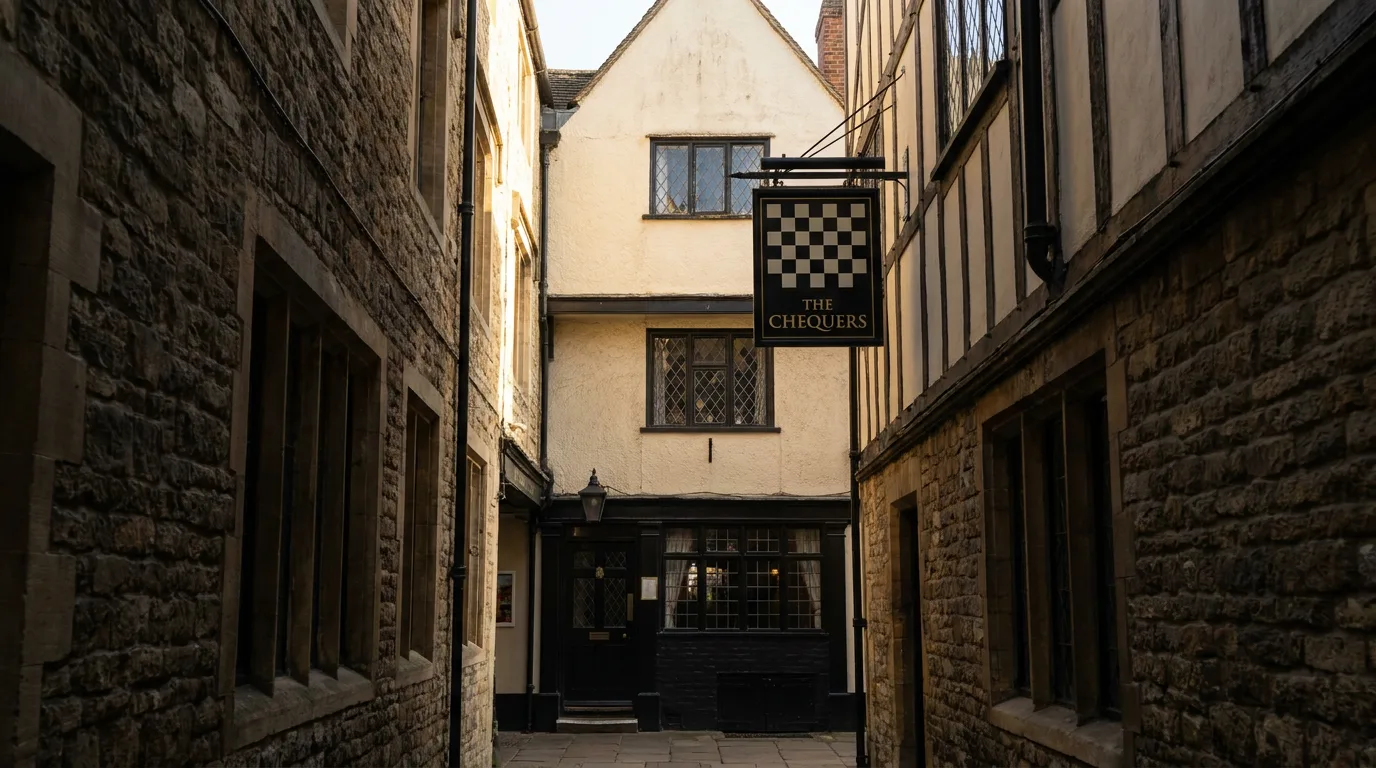
One of the easiest historic pubs in Oxford to walk straight past — a tall, narrow courtyard building reached down an alley off the High Street.
The Chequers is reached down a passage so narrow most people on the High Street never notice it. That is a good part of its character: a tall, galleried building set back in its own yard, invisible from the street it belongs to. In the fifteenth century the building was a private house occupied by a moneylender, and that is where the name comes from — the chequerboard was the money-changer’s sign, from the checked cloth used for counting. Much of the interior dates from the 1500s, when the tenement was rebuilt as a tavern. It has been an inn ever since, appearing in the 1772 survey of Oxford taken after the Mileways Act and advertised for auction in Jackson’s Oxford Journal in 1786. The stained glass, dark panelling and the yard are the reasons to come.
02 / The essentials
What makes it remarkable.
- 01
A private house belonging to a moneylender in the fifteenth century.
- 02
The name comes from the chequerboard, the old sign of the money-changer.
- 03
Much of the present interior dates from the 1500s, when the building was rebuilt as a tavern.
- 04
Listed in the 1772 survey of Oxford and advertised for sale in Jackson’s Oxford Journal in 1786.
- 05
Set back in its own yard down a narrow passage off the High Street.
03 / The place
The building in context.
A story written in stone since 1500.
- Built
- Earliest supported date: 1500
- Style
- Historic Oxford public house
04 / Before you go
Plan it well.
Enjoy it properly.
Practical detail, separated from the story so you can scan what matters when you are ready to visit.
Tickets & entry
Free to enter; you pay for what you drink and eat. No admission charge.
Opening hours
Ordinary pub hours, which change with the season, the day and the licensee — check the pub’s own page before making a special journey. Most Oxford pubs serve food at lunchtime and in the evening rather than all day.
Continue exploring / Oxford
What will you
do next?
Compare the practical essentials first, then open the experiences that earn a place in your plans.
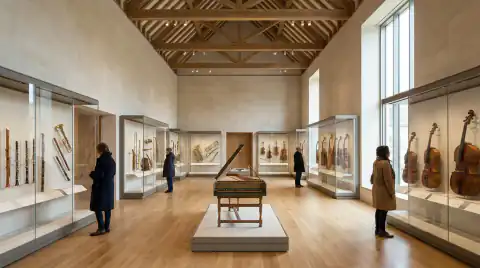 01Culture & historyBate Collection of Musical InstrumentsExplore experience →
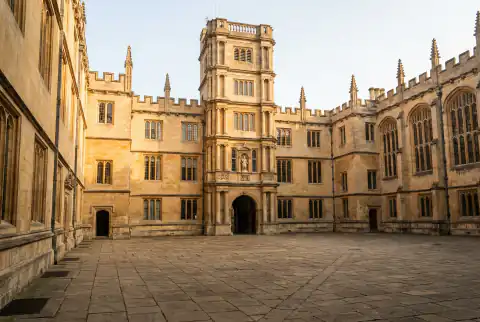 02Culture & historyBodleian Library guided tourExplore experience →
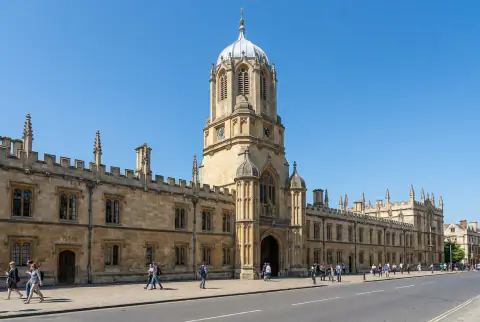 03Culture & historyChrist ChurchExplore experience →
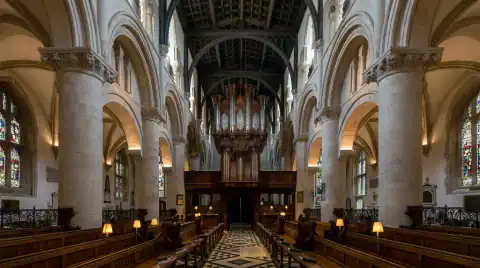 04Culture & historyChrist Church CathedralExplore experience →
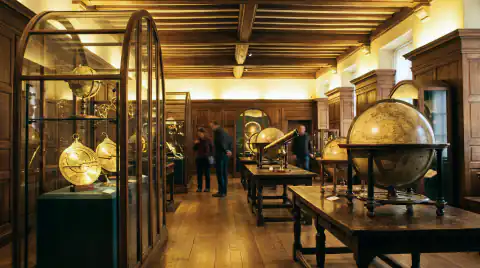 05Culture & historyHistory of Science MuseumExplore experience →
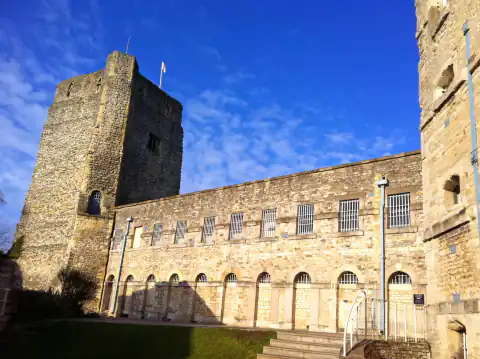 06Culture & historyOxford CastleExplore experience →
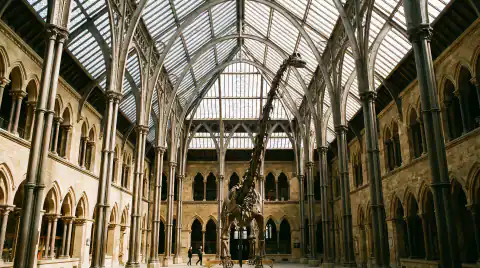 07Culture & historyOxford University Museum of Natural HistoryExplore experience →
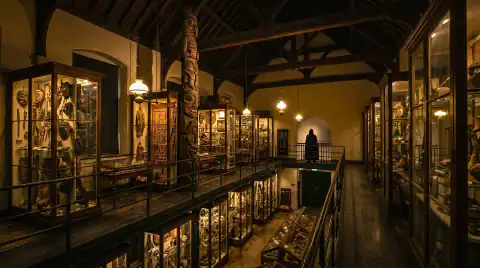 08Culture & historyPitt Rivers MuseumExplore experience →
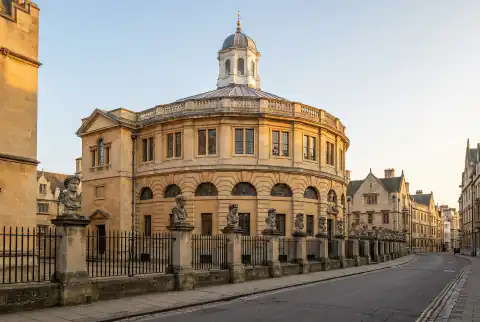 09Culture & historySheldonian TheatreExplore experience →
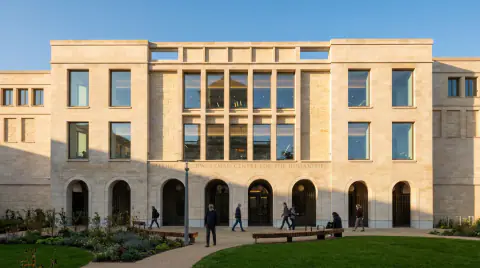 10Culture & historyStephen A. Schwarzman Centre for the HumanitiesExplore experience →
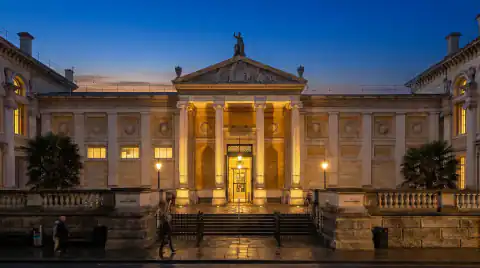 11Culture & historyThe Ashmolean MuseumExplore experience →
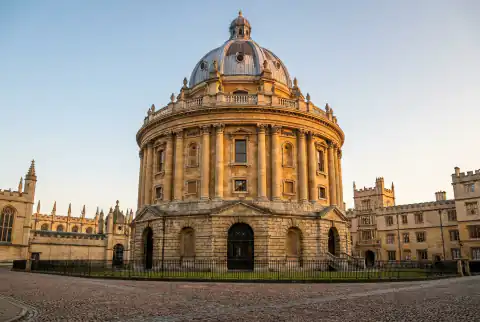 12Culture & historyThe Radcliffe CameraExplore experience →
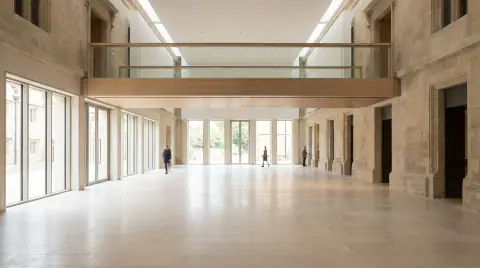 13Culture & historyThe Weston LibraryExplore experience →
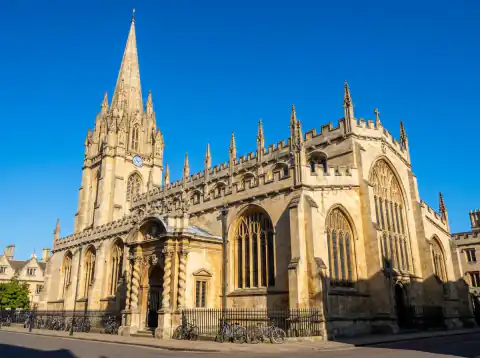 14Culture & historyUniversity Church of St Mary the VirginExplore experience →
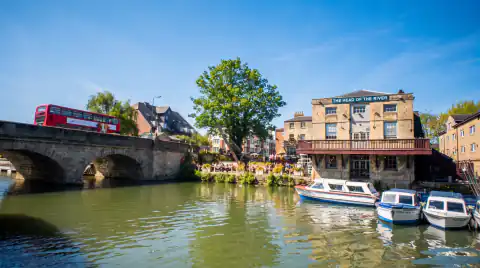 15Food & drinkHead of the RiverExplore experience →
 16Food & drinkLe Manoir aux Quat’SaisonsExplore experience →
 17Food & drinkOxford Covered MarketExplore experience →
 18Food & drinkThe Bear InnExplore experience →
 19Food & drinkThe Eagle and ChildExplore experience →
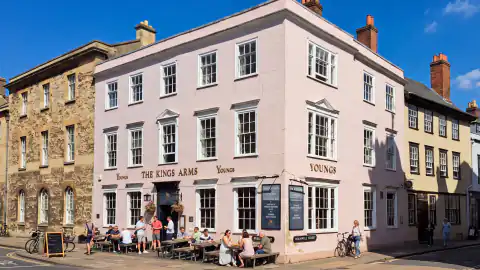 20Food & drinkThe King’s ArmsExplore experience →
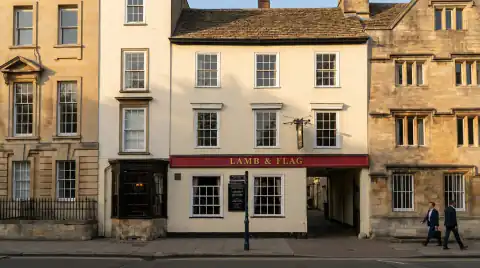 21Food & drinkThe Lamb & FlagExplore experience →
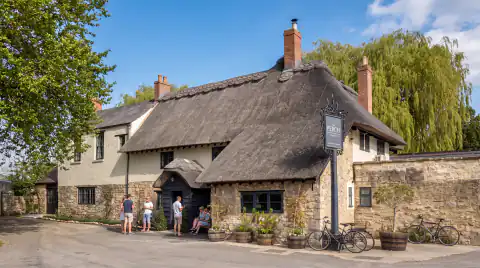 22Food & drinkThe PerchExplore experience →
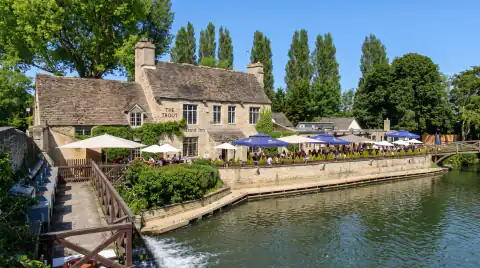 23Food & drinkThe Trout InnExplore experience →
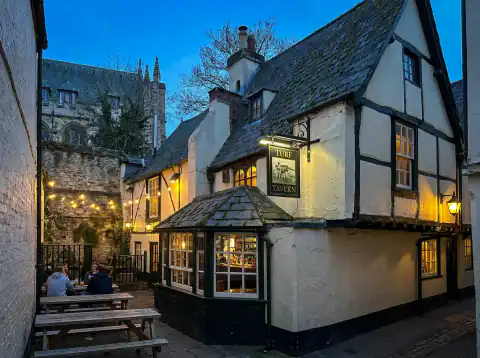 24Food & drinkThe Turf TavernExplore experience →
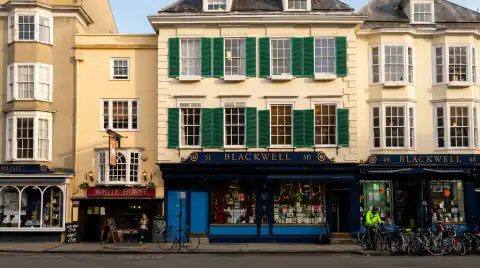 25Food & drinkThe White HorseExplore experience →
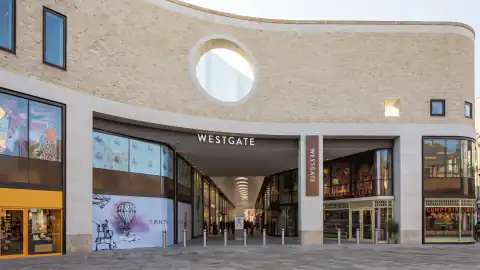 26Food & drinkWestgate OxfordExplore experience →
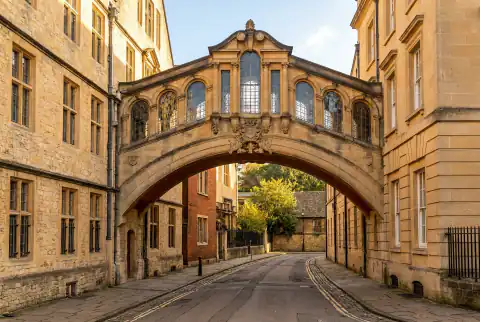 27Walks & viewsThe Bridge of SighsExplore experience →
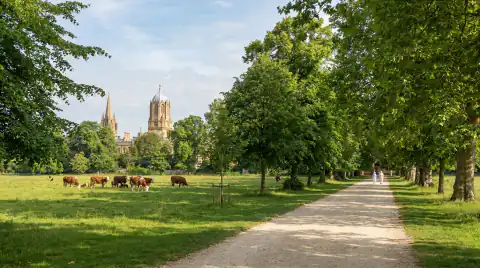 28Parks & meadowsChrist Church MeadowExplore experience →
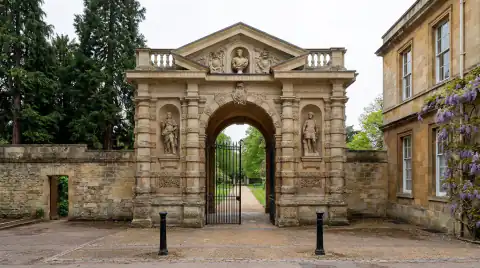 29Parks & meadowsOxford Botanic GardenExplore experience →
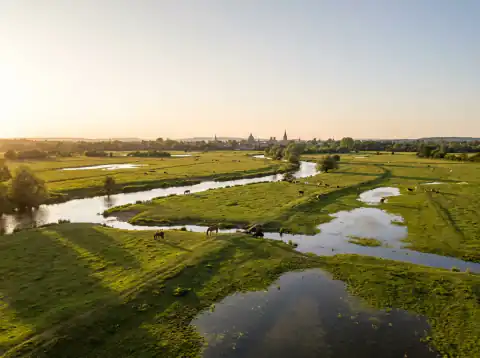 30Parks & meadowsPort MeadowExplore experience →
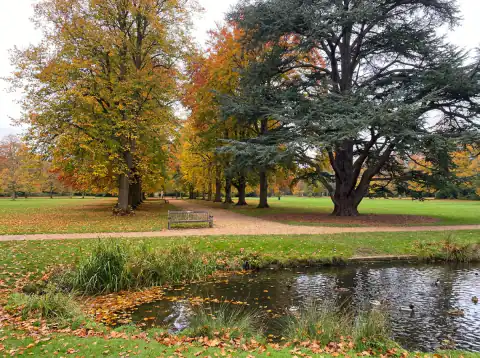 31Parks & meadowsUniversity ParksExplore experience →
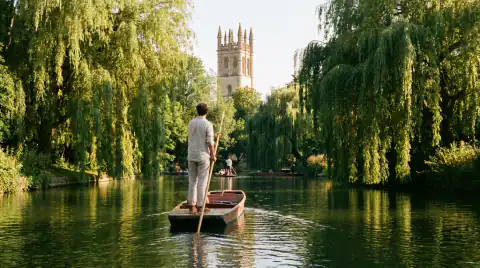 32On the waterPunt the CherwellExplore experience →
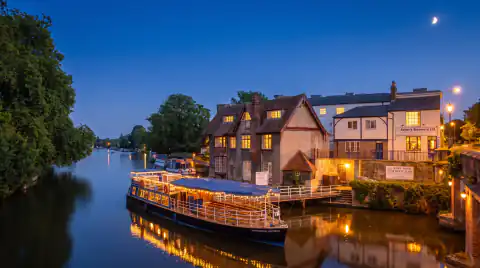 33On the waterSalter's SteamersExplore experience →
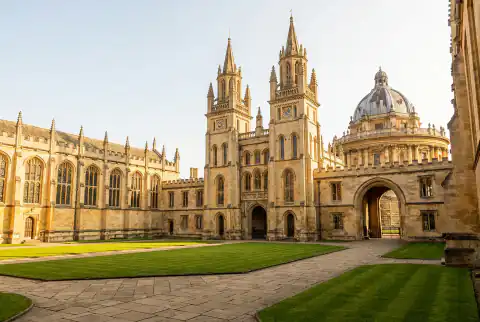 43CollegesAll the collegesEvery Oxford collegeOpen the college guide →Food & drink / a storyThe nine oldest pubsWalk the timeline →
 Plan / Itinerary builderBuild your Oxford dayStart planning →
05 / Where it is
Find it
and what’s nearby.
05 / Good to know
Questions,
answered.
01Where exactly is it?
Down a narrow covered passage on the south side of the High Street. It is easy to miss — look for the alley rather than a frontage.
02Why is it called the Chequers?
The building belonged to a moneylender, and the chequerboard was the money-changer’s traditional sign.
03Is the interior original?
Much of it dates from the 1500s rebuilding, though like every working pub it has been altered since.