Oxford college visitor guide
The best Oxford colleges to visit.
Christ Church brings together the Great Hall and cathedral in one timed visit. Magdalen has cloisters and a riverside walk, while Trinity fits into a shorter stop on Broad Street. Compare ten colleges by what you can see, how to get in and how long to allow.
- Compared
- 10 colleges
- Last reviewed
- 18 November 2026
- Basis
- Visitor experience
The short answer
Which Oxford college should you visit?
For a half-day, pair Christ Church with Merton if their visiting hours overlap. For a shorter stop, allow 30–45 minutes at Trinity. Magdalen is the choice for more time outdoors, with grounds that stretch towards the Cherwell.
The complete comparison
Ten colleges. Ten different reasons to go.
Ranked for the quality of the visitor experience—not academic reputation. Compare the character, highlights, time commitment and access model, then confirm opening information before travelling.
01The complete first Oxford visit
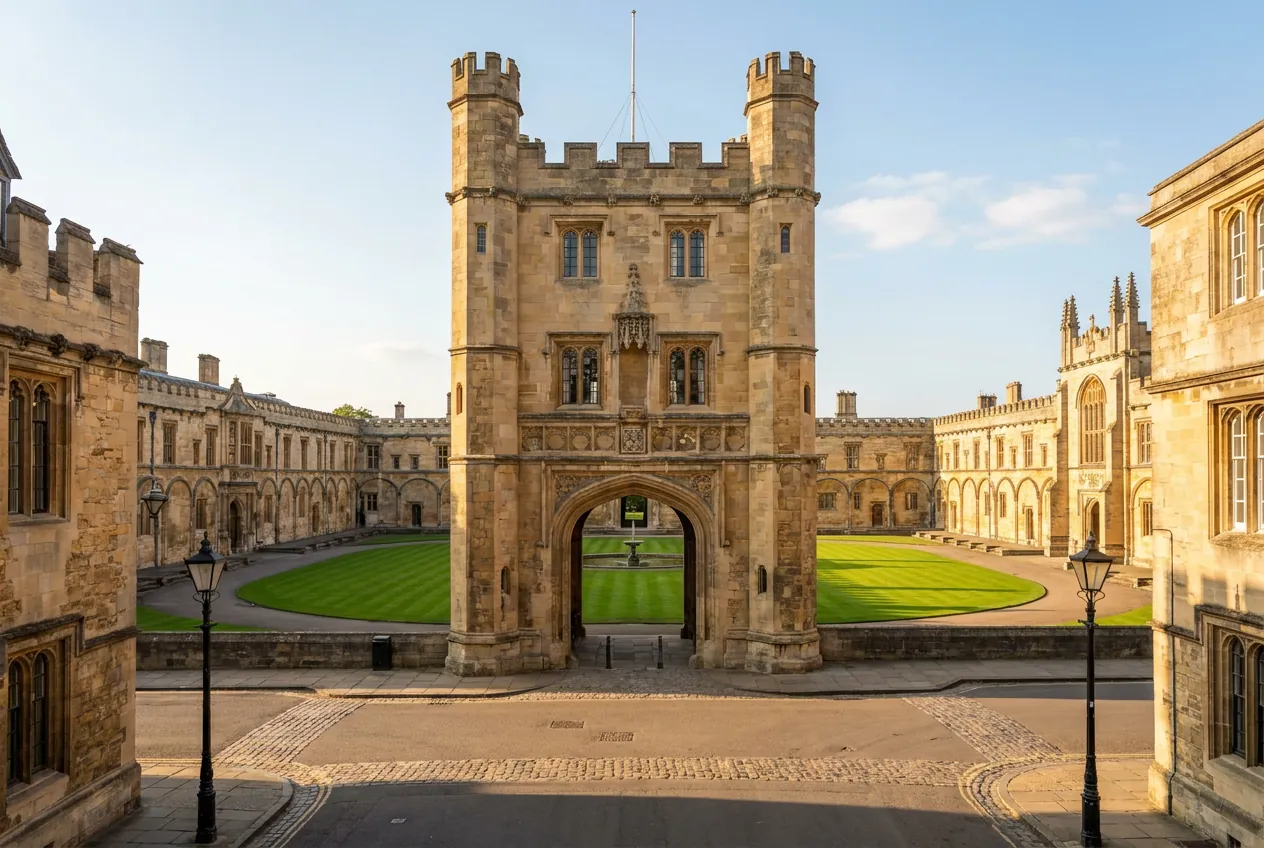
Christ Church
Why visit
The Great Hall and cathedral make this a good first college visit. The timed route takes in several parts of the site, and the meadow is a free walk afterwards.
Why it ranks here
The cathedral, Hall and quadrangles give this visit more range than a short stroll through a single courtyard. The Hall and cathedral can close while in use.
What you’ll see
- Great Hall and staircase when open
- Tom Tower exterior and Tom Quad
- Christ Church Cathedral when open for sightseeing
- Christ Church Meadow on a separate free walk
- cloisters
The character
Tudor and later: Tom Quad (Oxford's largest quadrangle), Tom Tower crowned by Sir Christopher Wren, the great dining Hall, and the Norman-era Christ Church Cathedral.
- Visitor model
- Timed ticket for the college and cathedral
- Allow
- 75–120 min
- Area
- Central
- Founded
- 1546
 02
Gardens, grounds and a long visit
Magdalen College
Why visit
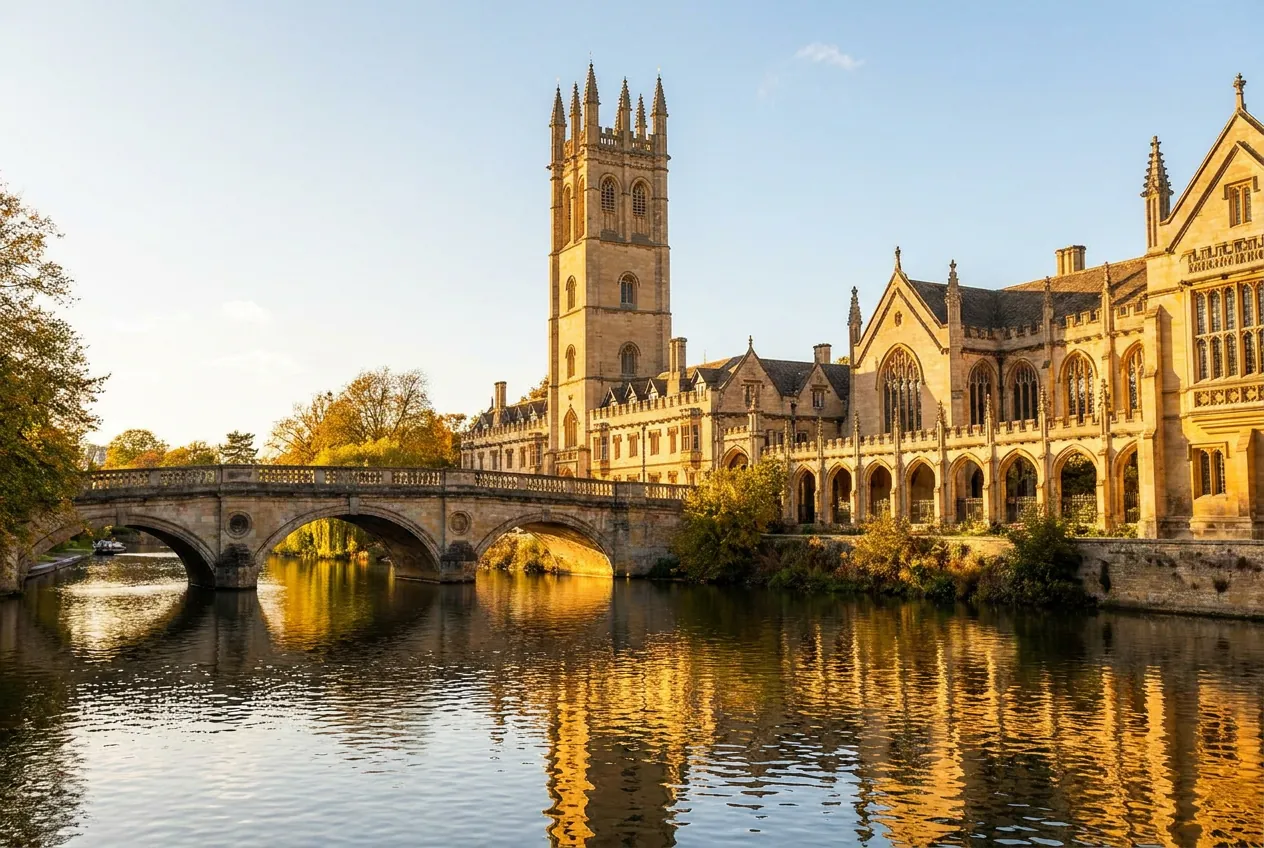
Magdalen is the visit to allow most time outdoors. The cloisters and chapel lead into grounds beside the Cherwell, with Addison’s Walk looping around the water meadow.
Why it ranks here
Cloisters, deer park and Addison’s Walk connect the medieval college with the Cherwell landscape.
What you’ll see
- Magdalen Tower viewed from the grounds
- cloisters
- deer park
- Addison’s Walk
- chapel when open; choir at advertised services
The character
A masterpiece of Perpendicular Gothic, dominated by the great Magdalen Tower (completed 1509) and enclosing beautiful 15th-century cloisters. Its grounds include a deer park, riverside walks and extensive gardens.
- Visitor model
- Paid entry. Tickets online or at the entrance
- Allow
- 60–90 min
- Area
- Central
- Founded
- 1458
 03
Medieval Oxford and cloisters
New College
Why visit
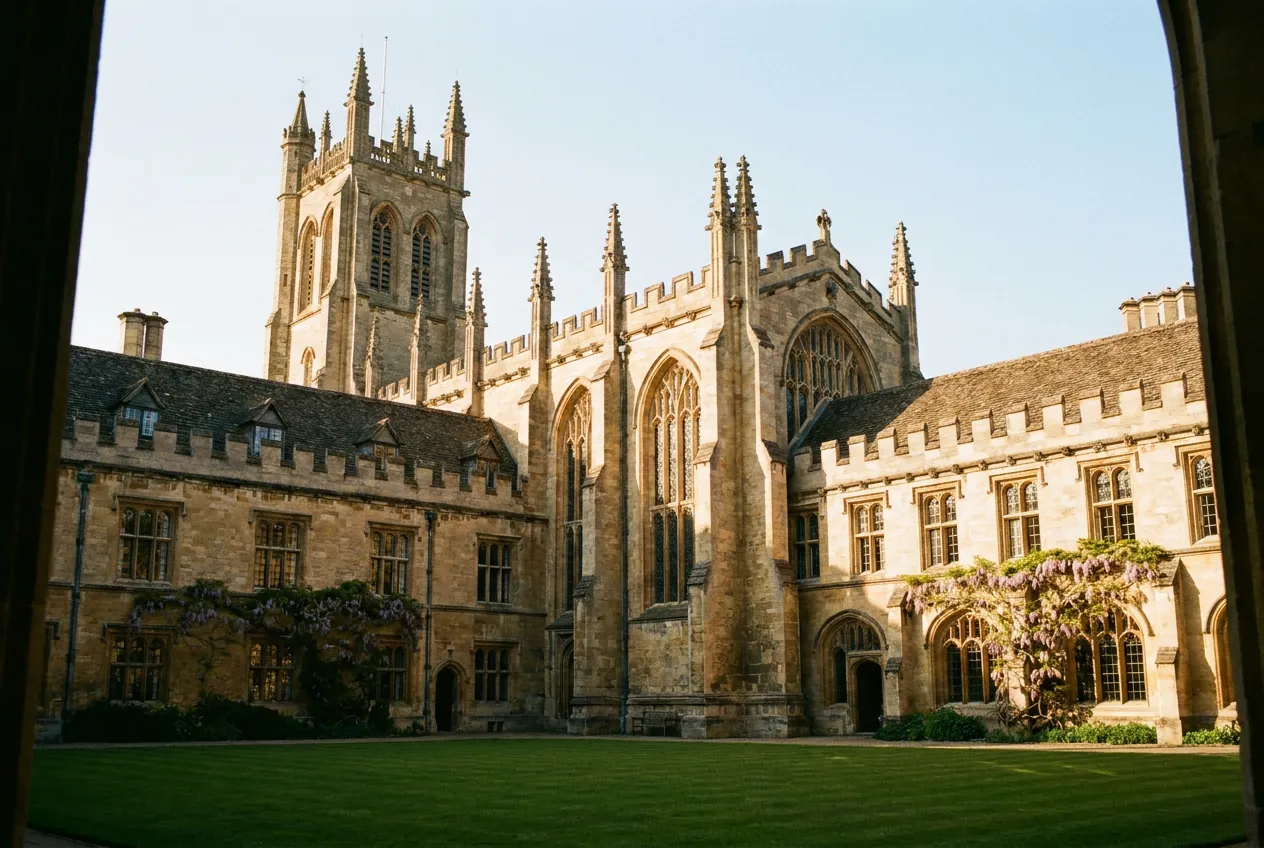
The chapel, cloisters and surviving city wall make this a compact medieval visit. The ornamental mound gives the garden a distinct shape.
Why it ranks here
The cloisters, garden mound and surviving city wall give New College more to explore beyond its filming locations.
What you’ll see
- cloisters; the lawn is closed until spring 2027 but the filming-location tree remains visible
- bell tower viewed from the cloisters
- chapel when open, with Epstein’s Lazarus sculpture and an El Greco painting
- medieval city wall viewed from the garden paths
- garden mound viewed from the paths
The character
A landmark of 14th-century Perpendicular Gothic, purpose-built around a Great Quad, with celebrated cloisters, a bell tower, a magnificent chapel and a stretch of the medieval Oxford city wall enclosing its gardens.
- Visitor model
- Paid entry through New College Lane
- Allow
- 45–75 min
- Area
- Central
- Founded
- 1379
 04
Early Oxford history
Merton College
Why visit
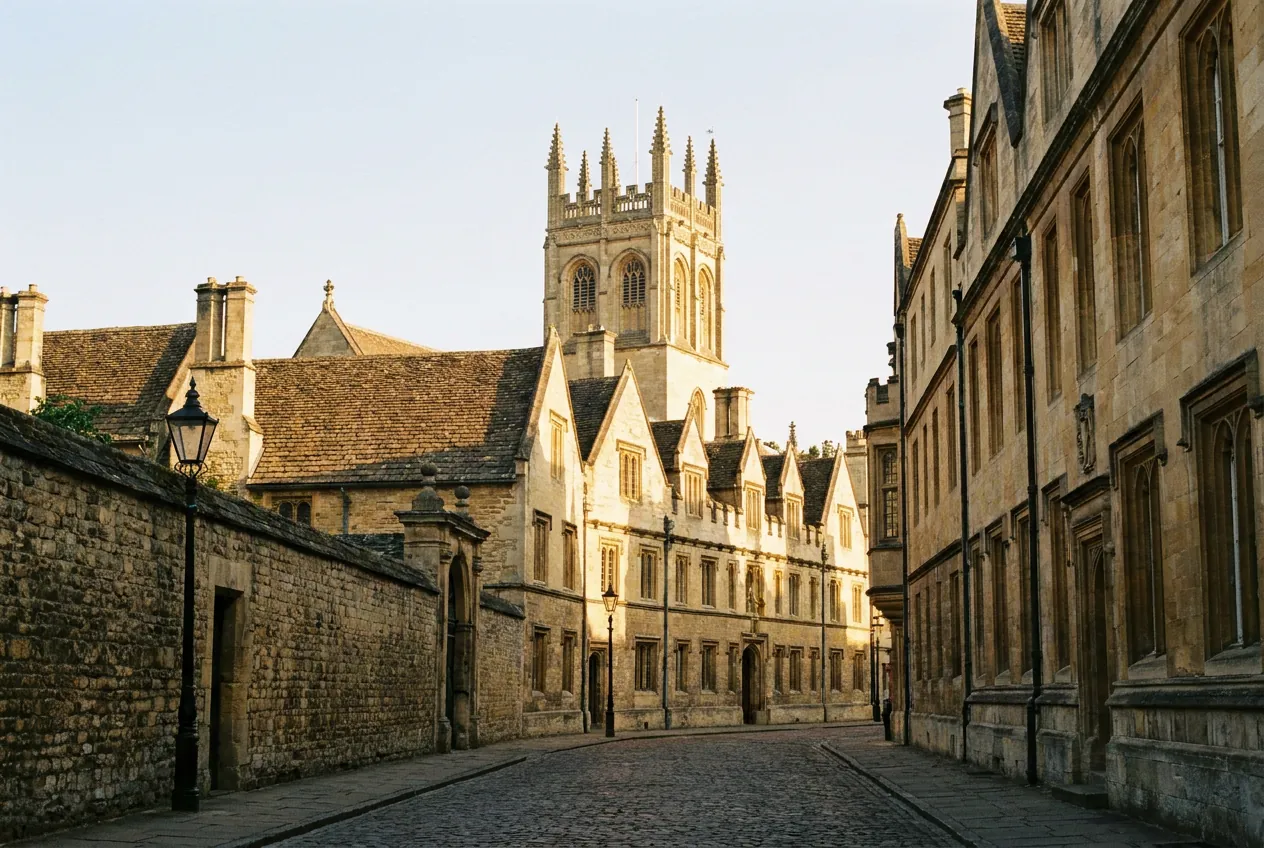
Mob Quad shows how closely Oxford’s earliest college buildings were gathered. Merton suits a shorter second visit after Christ Church when both are open.
Why it ranks here
It is historically fundamental and usually calmer in character than the largest visitor attractions, making it a good counterpoint to Christ Church.
What you’ll see
- Mob Quad
- chapel
- Front Quad and Fellows’ Quad
- College War Memorial beneath Fitzjames Arch
- medieval Upper Library on an arranged visit or public summer tour
The character
One of Oxford's oldest colleges, home to Mob Quad (largely 14th-century, often called Oxford's oldest quadrangle) and the medieval Old Library, among the oldest working libraries in the world. Its 13th–15th-century chapel set the template for later college chapels.
- Visitor model
- Paid self-guided entry during visitor hours
- Allow
- 45–60 min
- Area
- Central
- Founded
- 1264
 05
A garden visit by official tour
Worcester College
Why visit
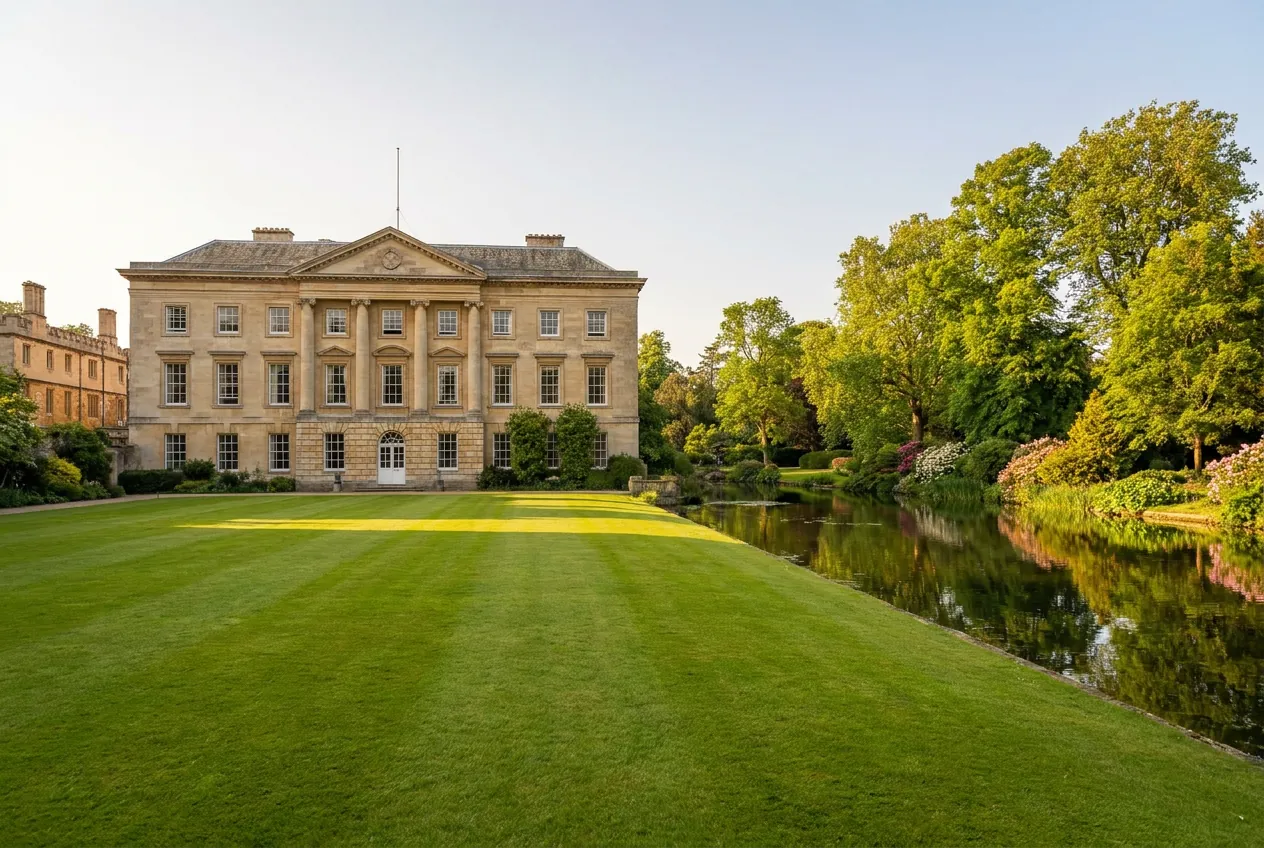
The lake and gardens make Worcester worth planning for. Its medieval cottages stand close to the eighteenth-century quadrangle, a striking change of scale within one college.
Why it ranks here
It offers one of the clearest changes of pace in central Oxford and rewards visitors who want landscape and atmosphere more than headline landmarks.
What you’ll see
- Extensive landscaped gardens
- A lake within the grounds, unique among Oxford colleges
- Medieval monastic cottages on the main quad
- 18th-century classical ranges and terrace
The character
An unusual blend of surviving medieval monastic cottages along one side of the main quad and 18th-century classical ranges on the other, opening onto famously beautiful gardens with a lake.
- Visitor model
- General-public access on an official tour
- Allow
- 45–75 min
- Area
- Central
- Founded
- 1714
 06
A convenient central visit
Trinity College
Why visit
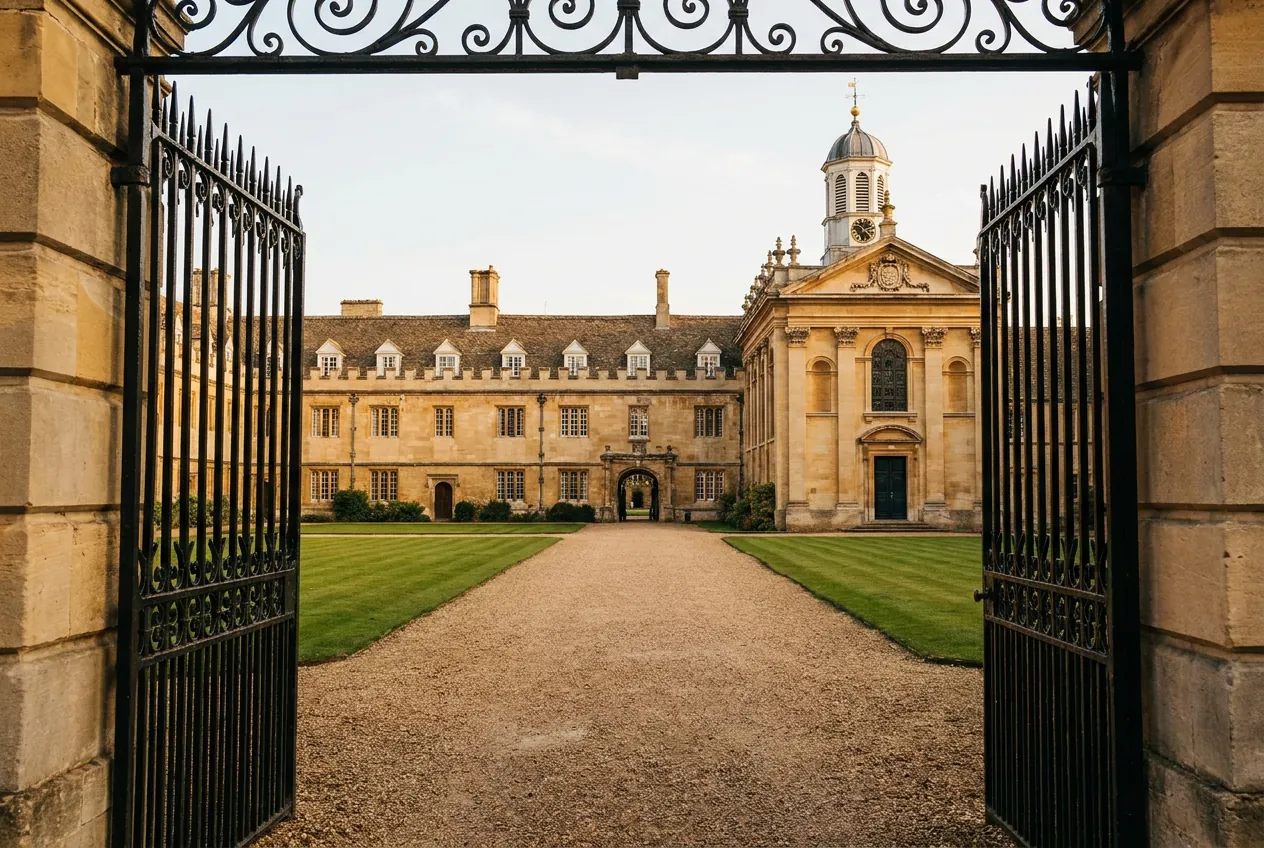
Trinity is a good stop when time is short. The gardens and Baroque chapel are just off Broad Street, between the Bodleian quarter and the Ashmolean.
Why it ranks here
Its location makes it easy to fit between the Bodleian quarter and the Ashmolean without turning the day into a sequence of long diversions.
What you’ll see
- Late-17th-century classical chapel with fine woodcarving
- Broad lawns and gardens
- Ornamental wrought-iron gates on Broad Street
- Garden Quad and lime walk
The character
Known for its late-17th-century chapel, an early Oxford essay in the classical style with Grinling Gibbons-school carving, set among unusually broad lawns and gardens behind ornate wrought-iron gates and railings facing Broad Street.
- Visitor model
- Paid entry during public opening hours
- Allow
- 30–45 min
- Area
- Central
- Founded
- 1555
 07
Jacobean architecture and science
Wadham College
Why visit
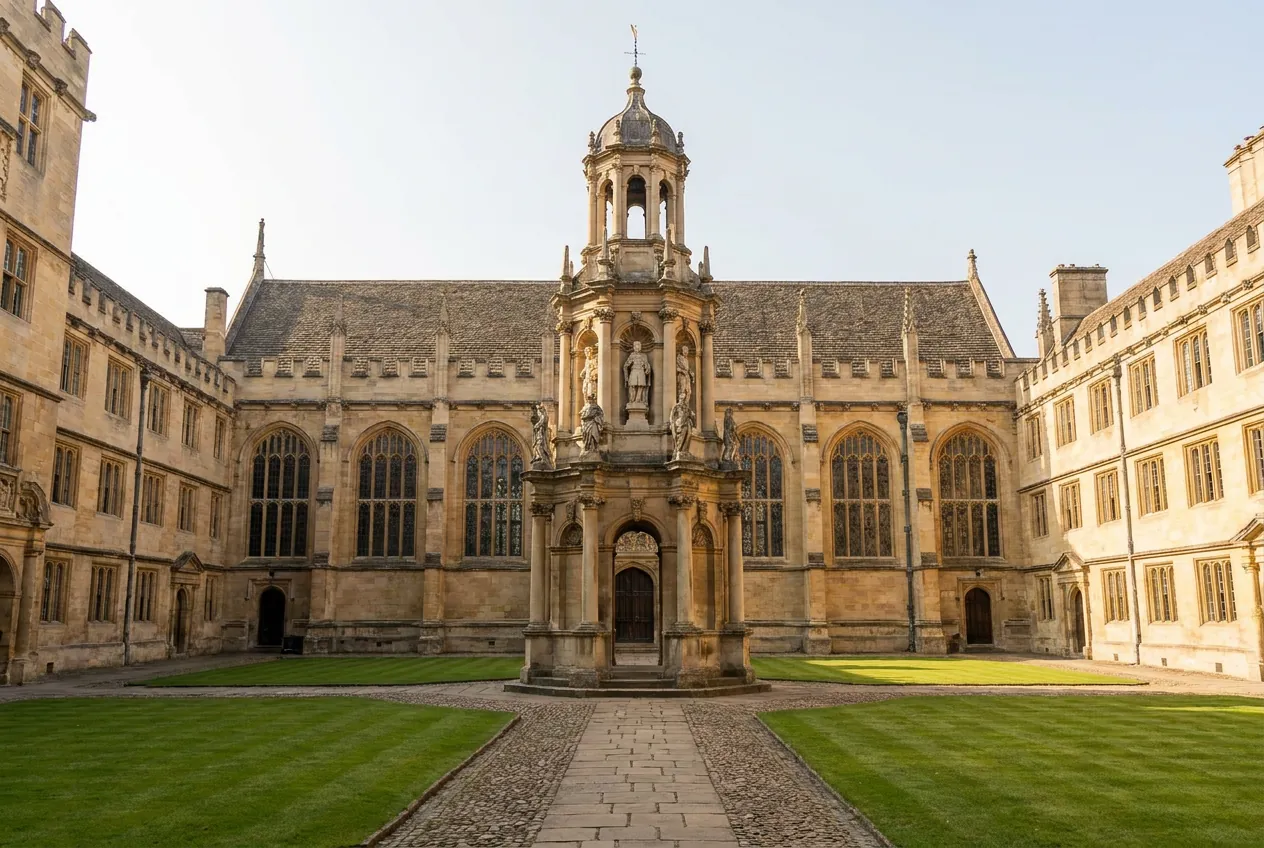
Wadham’s front quadrangle is an especially complete example of Jacobean college architecture. The Fellows’ Garden and chapel make a short visit worth extending beyond the entrance.
Why it ranks here
The architecture has an unusual unity, while the college’s scientific story gives the visit a strong identity beyond visual beauty alone.
What you’ll see
- Unified Jacobean front quad, hall and chapel
- Large mature gardens
- Birthplace of Warden John Wilkins's Experimental Philosophy Club, forerunner of the Royal Society
- Founded by a woman, Dorothy Wadham
The character
A remarkably unified Jacobean college built in a single 1610-13 campaign, its main quad, hall and chapel largely unchanged, backed by extensive gardens with fine mature trees.
- Visitor model
- Public opening hours for the front quad, garden and chapel
- Allow
- 30–45 min
- Area
- Central
- Founded
- 1610
 08
Victorian colour and contrast
Keble College
Why visit
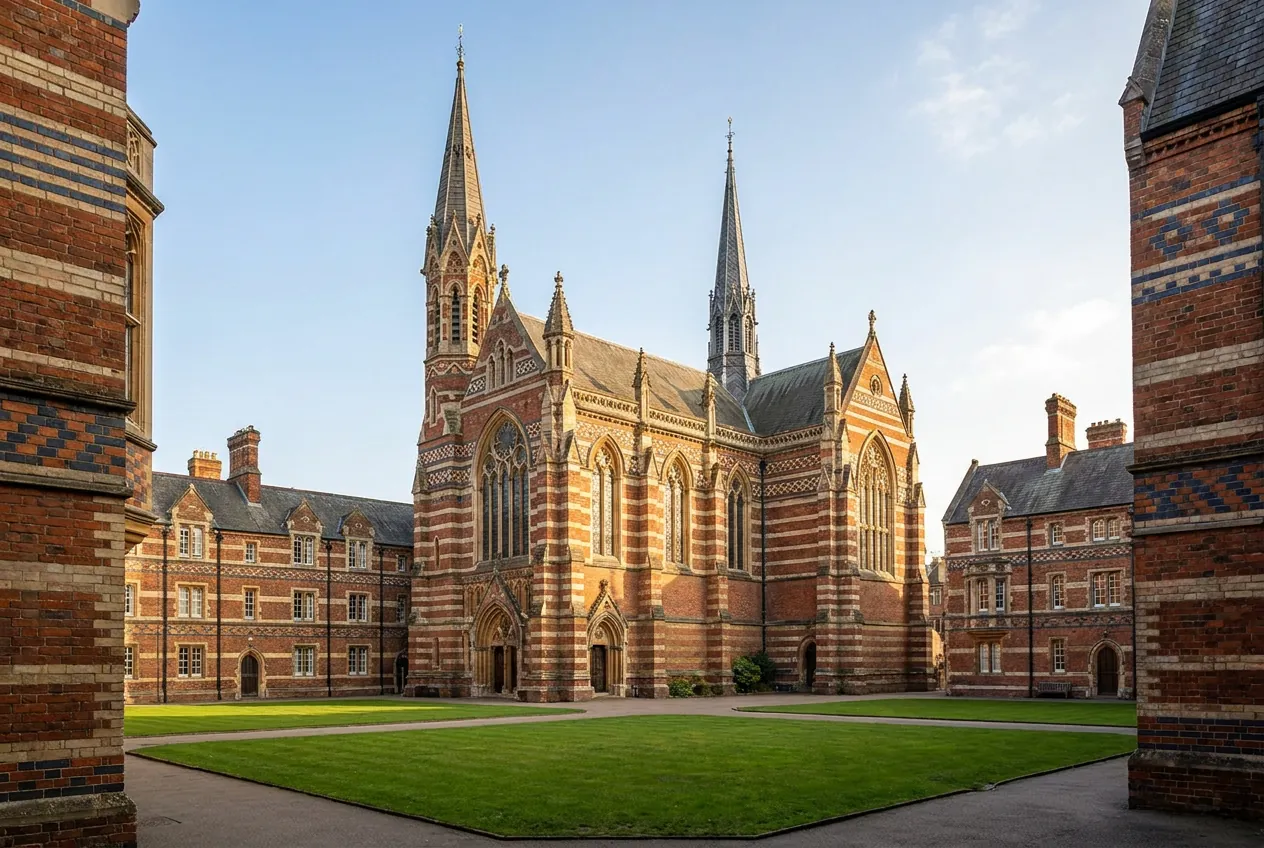
William Butterfield’s red-brick Gothic Revival buildings give Keble a different character from the stone colleges of central Oxford.
Why it ranks here
It expands the visual story of Oxford. Visiting Keble after an older central college makes both places more interesting.
What you’ll see
- Butterfield polychrome brickwork
- chapel
- Holman Hunt's painting 'The Light of the World'
- Liddon Quad
- hall (one of Oxford's largest)
The character
High Victorian Gothic designed by William Butterfield, famous for its polychromatic patterned red-brick ranges. Its large Liddon and Pusey/Hayward quads and the towering brick chapel make it one of Oxford's most architecturally distinctive colleges.
- Visitor model
- Public afternoon visiting hours
- Allow
- 30–45 min
- Area
- Central-N
- Founded
- 1870
 09
Grand quads and gardens
St John's College
Why visit
Canterbury Quad and the gardens extend well behind the St Giles’ frontage, so this visit combines formal architecture with quieter outdoor space.
Why it ranks here
When visitor access is available, the transition from street to arcaded quad and landscaped grounds is one of Oxford’s most rewarding reveals.
What you’ll see
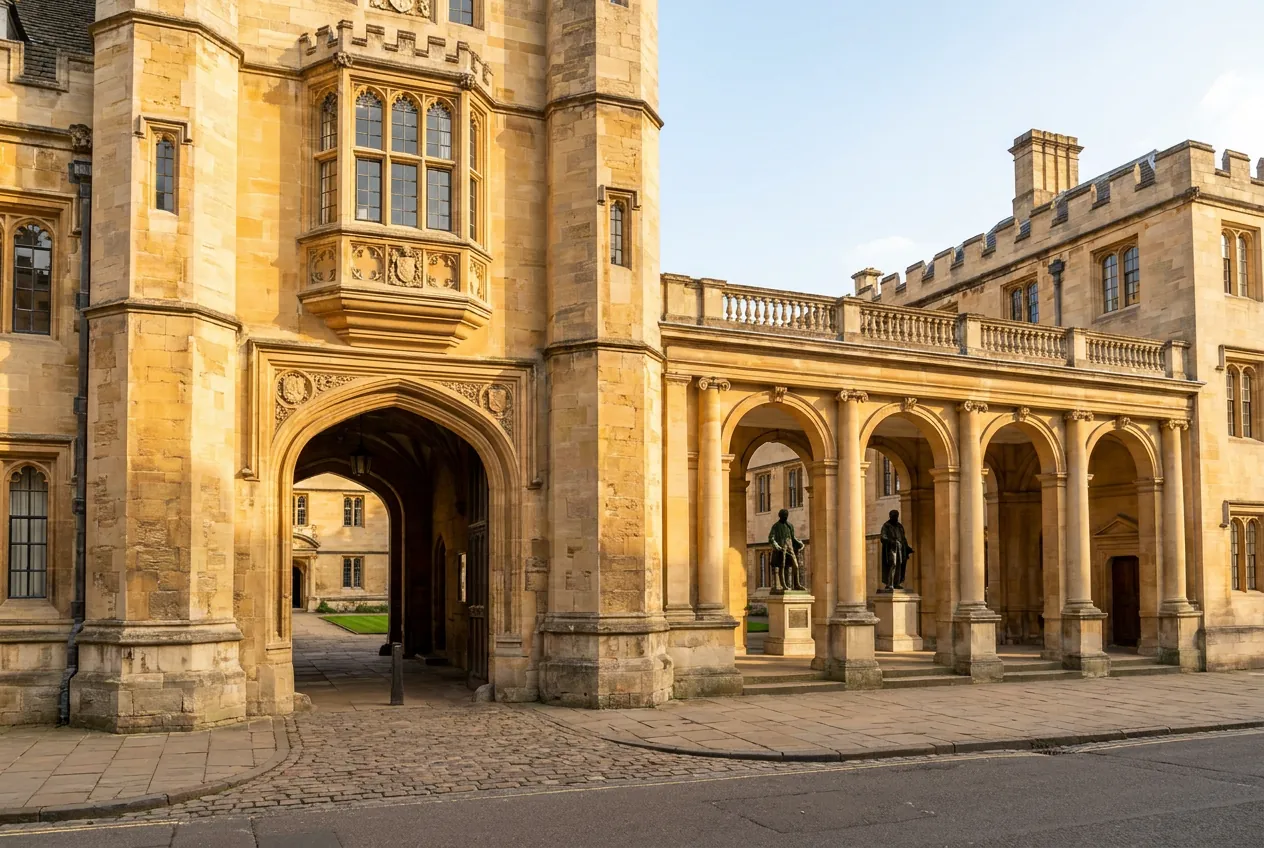
- Canterbury Quad with Laudian arcades and Le Sueur bronzes
- Extensive landscaped gardens
- Medieval front quad and old library
- Reputation as Oxford's richest college
The character
A Tudor front quad opens to the 17th-century Canterbury Quad, built under Archbishop William Laud with Italianate arcades and bronze statues of Charles I and Henrietta Maria by Hubert Le Sueur, all set beside celebrated landscaped gardens.
- Visitor model
- Limited public hours for the quads, chapel and gardens
- Allow
- 45–60 min
- Area
- Central
- Founded
- 1555
 10
Chapel, art and literary links
Exeter College
Why visit
Exeter’s Victorian chapel is the main draw, especially for visitors interested in Morris and Burne-Jones. Public group visits need arranging ahead outside term.
Why it ranks here
It fits a great deal into a compact visit and works particularly well for visitors interested in Tolkien, the Pre-Raphaelites or Victorian Oxford.
What you’ll see
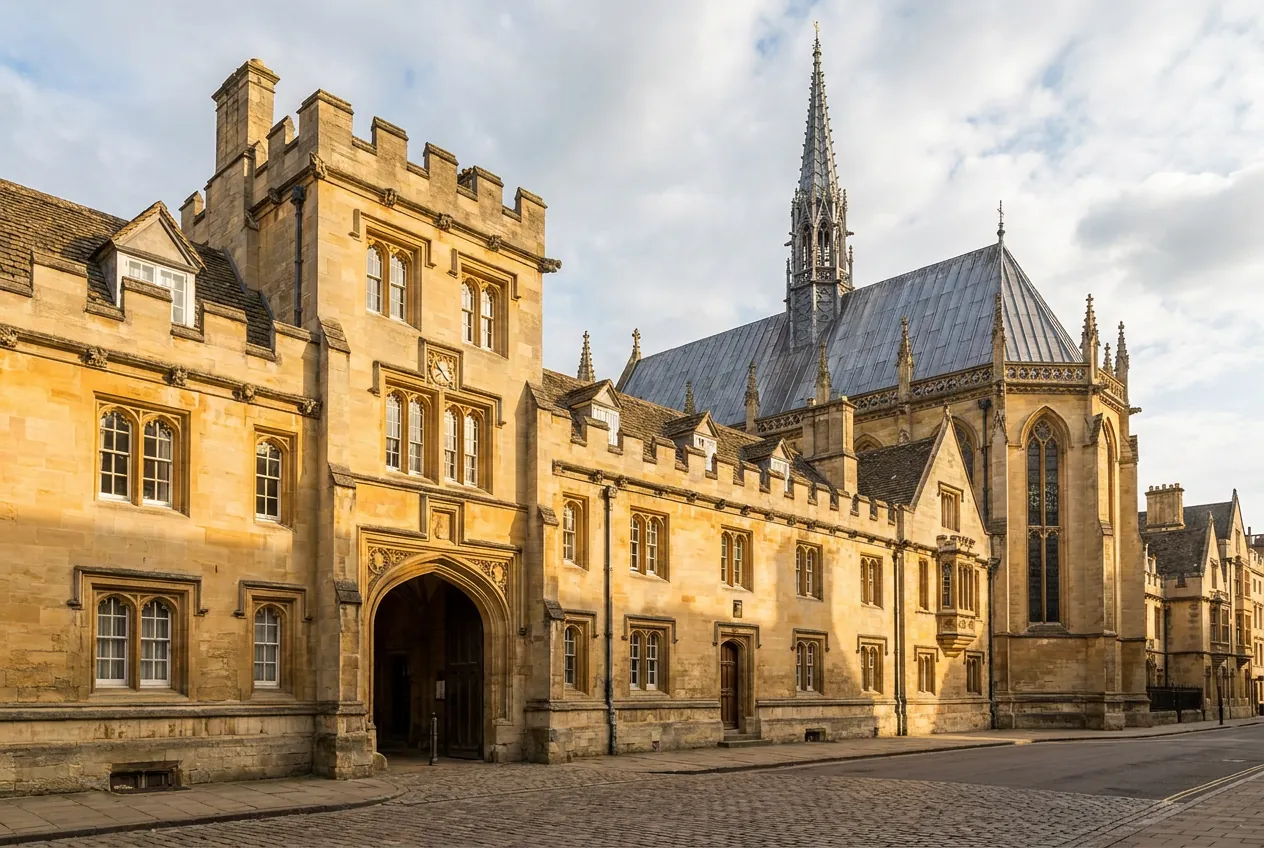
- chapel modelled on Sainte-Chapelle
- 'The Adoration of the Magi' tapestry by Burne-Jones and Morris
- Fellows' Garden terrace views
- hall
- front quad
The character
Older quads overlaid with Victorian Gothic Revival by Sir George Gilbert Scott, whose soaring chapel is modelled on the Sainte-Chapelle in Paris; the Fellows' Garden overlooks Radcliffe Square.
- Visitor model
- Pre-booked group tours outside term
- Allow
- 30–45 min
- Area
- Central
- Founded
- 1314
Oxford colleges are working academic communities, not permanent attractions. Entry can change without notice for exams, services and college events.
Plan it properly
Three ways to plan your college visits.
An hour around Broad Street
Allow 30–45 minutes for Trinity’s chapel and gardens. The Ashmolean’s permanent galleries are free and a short walk away if Trinity is closed.
Half a day near Merton Street
Pair a timed Christ Church visit with Merton’s medieval quadrangles when their hours overlap. Christ Church Meadow gives you a free outdoor stop if you only have time for one college.
Two styles along Parks Road
Wadham’s Jacobean quadrangle and Keble’s red-brick buildings are a short walk apart along Parks Road. Allow 30–45 minutes at each during public opening hours.
How we chose
A visitor ranking, not an academic one.
The ranking is an editorial judgement based on the experience a traveller can have. It does not assess teaching, admissions, research or student life.
We checked visiting arrangements on 18 November 2026. You can report a change through our corrections page.
- 01Visitor value: the quality and variety of what a visitor can experience, not the college’s academic reputation.
- 02Distinctiveness: whether the visit adds something different to an Oxford itinerary—gardens, medieval fabric, art, architecture or historical context.
- 03Practical fit: how readily a college can be combined with nearby sights without dominating the whole day.
- 04Access reality: colleges are working academic communities. A high ranking never means entry is guaranteed.
Practical questions
Visiting Oxford colleges.
Which Oxford college is best for a first-time visitor?
Christ Church is a strong first visit for its architecture, cathedral and Great Hall; its meadow is free to enter. The Picture Gallery is closed for renovation, and the Hall or Cathedral can close during a visit. Magdalen is a good alternative for its gardens and riverside walk.
Can tourists visit Oxford colleges?
Some colleges admit visitors at published times, some operate formal ticketed visits and others restrict casual access. Arrangements can change during term, examinations, services and events, so check the college’s official website on the day.
How many Oxford colleges should I visit in one day?
Two is usually enough: one substantial landmark college and one smaller or contrasting college. This leaves time for the historic centre, a museum, food and the outdoor city rather than spending the day in admission queues.
Are Oxford colleges free to visit?
Some colleges offer free visits during limited hours; Christ Church, Magdalen and New College charge for standard sightseeing. At Brasenose, individual tourists may be admitted at the porter's discretion with a small donation. Individual college pages carry the admission details.
Which Oxford college has the best gardens?
Magdalen stands out for its deer park and riverside walk. Worcester has gardens and a lake near the western edge of the centre. General visitors can see Worcester on an official tour.