Central · Founded 1263
Balliol College
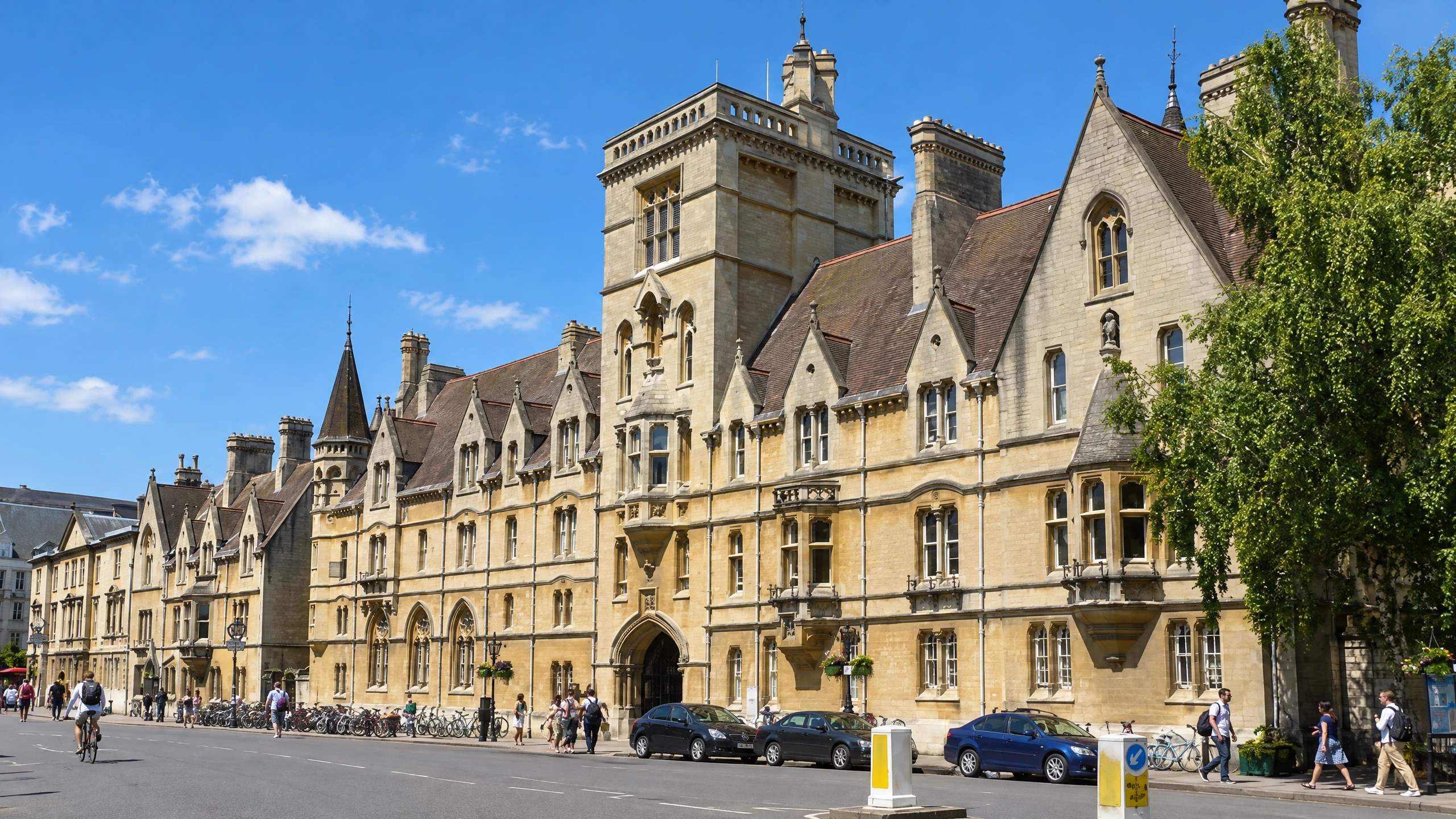
Behind Broad Street, Balliol’s old stone courts, painted chapel glass and green garden quad tell the story of one of Oxford’s oldest colleges.
- Founded
- 1263
- Location
- Broad Street
- Visiting
- Public visiting hours
- Institution
- College
01 The experience
What to expect.
A college behind Broad Street
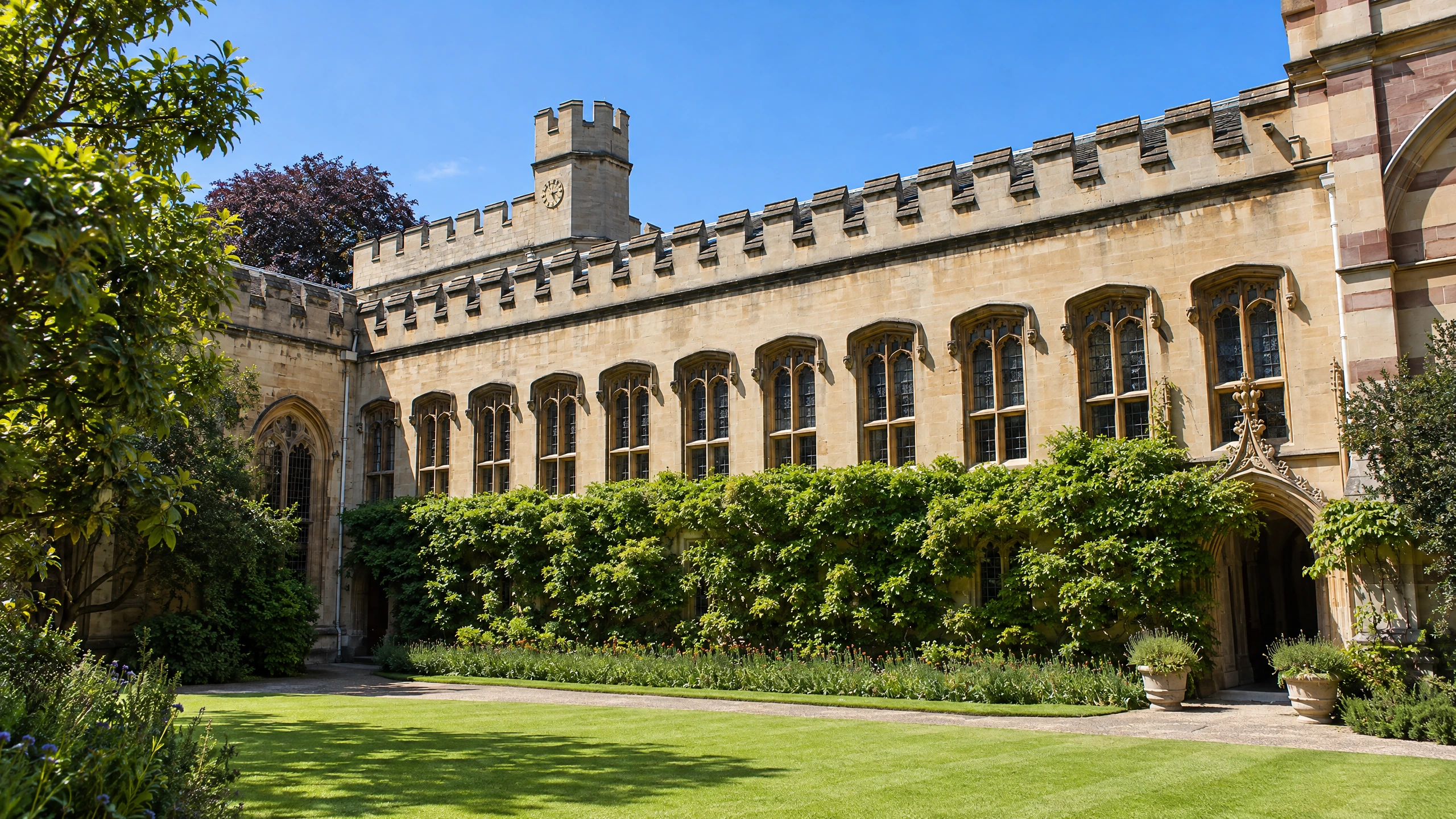
Step through Balliol’s Broad Street entrance and Oxford’s busy shopping street gives way to old stone, a chapel and a green garden courtyard. Balliol is one of the city’s oldest colleges, with a history stretching back to the thirteenth century. Its familiar name comes from John de Balliol, who supported a group of scholars, and Dervorguilla of Galloway, who gave their community a lasting home.
The buildings span very different periods. Fifteenth-century stone survives around Front Quad, while architect William Butterfield’s Victorian chapel contains much older painted glass. A passage leads to Garden Quad, where Alfred Waterhouse’s hall stands beyond the lawn.
Balliol’s former students have taken its story far beyond Oxford. They include economist Adam Smith, novelists Graham Greene and Aldous Huxley, biologist Richard Dawkins and Hardit Singh Malik, who became the first Indian fighter pilot. Empress Masako of Japan also studied here.
The college’s libraries hold another side of its history, from medieval manuscripts to a book containing early English carols. These are working collections rather than part of the usual sightseeing visit; the gardens, chapel and hall are included when open.
People and ideas
Famous former students
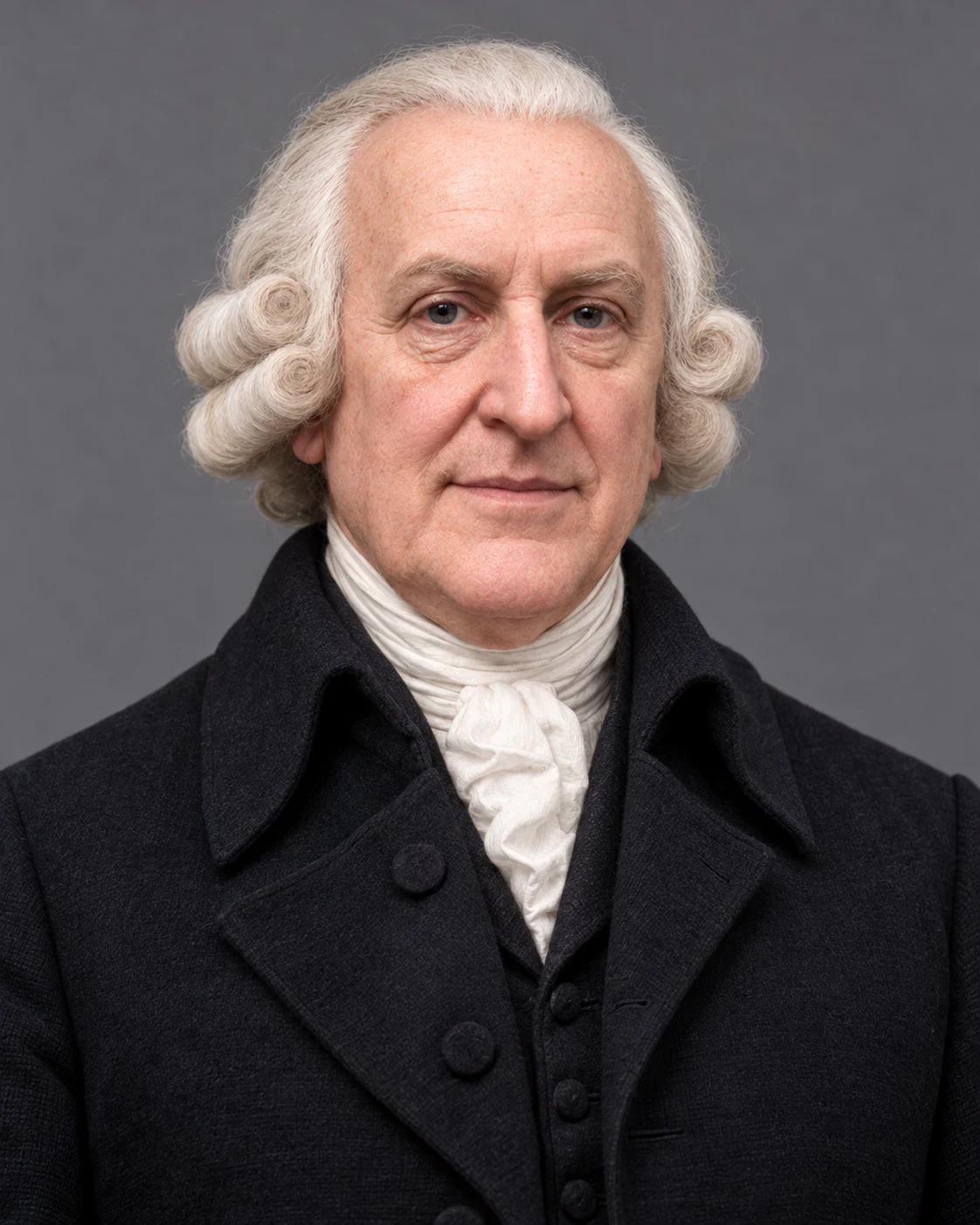
Adam Smith
1740–1746
Adam Smith wrote The Wealth of Nations and became one of the best-known thinkers in economics.
College connection
Student; Snell Exhibitioner. 1740–1746.
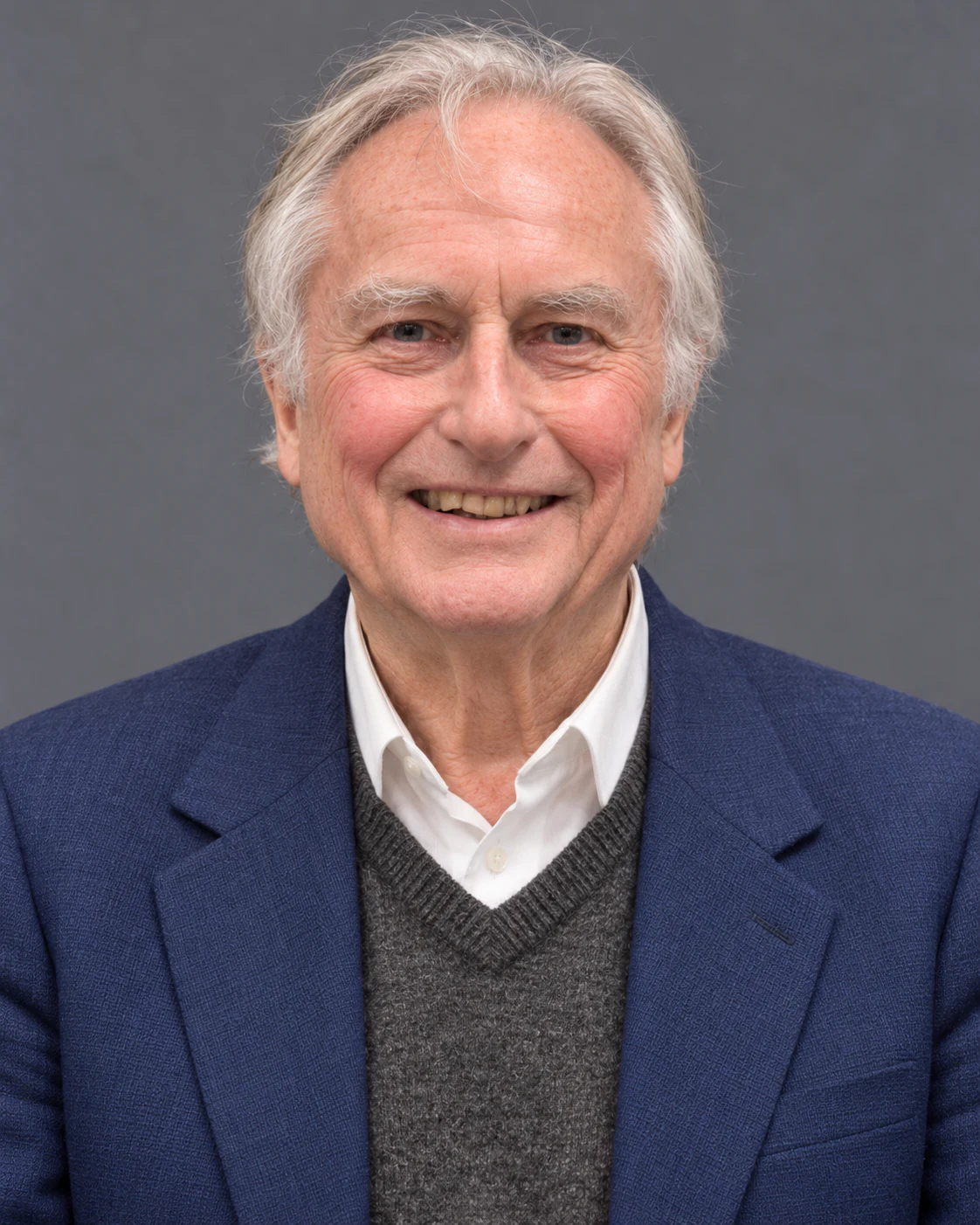
Richard Dawkins
Richard Dawkins is an evolutionary biologist and writer.
College connection
Former student.
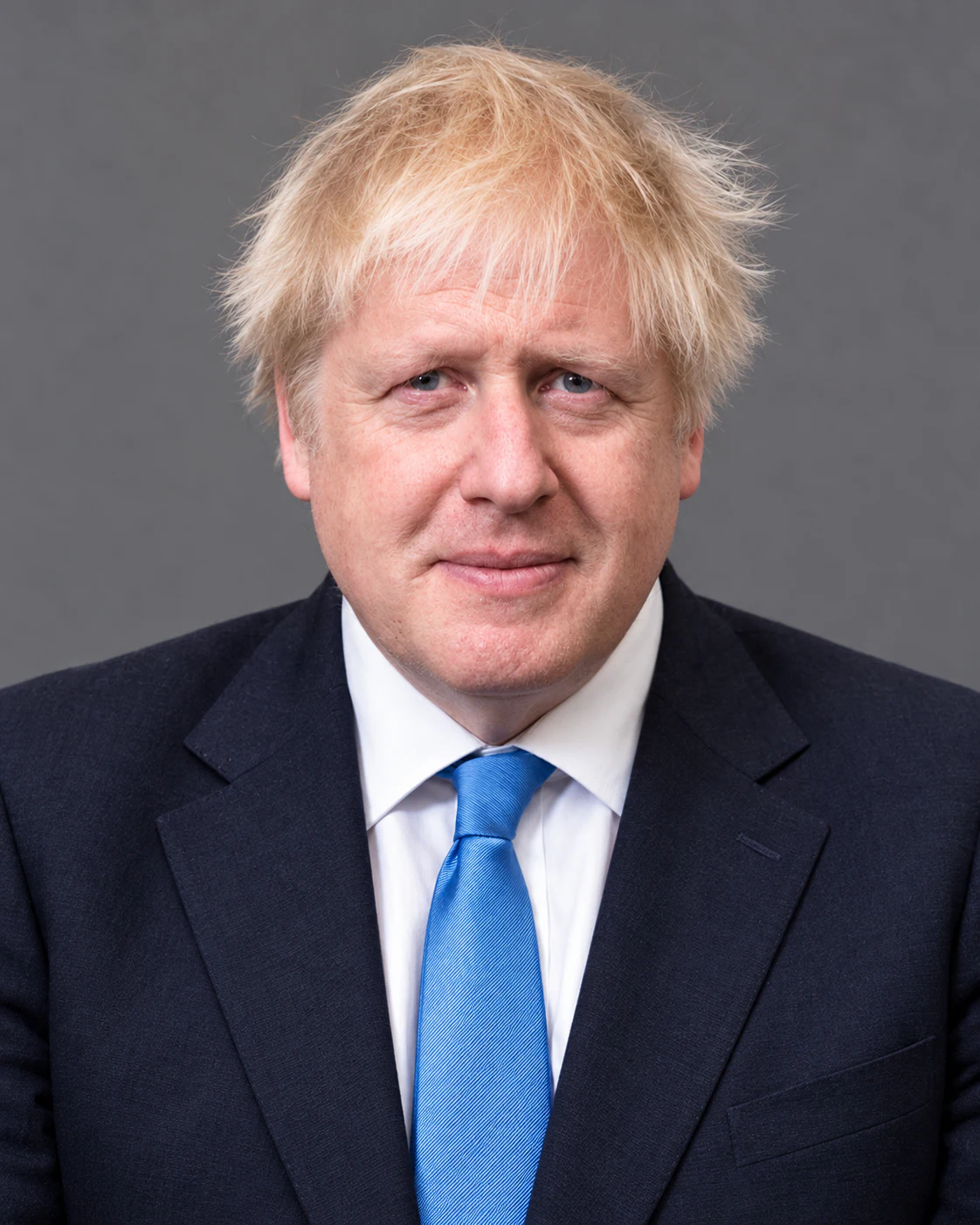
Boris Johnson
Boris Johnson went on to become British prime minister.
College connection
Former student.
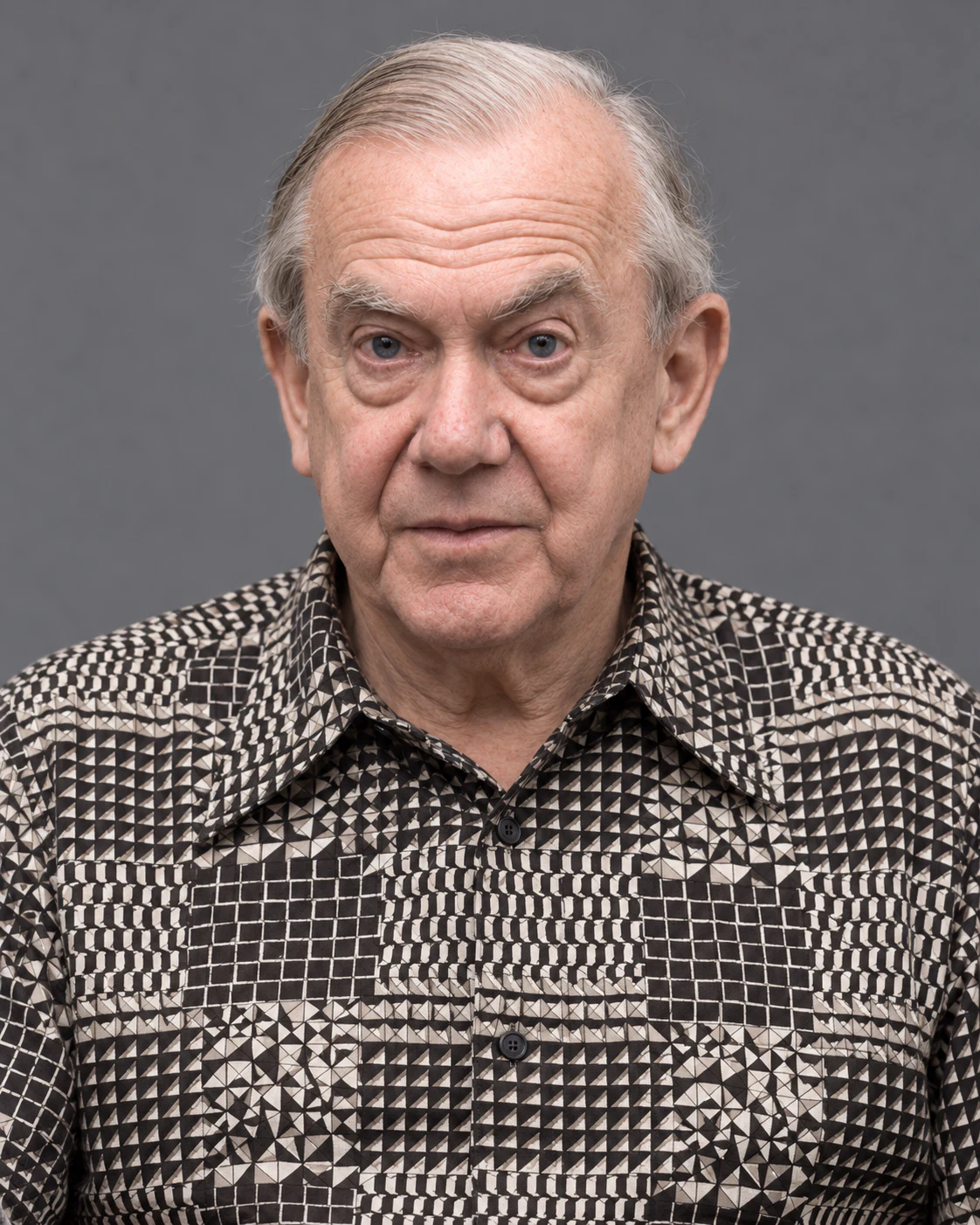
Graham Greene
Graham Greene wrote novels including Brighton Rock and The End of the Affair.
College connection
Student.

Aldous Huxley
Aldous Huxley wrote novels and essays, including Brave New World.
College connection
Former student.
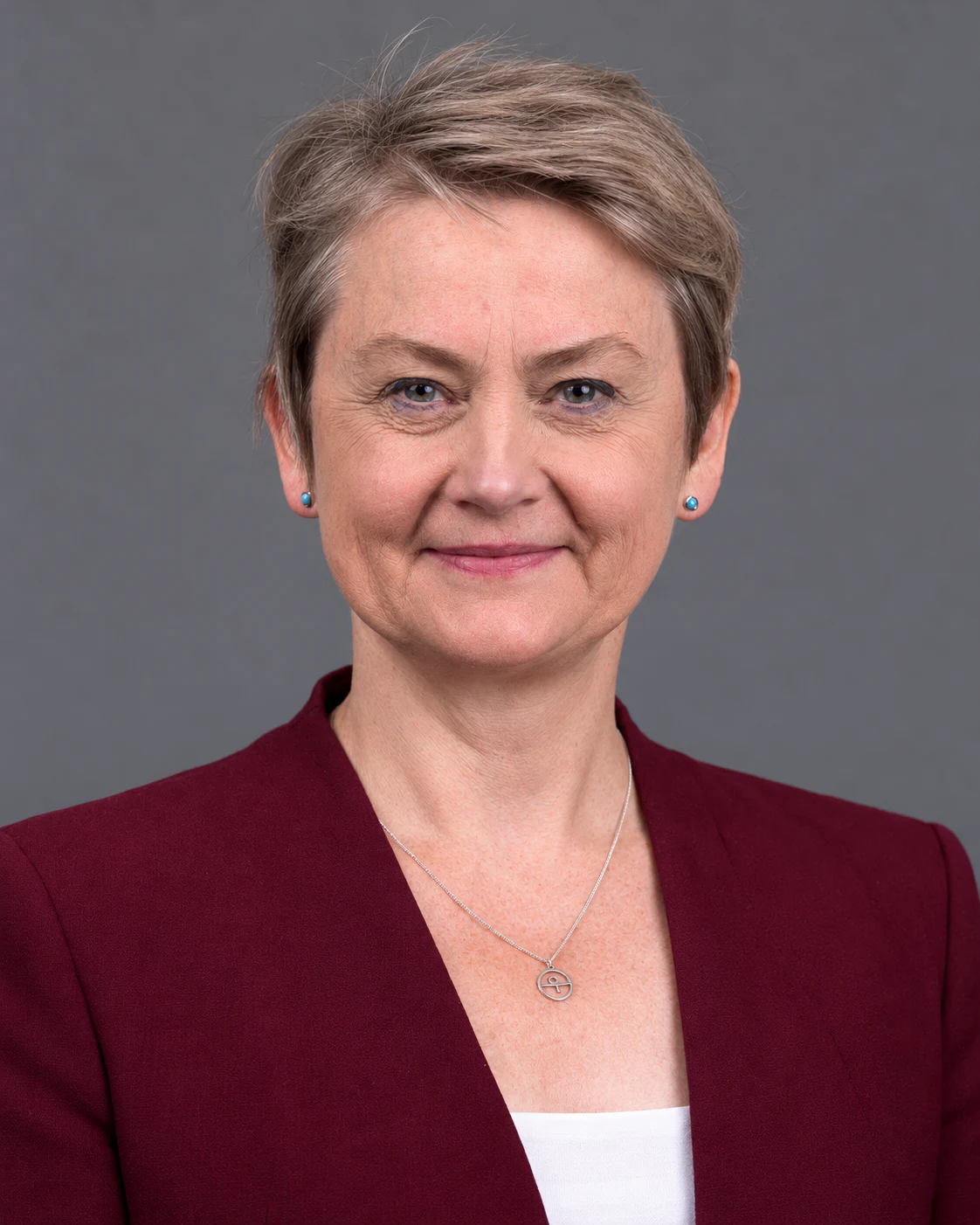
Yvette Cooper
Yvette Cooper is a British politician and member of Parliament.
College connection
Former student.

Hardit Singh Malik
1915
Hardit Singh Malik became the first Indian fighter pilot and later a diplomat for independent India.
College connection
Studied modern history at Balliol and graduated in 1915.
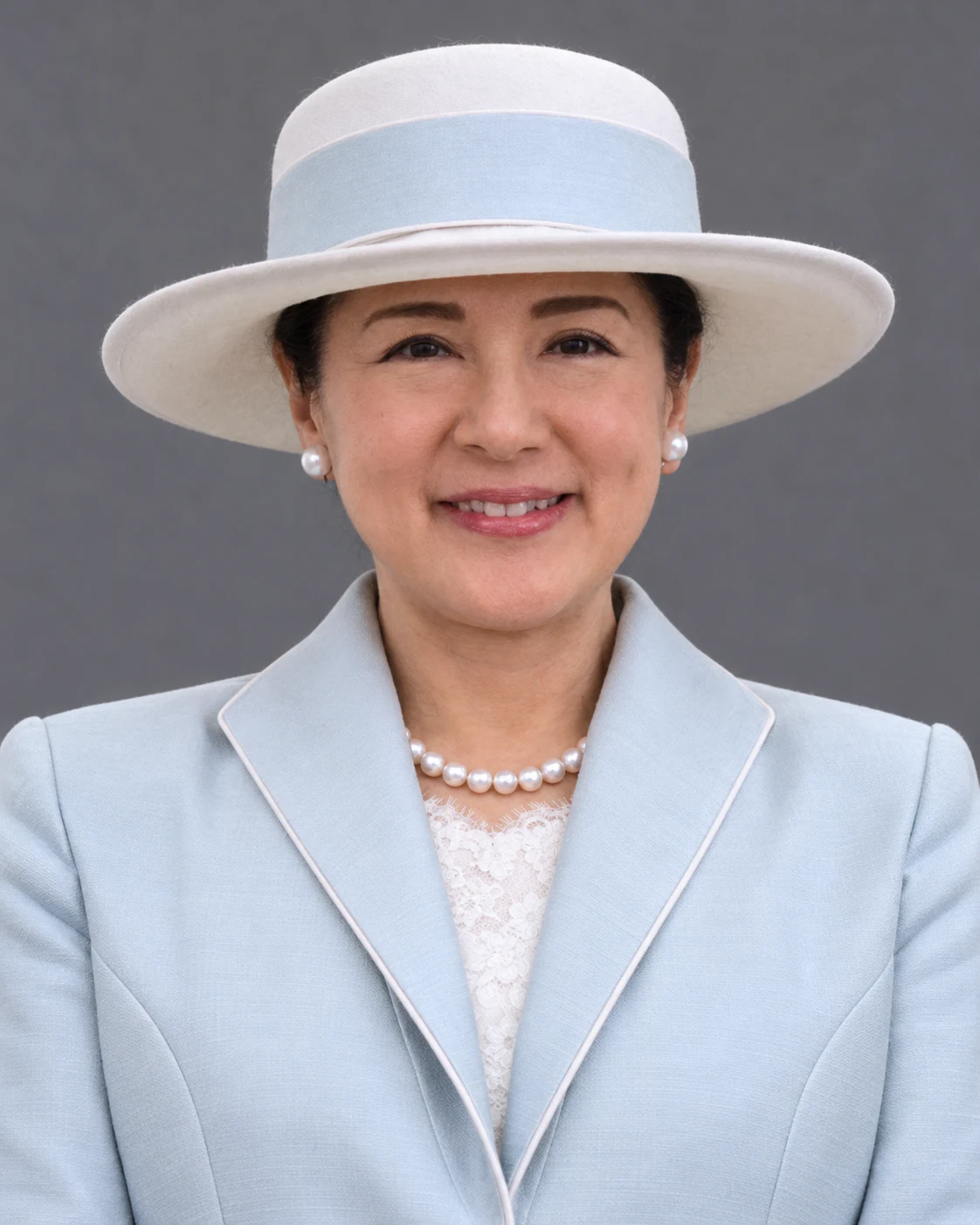
Masako Owada (Empress Masako)
1988–1990
Masako Owada studied at Balliol before becoming Empress of Japan.
College connection
Student. 1988–1990 (resident at Holywell Manor 1988–89).
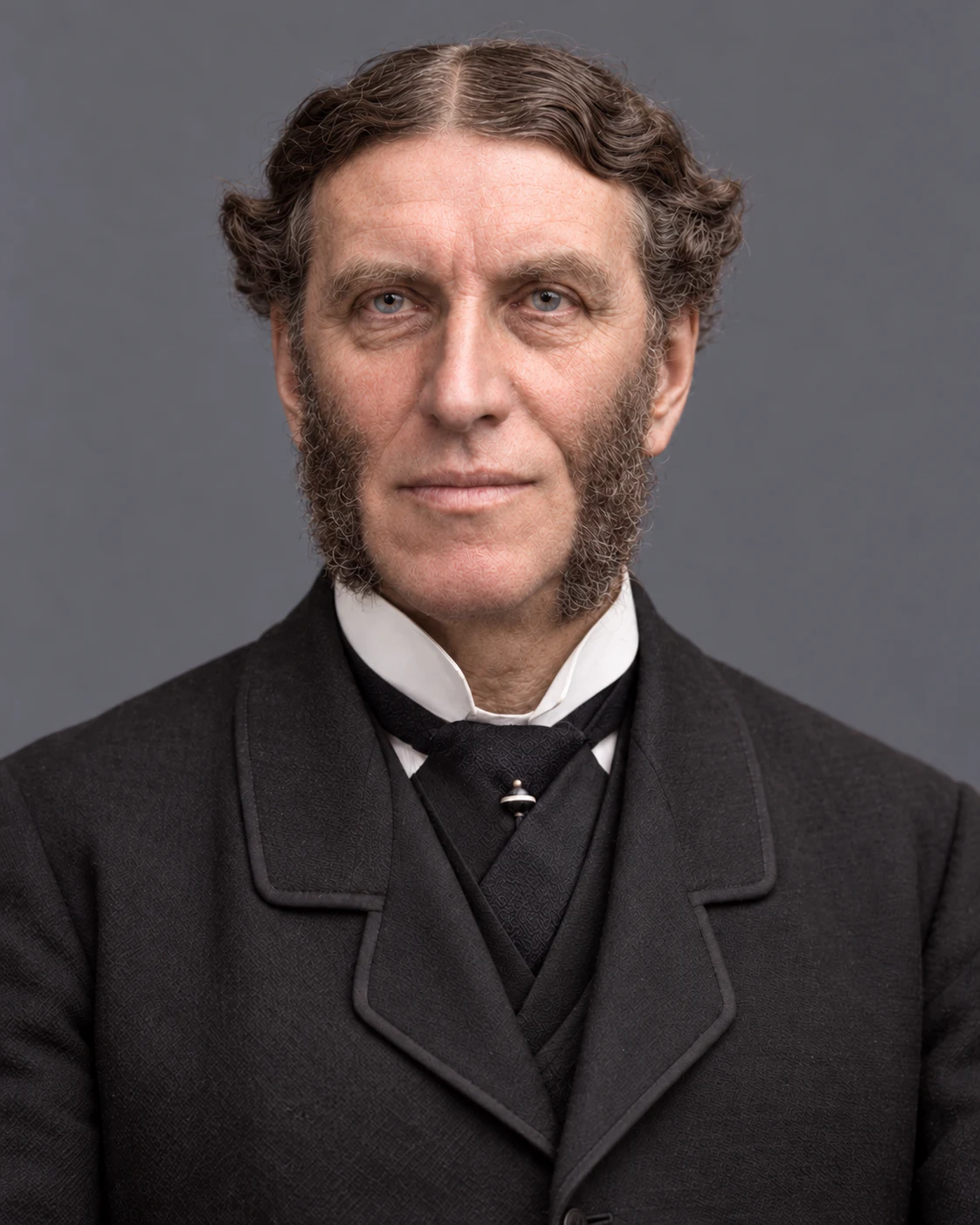
Matthew Arnold
Matthew Arnold was a poet, critic and inspector of schools.
College connection
Student; later writer and inspector of schools.
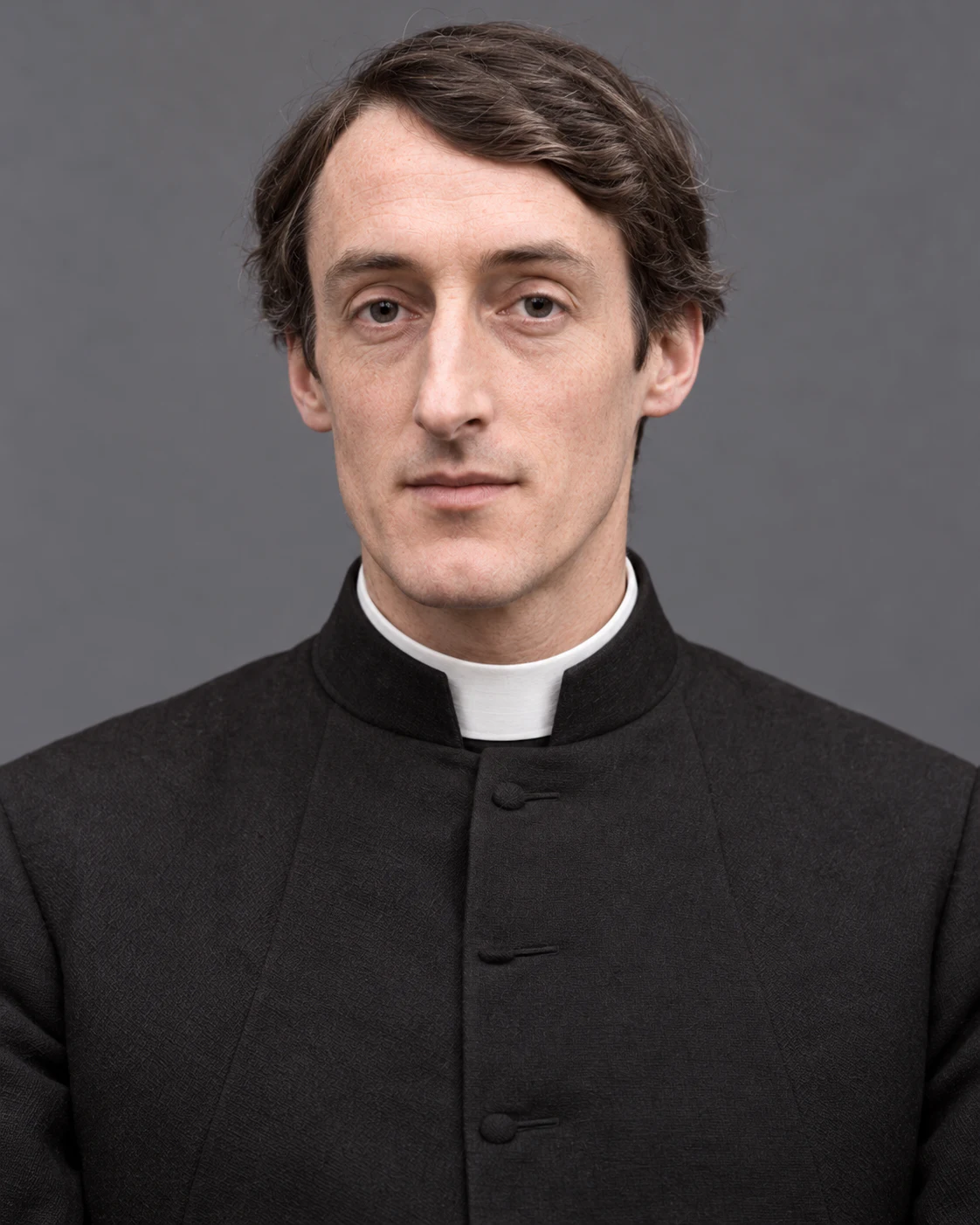
Gerard Manley Hopkins
Gerard Manley Hopkins was a nineteenth-century poet.
College connection
Student.
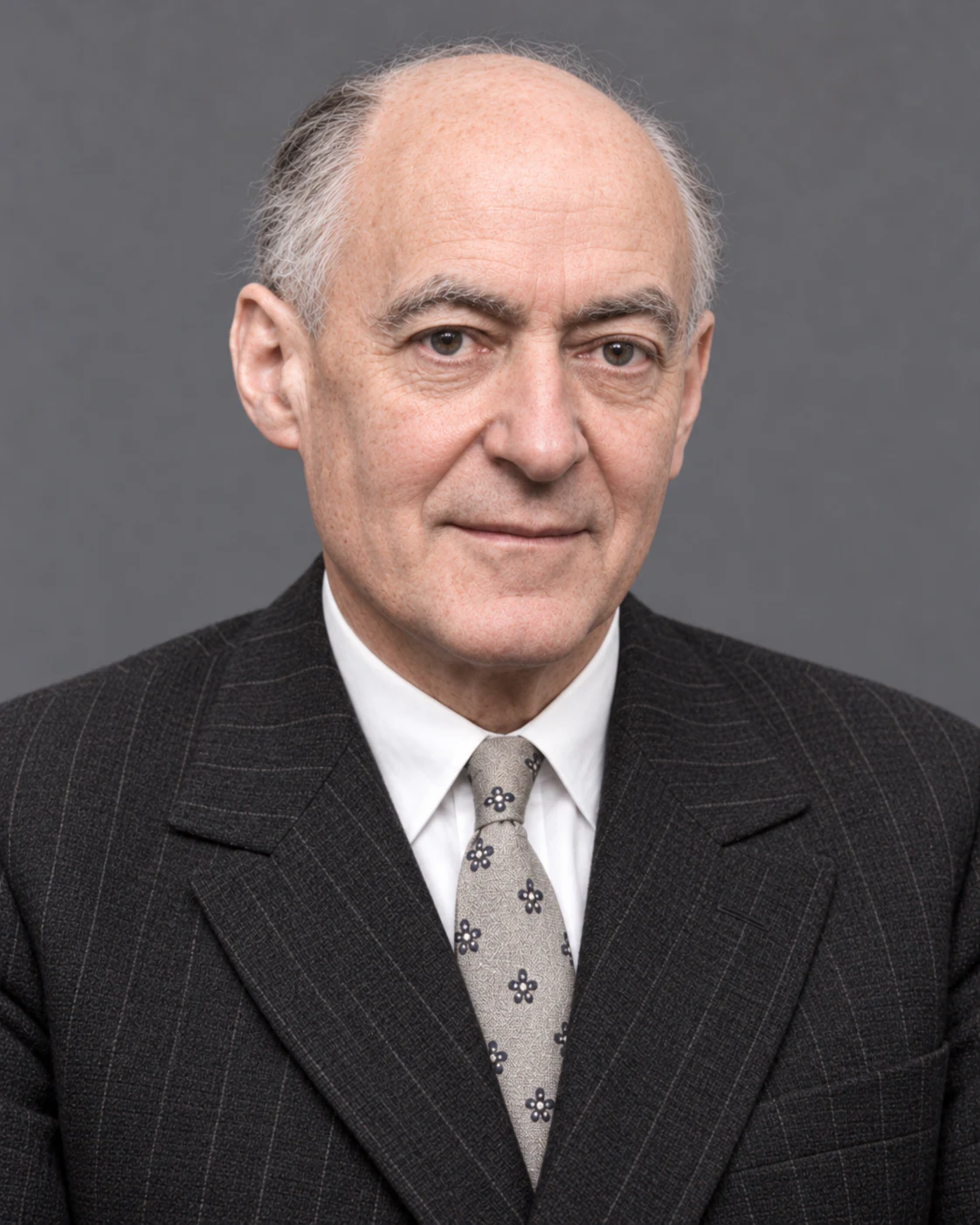
Cyril Hinshelwood
Cyril Hinshelwood shared the 1956 Nobel Prize in Chemistry.
College connection
Former student.
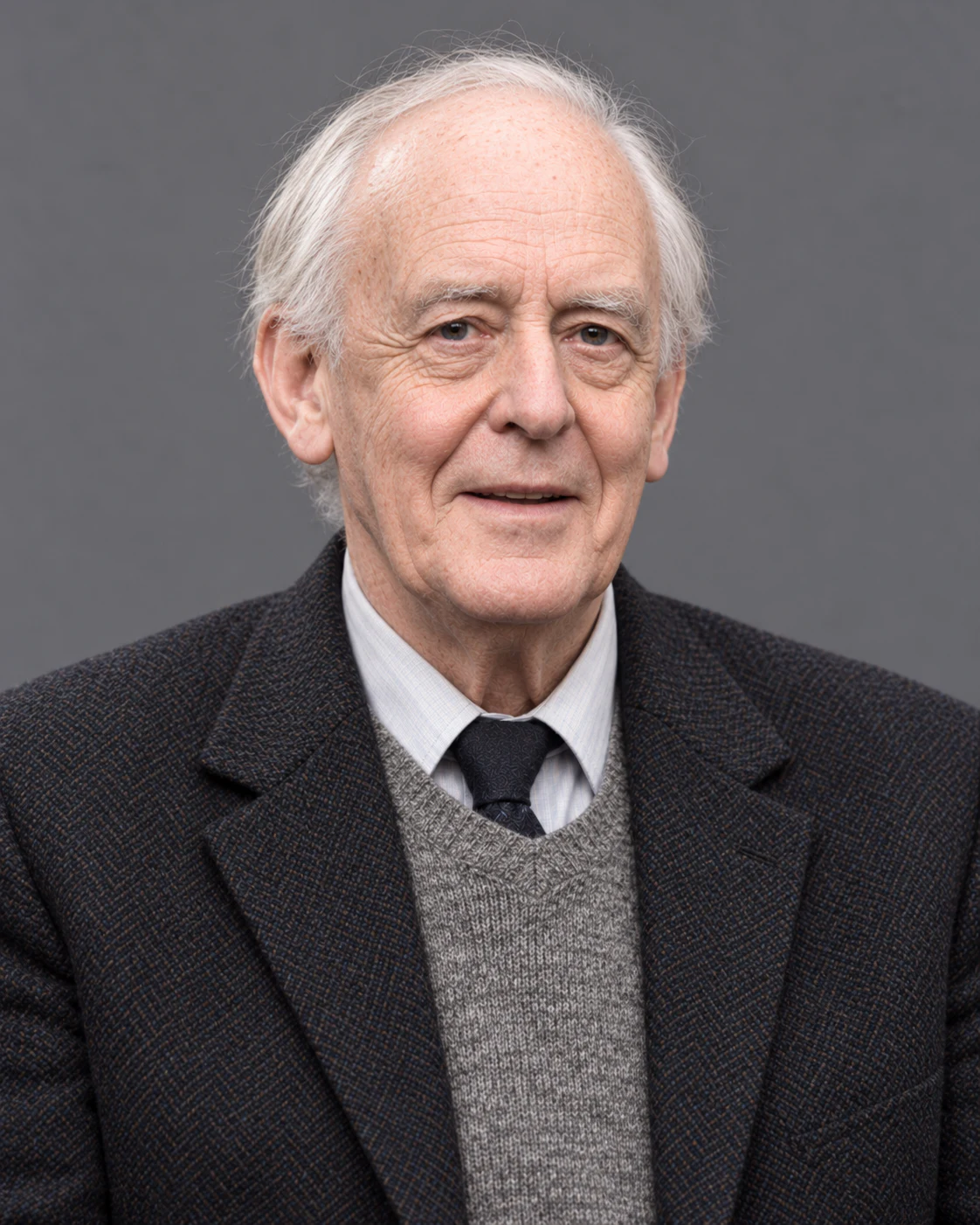
John Hicks
Economist John Hicks shared the 1972 Nobel Memorial Prize in Economic Sciences.
College connection
Former student.
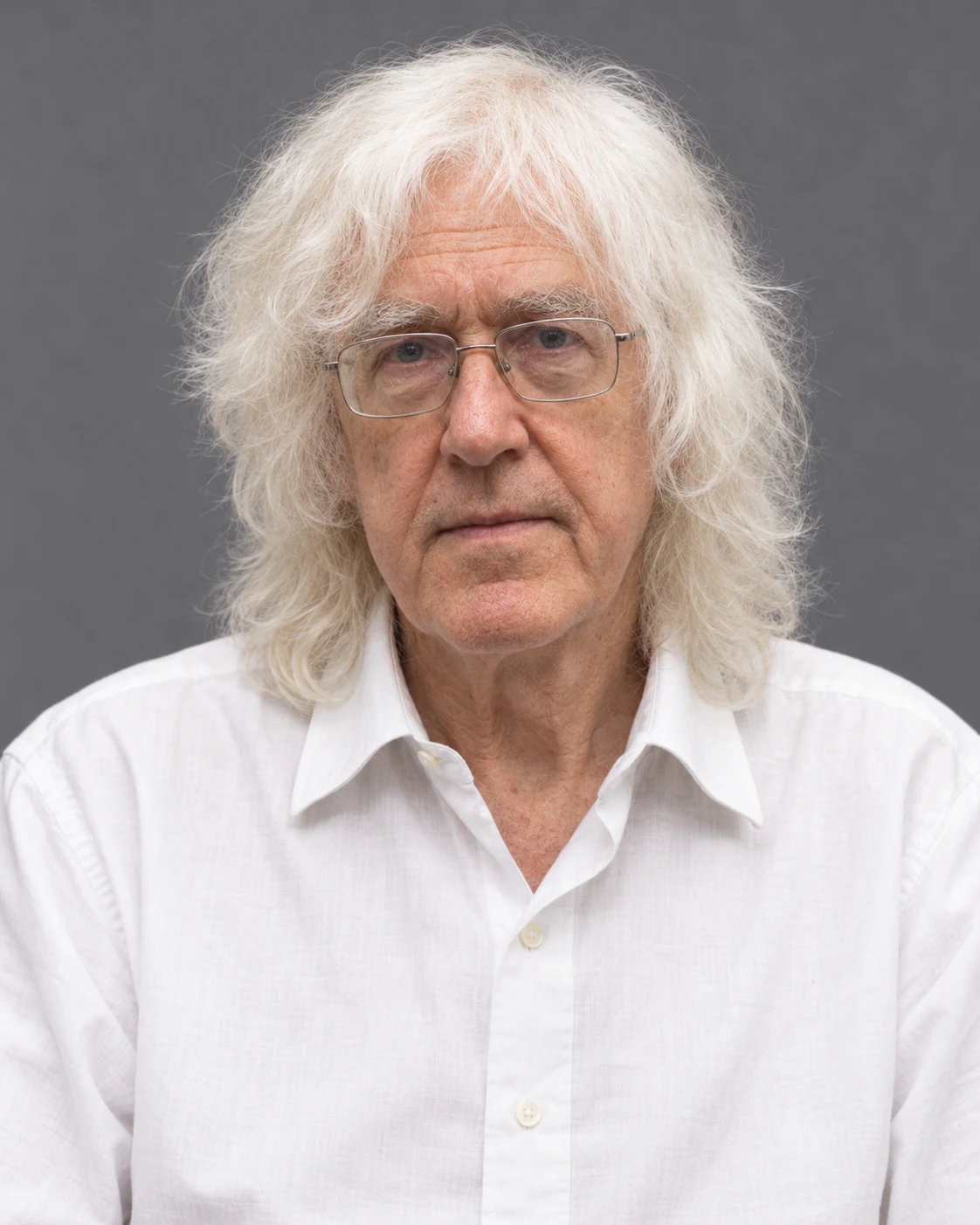
Derek Parfit
Derek Parfit was a philosopher known for his work on ethics.
College connection
Former student.
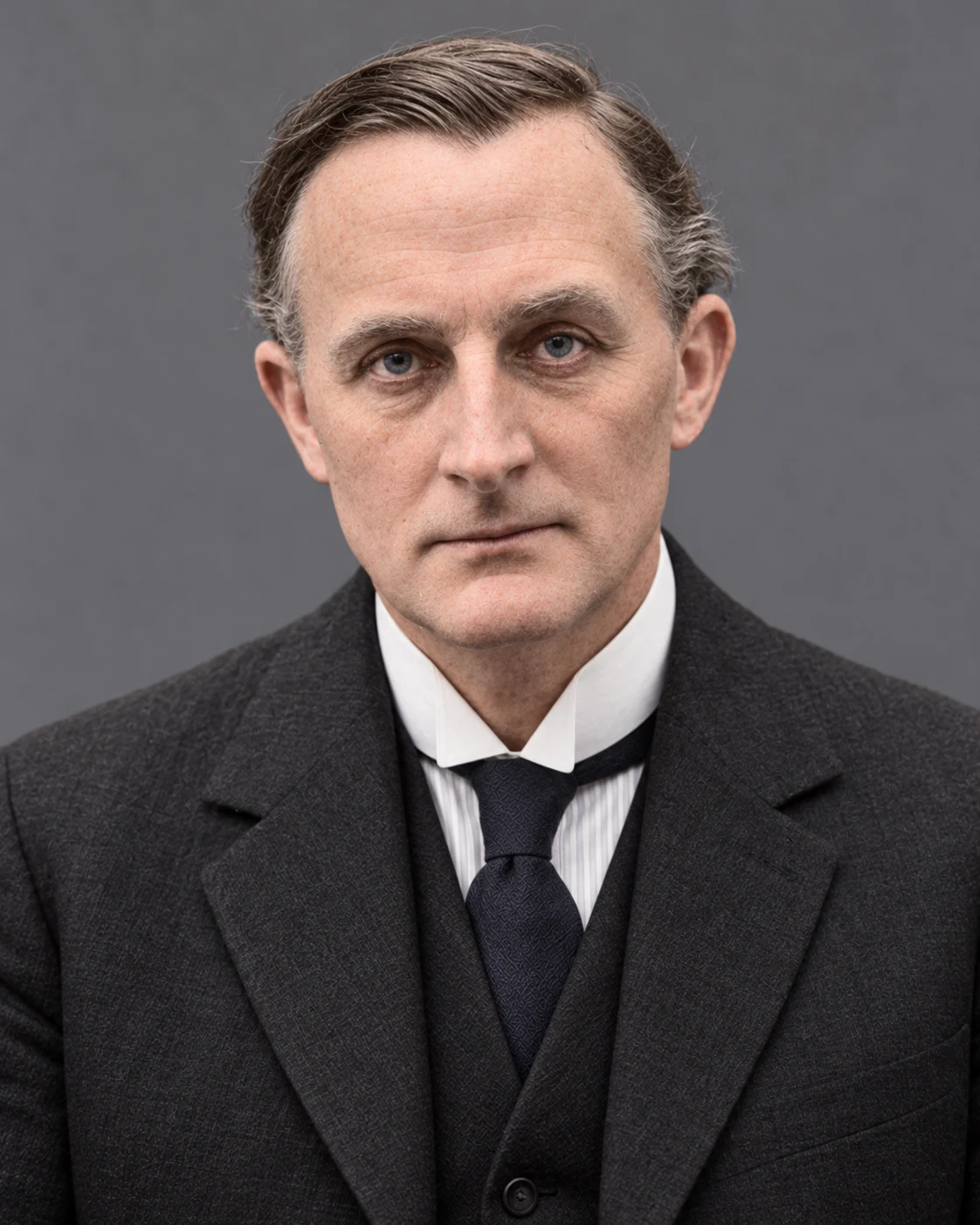
Edward Grey, Viscount Grey of Fallodon
Edward Grey served as British Foreign Secretary from 1905 to 1916.
College connection
Former student.
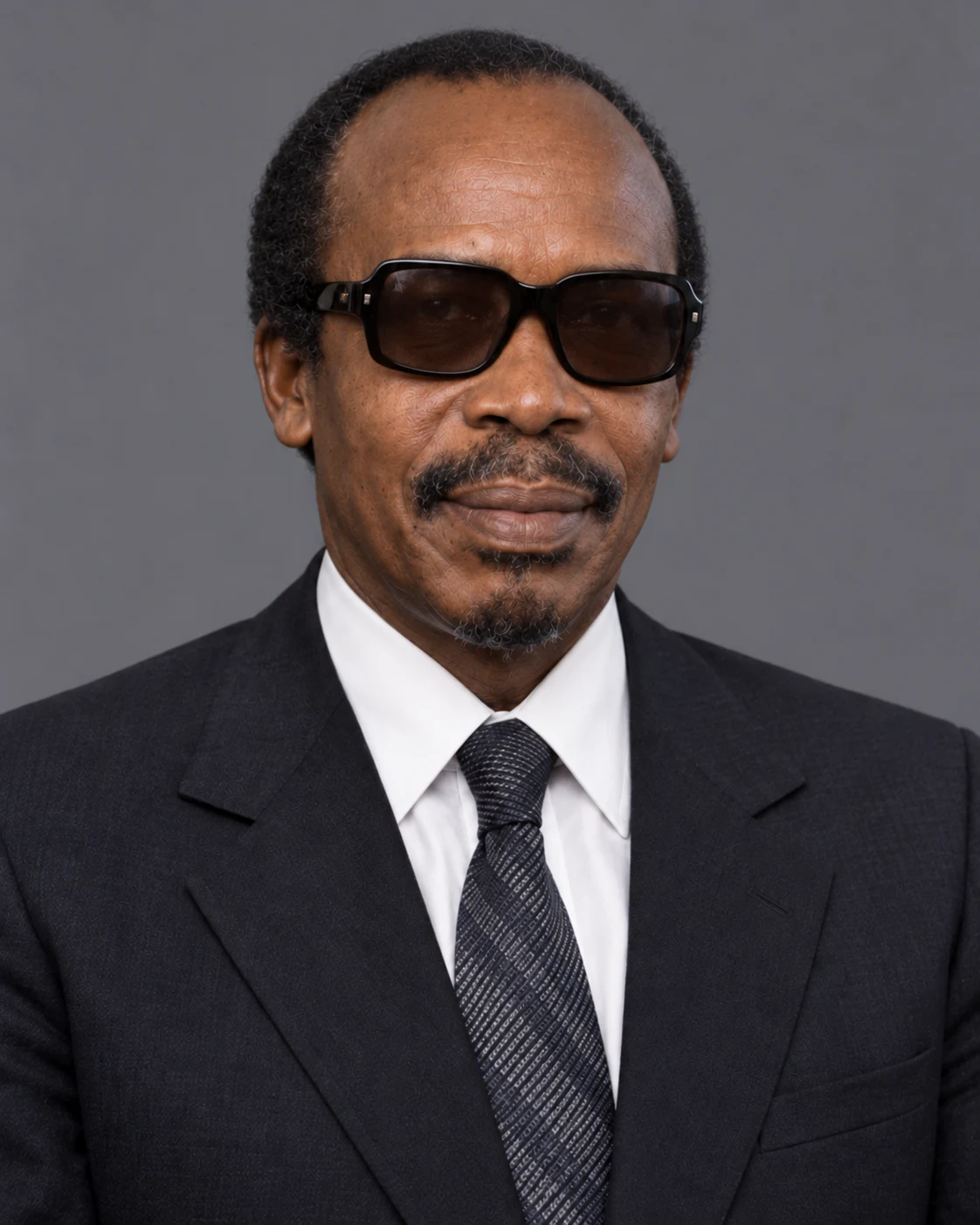
Seretse Khama
Seretse Khama became the first president of Botswana.
College connection
Former student.
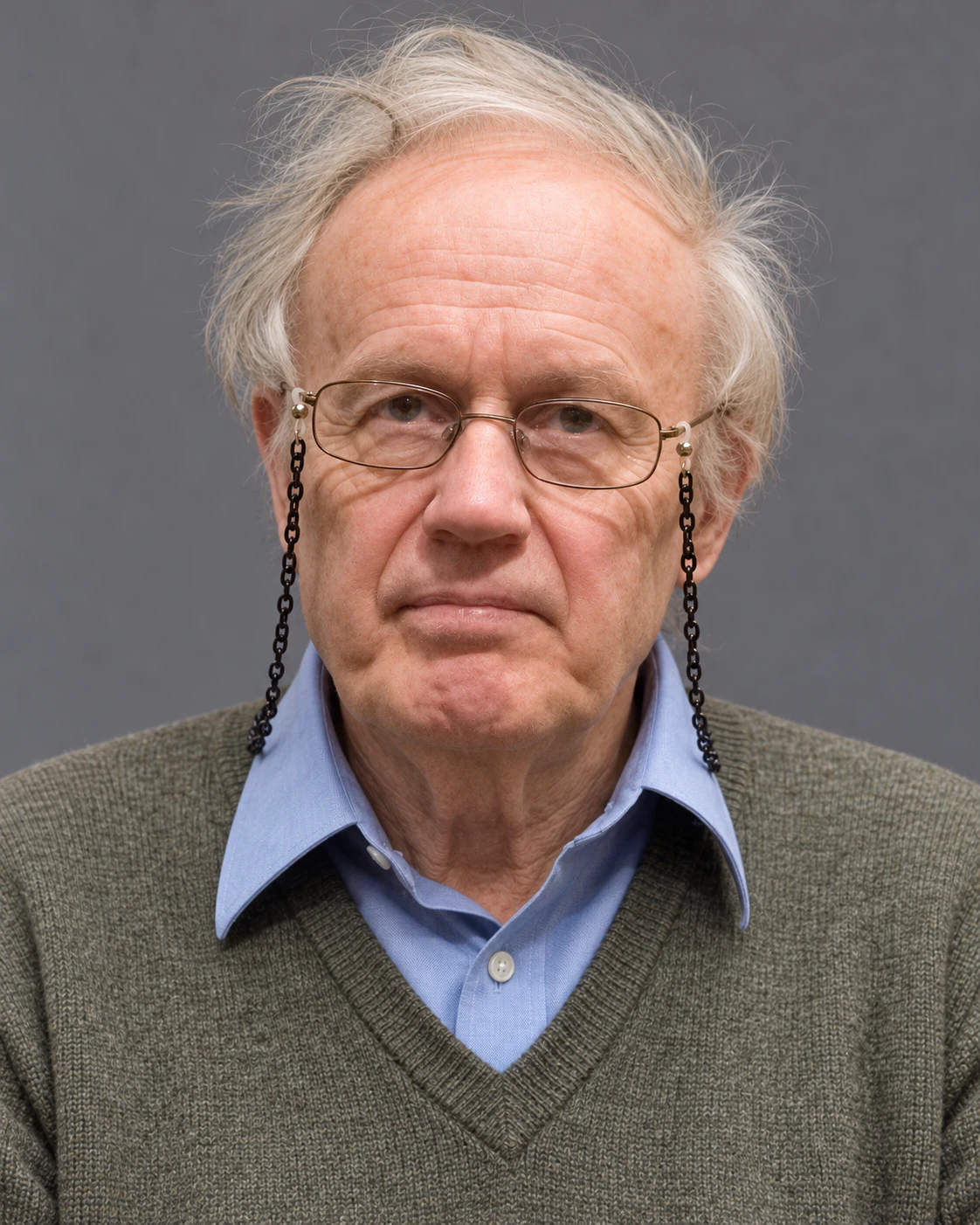
Anthony Leggett
Physicist Anthony Leggett shared the 2003 Nobel Prize in Physics.
College connection
Former student.
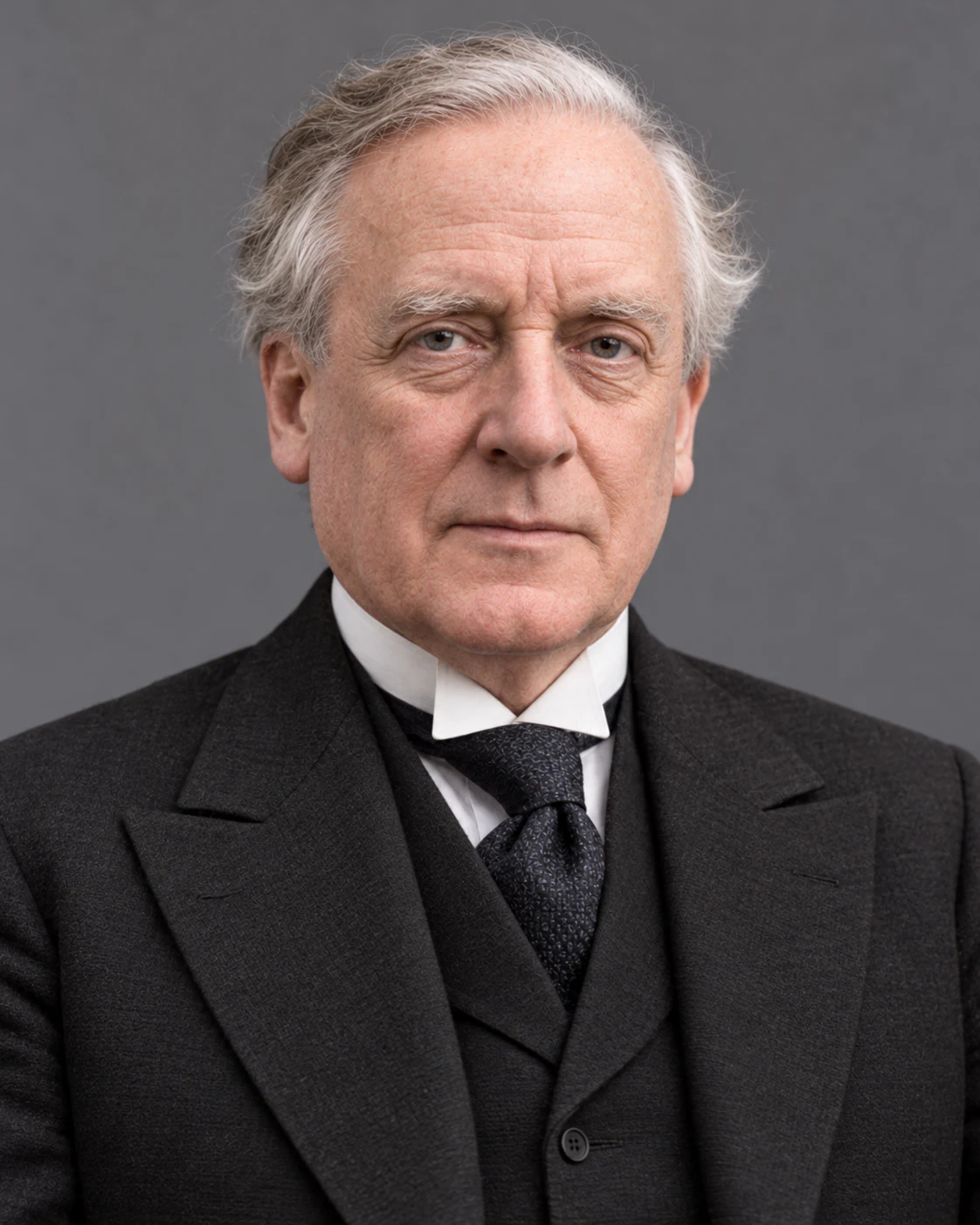
Herbert Asquith
Herbert Asquith went on to become British prime minister.
College connection
Former student.
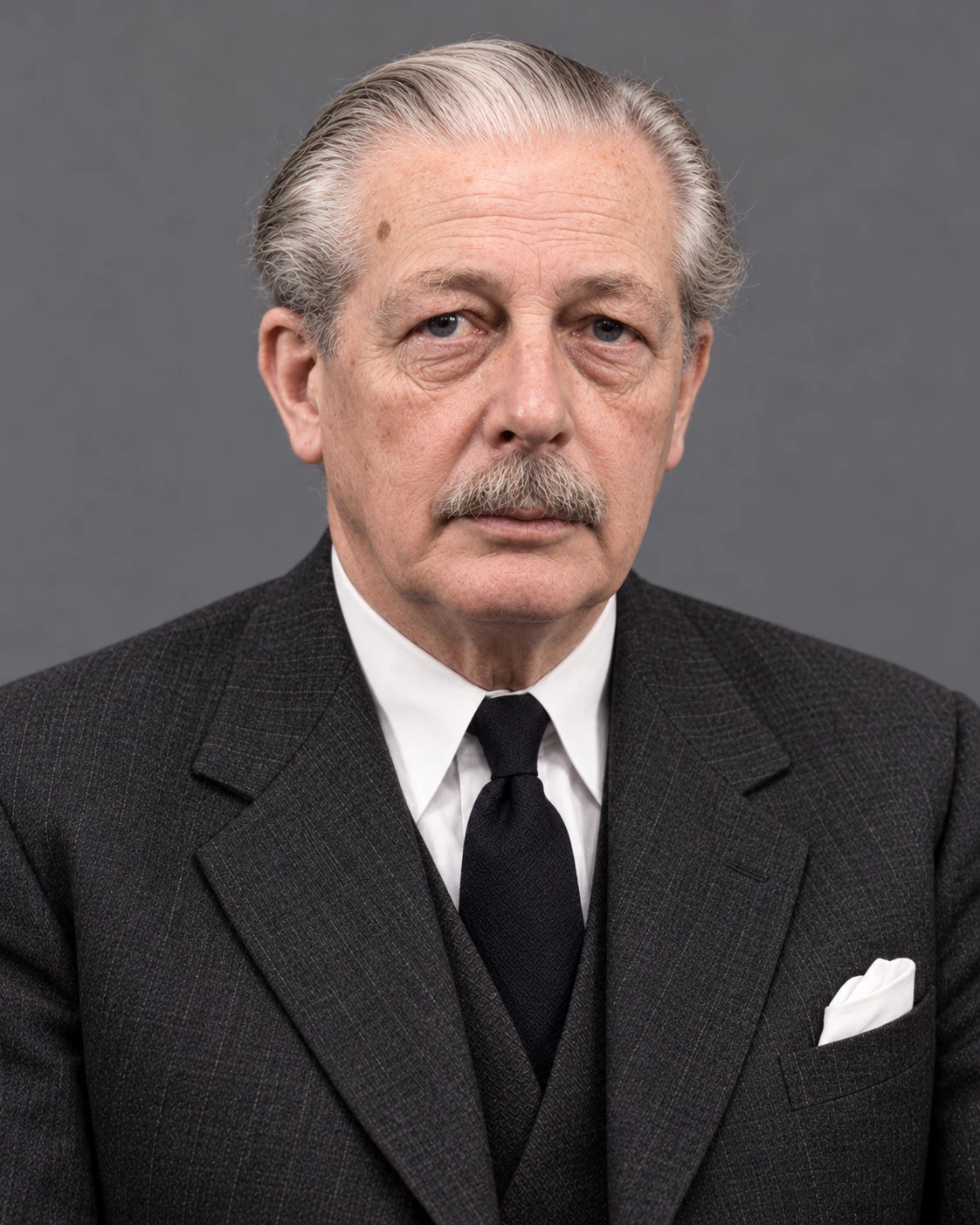
Harold Macmillan
Harold Macmillan went on to become British prime minister.
College connection
Former student.
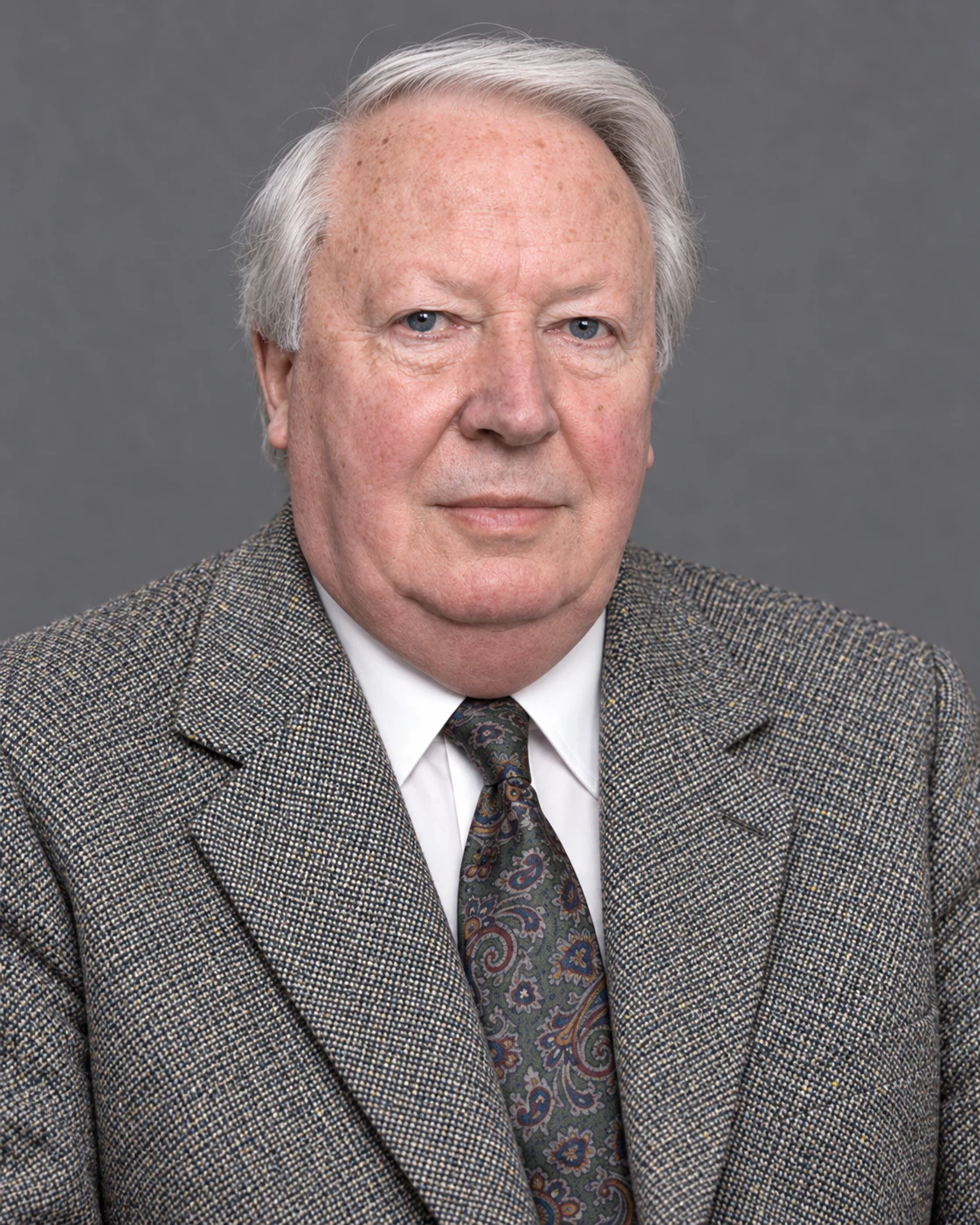
Edward Heath
Edward Heath went on to become British prime minister.
College connection
Former student.
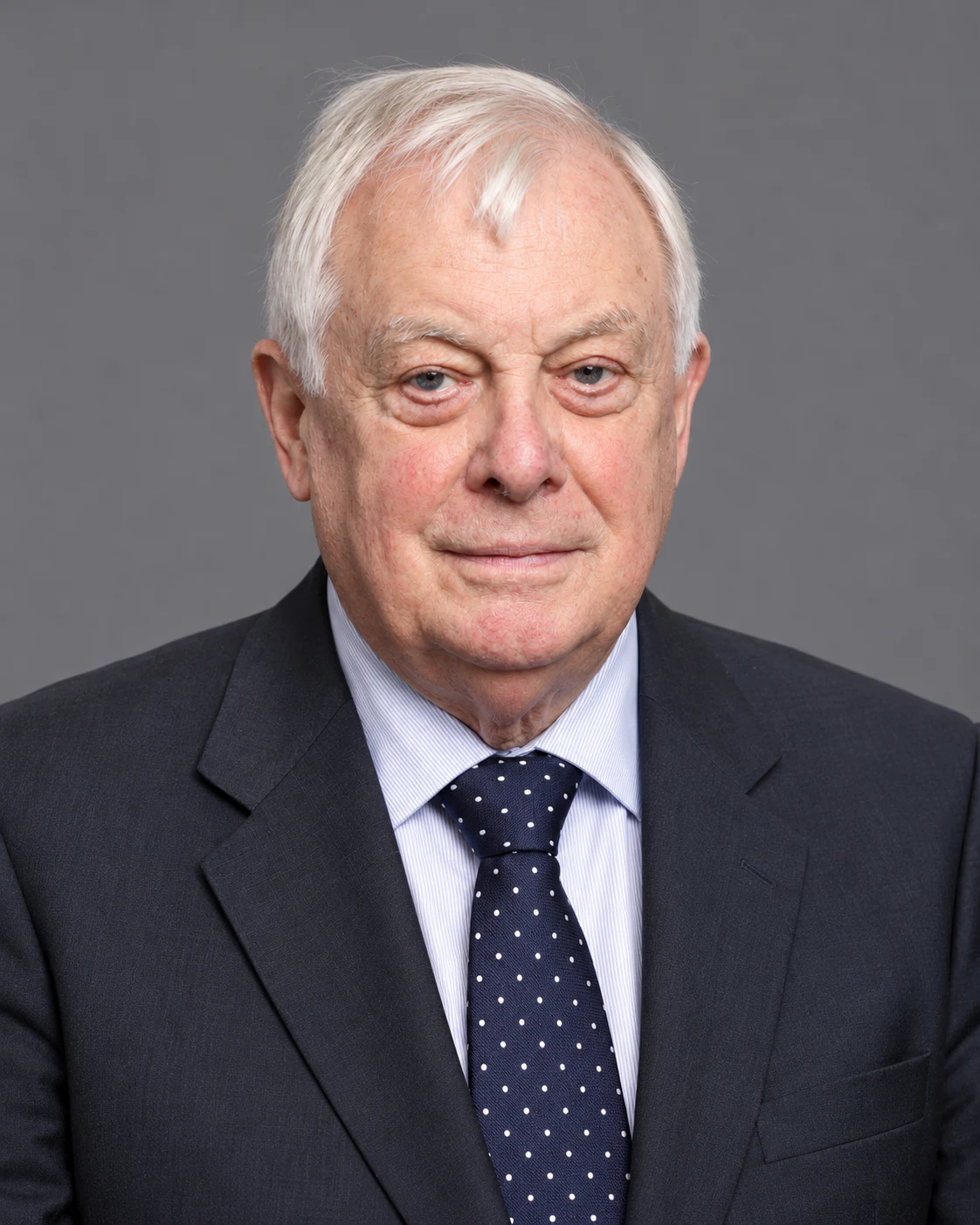
Christopher Patten
Christopher Patten was the last Governor of Hong Kong and later Chancellor of Oxford University.
College connection
Former student.
Fellows, founders and other connections
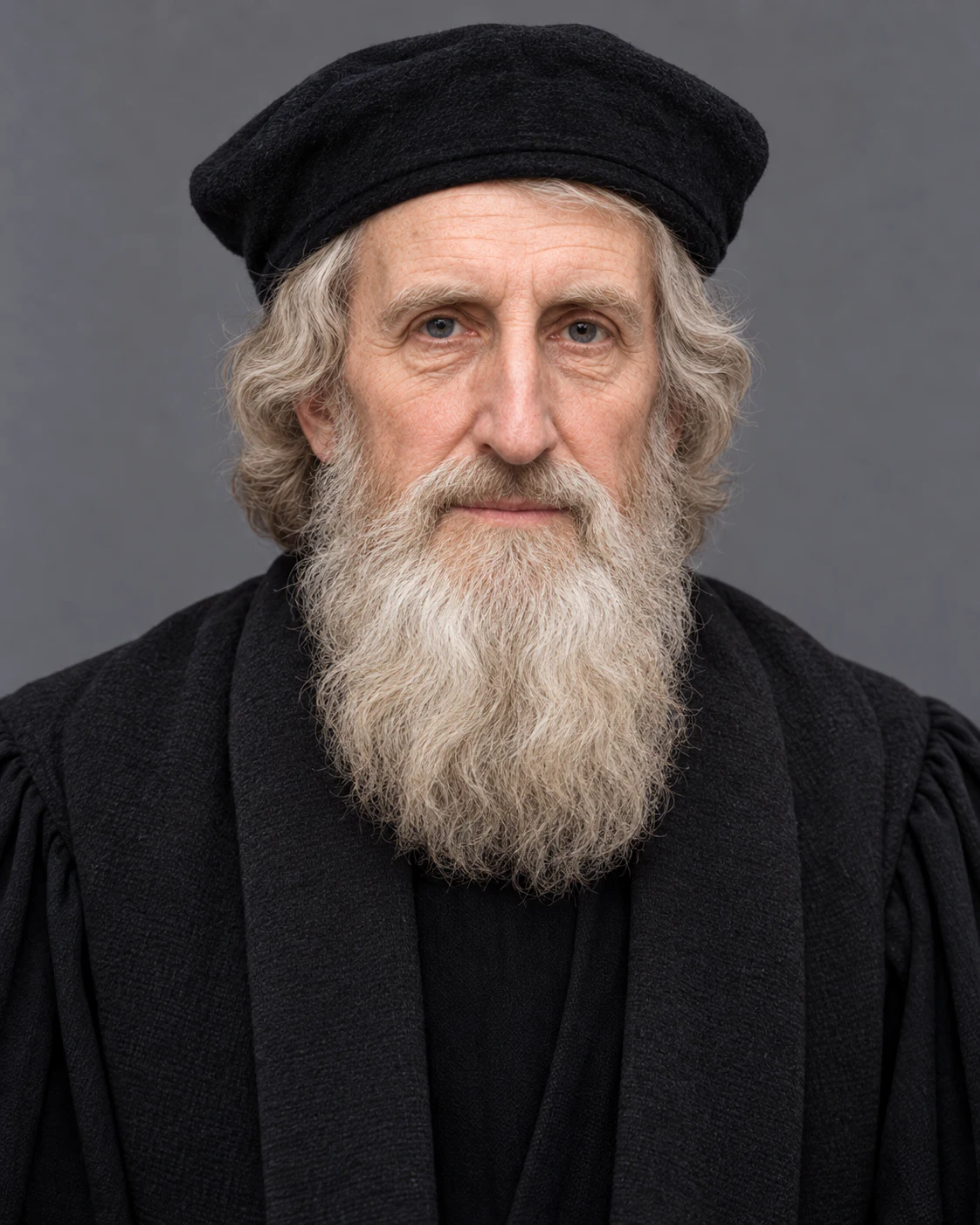
John Wycliffe
1360
Religious reformer John Wycliffe was Master of Balliol around 1360.
College connection
Master of Balliol around 1360; religious reformer.
The story
History & character.
John and Dervorguilla
In the 1260s, John de Balliol began supporting a small group of scholars in Oxford. After his death in 1269, his wife Dervorguilla of Galloway gave the community money, rules and its first seal. Her statutes of 1282 helped establish the college that bears their name. Balliol honours both as founders.
The traditional founding date is 1263, although the precise year is uncertain. A royal document shows that the community already existed by June 1266. By 1284, the scholars occupied three properties on what is now Broad Street.
The old college and its books
The college gradually grew around a courtyard with a chapel, hall, library and rooms for its members. Some of the Upper Library’s medieval walls and windows survive. Its western bays were completed by 1431; the eastern bays were added later in the century and are associated with the books of William Gray.
Gray gathered manuscripts during his travels in Europe, and his books remain part of Balliol’s historic collections. Other treasures include a twelfth-century manuscript of the Domesday survey and Richard Hill’s memorandum book, which preserves early English carols. The collections can be consulted by appointment.
The old dining hall found a new purpose when a larger hall opened in 1877: it became the Lower Library. A reading room was added on a mezzanine in 1959. Today, the college’s old and new uses sit alongside one another, although the working library is not part of the ordinary visitor route.
A Victorian chapel and hall
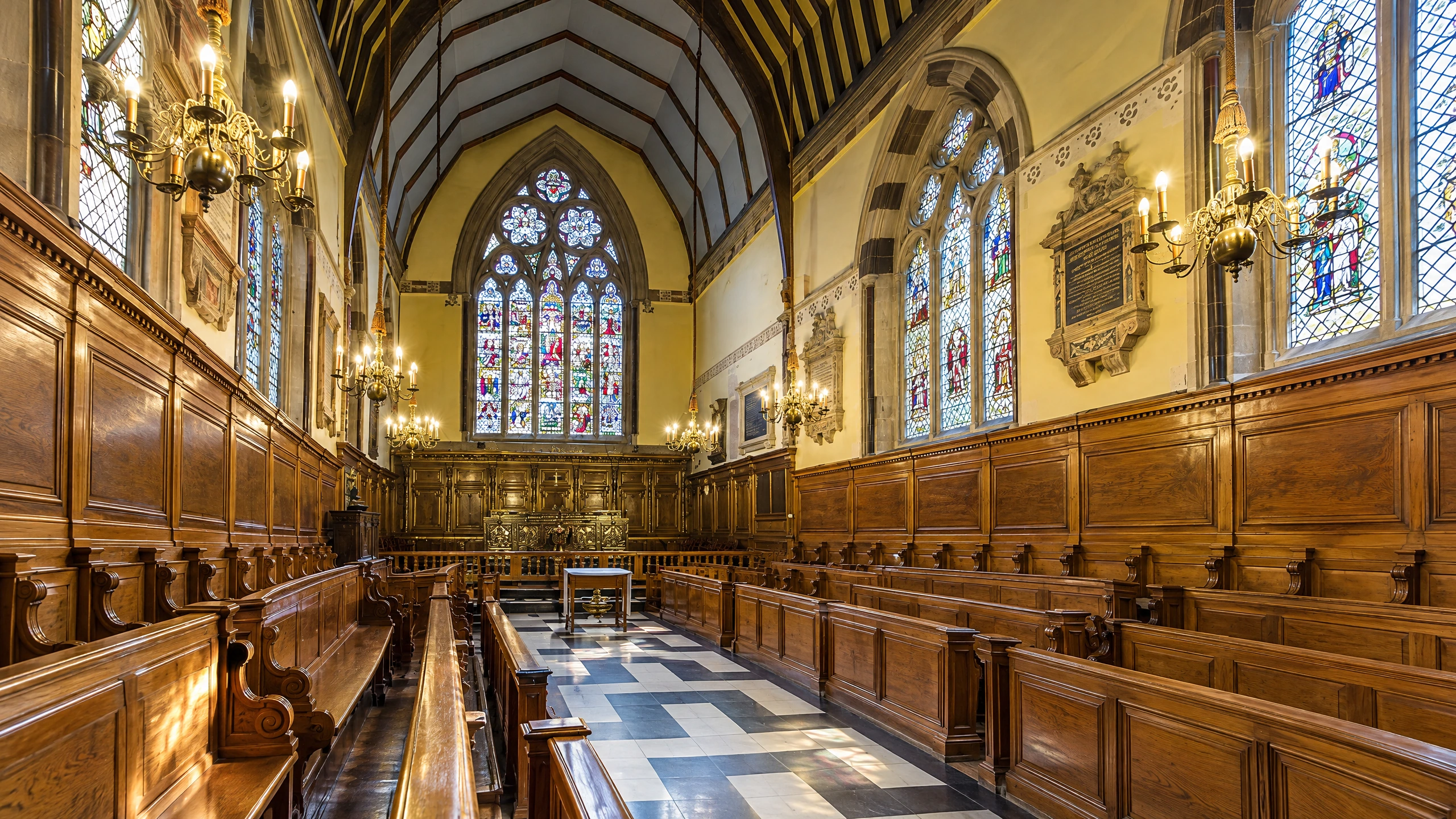
Balliol’s present chapel was designed by William Butterfield and completed in 1857. It replaced an earlier chapel, but some of the glass inside is older than the building. Sixteenth- and seventeenth-century panels, including work by Abraham van Linge, were reset in 1912. One panel depicts members of the college kneeling before St Catherine, Balliol’s patron saint.
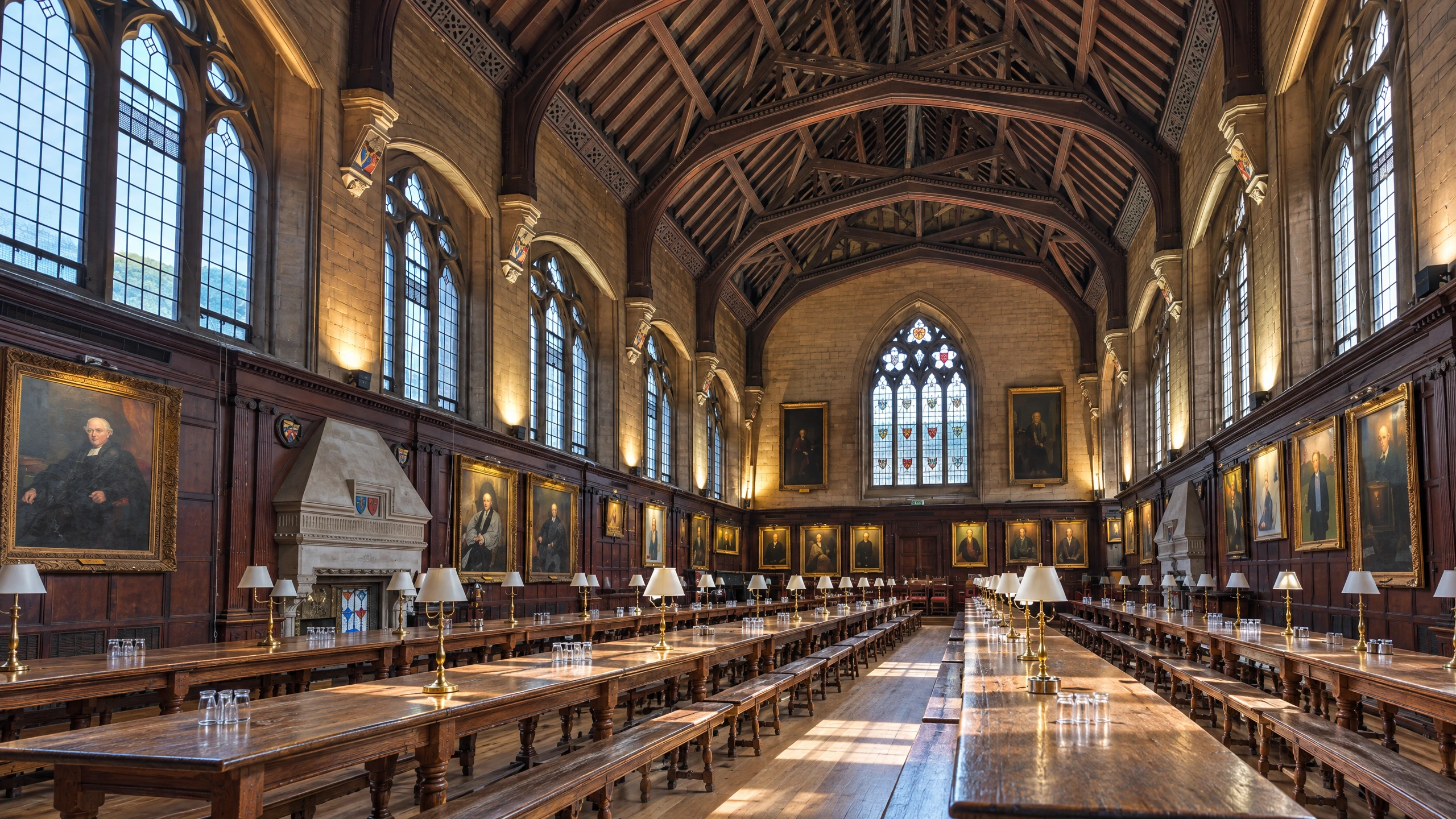
Architect Alfred Waterhouse reshaped the college in the later nineteenth century. His buildings include the hall at the far end of Garden Quad, completed in 1877. Front Quad and the garden court show how the college expanded and changed while keeping parts of its much older home.
Ideas, music and science
In the nineteenth century, Balliol became known for its teaching and for opening academic awards to wider competition. Benjamin Jowett, Master from 1870 to 1893, was part of that change. During his time the college gained an undergraduate library and new hall; music also grew through concerts, singing and the work of John Farmer and Ernest Walker.
Balliol and neighbouring Trinity started teaching science together in 1879. Their laboratories supported chemistry and physical chemistry until 1941. Former Balliol students later included Cyril Hinshelwood, who shared the Nobel Prize in Chemistry, and physicist Anthony Leggett.
Lives beyond Broad Street
Adam Smith lived at Balliol from 1740 to 1746, long before he wrote The Wealth of Nations. Hardit Singh Malik studied modern history and graduated in 1915, then became a fighter pilot and later a diplomat. The writers Graham Greene, Aldous Huxley, Matthew Arnold and Gerard Manley Hopkins are among the college’s other former students.
Balliol elected its first woman fellow and tutor in 1973 and admitted women students in 1979. Empress Masako, then Masako Owada, studied at the college in 1988–90 and lived at Holywell Manor, its graduate home away from Broad Street.
Look closer
What to see.
Front Quad
Balliol’s Broad Street entrance opens onto Front Quad, where fifteenth-century buildings stand alongside later stonework. The old hall on one side became part of the library after a new hall was built.
Butterfield’s chapel
William Butterfield designed the chapel in 1857, but its painted windows contain older glass. Panels dating from the sixteenth and seventeenth centuries include work by Abraham van Linge.
Garden Quad and hall
A passage leads to the green Garden Quad. At the far end stands Alfred Waterhouse’s hall, completed in 1877 and still part of college life.
The gardens
The Fellows’ Garden and the lawn around Garden Quad bring a quieter, greener setting to the heart of the city. They are part of the college visit when open.
Books across the centuries
Balliol’s medieval library buildings and historic collections hold manuscripts, early printed books and personal papers. The working library is not on the ordinary visitor route; researchers can arrange a visit to the Historic Collections Centre.
Make it work
Plan your visit.
Opening and admission
Balliol usually opens from 10 am to 5 pm, or until dusk if earlier. College events can cause closures. Admission is £6 for adults and £3 for concessions and students. Potential applicants, Oxford University members and Oxford alumni enter free. A map and guide are included.
The visit includes the gardens, chapel and hall when open. During term, examinations and admissions, groups are limited to eight people including a guide; Green and Blue Badge guides may bring up to 19 guests. The Lodge can advise on opening and group visits: 01865 277777.
The Garden Quad Buttery welcomes visitors on weekdays during term, from noon to 5 pm; alcohol is served from 12.30 to 1.45 pm.
Historic collections
The working college library is outside the general visitor route. The Historic Collections Centre at St Cross Church welcomes researchers by appointment, usually Monday to Friday, 9.30 am–noon and 1.30–4.30 pm. Enquiries: library@balliol.ox.ac.uk.
Visit your way
Access and family planning.
A ramp at the Lodge leads to Front Quad. Chapel Passage provides a step-free route to the gardens and Garden Quad. The hall has a platform lift; a portable ramp for the chapel can be arranged through the Broad Street Lodge.
The main library is upstairs and has no lift. The Historic Collections Centre has separate wheelchair access and accessible toilets. For help with the college route, the Lodge is on 01865 277777.
The gardens and courtyards offer space to explore, with painted glass in the chapel and the hall at the end of Garden Quad. A map is included with admission. The Lodge can advise on children’s prices and any room closures.
During restricted periods, groups are limited to eight people including a guide; different limits apply to Green and Blue Badge guides.
Self-guided walk
A walk through Balliol
Balliol’s old courtyard, chapel and gardens sit just behind Broad Street.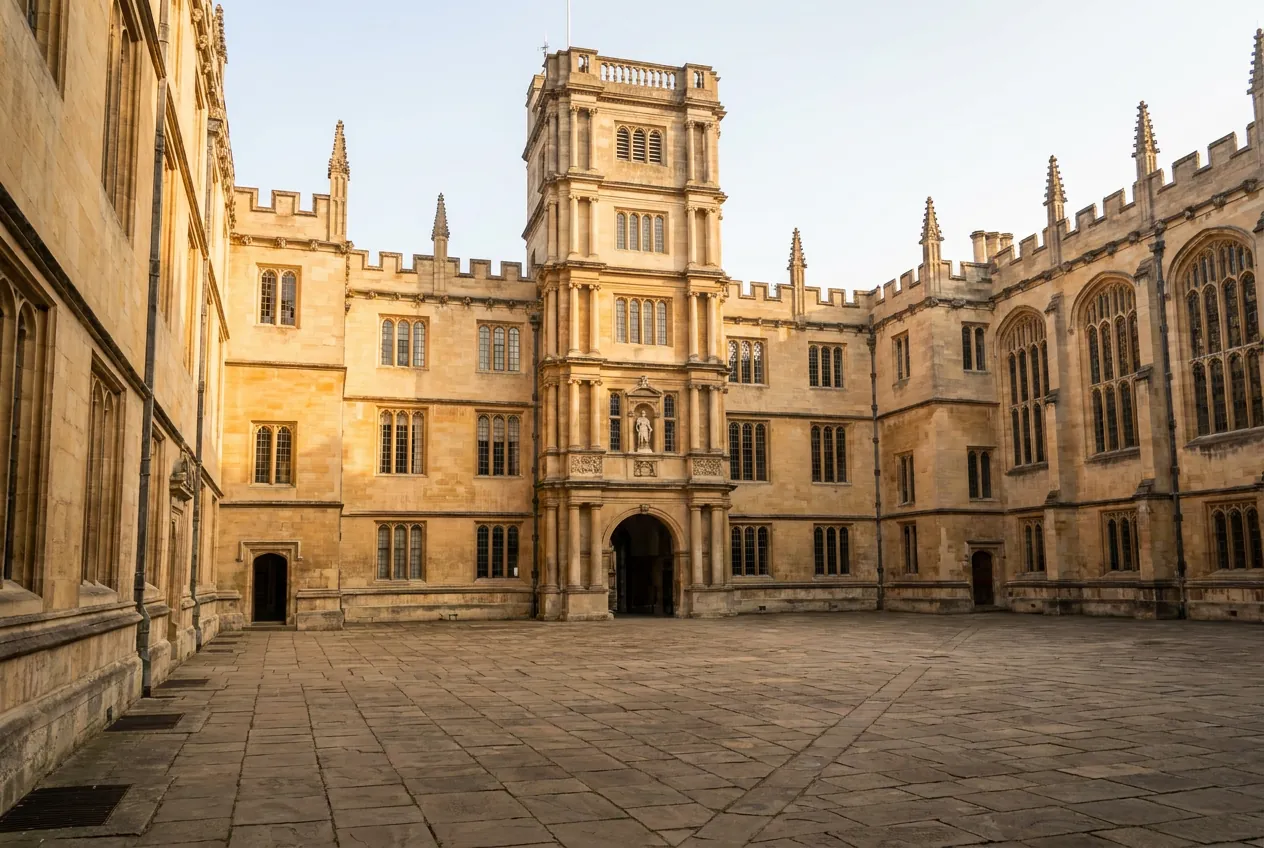
Broad Street and Front Quad
The entrance from Broad Street leads to the old college courtyard, with fifteenth-century buildings and later Victorian work around it.
Chapel
William Butterfield’s 1857 chapel holds painted glass from earlier centuries, including panels by Abraham van Linge.
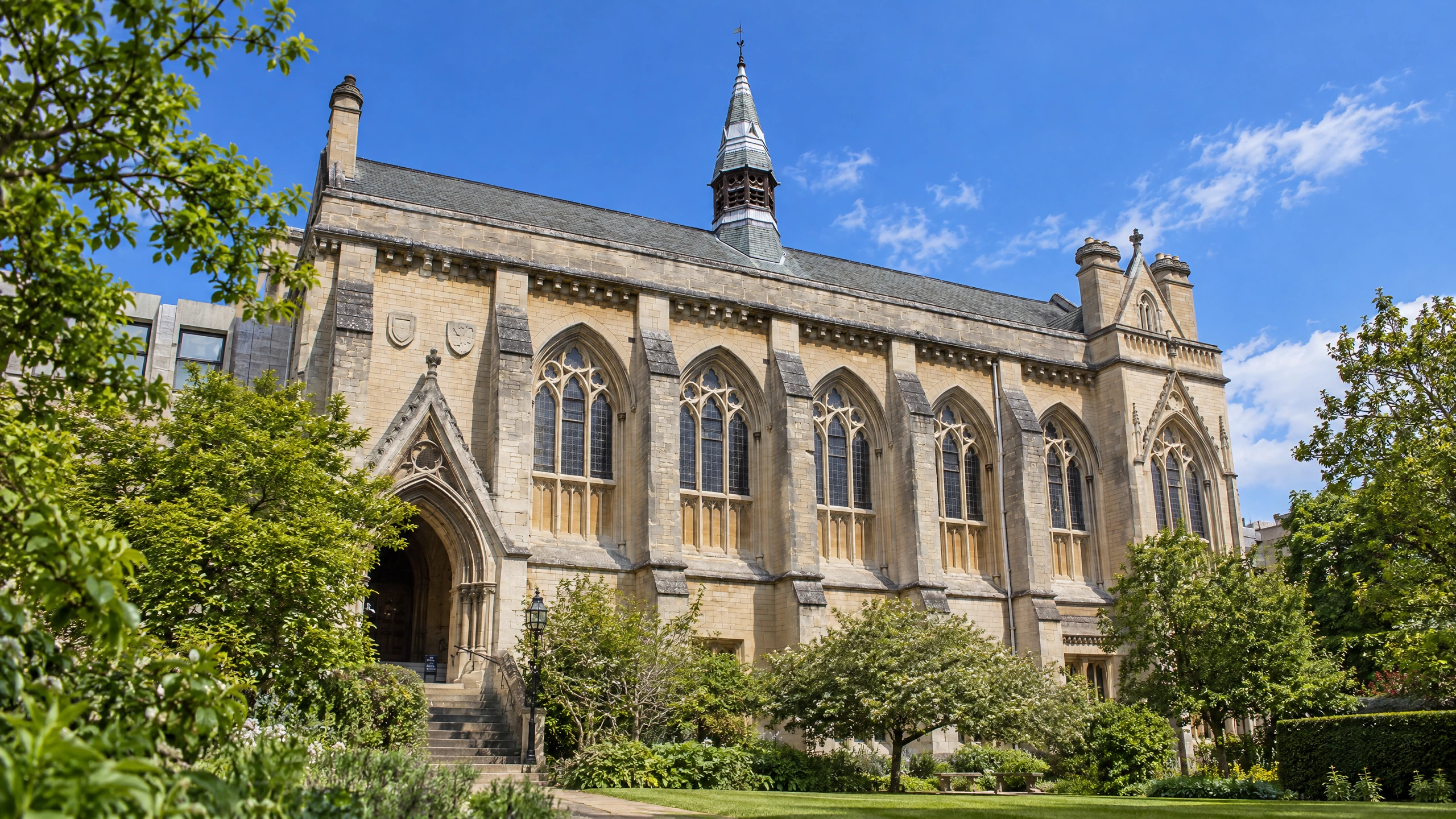
Chapel Passage and Fellows’ Garden
The passage opens towards the gardens, giving the college a green setting just behind Broad Street.
Garden Quad and Hall
Alfred Waterhouse’s hall stands at the far end of Garden Quad. During term, the Buttery offers refreshments to visitors on weekday afternoons.
The college library
The medieval library and its later reading room are working study spaces. Balliol’s historic collections can be consulted by appointment at the Historic Collections Centre.
See it
In pictures.
10 views, full screen. Tap any one to open the viewer.Around here
Make more of the area.
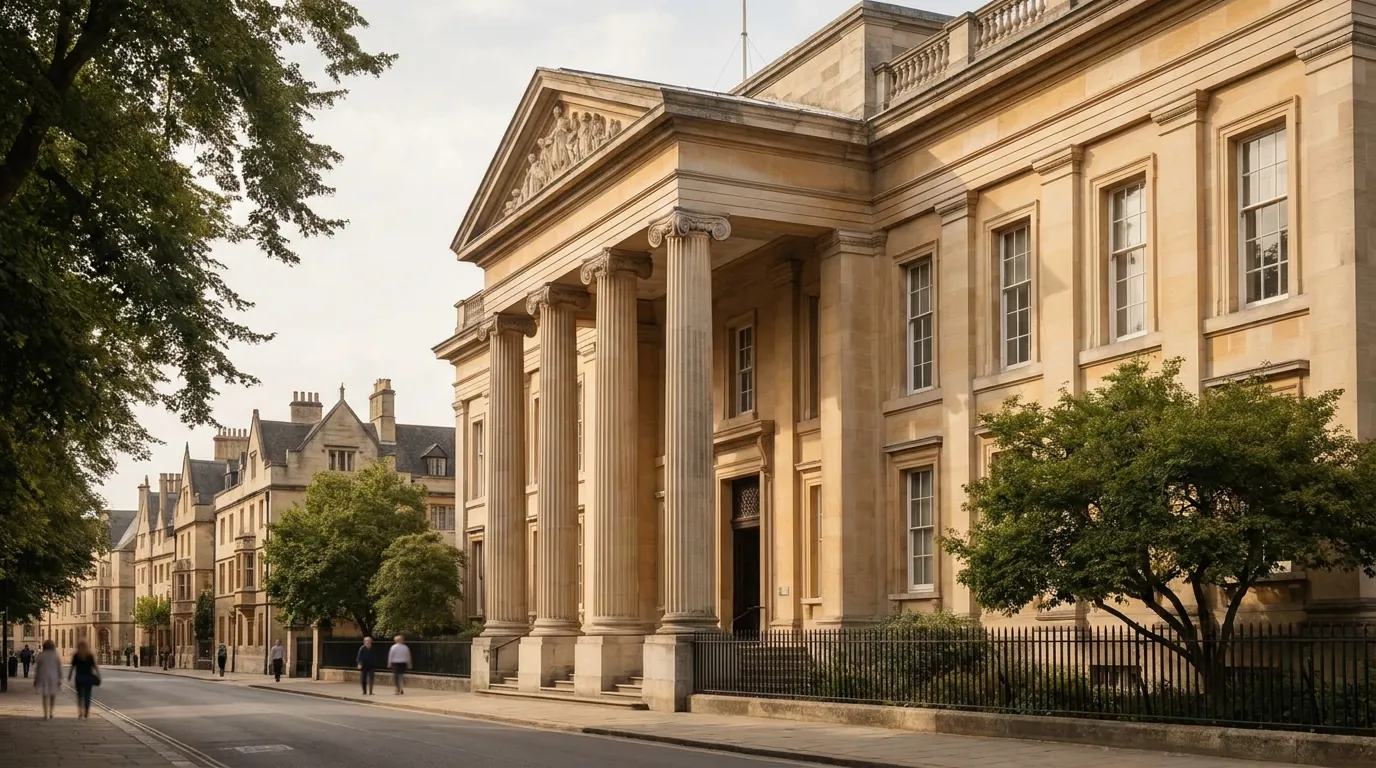
The Ashmolean brings together art and archaeology, from ancient Egypt to later European and Asian collections. Its entrance is on Beaumont Street, west of Balliol. Explore the Ashmolean.
East along Broad Street, the Bodleian’s historic buildings lead into Oxford’s library quarter. The Divinity School and library interiors can be visited through the Bodleian’s own programmes. Explore the Bodleian.
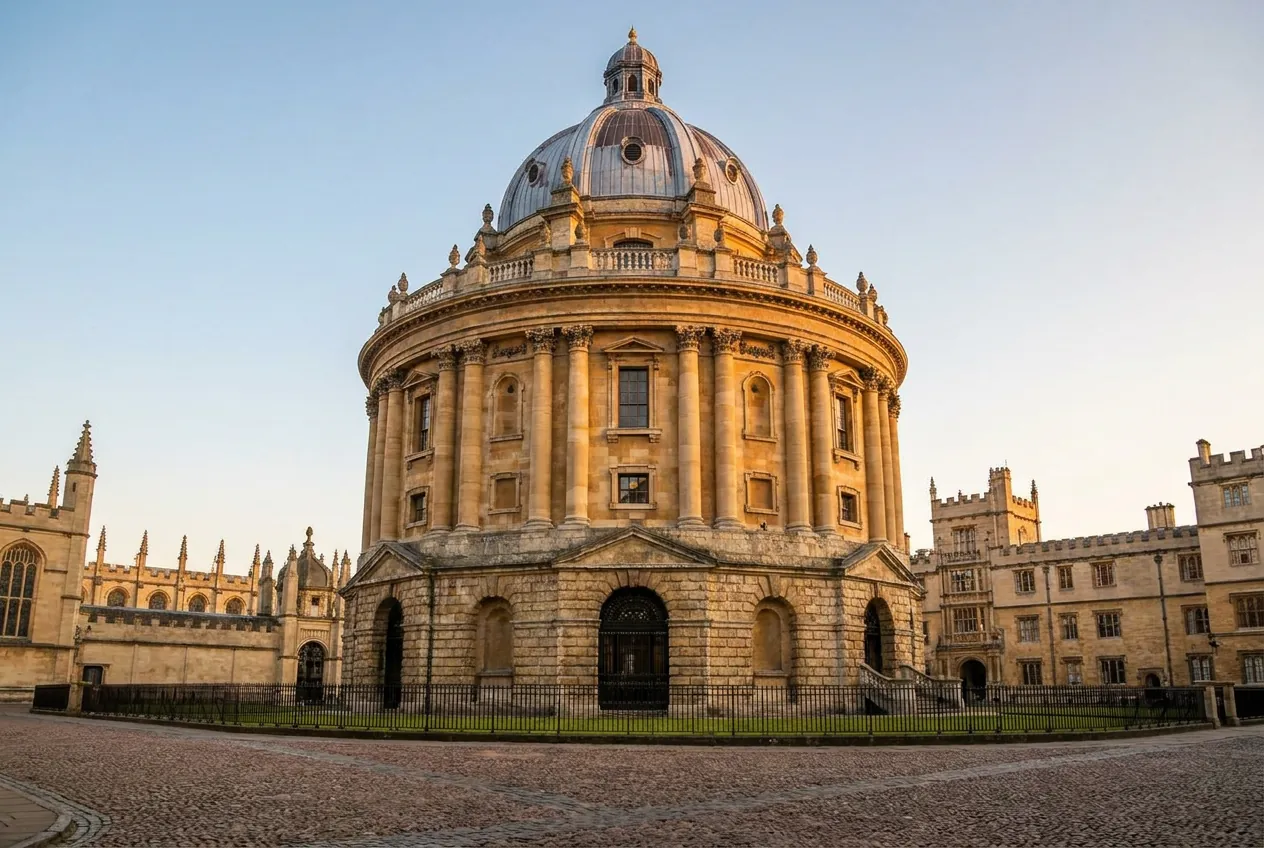
The circular Radcliffe Camera stands in the square that bears its name. Its reading rooms are part of the Bodleian Library. Explore the Radcliffe Camera.

The University Church overlooks Radcliffe Square. Its tower offers views over the college roofs, and the church remains a place of worship. Explore the University Church.
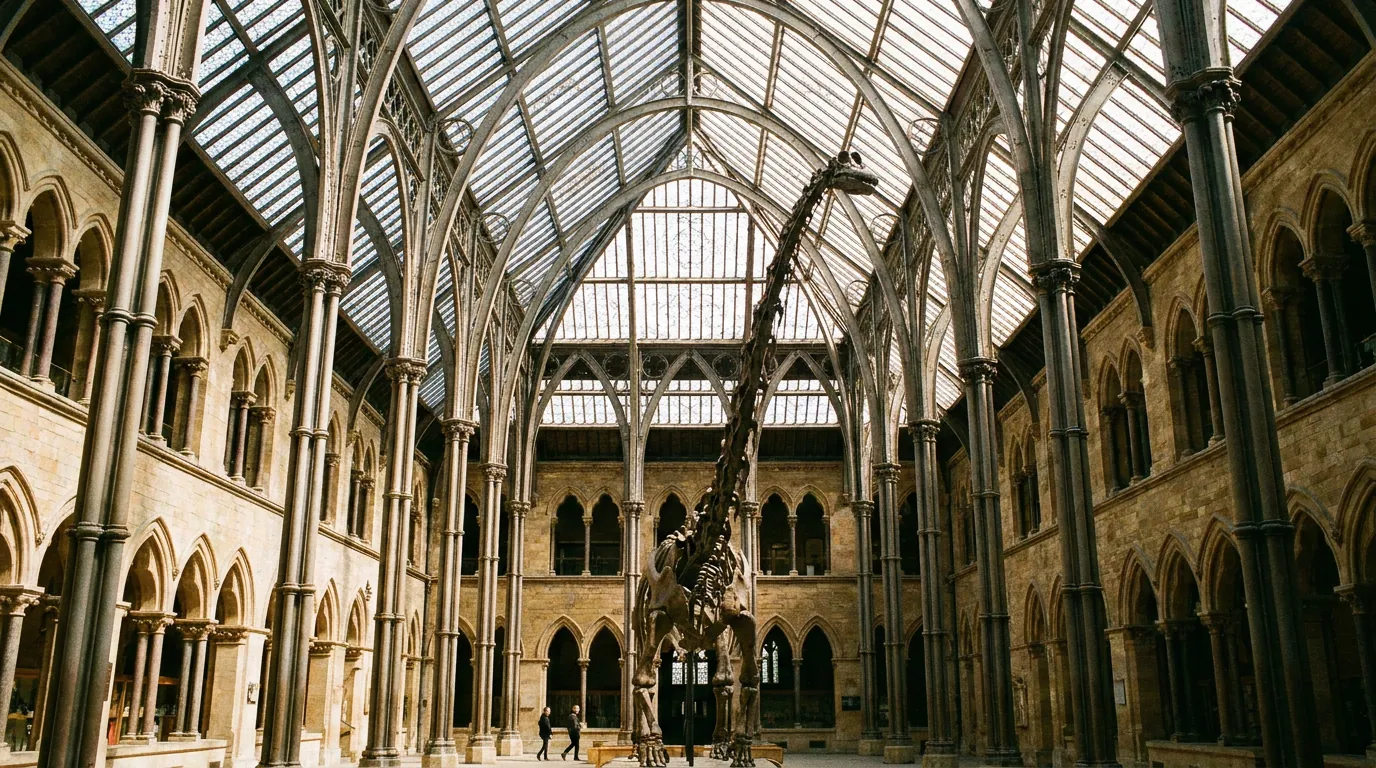
The museum on Parks Road houses natural-history collections beneath a remarkable glass roof. Explore the Museum of Natural History.
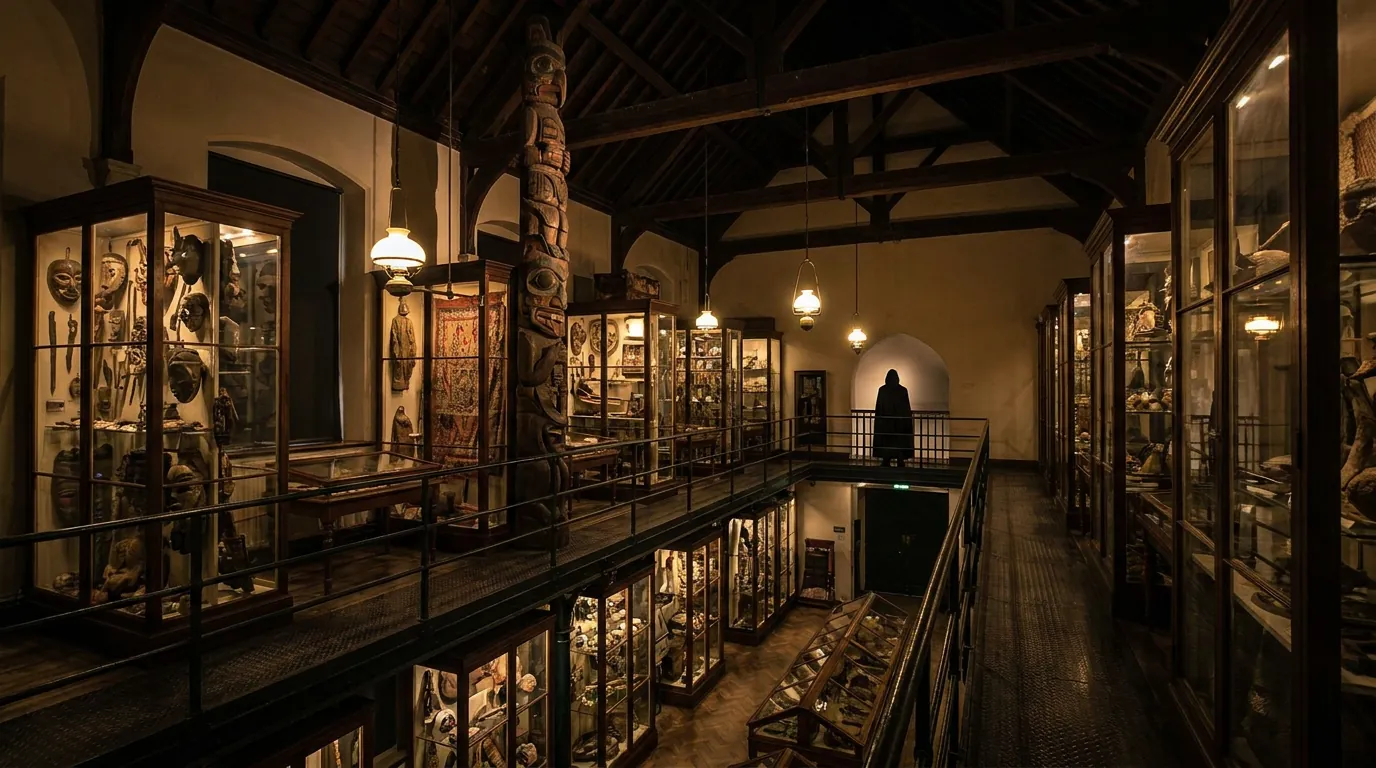
The Pitt Rivers Museum’s densely packed displays of archaeology and anthropology are reached through the Museum of Natural History. Explore the Pitt Rivers Museum.
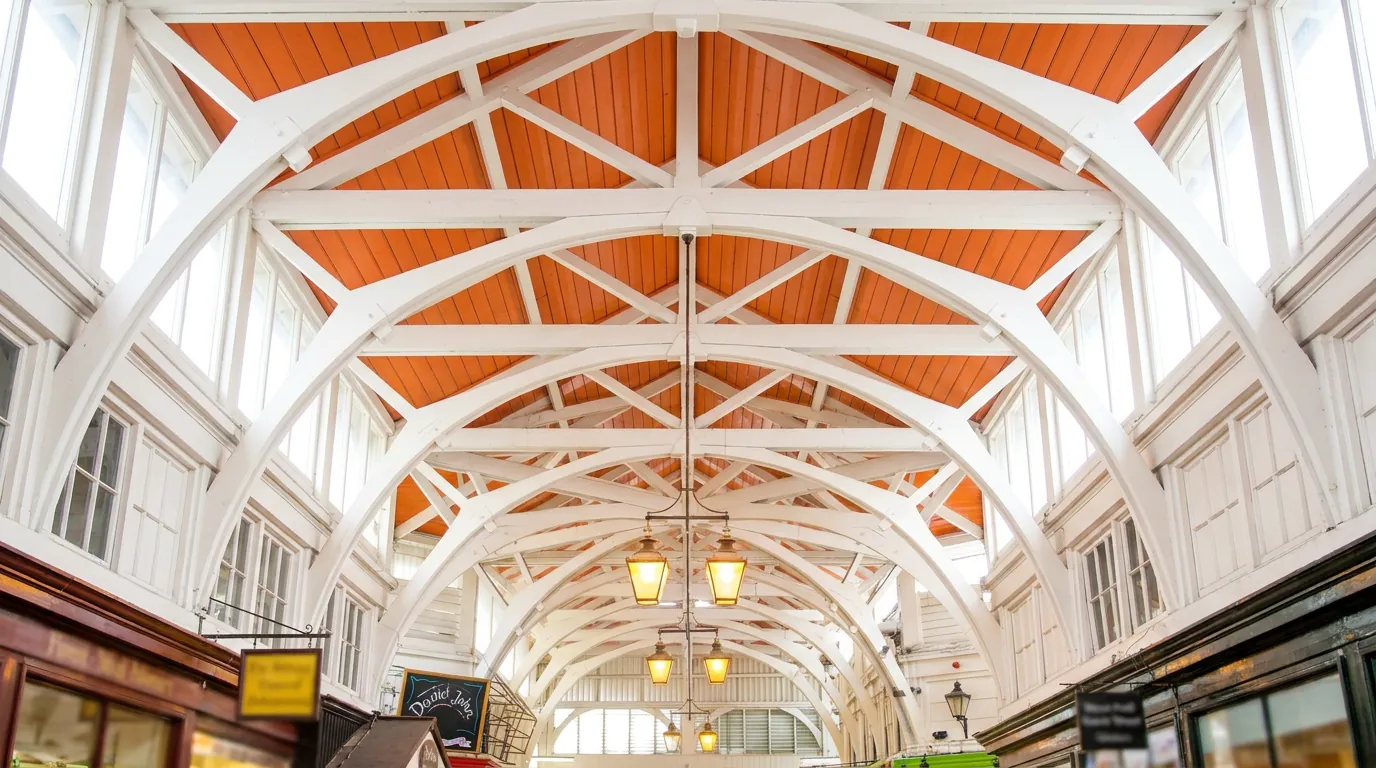
The historic Covered Market is home to independent shops, cafés and food traders, a short walk towards Market Street. Explore the Covered Market.
Good to know
Questions, answered.
Is Balliol College Oxford wheelchair accessible?
A ramp connects the Lodge and Front Quad. The gardens can be reached via Chapel Passage, the Hall has a lift from the Buttery, and staff can provide a portable ramp for the Chapel.
Does a Balliol (Oxford) ticket cover both the Chapel and Waterhouse Hall?
A Balliol College ticket in Oxford covers the Chapel and Waterhouse Hall when those spaces are open. Admission includes the gardens, chapel and hall, as well as a map and guide. College events can cause temporary closures.
What are Balliol College’s visitor opening hours?
Balliol normally opens from 10 am to 5 pm, or dusk if earlier. The college can close for events, and admission includes a map and guide to the visitor route.
How much does it cost to visit Balliol College?
Admission is £6 per adult and £3 for concessions and students. Potential applicants, Oxford University members and Oxford alumni enter free. The ticket includes a map and guide.
When was Balliol College (Oxford) founded?
Balliol College in Oxford traditionally gives its founding year as around 1263. The exact date is uncertain, but a royal document confirms that its community of scholars existed by June 1266.
Why is Dervorguilla a co-founder of Balliol?
Dervorguilla of Galloway supported the scholars after her husband John de Balliol died in 1269. She endowed the college, gave it its first seal and established its statutes in 1282.
Which parts of Balliol’s medieval library survive?
The Upper Library retains medieval walls and windows. Its western bays were completed by 1431, and later eastern bays were associated with William Gray’s books. The roof and much of the interior were changed in later centuries.
Was Balliol (Oxford)’s Lower Library originally a dining hall?
Balliol College’s Lower Library in Oxford occupies the old dining hall, which stood on Front Quad by 1430. After the new hall opened in 1877, the old one became an undergraduate library; a mezzanine reading room followed in 1959.
What is special about William Gray’s books at Balliol (Oxford)?
William Gray collected medieval manuscripts during his travels in Europe. His books remain part of the historic collections at Balliol College in Oxford, which also hold early printed books and other manuscripts. Visits to consult the collections are by appointment.
What is Balliol College (Oxford)’s Domesday Book manuscript?
Balliol College in Oxford holds a twelfth-century manuscript of the Domesday survey, dated around 1160–1170. It is part of the historic collections, which are consulted by appointment rather than on the ordinary college visit.
Did Nathanael Konopios introduce coffee to England from Balliol?
Balliol’s history records a tradition that scholar Nathanael Konopios introduced coffee drinking to England. It is an appealing story, but the college does not present the claim as certain.
Is Balliol’s Chapel as old as its foundation?
The present chapel was designed by William Butterfield and completed in 1857. The college is much older, and its chapel has been rebuilt more than once. Earlier stained glass survives inside.
Why is some glass inside Balliol (Oxford)’s Victorian Chapel much older?
Balliol College Chapel in Oxford contains mostly sixteenth- and seventeenth-century glass, including work by Abraham van Linge. The older panels were reset in 1912, decades after Butterfield’s building was completed.
Who designed Balliol (Oxford)’s Hall at the end of Garden Quad?
Alfred Waterhouse designed the hall range at Balliol College in Oxford, completed in 1877 at the far end of Garden Quad. The old hall on Front Quad then became the Lower Library.
How did Benjamin Jowett help shape Balliol (Oxford)’s reputation?
Benjamin Jowett was Master of Balliol College in Oxford from 1870 to 1893. During his time, Balliol developed its teaching, opened an undergraduate library and built a new hall; music also became a stronger part of college life.
How long did Adam Smith study at Balliol?
Adam Smith lived at Balliol from 1740 to 1746 as a Snell Exhibitioner, a student supported by a scholarship. He later wrote The Wealth of Nations.
What connects Empress Masako with Balliol’s Holywell Manor?
Masako Owada, later Empress Masako of Japan, studied at Balliol from 1988 to 1990. She lived at Holywell Manor, the college’s graduate home, in 1988–89.
Why is Hardit Singh Malik part of Balliol (Oxford)’s international history?
Hardit Singh Malik studied modern history at Balliol College in Oxford and graduated in 1915. He became the first Indian fighter pilot in the British air service and later served as a diplomat for independent India.
Which British prime ministers studied at Balliol?
Herbert Asquith, Harold Macmillan, Edward Heath and Boris Johnson all studied at Balliol before becoming British prime ministers. The college’s former students also include writers and scientists.
Which Nobel-winning scientist connects Balliol with physical chemistry?
Cyril Hinshelwood studied at Balliol and shared the 1956 Nobel Prize in Chemistry. The college also taught science with neighbouring Trinity in laboratories used until 1941.
Which novelists and poets studied at Balliol?
Balliol’s former students include novelists Graham Greene and Aldous Huxley, and poets Matthew Arnold and Gerard Manley Hopkins. Their work spans Victorian poetry and twentieth-century fiction.
When did Balliol (Oxford) begin admitting women?
Balliol College in Oxford admitted women students in 1979. It had elected its first woman fellow and tutor in 1973; women had been able to attend some classes under an escort condition from 1884.
Did Richard Dawkins and Boris Johnson study at Balliol (Oxford)?
Yes. Biologist and writer Richard Dawkins, former prime minister Boris Johnson and politician Yvette Cooper are former students of Balliol College in Oxford. They studied at the same college as Adam Smith and Graham Greene.
Editorial notes
Sources and further reading.
Sources for this guide
The bundle cites pages actually read during this run. “Read” means the full page returned by the scraper was inspected; a source is not included merely because a search result mentioned it.
| ID | Direct source | Claim coverage | Status | |
|---|---|---|---|---|
| SRC01 | [History | Balliol College](https://www.balliol.ox.ac.uk/about-balliol/history) | Official account of the c.1263 origins, John Balliol and Dervorguilla, 1282 statutes, patron saint and links to further history. | read |
| SRC02 | Brief History of Balliol College | Official chronology narrative: founders, medieval members, Reformation, Civil War, Adam Smith 1740–46, reforms, women, Holywell Manor and Masako Owada 1988–90. | read | |
| SRC03 | Balliol College, Victoria County History | Detailed institutional, academic, financial, religious, science, music, library and building history; dates and roles of Masters, Fellows and architects. | read | |
| SRC04 | [Remarkable Alumni | Balliol College](https://www.balliol.ox.ac.uk/about-balliol/remarkable-alumni) | Official list distinguishing current alumni, past students, Fellows and Masters; fields including politics, literature, science, music and Nobel prizes. | read |
| SRC05 | Balliol College, Hall Range on North Side | National Heritage List entry records Hall Block, 1877, by A. Waterhouse, and later alterations. | read | |
| SRC06 | Hardit Singh Malik and Oxford University | Historic England account identifies Malik's Balliol Modern History study in the 1910s, graduation in 1915 and later aviation/diplomatic significance. | read | |
| SRC07 | [Visitor Information | Balliol College](https://www.balliol.ox.ac.uk/visit-balliol) | Official visitor page: open 10.00am–5.00pm or dusk, whichever sooner; £6 adult, £3 concessions/students, free potential applicants; admission includes gardens, Chapel, Hall, map and guide; closures occur for College events; groups are limited to eight in specified periods; phone 01865 277777 to check openings. | read |
| SRC08 | [Visiting the colleges | University of Oxford](https://www.ox.ac.uk/about/visit-us/visiting-colleges) | University-wide page confirms Balliol is usually open 10.00–17.00 or dusk and repeats £6/£3/free potential applicants. | read |
| SRC09 | [Buildings and Gardens | Balliol College](https://www.balliol.ox.ac.uk/about-balliol/buildings-and-gardens) | Official description places the 1857 Chapel and oldest 15th-century buildings in the Front Quad; Library Passage leads to Garden Quad; Hall is at the far end and the Buttery serves drinks/light refreshments to members and visitors. | read |
| SRC10 | [History of the Chapel | Balliol College](https://www.balliol.ox.ac.uk/balliol-chapel/history-of-the-chapel) | Official chapel history identifies the present Chapel as 1857, designed by William Butterfield, and describes mostly 16th- and 17th-century stained glass reset in 1912, including Abraham van Linge glass. | read |
| SRC11 | [Busts, Statues and Portraits | Balliol College](https://www.balliol.ox.ac.uk/balliol-library/library-history/busts-statues-and-portraits) | Official library page identifies St Catherine statue c.1635; Reading Room portraits including Thomas Wendy, Robert Southey, Shute Barrington, Matthew Baillie, Robert Browning, Robert Morier and Benjamin Jowett; busts include Robert Browning, Arnold Toynbee and Matthew Arnold. | read |
| SRC12 | [Visiting the Historic Collections Centre | Balliol College](https://www.balliol.ox.ac.uk/library/historic-collections/visiting-the-historic-collections-centre) | Research appointments normally Mon–Fri 9.30–12.00 and 13.30–16.30, by email (two weeks ideal); collections include 12th-century–present archives, medieval manuscripts, early printed books and personal papers; wheelchair access/toilet; photographs generally without flash only after asking and completing permit/copyright declaration. | read |
| SRC13 | [Balliol | Oxford University Access Guide](https://www.accessguide.ox.ac.uk/balliol) | University Access Guide records mixed level/ramped access in Front Quad, level firm paths in Garden Quad, ramped/level route through Fellows Garden, first-floor Library stairs-only, Hall lift/platform lift and Chapel two steps with portable ramp; hearing systems in Chapel, Gillis Lecture Theatre and Master's Field lifts. | read |
| SRC14 | [Using the Library | Balliol College](https://www.balliol.ox.ac.uk/balliol-library/using-the-library) | Official page says Library is 24/7 for College members; visitors are not offered general walk-in access there; only first-floor access and librarians can deliver books for those unable to access it. | read |
| SRC15 | [Contact us | Balliol College](https://www.balliol.ox.ac.uk/visit-balliol/contact-us) | Official contact page states postal address, telephone and departmental email contacts. | read |
| SRC16 | About Balliol | Official overview: traditional 1263 foundation framing; community description; alumni distinction. | read | |
| SRC17 | Buildings and Stained Glass | Read building chronology, Library phases, old Hall conversion and stained-glass descriptions. | read | |
| SRC18 | Chapel and Worship | Read Chapel page: Sunday term-time Evensong, choir and contacts. | read | |
| SRC19 | Historic Collections | Read collections page: appointment consultation, two locations, archive scale, manuscripts, printed books and personal papers. | read | |
| SRC20 | Ashmolean Museum | Official official page read and used only as destination link for nearby-attraction planning; no Balliol claim drawn from it. | read | |
| SRC21 | Bodleian Libraries | Official official page read and used only as destination link for nearby-attraction planning; no Balliol claim drawn from it. | read | |
| SRC22 | Oxford University Museum of Natural History | Official official page read and used only as destination link for nearby-attraction planning; no Balliol claim drawn from it. | read | |
| SRC23 | Pitt Rivers Museum | Official official page read and used only as destination link for nearby-attraction planning; no Balliol claim drawn from it. | read | |
| SRC24 | Covered Market | Official Oxford City Council official page read and used only as destination link for nearby-attraction planning; no Balliol claim drawn from it. | read | |
| SRC25 | Bodleian visitor information | Official visitor page read for nearby destination planning; no Balliol claim drawn from it. | read | |
| SRC26 | University Church of St Mary the Virgin | Official church page read for nearby destination planning; no Balliol claim drawn from it. | read | |
| SRC27 | Balliol College, Oxford — Wikipedia | Coordinates shown as 51.7547, -1.2578 for the Broad Street college site; used only as carried-forward geographic provenance, not as an official operational statement. | read |
Conflict ledger
- Foundation date: Balliol uses the traditional 1263 date but its detailed history says that precision is not evidenced and gives June 1266 as the first cited royal-writ attestation. The bundle preserves both statements rather than presenting 1263 as an uncontested documentary date.
- Oldest college: the College’s claim is based on continuous communal residence on the present site; this is a criterion-based claim, not a neutral ranking.
- Library destruction: the alleged large sale by Robert Persons is explicitly treated by the College’s library history as lacking a solid foundation and is not stated as fact.
- Architecture: Waterhouse is directly supported for the Hall Range and specified nineteenth-century works; the bundle does not attribute every college building to him.
- People: Adam Smith, Hardit Singh Malik and Masako Owada have concrete attendance evidence in the pages read. Other names on the official alumni list are retained only with unresolved dates where useful; Fellows, Masters, honorary Fellows, founders and architects are not silently converted into student alumni.
- Visitor operations: hours, prices, group limits and closure warnings come from the official visitor page and may change. The Historic Collections Centre is a separate appointment route, not an unrestricted public display.
Status and freshness
This is a research draft as of 2026-11-01. Public-facing copy should be checked against the official visitor page before publication; integration, images, itinerary design and booking-contract acceptance remain separate editorial decisions.
SUP-NOBEL1956 — primary award correction
Sir Cyril Hinshelwood — Nobel Prize facts, read 1 November 2026. Award year is 1956. Balliol’s alumni page gives 1937; use the Nobel Foundation’s award record.
GEO-FRESH — numeric college location
Wikipedia coordinate, read1November2026: 51.7547, -1.2578 WGS84. This college-site pin supersedes the carried-forward draft value. It does not identify an accessible entrance. No published source data was changed.
1 November 2026 editorial audit: additional primary references
- AUDIT-A-01 Retained primary reference linked to the specific claim in the manuscript; no fresh successful-access claim is made here. — retained-reference.
- AUDIT-A-02 Retained primary reference linked to the specific claim in the manuscript; no fresh successful-access claim is made here. — retained-reference.
- AUDIT-A-03 Retained primary reference linked to the specific claim in the manuscript; no fresh successful-access claim is made here. — retained-reference.
- AUDIT-A-04 Retained primary reference linked to the specific claim in the manuscript; no fresh successful-access claim is made here. — retained-reference.
Alumni and editorial review — 1 November 2026
- Current-alumni paragraph explicitly identifies Dawkins, Johnson and Cooper; past list gives Huxley. Wycliffe is marked Master, so no student inference. — read.
- Hinshelwood Nobel year1956 retained instead of the erroneous1937 on the college alumni list. — retained-read.
Alumni and editorial review —1November2026
- Current-alumni paragraph explicitly identifies Dawkins, Johnson and Cooper; past list gives Huxley. Wycliffe is marked Master, so no student inference. — read.
- Hinshelwood Nobel year1956 retained instead of the erroneous1937 on the college alumni list. — retained-read.
Further reading and sources
Opening hours, prices, programmes and access arrangements can change. Confirm critical details with the venue.
Keep exploring