Central · Founded 1314
Exeter College
Tolkien’s student college brings together a Gothic chapel, medieval tower and the artistic friendship of William Morris and Edward Burne-Jones.
- Founded
- 1314
- Location
- Turl Street
- Visiting
- Pre-booked groups outside term
- Institution
- College
01 The experience
What to expect.
Writers, artists and a Gothic chapel
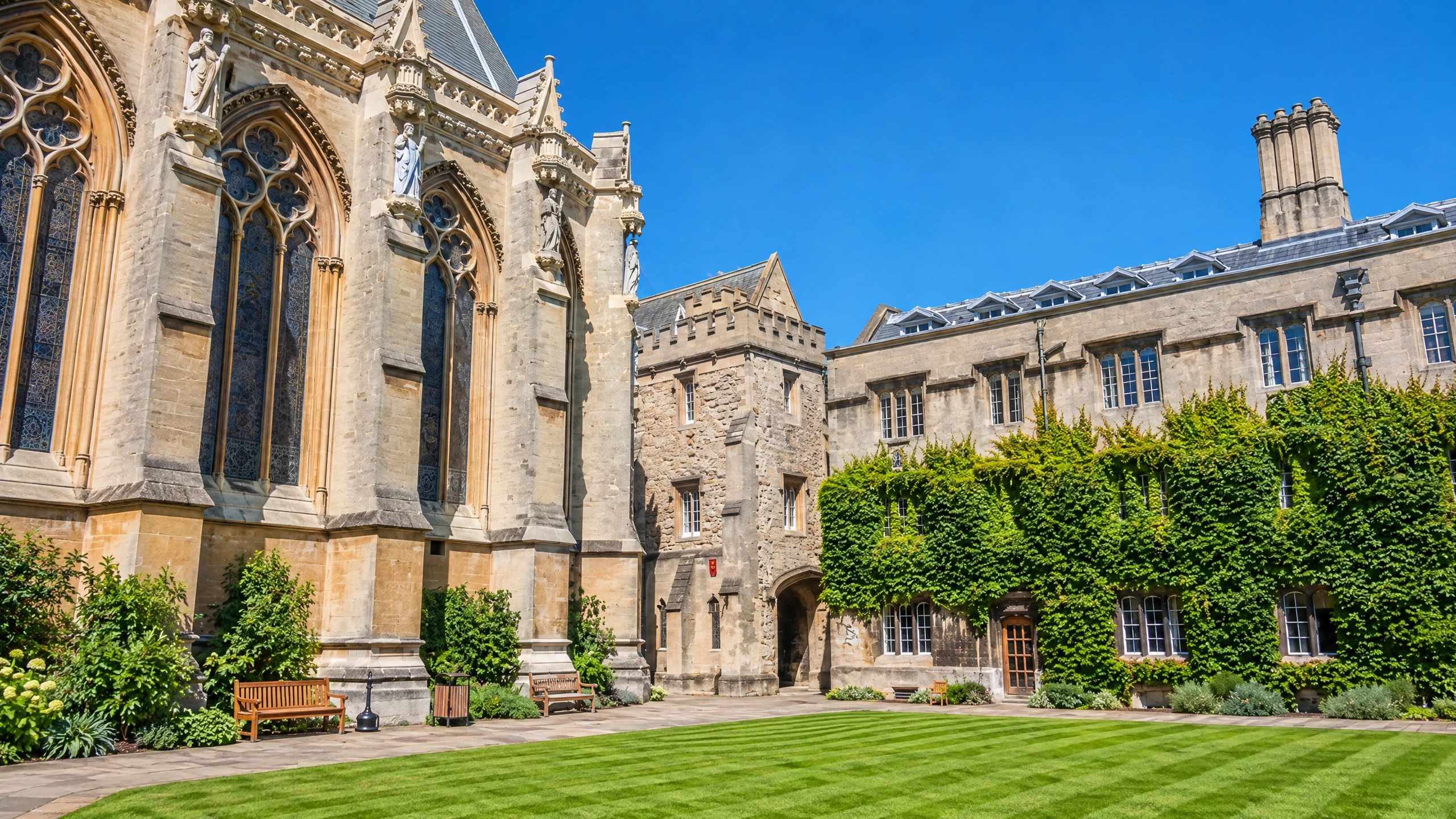
Exeter’s Turl Street courtyard brings together a medieval tower, a seventeenth-century hall and a tall Victorian chapel. It is also a place of literary and artistic friendships: J. R. R. Tolkien and Philip Pullman studied here, while William Morris met Edward Burne-Jones as a student.
Morris and Burne-Jones went on to collaborate as artists and designers. Their Adoration of the Magi tapestry connects that friendship with the college chapel; Exeter’s collections also hold books associated with both men.
Walter de Stapeldon founded Exeter in 1314 to educate clergy, especially from Devon and Cornwall. Palmer’s Tower survives from the medieval college; the chapel was rebuilt by George Gilbert Scott in the 1850s. The library he designed was restored and reopened in 2023.
Public visits to the Turl Street college are by pre-booked tour group outside term. Some cardholders, alumni and prospective students have separate visiting arrangements.
People and ideas
Famous former students

J. R. R. Tolkien
1911–1915
J. R. R. Tolkien studied at Exeter before writing The Hobbit and The Lord of the Rings.
College connection
Undergraduate, 1911–1915. Entered in Classics, changed to English Language and Literature and graduated with first-class honours in 1915.
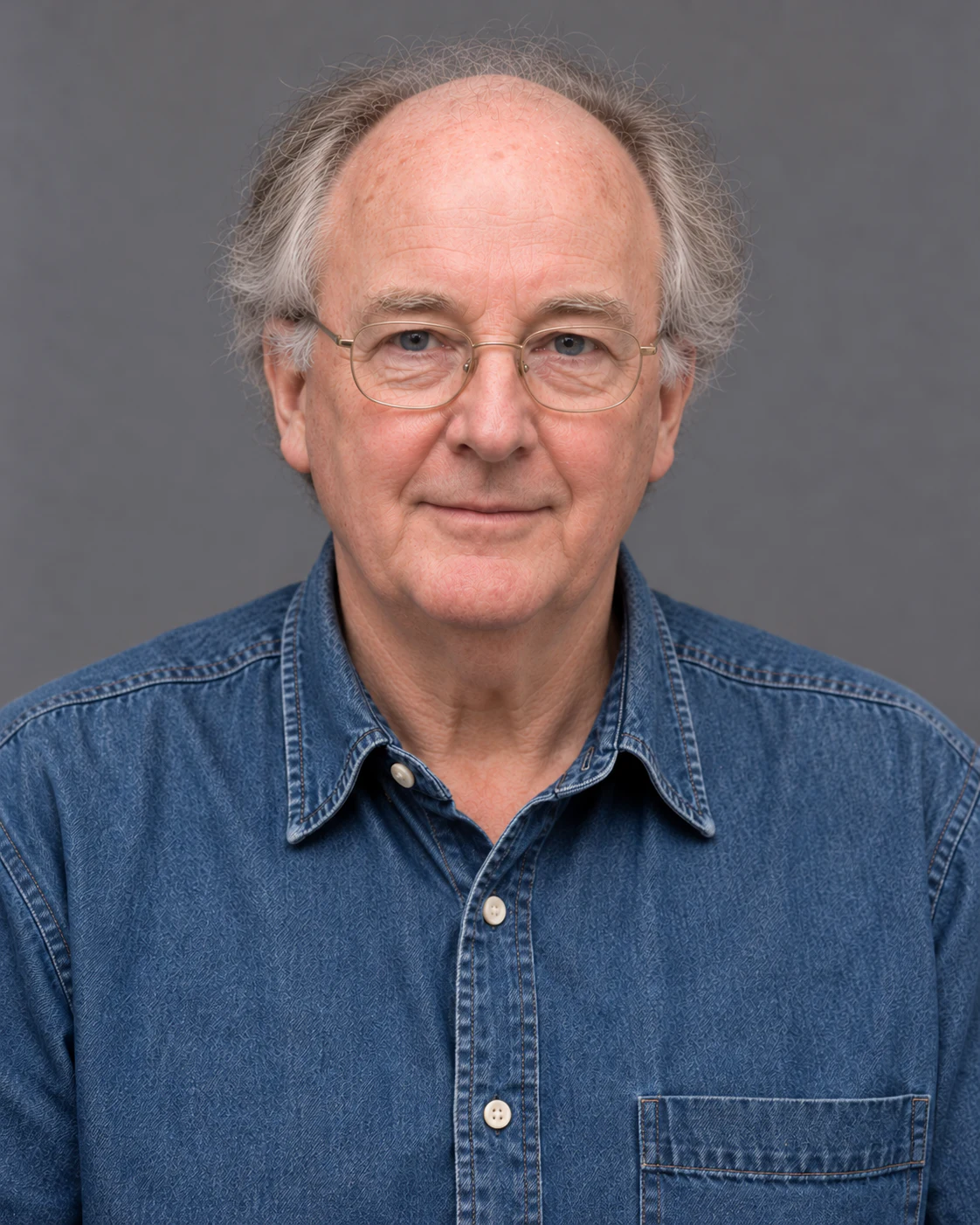
Philip Pullman
1965
Philip Pullman studied English at Exeter and wrote His Dark Materials.
College connection
English undergraduate and later Honorary Fellow. From 1965.

William Morris
Designer and poet William Morris met Edward Burne-Jones while studying at Exeter.
College connection
Undergraduate student; left without a degree.
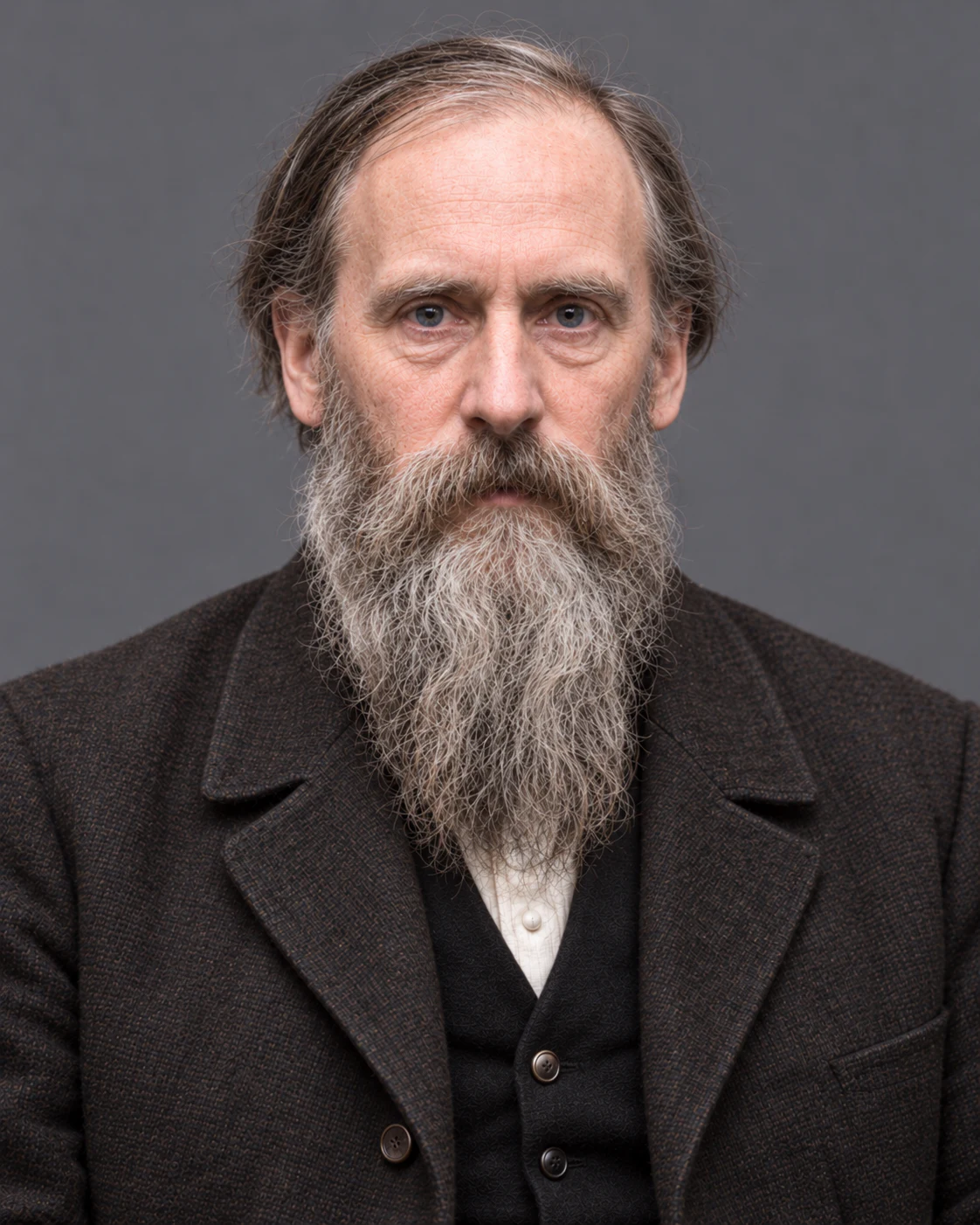
Edward Burne-Jones
Artist Edward Burne-Jones met William Morris at Exeter; their later work includes the chapel tapestry.
College connection
Undergraduate student; left without a degree.
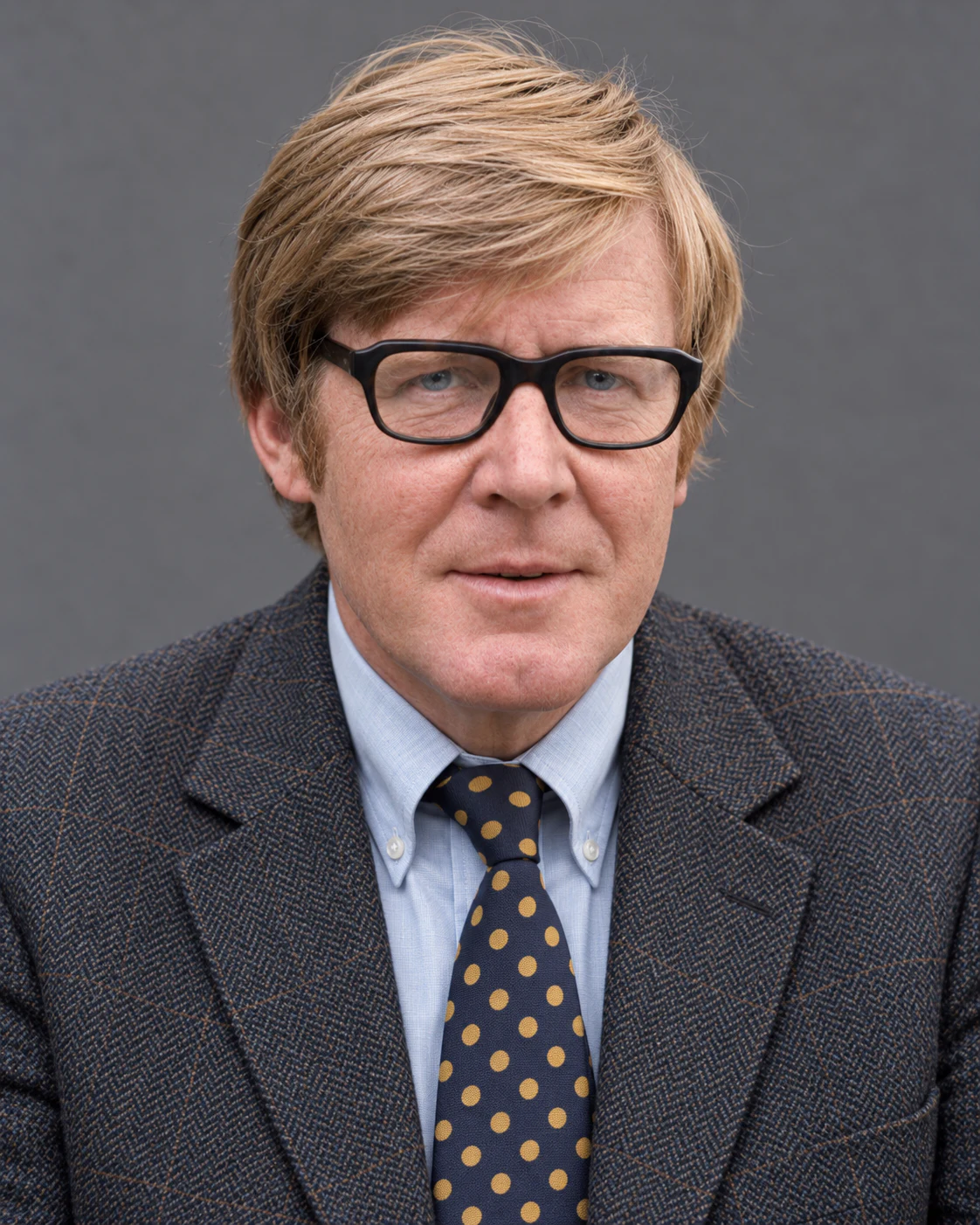
Alan Bennett
1987
Playwright and writer Alan Bennett studied history at Exeter.
College connection
History student; later Honorary Fellow from 1987.

Martin Amis
Novelist Martin Amis studied at Exeter College.
College connection
Former student.

Roger Bannister
Roger Bannister was an athlete and neurologist who studied at Exeter.
College connection
Former student.

Sydney Brenner
Biologist Sydney Brenner, an Exeter alumnus, shared the 2002 Nobel Prize in Medicine.
College connection
Former student.
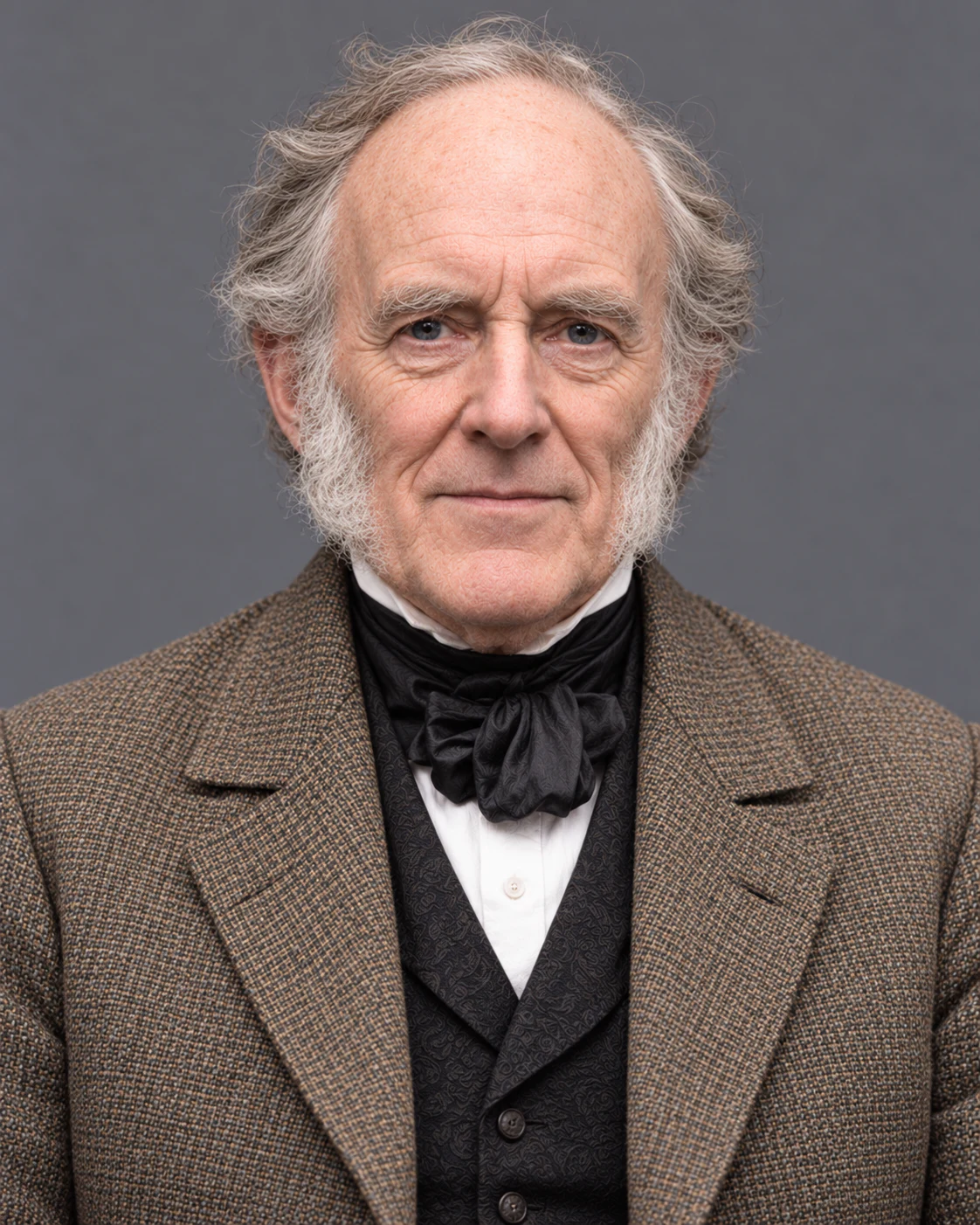
Charles Lyell
Geologist Charles Lyell studied at Exeter before his pioneering work on the earth’s history.
College connection
Undergraduate degree student.
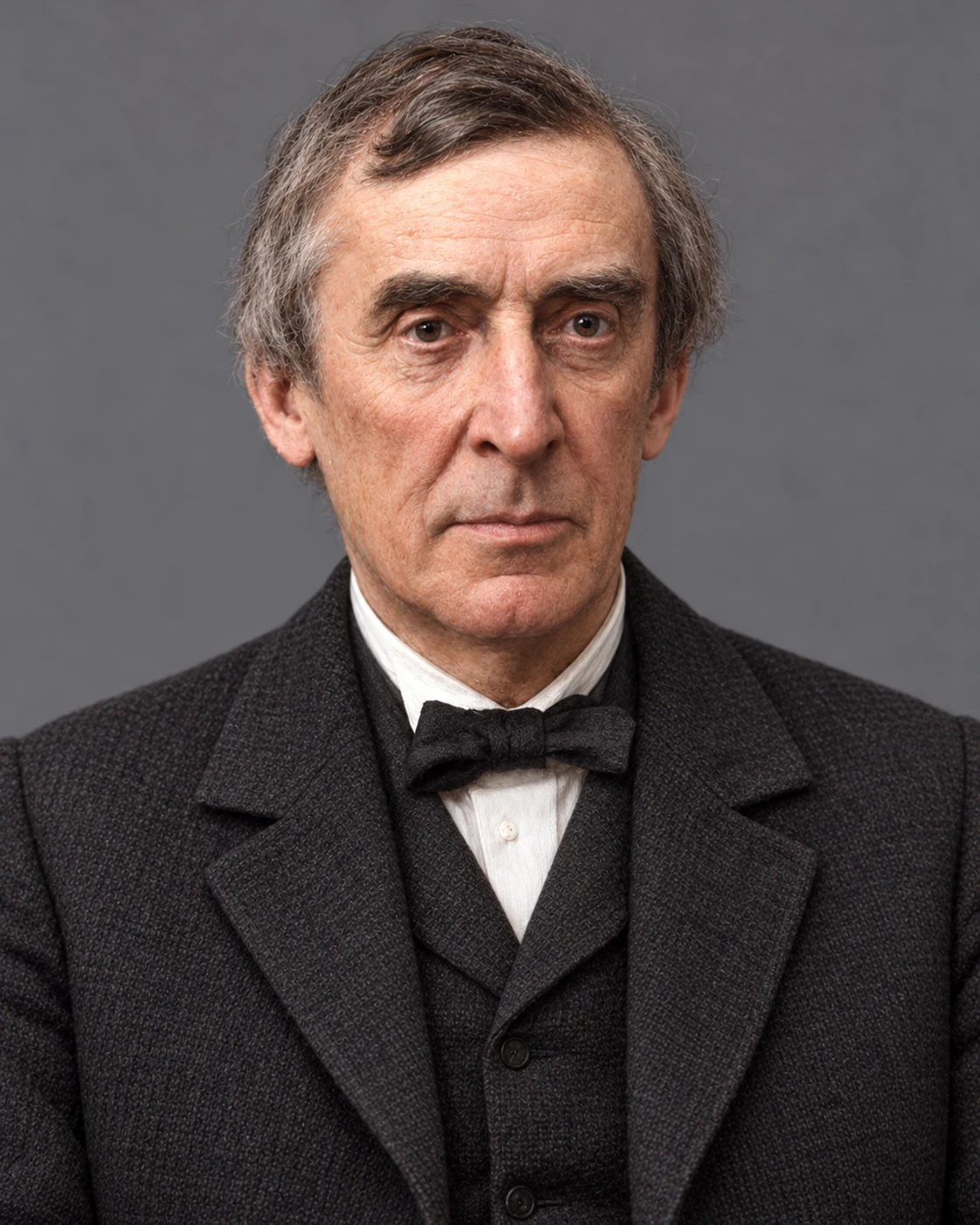
J. A. Froude
Historian and writer J. A. Froude studied at Exeter.
College connection
Undergraduate degree student.
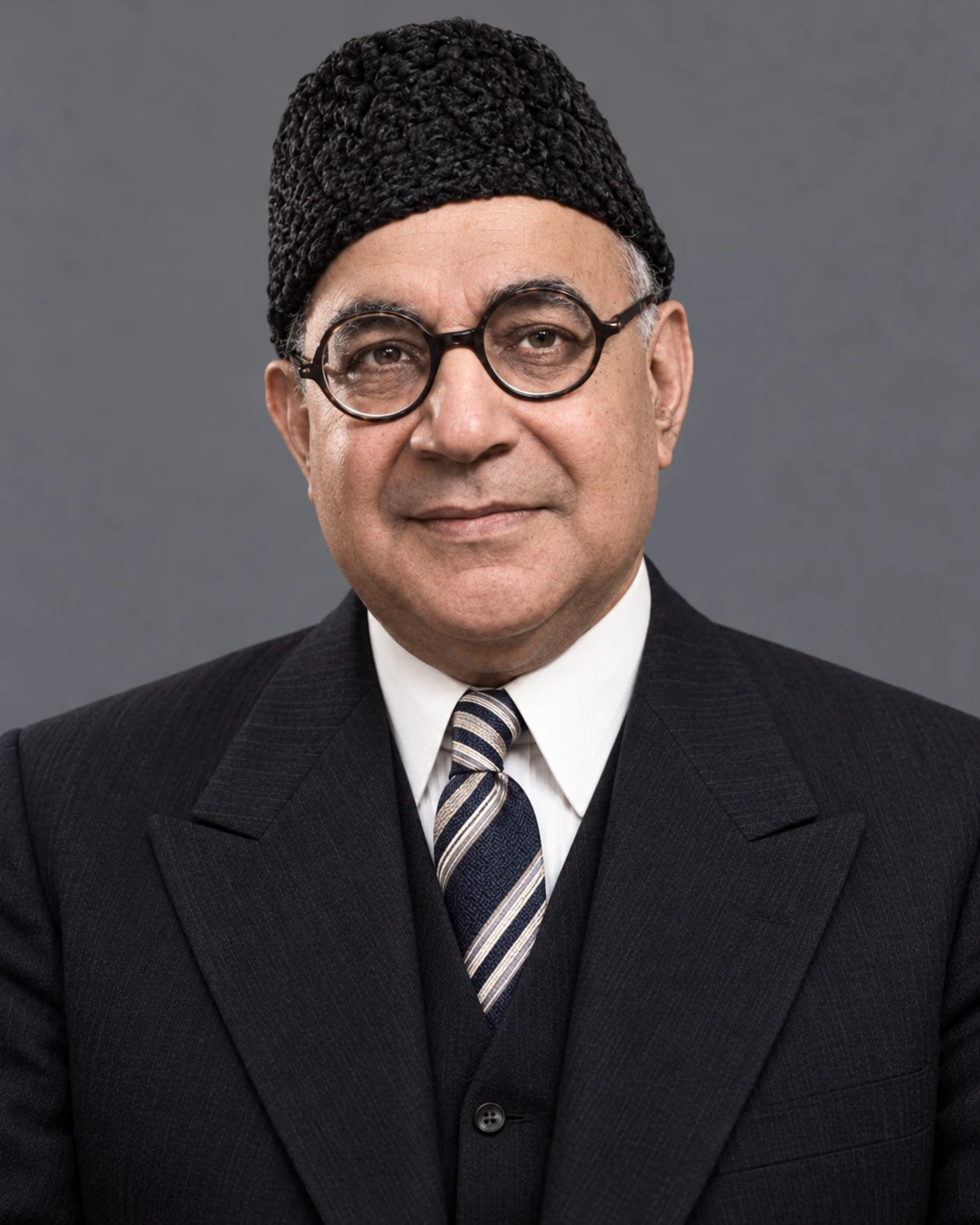
Liaquat Ali Khan
Liaquat Ali Khan studied at Exeter and became Pakistan’s first prime minister.
College connection
Former student.

John Kufuor
John Kufuor studied at Exeter and later became president of Ghana.
College connection
Former student.

Pedro Pablo Kuczynski
Pedro Pablo Kuczynski studied at Exeter and later served as president and prime minister of Peru.
College connection
Former student.
The story
History & character.
From Devon to Turl Street
Walter de Stapeldon founded Exeter in 1314. A Devon man who became Bishop of Exeter, he wanted to educate clergy, particularly from Devon and Cornwall. For centuries the college drew many of its members from the west of England.
The small community, first called Stapledon Hall, moved to Turl Street in 1315. Palmer’s Tower, named after a fifteenth-century rector, survives from the medieval college. Much of the courtyard around it belongs to later rebuilding.
In the sixteenth century Sir William Petre gave property to the college, broadened its recruitment and helped change its constitution. His support helped a modest foundation grow.
A changing courtyard
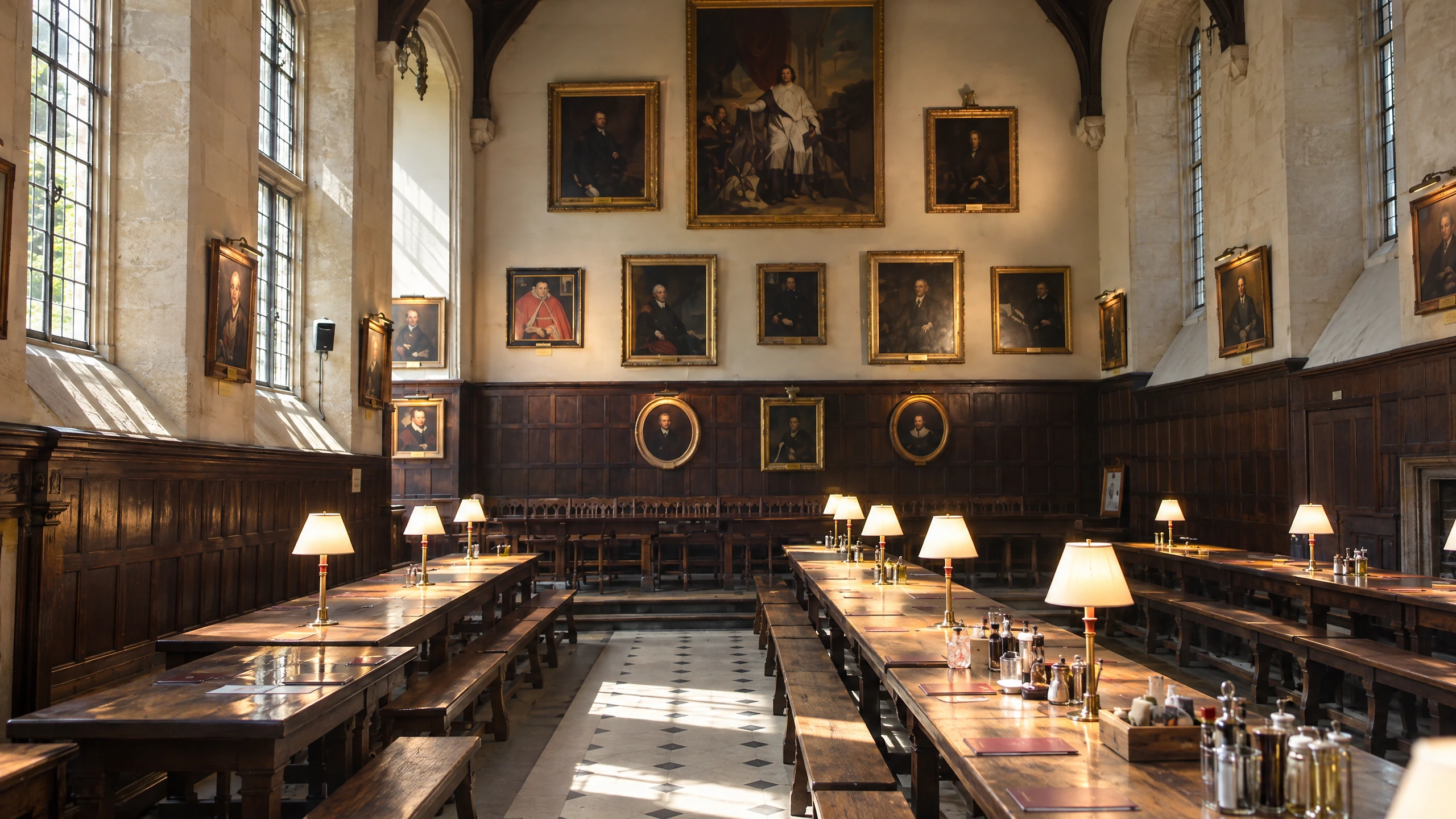
The hall dates from 1618. It once had a matching chapel, replaced in the nineteenth century by the taller Gothic building visible today. Much of the rest of Front Quad was built between 1672 and 1710, giving the court a mix of ages and styles.
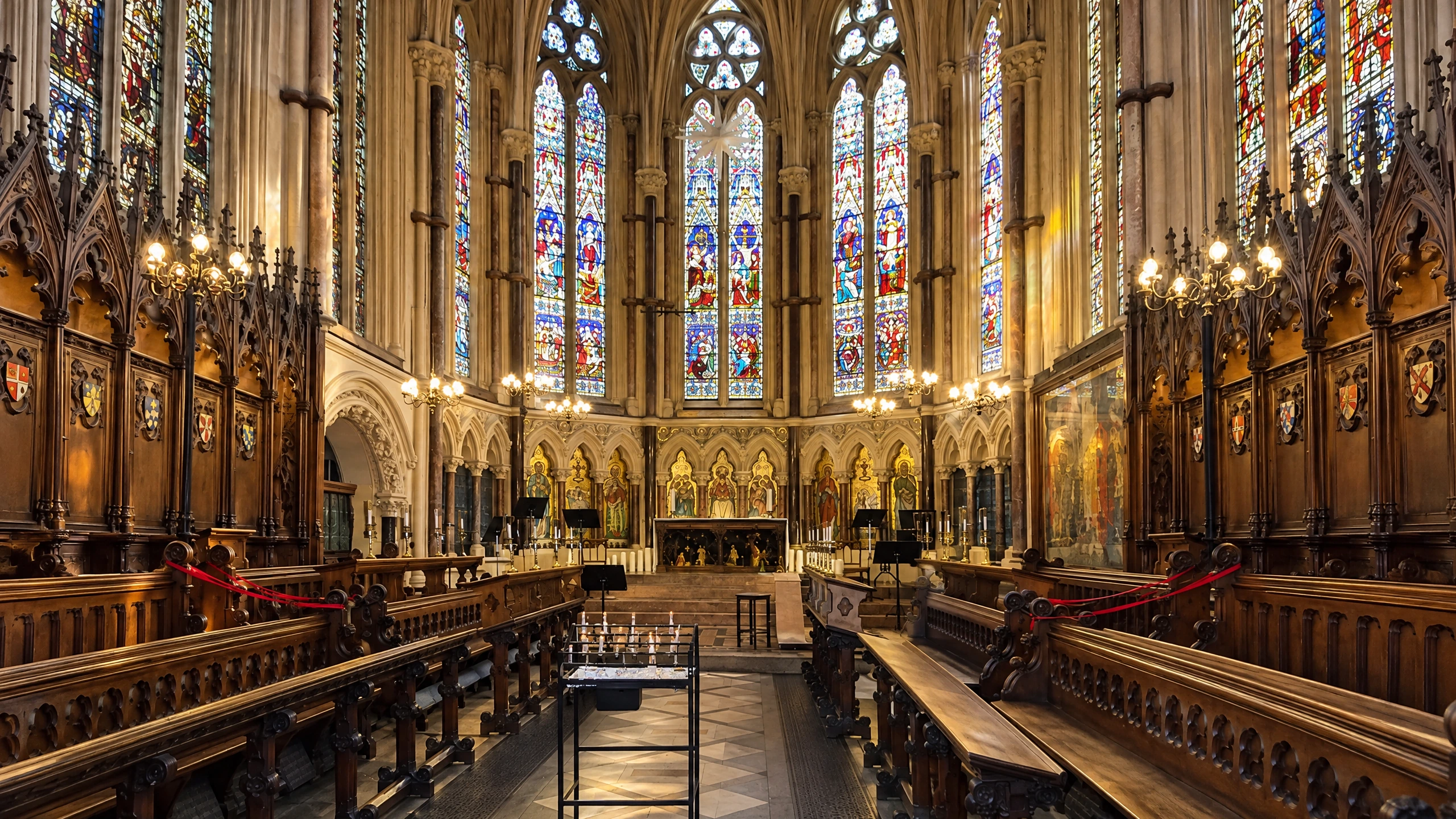
Architect George Gilbert Scott rebuilt the chapel in the 1850s and designed the library, which opened in 1857. The chapel remains a place of worship and music.
A friendship in art
William Morris and Edward Burne-Jones met as Exeter undergraduates. Both left without taking degrees and went on to become influential artists and designers. Their later partnership produced The Adoration of the Magi, a tapestry associated with the college chapel.
Exeter’s special collections hold two Kelmscott Chaucer copies associated separately with Morris and Burne-Jones. Another treasure, the fourteenth-century de Bohun Psalter, was later owned by Elizabeth of York and Katherine of Aragon. Collection visits follow the library’s own arrangements.
Tolkien, Pullman and other former students
J. R. R. Tolkien studied at Exeter from 1911 to 1915, changing from Classics to English Language and Literature before graduating with first-class honours. He later taught at Merton. Philip Pullman came to Exeter to study English in 1965 and returned in 2023 to open the restored Jackson Library.
Playwright Alan Bennett studied history here, as did writers and thinkers across other generations. Former students also include athlete and neurologist Roger Bannister, biologist and Nobel laureate Sydney Brenner, Pakistan’s first prime minister Liaquat Ali Khan, and Ghanaian president John Kufuor.
Exeter today
Women first entered Exeter as students in 1979; Marilyn Butler became its first woman rector in 1993. In 2017 the college opened Cohen Quad, designed by Alison Brooks, on Walton Street. It gives Exeter a contemporary home beyond the older Turl Street site.
The Victorian Jackson Library reopened after restoration in 2023, with a lift and step-free access. It remains a working library, and visits are by arrangement.
Look closer
What to see.
The chapel
George Gilbert Scott’s Gothic chapel rises above Front Quad. It replaced the older chapel beside the hall and continues to host services and music.
The hall and Front Quad
The hall dates from 1618, while much of the rest of the courtyard was completed between 1672 and 1710. The buildings bring several periods of Exeter’s history together.
Palmer’s Tower
Palmer’s Tower is the college’s surviving medieval building, a reminder of the early Exeter community on Turl Street.
Morris and Burne-Jones
The Adoration of the Magi tapestry connects the chapel with William Morris and Edward Burne-Jones, who became friends as Exeter students.
The Jackson Library
Scott’s Victorian library reopened after restoration in 2023. It is a working library; visits require an appointment with the Development Office.
Cohen Quad
Alison Brooks designed Exeter’s contemporary Cohen Quad on Walton Street, which opened in 2017. Public events have their own admission arrangements.
Make it work
Plan your visit.
Admission
Members of the public can visit as part of a pre-booked tour group outside University term, at £4 per person. The college agrees the visit time. The working library is closed to ordinary visitors; library visits require an appointment with the Development Office.
Eligible Bodleian and Oxford Alumni Card holders can enter free from 2 pm to 5 pm with their card, subject to closures. Exeter alumni and prospective students have free access, usually 9 am to 5 pm. College events can affect visits.
The Turl Street Porters’ Lodge handles college visits; Cohen Quad is a separate site on Walton Street. The Lodge can help with arrangements and room availability: 01865 279600. Allow around 45 minutes for a visit or exterior walk.
Chapel services have their own programme and are open to the public.
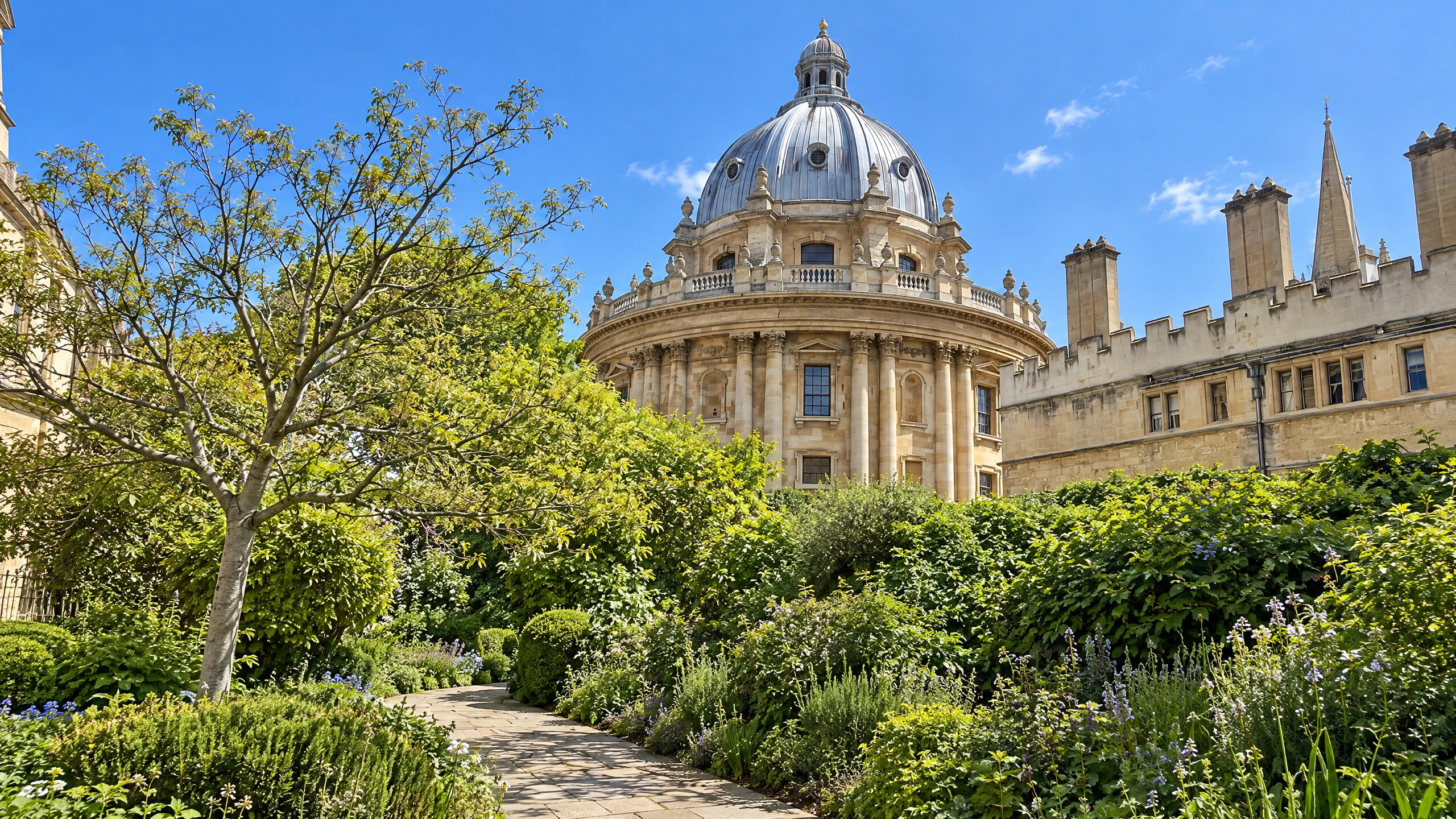
Visit your way
Access and family planning.
The Turl Street entrance is step-free during the day, though routes through historic interiors vary. The restored Jackson Library has a lift and step-free access; library visits require an appointment.
The college has three lifts and three accessible toilets across its sites. There is no designated Blue Badge bay at Turl Street; limited parking requires advance agreement. Cohen Quad has a heavy entrance door. The Lodge can advise on the rooms in your visit: 01865 279600.
For families who know Tolkien or Philip Pullman, Exeter’s literary connections give the college a familiar starting point. The chapel, hall and medieval tower are close together during an admitted visit. Public tours need to be booked in advance and take place outside term.
Self-guided walk
A walk around Exeter
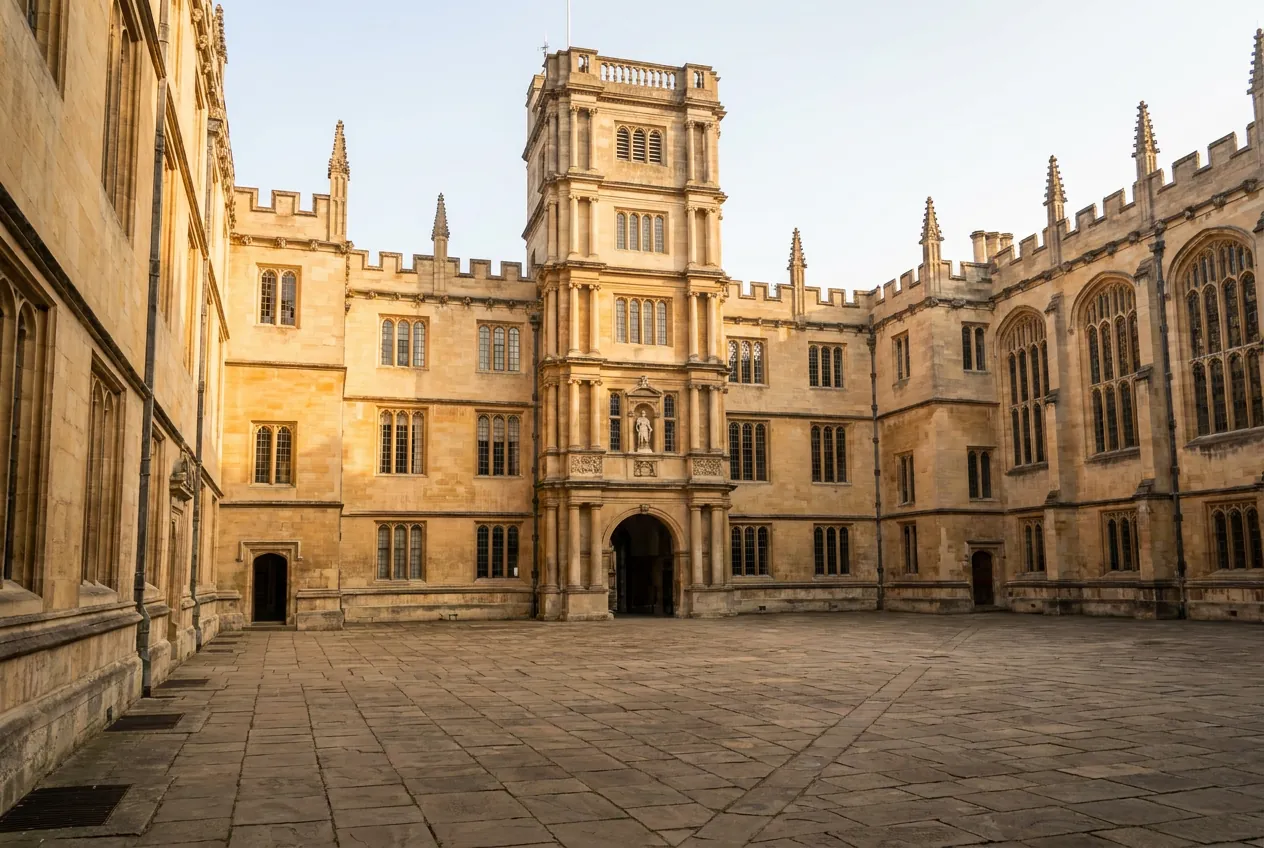
Turl Street, Radcliffe Square and Broad Street make a walk through the historic centre.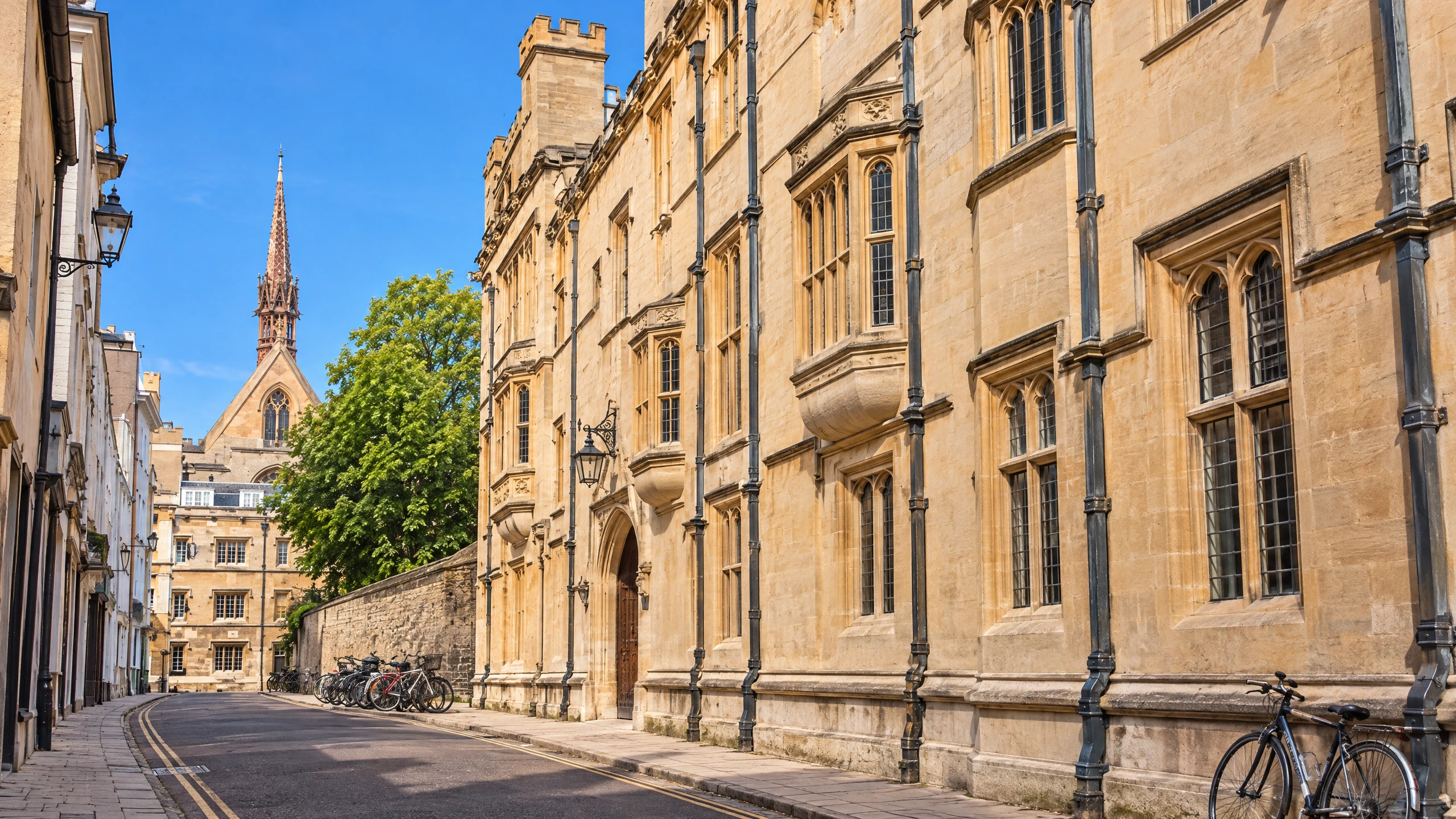
5 min
Turl Street gate
Exeter’s entrance stands on Turl Street, close to Lincoln and Jesus colleges.
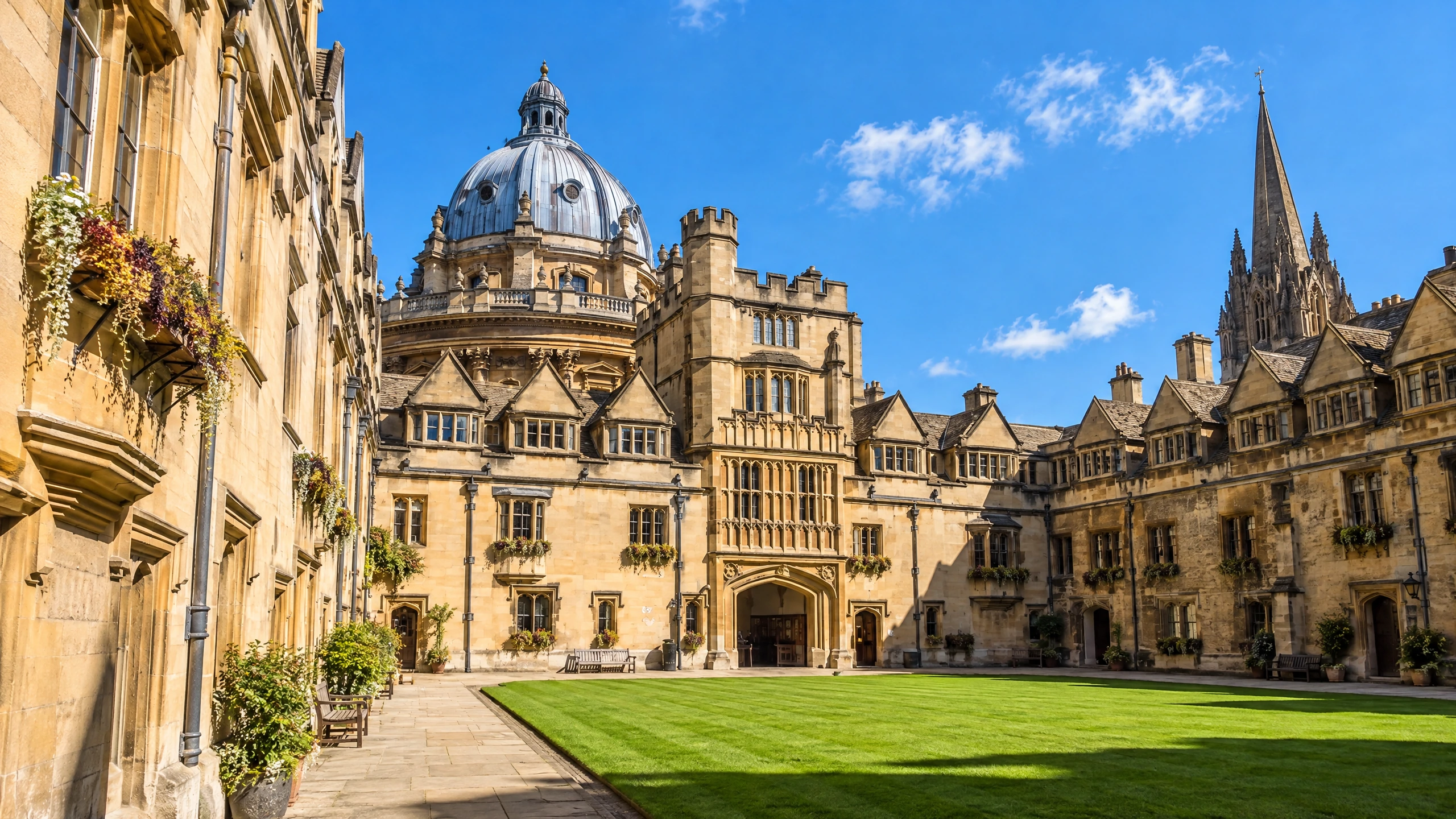
5 min
Brasenose Lane
Brasenose Lane leads east from Turl Street towards Radcliffe Square and the university’s historic library quarter.
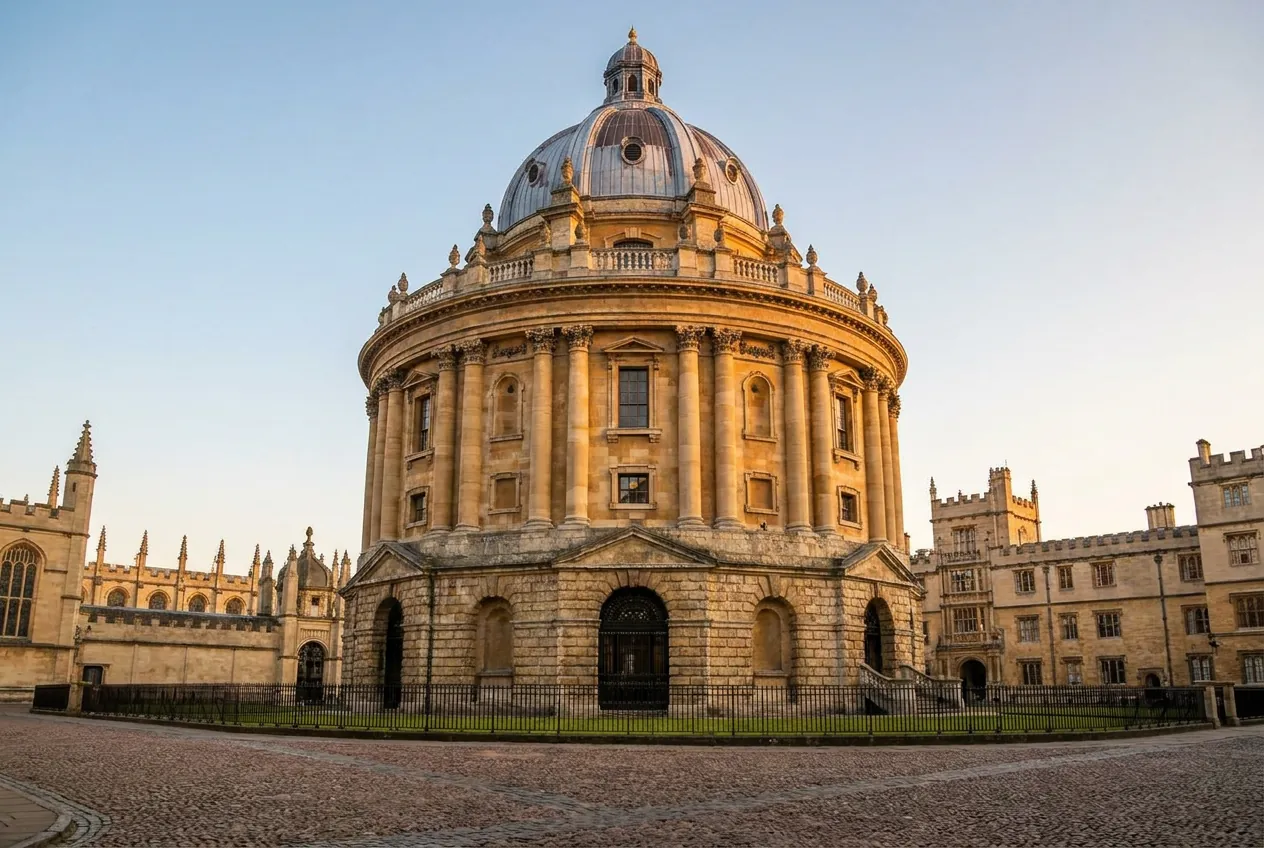
10 min
Radcliffe Square
The domed Radcliffe Camera stands among college buildings and the University Church, a short walk from Exeter.
10 min
Broad Street
Catte Street leads north to Broad Street and the Bodleian Library buildings.
5 min
Return along Turl Street
Turl Street returns to Exeter’s gate, with its neighbouring colleges close by.
Optional refreshments
Turl Street and the Covered Market have cafés and food stops close to the route.
See it
In pictures.
10 views, full screen. Tap any one to open the viewer.Around here
Make more of the area.
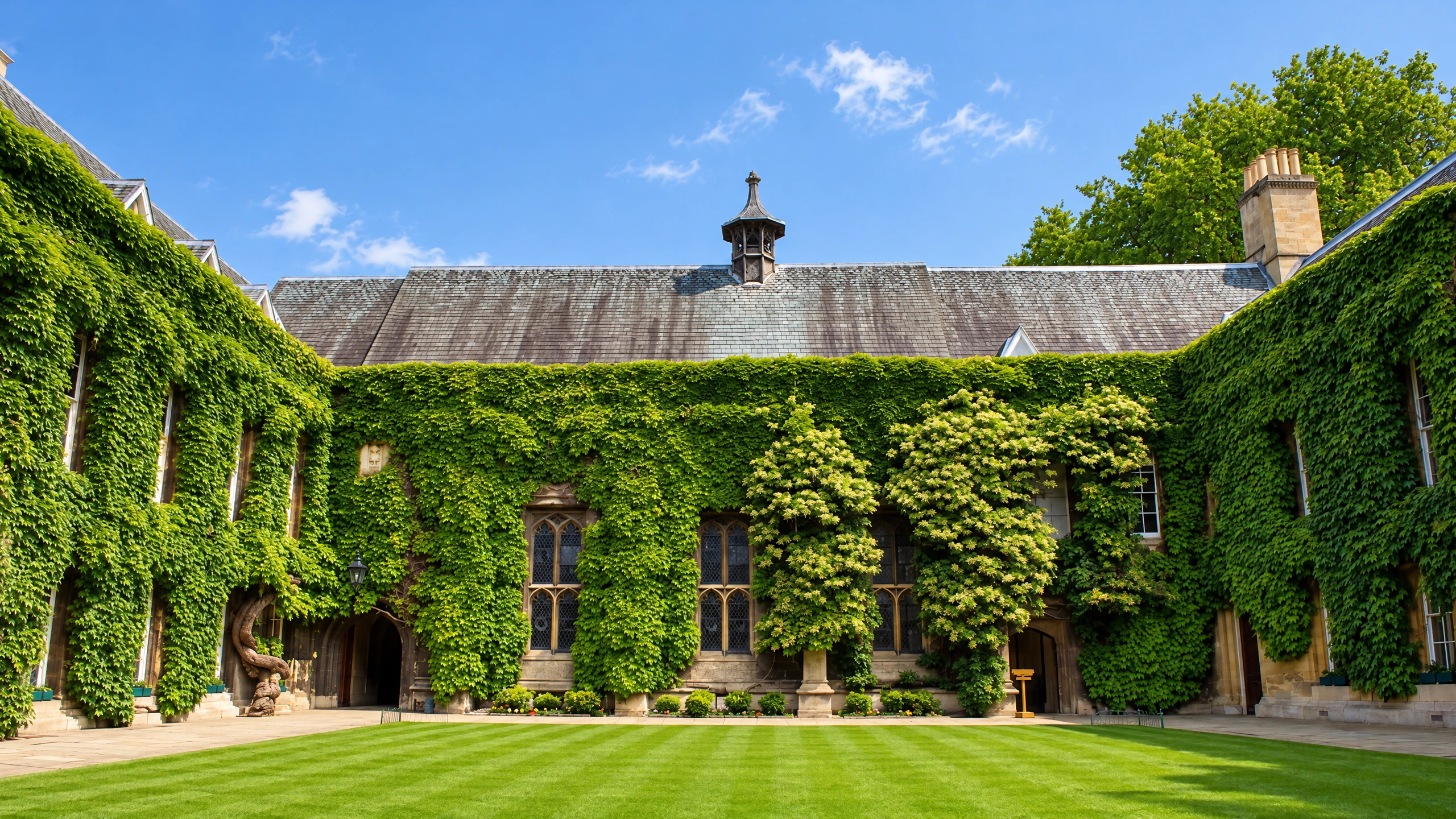
Exeter shares Turl Street with Lincoln and Jesus, placing three Oxford colleges along the same short street.
Brasenose Lane leads towards Radcliffe Square, where the domed Camera stands among the historic library buildings and colleges.
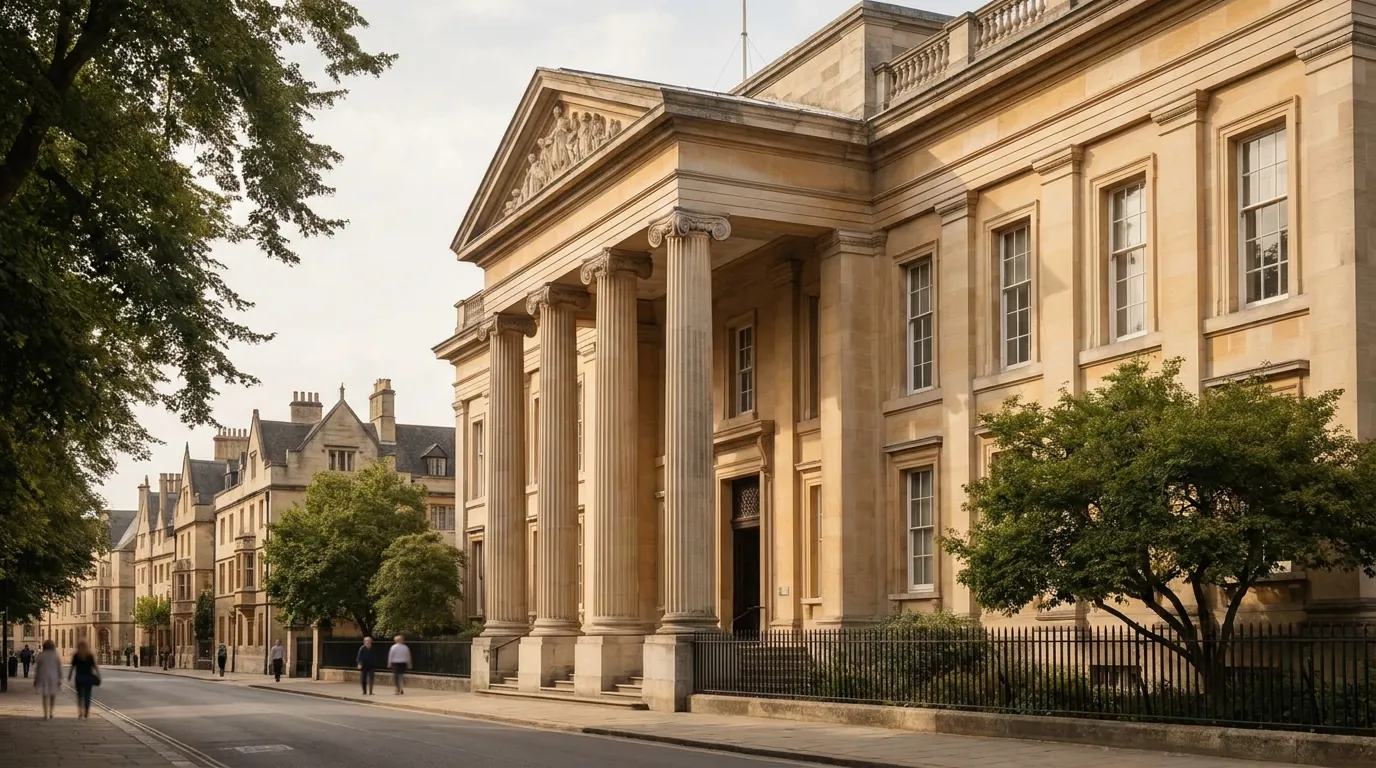
The Ashmolean on Beaumont Street brings together art and archaeology from around the world.
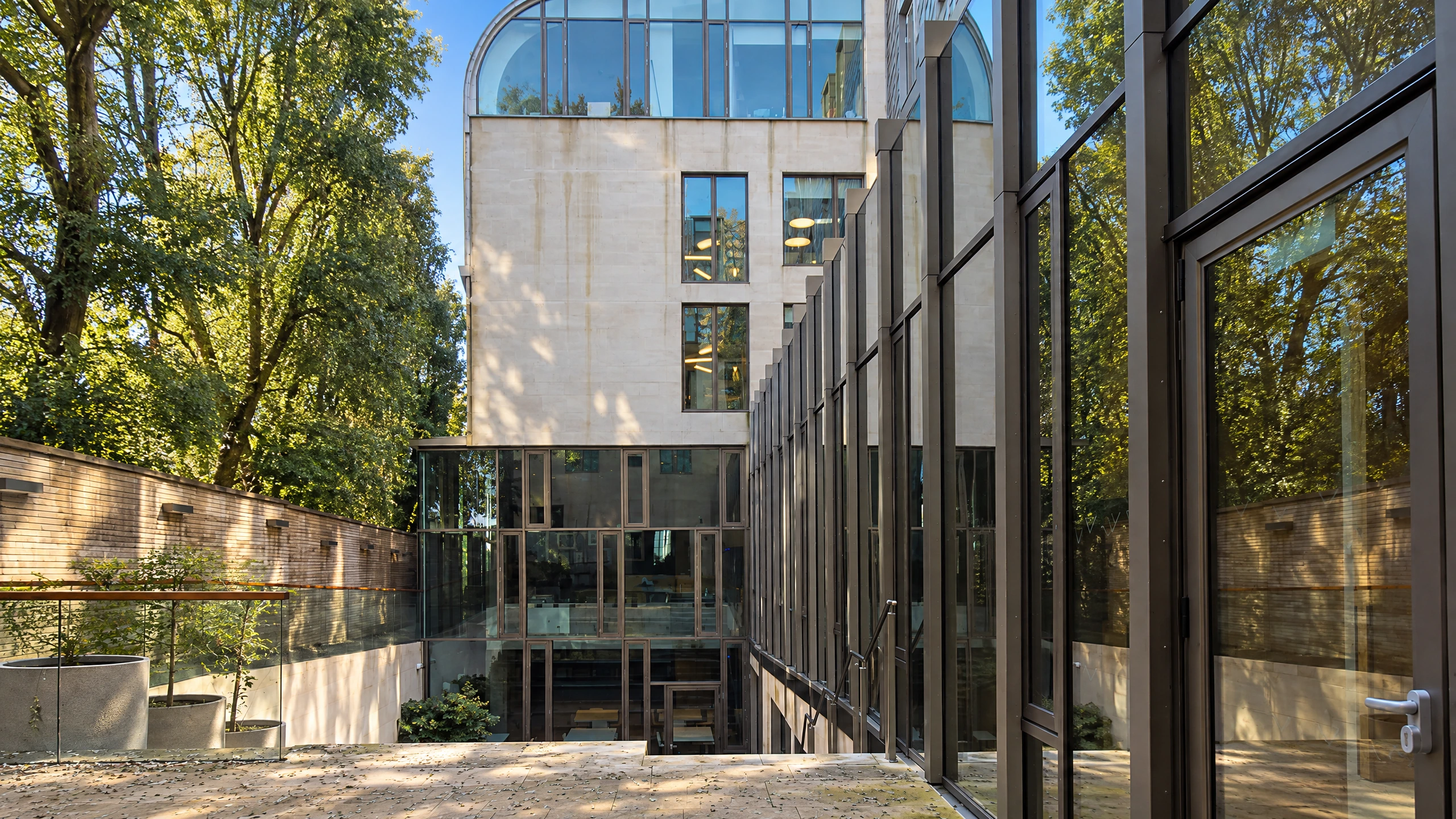
On Walton Street, Exeter’s Cohen Quad offers a contemporary counterpart to the college’s older Turl Street buildings.
Good to know
Questions, answered.
Can tourists visit Exeter College Oxford?
Ordinary public visits are by pre-booked tour group outside University term, at £4 per person. The college agrees the time and can advise which rooms are available.
Do Bodleian cardholders have different visiting rights at Exeter?
Eligible Bodleian cardholders and Oxford alumni can enter free from 2 pm to 5 pm with their cards, subject to college closures and the available route.
Can prospective students and Exeter alumni visit outside the ordinary tour arrangement?
Prospective students and Exeter alumni can usually visit from 9 am to 5 pm. College events can affect access, and library visits require an appointment.
Is Exeter College Oxford wheelchair accessible?
The Turl Street entrance is step-free during the day, but access varies between the historic rooms. The restored Jackson Library has a lift and step-free access.
Can I see Exeter’s Kelmscott Chaucers and de Bohun Psalter on a visit?
The Kelmscott Chaucers and de Bohun Psalter are held in Exeter’s special collections. Visits to the working library and collections require their own arrangements.
Why did Walter de Stapeldon found Exeter College?
Walter de Stapeldon founded Exeter in 1314 to educate clergy, particularly from Devon and Cornwall. The small college was first known as Stapledon Hall and remained closely connected with the west for centuries.
Why is Palmer’s Tower important at Exeter?
Palmer’s Tower is the surviving medieval part of Exeter. The college moved to Turl Street in 1315; much of the courtyard around the tower was rebuilt in later centuries.
How did Sir William Petre transform Exeter College?
Sir William Petre gave property to Exeter, changed its constitution and widened recruitment in the sixteenth century. His support helped the college grow beyond its earlier western focus.
Why does Exeter’s Chapel dominate the Front Quad?
George Gilbert Scott designed the chapel, built in the 1850s. Its tall Gothic design stands beside the older hall and gives the courtyard a striking Victorian feature.
Did William Morris and Edward Burne-Jones graduate from Exeter?
William Morris graduated with a BA in 1856; Edward Burne-Jones did not take a degree. They met as Exeter undergraduates and later collaborated on the Adoration of the Magi tapestry in the chapel.
What is Exeter’s connection with The Adoration of the Magi?
The Adoration of the Magi tapestry connects Exeter with William Morris and Edward Burne-Jones, who met as students here and later worked together as artists and designers.
Is Exeter’s Jackson Library a new building?
The Jackson Library occupies George Gilbert Scott’s library of 1857. It reopened to students after restoration in 2023, with a lift and step-free access added to the Victorian building.
Why did Philip Pullman return to Exeter’s library in 2024?
Philip Pullman studied English at Exeter from 1965 and later became an Honorary Fellow. He returned for the restored Jackson Library’s formal opening on 18 May 2024; it had reopened to students in 2023.
Why does Exeter have two Kelmscott Chaucers?
The special collections hold copies of the Kelmscott Chaucer associated separately with William Morris and Edward Burne-Jones. Their student friendship at Exeter led to later artistic collaboration.
How do the Exeter College archives in Oxford document J. R. R. Tolkien’s student years?
Exeter College’s archives in Oxford include Tolkien material connected with the Essay Club. Tolkien studied at Exeter from 1911 to 1915, before his later Oxford teaching career.
Did J. R. R. Tolkien study at Exeter College Oxford?
Tolkien was an Exeter undergraduate from 1911 to 1915. He began in Classics, changed to English and graduated with first-class honours; his later professorship was associated with Merton.
Did Roger Bannister study at Exeter College Oxford?
Yes. Roger Bannister, the first athlete to run a mile in under four minutes and later a neurologist, studied at Exeter. Biologist Sydney Brenner, a Nobel Prize winner, was also an alumnus.
Why does Marilyn Butler matter in Exeter’s history?
Marilyn Butler became Exeter’s first woman rector in 1993. Women had first entered the college as students in 1979, fourteen years earlier.
What makes Exeter’s Cohen Quad different from its Turl Street site?
Cohen Quad is Exeter’s separate Walton Street site, designed by Alison Brooks and opened in 2017. It provides contemporary academic and residential spaces beyond Turl Street.
Which international political leaders studied at Exeter?
Liaquat Ali Khan, Pakistan’s first prime minister, and Ghanaian president John Kufuor studied at Exeter. Former Peruvian president and prime minister Pedro Pablo Kuczynski is also an alumnus.
What did Alan Bennett study at Exeter?
Alan Bennett studied history at Exeter and became an Honorary Fellow in 1987. His work includes The History Boys and the prose collection Writing Home.
Editorial notes
Sources and further reading.
Sources for this guide
Research date: 1 November 2026. Inline links accompany claims. Source status distinguishes full material read from retained partial leads and carried-forward coordinate metadata.
H — Exeter college history
- URL: https://www.exeter.ox.ac.uk/about/history/
- Status: read
- Supports: Foundation, surviving tower, seventeenth-century ranges, reform, alumni and women.
V — Exeter visitor access
- URL: https://www.exeter.ox.ac.uk/contact-us/
- Status: read
- Supports: Current public access: pre-booked groups outside term only, £4; separate alumni/card-holder access.
L — Exeter special collections
- URL: https://www.exeter.ox.ac.uk/special-collections/
- Status: retained-partial
- Supports: Manuscripts, incunables, Kelmscott Chaucer and de Bohun Psalter.
R — Restored Jackson Library
- URL: https://www.exeter.ox.ac.uk/author-sir-philip-pullman-formally-opens-exeter-college-library-following-major-restoration/
- Status: retained-partial
- Supports: 2023 reopening, Pullman’s student relationship and new step-free access.
C — Exeter Chapel
- URL: https://www.exeter.ox.ac.uk/about/chapel/
- Status: retained-partial
- Supports: Public services, religious and musical use.
T — Explore Exeter
- URL: https://www.exeter.ox.ac.uk/tour/
- Status: retained-partial
- Supports: Turl Street, Cohen Quad and Exeter House; contemporary architecture.
M — William Morris treasures
- URL: https://www.exeter.ox.ac.uk/exeter-college-showcases-william-morris-treasures-in-special-collections/
- Status: retained-partial
- Supports: Morris, Burne-Jones and chapel tapestry connection.
P — Exeter alumni
- URL: https://www.exeter.ox.ac.uk/our-alumni/
- Status: retained-partial
- Supports: Primary alumni listing; named former students.
AR — Exeter archives
- URL: https://www.exeter.ox.ac.uk/archives/
- Status: retained-partial
- Supports: Charters, estate/governance records, accounts, societies and Tolkien Essay Club material; retained failed-agent summary.
A — University physical access guide
- URL: https://www.ox.ac.uk/about/how-we-are-run/equality-diversity/access-guide/colleges/exeter
- Status: read
- Supports: Retained full physical site survey: entrances, thresholds, ramps, lifts, toilets, parking and hearing support. Not a website-accessibility statement.
U — University college visiting directory
- URL: https://www.ox.ac.uk/about/visit-us/visiting-colleges
- Status: read
- Supports: Public access summary; college pages take precedence where explicitly conflicting.
G — Fresh college coordinate reference
- URL: https://en.wikipedia.org/wiki/Exeter_College,_Oxford
- Status: read
- Supports: Numeric WGS84 college coordinates read directly from Wikipedia on 1 November 2026. Campus pin, not a surveyed visitor or accessible entrance.
Conflict ledger
The current college contact page restricts ordinary public access to pre-booked groups outside term; older summaries of unrestricted daily afternoon entry must not override it. Library visitor appointments are separate from physical step-free access. Morris and Burne-Jones were students who did not graduate. Exact attendance ranges beyond Pullman’s evidenced 1965 start remain unasserted.
Editorial calculations
Walking times, recommended visit durations, comparisons and scores are editorial judgements. No pin is an accessible-entrance certification; no unlisted ticket is described as available.
College-specific FAQ source review — 1 November 2026
Primary college, university, archive or author-estate material used for the revised FAQs. Retained primary pages were reused; additional primary readings were reviewed during the FAQ pass. These links supplement the earlier register without upgrading its blocked or partial entries.
- Tolkien at Exeter: college archives — Official college archive read directly: matriculation17October1911, Classics to English Language and Literature, first-class1915 graduation; student record now first in the famous-former-students section.
1 November 2026 editorial audit: additional primary references
- AUDIT-A-01 Explicit studied-at-college list confirms Bennett, Amis, Bannister, Brenner, Liaquat, Kufuor and Kuczynski alongside existing writers and artists. — read.
- AUDIT-A-02 History study, later1987honorary Fellowship; The History Boys, Wind in the Willows and Writing Home. — read.
Alumni and editorial review — 1 November 2026
- Explicit studied-at-college list confirms Bennett, Amis, Bannister, Brenner, Liaquat, Kufuor and Kuczynski alongside existing writers and artists. — read.
- History study, later1987honorary Fellowship; The History Boys, Wind in the Willows and Writing Home. — read.
Alumni and editorial review —1November2026
- Explicit studied-at-college list confirms Bennett, Amis, Bannister, Brenner, Liaquat, Kufuor and Kuczynski alongside existing writers and artists. — read.
- History study, later1987honorary Fellowship; The History Boys, Wind in the Willows and Writing Home. — read.
Further reading and sources
Opening hours, prices, programmes and access arrangements can change. Confirm critical details with the venue.
Keep exploring