Central · Founded 1427
Lincoln College
Explore medieval courts and a cedar-panelled chapel, with stories of John Wesley, Dr Seuss and John le Carré.
- Founded
- 1427
- Location
- Turl Street
- Visiting
- Limited afternoon opening
- Institution
- College
01 The experience
What to expect.
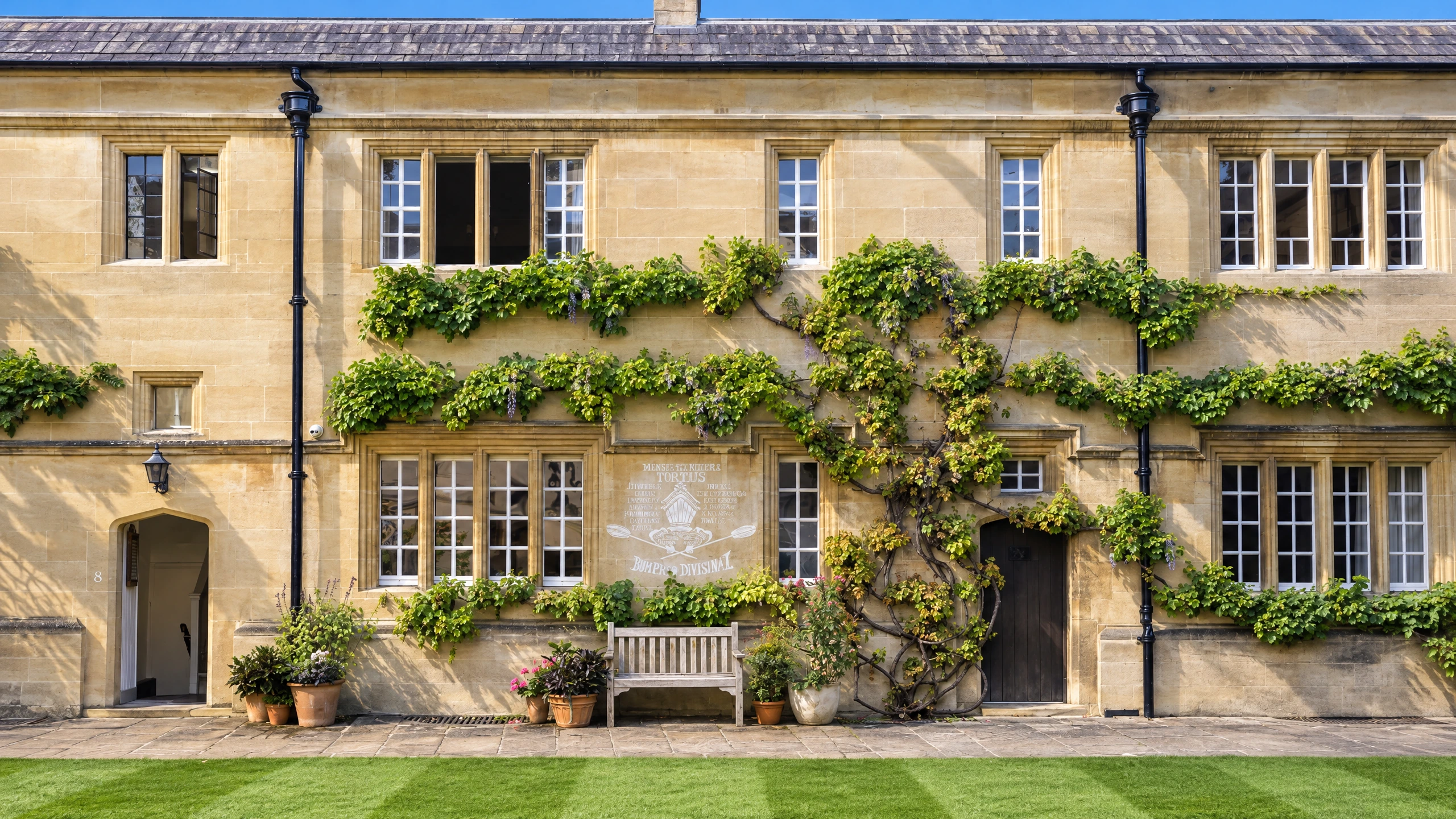
A small entrance on Turl Street leads into Lincoln’s medieval Front Quad and a second court beside its seventeenth-century chapel. The college has connections with John Wesley, Dr Seuss and John le Carré, while its working library occupies a former church just off the High Street.
Richard Fleming, Bishop of Lincoln, founded the college in 1427. It survived its uncertain early years thanks to later gifts, including property from Emily Carr and her husband and a charter secured by Thomas Rotherham in 1478.
The chapel was begun in 1629 and consecrated in 1631. Its cedar panelling gives the Gothic interior a character of its own. John Wesley became a Lincoln fellow in 1726 after studying at Christ Church; his work with the Holy Club helped shape early Methodism. Specialist Wesley visits have separate arrangements and include a room reached by steep stairs.
Theodor Seuss Geisel, later known as Dr Seuss, studied English at Lincoln in 1925–26 and met Helen Palmer in Oxford. He left after a year without a degree. Novelist John le Carré entered in 1952 under his original name, David Cornwell.
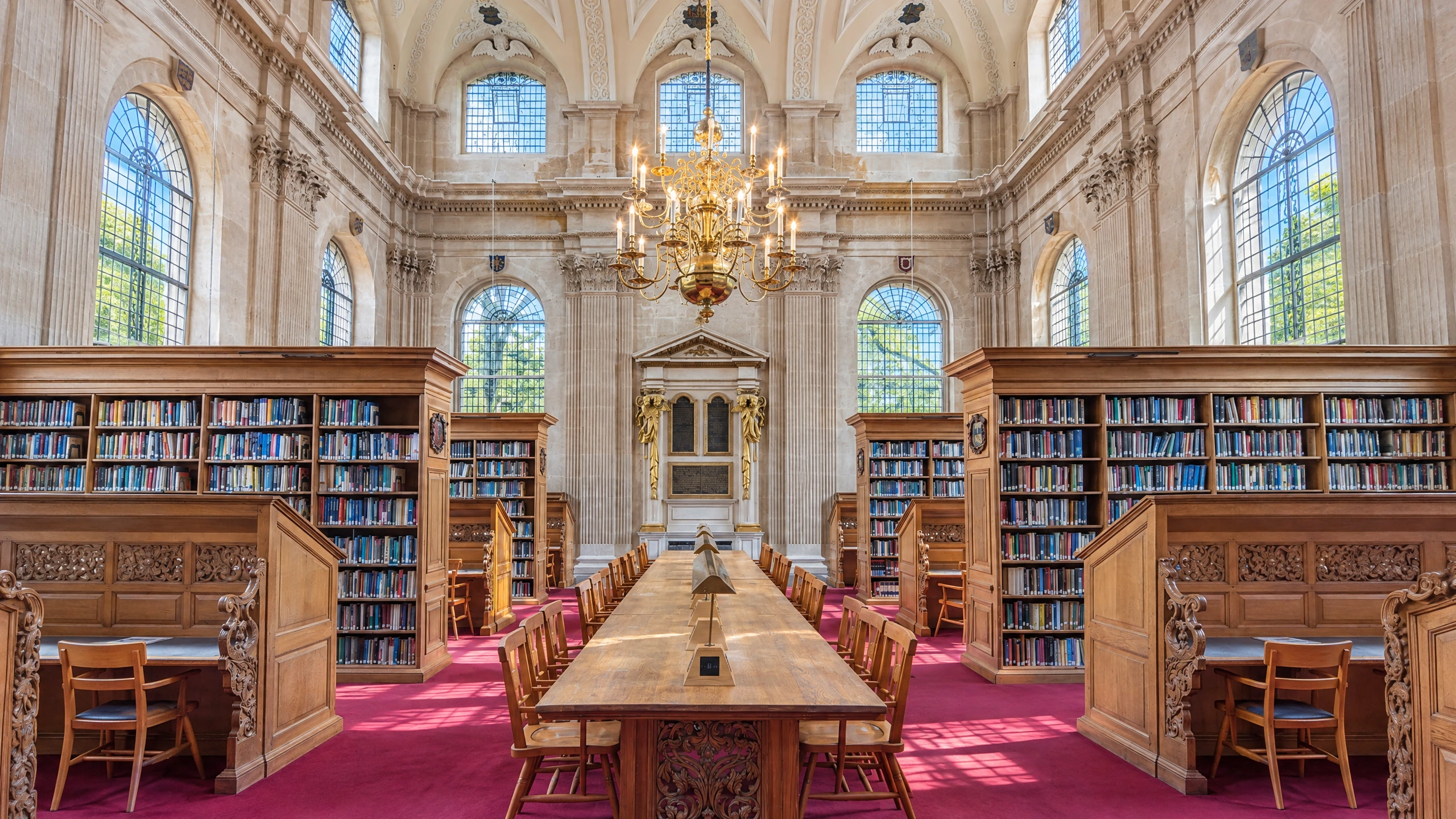
The former All Saints Church became Lincoln’s library in 1975. Its tower is visible from the street, while the reading room serves college members. The Senior Library holds more than 14,000 historic books and manuscripts, including medieval music fragments preserved in later bookbindings.
The college is generally free to visit from 2pm to 5pm, subject to closures. Front Quad, Chapel Quad and the chapel when available form the usual visit; the Grove, library and Wesley room have separate access arrangements.
People and ideas
Famous former students
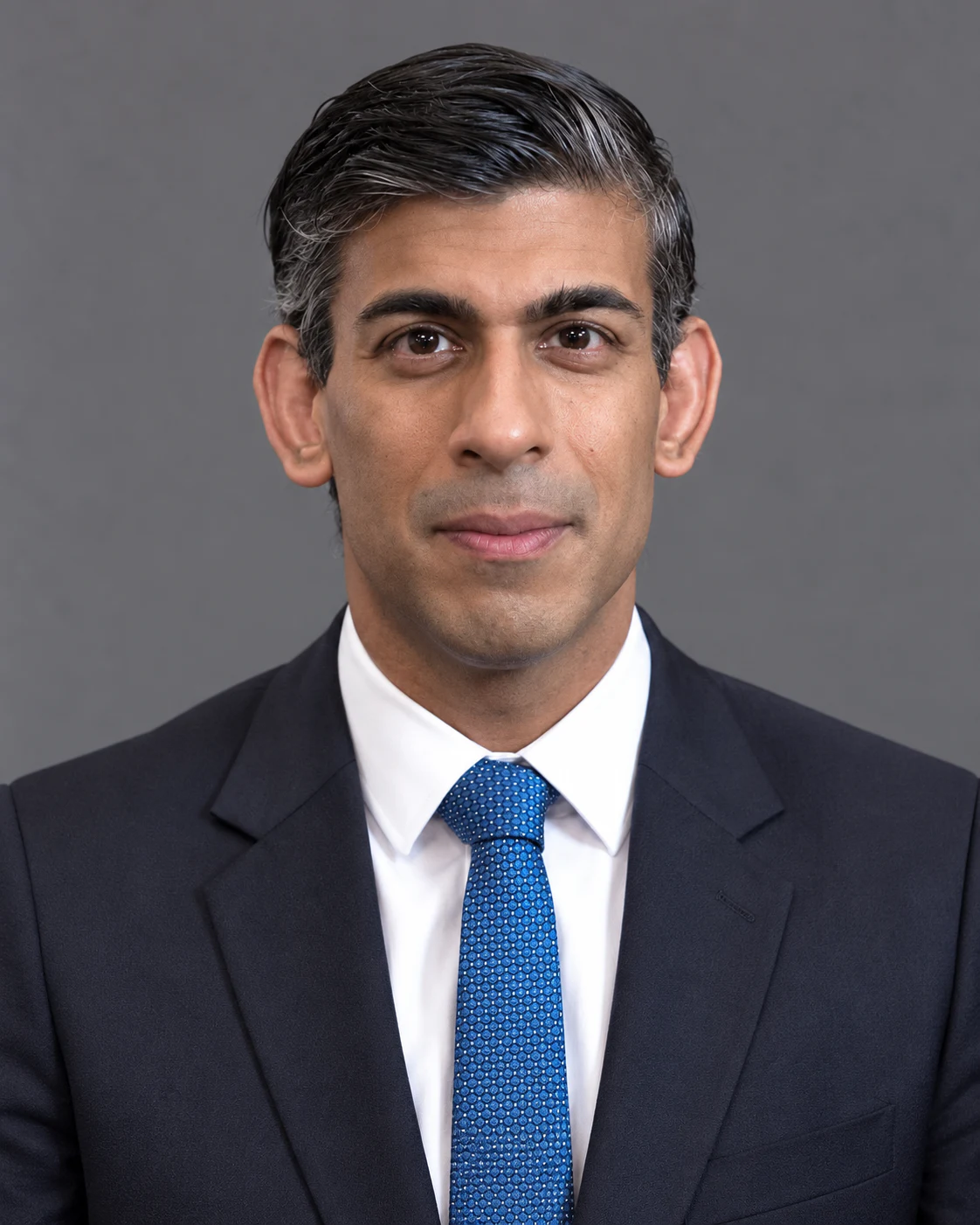
Rishi Sunak
1998–2001
The former British prime minister studied Philosophy, Politics and Economics at Lincoln from 1998 to 2001.
College connection
PPE degree student. 1998–2001.
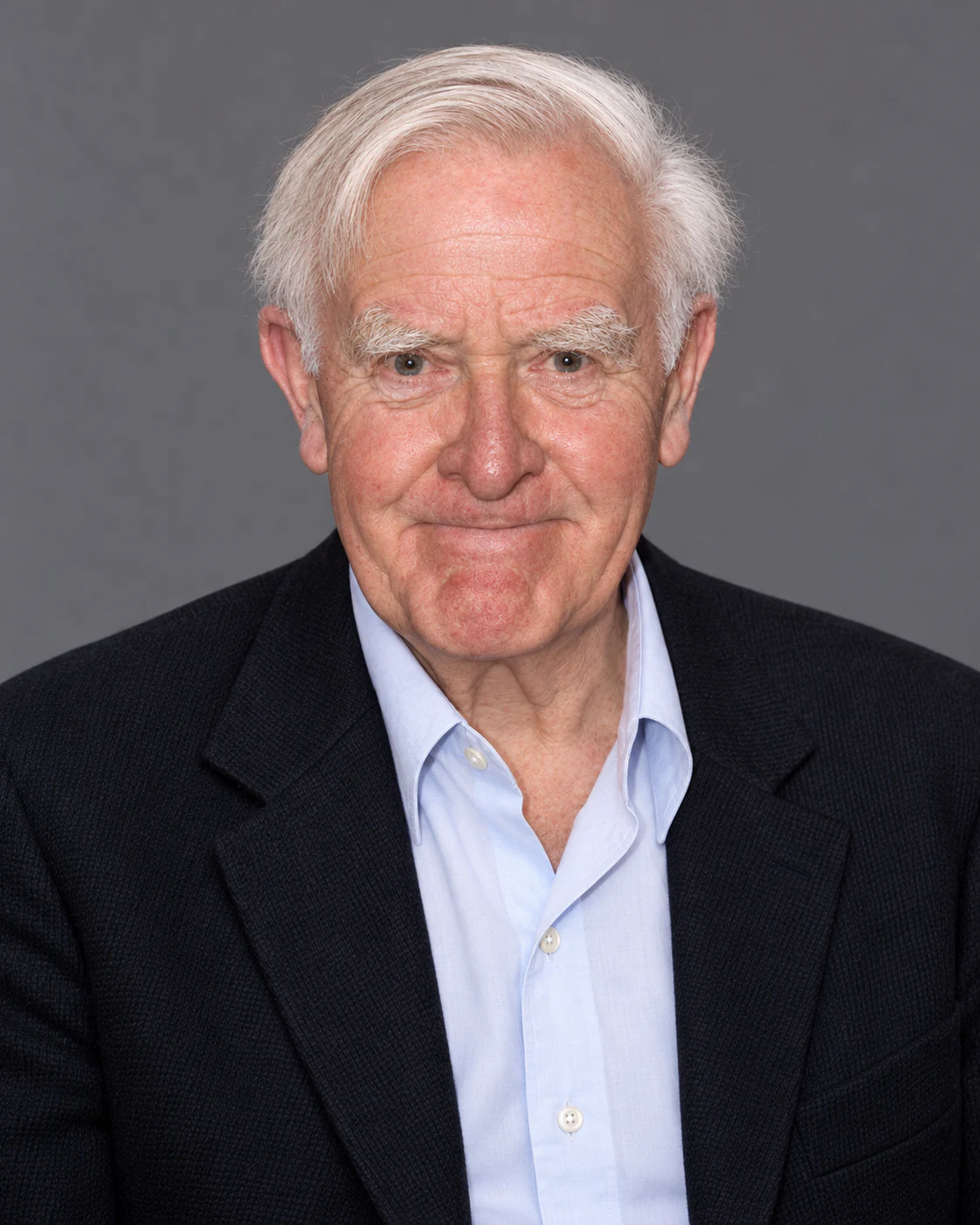
John le Carré (David Cornwell)
Entered 1952
The novelist entered Lincoln in 1952 under his original name, David Cornwell.
College connection
Undergraduate degree student. Matriculated 1952.
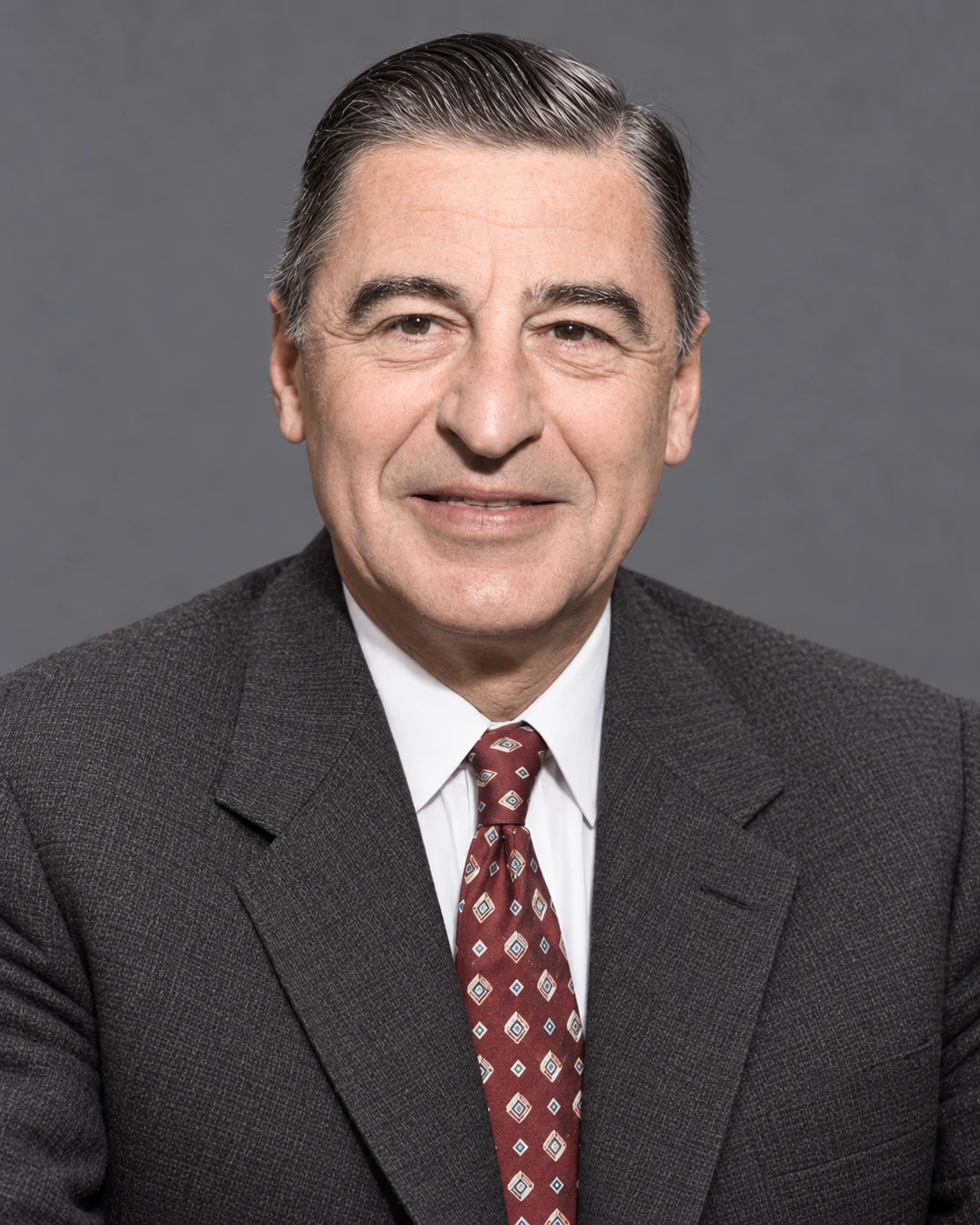
Theodor Seuss Geisel (Dr Seuss)
1925–1926
The future Dr Seuss studied English at Lincoln in 1925–26 and met Helen Palmer in Oxford. He left without completing a degree.
College connection
English literature student; left without a degree. 1925–1926.
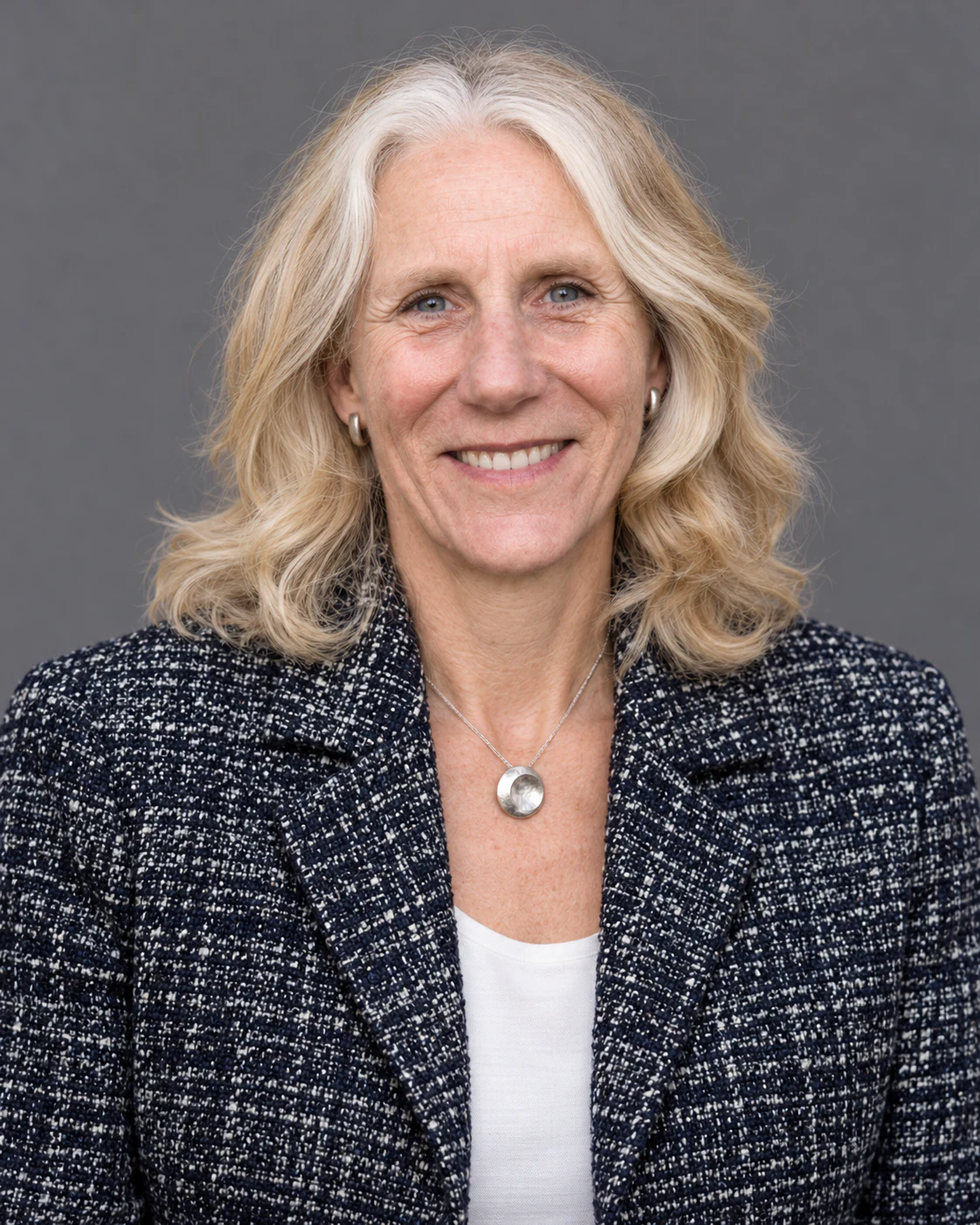
Julia Black
The legal scholar completed a BA in Jurisprudence and a DPhil at Lincoln before her career in university leadership.
College connection
Law undergraduate and doctoral student.
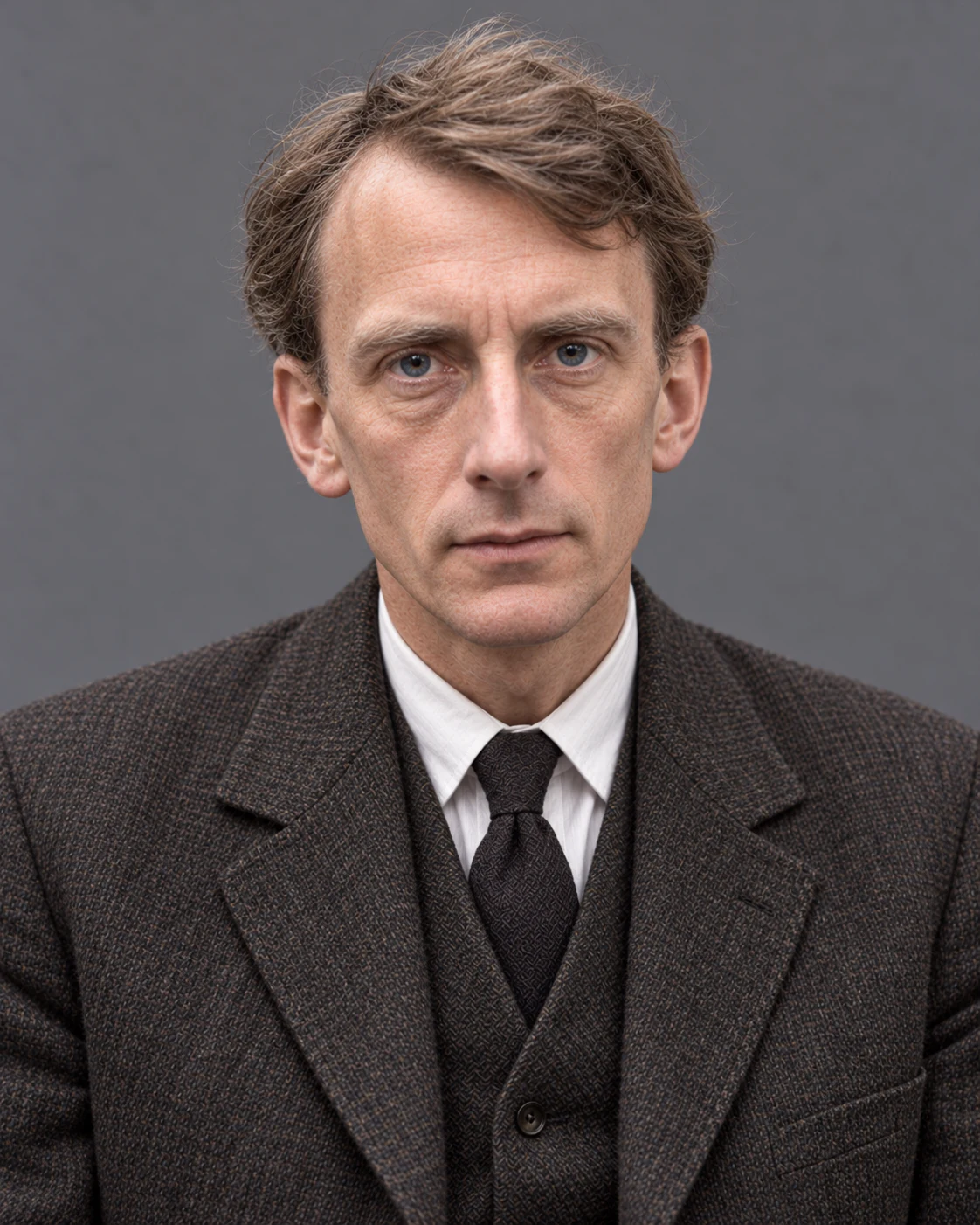
Edward Thomas
The poet studied at Lincoln before his later work as a writer and poet.
College connection
Undergraduate degree student.
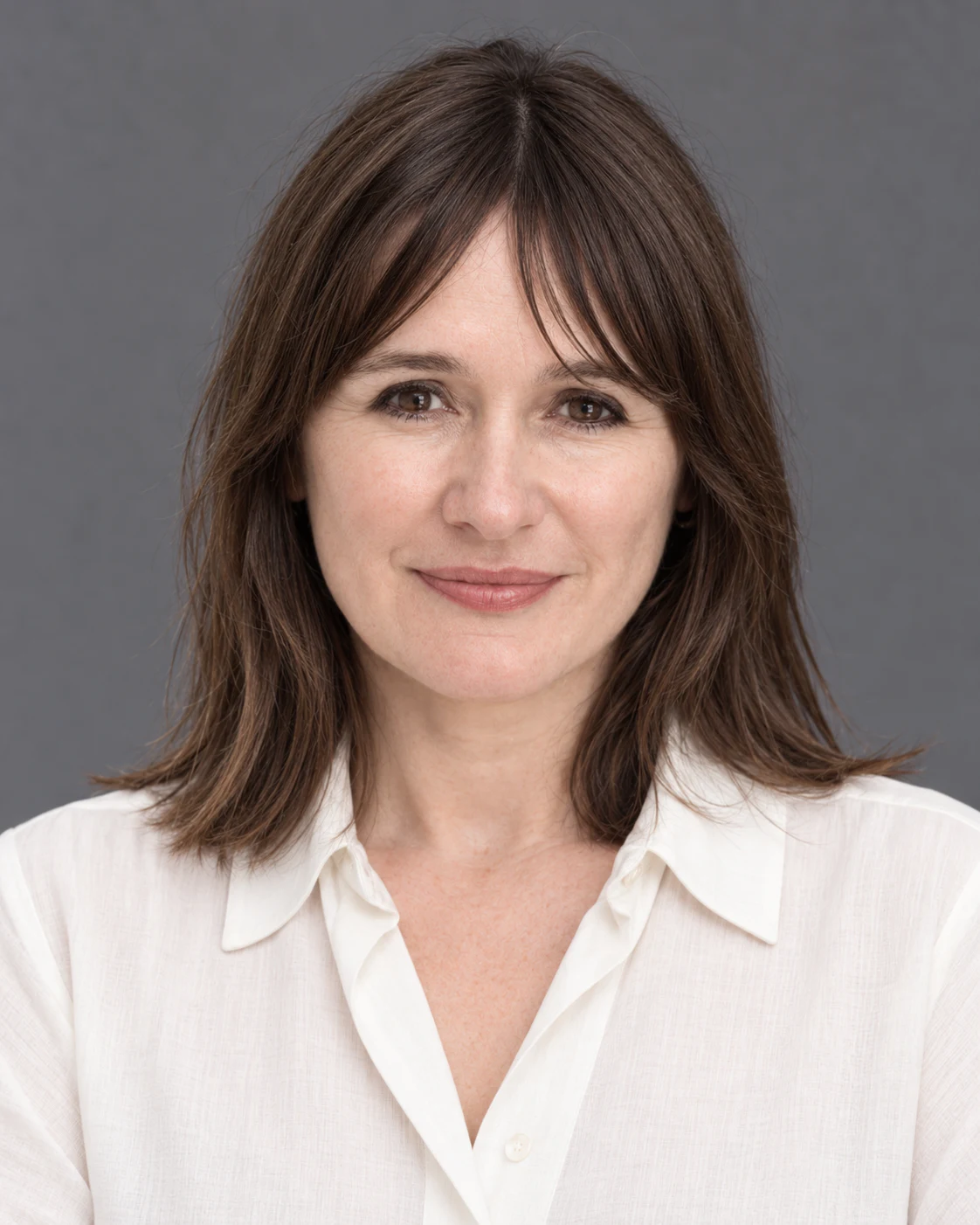
Emily Mortimer
Entered 1990
The actor, writer and director entered Lincoln in 1990. Her work includes The Pursuit of Love and Doll & Em.
College connection
Undergraduate; matriculated 1990.
The story
History & character.
Richard Fleming, Bishop of Lincoln, founded the college in 1427. The young institution faced financial uncertainty, and later gifts helped establish its buildings and income. In 1436 Emily Carr and her husband gave property on the High Street; bequests the following year supported a chapel, library, hall, kitchen and rooms.
Thomas Beckington’s bequest helped provide the first Rector’s Lodgings in 1465. A carving associated with him is a rebus: a visual puzzle representing his name. Thomas Rotherham, another Bishop of Lincoln, secured a charter from Edward IV in 1478 and is remembered as the college’s second founder.
Land acquired in 1463 became the Grove, once a kitchen garden. A surviving 1487 purchase record lists onion seeds. The garden has had other uses since, including tennis, and is outside the ordinary visitor route.
Rector Richard Kilby and fellow Richard Brett helped translate the Authorised Version of the Bible, published in 1611. The present chapel followed: work began in 1629, and it was consecrated in 1631. Its Gothic design and cedar panelling belong to a seventeenth-century addition to the medieval college.
During the Civil Wars, when Charles I made Oxford his headquarters, Lincoln housed the King’s Chaplain and other officers. In 1662 it established a Senior Common Room for its fellows, which the college identifies as Oxford’s second.
John Wesley was elected a fellow in 1726 after undergraduate study at Christ Church. His association with the Holy Club and the college helped shape the beginnings of Methodism. Lincoln preserves books and rooms associated with him; organised Wesley group visits are arranged separately.
Philosopher Samuel Alexander became Lincoln’s first Jewish fellow in 1882, and the college identifies him as the first Jewish fellow of an Oxford college. Composer and musicologist Egon Wellesz joined as a fellow in 1938 after fleeing Nazi persecution. Scientist Howard Florey, who shared the 1945 Nobel Prize for work on penicillin, was also a fellow.
Theodor Seuss Geisel studied English here in 1925–26 before becoming known as Dr Seuss. John le Carré entered in 1952 as David Cornwell. Lincoln established a graduate Middle Common Room in 1959 and identifies it as Oxford’s first. The former All Saints Church became the college library in 1975.
Women were admitted as students in 1979; historian Susan Brigden became the first woman Tutorial Fellow in 1980. The college has continued to build, including the Berrow Foundation Building, completed in 2014 and recognised by the RIBA in 2017.
The Senior Library holds historic books on subjects from classical literature and Jewish studies to drama and the Civil Wars. Its music fragments include medieval notation reused in later bindings, including the Vetus registrum.
Look closer
What to see.
Front Quad
The compact court just inside Turl Street is part of Lincoln’s early college setting.
Chapel Quad and chapel
The later court leads to the chapel, consecrated in 1631 and distinguished by its cedar panelling. Chapel availability varies.
All Saints tower
The former church became Lincoln’s working library in 1975. Its tower remains a familiar landmark from the surrounding streets; library visits are arranged separately.
John Wesley’s Lincoln
Wesley became a fellow in 1726. His room and related collections can be part of a separately arranged group visit outside term.
The Grove
Once a kitchen garden, the Grove has a history recorded in details such as a purchase of onion seeds in 1487. It is outside the ordinary visitor route.
Make it work
Plan your visit.
Lincoln is generally open free to individual visitors from 2pm to 5pm, subject to college events and closures. The usual route includes Front Quad, Chapel Quad and the chapel when available. The entrance is through the Porters’ Lodge on Turl Street.
The Grove and private staircases are outside the ordinary visitor route. Library visits and full alumni tours need advance arrangements and are usually unavailable at weekends. Organised Wesley visits are available outside term for groups of up to fifteen, at £50 per group, by arrangement with the Development Office.
The entrance and Lodge are level, with ramps between the courts. A portable ramp can bridge the step into the chapel; Wesley’s room is reached by steep stairs. Five accessible toilets serve the college, although availability on the visitor route varies.
Visit your way
Access and family planning.
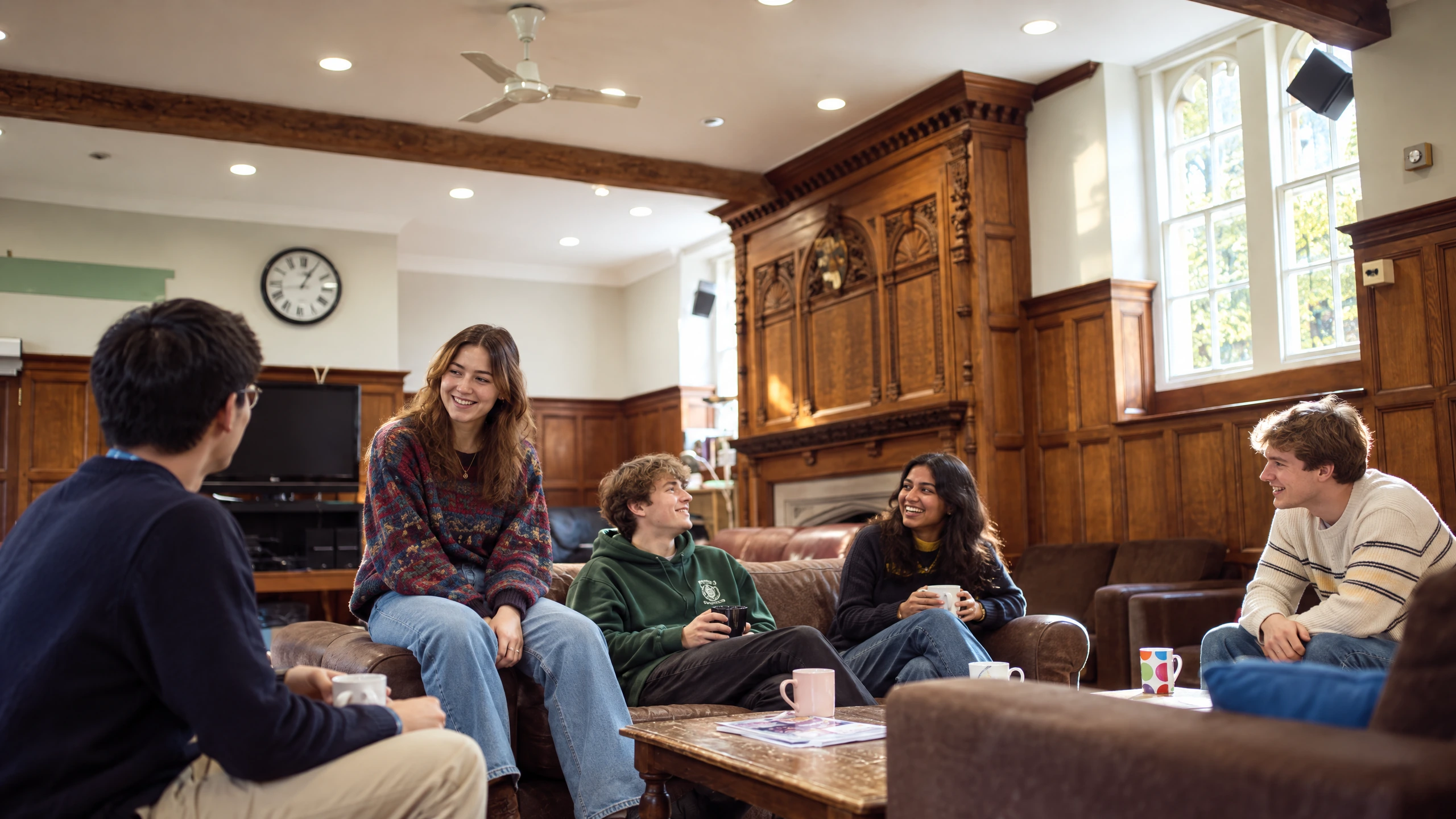
The Turl Street entrance and Lodge are level, and ramps connect the quads. A portable ramp is available for the step into the main chapel. Wesley’s room is reached by steep stairs.
Five accessible toilets serve the college. All Saints Library has a platform stair lift and requires a separate visiting arrangement.
The two compact quads make Lincoln manageable for a short family visit. Children may enjoy its connection with Dr Seuss, who studied here before writing his famous books. The entrance and routes between the quads can be step free; Wesley’s room is upstairs and has a separate visiting arrangement.
Self-guided walk
A walk from Lincoln College
A 50–65 minute walk from Lincoln takes in the former All Saints Church and Radcliffe Square before returning to Turl Street.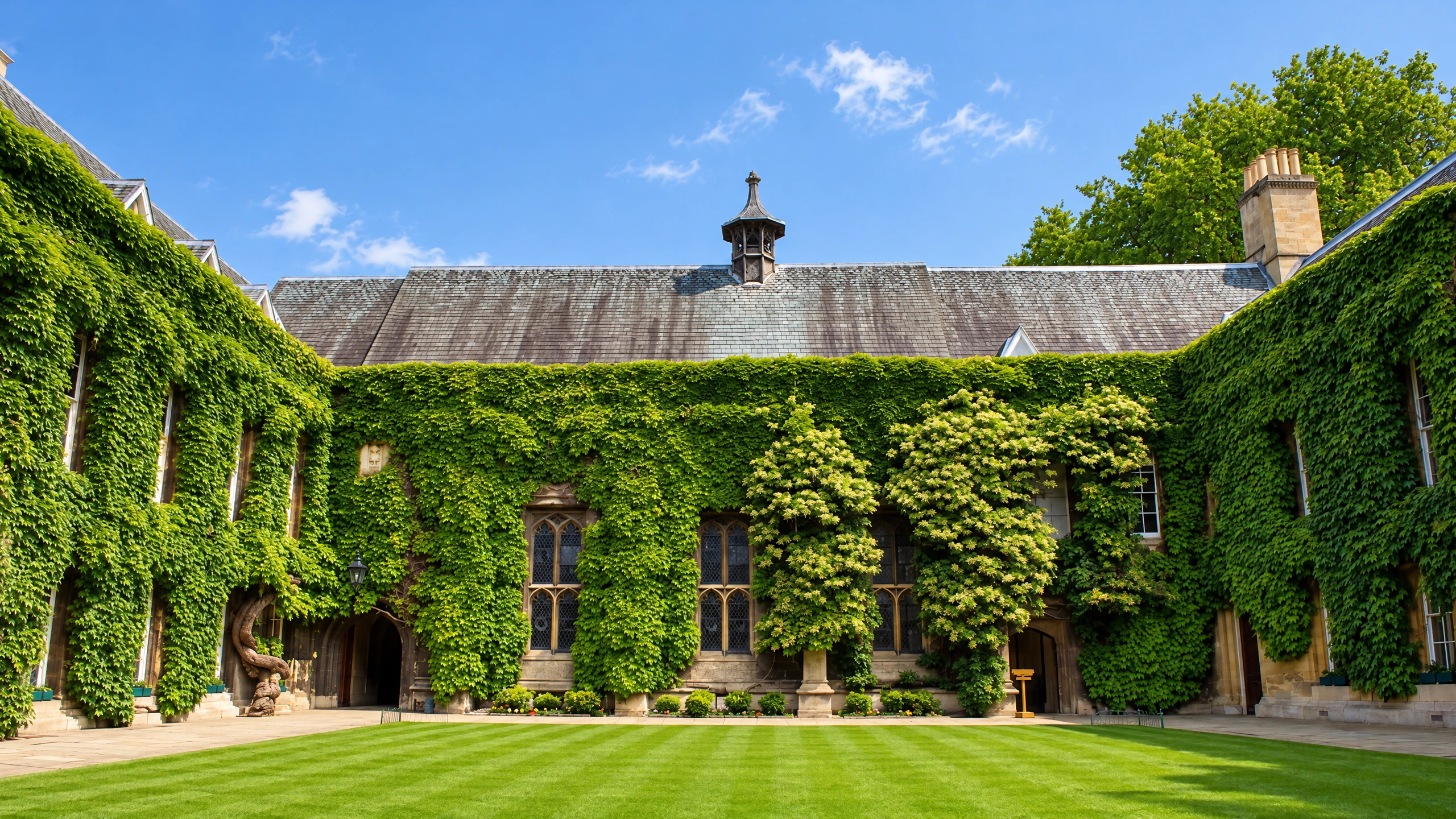
5 min
The college entrance
Lincoln’s entrance is on Turl Street. Its two main quads are generally open free to visitors in the afternoon.
8 min
All Saints exterior
Towards High Street, the tower marks the former All Saints Church, now Lincoln’s library.
10 min
Radcliffe Square
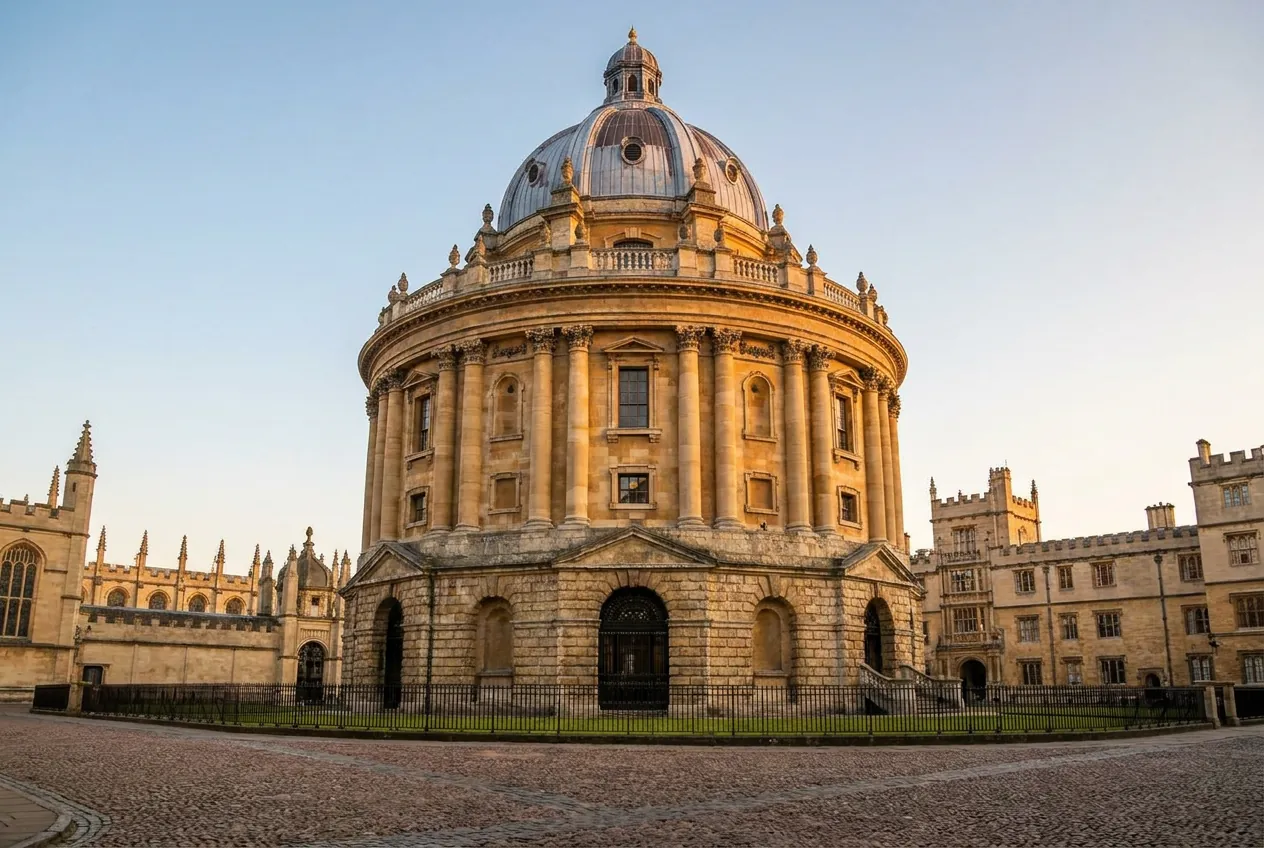
Brasenose Lane leads east to the square and the circular Radcliffe Camera.
10 min
Turl Street return
Back on Turl Street, Lincoln sits close to the entrances of Exeter and Jesus colleges.
Optional refreshments
The Covered Market and streets around Turl Street have cafés and food stalls.
See it
In pictures.
10 views, full screen. Tap any one to open the viewer.Around here
Make more of the area.
Lincoln’s neighbours share Turl Street, each with its own history and visitor arrangements.
The circular Radcliffe Camera stands among the university’s historic library buildings, a short walk east of Turl Street.
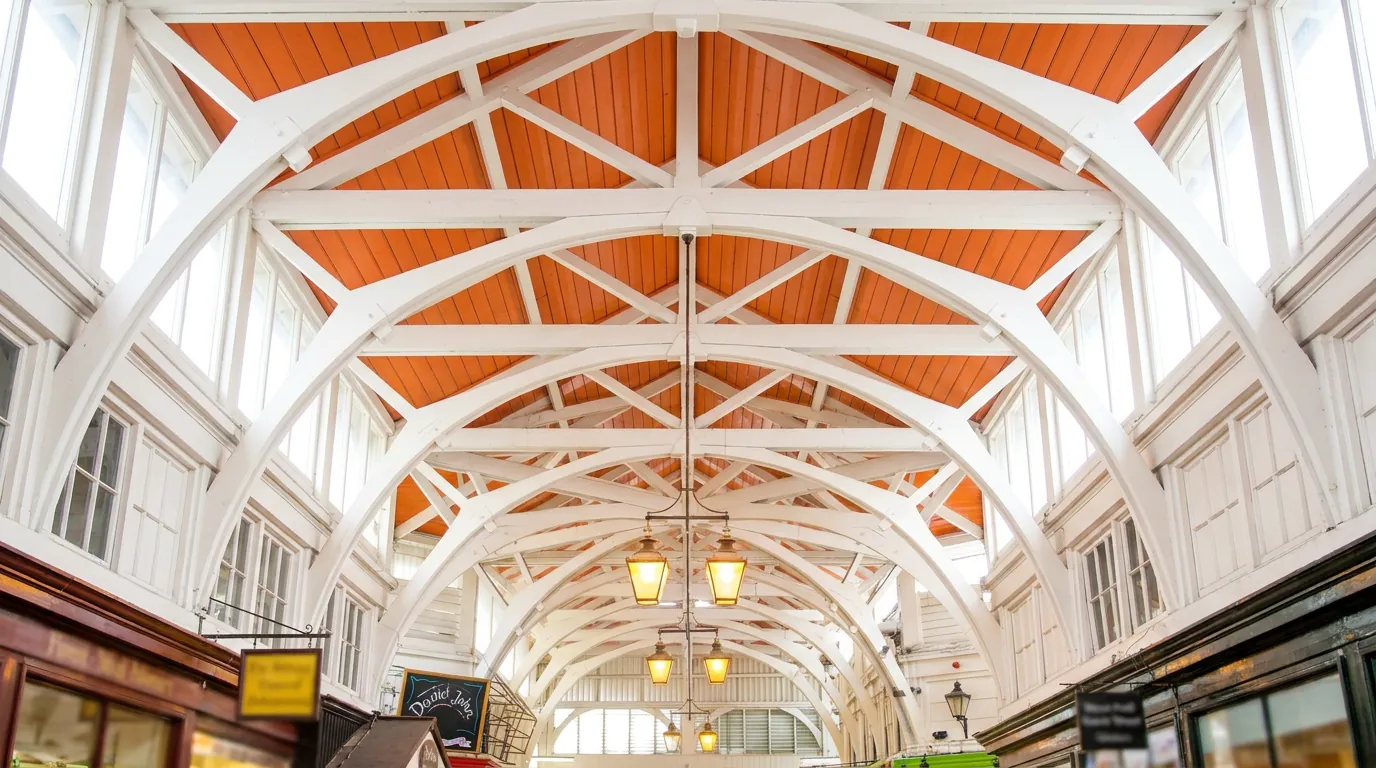
The market brings together shops and food stalls just off the High Street.
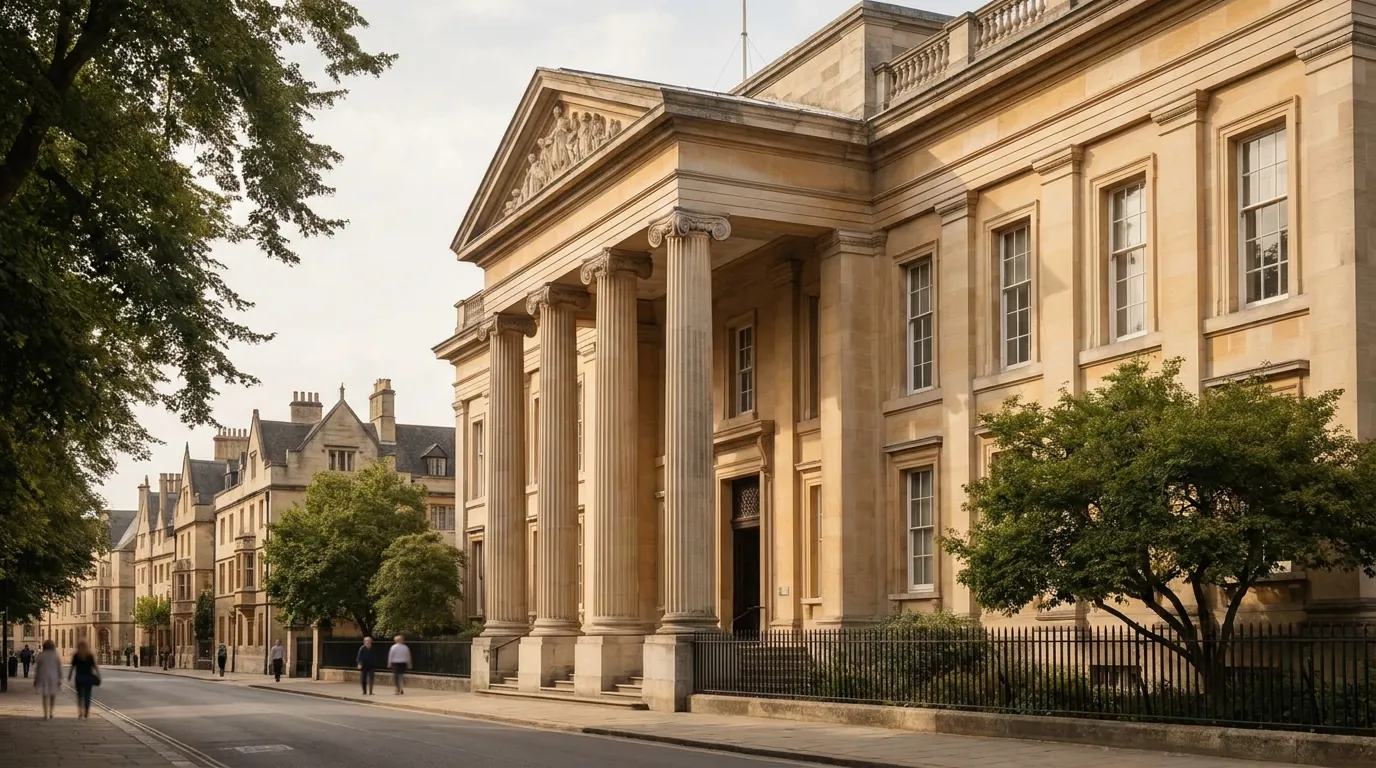
The museum on Beaumont Street offers art and archaeology collections from around the world.
Good to know
Questions, answered.
Can the public visit Lincoln College Oxford?
Members of the public can generally visit Front Quad and Chapel Quad from 2pm to 5pm. The entrance is on Turl Street; the college closes over Christmas and may close for events.
Can visitors attend a service in Lincoln College Chapel?
Yes. Chapel services, including Evensong, are open to the public. The seventeenth-century chapel has a step at its entrance, with a portable ramp available from the porter.
Why did Richard Fleming establish Lincoln in 1427?
Richard Fleming, Bishop of Lincoln, founded the college in 1427. Its early years were financially uncertain, and later gifts helped secure a permanent home.
Why is Thomas Rotherham called Lincoln’s second founder?
Rotherham, another Bishop of Lincoln, secured a charter from Edward IV in 1478. His support helped stabilise the college after its uncertain early years.
What is the Beckington rebus at Lincoln?
A rebus is a visual puzzle representing a name. The Beckington carving recalls Thomas Beckington, whose bequest helped provide the first Rector’s Lodgings.
Can visitors see Lincoln College’s Grove garden?
The Grove is reserved for college members and alumni, unless attending an event in the Berrow Foundation Building. The usual public route includes Front and Chapel Quads.
Why is Lincoln’s Chapel described as Jacobean Gothic?
The chapel was begun in 1629 and consecrated in 1631. Its seventeenth-century Gothic design includes a cedar screen within a much older college.
Which Lincoln scholars helped translate the King James Bible?
Rector Richard Kilby and fellow Richard Brett contributed to the Authorised Version of the Bible, published in 1611 before the present chapel was built.
Was John Wesley a Lincoln student or fellow?
Wesley became a Lincoln fellow in 1726 after studying at Christ Church. His work with the Holy Club helped shape early Methodism.
How can a Methodist group arrange a Wesley visit at Lincoln?
Wesley group visits are arranged through the Development Office, outside term, for up to fifteen people. The price is £50 per group.
What is distinctive about Lincoln’s Senior Library collections?
The Senior Library has more than 14,000 historic books and manuscripts, including classical texts, Jewish studies, Civil War pamphlets, drama and Wesley material.
How did medieval music survive inside Lincoln’s bookbindings?
Old parchment was reused in later bookbindings, preserving medieval musical notation. Fragments survive in at least twenty volumes, including the Vetus registrum.
Why does Lincoln’s Library look like a church?
The working library occupies the former All Saints Church, converted in 1975. Its tower can be seen from the streets near the college.
Can visitors enter Lincoln College’s library?
The working library is in the former All Saints Church. The college asks alumni to arrange a library visit in advance; ordinary public visiting covers the two quads.
What did Rishi Sunak study at Lincoln?
Rishi Sunak studied Philosophy, Politics and Economics at Lincoln from 1998 to 2001, graduating with a first-class degree before his political career.
What name did John le Carré use as a Lincoln student?
The future novelist entered Lincoln in 1952 as David Cornwell, his original name. He later wrote under the pen name John le Carré.
Did Dr Seuss complete a degree at Lincoln?
No. Theodor Seuss Geisel studied English at Lincoln in 1925–26 and left after a year. He met Helen Palmer during his time in Oxford.
Why does Samuel Alexander matter in Lincoln’s history?
Samuel Alexander became a Lincoln fellow in 1882. The college identifies him as the first Jewish fellow of an Oxford college.
How did the composer Egon Wellesz come to Lincoln?
Composer and musicologist Egon Wellesz became a Lincoln fellow in 1938 after fleeing Nazi persecution in Vienna, bringing his musical scholarship to Oxford.
Was penicillin scientist Howard Florey a Lincoln undergraduate?
No. Florey was a Lincoln fellow. His earlier Oxford studies were at Magdalen, after he had qualified in medicine at Adelaide. He shared the 1945 Nobel Prize for work on penicillin.
When did women join Lincoln as students and tutors?
Lincoln admitted women students in 1979. Historian Susan Brigden became its first woman Tutorial Fellow the following year, in 1980.
How accessible are Lincoln’s Chapel and Wesley room?
A portable ramp can bridge the step into the chapel. Wesley’s room is reached by steep stairs, so the two spaces have different access arrangements.
Editorial notes
Sources and further reading.
Sources for this guide
Research date: 1 November 2026. Inline links accompany claims. Source status distinguishes full material read from retained partial leads and carried-forward coordinate metadata.
H — Lincoln timeline
- URL: https://lincoln.ox.ac.uk/600/historic-lincoln/lincoln-timeline/
- Status: read
- Supports: 1427 foundation, benefactors, buildings, Bible translators, students and modern changes.
V — Visiting Lincoln
- URL: https://lincoln.ox.ac.uk/discover/the-college/visiting-lincoln/
- Status: read
- Supports: Public courts and afternoon hours, Wesley groups, prices and physical access.
L — Senior Library
- URL: https://lincoln.ox.ac.uk/discover/lincoln-unlocked/the-senior-library/
- Status: retained-partial
- Supports: 14,000 historic books/manuscripts and collection subjects.
M — Music in the Margins
- URL: https://lincoln.ox.ac.uk/discover/lincoln-unlocked/online-exhibitions/music-in-the-margins
- Status: retained-partial
- Supports: Medieval music reused in bookbindings and Vetus registrum.
Gd — Unlocking the gardens
- URL: https://lincoln.ox.ac.uk/blog/unlocking-the-gardens
- Status: retained-partial
- Supports: 1463 Grove, 1487 onion seeds and Beckington rebus.
J — John Wesley exhibition
- URL: https://lincoln.ox.ac.uk/discover/lincoln-unlocked/online-exhibitions/john-wesley-exhibition
- Status: retained-partial
- Supports: 1726 fellowship and Chapel Quad rooms.
P — Rishi Sunak alumni profile
- URL: https://lincoln.ox.ac.uk/news/alumnus-rishi-sunak-becomes-uk-pm
- Status: retained-partial
- Supports: 1998 matriculation, PPE and 2001 first-class degree.
S — Dr Seuss at Lincoln
- URL: https://www.lincoln.ox.ac.uk/news/100-year-anniversary-of-dr-seusss-matriculation-at-lincoln/
- Status: read
- Supports: 1925 matriculation, English literature and departure after one year.
B — Lincoln alumni honours
- URL: https://lincoln.ox.ac.uk/news/lincoln-alumni-recognised-in-kings-birthday-honours-2025
- Status: retained-partial
- Supports: Julia Black undergraduate and doctoral student relationship.
W — Lincoln history and people reference
- URL: https://en.wikipedia.org/wiki/Lincoln_College,_Oxford
- Status: read
- Supports: Additional literary students and fellowship distinctions.
A — University physical access guide
- URL: https://www.ox.ac.uk/about/how-we-are-run/equality-diversity/access-guide/colleges/lincoln
- Status: read
- Supports: Retained full physical site survey: entrances, thresholds, ramps, lifts, toilets, parking and hearing support. Not a website-accessibility statement.
U — University college visiting directory
- URL: https://www.ox.ac.uk/about/visit-us/visiting-colleges
- Status: read
- Supports: Public access summary; college pages take precedence where explicitly conflicting.
G — Fresh college coordinate reference
- URL: https://en.wikipedia.org/wiki/Lincoln_College,_Oxford
- Status: read
- Supports: Numeric WGS84 college coordinates read directly from Wikipedia on 1 November 2026. Campus pin, not a surveyed visitor or accessible entrance.
Conflict ledger
Current official visitor rules take precedence over broad summaries: Wesley groups have a £50 fee, maximum fifteen and out-of-term condition; ordinary free court entry does not include Wesley’s room, Grove or Library. Wesley and Florey were fellows, not Lincoln undergraduates. BHO direct access returned 403; no full-read claim is made for that source.
Editorial calculations
Walking times, recommended visit durations, comparisons and scores are editorial judgements. No pin is an accessible-entrance certification; no unlisted ticket is described as available.
B audit — Lincoln: Global Community
Supports: Emily Mortimer is an alumna, matriculation1990; actor, writer, director and producer including The Pursuit of Love and Paddington in Peru.
Status: read-primary; reviewed 1 November 2026.
Further reading and sources
Opening hours, prices, programmes and access arrangements can change. Confirm critical details with the venue.
Keep exploring