Central · Founded 1438
All Souls College
Medieval stonework, a richly decorated chapel and Hawksmoor’s twin towers meet at this distinctive Oxford research college.
- Founded
- 1438
- Location
- High Street / Radcliffe Square
- Visiting
- Limited afternoon opening
- Institution
- College
01 The experience
What to expect.
Towers above the city
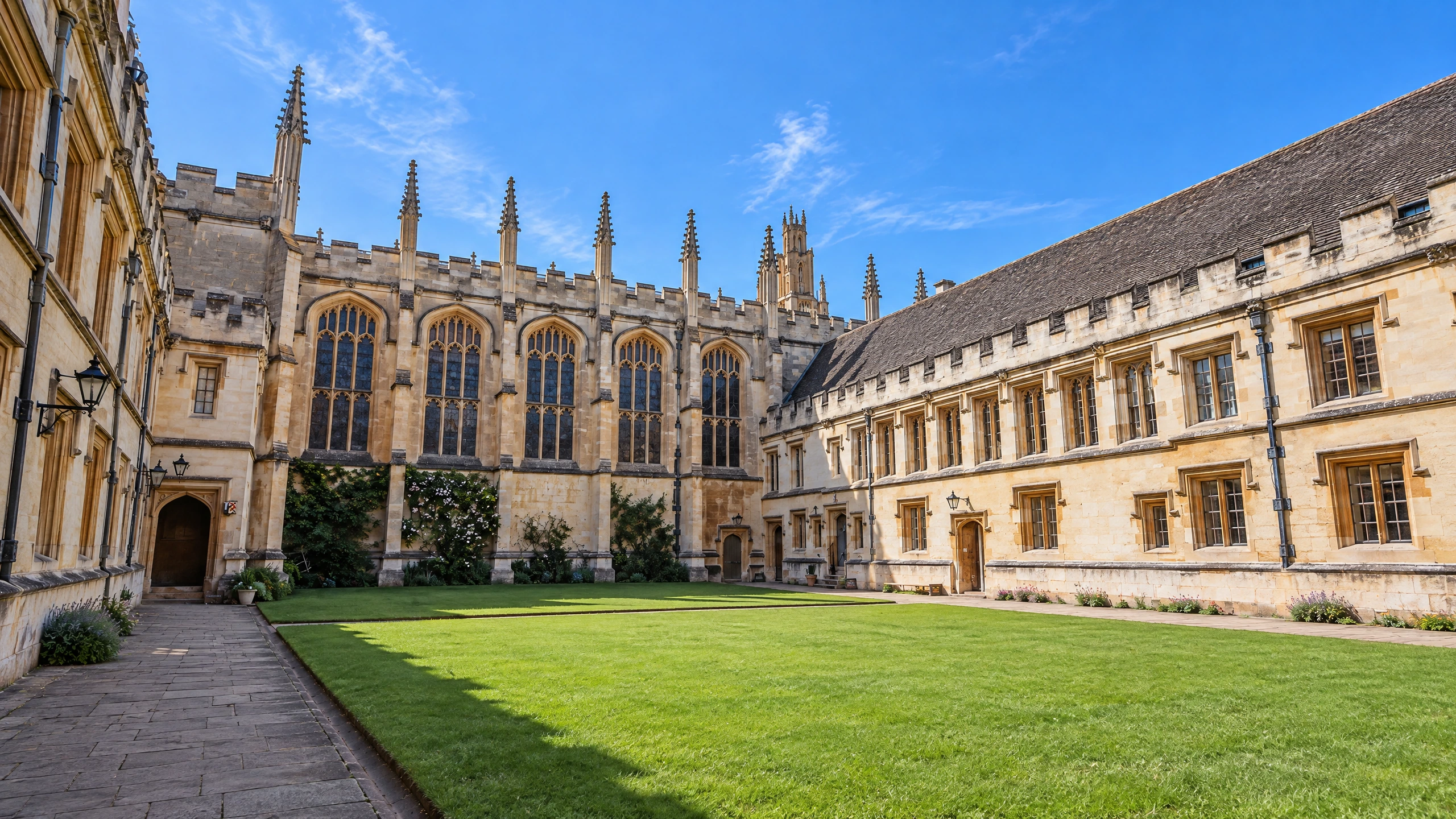
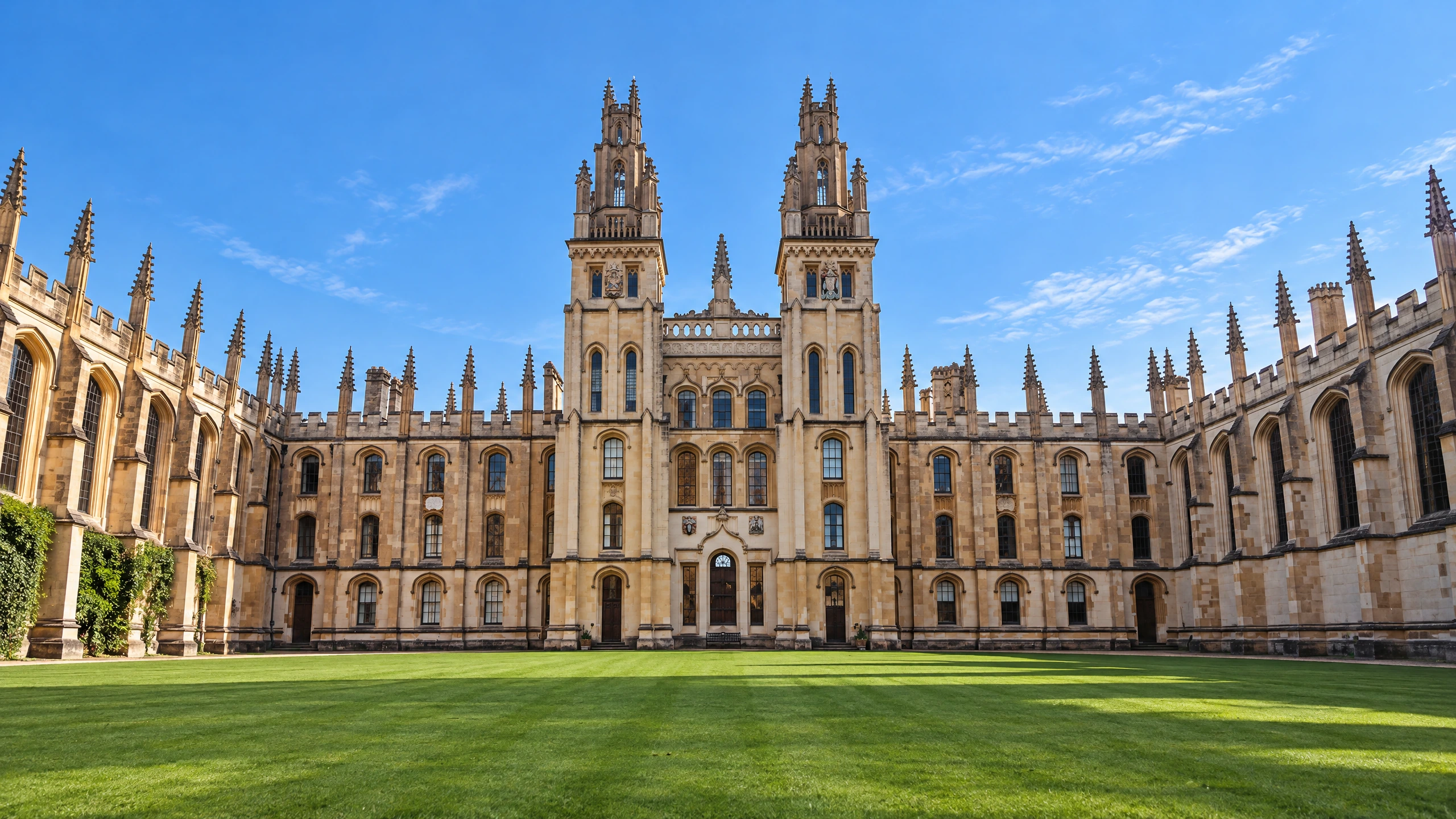
The twin towers of All Souls rise above Radcliffe Square, one of Oxford’s most familiar views. Inside the college, a small medieval courtyard opens towards a much larger one designed by Nicholas Hawksmoor. The chapel, with its carved stalls and richly decorated screen, brings together work from several centuries.
All Souls is unusual among Oxford colleges: it has no undergraduate students. Founded in 1438 by Archbishop Henry Chichele and Henry VI, it is a community of fellows whose work spans subjects including history, law, philosophy and science.
Architect Christopher Wren, philosopher Isaiah Berlin and writer T. E. Lawrence are among the people who have held fellowships here. A sundial in Great Quad is attributed to Wren; Lawrence worked on Seven Pillars of Wisdom during his fellowship.
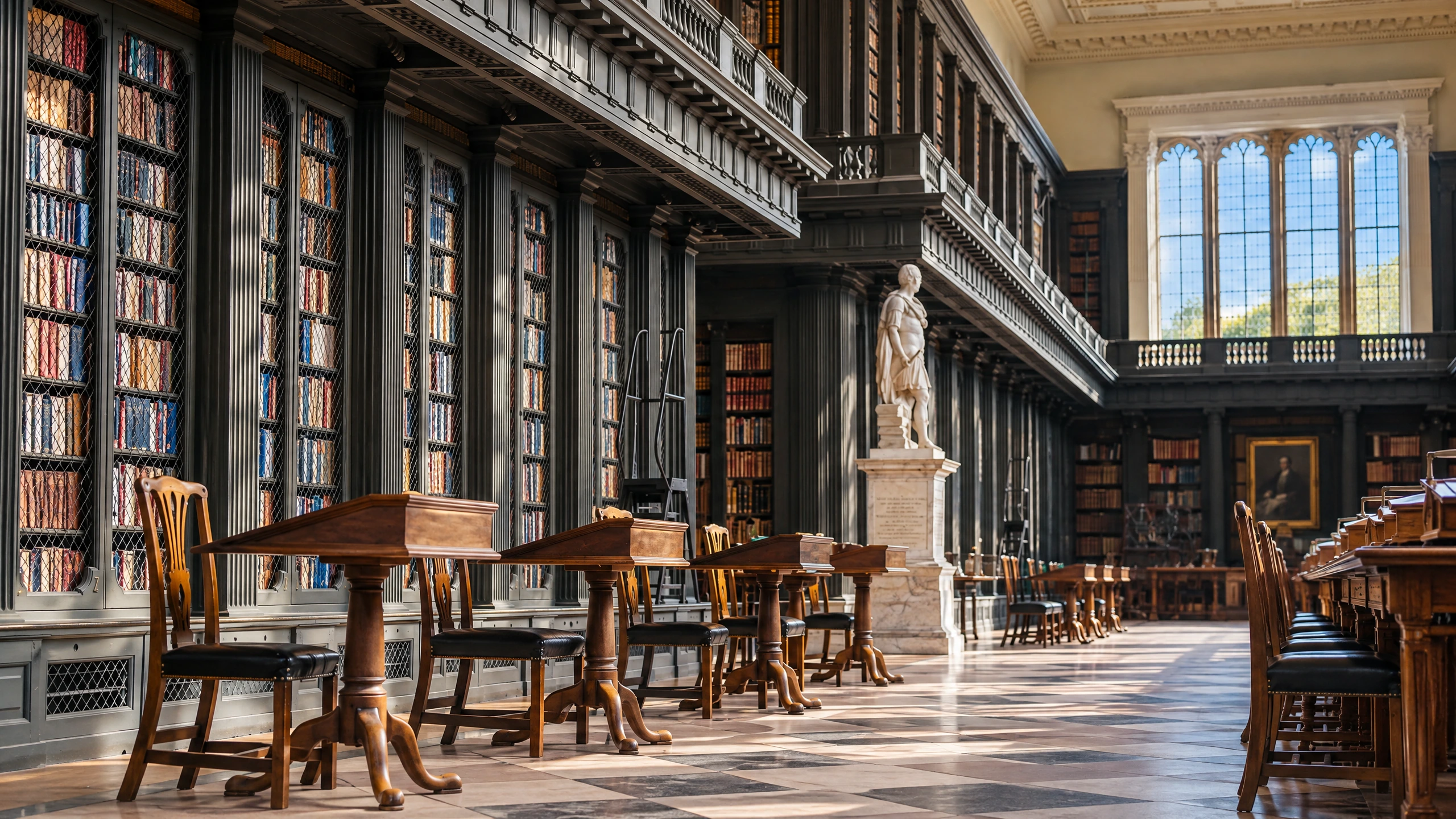
The long library facing Great Quad was funded by a gift from Christopher Codrington, whose wealth came from Caribbean plantations worked by enslaved people. All Souls now explains that history as part of the building’s legacy. The library is a working research space, while the quads and chapel are normally open for afternoon visits.
People and ideas
Fellows and founders
All Souls has no undergraduate intake. Its notable members include research, examination and professorial Fellows, alongside the founders.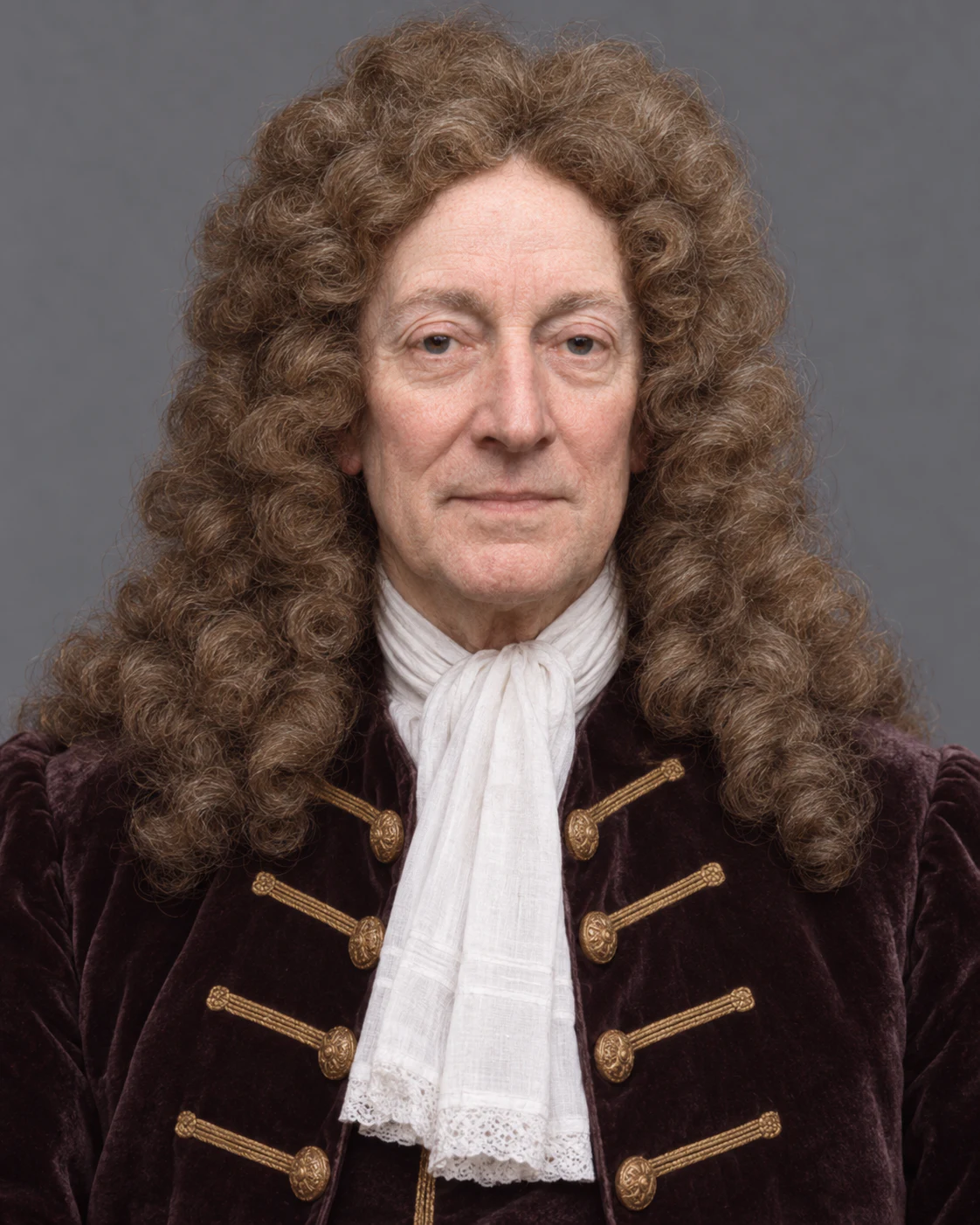
Christopher Wren
1658–1659
Architect and astronomer Christopher Wren was a fellow of All Souls. The college sundial is attributed to him.
College connection
Fellow and College office-holder. Joined the College in 1653; bursar in 1658–1659; sundial erected 1658–1659.
Isaiah Berlin
1932
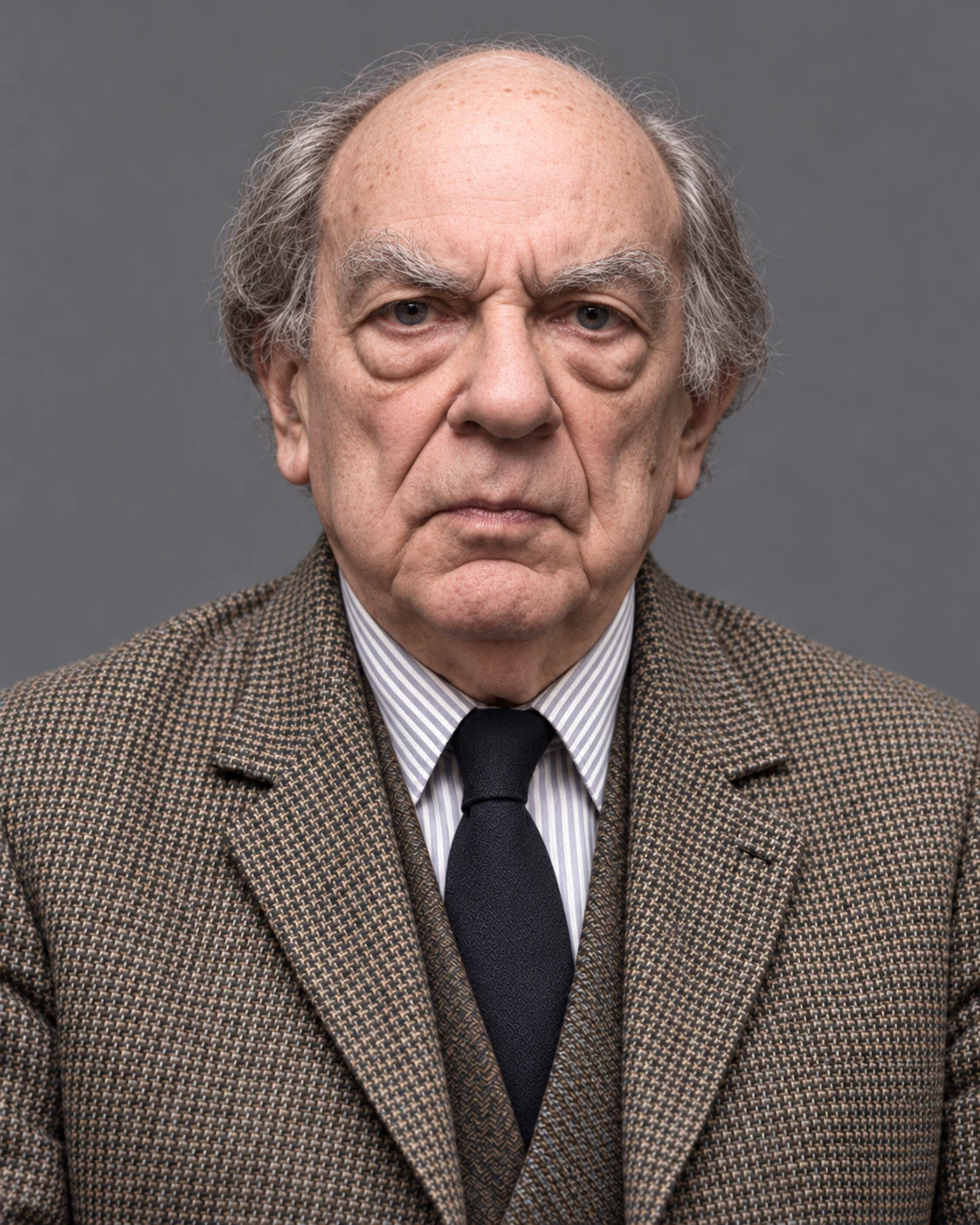
Isaiah Berlin was a philosopher and writer whose work explored liberty, ideas and political life.
College connection
Fellow; elected in a triple election of Fellows. Elected in 1932.
T. E. Lawrence (Lawrence of Arabia)
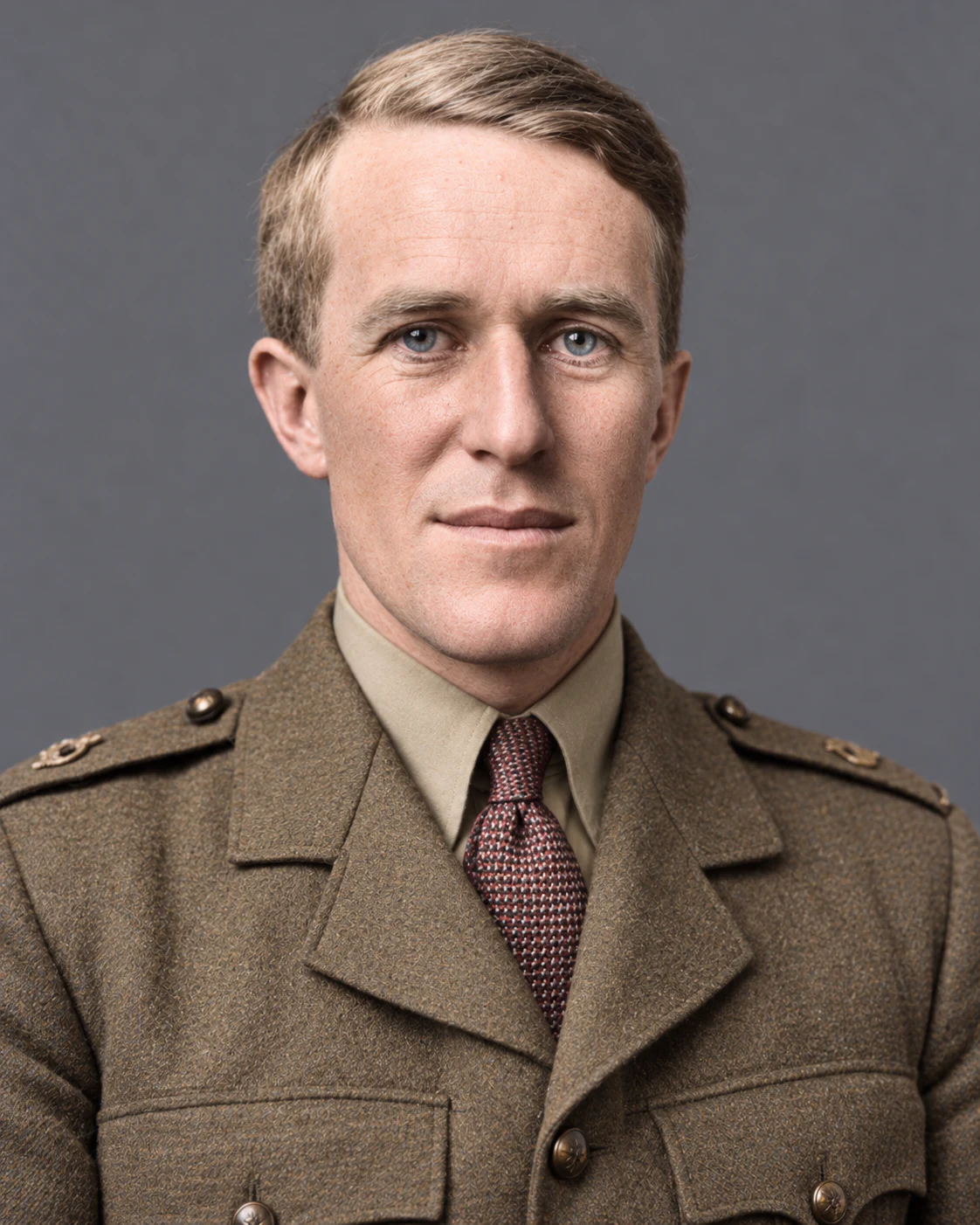
Writer and soldier T. E. Lawrence worked on Seven Pillars of Wisdom during his research fellowship.
College connection
First twentieth-century Research Fellow.
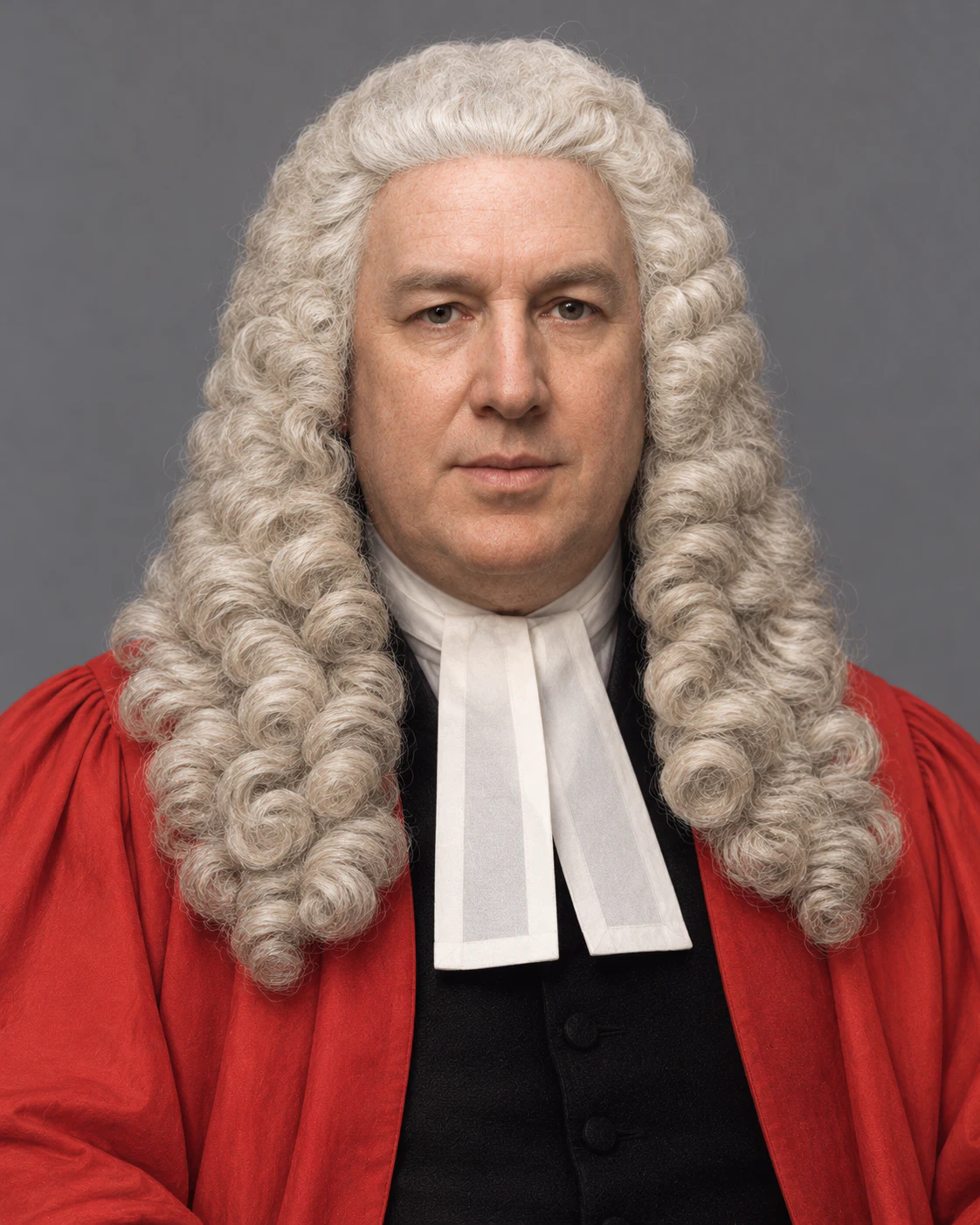
William Blackstone
1743–1762
Lawyer William Blackstone lectured on English common law at Oxford while a fellow of All Souls.
College connection
Fellow. Fellow 1743–1762; lectured on the Common Law at Oxford from 1753; first Vinerian Professor appointed 1758.
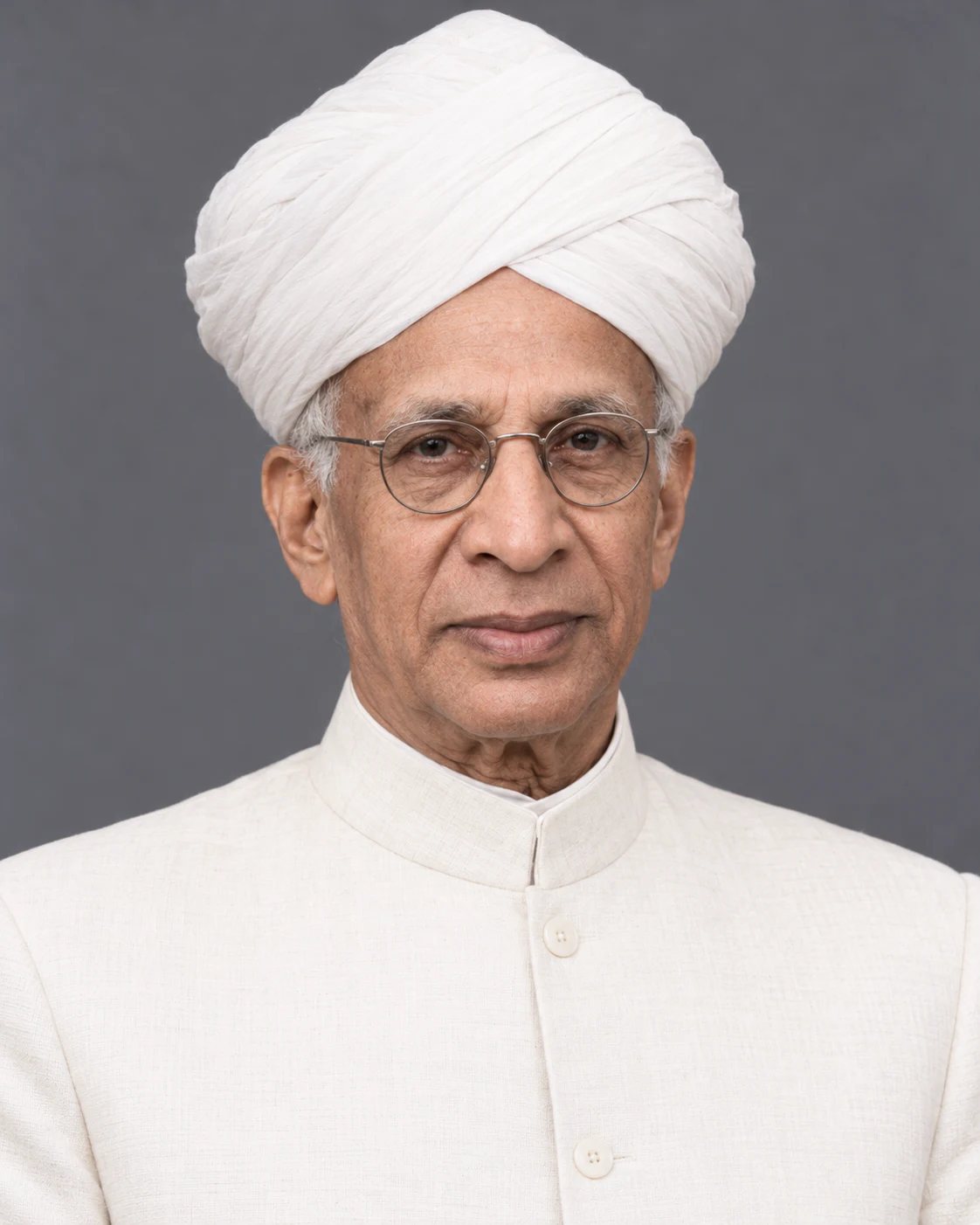
Sarvepalli Radhakrishnan
1952
Philosopher Sarvepalli Radhakrishnan was a professor and fellow before becoming President of India.
College connection
Spalding Professor and Professorial Fellow. Held the Spalding Chair until leaving the All Souls professorship in 1952.
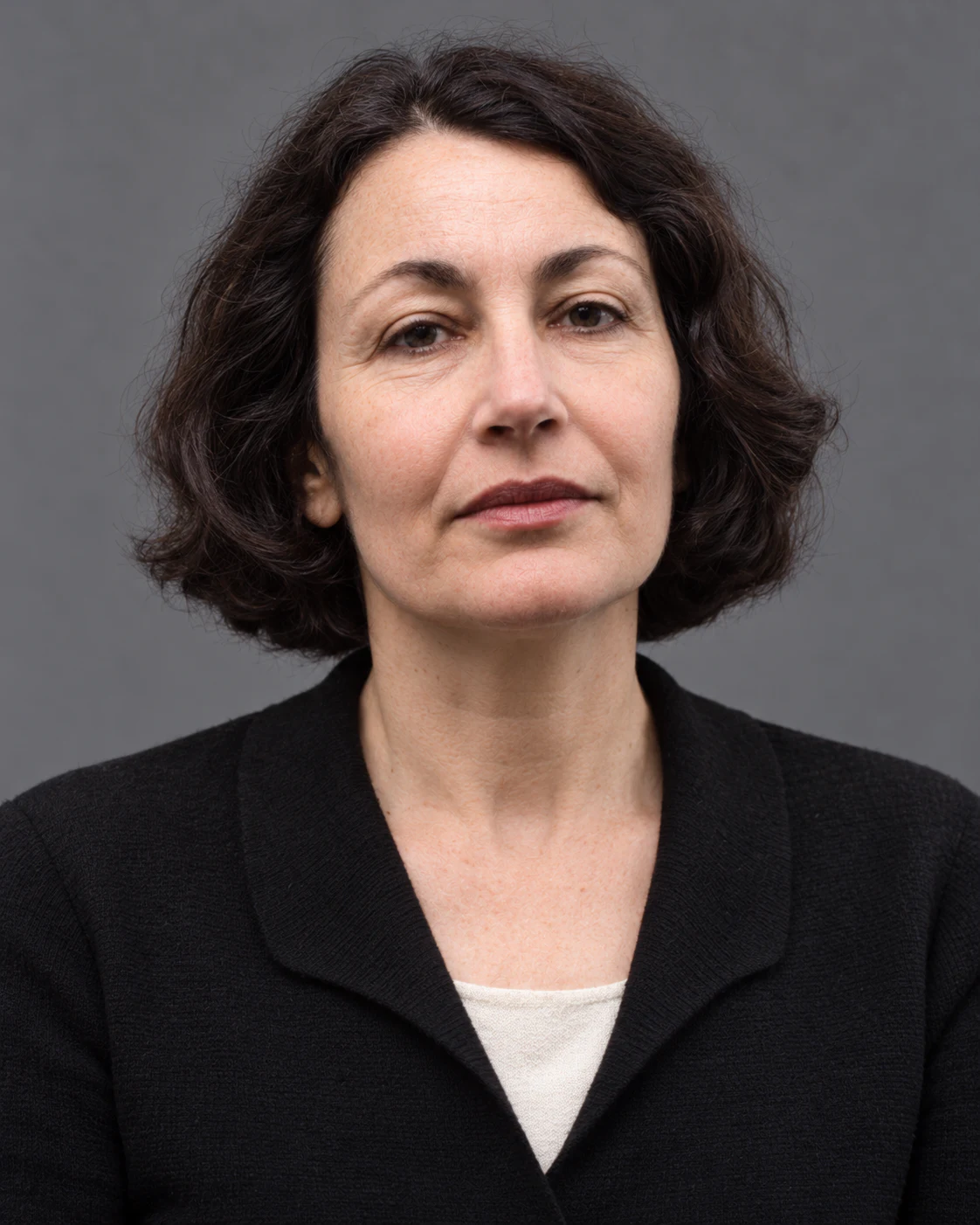
Susan Hurley
1981
Philosopher Susan Hurley became the first woman elected to an All Souls fellowship in 1981.
College connection
First woman elected to a Fellowship at All Souls; philosopher. First woman elected in 1981, on the basis of chapters of a doctoral thesis.
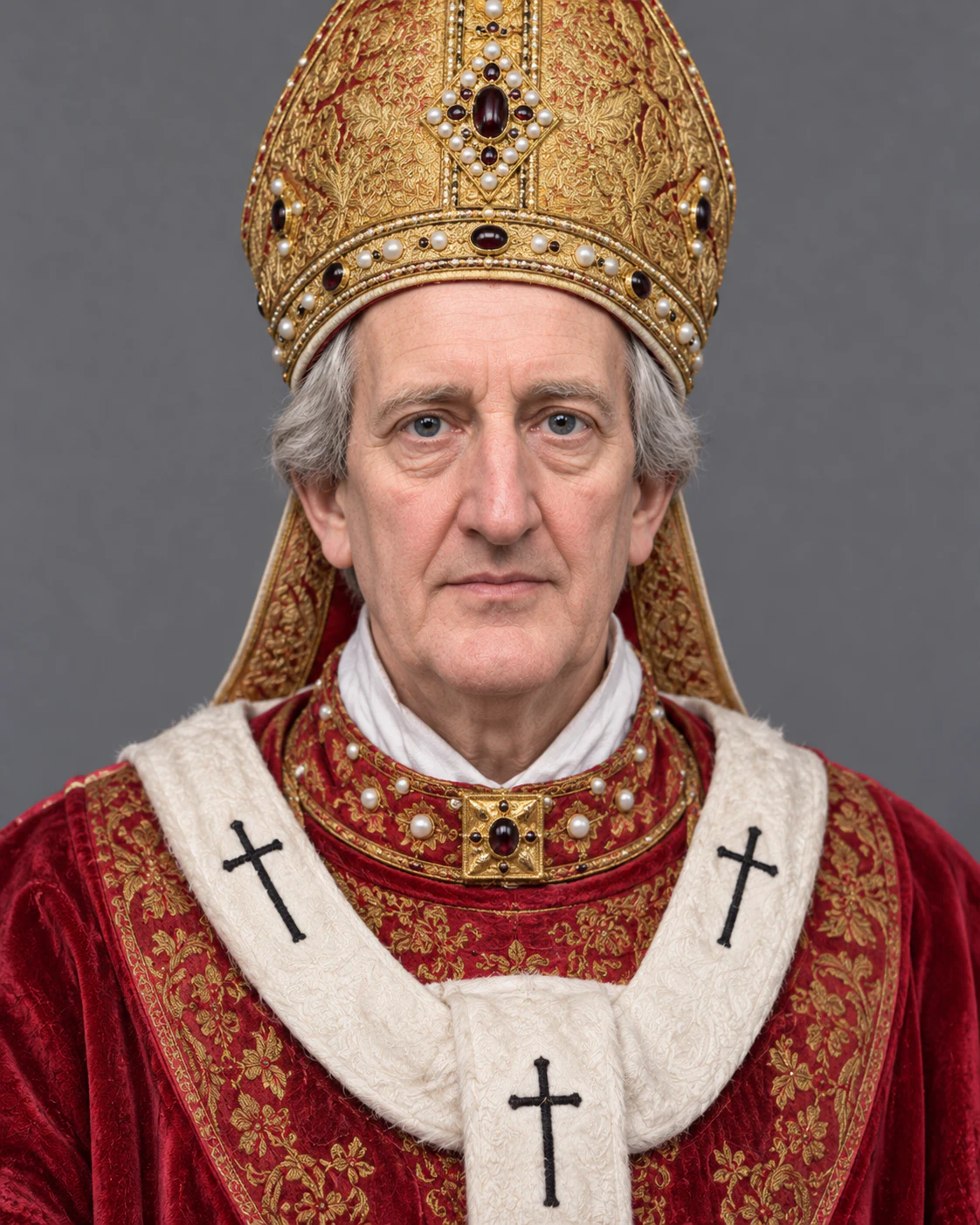
Henry Chichele
1430
Archbishop Henry Chichele founded All Souls with Henry VI and provided its first statutes.
College connection
Founder. Foundation activity 1430 s–1443; handed the statutes to Warden Keyes on 2 April 1443.
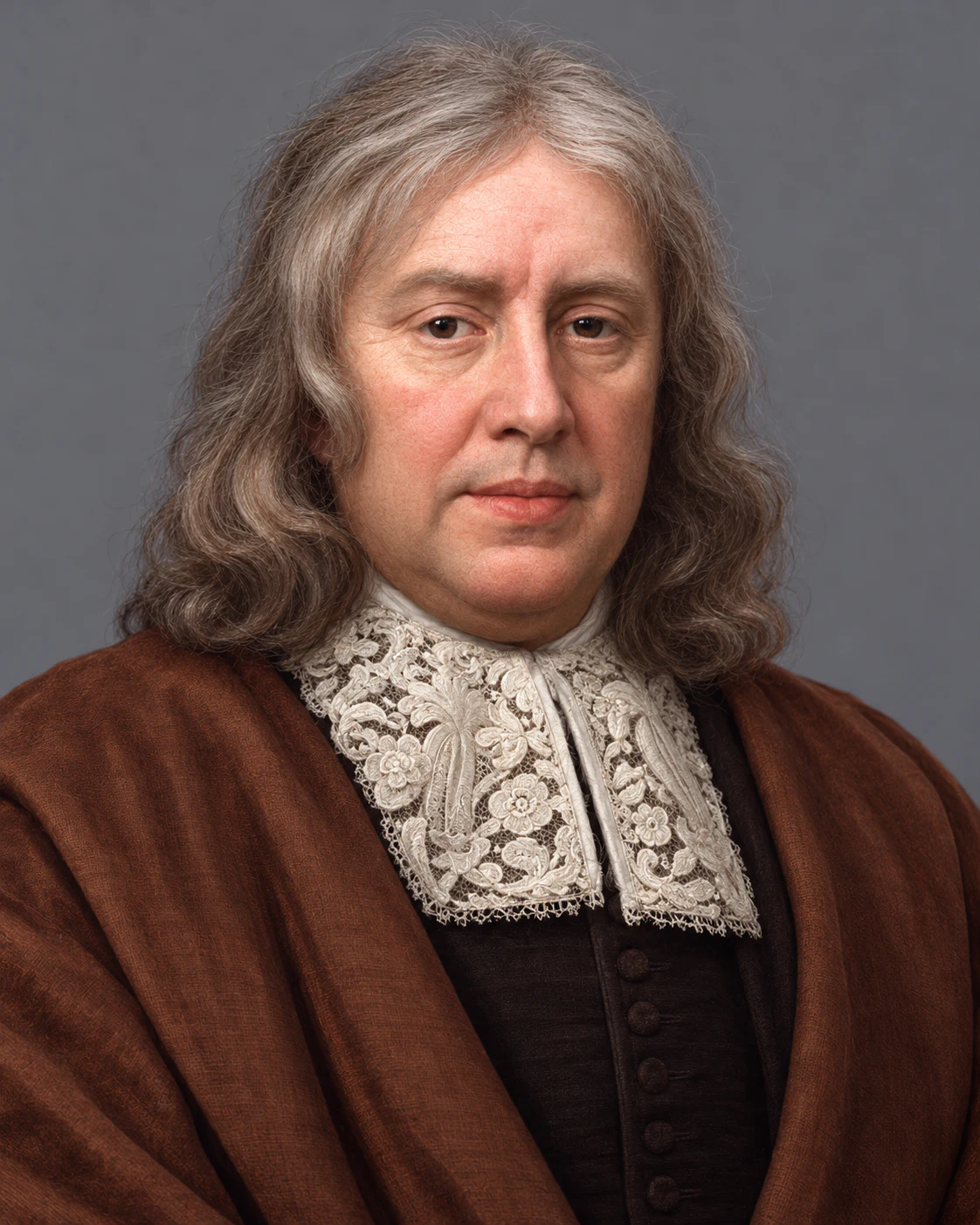
Thomas Sydenham
1648–1652
Physician Thomas Sydenham held a fellowship during the years following the Civil War.
College connection
Intruded Fellow under Cromwell's Commissioners; not a normal elected Fellow in the restored line. Intruded into a Fellowship during 1648–1652.
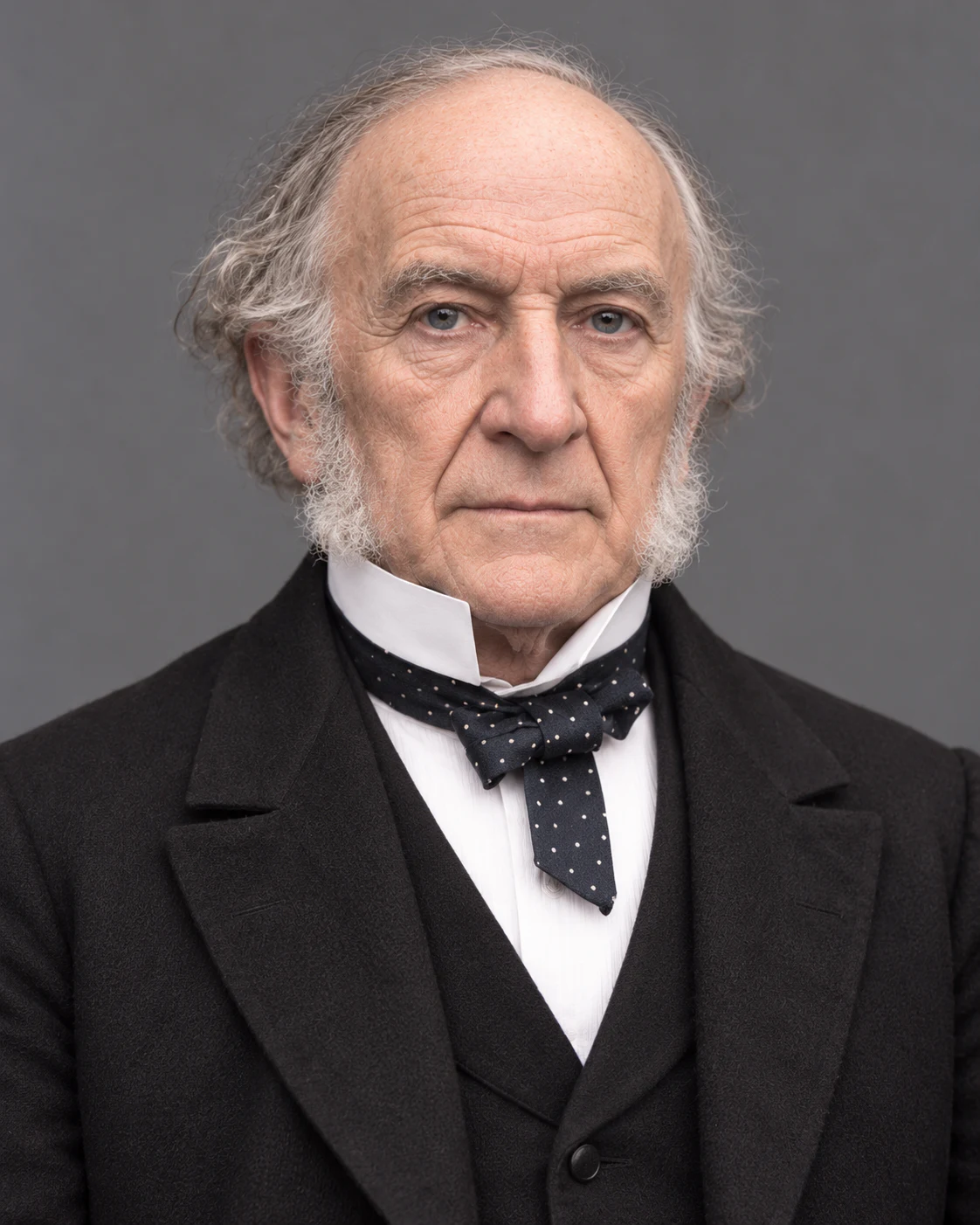
William Gladstone
1858
British prime minister William Gladstone became an honorary fellow in 1858.
College connection
Honorary Fellow. Elected to an honorary Fellowship in 1858.
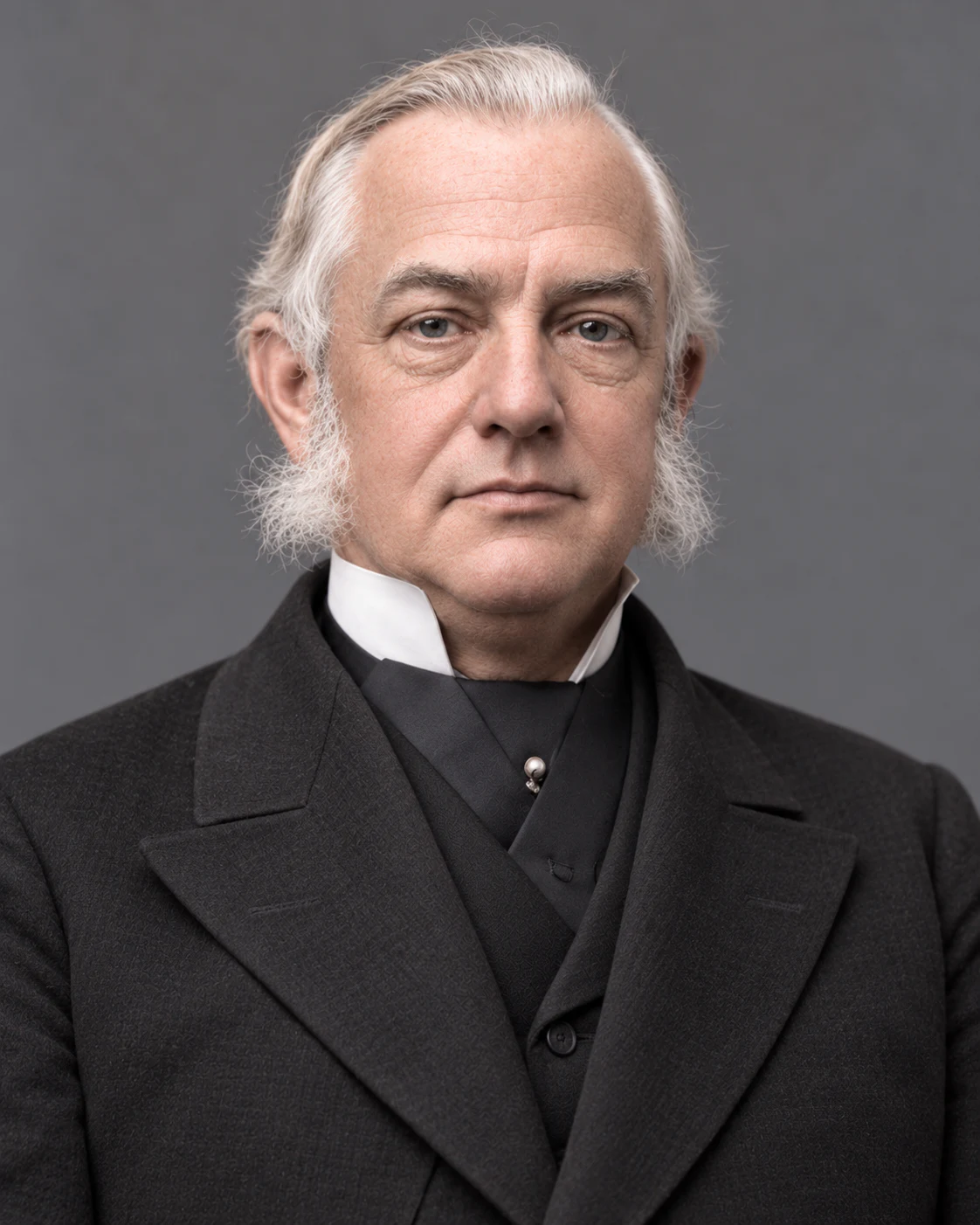
Friedrich Max Müller
1858
Scholar Friedrich Max Müller was a professor of languages and an early professorial fellow at All Souls.
College connection
Professorial/non-examination Fellow. Elected Fellow in 1858.
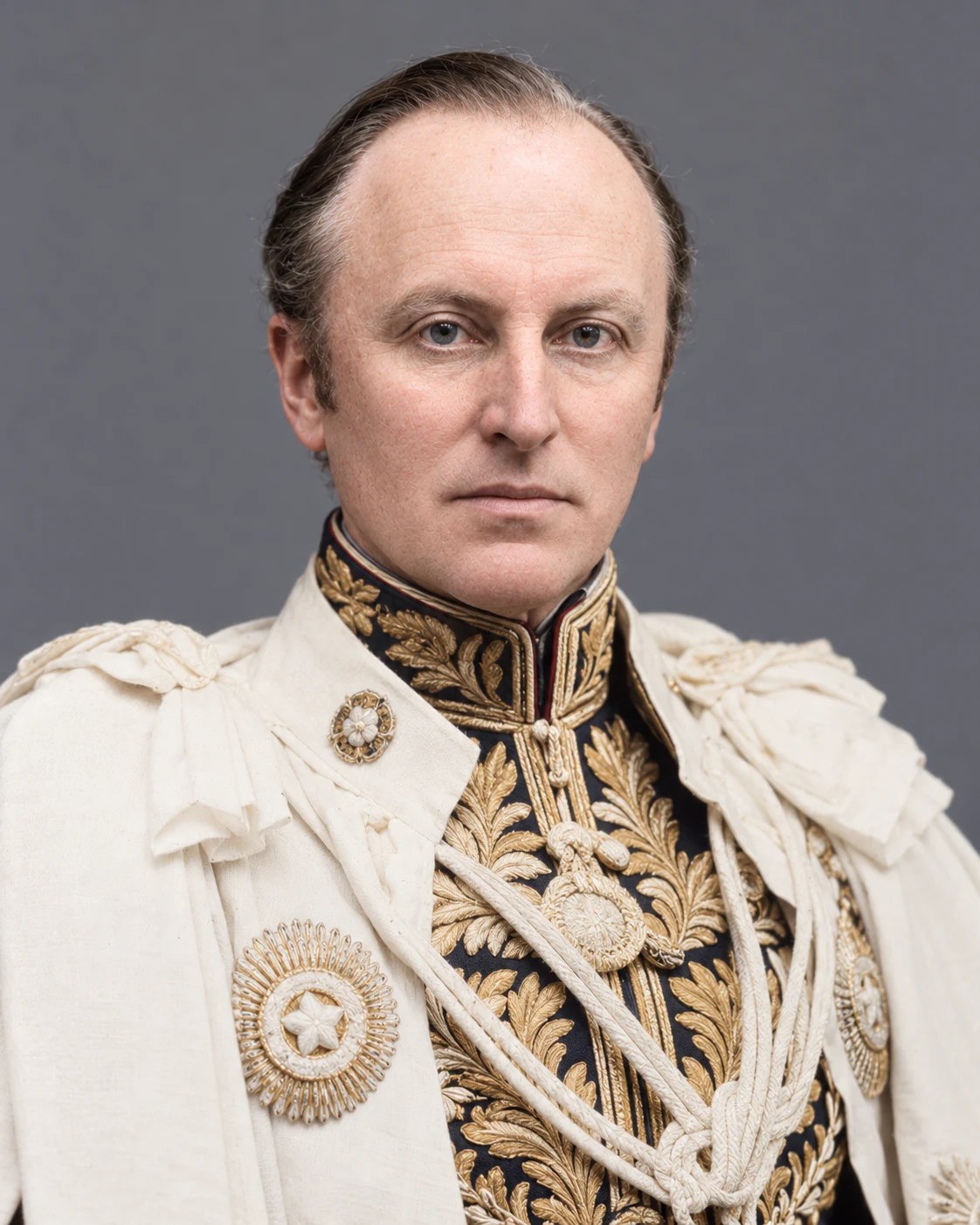
George Nathaniel Curzon
1883
George Curzon was a traveller, author and politician who became Viceroy of India.
College connection
Examination Fellow. Elected to a Fellowship by examination in 1883.
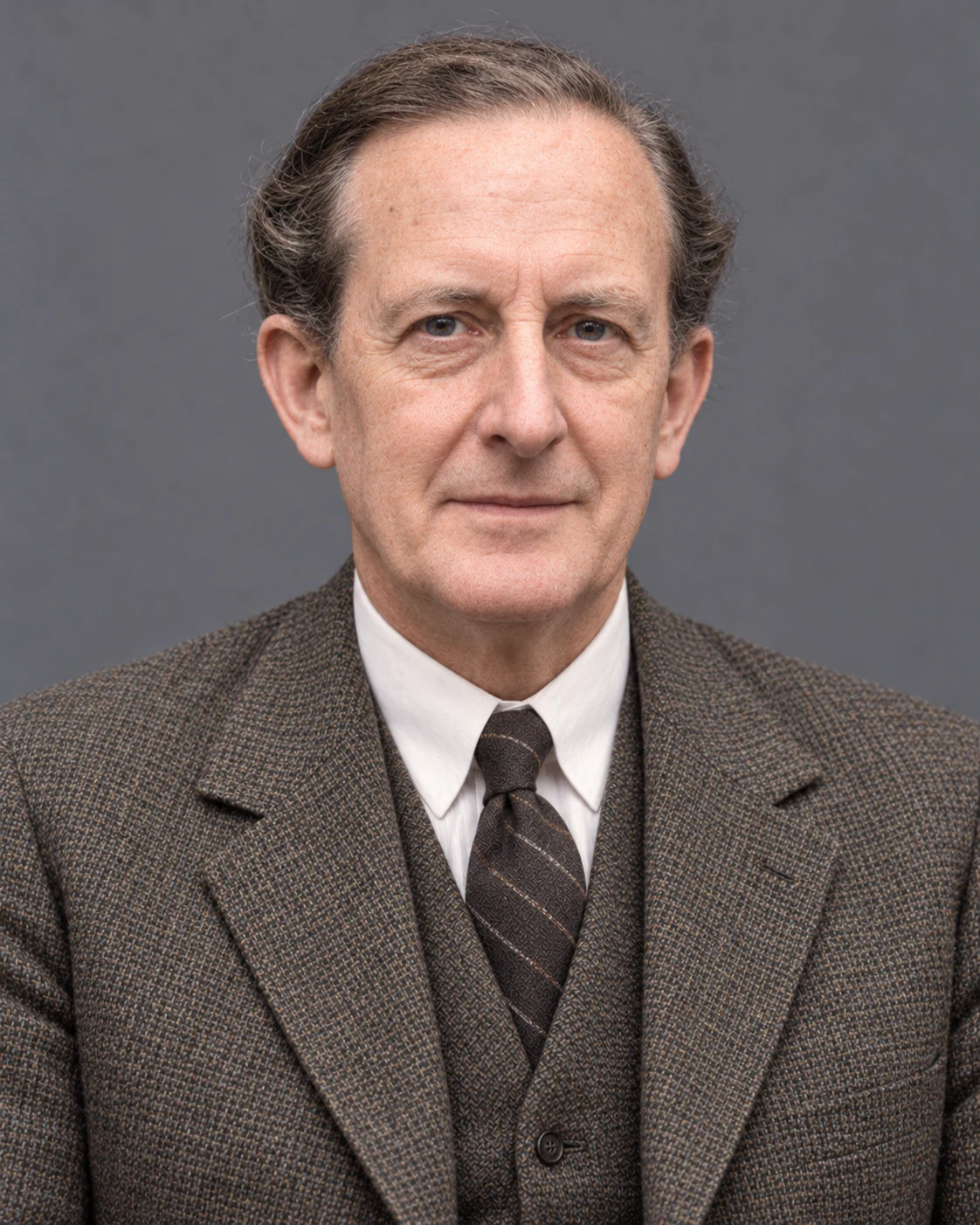
A. R. Radcliffe-Brown
1937
A. R. Radcliffe-Brown was a social anthropologist and professorial fellow.
College connection
Professorial Fellow. Became a Fellow in 1937.
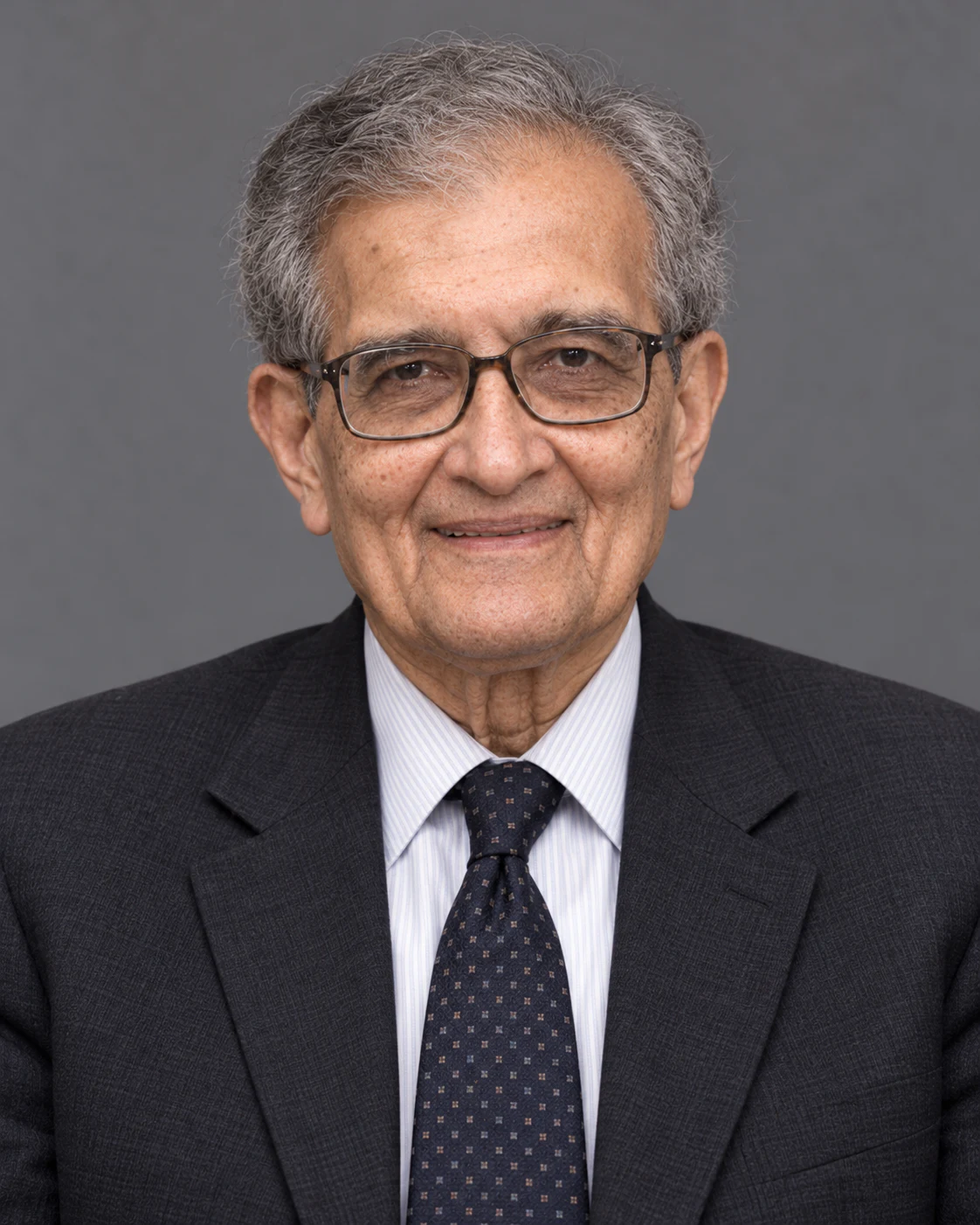
Amartya Sen
Economist Amartya Sen, a Nobel laureate, held Oxford’s Drummond Professorship of Political Economy.
College connection
Professorial Fellow through the Drummond Chair.
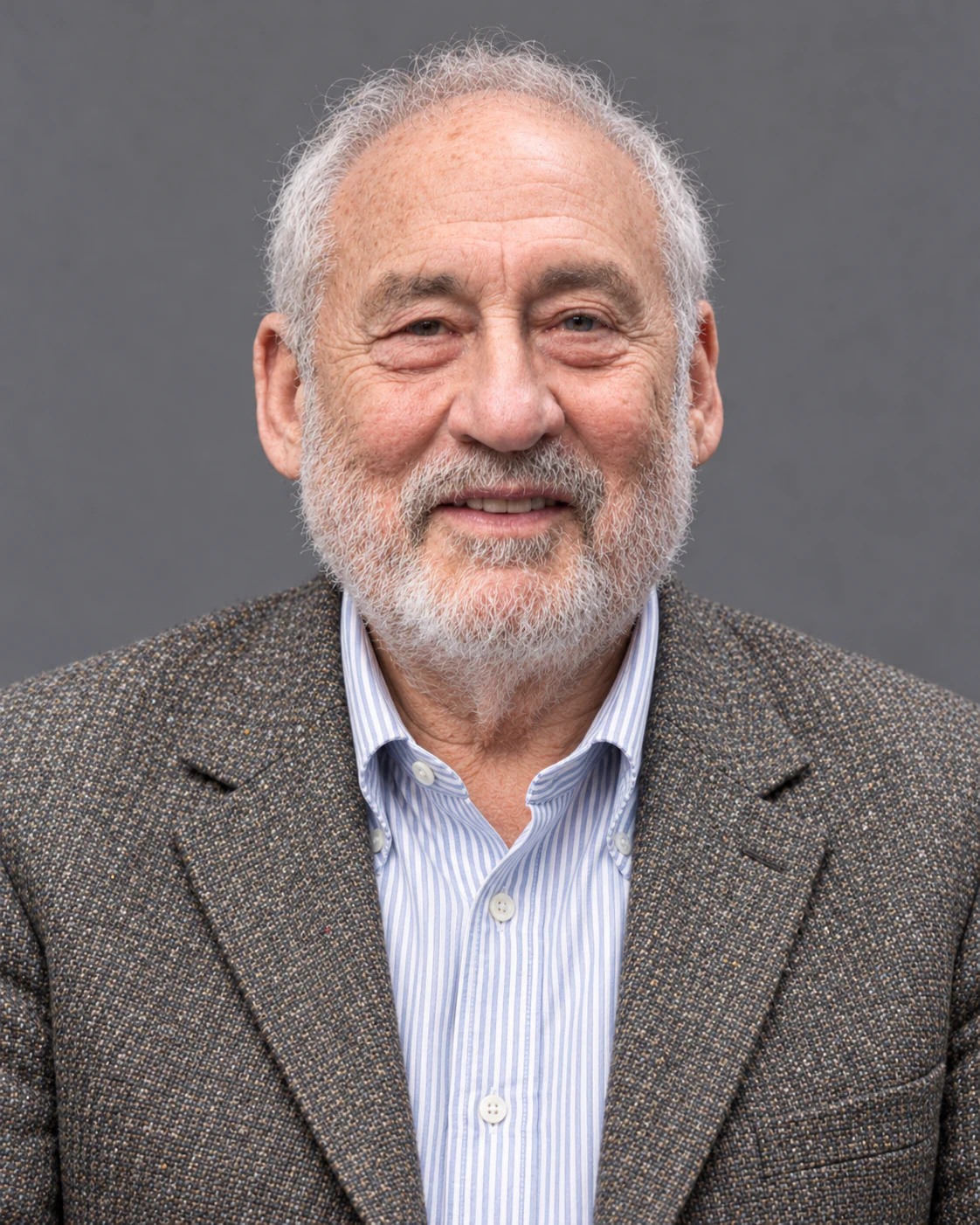
Joseph Stiglitz
Economist Joseph Stiglitz, a Nobel laureate, held Oxford’s Drummond Professorship of Political Economy.
College connection
Professorial Fellow through the Drummond Chair.
The story
History & character.
A college for remembrance and study
All Souls was founded in 1438 by Henry Chichele, Archbishop of Canterbury, with Henry VI as co-founder. Chichele wanted a college where its members would pray for the departed, including those killed in war, and pursue advanced study. The chapel and the first courtyard were at the heart of that life.
The first fellows came after studying elsewhere in Oxford. All Souls still has no undergraduate intake, although its modern community is very different from Chichele’s religious foundation. Its fellows now work across many fields, including law, history, philosophy and the sciences.
Work on the college began in 1438. Surviving accounts name people who built it, including mason Richard Chevynton, stone-carver John Massyngham, carpenter John Branche and glazier John Glazier. Front Quad and the chapel preserve the shape of that first college.
The chapel through the centuries
The chapel retains medieval stalls and some early glass. Its stone reredos, the screen behind the altar, holds rows of figures; the original statues were removed during the Reformation and the present figures belong to later restoration. Other work in the chapel is associated with Christopher Wren and James Thornhill.
The chapel continues to be used for worship. Its carved wood, glass and sculpture bring together the college’s medieval beginnings and the changes made by later generations.
Maps, a ceiling and a sundial
Robert Hovenden was Warden, or head of the college, for 43 years from 1571. He organised its archives and commissioned maps of the college’s estates between 1586 and 1605. Those maps show the lands beyond Oxford that helped sustain the college.
The Old Library’s plaster ceiling dates from 1598 and carries the arms of the Crown, the University and Oxford colleges. The room is used for lectures and meetings and is outside the ordinary afternoon visit.
Christopher Wren joined All Souls in 1653 and later served as bursar. The intricate sundial now in Great Quad is strongly attributed to him. It was once on the chapel’s south wall before being moved to its present setting.
Hawksmoor’s Great Quad
The eighteenth century brought a dramatic change to All Souls. Architect Nicholas Hawksmoor designed the long library and the buildings around Great Quad, including the arcade and twin towers. Although the towers draw on Gothic architecture, they belong to this later rebuilding rather than the medieval foundation. The hall followed in 1730–33.
The library was built after Christopher Codrington left money and books to the college in 1710. His wealth came from Caribbean plantations worked by enslaved people. The college now uses the name All Souls College Library and explains that history through its interpretation, a lecture series and support for Codrington College in Barbados.
The collections range from the thirteenth-century Amesbury Psalter to Persian manuscripts and architectural drawings. They are used for research; the library interior is not part of the ordinary public visit.
A changing community of fellows
Lawyer William Blackstone was a fellow from 1743 to 1762 and began lecturing on English common law at Oxford in 1753. The philosopher Isaiah Berlin was elected in 1932, and T. E. Lawrence worked on Seven Pillars of Wisdom during a research fellowship. Philosopher Sarvepalli Radhakrishnan held a professorship and fellowship before becoming President of India.
Fellowships opened to women in 1979. Philosopher Susan Hurley became the first woman elected in 1981, with an application based on chapters of her doctoral thesis. The college continues as a research community, with the historic courts alongside its working rooms and collections.
Look closer
What to see.
Front Quad
The smaller courtyard belongs to the college’s fifteenth-century foundation. Its enclosed stone buildings lead towards the chapel and the much larger Great Quad beyond.
The chapel
Medieval stalls and early glass share the chapel with later decorative work. Its reredos, the screen behind the altar, is filled with figures restored after the original statues were removed during the Reformation.
Great Quad and the twin towers
Nicholas Hawksmoor’s eighteenth-century buildings give Great Quad its distinctive shape: a long library, an arcade and the tall twin towers seen across Oxford.
Wren’s sundial
The intricate sundial in Great Quad is attributed to Christopher Wren, who was a fellow and college bursar. It once stood on the chapel’s south wall.
The library and its history
The library’s long exterior faces Great Quad. Christopher Codrington’s gift funded the building; his wealth came from Caribbean plantations worked by enslaved people. The college describes that history and its continuing response.
Make it work
Plan your visit.
Opening and admission
Admission is free for individuals and groups of up to six, with no booking required during public opening. The college usually opens Monday to Friday and Sunday, 2–4 pm. It closes over Easter and Christmas and throughout August; other closures can happen at short notice. Larger groups need to arrange a visit in advance.
The entrance is on High Street near Catte Street. The visit includes Front Quad, Great Quad and the chapel when open. Around 30–45 minutes allows time for the courts and chapel. The library is a working research space and is outside the ordinary visitor route.
Services and collections
The chapel has its own programme of services and occasional music. Archives and special collections can be consulted by appointment; archive enquiries go to archives@all-souls.ox.ac.uk. Special-collections appointments normally need at least two weeks’ notice.
Getting here
The college estimates around 20 minutes on foot from Oxford railway station and 15 minutes from the coach station. There is no on-site visitor parking; public Blue Badge spaces are available on High Street.
Visit your way
Access and family planning.
The High Street entrance has two steps. The Lodge can arrange portable ramps, though they are steep and may not suit every wheelchair or visitor. A wheelchair can be borrowed by arrangement.
There is no lift. Visitor-accessible toilets are off Front Quad near the Bursary. There is no on-site Blue Badge parking; public spaces are available on High Street. The Lodge can advise on the entrance and access to the chapel before a visit.
The twin towers, sundial and carved chapel make a compact visit with children. A family visit can take around 20–30 minutes. Parties of more than six need to arrange entry in advance; the entrance has steps.
Self-guided walk
A walk through All Souls
Two courtyards and the chapel bring together the medieval college and Hawksmoor’s later buildings.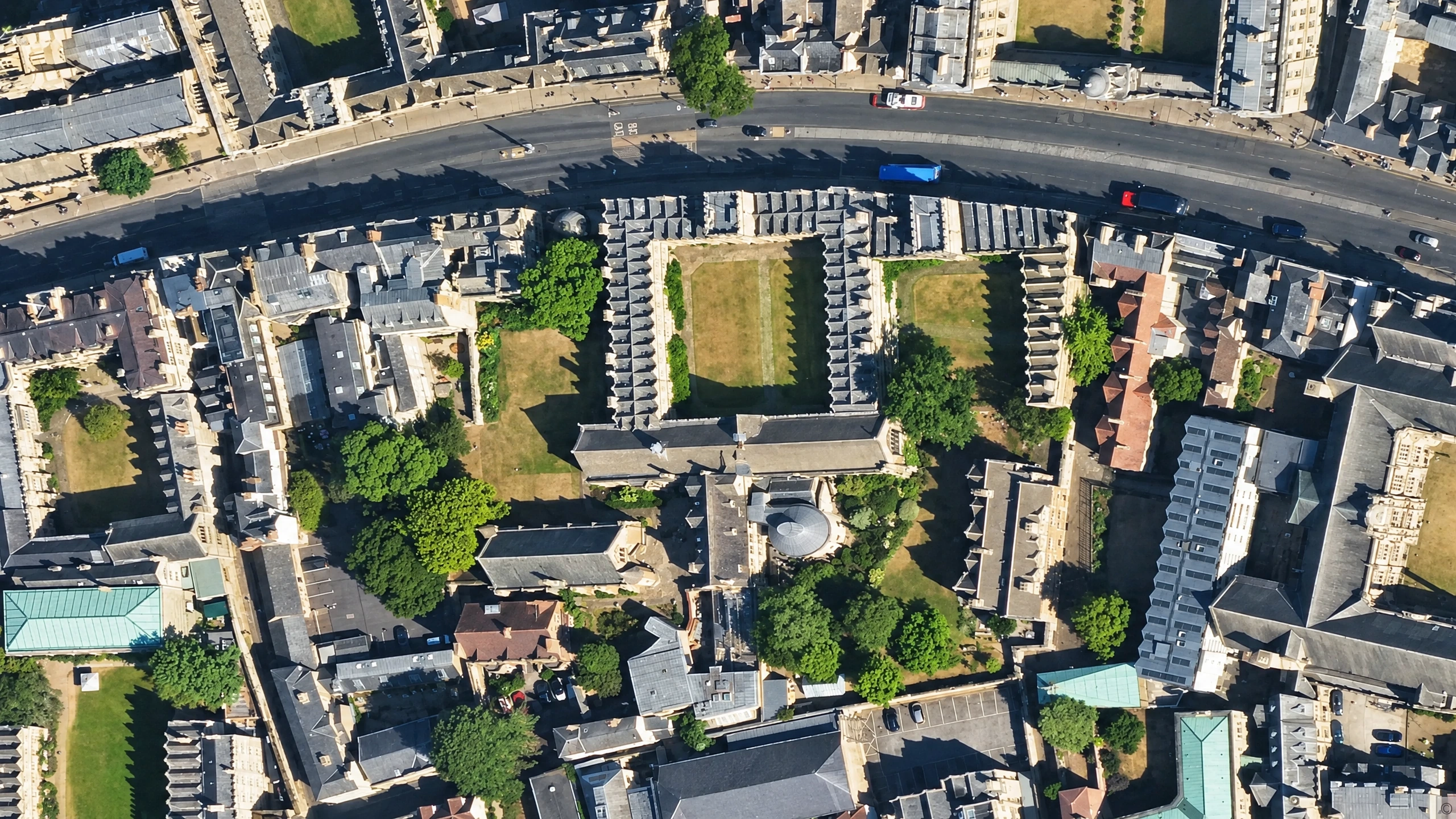
High Street gate
The High Street entrance sits close to Catte Street, leading into the college’s medieval front courtyard.
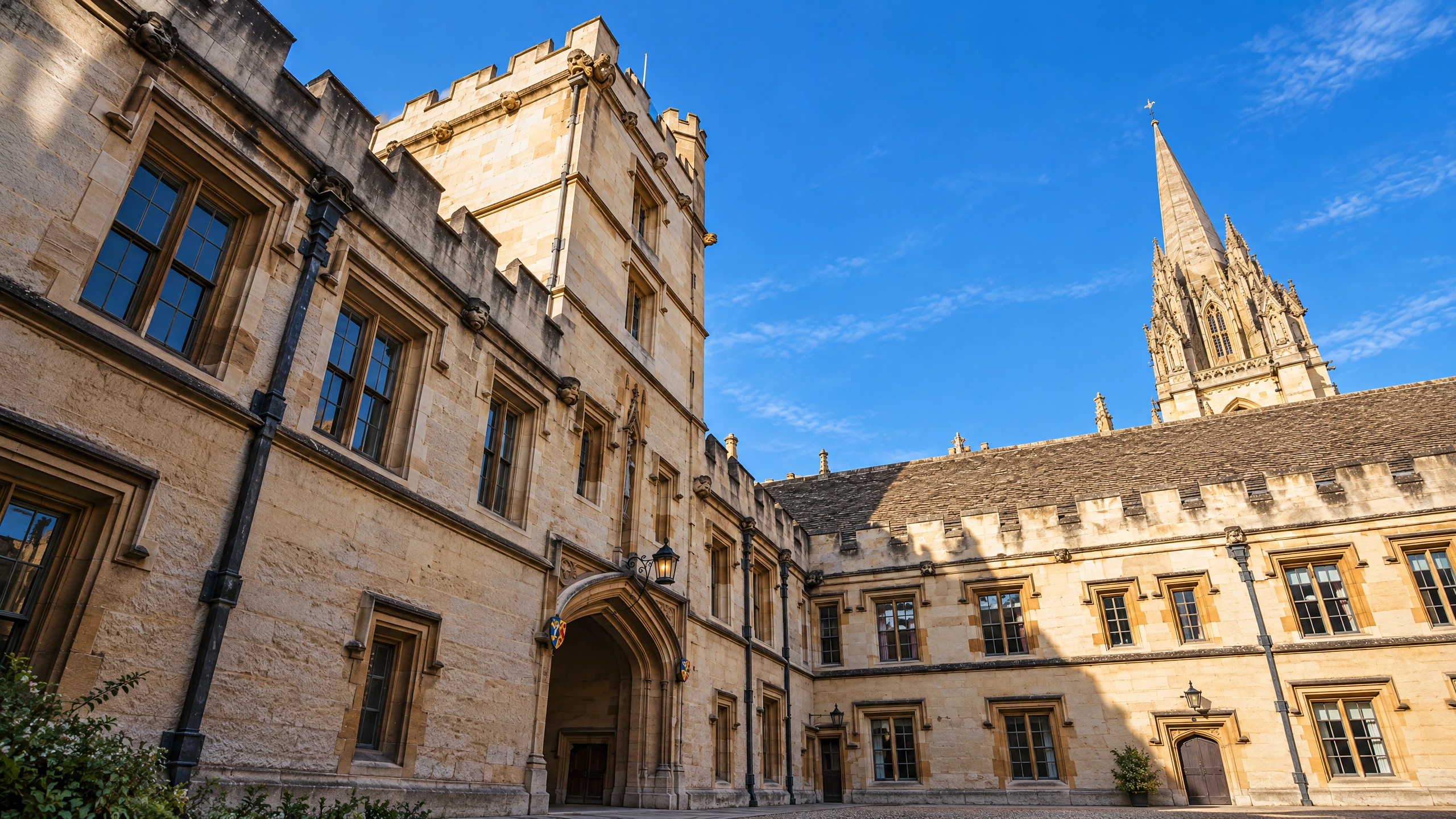
Front Quad
Front Quad and the chapel belong to the first college, built after its foundation in the fifteenth century.
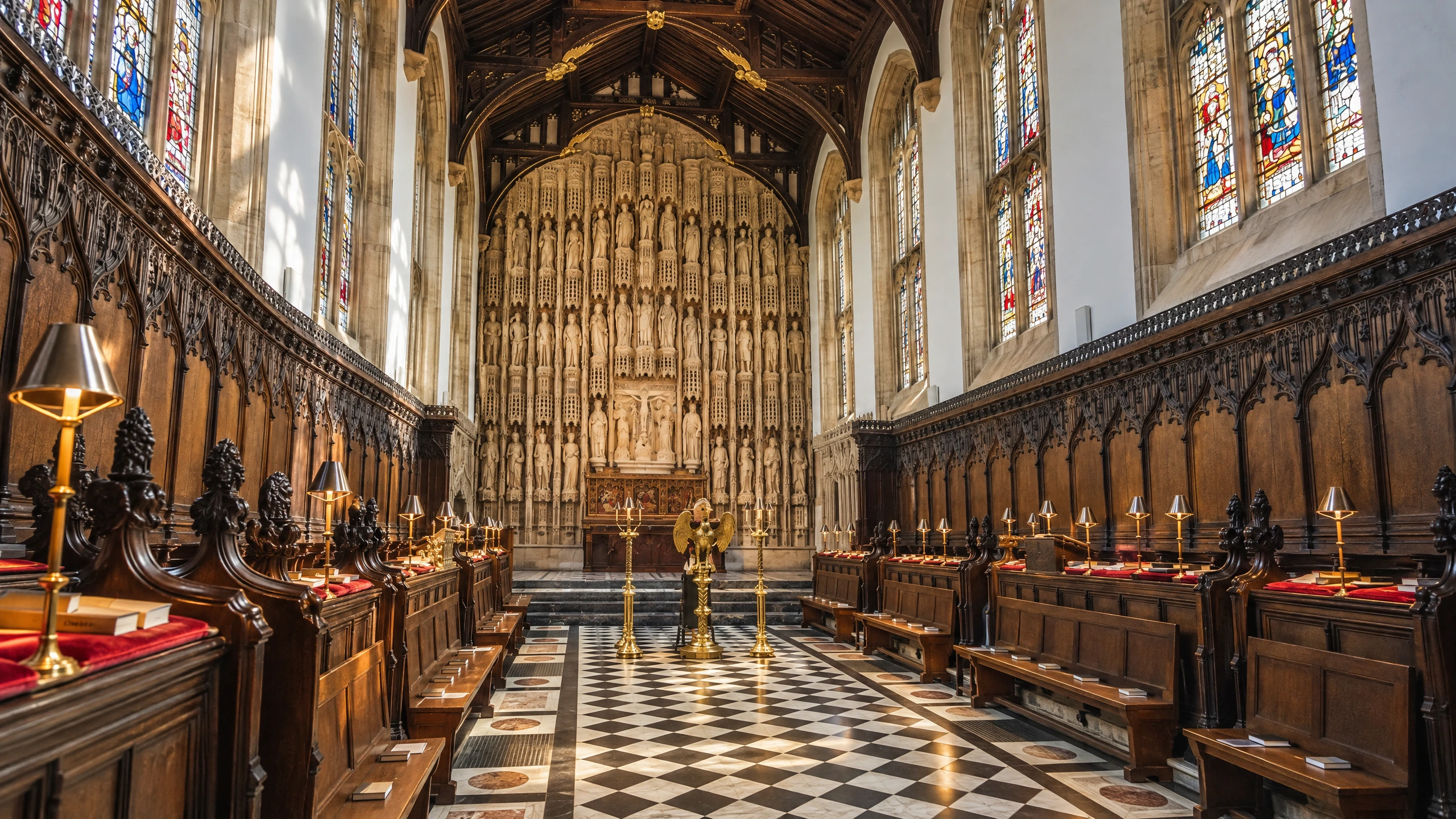
Chapel, when open
Inside are medieval stalls, early glass and a screen of figures restored in the nineteenth century. The chapel remains a place of worship.
Great Quad
The long library, arcade and twin towers form Hawksmoor’s eighteenth-century Great Quad. The sundial here is attributed to Christopher Wren.
Radcliffe Square
Outside the college, Radcliffe Square gives another view of the twin towers among Oxford’s library buildings and church spires.
When the college is closed
The towers remain visible from Radcliffe Square. The usual afternoon visiting hours and seasonal closures are in the visit information.
See it
In pictures.
10 views, full screen. Tap any one to open the viewer.Around here
Make more of the area.
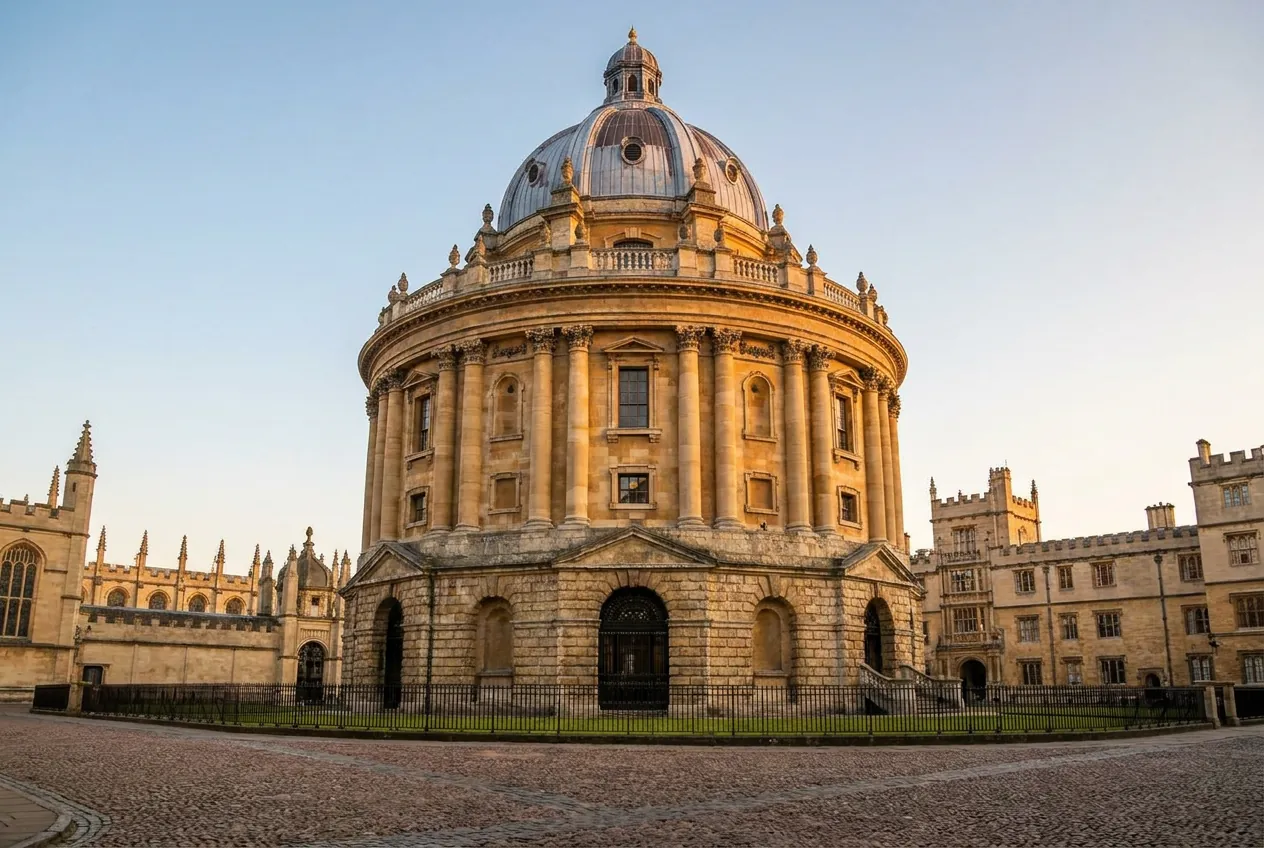
The towers of All Souls look across Radcliffe Square towards the domed Radcliffe Camera and the University Church. The square gives a view of Hawksmoor’s buildings from outside the college.
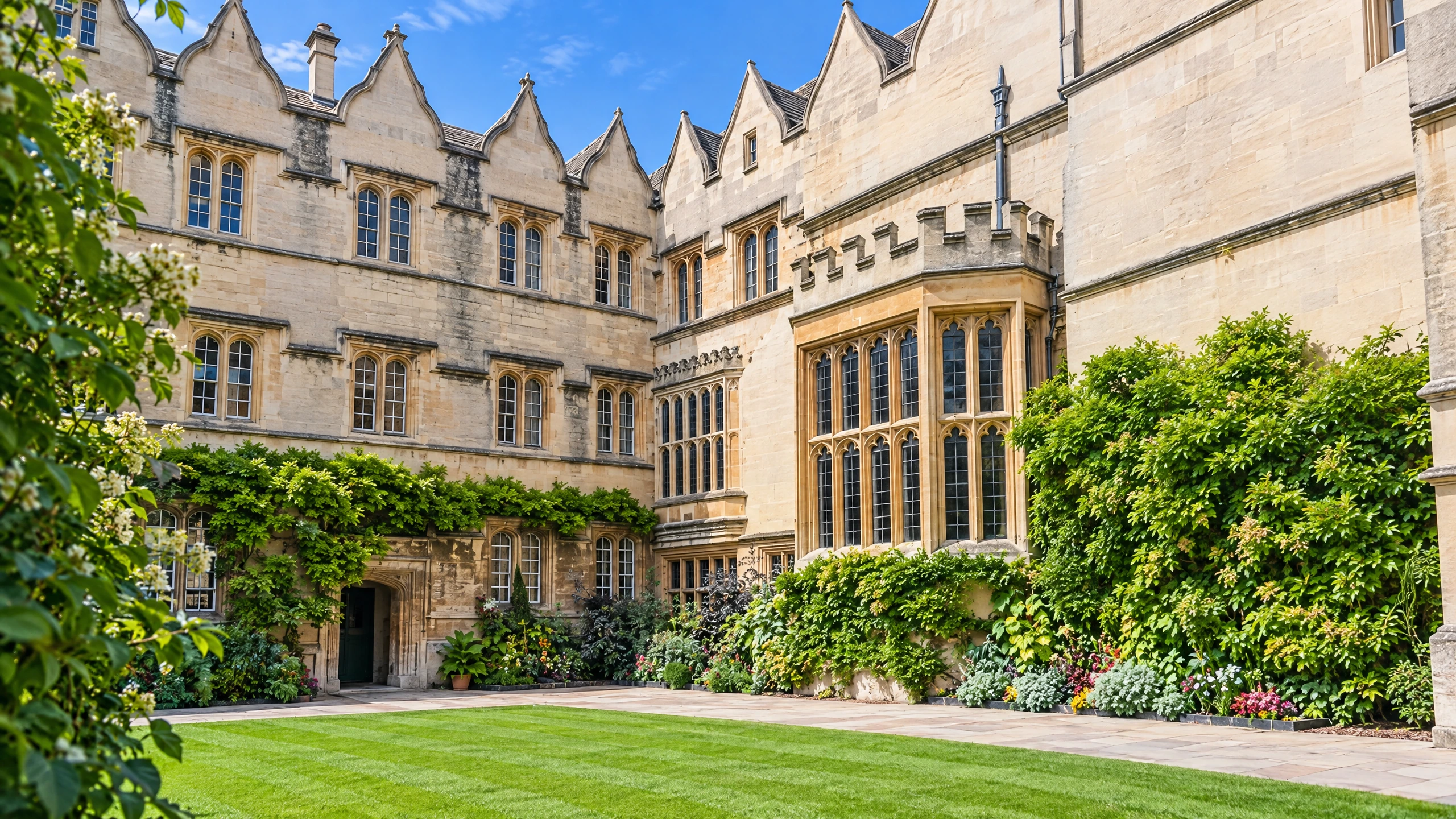
T. E. Lawrence studied at Jesus before his later research fellowship at All Souls. Jesus welcomes public visitors on pre-arranged guided tours.
The University Church, Radcliffe Camera and historic Bodleian buildings are close to All Souls, around High Street, Catte Street and Radcliffe Square.
Good to know
Questions, answered.
Can I visit All Souls College Oxford without booking?
Yes. Individual visitors and groups of up to six enter free without booking. Larger groups need advance arrangements. The quads and chapel normally open Monday to Friday and Sunday, 2–4 pm; the college closes over Easter, Christmas and throughout August.
Can visitors enter the All Souls library?
The long library forms one side of Great Quad and can be seen from the courtyard. Its reading room is a working research space outside the ordinary visitor route.
Can the public attend a service at All Souls Chapel?
The chapel holds public services as well as opening for sightseeing. The chapel programme gives service times, while ordinary visitor admission covers the quads and chapel when open.
Is All Souls College wheelchair accessible?
The High Street entrance has two steps. The Lodge can arrange portable ramps, although they are steep and may not suit everyone. A wheelchair can be borrowed by arrangement.
Can I see All Souls’ towers from outside the college?
Yes. Hawksmoor’s twin towers are visible from Radcliffe Square, where they form part of the view across Oxford’s historic library quarter. Great Quad offers another perspective when the college is open.
Why does All Souls have fellows but no undergraduates?
All Souls is a research college with no undergraduate intake. Christopher Wren, Isaiah Berlin and T. E. Lawrence are among the people who joined its community as fellows after studying elsewhere.
Who was All Souls College in Oxford originally meant to remember?
All Souls College in Oxford was founded to pray for the departed, including people killed in war. Archbishop Henry Chichele also intended it to support advanced study and prepare learned men for service.
Why is All Souls (Oxford) Chapel shaped like an inverted T?
The fifteenth-century chapel plan at All Souls College in Oxford separates the entrance space, or antechapel, from the inner chapel. Medieval stalls and early glass survive alongside furnishings added in later centuries.
Are the statues in All Souls’ reredos medieval originals?
The original statues were destroyed during the sixteenth-century Reformation. The figures now filling the reredos, the screen behind the altar, were installed in the late nineteenth century.
Did Christopher Wren design the sundial at All Souls College in Oxford?
All Souls College in Oxford attributes the sundial’s design to Christopher Wren, who was a fellow. It originally stood on the chapel wall and was moved to Great Quad in 1877.
Who designed All Souls College (Oxford)’s twin towers?
The twin towers at All Souls College in Oxford are part of Hawksmoor’s eighteenth-century Great Quad. They stand alongside the library and arcade, while the smaller Front Quad belongs to the earlier medieval college.
Why did All Souls College in Oxford rename the Codrington Library?
All Souls College in Oxford renamed the library to All Souls College Library as part of its response to Codrington’s legacy. His wealth came from Caribbean plantations worked by enslaved people; the college now explains that history.
What did William Blackstone do at All Souls (Oxford)?
William Blackstone was a fellow of All Souls College in Oxford from 1743 to 1762 and began lecturing on English common law at Oxford in 1753. A later statue by John Bacon commemorates him.
Who was the first woman elected a Fellow of All Souls College in Oxford?
Philosopher Susan Hurley became the first woman elected to a fellowship at All Souls College in Oxford in 1981. Fellowships had opened to women in 1979; her application drew on chapters of her doctoral thesis.
Was T. E. Lawrence an All Souls student?
T. E. Lawrence studied at Jesus College before becoming a research fellow at All Souls. During his fellowship he worked on Seven Pillars of Wisdom.
How was Sarvepalli Radhakrishnan connected with All Souls?
Philosopher Sarvepalli Radhakrishnan was Spalding Professor and a professorial fellow of All Souls. He left the Oxford professorship in 1952 and later became President of India.
What was Isaiah Berlin’s relationship with All Souls?
Philosopher Isaiah Berlin was elected a fellow of All Souls in 1932. He had studied at Corpus Christi, another Oxford college, before joining the All Souls research community.
What is All Souls (Oxford)’ Mallard ceremony?
The Mallard tradition at All Souls College in Oxford includes a song and rare processions. College records mention ceremonies in 1633 and processions at the start of centuries from 1701; the song is still sung at celebrations.
Editorial notes
Sources and further reading.
Sources for this guide
Research assembled 1 November 2026. Source status distinguishes read evidence from unsuccessful lookups.
asc-visit — Visit the College
Status: read. Current individual and group admission, opening times, closures, public areas and library restriction; read in full.
asc-history — History of the College
Status: read. College-authored chronology from foundation through women Fellows, Visiting Fellows and modern research; read in full.
asc-discover — Discover All Souls College
Status: read. Current governance, no-undergraduate policy, Fellowship categories, facilities and research-area biographies; read in full.
asc-buildings — Buildings and Architecture
Status: read. Official list of named buildings and visitor-facing architectural scope; read.
asc-frontquad — Front Quad
Status: read. Medieval residential/study ranges, window types and present uses; read.
asc-greatquad — The Great Quad
Status: read. Hawksmoor plan, arcade, cupola, twin towers and Colvin interpretation; read.
asc-library — Library
Status: read. 1716 start, over-60-metre interior, ground-floor design, Codrington statue and damp-protection cellars; read.
asc-old-library — Old Library
Status: read. 1598 plaster ceiling, heraldry and present event use; read.
asc-hall — The Hall
Status: read. Hawksmoor design process and 1730–33 construction; read.
asc-chapel-building — Chapel building page
Status: read. Perpendicular inverted-T plan, reredos history and replacement statues; read.
asc-chapel-guide — Chapel Guide
Status: read. Named glass, screens, artists, memorial-related fixtures and decorative phases; read.
asc-visitchapel — The Chapel
Status: read. Public services, opening practice, chaplain and music information; read.
asc-libarchives — Library & Archives
Status: read. Collection scale, Grade I statement, public/library distinction and access routes; read.
asc-special-collections — Special Collections
Status: read. Named manuscripts, early printed books, drawings, Sparrow/Wynne/Persian collections and appointment rules; read.
asc-archives — Archives
Status: read. Foundation-era governance records, finance, Hovenden catalogue/maps and appointment access; read.
asc-legacy — Legacy
Status: read. Codrington's dates, plantations, enslaved labour, statue intervention, reparative support and lecture series; read.
asc-accessibility — Accessibility
Status: read. Two entrance steps, wheelchair, advance ramp/alternative arrangement, toilets, parking and High Street bus gate; read.
asc-where — Where to find us
Status: read. High Street/Catte Street location, station/coach walking estimates and no on-site parking; read.
asc-readers — Information for Readers
Status: read. 2026–27 Reader renewal, October 2026 door-access change, photography rules and term opening restrictions; read.
asc-high-street — The High Street Project
Status: read. Current restoration/adaptation scope, proposed uses, sustainability, habitats and programme caveat; read.
vch — All Souls College, VCH Oxford Volume 3, British History Online
All Souls College, VCH Oxford Volume 3, British History Online
Status: read. Independent 1954 scholarly history covering foundation, statutes, chapel, Civil War, library, site and buildings; read in full relevant page.
he-search — Historic England Search the List query
Historic England Search the List query
Status: blocked. Historic England returned a Page not found response through the retrieval endpoint; no listing details were used.
he-1047281 — Historic England list-entry URL attempted
Historic England list-entry URL attempted
Status: blocked. The retrieved page exposed the Historic England shell but did not provide a verified All Souls entry; no claim was taken from it.
ox-physical-access — All Souls physical-access guide — University of Oxford
All Souls physical-access guide — University of Oxford
Status: read. Main entrance has two steps; alternatives also stepped; portable ramps can be steep; no lift; three accessible toilets; Old Library hearing support; no on-site designated Blue Badge parking. Full source capture retained locally.
jesus-lawrence — T. E. Lawrence — Jesus College
T. E. Lawrence — Jesus College
Status: read. Retained Jesus research establishes Lawrence matriculation in 1907 and undergraduate history there.
jesus-visiting — Day visitors — Jesus College
Status: read. Retained Jesus research establishes general-public visits by organised prior arrangement, not individual walk-in admission.
Conflicts and qualified claims
- Foundation date: Use 1437 as the University's traditional/almanack date, 1438 for charter and building start, and 1443 for statutes handed over; do not flatten them into a single date.
- Chapel chronology: The College building page describes an original 1440s reredos; the Chapel Guide says the reredos was originally built in 1493; the VCH says niche work and later additions were gradual. Present these as different phases/claims and flag the precise surviving fabric as a specialist question.
- Wren sundial: Official prose says 'almost certainly' Wren; the VCH says the attribution is deduced from his bursary and the dial's design. Use 'attributed to Wren' rather than certain authorship.
- Library naming and Codrington: Older architectural pages use Codrington Library, while the current Legacy page says the College now calls it All Souls College Library because of the enslaved-labour legacy. Use the current name with an explanatory historical note.
- Public opening pattern: The visit page says the College is open most days but lists Monday–Friday and Sunday only, with major closures and short-notice discretion. Treat Saturday and live availability as unknown, not open.
- Historic England corroboration: The Historic England search and attempted list-entry endpoint returned no verified entry content during this run. No Historic England listing status or grade is asserted; the independent corroboration used here is VCH.
The college-position coordinates retain the existing Oxford data provenance; they do not locate an accessible entrance. Proposed High Street facilities are not ordinary visitor access.
GEO-FRESH — numeric college location
Wikipedia coordinate, read1November2026: 51.75333, -1.25278 WGS84. This college-site pin supersedes the carried-forward draft value. It does not identify an accessible entrance. No published source data was changed.
College-specific FAQ source review — 1 November 2026
Primary college, university, archive or author-estate material used for the revised FAQs. Retained primary pages were reused; additional primary readings were reviewed during the FAQ pass. These links supplement the earlier register without upgrading its blocked or partial entries.
- College information — Retained read primary material or newly read primary page; see the FAQ question for claim scope.
Alumni and editorial review — 1 November 2026
- No undergraduate intake; Fellowship categories; Lawrence, Drummond professors and Nobel-winning economics connections. — read.
- Wren, Blackstone, Berlin, Hurley and historical Fellowship affiliations. — retained-read.
Alumni and editorial review —1November2026
Opening hours, prices, programmes and access arrangements can change. Confirm critical details with the venue.
Keep exploring