Central · Founded 1341
The Queen's College
Discover a classical High Street college with rich collections, a musical tradition and connections from Halley to the World Wide Web.
- Founded
- 1341
- Location
- High Street
- Visiting
- Blue Badge guided groups
- Institution
- College

01 The experience
What to expect.
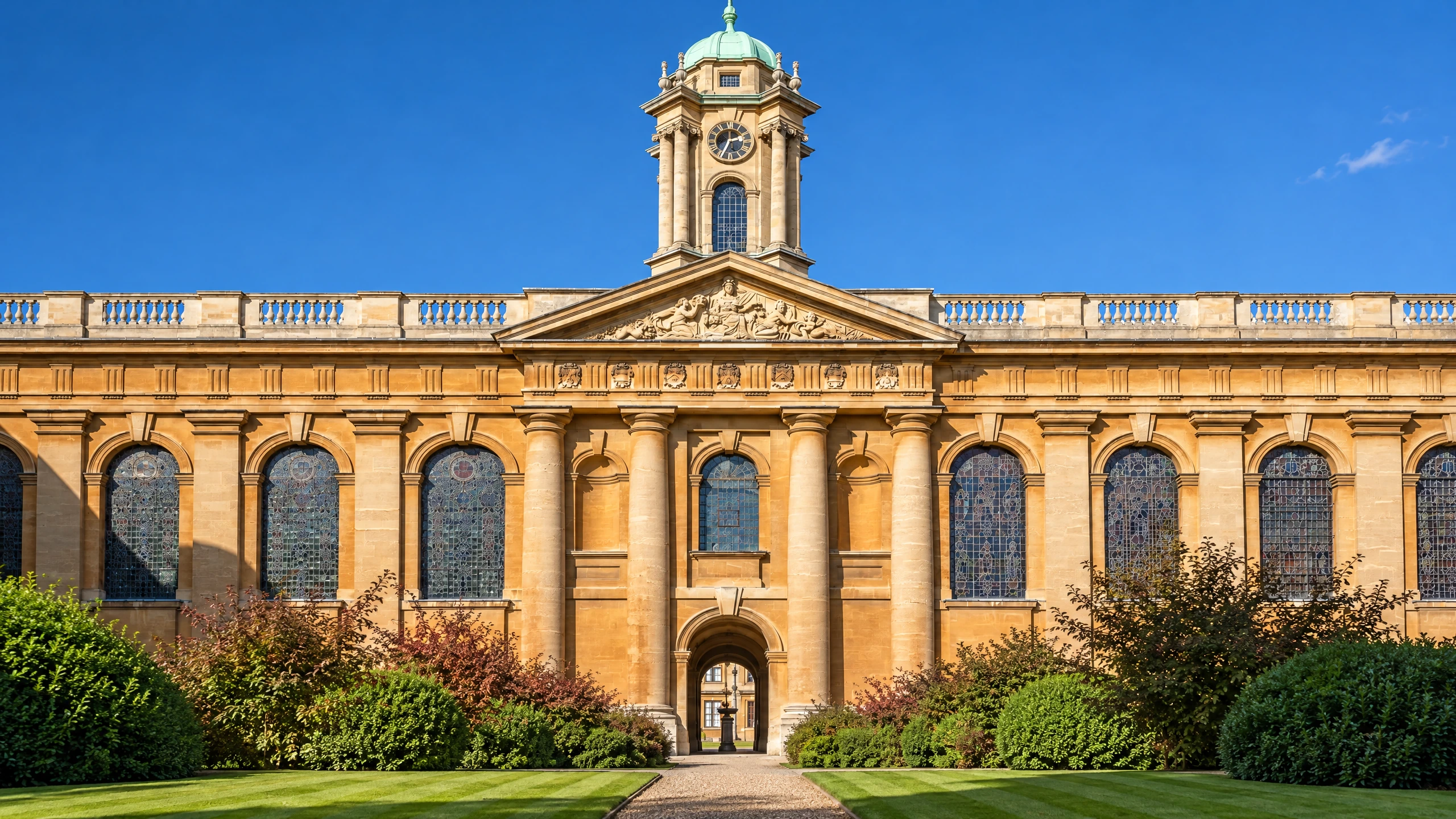
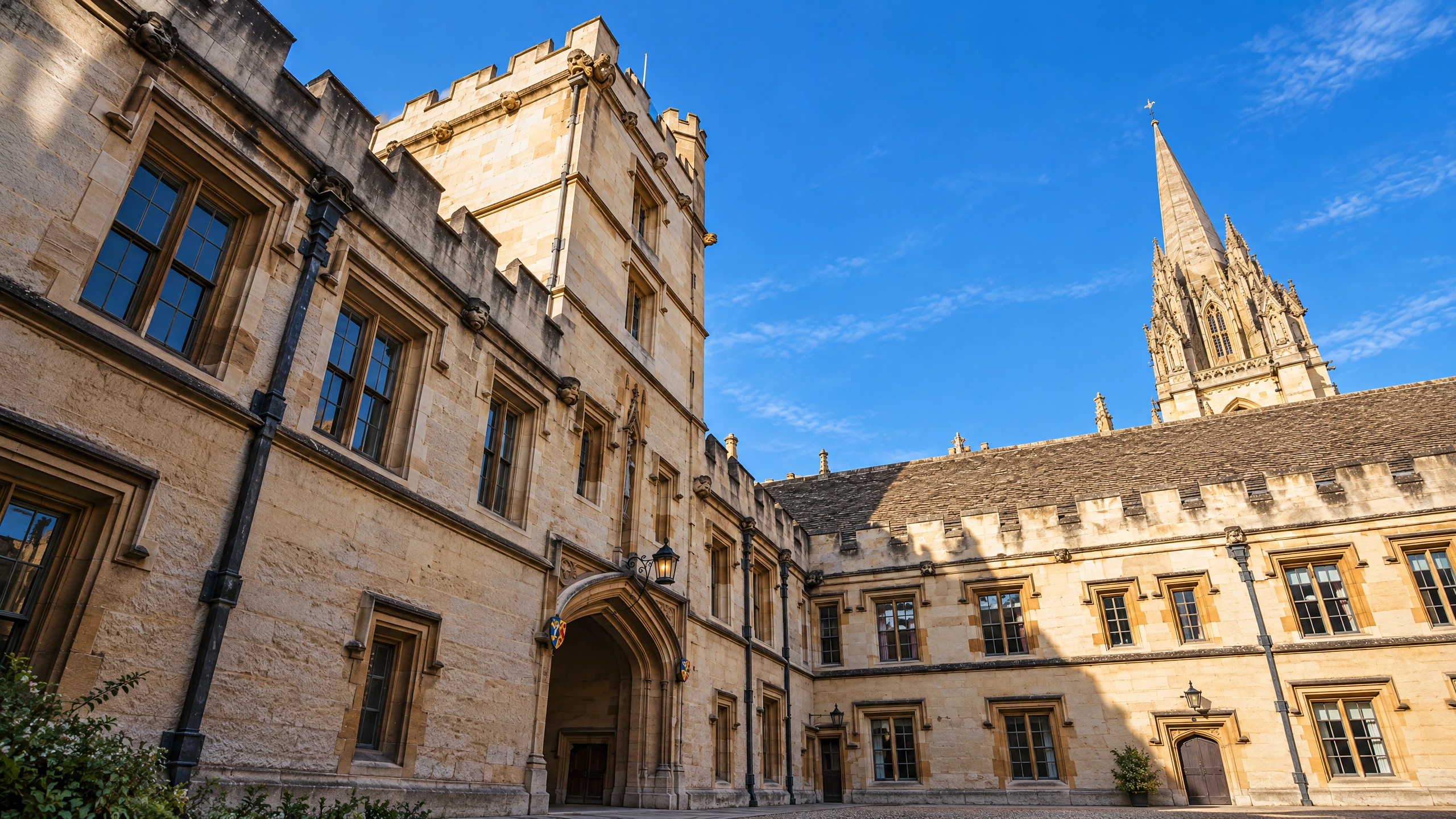
The Queen’s College has a striking classical frontage on the High Street, though its story begins in 1341. Robert de Eglesfield, a chaplain in Queen Philippa’s household, founded it in her honour. Most of its medieval buildings were replaced during a later rebuilding, giving the college much of the appearance it has today.
Queen’s has long connections with northern England. Its early statutes favoured scholars from Cumberland and Westmorland; later, Lady Elizabeth Hastings supported students from twelve northern schools. Queen Philippa also secured a Southampton hospital and its lands for the college in 1343, an endowment that grew in value as the port expanded.
The special collections hold around 120,000 books printed before 1850, alongside manuscripts, scientific works and literature. Highlights include a tenth-century Isidore manuscript, Newton’s Principia and Opticks, Shakespeare folios and Thomas Hardy’s manuscript collection Winter Words. The Peet Library brings together books and objects connected with Egyptology. Collection visits have separate arrangements.
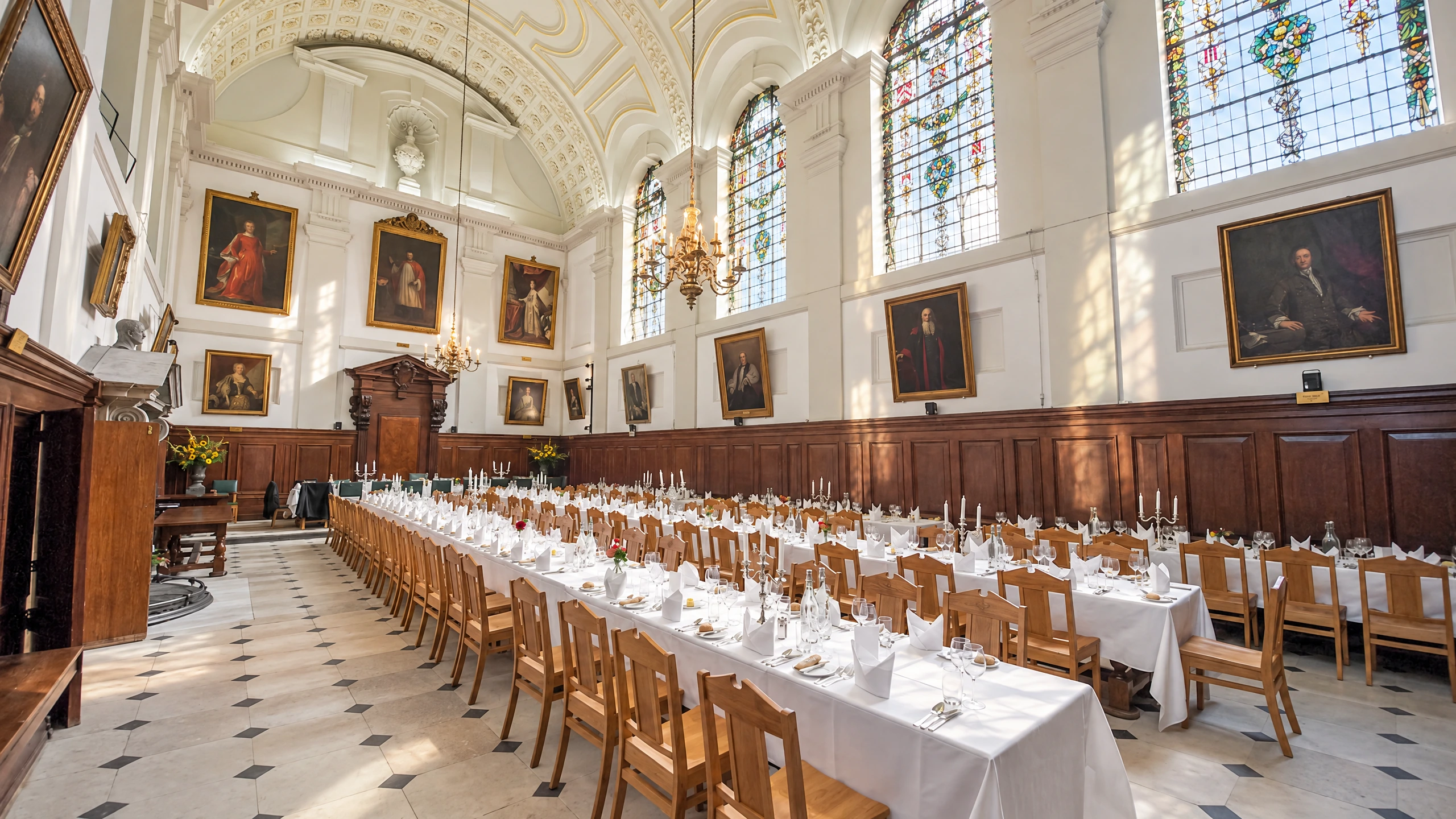
Music offers another way into college life. Public services, concerts and recitals have their own programmes. The choir’s 2024 recording That Sweet City revisited music first performed at Queen’s in the 1950s, with actor and former engineering student Rowan Atkinson narrating Vaughan Williams’s An Oxford Elegy.
Other former students include astronomer Edmond Halley and Tim Berners-Lee, who studied Physics before inventing the World Wide Web.
The college has also examined the legacy of Joseph Williamson, a student, fellow and major benefactor whose roles included involvement in the Royal African Company and the transatlantic trade in enslaved Africans. Its exhibition connects that history with the books, buildings and memorials associated with his gifts.
Public sightseeing visits are arranged through local Blue Badge Guides. Public events are another way to visit, and the college’s digital guide offers stories from its collections online. Guide charges and event tickets are separate from college entry.
People and ideas
Famous former students

Tim Berners-Lee
Entered 1973
The inventor of the World Wide Web studied Physics at Queen’s from 1973.
College connection
Undergraduate in Physics; later Honorary Fellow. Matriculated 1973; graduated 1976.

Rowan Atkinson
Entered 1975
The actor and comedian studied Engineering at Queen’s and later narrated a recording by its choir.
College connection
Postgraduate in Engineering. Matriculated 1975.
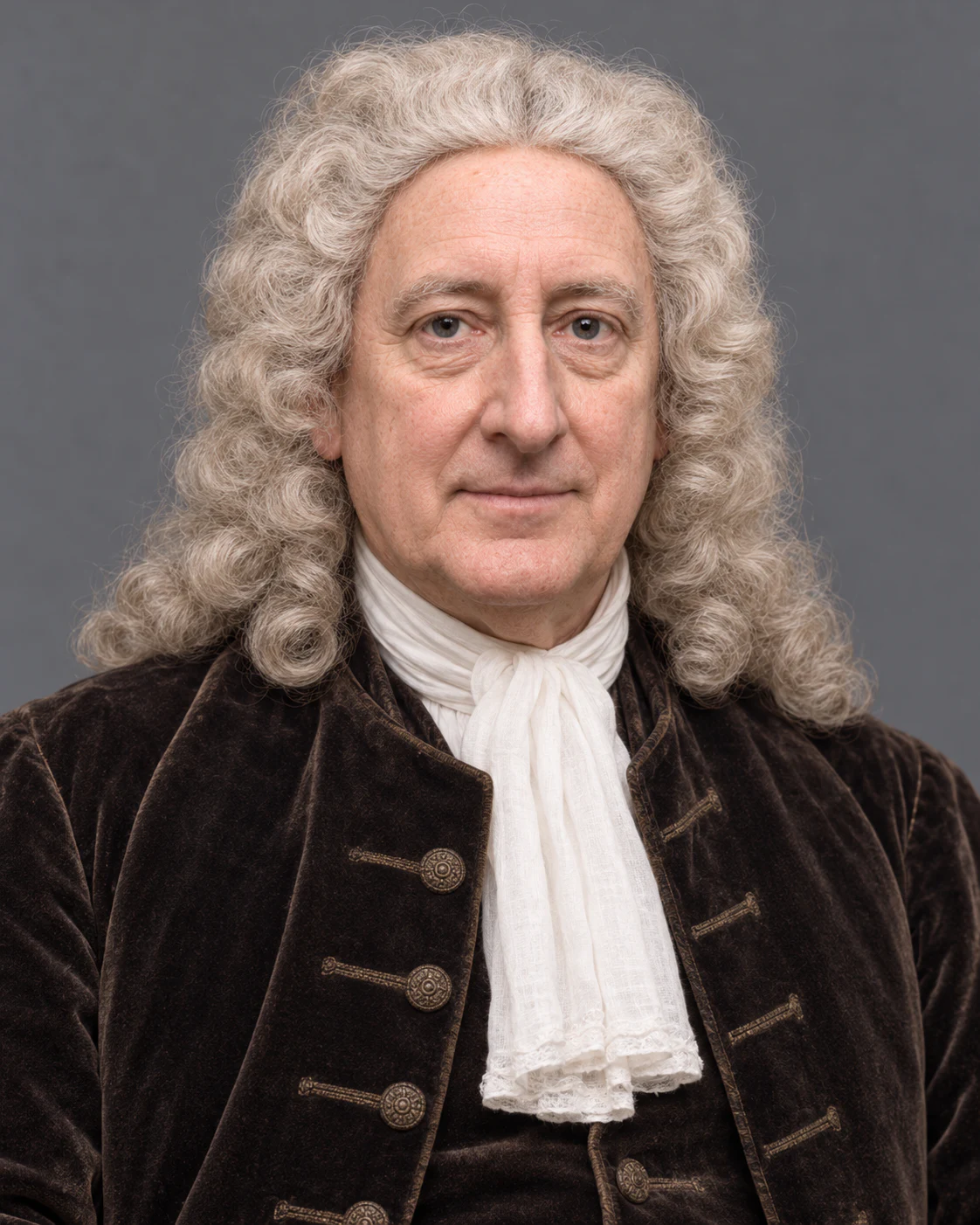
Edmond Halley
Entered 1673
The astronomer entered Queen’s in 1673 before travelling to St Helena to observe the southern sky.
College connection
Student; left before ordinary course completion. Entered 1673; left for St Helena 1676.

Edwin Hubble
1910
The astronomer came to Queen’s as a Rhodes Scholar in 1910 before his work on galaxies and the expanding universe.
College connection
Rhodes Scholar student. Beginning 1910.

Tony Abbott
1981–1983
The former Australian prime minister studied at Queen’s as a Rhodes Scholar from 1981 to 1983.
College connection
Student; later Honorary Fellow. 1981–1983.

Kenneth Leighton
1951
The composer wrote Veris gratia as a Queen’s student; it was first performed in college in 1951.
College connection
Undergraduate. Final undergraduate year 1951.
The story
History & character.
Robert de Eglesfield founded Queen’s in 1341 and named it for Philippa of Hainault, in whose household he served as chaplain. In 1343 she secured a Southampton hospital and its lands for the college; the endowment became more valuable as the port grew.
The early statutes favoured scholars from Cumberland and Westmorland, a preference that became a long-lasting regional restriction. Lady Elizabeth Hastings later supported exhibitions for pupils from twelve schools in Cumberland, Westmorland and Yorkshire.
The Upper Library was built in 1693–96 to hold the books of former Provost Thomas Barlow. The college then replaced most of its medieval buildings during a major rebuilding in the late seventeenth and eighteenth centuries. Architect Nicholas Hawksmoor is part of that story, and his drawings are held in the special collections.
Joseph Williamson was a student, fellow and major benefactor whose books, gifts and memorials became prominent at Queen’s. He was also involved in the Royal African Company and the establishment of the transatlantic trade in enslaved Africans. The college’s exhibition revisits earlier accounts of his benefactions in light of those connections. Lady Elizabeth Hastings also benefited from company investments.
Astronomer Edmond Halley entered in 1673 and left for St Helena in 1676 to observe the southern sky. Edwin Hubble arrived as a Rhodes Scholar in 1910. Tim Berners-Lee studied Physics from 1973 before inventing the World Wide Web; actor Rowan Atkinson came for postgraduate Engineering study in 1975.
Music has its own history here. Kenneth Leighton’s Veris gratia was first performed in hall in 1951 while he was a student, and Vaughan Williams’s An Oxford Elegy had its premiere at Queen’s in 1952. The choir revisited both on its 2024 recording That Sweet City.
The library’s rare books and manuscripts range from a tenth-century Isidore manuscript to early printing, Newton’s scientific works and Thomas Hardy’s Winter Words. The Peet Library holds Egyptology books and objects, including a Renena shabti and a canopic jar.
The separate Florey Building, designed by James Stirling and Partners and built in 1968–71, adds a modern architectural chapter to the college’s estate.
Look closer
What to see.
The High Street frontage
The college’s classical front belongs largely to a rebuilding in the late seventeenth and eighteenth centuries.
The Upper Library and rare books
A tenth-century Isidore manuscript, Newton’s scientific works and Thomas Hardy’s Winter Words are among the collections. Access to the books has separate arrangements.
The Peet Library
The Egyptology collection includes books as well as objects such as a Renena shabti and a canopic jar.
Music at Queen’s
Public concerts, recitals and services offer an opportunity to hear the college’s musical life.
A history of benefaction
Joseph Williamson’s gifts helped the college, while his involvement in the Royal African Company connects his legacy to the trade in enslaved Africans.
Make it work
Plan your visit.
Public sightseeing visits are arranged through local Blue Badge Guides. The college’s public services, concerts and events have their own programmes. Prospective students and Old Members have separate visiting arrangements from 9am to 7pm while the college is open.
The university directory describes college entry as free; guide fees and event tickets are separate and depend on the provider or event. Rare books, the Peet Library and the historic Upper Library require specific permission or an advertised opening.
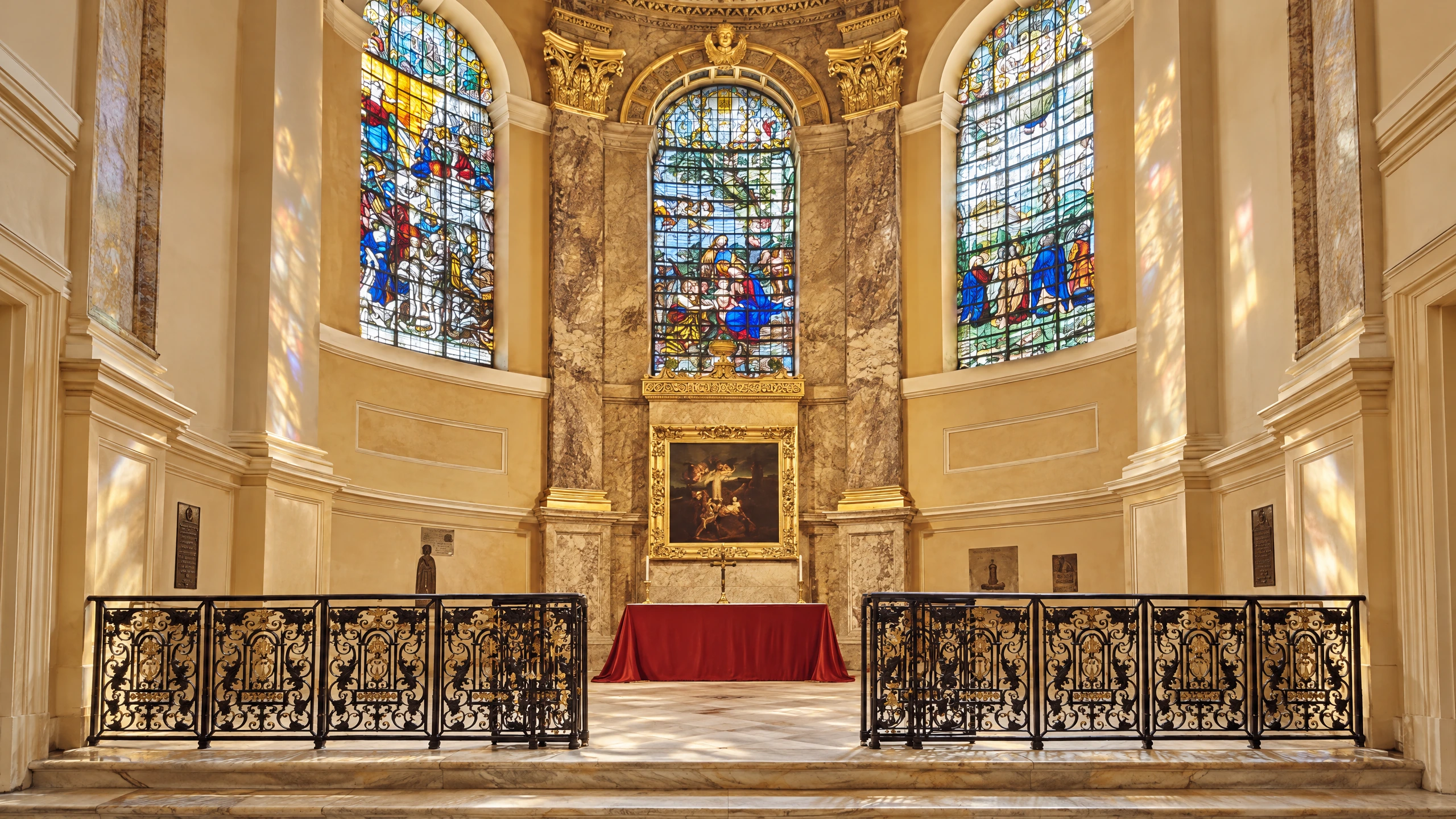
The main High Street gate has steps. A separate step-free High Street entrance and platform lift serve the Lodge; portable ramps can assist access to the chapel. Other buildings have their own lifts and accessible toilets, while the Upper Library has additional access limitations.
Queen’s also has a digital guide through Bloomberg Connects, with stories about the college and its collections.
Visit your way
Access and family planning.
The main High Street gate has steps. A separate step-free entrance and platform lift serve the Lodge, and portable ramps can help with chapel access.
Accessible toilets and lifts serve particular buildings. The historic Upper Library requires separate permission and has additional access limitations.
The High Street frontage makes a short exterior stop. Older children interested in astronomy or the web may enjoy the connections with Edmond Halley and Tim Berners-Lee. Interior visits are through an arranged guide or suitable event.
Self-guided walk
A walk around Queen’s
A public-street circuit links Queen’s High Street frontage with Queen’s Lane, St Edmund Hall and Radcliffe Square.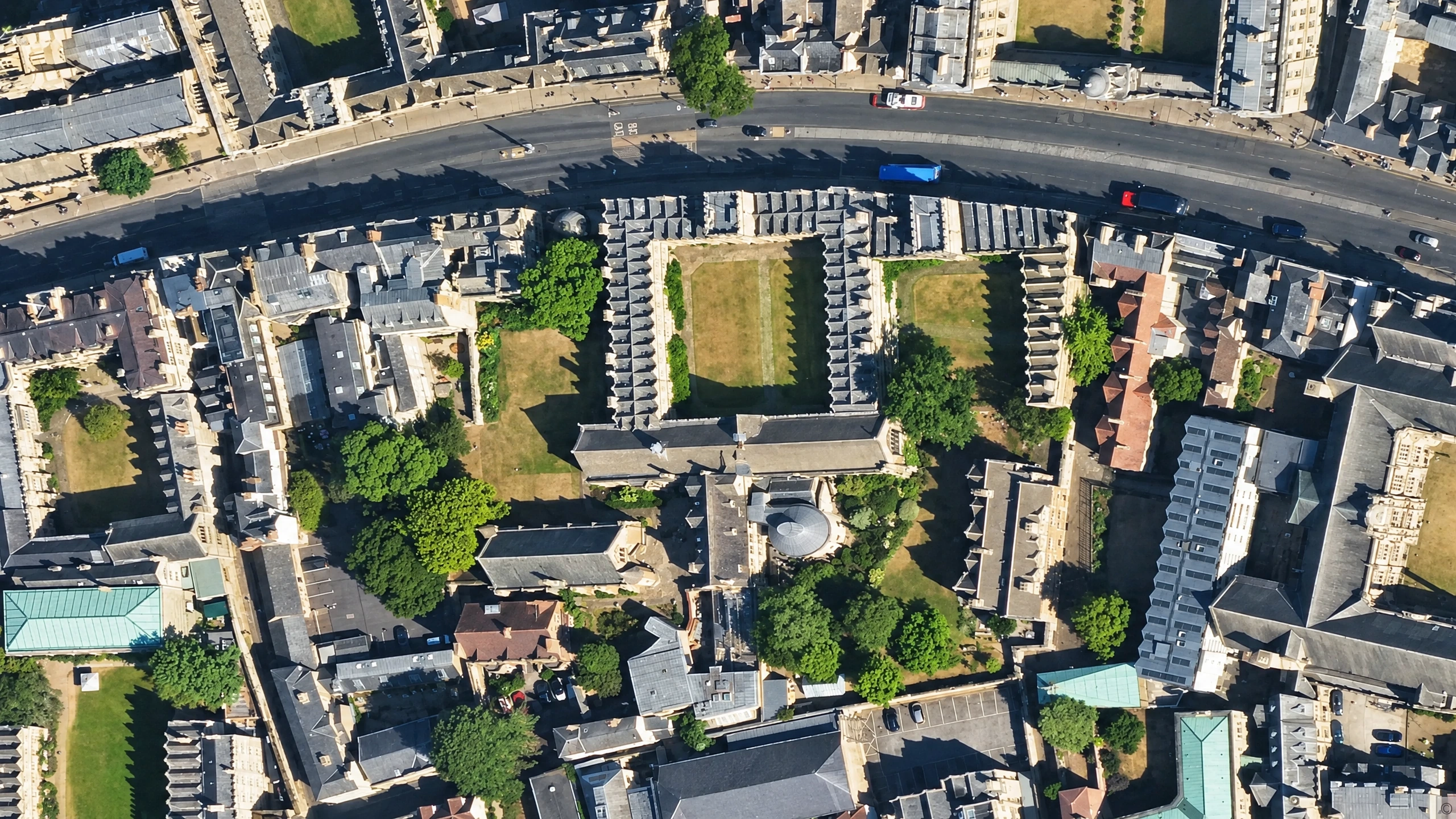
High Street frontage
Queen’s classical entrance faces the High Street. Its main courts were rebuilt centuries after the college’s 1341 foundation.
St Edmund Hall entrance
St Edmund Hall’s entrance is on Queen’s Lane, beside its long-standing neighbour Queen’s.
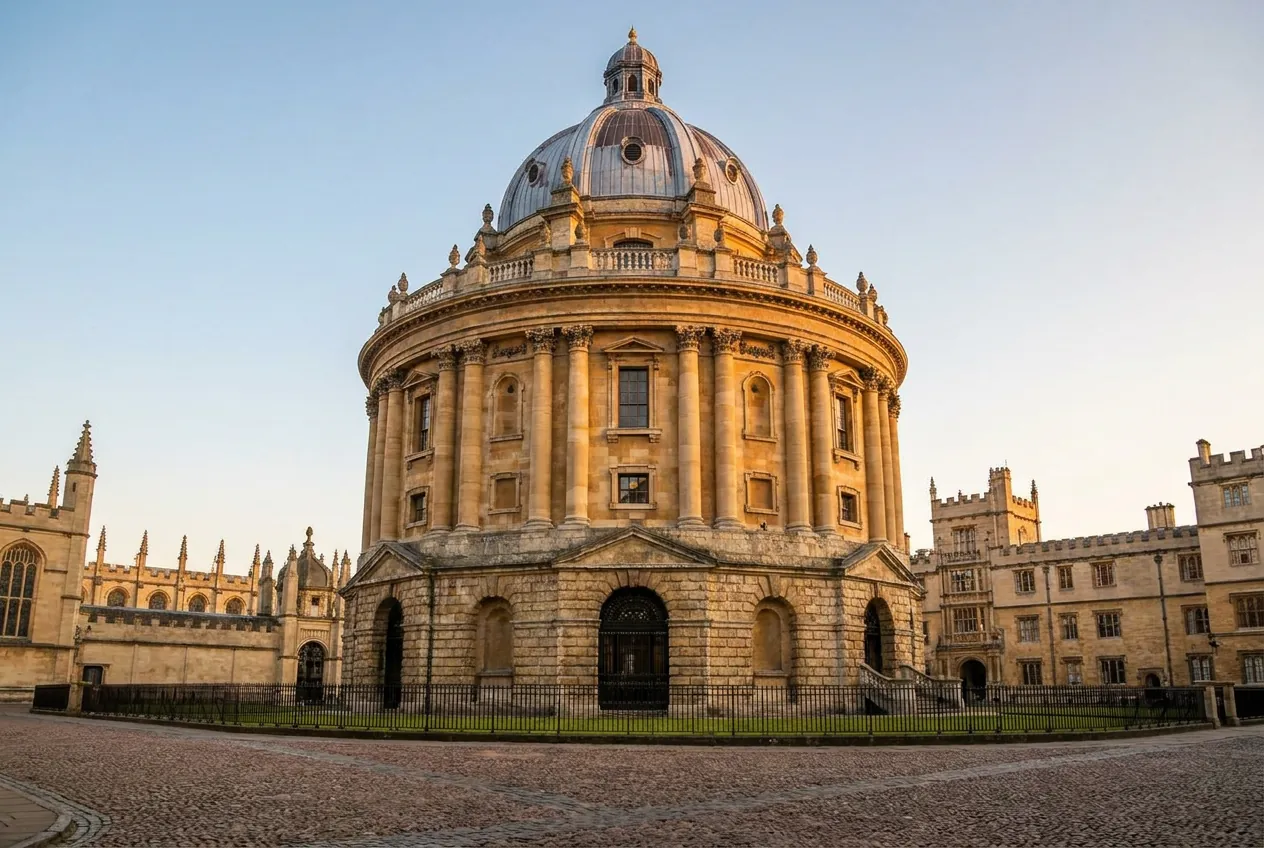
Catte Street and Radcliffe Square
Radcliffe Square opens around the circular Camera, surrounded by university buildings.
High Street return
St Mary’s Passage leads back to High Street and the Queen’s frontage.
Optional college extension
Public sightseeing visits are arranged through local Blue Badge Guides; services and concerts have their own programmes.
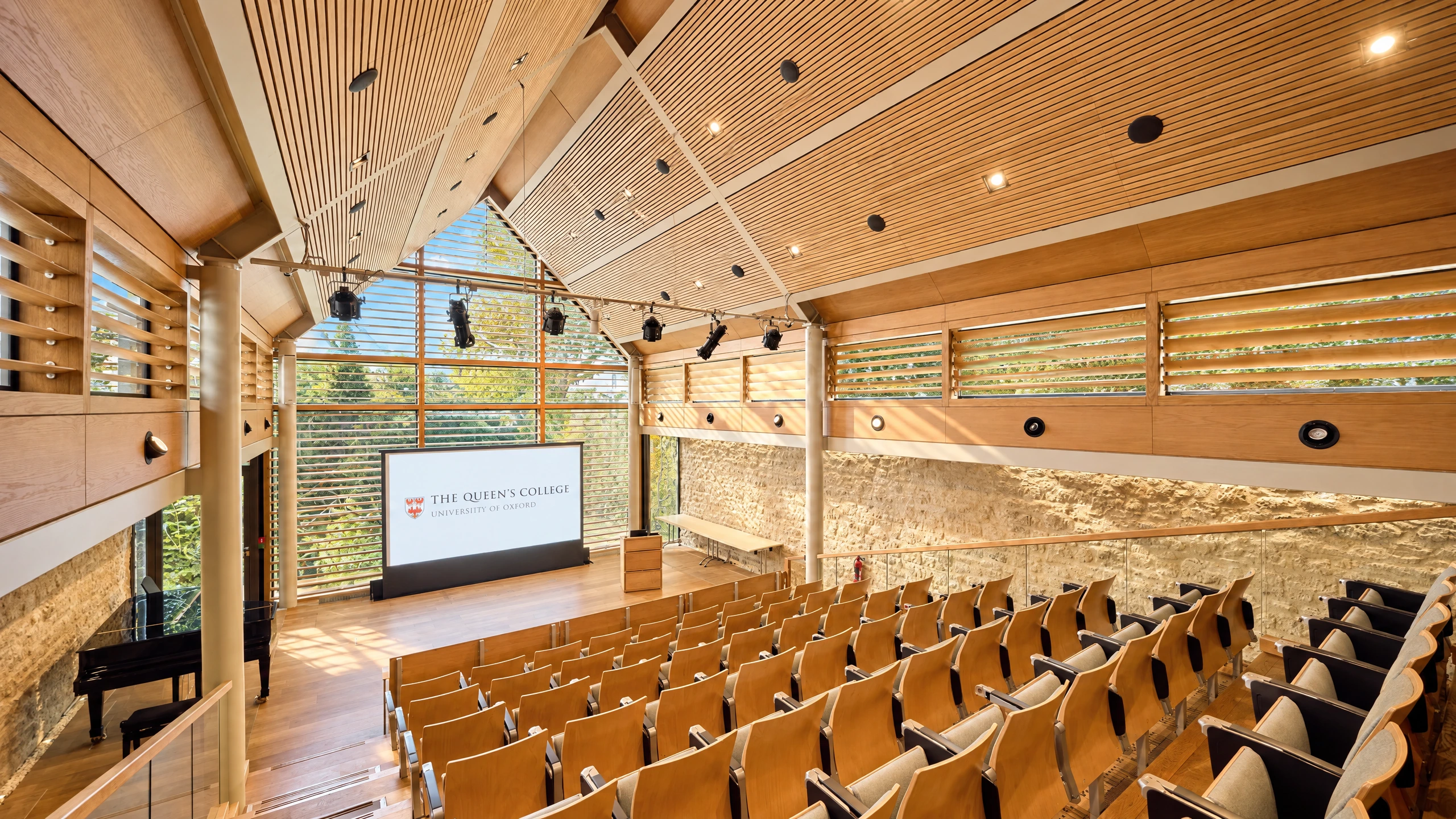
See it
In pictures.
10 views, full screen. Tap any one to open the viewer.Around here
Make more of the area.
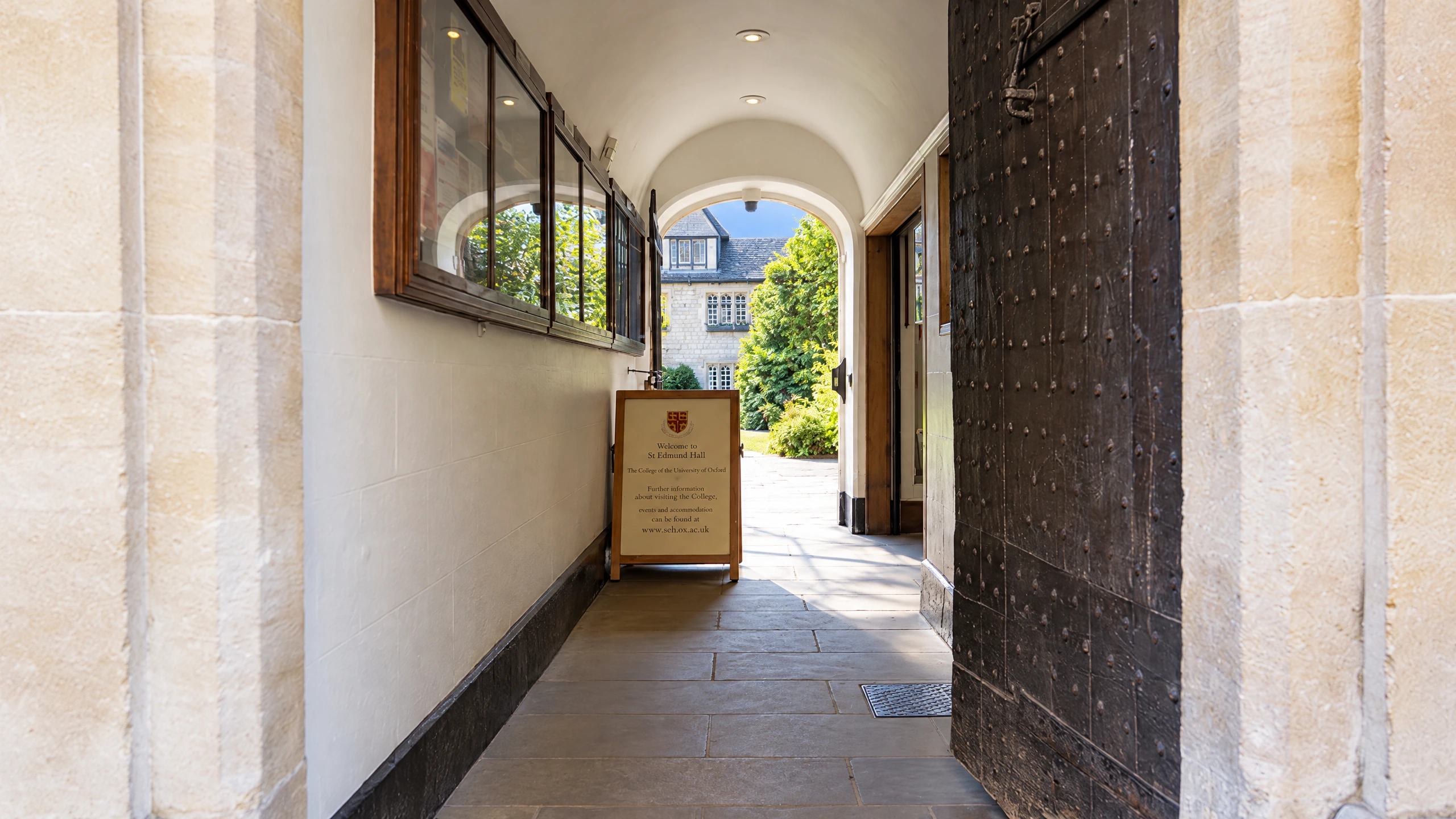
St Edmund Hall’s entrance is nearby on Queen’s Lane. The neighbouring institutions have a long shared history and separate visitor arrangements.
All Souls has another historic High Street frontage and its own limited visitor arrangements.

The University Church stands beside Radcliffe Square, a short walk west along High Street.

The Botanic Garden is east along High Street by Magdalen Bridge, with separate admission.
Good to know
Questions, answered.
Why does Queen’s College have a royal name?
Robert de Eglesfield founded the college in 1341 and named it for Queen Philippa of Hainault, in whose household he served as chaplain.
Why is Queen’s associated with Cumberland and Westmorland?
The early statutes favoured scholars from Cumberland and Westmorland. That preference became a long-lasting regional restriction before later reforms.
Why does Queen’s look later than its 1341 foundation?
Most medieval buildings were replaced during rebuilding in the late seventeenth and eighteenth centuries, giving the courts their later classical appearance.
How are Queen’s and St Edmund Hall historically connected?
The neighbours share a boundary and a long institutional relationship, including periods when Queen’s oversaw St Edmund Hall. Each has its own visitor arrangements.
Who was Joseph Williamson at Queen’s?
Williamson was a student, fellow and major benefactor. He was also involved in the establishment and protection of the transatlantic trade in enslaved Africans.
How does The Queen’s College in Oxford address Williamson’s slave-trade connections?
An exhibition at The Queen’s College in Oxford examines Williamson’s involvement in the Royal African Company alongside his gifts, revisiting earlier accounts that did not adequately address those connections.
What is distinctive about Queen’s rare-book collection?
The special collections include around 120,000 books printed before 1850, plus manuscripts and works on science, medicine, mathematics and European printing.
What is the Florey Building’s connection with Queen’s?
James Stirling and Partners designed the Florey Building, built in 1968–71. The separate Queen’s building is Grade II* listed.
What did Edmond Halley do while connected with Queen’s?
Halley entered Queen’s in 1673 and left for St Helena in 1676 to observe the southern sky, before completing the ordinary course.
Was Edwin Hubble a Queen’s student?
Yes. The future astronomer came to Queen’s as a Rhodes Scholar in 1910 before his later work on galaxies and the expanding universe.
What did Tim Berners-Lee study at Queen’s?
Berners-Lee entered Queen’s to study Physics in 1973. He later invented the World Wide Web and returned for the Provost’s Lecture.
Should a general visitor book a Queen’s tour or arrive at the gate?
Public sightseeing visits are arranged through local Blue Badge Guides. Prospective students and Old Members have separate visiting arrangements while the college is open.
Can a Queen’s concert be an alternative to a daytime tour?
Public concerts, recitals and services offer another way to visit. Each event has its own programme, venue and admission arrangements.
What should a wheelchair user know before a Queen’s visit?
The main gate has steps, but a separate High Street entrance and platform lift serve the Lodge. Other rooms have different access arrangements.
Can a Queen’s architectural tour include rare books and Egyptian objects?
Rare books and Peet Library material require specific research arrangements or an exhibition. They are not automatically included in an architectural tour.
Editorial notes
Sources and further reading.
Sources for this guide
Researched 1 November 2026. Each source’s scope is specified so later updates can target the affected claim. Sources marked retained evidence come from locally saved earlier research; a failed collection job is not a completed bundle.
Q1 — Queen’s history
Supports: 1341 foundation, Philippa, Southampton 1343, northern preference, benefactors and rebuilding.
Status: reviewed-public-source.
Q2 — Visiting Queen’s
Supports: Eligibility-specific 9–7 access, public Blue Badge route, concerts and digital guide.
Status: reviewed-public-source.
Q3 — Oxford physical access survey: Queen’s
Oxford physical access survey: Queen’s
Supports: Stepped main gate; accessible High Street route; lifts, ramps and hearing support.
Status: reviewed-public-source.
Q4 — Queen’s special collections
Supports: 120,000 pre 1850 books, manuscripts, Peet collection and named treasures.
Status: reviewed-public-source.
Q5 — Williamson and the transatlantic slave trade
Williamson and the transatlantic slave trade
Supports: Benefactions, memorials and direct links to Royal African Company.
Status: reviewed-public-source.
Q6 — Queen’s statement on Williamson
Queen’s statement on Williamson
Supports: Williamson and Hastings investment connections; continuing historical interpretation.
Status: reviewed-public-source.
Q7 — Historic England: Florey Building
Historic England: Florey Building
Supports: James Stirling and Partners 1966–67 design, 1968–71 construction; Grade II*.
Status: retained-failed-job-evidence-public-register.
Q8 — Victoria County History: Queen’s
Victoria County History: Queen’s
Supports: Foundation ambitions, early finances, northern restrictions and architectural chronology.
Status: retained-failed-job-evidence; new retrieval 403.
Q9 — Queen’s Provost’s Lecture 2022
Queen’s Provost’s Lecture 2022
Supports: Tim Berners-Lee Physics 1973 college affiliation.
Status: reviewed-public-source.
Q10 — Oxford Music: That Sweet City
Supports: Rowan Atkinson Engineering 1975 postgraduate; Kenneth Leighton student composition and Oxford Elegy premiere.
Status: reviewed-public-source.
Q11 — Tony Abbott profile
Supports: Queen’s study 1981–1983; Rhodes Scholar; later Honorary Fellow.
Status: reviewed-public-source.
Q12 — Mac Tutor: Edmond Halley
Supports: Entered Queen’s 1673; left for southern-sky observation before ordinary degree completion.
Status: reviewed-public-source.
Q13 — Rhodes Trust 120 books
Supports: Edwin Hubble Queen’s Rhodes Scholar beginning 1910.
Status: retained-failed-job-evidence.
Q14 — Oxford college visiting directory
Oxford college visiting directory
Supports: Pre-arranged-tour public access and free college admission.
Status: reviewed-public-source.
Conflict ledger
The initial Firecrawl output was source-limited and rejected as complete; the failed follow-up supplied retained VCH, heritage and named-people facts. This reconstruction adds public official sources without treating failed research as completed.
09:00–19:00 on the college page applies to applicants and Old Members. General visitors arrange Blue Badge access.
The Queen is Philippa of Hainault, not a recent monarch. Henry V and Wycliffe attendance traditions are not used as confirmed alumni here.
Library construction dates vary 1692–1694/1695 in secondary descriptions; use late 17th century in visitor prose unless a precise building record is required.
Editorial interpretation
Walking allowances, pairings, family activity suggestions and visual composition choices are editorial judgments. They do not supply evidence of admission, facilities, a person’s attendance or a booking inclusion. Current admission conditions remain visible in the practical sections.
GEO1 — College-location coordinates
Supports: sourced numeric WGS84 latitude 51.75333, longitude -1.25111, read 1 November 2026. This pin represents the college location rather than a surveyed visitor entrance.
Status: reviewed-public-source-2026-11-01.
MAP1 — University of Oxford Explore Map2026
University of Oxford Explore Map2026
Supports: Current official map places colleges, streets, museums, gardens and public approaches. Walking durations are editorial allowances; access restrictions follow current college and venue pages, not a presumed route through a private quad.
Status: reviewed-public-source-2026-11-01.
NEAR1 — St Edmund Hall contextual history
St Edmund Hall contextual history
Supports: First reference 1317, medieval hall, Edmund, Queen’s oversight, 1957 incorporation, Lollards, art and library.
Status: reviewed-public-source-2026-11-01.
NEAR2 — All Souls exterior contextual history
All Souls exterior contextual history
Supports: College-authored chronology from foundation through women Fellows, Visiting Fellows and modern research; read in full.
Status: reviewed-public-source-2026-11-01.
NEAR4 — Oxford Botanic Garden visitor information
Oxford Botanic Garden visitor information
Supports: Public garden with plant collections; its own tickets, group arrangements and access information.
Status: reviewed-public-source-2026-11-01.
B audit — Queen’s Translation Exchange
Supports: College-based programmes: Anthea Bell Prize for Young Translators; Think Like a Linguist for North West Year8pupils; Creative Translation Ambassadors; Oxford events and translation residencies.
Status: read-primary; reviewed 1 November 2026.
Further reading and sources
Opening hours, prices, programmes and access arrangements can change. Confirm critical details with the venue.
Keep exploring