Central · Founded 1326
Oriel College
Explore a compact quad and the stories of naturalist Gilbert White, John Henry Newman and Oriel’s contested Rhodes legacy.
- Founded
- 1326
- Location
- Oriel Square
- Visiting
- Limited afternoon opening
- Institution
- College
01 The experience
What to expect.
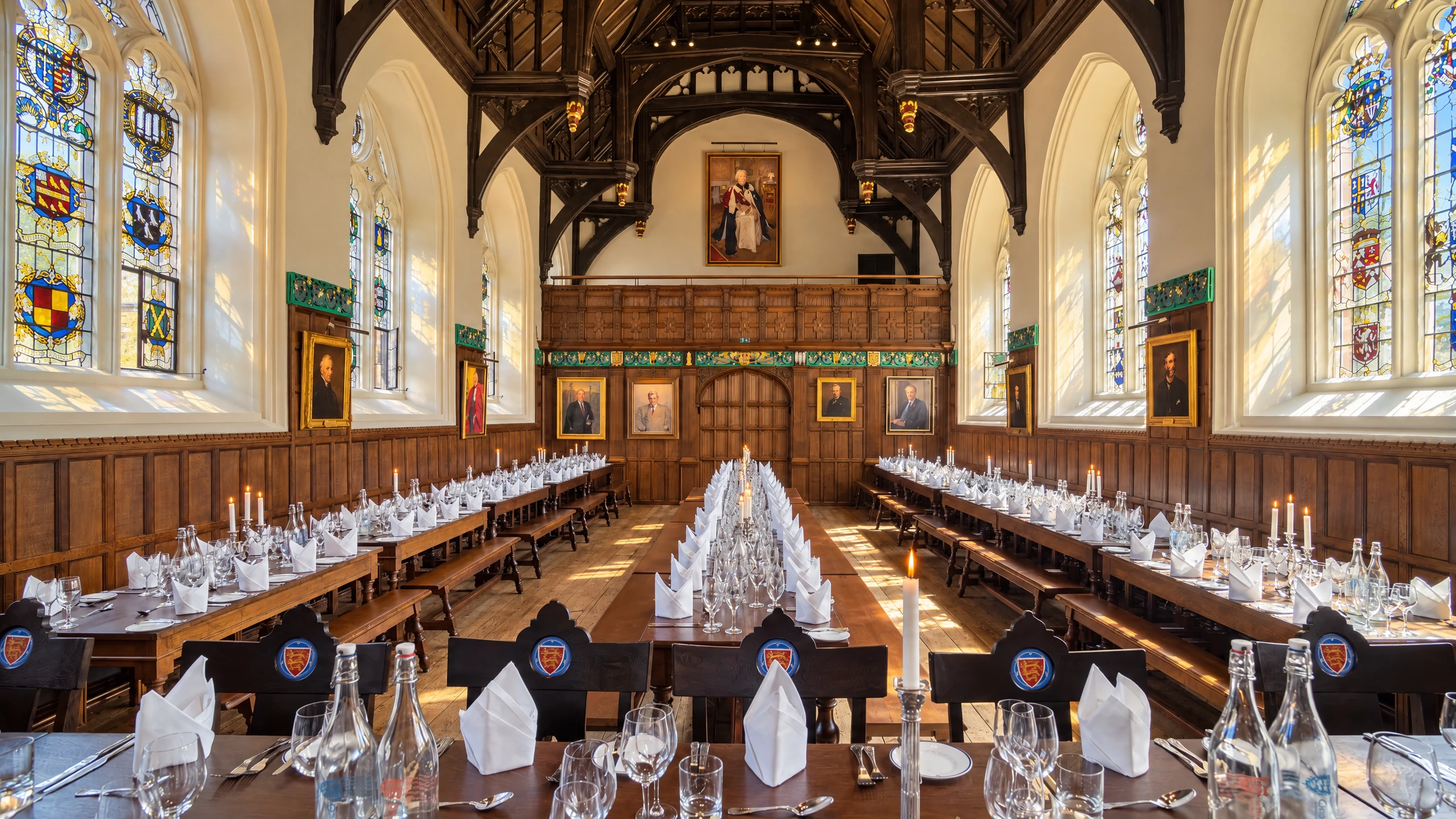
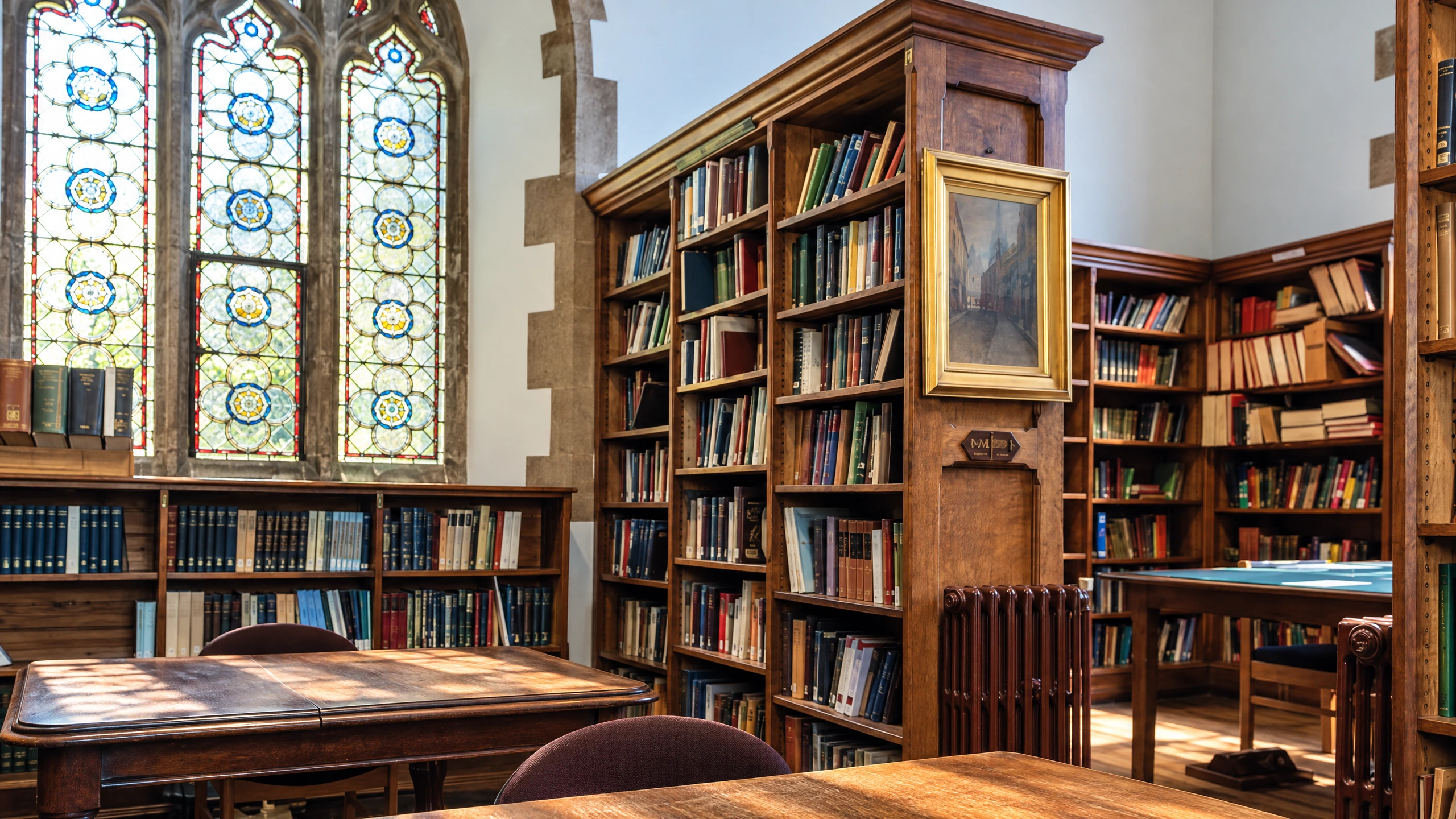
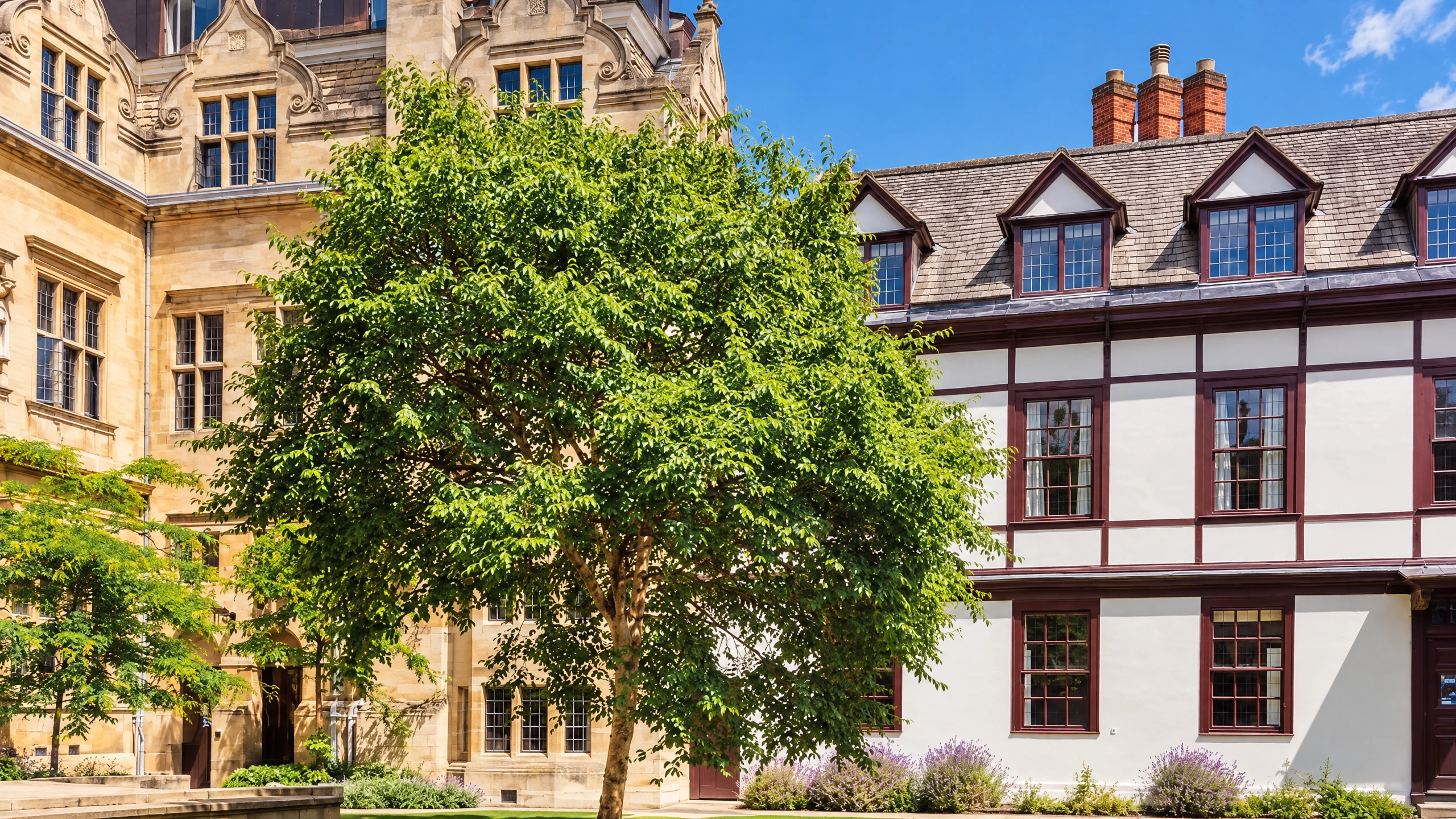
Oriel sits between Oriel Square and the High Street, with a compact seventeenth-century Front Quad behind its entrance. Its story reaches from medieval Oxford to naturalist Gilbert White, theologian John Henry Newman and the continuing debate around the statue of Cecil Rhodes on its High Street building.
Adam de Brome brought scholars together in 1324, and the college received its royal charter in 1326. Its familiar name came from a house called La Oriole, acquired in 1329 on the site of today’s Front Quad. The first community consisted of graduate fellows; undergraduates joined in the early sixteenth century.
The present Front Quad replaced the medieval buildings between 1620 and 1642. The hall and chapel are part of the usual visitor route when open. Newman became an Oriel fellow in 1822, served as chaplain and helped shape the Oxford Movement; the smaller Newman Oratory has separate group arrangements.
Gilbert White studied at Oriel before writing The Natural History and Antiquities of Selborne, based on his close observations in Hampshire. Mathematician Thomas Harriot studied at St Mary Hall, which later united with Oriel.
On the High Street, the Rhodes Building was completed in 1911 after a bequest from Cecil Rhodes. The college’s account connects his wealth with mining, exploitative labour, racial exclusion and imperial expansion. In 2020 its governing body expressed a wish to remove the statue; an independent commission reported in 2021, and legal, regulatory and financial obstacles affected what followed.
Oriel normally welcomes visitors in the afternoon, with Front Quad, hall and chapel available subject to college events. It is an easy visit to combine with the University Church and Radcliffe Square.
People and ideas
Famous former students
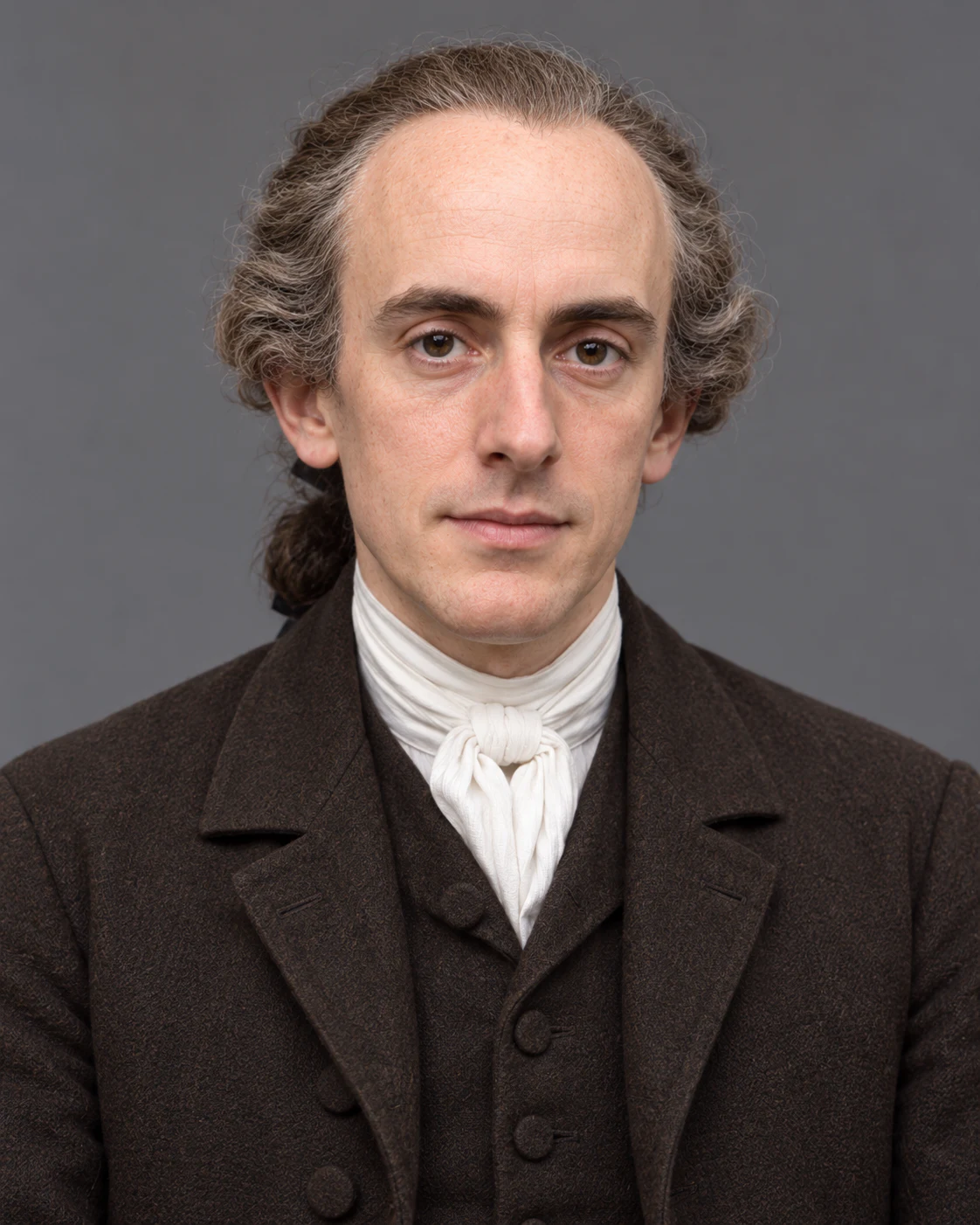
Gilbert White
1740–1743
The naturalist studied at Oriel before writing The Natural History and Antiquities of Selborne.
College connection
Undergraduate; subsequently Fellow. 1740–1743 as student; Fellow from 1744.

James Meade
1930
The economist studied at Oriel and later shared the 1977 economics Nobel memorial prize for work on international trade.
College connection
Undergraduate. Graduated 1930.
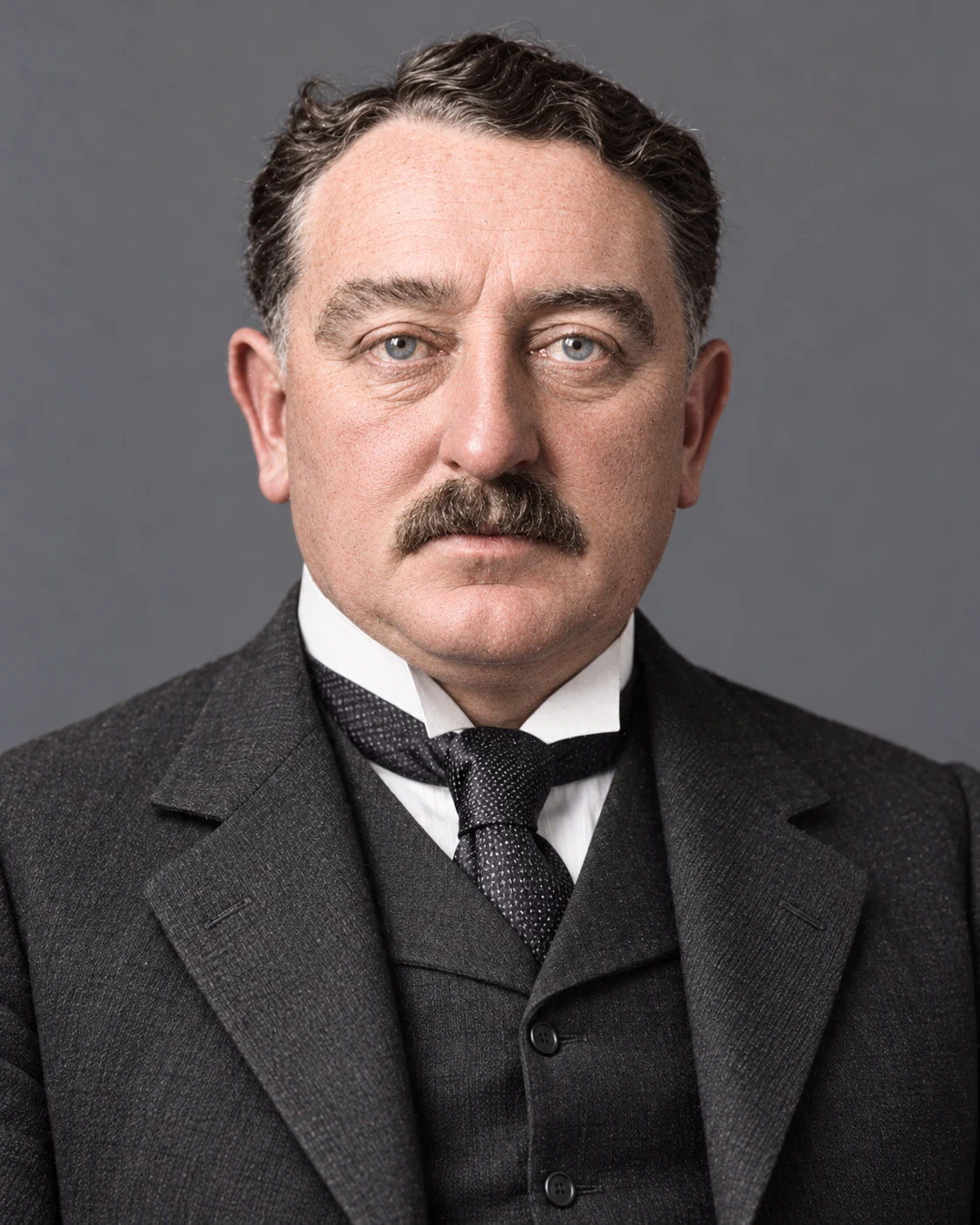
Cecil Rhodes
1873–1881
The mining magnate and imperial politician studied intermittently at Oriel. His wealth and legacy are linked to colonial expansion, exploitative labour and racial exclusion.
College connection
Student; intermittent residence. 1873–1881.
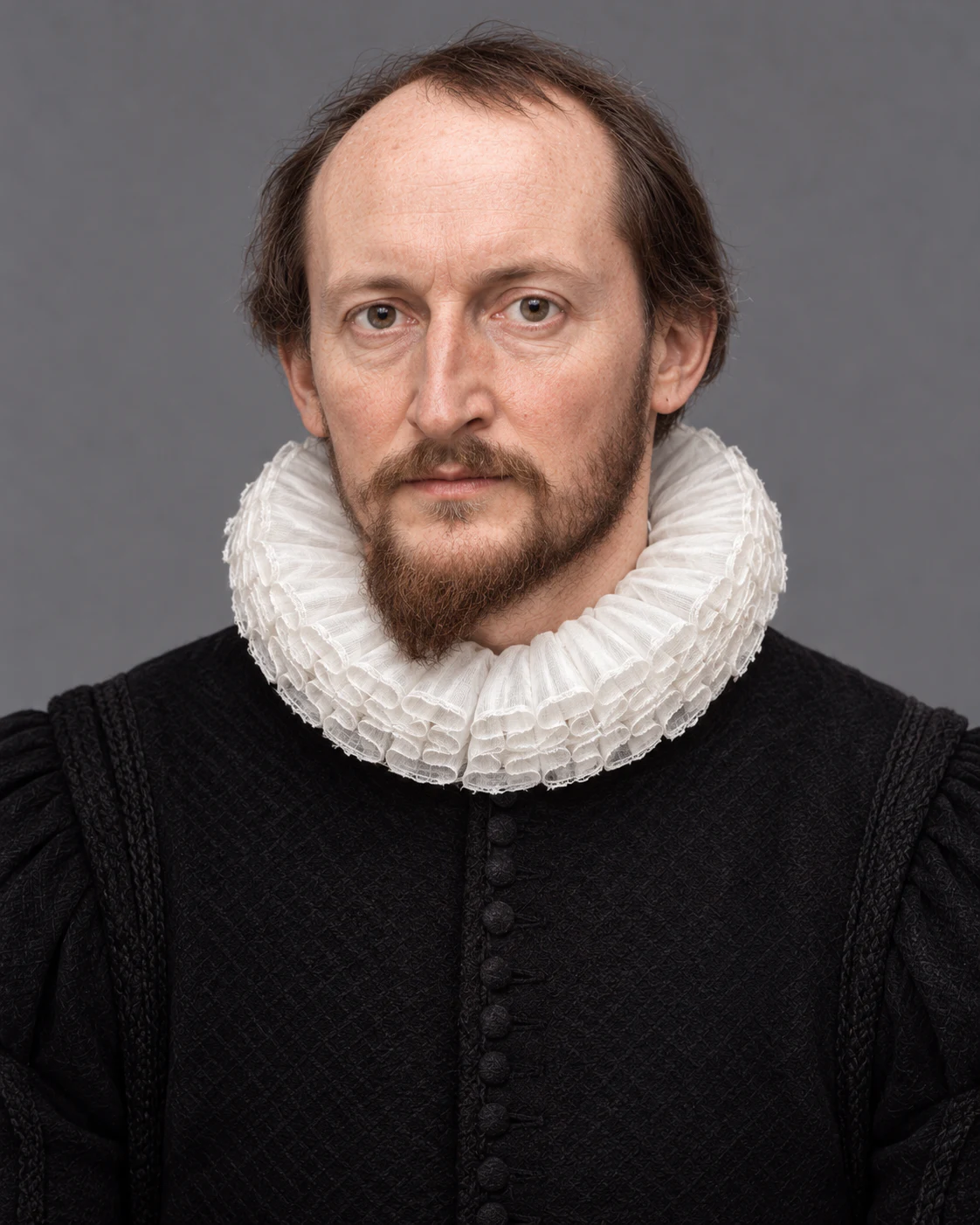
Thomas Harriot
Entered 1577
The mathematician and navigator studied at St Mary Hall, later united with Oriel, and worked on Raleigh’s colonial venture at Roanoke.
College connection
Student of predecessor St Mary Hall, not an Oriel undergraduate. Matriculated 1577; BA Easter 1580.
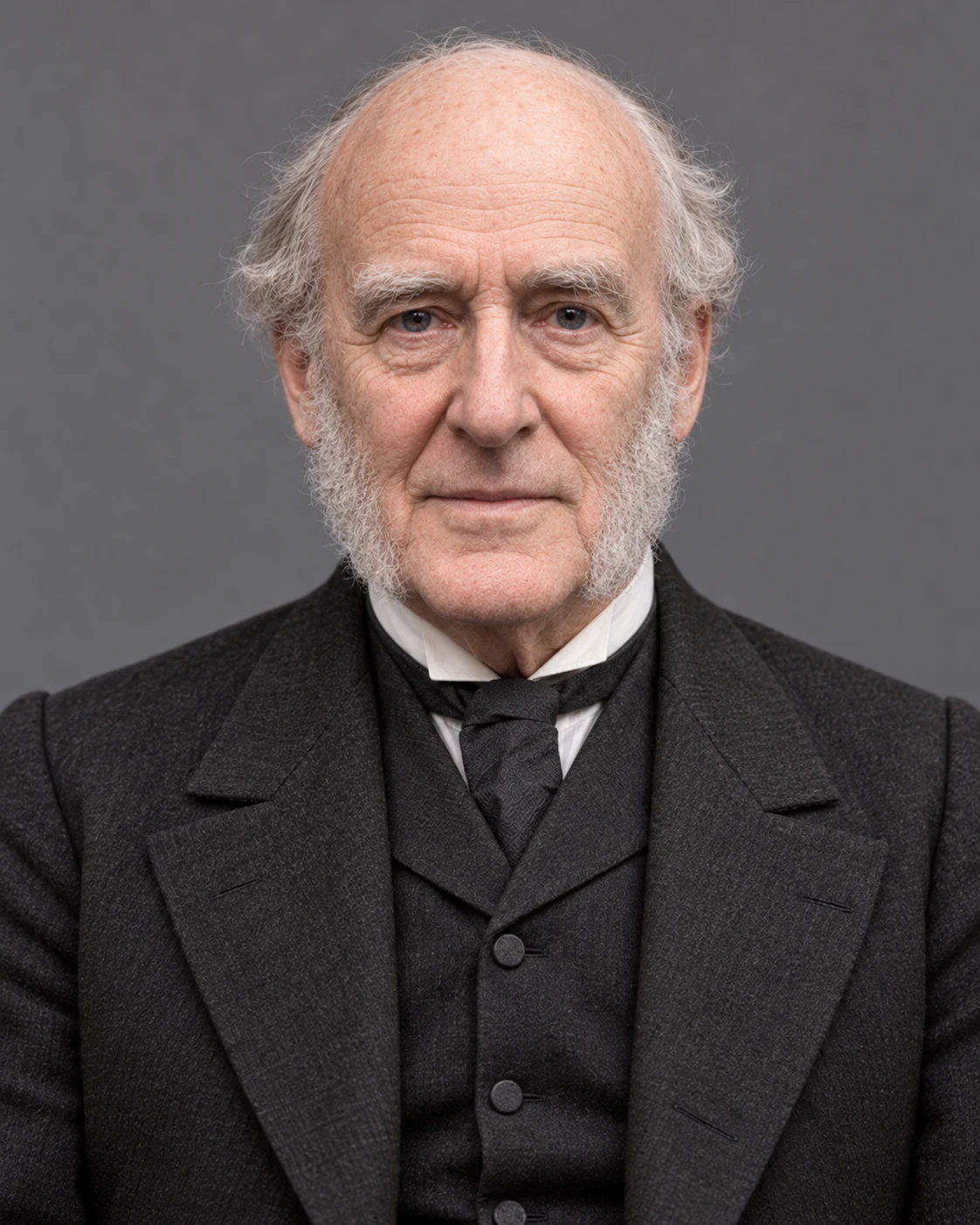
Thomas Hughes
1841–1845
The lawyer and politician studied at Oriel before writing Tom Brown’s Schooldays.
College connection
Undergraduate, 1841–1845.

Edmund Fellowes
1889
The musicologist studied theology and music at Oriel and later published editions of Tudor and Stuart music.
College connection
Arrived 1889; four years at Oriel, graduating in Theology and the one-year postgraduate BMus; later Honorary Fellow.
Fellows, founders and other connections
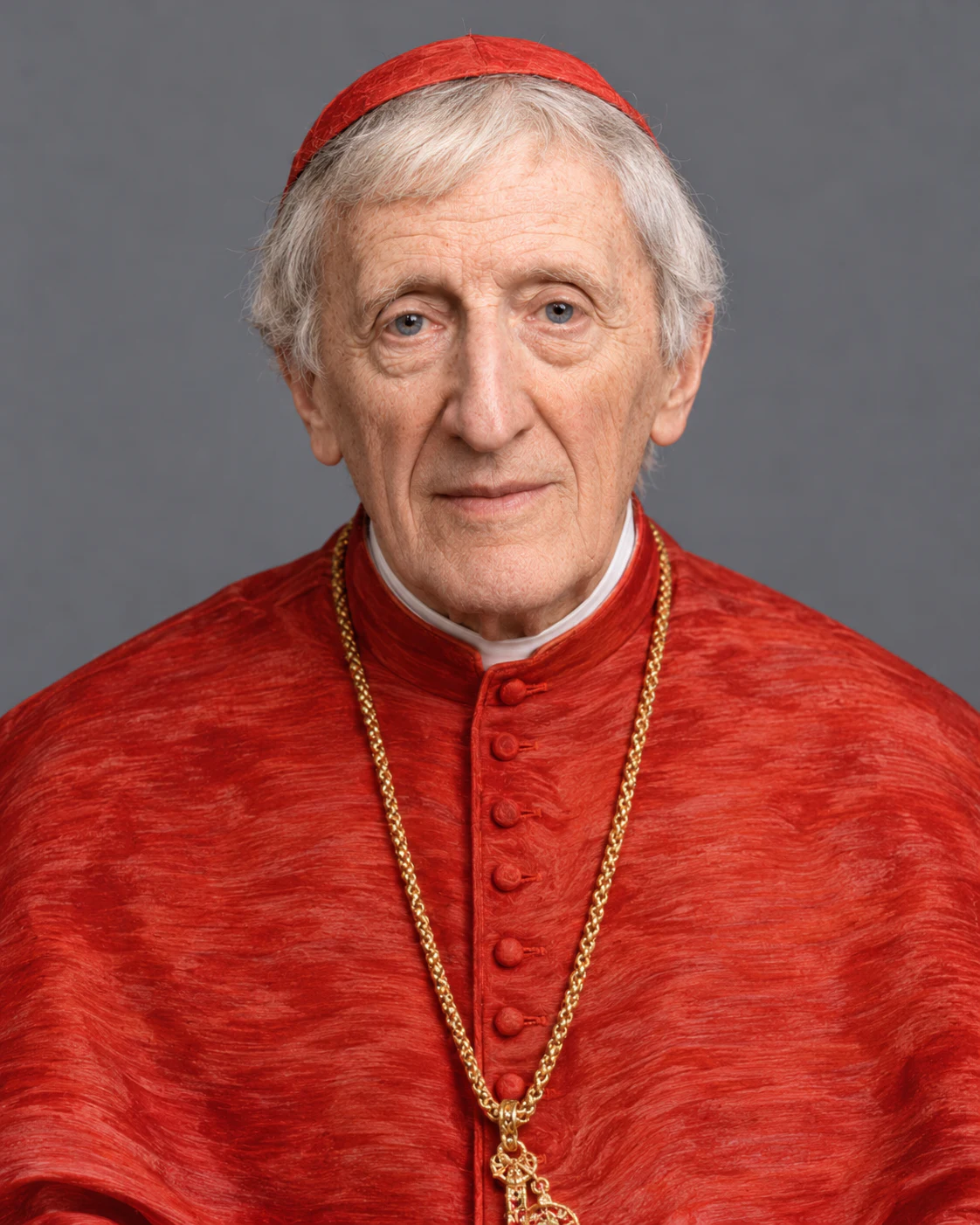
John Henry Newman
1822
The theologian and Oxford Movement figure became an Oriel fellow and chaplain after studying at Trinity.
College connection
Fellow and Chaplain; undergraduate at Trinity. Elected Oriel Fellow in 1822; resigned 1845.
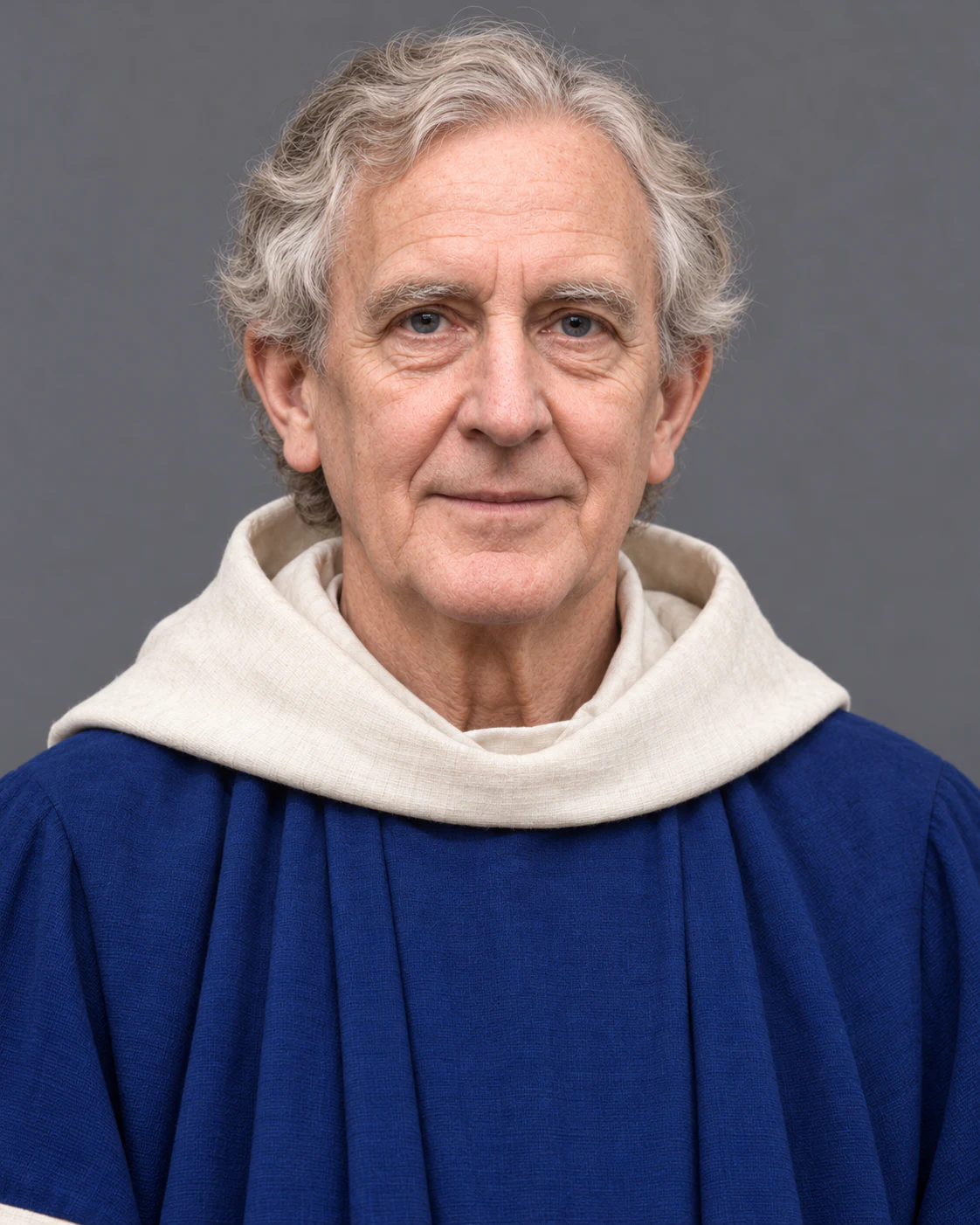
Adam de Brome
The royal clerk and cleric gathered the early scholarly community and became Oriel’s first Provost.
College connection
Founder and first Provost.
The story
History & character.
Royal clerk and cleric Adam de Brome gathered a scholarly community in 1324 at the rectory of St Mary’s Church. A royal charter followed on 21 January 1326, and he became the first Provost. De Brome was later buried at St Mary’s, a short walk from the college.
The foundation was formally the College of the Blessed Virgin Mary. Its familiar name comes from La Oriole, a property acquired in 1329 where Front Quad now stands. Tackley’s Inn on High Street was another early property supporting the college and remains college accommodation.
The earliest fellows studied theology, law and medicine; undergraduates arrived in the early sixteenth century. The present Front Quad replaced medieval buildings between 1620 and 1642. During the Civil War, when Oxford became the Royalist capital, Oriel accommodated members of Charles I’s court.
In the eighteenth century the college added a second quad and a Senior Library. Gilbert White studied here from 1740 to 1743 and became a fellow in 1744. His later observations of his Hampshire parish became The Natural History and Antiquities of Selborne; his correspondence with Thomas Pennant has been explored in a college exhibition.
Oriel played a part in academic reform around the turn of the nineteenth century, a period associated with the fellows known as the Noetics. John Henry Newman, who had studied at Trinity, became an Oriel fellow in 1822 and later a chaplain. He was an important figure in the Oxford Movement and resigned his fellowship in 1845 when he entered the Roman Catholic Church.
Mathematician and navigator Thomas Harriot studied at St Mary Hall, which united with Oriel in 1902. His work included the English colonial venture at Roanoke; the college began an annual lecture in his name in 1990.
Cecil Rhodes studied intermittently at Oriel between 1873 and 1881 while developing mining interests in southern Africa. His bequest supported the High Street building completed in 1911. The college’s account discusses the exploitative labour, racial exclusion and violence associated with the wealth and political power behind that gift.
The statue on the building remains the subject of debate. The governing body expressed a wish to remove it in 2020; an independent commission reported in 2021, and legal, regulatory and financial obstacles affected subsequent action. Oriel admitted women in 1985.
Look closer
What to see.
Front Quad
The present court was rebuilt between 1620 and 1642, replacing the medieval buildings of a much older college.
Hall and chapel
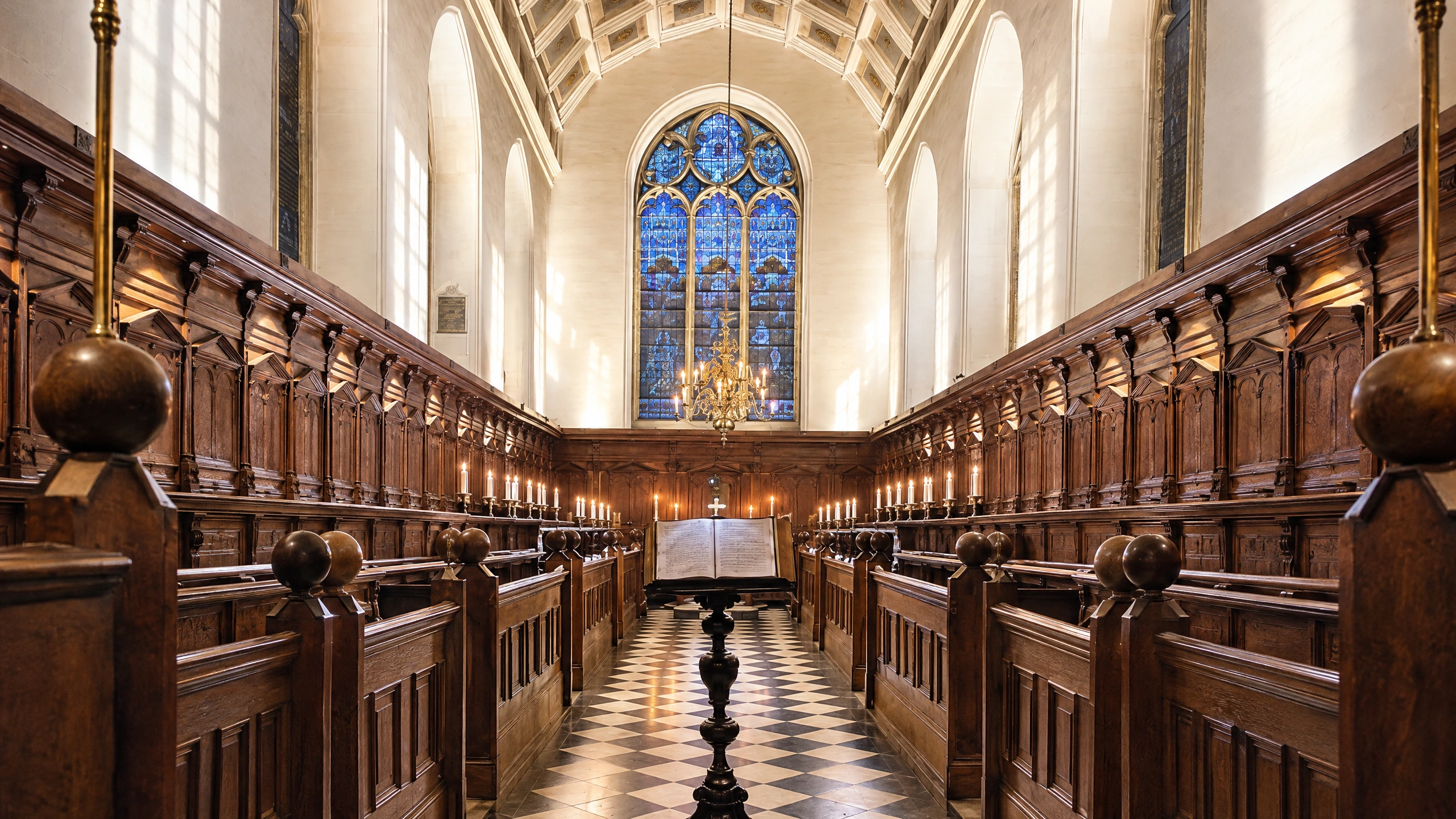
The hall and chapel are normally part of an afternoon visit when available. Newman served as a fellow and chaplain here in the nineteenth century.
A name from a house
Oriel takes its name from La Oriole, acquired in 1329 on the site of today’s Front Quad.
Gilbert White
The naturalist studied at Oriel before writing about the plants, birds and life of his Hampshire parish at Selborne.
The Rhodes Building
The High Street façade carries a statue of Cecil Rhodes and is part of an ongoing discussion about his legacy and the wealth behind his bequest.
Make it work
Plan your visit.
Oriel normally opens daily from 2pm to 5pm, or dusk if earlier, subject to college events. Admission is £3 for adults and £2 for concessions. Groups are limited to twelve. The usual visit includes Front Quad, hall and chapel when available.
Groups wishing to visit the chapel or Newman Oratory need advance arrangements with the Chaplain. Tour groups without a Blue Badge guide cannot enter the Oratory. Alumni and prospective applicants have separate arrangements.
The entrance is on Oriel Square. It is level during the day when the large doors are open; the closed-door route has a step, and an alternative level entrance is available. The site has three accessible toilets, lifts and hearing support, although some historic rooms are reached by steps.
The Senior Library is temporarily closed for refurbishment, and the Orielensia collection is in storage.
Visit your way
Access and family planning.
The Oriel Square entrance is level when the large doors are open during the day. The closed-door route has a step, and an alternative level entrance is available.
Three accessible toilets, lifts and hearing support serve the site, though some historic rooms remain stepped. The Senior Library is closed for refurbishment.
Oriel’s compact Front Quad makes a manageable short visit. Its name comes from an old house, and former student Gilbert White wrote about the birds and other wildlife he observed around Selborne.
Self-guided walk
A walk around Oriel
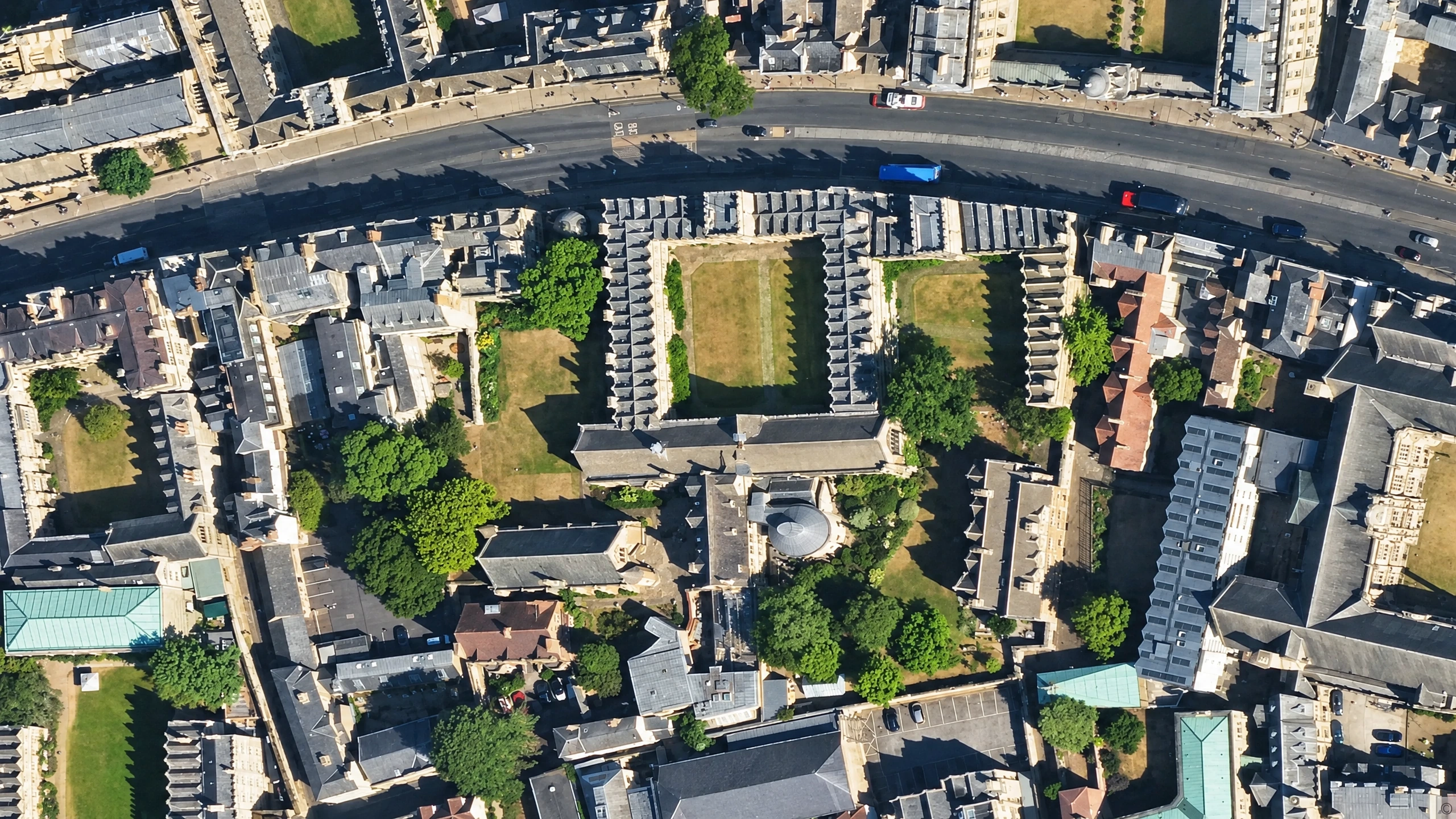
A public-street circuit links Oriel Square with the High Street, University Church and Merton Street.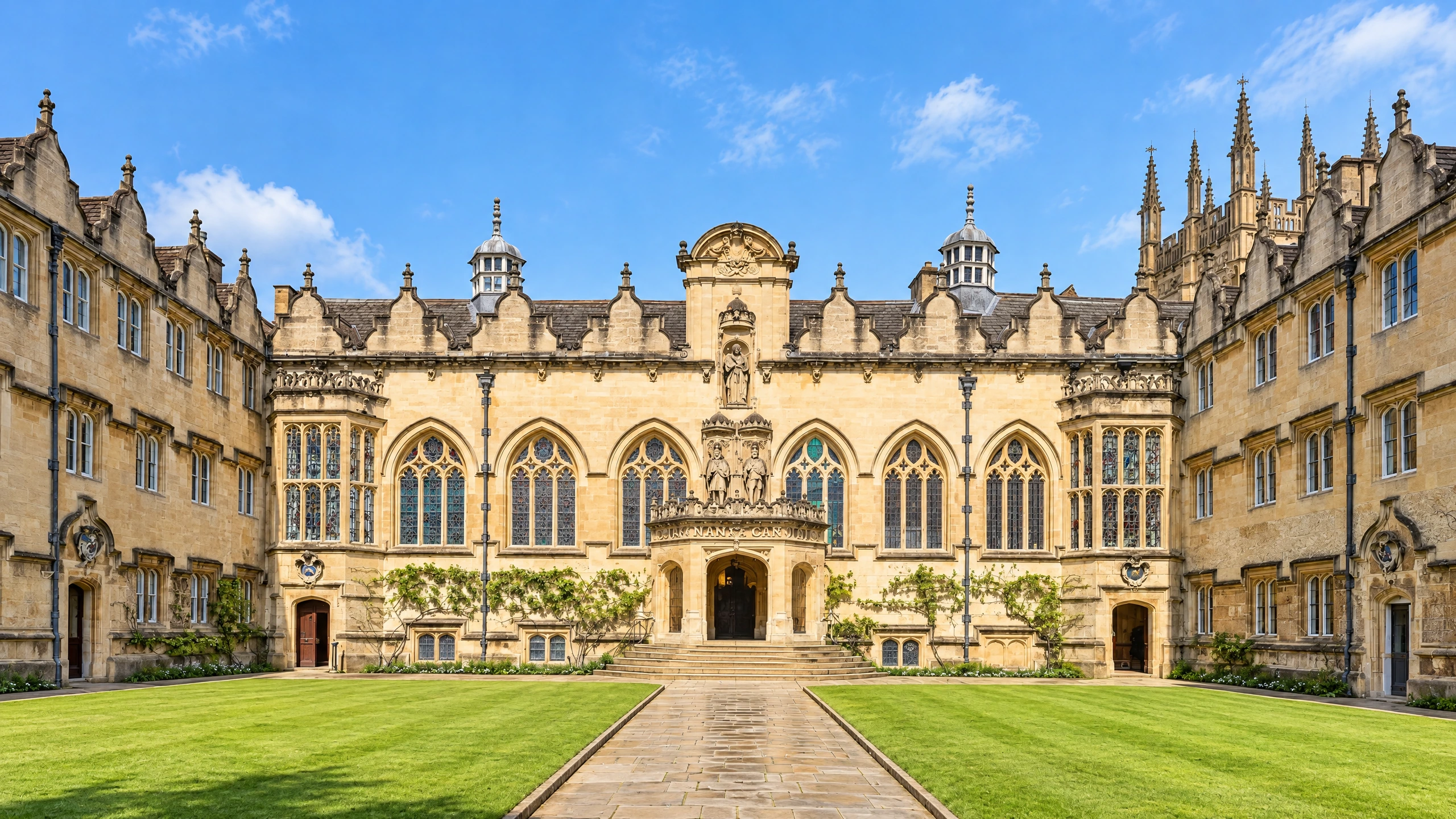
Rhodes Building on High Street
The 1911 façade carries a statue of Cecil Rhodes. Oriel’s account sets his bequest alongside the history of colonial power, exploitative labour and racial exclusion.

University Church and St Mary’s Passage
Founder Adam de Brome was rector of St Mary’s and is buried there. St Mary’s Passage leads towards Radcliffe Square.
Magpie Lane and Merton Street
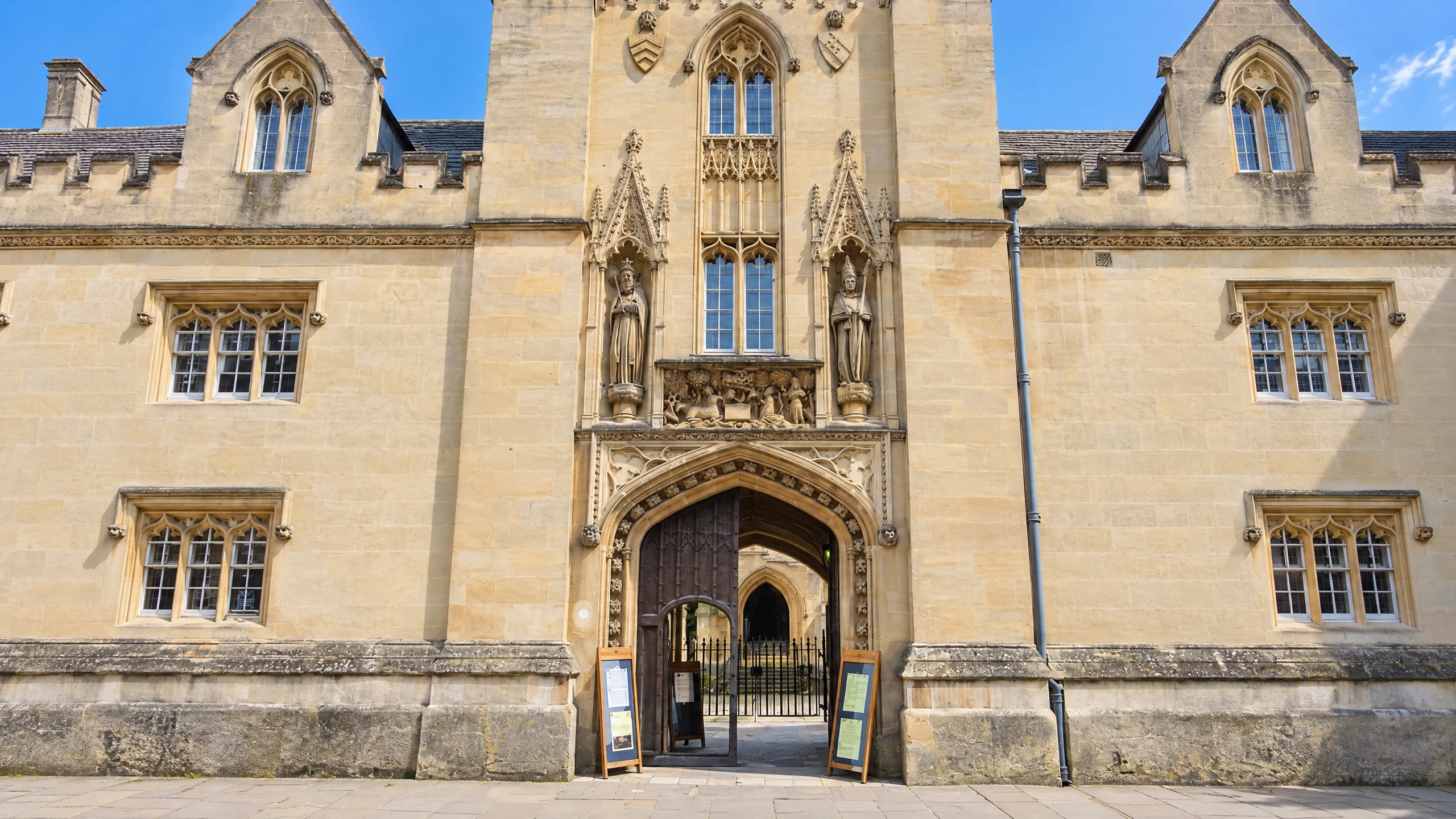
Magpie Lane leads south to Merton Street and its college fronts.
Optional college extension
The quad, hall and chapel normally open in the afternoon, subject to events. Admission is £3 adult or £2 concession.
See it
In pictures.
10 views, full screen. Tap any one to open the viewer.Around here
Make more of the area.
Oriel’s founder Adam de Brome was rector here and is buried in the church.
Merton Street is lined with college buildings and leads towards Merton’s medieval gatehouse.
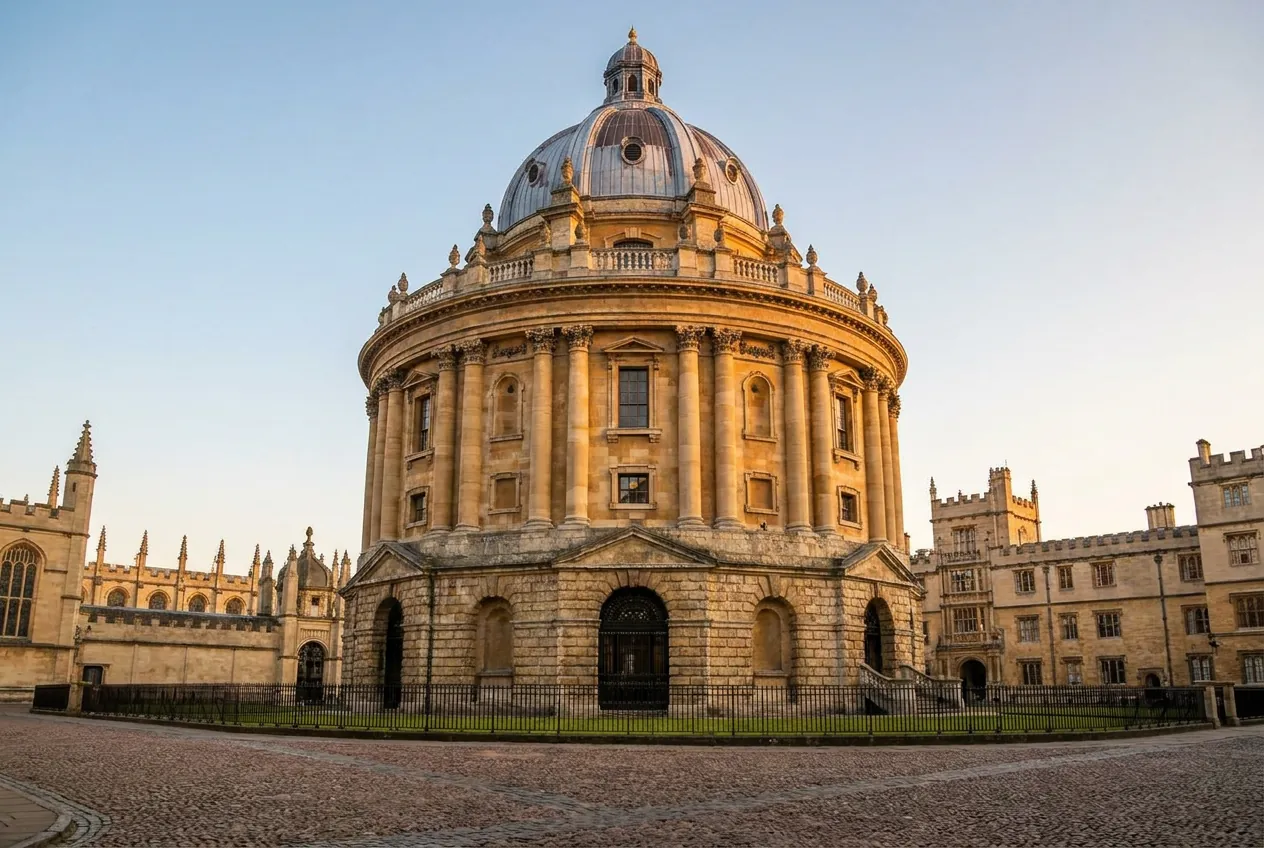
The circular Radcliffe Camera stands among the historic library buildings just north of High Street.

The meadow offers a nearby open-air walk. The St Aldate’s War Memorial Garden entrance provides the listed wheelchair and pushchair route.
Good to know
Questions, answered.
Where does Oriel’s name come from?
The name comes from La Oriole, a house acquired in 1329 where Front Quad now stands. The formal foundation was dedicated to the Blessed Virgin Mary.
Was Oriel founded in 1324 or 1326?
Adam de Brome gathered a scholarly community in 1324. Its royal charter followed on 21 January 1326, so both dates mark important beginnings.
Why is St Mary’s Church part of Oriel’s early story?
Founder Adam de Brome was rector of St Mary’s, where the early scholars gathered at the rectory. He was later buried in the church.
What is Tackley’s Inn’s connection with Oriel?
Tackley’s Inn on High Street was acquired to help support the early foundation. It remains part of Oriel’s college accommodation.
How old is Oriel’s Front Quad?
The present Front Quad was rebuilt between 1620 and 1642, replacing medieval buildings within a college founded by royal charter in 1326.
When was naturalist Gilbert White an Oriel student?
White studied at Oriel from 1740 to 1743 and became a fellow in 1744. He later wrote about nature around Selborne in Hampshire.
How did St Mary Hall become part of Oriel?
St Mary Hall united with Oriel in 1902. Earlier hall students, including Thomas Harriot, became part of the history represented by today’s college.
Why are Oriel’s Noetics important to Oxford’s academic history?
The Noetics were a group of Oriel scholars active in the early nineteenth century, known for their teaching and writing on theology and political economy. Oriel also opened its fellowships to competitive examination during a wider period of academic reform.
Was John Henry Newman an Oriel undergraduate?
No. Newman studied at Trinity before becoming an Oriel fellow in 1822. He later served as chaplain and helped shape the Oxford Movement.
What did Cecil Rhodes’s Oriel student years involve?
Rhodes studied intermittently at Oriel from 1873 to 1881 while developing mining interests in southern Africa. He completed his degree in 1881.
Why is Rhodes represented on Oriel’s High Street building?
The building was completed in 1911 after his bequest. His wealth was connected with mining, exploitative labour, racial exclusion and imperial expansion.
What happened after Oriel expressed a wish to remove the Rhodes statue?
The governing body expressed a wish to remove it in 2020. A commission reported in 2021, and legal, regulatory and financial obstacles affected subsequent action.
When did Oriel admit women?
Oriel admitted women in 1985, more than six centuries after the royal charter that established the college in 1326.
Which Oriel student wrote Tom Brown’s Schooldays?
Thomas Hughes studied at Oriel from 1841 to 1845 and later wrote Tom Brown’s Schooldays, published in 1857.
How much does it cost to visit Oriel College Oxford?
Admission is £3 for adults and £2 for concessions. Visitors can normally enter from 2pm to 5pm or dusk, whichever is earlier; the quads, hall and chapel are subject to availability.
Can a group visit Newman’s Oratory at Oriel?
Groups need advance arrangements through the Chaplain. Tour groups without a Blue Badge guide cannot enter the Oratory; ordinary admission does not guarantee it.
Can Oriel’s Senior Library be visited during its refurbishment?
The Senior Library is temporarily closed for refurbishment and the Orielensia collection is in storage. Library and archive visits need separate arrangements.
Which Oriel entrance works for a step-free daytime visit?
The Oriel Square entrance is level when the large doors are open during the day. The closed-door route has a step; another level entrance is available.
Editorial notes
Sources and further reading.
Sources for this guide
Researched 1 November 2026. Each source’s scope is specified so later updates can target the affected claim. Sources marked retained evidence come from locally saved earlier research; a failed collection job is not a completed bundle.
O1 — Oriel history
Supports: Institutional chronology, Front Quad 1620–1642, academic reform, women 1985.
Status: reviewed-public-source.
O2 — Historical figures and alumni
Supports: Adam de Brome, Newman, Meade, Rhodes and the distinction between types of membership.
Status: reviewed-public-source.
O3 — Visit Oriel
Supports: Public hours, admission, group limit, Chapel and Oratory restrictions.
Status: reviewed-public-source.
O4 — Oxford physical access survey: Oriel
Oxford physical access survey: Oriel
Supports: Entrances, toilets, hearing support, lifts and room-specific barriers; cached detailed survey.
Status: reviewed-public-source.
O5 — The Rhodes Legacy
Supports: Rhodes’s intermittent study, colonial legacy, 2020–21 commission and subsequent interpretation.
Status: reviewed-public-source.
O6 — Oriel libraries and archives
Supports: Pantin and Senior libraries, Cedar Room Orielensia, refurbishment and archive documents from 1150.
Status: reviewed-public-source.
O7 — Thomas Harriot Lecture
Supports: Harriot matriculated at St Mary Hall in 1577, BA Easter 1580; 1902 union with Oriel.
Status: reviewed-public-source.
O8 — Gilbert White and Thomas Pennant exhibition
Gilbert White and Thomas Pennant exhibition
Supports: White’s student years 1740–1743 and fellowship from 1744; natural-history correspondence.
Status: reviewed-public-source.
O9 — Royal visit, 10 July 2026
Supports: 700th anniversary royal visit, Hall, Chapel and Newman Oratory; monarch as Visitor.
Status: reviewed-public-source.
O10 — Oxford college visiting directory
Oxford college visiting directory
Supports: Independent University corroboration of public hours, price and areas.
Status: reviewed-public-source.
O11 — 2021 Rhodes commission response
2021 Rhodes commission response
Supports: Dated decision, legal/regulatory context and equality initiatives.
Status: reviewed-public-source.
Conflict ledger
The introductory college history compresses the early foundation into 1326; the fuller founder biography distinguishes Adam’s 1324 community and the royal charter of 21 January 1326.
Newman was a Trinity undergraduate and an Oriel Fellow; Thomas Harriot attended St Mary Hall, which joined Oriel in 1902. Neither becomes an Oriel undergraduate in this draft.
The Rhodes statue remains a contested memorial. The 2021 wish for removal did not mean that removal happened. The current college Rhodes Legacy page controls this account.
Website accessibility statement concerns digital access and was rejected as evidence of physical accessibility.
Editorial interpretation
Walking allowances, pairings, family activity suggestions and visual composition choices are editorial judgments. They do not supply evidence of admission, facilities, a person’s attendance or a booking inclusion. Current admission conditions remain visible in the practical sections.
GEO1 — College-location coordinates
Supports: sourced numeric WGS84 latitude 51.7519, longitude -1.2538, read 1 November 2026. This pin represents the college location rather than a surveyed visitor entrance.
Status: reviewed-public-source-2026-11-01.
MAP1 — University of Oxford Explore Map2026
University of Oxford Explore Map2026
Supports: Current official map places colleges, streets, museums, gardens and public approaches. Walking durations are editorial allowances; access restrictions follow current college and venue pages, not a presumed route through a private quad.
Status: reviewed-public-source-2026-11-01.
NEAR2 — Merton Street contextual history
Merton Street contextual history
Supports: 1264 foundation, self-government, building phases, Chapel and postmasterships.
Status: reviewed-public-source-2026-11-01.
NEAR4 — Christ Church Meadow visitor information
Christ Church Meadow visitor information
Supports: Public daylight access except25December, free entry; paths are distinct from college admission.
Status: reviewed-public-source-2026-11-01.
B audit — Oriel: Notable Chapel figures
Supports: Thomas Hughes was an undergraduate1841–1845, author of Tom Brown’s Schooldays1857, lawyer, politician and Christian Socialist; page separates Newman and Arnold’s Fellow roles.
Status: read-primary; reviewed 1 November 2026.
Further reading and sources
Opening hours, prices, programmes and access arrangements can change. Confirm critical details with the venue.
Keep exploring