Central-N · Founded 1870
Keble College
See Keble’s extraordinary patterned brickwork, colourful chapel and Holman Hunt’s The Light of the World.
- Founded
- 1870
- Location
- Parks Road
- Visiting
- Limited afternoon opening
- Institution
- College
01 The experience
What to expect.
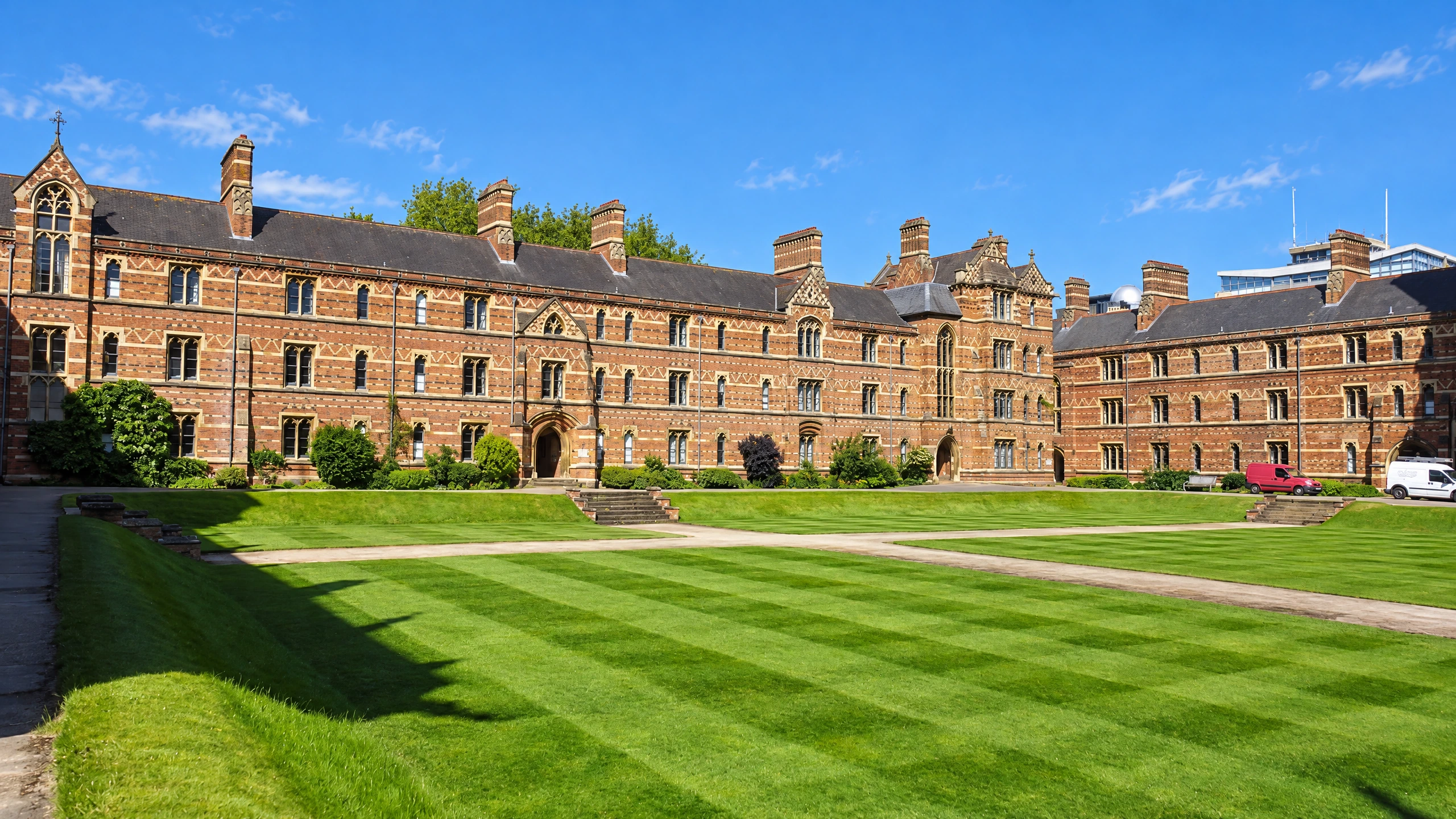
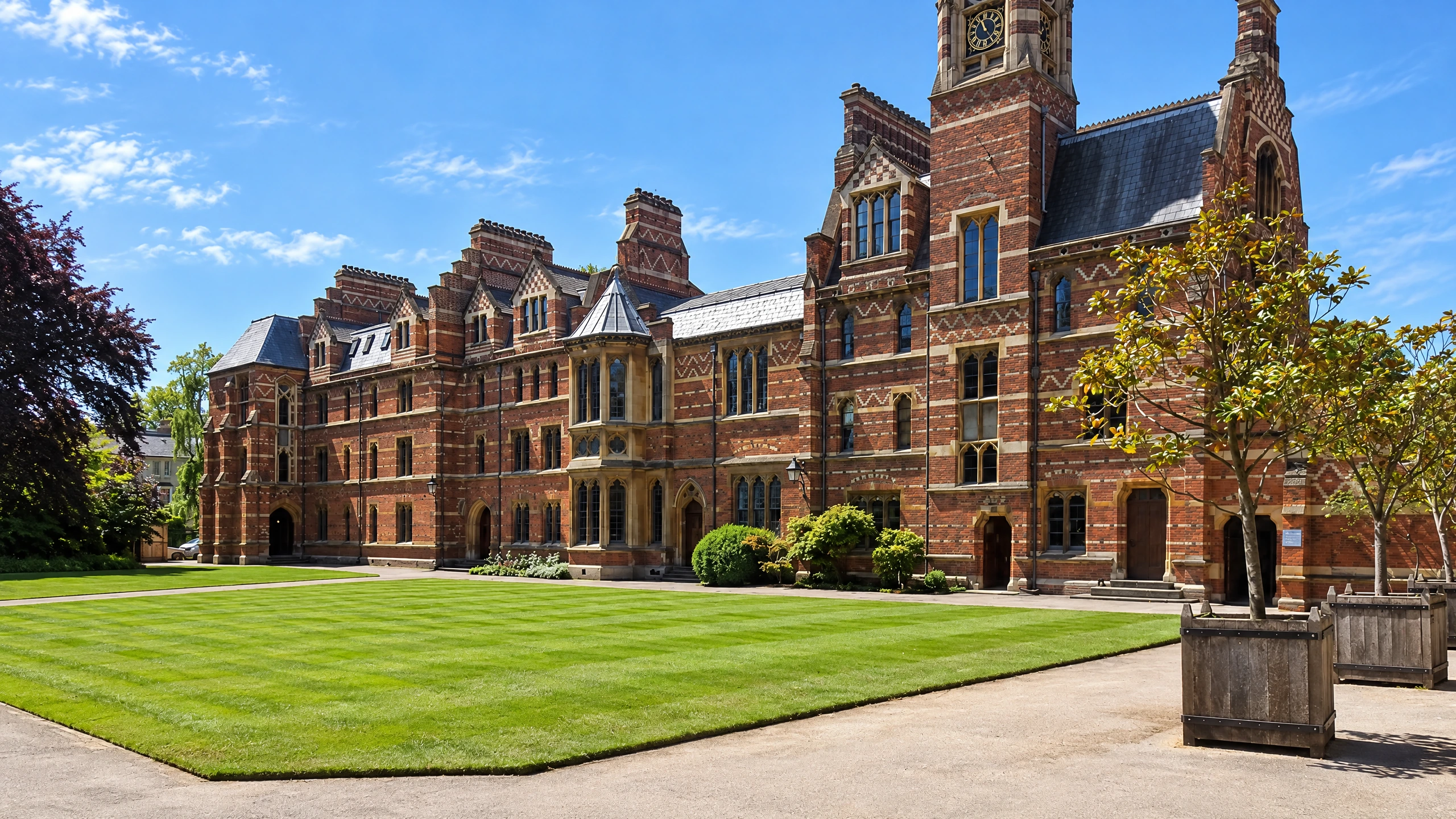
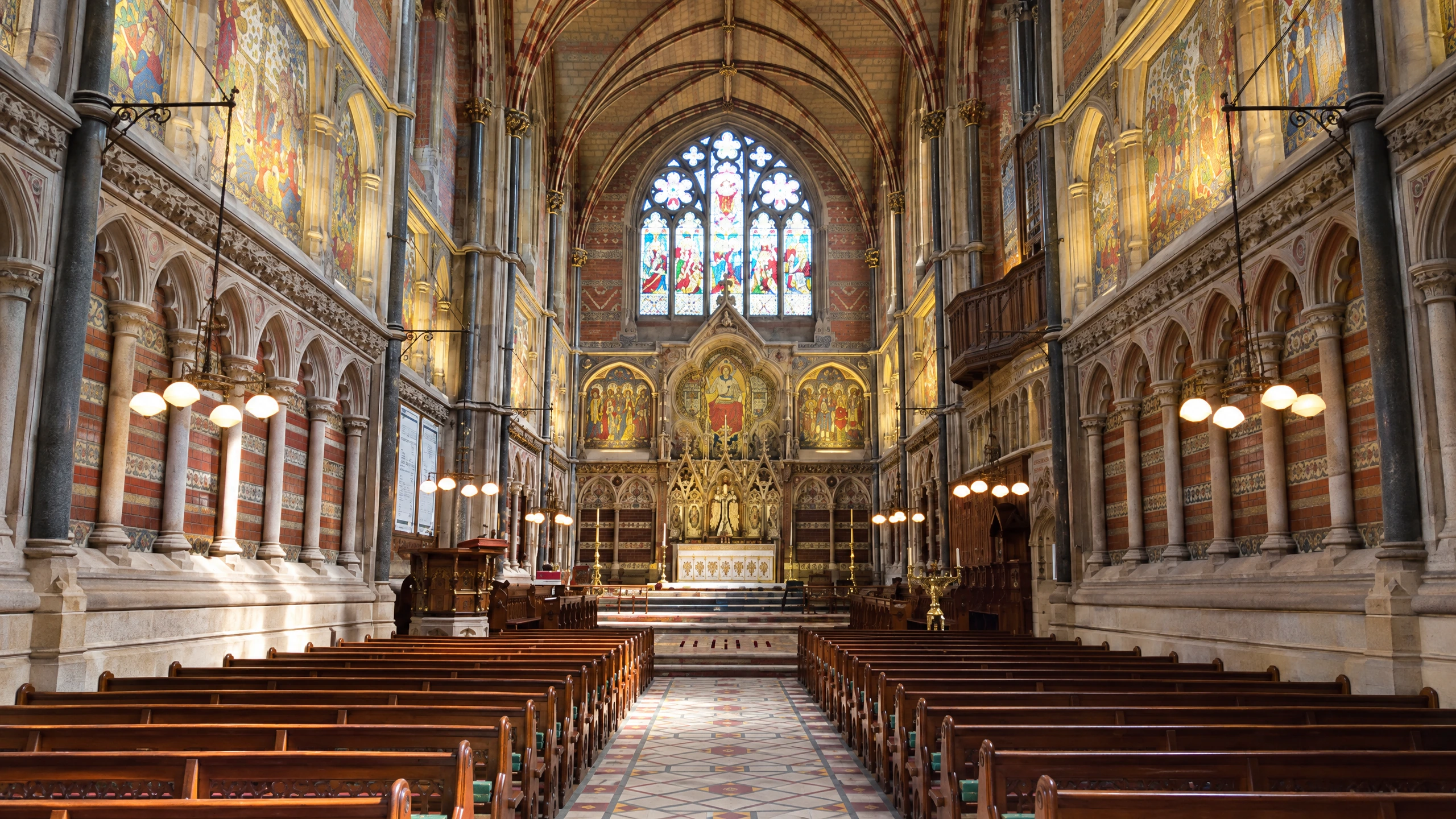
Keble is hard to mistake for any other Oxford college. William Butterfield’s red, pale and dark bricks make stripes and patterns across the buildings around Liddon Quad; inside the chapel, colour continues in mosaics and glass. The college opened in 1870 in memory of the poet and churchman John Keble.
The chapel holds a famous painting, Holman Hunt’s The Light of the World, in a small side chapel. It took some years to find a home here: architect Butterfield opposed displaying it in the chapel, and the painting first hung in the library. The larger version at St Paul’s Cathedral is a different painting.
Keble was founded in the wake of the Oxford Movement, which sought to renew the Church of England’s Catholic traditions. The college also aimed to make Oxford life more economical. More than 1,300 people contributed to its early funding; Keble’s own account explores how some gifts were connected with colonial wealth.
Its first Warden, Edward Talbot, encouraged science and accepted evolution, and supported the foundation of Lady Margaret Hall for women. Keble itself admitted women students in 1979.
The college continued to grow beyond Butterfield’s buildings, with late twentieth-century additions and a separate postgraduate centre on Banbury Road. Its former students include cricketer and politician Imran Khan, children’s writers Cressida Cowell and Frank Cottrell-Boyce, and mathematician and Stemettes co-founder Anne-Marie Imafidon.
The main quad and chapel are normally free to visit between 2pm and 5pm, subject to college events. Keble is opposite the Natural History Museum and close to the Pitt Rivers Museum and University Parks, so there is plenty nearby for a longer afternoon.
People and ideas
Famous former students

Imran Khan
1972
The former international cricketer and Pakistani politician studied at Keble and later became an Honorary Fellow.
College connection
Degree student and later Honorary Fellow. 1972 cohort.
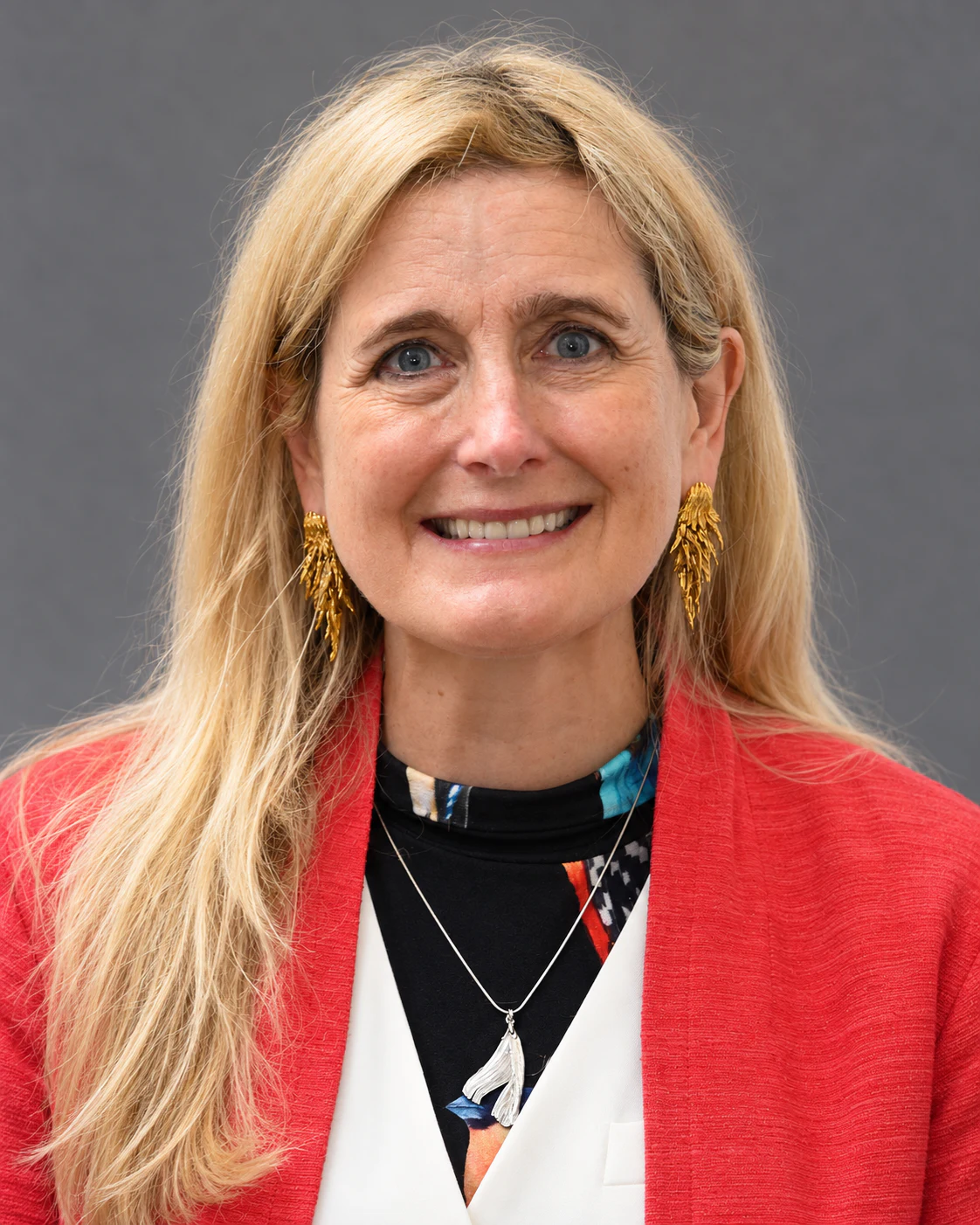
Cressida Cowell
1985
The How to Train Your Dragon author studied English at Keble, where she began reading the Viking sagas that inspired her books.
College connection
English student; 1985 cohort; later Honorary Fellow.
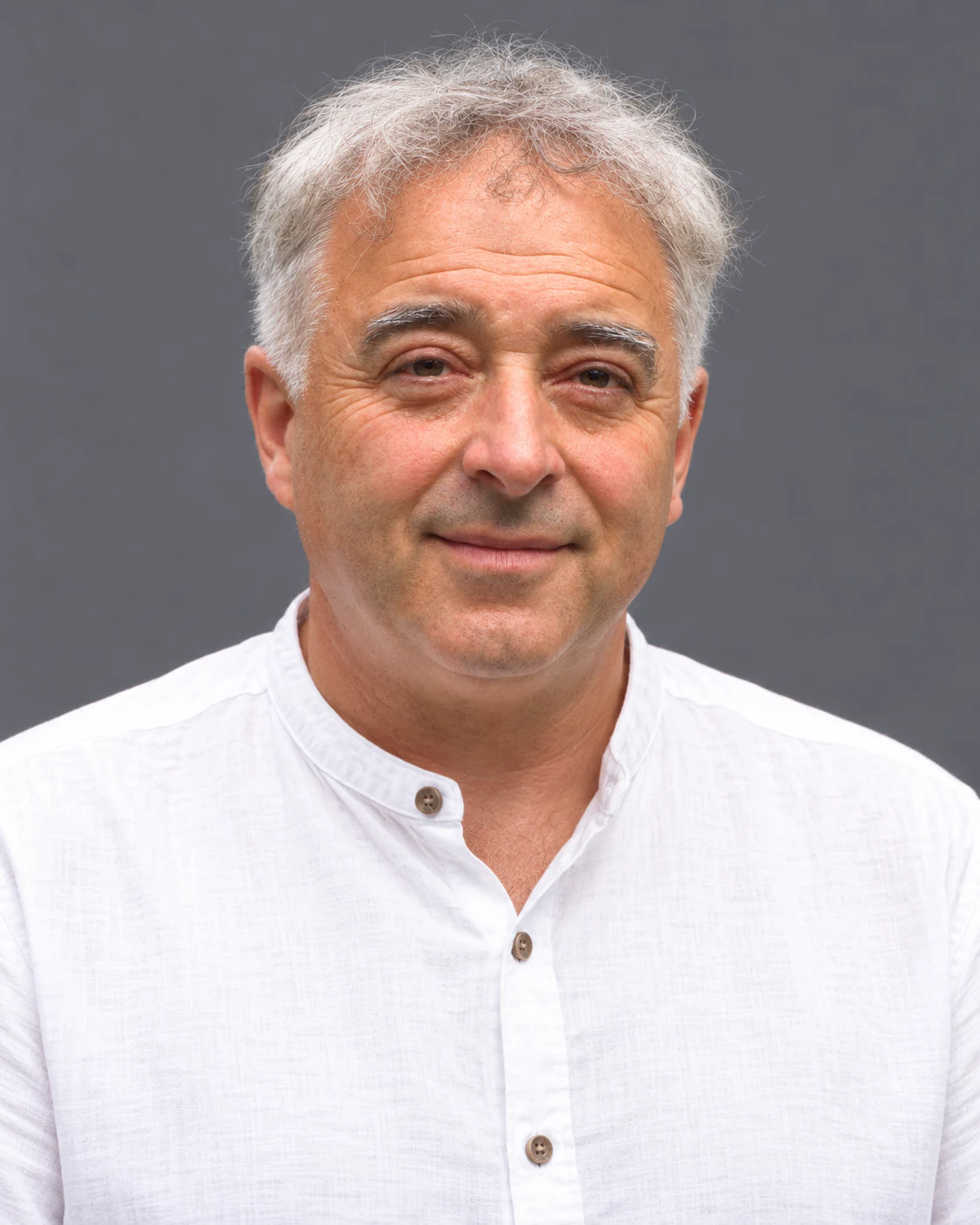
Frank Cottrell-Boyce
1979
The screenwriter and author of Millions studied English at Keble.
College connection
English student; 1979 cohort; later Honorary Fellow.

Anne-Marie Imafidon
2006
The mathematician and Stemettes co-founder studied Mathematics and Computer Science at Keble.
College connection
Mathematics and Computer Science student; 2006 cohort; later Honorary Fellow.

Zain Asher
2001
The CNN presenter studied at Keble and later became an Honorary Fellow.
College connection
Degree student and later Honorary Fellow. 2001 cohort.
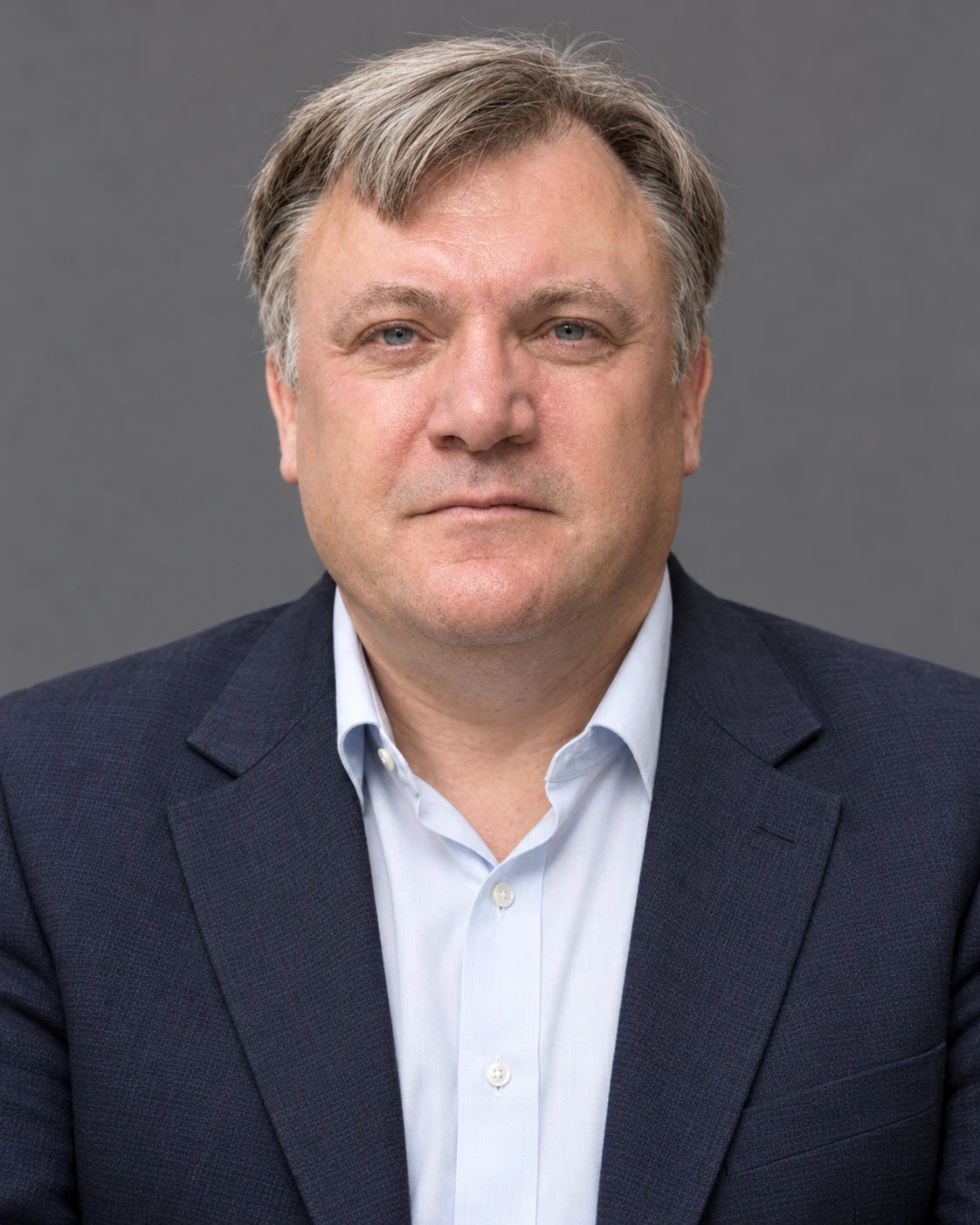
Ed Balls
1985
The economist, broadcaster and former British politician studied at Keble and later became an Honorary Fellow.
College connection
Degree student and later Honorary Fellow. 1985 cohort.
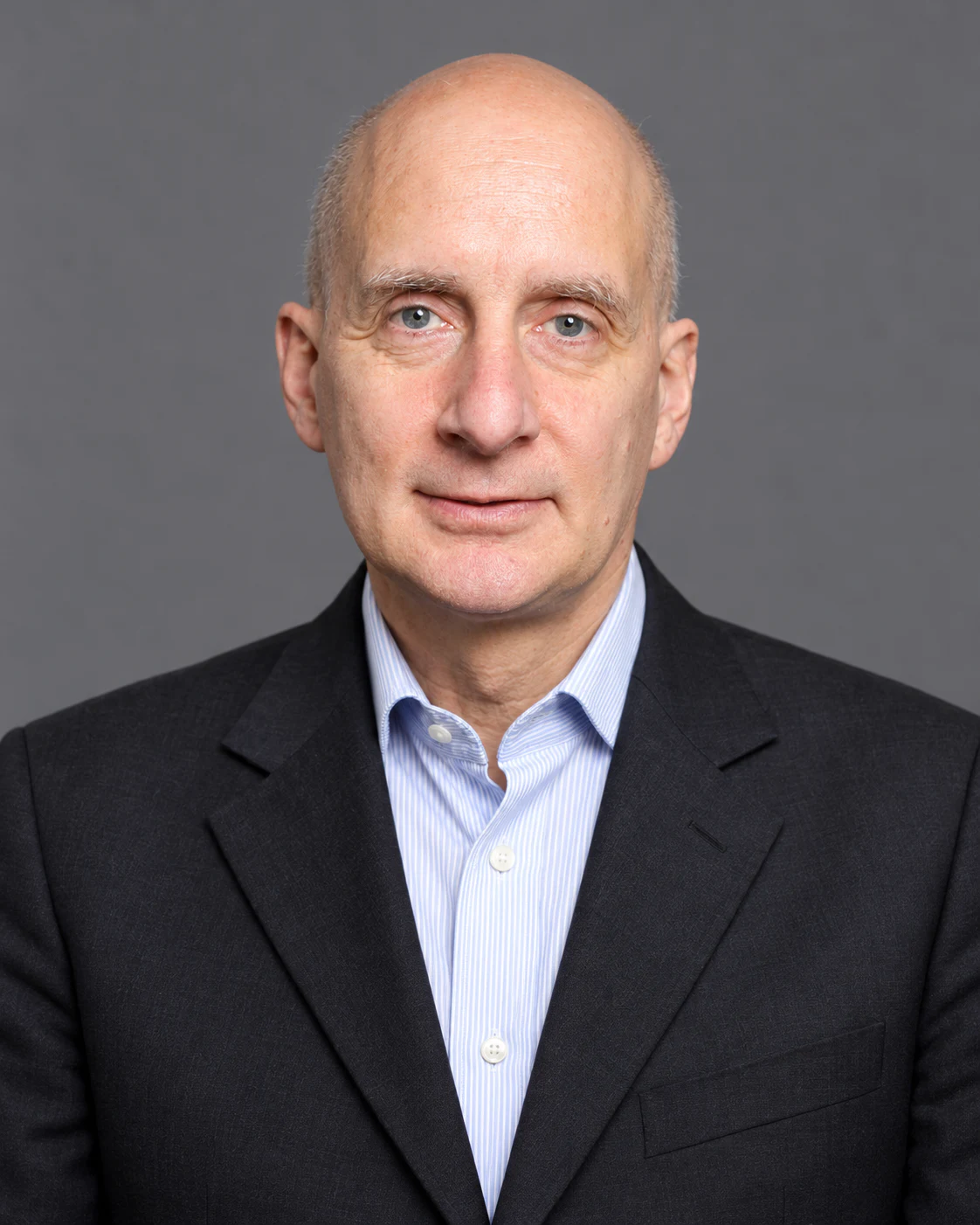
Andrew Adonis
1981
The journalist and politician studied at Keble and later became an Honorary Fellow.
College connection
Degree student and later Honorary Fellow. 1981 cohort.
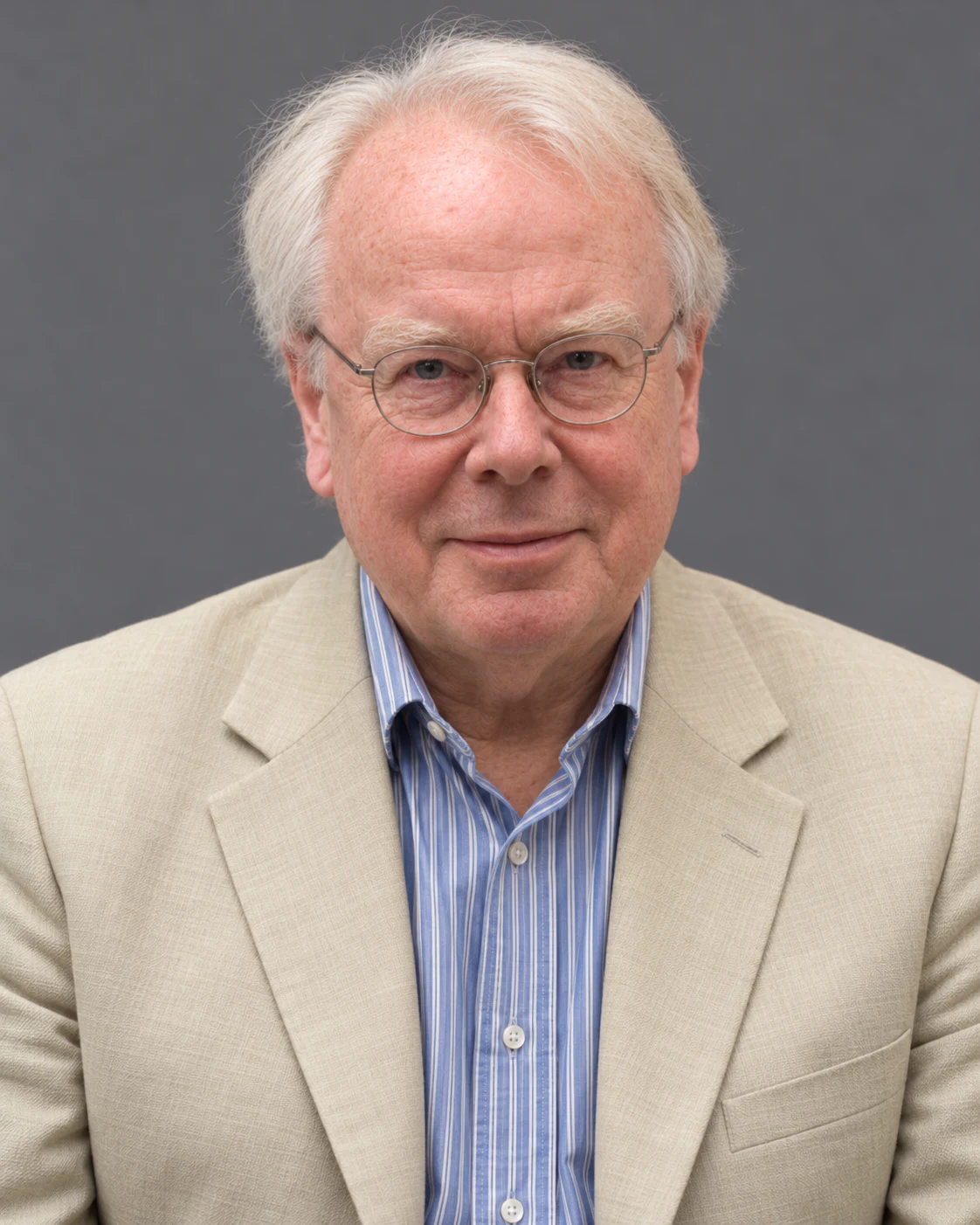
David Owen Norris
1972
The pianist, composer and broadcaster studied at Keble and later became an Honorary Fellow.
College connection
Degree student and later Honorary Fellow. 1972 cohort.
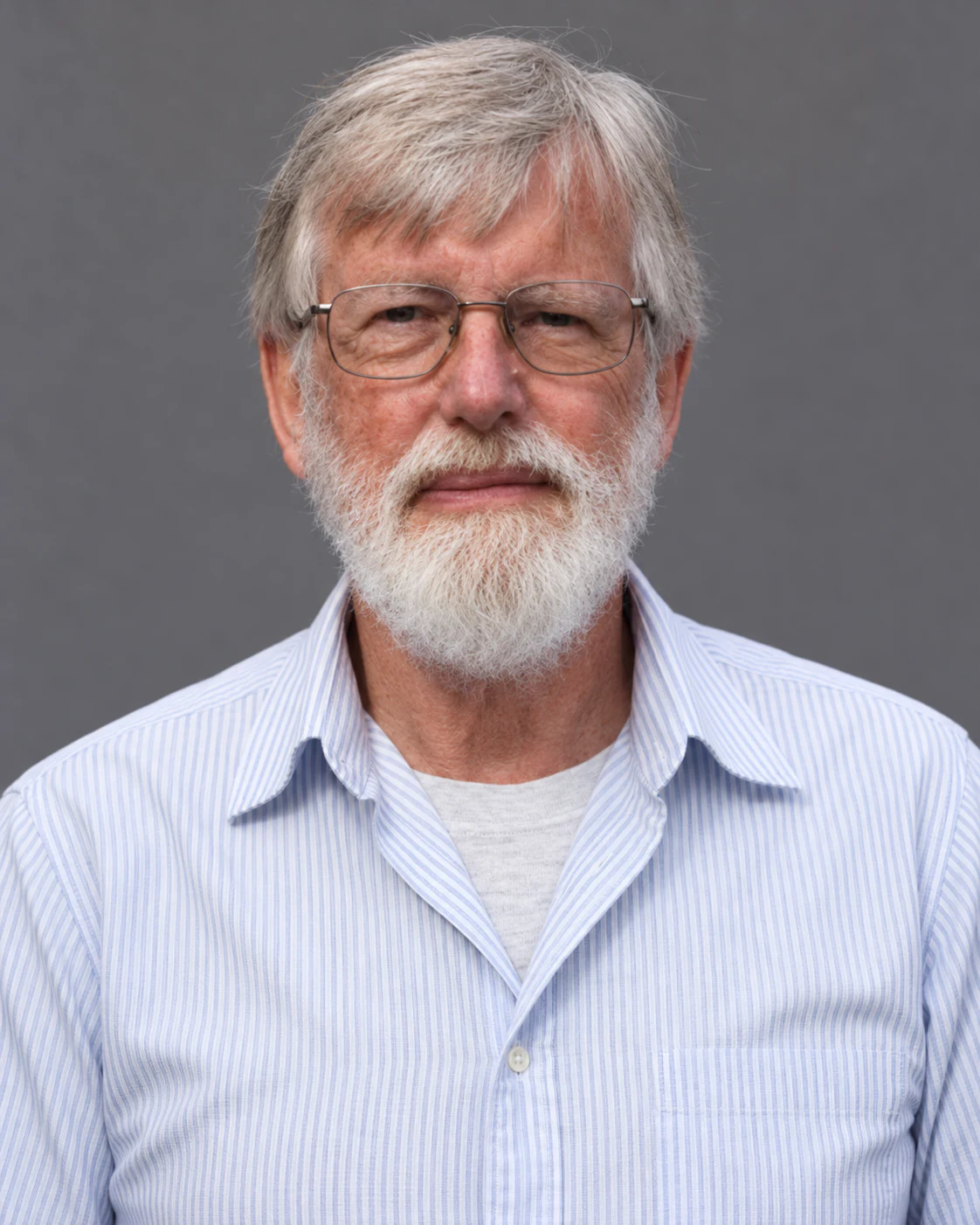
Ghillean Prance
1957
The botanist and ecologist studied at Keble and later became an Honorary Fellow.
College connection
Degree student and later Honorary Fellow. 1957 cohort.
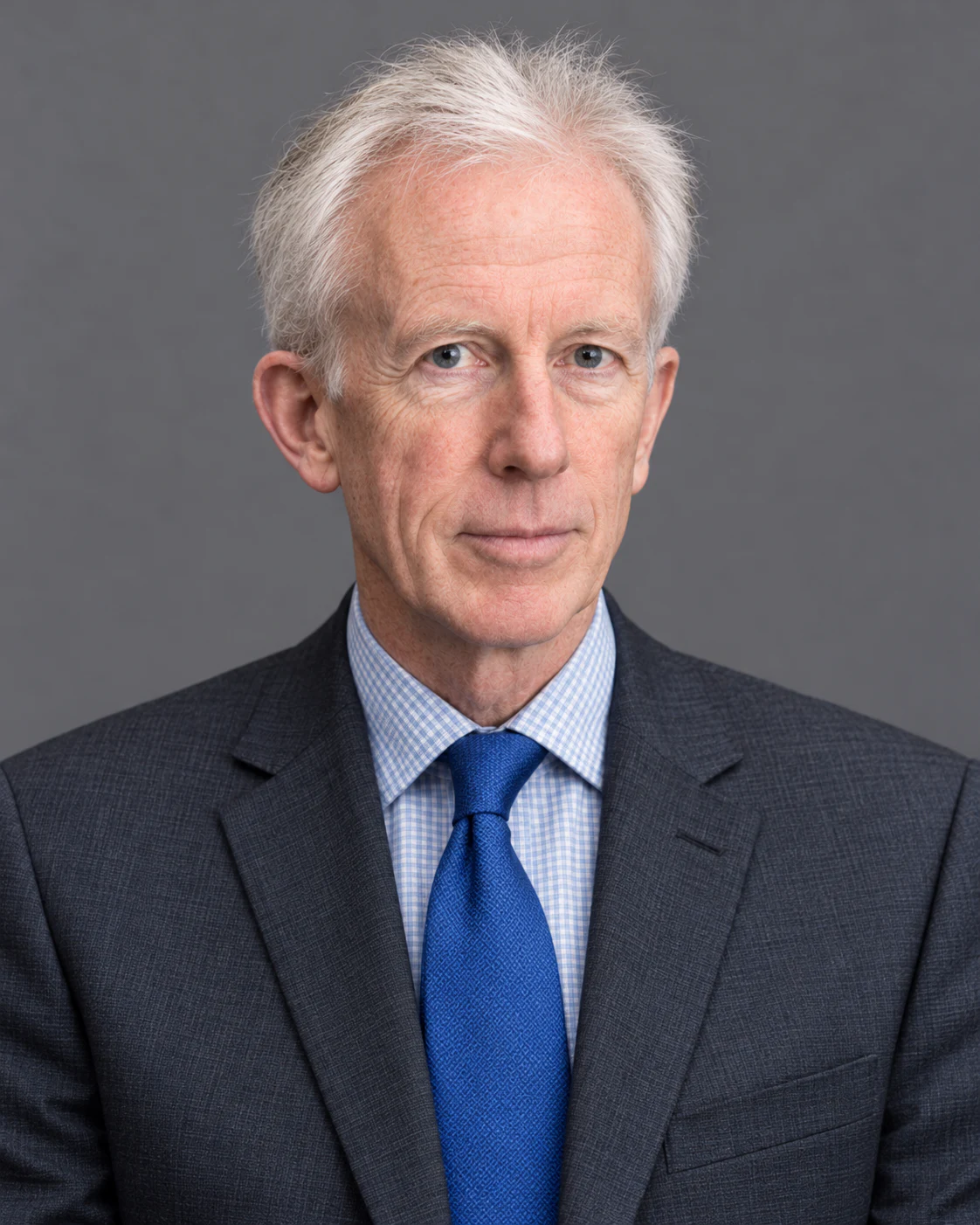
John Bridcut
1971
The music-documentary filmmaker studied at Keble and later became an Honorary Fellow.
College connection
Degree student and later Honorary Fellow. 1971 cohort.
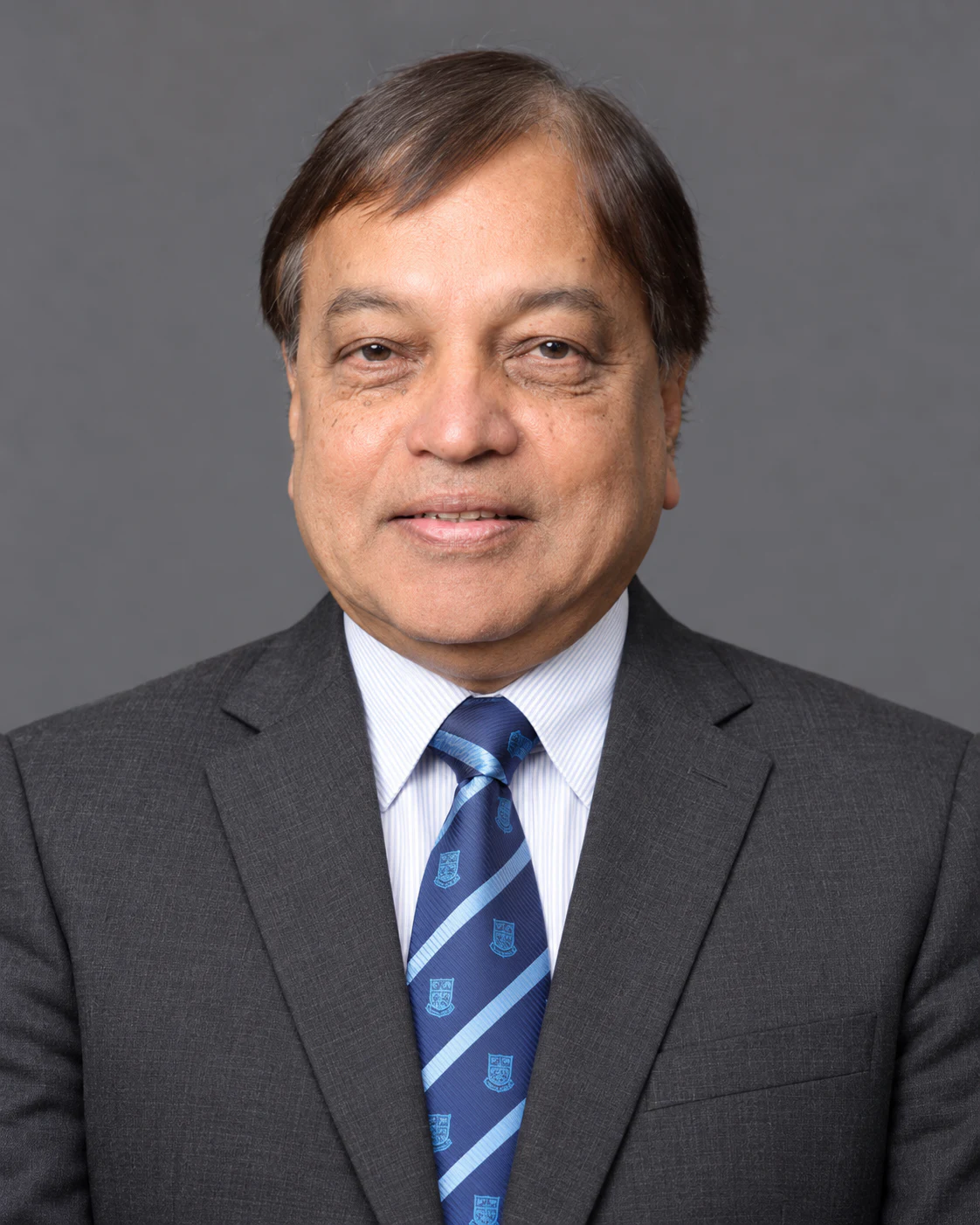
Malik Peiris
1977
The virologist and medical scientist studied at Keble as a graduate student.
College connection
Graduate student and later Honorary Fellow. 1977 cohort.
The story
History & character.
Keble opened in 1870 as a memorial to John Keble, the poet and churchman who died four years earlier. He had studied and taught at Corpus Christi; the college bearing his name was founded after his death. It grew out of the Oxford Movement, which sought to recover the Catholic heritage of the Church of England.
More than 1,300 contributors supported the college’s founding appeal. Its subscription network reached beyond Britain. Keble’s account of its colonial legacy examines those connections, including possible inherited plantation wealth, while distinguishing that from evidence of direct involvement in the slave trade.
The founders wanted students to live economically as well as study together. One early account puts the annual cost of rooms, board and tuition at £81, excluding lighting and personal washing. Shared meals, worship and study were central to the college’s early routine.
Architect William Butterfield gave the new college its striking patterned brickwork. The design attracted strong reactions, including the nickname “holy zebra”. In Liddon Quad, the bands of colour run across the whole court, joining chapel and residential ranges in one bold design.
The chapel follows a parish-church arrangement, with seating facing the altar. Alexander Gibbs’s mosaics and glass fill the interior with biblical scenes. Butterfield favoured the image of Christ in Majesty above the altar, while Henry Liddon had wanted a Crucifixion.
Holman Hunt’s The Light of the World arrived after another disagreement. Martha Combe offered the painting to Keble in 1872, but Butterfield and William Gibbs opposed displaying it in the chapel. It hung in the library from 1878 before J. T. Micklethwaite created the side-chapel setting it occupies today.
Edward Talbot, the first Warden, encouraged science and accepted evolution. He also supported the foundation of Lady Margaret Hall for women. Keble admitted women students in 1979, the year that new buildings by Ahrends, Burton and Koralek opened. Later additions include Rick Mather’s brick-and-glass courts and the H B Allen Centre, a separate postgraduate site on the former Acland Hospital property.
Music has been part of college life since its first year: Lavinia Talbot recorded joining the choir in November 1870. Student societies later supported concerts, opera and organ recitals.
The library’s special collections include John Keble’s own books, around seventy medieval manuscripts, Martin Esslin’s theatre library and Ian Hamilton’s poetry library. Research visits are arranged through the library.
Cressida Cowell read Viking sagas while studying English at Keble; they later helped inspire How to Train Your Dragon. Fellow writer Frank Cottrell-Boyce studied English here too. Anne-Marie Imafidon studied Mathematics and Computer Science before co-founding Stemettes to encourage girls and young women in science and technology.
Look closer
What to see.
Liddon Quad
Butterfield’s red, pale and dark brickwork runs across the whole court, giving Keble its unmistakable appearance.
The chapel
Mosaics and glass by Alexander Gibbs fill the chapel with colour. The seating faces the altar, as in a parish church.
The Light of the World
Holman Hunt’s painting hangs in a side chapel. It first went on display in Keble’s library after its proposed place in the chapel met resistance.
The hall
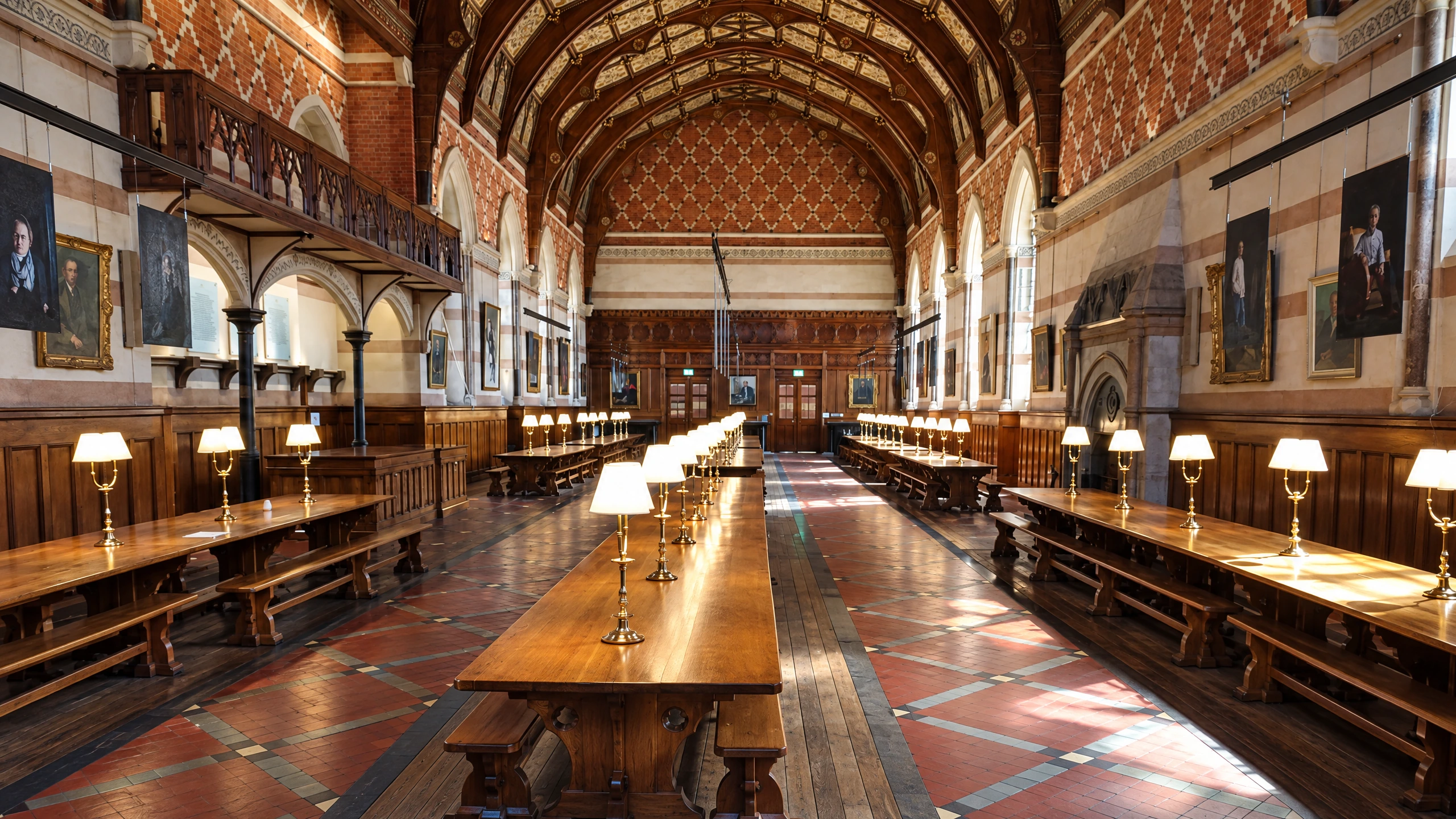
The hall opened in 1878, eight years after the college. It is a working space and is not guaranteed to be open during a visit.
Later architecture
Buildings added from 1979 onwards bring different approaches to brick and glass alongside Butterfield’s Victorian design.
Make it work
Plan your visit.
The main quad and chapel are normally open free to visitors daily from 2pm to 5pm, subject to college events and closures. Small groups are admitted at the Porters’ discretion.
The main entrance is on Parks Road, opposite the University science area. The H B Allen Centre on Banbury Road is a separate postgraduate site. Trained assistance animals are welcome; ordinary pets are not permitted.
The main gate can be opened for step-free access, avoiding the stepped wicket entrance. The college has accessible toilets and hearing support in the Lodge and chapel; a platform lift serves the hall. Disability parking requires advance arrangements.
Visit your way
Access and family planning.
The main gate can be opened for step-free access during the day, avoiding the stepped wicket entrance. Court routes are step free, and a platform lift serves the hall.
The college has accessible toilets and hearing support in the Lodge and chapel. Disability parking is available by advance arrangement; the separate H B Allen Centre has its own facilities.
The patterned brickwork around Liddon Quad and the colourful chapel make an appealing short visit. The daytime entrance can be step free for pushchairs, and the Natural History Museum is just across Parks Road.
Self-guided walk
A walk from Keble College
A 60–75 minute walk around Keble and the museum quarter returns to the college’s Parks Road entrance.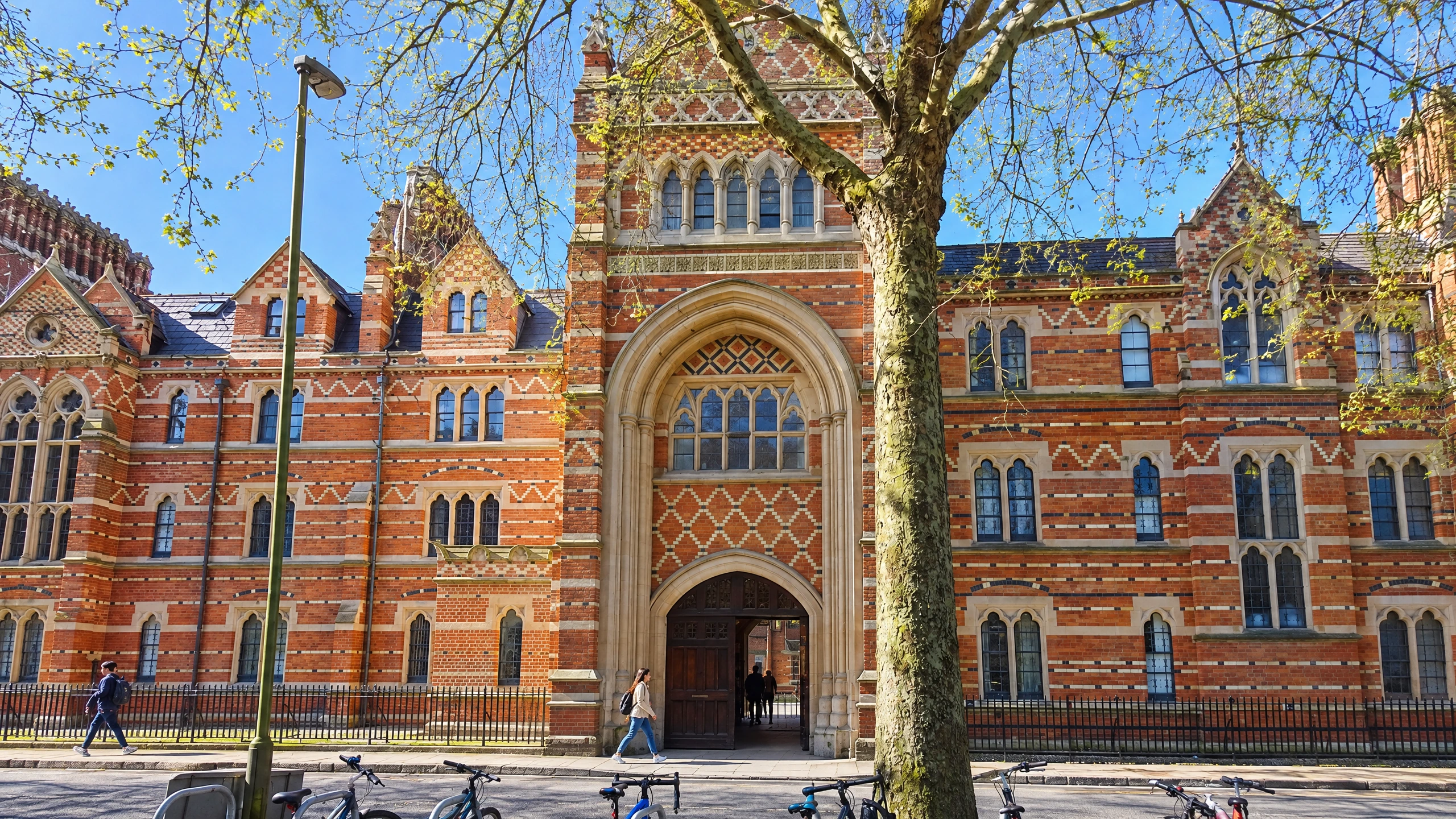
5 min
The college entrance
Keble’s patterned brick frontage faces Parks Road. The main quad and chapel normally open to visitors in the afternoon.
10 min
Parks Road museums
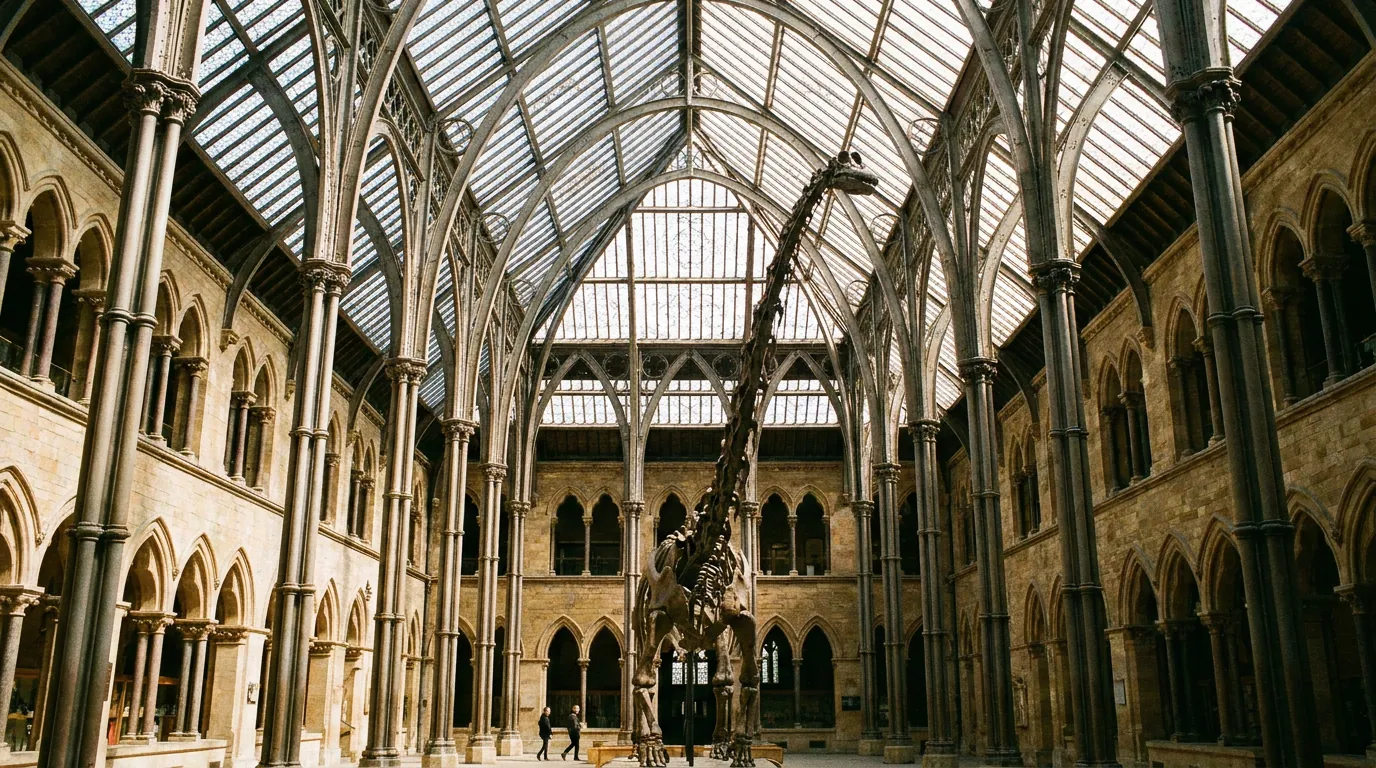
Opposite the college, the Natural History Museum leads through to the Pitt Rivers Museum.
10 min
Museum Road
Museum Road runs west from Parks Road along the edge of the university’s science area.
10 min
Keble Road return
Blackhall Road and Keble Road bring the walk back towards the college’s brick buildings.
Optional refreshments
Cafés in and around the museum quarter make a convenient stop.
See it
In pictures.
10 views, full screen. Tap any one to open the viewer.Around here
Make more of the area.
Across Parks Road, the museum brings together natural history collections beneath a glass roof.
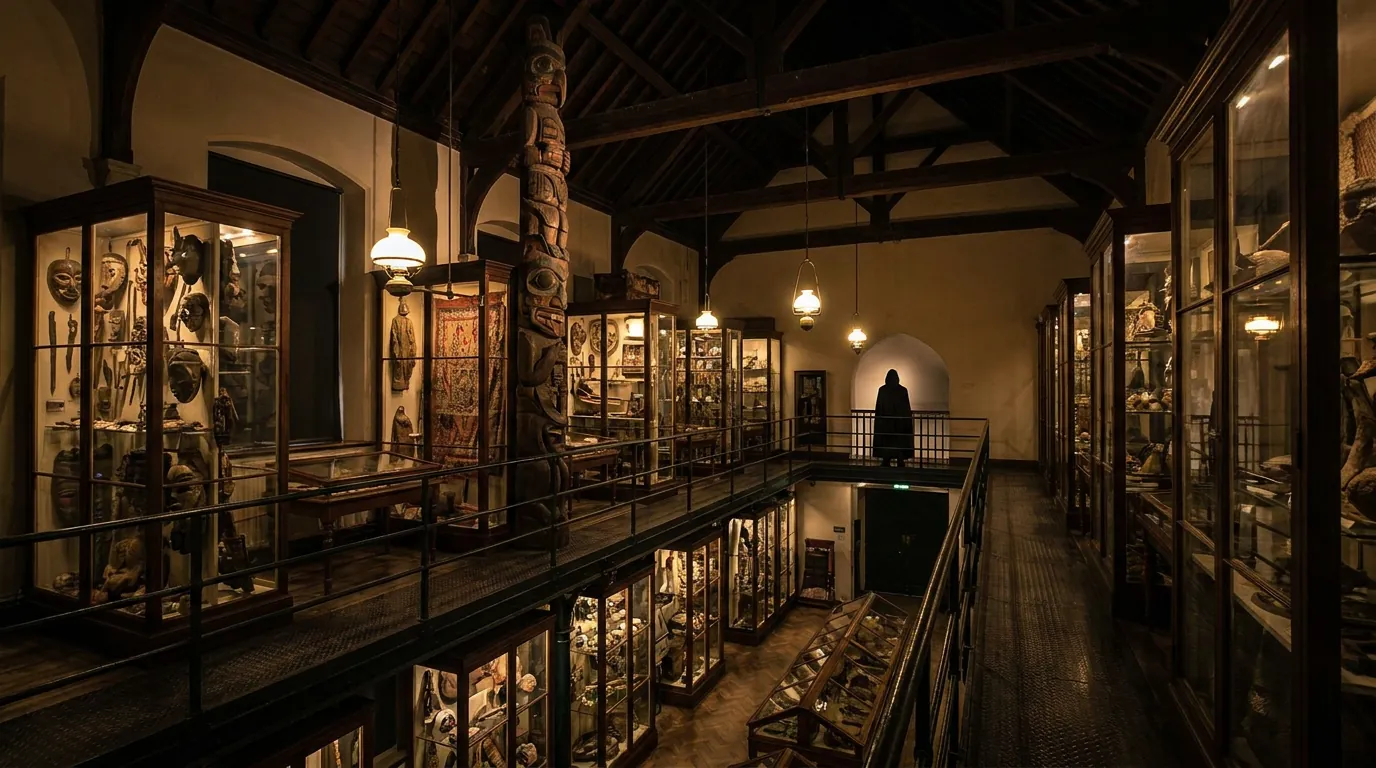
Enter through the Natural History Museum to explore collections from around the world.

The paths and open lawns of University Parks lie just north of the college.
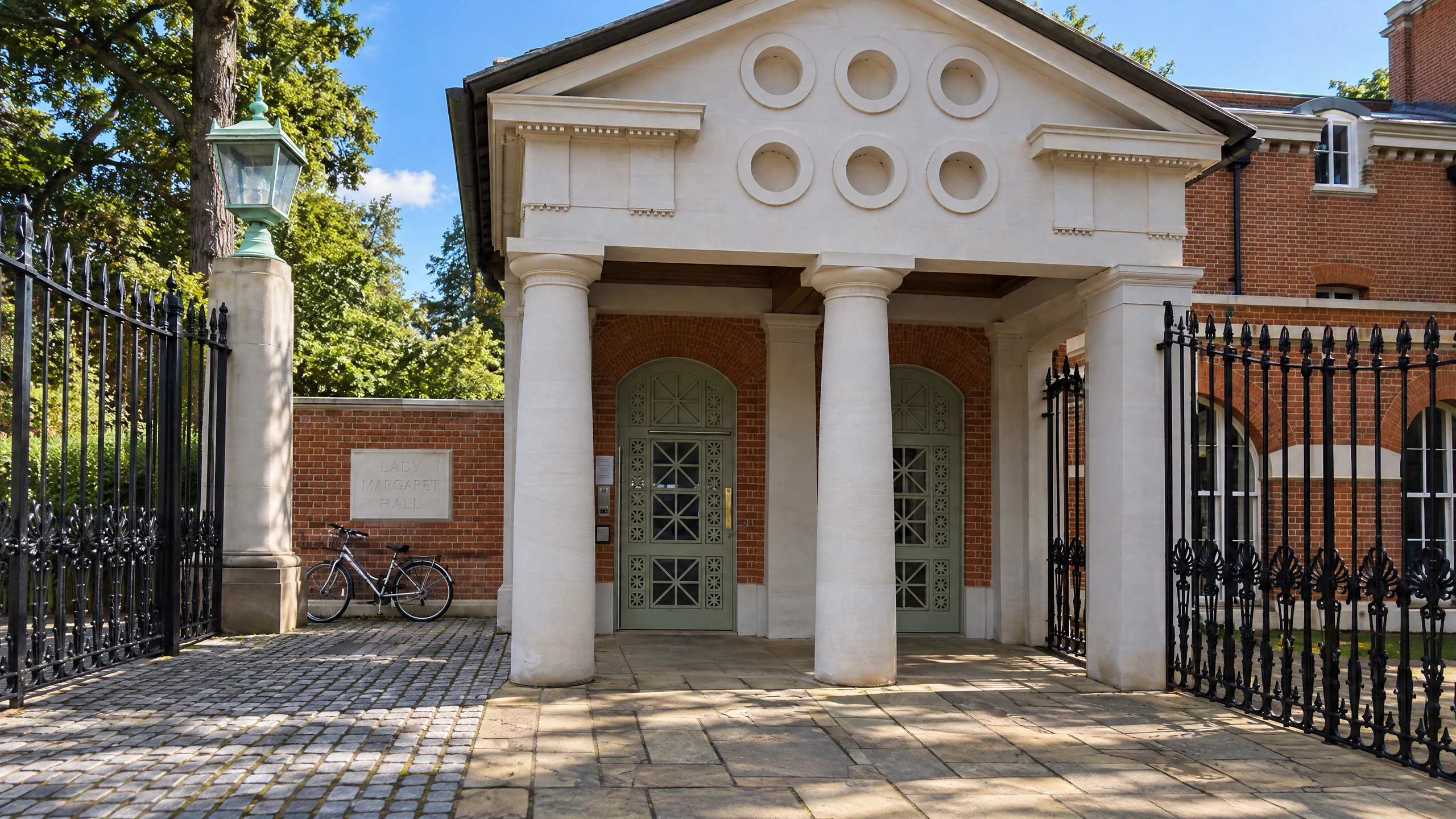
Keble’s first Warden supported the foundation of this college for women. It lies north of Keble, with its own visitor arrangements.
Good to know
Questions, answered.
When is Keble College Oxford open to visitors?
The main quad and chapel normally open free from 2pm to 5pm daily. College events and closures can affect those hours.
Can visitors see The Light of the World at Keble College?
Yes. William Holman Hunt’s painting hangs in the side chapel, reached through the door on the right before the choir stalls. The side chapel is not wheelchair accessible.
Are dogs allowed at Keble College Oxford?
Small groups are admitted at the Porters’ discretion. Trained assistance animals are permitted, but ordinary pet dogs are not allowed for visitors.
Is Keble College Oxford wheelchair accessible?
The main gate can be opened for step-free access, avoiding the stepped wicket entrance. The side chapel containing The Light of the World is not wheelchair accessible.
Can tourists continue from Keble’s main quad into the H B Allen Centre?
No. The H B Allen Centre is a separate postgraduate site on Banbury Road. Its accommodation and research facilities have their own access arrangements.
Why does Keble use so much patterned brick?
Architect William Butterfield used red, pale and dark brick to create bold patterns across the college. Liddon Quad shows the effect across an entire court.
Why was Keble College founded after John Keble’s death?
Keble opened in 1870 as a memorial to John Keble, who had died in 1866. The poet and churchman had studied and taught at Corpus Christi.
Was Keble College financed by a single founder?
No. More than 1,300 people contributed to the founding appeal. Support came through Anglican networks in Britain and further afield as the college took shape.
How does Keble address the colonial context of its early funding?
Keble’s account examines its funding within colonial and imperial networks, including possible inherited plantation wealth. It distinguishes this from evidence of direct involvement in slave trading.
How did Keble’s first Warden support women’s Oxford education?
Edward Talbot supported the foundation of Lady Margaret Hall for women. Keble itself admitted women students much later, in 1979.
Why does Keble’s Chapel seating face the altar?
Butterfield arranged the seats facing the altar, as in a parish church. Many older collegiate chapels instead have rows facing inwards across the room.
Who made Keble Chapel’s mosaics?
Alexander Gibbs made the chapel’s mosaics, which include scenes from the Old and New Testaments. Christ in Majesty appears above the altar.
How did The Light of the World find its place in Keble?
Martha Combe offered the painting in 1872. It first hung in the library, then moved to a side chapel designed by J. T. Micklethwaite.
Is Keble’s The Light of the World the same painting as the one at St Paul’s?
No. Keble holds an earlier version of Holman Hunt’s painting. The version at St Paul’s Cathedral is a later, larger work.
How did Keble help inspire Cressida Cowell’s How to Train Your Dragon?
While studying English at Keble, Cowell began reading Viking sagas. Those stories later helped inspire her How to Train Your Dragon books.
How did Anne-Marie Imafidon’s Keble studies lead into her STEM work?
Imafidon studied Mathematics and Computer Science at Keble. In 2013 she co-founded Stemettes to encourage girls and young women in science and technology.
How can Keble hold medieval manuscripts if it was founded in 1870?
The library acquired older works after the college was founded. Its collections include around seventy medieval manuscripts alongside early printed books and modern literary collections.
How did Keble’s admission of women coincide with architectural change?
Keble admitted women students in 1979. During the same decade it expanded with buildings by Ahrends, Burton and Koralek: De Breyne Quad was completed in 1972 and the Hayward buildings in 1976.
Did Imran Khan study at Keble College Oxford?
Imran Khan studied at Keble before becoming an Honorary Fellow. His later career included international cricket and politics in Pakistan.
Why does Keble have an H B Allen Centre away from its main quad?
The H B Allen Centre occupies the former Acland Hospital site on Banbury Road. It provides postgraduate accommodation, social facilities and research space separately from the main college.
Editorial notes
Sources and further reading.
Sources for this guide
Research date: 1 November 2026. Inline links accompany claims. Source status distinguishes full material read from retained partial leads and carried-forward coordinate metadata.
H — Keble history
- URL: https://www.keble.ox.ac.uk/about/history/
- Status: read
- Supports: 1870 foundation, purpose, Butterfield, Talbot, women, later buildings and HB Allen Centre.
V — Visiting Keble
- URL: https://www.keble.ox.ac.uk/visiting-keble/
- Status: read
- Supports: Daily 2–5pm visiting, group discretion, dogs, closure notices and addresses.
B — Keble architectural history
- URL: https://heritage.keble.ox.ac.uk/brief-history-of-keble-college/
- Status: read
- Supports: Chapel orientation, mosaics, Light of the World dispute, Library and Hall opening 1878.
P — Keble honorary fellows with student years
- URL: https://www.keble.ox.ac.uk/wp-content/uploads/hon-fellows.pdf
- Status: read
- Supports: Separately identifies Keble matriculation cohorts and non-student honorary appointments.
C — Keble and colonial legacy
- URL: https://heritage.keble.ox.ac.uk/history-features/keble-and-the-colonial-legacy/
- Status: retained-partial
- Supports: Public subscriptions, overseas donors and qualified findings about slavery-linked wealth.
S — Keble student life
- URL: https://heritage.keble.ox.ac.uk/history-features/student-life/
- Status: retained-partial
- Supports: Early costs and austere communal routines; war impact.
M — Keble societies
- URL: https://heritage.keble.ox.ac.uk/history-features/college-societies/
- Status: retained-partial
- Supports: Early music, concerts and later performance history.
L — Library and Archives
- URL: https://www.keble.ox.ac.uk/about/library-archives/
- Status: retained-partial
- Supports: John Keble library, medieval manuscripts and modern literary collections.
Q — The Light of the World
- URL: https://www.keble.ox.ac.uk/about/chapel/light-of-the-world/
- Status: retained-partial
- Supports: Hunt painting and Chapel setting.
A — University physical access guide
- URL: https://www.ox.ac.uk/about/how-we-are-run/equality-diversity/access-guide/colleges/keble
- Status: read
- Supports: Retained full physical site survey: entrances, thresholds, ramps, lifts, toilets, parking and hearing support. Not a website-accessibility statement.
U — University college visiting directory
- URL: https://www.ox.ac.uk/about/visit-us/visiting-colleges
- Status: read
- Supports: Public access summary; college pages take precedence where explicitly conflicting.
G — Fresh college coordinate reference
- URL: https://en.wikipedia.org/wiki/Keble_College,_Oxford
- Status: read
- Supports: Numeric WGS84 college coordinates read directly from Wikipedia on 1 November 2026. Campus pin, not a surveyed visitor or accessible entrance.
Conflict ledger
The official history dates the H B Allen Centre opening to 2018, while the physical guide describes construction in 2019 and mislocates the second site in one summary; use the college visitor address at 25 Banbury Road. August closure notices omit a year. Never list John Keble as a Keble student or infer student status from the honorary-fellow title alone.
Editorial calculations
Walking times, recommended visit durations, comparisons and scores are editorial judgements. No pin is an accessible-entrance certification; no unlisted ticket is described as available.
1 November 2026 editorial audit: additional primary references
- AUDIT-A-01 Cowell Viking sagas/Dragon inspiration; Cottrell-Boyce English study and Millions; Imafidon maths/computer science and Stemettes. — read.
Alumni and editorial review — 1 November 2026
- April2026record gives explicit Keble student cohorts as well as separate fellow-only entries; Cowell1985,CottrellBoyce1979,Imafidon2006. — read.
- Cowell Viking sagas/Dragon inspiration; Cottrell-Boyce English study and Millions; Imafidon maths/computer science and Stemettes. — read.
Alumni and editorial review —1November2026
- April2026record gives explicit Keble student cohorts as well as separate fellow-only entries; Cowell1985,CottrellBoyce1979,Imafidon2006. — read.
- Cowell Viking sagas/Dragon inspiration; Cottrell-Boyce English study and Millions; Imafidon maths/computer science and Stemettes. — read.
Further reading and sources
Opening hours, prices, programmes and access arrangements can change. Confirm critical details with the venue.
Keep exploring