North · Founded 1878
Lady Margaret Hall
Explore riverside gardens and the story of the women who opened the way to an Oxford education.
- Founded
- 1878
- Location
- Norham Gardens
- Visiting
- Public visiting hours
- Institution
- College
01 The experience
What to expect.
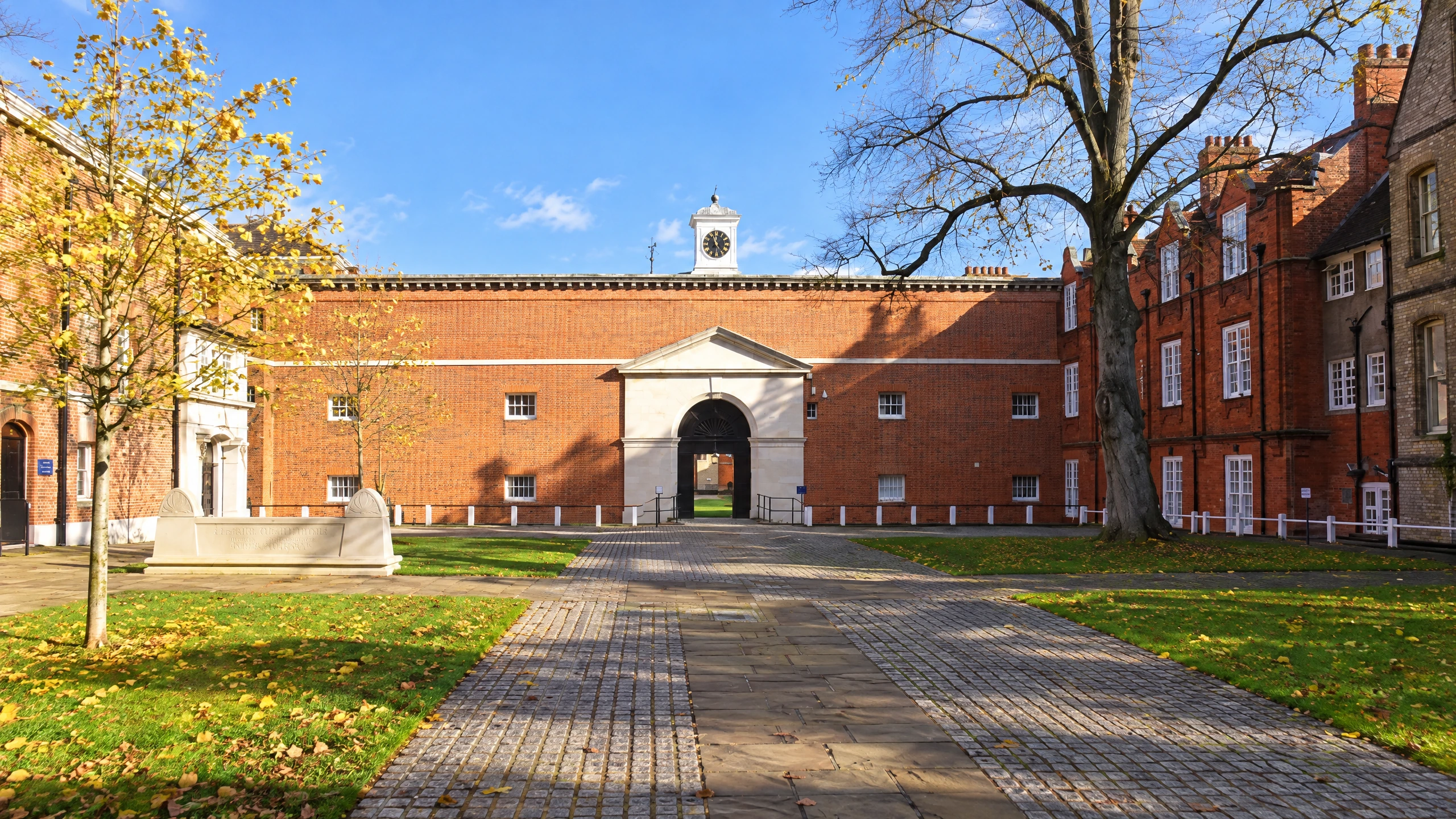
Lady Margaret Hall began with nine women in 1879, at a time when Oxford would let them study but not receive degrees. Today its buildings and gardens reach the River Cherwell in a leafy corner of North Oxford, with thirteen acres of formal planting, meadow and riverbank.
The college was established after Edward and Lavinia Talbot and other supporters met at Keble in 1878. Its first Principal, Elizabeth Wordsworth, named it for Lady Margaret Beaufort, a patron of learning. Gertrude Bell and Eglantyne Jebb were among its early students: Bell gained a First in History before women could graduate at Oxford, while Jebb later founded Save the Children.
Women gained full university membership and the right to Oxford degrees in 1920. A century after LMH’s first students arrived, the college admitted men too. Later former students include Benazir Bhutto, Malala Yousafzai, Nigella Lawson and Marina Warner.
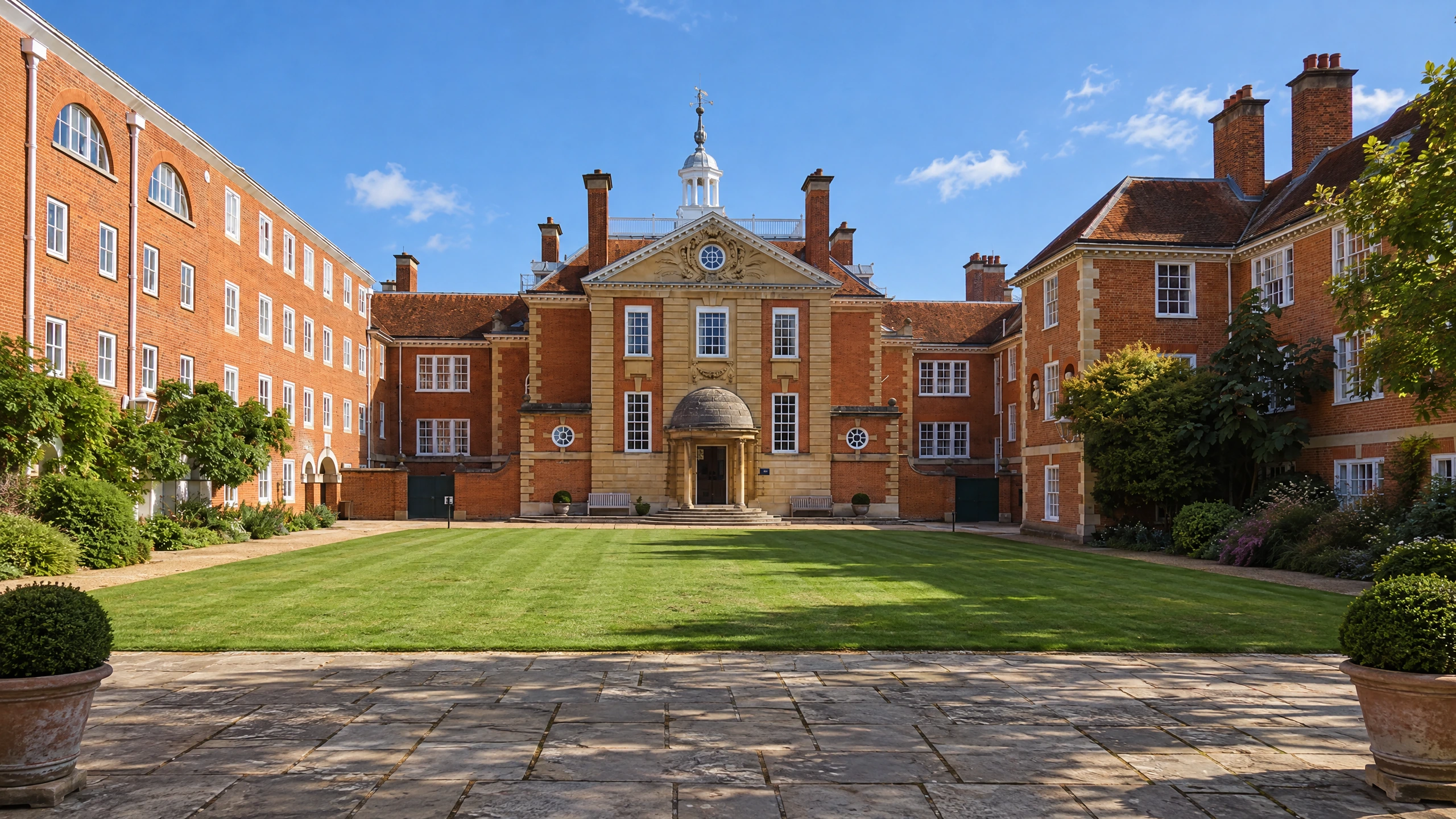
The buildings grew with the college. Architect Reginald Blomfield contributed to the early expansion; Giles Gilbert Scott designed the Deneke wing and the Byzantine-style chapel, consecrated in 1933. The gardens offer a different side of LMH, with borders giving way to meadow and the river.
Visiting is normally free from 10am to 5pm daily, subject to college events. The rooms and gardens available can vary; the chapel, alumni gallery and library exhibitions may have separate arrangements. The entrance is on Norham Gardens, about fifteen minutes on foot from the city centre.
People and ideas
Famous former students
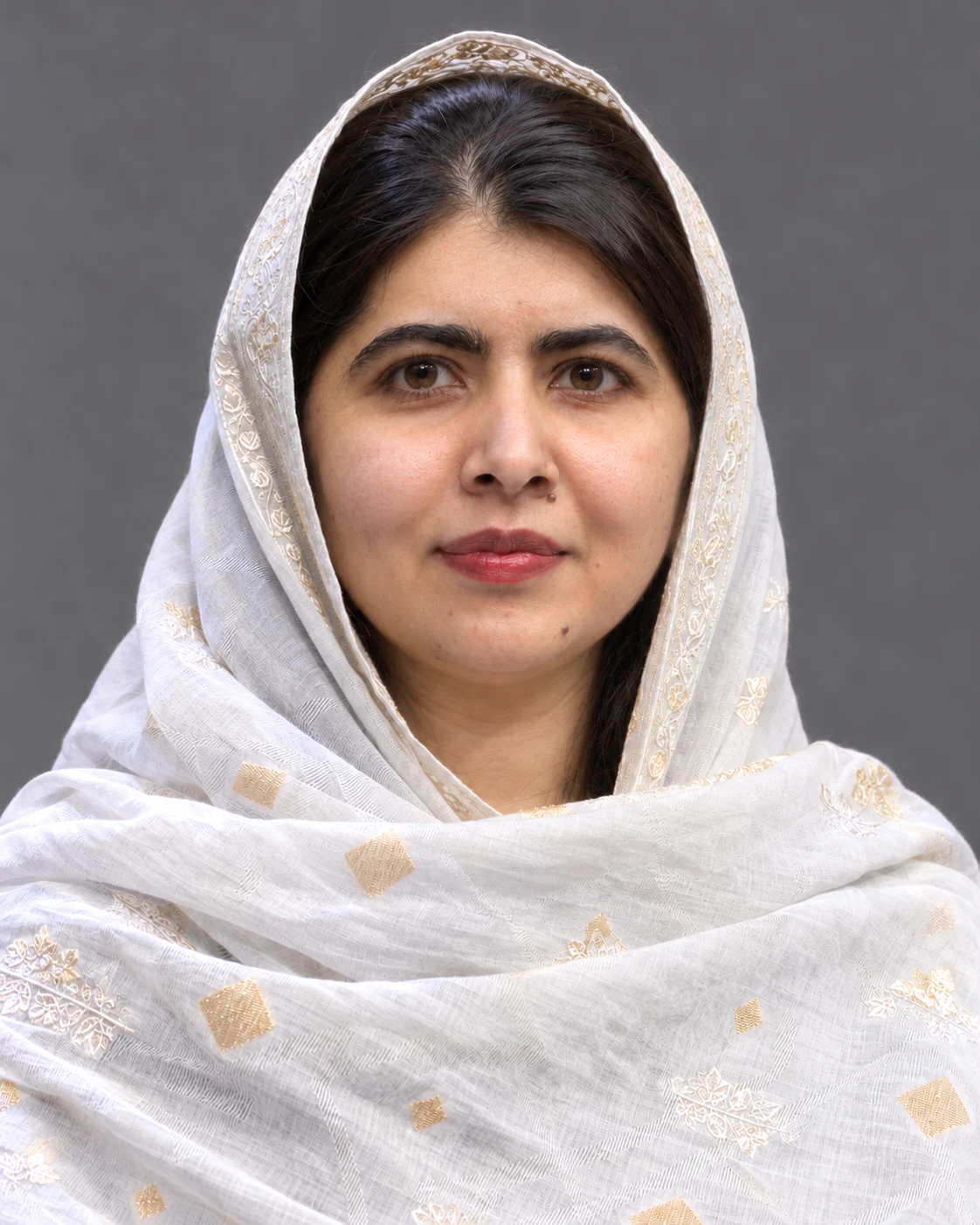
Malala Yousafzai
The Nobel Peace Prize recipient and girls’ education campaigner studied Philosophy, Politics and Economics at LMH.
College connection
PPE degree student.
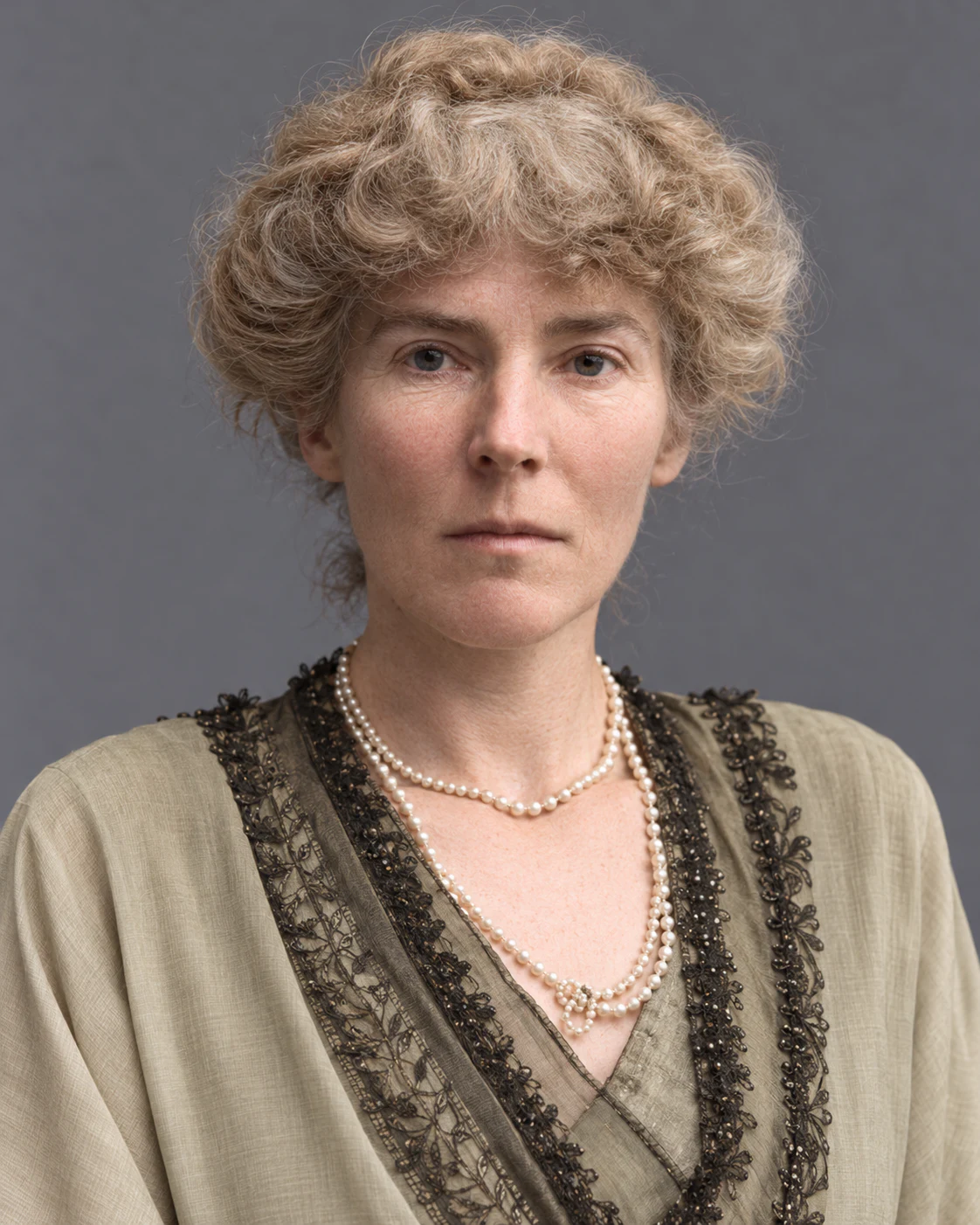
Gertrude Bell
1886
The traveller, archaeologist and political adviser gained a First in History in 1888, before Oxford awarded women degrees.
College connection
History student before women could receive Oxford degrees. Arrived 1886; First in History 1888.
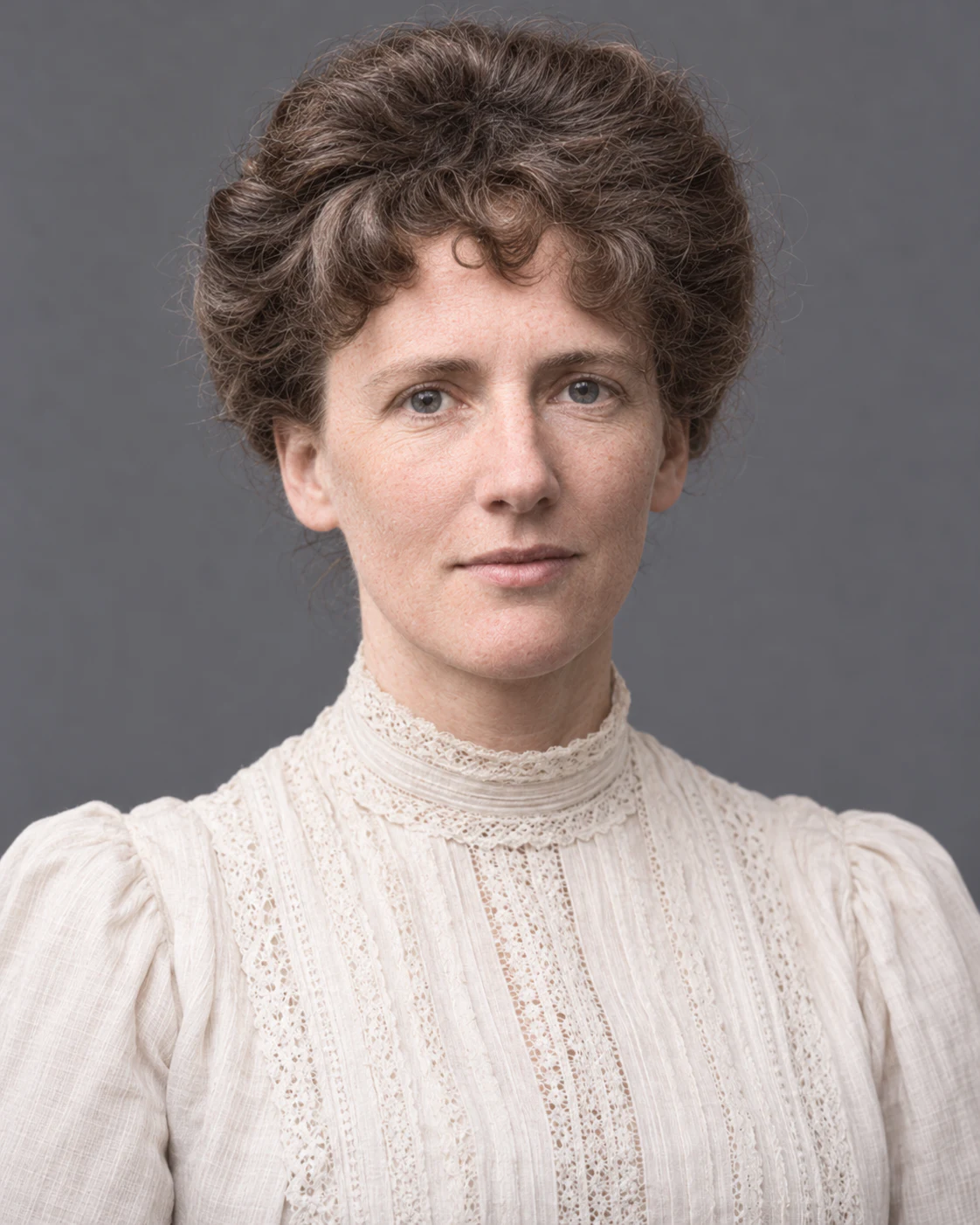
Eglantyne Jebb
1895–1898
The founder of Save the Children studied History at LMH and later drafted the Children’s Charter adopted in 1924.
College connection
History student before women could receive Oxford degrees. 1895–1898.

Benazir Bhutto
1973
The future prime minister of Pakistan arrived at LMH in 1973 to study Philosophy, Politics and Economics.
College connection
PPE degree student. Arrived 1973.
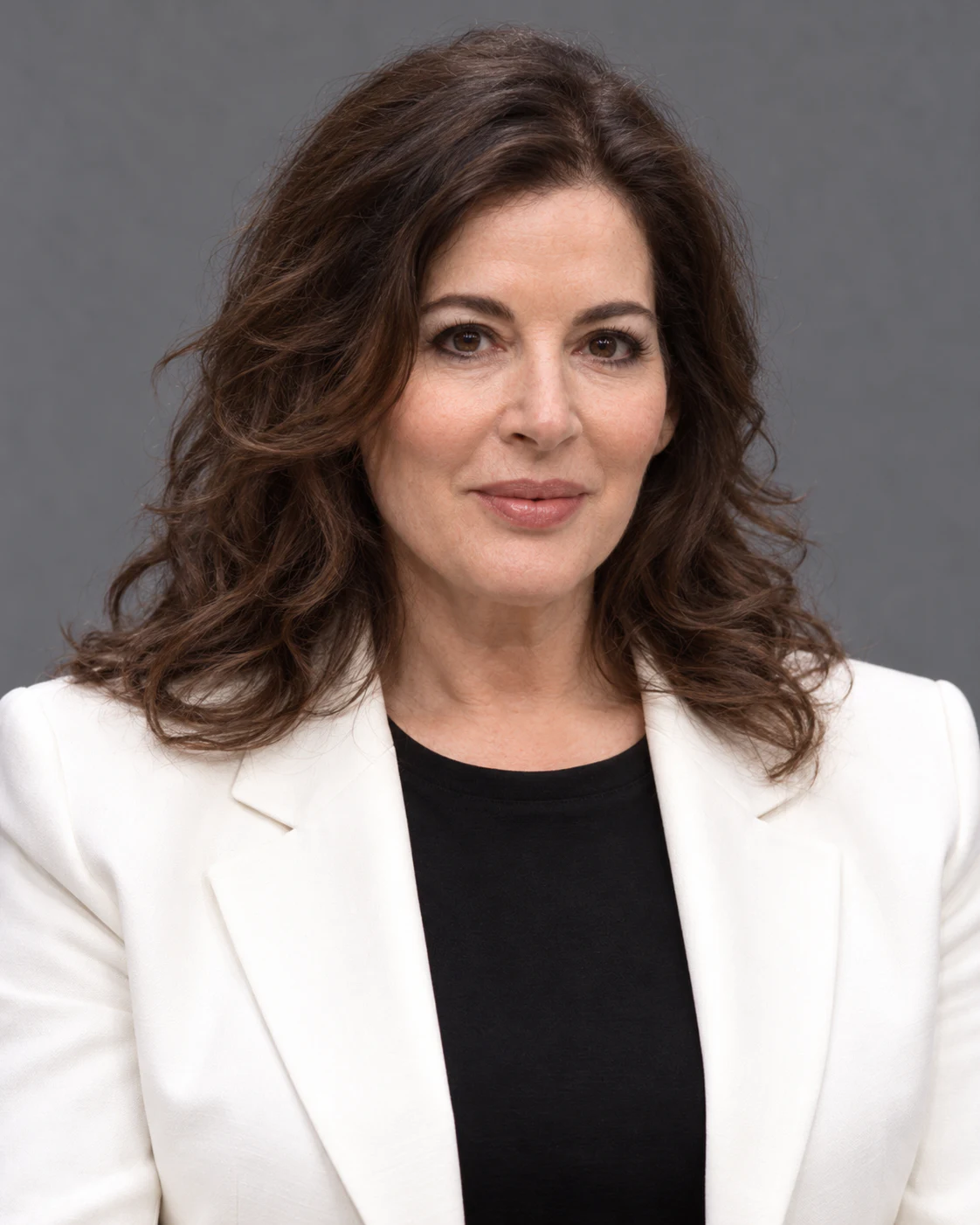
Nigella Lawson
The food writer and broadcaster studied Modern Languages at LMH.
College connection
Modern Languages degree student.
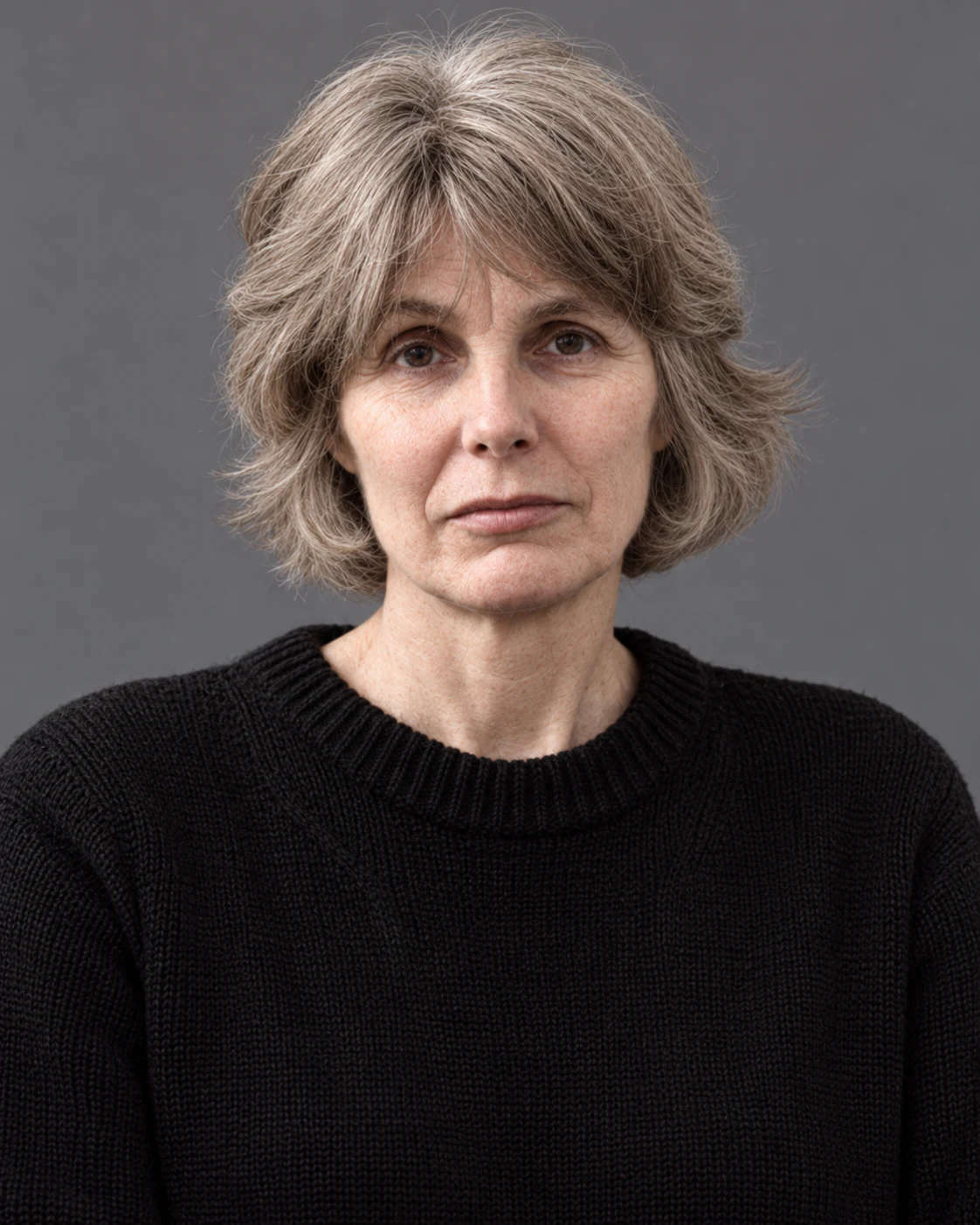
Caryl Churchill
1957
The playwright entered LMH to study English in 1957.
College connection
English student from 1957.
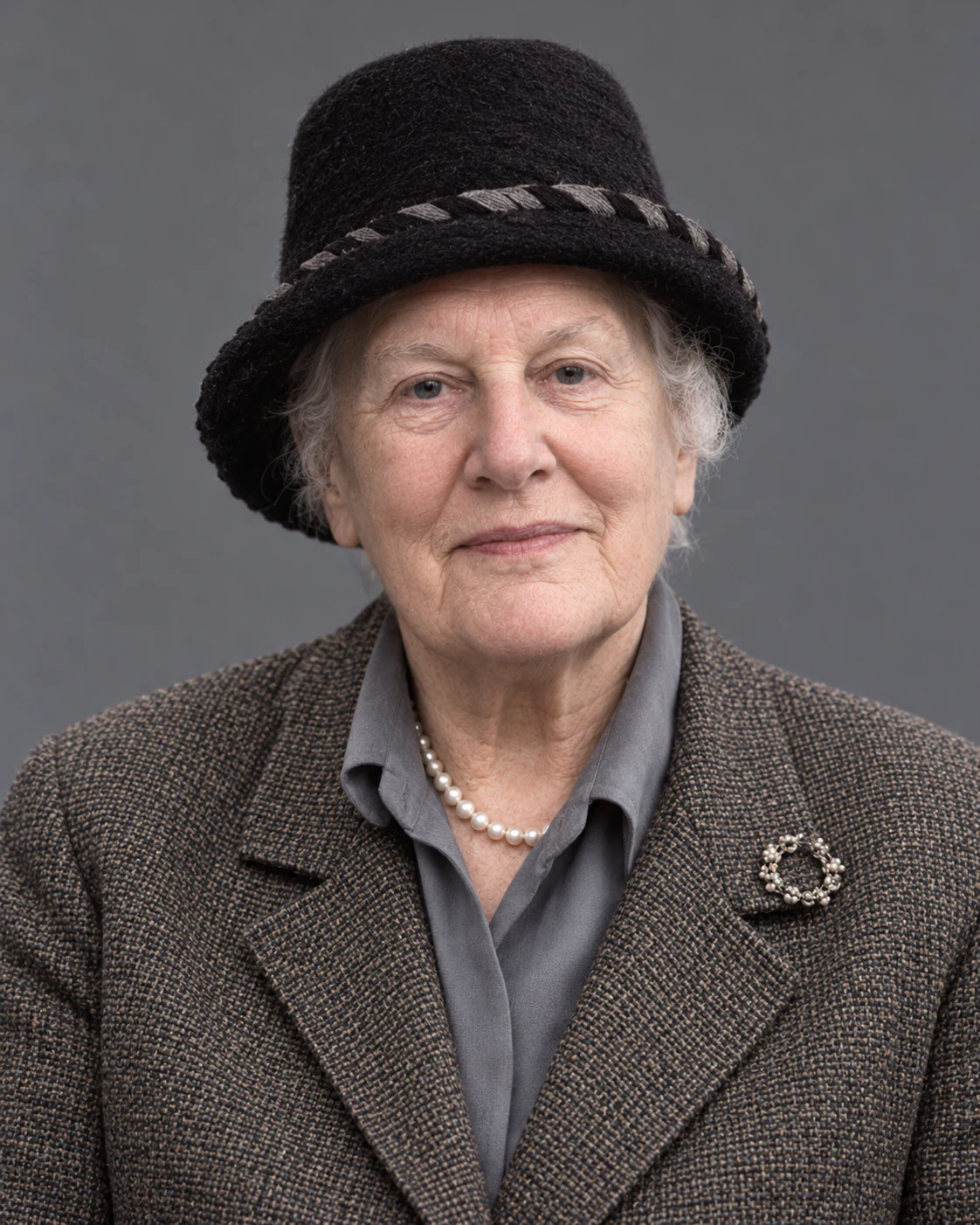
Diana Athill
1936
The writer and literary editor studied English at LMH from 1936.
College connection
English student from 1936.
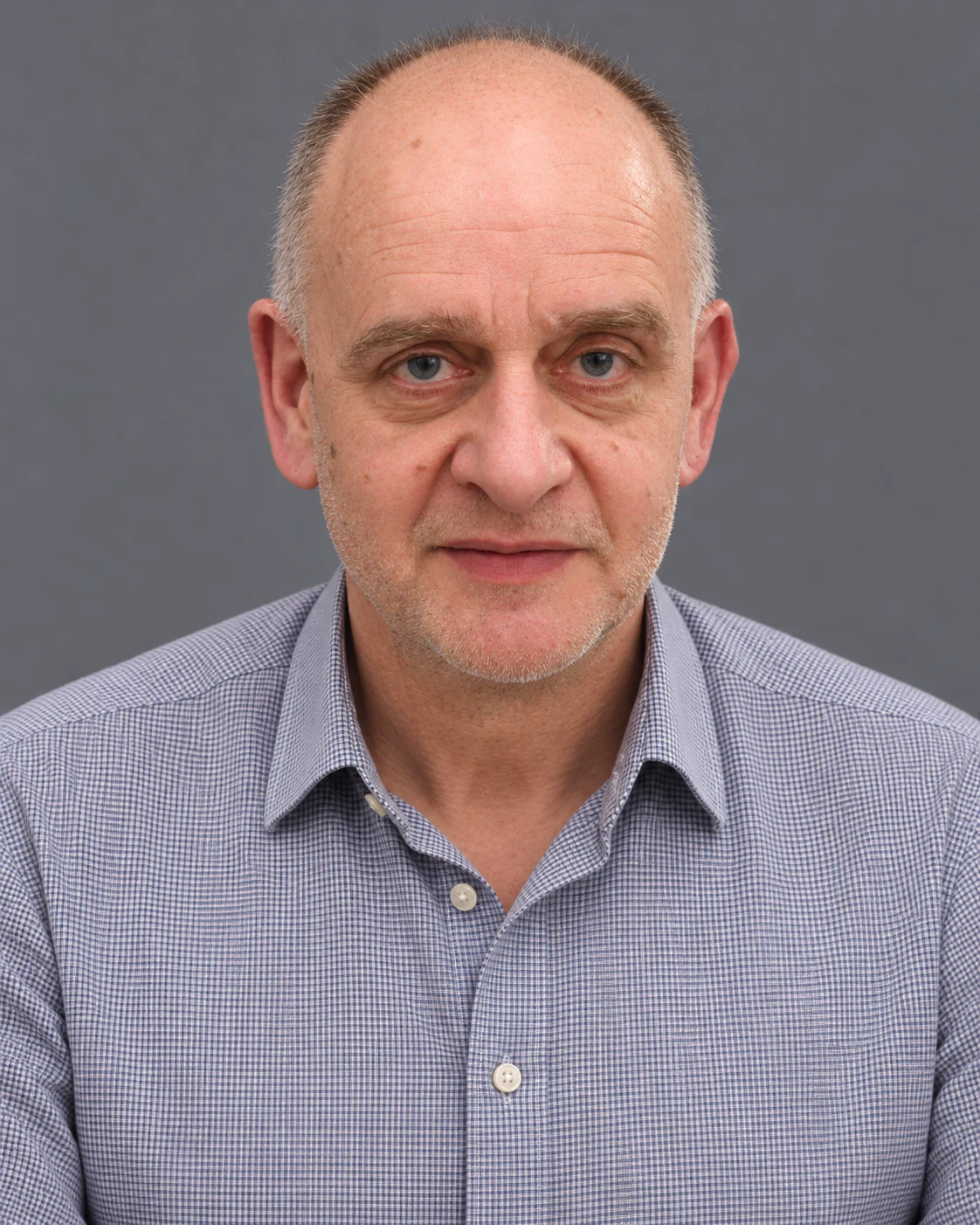
Julian Nott
1980
The film composer associated with Wallace and Gromit studied at LMH from 1980.
College connection
PPE student from 1980.
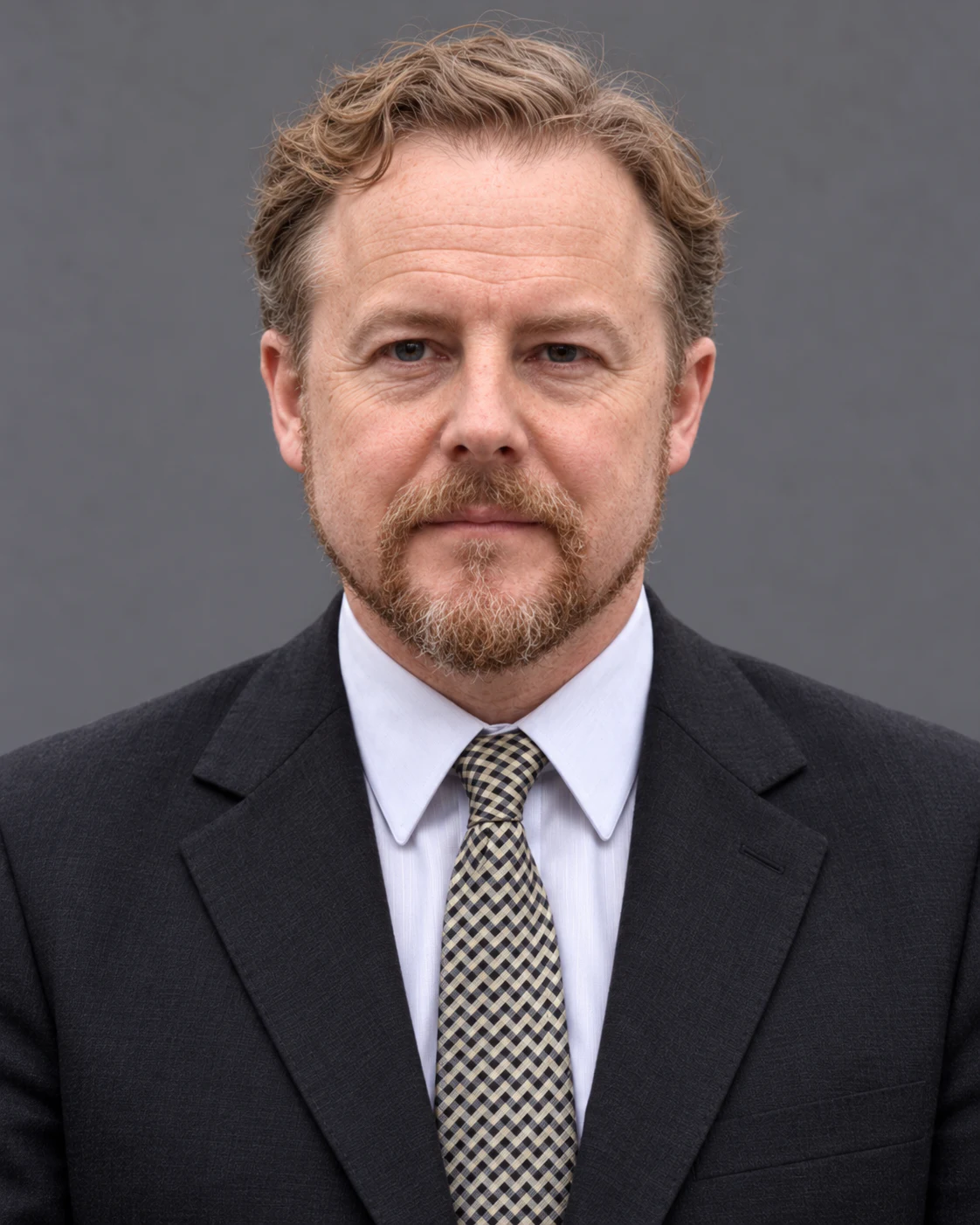
Samuel West
1985
The actor and director studied English at LMH from 1985.
College connection
English student from 1985.
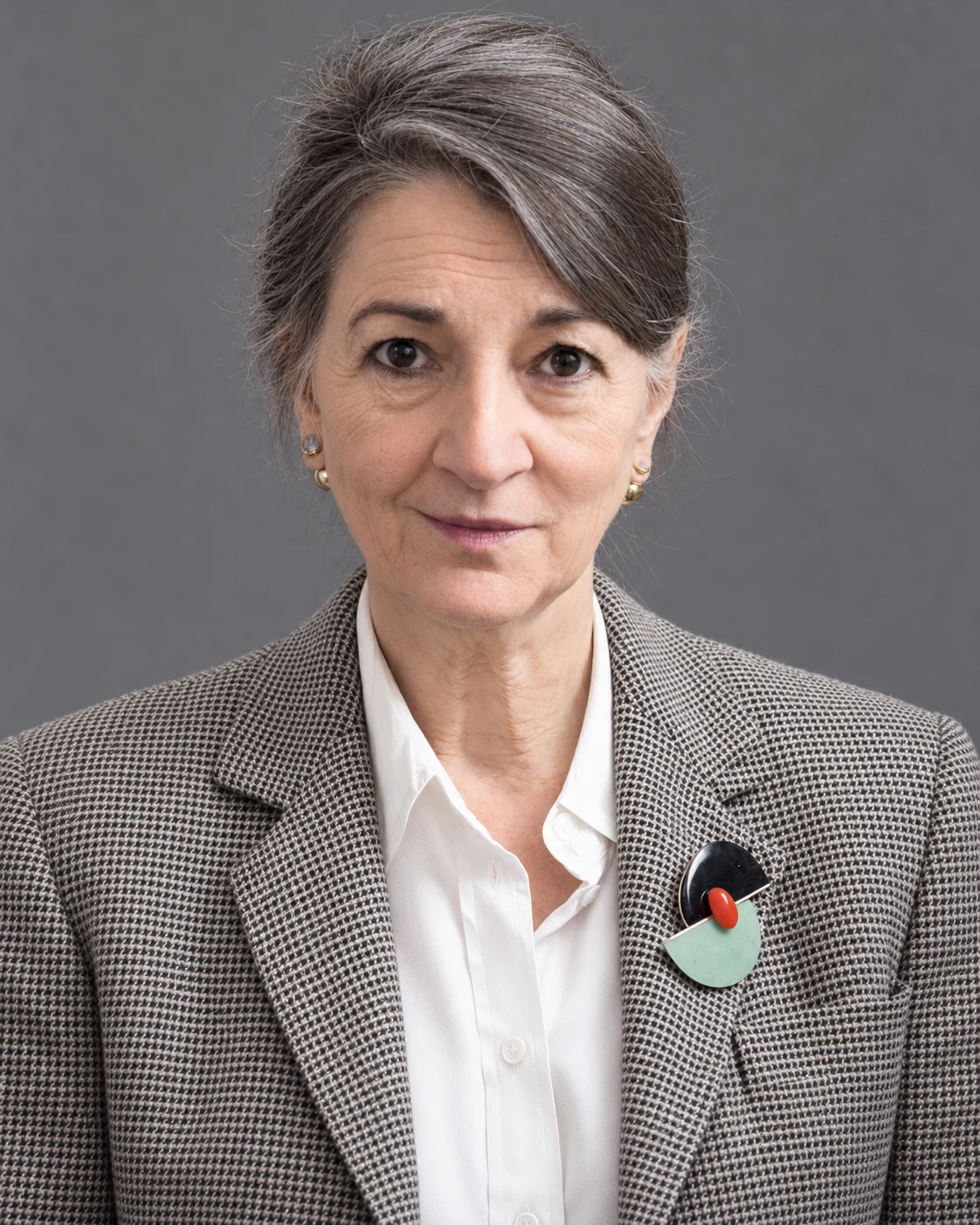
Marina Warner
The novelist, historian and mythographer studied Modern Languages at LMH.
College connection
Modern Languages degree student.

Michael Gove
The journalist and politician studied English at LMH after it became coeducational.
College connection
English degree student.
The story
History & character.
In June 1878, supporters met at Keble to establish a hall where women could study in Oxford. Edward and Lavinia Talbot had visited Girton in Cambridge, and the meeting brought together twelve women and five men. The founders debated religious inclusion; the hall they established was Anglican.
The first nine students arrived in 1879: Mary Anstruther, Edith Argles, Eliza Bradby, Winifred Cobbe, Laura Jones, Louisa La Touche, Edith Pearson, Mary Smith and Charlotte Ward. Elizabeth Wordsworth, the first Principal, chose the name Lady Margaret Hall in honour of Lady Margaret Beaufort, a patron of learning.
The women could study and sit examinations, but Oxford did not yet grant them degrees. Gertrude Bell arrived in 1886 and achieved a First in Modern History in 1888; she later travelled and worked as an archaeologist and political adviser in the Middle East, including a role in British imperial involvement in Iraq. Eglantyne Jebb studied History from 1895 to 1898, went on to found Save the Children and drafted the Children’s Charter adopted by the League of Nations in 1924.
Some former students travelled to Trinity College Dublin to receive degrees they could not obtain at Oxford. They became known as the “steamboat ladies”; LMH records Janet Mary Gordon receiving a Dublin degree in 1905. Oxford granted women full university membership and degrees in 1920.
The hall expanded under Wordsworth, with buildings by Reginald Blomfield among the additions. During the First World War, Principal Henrietta Jex-Blake encouraged students to complete their studies, arguing that the country would need educated teachers and administrators.
The Deneke family contributed to college life in several ways. Students attended music in Philip Deneke’s house near the entrance, Helena Deneke was a tutor, and Margaret Deneke helped raise funds for the residential wing that opened in 1932. Giles Gilbert Scott designed the wing and the Byzantine-style chapel, consecrated the following year.
LMH admitted men in 1979, one hundred years after its first students arrived. Its later alumni include Benazir Bhutto, who arrived in 1973 and later moved to St Catherine’s, and Malala Yousafzai, who studied Philosophy, Politics and Economics. In 2016 the college established a Foundation Year to offer another route for underrepresented students.
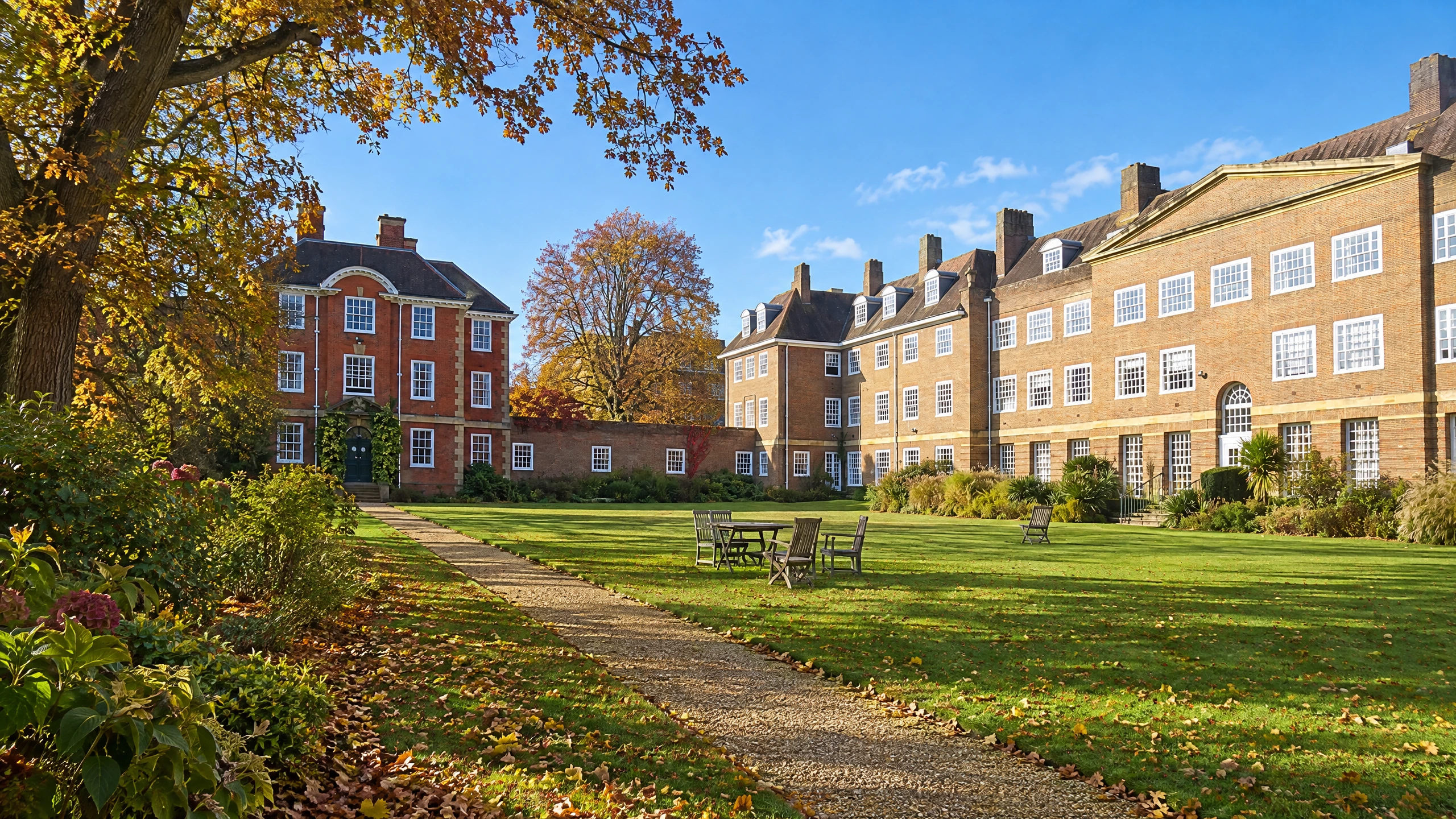
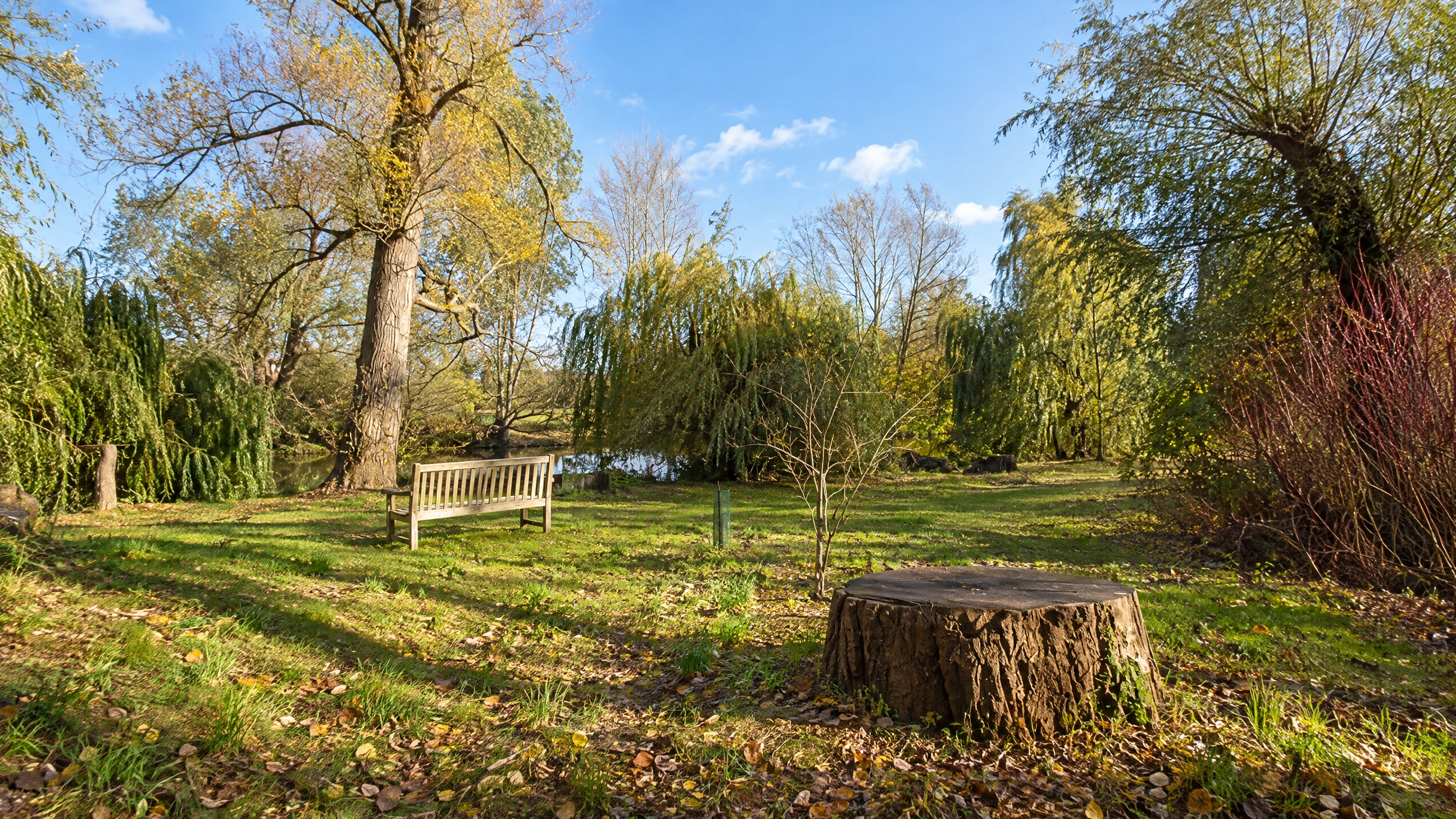
The gardens developed alongside the college. Their thirteen acres include formal planting, meadow and the Cherwell riverbank. Alumna Eileen Starmers-Smith wrote a history of the gardens, published in her memory in 1999.
Look closer
What to see.
The gardens
Formal borders, meadow and the Cherwell riverbank give the thirteen-acre grounds several different characters.
The chapel
Giles Gilbert Scott’s Byzantine-style chapel was consecrated in 1933. Availability varies around services and college activities.
The Deneke wing
The 1932 residential wing recalls the Deneke family’s contribution to the college, from teaching and music to fundraising.
The first students
Nine women arrived in 1879, decades before Oxford granted women degrees. Their stories are central to the college’s history.
Alumni portraits
The alumni gallery tells stories from later generations, including Malala Yousafzai. It opens on particular occasions rather than as part of every visit.
Make it work
Plan your visit.
LMH is normally free to visit daily from 10am to 5pm, subject to college events and closures. The Lodge at the Norham Gardens entrance can explain which gardens and buildings are open. Chapel access varies around services and other college activities; galleries and exhibitions may open for particular events.
The entrance is about fifteen minutes on foot from the city centre and 1.4 miles from Oxford station. Banbury Road is the nearest bus corridor.
The main entrance has level access and powered doors. Most buildings have level ground-floor entrances, although some routes need ramps; four lifts and accessible toilets serve the site. Two accessible parking spaces off Fyfield Road require advance arrangements through the Lodge.
The gardens reach the Cherwell, so children need close supervision near the water.
Visit your way
Access and family planning.
The Norham Gardens entrance has level access and powered doors. Most buildings have level ground-floor entrances, though some older routes need ramps. Four lifts and four accessible toilets serve the site.
Two accessible parking spaces are reached from Fyfield Road and require advance arrangements through the Lodge.
The gardens have room to enjoy formal planting and meadow, with the Cherwell at their edge. Children need close supervision near the water. The Natural History Museum and University Parks make good additions to a North Oxford outing.
Self-guided walk
A walk from Lady Margaret Hall
A 75–90 minute walk from LMH follows Norham Gardens towards the museum quarter and back.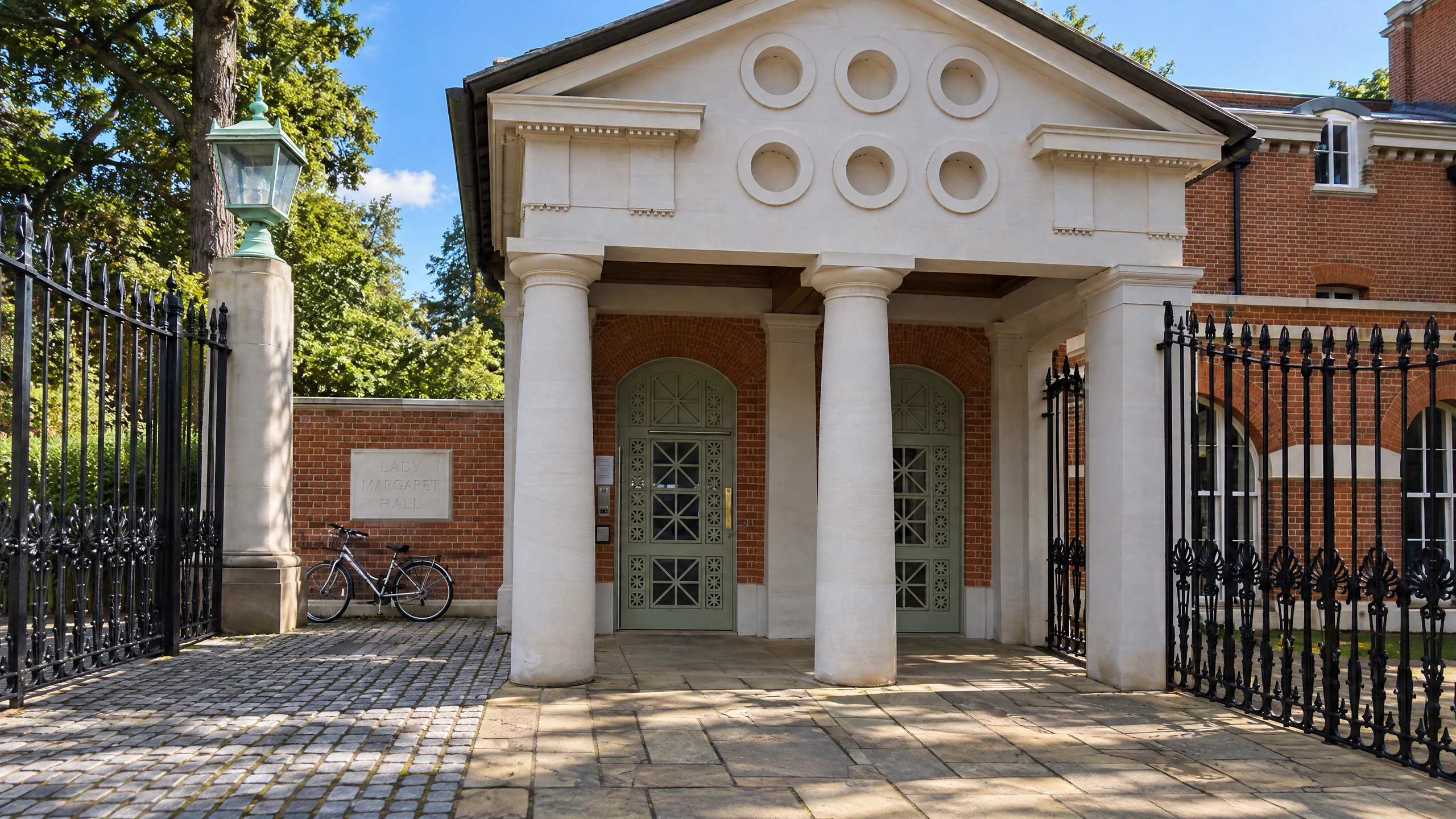
5 min
The college entrance
LMH’s main entrance is on Norham Gardens, about fifteen minutes on foot from the city centre.
10 min
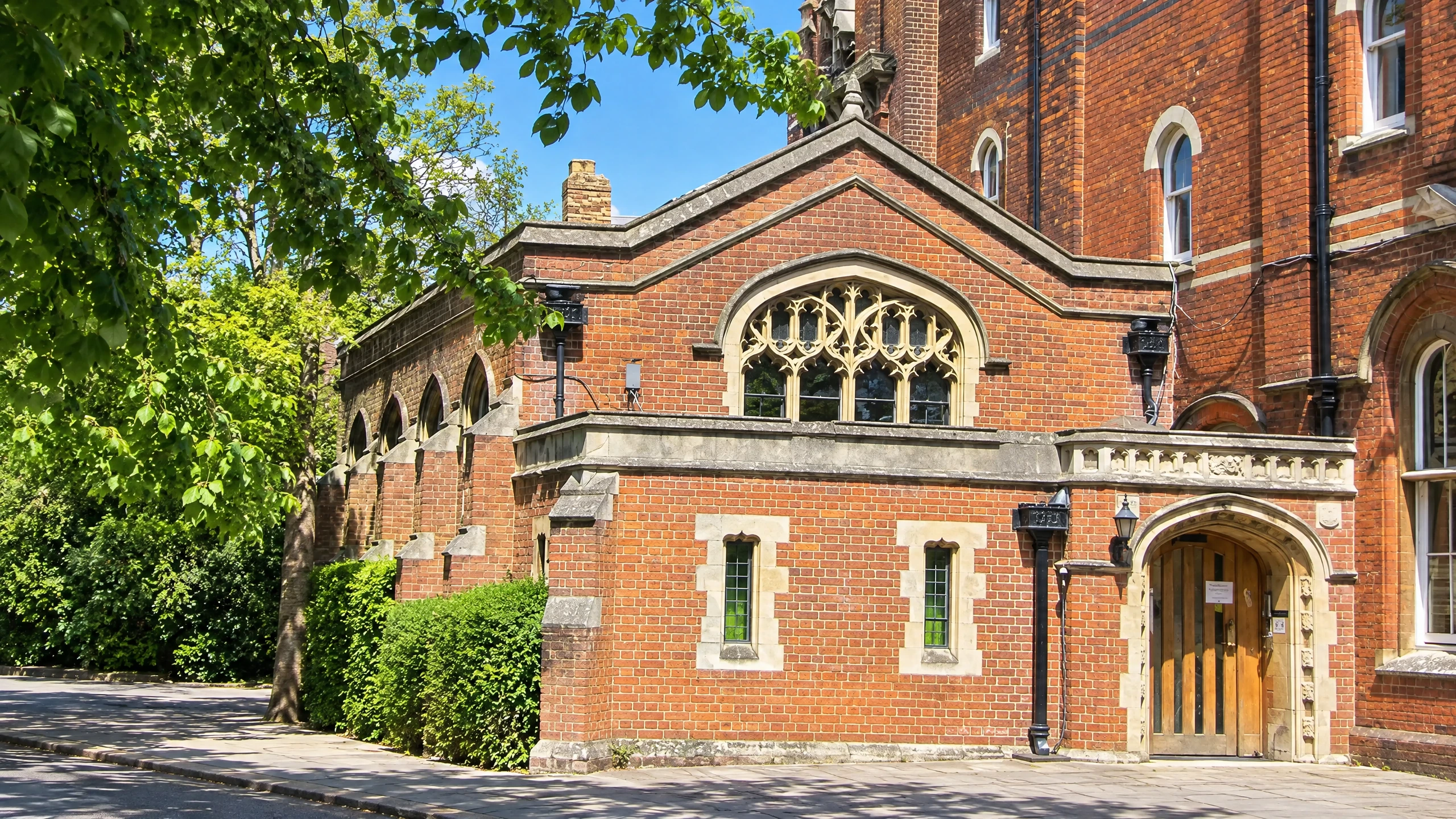
Norham Gardens
Norham Gardens runs through the leafy residential streets of North Oxford towards Banbury Road.
15 min
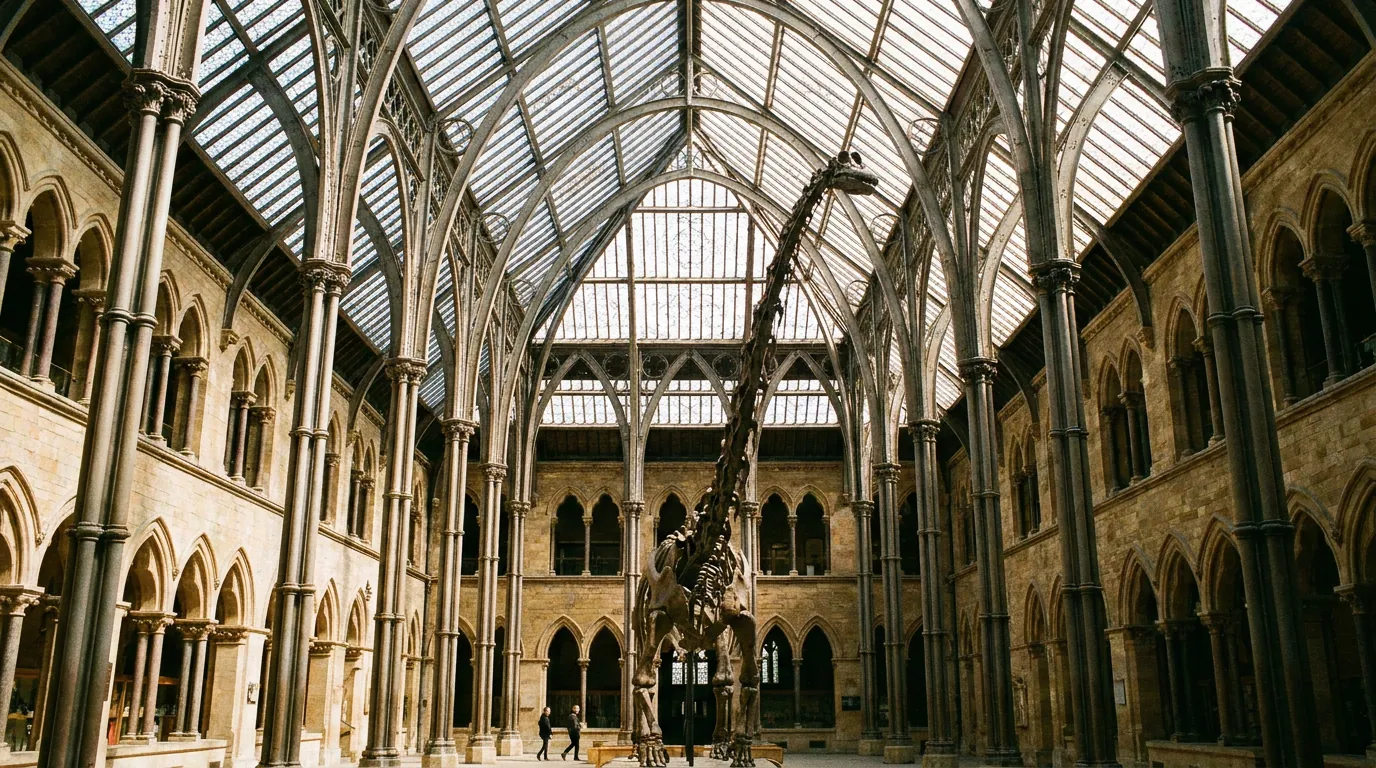
Parks Road museum approach
South towards Parks Road, the Natural History Museum and Pitt Rivers Museum offer indoor collections.
15 min
Return via the residential setting
The streets north of the museum lead back towards Norham Gardens and the college.
Optional refreshments
Cafés around the museum quarter and Banbury Road offer places to stop.
See it
In pictures.
10 views, full screen. Tap any one to open the viewer.Around here
Make more of the area.

University Parks offers lawns, paths and riverside scenery close to the college. Public gates provide access.
5 min walk
Norham Manor streets
The residential streets around Norham Gardens and Fyfield Road give this part of North Oxford its leafy character.
South of the college, the museum brings natural history collections together beneath its glass roof.
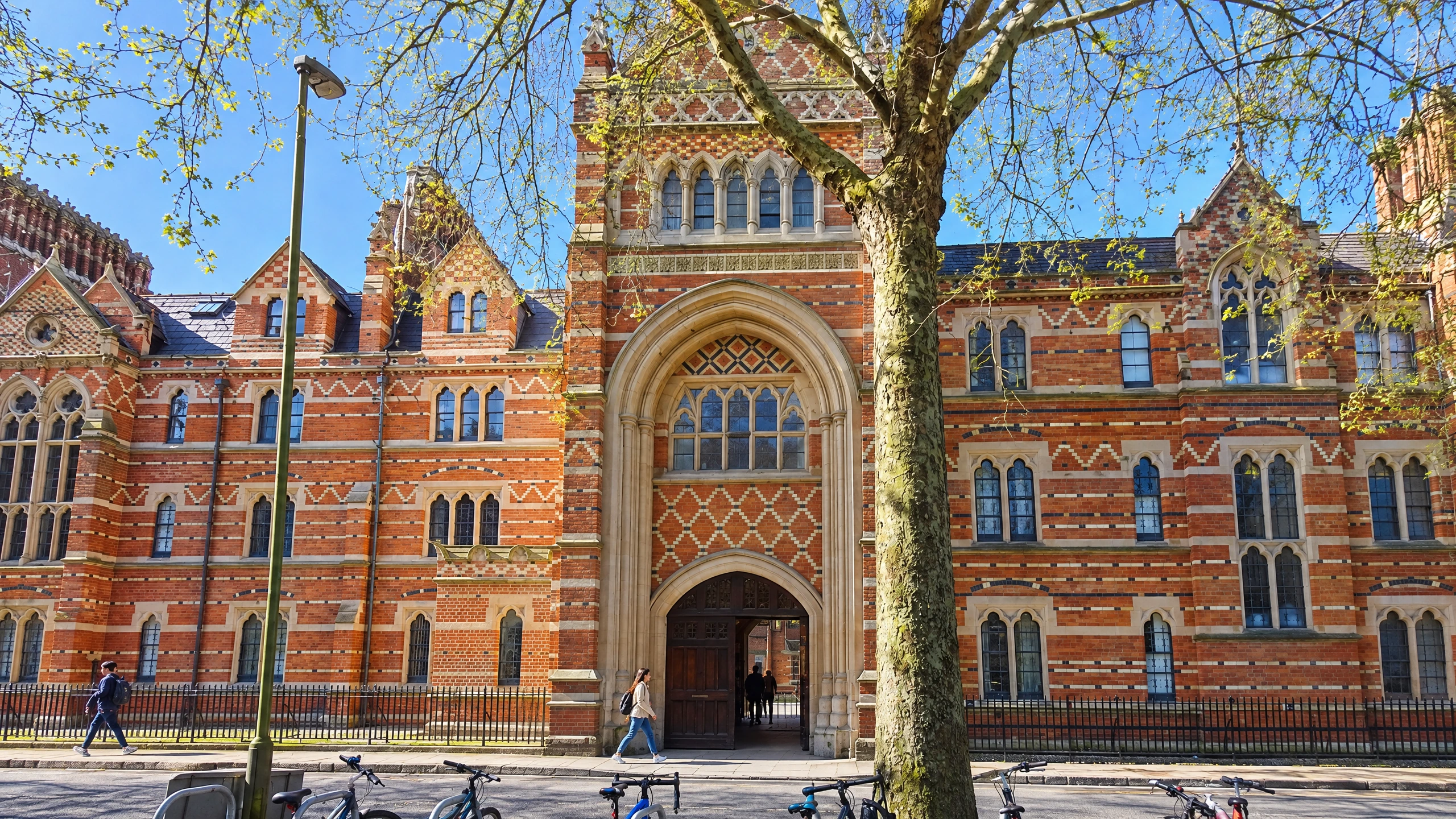
Keble’s first Warden, Edward Talbot, helped establish LMH. Keble normally welcomes visitors in the afternoon, with separate opening arrangements.
Good to know
Questions, answered.
Can tourists visit Lady Margaret Hall Oxford?
Yes. Admission is free and the college normally opens daily from 10 am to 5 pm, subject to events. Chapel access varies and the alumni gallery opens on particular occasions.
Is Lady Margaret Hall Oxford wheelchair accessible?
The main entrance is level, but some older routes need ramps. Four lifts and four accessible toilets serve the site, with access varying by room.
What gives LMH’s gardens their distinctive character?
The thirteen-acre grounds include formal borders, meadows and the Cherwell riverbank. Buildings and gardens grew together as the college expanded in North Oxford.
How does the Cherwell shape an LMH garden visit?
The gardens reach the River Cherwell, with meadow and formal planting nearby. Children need close supervision at the water’s edge during a visit.
When was Lady Margaret Hall founded?
The founding meeting took place in 1878; the first nine students arrived in October 1879. Women could study at Oxford then, but not yet receive degrees.
Who was Lady Margaret Hall named after?
First Principal Elizabeth Wordsworth chose Lady Margaret Beaufort, a historic patron of learning, as the college’s namesake. Beaufort died centuries before LMH was founded.
What role did Elizabeth Wordsworth play in LMH’s growth?
As founding Principal, Wordsworth led the hall beyond its first small household. New residential and communal buildings helped make women’s education a lasting part of Oxford.
Could LMH’s earliest students graduate from Oxford?
No. They could study and sit examinations, but Oxford did not award women degrees until 1920, when women gained full university membership.
Who were LMH’s steamboat ladies?
Some LMH students travelled to Trinity College Dublin for degrees Oxford would not yet award them. Janet Mary Gordon received a Dublin degree in 1905.
What did Gertrude Bell achieve as an LMH student?
Bell arrived in 1886 and achieved a First in Modern History in 1888, before Oxford awarded women degrees. She later travelled and worked in the Middle East.
What connects Eglantyne Jebb and Save the Children with LMH?
Jebb studied History at LMH from 1895 to 1898. She later co-founded Save the Children and drafted the Children’s Charter adopted in 1924.
What makes LMH’s Chapel different from Oxford’s familiar Gothic chapels?
The chapel is Byzantine in style and was consecrated in 1933. Giles Gilbert Scott’s design gives it a different character from many older Gothic college chapels.
Which architects shaped LMH’s early buildings?
Reginald Blomfield contributed to the early expansion. Giles Gilbert Scott later designed the Deneke wing and the Byzantine-style chapel of the 1930s.
When did LMH admit men?
LMH admitted men in 1979, a century after its first nine women students arrived. It remains closely associated with the history of women’s education.
What was LMH’s 2016 Foundation Year intended to do?
The Foundation Year began in 2016 to offer a route into Oxford for underrepresented students, continuing the college’s interest in widening educational opportunity.
What did Benazir Bhutto study at LMH?
Bhutto arrived at LMH in 1973 to study Philosophy, Politics and Economics after Harvard. She later moved to St Catherine’s for further study.
Did Malala Yousafzai study at Lady Margaret Hall?
Yes. Malala studied Philosophy, Politics and Economics at LMH. The Nobel Peace Prize recipient and girls’ education campaigner is among its former students.
What did Nigella Lawson study at LMH?
Food writer and broadcaster Nigella Lawson studied Modern Languages at LMH. She is among the college’s notable alumni from later generations.
What connects Marina Warner’s writing with LMH?
Novelist, historian and mythographer Marina Warner studied Modern Languages at LMH before a career exploring stories, folklore and the interpretation of myths.
What did Michael Gove study at LMH?
Michael Gove studied English at LMH after it became coeducational. His later career has included both journalism and British politics.
Which LMH students became leading playwrights and literary editors?
Playwright Caryl Churchill entered LMH to study English in 1957. Writer and literary editor Diana Athill entered in 1936, also studying English.
Which LMH alumnus composed music for Wallace and Gromit?
Film composer Julian Nott, associated with Wallace and Gromit, studied Philosophy, Politics and Economics at LMH from 1980.
Editorial notes
Sources and further reading.
Sources for this guide
Research date: 1 November 2026. Inline links accompany claims. Source status distinguishes full material read from retained partial leads and carried-forward coordinate metadata.
H — LMH timeline
- URL: https://www.lmh.ox.ac.uk/about-lmh/history-and-archives/college-timeline
- Status: read
- Supports: 1878 foundation, first nine students, women’s degrees, building phases, coeducation and Foundation Year.
V — University LMH visitor entry
- URL: https://www.ox.ac.uk/about/visit-us/visiting-colleges
- Status: read
- Supports: Daily 10–5 public visiting, free admission and telephone.
D — LMH gardens
- URL: https://www.lmh.ox.ac.uk/life-at-lmh/our-gardens
- Status: read
- Supports: Thirteen acres, riverbank, meadows, formal borders and current planting programme.
P — Prominent LMH alumni
- URL: https://www.lmh.ox.ac.uk/alumni/prominent-alumni
- Status: read
- Supports: Named former students and subject/cohort labels; some dates conflict with newer individual evidence.
B — Benazir Bhutto’s LMH years
- URL: https://www.lmh.ox.ac.uk/sites/default/files/documents/2025-06/LMH%20News%202025%20-%20Accessible.pdf
- Status: read
- Supports: 1973 arrival, PPE, later move to St Catherine’s and international legacy.
M — Malala at LMH
- URL: https://www.lmh.ox.ac.uk/news/journey-self-discovery-malala-yousafzai
- Status: read
- Supports: Actual student relationship, recent portrait and college connection.
R — LMH arrival
- URL: https://www.lmh.ox.ac.uk/about-lmh/where-find-us
- Status: read
- Supports: Norham Gardens address, transport and campus location.
O — LMH heritage opening
- URL: https://www.lmh.ox.ac.uk/events/oxford-open-doors
- Status: read
- Supports: Chapel, alumni gallery, biodiversity booklet and river supervision; event-specific access, not a permanent programme.
A — University physical access guide
- URL: https://www.ox.ac.uk/about/how-we-are-run/equality-diversity/access-guide/colleges/lady-margaret-hall
- Status: read
- Supports: Retained full physical site survey: entrances, thresholds, ramps, lifts, toilets, parking and hearing support. Not a website-accessibility statement.
U — University college visiting directory
- URL: https://www.ox.ac.uk/about/visit-us/visiting-colleges
- Status: read
- Supports: Public access summary; college pages take precedence where explicitly conflicting.
G — Fresh college coordinate reference
- URL: https://en.wikipedia.org/wiki/Lady_Margaret_Hall,_Oxford
- Status: read
- Supports: Numeric WGS84 college coordinates read directly from Wikipedia on 1 November 2026. Campus pin, not a surveyed visitor or accessible entrance.
Conflict ledger
The general alumni list labels Bhutto 1975 while the recent individual college feature explicitly states 1973 arrival; use the individual account for arrival and retain the label conflict privately. Early women’s honours do not imply an Oxford degree before 1920. Heritage-event access to the Library or alumni gallery must not be extended to ordinary days. Dorothy Sayers is a Somerville alumna, and Emma Watson’s visiting role is not student attendance.
Editorial calculations
Walking times, recommended visit durations, comparisons and scores are editorial judgements. No pin is an accessible-entrance certification; no unlisted ticket is described as available.
Editorial audit — 1 November 2026
https://www.lmh.ox.ac.uk/alumni/prominent-alumni
Official prominent-alumni page read directly. Added Churchill (English 1957), Athill (English 1936), Nott (PPE 1980) and West (English 1985); year labels retained as entry cohorts, not degree dates. Earlier core student and access evidence retained.
Further reading and sources
Opening hours, prices, programmes and access arrangements can change. Confirm critical details with the venue.
Keep exploring