North · Founded 1879
Somerville College
Explore the stories of pioneering women in law, literature, chemistry and politics at Somerville.
- Founded
- 1879
- Location
- Woodstock Road
- Visiting
- Term-time public visiting hours
- Institution
- College
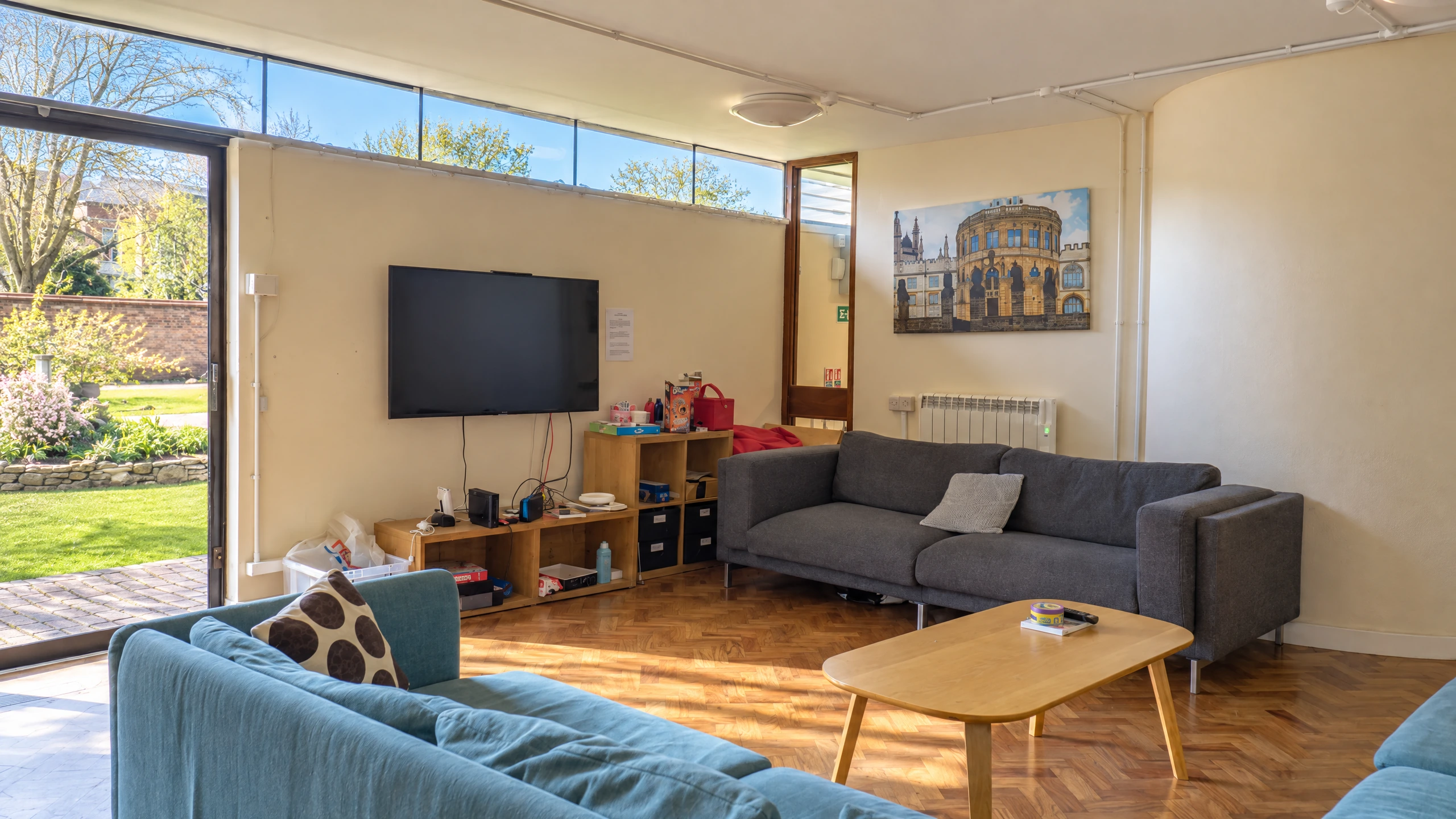
01 The experience
What to expect.
Somerville began in 1879 as a home for women studying at Oxford, with no religious denomination attached to its foundation. Its students could study and take examinations long before Oxford awarded women degrees. Among them were pioneering lawyer Cornelia Sorabji, writers Dorothy L. Sayers and Vera Brittain, and chemist Dorothy Hodgkin.
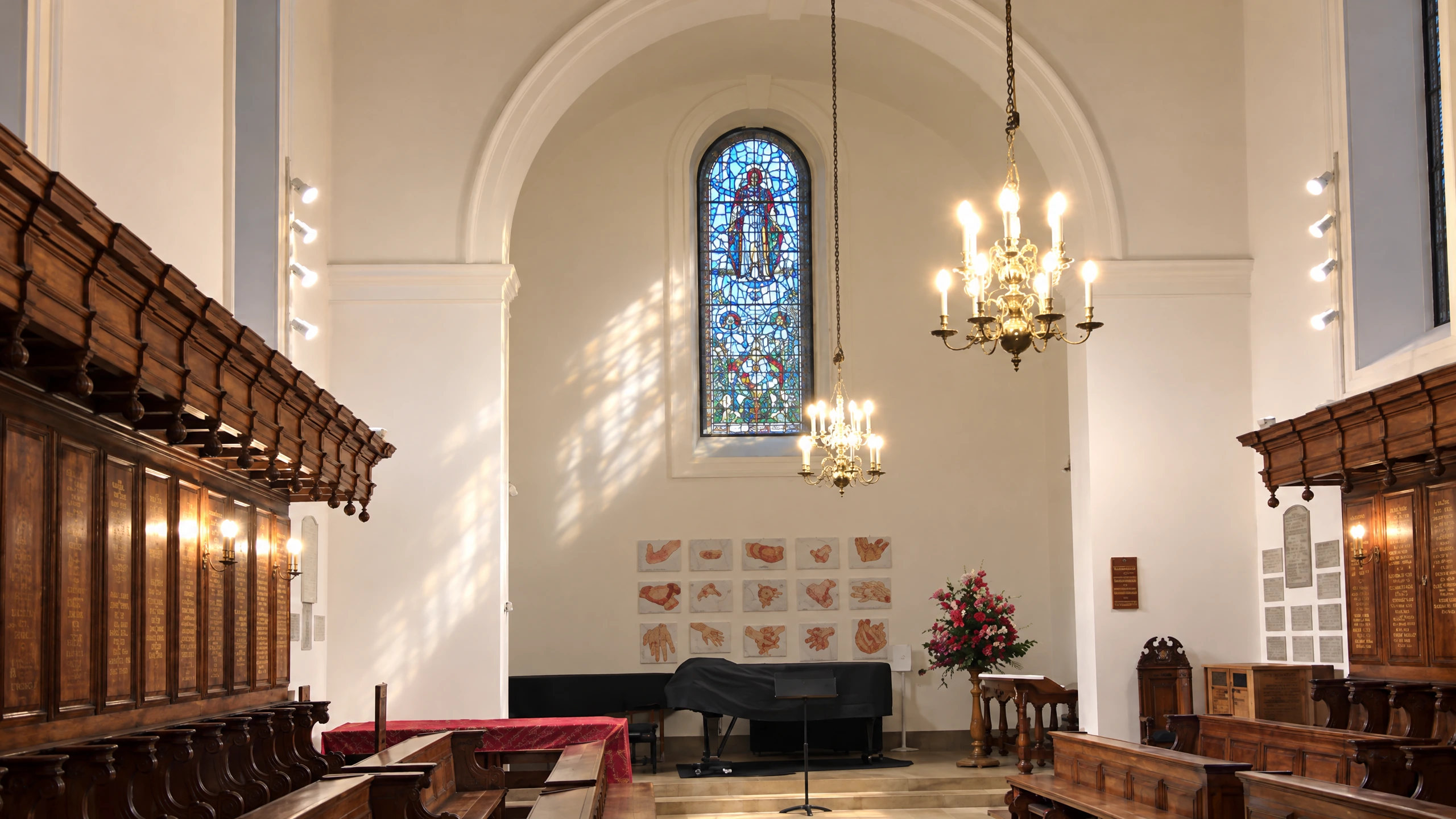
The college grew from houses on Woodstock Road into a community with gardens, teaching rooms and a chapel. That chapel was debated because of Somerville’s non-denominational identity. It opened in 1935, thanks to a gift from former student Emily Georgiana Kemp, as a place of prayer and reflection for people of different faiths.
Hodgkin came to Somerville in 1928, later became a fellow and won the 1964 Nobel Prize in Chemistry for her work in crystallography. She taught chemistry to Margaret Roberts, later Margaret Thatcher.
Sorabji was the first woman to read Law at Oxford. Supporters raised money for her studies after a scholarship was withheld when its administrators discovered she was a woman. She later worked for women whose seclusion made obtaining legal help difficult.
The First World War changed both student lives and the college itself. Vera Brittain’s nursing interrupted her studies; Somerville’s buildings became a military hospital from 1915 to 1919, and the college temporarily moved to Oriel.
Former Indian prime minister Indira Gandhi studied Modern History here from 1937 but left because of illness without completing the course. The Oxford India Centre for Sustainable Development gives the college’s Indian connections a continuing academic life.
Visiting is free during the stated term-time hours, with donations welcome. Outside term, access is limited to university members and alumni-card holders. The library’s special collections, including books from John Stuart Mill and James Mill, need a separate appointment or advertised opening.
People and ideas
Famous former students

Cornelia Sorabji
1889–1892
The pioneering lawyer was the first woman to read Law at Oxford and later worked for women facing legal disadvantage in India.
College connection
Student of law before women could receive Oxford degrees. 1889–1892.
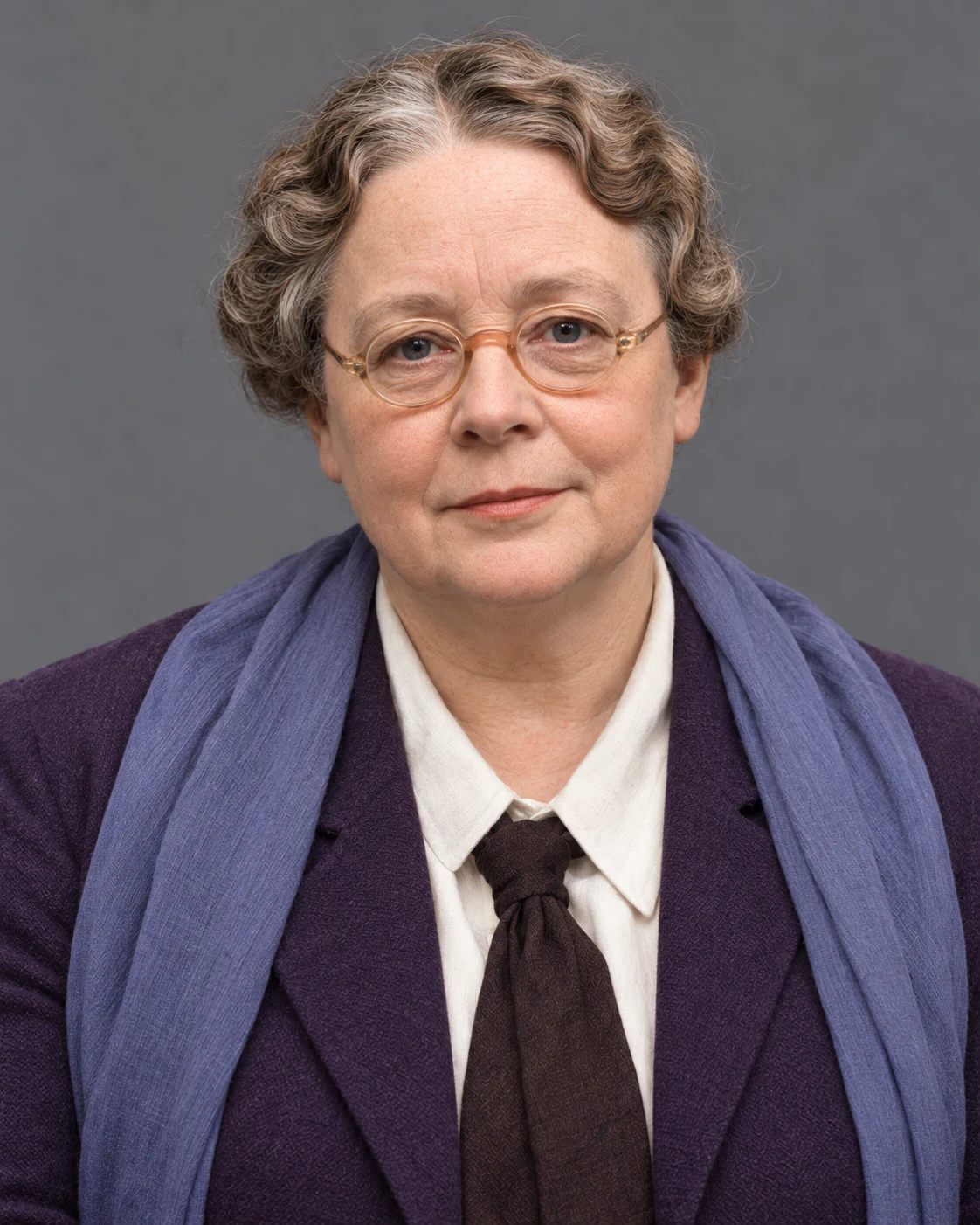
Dorothy L. Sayers
Entered 1912
The novelist and translator studied Modern Languages at Somerville, taking a First in French.
College connection
Student of Modern Languages. Entered 1912.
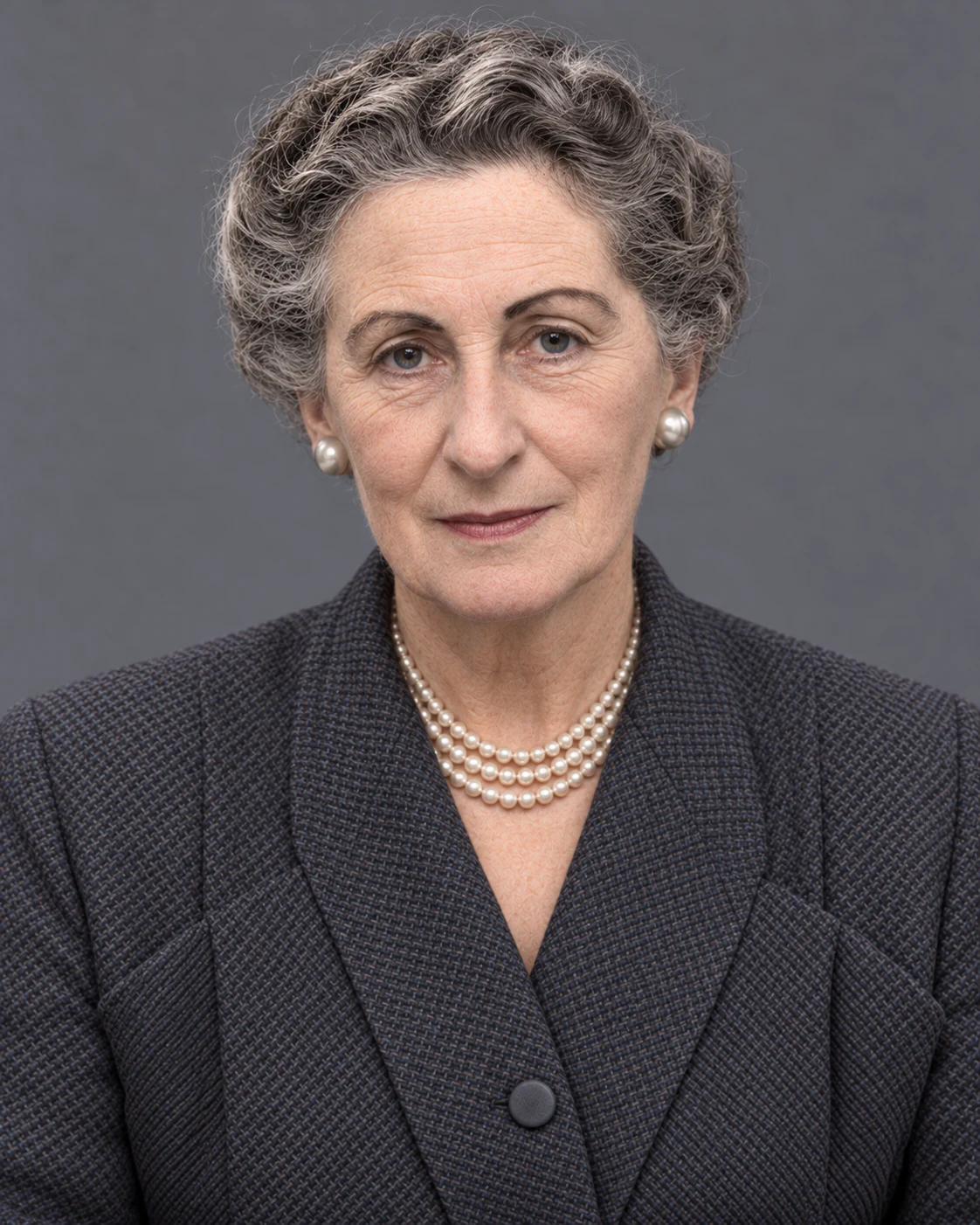
Vera Brittain
1914
The author of Testament of Youth studied at Somerville, with her education interrupted by wartime nursing.
College connection
Undergraduate; wartime interruption. Arrived 1914.

Dorothy Hodgkin
Entered 1928
The Nobel Prize-winning chemist studied and later taught at Somerville, working in crystallography.
College connection
Chemistry undergraduate; later Fellow. Entered 1928.

Margaret Thatcher, née Roberts
Entered 1943
The future British prime minister studied Chemistry at Somerville and was taught by Dorothy Hodgkin.
College connection
Chemistry undergraduate. Matriculated 1943.

Indira Gandhi
Entered 1937
The future Indian prime minister studied Modern History at Somerville but left without completing the course because of illness.
College connection
Modern History student; left without completing course. Entered October 1937.
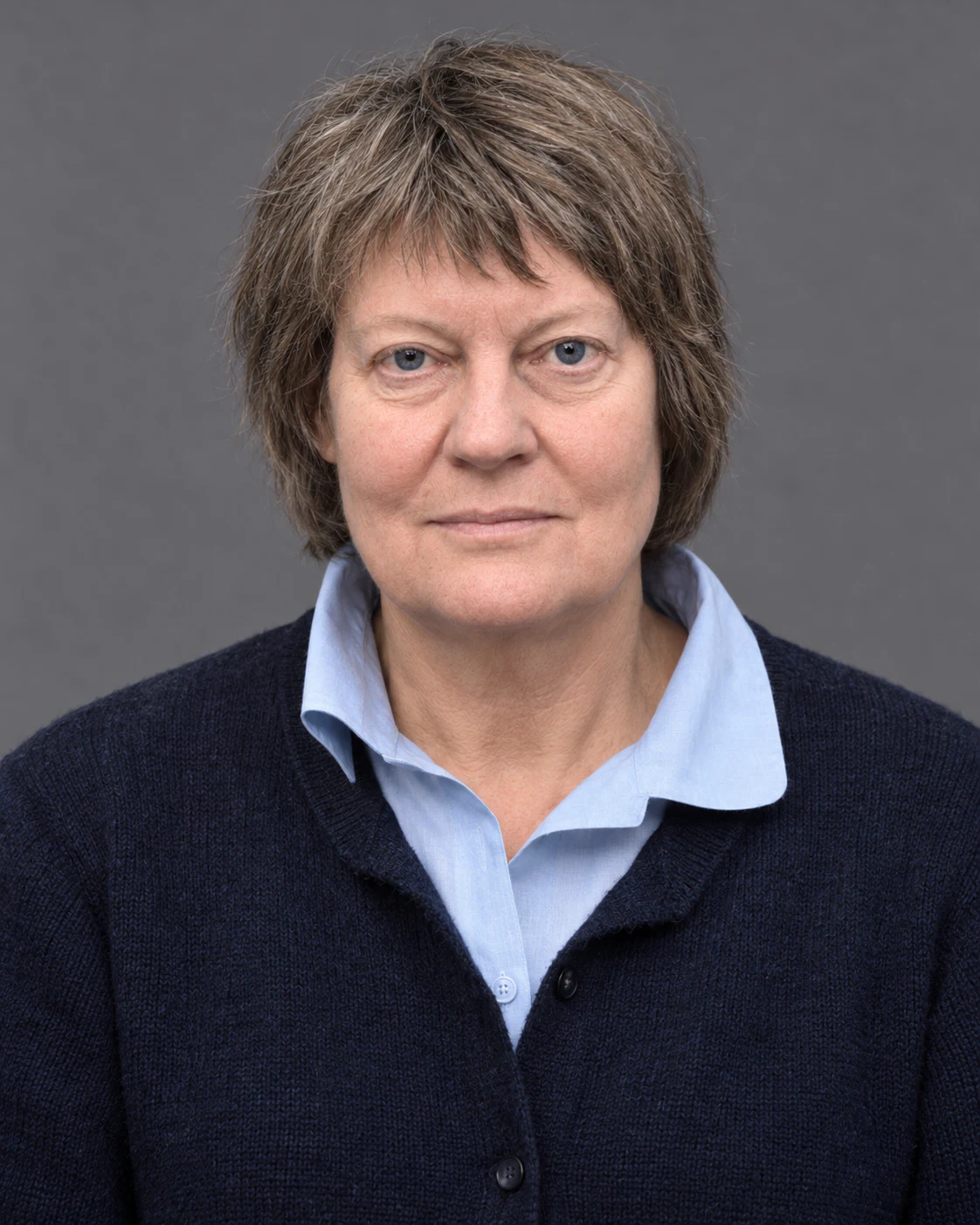
Iris Murdoch
1938
The novelist and philosopher studied Greats at Somerville before becoming a fellow at St Anne’s.
College connection
Undergraduate; later Fellow at St Anne’s. Arrived 1938.
Fellows, founders and other connections
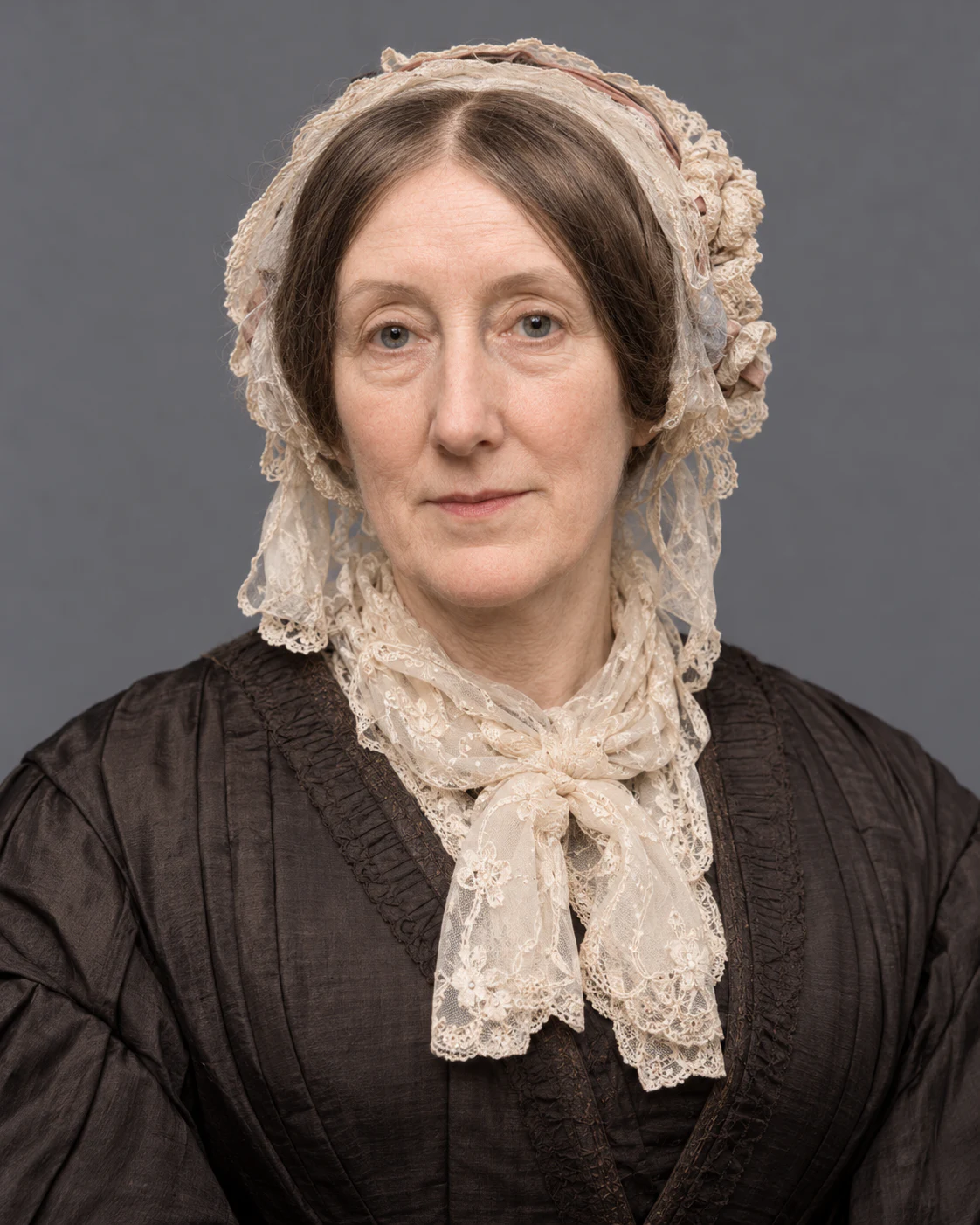
Mary Somerville
The scientist and writer is the college’s namesake; she died before it opened in 1879.
College connection
College namesake.
The story
History & character.
Somerville opened in 1879 with twelve women students. It was named for scientist and writer Mary Somerville and founded without a religious denomination, so membership would not depend on belonging to a particular church. Walton House, acquired in 1880, gave the growing community more room.
Cornelia Sorabji came in 1889 to study Law after supporters raised money for her place. She was the first woman to read Law at Oxford and later worked for women living in seclusion who faced legal disadvantage. Oxford did not yet award women degrees.
Dorothy L. Sayers arrived in 1912 to study Modern Languages and took a First in French. Vera Brittain arrived in 1914; wartime nursing interrupted her education and helped shape her later book Testament of Youth.
From 1915 to 1919 Somerville’s buildings were used as a military hospital. The college temporarily moved to St Mary Hall Quad at Oriel. Women gained full Oxford university membership and the right to degrees in 1920, including recognition for former students who had already completed their examinations.
Former student Emily Georgiana Kemp proposed and funded a chapel in 1932. The idea prompted debate about Somerville’s non-denominational principles; the chapel opened in 1935 as a shared place of prayer.
Dorothy Hodgkin entered in 1928 to study Chemistry, later became a fellow and won the 1964 Nobel Prize in Chemistry for crystallography. She taught Margaret Roberts, later Thatcher, who entered to study Chemistry in 1943.
Indira Gandhi arrived in 1937 to study Modern History but left without completing the course because of illness. Philosopher and novelist Iris Murdoch entered in 1938 and later became a fellow at St Anne’s.
Helen Taylor gave the college books from John Stuart Mill and his father James Mill in 1905. The roughly two thousand volumes cover literature, political thought, classics and economics. Somerville admitted its first male undergraduates in 1994. The Oxford India Centre for Sustainable Development opened in 2012, continuing the college’s links with India.
Look closer
What to see.
A pioneering college for women
Somerville opened in 1879 without a religious denomination, at a time when women could study at Oxford but could not yet receive degrees.
The chapel
Opened in 1935 after debate about the college’s non-denominational identity, the chapel was intended as a shared place of prayer and reflection.
Dorothy Hodgkin’s Somerville
The Nobel Prize-winning chemist studied and later taught here; one of her students was Margaret Roberts, later Thatcher.
Cornelia Sorabji
The first woman to read Law at Oxford studied at Somerville from 1889 to 1892 and later worked for women facing legal disadvantage in India.
The Mill books
Books from John Stuart Mill and James Mill came to Somerville in 1905. Special-collection access is by appointment or advertised display.
Make it work
Plan your visit.
During term, the college normally welcomes the public from 9am to noon and 2pm to 4pm. Entry is free and donations are welcome. Outside term, access is limited to university members and alumni-card holders; large groups need advance arrangements.
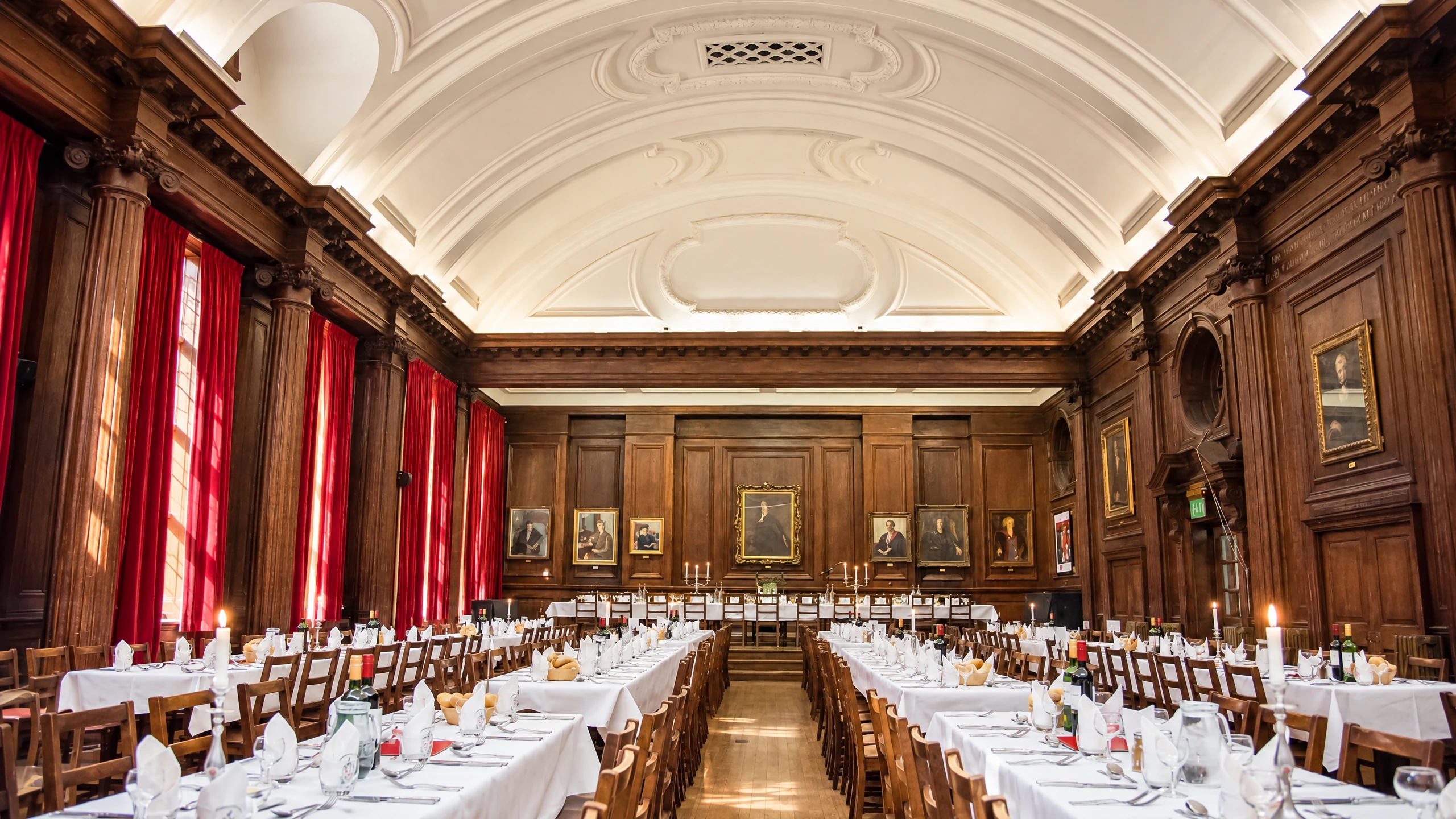
The entrance is on Woodstock Road. The main entrance is level with a powered door, and step-free routes serve the main quads, dining hall, chapel and library ground floor. Upper library floors and several common rooms are reached by stairs. Six accessible toilets and hearing loops in the Lodge, chapel and Flora Anderson Hall are recorded.
The Mill Library and other special collections require an appointment or an advertised display. Chapel music follows its own programme.
Visit your way
Access and family planning.
The powered main entrance, main quads, dining hall, chapel and library ground floor have step-free routes. Upper library floors, common rooms and the gym are reached by stairs.
Six accessible toilets serve the site. Hearing loops are available in the Lodge, chapel and Flora Anderson Hall.
The gardens and varied buildings make a pleasant short visit. Older children may enjoy the stories of chemist Dorothy Hodgkin, her student Margaret Thatcher and the women who first studied here.
Self-guided walk
A walk around Somerville
A public-street circuit links Woodstock Road with Jericho and the Ashmolean.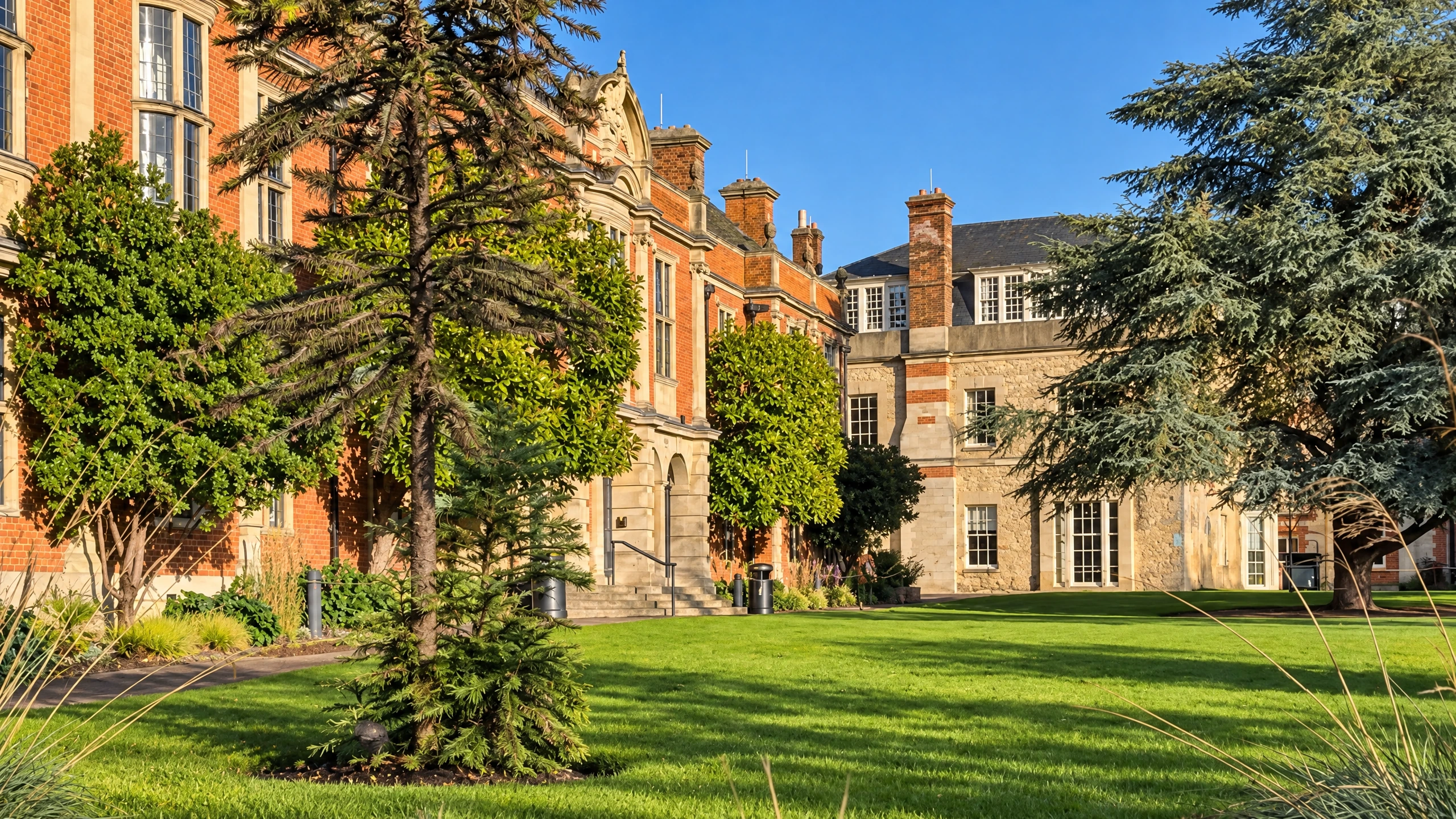
Beaumont Street and Ashmolean approach
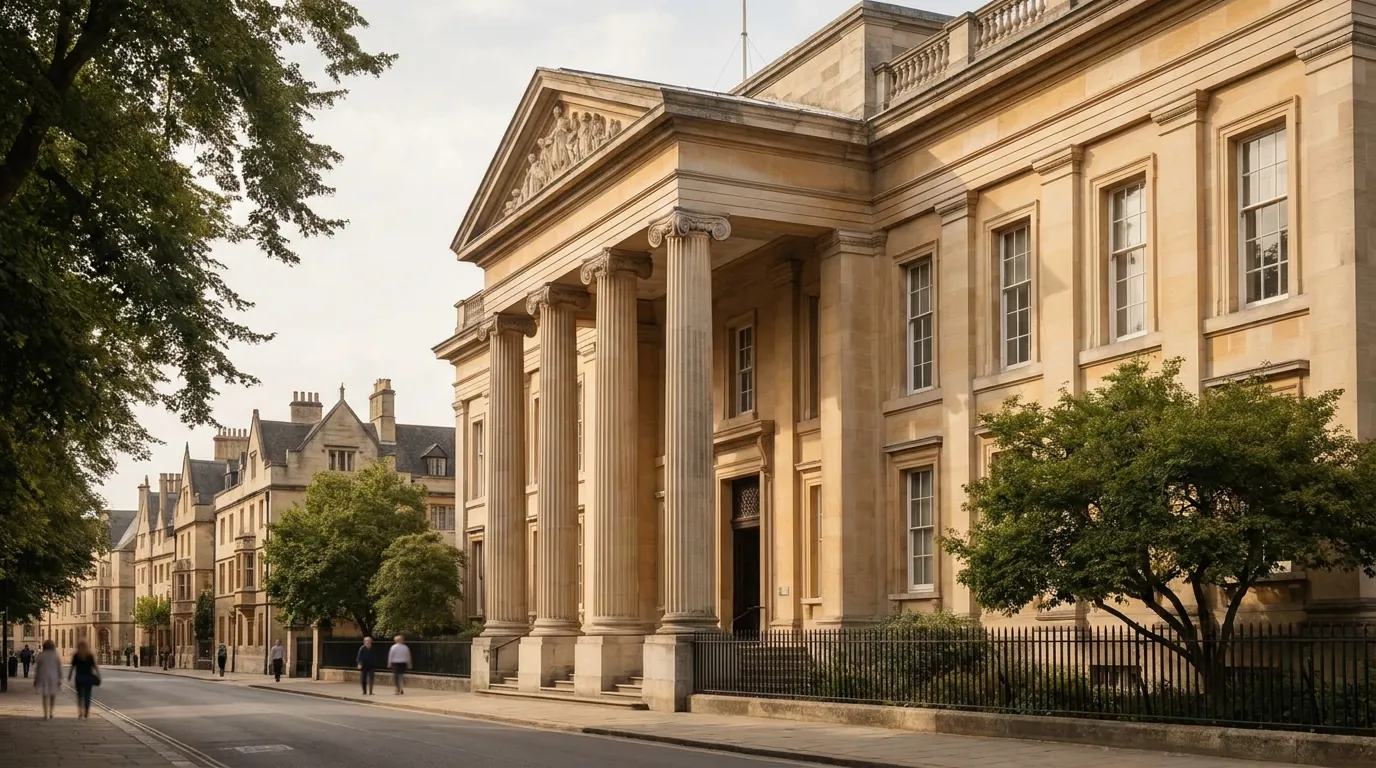
The Ashmolean stands on Beaumont Street with art and archaeology collections.
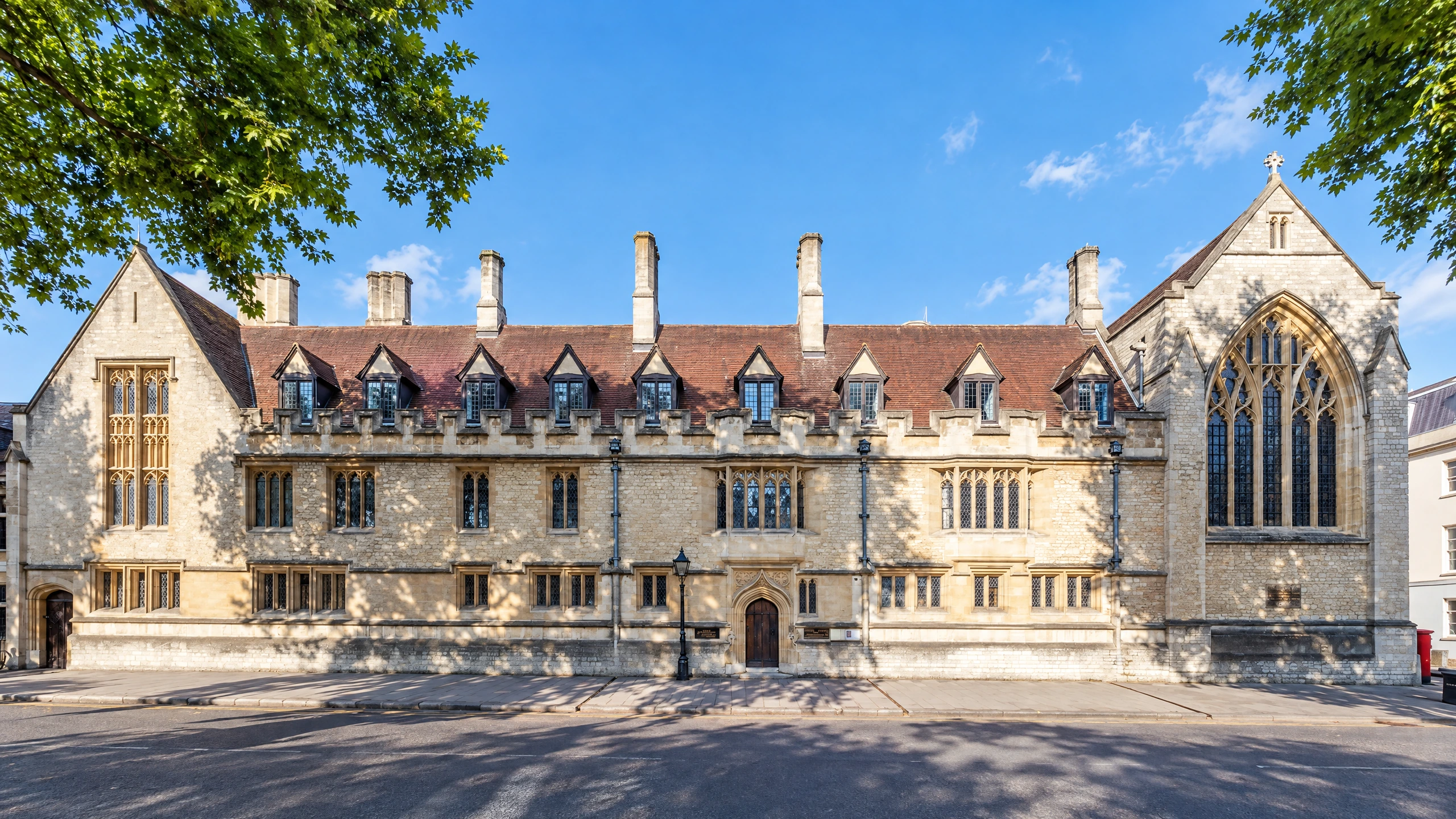
St Giles’ and Woodstock Road
St Giles’ leads north towards Woodstock Road and the college.
Optional college extension
Public term-time entry is free from 9am to noon and 2pm to 4pm; outside term access is restricted.
See it
In pictures.
10 views, full screen. Tap any one to open the viewer.Around here
Make more of the area.
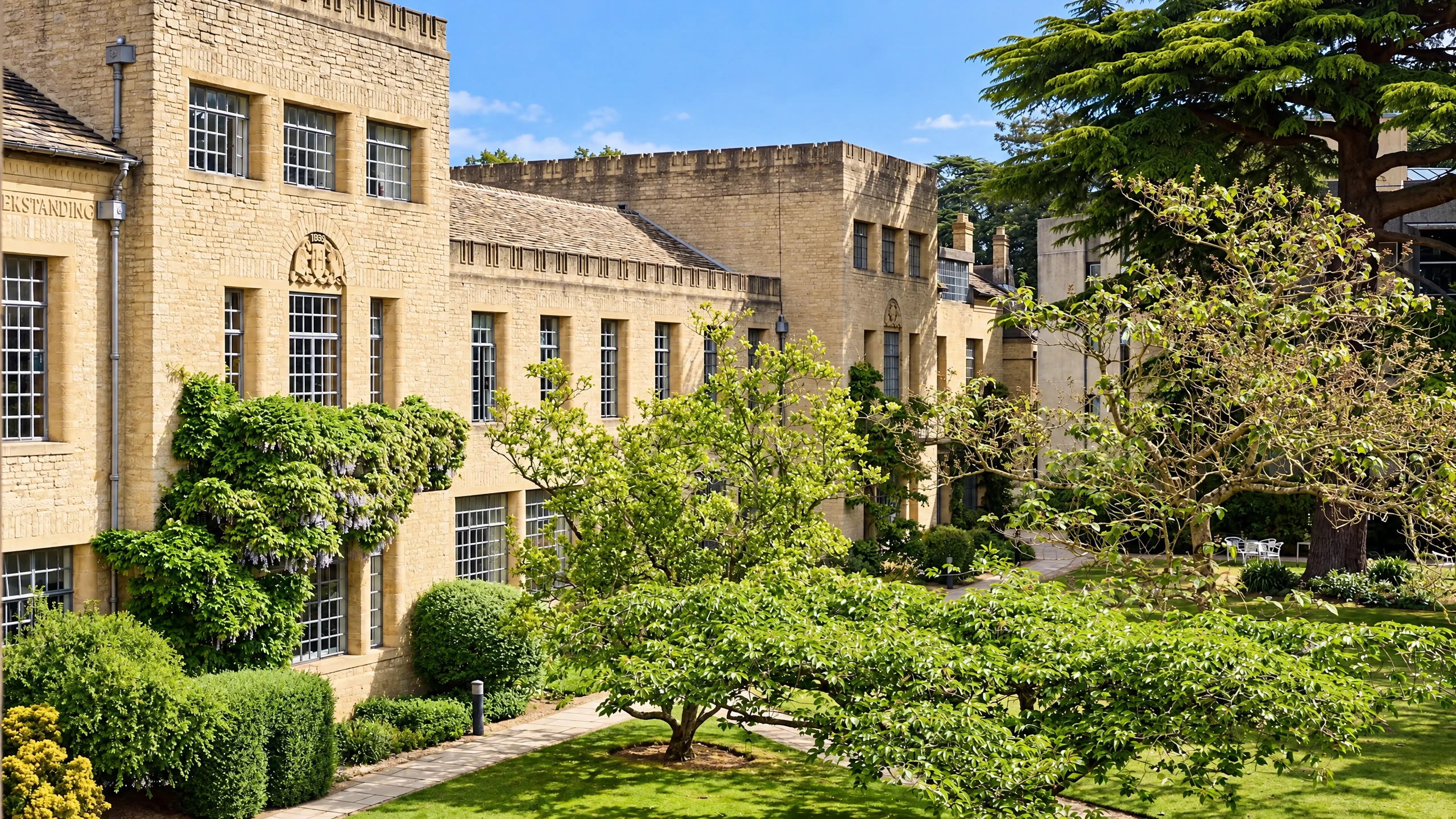
St Anne’s also traces its origins to the opening of Oxford education to women in 1879. It has separate visiting arrangements.
The Ashmolean on Beaumont Street offers art and archaeology collections.
Jericho’s streets are home to cafés, shops and pubs just west of the college.
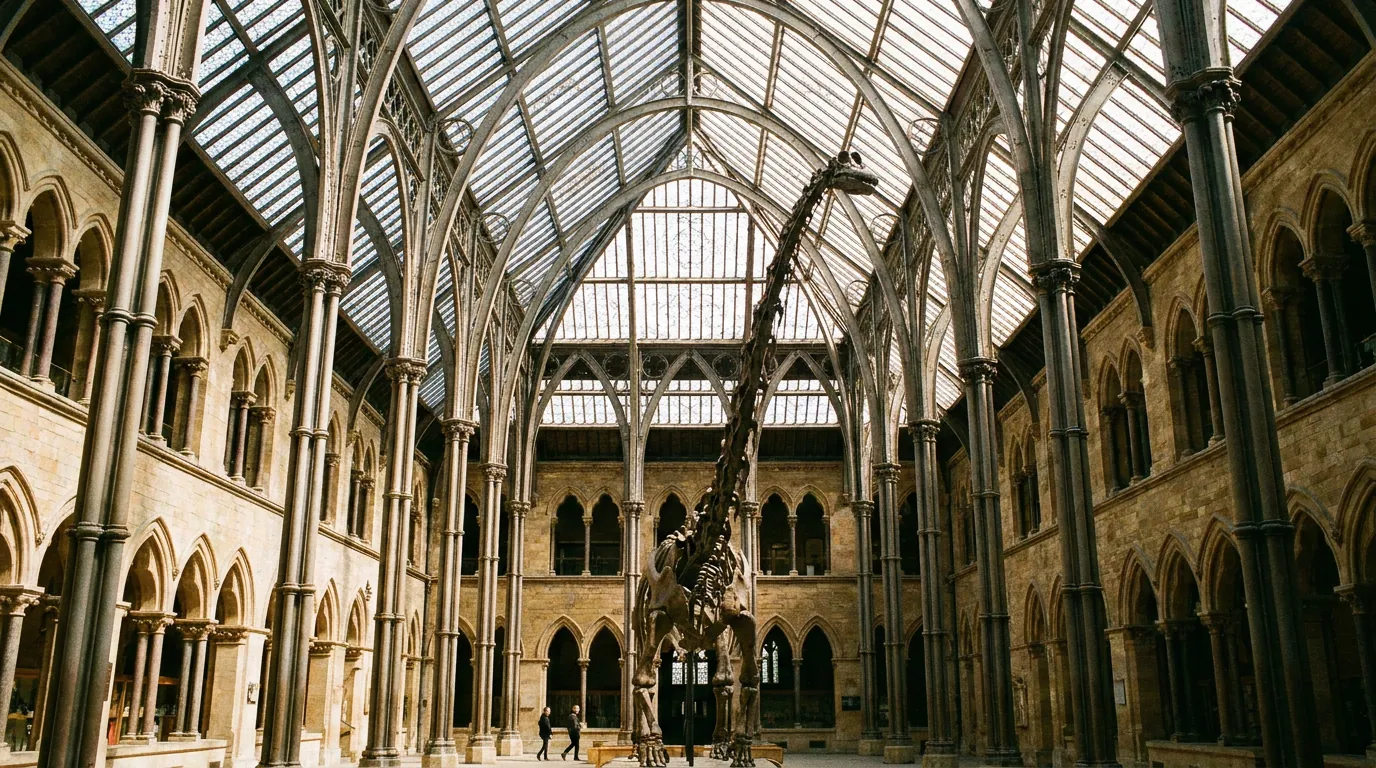
The museum on Parks Road brings natural history collections together beneath a glass roof.
Good to know
Questions, answered.
Why was Somerville founded without a religious denomination?
Somerville opened in 1879 as a non-denominational home for women studying at Oxford, with no requirement to belong to a particular church.
Why did Somerville College in Oxford choose Mary Somerville’s name?
Somerville College in Oxford was named for Mary Somerville, the scientist and writer whose achievements offered an example to the new foundation’s women students.
What did Cornelia Sorabji study at Somerville?
Sorabji studied Law from 1889 to 1892, before Oxford awarded women degrees. She later helped women facing legal disadvantage while living in seclusion.
What connects Dorothy L. Sayers’s languages with Somerville?
Sayers entered on a Gilchrist Scholarship in 1912 and studied Modern Languages, taking a First in French before becoming a writer and translator.
Why did Somerville move to Oriel during the First World War?
Somerville’s buildings became a military hospital from 1915 to 1919. The college temporarily moved to St Mary Hall Quad at Oriel.
What did Oxford’s 1920 degree reform mean for Somerville?
Women gained full university membership and the right to Oxford degrees, including former students who had already completed their qualifying examinations.
Why was Somerville’s chapel controversial?
Some members worried that a chapel might compromise the college’s non-denominational foundation. The building was conceived as a shared place of prayer.
What did Dorothy Hodgkin study at Somerville?
Hodgkin entered in 1928 to study Chemistry and encountered crystallography during her research. She later won the 1964 Nobel Prize in Chemistry.
Did Indira Gandhi complete her Somerville degree?
No. Gandhi began Modern History in 1937 but left because of illness without completing the course. She later returned as prime minister and Honorary Fellow.
How do Somerville and St Anne’s share Iris Murdoch’s history?
Murdoch studied Greats at Somerville from 1938 and later became a fellow at St Anne’s. She went on to a career in philosophy and fiction.
How did the Mill Library come to Somerville?
Helen Taylor left Somerville around two thousand books from John Stuart Mill’s library in 1905. Many had belonged to his father, James Mill.
When did Somerville first admit male undergraduates?
Somerville admitted its first male undergraduates in 1994, following debate within the college more than a century after its foundation for women.
What does the Oxford India Centre add to Somerville’s Indian connections?
The Oxford India Centre for Sustainable Development was inaugurated in 2012, adding current research links to the college’s connections with India.
Is Shrewsbury College in Sayers’s Gaudy Night based on Somerville?
Yes. Sayers loosely based the fictional Shrewsbury College in Gaudy Night on Somerville, where she had studied Modern Languages.
When can a general visitor see Somerville’s grounds?
Public term-time visiting is 9am–noon and 2pm–4pm, free with donations welcome. Outside term, access is limited to university members and alumni-card holders.
Can Somerville’s chapel music be part of a visit?
Choral Contemplations offer music in the chapel. Attendance follows the programme for each event rather than the ordinary daytime visiting hours.
Can a Somerville grounds visit include the Mill Library?
The Mill Library is a special collection. Visitors wishing to consult its books for research must arrange an appointment with the Librarian. It holds books owned by John Stuart Mill and James Mill.
Which parts of Somerville need a room-specific access plan?
The entrance and many ground-floor routes are step free, while upper library floors and several common rooms are reached by stairs.
Editorial notes
Sources and further reading.
Sources for this guide
Researched 1 November 2026. Each source’s scope is specified so later updates can target the affected claim. Sources marked retained evidence come from locally saved earlier research; a failed collection job is not a completed bundle.
S1 — Somerville: from Hall to College
Somerville: from Hall to College
Supports: 1879 non-denominational foundation, first 12 students, Walton House 1880.
Status: retained-failed-job-evidence.
S2 — Somerville in the First World War
Somerville in the First World War
Supports: Military hospital 1915–1919, relocation to Oriel; Vera Brittain 1914.
Status: retained-failed-job-evidence.
S3 — Somerville: degrees for women
Supports: 1920 degrees; Emily Penrose; Murdoch 1938; chapel proposal.
Status: retained-failed-job-evidence.
S4 — Somerville chapel history
Supports: Kemp gift, 1935 opening, non-denominational design and debate.
Status: reviewed-public-source.
S5 — Cornelia Sorabji
Supports: 1889 arrival, law examinations 1892, career and scholarship.
Status: reviewed-public-source.
S6 — Sorabji’s college years
Supports: 1889–1892 attendance; archive letter and women’s legal work.
Status: reviewed-public-source.
S7 — Dorothy L. Sayers
Supports: Gilchrist Scholarship 1912, Modern Languages, First in French and literary career.
Status: reviewed-public-source.
S8 — Dorothy Hodgkin at Somerville
Supports: 1928 Chemistry arrival; student and Fellow; crystallography.
Status: reviewed-public-source.
S9 — Margaret Thatcher centenary
Supports: 1943 Chemistry matriculation, Hodgkin teaching, Latin and support.
Status: reviewed-public-source.
S10 — Somerville and India
Supports: Gandhi 1937 Modern History attendance and illness-related departure; Sorabji and sustained links.
Status: reviewed-public-source.
S11 — Twenty-first-century Somerville
Twenty-first-century Somerville
Supports: Oxford India Centre 2012; ROQ buildings by Niall McLaughlin 2012.
Status: retained-failed-job-evidence.
S12 — Oxford physical access survey: Somerville
Oxford physical access survey: Somerville
Supports: Level main entry, routes, upper-floor barriers, toilets and hearing systems.
Status: reviewed-public-source.
S13 — Oxford college visiting directory
Oxford college visiting directory
Supports: Public term-time hours; vacation restrictions; free entry and groups.
Status: reviewed-public-source.
S14 — Somerville: Mill library
Supports: Helen Taylor gift 1905; approximately 2000 volumes from John Stuart Mill and James Mill.
Status: reviewed-public-source.
S15 — Somerville and co-education
Supports: Vote, JCR challenge, Visitor intervention and male admission 1994.
Status: retained-failed-job-evidence.
Conflict ledger
Chapel donation/proposal dates 1932 and opening 1935 are distinct; do not call 1932 the building’s completion.
College timeline’s broad early exclusion language is not used to claim women were universally banned from every Oxford lecture in 1879; access depended on arrangements and degrees remained unavailable until 1920.
A library-era claim that all women were excluded from the Bodleian is not carried forward without precise date/eligibility context.
Mary Somerville was the namesake and died before the 1879 foundation; she was not a student. Hodgkin was both student and Fellow. Gandhi attended but left without completing her course.
Law Faculty scholarship page typo 1889–1992 is rejected; college library and biography support 1889–1892 for Sorabji.
Editorial interpretation
Walking allowances, pairings, family activity suggestions and visual composition choices are editorial judgments. They do not supply evidence of admission, facilities, a person’s attendance or a booking inclusion. Current admission conditions remain visible in the practical sections.
GEO1 — College-location coordinates
Supports: sourced numeric WGS84 latitude 51.75917, longitude -1.2625, read 1 November 2026. This pin represents the college location rather than a surveyed visitor entrance.
Status: reviewed-public-source-2026-11-01.
MAP1 — University of Oxford Explore Map2026
University of Oxford Explore Map2026
Supports: Current official map places colleges, streets, museums, gardens and public approaches. Walking durations are editorial allowances; access restrictions follow current college and venue pages, not a presumed route through a private quad.
Status: reviewed-public-source-2026-11-01.
NEAR1 — St Anne’s College contextual history
St Anne’s College contextual history
Supports: 1879 Home Students, 1942 name, 1952 charter, Hartland, nursery, housing, men 1979 and redevelopment.
Status: reviewed-public-source-2026-11-01.
NEAR4 — Oxford museum visitor directory
Oxford museum visitor directory
Supports: Natural History museum on Parks Road with public access; museum admission separate from Reuben College.
Status: reviewed-public-source-2026-11-01.
Further reading and sources
Opening hours, prices, programmes and access arrangements can change. Confirm critical details with the venue.
Keep exploring