Parks & meadows / Oxford
Port Meadow
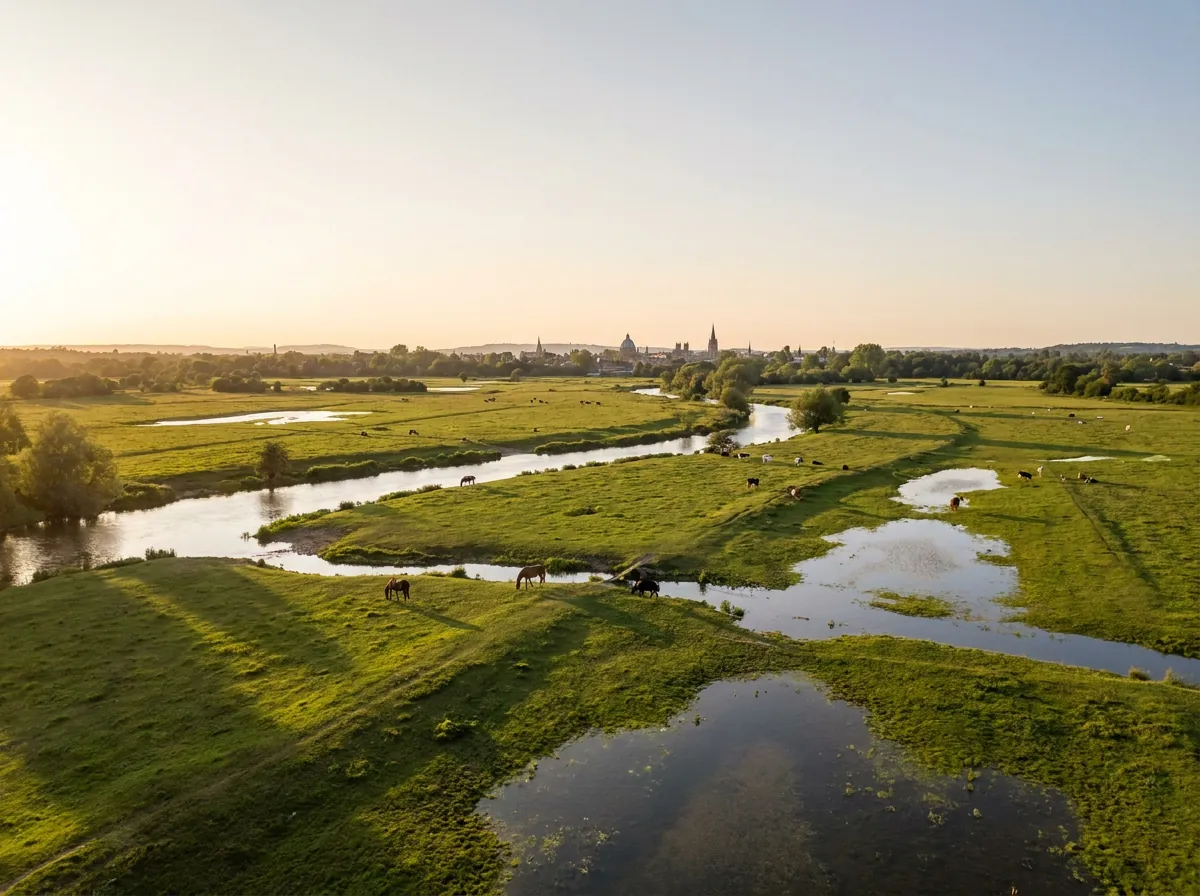
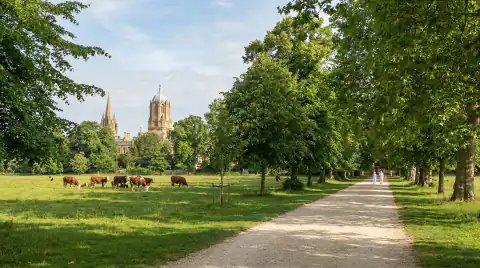
A vast, never-ploughed common beside the Thames, grazed by free-roaming horses and cattle for over a thousand years.
01 / Why it matters
More than a stop on a list.
The wildest, most open green space within walking distance of the centre — a thousand-year-old common where the city gives way to river, sky and grazing horses.
Port Meadow is roughly 440 acres of open common on the western edge of Oxford, running north along the Thames towards Wolvercote. It has never been ploughed, and grazing rights held by the Freemen of Oxford and the Commoners of Wolvercote go back to before the Norman Conquest — the meadow is recorded in the Domesday survey of 1086. The result is an unusually ancient, unimproved grassland: horses and cattle wander freely across it, curlews and lapwings nest in the tussocks, and in winter the low ground floods and, in hard years, freezes for skating. It is best treated as a walk rather than a destination. A riverside path runs the length of the meadow past moored narrowboats, the ruins of Godstow Abbey and two of Oxford's finest riverside pubs — The Perch at Binsey and The Trout at Wolvercote. There are no gates, no admission and no closing time; there is also no lighting and no hard path across the middle, so stout footwear and daylight are the sensible defaults.
02 / The essentials
What makes it remarkable.
- 01
Roughly 440 acres (178 hectares) of open common on the western edge of Oxford, beside the River Thames.
- 02
Has never been ploughed — one of the oldest continuously grazed pastures in Britain.
- 03
Grazing rights held by the Freemen of Oxford and the Commoners of Wolvercote; the meadow appears in the Domesday Book of 1086.
- 04
Grazed year-round by free-roaming horses and cattle.
- 05
A Site of Special Scientific Interest and a Scheduled Ancient Monument, with Bronze Age and Iron Age remains beneath the turf.
- 06
The riverside path leads to Godstow Abbey ruins and the historic Trout Inn and Perch pubs.
- 07
Floods most winters and, in hard frosts, has historically been used for skating.
03 / The place
The building in context.
A story written in stone since 1086.
- Built
- Grazed common land since before the Norman Conquest; recorded in the Domesday Book, 1086
- Style
- Ancient unimproved floodplain grassland
- Listing
- SSSI / Scheduled Monument
- Archive
- Wikidata Q2103599 ↗
04 / Before you go
Plan it well.
Enjoy it properly.
Practical detail, separated from the story so you can scan what matters when you are ready to visit.
Tickets & entry
Free — open common land, no admission
Opening hours
Open at all times. Unlit and unfenced common land — best visited in daylight. The lower ground floods in winter and can be impassable after heavy rain.
Continue exploring / Oxford
What will you
do next?
Compare the practical essentials first, then open the experiences that earn a place in your plans.
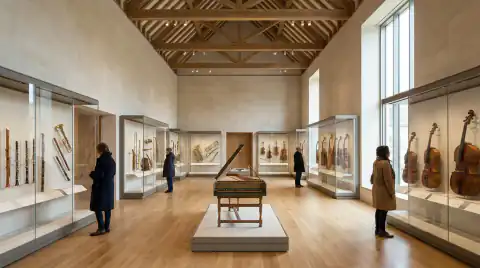 01Culture & historyBate Collection of Musical InstrumentsExplore experience →
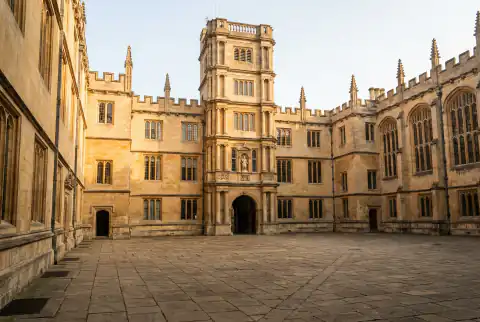 02Culture & historyBodleian Library guided tourExplore experience →
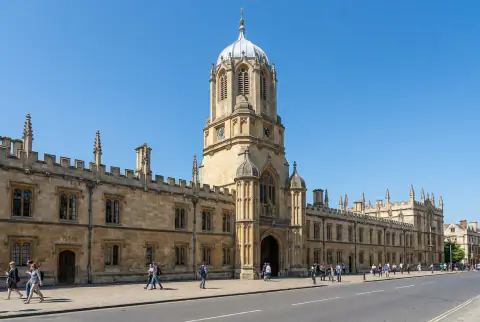 03Culture & historyChrist ChurchExplore experience →
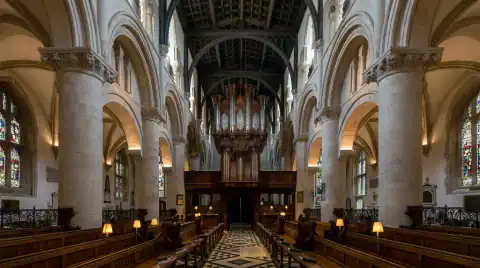 04Culture & historyChrist Church CathedralExplore experience →
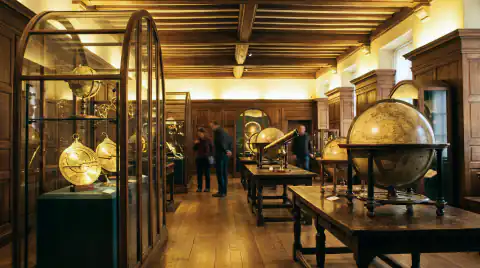 05Culture & historyHistory of Science MuseumExplore experience →
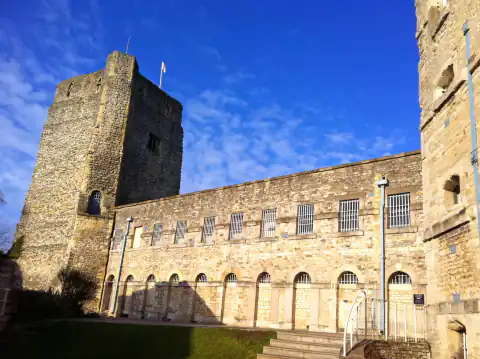 06Culture & historyOxford CastleExplore experience →
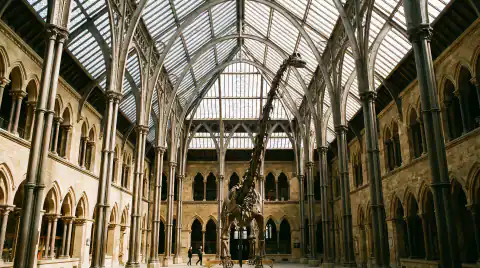 07Culture & historyOxford University Museum of Natural HistoryExplore experience →
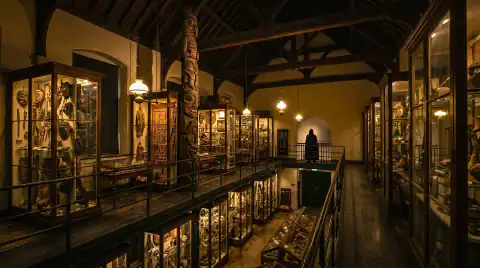 08Culture & historyPitt Rivers MuseumExplore experience →
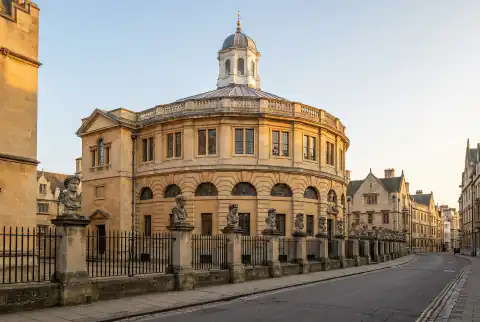 09Culture & historySheldonian TheatreExplore experience →
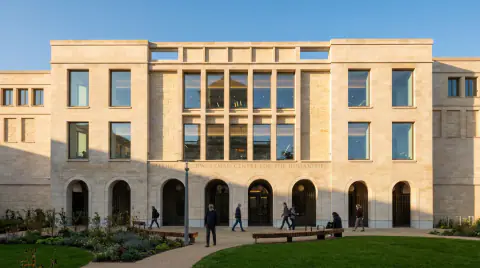 10Culture & historyStephen A. Schwarzman Centre for the HumanitiesExplore experience →
 11Culture & historyThe Ashmolean MuseumExplore experience →
 12Culture & historyThe Radcliffe CameraExplore experience →
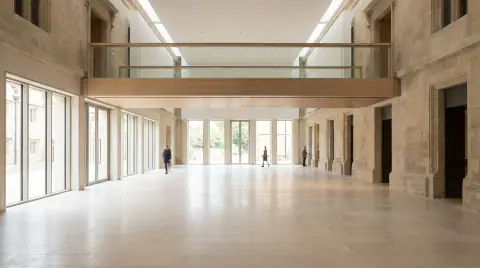 13Culture & historyThe Weston LibraryExplore experience →
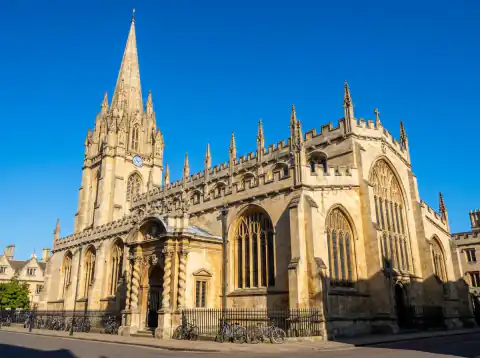 14Culture & historyUniversity Church of St Mary the VirginExplore experience →
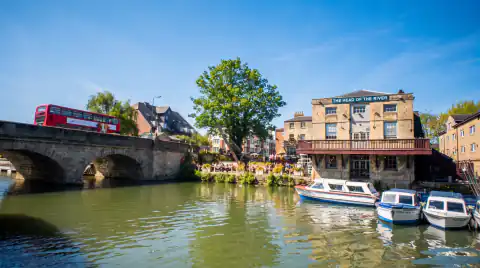 15Food & drinkHead of the RiverExplore experience →
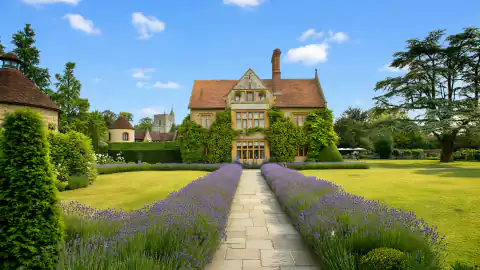 16Food & drinkLe Manoir aux Quat’SaisonsExplore experience →
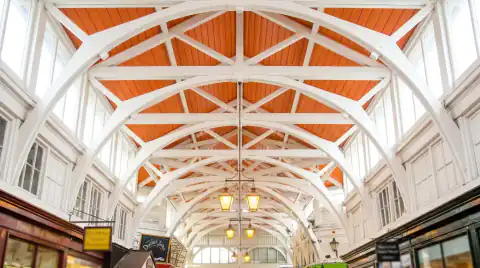 17Food & drinkOxford Covered MarketExplore experience →
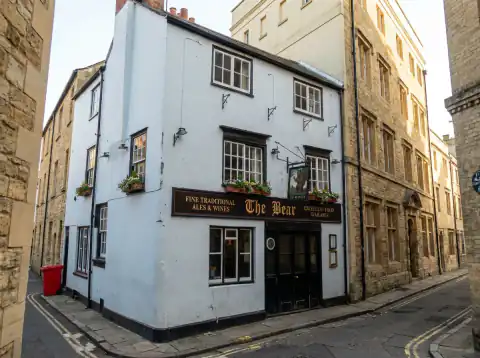 18Food & drinkThe Bear InnExplore experience →
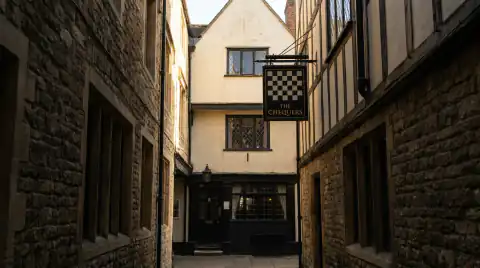 19Food & drinkThe ChequersExplore experience →
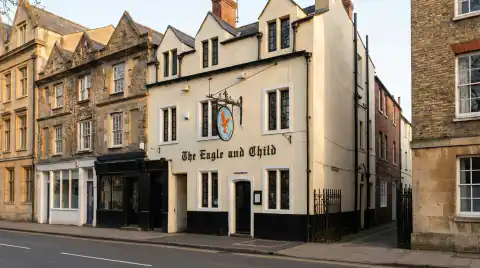 20Food & drinkThe Eagle and ChildExplore experience →
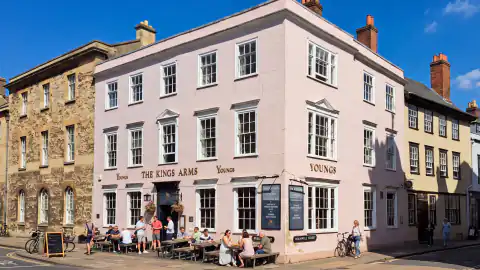 21Food & drinkThe King’s ArmsExplore experience →
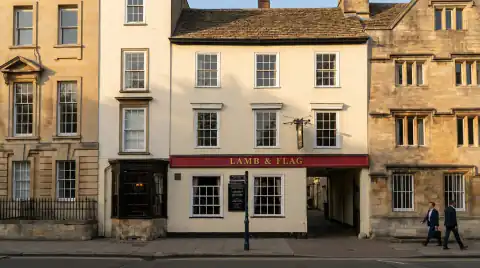 22Food & drinkThe Lamb & FlagExplore experience →
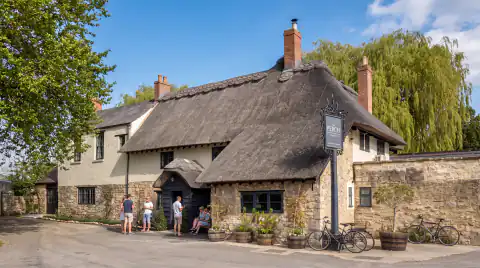 23Food & drinkThe PerchExplore experience →
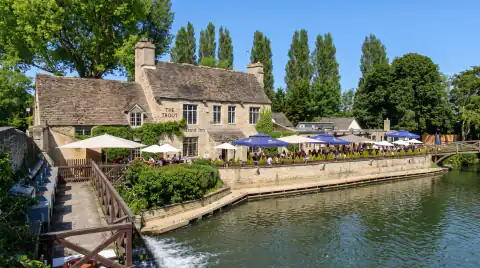 24Food & drinkThe Trout InnExplore experience →
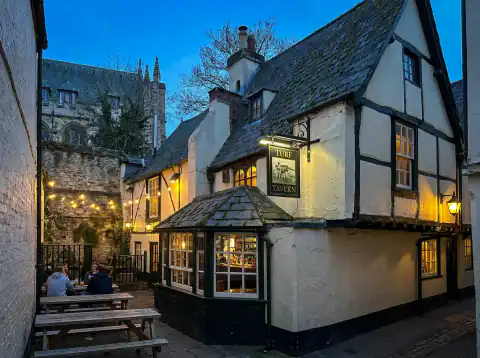 25Food & drinkThe Turf TavernExplore experience →
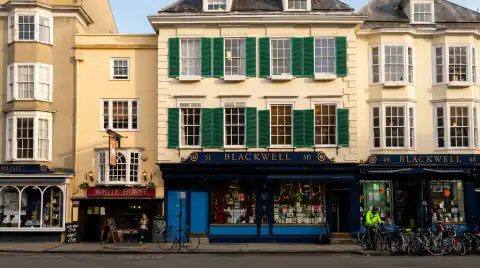 26Food & drinkThe White HorseExplore experience →
 27Food & drinkWestgate OxfordExplore experience →
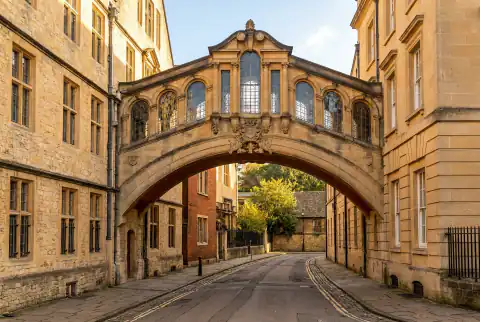 28Walks & viewsThe Bridge of SighsExplore experience →
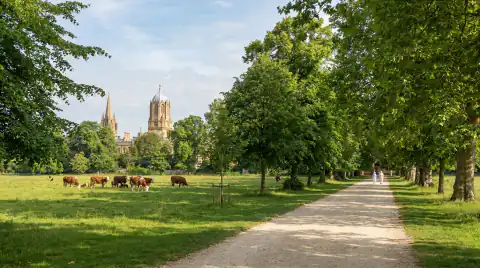 29Parks & meadowsChrist Church MeadowExplore experience →
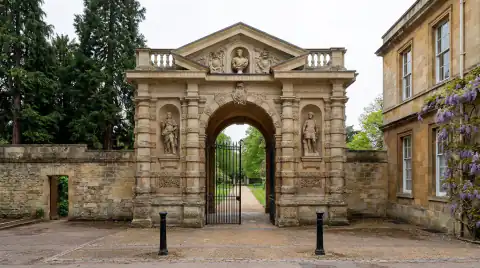 30Parks & meadowsOxford Botanic GardenExplore experience →
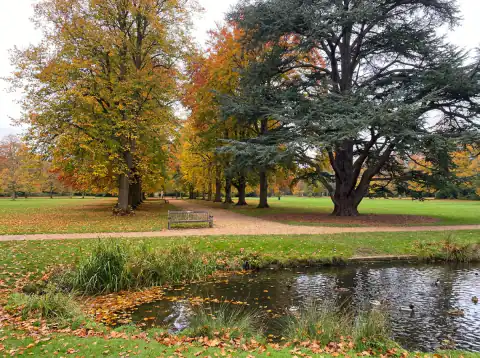 31Parks & meadowsUniversity ParksExplore experience →
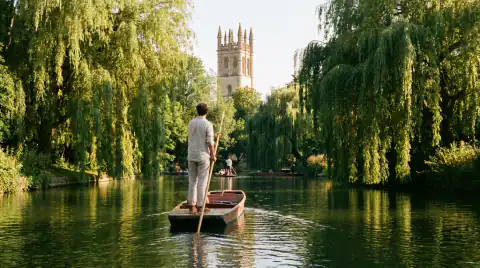 32On the waterPunt the CherwellExplore experience →
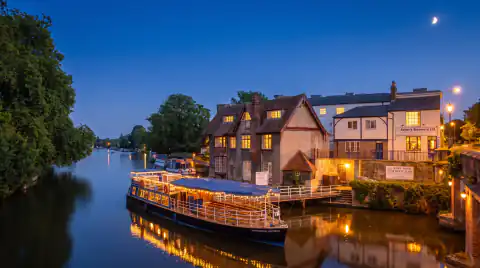 33On the waterSalter's SteamersExplore experience →
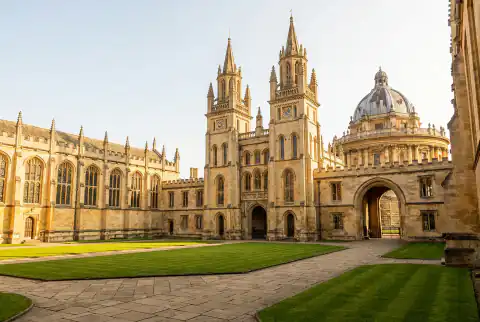 43CollegesAll the collegesEvery Oxford collegeOpen the college guide →Food & drink / a storyThe nine oldest pubsWalk the timeline →
 Plan / Itinerary builderBuild your Oxford dayStart planning →
05 / Where it is
Find it
and what’s nearby.
05 / Good to know
Questions,
answered.
01Is Port Meadow free to visit?
Yes. It is open common land with no admission charge and no closing time.
02Are there really wild horses?
The horses and cattle are not wild but are owned by commoners who graze them on the meadow. Keep your distance and keep dogs under control around them.
03How do I get there?
The usual entrances are off Walton Well Road (near Jericho) and Aristotle Lane in north Oxford, both a short walk or cycle from the centre.
04Can I walk to a pub?
Yes — the riverside path leads north to The Trout Inn at Wolvercote and a branch reaches The Perch at Binsey, both classic Thames-side pubs.