Culture & history / Oxford
History of Science Museum
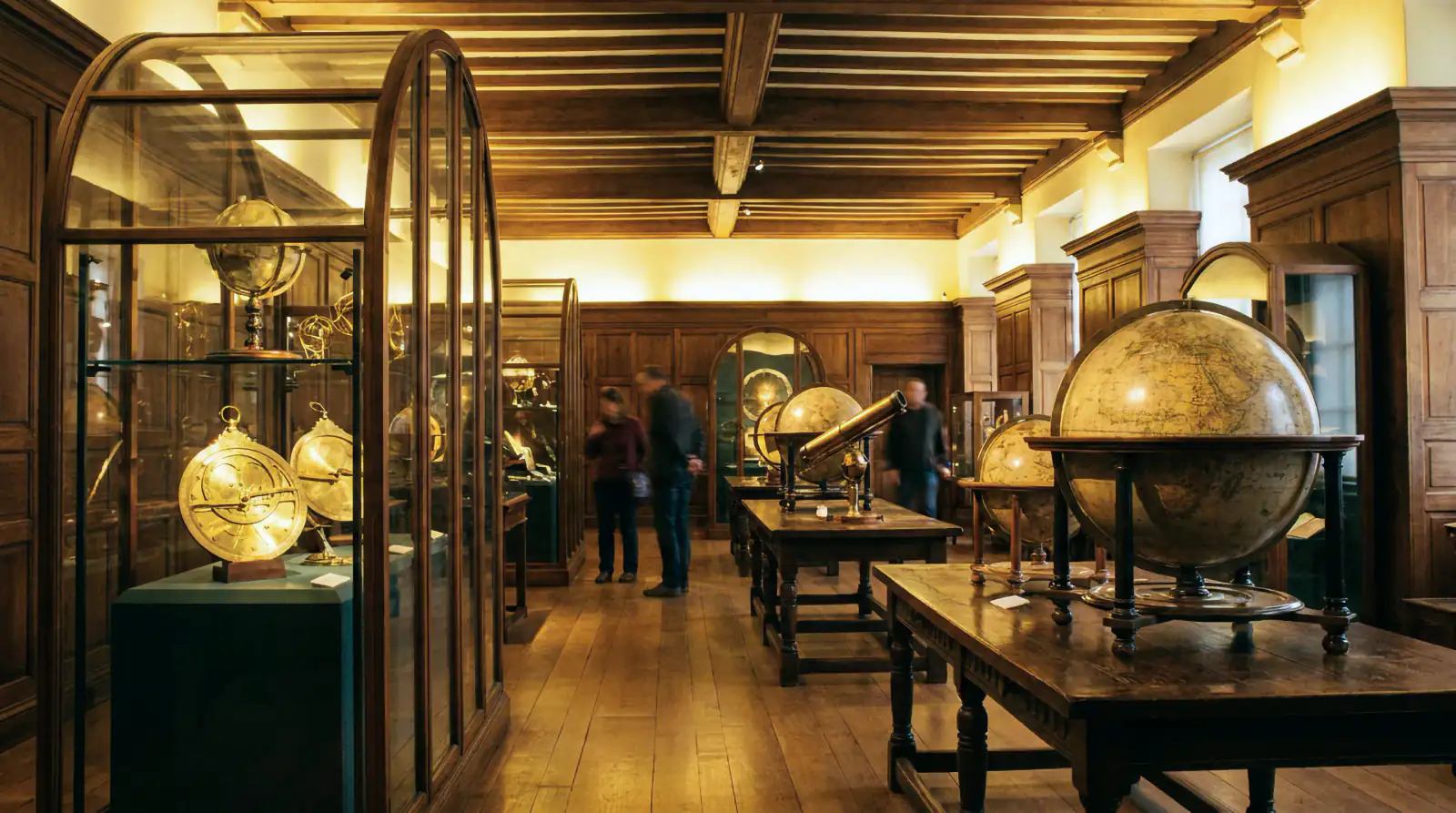
Astrolabes, early telescopes and clocks in the world's oldest surviving museum building — with a blackboard used by Einstein.
01 / Why it matters
More than a stop on a list.
An intimate, atmospheric collection of astrolabes, clocks and early instruments in the world's oldest surviving museum building — with Einstein's blackboard as the star draw.
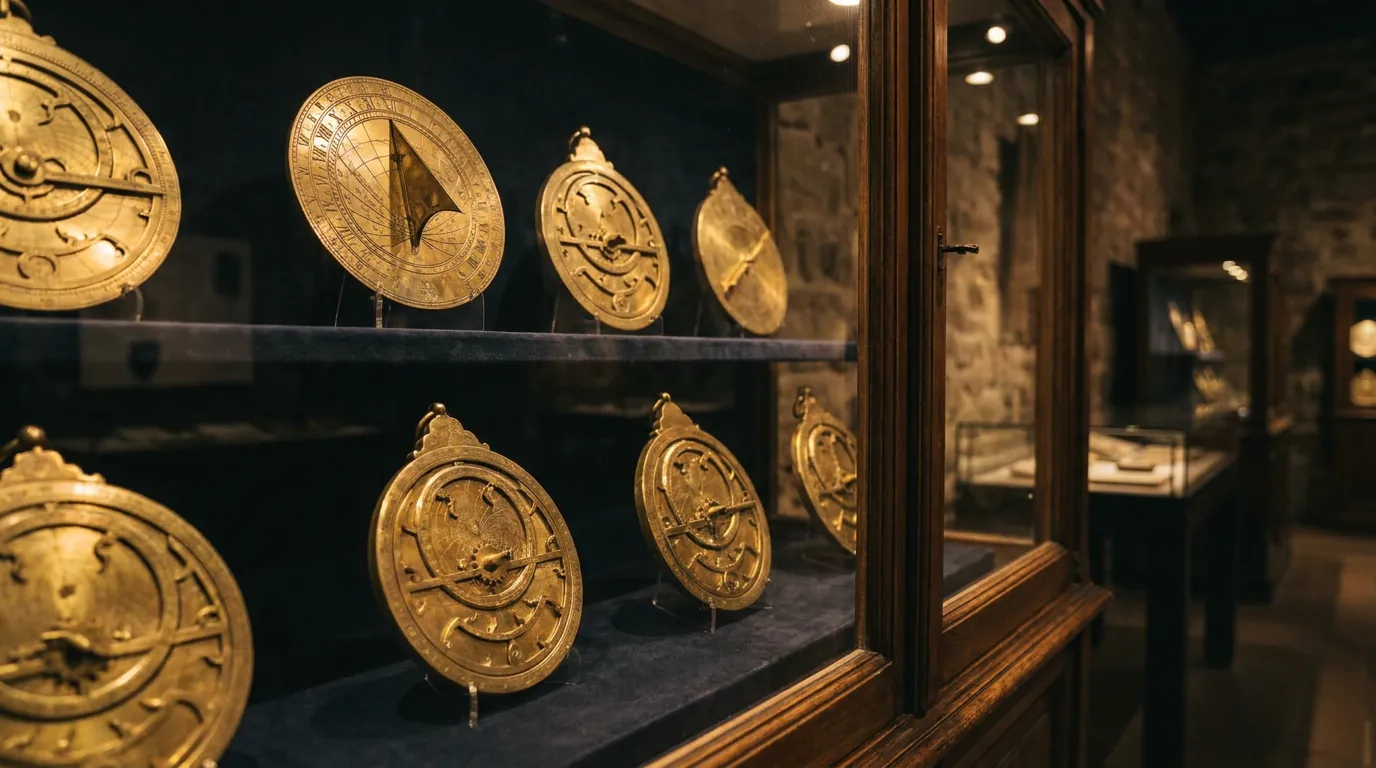
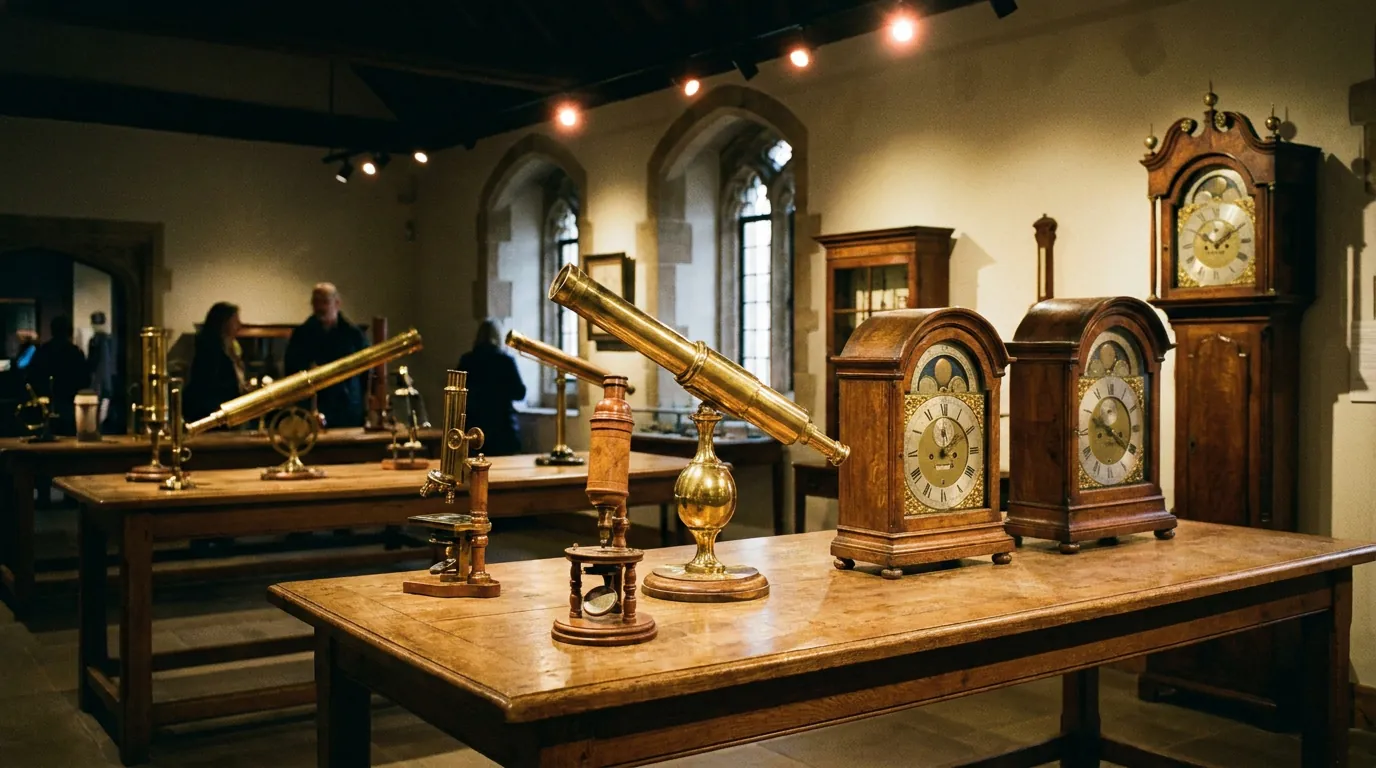
The History of Science Museum occupies the Old Ashmolean Building on Broad Street — built in 1683 and the world's oldest surviving purpose-built museum building. It holds a leading collection of historic scientific instruments, from medieval astrolabes and sundials to early telescopes, microscopes and clocks, displayed across historic panelled galleries. It has around 170 astrolabes — one of the most complete collections anywhere, including a rare Islamic spherical astrolabe — and among its best-loved exhibits is a blackboard used by Albert Einstein during a 1931 lecture in Oxford. Admission is free.
In pictures
The full gallery.
02 / The essentials
What makes it remarkable.
- 01
Occupies the Old Ashmolean Building on Broad Street (1683) — the world's oldest surviving purpose-built museum building.
- 02
Free admission; a leading collection of historic scientific instruments from the Middle Ages to the 19th century.
- 03
Holds around 170 astrolabes, one of the most complete collections anywhere, including a rare Islamic spherical astrolabe.
- 04
Displays a blackboard used by Albert Einstein during his 1931 lecture in Oxford.
- 05
Early telescopes, microscopes, clocks, sundials and cameras fill the historic panelled galleries.
03 / The place
The building in context.
A story written in stone since 1683.
- Built
- housed in the Old Ashmolean Building, 1683
- Style
- 17th-century (Old Ashmolean)
04 / Before you go
Plan it well.
Enjoy it properly.
Practical detail, separated from the story so you can scan what matters when you are ready to visit.
Tickets & entry
Free general admission; donations welcome. Confirm current details on the official site.
Opening hours
Tue–Sun 10:00–17:00 (last entry ~16:50); free entry. Confirm on the official site.
Booking
No booking needed for general entry.
Access
A historic building with limited step-free access — confirm current accessibility on the official site.
Continue exploring / Oxford
What will you
do next?
Compare the practical essentials first, then open the experiences that earn a place in your plans.
 01Culture & historyBate Collection of Musical InstrumentsExplore experience →
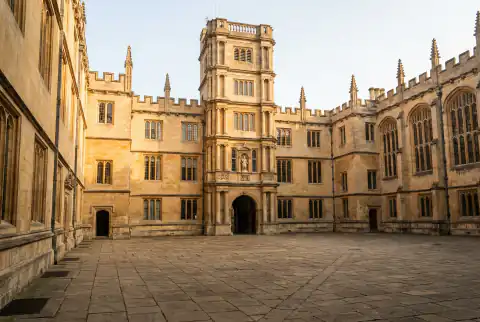 02Culture & historyBodleian Library guided tourExplore experience →
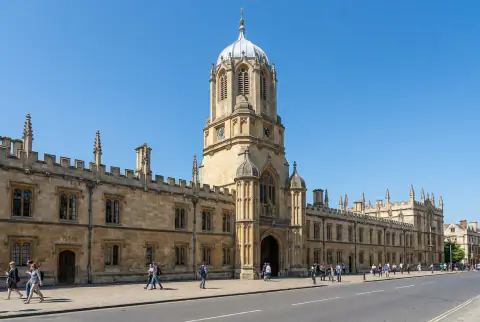 03Culture & historyChrist ChurchExplore experience →
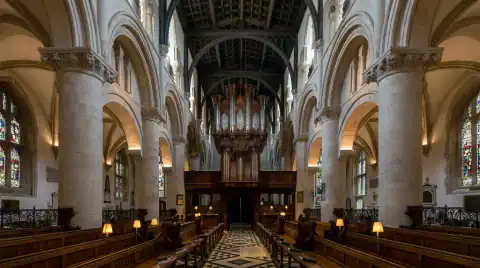 04Culture & historyChrist Church CathedralExplore experience →
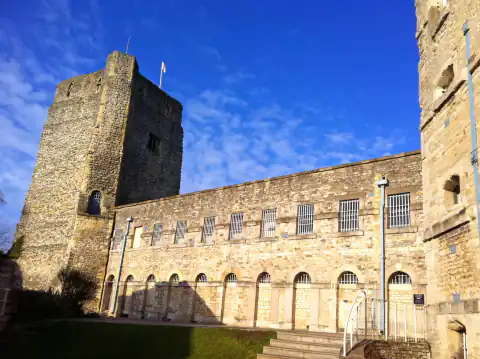 05Culture & historyOxford CastleExplore experience →
 06Culture & historyOxford University Museum of Natural HistoryExplore experience →
 07Culture & historyPitt Rivers MuseumExplore experience →
 08Culture & historySheldonian TheatreExplore experience →
 09Culture & historyStephen A. Schwarzman Centre for the HumanitiesExplore experience →
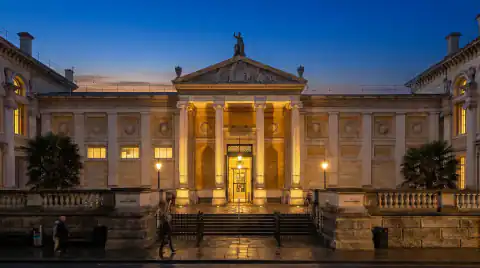 10Culture & historyThe Ashmolean MuseumExplore experience →
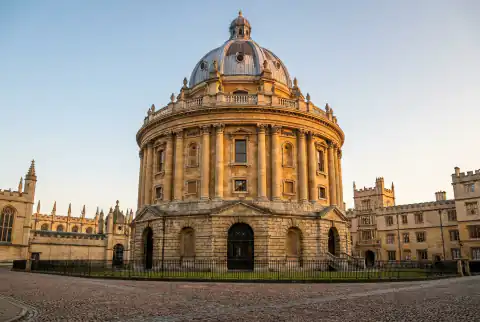 11Culture & historyThe Radcliffe CameraExplore experience →
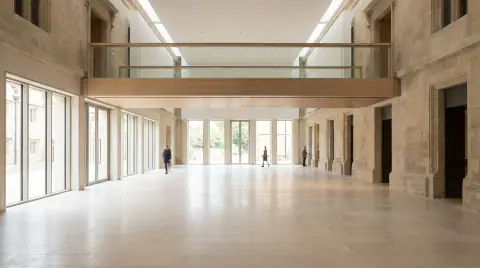 12Culture & historyThe Weston LibraryExplore experience →
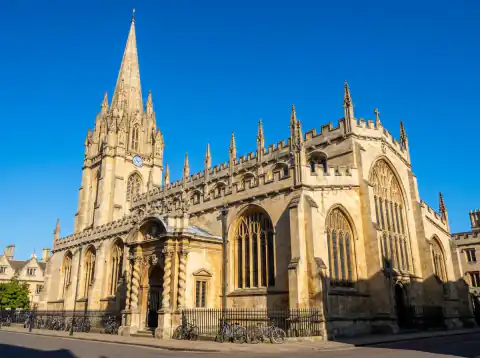 13Culture & historyUniversity Church of St Mary the VirginExplore experience →
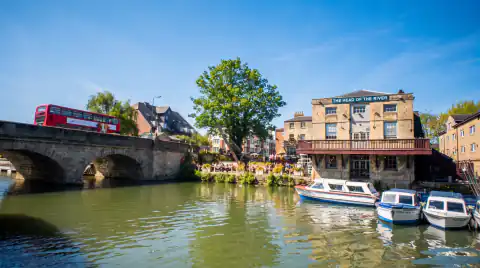 14Food & drinkHead of the RiverExplore experience →
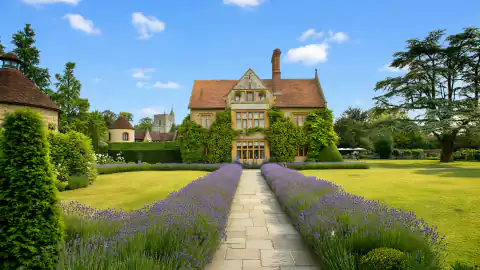 15Food & drinkLe Manoir aux Quat’SaisonsExplore experience →
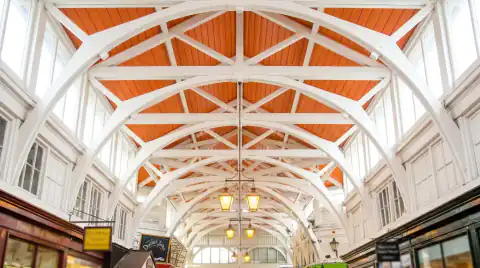 16Food & drinkOxford Covered MarketExplore experience →
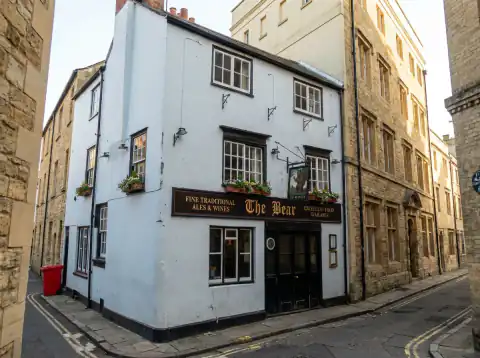 17Food & drinkThe Bear InnExplore experience →
 18Food & drinkThe ChequersExplore experience →
 19Food & drinkThe Eagle and ChildExplore experience →
 20Food & drinkThe King’s ArmsExplore experience →
 21Food & drinkThe Lamb & FlagExplore experience →
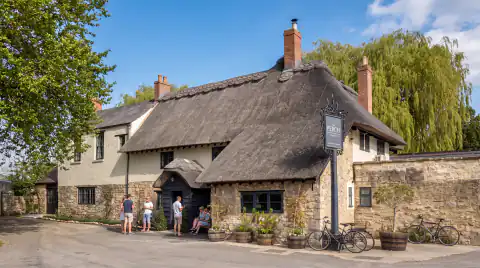 22Food & drinkThe PerchExplore experience →
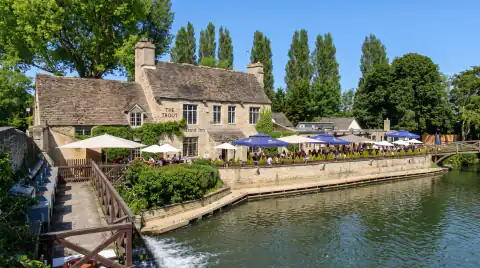 23Food & drinkThe Trout InnExplore experience →
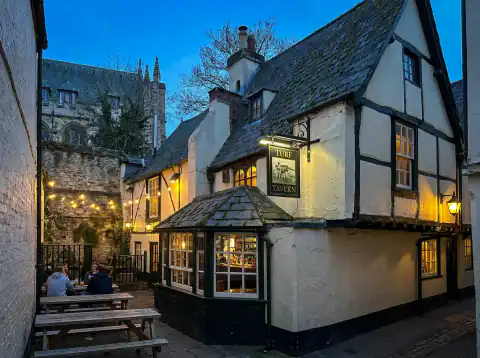 24Food & drinkThe Turf TavernExplore experience →
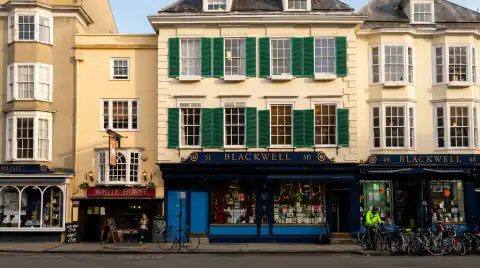 25Food & drinkThe White HorseExplore experience →
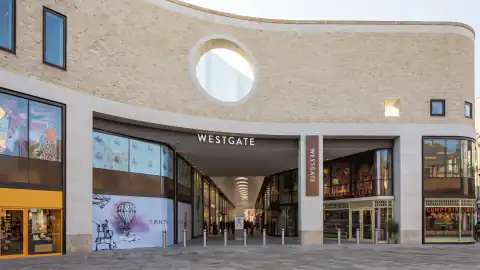 26Food & drinkWestgate OxfordExplore experience →
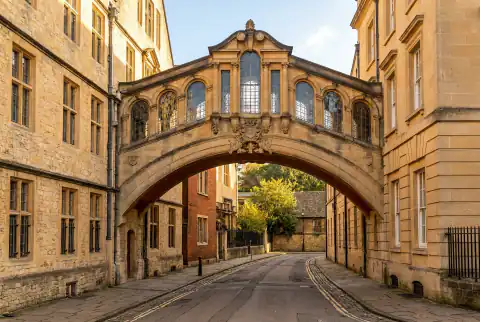 27Walks & viewsThe Bridge of SighsExplore experience →
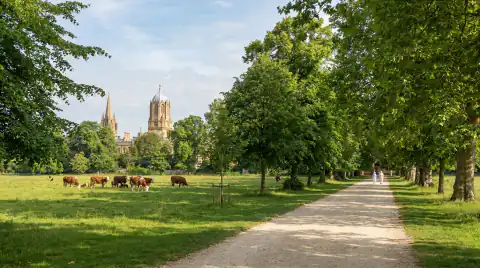 28Parks & meadowsChrist Church MeadowExplore experience →
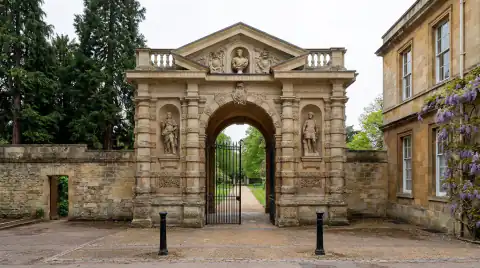 29Parks & meadowsOxford Botanic GardenExplore experience →
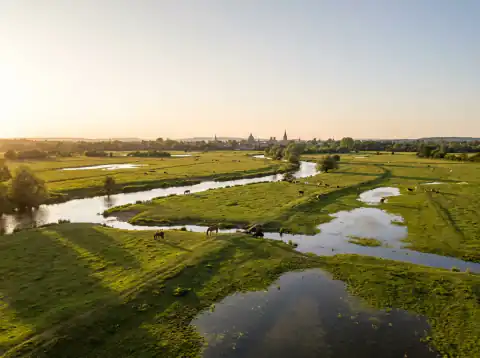 30Parks & meadowsPort MeadowExplore experience →
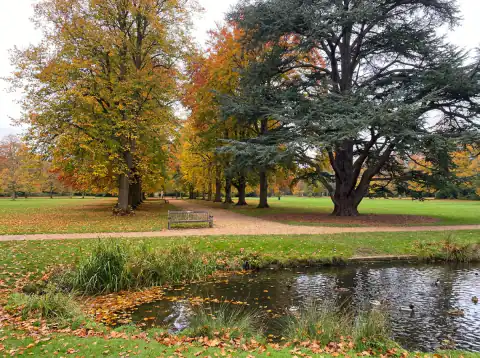 31Parks & meadowsUniversity ParksExplore experience →
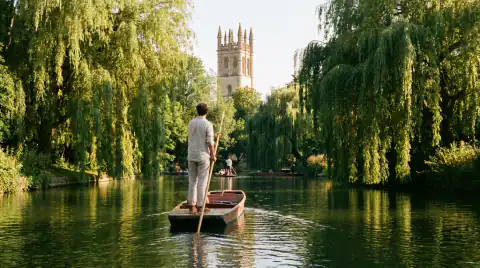 32On the waterPunt the CherwellExplore experience →
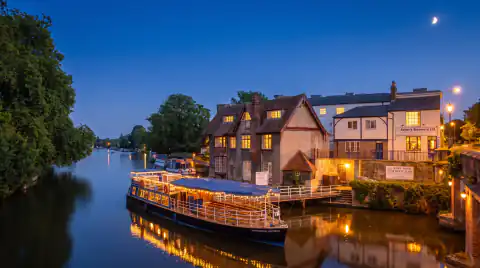 33On the waterSalter's SteamersExplore experience →
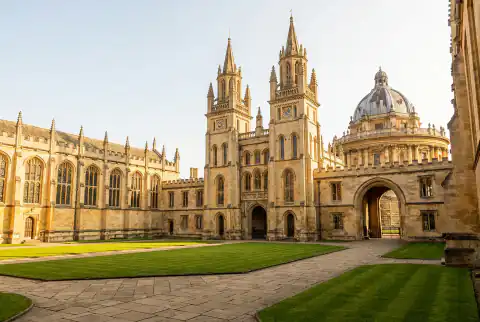 43CollegesAll the collegesEvery Oxford collegeOpen the college guide →Food & drink / a storyThe nine oldest pubsWalk the timeline →
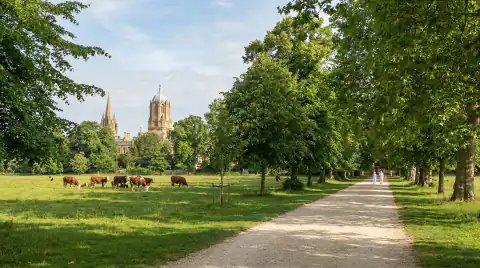 Plan / Itinerary builderBuild your Oxford dayStart planning →
05 / Where it is
Find it
and what’s nearby.
05 / Good to know
Questions,
answered.
01Is the History of Science Museum free?
Yes — free admission, with donations welcome.
02What is Einstein's blackboard?
A blackboard Einstein used during a 1931 lecture in Oxford, preserved with his handwritten equations — one of the museum's most popular exhibits.
03Why is the building special?
It occupies the 1683 Old Ashmolean, the world's oldest surviving purpose-built museum building.