historic market / Oxford
In depth
Oxford Covered Market
A free, Grade II listed market where more than 50 independent traders trade beneath layered timber and iron roofs, continuously in use since 1774.
Story · Visit · Route · Links
Visitor Essentials & Quick Answers
Is the Covered Market worth visiting?
Yes for a glimpse of Oxford beyond its colleges: food shops, cafés, flowers and independent businesses share a network of covered lanes. Its appeal is everyday trading inside a historic building. Make it a browse or food stop within your city walk, and leave room to discover something unexpected.
Is it a food hall or a traditional market?
It has elements of both, but food is only part of the picture. Traditional produce businesses sit alongside places to eat and shops selling gifts, clothing and specialist goods. Explore the cross-aisles as well as the obvious cafés: the mixture distinguishes it from a single modern food court.
What should I look for above the shopfronts?
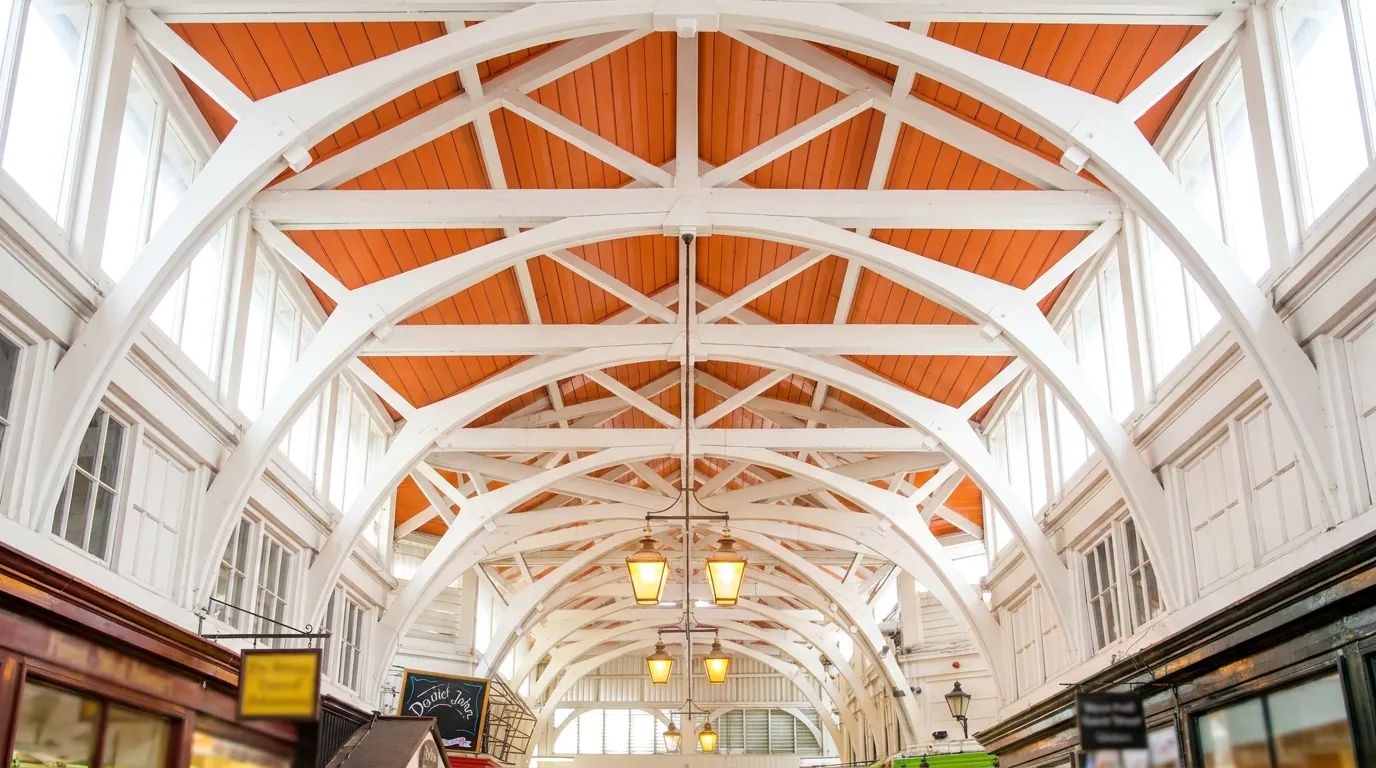
Look up at the timber roofs, ironwork and high windows, then notice old shopfront proportions and surviving meat racks. The market opened in 1774 but was repeatedly enlarged and rebuilt. Those changes explain its layered interior better than imagining that everything you see belongs to one Georgian design.
Why is the market hidden behind the main streets?
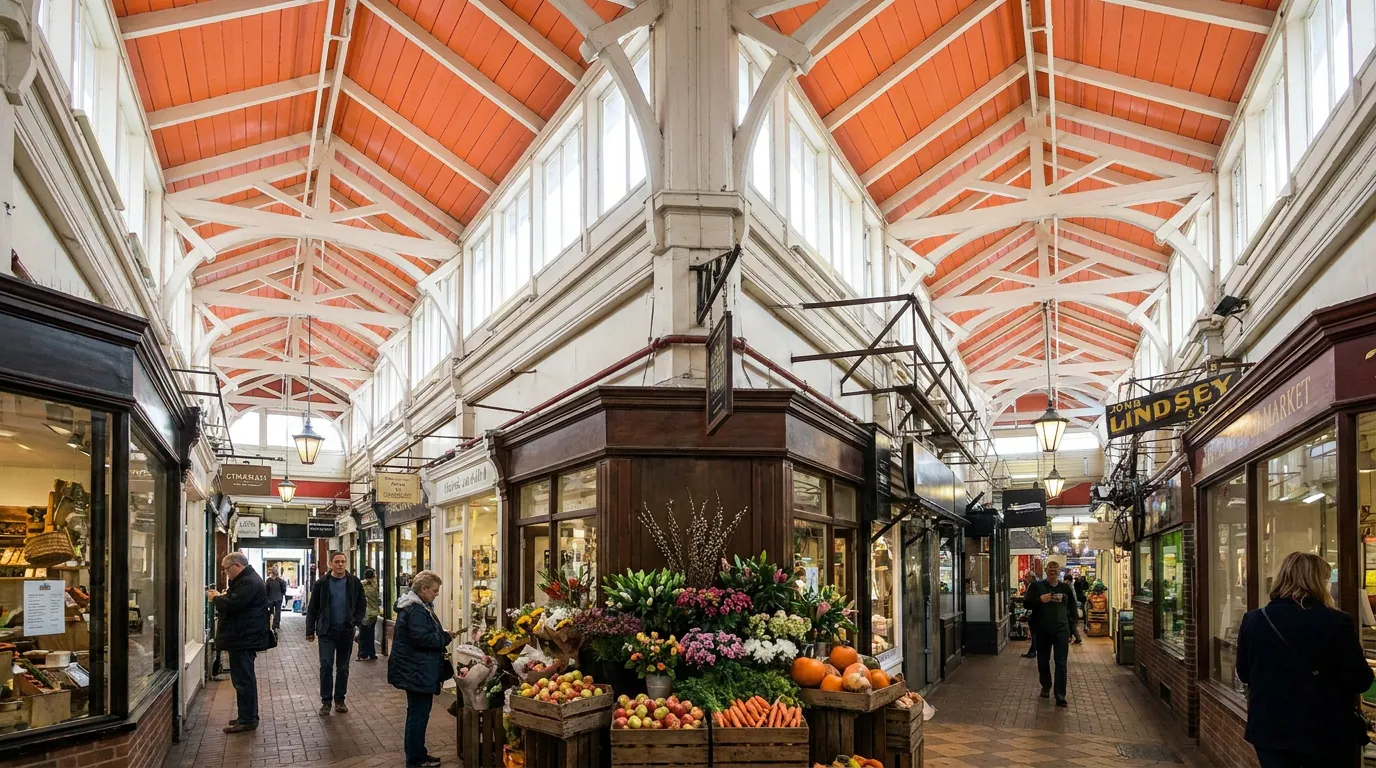
Its entrances lead from busy shopping streets into an interior network that feels surprisingly separate. The original market helped move food trading off congested streets. That history still shapes the experience: an ordinary-looking passage can open into long views of signs, shops and people beneath a shared roof.
Choose your depth
Essentials or more detail?
See visiting essentials, or read more about the history and places nearby.Start here
Understand the place.
The context, character and reasons this experience earns time in your Oxford plans.Why it matters
It is a living piece of Oxford
Many Oxford attractions interpret the city’s past. The Covered Market continues one of the city’s oldest everyday activities in the place created for it. Shopping, eating, deliveries, displays, conversations and seasonal rhythms are not incidental to the heritage; they are the reason the building exists.
It tells the “town” side of Oxford
Oxford is often presented almost entirely through the University. The market tells a complementary civic story: road improvement, public health, regulation, local government, food supply, family businesses and the changing economics of the city centre. It adds essential texture to an Oxford itinerary.
The architecture rewards attention
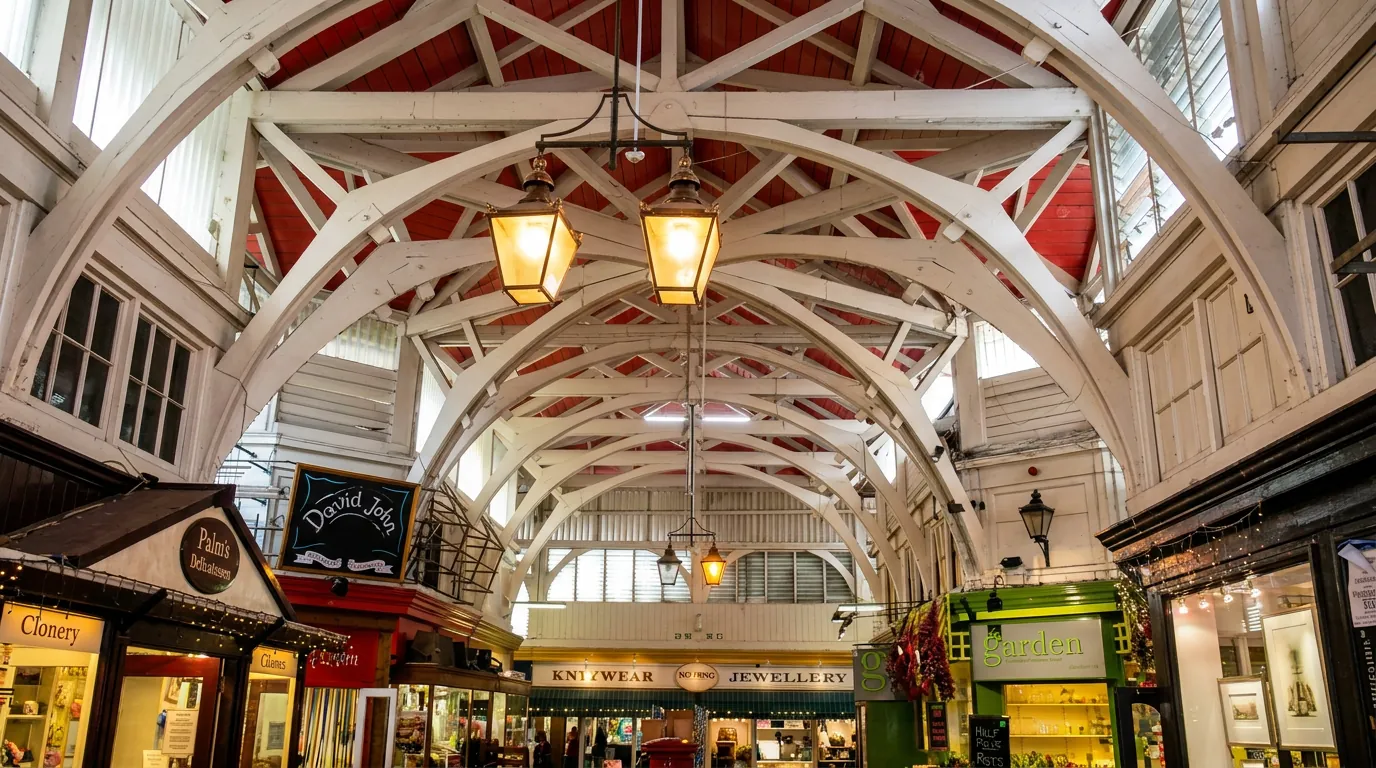
The building is not one uniform eighteenth-century interior. Most of the covered market behind the High Street frontage is nineteenth-century reconstruction. Its interest comes from visible phases: ashlar, timber, cast iron, king-post trusses, clerestories, old floor surfaces, historic shopfront fragments, meat-hanging bars and a grid whose long avenues expose changing roof forms. [S06][S07]
It is genuinely useful
The market is central, free, mostly step-free, sheltered and flexible. Visitors can use it for breakfast, lunch, coffee, shopping, a quiet pause, an evening event or cover from rain without committing to a timed ticket.
What visitors should notice
- The reveal from the entrances. The market is largely concealed inside the city block; the move from street to interior is part of its character.
- The roof changes. Look up along different avenues to compare iron and timber structures, clerestory glazing and ventilation features.
- The long sightlines. The north–south avenues and east–west cross-aisles make a compact interior feel layered and cinematic.
- Historic shopfront fabric. Surviving fascias, pilasters, splayed doorways, stonework and floor details show how the market evolved.
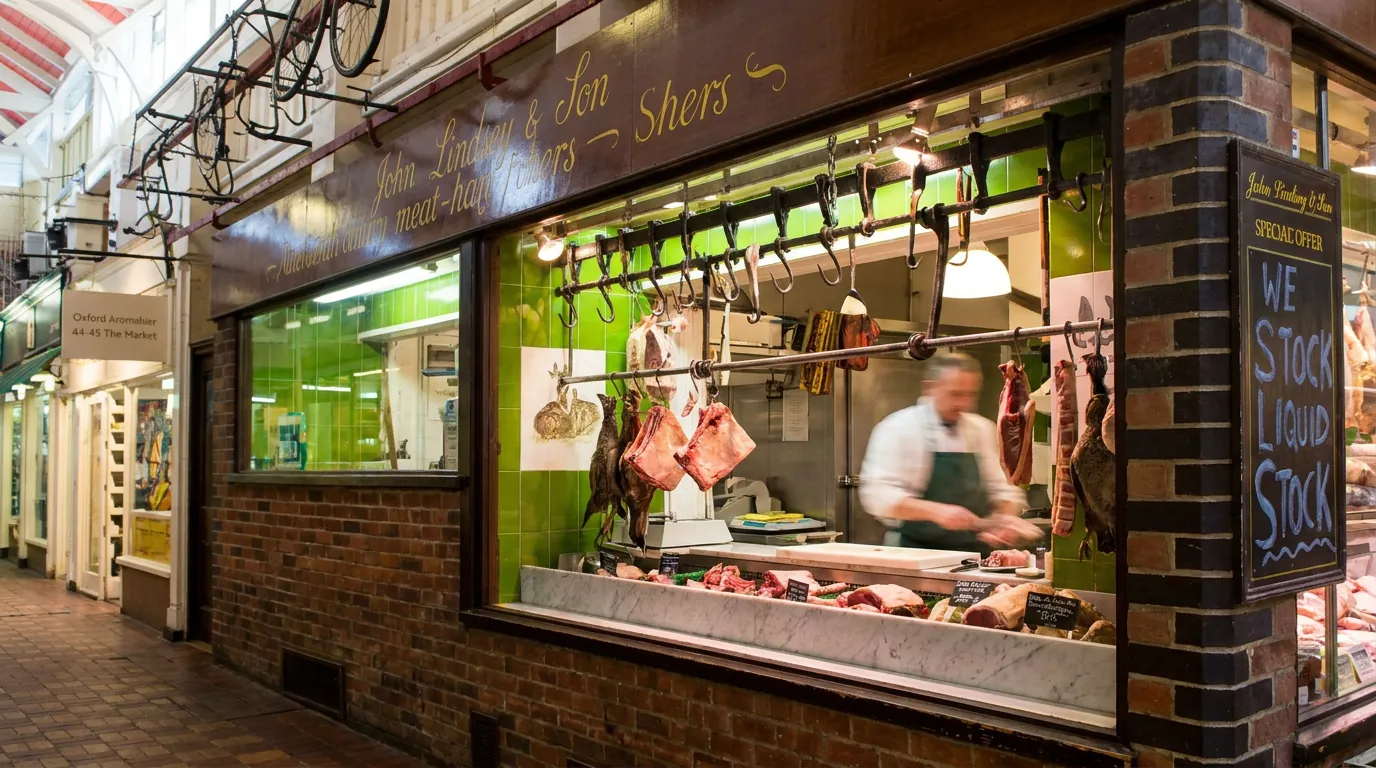
- Old meat racks. Projecting iron bars above some shopfronts survive from the market’s butchery history.
- Units 46–48. The restored former John Lindsey Butcher & Son units revealed stone floors, wrought-iron latticework, limewashed brickwork and historic signage; they now house Hamblin Bread. [S08]
- Independent business density. The market’s strength is not one “must-buy” product but many specialist traders in close proximity.
Who will enjoy it
- First-time Oxford visitors wanting atmosphere without another formal attraction.
- Food-led travellers looking for a choice of independent places rather than a single restaurant.
- Families needing a flexible, weatherproof stop.
- Architecture and social-history visitors prepared to look above the shop displays.
- Photographers interested in roof geometry, shopfronts, signage and layered human activity.
- Local visitors meeting for coffee, lunch, shopping or evening events.
Who may find it difficult
- Visitors expecting every shop to follow the building’s gate hours.
- People who prefer quiet spaces at peak lunch or Saturday periods.
- Visitors with sensory sensitivities: the market can combine food smells, music, conversation, narrow browsing points and queues.
- Dog owners: assistance dogs are admitted, while policies for other dogs can vary by trader. [S02]
Visitor verdict
The Covered Market is one of Oxford’s best short, free and repeatable experiences. It should be presented as a living market first and a heritage attraction second. The ideal visit mixes both: buy or eat something from an independent trader, then spend five minutes looking beyond the displays at the roof, ironwork, old shopfronts and avenue plan.
The full story
How it came to matter.
The short history
Oxford Covered Market began as an eighteenth-century civic response to crowded and inconvenient street trading. Foundations were started in May 1772, the market was designed by John Gwynn, and it officially opened on 1 November 1774. Its first purpose was practical: bring butchers and other food sellers into a regulated market and clear stalls from key routes such as St Aldate’s and Queen Street. The building visitors see today is the result of extensive nineteenth-century rebuilding and enlargement rather than one untouched Georgian design. [S06][S07]
Before the Covered Market
Food and goods had long been sold in Oxford’s streets, following patterns with medieval origins. Particular trades gathered in particular locations. Fish Street was associated with what is now St Aldate’s, while Butcher Row occupied parts of Queen Street and, earlier, the High Street. By the eighteenth century these stalls were seen as obstacles to movement and as increasingly incompatible with new ideas about urban order, sanitation and traffic.
The Oxford Mileways Act of 1771 provided a framework for improving major routes. The same programme removed gates, widened roads and sometimes created new streets. The Covered Market belongs to that broader reorganisation of Oxford: it concentrated food trading inside a dedicated block so that the principal streets could become safer and easier to use. [S06]
This origin is important because it explains the market’s discreet exterior. It was designed to remove visually and physically disruptive stalls from public streets. The fact that modern visitors can pass close by without noticing the market is not simply poor signage; it is partly the consequence of the original civic intention.
1772–1775: Gwynn’s market
Work on the foundations began in May 1772. The original market committee accepted an estimate of £916 and 10 shillings for twenty butchers’ shops. John Gwynn, architect of Magdalen Bridge, prepared the plans and designed the High Street frontage. [S01]
Construction was divided between local carpenters. Tawney and Roberts built the first twenty butchers’ shops, while William Green of Waterstock built twenty more. The first operating section was dominated by butchers; other traders were introduced gradually. [S06]
The market officially opened on 1 November 1774. By 1775 it contained twenty-eight shops and forty butchers’ shops arranged in blocks divided by wide avenues. The stalls stood on stone foundations and were timber-framed with lath-and-plaster walls, Stonesfield slate roofs and surrounding stone colonnades. An open northern area accommodated fish sellers, gardeners and other goods. Three entrances connected the market to what is now Market Street. [S06]
The High Street properties above the avenue entrances formed part of Gwynn’s design. Some were sold to help finance construction. Little of the original covered structure survives above ground, although the layout and stone foundations remain important. Historic England states that the surviving front range facing High Street is the principal remnant of the 1772–74 work; the market behind is mainly nineteenth-century reconstruction. [S07]
1789: supervising the market
A house for the Market Inspector, or supervisory beadle, was built at the north-west corner in 1789. The role reflects the market’s regulated civic purpose: this was a managed space with rules, measures and oversight, not simply a roof placed over informal street stalls. [S06]
1834–1849: major rebuilding
The market changed substantially in the 1830s and 1840s. Thomas Wyatt the younger was appointed in 1838 to extend it westwards. Wyatt insisted on iron roofing and stone piers. Iron elements were cast by Dewer’s foundry in London in 1839; surviving tie-beams carry the Dewer name. Historic England dates the main rebuilding and enlargement to 1834–40. [S06][S07]
H. J. Underwood designed more imposing Market Street entrances during phases between 1842 and 1849. These interventions strengthened the market’s civic face while preserving the interior avenue structure. [S06]
The nineteenth-century programme matters more visually than the original date might suggest. Visitors should expect a layered Victorian market whose plan descends from the Georgian scheme, not a uniformly 1774 interior.
1881–1900: the present grid takes shape
The later nineteenth century brought repeated change:
- A western avenue designed by Frederick Codd was constructed in 1881, removing surviving elements of Gwynn’s original stall layout.
- The southern portion of Avenue 4 was rebuilt in 1892.
- The southern area of Avenue 3 was rebuilt in 1894.
- The central part of Avenue 4 was rebuilt following a fire by E. G. Bruton and extended north to Market Street in 1898.
- Open areas to the north and east had been roofed by 1900.
The present extent from High Street to Market Street was essentially complete by 1894, although individual phases and additions continued to shape the roofscape and shopfronts. [S06]
This chronology explains why roof forms change as a visitor moves between avenues. Some structures are cast iron, others timber. King-post trusses, braces, clerestories and glazed galleries sit above shopfronts from different periods. The market’s visual richness comes from this accumulated construction.
Twentieth-century continuity
A 1909 photograph by Henry Taunt shows butchers’ displays and sawdust on the floor, a reminder that the interior was once much more explicitly tied to raw food preparation and sale. During the Second World War the market remained open and acted as an important city resource. A 1944 photograph records the Clerk of the Market weighing butter during rationing. [S06]
Later retail changes altered shopfronts and combined some back-to-back units into larger premises. New signs, lighting, services and built-out displays sometimes concealed older proportions. Those changes are part of the story of a market adapting to use, but they also created conservation challenges.
In 1986 a new western entrance was formed through the Golden Cross passage from Cornmarket Street, adding another way into the interior grid. [S06]
Listing and heritage significance
The Covered Market was added to the National Heritage List for England at Grade II on 9 March 2000. Its list entry number is 1380159. Historic England identifies its four north–south aisles, transverse grid, ranges of shops, iron and timber roofs, Market Street elevation, king-post trusses, cast-iron structures and clerestory shopfront composition. [S07]
The 2013 Oxford City Council heritage assessment identifies several connected kinds of significance:
- Evidence of changing attitudes to public health, movement and street management.
- Evidence of Oxford’s commercial development in the eighteenth and nineteenth centuries.
- Rarity as a covered market that remains in its intended use.
- Architectural value in its grid, long avenues, roof structures and surviving shopfront details.
- Communal value through long-established local trading.
- Sensory character produced by displays, food, coffee, flowers, sound and seasonal change.
The market sits within Oxford’s Central Conservation Area and has a strong relationship with the surrounding High Street, Market Street and neighbouring college buildings. [S06][S11]
Reading the architecture
The plan
Four principal north–south avenues are crossed by east–west routes. Shops occupy back-to-back blocks and perimeter ranges. This simple grid makes orientation possible, but the density of signs, displays and roof changes creates a more complex visual experience.
The High Street side
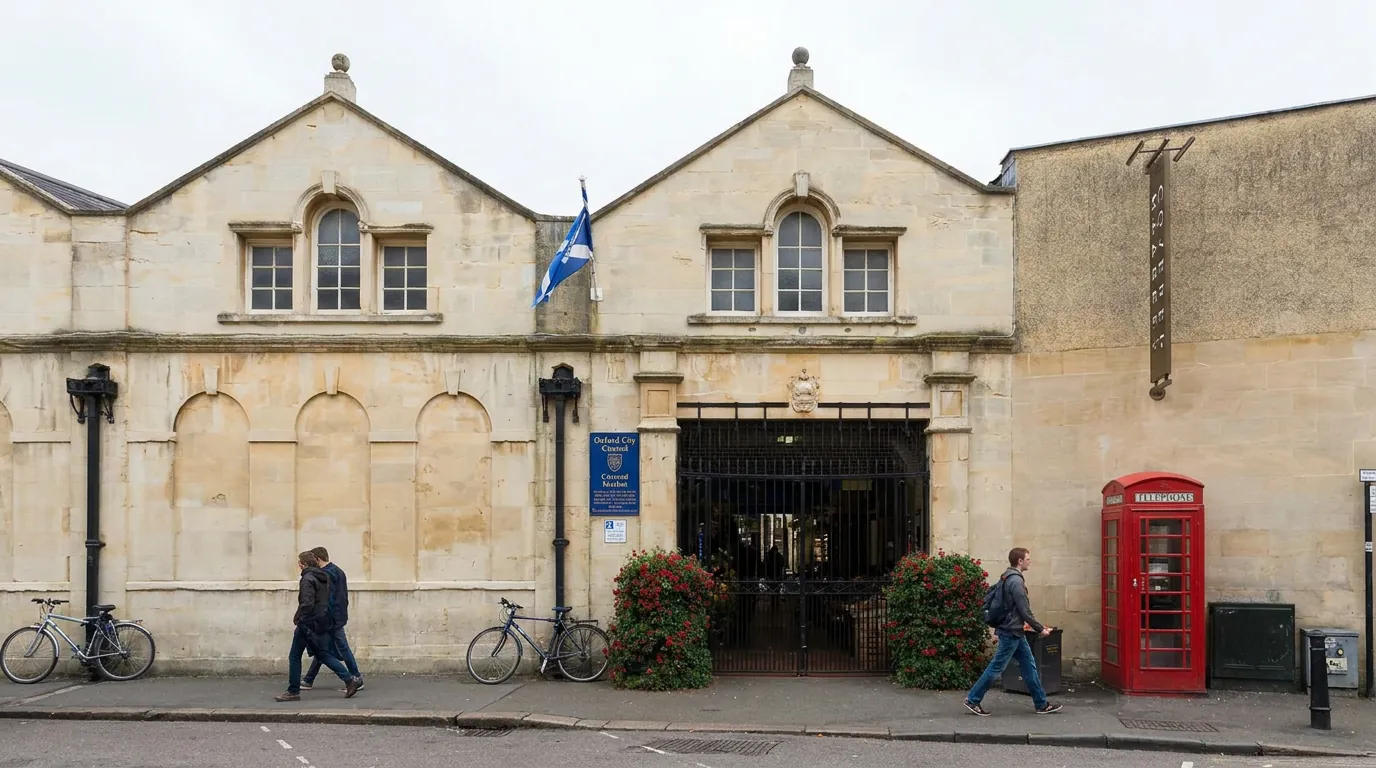
The formal eighteenth-century frontage is part of the wider High Street composition. Covered walkways penetrate the street frontage and lead into the market. Because the entrances compete with neighbouring shops and architecture, they can be missed by visitors walking quickly.
The Market Street side
Market Street has a more varied, enclosed character. The stone section includes gabled bays, Venetian windows, blind arcading, gateways, ball finials and a cartouche with Oxford’s coat of arms and the date 1897. Elsewhere, timber-framed roof structures and canopies make the market more visibly legible from the street. [S06]
Roofs and clerestories
Different roof structures reveal construction phases. Historic England describes arch-braced king-post timber trusses, cast-iron roofs, clerestories and tie-beams marked “Dewer London 1839.” The elevated glazing brought light into the avenues and upper areas of the units. [S07]
Shopfronts
Surviving features include cornices, fascia boards, pilasters, stallrisers, divided glazing and splayed corner doorways. Some nineteenth-century iron bars once used to hang meat remain above shopfronts in Avenues 2 and 3 and the Central Avenue. They are among the strongest direct clues to the market’s original trade. [S06]
Floors, drains and working fabric
Historic floor patterns, stone flags, gullies and drains survive in places. These details are easy to miss because attention is naturally drawn to products and people, yet they help explain how a food market worked.
Units 46–48: conservation in practice
The former John Lindsey Butcher & Son premises closed in 2018. Oxford Preservation Trust, supported by the William Delafield Charitable Trust and working with Oxford City Council, conserved the units in 2020–21. Investigation and repair revealed wrought-iron latticework, stone floors, limewashed brickwork, stone pillars and historic painted signage. The premises were returned to three units, reflecting evidence of the earlier arrangement. Hamblin Bread now occupies the restored space. [S01][S08][S09]
This is the best place to show visitors what careful conservation can achieve: old working details remain visible while a contemporary local business continues the site’s commercial use.
The market at 250
The market marked its 250th anniversary in 2024 with a year-long programme. The anniversary reinforced the correct interpretation: continuous use is as important as age. A building that opened in 1774 would be historically interesting even if converted to another purpose; Oxford’s market is especially valuable because it remains a market. [S01]
The next phase
Oxford City Council is progressing an £8 million programme of essential improvements. Current proposals include upgraded infrastructure and utilities, better entrances, lighting and routes, new or relocated toilets, larger communal areas, an open court, changes to the service yard and a more pedestrian-friendly Market Street. Construction is expected to begin in 2027 at the earliest and is predicted to take about eighteen months, subject to refinement. The council states that the market will remain open throughout the works and affected traders will be offered alternative space within it. [S04][S10]
This is time-sensitive information. It should appear as a clearly dated update, not be embedded as permanent history.
Timeline
| Date | Event |
|---|---|
| 1771 | Oxford Mileways Act supports road improvements and removal of street obstructions. |
| May 1772 | Work begins on market foundations. |
| 1 Nov 1774 | Covered Market officially opens. |
| 1775 | Market includes 28 shops and 40 butchers’ shops. |
| 1789 | Market Inspector’s house built at north-west corner. |
| 1834–40 | Major rebuilding and enlargement associated with Thomas Wyatt the younger. |
| 1839 | Dewer’s London foundry supplies ironwork. |
| 1842–49 | H. J. Underwood phases reshape Market Street entrances. |
| 1881 | New western avenue constructed by Codd. |
| 1892–98 | Avenues rebuilt and extended in successive phases. |
| By 1900 | Northern and eastern open areas are roofed. |
| 1939–45 | Market remains open through the Second World War. |
| 1986 | Golden Cross entrance from Cornmarket formed. |
| 9 Mar 2000 | Building listed at Grade II. |
| 2020–21 | Units 46–48 conserved by Oxford Preservation Trust and partners. |
| 2024 | 250th anniversary celebrated. |
| 2027 earliest | Construction phase of current improvement programme expected to begin. |
Look closer
Highlights and hidden details.
The objects, spaces and small observations that turn a visit into a memorable one.1. The first reveal
The most memorable moment is often the entrance itself. From High Street or Cornmarket, a narrow passage gives way to a surprisingly large covered grid. Pause just inside rather than immediately joining the nearest queue. The shift in light, sound and scale explains why the market can feel hidden even though it occupies a central city block.
Best for: first-time visitors, short visits, introductory photography. Allow: 2–5 minutes.
2. The avenue views
Walk the length of at least two north–south avenues. The long views combine shop signs, produce, people and roof structures. Cross-aisles repeatedly open and close the perspective, making a compact market feel larger.
Look for: hanging signs, rhythm of shopfronts, changes in roof height, upper glazing. Best time: weekday morning for fewer visual obstructions.
3. The roofscape
Look up. The building’s history is written most clearly overhead: timber king-post trusses, cast-iron structures, clerestories, glazing and ventilation elements belong to different phases. Historic England records tie-beams marked “Dewer London 1839.” [S07]
Interpretation: this is a layered nineteenth-century market built around an eighteenth-century plan, not a single untouched 1774 interior.
4. Units 46–48
The restored former John Lindsey Butcher & Son premises are the best focused heritage stop. Conservation work exposed stone floors, wrought-iron latticework, limewashed brickwork and historic painted signage. Hamblin Bread now occupies the space, maintaining the link between historic fabric and food trading. [S08][S09]
Why it matters: conservation is visible without turning the units into a museum display.
5. Surviving butchers’ ironwork
Projecting metal bars above some shopfronts were once used to hang meat. They survive particularly around Avenues 2 and 3 and the Central Avenue. Modern signs sometimes use the old ironwork, showing how market fabric is repeatedly adapted. [S06]
Photography note: use a tighter frame that connects the bar, fascia and roof rather than isolating it without context.
6. Market Street architecture
Exit or enter through Market Street and examine the varied frontage. Features include stone gabled bays, ball finials, Venetian windows, blind arcading, gateways and a small cartouche carrying Oxford’s coat of arms and the date 1897. Nearby timber-framed structures reveal a different construction phase. [S06]
Best light: exterior conditions vary; overcast weather is useful for stone detail.
7. Independent food choice
The official map lists dozens of food and drink traders across numerous cuisines and formats. The experience is strongest when visitors browse before deciding. The market supports groups whose members want different things without forcing a single restaurant choice. [S03]
Check the current trader directory to choose the shops and stalls you would like to visit.
8. Specialist shopping
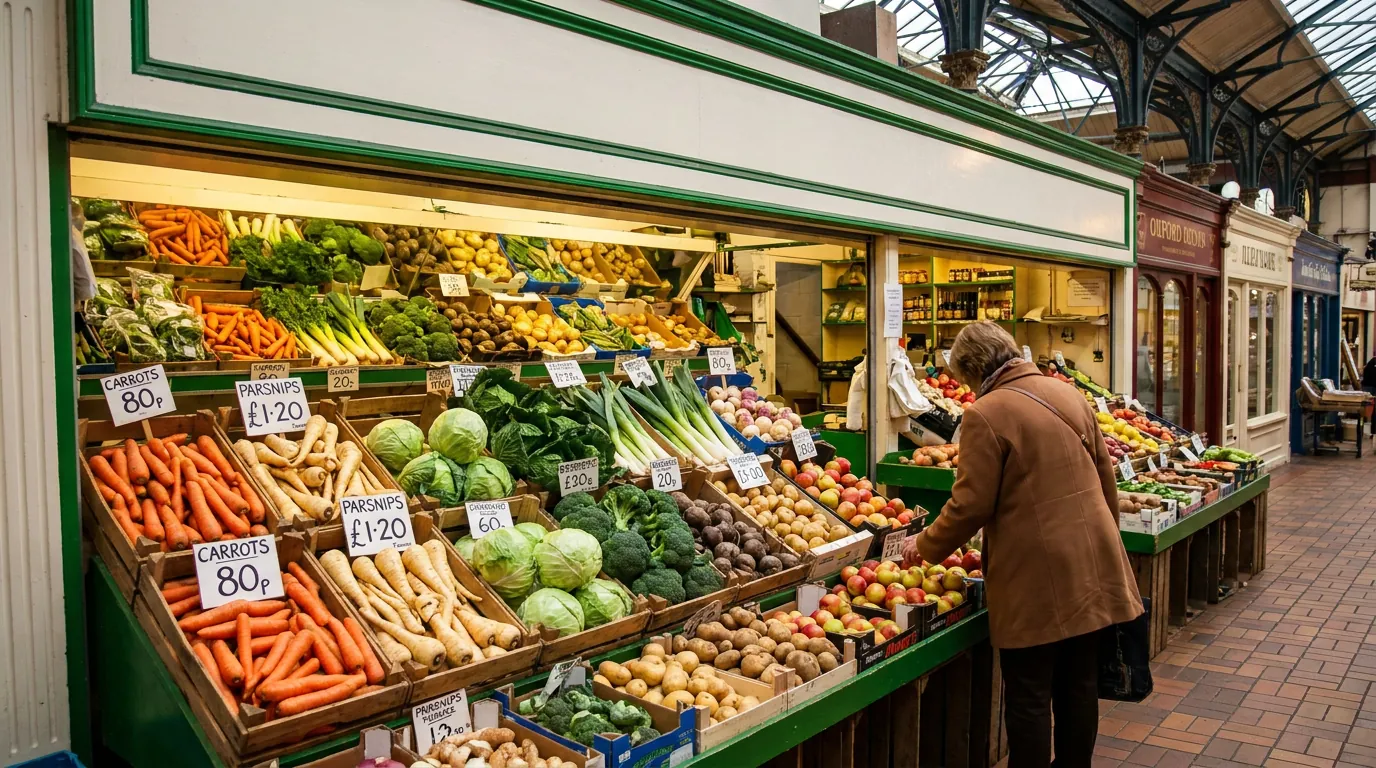
Food is only part of the market. Flowers, cheese, jewellery, art, clothing, books, gifts, beauty, repair and other specialist shops keep the interior from becoming a generic dining hall. This mixed economy is central to the market’s identity.
Visitor prompt: find one object or service that could not be predicted from the nearest High Street chain stores.
9. Everyday Oxford
Students, office workers, residents, traders and visitors share the same avenues. A coffee queue or produce display can reveal more of contemporary Oxford than a staged “historic city” experience. Stop here for a glimpse of everyday Oxford alongside its historic sights.
10. Evening market
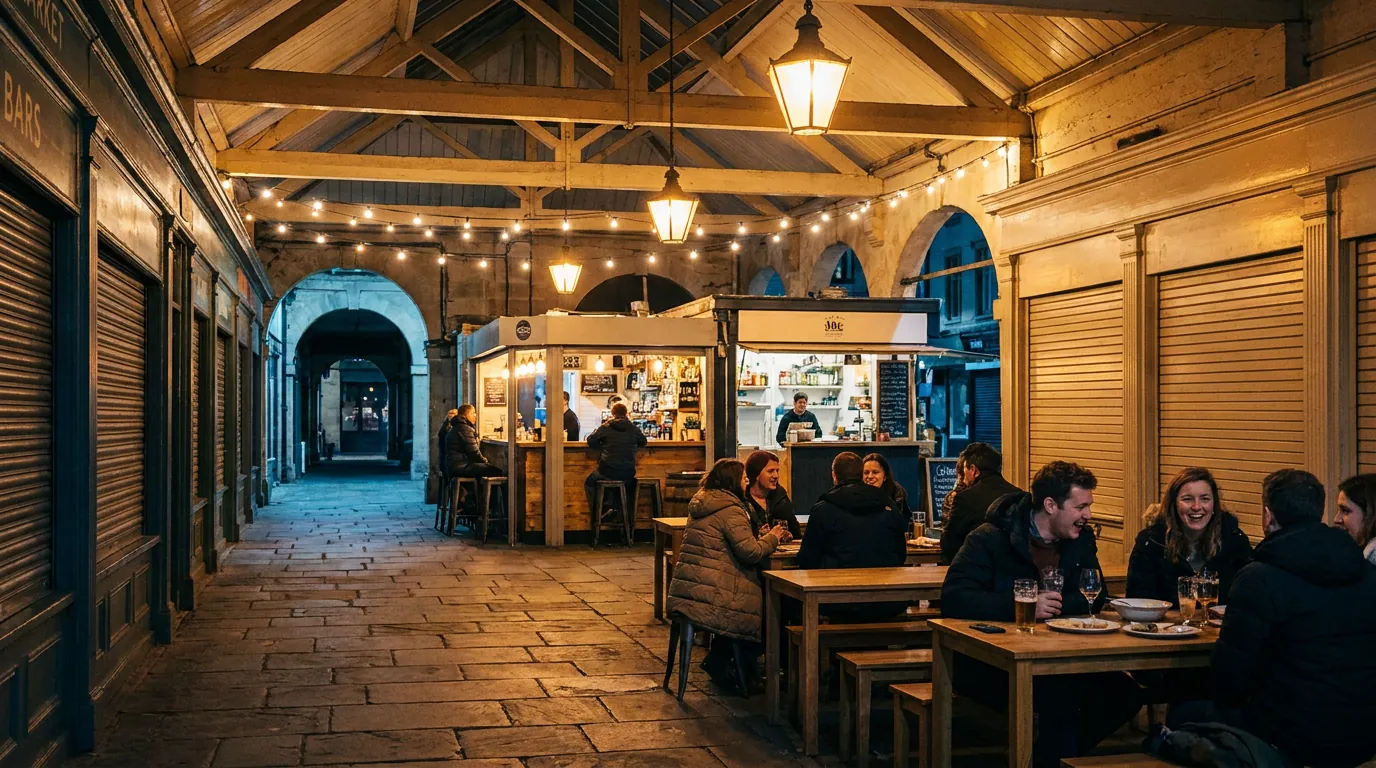
Thursday–Saturday gate hours extend to 10pm. Food, drink, live music, comedy, clubs and workshops can change the atmosphere after daytime retail closes. Current examples on the official event pages include social stitching, coffee ceremonies, writing clubs and quiz nights, but listings must be checked for the intended date. [S01][S14]
11. A rainy-day refuge
The market is one of the few central places where a visitor can browse, eat and look at historic architecture without a ticket or a largely outdoor route. It works well between timed attractions when rain disrupts plans.
12. The Golden Cross connection
The western entrance through Golden Cross, created in 1986, links the market to Cornmarket Street. Its narrower approach feels different from the High Street and Market Street entrances and helps explain how the market is embedded within a dense city block. [S06]
Details worth slowing down for.
The 1897 cartouche
On the Market Street frontage, look above the pilastered carriageway for a small cartouche with Oxford’s coat of arms and the date 1897. It anchors one of the later Victorian phases and helps visitors distinguish the frontage from the 1774 opening date. [S06]
“Dewer London 1839”
Historic England records the name and date on tie-beams in the cast-iron roof structure. Dewer’s London foundry supplied ironwork for Thomas Wyatt the younger’s rebuilding. The inscription turns an overhead structural member into a traceable industrial object. [S06][S07]
Meat-hanging bars
Projecting iron bars above some units were used to display meat. Their survival makes the market’s butchery origins legible even where the current business has another use. Some bars now support signage or lighting. [S06][S11]
Splayed corner doorways
Some historic back-to-back stall blocks retain angled or splayed entrances at the corners. These improve access from intersecting avenues and give the shop blocks a characteristic geometry. Look at the base of the shopfront rather than only the sign.
Clerestory windows
Glazed upper sections and open clerestories brought daylight and ventilation into the covered avenues. Their rhythm is easiest to see along a long, relatively uncluttered sightline. Some have been altered or enclosed over time. [S06]
Floor evidence
Surviving stone flags, terracotta tiles, patterns, gullies and drains record the market as a working food environment. The heritage assessment stresses that floorscape can explain earlier form and use. [S06]
Units 46–48
The conservation of the former Lindsey butcher premises revealed:
- original or early stone floors;
- wrought-iron latticework;
- limewashed brickwork;
- stone pillars;
- historic painted signage;
- evidence that the premises had once been three units.
The restored space demonstrates how modern use can reveal rather than conceal historic fabric. [S08][S09]
The market above the market
Many visitors experience only the shopfront band. Above it sit upper floors, glazed galleries, structural roofs and evidence of former service spaces. The Covered Market is described in the heritage assessment as two storeys plus basement, although public circulation is principally at ground level. [S06]
The concealed city block
From Carfax Tower, the market’s roofscape can be understood inside the surrounding block. At street level, neighbouring buildings hide most of that scale. This difference between aerial legibility and street-level concealment is a defining urban detail. [S06]
The Golden Cross entrance is modern
The Cornmarket connection feels historic because of its narrow passage setting, but the western market entrance through Golden Cross was formed in 1986. [S06]
A working sensory archive
The heritage assessment treats produce displays, seasonal change and the combination of food, cheese, flowers and coffee smells as part of the experience. The market’s significance is therefore not purely visual. [S06]
Look-closer route
- Start on Market Street and find the 1897 cartouche.
- Enter and compare timber and iron roof sections.
- Find surviving meat racks above shopfronts.
- Check corner blocks for splayed doorways.
- Visit Units 46–48 for conserved floors, latticework and signage.
- Follow a long avenue and inspect the clerestory level.
- Exit through Golden Cross and remember that this connection dates from 1986.
Who's inside
Every trader in the market.
More than fifty independent businesses, from butchers and bakers to booksellers and barbers. Filter by what you're after.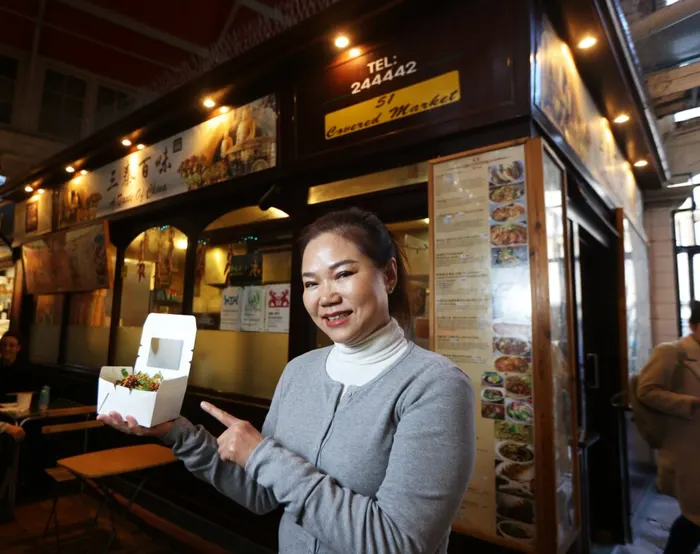 32Eat & DrinkA Taste of ChinaAuthentic Chinese noodle barMON - TUE 10:30AM - 4:00PM WED CLOSED THU - SUN 10:30AM - 4:00PM
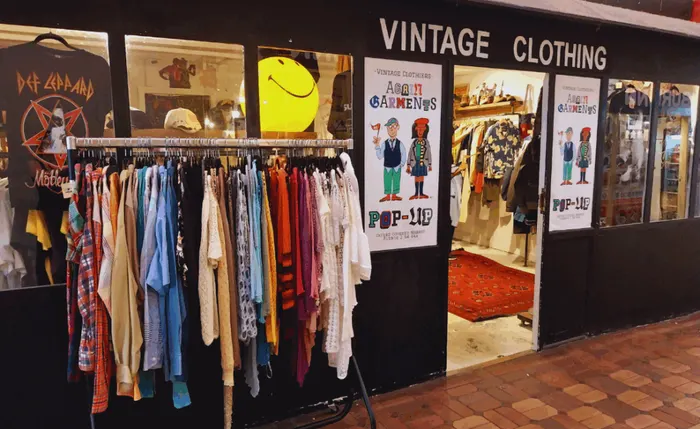 37Lifestyle & FashionAgain GarmentsCurated vintage and pre loved clothesTUES - SUN 10PM - 5PM
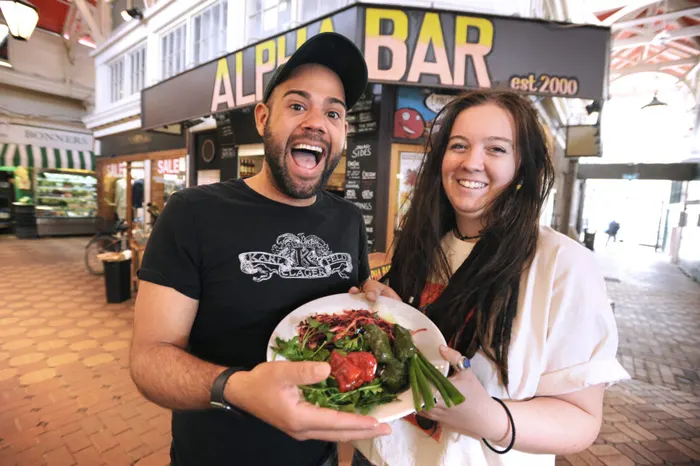 47Eat & DrinkAlpha BarHealthy Food TakeawayMON - SAT 11:30AM - 3:30PM SUN & BANK HOLIDAYS CLOSED
 7Eat & DrinkArbequina Restaurant & BarSpanish tapas in a cool space & buzzy vibeMON - TUES CLOSED WED - SUN TBC
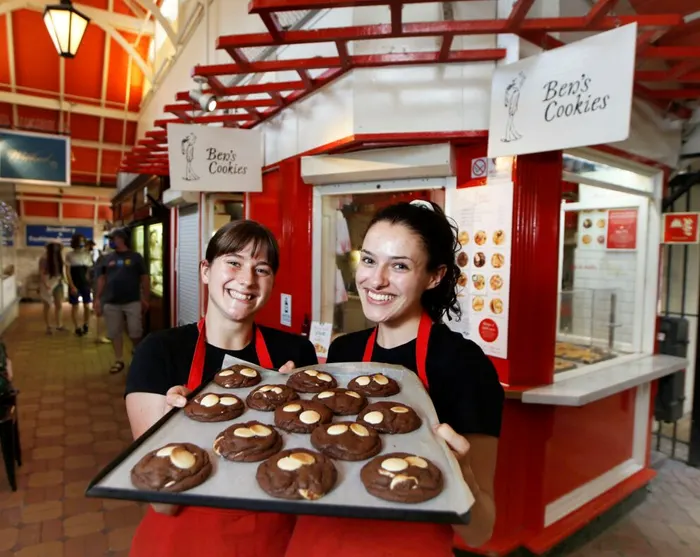 54Eat & DrinkBen's CookiesBaking cookies all day, every dayMON - SAT 9:15AM - 5:30PM SUN 11:00AM - 5:00PM BANK HOL 11:00AM - 5:00PM
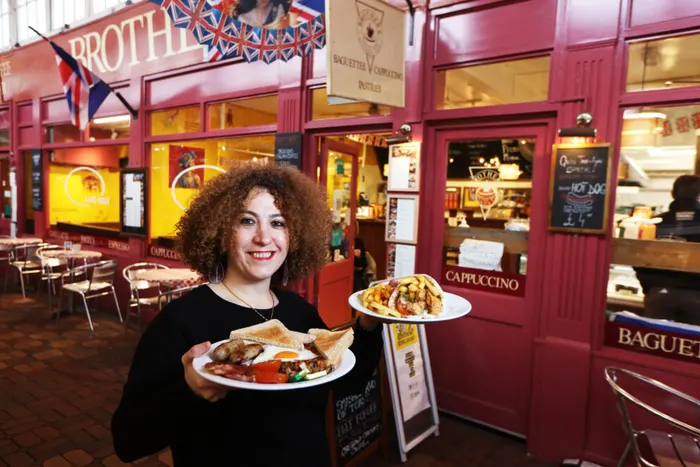 43Eat & DrinkBrothers CaféFresh Greek and Mediterranean dishesMON - WED 8:30AM - 5:00PM THURS - SAT 8:30AM - 7:00PM SUN 10:00AM - 5:00PM BANK HOL 10:00AM - 5:00PM
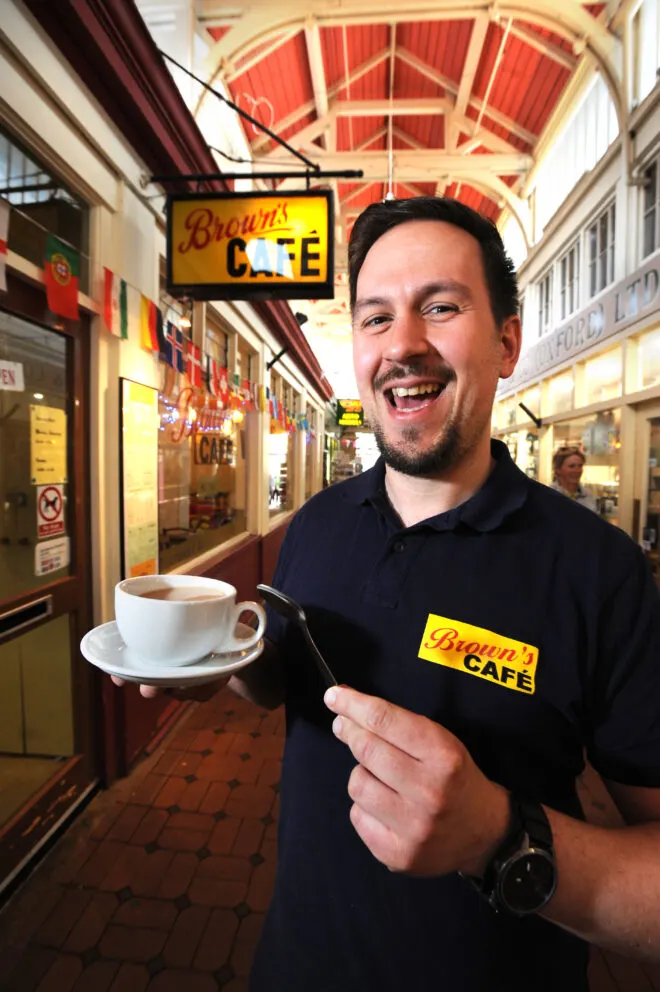 48Eat & DrinkBrown's CafeThe Original Cafe in the Market since 1924MON - FRI 8:00AM - 4:00PM SAT 8:00AM - 5:00PM SUN 10:00AM - 3:30PM BANK HOL 10:00AM - 3:30PM
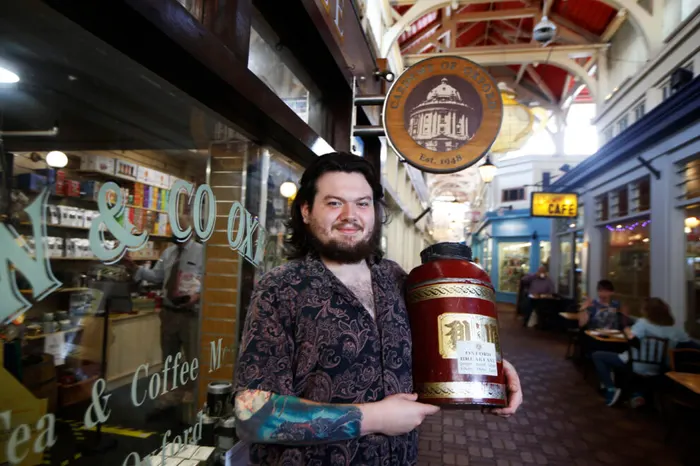 62Eat & Drink · ProduceCardew & Co Oxford Ltd.Finest teas and coffees from around the worldMON - SAT 9:00AM - 5:00PM SUN 10:00AM - 4:00PM BANK HOL CLOSED
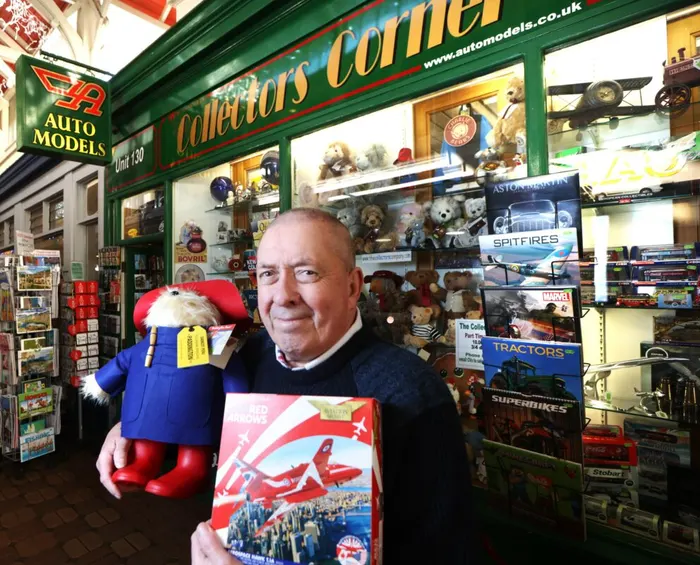 61Lifestyle & FashionCollector's CornerFull of collectables, gifts and souvenirsMON - SAT 9:00AM - 5:00PM SUN 10:00AM - 4:00PM BANK HOL 10:00AM - 4:00PM
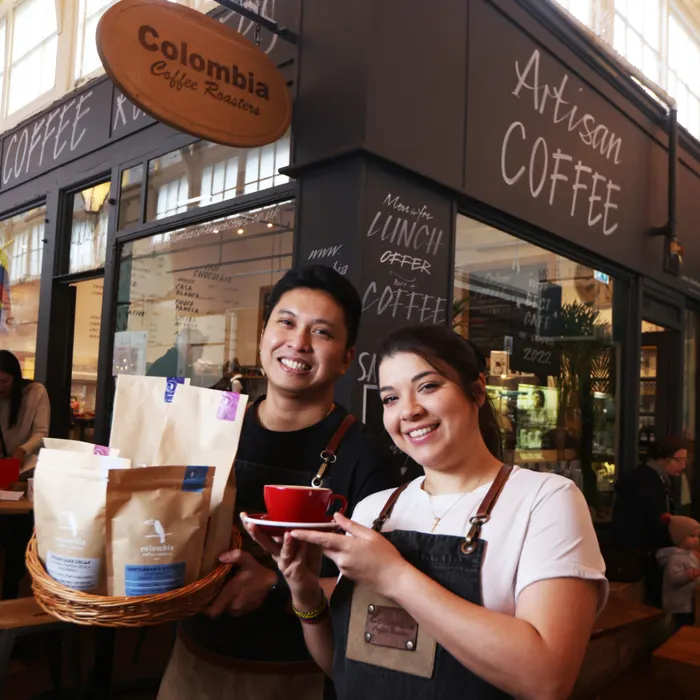 53Eat & Drink · ProduceColombia Coffee RoastersSpeciality Colombian Coffee ShopMON - THURS 9:00AM - 5:30PM FRI - SAT 10:00AM - 6:00PM SUN 10:00AM - 5:00PM
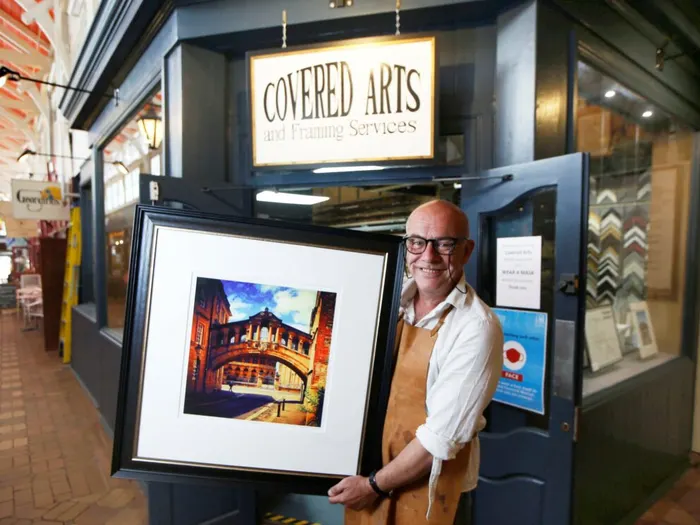 45Lifestyle & FashionCovered Arts and Framing ServicesCovered Arts - For all your framing needsMON - SAT 9AM - 5PM SUN CLOSED
 9Eat & DrinkCovered SpudsRedefining and reviving jacket potatoesMON - WED 11:30AM - 5:30AM THURS - SAT 11:30AM - 9:00PM SUN 11:30AM - 5:00PM BANK HOLIDAYS CLOSED
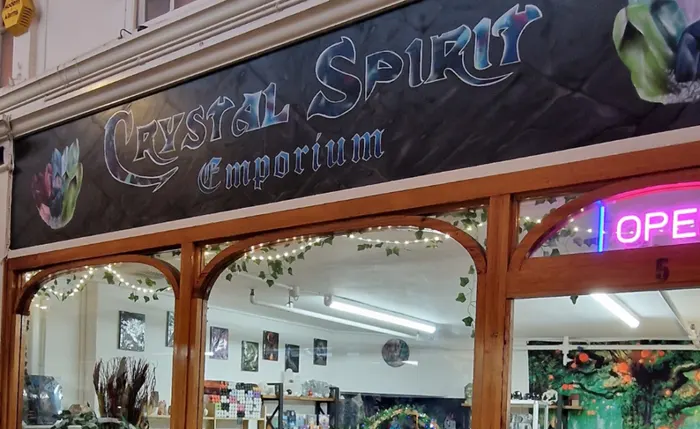 3Lifestyle & FashionCrystal Spirit EmporiumWhere the earth meets the heart of the homeMON - SAT 10:30AM - 5:30PM SUN 11:00AM - 5:00PM Bank Holidays 11:00AM - 5:00PM
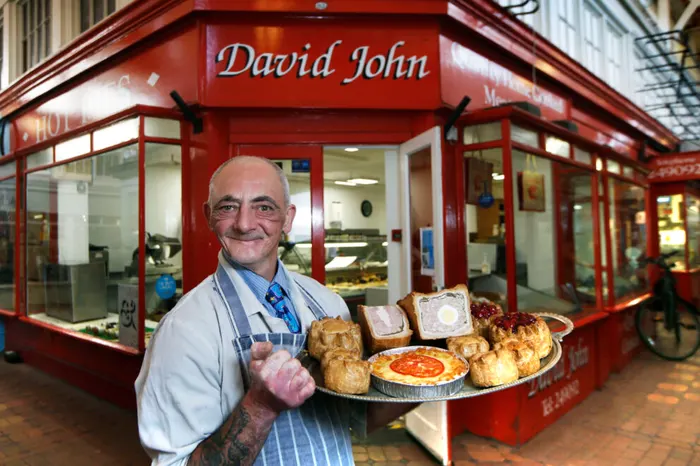 49ProduceDavid John ButchersPurveyor of quality raw and cooked meatsMON - SAT 8:00AM - 3:00PM SUN CLOSED
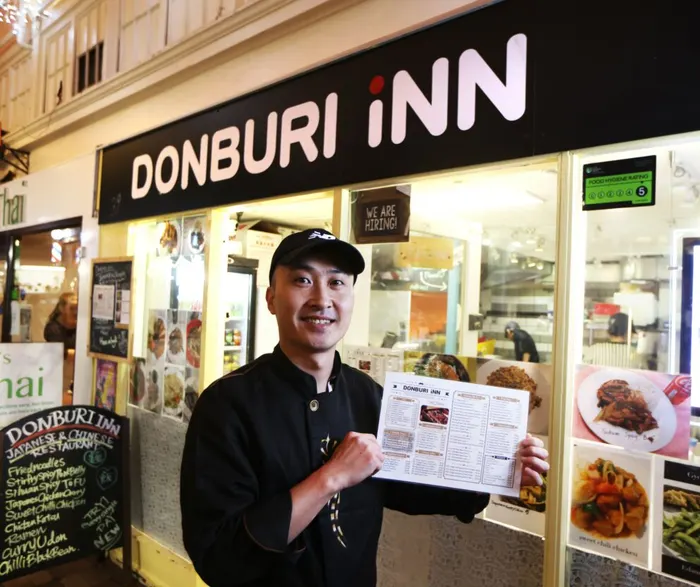 25Eat & DrinkDonburi InnBringing Asian taste to youSUN - WED 10:00AM - 5:30PM THURS - SAT 10:00AM - 7:00PM BANK HOL 10:00AM - 5:30PM
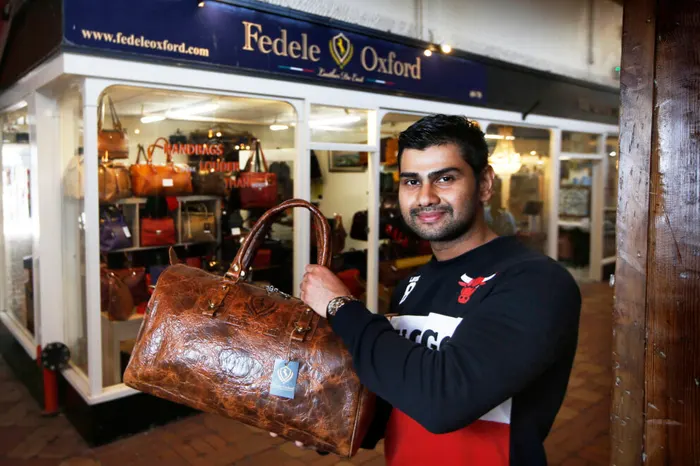 41Lifestyle & FashionFedele OxfordAwaiting trader infoComing soon
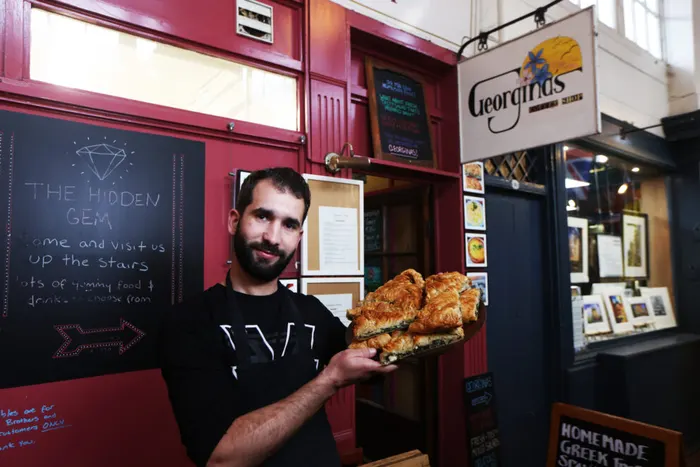 44Eat & DrinkGeorgina'sComing soon
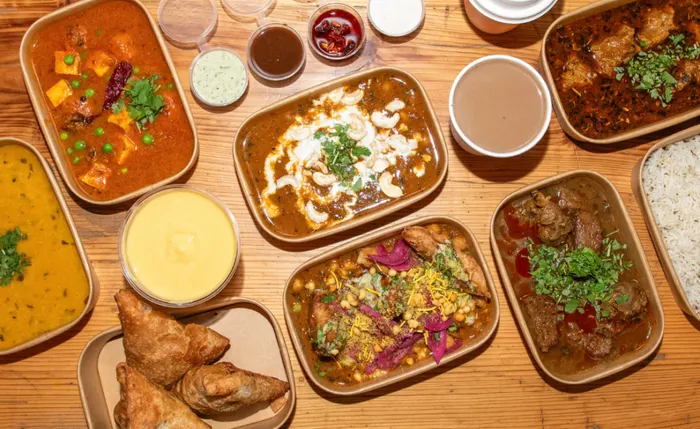 31Eat & DrinkGinger and SpiceNourishing South Asian Cuisine, Thoughtfully MadeMON - SUN 11:30AM - 17:00AM
 27Lifestyle & FashionGoodiesMenswear and good stuff
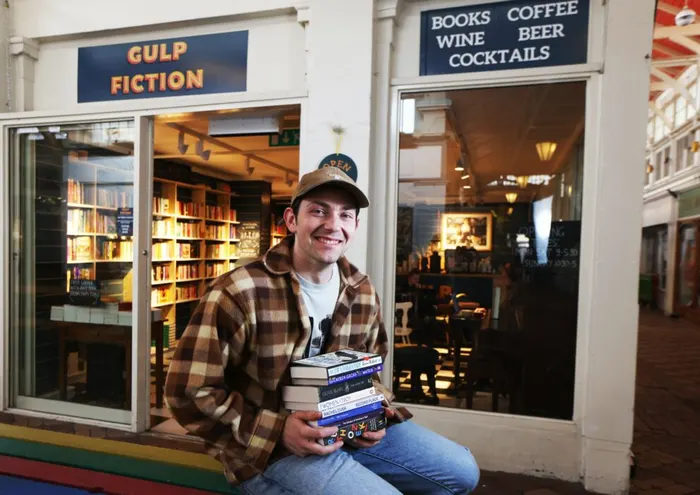 19Eat & Drink · Lifestyle & FashionGulp FictionIndie bookshop, bar, and coffee houseMON - WED 10:30AM - 5:30PM THURS - SAT 10:30AM - 10:00PM SUN 10:30AM - 5:00PM BANK HOL 10:30AM - 5:00PM
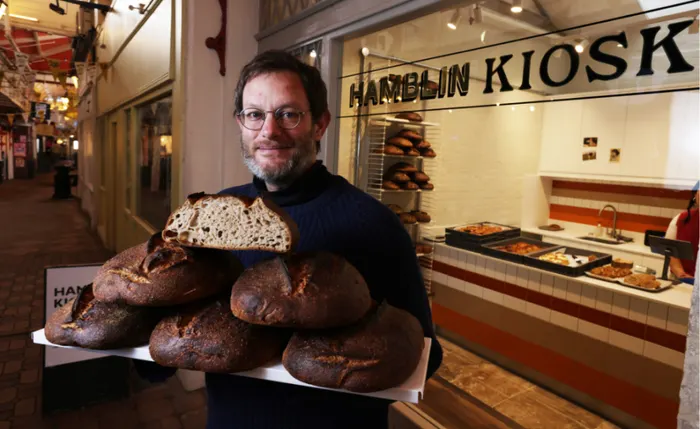 28Eat & Drink · ProduceHamblin BreadBread and baked goodsTHURS - SUN 10AM - 3PM
 26Eat & Drinkil CornoBringing Neapolitan food and drinks culture to OxfordMon 11:00AM - 5:00PM TUES CLOSED WED 11:00AM - 5:00PM THURS - FRI 11:00AM - 10:00PM SAT 11:00AM - 10:30PM SUN 11:00AM - 5:00PM Bank Holidays CLOSED
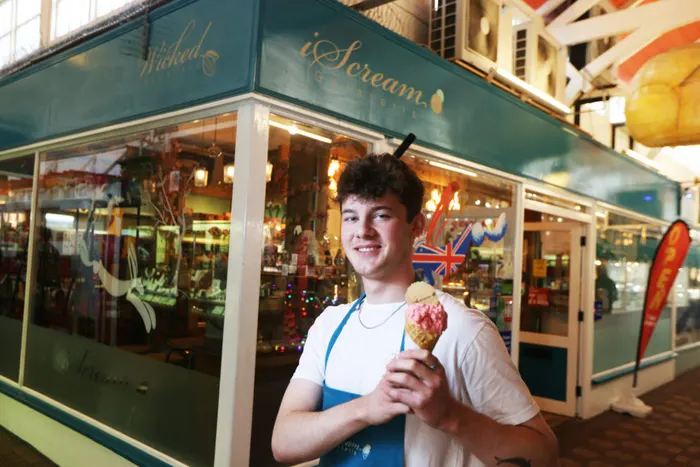 56Eat & Drink · ProduceiScreamHome-made gelato & sorbettoMON - SAT 9:30AM - 5:30PM SUN 11:00AM - 5:00PM BANK HOL 11:00AM - 5:00PM
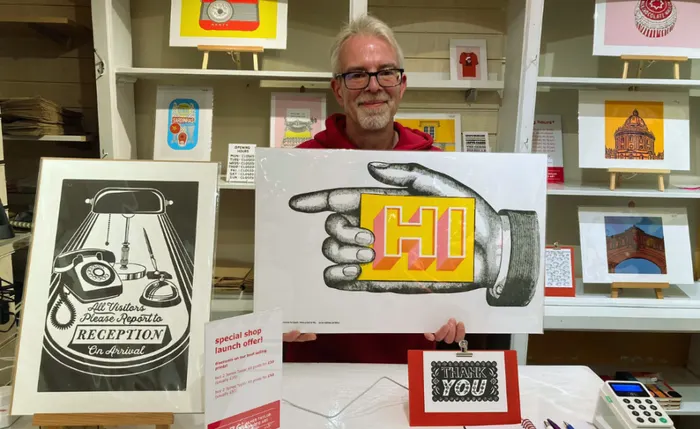 42Lifestyle & FashionJames Taylor Photo ArtColourful stationery, cards and printsMON CLOSED TUES - SAT 10:30AM - 5PM SUN 10:30AM - 4PM BANK HOLIDAYS 10:30AM - 4PM
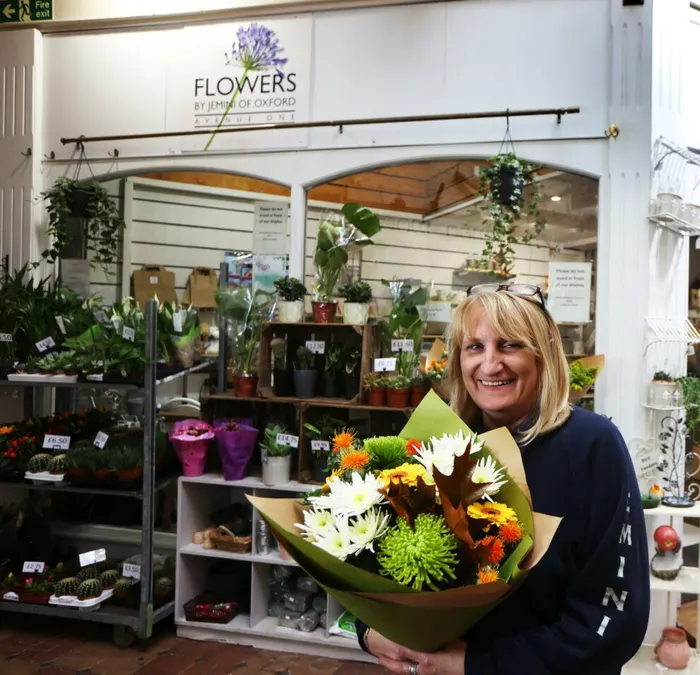 1Produce · Lifestyle & FashionJemini FlowersYour local floristMON - SAT 9:00AM - 5:00PM SUN CLOSED BANK HOL CLOSED
 55Lifestyle & FashionJohn Gowing JewellersOxford's experienced jewellerMON - SAT 9:00AM - 5:00PM SUN 10:00AM - 4:00PM BANK HOL CLOSED
 33Lifestyle & FashionLeonard JayGentlemen's outfittersMON CLOSED TUE - SAT 9:00AM - 5:00PM SUN CLOSED
 17Eat & DrinkLula's Ethiopian Cafe and Deli
 24Eat & DrinkMoo-Moo'sWorld famous Milkshakes & SmoothiesMON - SAT 10:00AM - 5:30PM SUN 10:00AM - 4:00PM Blended to order milkshakes and smoothies
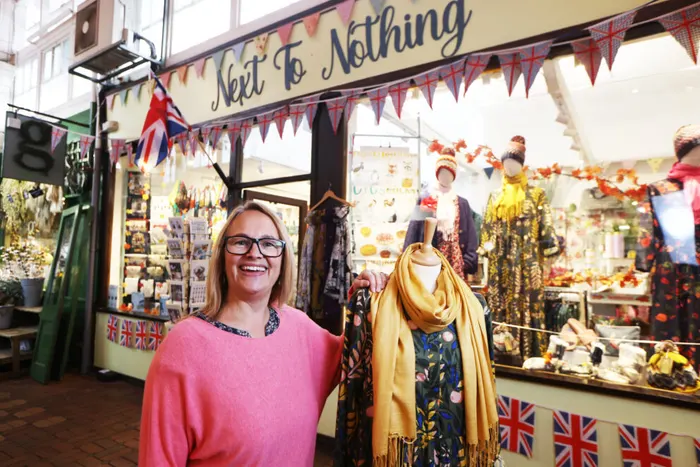 51Lifestyle & FashionNext To NothingBright and beautiful clothes and giftsMON - FRI 10:00AM - 5:00PM SAT 10:00AM - 5:30PM SUN 11:00AM - 4:00PM BANK HOL 11:00AM - 4:00PM
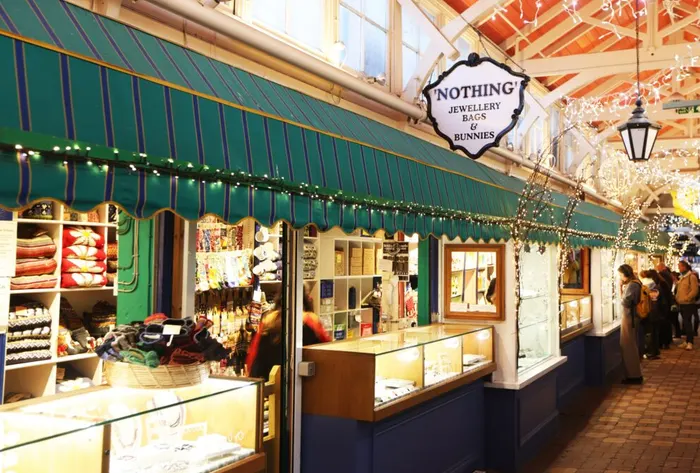 66Lifestyle & FashionNothingComing soon
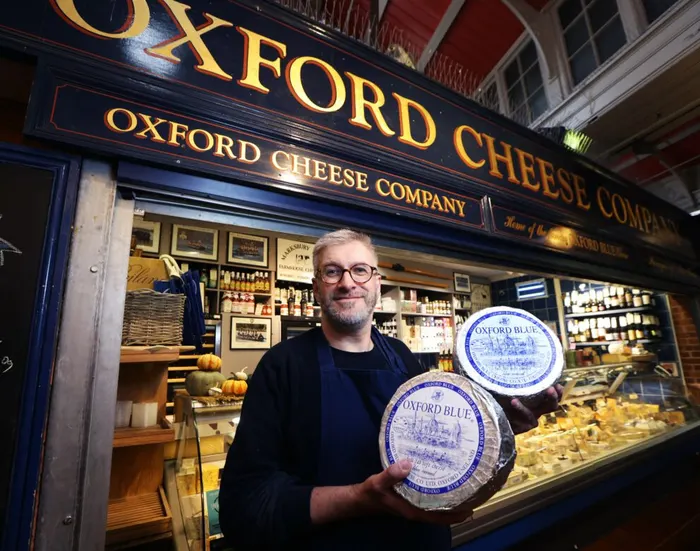 11ProduceOxford Cheese CompanyHigh quality Artisan CheeseMON CLOSED TUE CLOSED WED 10AM - 4PM THURS 10AM - 6:30PM FRI - SAT 9AM - 5PM BANK HOLS CLOSED
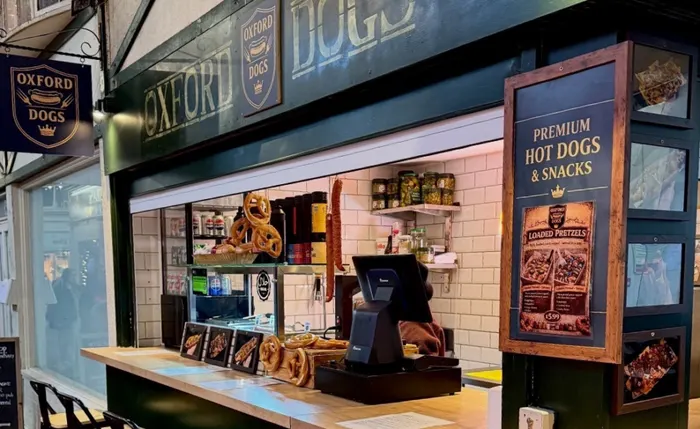 8Eat & DrinkOxford DogsThe Best Hot Dogs in TownMON - WED 10:30AM - 5:30PM THURS - SAT 10:30AM - 6:30PM SUN 10:30AM - 4:30PM BANK HOLIDAYS 10:30AM - 4:30PM
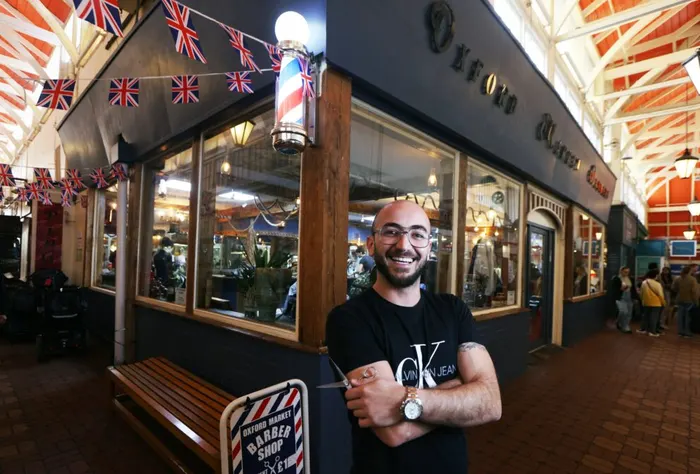 39Lifestyle & FashionOxford Market BarbersThe place where sharp looks, meet sharp skillsMON - WED 8AM - 5:30PM THURS - SAT 8AM - 7PM SUN 10AM - 5PM BANK HOLIDAYS 10AM - 5PM
 20Lifestyle & FashionOxford SouvenirsComing soon
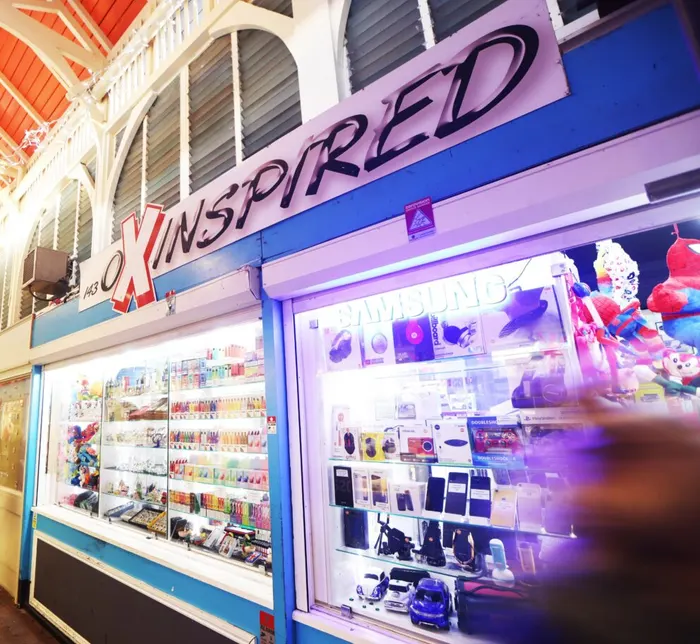 64Lifestyle & FashionOxinspiredComing soon
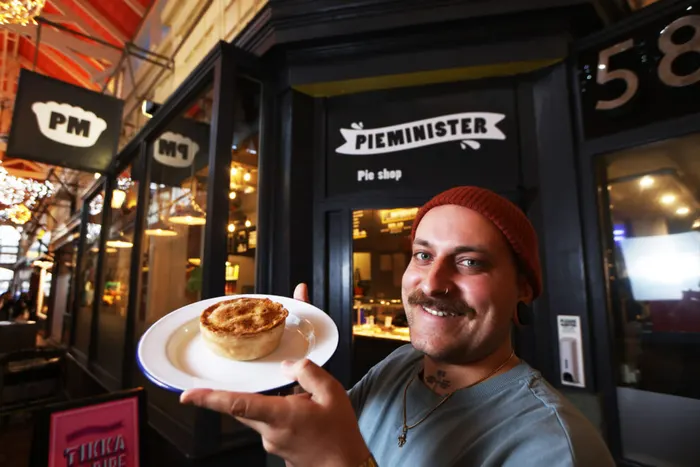 35Eat & DrinkPieministerAward Winning PiesMON - THURS 11:00AM - 5:00PM FRI - SAT 11:00AM - 8:00PM SUN 11:00AM - 5:00PM
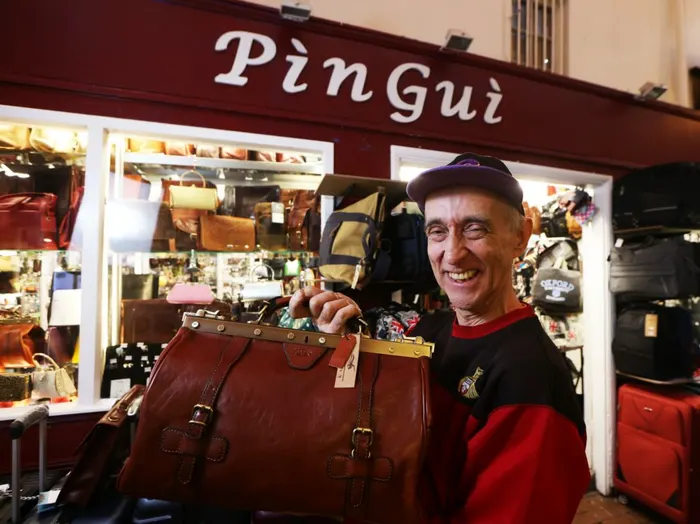 38Lifestyle & FashionPinGui Bags InternationalA bag for all seasonsMON - SAT 9:30AM - 5:15PM SUN 10:00AM - 3:30PM BANK HOL 10:00AM - 4:00PM
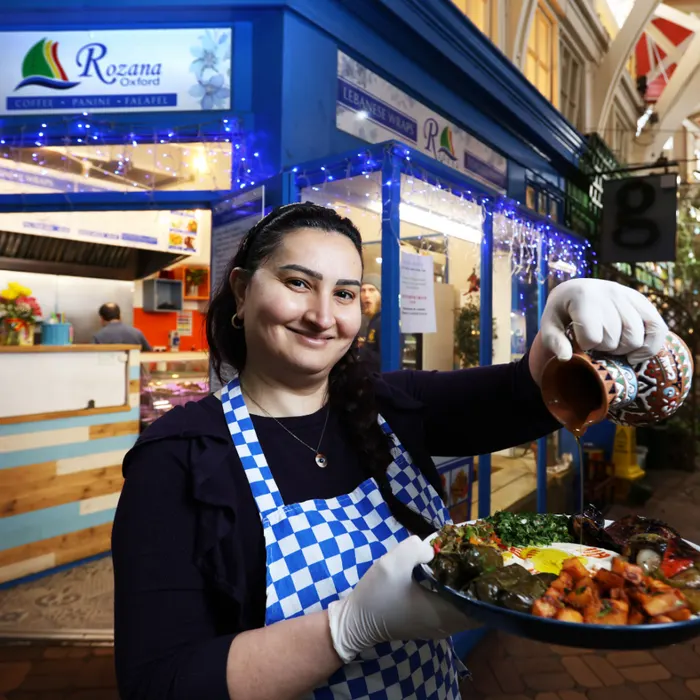 59Eat & DrinkRozanaHome-made Lebanese food to take awayMON - SAT 8:30AM - 5:00PM SUN 10:00AM - 5:00PM BANK HOL 10:00AM - 5:00PM
 16Eat & Drink · ProduceSartorelli's PizzaNeapolitan Style wood fire pizzasMON CLOSED TUE - THURS 11:00AM - 5:30PM FRI & SAT 11:00AM - 7:00PM SUN 11:00AM - 4:00PM
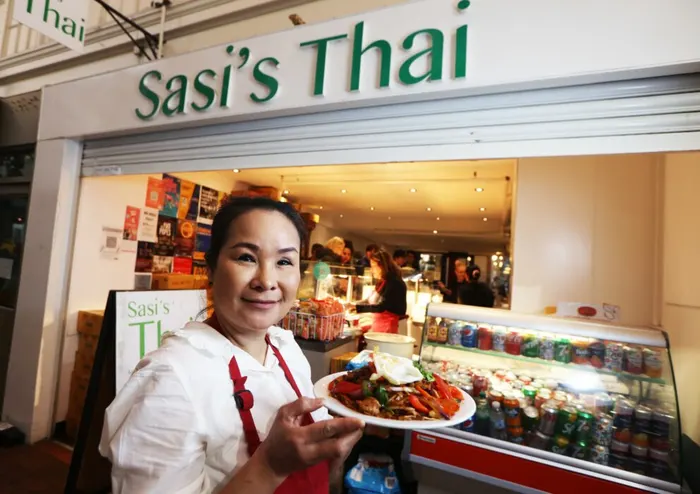 22Eat & DrinkSasi's ThaiComing soon
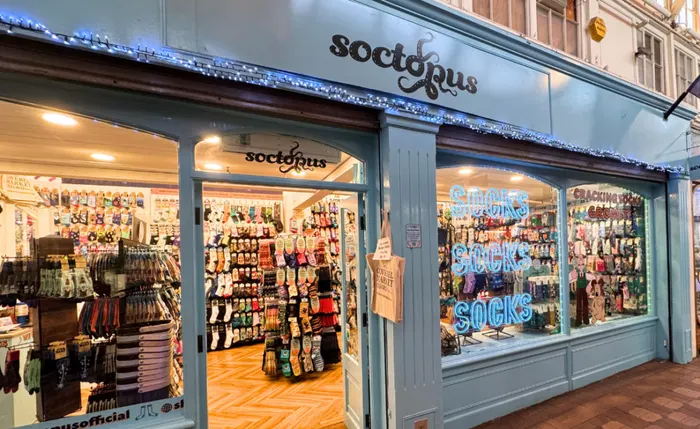 2Lifestyle & FashionSocktopusWe love socksMON - THURS 9:30AM - 5:30PM FRI & SAT 9:30AM - 6:30PM SUN 10:30AM - 4:30PM
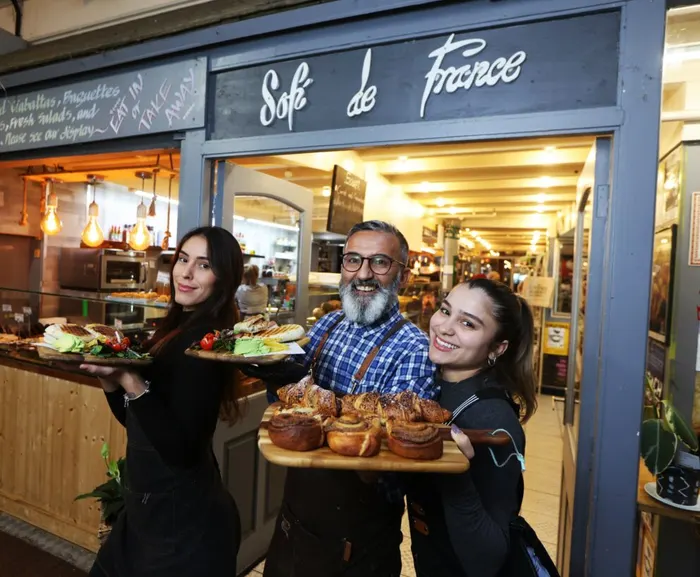 23Eat & DrinkSofi de FranceCafé dining in the heart of OxfordMON - FRI 8:00AM - 4:00PM SAT 8:00AM - 5:00PM SUN 10:00AM - 4:00PM BANK HOL 10:00AM - 3:30PM
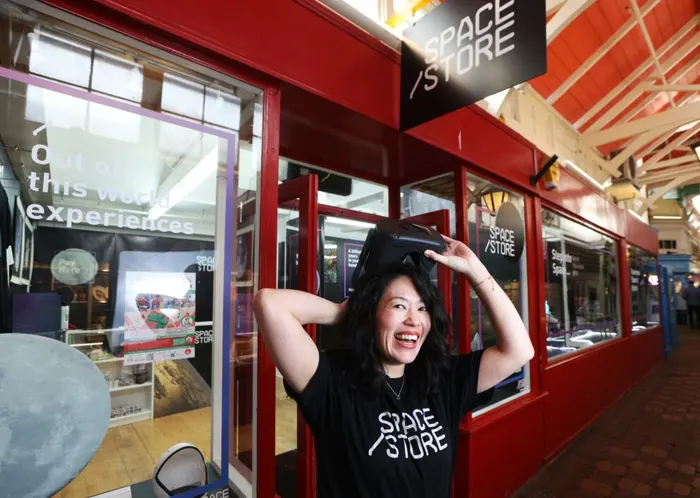 58Lifestyle & FashionSpace StoreBringing Space to EarthMON - SAT 10:30AM - 5:00PM SUN 10:30AM - 4:00PM
 13Eat & DrinkSushi BowlHandmade Fresh SushiMON - WED 11:00AM - 5:00PM THURS - SAT 11:00AM - 7:00PM SUN 11:00AM - 4:00PM
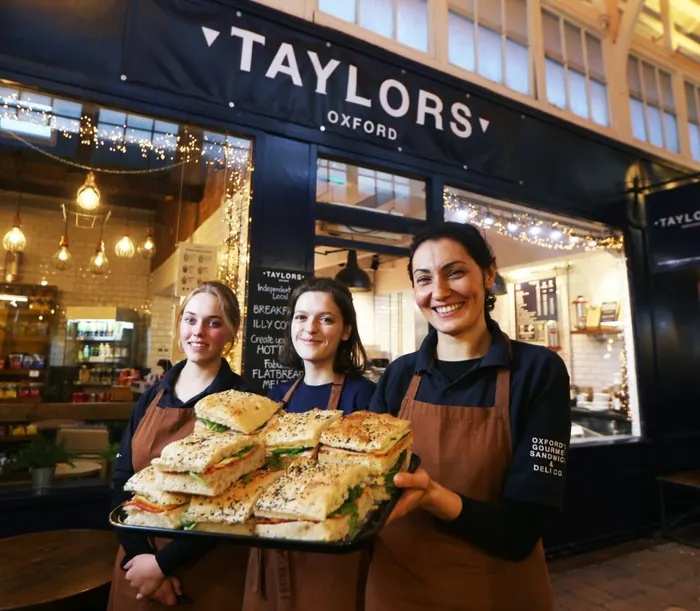 52Eat & DrinkTaylors OxfordOxford's Gourmet Sandwich and Deli CompanyMON - FRI 9:00AM - 5:00PM SAT 9:00AM - 6:00PM SUN 10:00AM - 4:00PM BANK HOL 10:00AM - 4:00PM
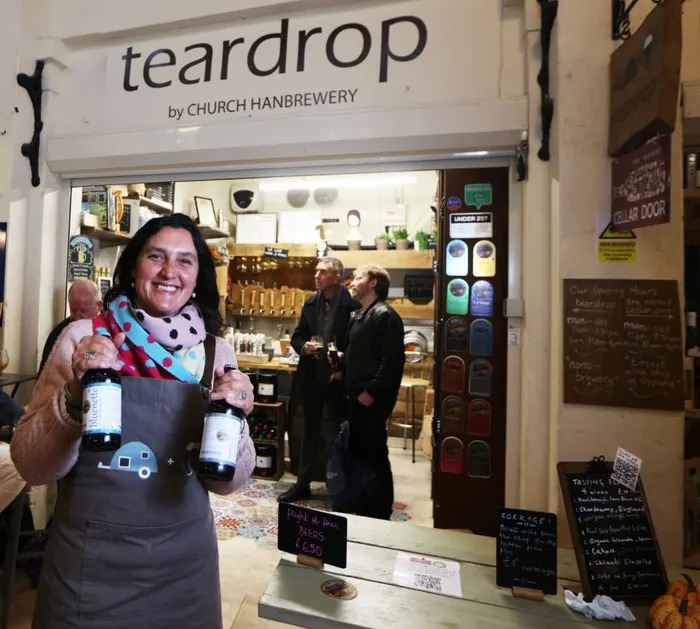 14Eat & Drink · ProduceTeardrop BarChurch Hanbrewery beers and local drinksMON - WED 11:00AM - 5:30PM THURS - SAT 11:00AM - 7:00PM SUN 11:00AM - 4:00PM
 50Produce · Lifestyle & FashionThe Garden of OxfordGreat British FlowersMON - SAT 8:00AM - 5:00PM SUN 10:00AM - 4:00PM BANK HOL PLEASE CALL
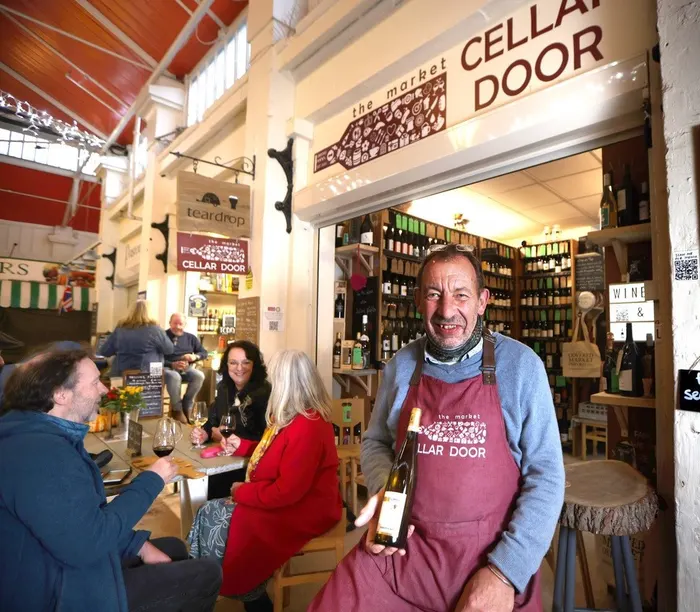 15Eat & DrinkThe Market Cellar DoorSpecialising in organic and natural winesMON - WED 11:00AM - 5:30PM THURS - SAT 11:00AM - 7:00PM SUN 11:00AM - 4:00PM
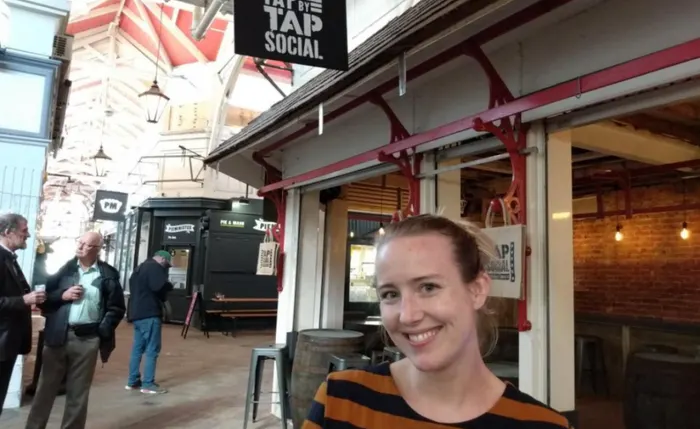 36Eat & Drink · ProduceThe Market Tap by Tap SocialCafé, bottleshop, and craft beer bar from Oxford's Tap Social MovementMON - WED 11:00AM - 5:00PM THURS 11:00AM - LATEFRI 11:00AM - 10:00PM SAT 10:00AM - 10:00PM SUN 10:15AM - 5:00PM BANK HOLIDAYS TIMES WILL VARY
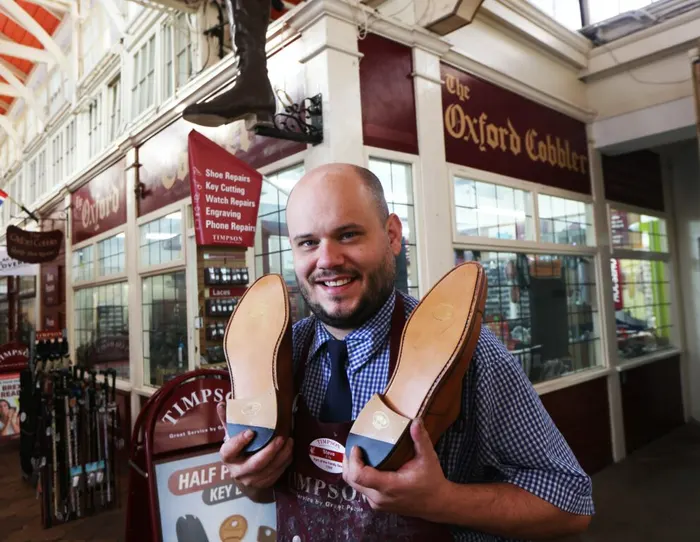 5Lifestyle & FashionThe Oxford CobblerComing soon
 40Lifestyle & FashionThe Oxford Soap CompanyHandmade soap and cosmeticsMON - SAT 10:00AM - 5:00PM SUN 11:00AM - 4:00PM BANK HOL 11:00AM - 4:00PM
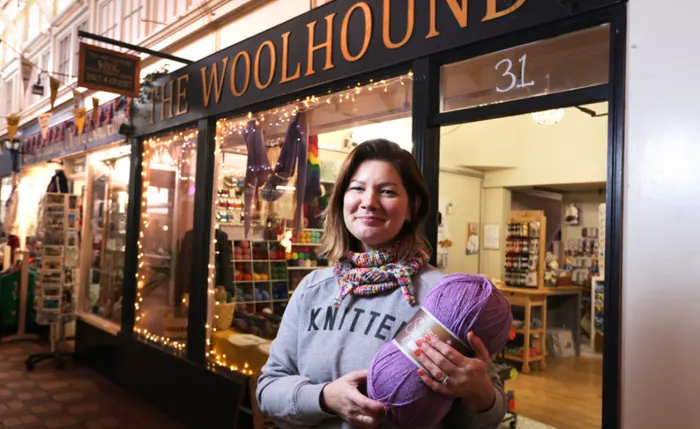 21Lifestyle & FashionThe WoolhoundWool for All
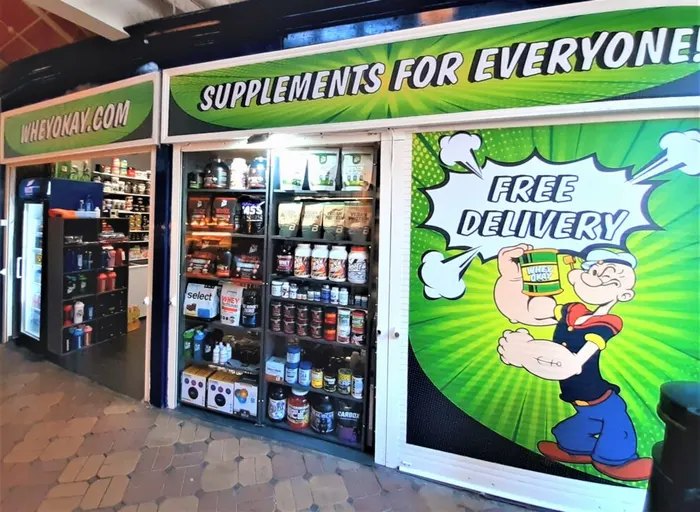 10Lifestyle & FashionWhey OkayMake Yourself Stronger Than Your ExcusesMON - SAT 10:00AM - 6:00PM SUN 10:00AM - 4:00PM BANK HOL 10:00AM - 6:00PM
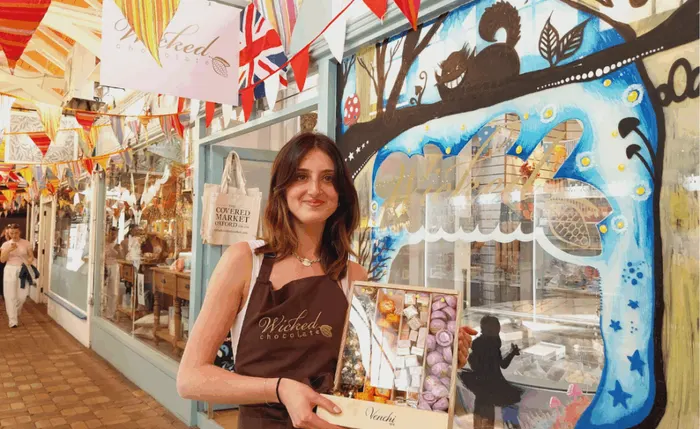 57Lifestyle & FashionWicked ChocolateGourmet chocolate counterMON - SAT 9:30AM - 5:30PM SUN 11:00AM - 5:00PM BANK HOL 11:00AM - 5:00PM
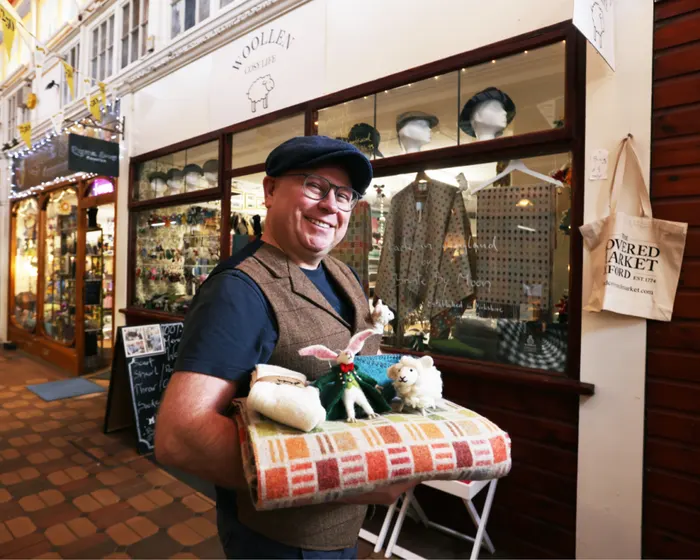 4Lifestyle & FashionWoollen Cosy LifeMake your life cosier with our woollen productsMON - SAT 10:00AM - 5:00PM SUN 10:00AM - 4:00PM BANK HOL CLOSED
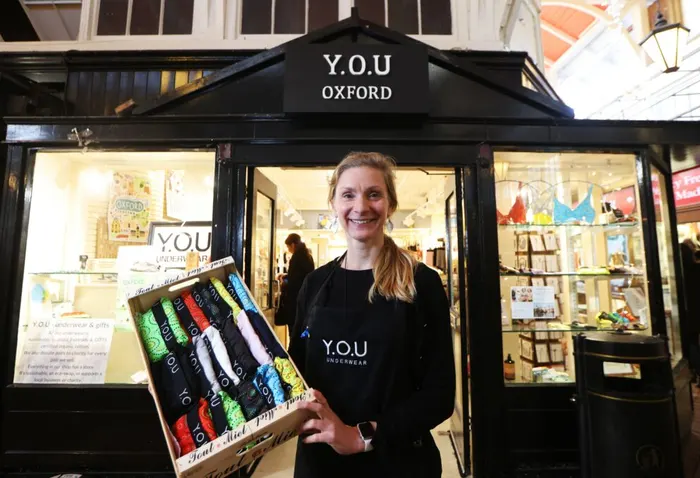 46Lifestyle & FashionY.O.U OxfordSustainable Underwear, Fashion & LifestyleMON - WED 10:30AM - 5:30PM THURS - SAT 10:30AM - 7:00PM SUN 11:00AM - 4:30PM
57 independent traders listed. Rosters and opening hours change — confirm on the official trader directory.
Make it work
Plan the visit properly.
Current practical detail, kept separate from the story so it is easy to scan when you need it.At a glance
- Admission: free.
- Address: Market Street, Oxford, OX1 3DZ.
- Current market gate hours: Monday–Wednesday 8am–5:30pm; Thursday–Saturday 8am–10pm; Sunday and Bank Holidays 10am–5pm.
- Important: individual trader hours vary.
- Typical time needed: 30–90 minutes.
- Weather: almost entirely covered; excellent in rain.
- Access: the majority is step-free and at ground level.
- Toilets: council toilets are on Market Street; accessible toilets are available there, with alternatives at Oxford Town Hall and Westgate.
- Station: approximately 10 minutes on foot according to the market’s transport page; allow longer with luggage or at a relaxed pace.
- Parking: no market car park; use Park & Ride or city-centre public parking.
Before you go
The building’s opening hours are not a guarantee that every café, shop or stall will be trading. If one business is the main reason for the visit, check its current listing or contact it directly. This is particularly important early in the morning, late in the evening and on Sundays or Bank Holidays.
The official website currently contains inconsistent Sunday and Bank Holiday closing times: its prominent footers and visitor pages show 5pm, while some text and FAQ entries show 4pm. Above Guide should display the current prominent 5pm time with a “verified 23 July 2026” note and retain an automated recheck reminder. [S01][S02][S03]
Finding the entrances
The market occupies the interior of the block between High Street and Market Street, with Cornmarket to the west and Turl Street to the east. It is deliberately less obvious from outside than its scale suggests.
From High Street
Look for the covered passages on the north side of the High Street. Entering here creates the strongest “hidden interior” reveal. The High Street bus stops are immediately convenient.
From Market Street
Market Street provides the clearest civic frontage and easiest access to the public toilets, cycle racks and main wayfinding. The street has been made more pedestrian-friendly and is the simplest destination to use in map applications.
From Cornmarket Street
Use the Golden Cross passage. It gives a useful connection from the pedestrian shopping street and creates a more intimate approach through a narrow arcade.
When to visit
For calm browsing
Aim for a weekday morning after traders have opened, roughly 9:30–11:30am. The market feels active without the strongest lunch queues. Do not recommend 8am universally because many retail and hospitality traders open later than the gates.
For food atmosphere
Late morning through lunch shows the market at its liveliest. It is ideal for mixed groups because people can choose different food, but seating and narrow queueing areas can become busy.
For evening use
Thursday to Saturday gate hours extend to 10pm. Events, bars and food businesses can make the market a day-to-night destination, but many daytime shops will close earlier. Check the current events calendar and trader hours. [S01][S03]
For photography
Earlier weekday hours usually provide cleaner avenue views. Late-day and evening conditions can create warmer pools of artificial light, but mixed colour temperatures and crowds make photography more demanding.
In bad weather
The Covered Market is one of central Oxford’s most dependable wet-weather stops. It also connects naturally to nearby indoor attractions, including the Museum of Oxford and covered sections of the Bodleian visitor experience.
How long to allow
| Visit style | Time | What fits |
|---|---|---|
| Quick look | 15–25 min | One loop, roof details, a takeaway |
| Standard visit | 45–60 min | Full grid, a few shops, coffee or snack |
| Food-led visit | 60–90 min | Browse, order food, eat and explore |
| Heritage-led visit | 60–75 min | Self-guided route, Units 46–48, architecture |
| Evening visit | 90 min–3 hrs | Meal, drinks, music, workshop or event |
A sensible first visit
- Enter from High Street to experience the contrast between street and interior.
- Pause before choosing food; walk one north–south avenue and one cross-aisle first.
- Look up at the changing roof structures and clerestories.
- Find the restored former butcher units around Units 46–48.
- Choose an independent trader based on what is open rather than following a rigid “must-eat” list.
- Exit to Market Street, where toilets and onward routes are easiest to understand.
Food and drink
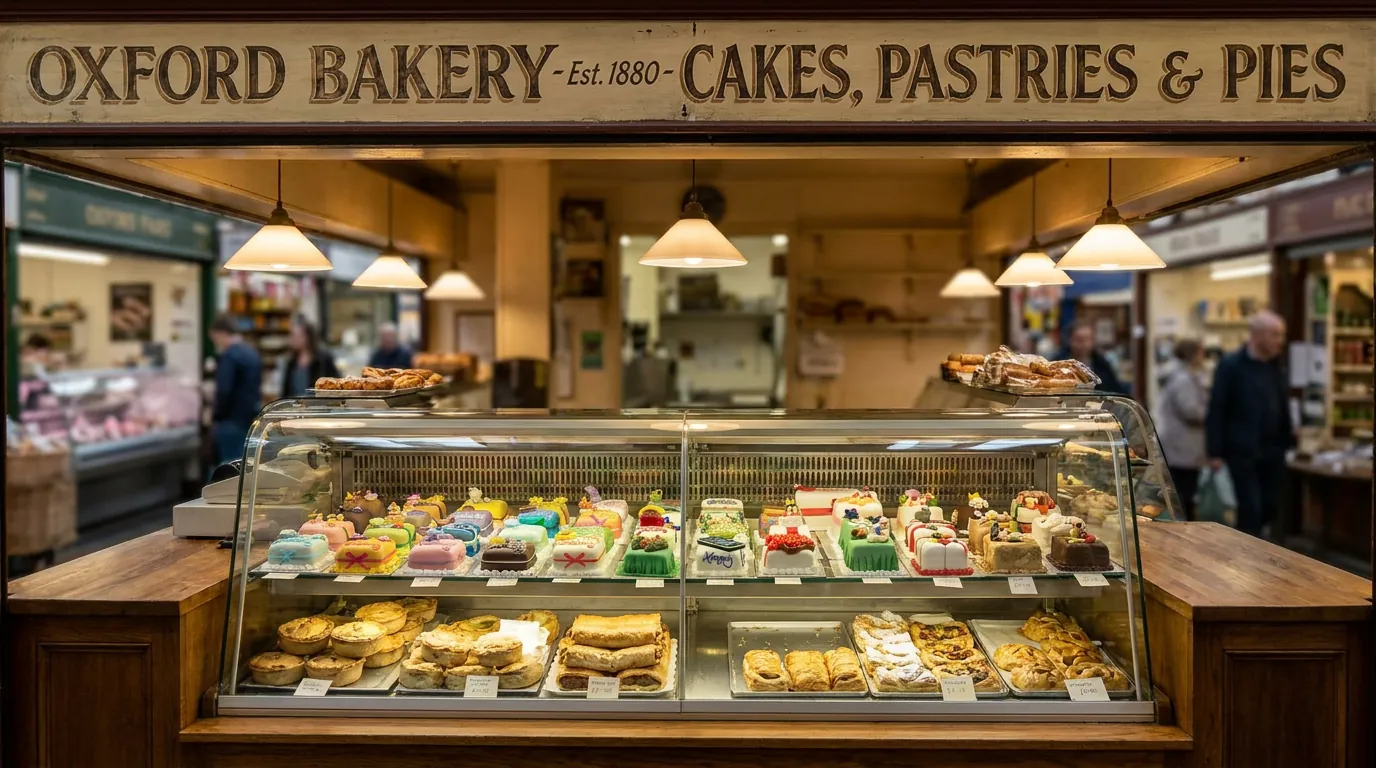
The official map currently lists a broad mix, including cafés, Ethiopian, Thai, Japanese, Chinese and Italian food, pizza, pies, baked potatoes, bread, coffee, ice cream, bars and specialist drinks. Named businesses are volatile and should be pulled from the current trader directory rather than hard-coded into evergreen prose. [S03]
Editorially, the most useful advice is:
- Walk the full grid before deciding.
- Expect different opening patterns for breakfast, lunch and evening traders.
- At peak lunch, one queue may be much longer than alternatives a few metres away.
- Ask traders directly about allergens and preparation; do not infer suitability from cuisine labels.
- Seating is available, but it is not guaranteed at busy times.
Shopping
The market combines produce and food specialists with flowers, gifts, clothing, jewellery, art, books, homeware, souvenirs, beauty and repair or personal services. The value lies in the independent mix. Avoid presenting it as exclusively artisanal or luxury: price points, products and business styles vary.
For meaningful Oxford gifts, prioritise locally designed, made or independently selected products over generic city branding. Claims such as “made in Oxford” should be checked with the individual trader.
Getting there
Walking
The market is at the centre of the main visitor circuit. Carfax is a few minutes away; the Bodleian quarter, Radcliffe Camera, Museum of Oxford and Christ Church are all easily combined on foot.
Train
The market states that Oxford railway station is around 10 minutes’ walk away and recommends walking because road journeys can take 10–30 minutes depending on traffic and one-way routes. Travellers with luggage should allow more time. [S05]
Bus and coach
Local bus stops include High Street immediately outside, St Aldate’s about one minute away, Queen Street about four minutes away and Gloucester Green about five minutes away. National-coach stopping points include Queen’s Lane, St Aldate’s and Gloucester Green. [S05]
Bicycle
Bicycles may be walked through the market but not ridden. Racks are located near the Market Street entrance on Avenue 4. [S02]
Car
There is no visitor car park at the market. Oxfordshire County Council describes Park & Ride as the easiest way into Oxford by car, with five sites around the ring road and regular services. City-centre options include Westgate, Worcester Street, Gloucester Green and Oxpens, but restrictions, prices and availability should be checked on the day. [S02][S13]
Facilities and practicalities
Toilets
The nearest council public toilets are directly outside on Market Street. The official FAQ identifies accessible toilets there and alternatives at Oxford Town Hall and Westgate. During late opening on Thursday–Saturday, signed facilities are provided inside after the Market Street toilets close; ask a trader if necessary. [S02]
Seating
There is a central seating area, but it can fill at lunch and during events. The current redevelopment programme plans larger communal areas; do not describe proposed spaces as already complete. [S03][S04]
Wi-Fi
The official FAQ says there is no dedicated free market Wi-Fi at present. Mobile reception can vary inside a dense historic structure. [S02]
Payments
Many traders accept cards, and Experience Oxfordshire lists credit-card facilities, but payment policies belong to individual businesses. Carrying a second payment method is sensible.
Lost property
Ask the market porters, identifiable by high-visibility orange clothing. [S02]
Smoking
Smoking is not permitted inside. [S02]
Dogs
Assistance dogs are allowed. The official FAQ warns that individual traders may set their own policies for other dogs. [S02]
Seasonal notes
- Winter: atmospheric lighting and sheltered shopping; entrances can be busy during city-centre events.
- Christmas: historically strong food and display traditions; verify extended hours and closures.
- Spring and summer: flowers, produce and takeaway food add colour; lunch crowds rise in peak tourism periods.
- University terms: weekday footfall patterns include students and staff, reinforcing the market’s everyday function.
- Public holidays: individual hours vary and the market closes on Christmas Day, Boxing Day, New Year’s Day and Easter Sunday according to its FAQ. Recheck annually. [S02]
Responsible visitor behaviour
- Keep entrances and narrow queue points clear.
- Ask before taking close portraits of traders or customers.
- Avoid treating working displays as props.
- Buy from traders when using the market as a long photography stop.
- Do not handle produce or goods without invitation.
- Walk bicycles and follow any temporary diversions.
Current works warning
An £8 million improvement programme is expected to enter construction in 2027 at the earliest. The council plans for the market to remain open, but temporary diversions, relocated traders and changing facilities may affect routes. All access, photography and tour content should be rechecked before publication in 2027. [S10]
Visit your way
Access and family planning.
Summary
The official market FAQ says the majority of the Covered Market has step-free access and operates on the ground floor. Oxford City Council’s venue record describes it as wheelchair accessible, and Experience Oxfordshire lists disabled access and accessible toilets. The market is a working historic building, however, so visitors should also expect variable aisle widths, queues, displays, deliveries, mixed surfaces and periods of high noise. [S02][S12][S15]
This is a research record, not a formal access audit. Precise doorway widths, gradients, counter heights, hearing loops and Changing Places provision require an on-site professional assessment.
Step-free movement
- Public browsing is principally at ground level.
- The majority of the market is step-free.
- Entrances connect from High Street, Market Street and Golden Cross.
- Temporary obstructions can include queues, movable displays, seating and delivery activity.
- The current redevelopment programme specifically includes improved entrances, routes, flooring, lighting and accessibility, but those proposed benefits must not be described as complete. [S04][S10]
Wheelchair and mobility-scooter users
The grid layout provides multiple route choices, which can help users avoid a queue or obstruction. At busy times the same grid can become difficult where customers gather outside food counters. A weekday morning is likely to be easier than the main lunch period or Saturday afternoon.
Market Street is the recommended practical arrival point because it gives direct access to the public toilets, cycle area and the market’s clearest public frontage. Visitors who need certainty about a specific shop should contact that trader, as individual thresholds, internal layouts and counter arrangements vary.
Seating and rest
A central seating area is shown on the official map. Seats are shared and can fill at lunch or during events. There is no guarantee of a rest point beside every avenue. The planned improvement programme includes larger communal space, but editorial copy must keep current and proposed provision separate. [S03][S04]
Toilets
The official FAQ identifies Oxford City Council public toilets immediately outside on Market Street. It says the nearest accessible toilets are on Market Street, with further options at Oxford Town Hall and Westgate. On Thursday, Friday and Saturday evenings, signed facilities are provided inside after the Market Street toilets close; visitors can ask a trader for directions. [S02]
Do not claim a Changing Places toilet without current verification.
Assistance dogs
Assistance dogs are allowed. The official FAQ notes that some individual traders may not permit other dogs. [S02]
Blind and partially sighted visitors
Potential advantages:
- Regular grid rather than a multi-level visitor route.
- Strong sensory cues from food, flowers, coffee and activity.
- Multiple exits to major central streets.
Potential difficulties:
- Projecting signs and movable displays.
- Queues extending into routes.
- Changing light levels between street entrances and covered avenues.
- Limited tactile or audible wayfinding confirmed by current sources.
- Bicycles may be walked inside.
Recommended editorial wording: “The market is mainly level but busy and visually dense; visitors who need assistance should contact the market or travel with a companion familiar with the route.”
Deaf and hard-of-hearing visitors
The market can be acoustically lively, with hard surfaces, overlapping conversation, music and food preparation. Current sources do not establish a market-wide hearing loop. Individual businesses and events may have their own arrangements and should be contacted directly.
Neurodivergent and sensory-sensitive visitors
The market can combine:
- strong and changing food smells;
- refrigeration, extraction and preparation sounds;
- music or busking;
- crowd noise;
- bright signs and dense visual displays;
- sudden constriction around queues.
Quieter strategy:
- Choose a weekday morning.
- Enter from Market Street for easier orientation.
- Walk a perimeter or single avenue rather than every cross-aisle.
- Identify the Market Street exit and toilets before browsing.
- Avoid advertised live events if sound is a concern.
Visitors with fatigue or chronic illness
The market can be covered in short segments, but guaranteed seating is limited. Build it into an itinerary as a pause rather than placing it after a long sequence of standing attractions. Food and drink are easy to obtain, but seating for purchased food depends on capacity.
Travel access
- High Street bus stops are immediately outside.
- St Aldate’s stops are approximately one minute away.
- Queen Street is approximately four minutes away.
- Gloucester Green is approximately five minutes away.
- Oxford station is described by the market as around ten minutes on foot.
- There is no dedicated visitor car park. [S05]
Blue Badge rules, taxi drop-off arrangements and road restrictions are changeable and should be checked through Oxfordshire County Council and Oxford City Council before your visit.
Current-development note
Construction is expected from 2027 at the earliest, with the market planned to remain open. Check for temporary entrances, routes and trader relocations before visiting. [S10]
Family verdict
Oxford Covered Market is a useful, free and flexible family stop rather than a conventional children’s attraction. It works best as a 30–60 minute browse with a snack, a visual challenge or a short architecture trail. Its covered setting makes it especially valuable when rain, tiredness or a gap between booked activities disrupts an itinerary.
Why families may like it
- Free entry and no fixed start time.
- Mostly ground-floor, step-free circulation.
- Many food choices in a small area.
- Strong visual variety: flowers, cakes, books, clothes, signs and roof structures.
- Central seating for a pause.
- Easy to shorten or extend.
- Indoor cover without the formality of a museum.
- Nearby toilets on Market Street.
Friction points
- Lunch and Saturday crowds can make avenues and seating feel tight.
- Queues form outside popular food counters.
- Shop displays are working retail displays, not hands-on exhibits.
- Food smells, music and conversation may be intense for sensory-sensitive children.
- Not every trader follows the market’s gate hours.
- The grid can make children feel that every cross-aisle looks similar; agree a meeting point.
Best times with children
A weekday morning from roughly 9:30–11:30am usually offers the best balance: businesses are opening, the market feels alive and the main lunch rush has not started. Families wanting lunch should arrive before noon or accept that seating may be limited.
Pushchairs
The majority of the market is step-free and at ground level, but narrow queue points, displays and busy cross-aisles can make large pushchairs awkward at peak times. Use the Market Street approach for the clearest practical orientation and avoid stopping across shop entrances.
Food with children
The range is the main advantage: a family does not need to agree on one cuisine before arriving. Browse first, then choose. Parents and carers should check allergens directly with the trader; the bundle must not label any business allergy-safe without current written evidence about ingredients and cross-contamination.
A 30-minute family trail
1. Find three ways in
Ask children to spot signs pointing towards High Street, Market Street and Golden Cross/Cornmarket. Explain that most of the market is hidden inside a city block.
2. Roof detective
Find one timber roof section, one iron feature and one clerestory or upper window. The goal is observation, not exact dating.
3. Old market clue
Look for projecting metal bars above shopfronts. Explain that some were once used by butchers to hang meat.
4. Colour hunt
Choose five colours found in flowers, produce, painted shopfronts, signs or packaging.
5. Independent choice
Give each child a modest budget or one shared buying decision. Ask what makes the chosen shop different from a high-street chain.
Rainy-day pairing
Combine the market with one nearby indoor attraction:
- Museum of Oxford for city history.
- The Story Museum for a child-focused booked visit.
- Bodleian Libraries tour or exhibition, subject to age rules and tickets.
- Ashmolean Museum for a larger free museum experience.
Avoid presenting the market itself as enough for a full wet day unless a family is attending an event or workshop.
Toilets and changing
Council toilets are on Market Street immediately outside. Accessible facilities are identified there, with alternatives at Oxford Town Hall and Westgate. Baby-changing provision should be confirmed on the day because the improvement programme includes future toilet changes. [S02][S04]
Dogs and assistance animals
Assistance dogs are allowed. Individual businesses may restrict other dogs, which matters when a family enters for food. [S02]
Suggested age framing
- Under 5: snack, colours and a short loop.
- 5–8: market detective trail and one buying decision.
- 9–12: architecture clues, trader categories and local-history story.
- Teenagers: independent food choice, photography and evening events where age-appropriate.
Safety and courtesy
- Keep children close around hot-food counters, deliveries and busy queues.
- Do not climb on shopfronts, ironwork or displays.
- Ask before photographing traders.
- Do not block entrances while deciding where to eat.
- Walk bicycles through the market.
Self-guided walk
Explore beyond the venue.
A practical, step-by-step route connecting this experience with more of Oxford.Tour summary
- Duration: 35–50 minutes without a meal.
- Distance: short, entirely within and immediately around the market.
- Cost: free.
- Start: High Street entrance.
- Finish: Market Street.
- Access: mainly step-free, but exact entrance conditions and temporary obstructions should be checked.
- Best time: weekday mid-morning.
This route deliberately avoids depending on one trader. It remains useful as businesses change.
Stop 1 — High Street: why the market hides
Stand on the north side of High Street and locate one of the passages into the market.
The market was created after the Oxford Mileways Act of 1771 as authorities sought to improve movement through the city and remove street stalls from main routes. Its discreet presence is therefore historically meaningful. The market was meant to bring messy, obstructive food trading inside a controlled block. [S06]
Look for: how little of the large interior is visible from the street. Prompt: would you notice the entrance without looking for it?
Stop 2 — The threshold
Move slowly through the passage and pause just inside.
The original market was designed by John Gwynn. Foundations began in May 1772, and the market officially opened on 1 November 1774. Although the plan and foundations retain that origin, most visible covered fabric behind the High Street frontage belongs to later nineteenth-century rebuilding. [S01][S06][S07]
Look for: the change in sound, light and apparent scale.
Stop 3 — A long avenue
Choose a clear north–south avenue and look from one end towards the other.
The market uses four main north–south aisles crossed by transverse routes. Shop blocks sit back-to-back between them. This grid provides efficient circulation while creating repeated framed views. [S07]
Look for: hanging signs, upper glazing, roof height and the rhythm of shopfront divisions.
Stop 4 — Look up at the roof
Compare at least two overhead structures.
Thomas Wyatt the younger’s nineteenth-century rebuilding introduced stone piers and iron roofing. Later phases added timber structures, clerestories and altered avenues. Historic England records cast-iron tie-beams marked “Dewer London 1839.” [S06][S07]
Prompt: where does one building phase appear to meet another?
Stop 5 — The old butcher clues
Look above shopfront fascias for projecting metal bars.
These bars were used to hang and display meat. They make the market’s origins visible even where current businesses sell completely different products. Some have been adapted to carry signs or lights. [S06][S11]
Courtesy: do not stand in a doorway while examining overhead details.
Stop 6 — Shopfront geometry
At an intersection, inspect the corner entrances and base of the shopfronts.
Historic stall blocks sometimes retain splayed doorways, pilasters, fascia proportions and stallrisers. Floors may preserve old flags, tiles, gullies or drains. These working details are as informative as decorative architecture.
Prompt: which elements seem designed for selling, cleaning, ventilation or display?
Stop 7 — Units 46–48
Find the conserved former John Lindsey Butcher & Son premises, now occupied by Hamblin Bread.
Work completed in 2021 uncovered and repaired wrought-iron latticework, original or early stone floors, limewashed brickwork, stone pillars and painted signs. The conservation returned the space to three units, following evidence of the earlier arrangement. [S08][S09]
Look for: the difference between conserved material and new working use. Buy-local option: make a purchase if the trader is open, but do not present this as required admission.
Stop 8 — The market today
Walk one full cross-aisle and notice the trader mix.
The official map lists more than fifty businesses spanning food, drink, produce, fashion, gifts, jewellery, art, books, services and specialist retail. The market’s significance depends on this living economy. [S01][S03]
Prompt: which current business best continues a historic market function, and which represents a completely new use?
Stop 9 — Golden Cross
Follow signs towards Cornmarket and look into the Golden Cross passage.
Despite its old-world character, the western connection into the market was formed in 1986. This is a useful reminder that attractive historic places continue to acquire new routes and uses. [S06]
Return to the central grid rather than exiting if completing the full tour.
Stop 10 — Market Street frontage
Exit to Market Street and turn back towards the building.
The frontage combines stone and timber elements from several phases. Look for gabled bays, ball finials, Venetian windows, blind arcading, gates and the cartouche carrying Oxford’s coat of arms and “1897.” [S06]
Across Market Street, the south range of Jesus College helps create the street’s enclosed historic character.
Stop 11 — The market’s future
Finish in or near the Market Street seating area.
Oxford City Council is planning an £8 million programme of infrastructure, access, lighting, route, toilet and public-space improvements. Construction is expected to start in 2027 at the earliest, with the market planned to remain open. [S10]
Discussion: how can a working market change without losing the irregularity and historic details that make it distinctive?
Optional ten-minute tasting extension
Rather than naming one “essential” product:
- Walk the entire current food offer.
- Choose an independent trader that is open.
- Ask one relevant question about origin, recipe, making or the business.
- Consume food in the designated seating area.
- Leave a clear path for other visitors.
Temporary-works adaptation
When redevelopment starts:
- preserve all stops that remain safely accessible;
- replace fixed directional language with live route notes;
- do not encourage visitors into service or trader relocation areas;
- update the tour map at every construction phase;
- add a short explanation of visible conservation work;
- retain a 20-minute accessible alternative.
Make a record
Photograph it thoughtfully.
Visual proposition
The strongest Covered Market photography layers three things in one frame: historic structure, independent trading and human movement. Empty architectural photographs are useful for reference, but images containing only products can make the market look like any food hall. The goal is to show a living historic grid.
Best subjects
Avenue compression
Use a medium or longer focal length down a north–south avenue to compress hanging signs, shopfronts and roof structure. Keep a clear anchor in the foreground so the frame does not become visual noise.
Roof transitions
Photograph where timber and iron systems, clerestories or differing heights meet. Include the upper shopfront band to explain scale.
Entrance reveal
Frame from a High Street passage towards the interior. The contrast between a narrow approach and luminous market avenue communicates the “hidden in plain sight” quality.
Market Street frontage
Capture gables, Venetian windows, blind arches, gates and the 1897 cartouche. Overcast light is useful for retaining stone detail.
Historic working details
Look for meat-hanging bars, old fascias, splayed doorways, floor surfaces, stone flags and the conserved fabric in Units 46–48.
Traders at work
Hands arranging flowers, preparing food, cutting bread or serving coffee can communicate craft without requiring an intrusive portrait. Ask permission whenever a person is recognisable or the photograph is more than incidental street-style coverage.
Timing
| Time | Strength | Risk |
|---|---|---|
| Weekday 9:30–11am | Cleaner avenues, opening activity, soft crowd level | Some traders still closed |
| 11:30am–2pm | Energy, food action, full displays | Queues and blocked sightlines |
| Late afternoon | Mixed retail and hospitality mood | Uneven closures |
| Thu–Sat evening | Warm atmosphere, events, bars | High ISO, mixed lighting, consent issues |
| Sunday | Leisurely visitor feel | Later opening and variable traders |
Light
The market combines daylight from entrances and roof glazing with artificial shop lighting. White balance can shift dramatically within one frame. Photograph RAW where possible. Avoid over-brightening shadows until the interior loses its covered-market mood.
Composition principles
- Preserve verticals in architecture-led images.
- Use avenue lines to pull the eye through the frame.
- Let signs overlap slightly; perfect separation can feel sterile.
- Include one recognisable Oxford or market-specific detail.
- Avoid cropping every image to the same central symmetry.
- Mix wide context, medium editorial scenes and tight detail.
- Show a realistic range of traders rather than only the most photogenic food.
Respect and permissions
The market is public-facing but privately managed working space. The official FAQ directs commercial filming and photoshoot enquiries to Oxford City Council’s Events Team at events@oxford.gov.uk. [S02]
For ordinary editorial capture:
- ask before a close portrait;
- do not photograph payment screens or customer details;
- avoid blocking trade or entrances;
- do not move products;
- respect requests not to photograph;
- secure model releases for prominent commercial use;
- obtain specific permission for tripods, lighting, staged shoots or large crews.
Avoid
- Artificially empty “heritage” scenes that erase traders.
- Photographing only viral products.
- Heavy HDR that makes old timber and stone look synthetic.
- Wide-angle distortion that misrepresents aisle widths.
- Unlicensed close portraits.
- Claims that an image shows original 1774 fabric without verification.
See it
In pictures.
All 9 photographs from this page, full screen. Tap any one to open the viewer.Around here
Make more of the area.
Position in the city
Oxford Covered Market sits at the centre of the principal visitor area. Its value as an itinerary component is partly geographic: it can provide breakfast, lunch, shopping or wet-weather cover between university, civic and cultural attractions.
Walking times below are editorial estimates from the nearest practical market exit, not accessibility-tested route times. Allow more time for crowds, crossings, mobility needs and photography.
Immediate connections
Carfax and Carfax Tower
- Approximate walk: 2–3 minutes.
- Why pair it: Carfax explains the city’s central crossroads; the tower provides a high-level view from which the market’s hidden roofscape can be understood.
- Best sequence: Carfax view first, market roof/details second.
- Caution: tower access involves many steps and is not a substitute for a step-free viewpoint.
Museum of Oxford and Oxford Town Hall
- Approximate walk: 3–5 minutes.
- Why pair it: the museum expands the market’s civic story—trade, government, townspeople and urban change—rather than repeating a university narrative.
- Weather: strong indoor pairing.
- Facilities: Town Hall is identified by the market FAQ as an alternative location for accessible toilets. [S02]
University Church of St Mary the Virgin
- Approximate walk: 4–6 minutes.
- Why pair it: High Street architecture, university history and a tower view complement the market’s commercial story.
- Best sequence: market breakfast or lunch, then High Street walk.
Radcliffe Camera and Bodleian Libraries
- Approximate walk: 5–7 minutes.
- Why pair it: Oxford’s most recognisable academic architecture contrasts with the working, civic market.
- Planning: interiors and tours may require tickets; exterior squares can be busy.
Covered Market to Turl Street colleges
- Approximate walk: 2–6 minutes depending on college.
- Nearby: Exeter, Lincoln and Jesus College settings contribute to the character around Market Street.
- Editorial angle: “town and gown within one city block.”
- Caution: college opening and admission policies vary.
Short walks
Christ Church
- Approximate walk: 7–10 minutes.
- Why pair it: combines one of Oxford’s major college experiences with a flexible food stop.
- Best sequence: timed Christ Church entry first; market meal afterwards.
- Caution: do not risk a booked entry by joining a lunch queue.
Ashmolean Museum
- Approximate walk: 7–10 minutes via Cornmarket and St Giles’.
- Why pair it: free museum plus free market creates a low-commitment, weatherproof half-day.
- Best sequence: Ashmolean morning, market lunch; reverse if museum crowds are forecast.
The Story Museum
- Approximate walk: 6–8 minutes.
- Why pair it: useful for families; the market supplies a flexible meal before or after a timed children’s visit.
- Planning: check tickets, age fit and session times.
Modern Art Oxford
- Approximate walk: 6–8 minutes.
- Why pair it: contemporary art and a historic market give strong contrast, with cafés and shopping between galleries.
Oxford Castle and Prison
- Approximate walk: 10–12 minutes.
- Why pair it: broadens civic history from commerce and street regulation to castle, prison and western city development.
Westgate Oxford
- Approximate walk: 6–9 minutes.
- Why pair it: practical facilities, shopping and parking.
- Editorial contrast: independent historic market versus major contemporary retail centre.
- Facilities: the market FAQ identifies Westgate as an alternative for accessible toilets. [S02]
Ready-made itineraries
One-hour central Oxford reset
- Enter from High Street.
- Complete the 20-minute market loop.
- Buy coffee or a snack.
- Exit Market Street.
- Walk to the Radcliffe Camera exterior.
Two-hour food and history route
- Carfax and High Street orientation.
- Covered Market self-guided heritage loop.
- Lunch in the market.
- Museum of Oxford.
Rainy half-day
- Ashmolean Museum.
- Walk down Cornmarket.
- Enter via Golden Cross.
- Covered Market lunch and shopping.
- Museum of Oxford or a booked Bodleian interior visit.
Family pairing
- Story Museum timed visit.
- Walk to the market before peak lunch.
- Family observation trail.
- Snack and Market Street facilities.
Town-and-gown route
- Oxford Town Hall/Museum of Oxford.
- Covered Market history.
- Turl Street.
- Bodleian quarter and Radcliffe Camera.
Good to know
Questions, answered.
01Is Oxford Covered Market worth visiting?
Yes. It is a free, centrally located market with more than 50 independent traders inside a Grade II listed building. It works particularly well for food, independent shopping, architecture and wet weather. A standard first visit takes around 45–60 minutes, excluding a full meal. [S01][S07]
02What is Oxford Covered Market?
It is a permanent covered market containing independent cafés, restaurants, bars, produce sellers, shops and specialist services. The market opened in 1774 and remains in its intended commercial use. [S01][S06]
03When did Oxford Covered Market open?
The market officially opened on 1 November 1774. Work on its foundations began in May 1772. [S06]
04Who designed Oxford Covered Market?
John Gwynn designed the original market and its High Street frontage. Most of the covered interior visible today was rebuilt or added during nineteenth-century phases involving architects including Thomas Wyatt the younger, H. J. Underwood, Frederick Codd and E. G. Bruton. [S06][S07]
05Is the market’s present interior original to 1774?
No. The original plan and stone foundations are important, and the High Street front range survives, but most of the roofed market behind it is nineteenth-century reconstruction and enlargement. [S06][S07]
06Is Oxford Covered Market listed?
Yes. It is a Grade II listed building on the National Heritage List for England. Its list entry number is 1380159, and it was first listed on 9 March 2000. [S07]
07Who owns Oxford Covered Market?
Oxford City Council owns it. [S02]
08Is Oxford Covered Market free?
General entry is free. Visitors pay only for purchases or any separately ticketed event or workshop.
09What are Oxford Covered Market’s opening hours?
The prominently displayed current gate hours are:
- Monday–Wednesday: 8am–5:30pm
- Thursday–Saturday: 8am–10pm
- Sunday: 10am–5pm
- Bank Holidays: 10am–5pm
Individual trader hours vary. The official website contains some inconsistent older 4pm Sunday/Bank Holiday references, so check the official site before a time-critical visit. [S01][S02][S03]
10Are all traders open whenever the market gates are open?
No. Each independent business sets its own hours. Some daytime shops close before the late Thursday–Saturday gate time, while cafés and bars may follow different patterns. [S01][S02]
11How long should I spend at Oxford Covered Market?
Allow 30–90 minutes. A quick architectural loop takes 20–30 minutes; browsing plus coffee or lunch usually takes 45–90 minutes. Events and evening visits can last longer.
12Where is Oxford Covered Market?
It is inside the central Oxford block between High Street and Market Street, with Cornmarket Street to the west and Turl Street to the east. The official postal address is Market Street, Oxford, OX1 3DZ. [S01][S03]
13Why is the market difficult to see from the street?
Most of the building is concealed behind surrounding frontages. Entrances are reached from High Street, Market Street and the Golden Cross passage from Cornmarket. This discreet presence reflects the original intention to remove food stalls from the city’s main streets. [S06]
14Which entrance should I use?
Use High Street for the most dramatic entrance-to-interior reveal, Market Street for toilets and practical orientation, or Golden Cross for a direct connection from Cornmarket. Visitors with specific access needs should confirm the easiest step-free entrance under current conditions.
15How far is the Covered Market from Oxford station?
The market’s official transport page says Oxford station is about a ten-minute walk. A relaxed pace, luggage, crowds or mobility needs can make it longer. [S05]
16Can I park at Oxford Covered Market?
The market has no visitor car park. Oxford’s Park & Ride system is usually the simplest car-based approach. City-centre public car parks include Westgate, Worcester Street, Gloucester Green and Oxpens; check current charges and restrictions. [S02][S12][S13]
17Is Oxford Covered Market wheelchair accessible?
The majority of the market is step-free and on the ground floor, and Oxford City Council describes the venue as wheelchair accessible. Historic surfaces, queues and displays can still narrow routes. Weekday mornings are generally easier than peak lunch periods. [S02][S12]
18Are there toilets?
Oxford City Council public toilets are on Market Street immediately outside. The official FAQ identifies accessible facilities there, with alternatives at Oxford Town Hall and Westgate. During later Thursday–Saturday opening, signed internal facilities are available after the Market Street toilets close. [S02]
19Is Oxford Covered Market good for children?
Yes as a short, flexible stop. It is free, covered, mostly on one level and offers many food choices. It is not a dedicated children’s attraction, and the lunch rush can be crowded. A simple roof, colour or “old market clue” trail helps younger visitors engage.
20Is the market good when it rains?
Yes. It is one of the most useful free wet-weather destinations in central Oxford because browsing, eating and most circulation are under cover.
21Are dogs allowed?
Assistance dogs are allowed. The market’s FAQ says individual traders may have their own policies for other dogs. [S02]
22Can I take a bicycle inside?
Bicycles may be walked through the market but cannot be ridden inside. Racks are available near the Market Street entrance on Avenue 4. [S02]
23Is there free Wi-Fi?
The official FAQ says there is no free Wi-Fi dedicated to the Covered Market at present. [S02]
24What food is available?
The mix changes, but the official map currently includes cafés, bakeries, coffee, pizza, pies, Thai, Ethiopian, Japanese, Chinese and Italian food, potatoes, ice cream, bars and other options. Check the current trader directory and individual hours rather than relying on an old “best food” list. [S03]
25What can I buy besides food?
Current categories include flowers, clothing, jewellery, gifts, art, books, homewares, beauty products, souvenirs and specialist services. The exact mix is changeable. [S03]
26What historic details should I look for?
Look up for timber and cast-iron roof structures, clerestories and long avenue views. At shopfront level, look for old fascias, pilasters, splayed doorways, floor surfaces and projecting iron bars once used to hang meat. The restored former butcher units 46–48 preserve stone floors, ironwork and historic signage. [S06][S08]
27What are Units 46–48?
They are the former John Lindsey Butcher & Son premises in one of the market’s oldest surviving sections. Conservation completed in 2021 revealed stone flooring, wrought-iron latticework, limewashed brickwork and painted signs. Hamblin Bread now occupies the restored units. [S08][S09]
28Can I take photographs?
Ordinary visitor photography should be respectful of traders and customers. Ask before close portraits, do not obstruct business, and avoid photographing private transaction details. Commercial filming or staged photoshoots require contact with Oxford City Council’s Events Team. [S02]
29Does the market open in the evening?
The market gates currently remain open until 10pm Thursday–Saturday. Food, drink and events may continue, but many daytime traders close earlier. Check both the events page and individual business hours. [S01][S14]
30Does the market hold events?
Yes. The programme can include live music, comedy, workshops, clubs, tastings and seasonal activity. Listings change, so publish events through a current feed or dated update rather than evergreen copy. [S01][S14]
31Is the market being redeveloped?
Oxford City Council is progressing an £8 million improvement programme. Construction is expected to begin in 2027 at the earliest and may take around eighteen months. The council says the market will remain open, with phased works and alternative internal locations for affected traders. [S10]
32What days is the market closed?
The official FAQ identifies Christmas Day, Boxing Day, New Year’s Day and Easter Sunday as required closures. Holiday information should be rechecked each year because individual traders may close on additional dates. [S02]
33Is Oxford Covered Market the oldest covered market in England?
The official market describes it as one of the oldest continually operating markets in the country. Avoid an absolute “oldest” claim unless the comparison category and evidence are defined. [S01]
34What is the best time to visit?
For easier browsing, try a weekday around 9:30–11:30am. For maximum food atmosphere, visit around lunch but expect queues. For evening food and events, choose Thursday–Saturday and confirm what is actually open.
Before you visit
Useful links.
Venue and visitor information
Method
Primary and authoritative sources were prioritised in this order:
- Oxford Covered Market official website for current visitor operations and traders.
- Oxford City Council for ownership, heritage assessment, facilities and capital projects.
- Historic England for statutory designation and architectural record.
- Oxford Preservation Trust for the Units 46–48 conservation project.
- Oxfordshire County Council for Park & Ride.
- Experience Oxfordshire for destination facilities and independent cross-checking.
Operational facts were checked on 23 July 2026. Historic facts were cross-checked between the council heritage assessment and Historic England. Conflicts are retained below rather than silently normalised.
Sources
S01 — Oxford Covered Market: Our Story
- URL: https://oxford-coveredmarket.co.uk/our-story/
- Publisher: Oxford Covered Market / Oxford City Council
- Type: official primary destination source
- Accessed: 2026-07-23
- Supports: more than 50 traders; 1770s origin; John Gwynn; first twenty butchers’ shops; 2024 anniversary; trader variety; late opening; restoration; sustainability.
- Caution: body text gives Sunday and Bank Holiday closing as 4pm, while the sitewide footer on the same page gives 5pm.
S02 — Oxford Covered Market: Market FAQs
- URL: https://oxford-coveredmarket.co.uk/market-faqs/
- Publisher: Oxford Covered Market / Oxford City Council
- Type: official operational source
- Accessed: 2026-07-23
- Supports: location, gate/trader distinction, toilets, parking, delivery, majority step-free, ownership, lost property, filming, busking, dogs, bicycles, smoking, Wi-Fi and holiday closures.
- Caution: some entries contain visible placeholders or stale copy; Sunday hours differ from the current sitewide footer.
S03 — Oxford Covered Market: Market Map / Find Us
- URLs: https://oxford-coveredmarket.co.uk/market-map/ and https://oxford-coveredmarket.co.uk/find-us/
- Publisher: Oxford Covered Market / Oxford City Council
- Type: official current directory and location source
- Accessed: 2026-07-23
- Supports: current trader categories and names, facilities, OX1 3DZ address, current prominent 5pm Sunday/Bank Holiday close.
- Caution: trader roster and individual hours are volatile.
S04 — Oxford City Council: Covered Market redevelopment
- URL: https://www.oxford.gov.uk/building-projects/covered-market-redevelopment
- Publisher: Oxford City Council
- Type: official project source
- Accessed: 2026-07-23
- Supports: £8 million programme; entrances, public space, toilets, utilities, lighting, service yard, sustainability, timeline and prior funding.
- Freshness: recheck quarterly and during every construction phase.
S05 — Oxford Covered Market: Public Transport
- URL: https://oxford-coveredmarket.co.uk/find-us/public-transport/
- Publisher: Oxford Covered Market / Oxford City Council
- Type: official travel source
- Accessed: 2026-07-23
- Supports: bus-stop walk times; Oxford station at approximately ten minutes; road-journey caution.
- Caution: walking time is a general estimate, not an accessible-route guarantee.
S06 — Oxford City Council: Oxford Covered Market Heritage Assessment
- URL: https://www.oxford.gov.uk/downloads/file/691/oxford-covered-market-heritage-statement
- Publisher: Oxford City Council, Heritage and Specialist Services Team
- Date: June 2013
- Type: official heritage assessment PDF
- Accessed: 2026-07-23
- Supports: full site and building history; 1 November 1774 opening; John Gwynn; nineteenth-century phases; plan, roofs, entrances, shopfronts, iron racks, floors, wartime continuity, significance and conservation issues.
- Caution: operational observations are historical to 2013; use only for history and fabric unless reverified.
S07 — Historic England: The Covered Market, list entry 1380159
- URL: https://historicengland.org.uk/listing/the-list/list-entry/1380159
- Publisher: Historic England
- Type: statutory heritage record
- Accessed: 2026-07-23
- Supports: Grade II status; listing date; list entry number; NGR; architects and phases; roof and plan description; distinction between Gwynn frontage and nineteenth-century market.
- Note: primary source for designation wording.
S08 — Oxford Preservation Trust: The Covered Market, Units 46–48
- URL: https://www.oxfordpreservation.org.uk/covered-market
- Publisher: Oxford Preservation Trust
- Type: conservation project source
- Accessed: 2026-07-23
- Supports: Lindsey premises; 2021 project; stone floors, iron latticework, limewashed brick, painted signage; current Hamblin Bread occupation.
S09 — Oxford Preservation Trust: Covered Market Conservation Project
- URL: https://www.oxfordpreservation.org.uk/covered-market-conservation-project
- Publisher: Oxford Preservation Trust
- Type: detailed conservation project source
- Accessed: 2026-07-23
- Supports: closure of Lindsey’s in 2018; significance of 1839–40 units; evidence for division into three shops; conservation approach.
S10 — Oxford City Council: updated plans and 2027 start date
- URL: https://www.oxford.gov.uk/news/article/1802/covered-market-redevelopment-updated-plans-and-2027-start-date
- Publisher: Oxford City Council
- Published: 2026-01-29
- Type: official dated project update
- Accessed: 2026-07-23
- Supports: earliest 2027 construction; predicted eighteen-month duration; market remaining open; phased access; alternative trader space; updated toilets, court, retail and utilities.
S11 — Oxford City Council: Shopfronts and Signage Technical Advice Note
- URL: https://www.oxford.gov.uk/downloads/file/1657/technical-advice-note-10---shopfronts-and-signage
- Publisher: Oxford City Council
- Type: official planning guidance PDF
- Accessed: 2026-07-23
- Supports: Central Conservation Area; rarity; public ownership; local traders; meat racks; heritage-sensitive shopfront, sign, colour and lighting principles.
S12 — Oxford City Council: Outdoor Venue Guide
- URL: https://www.oxford.gov.uk/directory-record/235/oxford-covered-market
- Publisher: Oxford City Council
- Type: official venue record
- Accessed: 2026-07-23
- Supports: approximate 4,655m² size; up to 3,500 daily footfall for event planning; wheelchair accessibility; station and parking context.
- Caution: event-planning figures should not be presented as audited daily visitor statistics without context.
S13 — Oxfordshire County Council: Park and Ride locations
- URL: https://www.oxfordshire.gov.uk/transport-and-travel/public-transport/park-and-ride/locations
- Publisher: Oxfordshire County Council
- Type: official transport source
- Accessed: 2026-07-23
- Supports: five Park & Ride sites around Oxford’s ring road and official recommendation for car visitors.
S14 — Oxford Covered Market: News and Events
- Example URL: https://oxford-coveredmarket.co.uk/news-and-events/news/whats-on-in-june/
- Publisher: Oxford Covered Market / Oxford City Council
- Type: official dated events source
- Accessed: 2026-07-23
- Supports: examples of evening clubs, quizzes, coffee ceremonies, music and workshops.
- Caution: never convert an example dated event into an evergreen promise.
S15 — Experience Oxfordshire: The Oxford Covered Market
- URL: https://www.experienceoxfordshire.org/venue/oxford-covered-market/
- Publisher: Experience Oxfordshire
- Type: official destination-management partner source
- Accessed: 2026-07-23
- Supports: facilities, disabled access, seating, current 5pm Sunday/Bank Holiday closing, more than 50 traders and evening destination positioning.
- Conflict: displays postcode OX1 3DY; the market’s own site uses OX1 3DZ, which this bundle adopts.
Conflict ledger
| Topic | Source A | Source B | Bundle decision |
|---|---|---|---|
| Sunday close | S01/S02 body: 4pm | S01/S03 footers and S15: 5pm | Use 5pm with verification date; recheck monthly |
| Bank Holiday close | S01/S02 body: 4pm | S01/S03 footers and S15: 5pm | Use 5pm with verification date; recheck before each holiday |
| Postcode | S01/S03: OX1 3DZ | S15: OX1 3DY | Use official market OX1 3DZ |
| Station walk | S05: 10 min | S12: 15 min active travel | Public prose may say 10–15 minutes; retain source context |
| Entrance count | Heritage documents describe historical configurations | Visitor routes can change during works | Describe approaches rather than promise every gate is open |
Sources not used as primary evidence
- Wikipedia: useful for orientation, not necessary where official sources exist.
- Tripadvisor and generic travel blogs: useful for discovering visitor questions, not for canonical facts.
- Social media: useful only for dated event/trader updates and should be archived or corroborated.
- Search-result snippets without accessible underlying pages: not cited as final evidence.
Reverification schedule
- Monthly: opening hours, address, trader map.
- Before each public holiday: special hours and closures.
- Weekly/live: events.
- Quarterly: facilities, access, transport.
- Quarterly until 2027; monthly during works: redevelopment.
- Annually: Historic England record, heritage narrative and source links.
Opening hours, prices, programmes and access arrangements can change. Confirm critical details with the venue.
Continue exploring / Oxford
What will you
do next?
Compare the practical essentials first, then open the experiences that earn a place in your plans.
 01Culture & historyBate Collection of Musical InstrumentsExplore experience →
 02Culture & historyBodleian Library guided tourExplore experience →
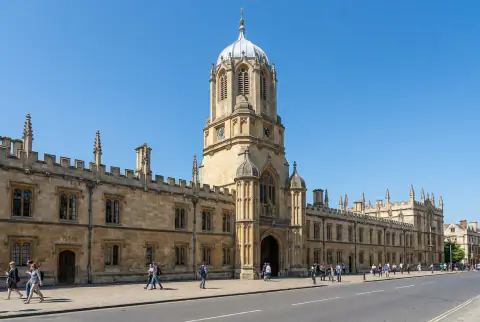 03Culture & historyChrist ChurchExplore experience →
 04Culture & historyChrist Church CathedralExplore experience →
 05Culture & historyHistory of Science MuseumExplore experience →
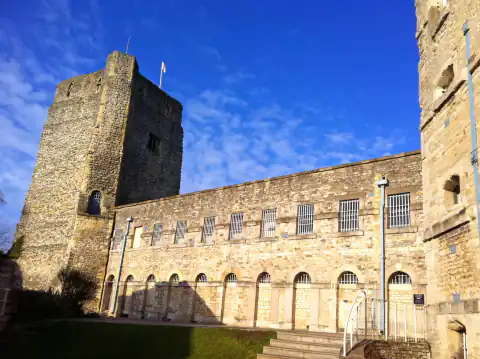 06Culture & historyOxford CastleExplore experience →
 07Culture & historyOxford University Museum of Natural HistoryExplore experience →
 08Culture & historyPitt Rivers MuseumExplore experience →
 09Culture & historySheldonian TheatreExplore experience →
 10Culture & historyStephen A. Schwarzman Centre for the HumanitiesExplore experience →
 11Culture & historyThe Ashmolean MuseumExplore experience →
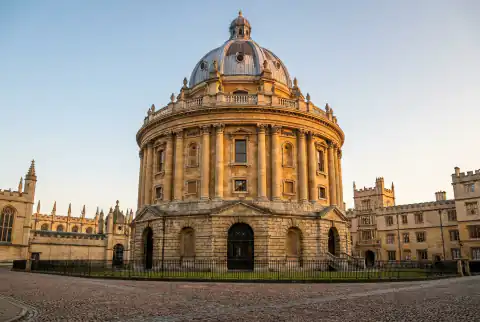 12Culture & historyThe Radcliffe CameraExplore experience →
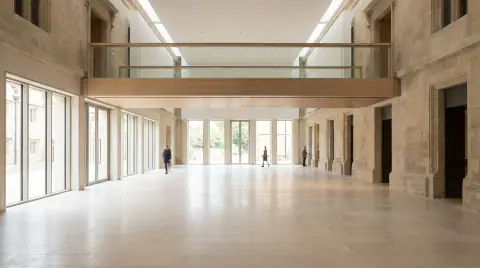 13Culture & historyThe Weston LibraryExplore experience →
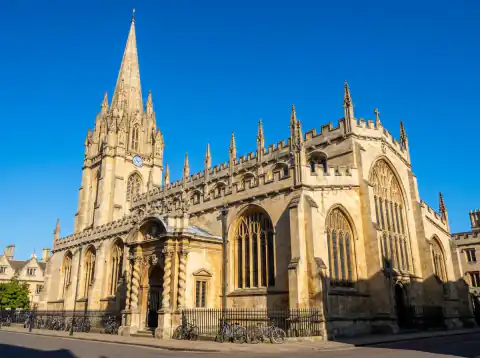 14Culture & historyUniversity Church of St Mary the VirginExplore experience →
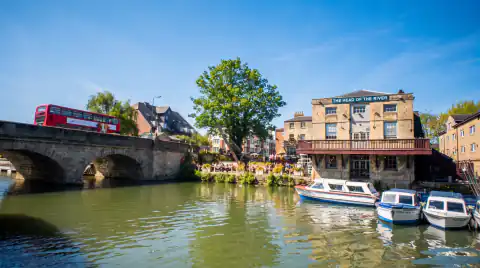 15Food & drinkHead of the RiverExplore experience →
 16Food & drinkLe Manoir aux Quat’SaisonsExplore experience →
 17Food & drinkThe Bear InnExplore experience →
 18Food & drinkThe ChequersExplore experience →
 19Food & drinkThe Eagle and ChildExplore experience →
 20Food & drinkThe King’s ArmsExplore experience →
 21Food & drinkThe Lamb & FlagExplore experience →
 22Food & drinkThe PerchExplore experience →
 23Food & drinkThe Trout InnExplore experience →
 24Food & drinkThe Turf TavernExplore experience →
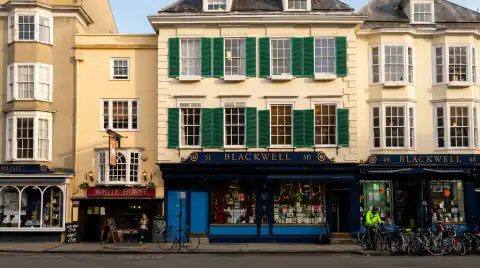 25Food & drinkThe White HorseExplore experience →
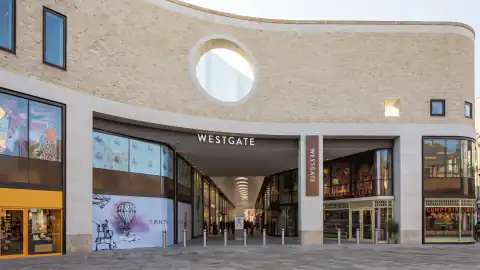 26Food & drinkWestgate OxfordExplore experience →
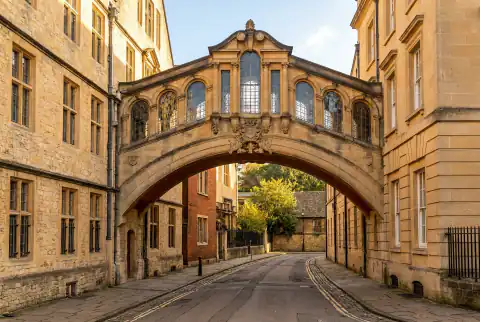 27Walks & viewsThe Bridge of SighsExplore experience →
 28Parks & meadowsChrist Church MeadowExplore experience →
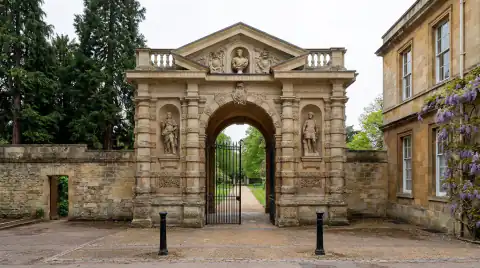 29Parks & meadowsOxford Botanic GardenExplore experience →
 30Parks & meadowsPort MeadowExplore experience →
 31Parks & meadowsUniversity ParksExplore experience →
 32On the waterPunt the CherwellExplore experience →
 33On the waterSalter's SteamersExplore experience →
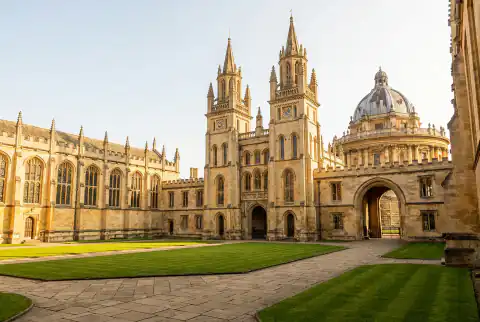 43CollegesAll the collegesEvery Oxford collegeOpen the college guide →Food & drink / a storyThe nine oldest pubsWalk the timeline →
 Plan / Itinerary builderBuild your Oxford dayStart planning →