In depth
The Prince's Car Collection
Around a hundred cars from 1903 to 2013 — a 1929 Grand Prix Bugatti, Charles Leclerc's Ferrari and Princess Grace's London taxi — at Port Hercule since 2022, and closed for Grand Prix weekends.
Story · Visit · Route · Links
Choose your depth
Essentials or more detail?
See visiting essentials, or read more about the history and places nearby.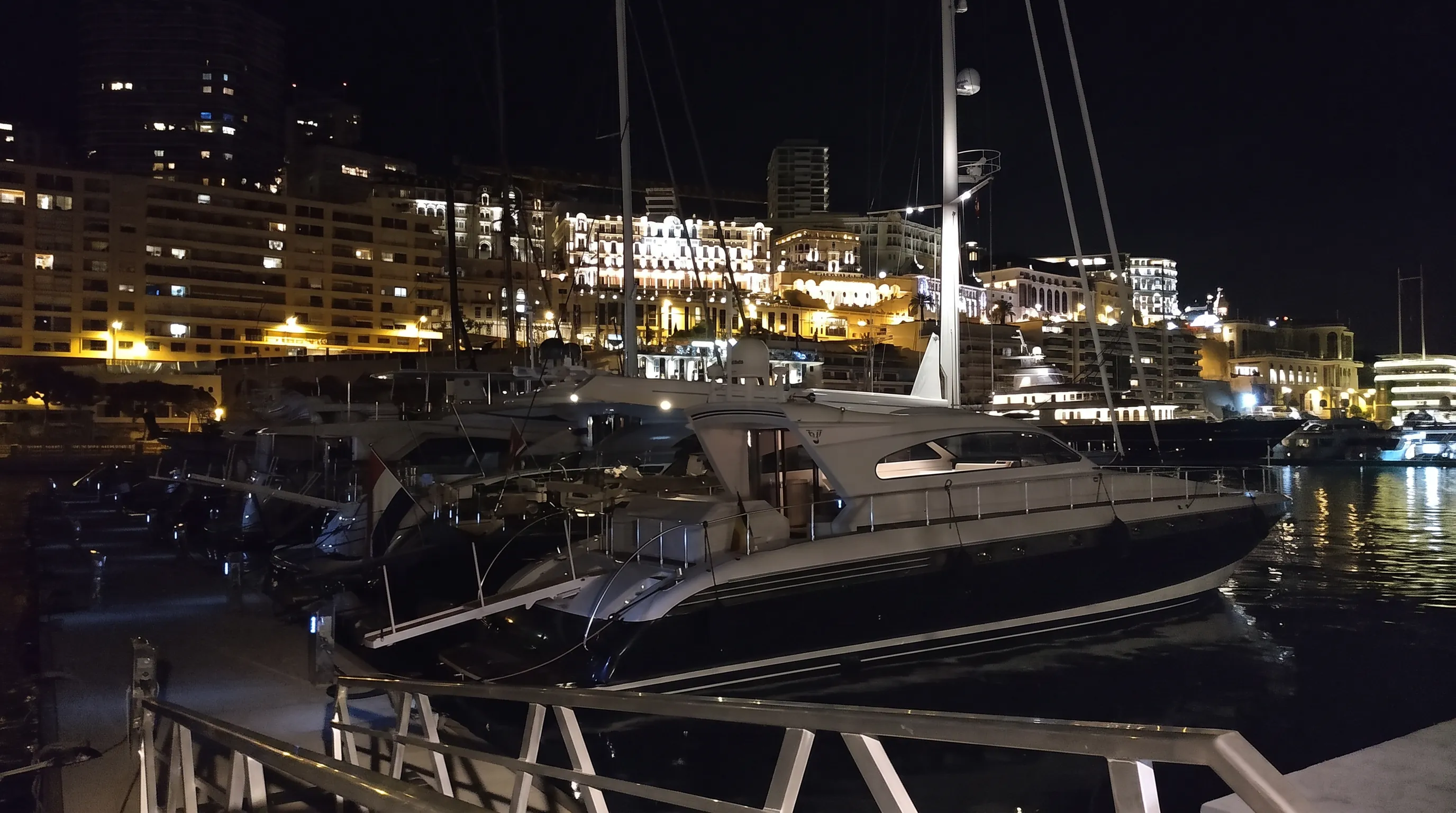
01 The experience
What to expect.
Why it matters
It is a private collection that outgrew a palace. Prince Rainier III began collecting in the late 1950s and assembled it over about thirty years. He opened it to the public in 1993 for a straightforward reason: it had become too large to keep in the palace garage.
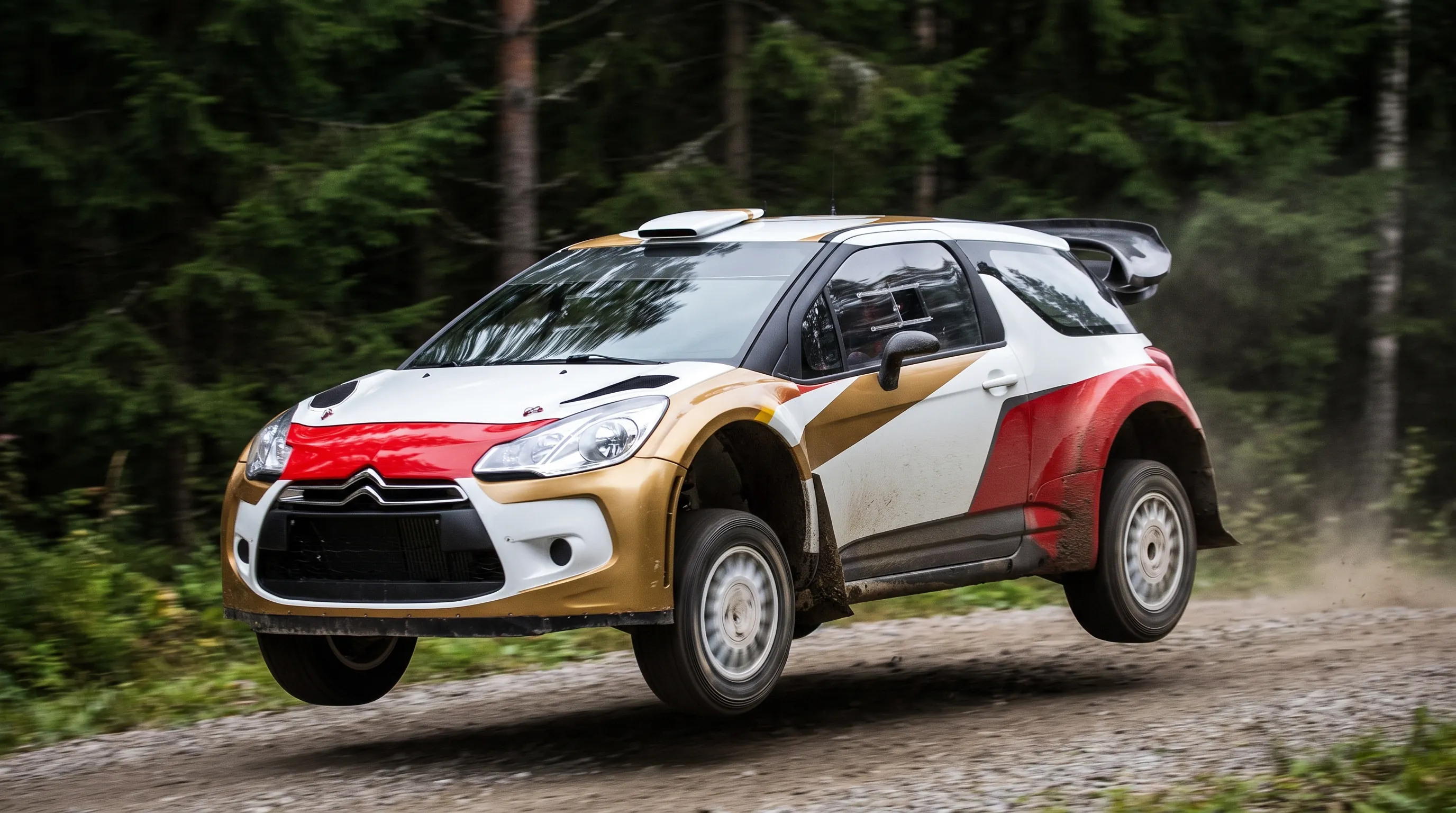
It is the only place in Monaco where the racing is a permanent exhibit. The Grand Prix is a week; the Monte Carlo Rally is a weekend. Here the cars stay all year — a Bugatti from the inaugural 1929 Monaco Grand Prix, Sébastien Loeb's Citroën DS3 WRC that won the 2013 Monte Carlo Rally, and Charles Leclerc's Ferrari SF90 from the 2019 Formula One season.
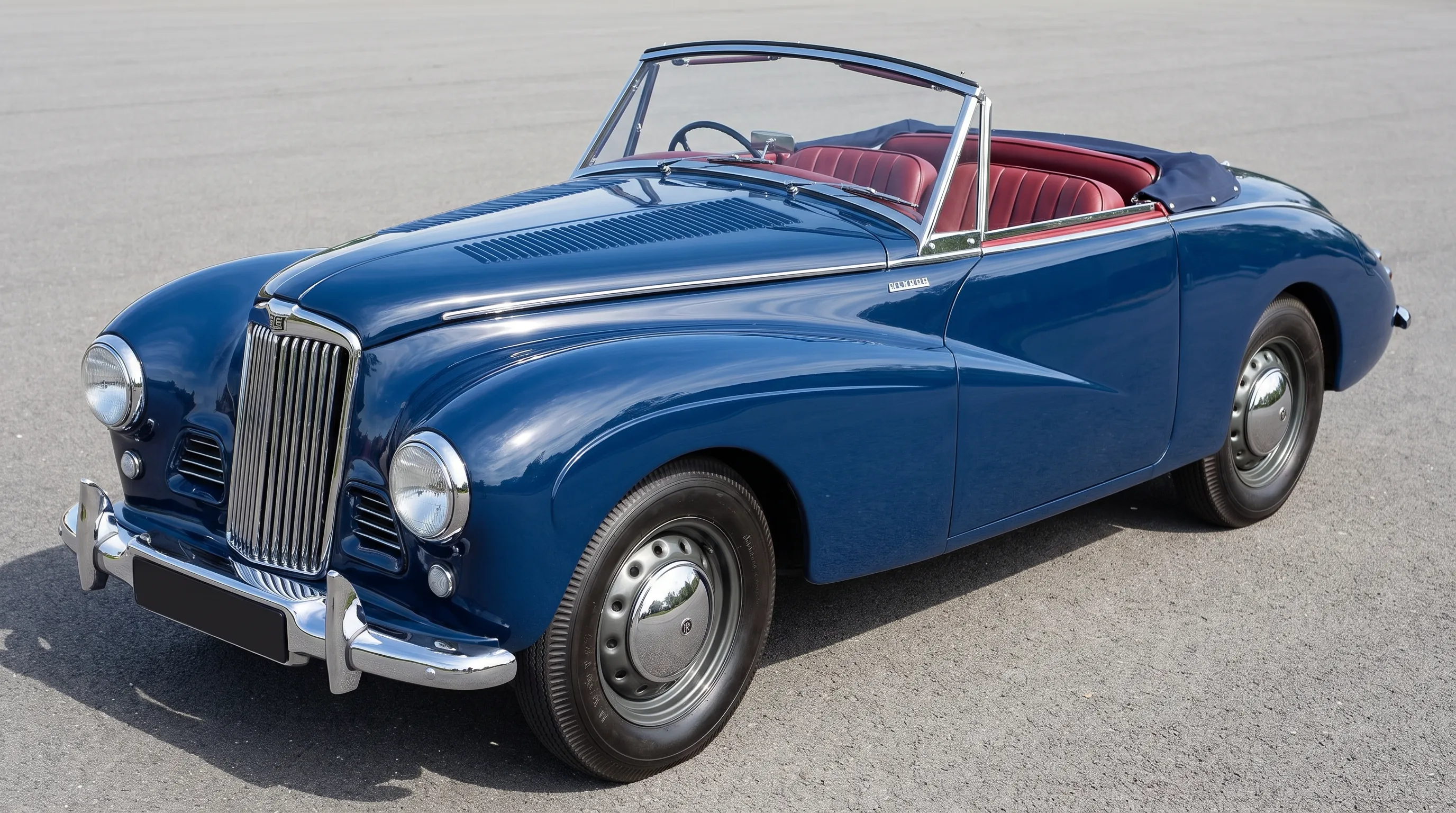
And it is a family album in metal. Princess Grace's Austin FX3 — a London taxi she had shipped from England because its turning circle suited the streets of Monaco-Ville, and whose interior she redesigned herself. The Renault Floride she was given in 1959. The Lexus from the 2011 royal wedding. A Sunbeam Alpine Prince Albert II bought as a nod to his mother's film career.
Who it is for
Anyone interested in cars, obviously — but the collection is broader than an enthusiast's museum. It works for anyone curious about the Grimaldis, because the vehicles are biography. It works for families: it is indoors, flat, on one site, and children under six are free. And it is one of the few things in Monaco that is genuinely improved by bad weather.
It is not a Grand Prix experience — it is shut during the race — and it is not on the Rock, which is where a lot of people assume every princely thing must be.
How the museum is arranged
Two levels, and the split is the useful thing to know:
| Level | What is there |
|---|---|
| Lower floors | The classic cars, grouped by theme — Riviera, Les Élégantes |
| Upper floors | The racing cars — Formula 1, rally, and the competition machinery |
The 2022 building added giant screens and touchscreens that let you look through the interiors of cars you cannot climb into. The stated intention was to make it somewhere locals would come back to rather than a static display.
The essentials
Where. 54 route de la Piscine, on Port Hercule, beside the Rainier III nautical stadium. Not Fontvieille.
When. 10:00 to 18:00 from 1 September to 30 June, last entry 17:00. 10:00 to 19:00 in July and August, last entry 18:00.
Closed. 19 November, 25 December, and Grand Prix weekends.
Admission. €15 adult, €13 student, €10 child aged 6–17, free under 6.
How long. An hour to an hour and a half.
Booking. Walk-in works. Online booking is available through the Palace's ticketing.
What this guide does not claim
Accessibility has not been verified. For a museum built in 2022 across two levels, published information on step-free routes, lifts and accessible toilets was expected and was not found. If it is decisive, telephone +377 92 05 28 56 before travelling.
The story
History & character.
A prince who kept buying cars
Prince Rainier III began collecting in the late 1950s, and went on assembling the collection over roughly thirty years.
It was not conceived as a museum. It was a private collection, kept where a private collection is kept — in the palace garage.
1993: it stopped fitting
The reason the public can see these cars is delightfully mundane. The collection became too large to keep at the palace, and in 1993 Rainier III opened it to the public on the Terrasses de Fontvieille.
That is where it stayed for nearly thirty years, and it is why so much published material still sends visitors to the wrong quarter.
July 2022: the move to Port Hercule
The collection was inaugurated in its new home on Thursday 7 July 2022 and opened to the public the following day.
The new site is 54 route de la Piscine, on Port Hercule, beside the Rainier III nautical stadium — 3,500 m² across two levels, on the edge of the Piscine section of the Formula 1 circuit.
What changed was not only the address. The new building brought giant screens showing films and touchscreens letting visitors explore vehicle specifications and look through the interiors of cars they cannot sit in. The collection's director, Valérie Closier, described the intention as making it lively enough that Monégasques would come back regularly rather than visiting once.
The cars were also rearranged by theme rather than simply lined up: the classics on the lower floors under headings such as Riviera and Les Élégantes, and the racing cars above.
What is in it
Around one hundred cars, spanning 1903 to 2013 — from a De Dion Bouton of 1903 to a Lotus F1 of 2013.
The marques run through Hispano-Suiza, Rolls-Royce, Lincoln, Facel Vega, Delage, Delahaye, Packard, Humber, Napier, Ferrari, Maserati, Lamborghini and Alfa Romeo.
The racing cars
Monaco's two great motoring events both appear.
The 1929 Bugatti. The collection holds a Bugatti from the inaugural Monaco Grand Prix of 1929 — eight cylinders, a 100-litre tank, a top speed around 200 km/h, and a weight comparable to a modern Formula 1 car. No seatbelts, no helmets.
Which driver is disputed. One account has it as the Bugatti Type 35 driven by William Grover-Williams, who won that first race; another names Marcel Lehoux, who also competed. This guide does not pick between them — see the source register.
Sébastien Loeb's Citroën DS3 WRC, driven to victory in the 2013 Monte Carlo Rally.
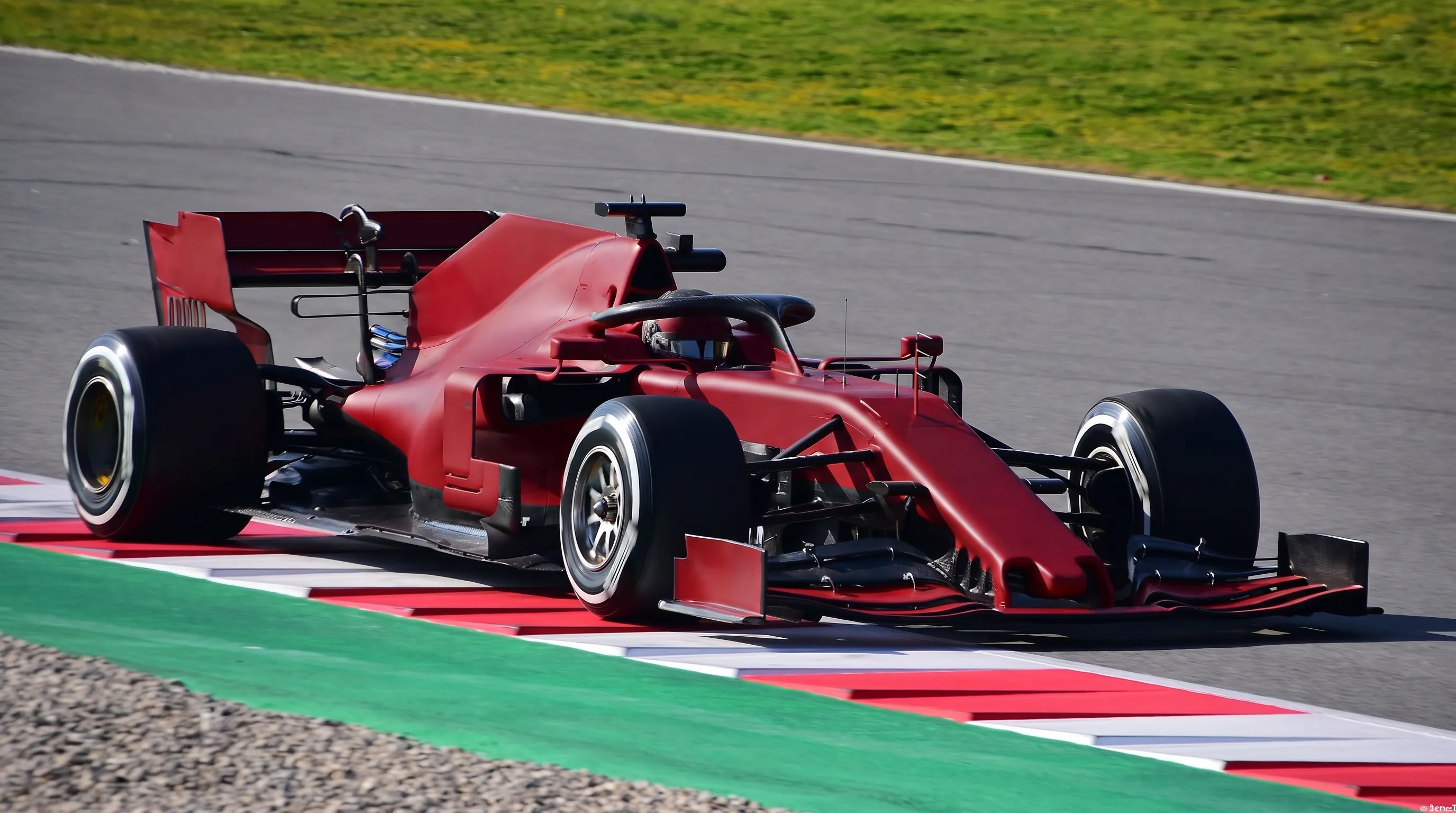
Charles Leclerc's Ferrari SF90, from the 2019 Formula One World Championship — a Monégasque driver's car, in Monaco.
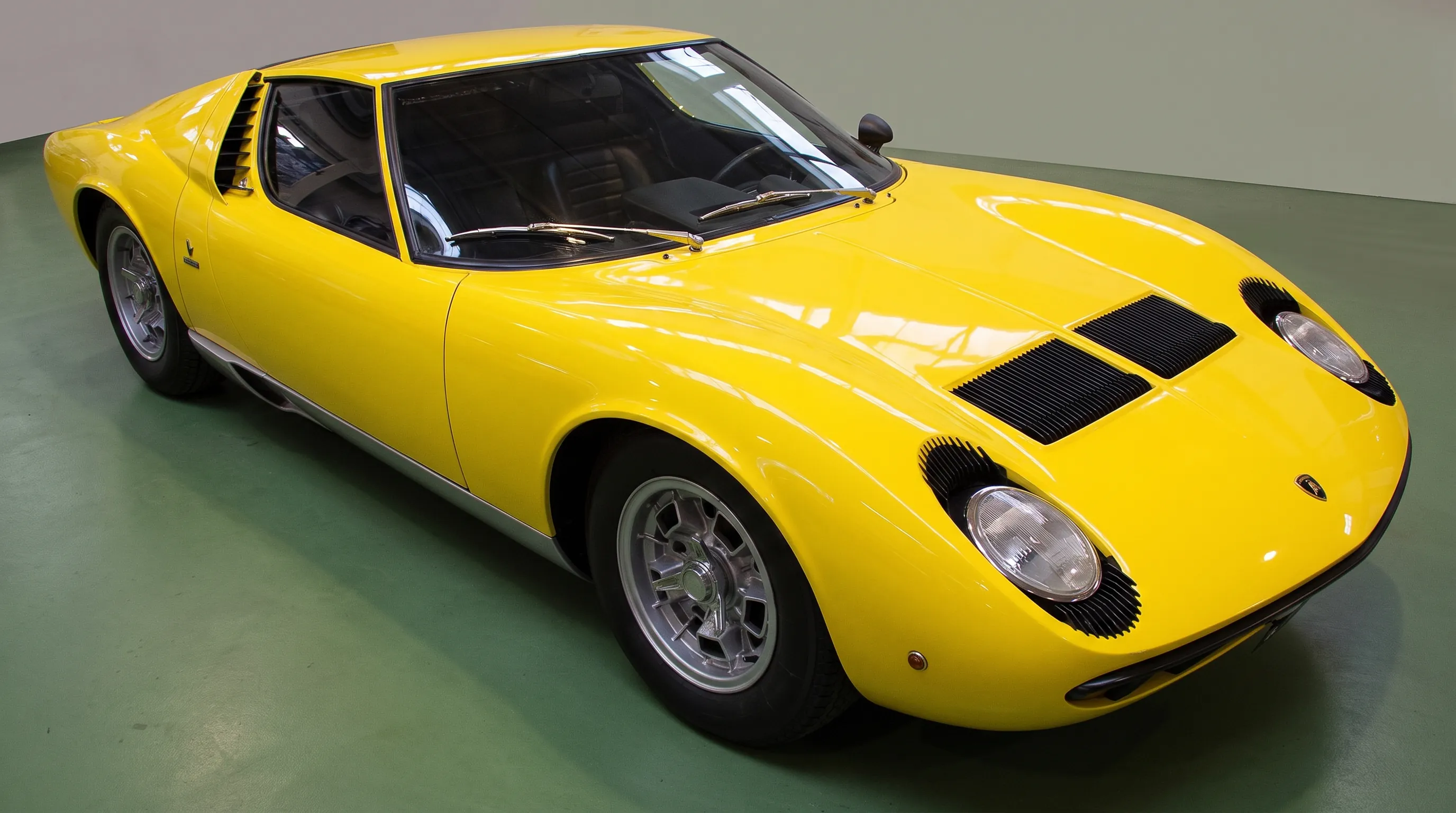
And a yellow Lamborghini Miura, which is not a racing car but is usually the one people photograph.
The family cars
This is the part that surprises people, and it is the better half of the collection.
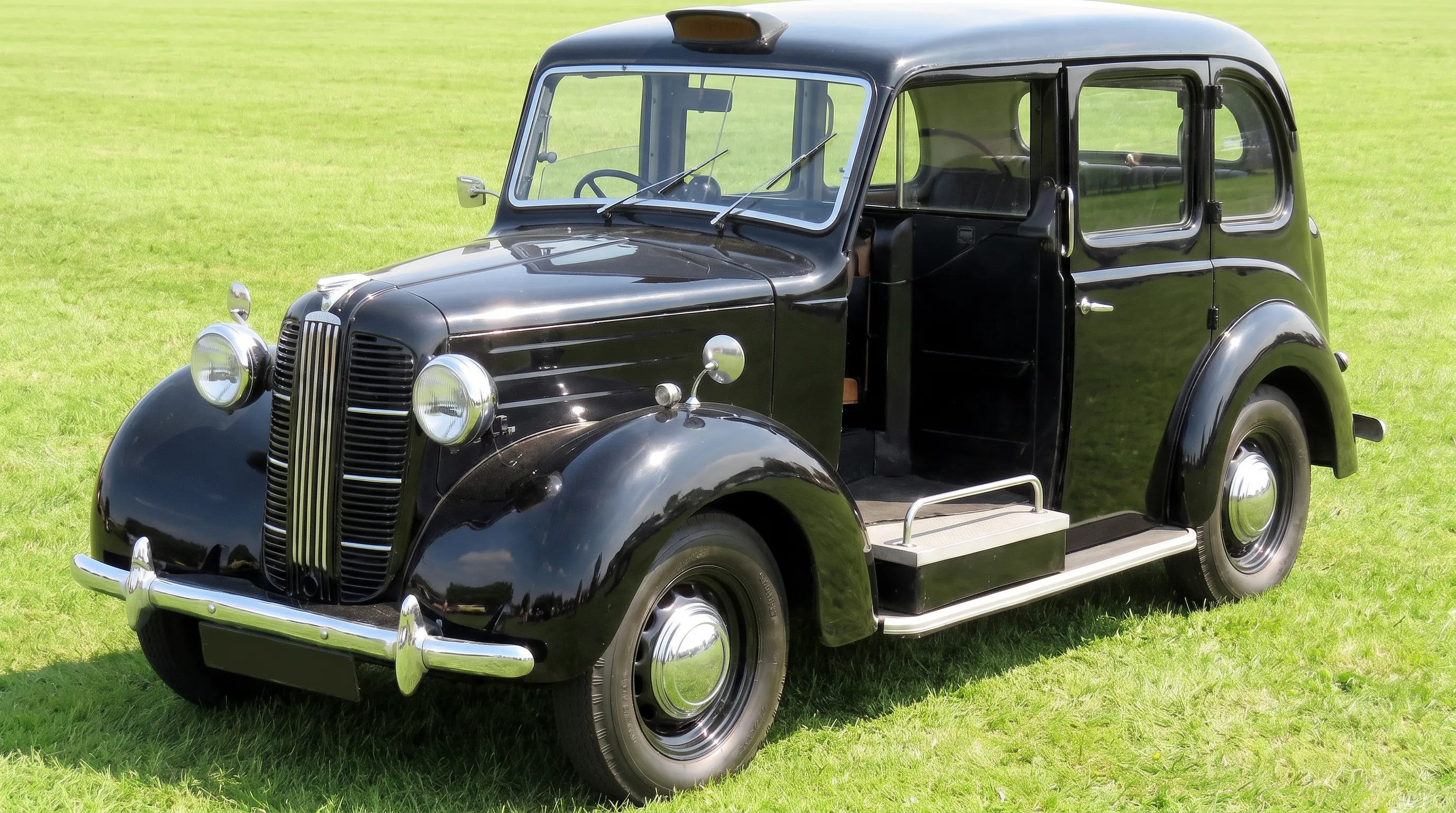
Princess Grace's Austin FX3. A London taxi. She had one brought over from England because its exceptionally tight turning circle suited the narrow streets of Monaco-Ville, and she redesigned its interior herself. A young Prince Albert is said to have sometimes travelled in the front luggage compartment.
The 1959 Renault Floride, given to Princess Grace in "Borneo green". The same model was offered to Brigitte Bardot, in white — and to Queen Elizabeth II, who declined and asked that the car be given to charity instead.
The 1954 Sunbeam Alpine MK1, in sapphire blue, bought by Prince Albert II. It is a nod to his mother's film career: an exact replica of the convertible from Alfred Hitchcock's *To Catch a Thief, in which Grace Kelly drove Cary Grant along the Corniche. Two cars were used for the film* — one in the studio, one on the road.
The 1953 Rolls-Royce Silver Wraith.
The Lexus used for the 2011 royal wedding of Prince Albert II and Princess Charlene.
Look closer
Highlights and hidden details.
The objects, spaces and small observations that turn a visit into a memorable one.The 1929 Bugatti
A Bugatti from the very first Monaco Grand Prix.
Eight cylinders. A 100-litre fuel tank. A top speed of around 200 km/h — and a weight comparable to a modern Formula 1 car, which is the fact that reframes everything else about it.
Then look for what is not there. No seatbelts. No helmet. Drivers took that car around these streets in 1929 with none of it.
(Sources disagree on whose car this was — William Grover-Williams, who won that first race, or Marcel Lehoux, who also competed. This guide names the race, not the driver.)
Princess Grace's London taxi
An Austin FX3, and the best object in the building.
A film star who became a princess had a London cab shipped from England, because its famously tight turning circle was the right tool for the medieval streets of Monaco-Ville. Then she redesigned the interior herself.
And a young Prince Albert is said to have sometimes ridden in the front luggage compartment — where, on an FX3, the luggage went instead of a passenger seat.
The Renault Floride, and the car the Queen turned down
Princess Grace was given a 1959 Renault Floride in "Borneo green".
The story around it is the good part. Renault offered the same model to Brigitte Bardot, in white — and to Queen Elizabeth II, who declined it and asked that the car go to charity instead.
Three of the most photographed women in the world, one model of car, and only one of them kept it.
The Sunbeam from *To Catch a Thief*
A 1954 Sunbeam Alpine MK1 in sapphire blue, bought by Prince Albert II.
It is a replica, and the reason for it is the point: Hitchcock's *To Catch a Thief* has Grace Kelly driving Cary Grant along the Corniche in one of these. A son bought his mother's film car.
Two were used in the film — one for the studio, one for the road.
Charles Leclerc's Ferrari
A Ferrari SF90 from the 2019 Formula One World Championship.
A Monégasque driver, in a Ferrari, in a museum in Monaco, a few hundred metres from the circuit he grew up beside. There is not a tighter loop anywhere in motorsport.
Sébastien Loeb's rally car
The Citroën DS3 WRC he drove to victory in the 2013 Monte Carlo Rally.
Monaco has two great motoring events and most visitors only know about one. The Rally is the older idea — it starts elsewhere and finishes here — and this is the car that won it.
The yellow Lamborghini Miura
Not a racing car, not a royal car, and usually the one people photograph anyway.
The oldest and the newest
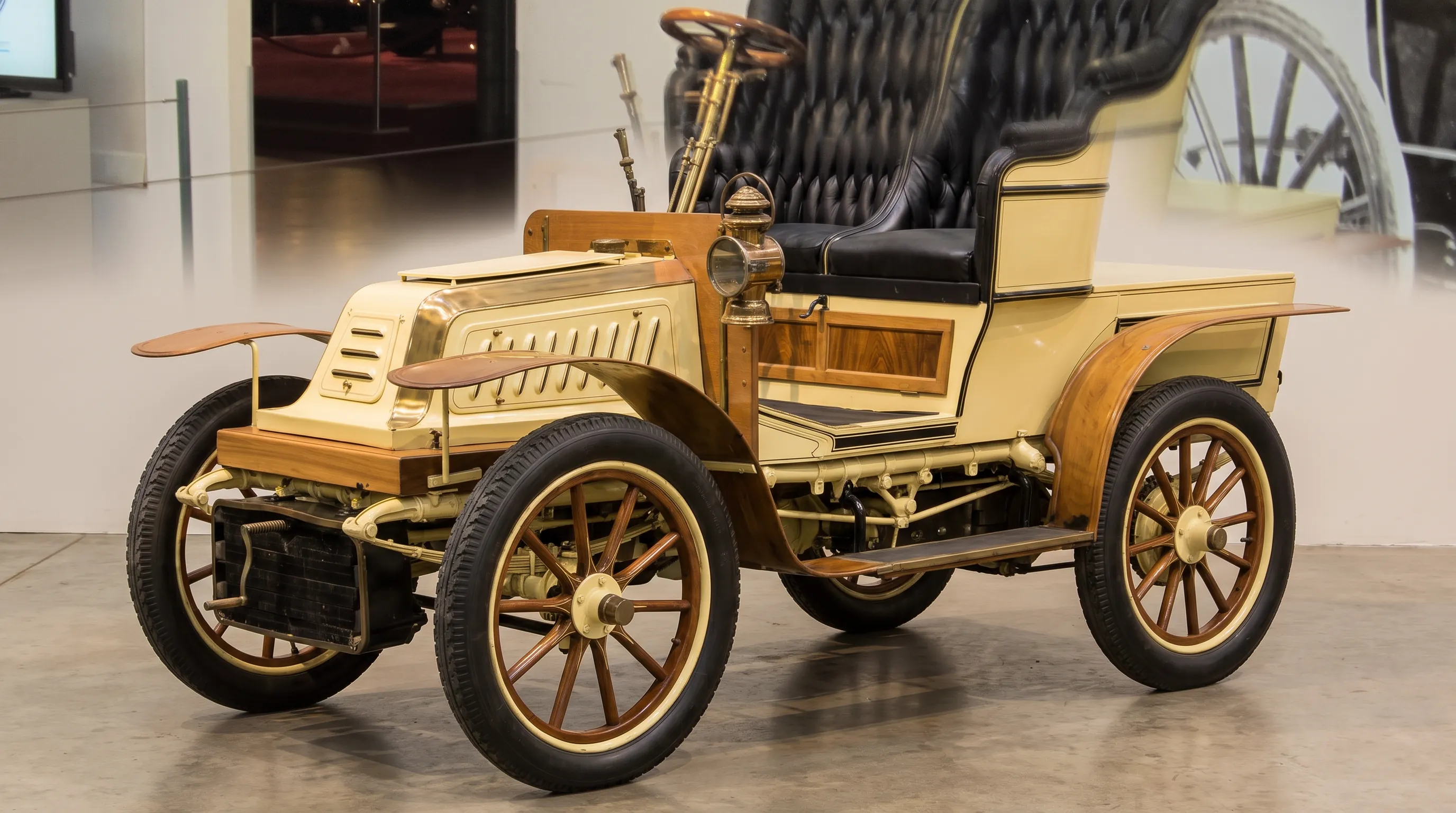
A 1903 De Dion Bouton at one end, a 2013 Lotus F1 at the other.
One hundred and ten years, in one room. The De Dion Bouton is from a period when it was not settled that cars would beat horses; the Lotus is from a period when an F1 car generates enough downforce to drive on a ceiling.
The Lexus from the wedding
Used for the 2011 marriage of Prince Albert II and Princess Charlene.
Worth a look because it is the most recent piece of Grimaldi history in the building, and because it makes the point that this is a family's cars rather than a curated survey.
The upstairs / downstairs split
Worth knowing before you walk in, because it shapes the visit.
Lower floors — the classics, grouped by theme: Riviera, Les Élégantes. Coachbuilt bodies, Hispano-Suiza, Delage, Delahaye, Facel Vega, Packard.
Upper floors — the racing. Formula 1, rally, competition.
If you have limited time and one interest, go straight to your floor.
The screens
The 2022 rebuild added films on giant screens and touchscreens that let you look through the interiors of cars you will never be allowed to sit in.
It is the answer to the oldest problem with car museums — that the most interesting part of a car is the part behind a rope.
Details worth slowing down for.
The car museum shuts for the Grand Prix
A collection of Formula 1 and Monte Carlo Rally cars, standing on the edge of the circuit, closes for the Formula 1 Grand Prix, the Grand Prix Historique and the E-Prix.
The week the whole world comes to Monaco to look at racing cars is the week you cannot look at these ones.
The address is named after a corner
Route de la Piscine — Pool Road.
It is named for the Piscine, the swimming-pool complex that the Grand Prix circuit runs around, one of the most recognisable sequences of corners in Formula 1.
The Prince's cars are kept on a street named after a bend in the track.
Princess Grace drove a London cab
The Austin FX3 in the collection is a London taxi.
She had it brought from England because its turning circle — designed for U-turns in London traffic — was exactly right for the narrow streets of Monaco-Ville. Then she redesigned the interior herself.
An Oscar-winning American actress, married into a European principality, commuting in a British hackney carriage she had re-trimmed to her own design.
And her son rode in the luggage compartment
On an Austin FX3 the space beside the driver is not a passenger seat — it is an open luggage platform, where a London cabbie stacked the cases.
A young Prince Albert is said to have travelled in it.
The Queen said no to hers
The 1959 Renault Floride given to Princess Grace in "Borneo green" was part of a campaign.
Renault offered the same car to Brigitte Bardot, in white, and to Queen Elizabeth II — who turned it down and asked that it be given to charity instead.
The collection exists because it stopped fitting
Rainier III did not set out to found a museum. He collected privately from the late 1950s, for about thirty years, and kept the cars in the palace garage.
He opened it to the public in 1993 because it had simply grown too large to keep at the palace.
There are two of the Hitchcock car, and this is neither
The 1954 Sunbeam Alpine MK1 is a replica, bought by Prince Albert II, of the convertible Grace Kelly drives in *To Catch a Thief*.
The film itself used two cars — one on the studio stage, one on the Corniche.
So there were two screen cars, and the one in Monaco is a third.
The whole thing moved in 2022 and the internet has not caught up
For nearly thirty years the collection was on the Terrasses de Fontvieille. It was inaugurated at Port Hercule on 7 July 2022 and opened to the public the next day.
Head to 54 route de la Piscine at Port Hercule, in La Condamine. The collection left its former Fontvieille home in 2022.
If a source tells you to go to Fontvieille, that source has not been updated since 2022.
You can see inside cars you cannot sit in
The 2022 building added touchscreens that let visitors explore the specifications and look through the interiors of the vehicles.
It solves the fundamental frustration of every car museum, which is that everything worth seeing is on the other side of a rope.
The oldest car predates the argument
The 1903 De Dion Bouton comes from a moment when it was genuinely unsettled whether the motor car would replace the horse.
It shares a building with a 2013 Lotus Formula 1 car. One hundred and ten years apart, under one roof, and the second one would lap the first before it finished the straight.
04 / Before you go
Plan your visit
Prices & admission
€15 adult, €13 student, €10 child aged 6–17, free for under-6s. A combined ticket with the Prince's Palace is €25 adult, €20 student and €15 child 6–17, valid only while the Palace is open (30 March to 15 October in 2026). A family of two adults and two school-age children is €50 for the collection alone.
Opening hours
10:00–18:00 from 1 September to 30 June, last entry 17:00. 10:00–19:00 in July and August, last entry 18:00. Closed on 19 November (National Day), 25 December, and during Grand Prix weekends — the Formula 1 Grand Prix, the Grand Prix Historique and the E-Prix.
Getting there
54 route de la Piscine, 98000 Monaco
About 15 minutes downhill from the Place du Casino; about 10 minutes down from Le Rocher — but the return from the harbour to the Rock is a climb.
Plan your experience
IMPORTANT: the collection closes for the Grand Prix weekends — Formula 1, the Grand Prix Historique and the E-Prix, three separate weekends a year — as well as on 19 November and 25 December. There is a combined ticket with the Prince's Palace at €25 adult, €20 student and €15 child 6–17, against €28/€24/€18 bought separately; it is valid only while the Palace is open, 30 March to 15 October in 2026, and is non-exchangeable and non-refundable. Buy from the official platform only — the operator states that tickets bought through third-party resellers such as TripAdvisor and Viator will NOT admit you. Walk-in is otherwise fine. Note the address: it moved from Fontvieille to Port Hercule in July 2022 and much published material is out of date.
Accessibility
This should be one of the most accessible museums in Monaco — and almost none of it is published.
Two things first
It closes during Grand Prix weekends. A museum of Formula 1 and rally cars, beside the circuit, shuts for the Formula 1 Grand Prix, the Grand Prix Historique and the E-Prix. The week you would most expect it to be open is the week it is not.
It is not in Fontvieille any more. The collection moved in July 2022 to 54 route de la Piscine, on Port Hercule. Maps, guides and listings still point at the old Terrasses de Fontvieille site. Put the new address into your phone, not the name.
Opening hours
| Period | Hours | Last entry |
|---|---|---|
| 1 September – 30 June | 10:00–18:00 | 17:00 |
| 1 July – 31 August | 10:00–19:00 | 18:00 |
Closed: 19 November (National Day), 25 December, and the Grand Prix weekends — Formula 1, the Historique and the E-Prix. That is three separate weekends across the year, not one.
(The Palace's English page renders this as "Grand Prix week". The operator's own French ticketing text says les week-ends de Grand Prix, and that is the wording used here. If you are cutting it fine in late May, telephone +377 92 05 28 56.)
Admission
| Adult | €15 |
| Student | €13 |
| Child 6–17 | €10 |
| Under 6 | Free |
The combined ticket
There is a combined ticket with the Prince's Palace, and it is worth knowing about because it is the better buy if you are doing both.
| Combined | Bought separately | |
|---|---|---|
| Adult | €25 | €28 |
| Student | €20 | €24 |
| Child 6–17 | €15 | €18 |
It is only valid while the Palace is open — 30 March to 15 October in 2026. Outside that window the Palace is shut for the season and there is no combined ticket to buy.
These tickets are non-exchangeable and non-refundable.
Buy from the official platform only
The operator states plainly that only tickets bought through its own platform are valid, and names unauthorised resellers explicitly — TripAdvisor, Viator, Cosmic Tickets Audios, Evendo, TourScanner, CoolDestinations and Tripening among them.
Tickets bought through those channels will not admit you. This is the operator's own warning, not an inference, and it is worth taking seriously given how high those sites rank for this museum.
Booking. Walk-in works — this is not a museum that sells out — and tickets are sold at the door. Online booking is through the Palace's own ticketing platform.
Telephone +377 92 05 28 56. Email mtcc@mtcc.mc.
Getting there
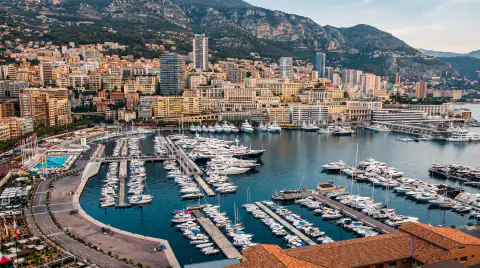
54 route de la Piscine, Port Hercule, beside the Rainier III nautical stadium, on the eastern side of the harbour in La Condamine.
On foot. From the Place du Casino it is roughly fifteen minutes downhill. From the Rock it is about ten minutes down and round the harbour — but note that from the Rock the walk is a descent, and coming back is a climb.
By train. Monaco–Monte-Carlo station, then down. Use the lower exit at Sainte-Dévote, which brings you out towards the port rather than up at the casino.
By car. Port Hercule has parking. Monaco's public car parks are well signposted and the harbour ones are the obvious choice.
The address is the landmark. Route de la Piscine is named for the Piscine — the swimming-pool complex the Grand Prix circuit runs around. If you can see the pool, you are there.
How long to allow
An hour to an hour and a half.
Around a hundred cars across two levels is a comfortable visit rather than a long one. Add half an hour if you are the kind of person who reads every board, or if the temporary exhibition is on.
How it is laid out
| Level | What |
|---|---|
| Lower floors | Classic cars, grouped by theme — Riviera, Les Élégantes |
| Upper floors | The racing cars — Formula 1, Monte Carlo Rally, competition machinery |
There are giant screens showing films and touchscreens that let you look through the interiors of cars you cannot get into. It was rebuilt in 2022 with the explicit aim of being somewhere people return to.
Temporary exhibitions
The collection mounts temporary exhibitions alongside the permanent display. One ran from 22 June to 13 September 2026 — From Yesterday to Today: the evolution of the car from generation to generation.
These change. Check the current programme rather than planning around anything on this page.
When to come
Any weather, and preferably bad. It is entirely indoors, on one site, and it is one of the few things in Monaco that a wet afternoon actively improves.
Avoid late May unless you have confirmed it is open — that is Grand Prix season.
July and August get you the extra hour, to 19:00.
Morning is the quieter half of the day at most Monaco museums, though no crowding data is published for this one and none is claimed here.
Combining it
This sits at the harbour, between the Rock and Monte-Carlo, which makes it unusually easy to slot into a day.
With Le Rocher: the Rock in the morning — Palace, cathedral, Oceanographic Museum — then down to the harbour for this in the afternoon. All three have their own guides.
With the Condamine market: five minutes away, and the honest place to eat in Monaco.
With the F1 circuit: you are standing on it. The Piscine section is right there, and the harbour front is the most recognisable stretch of the track.
What is not confirmed
- Accessibility — step-free routes, lifts between the two levels, accessible toilets and parking. See the accessibility chapter; none of it is published.
- Whether the closure is a full week or only the race weekends.
- Café, shop or cloakroom provision.
- Photography policy inside.
- Guided tours, and whether any are offered in English.
- Crowding patterns and the best time of day.
Facts with a shelf life
| Fact | Recheck | Why |
|---|---|---|
| Grand Prix weekends closure dates | Annually, each March | Moves with the race calendar |
| Opening hours | Annually | Two seasonal bands |
| Admission prices | Annually | Set by the operator |
| Temporary exhibition | Quarterly | Changes through the year |
| Vehicle line-up | Every two years | Cars are lent and rotated |
Visit your way
Access and family planning.
The headline
This should be one of the most accessible museums in Monaco, and almost none of it is published.
The building opened in July 2022. A purpose-built 3,500 m² museum, finished two years ago, at sea level, on a harbour front, is about as favourable a starting point as this principality offers. Every reasonable expectation is that it is well provided for.
But expectation is not evidence, and this guide does not publish inference as fact. Accessibility information was searched for specifically, was expected, and was not found.
What genuinely favours it
It is at sea level. Port Hercule, on the harbour. Monaco is a hillside — the Rock is a 62-metre climb and Monte-Carlo is a slope — and this is one of the few major sights with no ascent to reach it.
It is a 2022 building. Not a converted palace or a nineteenth-century theatre. It was designed and built to current standards rather than retrofitted.
It is entirely indoors and on one site, with no outdoor sections, no cobbles and no weather.
It is compact. Around an hour's visit across two levels.
There is parking at Port Hercule, and the harbour car parks are the nearest.
The one thing that clearly matters
The collection is on two levels — classic cars on the lower floors, racing cars above.
Whether there is a lift between them is not published. For a two-storey museum, that is the single most consequential unknown on this page. A visitor unable to use stairs may be able to see only half the collection, or may be perfectly well served — and nothing published says which.
Ask before you travel: +377 92 05 28 56, or mtcc@mtcc.mc.
What has not been verified
Named rather than inferred:
- A lift between the two levels, and step-free access to the upper racing floor
- Step-free entry from the street and from the car park
- Accessible toilets
- Accessible parking bays and blue-badge arrangements at Port Hercule
- Wheelchair loan or availability
- Seating and rest points through the galleries
- Whether a companion or carer goes free, or any concession beyond the published student and child rates
- Height and reach of the touchscreens, which are a major part of the experience here
- Hearing loops, subtitling on the film screens, or audio description
- Provision for blind and partially sighted visitors
- Assistance-dog policy
- Quiet times or sensory considerations — the films are on giant screens with sound
The screens deserve a specific note
The 2022 rebuild put a lot of the interpretation into giant film screens and touchscreens. That is genuinely good — it is how you see inside cars that are roped off.
But it means the experience depends on reaching and reading screens, and on hearing film soundtracks. Whether the screens are set at accessible heights, whether the films are subtitled, and whether there is any audio alternative are all unpublished, and all matter more here than they would at a museum with printed boards.
The question worth asking
If you ring, the one answer that would most improve this guide is: is there a lift to the upper racing floor, and are there accessible toilets?
Two facts. One phone call. They would turn a promising guess into a usable recommendation, and they would settle whether a wheelchair user can see the whole collection or half of it.
The short answer
One of the best family hours in Monaco, and it costs €10 a child — or nothing under six.
It is indoors, flat, on one site, takes about an hour, and it is full of brightly coloured cars including Formula 1 machines. That combination is rarer in this principality than it should be.
It is also the obvious wet-weather answer. Most of Monaco's good free things — the beach, the promenades, the gardens — are outdoors.
Prices
| Child 6–17 | €10 |
| Under 6 | Free |
| Adult | €15 |
| Student | €13 |
A family of two adults and two school-age children is €50. For comparison, that is roughly one main course each on the Place du Casino.
What works for children
The Formula 1 cars. Upstairs is the racing floor — Charles Leclerc's Ferrari, Sébastien Loeb's rally Citroën, the 1929 Bugatti. If your child has any interest in cars, start upstairs and work down.
The touchscreens. The 2022 rebuild added screens that let you look inside cars you cannot climb into, plus films on giant displays. This is the single best thing here for a child, because it fixes the usual museum problem of everything being behind a rope.
The Bugatti's numbers. A 100-litre tank, 200 km/h, no seatbelts, no helmet, in 1929, on the streets outside. Children find that appalling in the way that makes a museum stick.
Princess Grace's London taxi, and the detail that a young Prince Albert rode in the luggage compartment where the suitcases normally went.
The yellow Lamborghini Miura, which needs no explanation at all.
Practical shape of the visit
An hour is about right. Long enough to see everything, short enough not to lose anyone.
Two levels. Classics below, racing above. With a restless child, do the racing floor first — it is the one they came for, and everything after it is a bonus rather than a wait.
It is at the harbour, not on the Rock. That matters with tired legs: there is no climb to get to it, unlike the Palace and the cathedral. Coming from the Rock is downhill; going back up is not.
The trap
It closes during Grand Prix weekends — the Formula 1 race, the Historique and the E-Prix.
If you are bringing a car-mad child to Monaco specifically for the racing, this museum is shut exactly then. Plan it for a different trip, or a different week.
It also closes on 19 November and 25 December.
Combining it
The Condamine market is about five minutes away and is where Monaco actually eats — the practical answer to lunch with children, and far better value than anywhere near the casino.
The Oceanographic Museum on the Rock is the other great family destination in Monaco, but treat them as separate halves of a day rather than back to back: one is a climb, the other is at sea level, and both deserve more than a rushed hour. It has its own guide.
Larvotto and Mareterra are the free, flat, outdoor half of a Monaco family day at the other end of the principality. Both have their own guides.
What is not confirmed
Stated plainly, because a family plan should not rest on guesswork:
- Toilets and baby-changing facilities
- A café or anywhere to sit and eat on site
- Pushchair access, and whether there is a lift between the two levels
- Cloakroom or buggy storage
- Whether photography is permitted
- Any children's trail, activity sheet or family programme
- Whether guided tours run, and in which languages
The lift question is the one most likely to matter, because the collection is on two levels. Telephone +377 92 05 28 56 if you are coming with a pushchair.
Self-guided walk
Explore beyond the venue.
A practical, step-by-step route connecting this experience with more of Monaco Grand Prix.Before you go in — look at the road
Two minutes, outside, free.
You are on route de la Piscine. It is named for the Piscine — the swimming-pool complex the Formula 1 circuit runs around, one of the most recognisable corner sequences in motorsport.
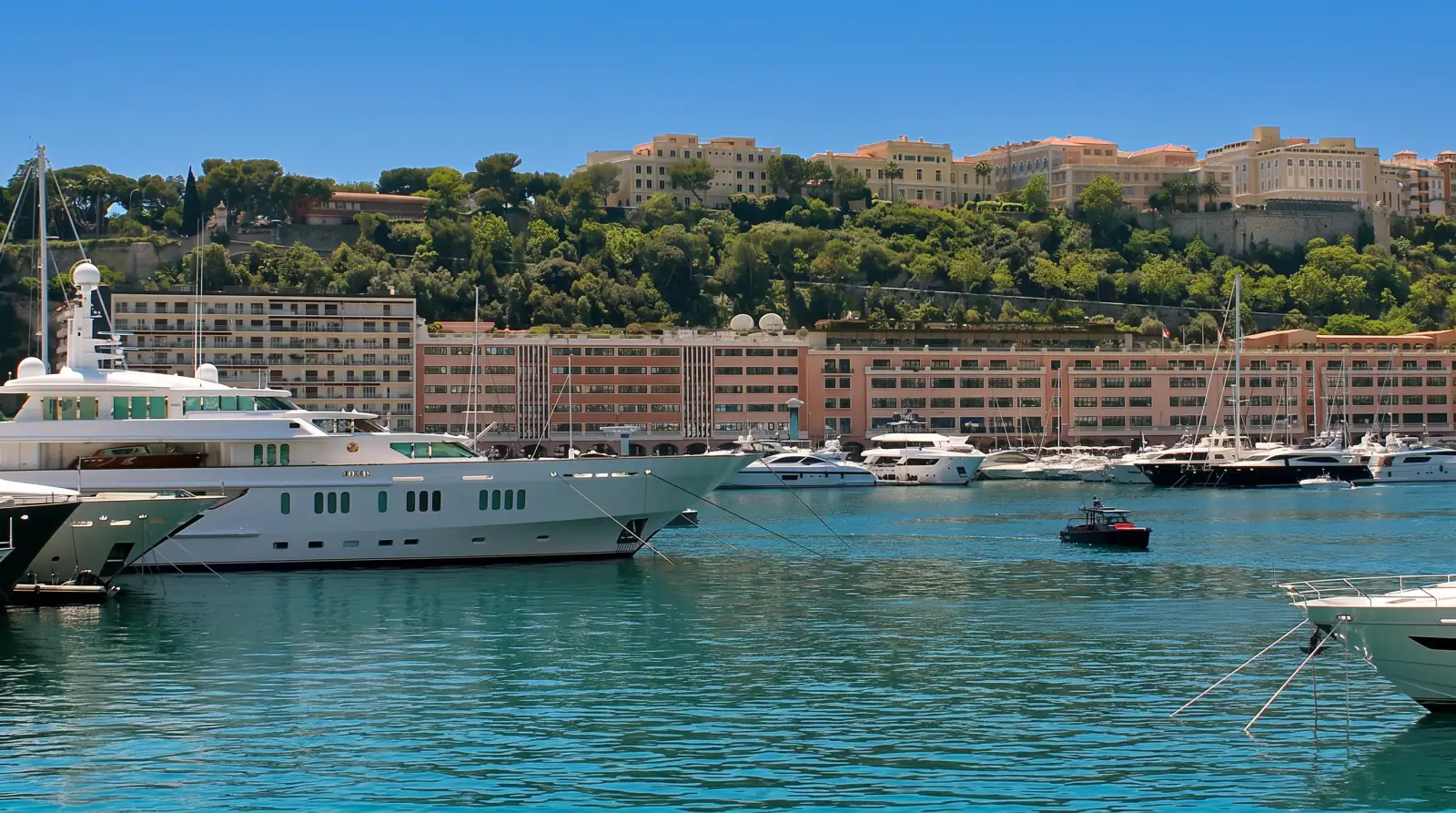
Turn around: Port Hercule, the yachts, and the Rock rising behind them. That harbour front is the most photographed stretch of the Grand Prix circuit, and for fifty-one weeks of the year it is just a road.
The Prince's cars are kept on a street named after a bend in the track. Start there.
1. Upstairs — the racing floor
Twenty-five minutes.
The 1929 Bugatti
A Bugatti from the very first Monaco Grand Prix.
Eight cylinders, a 100-litre fuel tank, about 200 km/h, and a weight comparable to a modern Formula 1 car.
Now look for what is missing: no seatbelts, no helmet. That car went round these streets in 1929 with none of it.
(Sources disagree on the driver — William Grover-Williams, who won that first race, or Marcel Lehoux, who also competed. The race is certain; the name is not.)
Charles Leclerc's Ferrari SF90
From the 2019 Formula One World Championship.
A Monégasque driver, in a Ferrari, in a museum a few hundred metres from the circuit he grew up beside. There is no tighter loop in motorsport.
Sébastien Loeb's Citroën DS3 WRC
Winner of the 2013 Monte Carlo Rally.
Monaco has two great motoring events and most visitors have heard of one. The Rally is the older idea — it starts elsewhere and finishes here.
The 2013 Lotus F1
The newest car in the building, and one end of the collection's span.
2. Downstairs — *Les Élégantes* and *Riviera*
Twenty minutes.
The classics, grouped by theme rather than lined up by date.
This is coachbuilt territory — Hispano-Suiza, Delage, Delahaye, Facel Vega, Packard, Napier, Humber. Look at the bodies rather than the badges: these were commissioned, not bought off a forecourt, and no two are alike.
The 1903 De Dion Bouton
The other end of the span, and worth standing in front of properly.
It comes from a moment when it was genuinely unsettled whether the motor car would beat the horse. It shares a building with a Formula 1 car built 110 years later.
3. The family cars — the best part
Fifteen minutes, and do not rush these.
Princess Grace's Austin FX3
A London taxi.
She had it shipped from England because its famously tight turning circle was the right tool for the narrow streets of Monaco-Ville — and she redesigned the interior herself.
Look at the space beside the driver. On an FX3 that is not a passenger seat, it is an open luggage platform for a cabbie's suitcases. A young Prince Albert is said to have travelled in it.
The 1959 Renault Floride
Given to Princess Grace in "Borneo green".
Renault offered the same model to Brigitte Bardot in white — and to Queen Elizabeth II, who declined and asked that it go to charity instead.
The 1954 Sunbeam Alpine
Sapphire blue, and bought by Prince Albert II — a replica of the convertible Grace Kelly drives along the Corniche in Hitchcock's *To Catch a Thief*.
A son buying his mother's film car. Two were used in the picture, one for the studio and one for the road; this is neither.
The Lexus
From the 2011 wedding of Prince Albert II and Princess Charlene. The most recent piece of Grimaldi history in the building.
4. The screens
Five minutes, wherever you find them.
The 2022 rebuild added films on giant screens and touchscreens that let you look through the interiors of cars you will never be allowed to sit in.
It fixes the oldest frustration of car museums, which is that the most interesting part of a car is behind a rope.
On the way out
The Condamine market is five minutes away and is where Monaco actually eats — the sensible next stop, and far better value than anywhere near the casino.
The Rock is ten minutes up, with the Palace where all of these cars were kept until 1993, when the collection grew too large for the garage. If you have not done it yet, do it tomorrow morning and come back down — the climb is much better before an hour on your feet than after.
One last time, because it catches people out
It is closed during Grand Prix weekends — the Formula 1 race, the Historique and the E-Prix — and on 19 November and 25 December.
If you are in Monaco for the racing, this is exactly when you cannot come.
Make a record
Photograph it thoughtfully.
First: ask
No photography policy is published. Not permitting it, not forbidding it.
Most car museums allow non-flash photography and many visitors clearly photograph these cars, but the absence of a published rule is not permission. Ask at the desk. It takes ten seconds and it is the difference between a good afternoon and being asked to stop.
Assume no flash whatever you are told. Flash on polished paintwork is both against most museum policy and photographically useless.
The actual problem: reflections
This is the thing nobody warns you about, and it will ruin more shots than any rule.
A hundred cars in a modern museum means a hundred mirrored surfaces under a lot of artificial light. Deep paint, chrome, glass, plus giant film screens throwing moving coloured light across everything.
What helps:
- Shoot at an angle to the panel, not square on. A reflection you can see in the viewfinder is a reflection that will be in the file.
- Get low. Car photography works from wheel height, and it also puts the ceiling lights out of the paintwork.
- Watch what is behind you. In a bright gallery you are the reflection.
- A polariser would help enormously — but tripod and accessory policy is unpublished, so do not assume you can set up.
What to photograph
Details over whole cars. A hundred cars photographed whole is a hundred forgettable frames. The badges, the grilles, the instrument binnacles, the coachbuilt curves on the Les Élégantes floor — those are the pictures.
The 1929 Bugatti, for the absence of everything: no seatbelt, no helmet, an exposed cockpit and a 100-litre tank.
The racing floor, where the liveries are the point — Leclerc's Ferrari, Loeb's rally Citroën, the Lotus F1.
The Austin FX3. A London taxi, in Monaco, that belonged to Grace Kelly. It photographs as an anomaly, which is what it is.
Outside
The setting is free and public, and better than it sounds.
You are on route de la Piscine, at Port Hercule, on the edge of the Piscine section of the Grand Prix circuit. The harbour, the yachts and the Rock rising behind them are all right there — one of the most photographed views in Monaco and you are standing in it.
Best light on the harbour is early morning, or the hour before sunset with the Rock lit from the west.
People and privacy
Ordinary museum courtesy: do not photograph other visitors, and be careful with children in frame.
What is not confirmed
- Any published photography policy inside the museum
- Whether flash is explicitly prohibited
- Tripod, monopod and polariser policy
- Commercial and press permits, and who issues them
- Whether the temporary exhibition carries different rules
- The drone regime over Port Hercule — this is a working harbour in a sovereign state beside a Grand Prix circuit. Do not assume, and do not test it.
Around here
Make more of the area.
Good to know
Questions, answered.
01Where is it?
54 route de la Piscine, on Port Hercule, beside the Rainier III nautical stadium, in La Condamine.
Not Fontvieille. The collection moved in July 2022 and a great deal of published material still points at the old site.
02Is it open during the Grand Prix?
No. The collection closes for Grand Prix weekends — the Formula 1 Grand Prix, the Grand Prix Historique and the E-Prix. It is a museum of racing cars that shuts for the racing.
Sources vary between "Grand Prix weekends" and "Grand Prix weekends", so if you are trying to fit a visit around late May, telephone +377 92 05 28 56 first.
03What are the opening hours?
10:00–18:00 from 1 September to 30 June (last entry 17:00), and 10:00–19:00 in July and August (last entry 18:00).
Also closed on 19 November (National Day) and 25 December.
04How much is it?
€15 adult, €13 student, €10 child aged 6–17, and free for under-6s.
05Do I need to book?
No. Walk-in is fine — this is not a museum that sells out. Online booking is available through the Palace's ticketing if you prefer.
06How long does it take?
An hour to an hour and a half. Around a hundred cars across two levels.
07How many cars are there?
Around a hundred, spanning 1903 to 2013 — from a De Dion Bouton to a Lotus Formula 1 car. Reports at the 2022 opening gave a lower figure of about seventy, so the exact number moves; cars are lent and rotated.
08What are the famous cars?
A Bugatti from the inaugural 1929 Monaco Grand Prix; Charles Leclerc's Ferrari SF90 from the 2019 Formula One season; Sébastien Loeb's Citroën DS3 WRC, which won the 2013 Monte Carlo Rally; Princess Grace's Austin FX3 London taxi; her 1959 Renault Floride; a 1954 Sunbeam Alpine bought by Prince Albert II; and the Lexus from the 2011 royal wedding.
09Why does the collection exist?
Prince Rainier III began collecting in the late 1950s and kept the cars in the palace garage. He opened the collection to the public in 1993, when it had simply become too large to keep at the palace.
10Is there a combined ticket with the Palace?
Yes. A Palace + Car Collection ticket is sold on the Palace's own platform at €25 adult, €20 student and €15 child 6–17 — against €28, €24 and €18 bought separately.
It is valid only while the Palace is open, which in 2026 means 30 March to 15 October, and it is non-exchangeable and non-refundable.
11Can I buy tickets from Viator or TripAdvisor?
No — and tickets bought there will not admit you.
The operator states that only tickets bought through its own platform are valid, and names TripAdvisor, Viator, Cosmic Tickets Audios, Evendo, TourScanner, CoolDestinations and Tripening as unauthorised resellers. Buy at the door or from the official site.
12Is it on the Rock?
No. The Palace, the cathedral and the Oceanographic Museum are up on Le Rocher. This is down at the harbour, at sea level — which makes it considerably easier to reach.
13Is it good for children?
Yes — indoors, flat, about an hour, full of brightly coloured racing cars, and free for under-6s. The touchscreens that let you look inside cars you cannot climb into are the best thing here for a child. Start on the upper racing floor.
14Is it accessible?
It should be — it is a purpose-built 2022 building at sea level, entirely indoors — but almost nothing is published. The crucial unknown is whether there is a lift between the two levels, because the racing cars are upstairs. Telephone +377 92 05 28 56 before travelling if that matters.
15Can I take photographs?
No policy is published, so ask at the desk. Assume no flash regardless. Be warned that a hall of polished paintwork under bright light and giant film screens is full of reflections — shoot at an angle and get low.
16Is there a café?
A café, shop and cloakroom are not confirmed. Plan a food stop at Condamine Market, about five minutes away, and check luggage arrangements before visiting.
17How do I get there?
It is at the harbour. About fifteen minutes downhill from the Place du Casino, or ten minutes down from the Rock — remember that the return from the harbour to the Rock is a climb. From the station, use the lower exit at Sainte-Dévote. There is parking at Port Hercule.
18Is the Sunbeam the actual car from *To Catch a Thief*?
No. It is an exact replica, bought by Prince Albert II. The film itself used two cars, one for studio work and one on the road.
19What is the building's connection to the circuit?
The address — route de la Piscine — is named after the Piscine, the swimming-pool complex the Grand Prix circuit runs around. The museum sits on the edge of the track.
Before you visit
Useful links.
Venue and visitor information
Method
The Palace's own website is the authority for this entity and it carried the practical half of the bundle — the address, the two seasonal opening bands, the full price list, the closure days, and the collection's origin.
That is unusual and welcome. It also produced the bundle's two most valuable facts, both of which are absent from essentially all English-language travel coverage: the Grand Prix weekend closures, and the July 2022 move from Fontvieille to Port Hercule.
The vehicle detail came from a mix of the Société des Bains de Mer's own feature and general reference, and those two disagree about the 1929 Bugatti — recorded below rather than resolved.
Coordinates were verified against OpenStreetMap specifically to test whether this project's existing dataset was wrong. It was, but less badly than first assumed — see the note at the end.
Three things were deliberately not attempted. Accessibility, which was searched for, expected, and not found. Photography policy, likewise. And the identity of the 1929 Bugatti's driver, which the sources contradict.
Sources
| ID | Source | Used for | Retrieved |
|---|---|---|---|
| S01 | Palais Princier de Monaco — The Cars Collection of H.S.H. the Prince of Monaco | The address — 54 route de la Piscine, Port Hercule; the July 2022 move to a 3,500 m² venue next to the Rainier III water sports stadium; the opening hours (10:00–18:00 from 1 September to 30 June, last entry 17:00; 10:00–19:00 in July and August, last entry 18:00); the closures — 19 November, 25 December, and, in this page's English wording, "Grand Prix week" (Formula 1, Historique and E-Prix) — see the conflict ledger, where S08's French resolves this to weekendS; the full price list (adult €15, student €13, child 6–17 €10, under 6 free); "around a hundred-odd different cars" from a 1903 De Dion Bouton to a 2013 Lotus F1; the marque list; the Lexus from the 2011 royal wedding; the origin — Rainier III began collecting in the late 1950s and opened the collection in 1993; the telephone number +377 92 05 28 56, the email mtcc@mtcc.mc, and the ticketing link | 2026-08-05 |
| S02 | Monaco Life — Prince's private car collection opens in new location | The inauguration on Thursday 7 July 2022, opening to the public the following day; the relocation from Fontvieille to Port Hercules; the 3,500 m² floor area; the position "on the edge of the famous piscine section" of the circuit; a vehicle count of 70 at opening, which conflicts with S01 and S03; the interactive fit-out — giant screens showing films, and touchscreens for vehicle characteristics and digital tours of car interiors; and director Valérie Closier's stated aim of making it lively enough that locals would return | 2026-08-05 |
| S03 | Wikipedia — Car Collection of Rainier III, Prince of Monaco | That Rainier III assembled the collection over about thirty years and opened it in 1993 after it became too large for the palace garage; the original Terrasses de Fontvieille site and the 2022 move to Port Hercule within the Grand Prix circuit; "almost one hundred classic cars made in Europe and the United States"; a Bugatti Type 35 (1929) driven by William Grover-Williams, who won the inaugural Monaco Grand Prix; Sébastien Loeb's Citroën DS3 WRC, winner of the 2013 Monte Carlo Rally; and Charles Leclerc's Ferrari SF90 from the 2019 Formula One World Championship | 2026-08-05 |
| S04 | Monte-Carlo Société des Bains de Mer — Prince of Monaco's Car Museum | The 1929 eight-cylinder Bugatti with a 100-litre tank, 200 km/h top speed and a weight comparable to modern F1 cars, with no seatbelts or helmets — attributed here to Marcel Lehoux; the 1959 Renault Floride given to Princess Grace in "Borneo green", the white one offered to Brigitte Bardot, and Queen Elizabeth II declining hers and asking that it go to charity; the Austin FX3 London taxi imported by Princess Grace for its tight turning radius, with an interior she redesigned herself, and young Prince Albert travelling in the front luggage compartment; the 1954 Sunbeam Alpine MK1 in sapphire blue bought by Prince Albert II as a replica of the To Catch a Thief car, of which two were used in the film, one in the studio and one on the road; and the museum layout — classic cars by theme (Riviera, Les Élégantes) on the lower floors, racing cars including Leclerc's Ferrari and a yellow Lamborghini Miura above | 2026-08-05 |
| S05 | VisitMonaco — Collection of Cars of H.S.H. the Prince of Monaco and Monégasque listings | Corroboration of the hours and the July 2022 move; the 1953 Rolls-Royce Silver Wraith; and the temporary exhibition From Yesterday to Today: the evolution of the car from generation to generation, running 22 June to 13 September 2026 | 2026-08-05 |
| S06 | OpenStreetMap via Nominatim | The verified venue point — 43.7351727, 7.4215683, recorded as "La Collection de Voitures de SAS le Prince de Monaco, 54, Route de la Piscine, La Condamine, Monaco" — and the neighbouring Stade Nautique Rainier III at 43.7346774, 7.4219931, confirming the landmark relationship | 2026-08-05 |
| S07 | Above Guide's own src/data/raceTravel/monacoOffTrack.js and the Monaco bundle set | The existing dataset entry, used here as a subject of correction (see below); the Grand Prix circuit geography; and the walking relationships to Le Rocher, the Condamine market and Monte-Carlo | 2026-08-05 |
| S08 | Palais Princier de Monaco — official ticketing platform | The combined ticket — Visites du Palais Princier & La Collection de Voitures de S.A.S. le Prince — at €25 adult, €20 student, €15 child 6–17, valid for the Palace's opening period 30 March to 15 October 2026, and non-exchangeable and non-refundable; the individual prices for both sites, corroborating S01; the Car Collection's hours in French; *the closure wording les week-ends de Grand Prix (Formule 1, Historique et E-prix), which resolves the week/weekend conflict*; and the operator's explicit statement that only tickets bought through its own platform are valid, naming TripAdvisor, Viator, Cosmic Tickets Audios, Evendo, TourScanner, CoolDestinations and Tripening as unauthorised | 2026-08-05 |
Conflict ledger
The 1929 Bugatti: whose car is it?
Unresolved, and deliberately not resolved in the reader-facing text.
- S03 describes a Bugatti Type 35 driven by William Grover-Williams, who won the inaugural 1929 Monaco Grand Prix.
- S04, the Société des Bains de Mer, describes an eight-cylinder Bugatti driven by Marcel Lehoux in the same race.
Both drivers competed in 1929; Grover-Williams won it. The two accounts cannot describe the same car unless one is simply mistaken about the driver.
Used: the race, never the driver. Every reference in the bundle says "a Bugatti from the inaugural 1929 Monaco Grand Prix" and the highlights and tour files state explicitly that sources disagree. The relationship guardrails and the SEO file's GEO notes both forbid naming a driver.
Why it matters. This is the collection's headline artefact. Attributing it to the wrong driver would be the kind of confident error a motorsport reader spots instantly.
How many cars?
- S01 (the Palace): "around a hundred-odd different cars"
- S03: "almost one hundred classic cars"
- S02, reporting the July 2022 opening: 70 vehicles
Used: "around one hundred", following the two standing descriptions rather than the opening-day report, with the operational data recording the conflict and noting that cars are lent and rotated — Leclerc's Ferrari is explicitly described as donated or lent.
No exact figure is published anywhere in the bundle.
"Grand Prix week" or "Grand Prix weekends"? — RESOLVED
S01, the Palace's English page, says the collection is unavailable during Grand Prix week. Other Monégasque listings say Grand Prix weekends.
Resolved by S08, the operator's own ticketing platform, whose French text is unambiguous:
Fermeture le 19 novembre (Fête Nationale), le 25 décembre (Noël), et les week-ends de Grand Prix (Formule 1, Historique et E-prix).
Used: weekends. The French is the original and the English page is evidently a loose translation — week-end rendered as "week".
Why it matters, and what it cost. This is the bundle's single most useful fact, and the first draft got it wrong by trusting an English translation over the operator's own French. Worse, three sibling bundles — princes-palace-of-monaco, le-rocher-monaco-ville and oceanographic-museum-of-monaco — had said "weekend" correctly for months and were edited to say "week" on the strength of that same English page before the error was caught. All four have been corrected.
The lesson for the set: on a bilingual Monégasque source, the French is the original. Where an English page and a French page disagree on a detail this specific, prefer the French and say so.
The practical difference is real: three separate weekends a year — Formula 1, the Historique and the E-Prix — not one closed week.
When did Rainier III start collecting?
S01 says the late 1950s. S03 says he gathered the collection over about thirty years without giving a start date.
Used: both, as compatible — "began collecting in the late 1950s and assembled it over about thirty years". Not really a conflict.
A correction to this project's own data
src/data/raceTravel/monacoOffTrack.js contains the entry princes-car-collection-collection-de-voiture with `area: 'Monaco · Fontvieille'`.
The collection left Fontvieille in July 2022.
But the error is narrower than it first appears, and the register should say so precisely:
- The coordinates in that file are correct.
43.735173, 7.421568matches S06's record for the current venue to six decimal places. Whoever entered them used the new site. - The opening hours in that file are correct, matching S01's two seasonal bands.
- Only the `area` label is wrong. It should be La Condamine / Port Hercule.
- The entry also carries
linkStatus: 'none'and the note "Resolves, but the research assigns it to two different museums; the mapping is unconfirmed" — which reads like the old and new sites being conflated at the time it was written.
Action recorded in 13-operational-data.json under editorial_review.repo_data_fix.
Facts deliberately not asserted
| Fact | Where this guide says so |
|---|---|
| The driver of the 1929 Bugatti | History, highlights, tour, FAQ, guardrails, SEO |
| An exact vehicle count | Overview, FAQ, operational data |
| Whether the closure is a full week or the weekends | Plan your visit, FAQ |
| A lift between the two levels | Accessibility, family guide, FAQ |
| Step-free entry, accessible toilets, accessible parking | Accessibility |
| Wheelchair loan, companion tickets, assistance-dog policy | Accessibility |
| Touchscreen height, film subtitling, audio description | Accessibility |
| Any photography policy, flash or tripod rules | Photography, FAQ |
| The drone regime over Port Hercule | Photography |
| A café, shop, cloakroom or toilets on site | Plan your visit, family guide, FAQ |
| Family or group ticket rates | Operational data |
| Guided tours and their languages | Plan your visit, family guide |
| Crowding patterns and the quietest time of day | Plan your visit |
The café and toilets deserve a note. For a 3,500 m² museum opened in 2022 and pitched at families, published information about basic facilities was expected and not found. That is a gap in what is published rather than a gap in what was looked for, and the family guide names the lift as the most likely practical problem.
A note on what was not used
No AI-generated encyclopaedia was cited.
Ticket-resale and tour-aggregator content was avoided. It is the main vector for the Fontvieille error — a large amount of indexed content still gives the pre-2022 address — and it quotes price ranges (commonly "€8–€12") that do not match the Palace's own published figures of €15 / €13 / €10.
That price discrepancy is itself instructive: the aggregators appear to be repeating pre-move figures. The Palace's prices are the ones used throughout this bundle.
Opening hours, prices, programmes and access arrangements can change. Confirm critical details with the venue.
Continue exploring / Monaco
More things to do
in Monaco
Explore Monaco activities, sights and places to eat. Compare the time to allow, costs and booking details, then save your favourites to your itinerary.
 01Monaco Grand Prix experienceCasino de Monte-CarloExplore experience →
 02Monaco Grand Prix experienceCathedral of Notre-Dame-ImmaculéeExplore experience →
 03Monaco Grand Prix experienceFontvieilleExplore experience →
 04Monaco Grand Prix experienceFort AntoineExplore experience →
 05Monaco Grand Prix experienceGrimaldi ForumExplore experience →
 06Monaco Grand Prix experienceJardin Exotique de MonacoExplore experience →
 07Monaco Grand Prix experienceJardin Japonais de MonacoExplore experience →
 08Monaco Grand Prix experienceLa CondamineExplore experience →
 09Monaco Grand Prix experienceLarvottoExplore experience →
 10Monaco Grand Prix experienceLe Rocher / Monaco-VilleExplore experience →
 11Monaco Grand Prix experienceLes Ballets de Monte-CarloExplore experience →
 12Monaco Grand Prix experienceMareterraExplore experience →
 13Monaco Grand Prix experienceMonte-CarloExplore experience →
 14Monaco Grand Prix experienceNouveau Musée National de MonacoExplore experience →
 15Monaco Grand Prix experienceOceanographic Museum of MonacoExplore experience →
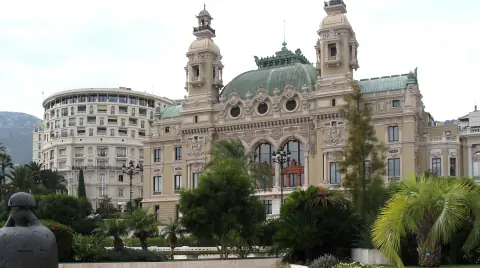 16Monaco Grand Prix experienceOpéra de Monte-CarloExplore experience →
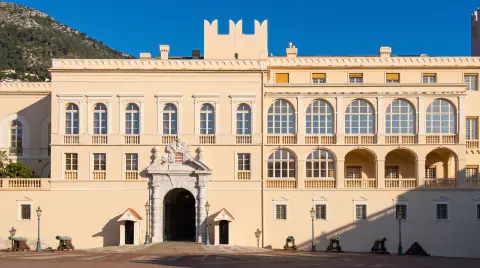 17Monaco Grand Prix experiencePrince's Palace of MonacoExplore experience →
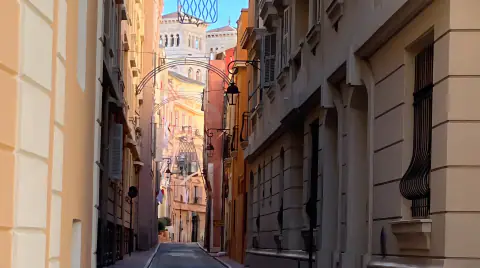 18Monaco Grand Prix experienceThe Museum of Old MonacoExplore experience →
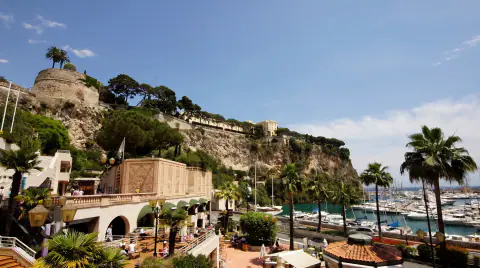 19Monaco Grand Prix experienceThe Museum of Stamps and CoinsExplore experience →
 Plan / Itinerary builderBuild your Monaco Grand Prix dayStart planning →