In depth
La Condamine
Monaco's harbour quarter — the market that feeds the country, an Olympic seawater pool that becomes an ice rink, and the streets the Grand Prix circuit runs straight through.
Story · Visit · Route · Links
Choose your depth
Essentials or more detail?
See visiting essentials, or read more about the history and places nearby.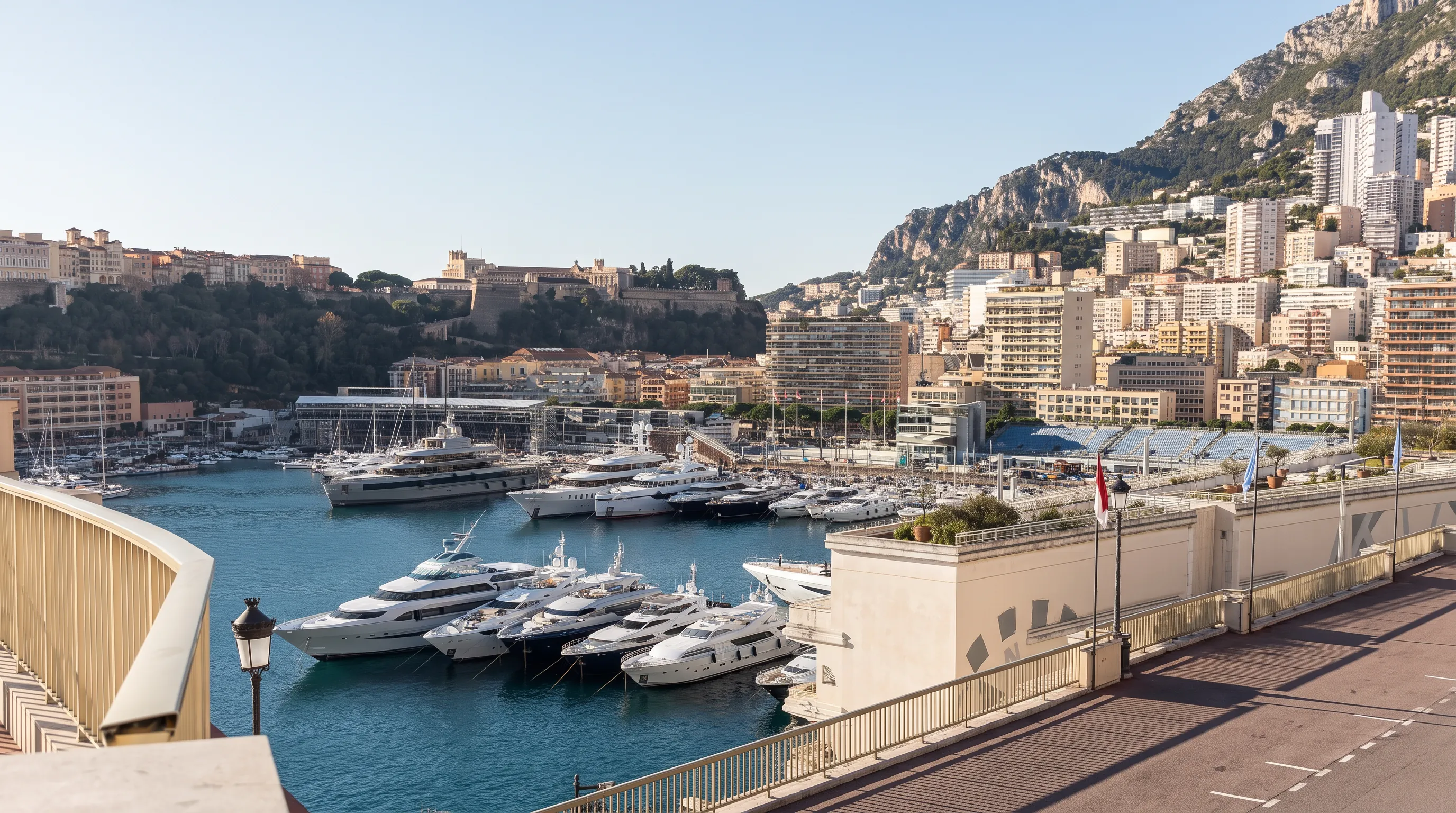
01 The experience
What to expect.
Why it matters
It is the working heart of the principality. Monte-Carlo performs, Fontvieille functions, the Rock governs. La Condamine trades. The market, the chandlers, the pharmacies and the pedestrian shopping street on Rue Princesse Caroline are where Monaco's daily life actually happens.
The port is the reason Monaco exists. Port Hercule is the only deep-water harbour on this stretch of coast, which is why the Greeks used it, why the Genoese fortified the rock above it in 1215, and why there is a country here at all. The modern harbour was completed in 1926.
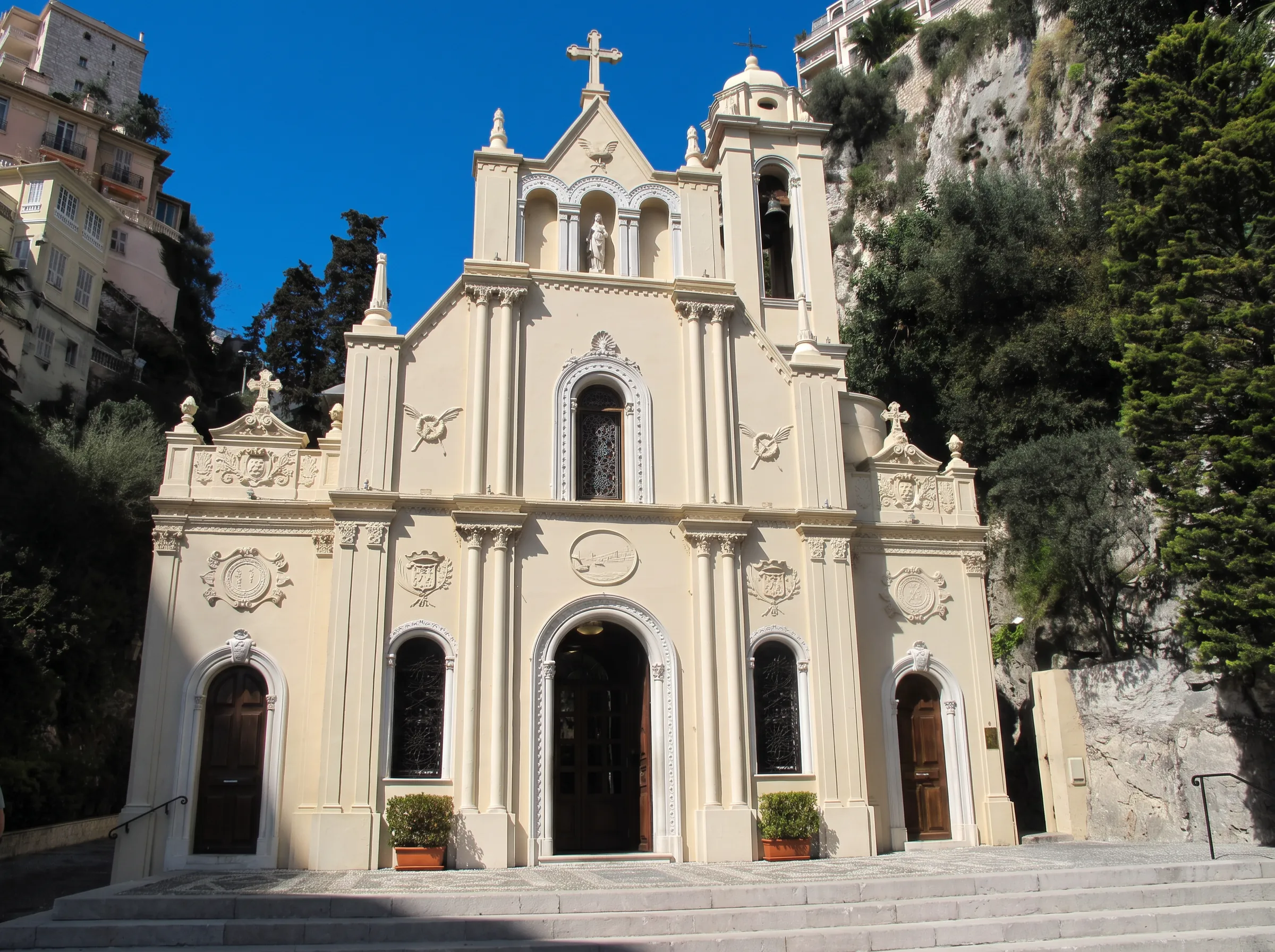
It contains Monaco's oldest story. In the Vallon des Gaumates, the ravine at the quarter's eastern edge, a boat carrying the body of a Corsican martyr came ashore on 27 January, around the year 303. Sainte Dévote has been the principality's patron saint since the seventeenth century, and every 26 January since 1924 a boat is burned in front of her church, with the princely family watching.
It is the Grand Prix. More of the circuit runs through this quarter than any other. That is thrilling for one week and genuinely disruptive for three.
What visitors should notice
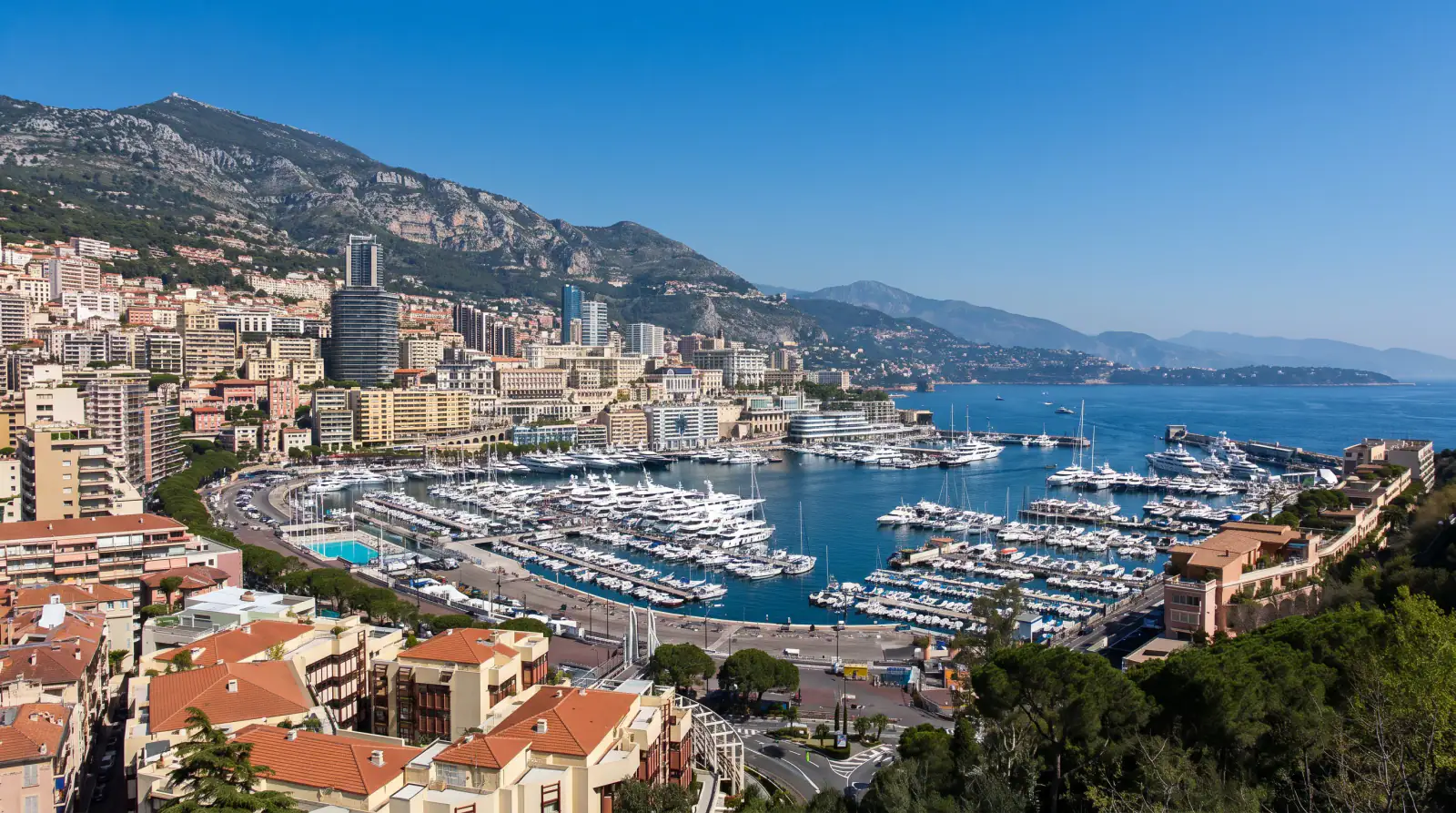
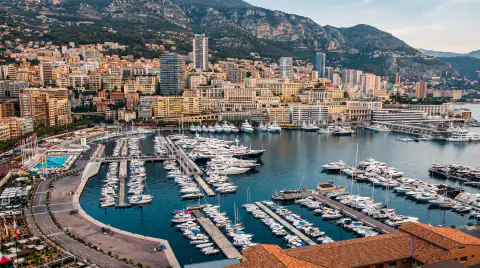
The bowl. Stand on the quay and look up: the Rock on one side, Monte-Carlo climbing the other, and everything in between built into a natural amphitheatre. The circuit's shape is not a designer's idea — it is the shape of this landscape.
The market is a real market. The Place d'Armes stalls sell to residents, at prices residents pay, from 7am. It is the cheapest food in Monaco and the only place in the principality that feels like the rest of the Mediterranean.
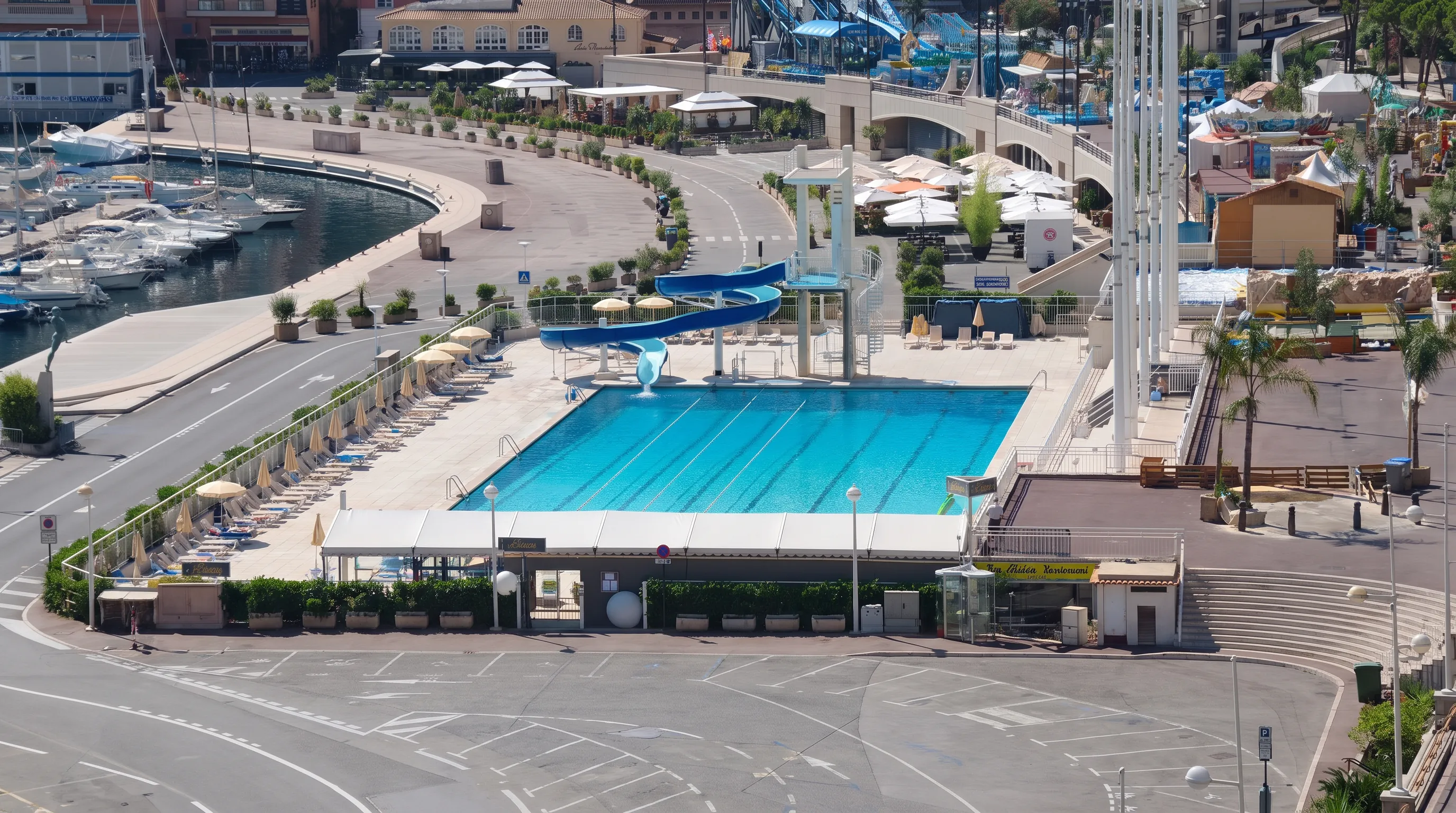
The pool is in the middle of the racetrack. The Stade Nautique Rainier III sits on the harbour front, inside the Swimming Pool section of the circuit that is named after it. Fifty metres of filtered seawater in summer; an ice rink from December.
The dyke floats. The 352-metre breakwater sheltering the harbour was cast in Spain and towed here. It is not fixed to the seabed in the way you would assume.
Who will enjoy it
- Anyone who wants to eat well in Monaco without paying Monte-Carlo prices.
- Grand Prix visitors — this is the circuit, and the quarter to stay in.
- Boat people, at any level from dinghies to the Yacht Club.
- Families: the pool in summer, the ice rink in winter, both cheap by local standards.
- Anyone interested in why a country is here at all.
Who may find it difficult
- During the Grand Prix it is barely navigable. Grandstands, fencing, ticketed zones and closed streets, for roughly a fortnight around the race. The market itself was displaced in 2026 to make room for the Fan Zone.
- The market hall has been under renovation through 2026, and the arrangements have moved more than once. Check before making a journey for it.
- The pool is seasonal in both directions — an outdoor pool from May to early October, an ice rink December to March, and neither in between.
- It is a slope. Less punishing than the Rock, but the quarter runs uphill from the quay in every direction.
- There is no single monument here. The Cathedral is on the Rock, the Casino is in Monte-Carlo. This quarter's appeal is cumulative.
Visitor verdict
Half a day, and the best half-day in Monaco for anyone who wants to see the place rather than the brand. Start at the market before noon, walk the harbour, find Sainte-Dévote in her ravine, and swim if it is summer. Avoid the fortnight around the Grand Prix unless the Grand Prix is why you came — in which case there is nowhere better.
The story
History & character.
The vegetable garden
The name is the oldest thing here. Condamine descends from the medieval Latin condominium — land held and cultivated in common. Across Provence and Liguria the word attached to the flat, fertile ground at the foot of a fortified settlement, the fields that fed the people on the hill.
That is exactly what this was: Monaco's vegetable gardens and orchards, on the only level ground between the Rock and the slopes, worked by the people who sheltered above when it mattered.
The market on the Place d'Armes is not a heritage attraction bolted on later. It is the same function, on the same ground, still running.
The harbour is why there is a country
Port Hercule is the only deep-water harbour on this coast. That single fact explains Monaco.
It gave the Greeks and the Romans a place to shelter — the port carries the name of Hercules, whom the Greeks associated with the site. It gave the Genoese a reason to fortify the rock above it in 1215. And it gave the Grimaldis, from 1297, something worth holding.
The modern port was completed in 1926, with substantial improvements through the 1970s.
Sainte Dévote, and the boat
The quarter holds the principality's founding legend, in a ravine at its eastern edge.
Dévote was a young Christian woman from Corsica, martyred around 303–304 under the emperors Diocletian and Maximian, at the hands of the prefect Barbarus. Her followers put her body in a boat. A storm rose; the story says a dove came from her mouth and guided the boat west, until it came ashore in the Vallon des Gaumates, the valley by the port. She was buried there on 27 January.
Later, thieves tried to take the relics away by sea. Local fishermen intercepted them and burned their boat, so that the saint would never leave Monaco.
She was declared patron saint of Monaco in the seventeenth century. Since 1924, on the evening of 26 January, a boat is set alight in front of her church, with the princely family present. The celebrations run across 26 and 27 January: masses, a procession of the relics, the burning, and a ceremony at the cathedral on the Rock.
It is the oldest continuously observed thing in the principality, and it happens in this quarter.
The dyke that floats
By the late twentieth century the harbour was too small for what Monaco wanted to put in it. The answer, built between 1999 and 2003, was a semi-floating dyke.
It is a reinforced concrete caisson 352 metres long weighing some 167,000 tonnes. It was cast in Algeciras Bay in Spain and towed across the western Mediterranean to Monaco, where it was moored rather than founded on the seabed in the conventional way. At the time it was described as the largest floating dock in the world.
Monaco could not build outward here as it had at Fontvieille — the water is too deep and the bay too valuable. So it had the harbour wall made somewhere else and delivered.
The Yacht Club
The Yacht Club de Monaco was founded in 1953 by Rainier III. Its clubhouse on Quai Louis II, designed by Norman Foster, opened in 2014 — a long, low, deck-like building that reads deliberately as a ship.
The pool that named a corner
The Stade Nautique Rainier III sits on the harbour front: a 50-metre Olympic pool filled with filtered seawater, which becomes an ice rink from December to March.
The Grand Prix's Swimming Pool section is named after it — the circuit runs around the pool complex, and has done since the pool was built. It is the only corner sequence in Formula One named after a municipal lido.
Look closer
Highlights and hidden details.
The objects, spaces and small observations that turn a visit into a memorable one.1. The Marché de la Condamine
Place d'Armes. Free to enter, and the cheapest food in Monaco.
Produce sellers and growers from 07:00 to 12:00; merchants and food counters to 15:30; evening dining Tuesday to Saturday, 18:00–22:30.
Why it matters. This is the one place in the principality that behaves like the rest of the Mediterranean. Residents shop here at resident prices, on the ground where Monaco's vegetables have been grown or sold since the quarter was named after cultivated land.
Note the caveat. The hall has been under renovation through 2026 and the market was displaced in May and June. Check mairie.mc before a special journey.
Time required. Forty-five minutes, plus lunch — and lunch here is the point.
2. Port Hercule
The reason Monaco exists, and free to walk end to end.
The only deep-water harbour on this coast. The Greeks sheltered here, the Genoese fortified the rock above it in 1215, and the Grimaldis have held it since
- The modern port was completed in 1926.
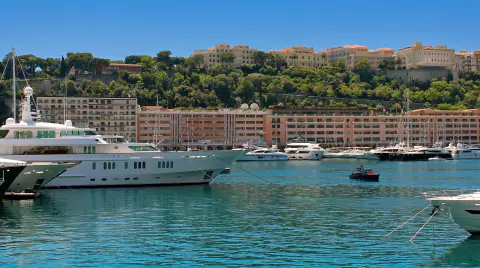
What to look for. The scale difference between the superyachts on the outer quays and the working boats and tenders inshore — and the fact that the whole basin is a natural bay, unlike Fontvieille's manufactured one round the corner.
Time required. An hour to walk the quays properly.
3. The floating dyke
The 352-metre breakwater across the harbour mouth.
It was not built here. It is a reinforced concrete caisson weighing some 167,000 tonnes, cast in Algeciras Bay in Spain between 1999 and 2003 and towed across the western Mediterranean, then moored rather than founded on the seabed. At the time, the largest floating dock in the world.
Why it earns a place. Fontvieille shows Monaco making land. This shows Monaco ordering a harbour wall from another country and having it delivered. Same problem, entirely different answer.
Time required. Ten minutes, from the quay.
4. The Stade Nautique Rainier III
€12 adult, €9 child. A 50-metre Olympic pool of filtered seawater at 27°C, on the harbour front, with diving boards at 1, 3, 5 and 10 metres and a 45-metre slide.
From December to March it becomes an ice rink.
The fact worth having. The Grand Prix's Swimming Pool section is named after this pool — the circuit runs around it. It is the only corner sequence in Formula One named after a municipal lido, and you can swim in it.
Time required. A morning, if you swim.
5. The Église Sainte-Dévote
Free. In the Vallon des Gaumates, the ravine at the quarter's eastern edge, beside the circuit's first corner — which is named after the church.
The story. A Corsican woman martyred around 303–304, her body set adrift, guided here by a dove and washed ashore in this valley on 27 January. Later, thieves tried to steal the relics by sea and fishermen burned their boat.
Patron saint of Monaco since the seventeenth century, and every 26 January since 1924 a boat is burned in front of this church with the princely family watching.
Time required. Fifteen minutes, or a whole evening on 26 January.
6. The Yacht Club de Monaco
Quai Louis II. Founded by Rainier III in 1953; the present clubhouse, by Norman Foster, opened in 2014.
It is a members' club, not a visitor attraction — but the building is worth looking at from the quay. Foster made it read as a ship: long, low, stacked decks, and a superstructure that belongs to the harbour rather than the street.
Time required. Five minutes from outside.
7. Rue Princesse Caroline and the streets behind the quay
Pedestrianised, and the closest Monaco gets to an ordinary high street.
Behind the harbour front the quarter turns into shops, pharmacies, cafés and chandlers serving people who live here. After the Casino square and the Rock's souvenir lanes, the effect is startling: prices in normal numbers.
Time required. Half an hour, with a coffee.
8. The Prince's Car Collection
54 route de la Piscine. Moved here from Fontvieille in July 2022 after nearly thirty years — a fact most maps and guides have still not absorbed.
→ It has its own Above Guide entry.
Time required. An hour and a half.
Details worth slowing down for.
The quarter is named after a vegetable patch
Condamine is medieval Latin for land held and cultivated in common — the fields at the foot of a fortified hill that fed the people on top of it. Monaco's harbour quarter is named after its allotments.
The market on the Place d'Armes is the same function on the same ground, still going.
The harbour wall was built in Spain
The 352-metre dyke was cast in Algeciras Bay and towed across the western Mediterranean to Monaco. It weighs around 167,000 tonnes and it is moored rather than founded on the seabed.
Monaco could not make land here as it had at Fontvieille — the bay is too deep and too useful. So it had the wall manufactured somewhere else and shipped in.
A Formula One corner is named after a public swimming pool
The Swimming Pool section exists because the Stade Nautique Rainier III is there and the circuit has to go round it. It is a municipal lido with a 45-metre slide and a diving tower, and for one weekend a year it is a Formula One landmark.
The pool is seawater, and in winter it is ice
Fifty metres of filtered seawater heated to 27°C from May to October. From December to March the same structure is an ice rink.
A dove steered the boat
The founding legend has a specific mechanism. A storm threatened the boat carrying Dévote's body; a dove emerged from her mouth and guided it to the Vallon des Gaumates.
The boat burning is younger than it looks
The legend is from around 303. The saint has been Monaco's patron since the seventeenth century. But the ceremony of burning a boat on 26 January in front of the church dates only from 1924 — a twentieth-century staging of a fourth-century story, and now the most durable annual event in the country.
The first corner is named after a church
Sainte-Dévote is a corner of the Grand Prix circuit and a church in a ravine, and the corner is named after the church, not the other way round. Drivers take it at the bottom of the hill, feet from the spot where the boat is burned each January.
The Yacht Club is meant to look like a ship
Foster's 2014 clubhouse on Quai Louis II is stacked in decks with a bridge-like top, deliberately reading as a vessel moored along the quay rather than a building facing the street.
The cars only arrived in 2022
The Prince's Car Collection spent nearly thirty years in Fontvieille and moved to 54 route de la Piscine in July 2022. Maps, guides and listings still send people to the wrong quarter — the single most persistent error in Monaco's visitor information.
This is the quarter the race takes, and Fontvieille is the one it leaves
More of the circuit runs through La Condamine than anywhere else. Ten minutes west, Fontvieille touches none of it. In a fortnight when Monaco fences itself off, those two facts are the whole of the practical advice.
04 / Before you go
Plan your visit
Prices & admission
Free to walk; market free to enter; pool €12
Opening hours
The quarter is open at all times and free to walk. The Marché de la Condamine on Place d'Armes trades daily: produce, growers and the florist 07:00–12:00; merchants and food counters 07:00–15:30; evening dining Tuesday to Saturday 18:00–22:30 — but the hall has been under renovation through 2026 and the market moved twice, so check mairie.mc. The Stade Nautique Rainier III ran 1 May to 7 October in 2026 as an outdoor pool and becomes an ice rink from December to March. Verified 6 August 2026.
Plan your experience
Nothing needs booking. Check mairie.mc before travelling for the market — its hall has been under renovation through 2026 and the arrangements moved three times.
Participation requirements
No restrictions. The Stade Nautique charges €9 for children aged 3–17 and €12 for adults.
Check this first
The market hall has been under renovation through 2026 and the arrangements have moved more than once. Work on the hall began on 19 January 2026. The market was temporarily relocated to the Espace Léo Ferré from 26 May 2026, and the Place d'Armes was completely closed between 24 May and 14 June 2026 to make room for the Grand Prix Fan Zone. The produce sellers, growers, the florist and the organic stall returned to the Place d'Armes in mid-June 2026.
Whether the hall renovation is finished is not clearly published. Before making a special journey, check with the Mairie — mairie.mc — which is the only source that has kept up.
What it costs
The quarter is free to walk. Three things charge.
| Site | Adult | Child | Notes |
|---|---|---|---|
| Marché de la Condamine | Free to enter | Free | Pay for what you buy — the cheapest food in Monaco |
| Stade Nautique Rainier III | €12 | €9 (3–17) | Non-resident rates. Pool May–October; ice rink December–March |
| Prince's Car Collection | See its own guide | — | 54 route de la Piscine. Moved here July 2022 |
| Église Sainte-Dévote | Free | Free | A working church |
| Port Hercule and the quays | Free | Free | Walk the whole harbour |
The market
Place d'Armes, at the foot of the Rock.
| Hours | |
|---|---|
| Merchants | Daily 07:00–15:30 |
| Produce sellers, growers, florist | Daily 07:00–12:00 |
| Takeaway and food counters | Daily 07:00–15:30 |
| Evening dining | Tuesday–Saturday, 18:00–22:30 |
Go before noon if you want the produce side, which is the point. The prepared food counters run later and are the best cheap lunch in the principality.
This is a genuine local market, not a tourist one. It has been feeding this quarter since the nineteenth century and the prices are what residents pay.
The Stade Nautique Rainier III
An Olympic 50 × 20 metre pool of filtered seawater heated to 27°C, on the harbour front, inside the section of the Grand Prix circuit named after it.
- Diving boards at 1, 3, 5 and 10 metres
- A 45-metre slide
- A toborock for small children
- €12 adult, €9 child (3–17) for non-residents
It is seasonal in both directions. In 2026 the pool opened on 1 May and runs to 7 October. From December to March the whole thing becomes an ice rink. Between October and December, and again through April, expect it to be closed or changing over.
Telephone +377 93 30 64 83, or sports@mairie.mc.
Sainte-Dévote
The church sits in the Vallon des Gaumates, the ravine at the eastern edge of the quarter, directly beside the circuit's first corner — which is named after it.
Free, and a working church rather than a monument.
If you are in Monaco on 26 or 27 January, go. The boat is burned on the evening of the 26th in front of the church, in the presence of the princely family — a tradition running since 1924 for a legend seventeen centuries older. There is a procession of the relics, masses, and a closing ceremony at the cathedral.
During the Grand Prix
This quarter is the circuit. Sainte-Dévote, the Nouvelle Chicane, Tabac, the Swimming Pool section, Rascasse and Anthony Noghes are all here.
For roughly a fortnight around the race expect grandstands, debris fencing, ticketed zones, closed streets and a quarter that stops functioning as a place to shop. In 2026 the market itself was displaced for the Fan Zone.
If the race is why you are here, there is nowhere better in the world. If it is not, go to Fontvieille — it is off the circuit, ten minutes away, and its parks stay open and free.
Getting there
On foot. From the Rock, down the Rampe Major. From Monte-Carlo, downhill in any direction. The quarter is the bottom of the bowl, so arriving is easy and leaving is a climb.
Use the free public lifts for the return legs.
By bus. Well served; the quarter is Monaco's transport crossroads.
By car. Underground car parks around the port, but Fontvieille is easier.
How long to allow
- The market: 45 minutes, plus lunch.
- The harbour circuit on foot: an hour.
- Adding Sainte-Dévote and the pool: half a day.
Visit your way
Access and family planning.
The shape of the problem
The quays are flat and everything else is a slope. La Condamine sits in the bottom of a bowl, so arriving is downhill from every direction and leaving is a climb.
The harbour front itself is the accessible part: level, paved, wide, and it runs the length of the quarter. You can see most of what matters — the port, the boats, the dyke, the pool complex, the Yacht Club — without leaving it.
Use Monaco's free public lifts and escalators for the vertical legs. This is the single most useful piece of access information in the principality, and it is absent from most tourist maps.
The market
Place d'Armes, at the foot of the Rock, and level once you are there.
But the arrangements have moved repeatedly through 2026 — the hall has been under renovation since January, the market was relocated to the Espace Léo Ferré in late May, and the produce sellers returned to the square in mid-June.
Anyone for whom a wasted journey is costly should check with the Mairie first — mairie.mc — because the temporary arrangements have not been consistently reflected anywhere else.
The Stade Nautique Rainier III
A modern municipal sports facility on the harbour front, run by the Mairie.
Pool access arrangements are not confirmed. Contact the Stade Nautique before visiting to ask about step-free access to the pool deck, changing facilities and a hoist.
Telephone +377 93 30 64 83 or email `sports@mairie.mc` — it is municipally run, which makes this one of the more answerable gaps in the Monaco set.
Sainte-Dévote
The church sits in a ravine, the Vallon des Gaumates, below the road that crosses it. Approaches involve steps and gradients, and no step-free route is published.
On 26 January it is packed. The boat burning draws a crowd into a confined valley, at night. Anyone who needs space or a clear exit should plan a position early or watch from higher ground.
Sensory notes
Ordinary conditions: a working harbour — traffic on the quay road, boat engines, gulls, and a busy market in the mornings. Nothing amplified.
Grand Prix fortnight is the exception, and it is extreme. This quarter is the circuit. Practice, qualifying and the race are extremely loud, sustained, and inescapable inside the quarter, and the physical environment changes completely with fencing and grandstands. Anyone sensitive to noise or to crowding should avoid La Condamine entirely for that fortnight and use Fontvieille.
Facts we do not have
- Accessibility provision of any kind at the Stade Nautique.
- Whether a step-free route to Sainte-Dévote exists.
- Accessible toilet locations along the harbour.
- The post-renovation layout and access of the market hall.
- Hearing loops anywhere in the quarter.
All are unpublished rather than confirmed absent, and two of them — the pool and the market — are run by the Mairie, which makes them answerable with one call to a municipal office rather than a private operator.
The best thing in Monaco for children, and it costs €9
The Stade Nautique Rainier III. A 50-metre pool of warmed seawater on the harbour front, with diving boards at 1, 3, 5 and 10 metres, a 45-metre slide, and a toborock for small children.
€9 for children aged 3–17, €12 for adults. For Monaco, that is close to free.
And in winter it is an ice rink — the same site, December to March.
Check the season before you go. The pool ran 1 May to 7 October in 2026; the rink runs December to March. In April, and between October and December, it is likely to be closed or changing over.
The market, before noon
Produce and growers 07:00–12:00, food counters to 15:30. Children who will not look at a museum will happily eat their way along a market, and the prepared-food counters here are the cheapest good lunch in the principality.
The harbour
Free, flat along the quays, and full of boats at every scale from tenders to things the size of buildings. Walking the port takes an hour and costs nothing.
The floating dyke is a good fact for the right sort of child: the harbour wall was built in Spain and towed here, and it weighs 167,000 tonnes.
Sainte-Dévote, and the boat
Fifteen minutes, free, and the story is genuinely good: a woman set adrift in a boat, a dove that came out of her mouth and steered it across the sea, and thieves whose boat was burned by fishermen so they could not take her away.
If you are here on 26 January, the boat burning in front of the church is one of the few genuinely spectacular free things in Monaco — fire, a procession, and the princely family standing in the crowd.
Ages
- Under 5: the harbour and the market. The pool's toborock is built for them.
- 5–10: the pool, the slide, the market, the boats. This is the quarter's best age band.
- 11–15: the diving boards, the ice rink in winter, and the Grand Prix corners underfoot — walking Tabac and the Swimming Pool section is more interesting to a teenager than any museum in Monaco.
- Teenagers: the Prince's Car Collection is five minutes away.
Practical
- Toilets and cafés all along the harbour front and in the market.
- The quays are flat; everything else is a slope. Use the free public lifts.
- Pushchairs are fine along the port, harder in the streets behind it.
- Shade is limited on the quays. The market hall and the streets behind are the cool option in summer.
During the Grand Prix
Do not bring young children into this quarter during race week. It is the circuit: fencing, grandstands, closed streets, crowds and noise, and in 2026 the market itself was displaced for the Fan Zone.
Go to Fontvieille instead — ten minutes west, off the circuit, with free level parks. Its zoo is closed for all of 2026, but the parks are open.
A half-day that works
Market at 9am for breakfast and fruit → walk the harbour and find the floating dyke → Sainte-Dévote in the ravine → the pool for the afternoon. Total cost: two swim tickets and lunch.
Self-guided walk
Explore beyond the venue.
A practical, step-by-step route connecting this experience with more of Monaco Grand Prix.1. Start at the market, Place d'Armes
Before noon, because the produce sellers pack up at twelve.
You are standing on the reason the quarter has its name: condamine, medieval Latin for land held and cultivated in common — the fields below the fortress that fed the people on it. This square has been where Monaco's food changes hands for as long as there has been a Monaco.
Buy breakfast. The food counters are open from seven, and this is the cheapest good eating in the principality.
A caution. The hall has been under renovation since January 2026 and the market moved twice during the year. If the square looks wrong, that is why.
2. Down Rue Princesse Caroline
Pedestrianised, and the closest Monaco gets to an ordinary high street: pharmacies, cafés, shops with prices in normal numbers.
Notice what is absent — no marble lobbies, no security, no watch brands. This is where people who live here buy things.
3. Out onto the quay
The harbour opens in front of you. Stop and look at the shape of the place.
You are in the bottom of a bowl: the Rock on your left, Monte-Carlo climbing on your right, the sea straight ahead. This is why the Grand Prix circuit is the shape it is — it is not a design, it is the contour of this landscape.
Port Hercule is the only deep-water harbour on this coast. That is why the Greeks sheltered here, why the Genoese fortified the rock above it in 1215, and why the country exists. The modern port was finished in 1926.
4. Walk east along the quays
Superyachts on the outer berths, working boats and tenders inshore. Take your time; the scale differences are the interest.
Look out to the harbour mouth. That 352-metre wall was cast in Algeciras Bay in Spain, towed across the western Mediterranean, and moored rather than built on the seabed. It weighs about 167,000 tonnes.
Round the corner in Fontvieille, Monaco made land. Here it had a harbour wall delivered.
5. The Yacht Club de Monaco, Quai Louis II
Norman Foster, 2014. Look at how it is put together: long, low, stacked in decks with a bridge on top. It is meant to read as a ship moored along the quay, and it does.
Founded by Rainier III in 1953. Members only — the building from outside is the visit.
6. The Stade Nautique Rainier III
Keep going to the pool complex on the harbour front.
Fifty metres of filtered seawater at 27°C, with diving boards at 1, 3, 5 and 10 metres and a 45-metre slide. From December to March it is an ice rink.
Now look at the road around it. This is the Swimming Pool section of the Grand Prix circuit, and it is named after the pool you are looking at. It is the only corner sequence in Formula One named after a municipal lido.
€12 adult, €9 child if you want to come back and swim.
7. Up to Sainte-Dévote
Head to the eastern end, where the quarter runs into a ravine — the Vallon des Gaumates — crossed high above by a viaduct.
The small church at the bottom is where the principality begins.
Around 303, a Corsican woman named Dévote was martyred and her body set adrift. A storm rose, and the story says a dove came from her mouth and steered the boat here. She came ashore in this valley on 27 January. Later, thieves tried to take the relics away by sea and fishermen burned their boat to stop them.
She has been patron saint of Monaco since the seventeenth century, and every 26 January since 1924 a boat is burned in front of this church, with the princely family watching.
And the first corner of the Grand Prix, right beside you, is named after her — the corner after the church, not the other way round.
8. Finish: choose your climb
From here the quarter runs out and Monaco goes vertical.
- Left and up the Rampe Major for the Rock, the Palace and the cathedral.
- Right and up for Monte-Carlo and the Casino — fifteen minutes and an entirely different country.
- Or use the free public lifts, which is what residents do.
Timing
Two hours at a walk. Half a day with the pool or the Car Collection.
Morning is right: the market before noon, the quays before the light goes hard, the ravine while the sun still reaches into it. Avoid the fortnight around the Grand Prix unless the race is the reason you came — this route runs straight through the circuit and most of it will be fenced.
Make a record
Photograph it thoughtfully.
The defining view
The harbour as an amphitheatre. La Condamine is a bowl, and the picture that explains it takes in all three sides at once: the Rock rising on the west, Monte-Carlo climbing the east, and Port Hercule full of boats between them.
Shoot it from height. The Rock's western ramparts, or the ascent towards Monte-Carlo, both give it. From the quay you are inside the bowl and cannot see its shape.
Late afternoon puts the light along the harbour and onto the Monte-Carlo slope; blue hour lights the boats and the quays.
The floating dyke
The 352-metre wall across the harbour mouth. Shoot it end-on from the quay so its length compresses, or from above so it reads as a single object laid across the water — which is what it is, since it was towed here in one piece.
The market
Before 10am, when the produce side is fully out and the light is still low enough to come in under the roof.
Photograph the stalls and the produce, not the traders. This is a working market and the people in it are at work.
The pool
The Stade Nautique from the quay, with the diving tower against the harbour and the Rock behind it. In winter it is an ice rink, which is a genuinely unusual frame — a skating rink on a Mediterranean waterfront with superyachts moored alongside.
Do not photograph identifiable people in swimwear, and be conscious that public pools have children in them. Shoot the structure.
Sainte-Dévote
The church sits in a ravine, which makes it hard: it is below the road, in shadow for much of the day, hemmed in by the valley walls and the viaduct.
Morning light reaches down into the valley best. Otherwise shoot it tight rather than trying to fit the setting in.
On 26 January, the boat burning is the best night photograph in Monaco — fire, crowd, church, princely party — and it is also crowded and dark. Fast lens, high ISO, and a position taken early.
The circuit
Off race weekend, the corners are just streets — but the Sainte-Dévote climb, Tabac, and the Swimming Pool section are recognisable, and photographing them empty is the shot nobody has. Kerbs, barriers mountings, and the tunnel mouth read immediately to anyone who watches the race.
Light and timing
- Early morning — the market, the quays, the ravine.
- Late afternoon — the bowl, the Monte-Carlo slope, the Rock's face.
- Blue hour — the harbour, lit boats, reflections. The strongest window here.
- Midday — poor. Hard overhead sun in a bowl of pale buildings.
Courtesy and rules
- The boats are homes and workplaces. Photographing the harbour is normal; photographing into cockpits and saloons is not.
- The Yacht Club is private. The building from the quay is fine.
- The market's traders are working. Ask, or shoot the goods.
Drones
No. Prohibited in Monaco, and this quarter sits under the heliport approach and beside a working port.
During the Grand Prix
Expect restrictions, fencing and ticketed sightlines, and note that professional and commercial photography around the event is separately controlled. A general admission ticket is not a licence to shoot from anywhere.
Around here
Make more of the area.
Good to know
Questions, answered.
01Is the Condamine market open?
Yes, but the arrangements have moved repeatedly through 2026. Renovation of the hall began on 19 January 2026. The market was relocated to the Espace Léo Ferré from 26 May, the Place d'Armes was completely closed from 24 May to 14 June for the Grand Prix Fan Zone, and the produce sellers, growers, florist and organic stall returned to the square in mid-June.
Whether the hall renovation is finished is not clearly published. Check mairie.mc, which is the only source that has kept pace.
02What are the market's hours?
| Hours | |
|---|---|
| Merchants | Daily 07:00–15:30 |
| Produce, growers, florist | Daily 07:00–12:00 |
| Takeaway and food counters | Daily 07:00–15:30 |
| Evening dining | Tuesday–Saturday, 18:00–22:30 |
Go before noon for the produce, which is the reason to come.
03Is the Monaco swimming pool open?
Seasonally, and in both directions. The Stade Nautique Rainier III ran from 1 May to 7 October in 2026. From December to March the same site becomes an ice rink. In April, and between October and December, expect it closed or changing over.
04How much does the pool cost?
€12 adult, €9 for children aged 3–17 at non-resident rates.
05What is the Monaco pool like?
A 50 × 20 metre Olympic pool of filtered seawater heated to 27°C, on the harbour front, with diving boards at 1, 3, 5 and 10 metres, a 45-metre slide and a toborock for small children.
06Is the Formula One "Swimming Pool" a real swimming pool?
Yes. The circuit runs around the Stade Nautique Rainier III, and the section is named after it. It is the only corner sequence in Formula One named after a municipal lido, and you can buy a ticket and swim in it.
07What is the boat burning in Monaco?
The Sainte Dévote celebrations, on 26 and 27 January.
Dévote was a Corsican woman martyred around 303–304. Her body was set adrift; the legend says a dove came from her mouth and guided the boat to the Vallon des Gaumates, where she came ashore on 27 January. Thieves later tried to take the relics by sea and fishermen burned their boat to stop them.
She has been patron saint of Monaco since the seventeenth century, and since 1924 a symbolic boat has been burned in front of her church on the evening of 26 January, with the princely family present. There is also a procession of the relics, masses, and a closing ceremony at the cathedral.
08Where is the Prince's Car Collection?
54 route de la Piscine, in La Condamine — on the harbour. It moved here from Fontvieille in July 2022 after nearly thirty years, and a great deal of published material still sends people to the wrong quarter.
09Why is it called La Condamine?
From medieval Latin for land held and cultivated in common — the flat, fertile ground below a fortified settlement. This was Monaco's vegetable gardens and orchards, which is also why the market is here.
10Is Port Hercule man-made?
No — and this is the distinction worth having. Port Hercule is a natural deep-water bay, the only one on this coast, and the reason there is a country here at all. Fontvieille, round the foot of the Rock, is the artificial one.
The harbour's 352-metre breakwater is manufactured, though: a concrete caisson of about 167,000 tonnes, cast in Algeciras Bay in Spain between 1999 and 2003 and towed to Monaco.
11Is La Condamine on the Grand Prix circuit?
More of the circuit runs through this quarter than any other. Sainte-Dévote, the Nouvelle Chicane, Tabac, the Swimming Pool section, Rascasse and Anthony Noghes are all here.
12Should I visit during the Grand Prix?
Only if the race is why you came. For roughly a fortnight the quarter is grandstands, fencing, ticketed zones and closed streets, and in 2026 the market itself was displaced for the Fan Zone.
If the race is not your reason, go to Fontvieille — ten minutes west, off the circuit, with free level parks that stay open.
13Can I visit the Yacht Club de Monaco?
No — it is a members' club. Founded by Rainier III in 1953, with a clubhouse by Norman Foster opened in 2014 on Quai Louis II. Worth looking at from the quay; it is designed to read as a ship.
14How long do I need in La Condamine?
Two hours on foot for the market, the harbour and Sainte-Dévote. Half a day with the pool or the Car Collection.
15Where should I eat cheaply in Monaco?
Here. The market's food counters, open from 07:00 to 15:30, are the cheapest good eating in the principality, and the streets behind the quay are priced for people who live in them.
Before you visit
Useful links.
Venue and visitor information
Method
Operating status was checked before history, as it has been for every bundle since the Chapelle de la Visitation and the Museum of Old Monaco.
It paid again. The market's 2026 arrangements moved three times — a hall renovation, a relocation, a full closure for the Grand Prix Fan Zone and a partial return — and only the Mairie tracked any of it. The Stade Nautique is seasonal in two directions, and most sources state one half.
Where the sources here are municipal — mairie.mc for both the market and the pool — they are treated as authoritative over aggregators, and the bundle points readers to them for the things that keep moving.
Sources used
| ID | Source | Used for | Retrieved |
|---|---|---|---|
| S01 | Mairie de Monaco — Le Marché de la Condamine and Mairie — relocation notice | THE MARKET, from the operating authority. Hours: merchants daily 07:00–15:30; produce sellers, growers and the florist daily 07:00–12:00; takeaway and food service daily 07:00–15:30; evening dining Tuesday–Saturday 18:00–22:30. And the disruption: hall renovation from 19 January 2026, temporary relocation to the Espace Léo Ferré from 26 May 2026, and complete closure of the Place d'Armes 24 May–14 June 2026 for the Grand Prix Fan Zone | 2026-08-06 |
| S02 | Radio Monaco — *Le Marché de la Condamine est de retour sur la Place d'Armes* | That the produce sellers, growers, florist and the organic stall returned to the Place d'Armes after the Grand Prix, reported 18 June 2026. Used as the evidence for a partial return, and as the reason the hall's own completion is recorded as unresolved | 2026-08-06 |
| S03 | Mairie de Monaco — Le Stade Nautique Rainier III and current reporting on the reopening | THE POOL. A 50 × 20 m Olympic pool of treated, filtered seawater heated to 27°C; diving boards at 1, 3, 5 and 10 metres; a 45-metre slide; a toborock for younger children. Reopened Friday 1 May 2026 at 09:00, running to Wednesday 7 October 2026, with new tariffs. From December to March the establishment becomes an ICE RINK. Non-resident prices €12 adult, €9 child 3–17. Telephone +377 93 30 64 83, sports@mairie.mc | 2026-08-06 |
| S04 | Coverage of the Sainte Dévote celebrations, including Riviera Radio, VisitMonaco — The Burning of the Symbolic Boat and Monaco Life | The martyrdom around 303–304 under Diocletian and Maximian at the hands of the prefect Barbarus; the body placed in a boat; the dove emerging from her mouth to guide it; the arrival in the Vallon des Gaumates and burial on 27 January; the thieves who tried to take the relics by sea and the fishermen who burned their boat; her declaration as patron saint in the seventeenth century; and that since 1924 a symbolic boat has been burned on the evening of 26 January with the princely family present, within a programme on 26 and 27 January of masses, a procession of the relics and a closing ceremony at the cathedral | 2026-08-06 |
| S05 | Wikipedia — La Condamine and VisitMonaco — La Condamine | That it is the central ward, occupying the natural bay of Port Hercule below the Rock; population 3,694 (2008) and about 3,850 (2024), commonly rounded to 4,000; and the name's derivation from medieval Latin for shared cultivated land, a legacy of the quarter's vegetable gardens and orchards | 2026-08-06 |
| S06 | Wikipedia — Port Hercules | That it is Monaco's only deep-water port; that the modern port was completed in 1926; and that it underwent substantial improvements in the 1970s | 2026-08-06 |
| S07 | Engineering coverage of the semi-floating dyke, including Structurae and published symposium material | That the dyke was built 1999–2003; that it is a floating caisson 352.7 m long weighing some 167,000 tonnes; that it was built in Algeciras Bay and towed by sea to Monaco; and that it was described as the world's largest floating dock | 2026-08-06 |
| S08 | Wikipedia — Yacht Club de Monaco and the club's own site | Founding in 1953 by Rainier III; the clubhouse by Norman Foster of Foster + Partners, opened 2014, on Quai Louis II; and the club's association with the Fédération Monégasque de Voile | 2026-08-06 |
| S09 | Above Guide's own bundle set | The July 2022 move of the Prince's Car Collection to 54 route de la Piscine in this quarter, already established in its own bundle; the Espace Léo Ferré's own displacement from the Terrasses de Fontvieille, established in the fontvieille bundle; and the walking relationships to the Rock, Monte-Carlo, Fontvieille and Larvotto | 2026-08-06 |
| S10 | OpenStreetMap via Nominatim | The ward centroid, recorded as a centroid and not a building address | 2026-08-06 |
Where sources disagree
The market's current state — PARTLY UNRESOLVED, and said so
S01 establishes the renovation, the relocation and the closure dates. S02 establishes a partial return in mid-June 2026 — produce sellers, growers, florist and the organic stall.
What no source establishes is whether the hall renovation is complete, or what the full post-renovation arrangement is. S02 reports the return of the produce side specifically, which is not the same as the hall reopening.
Used: the published hours, plus an explicit statement that the 2026 arrangements moved three times and the hall's completion is unpublished, with readers directed to mairie.mc. This is the bundle's most perishable fact and it is flagged as such in the operational data and the editor notes.
Population — MINOR, AND NOT WORTH FORCING
S05 carries 3,694 (2008) and about 3,850 (2024), with "around 4,000" in general circulation.
Used: about 3,850, with the round figure noted as loose. The difference does not change anything a visitor would do.
The reclamation trap — NOT A SOURCE CONFLICT, BUT THE EASIEST ERROR HERE
No source claims Port Hercule is artificial. But Monaco is famous for making land, and Fontvieille is ten minutes away, so the inference is available and wrong.
Port Hercule is a natural deep-water bay (S06) — the only one on this coast, and the reason the Genoese fortified the rock above it in 1215. The dyke is manufactured, and was even manufactured elsewhere (S07), but the harbour is found ground.
Recorded here because it is the one factual inversion that would break this bundle and the Fontvieille bundle simultaneously.
The boat burning's antiquity — RESOLVED, AND A TRAP
The legend is c.303; the patronage dates from the seventeenth century; the ceremony of burning a boat dates from 1924 (S04).
All three are true and they are three different dates. Used: all three, stated separately, because the ceremony reads as immemorial and "medieval tradition" is the phrase a careless edit would reach for.
Facts deliberately not asserted
| Fact | Where this guide says so |
|---|---|
| Whether the market hall renovation is complete | Plan your visit, FAQ, accessibility, operational data |
| Any accessibility provision at the Stade Nautique | Accessibility, operational data |
| A step-free route to Sainte-Dévote | Accessibility |
| Accessible toilet locations along the harbour | Accessibility |
| Hearing loops anywhere in the quarter | Accessibility |
| The post-renovation layout of the market hall | Accessibility, image shot list |
Two of these are unusually answerable. The market and the pool are both run by the Mairie de Monaco, a municipal office with a published telephone number and email — not a private operator with no obligation to reply. That is noted in the accessibility chapter rather than left as a generic gap.
Opening hours, prices, programmes and access arrangements can change. Confirm critical details with the venue.
Continue exploring / Monaco
More things to do
in Monaco
Explore Monaco activities, sights and places to eat. Compare the time to allow, costs and booking details, then save your favourites to your itinerary.
 01Monaco Grand Prix experienceCasino de Monte-CarloExplore experience →
 02Monaco Grand Prix experienceCathedral of Notre-Dame-ImmaculéeExplore experience →
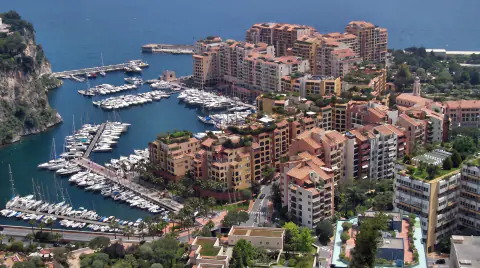 03Monaco Grand Prix experienceFontvieilleExplore experience →
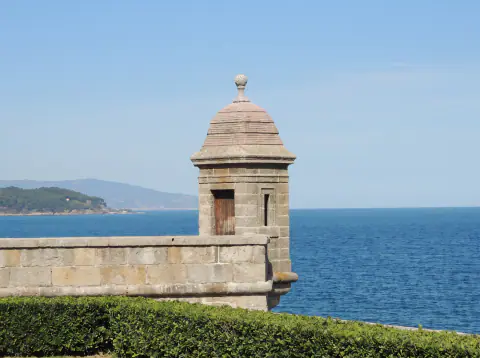 04Monaco Grand Prix experienceFort AntoineExplore experience →
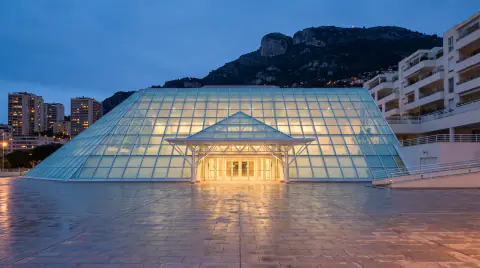 05Monaco Grand Prix experienceGrimaldi ForumExplore experience →
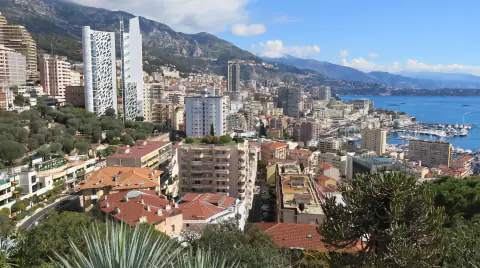 06Monaco Grand Prix experienceJardin Exotique de MonacoExplore experience →
 07Monaco Grand Prix experienceJardin Japonais de MonacoExplore experience →
 08Monaco Grand Prix experienceLarvottoExplore experience →
 09Monaco Grand Prix experienceLe Rocher / Monaco-VilleExplore experience →
 10Monaco Grand Prix experienceLes Ballets de Monte-CarloExplore experience →
 11Monaco Grand Prix experienceMareterraExplore experience →
 12Monaco Grand Prix experienceMonte-CarloExplore experience →
 13Monaco Grand Prix experienceNouveau Musée National de MonacoExplore experience →
 14Monaco Grand Prix experienceOceanographic Museum of MonacoExplore experience →
 15Monaco Grand Prix experienceOpéra de Monte-CarloExplore experience →
 16Monaco Grand Prix experiencePrince's Palace of MonacoExplore experience →
 17Monaco Grand Prix experienceThe Museum of Old MonacoExplore experience →
 18Monaco Grand Prix experienceThe Museum of Stamps and CoinsExplore experience →
 19Monaco Grand Prix experienceThe Prince's Car CollectionExplore experience →
 Plan / Itinerary builderBuild your Monaco Grand Prix dayStart planning →