In depth
Jardin Exotique de Monaco
Reopened on 30 March 2026 after six years shut: 30,000 succulents on a cliff, the best view in Monaco for €12, and a prehistoric cave 300 steps beneath.
Story · Visit · Route · Links
Choose your depth
Essentials or more detail?
See visiting essentials, or read more about the history and places nearby.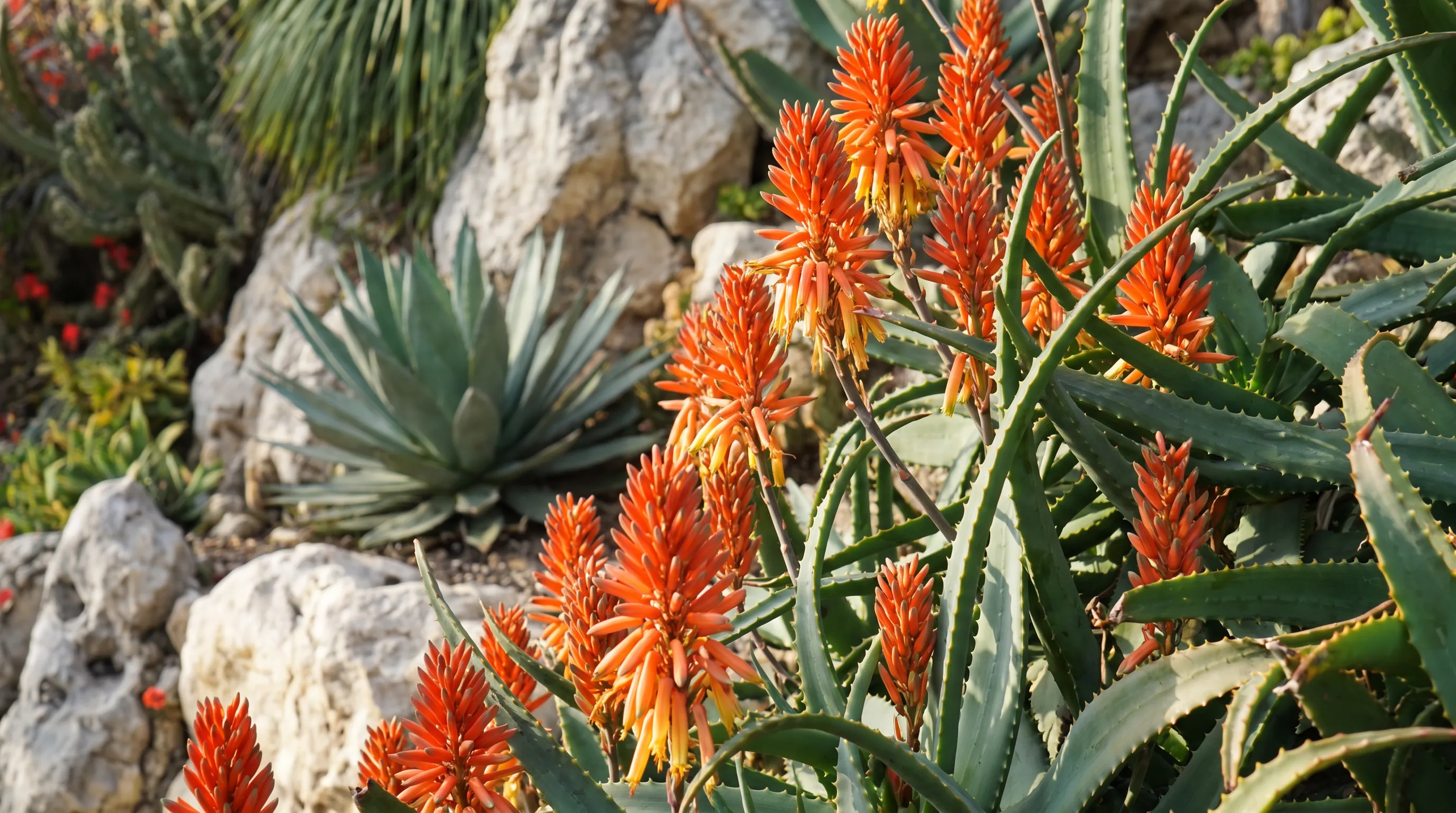
01 The experience
What to expect.
Why it matters
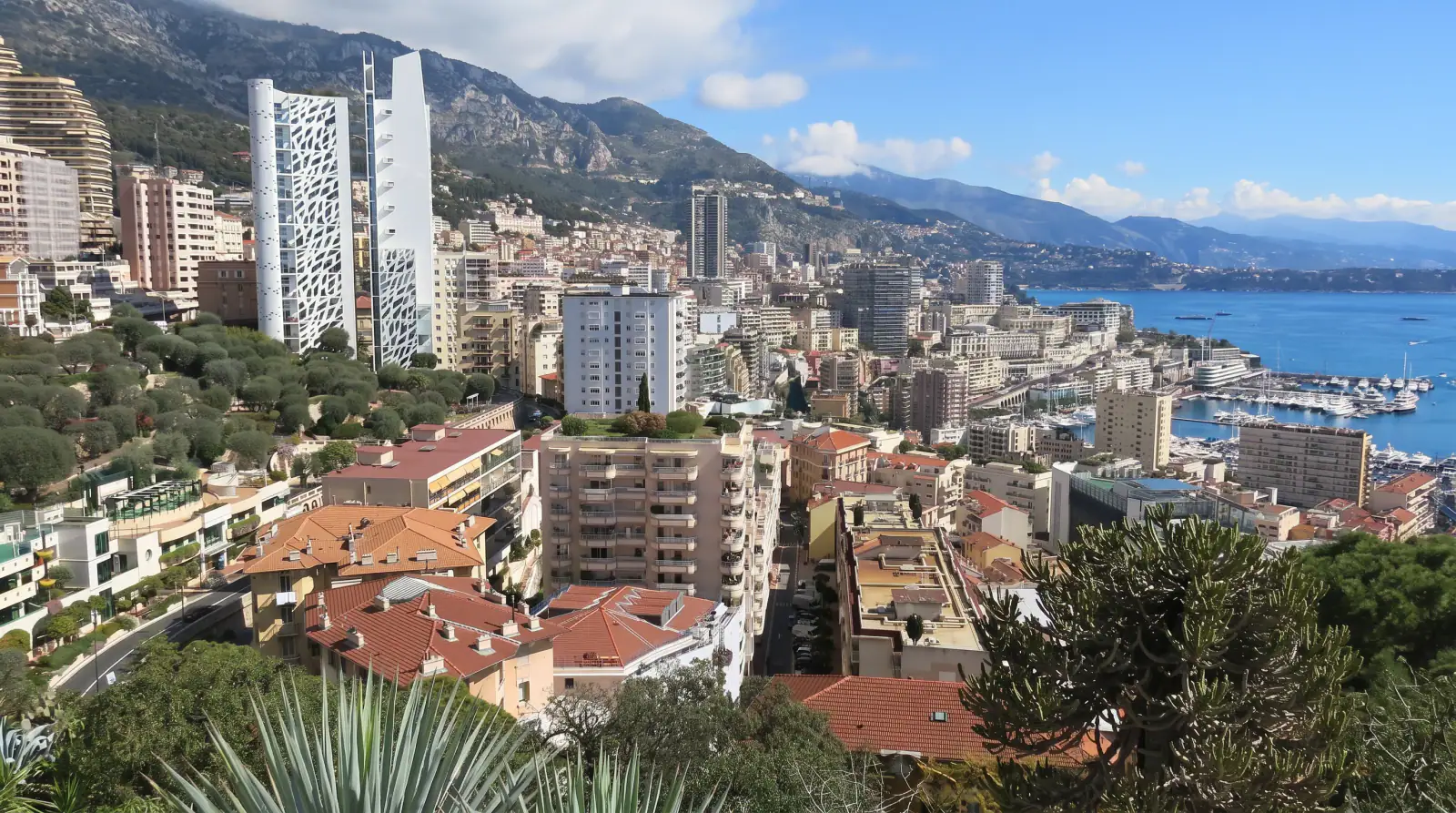
It is the best view in Monaco, and one of the cheapest. The garden faces east across the whole principality: the Rock, Port Hercule, Monte-Carlo, the sea. For €12 it out-views every terrace and restaurant in the country.
The planting is a serious collection, not decoration. Succulents from two continents, grown outdoors on a south-facing cliff that acts as a heat store — which is why species that should not survive a European winter do so here.
The cave is genuinely old. The Grotte de l'Observatoire holds evidence of prehistoric human presence, and the finds from it are displayed in the Musée d'Anthropologie Préhistorique in the garden.
And the six-year closure is the story for a visitor right now. Between 2020 and March 2026 an enormous quantity of travel writing was published saying the garden was shut — and an equally large quantity from before 2020 that describes prices, paths and facilities that no longer apply. This page exists to be right about a place the web is currently wrong about in two directions at once.
What visitors should notice
The angle. Paths switchback down the cliff with the drop on one side. The garden is a route, not a lawn, and it is designed to be walked downhill.
The cliff as a machine. Bare rock absorbs sun all day and releases it at night. That is why the planting works, and why the microclimate here differs from the seafront a few hundred metres below.
What is new since 2026. Reworked paths, restored belvederes, better lighting, a children's garden, a picnic area, a snack bar. If you came before 2020, this is not the same visit.
The temperature underground. The cave is a constant, mild environment in every season — a genuine relief in August and a surprise in January.
Who will enjoy it
- Anyone who wants the definitive view over Monaco without buying a meal for it.
- Gardeners and plant people — this is a proper collection.
- Visitors who like caves, and who can manage 300 steps each way.
- Families: there is now a children's garden and a picnic area, and under-4s are free.
- Anyone in Monaco in August who wants somewhere cool.
Who may find it difficult
- Access is severely limited for wheelchair users. The site states that wheelchair access is confined to the platform at the entrance to the exhibition hall. A cliff garden is a cliff garden. Entry is free for CMI holders and people with reduced mobility — but free entry does not make the paths passable.
- The cave is 300 steps down and 300 up, guided, and there is no alternative route.
- It shuts for the Grand Prix, and on 19 November and 25 December.
- It is uphill from everywhere, on the western heights above Fontvieille.
- Published information is unusually unreliable right now — see Plan your visit.
Visitor verdict
Two to three hours, and the best value in the principality: €12 for the view, €18 for the view, the cave and the Botanical Centre. Go in the morning while the light is still on the eastern face, take the cave tour if your knees permit, and distrust anything you read about it that does not date from after March 2026.
The story
History & character.
A prince, a gardener, and a cliff
The garden began with an enthusiasm. Prince Albert I — the oceanographer prince, the same man who built the Oceanographic Museum on the other side of the principality — became interested in the succulents being grown by Augustin Gastaud, the head gardener of the State Gardens.
In 1912 Albert I acquired the promontory on Monaco's western heights, and commissioned Louis Notari, Monaco's Chief Engineer, to make a garden out of it.
The site was a cliff. That is the whole of the design problem and the whole of the result: a garden of paths, terraces and bridges cut into near-vertical rock, where the stone itself stores the day's heat and releases it overnight — which is why plants that should not survive a European winter do.
Twenty years to build
Construction started in 1913 and ran, on and off, for two decades. Visitors were being admitted from 1931, and the garden was formally inaugurated on 7 February 1933 by Prince Louis II — Albert I having died in 1922, without seeing it finished.
The collection was substantially expanded later under the director Marcel Kroenlein, through collecting expeditions across several continents.
The cave, found by accident
In 1916, while the site was being excavated, workmen broke into a grotto in the eastern part of the garden.
Inside were the remains of numerous animal species and evidence of early human occupation. It became the Grotte de l'Observatoire, and it is the reason the garden is an archaeological site as well as a botanical one.
The museum came later
The Musée d'Anthropologie Préhistorique was founded by Albert I in 1901 — eleven years before he bought the promontory, and originally elsewhere.
It moved to the garden in 1959, which is where it sits now: the finds from the cave, displayed a short walk from the hole they came out of.
Six years shut
The garden closed in 2020 and did not reopen until 30 March 2026.
The reason was the cliff. A garden built into a rock face is only as safe as the rock face, and after a century the masonry and the rock both needed work. The programme covered securing the cliff, consolidating the masonry and rebuilding rock faces — the contractor NGE Fondations carried out around €10 million of a project totalling more than €18 million.
What reopened is not simply what closed. The paths were reworked, the belvederes restored and the lighting improved, and the site gained facilities it never had: a children's garden, a picnic area, a function room and a snack bar.
New tariffs were set by Arrêté Municipal n° 2026-1081 of 3 March 2026, effective from the reopening, and new internal regulations for the garden, the cave and the Botanical Centre by Arrêté Municipal n° 2026-1582 of 24 March 2026.
Look closer
Highlights and hidden details.
The objects, spaces and small observations that turn a visit into a memorable one.1. The view
The best view in Monaco, and it costs €12.
The garden faces east off the western heights, and the whole principality is laid out below: the Rock with the Palace and the Oceanographic Museum, Port Hercule full of boats, Monte-Carlo climbing the far slope, Fontvieille directly beneath, and the sea beyond all of it.
Restaurants in Monaco charge three figures for less. The restored belvederes are placed precisely for this, and they were part of the 2020–2026 works.
Time required. As long as you like. Ten minutes minimum.
2. The cliff planting
More than 30,000 succulents from the Americas and Africa, over 14,000 m² of near-vertical rock.
The mechanism is the interesting part. The bare south-facing cliff absorbs heat all day and gives it back overnight, producing a microclimate warm enough for species that have no business surviving a European winter. The garden is not just planted on a cliff; it works because of the cliff.
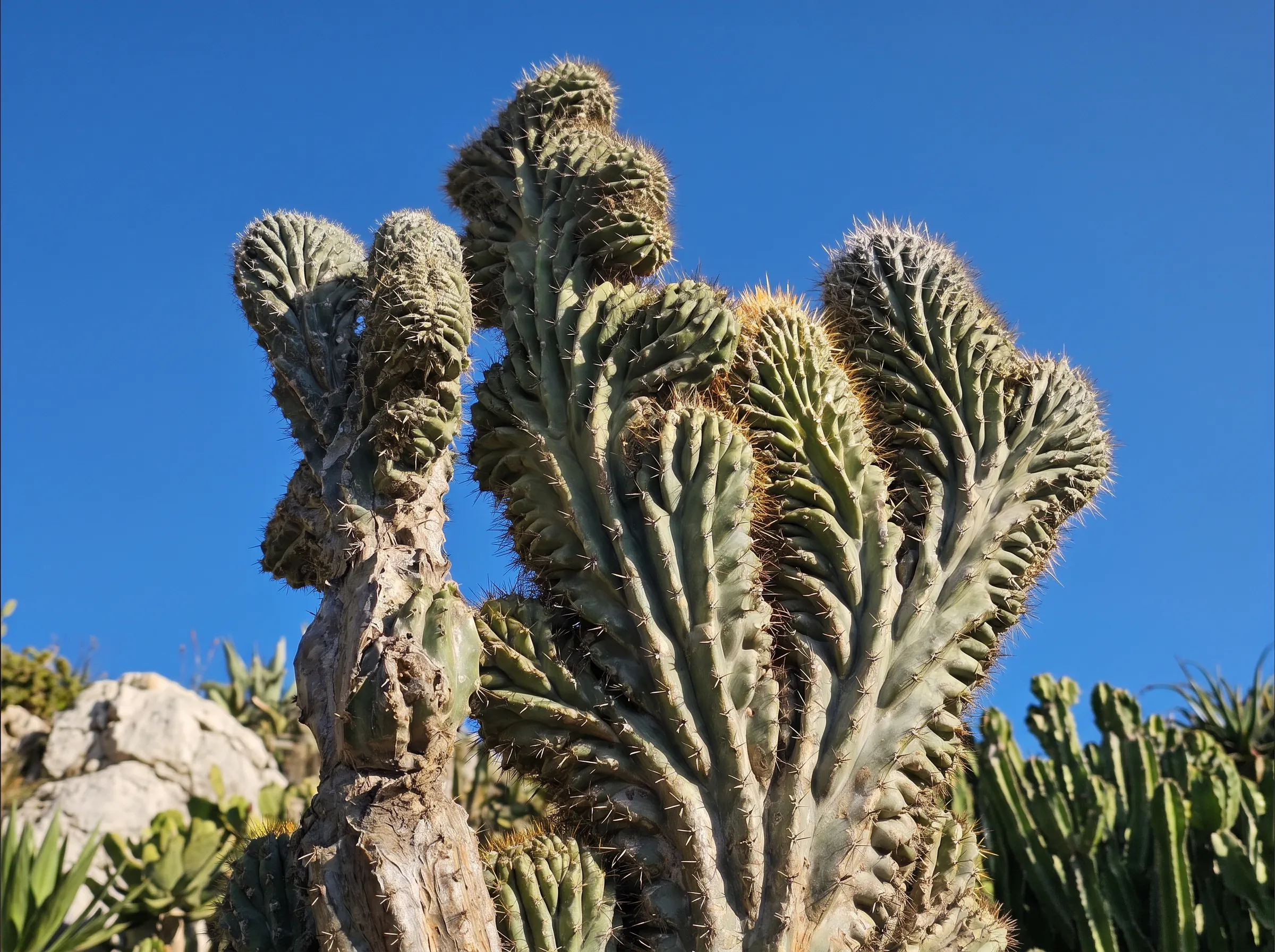
Look for the scale — mature agaves, aloes and columnar cacti that have had a century to grow, some of them well above head height.
Time required. An hour to walk it properly.
3. The Grotte de l'Observatoire
Guided tour only, hourly from 10:00, 40–45 minutes. 300 steps down and 300 up.
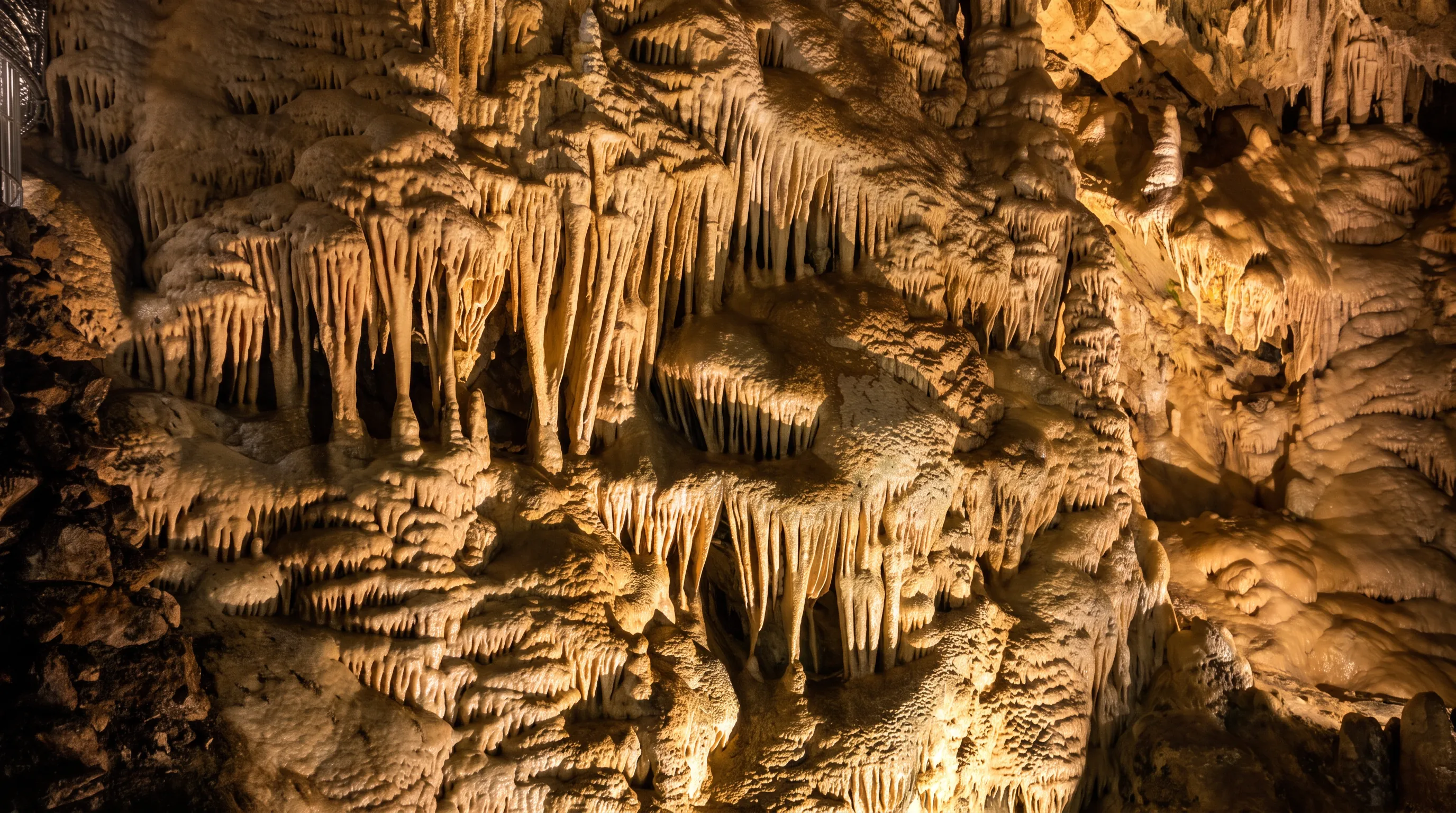
Found by accident in 1916 when workmen excavating the garden broke into it. Stalactites, chambers, and evidence of early human occupation along with the remains of numerous animal species.
It is the cool place in Monaco. Underground, the temperature holds steady whatever August is doing on the terraces above.
Time required. 45 minutes, plus the climb back.
4. The Museum of Prehistoric Anthropology
Founded by Albert I in 1901 and moved into the garden in 1959.
Why it belongs on this list. It holds the finds from the cave you have just walked through — the prehistoric material excavated from beneath the garden, displayed a few minutes from where it was found. Very few archaeological collections sit this close to their site.
€3 on top of a garden ticket (€15 rather than €12), and worth it if the cave interested you at all.
Time required. Thirty to forty-five minutes.
5. The paths themselves
The garden is a route, not a lawn: switchbacks, bridges and stairs threading down a rock face with the drop beside you.
They were rebuilt in the 2020–2026 works, along with the lighting. If you came before 2020, the circulation is not what you remember.
Walk it downhill and let the return be the easy part of your day.
6. The Botanical Centre
Included in the €15 and €18 tickets. Guided tours Tuesday 14:00, Wednesday to Saturday 10:00–14:00.
This is the working half of the institution — propagation and conservation rather than display. For anyone who actually grows things, it is the most interesting part of the site and almost nobody buys the ticket that includes it.
Time required. Forty-five minutes on a tour.
7. What is new since March 2026
Worth listing, because it changes who the garden suits:
- A children's garden
- A picnic area
- A snack bar
- Restored belvederes and reworked paths
- Improved lighting
The garden reopened as a place families can spend a morning, which the pre-2020 site was not.
8. Fireworks nights
The garden holds special evening openings on fireworks nights, with the terrace as a viewing platform.
It is the highest, widest, cheapest vantage point over the harbour where the fireworks happen — and it is the least known way to watch them.
Details worth slowing down for.
The cliff is the heating system
Bare south-facing rock absorbs sun all day and releases it through the night. That stored heat is why succulents from the Americas and Africa survive outdoors here at a latitude that should kill them.
The garden is not planted despite the cliff. It exists because of it.
The cave was an accident
Nobody went looking for the Grotte de l'Observatoire. In 1916, workmen excavating for the garden broke through into it — and found animal remains and evidence of early human occupation underneath a garden that was still being built.
The museum is older than the garden, and moved in
Albert I founded the Musée d'Anthropologie Préhistorique in 1901, eleven years before he bought this promontory. It moved here in 1959.
So the sequence is: museum, then site, then garden, then — accidentally — the cave whose contents ended up in the museum that already existed.
Albert I never saw it
He acquired the site in 1912 and commissioned Louis Notari to build the garden. Construction began in 1913 and took two decades. Albert I died in 1922; the garden was inaugurated by Louis II in 1933.
Visitors were already being let in from 1931, two years before anyone declared it open.
Monaco's chief engineer designed it
Not a landscape architect — Louis Notari, the principality's Chief Engineer. That is legible in the result: the garden is a feat of retaining walls, paths and bridges pinned to a rock face, and the horticulture sits on top of the engineering.
Six years, eighteen million euros, and the plants stayed put
The 2020–2026 closure was structural: securing the cliff, consolidating masonry, rebuilding rock. More than €18 million, of which the specialist foundations contractor accounted for around €10 million.
A garden that shuts for six years to have its ground rebuilt underneath the collection is an unusual conservation problem.
The child age band changes between tickets
The garden's own tariff order sets the child rate at 4–17. On the tickets that include the Museum of Prehistoric Anthropology, the child band is 10–17.
That is what the order says. An eight-year-old is a child at the gate and not on the museum ticket.
Monégasques go free — and so do CMI holders
The tariff order makes admission free for Monégasque nationals, for CMI and reduced-mobility cardholders, and for children under 4.
Free entry is not the same as access, though: wheelchair access on this site is limited to the platform at the entrance to the exhibition hall.
It closes for the Grand Prix
A cactus garden on a cliff, half a principality away from the circuit, shuts for the race — along with 19 November and 25 December. Those are its only closed days in the year.
The best fireworks seats in Monaco are up here
The garden opens specially on fireworks nights and the terrace becomes the viewing platform: the highest and widest vantage over the harbour where the display happens, and among the cheapest.
04 / Before you go
Plan your visit
Prices & admission
From €12 adult; €18 with the cave and Botanical Centre
Opening hours
Open every day, all year. May–September 09:00–19:00; February–April and October 09:00–18:00; January, November and December 09:00–17:00. Closed 19 November, 25 December and during the Formula 1 Grand Prix, with special evening openings on fireworks nights. Observatory Cave tours are guided and leave every hour from 10:00, lasting 40–45 minutes. Note: some sources give a simpler pattern closing at 18:00 from February to October — if you need admission after 18:00 in high summer, telephone first. Verified 6 August 2026.
Plan your experience
No booking needed for the garden. Cave tours are guided and leave hourly from 10:00 — ask at the desk on arrival. The €33 combined ticket with the Oceanographic Museum is sold at ticket counters only, never online.
Participation requirements
No minimum age. Children under 4 free; 4–17 pay €6 for the garden. Note the child band changes to 10–17 on tickets that include the Museum of Prehistoric Anthropology. The cave is 600 steps in total and unsuitable for the very young.
Read this first
The garden was closed from 2020 until 30 March 2026. Six years.
That single fact makes almost everything published about it unreliable:
- Anything written between 2020 and early 2026 says it is closed. It is not.
- Anything written before 2020 describes prices, paths and facilities that have since changed — the tariffs were reset by a municipal order of 3 March 2026, and the site now has a children's garden, a picnic area and a snack bar it did not have.
The prices and hours below are from the garden's own tariff order and current official information. Where a guidebook disagrees, check its date.
What it costs
Tariffs set by Arrêté Municipal n° 2026-1081, in force from 30 March 2026.
| Garden only | + Cave or Botanical Centre | + Cave and Botanical Centre | |
|---|---|---|---|
| Adult | €12 | €15 | €18 |
| Child 4–17 and student | €6 | €8 | €10 |
| Senior 65+ | €9 | €12 | €15 |
| Group adult (20+) | €9 | €12 | €15 |
| Group child (10+) / student | €5 | €7 | €9 |
Free: children under 4, CMI and reduced-mobility cardholders, and Monégasques.
Adding the Museum of Prehistoric Anthropology
The museum is in the garden, and holds finds from the cave beneath it.
| Garden + MAP | + Cave/Centre + MAP | + Cave + Centre + MAP | |
|---|---|---|---|
| Adult | €15 | €18 | €21 |
| Child 10–17 / student | €9 | €11 | €13 |
| Senior 65+ | €12 | €15 | €18 |
Note the age band changes. The standard child rate covers 4–17; on the museum tickets it is 10–17. That is what the order says, and it is worth knowing before you queue with an eight-year-old.
The Oceanographic Museum pairing
| Adult | Child 4–17 / student | Senior | Group adult 20+ | Group child 10+ | |
|---|---|---|---|---|---|
| Garden + Cave/Centre + Oceanographic Museum | €33 | €20 | €30 | €27 | €16 |
This one is sold at the counter only. It has been available since April 2026 and is not on the Oceanographic Museum's booking site. Buy it in person or not at all, and both visits must be the same day.
There is no Palace + Jardin Exotique ticket, despite the claim being widely repeated. The garden's tariff order pairs it with the Oceanographic Museum, and with nothing else.
Opening hours
Open every day, all year, except the closures below. Hours are seasonal:
| Months | Hours |
|---|---|
| May–September | 09:00–19:00 |
| February–April, October | 09:00–18:00 |
| January, November, December | 09:00–17:00 |
Closed: 19 November (National Day), 25 December, and during the Formula 1 Grand Prix.
A conflict worth knowing. Some current sources give a simpler two-band pattern — 09:00–18:00 February to October, 09:00–17:00 November to January — which omits the later summer closing. The three-band version above is the more detailed and is used here, but if you are relying on being admitted after 18:00 in high summer, telephone first.
Special evening openings are held on fireworks nights, when the terrace becomes a viewing platform.
The Grotte de l'Observatoire
Guided tour only. Departures every hour from 10:00, lasting 40 to 45 minutes.
300 steps down, and 300 back up. There is no lift and no alternative route.
Tour frequency and arrangements can be varied by the garden's director for safety or maintenance, so the hourly pattern is the norm rather than a guarantee.
The Botanical Centre
Guided tours: Tuesday at 14:00, Wednesday to Saturday 10:00–14:00.
It is the working half of the institution — propagation and conservation rather than display — and it is included in the €15 and €18 tickets.
Getting there
The garden is on Boulevard du Jardin Exotique, on the western heights above Fontvieille. It is uphill from everywhere.
By bus is the sensible answer; the quarter is well served and the climb on foot from the port is steep and long.
On foot from Fontvieille or the Rock, allow a hard twenty to thirty minutes of ascent. Monaco's free public lifts help with part of it but do not cover the whole climb.
When to go
Morning. The garden faces east, so the light is on the view and on the planting early, and the cave tours start at 10:00.
August: come for the cave, which is the coolest place in Monaco.
Avoid the Grand Prix entirely — it is closed.
How long to allow
- Garden alone: 1 to 1½ hours.
- Garden and cave: 2 to 2½ hours.
- Everything, including the Botanical Centre and the museum: half a day.
Visit your way
Access and family planning.
The blunt version
This is a garden built into a cliff, and it is the least accessible major attraction in Monaco.
The site's own statement is that wheelchair access is limited to the platform at the entrance to the exhibition hall. That is the extent of it. The garden proper is switchback paths, stairs and bridges cut into a rock face, and the topography cannot be engineered away.
Entry is free for CMI holders and for people with reduced mobility — and it is worth saying plainly that free entry is not access. The concession is real and generous; it does not make the paths passable.
The cave is stairs only
The Grotte de l'Observatoire is 300 steps down and 300 back up, on a guided tour lasting 40–45 minutes.
There is no lift, no ramp and no alternative route, and no way to leave the tour part-way. Anyone with a heart condition, breathing difficulty, knee or hip trouble, or who is unsteady on stairs should not attempt it.
Who this site does work for
- Visitors who can manage sustained slopes and steps but not long distances — the garden is compact, and there are benches and belvederes to stop at.
- Anyone who finds heat difficult: the cave is a constant mild temperature, and in August it is the coolest place in the principality.
- Visitors with sensory sensitivities: it is quiet, outdoors, uncrowded by Monaco standards, with no amplified sound.
What the 2020–2026 works did and did not change
The programme reworked the paths, restored the belvederes and improved the lighting. Better lighting is a genuine accessibility gain, and so is a resurfaced path.
But the works were structural — securing the cliff — not an access programme, and the site's own access statement after reopening remains the limited one above. Do not assume six years and €18 million produced a step-free garden. It did not.
Facts we do not have
- Whether any part of the garden beyond the entrance platform is step-free.
- Accessible toilet provision.
- Whether the new snack bar, picnic area and children's garden are step-free.
- Hearing loops or large-print interpretation.
- Whether the Museum of Prehistoric Anthropology is accessible independently of the garden paths.
- Assistance dog policy.
The last of these matters most and is genuinely unknown. The museum, the Botanical Centre and the exhibition hall may be reachable on flatter ground near the entrance while the garden below is not — but no source states it.
The garden is municipally run, which makes these answerable. Contact the site before travelling if any of them decides your visit.
If the site does not work for you
Fontvieille, directly below, has four hectares of flat, free, ungated park with sculpture in it, and it is the most accessible quarter in Monaco. The Jardins Saint-Martin on the Rock are free, ungated and gentler than this.
Neither has the view. But neither has 600 steps either.
The garden reopened as a place for families, which it was not before
Among the things added in the 2020–2026 works: a children's garden, a picnic area and a snack bar. If you are working from a pre-2020 guide, none of those existed.
Children under 4 go free. Children aged 4–17 pay €6 for the garden, €8 with the cave or the Botanical Centre, €10 with both.
The cave is the thing they will remember
300 steps down and 300 back up, guided, hourly from 10:00, 40–45 minutes.
For a child who can manage the stairs, an actual cave with stalactites — found by accident in 1916 by workmen digging a garden, and containing traces of prehistoric people — beats every aquarium tank in Monaco.
Be honest about the stairs. 600 steps in total is a real ask for short legs, there is no lift, and there is no way to leave part-way.
Ages
- Under 4: free, and the garden works — paths, heights, big strange plants. Skip the cave.
- 4–8: the children's garden, the picnic area, the giant cacti. Judge the cave individually; many will manage it and some will not.
- 9–12: the best age here. Cave, garden and museum all land.
- Teenagers: the view, and the cave.
Add the Museum of Prehistoric Anthropology
Watch the age band. The standard child rate covers 4–17, but on the museum combination tickets the child band is 10–17. An eight-year-old is a child at the gate and not on that ticket.
For a child who has just walked through the cave, the museum is the payoff: the things that were found in it, on display a few minutes away.
Practical
- Go in the morning. Cave tours start at 10:00 and the east-facing view is at its best early.
- Bring a picnic — there is now somewhere to eat it, and it is far cheaper than anything else in Monaco.
- Steep paths throughout. Pushchairs are a struggle; a carrier is better for the very young.
- August: the cave is the coolest place in the principality, and the garden is exposed.
- It closes for the Grand Prix, 19 November and 25 December.
The honest warning
This is a garden on a cliff. The paths switchback with a drop beside them, and they are the whole experience. Children who need to run about freely will be held by the hand for most of it.
A half-day that works
Bus up, garden first while the light is east, 10:00 or 11:00 cave tour, picnic in the new picnic area, museum afterwards if the cave landed — then walk downhill to Fontvieille, where the parks are free and flat.
Self-guided walk
Explore beyond the venue.
A practical, step-by-step route connecting this experience with more of Monaco Grand Prix.1. Buy the right ticket
Decide at the desk, because it is cheaper than deciding later.
- €12 — garden only
- €15 — garden and either the cave or the Botanical Centre
- €18 — garden, cave and Botanical Centre
- +€3 to add the Museum of Prehistoric Anthropology at each level
If you intend to do the Oceanographic Museum in the same day, ask for the €33 combined ticket now — it is sold at the counter only and not online.
Book your cave slot at the same time. Tours leave hourly from 10:00. Take the 10:00 or 11:00 and do the garden either side of it.
2. The first belvedere
Before you start down, stop at the viewpoint.
The whole principality is in front of you: the Rock with the Palace on its crest and the Oceanographic Museum on its seaward face, Port Hercule full of boats, Monte-Carlo climbing the far slope, Fontvieille immediately below, and open sea.
This is the best view in Monaco and you have paid €12 for it.
The belvederes were rebuilt during the 2020–2026 works, and this is what they were rebuilt for.
3. Down the switchbacks
Take the paths downhill. The garden is a route, not a lawn — a descent through succulents on a rock face, with the drop beside you.
Touch the rock if it is a sunny day. It is warm, and that is the whole explanation for the garden: bare south-facing stone stores heat all day and gives it back overnight, which is why plants from the Americas and Africa survive a European winter here.
More than 30,000 of them, across 14,000 square metres.
4. The big specimens
Look for the plants that have had a century to grow — mature agaves, aloes and columnar cacti well above head height.
Get low and shoot up if you are photographing: the scale is invisible from eye level.
The garden was begun in 1913 and admitted its first visitors in 1931. Some of what you are walking past is nearly that old.
5. The cave — 300 steps down
Meet your guide. Forty to forty-five minutes, and 300 steps in each direction. There is no lift and no way to leave part-way.
Inside: stalactites, chambers, and evidence of early human occupation along with the remains of numerous animal species.
Nobody was looking for this. In 1916, workmen excavating for the garden broke into it. The garden above became an archaeological site by accident.
If it is August, notice the temperature. This is the coolest place in the principality.
6. Back up, and into the museum
The Musée d'Anthropologie Préhistorique, in the garden.
This is where the cave's contents went. Prehistoric material excavated from beneath the garden, displayed a few minutes' walk from the hole it came out of. Very few archaeological collections sit this close to their site.
Founded by Albert I in 1901 — eleven years before he bought this cliff — and moved here in 1959.
7. The Botanical Centre, if your ticket covers it
Guided tours Tuesday 14:00, Wednesday to Saturday 10:00–14:00.
Propagation and conservation rather than display. Almost nobody buys the ticket that includes it, and for anyone who actually grows things it is the most interesting part of the site.
8. Picnic, then leave downhill
Use the picnic area — new since the reopening, and the cheapest lunch you will get in Monaco.
Then walk down into Fontvieille, which is directly below: flat, free parks, and the quarter built out of the sea in 1966 while this one was being cut into a cliff in 1913.
Do not walk back up. Nothing up here requires a second visit in one day.
Timing
- Garden alone: 1–1½ hours
- With the cave: 2–2½ hours
- Everything: half a day
Morning, always. The garden faces east, so the light is on the view and the planting early and gone by mid-afternoon. And the cave tours start at 10:00.
Never during the Grand Prix — it is closed, along with 19 November and 25 December.
Make a record
Photograph it thoughtfully.
The shot
The principality from above, framed by cactus.
The garden faces east across the whole of Monaco. The composition that works — and the one the belvederes were rebuilt for — puts succulents in the foreground and the country behind them: the Rock with the Palace, Port Hercule, Monte-Carlo climbing the far slope, and open sea.
Morning. The garden faces the sunrise, so early light falls on the view and across the planting. By mid-afternoon the whole face is in its own shadow and the principality below is flat and hazy.
Working the planting
- Get low. Shooting up at a mature agave or columnar cactus against the sky gives scale that a level frame loses entirely.
- Side light at the start and end of the day rakes across ribs, spines and rosettes. Flat midday light makes succulents look like green shapes.
- The rock is part of the subject. Frame the plants against bare cliff rather than against sky wherever the composition allows — it says where you are.
- Look for the century-old specimens. Some of this planting has had a hundred years to grow, and the size is the story.
The paths and bridges
The switchbacks and bridges pinned to the rock face are the garden's engineering, and they photograph well looking back up at what you have descended.
They were rebuilt in the 2020–2026 works, so anything you have seen photographed before 2020 may no longer look like that.
The cave
Difficult, and worth attempting.
- Very low light. Fast lens and high ISO; there is no tripod room on a guided tour with people behind you.
- No flash — it will not carry, it will flatten the formations, and it will irritate everyone.
- Shoot the formations against the installed lighting rather than trying to light them yourself.
- You have 40–45 minutes and you are moving. Pick two or three frames rather than working the whole cave.
Check the current photography policy with your guide — conditions in a cave with prehistoric material can be restricted, and this is an archaeological site as well as a show cave.
Light and timing
- Early morning — the view, the planting, the east face. The best window by a distance.
- Late afternoon — the garden is in shadow; go into the cave instead.
- Overcast — surprisingly good for the plants, poor for the view.
- Fireworks nights — the garden opens specially and the terrace is the widest cheap vantage over the harbour. Tripod, long exposures, and arrive early for a rail position.
Practical
- A wide lens for the view, a longer one for the plants. The panorama needs width; the specimens need compression and separation.
- The drop is real. Do not back up for a composition without looking.
- Nothing is level. A pocket tripod is more use than a full-size one on these paths.
Courtesy and rules
- The cave tours are guided and timed — do not hold a group up for a frame.
- This is a working botanical institution. Stay on the paths; the planting either side is collection material, not bedding.
Drones
No. Prohibited in Monaco, and this is a cliff site above a residential quarter.
Around here
Make more of the area.
Good to know
Questions, answered.
01Is the Jardin Exotique open?
Yes. It reopened on 30 March 2026 after being closed since 2020 — six years, for a structural programme to secure the cliff it is built into.
A very large amount of published material still says it is closed, because it was when that material was written.
02Why was it closed for six years?
The cliff. A garden built into a rock face is only as safe as the rock face. The programme covered securing the cliff, consolidating the masonry and rebuilding rock, at a total cost of more than €18 million.
The garden also gained a children's garden, a picnic area, a snack bar, restored belvederes, reworked paths and better lighting.
03How much does it cost?
Tariffs set by municipal order, effective 30 March 2026:
| Garden only | + Cave or Botanical Centre | + Cave and Centre | |
|---|---|---|---|
| Adult | €12 | €15 | €18 |
| Child 4–17 / student | €6 | €8 | €10 |
| Senior 65+ | €9 | €12 | €15 |
Free: under-4s, CMI and reduced-mobility cardholders, and Monégasques.
Adding the Museum of Prehistoric Anthropology is €3 more at each level.
04Is there a combined ticket with the Oceanographic Museum?
Yes — €33 adult, €20 child 4–17, €30 senior, covering the garden, the cave or Botanical Centre, and the Oceanographic Museum.
It is sold at the counter only, not online, and both visits must be on the same day. It has been available since April 2026.
05Is there a combined ticket with the Prince's Palace?
No, despite the claim being widely repeated. The garden's tariff order pairs it with the Oceanographic Museum and with nothing else.
06What are the opening hours?
Open every day, all year, except the closures below.
- May–September: 09:00–19:00
- February–April, October: 09:00–18:00
- January, November, December: 09:00–17:00
Closed on 19 November, 25 December, and during the Formula 1 Grand Prix.
Some current sources give a simpler pattern — 09:00–18:00 February to October — which omits the later summer closing. If you need to be admitted after 18:00 in high summer, telephone first.
07Can you visit the Observatory Cave?
Yes, on a guided tour only. Departures every hour from 10:00, lasting 40 to 45 minutes.
It is 300 steps down and 300 back up. No lift, no alternative route, and no way to leave part-way.
08How many steps is the cave?
300 down and 300 up — 600 in total.
09Is the garden wheelchair accessible?
Largely no. The site states that wheelchair access is limited to the platform at the entrance to the exhibition hall. It is a garden of switchback paths, stairs and bridges cut into a cliff.
Entry is free for CMI holders and people with reduced mobility — but free entry is not access, and the 2020–2026 works were structural rather than an access programme.
10Is the Museum of Prehistoric Anthropology open?
Yes, and it is in the garden. Founded by Albert I in 1901 and moved to the site in 1959, it holds the finds from the cave beneath it.
Watch the age band: the garden's child rate covers 4–17, but on the museum combination tickets the child band is 10–17.
11What is actually in the garden?
More than 30,000 succulents from the Americas and Africa, across 14,000 m² of near-vertical cliff. The bare south-facing rock stores heat and releases it overnight, which is why the planting survives a European winter.
12Who created it, and when?
Prince Albert I acquired the promontory in 1912 and commissioned Louis Notari, Monaco's Chief Engineer. Construction began in 1913; visitors were admitted from 1931, and Prince Louis II formally inaugurated it on 7 February 1933. Albert I had died in 1922 and never saw it finished.
13How was the cave discovered?
By accident, in 1916, when workmen excavating for the garden broke into it.
14How long do I need?
One to one and a half hours for the garden alone; two to two and a half with the cave; half a day for everything.
15When is the best time to go?
Morning. The garden faces east, so the light is on both the view and the planting early and gone by mid-afternoon — and the cave tours start at 10:00.
In August, the cave is the coolest place in Monaco.
16Is the view worth it?
It is the best view in the principality and it costs €12 — the Rock, the Palace, Port Hercule, Monte-Carlo and the sea, all at once. Restaurants here charge three figures for less.
Before you visit
Useful links.
Venue and visitor information
Method
Operating status was checked before anything else, as for every bundle since the Chapelle de la Visitation.
Here it produced the sharpest finding in the set: the garden was closed from 2020 and reopened on 30 March 2026. Six years. That single fact reorganised the whole bundle, because it means published material is unreliable in two directions — the closure-era content says "closed" and was right when written, and the pre-2020 content gives prices and facilities that were reset at the reopening.
The pricing is then sourced from a primary legal document — the municipal tariff order in the Journal de Monaco — which is the strongest position available anywhere in this project.
Sources used
| ID | Source | Used for | Retrieved |
|---|---|---|---|
| S01 | **Arrêté Municipal n° 2026-1081 du 3 mars 2026 portant fixation des tarifs des droits d'entrée du Jardin Exotique** — Journal de Monaco n° 8789 | THE COMPLETE TARIFF TABLE, from primary law, effective 30 March 2026. Garden only €12 / €6 / €9; with cave or Botanical Centre €15 / €8 / €12; with both €18 / €10 / €15; group rates; free for under-4s, CMI and reduced-mobility cardholders and Monégasques; the Musée d'Anthropologie Préhistorique combinations at €15 / €18 / €21 with a child band of 10–17; and the Oceanographic Museum combination at €33 adult, €20 child 4–17, €30 senior, €27 / €16 group | 2026-08-06 |
| S02 | **Arrêté Municipal n° 2026-1582 du 24 mars 2026 portant règlement intérieur du Jardin Exotique, de la Grotte de l'Observatoire et du Centre Botanique** — Journal de Monaco n° 8792 | That the site is governed as three components under one regulation — garden, cave and Botanical Centre — and that guided visits to the cave run in accordance with the garden's opening hours, with frequency and arrangements variable by the Director for reasons of safety or maintenance | 2026-08-06 |
| S03 | Reopening coverage, including Monaco Tribune, France 3 Provence-Alpes-Côte d'Azur, Ecomnews and Mairie de Monaco | THE REOPENING: closed since 2020, reopened to the public on Monday 30 March 2026 after six years of works. The programme — securing the cliff, consolidating masonry and rebuilding rock faces — at more than €18 million excluding tax, of which the foundations contractor NGE Fondations accounted for around €10 million. And what changed: reworked paths, restored belvederes, improved lighting, and new children's garden, picnic area, function room and snack bar. Also the collection figure of more than 30,000 plants from the American and African continents over 14,000 m² | 2026-08-06 |
| S04 | VisitMonaco — Jardin Exotique de Monaco et Grotte de l'Observatoire | The three-band seasonal hours (09:00–19:00 May–September; 09:00–18:00 February–April and October; 09:00–17:00 January, November, December); the closures on 19 November, 25 December and during the Formula 1 Grand Prix; special evening openings on fireworks nights with terrace viewing; cave tours departing every hour from 10:00, lasting 40–45 minutes; Botanical Centre guided tours Tuesday 14:00 and Wednesday–Saturday 10:00–14:00; free entry for CMI holders and people with reduced mobility; and the statement that wheelchair access is limited to the platform at the entrance to the exhibition hall | 2026-08-06 |
| S05 | Current cave and site coverage | That the discovery tour consists of 300 steps to descend and climb back up; that the Museum of Prehistoric Anthropology in the garden is the complement to the cave, holding relics found in it; and a two-band hours pattern recorded in the conflict ledger below | 2026-08-06 |
| S06 | Wikipedia — Jardin Exotique de Monaco | The history: Prince Albert I's interest in succulents grown by Augustin Gastaud, head gardener of the State Gardens; the acquisition of the promontory in 1912; the commissioning of Louis Notari, Chief Engineer of Monaco; construction from 1913; visitors admitted from 1931 and formal inauguration on 7 February 1933 by Prince Louis II; the 1916 discovery of the grotto during excavation, containing animal remains and evidence of early human habitation; the collection's later expansion under director Marcel Kroenlein; and the Musée d'Anthropologie Préhistorique, founded by Albert I in 1901 and relocated to the garden in 1959 | 2026-08-06 |
| S07 | Above Guide's own bundle set | The Oceanographic Museum's side of the combined ticket — €33 adult, €20 child, counter-only since April 2026 — already published in oceanographic-museum-of-monaco; and the no Palace + Jardin Exotique ticket correction already published in princes-palace-of-monaco | 2026-08-06 |
| S08 | OpenStreetMap via Nominatim | Entrance coordinates, recorded as an entrance point rather than a centroid — the garden descends a cliff over 14,000 m² and a single point understates it | 2026-08-06 |
A note on the strength of S01
This is the best-sourced pricing in the project.
Most admission prices in this set come from an operator's own website, which is current but revisable without notice and occasionally wrong — the Palace's institutional site was still publishing superseded figures when that bundle was written. S01 is a municipal order published in the official gazette: dated, numbered, legally operative from 30 March 2026, and quoting it is quoting the law rather than a marketing page.
It also cross-validated. The €33 / €20 / €30 Oceanographic pairing in the arrêté matches to the euro what oceanographic-museum-of-monaco had already published from the museum's side, through an entirely separate route. Two independent confirmations of the same figures.
Where sources disagree
The summer closing time — NOT RESOLVED
- S04: three bands, closing at 19:00 from May to September.
- S05: two bands, 09:00–18:00 February to October, 09:00–17:00 November to January — no later summer closing at all.
Used: the three-band pattern (S04), as the more detailed and the more likely to reflect a seasonal extension rather than a summary.
But it is stated as unresolved, and the visitor guide and FAQ both tell anyone relying on admission after 18:00 in high summer to telephone first. Recorded in 13-operational-data.json under opening_hours.conflict.
The collection size — TWO DIFFERENT MEASURES, NOT A CONFLICT
S03 gives more than 30,000 plants; S06 gives over 1,000 species and 6,000 varieties.
These count different things — individual plants against taxa — and both can be true. Used: 30,000 plants as the visitor-facing figure, with the species and variety counts recorded as the historic description in the operational data.
"Closed" versus "open" — the resolved conflict that defines the bundle
An enormous quantity of published material states that the garden is closed. All of it that dates from 2020 to early 2026 was correct when written.
S03 resolves it definitively: reopened to the public on 30 March 2026. S01 and S02 corroborate structurally — a tariff order taking effect on 30 March 2026 and internal regulations dated 24 March 2026 are not documents a closed site produces.
Used: open. And the bundle states the two-directional problem explicitly in the overview, the visitor guide, the history and the FAQ, because a reader who has met the stale material needs to know why this page differs.
Facts deliberately not asserted
| Fact | Where this guide says so |
|---|---|
| The summer closing time, definitively | Plan your visit, FAQ, operational data |
| Whether any part of the garden beyond the entrance platform is step-free | Accessibility, operational data |
| Whether the Museum of Prehistoric Anthropology is reachable independently of the garden paths | Accessibility |
| Accessible toilet provision | Accessibility |
| Whether the new snack bar, picnic area and children's garden are step-free | Accessibility |
| Hearing loops or large-print interpretation | Accessibility |
| The assistance-dog policy | Accessibility |
The museum question is the one that matters. It may sit on flatter ground near the entrance while the garden below is impassable — which would change the answer for a significant number of visitors — and no source states it either way.
The site is municipally run, which makes every one of these answerable by a single call to a public office rather than to a private operator with no obligation to reply. The accessibility chapter says so rather than leaving them as generic gaps.
Opening hours, prices, programmes and access arrangements can change. Confirm critical details with the venue.
Continue exploring / Monaco
More things to do
in Monaco
Explore Monaco activities, sights and places to eat. Compare the time to allow, costs and booking details, then save your favourites to your itinerary.
 01Monaco Grand Prix experienceCasino de Monte-CarloExplore experience →
 02Monaco Grand Prix experienceCathedral of Notre-Dame-ImmaculéeExplore experience →
 03Monaco Grand Prix experienceFontvieilleExplore experience →
 04Monaco Grand Prix experienceFort AntoineExplore experience →
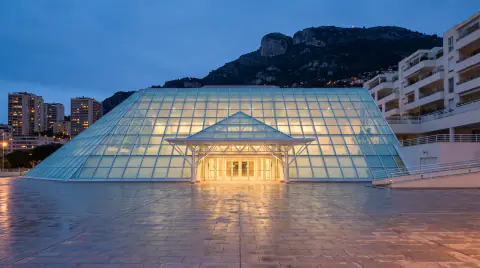 05Monaco Grand Prix experienceGrimaldi ForumExplore experience →
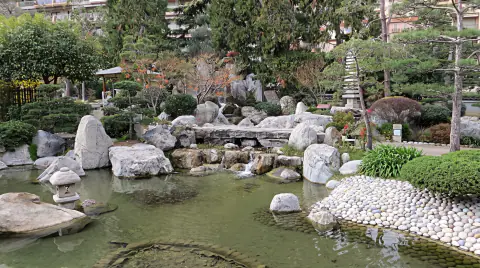 06Monaco Grand Prix experienceJardin Japonais de MonacoExplore experience →
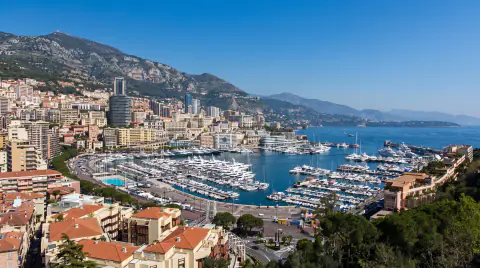 07Monaco Grand Prix experienceLa CondamineExplore experience →
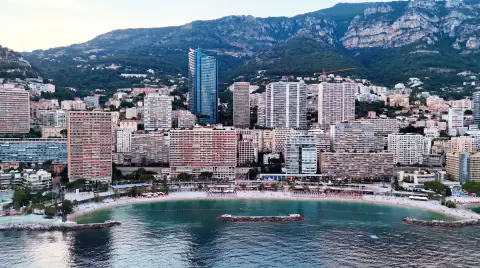 08Monaco Grand Prix experienceLarvottoExplore experience →
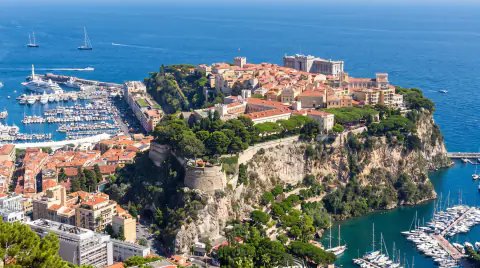 09Monaco Grand Prix experienceLe Rocher / Monaco-VilleExplore experience →
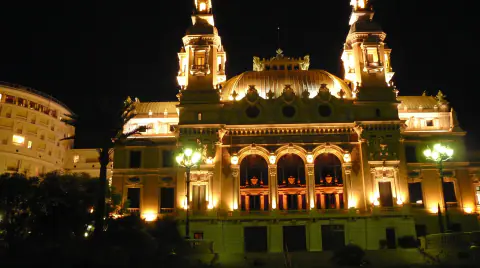 10Monaco Grand Prix experienceLes Ballets de Monte-CarloExplore experience →
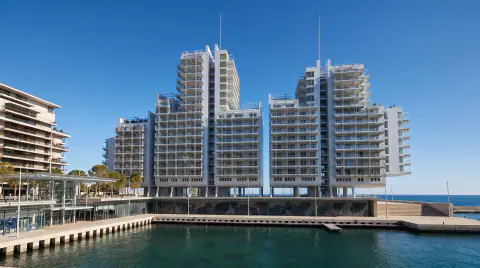 11Monaco Grand Prix experienceMareterraExplore experience →
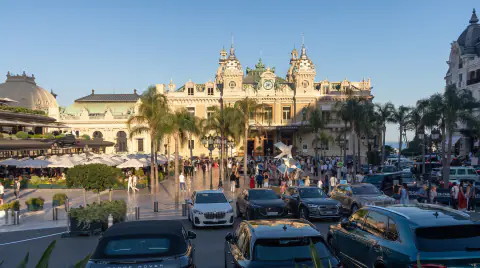 12Monaco Grand Prix experienceMonte-CarloExplore experience →
 13Monaco Grand Prix experienceNouveau Musée National de MonacoExplore experience →
 14Monaco Grand Prix experienceOceanographic Museum of MonacoExplore experience →
 15Monaco Grand Prix experienceOpéra de Monte-CarloExplore experience →
 16Monaco Grand Prix experiencePrince's Palace of MonacoExplore experience →
 17Monaco Grand Prix experienceThe Museum of Old MonacoExplore experience →
 18Monaco Grand Prix experienceThe Museum of Stamps and CoinsExplore experience →
 19Monaco Grand Prix experienceThe Prince's Car CollectionExplore experience →
 Plan / Itinerary builderBuild your Monaco Grand Prix dayStart planning →