In depth
The Museum of Stamps and Coins
Monaco's coins since 1641 and its stamps since 1885, for €3 and free under 12 — the cheapest ticket in the principality, and the sharpest short history of it.
Story · Visit · Route · Links
Choose your depth
Essentials or more detail?
See visiting essentials, or read more about the history and places nearby.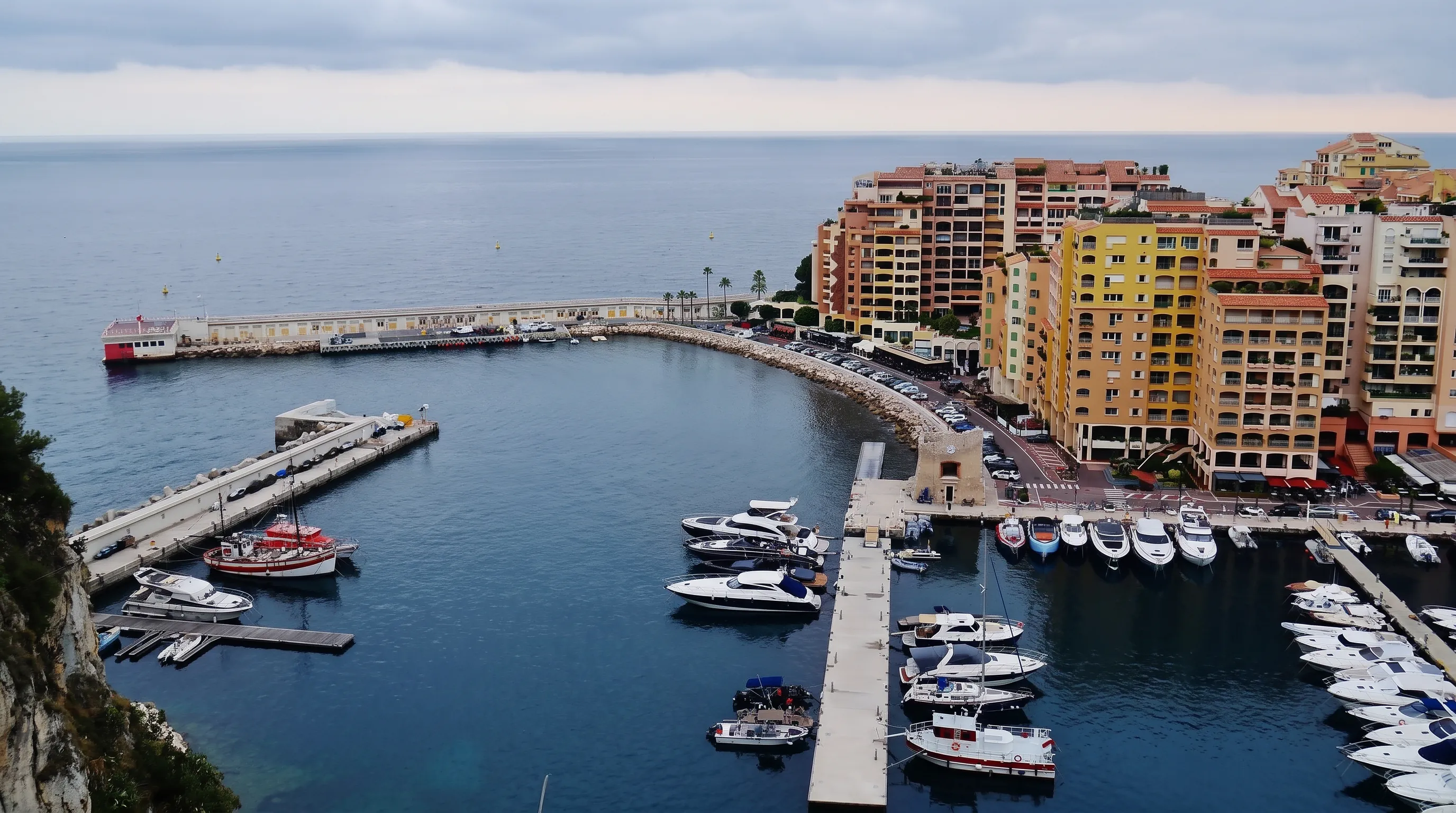
01 The experience
What to expect.
Why it matters
Because a country's stamps are its constitutional history, and Monaco's are unusually dramatic.
Read the collection in order and the whole national story is legible:
- 1704 — the principality's first postmark.
- 1848 — Menton and Roquebrune secede. They were most of Monaco's territory and most of its revenue, and losing them is why Charles III had to invent Monte-Carlo.
- 1851–1860 — Monaco has no stamps of its own and uses Sardinian ones.
- 1860 — the Treaty of Turin. Sardinia cedes Nice to France and gives up its protectorate. Monaco switches to French stamps with Monaco postmarks.
- 1 July 1885 — the first Monégasque stamp, bearing Prince Charles III — the man whose casino had by then made the state solvent enough to issue its own post.
A hundred and eighty years of sovereignty, bankruptcy and recovery, in small pieces of gummed paper. There is a 1851 envelope from Menton in this building, carrying Sardinian postage — a physical document of the territory Monaco lost.
The coins go back further still. The chronology runs from 1641, and the rarities include 1640 coins of Prince Honoré II — the ruler who threw out the Spanish garrison and put Monaco under French protection, and who was the first to be styled Prince.
Who it is for
Anyone who likes history told through objects, for whom this is the best-value hour in Monaco. Anyone with a passing interest in stamps or coins, obviously. Families, because it is indoors, quick, and free for under-12s. And anyone in Monaco during Grand Prix week looking for something that is actually open.
It is not a large museum, a half-day, or a spectacle. If you want spectacle, the Oceanographic Museum is up on the Rock and costs seven times as much.
What is actually in it
| Stamps | The complete Monégasque output from 1885 — including colour proofs and original designs |
| The rare room | Pre-philatelic documents, and early issues from the reigns of Charles III and Louis II |
| Coins | The full chronology from 1641 — Monégasque francs, euro denominations and medals |
| Rarities | 1640 coins of Honoré II; a strip of five 5-franc stamps; an 1851 Menton envelope with Sardinian postage |
| Machinery | Engraving machines and the tools stamps were actually made with |
There is also a commercial counter selling stamps, coins and paraphilatelic material, with a mail-order service — which is a working philatelic bureau rather than a gift shop.
The collection nobody expects
It did not start with a prince. It started with a clergyman.
The Reverend G.G. Barbier assembled a serious stamp collection in the late nineteenth century, including the rare Sardinian issues used in the principality before 1860. Prince Albert I bought it. Louis II expanded it substantially. Rainier III inherited it, enriched it further, and in 1950 put it on show inside the palace.
Four generations of Grimaldis building on a priest's albums.
The essentials
Where. 11 Terrasses de Fontvieille, in Fontvieille — at the foot of the Rock, not on it. Buses 4 and 6.
When. 09:30–17:00 every day, and until 18:00 in July and August. Closed 1 January, 1 May, 19 November and 25 December.
How much. €3 adult, €1.50 for 12–18s, students and retirees, free under 12.
How long. An hour.
Booking. None. Walk in.
What this guide does not claim
Accessibility has not been verified — no information on step-free access, lifts or accessible toilets was found, and none is invented here.
The Grand Prix. No closure is published, and Fontvieille lies outside the circuit — but that is an absence of evidence rather than a stated guarantee. If you are relying on it during race week, telephone +377 98 98 41 50 first.
The story
History & character.
Why stamps are the point
A sovereign state does three things nobody else may: it makes law, it mints money, and it issues postage. Monaco has done all three, intermittently, for four centuries — and the interruptions are where the history is.
This museum holds the complete run. Read it in order and you get the constitutional biography of the principality, including the decades when it could not manage a postal service of its own.
1641, and the coins
The coin chronology begins in 1641, and the rarities go back a year further — 1640 issues of Prince Honoré II.
Honoré II is the right place to start. He expelled the Spanish garrison in 1641, placed Monaco under French protection by the Treaty of Péronne, and was the first ruler of Monaco to use the title Prince rather than Lord. Striking coin was the assertion of exactly that.
1704: the first postmark
Monaco's postal history begins with its first postmark in 1704.
Everything from then until 1885 is what philatelists call pre-philatelic — letters carried and marked without adhesive stamps. The museum's rare room holds these documents, and they are the least glamorous and most historically dense things in the building.
1848: the year Monaco lost most of itself
This is the hinge, and it is the reason the rest of the collection looks the way it does.
In May 1848 Menton and Roquebrune seceded from the principality. They were the majority of Monaco's territory and the source of most of its revenue — the tax on olive oil and citrus. In May 1849 they became protectorates of the Kingdom of Sardinia.
Monaco was left with the Rock and very little else, and effectively bankrupt. The consequence, a generation later, was Charles III's decision to license a casino — the episode that produced Monte-Carlo and the modern state.
The museum holds an 1851 envelope from Menton, carrying Sardinian postage. It is a piece of paper documenting territory Monaco no longer had.
1851–1860: someone else's stamps
For nine years the principality used Sardinian stamps.
That is what sovereignty looks like when a state cannot afford its own postal issues: your letters leave bearing another kingdom's head.
There is a philatelic irony worth noting. Sardinian stamps cancelled in Monaco are far more valuable today than the same stamps used in Sardinia. The mark of Monaco's weakest postal period is now the collectable part.
1860: the Treaty of Turin
Sardinia ceded the county of Nice to France and relinquished its protectorate over Monaco.
From then until 1885, Monaco used French stamps, cancelled with Monaco or Monte-Carlo postmarks. The museum's holdings cover the two cancellation practices of the period — an obliterator numbered 4222, later 2387, inside a diamond; and postmarks applied directly to the stamp as both date stamp and cancel.
Twenty-five more years of posting letters under somebody else's flag.
1 July 1885: Monaco issues its own
The first Monégasque postage stamps appeared on 1 July 1885, bearing the image of Prince Charles III.
The timing is the whole argument of this museum. Charles III is the prince who lost Menton and Roquebrune as a young ruler and answered it by creating Monte-Carlo. By 1885 the casino had made the state solvent enough to run its own post — and the first stamp it printed carried his face.
Everything from 1885 onward is here in complete sequence, including colour proofs and the original artwork, which is the part collectors come for.
The collection's own provenance
It did not begin in a palace.
The Reverend G.G. Barbier built a serious collection in the late nineteenth century, including the scarce Sardinian material used in the principality before 1860.
Prince Albert I acquired it. Prince Louis II expanded it substantially. Prince Rainier III inherited it, added to it, and in 1950 opened a museum inside the palace to display his collections.
1995 and 1996: the museum as an institution
The collection outgrew the palace — a phrase that recurs in Monaco, and which also explains the Prince's Car Collection.
The museum was formally created by Ordonnance Souveraine n° 11.809 of 14 December 1995, and the current building on the Terrasses de Fontvieille was inaugurated in 1996.
It has been there ever since. Unlike the Car Collection, which shared the Terrasses until 2022, this museum has not moved.
Look closer
Highlights and hidden details.
The objects, spaces and small observations that turn a visit into a memorable one.The 1851 envelope from Menton
The most important object in the building, and it looks like nothing.
An envelope posted from Menton in 1851, carrying Sardinian postage.
Here is why it matters. Menton and Roquebrune seceded from Monaco in May 1848 — they were most of the principality's territory and most of its income — and became Sardinian protectorates the following year. That loss bankrupted Monaco and forced Charles III into the decision that produced Monte-Carlo.
This envelope is a piece of paper from the lost territory, franked by the kingdom that took it. It is the casino's origin story, in an envelope.
The first Monaco stamp, 1 July 1885
Prince Charles III's head, on the principality's first postage stamp.
Look at it knowing the sequence. Charles III lost Menton and Roquebrune as a young ruler. He answered by licensing a casino. By 1885 the money from Monte-Carlo had made the state solvent enough to issue its own post — and the first thing it printed was his face.
Between 1851 and 1885 Monaco's letters had gone out under Sardinian and then French stamps. This is the moment that stops.
The rare room
Pre-philatelic documents, and early issues from the reigns of Charles III and Louis II.
Pre-philatelic means letters carried and marked before adhesive stamps existed — Monaco's first postmark dates from 1704. These are the least decorative and most historically loaded objects here.
Go to this room first. The long modern runs outside are a sequence; this is the argument.
The 1640 coins of Honoré II
The coin chronology runs from 1641, and the rarities reach back to 1640 — issues of Prince Honoré II.
He is the right man to begin with. Honoré II expelled the Spanish garrison, put Monaco under French protection by the Treaty of Péronne, and was the first ruler of Monaco to style himself Prince rather than Lord.
Minting coin was that claim made physical. These are among the oldest assertions of Monégasque sovereignty you can look at.
The colour proofs and original designs
The stamp holdings include colour proofs and the original artwork, not only issued stamps.
This is the part collectors travel for and casual visitors walk past. A proof sheet shows a design being argued over — three or four versions of the same engraving in different inks, before somebody chose.
The engraving machines
The tools the stamps were actually made with.
Easy to miss, and the best corrective in the building. Everything else here is the finished product; this is the industrial process that produced it. A stamp is a printed security document, and these are the machines that printed them.
The strip of five 5-franc stamps
A named rarity in the collection.
Strips and blocks survive far less often than single stamps — most were separated and used — which is precisely why an intact run of five is worth putting in a case.
The Sardinian irony
Worth carrying round with you as you look.
Monaco used Sardinian stamps from 1851 to 1860 because it could not run its own post. Today, Sardinian stamps cancelled in Monaco are worth considerably more than the same stamps used in Sardinia itself.
The evidence of the principality's weakest postal moment is now its most collectable.
The counter, which is not a gift shop
A commercial counter selling stamps, coins and paraphilatelic material, with a mail-order service.
It is a working philatelic bureau. If you want something genuinely Monégasque to take home, this beats anything on the Rock — and it is one of the very few places in the principality where the thing you buy is issued by the state rather than sold to tourists.
Details worth slowing down for.
The whole national story is on the walls, in order
Nobody tells you to read it as a narrative, and it is one.
1704 — first postmark. 1848 — Menton and Roquebrune secede, taking most of the territory and most of the revenue. 1851–1860 — Monaco uses Sardinian stamps because it cannot run its own post. 1860 — the Treaty of Turin; Sardinia gives up its protectorate and Monaco switches to French stamps. 1 July 1885 — the first Monégasque stamp, bearing Charles III, the prince whose casino had by then made the state solvent.
Thirty-four years of posting letters under other countries' flags, ended by a roulette wheel.
For nine years, Monaco's post was Sardinian — and that is now the valuable part
Sardinian stamps cancelled in Monaco are worth far more today than the same stamps used in Sardinia.
The philatelic market has quietly inverted the history: the evidence of the principality's weakest moment is the material collectors chase.
The collection was assembled by a clergyman
Not a prince.
The Reverend G.G. Barbier built it in the late nineteenth century, including the scarce Sardinian issues used in Monaco before 1860.
Albert I bought it. Louis II expanded it. Rainier III inherited it, added to it, and put it on show. Four Grimaldis, standing on a priest's albums.
It started inside the palace, in 1950
Rainier III opened a museum of his collections in the palace in 1950.
It became a formal institution only by Ordonnance Souveraine n° 11.809 of 14 December 1995, and the Fontvieille building opened in 1996.
Monaco's collections keep outgrowing the palace
This one moved out of the palace in the 1990s.
The Prince's Car Collection did exactly the same thing — Rainier III kept the cars in the palace garage and opened them to the public in 1993 because there were too many.
Two museums in Monaco exist for the same reason: a prince ran out of room at home.
The coins predate the title
The chronology starts in 1641, with rarities from 1640 — Honoré II.
He expelled the Spanish garrison in 1641, took French protection under the Treaty of Péronne, and was the first ruler of Monaco to call himself Prince rather than Lord.
Striking his own coin was that claim, in metal, before anyone else had conceded it.
The machines are here too
Among the cases of finished stamps sit the engraving machines and manufacturing tools.
It is the only place in Monaco where you can see the industrial process behind a state's paperwork — and the reminder that a stamp is a printed security document, not a picture.
It opens when the princely sites close
The Palace, the Oceanographic Museum and the Car Collection all shut for the Grand Prix.
No Grand Prix closure is published for this museum, and Fontvieille sits outside the circuit — which makes it one of very few things reliably open in race week. Worth telephoning to confirm, but the geography is on its side.
Three euros
The Oceanographic Museum is €22.50. The Car Collection is €15. The Palace is €13.
This is €3, and free under 12.
A family of four with young children pays six euros to see four centuries of a country's sovereignty. It is the best-value ticket in Monaco by a distance, and almost nobody goes.
It is still where it has always been
The Car Collection shared the Terrasses de Fontvieille with this museum for years and left for Port Hercule in July 2022.
The confusion between the two is old and persistent — this project's own dataset carried a note saying the research "assigns it to two different museums; the mapping is unconfirmed" against both entries.
This museum has not moved since 1996.
04 / Before you go
Plan your visit
Prices & admission
€3 adult, €1.50 for children 12–18, students and retirees, and free for under-12s. A family of two adults and two young children pays €6 — the cheapest ticketed attraction in Monaco by a wide margin.
Opening hours
Open 09:30–17:00 every day, and 09:30–18:00 in July and August. Closed on 1 January, 1 May, 19 November (National Day) and 25 December. No Grand Prix closure is published, unlike the Prince's Palace, the Oceanographic Museum and the Prince's Car Collection — but that is not a guarantee, so telephone +377 98 98 41 50 before relying on it during race week.
Getting there
11 Terrasses de Fontvieille, 98000 Monaco
About 15 minutes from Place d'Armes and the Condamine market, downhill and west. From Le Rocher it is a descent — the return is a climb, or the Parking des Pêcheurs lift.
Plan your experience
No booking. Walk in — nothing here sells out. Open 09:30–17:00 every day, extended to 18:00 in July and August, and closed only on 1 January, 1 May, 19 November and 25 December. NOTE: no Grand Prix closure is published for this museum, unlike the Prince's Palace, the Oceanographic Museum and the Prince's Car Collection, and Fontvieille lies outside the circuit — which makes it a rare race-week option. That is not a guarantee, so telephone +377 98 98 41 50 if you are building a day around it.
Accessibility
Nothing is published — the thinnest accessibility picture of any Monaco bundle in this set.
The short version
€3, an hour, open every day, and free for under-12s.
There is very little to plan. No booking, no timed entry, no queue, no dress code, and nothing that sells out. Walk in.
Admission
| Adult | €3 |
| Child 12–18, student, retiree | €1.50 |
| Child under 12 | Free |
A family of two adults and two children under 12 pays €6.
For scale, in the same principality: the Oceanographic Museum is €22.50 adult, the Car Collection €15, the Prince's Palace €13. This is the cheapest ticketed thing in Monaco and it is not close.
Opening hours
| Period | Hours |
|---|---|
| Most of the year | 09:30–17:00, every day |
| July and August | 09:30–18:00 |
Closed: 1 January, 1 May, 19 November (National Day) and 25 December.
Open seven days a week otherwise, which is unusual — most of Monaco's museums have a closing day or a season.
The Grand Prix — the useful difference
No Grand Prix closure is published for this museum, and Fontvieille lies outside the circuit.
That matters because the Prince's Palace, the Oceanographic Museum and the Prince's Car Collection all close for the racing. If you are in Monaco during a Grand Prix weekend and want something open, this is a strong candidate.
But treat it as likely rather than guaranteed. The absence of a published closure is not the same as a published guarantee, and race-week traffic arrangements in Monaco change year to year. Telephone +377 98 98 41 50 if you are building a race-week day around it.
Getting there
11 Terrasses de Fontvieille, in the Fontvieille quarter — at the foot of the Rock, not on it.
By bus. Routes 4 and 6.
On foot. About fifteen minutes from the Place d'Armes and the Condamine market, downhill and west. From Le Rocher it is a descent — and the return is a climb, or the Parking des Pêcheurs lift.
By car. Fontvieille has substantial public parking, and it is the easiest quarter in Monaco to drive to.
Fontvieille is flat, which is worth knowing in a principality that mostly is not.
How long to allow
An hour. Ninety minutes if you read everything and browse the counter.
This is a small museum and it does not pretend otherwise. Do not block out an afternoon.
What to do first
Go to the rare room. It holds the pre-philatelic documents and the early issues from the reigns of Charles III and Louis II, and it is where the actual history is. The complete modern runs are handsome but they are a sequence; the rare room is the argument.
Then walk the chronology forward from 1885 and watch a state start printing its own post.
The coins run from 1641 and are the older story, so leave them until you have the postal narrative straight — they make more sense afterwards.
The counter
There is a commercial counter selling stamps, coins and paraphilatelic material, with a mail-order service.
This is a working philatelic bureau rather than a museum gift shop. If you collect, or you want a genuinely Monégasque thing to take away that is not a fridge magnet, it is the best option in the principality.
When to come
Any time. It is indoors, it opens every day, and it never gets the crowds the Rock museums get.
July and August give you the extra hour to 18:00.
Wet weather improves it, like everything indoors here.
Race week — see above.
Combining it
Fontvieille rewards being done as a block, because everything in it is flat and close together:
- The Princess Grace Rose Garden, in the Parc Paysager — free, open, and about ten minutes away
- Port de Fontvieille, the second harbour
- Le Rocher, up the hill — Palace, cathedral, Oceanographic Museum, each with its own guide
The natural shape is the Rock in the morning, down to Fontvieille after — because the climb is better done first and everything down here is level.
What is not confirmed
- Accessibility — step-free access, lifts, accessible toilets. Nothing published; see the accessibility chapter.
- Whether it closes for the Grand Prix. No closure is published; it is not a guarantee.
- Photography policy.
- Guided tours, and whether anything is available in English. The museum's own website is French-only.
- Toilets, cloakroom or seating.
- Current temporary exhibition. The museum mounts them, but they rotate.
The building it sits in is under a restructuring proposal
The museum occupies part of the Terrasses de Fontvieille, the complex built in 1990–92 that also holds the shopping centre, a hypermarket, an events hall and two levels of underground parking.
That complex is the subject of a proposed restructuring — reported schemes include expanding the hypermarket, adding a cinema, forty-one state-owned homes, doubling the retail floorspace and planting some two thousand trees across the terraces and roof.
Two of the complex's occupants are already affected. The Espace Léo Ferré must leave, and has a confirmed new home under the collège being built at Îlot Pasteur. The Naval Museum must leave too, is already closed, and has no confirmed destination.
This museum's own position in those plans is not published. Nothing suggests it is closing, and it is open and operating normally — but it sits in a building with a demolition-and-rebuild proposal attached, and that is worth knowing if you are planning a visit far ahead.
The project itself is not settled. One account has it awarded to a developer after an international competition; another reports three draft schemes with nothing yet decided by the princely government.
Facts with a shelf life
| Fact | Recheck | Why |
|---|---|---|
| Admission prices | Annually | State-set; currently €3 / €1.50 / free under 12 |
| Opening hours | Annually | Two seasonal bands |
| Public-holiday closures | Annually | 1 Jan, 1 May, 19 Nov, 25 Dec |
| Grand Prix status | Annually, each March | Unpublished — confirm before relying on it |
| Temporary exhibition | Quarterly | Rotates through the year |
| Terrasses restructuring | Quarterly | The building is under a rebuild proposal; this museum's place in it is unpublished |
Visit your way
Access and family planning.
The headline
Nothing is published, and this is the thinnest accessibility picture in the Monaco set.
That is the honest opening. The museum's own website is French-only and does not cover access; Monaco's culture portal lists the address, telephone and hours and nothing more. Accessibility information was searched for specifically and was not found.
What follows is what can be said structurally, and what cannot be said at all.
What is genuinely in its favour
Fontvieille is flat. This is the single most useful fact. Monaco is a hillside — the Rock is a 62-metre climb, Monte-Carlo is a slope — and Fontvieille is reclaimed land laid out level. Getting to the museum involves no ascent.
It is entirely indoors and small. An hour's visit, no outdoor sections, no cobbles, no weather.
Parking is easy. Fontvieille has substantial public parking and is the simplest quarter in Monaco to reach by car.
Buses 4 and 6 serve it.
It is cheap. €3, and free under 12 — so a visit that turns out not to work has cost almost nothing. That is a small thing, but it lowers the risk of trying.
What has not been verified
Named rather than inferred:
- Step-free entry from the street and from the car park
- Whether the museum is on one level or more, and whether any lift exists
- Accessible toilets, or any toilets
- Door widths and circulation space between display cases
- Seating and rest points
- Accessible parking bays and blue-badge arrangements in Fontvieille
- Wheelchair loan
- Case and label heights — this is a museum read entirely from vitrines, so viewing height matters more here than in a gallery of large objects
- Lighting levels, which are often kept low to protect paper
- Whether labels exist in English, or in large print
- Hearing loops, or any provision for deaf visitors
- Provision for blind and partially sighted visitors — a collection of stamps and coins is an almost entirely visual proposition and no alternative is documented
- Assistance-dog policy
- Whether a companion or carer is admitted free
- Whether the museum closes for the Grand Prix
The two that matter most here
Case height. Everything in this museum is small and behind glass. A collection of stamps is unusually dependent on being able to get close to a vitrine at the right height, and nothing is published about it.
Light levels. Paper collections are normally displayed in low light for conservation reasons. That is standard practice and it is not confirmed here — but if low vision is a factor, it is worth asking before travelling.
How to ask
There is one route, and it is a telephone call or an email:
| Telephone | +377 98 98 41 50 |
| mtm@gouv.mc |
The museum is a state institution — the email is a gouv.mc address — so an enquiry should reach someone who can answer authoritatively.
The question worth asking
If you ring, three answers would transform this page: is the museum on one level, are there accessible toilets, and are the labels available in English?
Three questions, one call to a government museum. As it stands, the honest position is that Fontvieille's flatness is the only accessibility fact anyone has published about this building.
The short answer
Under-12s are free, and adults are €3. A family of four with young children pays six euros.
That is the entire case, and it is a strong one in a principality where the next cheapest museum ticket is four times the price. It is indoors, it is flat, it takes an hour, and it opens seven days a week.
It is also not, on the face of it, a children's museum. Cases of stamps and coins are a hard sell to a seven-year-old, and this guide is not going to pretend otherwise.
What makes it work is that it is cheap enough to risk. At €6 for a family, twenty minutes that don't land costs nothing. At €22.50 a head across town, they do.
What actually engages children
Money they can't spend. Coins from 1641, and rarities from 1640. Very old money is reliably interesting to children in a way very old paper is not — start here, not with the stamps.
The machines. The engraving machines and manufacturing tools are the best thing here for a child, because they answer "how was this made" rather than "what is this". A stamp is a printed object and these are the presses.
Tiny pictures, in order. Stamps are small, bright and sequential, which suits a child who likes spotting things. The complete run from 1885 is a hundred and forty years of miniature pictures in a line.
The story, told properly. Children take to this one:
Monaco lost half its country in 1848 and went broke. For years its letters had to use other countries' stamps — Sardinia's, then France's — because it couldn't afford its own. Then the prince opened a casino, and with the money he finally printed a Monaco stamp with his own face on it.
That is a genuinely good story and it is on the wall in objects.
Practical shape
An hour, or less. Small museum, one route. Do not oversell the length.
Go to the coins and the machines first with children, and the stamps after. The opposite order loses them.
Fontvieille is flat, and the museum is indoors — so this is an easy hour with a pushchair compared with anything on the Rock, which is stairs and cobbles.
Open every day except 1 January, 1 May, 19 November and 25 December, which removes the usual closing-day trap.
Pairing it
Fontvieille is the family half of Monaco and it is all flat.
The Princess Grace Rose Garden in the Parc Paysager is about ten minutes away, free and ungated — open parkland, which is the obvious release after an hour indoors.
The Prince's Car Collection is the other Fontvieille-adjacent option for children, though it moved to Port Hercule in 2022 and is now about fifteen minutes east. It has its own guide.
For a full family day, the Oceanographic Museum on the Rock is the headline act — but it is a climb, it is €22.50 adult, and it deserves its own morning. It has its own guide.
The race-week point
The Palace, the Oceanographic Museum and the Car Collection all close for the Grand Prix.
No closure is published for this museum, and Fontvieille is outside the circuit. If you are in Monaco with children during race week and everything else is shut, this is worth a telephone call — +377 98 98 41 50.
What is not confirmed
Stated plainly, because a family plan should not rest on guesswork:
- Toilets and baby-changing facilities
- Pushchair access, lifts or steps anywhere in the building
- Seating
- Any children's trail, activity sheet or family programme
- Guided tours, and whether anything is offered in English — the museum's own site is French-only
- Whether the museum closes for the Grand Prix
The English-language question is the one most likely to matter with older children who want to read the labels.
Self-guided walk
Explore beyond the venue.
A practical, step-by-step route connecting this experience with more of Monaco Grand Prix.1. Start with the rare room
Twenty minutes, and do not skip it.
The pre-philatelic documents and the early issues from the reigns of Charles III and Louis II.
Pre-philatelic means letters carried and postmarked before adhesive stamps existed. Monaco's first postmark dates from 1704. These are the plainest objects in the building and the ones carrying the most history.
The one to find: the 1851 Menton envelope
An envelope posted from Menton in 1851, bearing Sardinian postage.
Here is what you are looking at. In May 1848 Menton and Roquebrune seceded from Monaco. They were most of the principality's territory and most of its income — the tax on olive oil and citrus — and in 1849 they became protectorates of Sardinia. Monaco was left with the Rock and no money.
That envelope is a letter from the country Monaco had just lost, franked by the kingdom that took it. Everything else in Monaco — the casino, Monte-Carlo, the tax status, the Grand Prix — descends from that loss.
2. The years under other flags
Ten minutes.
Follow the sequence forward and watch a sovereign state fail to run its own post.
1851–1860 — Sardinian stamps. Monaco could not issue its own, so its letters left under another kingdom's head.
1860 — the Treaty of Turin. Sardinia cedes Nice to France and gives up its protectorate over Monaco. French stamps take over, cancelled with Monaco and Monte-Carlo postmarks.
Thirty-four years, from 1851 to 1885, of posting letters under somebody else's flag.
Carry one irony with you: Sardinian stamps cancelled in Monaco are worth far more today than the same stamps used in Sardinia. The evidence of the weakest period is now the collectable part.
3. 1 July 1885 — the turn
Five minutes, and this is the moment the museum exists for.
The first Monégasque postage stamp, bearing Prince Charles III.
Charles III lost Menton and Roquebrune as a young ruler. He answered by licensing a casino. By 1885 the money from Monte-Carlo had made the state solvent enough to issue its own post — and the first thing it printed was his face.
Stand in front of it having read the previous two sections and it is genuinely moving, which is not a sentence anyone expects to write about a stamp.
4. Forward from 1885
Fifteen minutes, at whatever pace suits you.
The complete Monégasque output from 1885 to now, in sequence — including colour proofs and original artwork.
The proofs are the connoisseur's part. A proof sheet is a design being argued over: three or four versions of the same engraving in different inks, before somebody chose one.
5. The coins — the older story
Ten minutes.
The chronology runs from 1641, and the rarities reach back to 1640 — Prince Honoré II.
He expelled the Spanish garrison in 1641, put Monaco under French protection by the Treaty of Péronne, and was the first ruler of Monaco to style himself Prince rather than Lord.
Minting coin was that claim made physical, two centuries before the postal story you have just read. Leave the coins until last and they land better — you arrive at them knowing what sovereignty cost this state to hold on to.
The run continues through Monégasque francs, euro denominations and medals.
6. The machines
Five minutes, and easy to miss.
The engraving machines and manufacturing tools.
Everything else here is a finished product. This is the industrial process that made it — and the reminder that a stamp is a printed security document, not a picture.
7. The counter
As long as you like.
A commercial counter selling stamps, coins and paraphilatelic material, with a mail-order service.
A working philatelic bureau, not a gift shop. If you want something genuinely Monégasque to take home, this is the one place in the principality where the thing you buy was issued by the state rather than sold to tourists.
On the way out
The Princess Grace Rose Garden is about ten minutes away in the Parc Paysager — free, open, flat, and the right thing after an hour of small objects behind glass.
Le Rocher is up the hill, and up is the word. The Palace is where this collection lived from 1950 until 1996, when it outgrew the building.
And if the story in the cases has done its work, the casino is twenty-five minutes east — the thing that paid for the stamps.
Make a record
Photograph it thoughtfully.
Ask first, and expect a no on flash
No photography policy is published. Not permitting it, not forbidding it.
For this collection that matters more than usual. Stamps and paper documents are light-sensitive, and museums holding them normally restrict flash absolutely and often restrict photography altogether. Take the absence of a published rule as a reason to ask at the desk, not as permission.
Assume no flash under any circumstances, whatever else you are told. Flash on nineteenth-century paper is the one thing every paper conservator objects to, and it is also useless — see below.
The practical problem: glass and small things
Everything here is small and behind a vitrine, which is the hardest combination in museum photography.
What helps:
- Get the lens close to the glass and shoot square-on. Distance is what lets reflections in.
- Shade the glass with your hand or your body rather than reaching for flash — which would bounce straight back at you anyway.
- Expect low light. Paper collections are usually displayed dim for conservation. Steady hands, and accept the grain rather than fighting it.
- A polariser would help — but tripod and accessory policy is unpublished, so do not assume you can set anything up.
What is worth photographing, if permitted
The engraving machines, which are the only large objects in the building and the only things not behind glass in a case.
The 1851 Menton envelope, if you can get a clean frame — it is the most historically loaded object here.
Sequences rather than singles. A run of a country's stamps in date order photographs as an idea; one stamp photographs as a stamp.
Outside
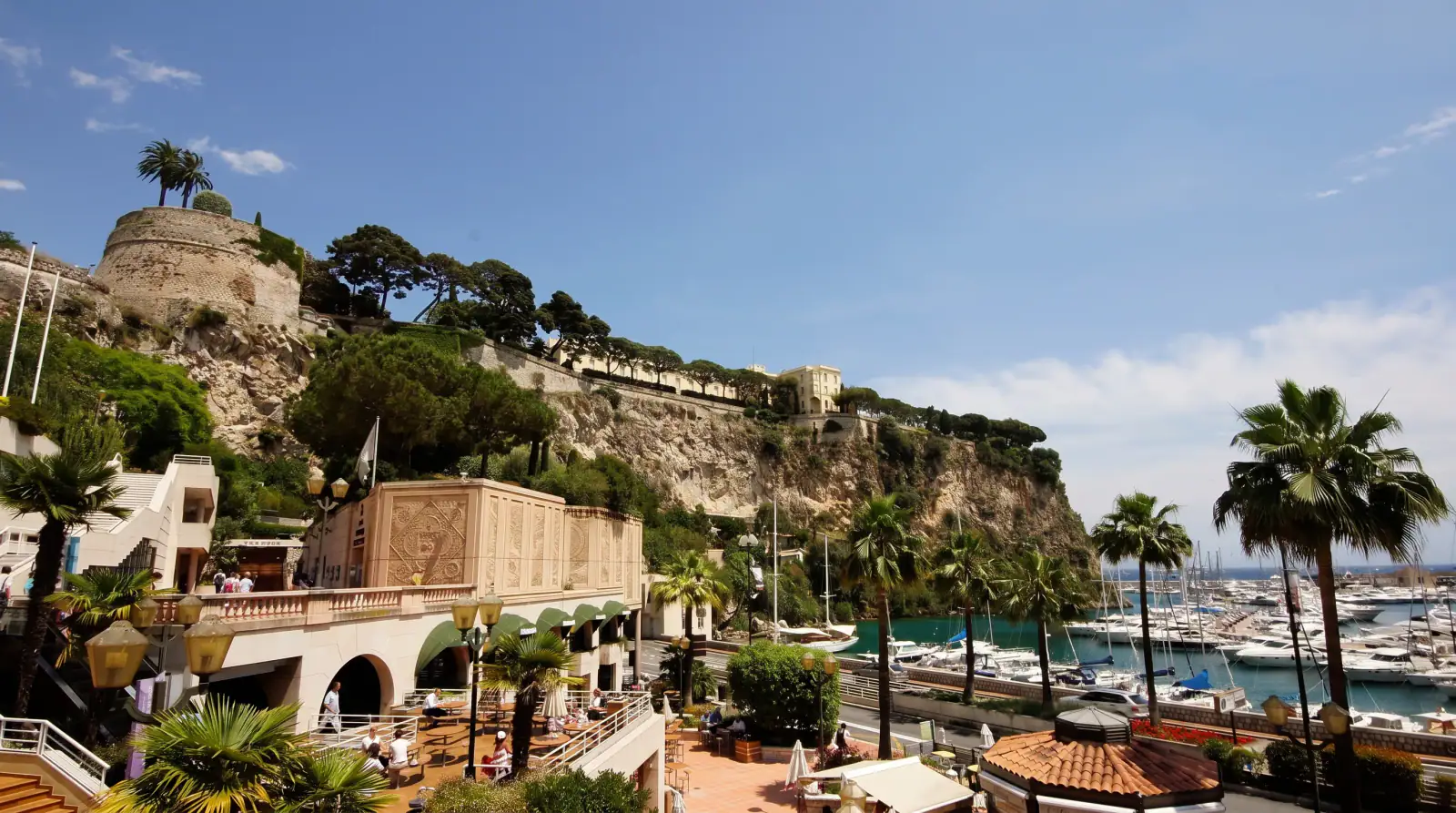
Fontvieille is public and free to photograph, and it is more interesting than it looks: a whole quarter built on reclaimed land, flat and modern, with the Rock rising behind it — which is the view that explains Monaco's geography better than anything from the top.
The Princess Grace Rose Garden in the Parc Paysager is ten minutes away, free and open.
Best light on the Rock from Fontvieille is late afternoon, with the western face lit.
What is not confirmed
- Any published photography policy inside the museum
- Whether flash is explicitly prohibited
- Tripod, monopod and polariser policy
- Whether the rare room carries different rules from the main galleries
- Commercial and press permits
- Whether photography is permitted at the commercial counter
Around here
Make more of the area.
Good to know
Questions, answered.
01How much is it?
€3 for adults and €1.50 for 12–18s, students and retirees. Children under 12 go free.
A family of two adults and two young children pays €6. It is the cheapest ticketed thing in Monaco by a wide margin — the Oceanographic Museum is €22.50, the Car Collection €15 and the Palace €13.
02What are the opening hours?
09:30–17:00 every day, extended to 18:00 in July and August.
Closed on 1 January, 1 May, 19 November (National Day) and 25 December.
03Where is it?
11 Terrasses de Fontvieille, in the Fontvieille quarter — at the foot of the Rock, not on it. Buses 4 and 6. Fontvieille is flat and has plenty of parking.
04Is it open during the Grand Prix?
Probably, and this is unusual. No Grand Prix closure is published for this museum, and Fontvieille lies outside the circuit — whereas the Prince's Palace, the Oceanographic Museum and the Prince's Car Collection all close for the racing.
That makes it a strong candidate for race week. But an absence of published closure is not a guarantee, so telephone +377 98 98 41 50 if you are building a day around it.
05How long does it take?
About an hour. It is a small museum and does not pretend otherwise.
06Do I need to book?
No. Walk in. Nothing here sells out.
07What is actually in it?
The complete chronology of Monégasque coins since 1641 and stamps since 1885, plus a rare room of pre-philatelic documents and early issues from the Charles III and Louis II reigns. Also colour proofs and original artwork, Monégasque francs, euro denominations, medals, and the engraving machines the stamps were made with.
08What is the single best thing to see?
An 1851 envelope from Menton carrying Sardinian postage. Menton seceded from Monaco in 1848, taking most of the principality's territory and revenue with it — the loss that forced Charles III to create Monte-Carlo. That envelope is a document of the country Monaco lost.
09Why did Monaco use other countries' stamps?
Because for a long time it could not afford its own. Monaco used Sardinian stamps from 1851 to 1860, then French stamps with Monaco postmarks from 1860 to 1885, and only issued its first Monégasque stamp on 1 July 1885 — bearing Prince Charles III, whose casino had by then made the state solvent.
10Who started the collection?
Not a prince. The Reverend G.G. Barbier assembled it in the late nineteenth century. Prince Albert I bought it, Louis II expanded it, and Rainier III inherited it, added to it and opened a museum inside the palace in 1950.
11When did the museum open here?
It was formally created by Ordonnance Souveraine n° 11.809 of 14 December 1995, and the Fontvieille building was inaugurated in 1996. Before that the collection was displayed in the palace.
12Is this the same as the Prince's Car Collection?
No, and the confusion is common — the two shared the Terrasses de Fontvieille for years. The Car Collection moved to Port Hercule in July 2022. This museum has not moved. If you want the cars, do not come to Fontvieille.
13Is it good for children?
Under-12s are free, so a family of four pays €6 — cheap enough to risk. It is indoors, flat and takes an hour. But it is a museum of stamps and coins, not a children's attraction. Start them on the coins from 1641 and the engraving machines, which land better than the paper.
14Is it accessible?
Nothing is published, and this is the thinnest accessibility picture in the Monaco set. What is certain is that Fontvieille is flat, so getting there involves no climb, and the museum is small and indoors. Whether it is step-free, on one level, or has accessible toilets is not documented. Telephone +377 98 98 41 50 or email mtm@gouv.mc.
15Are the labels in English?
Not confirmed. The museum's own website is French-only. If it matters, ask before travelling.
16Can I buy stamps there?
Yes — there is a commercial counter selling stamps, coins and paraphilatelic material, with a mail-order service. It is a working philatelic bureau rather than a gift shop, and it is the one place in Monaco where what you buy is issued by the state.
17Can I take photographs?
No policy is published, so ask at the desk. Assume no flash regardless — this is a paper collection and flash is what conservators object to most.
Before you visit
Useful links.
Venue and visitor information
Method
The museum's own site and Monaco's culture portal carried the practical facts, and between them they agree on hours, address and telephone. Prices and the public-holiday closures came from aggregated listings that agree with each other and with the museum's published figures.
The historical spine came from elsewhere, and deliberately so. The museum publishes very little about its own holdings, so the postal history — the 1848 secession, the Sardinian and French periods, the 1885 first issue — was traced through philatelic reference rather than through the institution. That history is well documented and not contested.
Three things were deliberately not attempted. Accessibility, which was searched for specifically and does not exist in published form anywhere. Photography policy, likewise. And any claim that the museum stays open during the Grand Prix — the absence of a published closure is reported as an absence, not converted into a guarantee.
Sources
| ID | Source | Used for | Retrieved |
|---|---|---|---|
| S01 | Musée des Timbres et des Monnaies de Monaco — the museum's own site | The address, 11 terrasses de Fontvieille, MC 98000; the telephone +377 98 98 41 50, fax 98 98 41 45 and email mtm@gouv.mc; the opening hours 09:30–17:00 daily, 09:30–18:00 in July and August; the admission of €3 adult and €1.50 for 12–18s, retirees and students; the collection scope — "la chronologie complète des monnaies, depuis 1641, et des timbres monégasques, depuis 1885"; the rare stamp room holding pre-philatelic documents and early issues of the Charles III and Louis II reigns; the collection's origin with Prince Rainier III; and the commercial counter and mail-order service for stamps, coins and paraphilatelic products | 2026-08-05 |
| S02 | Wikipédia — Musée des timbres et des monnaies de Monaco | Rainier III's museum inside the palace in 1950; the formal creation by Ordonnance Souveraine n° 11.809 du 14 décembre 1995 and the 1996 inauguration of the Fontvieille building; the provenance — Reverend G.G. Barbier assembling the collection in the late nineteenth century including rare Sardinian stamps used before 1860, Albert I acquiring it, Louis II expanding it and Rainier III inheriting and enriching it; and the named rarities — 1640 coins of Honoré II, a strip of five 5-franc stamps, and an 1851 Menton envelope bearing early Sardinian postage; also the engraving machines and manufacturing tools | 2026-08-05 |
| S03 | Culture.mc — Monaco Museum of Philately and Coinage, Monaco's official culture portal | Independent corroboration of the address, the telephone +377 98 98 41 50 and the 09:30–17:00 daily hours; and the statement that the museum's own website is French-language only — which is why English labelling is flagged as unverified throughout this bundle | 2026-08-05 |
| S04 | Wikipedia — Postage stamps and postal history of Monaco | The bundle's historical spine. Monaco's first postmark in 1704; the use of Sardinian stamps from 1851 to 1860; the Treaty of Turin of 1860, by which Sardinia ceded Nice to France and relinquished its protectorate over Monaco; the subsequent use of French stamps with Monaco and Monte-Carlo postmarks, and the two cancellation practices — obliterator 4222, later 2387, in a diamond, and postmarks applied directly to the stamp; the first Monégasque stamps on 1 July 1885 bearing Prince Charles III; the existence of Menton and Roquebrune postmarks predating their 1848 secession; and that Sardinian stamps with Monaco cancels are far more valuable than the same stamps used in Sardinia | 2026-08-05 |
| S05 | Wikipedia — Free Cities of Menton and Roquebrune | That Menton and Roquebrune seceded from Monaco in May 1848 and became protectorates of the Kingdom of Sardinia in May 1849 — the territorial loss that underlies the entire postal narrative and links this bundle to casino-de-monte-carlo | 2026-08-05 |
| S06 | Monégasque and regional listings, including Audiala and Pass Côte d'Azur France | Corroboration of the prices; free admission for children under 12; the public-holiday closures — 1 January, 1 May, 19 November and 25 December; and the bus routes 4 and 6 | 2026-08-05 |
| S07 | Above Guide's own src/data/raceTravel/monacoOffTrack.js and the Monaco bundle set | The verified venue coordinates 43.730872, 7.417584 (node/5919288520), which this bundle adopts unchanged; the existing entry's null hours and link, recorded as a fix; and the comparative admission prices for the Oceanographic Museum, the Car Collection and the Palace | 2026-08-05 |
Conflict ledger
The telephone number
S01 (the museum) and S03 (Monaco's culture portal) both give +377 98 98 41 50. One aggregator gives 98 98 41 44.
Used: 98 98 41 50, on the strength of two official sources agreeing. The variant is recorded in the operational data so a future editor who encounters it knows it has already been considered.
Does it close for the Grand Prix? — UNRESOLVED, and reported as such
No source found publishes a Grand Prix closure for this museum. The published closures are 1 January, 1 May, 19 November and 25 December (S01, S06).
That is notable, because the Prince's Palace, the Oceanographic Museum and the Prince's Car Collection all explicitly publish one, and Fontvieille lies outside the circuit, which supplies a plausible reason.
Used: reported as an absence, never as a guarantee. Every reference in the bundle says no closure is published, gives the geographical reason, and tells the reader to telephone.
Why the discipline matters. This is the most useful practical claim the bundle could make — "open when everything else is shut" — and it is exactly the kind of claim that would be most damaging if wrong. Absence of evidence is not evidence of opening.
The founding date
Two dates are both correct and describe different things: 1950, when Rainier III opened a museum of his collections inside the palace; and 1996, when the Fontvieille building was inaugurated, following the museum's formal creation by Ordonnance Souveraine n° 11.809 of 14 December 1995 (S02).
Used: all three, as a sequence. The history file states them in order rather than picking one, because collapsing them produces the false impression that the museum has always been in Fontvieille.
A correction to this project's own data
src/data/raceTravel/monacoOffTrack.js carries an identical linkNote against both museum-of-stamps-and-coins and princes-car-collection-collection-de-voiture:
"Resolves, but the research assigns it to two different museums; the mapping is unconfirmed."
This bundle resolves it. Both museums were on the Terrasses de Fontvieille; the Car Collection moved to Port Hercule in July 2022 and this museum did not. Sources written either side of that move describe the same address for two different institutions, which is exactly the ambiguity the note records.
Actions, logged in 13-operational-data.json under editorial_review.repo_data_fix:
- This entry's
opening,season,hoursCheckedOn,hoursSource,hoursUrlandlinkare all null and can now be filled — hours, price and website are verified above. - The
linkNotecan be cleared on both entries. - The coordinates are correct and should not be touched.
Facts deliberately not asserted
| Fact | Where this guide says so |
|---|---|
| Whether it closes for the Grand Prix | Overview, Plan your visit, FAQ, family guide, guardrails |
| Any accessibility provision at all | Accessibility, FAQ, family guide |
| Whether the museum is on one level, or has a lift | Accessibility, family guide |
| Accessible toilets, or any toilets | Accessibility, family guide |
| Display case and label heights, and lighting levels | Accessibility |
| Whether labels exist in English | Overview, Plan your visit, FAQ, family guide, accessibility |
| Any photography policy, flash or tripod rules | Photography, FAQ |
| Guided tours and their languages | Plan your visit, family guide |
| Group rates, carer admission, or any combined ticket | Operational data |
| Seating, cloakroom or a café | Plan your visit, family guide |
| Any current temporary exhibition | Plan your visit, operational data |
The English-labelling gap deserves its own note. Monaco's own culture portal states that the museum's website is French-only, and nothing establishes what language the displays use. For a collection whose entire value is in reading small captions in chronological order, that is a material unknown — and it is why the bundle recommends the museum on price and story rather than promising a legible experience to non-French readers.
A note on what was not used
No AI-generated encyclopaedia was cited.
Stamp-dealer and auction content was avoided except where it corroborated the historical sequence. It is commercially motivated, it inflates rarity claims, and it is the main source of the exaggerated valuations that circulate about Monégasque issues.
No photograph of a stamp or coin was collected as a grounding reference, and the image brief forbids it. For this entity that is not a stylistic preference: generating convincing images of rare philatelic and numismatic objects would be producing forgeries, and the sourcing discipline has to start with not gathering the raw material for them.
Opening hours, prices, programmes and access arrangements can change. Confirm critical details with the venue.
Continue exploring / Monaco
More things to do
in Monaco
Explore Monaco activities, sights and places to eat. Compare the time to allow, costs and booking details, then save your favourites to your itinerary.
 01Monaco Grand Prix experienceCasino de Monte-CarloExplore experience →
 02Monaco Grand Prix experienceCathedral of Notre-Dame-ImmaculéeExplore experience →
 03Monaco Grand Prix experienceFontvieilleExplore experience →
 04Monaco Grand Prix experienceFort AntoineExplore experience →
 05Monaco Grand Prix experienceGrimaldi ForumExplore experience →
 06Monaco Grand Prix experienceJardin Exotique de MonacoExplore experience →
 07Monaco Grand Prix experienceJardin Japonais de MonacoExplore experience →
 08Monaco Grand Prix experienceLa CondamineExplore experience →
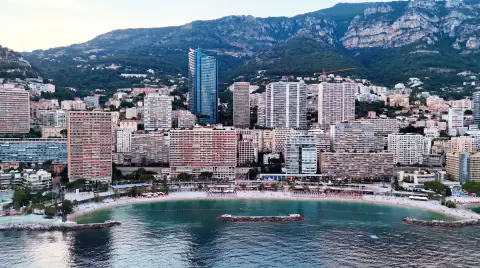 09Monaco Grand Prix experienceLarvottoExplore experience →
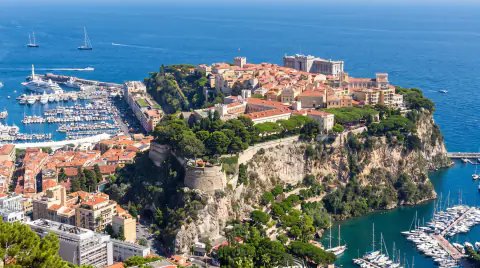 10Monaco Grand Prix experienceLe Rocher / Monaco-VilleExplore experience →
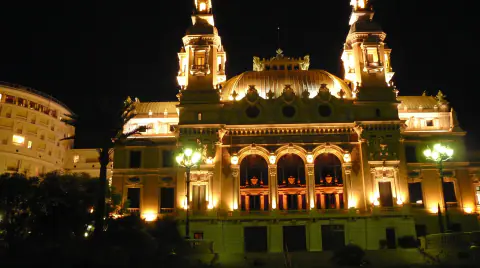 11Monaco Grand Prix experienceLes Ballets de Monte-CarloExplore experience →
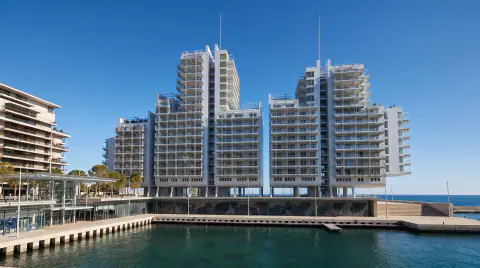 12Monaco Grand Prix experienceMareterraExplore experience →
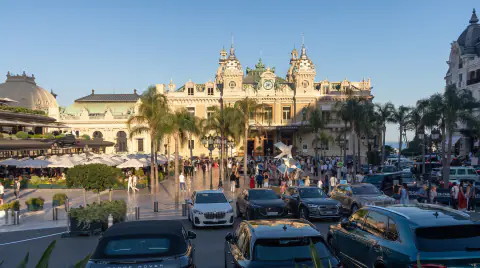 13Monaco Grand Prix experienceMonte-CarloExplore experience →
 14Monaco Grand Prix experienceNouveau Musée National de MonacoExplore experience →
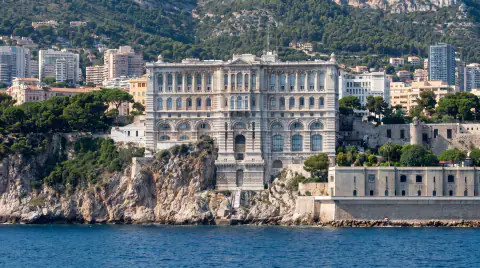 15Monaco Grand Prix experienceOceanographic Museum of MonacoExplore experience →
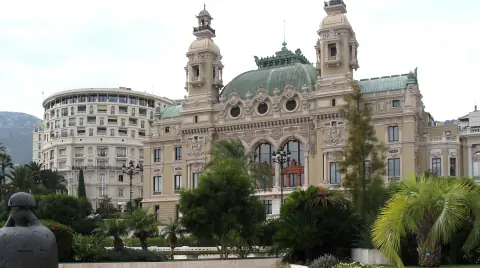 16Monaco Grand Prix experienceOpéra de Monte-CarloExplore experience →
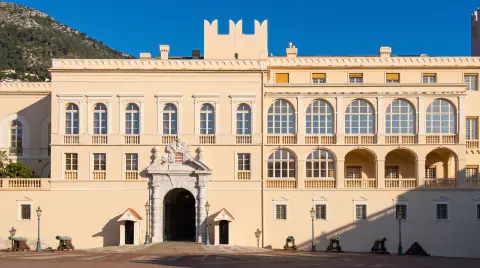 17Monaco Grand Prix experiencePrince's Palace of MonacoExplore experience →
 18Monaco Grand Prix experienceThe Museum of Old MonacoExplore experience →
 19Monaco Grand Prix experienceThe Prince's Car CollectionExplore experience →
 Plan / Itinerary builderBuild your Monaco Grand Prix dayStart planning →