In depth
Opéra de Monte-Carlo
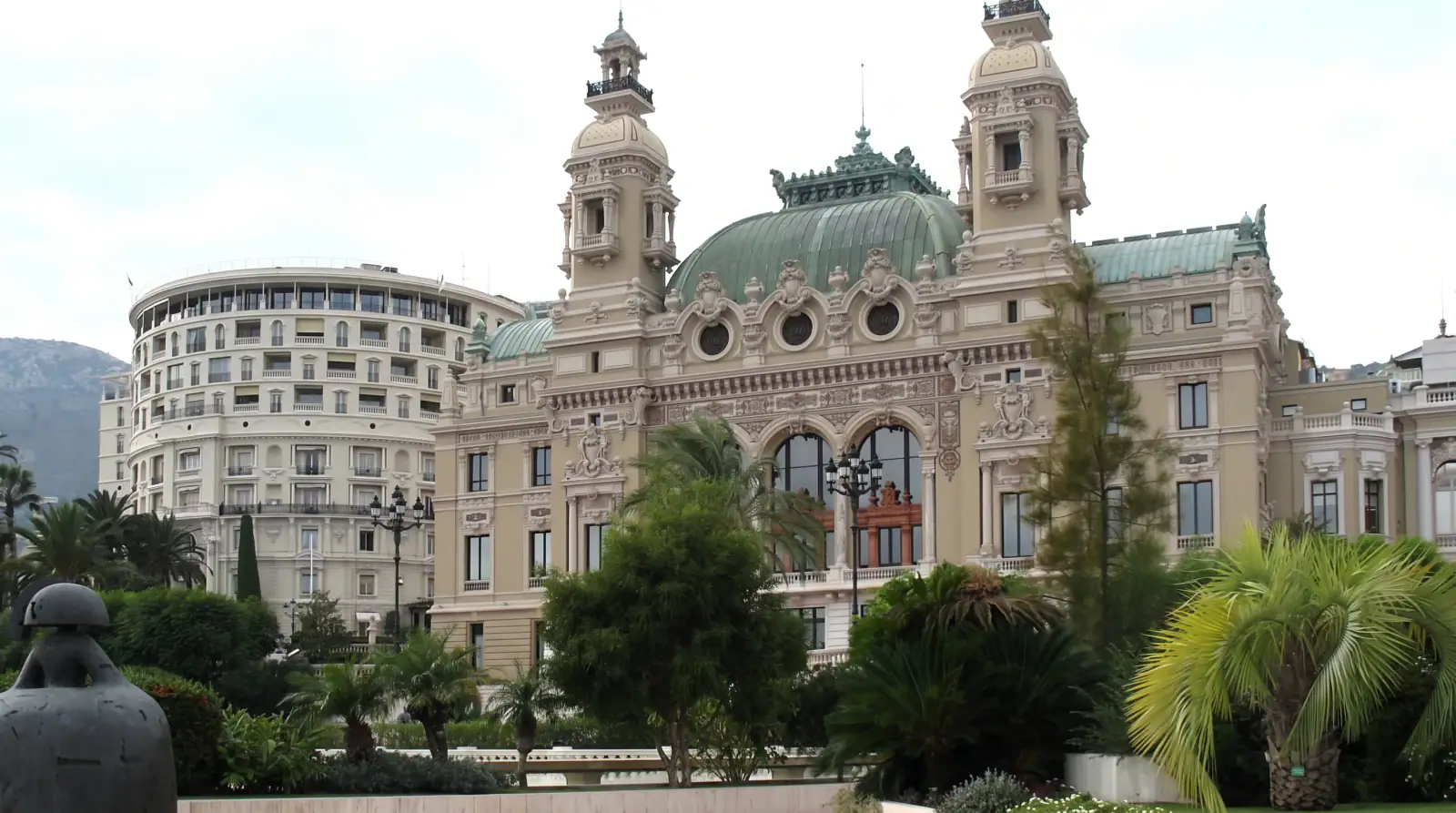
Charles Garnier's 517-seat opera house inside the casino, built in eight and a half months with the money Monaco had already spent finishing the Paris Opéra. The season runs November to April.
Story · Visit · Route · Links
Choose your depth
Essentials or more detail?
See visiting essentials, or read more about the history and places nearby.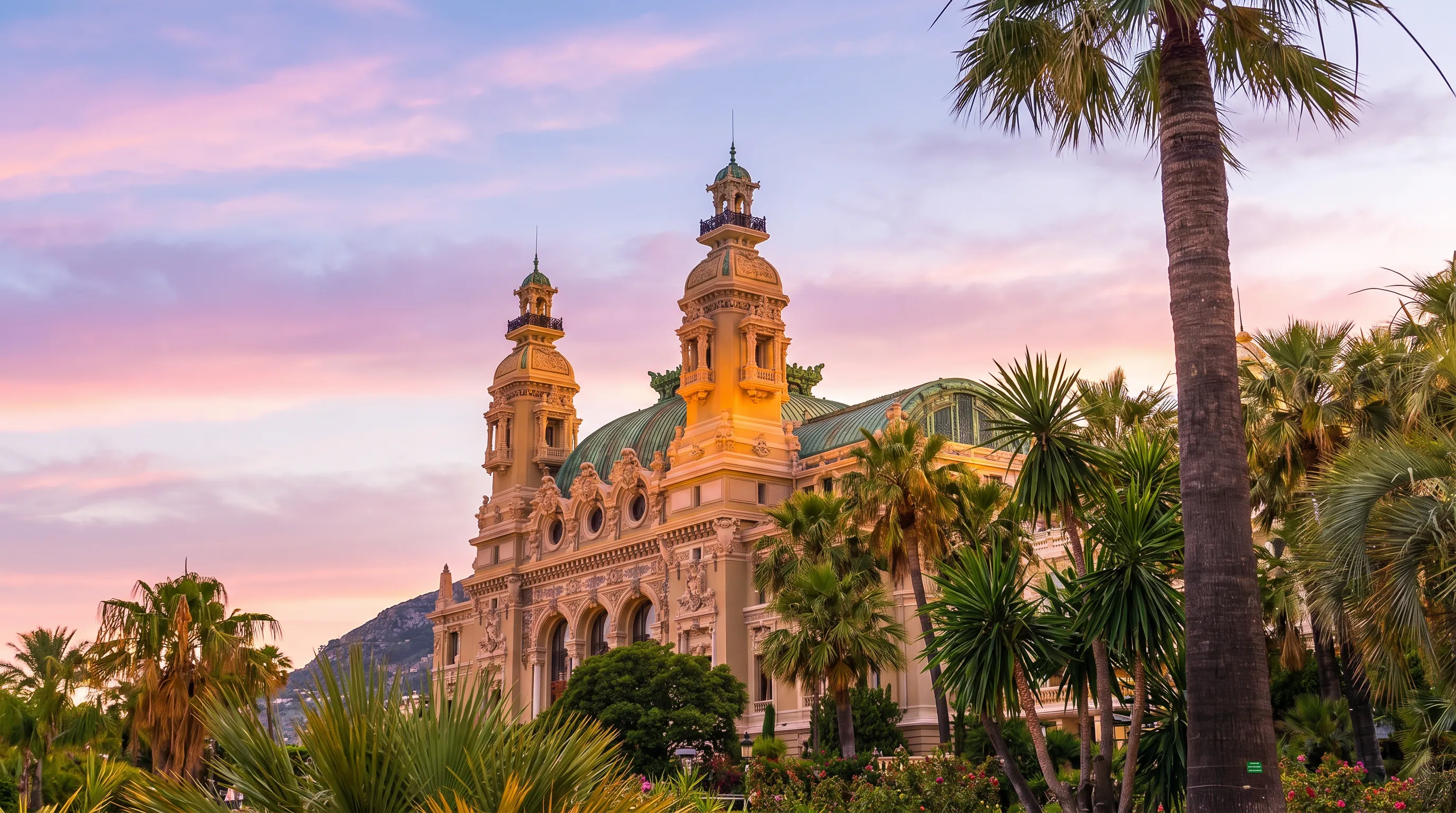
01 The experience
What to expect.
Why it matters
Monaco paid for the Paris Opéra before Paris built Monaco's. In 1875 François Blanc, who ran the casino, put up the 4,800,000 gold francs needed to finish Charles Garnier's opera house in Paris, in a France drained by the war of 1870. Three years later his widow Marie Blanc hired the same architect to build a hall here. The debt ran from Monaco to Paris first, which is the reverse of how the story is usually told.
It was one of the significant opera houses of Europe, for a long time. Under Raoul Gunsbourg — appointed in 1892, still in post in 1951 — this room gave the world premieres of Massenet's Don Quichotte, Puccini's La rondine and Ravel's L'Enfant et les sortilèges, and Caruso, Chaliapin and Sarah Bernhardt were regulars. A principality of two square kilometres bought itself a front-rank musical institution and has kept one.
Diaghilev's Ballets Russes made it their base. The company first danced here on 19 April 1911, Nijinsky and Karsavina in Le Spectre de la rose, and Monte-Carlo became its permanent home. Twentieth-century ballet has a claim to have been substantially made in this building.
Who it is for
Anyone who wants to hear singers of international rank in a room small enough to hear them properly. Anyone interested in Garnier, who will find a more concentrated version of the Paris manner here. Anyone in Monaco between November and April with a free evening and a taste for the thing the principality is quietly best at.
It is not for a summer visitor, a family looking to fill an afternoon, or anyone who wants to walk in and look around. The hall is not open for general viewing.
The essentials
When. November to April. Performances are typically 20:00, matinées 15:00, and some evenings are designated galas by the house.
Booking. Subscriptions open in early April and close in early May. Individual tickets go on sale in mid-May, by telephone, at the box office and through montecarloticket.com. In a 517-seat house for a starry cast, mid-May is not early.
Where the box office is. In the Atrium of the Casino de Monte-Carlo, Tuesday to Saturday, 10:00 to 17:30. Telephone +377 92 00 13 70, or ticket@opera.mc.
Getting there. From Monaco–Monte-Carlo station the Salle Garnier is about ten minutes on foot — use the upper exit. For the Grimaldi Forum use the lower exit at Sainte-Dévote instead. The opera publishes this distinction itself, which tells you how often people get it wrong.
On the night. The cloakroom is free and secure, a bar opens at the interval, and a programme is handed to you as you go in, generally with French and English texts.
What this guide does not claim
There is no published dress code on the opera's own website. Aggregator sites state one confidently; the house does not. Some evenings are labelled gala evenings, which is a real designation, but what that implies for what you wear is not something this guide will invent. If it matters to you, ring the box office.
The story
History & character.
The debt that ran the other way
The usual version has Monaco importing Parisian glamour. The paperwork says the opposite.
In 1875 the Paris Opéra was unfinished and France was broke, drained by the war of
- François Blanc, who held the casino concession at Monte-Carlo, advanced the 4,800,000 gold francs that completed Charles Garnier's building. Monaco's gambling revenue finished the Palais Garnier.
So when, in 1878, Blanc's widow Marie Blanc — by then the principal shareholder of the Société des Bains de Mer — wanted the casino enlarged and a concert hall added, she did not have to persuade Charles Garnier of anything. They already knew each other, and she was owed.
She made one demand: six months.
Eight months and sixteen days
It took rather longer than six months, and it remains an extraordinary piece of building.
More than two thousand workers worked day and night. The hall was inaugurated on 25 January 1879, two months behind schedule, after eight months and sixteen days on site.
Garnier brought the artists he had worked with in Paris. For the sculpture: Jules Thomas, who made the great Renommées at the angles of the vault; Jean Gautherin, who handled the proscenium frame; Félix Chabaud, who cut the bas-reliefs on the pilasters; and Gustave Doré, Charles-Henri Cordier and Séraphin Denécheau. For the painting: Gustave Boulanger (Music), Frédéric-Théodore Lix (Comedy), Georges Clairin (Dance) and François Feyen-Perrin (Song).
One further name appears on the sculpture list, and it is the best fact in the building's history. Sarah Bernhardt — see the next section.
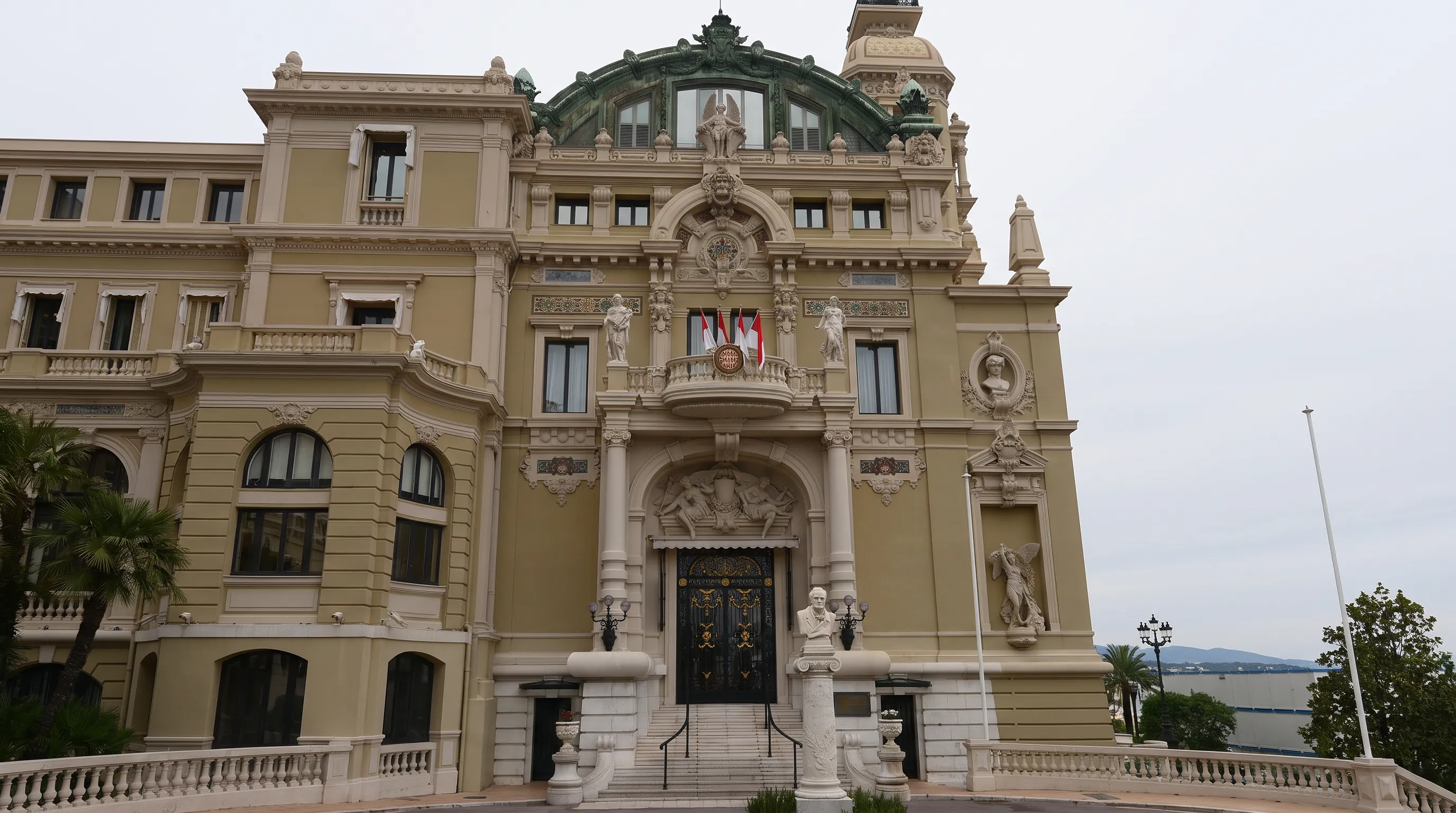
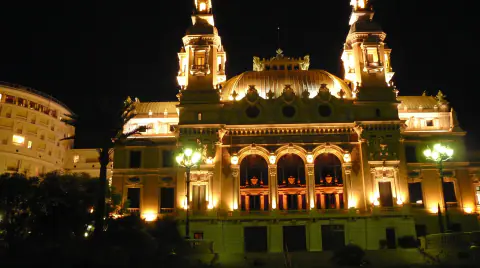
The seaward façade is the front. Three great arcades carry a copper dome 35 metres above the ground, on a steel frame designed by Gustave Eiffel, with mosaics by Facchina of Venice, grilles worked as lyres, two flanking towers with lanterns, and footings of La Turbie stone. Two wings run off it: the stage to the east, and to the west a private entrance reserved for the Sovereign Prince.
The hall itself sits in a square of 20 metres by 20, and 25 metres high.
There were complaints about decorative heaviness — it is emphatically Second Empire — but the acoustics converted everyone at once, and have never been the subject of argument since.
25 January 1879: Sarah Bernhardt, dressed as a nymph
The inauguration was not an opera. Sarah Bernhardt opened the hall, in costume as a nymph, before an audience of the era's notables.
The first opera came a fortnight later: 8 February 1879, *Le Chevalier Gaston, a one-act opéra-comique that Robert Planquette* wrote for the occasion.
Then, for over a decade, not very much. The hall was a success; its artistic direction was not yet coherent.
1892: Gunsbourg
In 1892 Prince Albert I appointed Raoul Gunsbourg to run the Opéra de Monte-Carlo. He was still running it in 1951 — the longest tenure in the theatre's history, and close to sixty years.
Gunsbourg had no conservatoire behind him. He was born in Bucharest in 1860 to a French army officer, who was sent to China for the second Opium War and is buried in Shanghai. Gunsbourg took his baccalauréat at fifteen, began medicine, abandoned it for the Russo-Turkish war of 1877–78 — first as an orderly, then as a combatant — and was wounded at the siege of Nicopolis. He learned to read and write music in the field hospital, from a military bandmaster recovering alongside him. That was his entire formal training. He later composed more than half a dozen operas, and said he taught himself counterpoint afterwards, without an instrument.
He wrote plays for the Eldorado and the Bataclan to stay alive in Paris, ran a French lyric theatre in Moscow under imperial favour, then directed the opera at Lille and at Nice in 1890–91 before Monaco.
Under him this became one of the leading houses in Europe. The sovereign princes paid for it, consistently, but Gunsbourg was the reason it worked: an impresario of real nerve who made Sarah Bernhardt, Mounet-Sully, Emma Calvé, Caruso and Chaliapin familiar figures on the Rock.
The premieres
From the 1894 season Gunsbourg began mounting world premieres, taking both composers at the height of their fame and complete beginners. The theatre counts forty-five world premiere productions since its inauguration.
The three that matter most to the history of music:
| Work | Composer | World premiere here |
|---|---|---|
| Don Quichotte | Jules Massenet | 19 February 1910 |
| La rondine | Giacomo Puccini | 27 March 1917 |
| L'Enfant et les sortilèges | Maurice Ravel | 21 March 1925 |
Ravel's L'Enfant et les sortilèges is the one to hold on to. A short, strange, tender opera about a badly behaved child and the furniture that turns on him — one of the twentieth century's genuine masterpieces — was first heard in a 517-seat room attached to a casino.
Massenet gave the house Le Jongleur de Notre-Dame in 1902 and Saint-Saëns gave it Hélène in 1904. Gunsbourg also staged Berlioz's La damnation de Faust in 1893 — not a world premiere of the work, which is a concert piece, but the first attempt to put it on a stage, which is a different and bolder claim.
The Ballets Russes
Gunsbourg brought Serge Diaghilev to the principality, and in 1911 Diaghilev's company found its home here.
The Ballets Russes first danced at Monte-Carlo on 19 April 1911 — Vaslav Nijinsky and Tamara Karsavina in Fokine's *Le Spectre de la rose*. From that year the troupe was permanently based at Monte-Carlo, and the Salle Garnier became the room in which a great deal of twentieth-century ballet was first assembled.
Diaghilev died in August 1929 and the company broke up. The Société des Bains de Mer appointed René Blum to direct its ballet; in October 1931 Colonel Vassily de Basil joined him, and the Ballets Russes de Monte-Carlo gave its first performance on 17 January 1932.
René Blum was the brother of Léon Blum, the first socialist prime minister of France. He was arrested in Paris on 12 December 1941, held at Compiègne, Beaune-la-Rolande and Drancy, and deported to Auschwitz on 23 September 1942. He died there.
The name Ballet Russe de Monte Carlo went on to travel the world for another twenty years. The man who made it did not survive the war.
Alterations
The hall as Garnier left it was better to listen in than to see from, and it was altered twice early.
1897 — the architect Henri Schmit enlarged the stage, modified the Princely box, and changed the rake of the auditorium, which had been flat, so that the audience could see.
1904 — the flies were raised, and the monumental chandelier was cut down by two thirds.
After that the room stayed essentially as it was, with one bad episode. In the 1960s the portico onto the Atrium was demolished and wall lights were installed over Félix Chabaud's bas-reliefs. Only routine maintenance to paint and fabric followed.
2001–2005: the restoration
In May 2001, after 122 seasons, the Salle Garnier closed.
The restoration ran 2003 to 2005 under Alain-Charles Perrot, Architecte en chef des Monuments Historiques, with Rainier Boisson as executing architect, for the Société des Bains de Mer. The declared aims were to recover Garnier's original scheme including the great chandelier, to improve safety and comfort, and to install stage equipment capable of taking serious productions. The work covered 5,280 m².
Chabaud's bas-reliefs, demolished in 1960, were found again in 2005.
Forty-six firms from Monaco, France, Italy, England and the Netherlands worked on it, several of them among the last practitioners of their crafts — Mathieu Lustrerie on the great chandelier, Ateliers Mériguet-Carrère on paint, gilding and stucco, Manufacture Prelle with Lesage for the curtains and embroidery, Poltrona Frau for the seating, Socra for the green patina of the copper, the same firm that treated the quadrigas of the Grand Palais.
The restored hall was inaugurated on 19 November 2005 for the enthronement of Prince Albert II, with Rossini's *Il viaggio a Reims* — an opera written in 1825 for a coronation, chosen for a coronation.
During the closure the company played at the Grimaldi Forum, which had opened in 2000 and has served as a second stage ever since.
The modern directors
| Years | Director |
|---|---|
| 1892–1951 | Raoul Gunsbourg |
| 1984–2007 | John Mordler |
| 2007–2022 | Jean-Louis Grinda |
| 2023– | Cecilia Bartoli |
Jean-Louis Grinda was a homecoming: Monégasque by birth, son of the baritone Guy Grinda, who had himself programmed the Opéra de Monte-Carlo. He arrived from eleven years running the Opéra royal de Wallonie in Liège, and set the pattern the house still follows — familiar repertoire alongside work the principality had never seen. He also founded the baroque ensemble Les Musiciens du Prince-Monaco with Cecilia Bartoli.
Cecilia Bartoli took over on 1 January 2023, the first woman to lead the house. The appointment was announced on 3 December 2019 by the Princess of Hanover, who chairs the board. Bartoli had been artistic director of Les Musiciens du Prince since the ensemble was created in 2016, and continues in that role.
Look closer
Highlights and hidden details.
The objects, spaces and small observations that turn a visit into a memorable one.The seaward façade
This is the front, and almost nobody photographs it.
The crowd on the Place du Casino is looking at the casino's landward face. Walk round to the terraces on the sea side and you are looking at the opera house, which is a separate composition and the better one.
Three great arcades form the centre. Above them a copper dome rises 35 metres, carried on a steel frame designed by Gustave Eiffel. Two towers flank it, each capped with a lantern. The stonework sits on footings of La Turbie stone, quarried from the ridge you can see behind the principality.
Look for the mosaics by Facchina of Venice, and for the metal grilles, which are worked as lyres — Garnier telling you what the building is for.
This is free, permanently accessible, and outdoors. It is the single best thing you can see here without a ticket.
The Prince's own door
At the west end of the building, a wing carries a private entrance reserved for the Sovereign Prince. The stage occupies the matching wing to the east.
It is worth registering what that arrangement means. The hall was built so that the ruler could arrive without crossing the public rooms of a casino — the two halves of the same institution, kept discreetly apart.
The auditorium
A room 20 metres by 20, and 25 metres high, seating 517 with the orchestra pit in use.
The style is unapologetically Second Empire and was criticised for heaviness when it opened. That argument has not aged well; what everyone agreed on immediately was the acoustic, and it has never seriously been questioned since. In a room this size, with a cast of this quality, the effect is the reason to come.
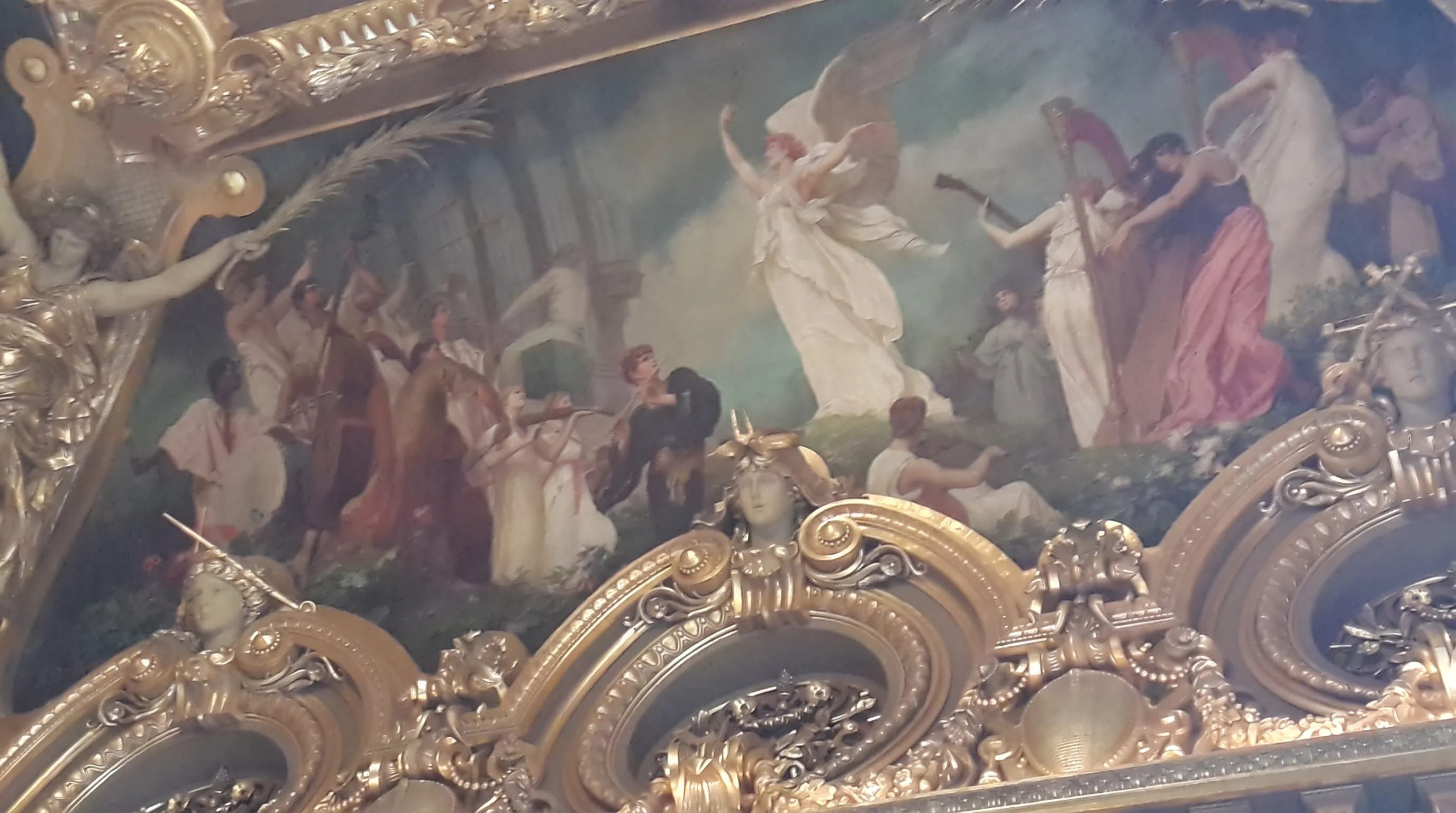
Overhead, at the angles of the vault, are the Renommées — winged figures of Fame — carved by Jules Thomas. The proscenium frame is by Jean Gautherin.
The four painted panels
Four painters, four arts, all Garnier's Paris collaborators:
| Panel | Painter |
|---|---|
| Music | Gustave Boulanger |
| Comedy | Frédéric-Théodore Lix |
| Dance | Georges Clairin |
| Song | François Feyen-Perrin |
Georges Clairin is worth a second look. He was Sarah Bernhardt's close friend and painted the most famous portrait of her — and it was Bernhardt who opened this hall, dressed as a nymph, on 25 January 1879.
The great chandelier
Garnier's chandelier was cut down by two thirds in 1904, when the flies were raised. Recovering the original scheme, chandelier included, was one of the declared objects of the 2003–05 restoration, and the work was given to Mathieu Lustrerie.
Chabaud's bas-reliefs
Félix Chabaud carved the bas-reliefs on the pilasters. In the 1960s they were covered over when wall lights were installed, and the portico onto the Atrium was demolished in the same episode — the one genuinely destructive thing ever done to this building.
They were found again in 2005, during the restoration.
The restoration itself
Worth seeing as a thing in its own right. Forty-six firms from five countries worked on the hall between 2003 and 2005 under Alain-Charles Perrot, Architecte en chef des Monuments Historiques.
Several were among the last people who do what they do: Ateliers Mériguet-Carrère on the paint, gilding and stucco; Manufacture Prelle with Lesage on the curtains and their embroidery; Poltrona Frau on the seats; and Socra, who put the green patina on the copper and had previously treated the quadrigas of the Grand Palais.
The one to hold on to
Stand in the hall, if you get a ticket, and remember that *Ravel's L'Enfant et les sortilèges was first heard in this room on 21 March 1925*.
A masterpiece of the twentieth century, first performed in a 517-seat theatre attached to a casino, in a country two kilometres square.
Details worth slowing down for.
Sarah Bernhardt sculpted part of the hall she opened
She is remembered here for the inauguration on 25 January 1879, in costume as a nymph.
But Sarah Bernhardt also appears on the list of sculptors who decorated the building, alongside Jules Thomas, Jean Gautherin, Félix Chabaud, Gustave Doré, Charles-Henri Cordier and Séraphin Denécheau.
She was a serious sculptor — she exhibited at the Salon — and the fact is almost never mentioned. The greatest actress of the age helped decorate the theatre, then opened it.
Gustave Eiffel is holding up the dome
The copper dome over the seaward front, 35 metres up, sits on a steel frame designed by Gustave Eiffel.
Ten years before the tower. You cannot see it, and there is no plaque.
Monaco paid for the Paris Opéra first
In 1875 François Blanc advanced 4,800,000 gold francs to finish Charles Garnier's opera house in Paris, in a France emptied out by the war of 1870.
Three years later his widow Marie Blanc commissioned Garnier to build this hall. The transaction that people assume — Paris lending Monaco its prestige — ran the other way round first. Monaco's roulette tables completed the Palais Garnier.
The director learned to read music in a field hospital
Raoul Gunsbourg ran this house from 1892 to 1951, close to sixty years, and made it one of the leading opera houses in Europe.
He had no conservatoire training whatever. Wounded at the siege of Nicopolis in the Russo-Turkish war of 1877–78, he was treated in the same military hospital as a bandmaster, who taught him to read and write music while they both recovered.
That was the entirety of it. He went on to compose more than half a dozen operas, and maintained that he taught himself counterpoint afterwards — and, as he put it, always without an instrument.
Marie Blanc asked for six months
Her instruction to Garnier in 1878 was that the hall be built in six months.
It took eight months and sixteen days, with more than two thousand workers on site day and night, and it opened two months late.
Which is to say she very nearly got it.
The floor used to be flat
Garnier's auditorium was built flat. Audiences behind the first few rows could hear beautifully and see very little.
In 1897 the architect Henri Schmit raked it, enlarged the stage and altered the Princely box. In 1904 the flies went up and the chandelier came down by two thirds.
The hall you would sit in today is Garnier's room with two nineteenth-century corrections and one twenty-first-century restoration.
Something was lost, and then found
In the 1960s the portico onto the Atrium was demolished, and wall lights were screwed up over Félix Chabaud's bas-reliefs.
In 2005, during the restoration, the bas-reliefs were found again.
The Prince has his own entrance
The west wing holds a private entrance reserved for the Sovereign Prince; the stage occupies the east wing.
A door built so the head of state need never walk through the casino to reach the opera.
Twentieth-century ballet was largely assembled here
Diaghilev's Ballets Russes first danced at Monte-Carlo on 19 April 1911 — Nijinsky and Karsavina in Le Spectre de la rose — and from that year the company was permanently based here.
For two decades, the work that changed European dance was being put together in a hall of five hundred seats above a casino.
The name outlived the man
After Diaghilev died in 1929 the Société des Bains de Mer appointed René Blum to run its ballet. With Colonel de Basil he founded the Ballets Russes de Monte-Carlo, first performance 17 January 1932, and the company carried the name of this town around the world for twenty years.
Blum, brother of the French prime minister Léon Blum, was arrested in Paris on 12 December 1941 and deported from Drancy to Auschwitz on 23 September 1942. He died there.
The company kept touring under his name. He never saw any of it.
An opera written for a coronation, used for one
The restored hall reopened on 19 November 2005 for the enthronement of Prince Albert II.
The piece chosen was Rossini's *Il viaggio a Reims* — written in 1825 for the coronation of Charles X of France. An opera composed for a coronation, held in reserve for a hundred and eighty years, and finally used for the right occasion.
The theatre is a cube, near enough
20 metres by 20, and 25 metres high.
For comparison, Garnier's Paris house seats about four times as many people. This is the same architect, the same year's manner, the same collaborators — compressed into a room you could fit inside the Paris foyer.
04 / Before you go
Plan your visit
Prices & admission
Ticketed. No price is published by the opera in a form this guide could verify, so none is quoted. The seaward façade is free, public and permanently accessible.
Opening hours
There are NO public opening hours. The Salle Garnier is not open for general viewing; it opens for performances. The season runs November to April, with evening performances generally at 20:00, matinées at 15:00, and designated gala evenings sometimes at 19:00 or 18:00. The box office in the Atrium of the Casino de Monte-Carlo opens Tuesday to Saturday, 10:00–17:30, and closes for annual holidays 1–8 June and 7–31 August.
Plan your experience
IMPORTANT: the season runs November to April and the hall is not open for general viewing at any time. Season subscriptions open in early April and close in early May; individual tickets go on sale in mid-May, by telephone on +377 92 00 13 70, at the box office in the Atrium of the Casino de Monte-Carlo (Tuesday–Saturday 10:00–17:30), or on montecarloticket.com. The box office closes for annual holidays 1–8 June and 7–31 August. The online quota moves with daily availability, so a website showing nothing does not always mean the house is full — ring the box office. Check which of the three venues your ticket is for.
Accessibility
The opera publishes both a provision and a method, which makes this the best-documented accessibility picture in the Monaco set — but the specifics are still missing.
Dress code
The opera publishes NO dress code, despite widespread third-party claims to the contrary. Certain evenings are designated gala evenings in the house's own calendar. If it matters to you, ring the box office.
Start here: the season is winter
The Opéra de Monte-Carlo plays from November to April.
This is the fact that decides everything else. Monaco's visitor peak is summer; the opera's year is the opposite. Between roughly May and October there is nothing to attend, and the hall is not open for general viewing at any time of year.
The box office also closes for its own annual holidays, from 1 to 8 June and from 7 to 31 August inclusive, reopening on 1 September.
If you are planning a summer trip to Monaco and want to see the inside of the Salle Garnier, the honest answer is that you probably cannot, and the nearest substitute is the casino's morning cultural visit — which is a different institution's ticket and does not reliably include this hall.
There is one real way in during the summer, and it is not the opera. Les Ballets de Monte-Carlo shares this hall, and its season runs late October to July — so it programmes right through June and July, when the opera is dark. Tickets are about €25–€39, with a flat €15 for anyone under 25, and they are sold from the same Atrium counter. If the room is what you came for, that is the ticket to look for. The ballet company has its own guide.
Three venues, one company
Your ticket may not be for the building you are picturing. The season is split across three houses:
| Venue | Where | Used for |
|---|---|---|
| Salle Garnier | Inside the Casino de Monte-Carlo, Place du Casino | The historic hall — most opera and recitals |
| Grimaldi Forum | Larvotto, the eastern end of Monaco | Large-cast works the Garnier stage cannot hold |
| Auditorium Rainier III | Boulevard Louis II | Concerts |
The Salle Garnier and the Grimaldi Forum are at opposite ends of the principality. Check the venue on your ticket before you set off, because a comfortable ten minutes from the station to one of them is not a walk to the other.
Booking, and when
The selling year runs on a fixed calendar. For the 2026/27 season it ran like this, and the shape repeats:
- Early April — season subscriptions open, online and by post. Previous subscribers have precedence for about a fortnight.
- Early May — subscription applications close.
- Mid-May — individual tickets go on sale, by telephone, at the box office and on montecarloticket.com.
Mid-May is not early for this house. It is a 517-seat room and the season brings singers of international rank. The number of seats released on montecarloticket.com is also subject to a quota that moves with daily availability, so the website showing nothing does not always mean the house is full — the box office is worth a call.
How to book
| Channel | Detail |
|---|---|
| Online | montecarloticket.com for individual tickets; opera.mc for season subscriptions |
| In person | The Opéra de Monte-Carlo box office, in the Atrium of the Casino de Monte-Carlo — Tuesday to Saturday, 10:00–17:30 |
| Telephone | +377 92 00 13 70, Tuesday to Saturday, 10:00–17:30 |
| ticket@opera.mc | |
| Post | Service Billetterie – Opéra de Monte-Carlo, place du Casino – B.P. 44 MC, 98001 Monaco cedex |
Note the box office is in the casino's Atrium — you go into the casino building to buy an opera ticket, which surprises people.
Performance times
Evening performances are generally at 20:00, matinées at 15:00. Some evenings are designated gala evenings by the house and may start at 19:00 or 18:00 instead. The published calendar gives the time for every date, and the times genuinely vary — read your ticket rather than assuming.
Getting there
By train — the detail that catches people out
The Salle Garnier is about ten minutes on foot from Monaco–Monte-Carlo station, using the upper exit.
For the Grimaldi Forum and the Auditorium Rainier III, use the lower exit at Sainte-Dévote instead.
The opera publishes this distinction on its own practical information page, which tells you how regularly people come out of the wrong end of a station that is built through a mountain.
By bus
Compagnie des Autobus de Monaco:
- Salle Garnier — routes 1, 5, 6 (Casino stop), or route 2 (Monte Carlo or Tourist Office stops)
- Grimaldi Forum — routes 5 or 6
- Auditorium Rainier III — route 1
From Nice airport
The 80 (formerly 110) Airport Express links terminals 1 and 2 with Monaco. Taxi and chauffeur services operate from the airport and within Monaco.
By car
Public car parks near the venues: Casino, Louis II, and Grimaldi Forum.
A flat rate of €6 applies for performances starting before 19:00, and you must enter the car park no later than an hour before the performance to qualify. After 19:00 the night rate applies, except at the Casino car park, which charges €0.20 per 15 minutes.
Treat these figures as indicative. The opera states plainly that parking pricing is managed by Monaco Parkings, is independent of the opera house, and is subject to government guidelines. Check on the day.
On the night
Cloakroom — free and secure.
Bar — open during the interval of every performance.
Programme — handed to you at the entrance unless stated otherwise, with a QR code to fuller material online. Texts are generally available in French and English.
What to wear
There is no dress code published by the opera house.
This guide is not going to invent one. Third-party sites state a dress code with confidence — smart evening wear, black tie for galas — and none of it traces to the institution. What is real is that the house designates certain evenings as gala evenings in its own calendar.
If this matters to you, ring the box office and ask. It is a two-minute call and it is the only reliable answer.
How long to allow
An opera runs a full evening — assume three hours including the interval, and check the running time when you book, because Wagner is programmed here and Siegfried is not a three-hour evening.
For the building alone, there is nothing to allow: you cannot walk in. The exterior is a ten-minute look, and it is free.
Facts with a shelf life
| Fact | Recheck | Why |
|---|---|---|
| Season dates and programme | Annually, each spring | Announced season by season |
| Ticket on-sale dates | Annually, each March | Fixed calendar, but the dates shift |
| Box office holiday closures | Annually | Published per year |
| Parking rates | Before quoting | Government-set, not the opera's |
| Director and artistic leadership | Every two years | Bartoli appointed 2023 |
| Venue for a given production | Per performance | The season splits across three houses |
Visit your way
Access and family planning.
The headline
The opera house publishes a provision, and it publishes a method. That is more than most of the Monaco bundles can say, and it is worth stating clearly.
In the house's own words, all of its venues have access and seats specially reserved for people with reduced mobility, and it asks you to tell them what you need when you make your reservation so they can arrange the most comfortable solution.
So the answer here is not "turn up and hope". It is: book by telephone or email, say what you need, and let them place you.
| Channel | Detail |
|---|---|
| Telephone | +377 92 00 13 70, Tuesday to Saturday, 10:00–17:30 |
| ticket@opera.mc | |
| In person | Box office, Atrium of the Casino de Monte-Carlo, Tuesday–Saturday 10:00–17:30 |
Booking online through montecarloticket.com is the one channel that does not let you have this conversation. If access matters, do not book online.
Which building you are going to
This is the part people get wrong, and it matters more for access than for anything else. The season runs across three venues of very different ages:
| Venue | Built | What that implies |
|---|---|---|
| Salle Garnier | 1879 | A Victorian theatre inside a casino. Reserved places exist; the detail of the route to them is not published. |
| Grimaldi Forum | 2000 | A modern purpose-built congress and performance centre. |
| Auditorium Rainier III | Modern | A modern concert hall. |
The reserved-seating provision is stated for all the venues. But an 1879 auditorium and a 2000 congress centre are not the same proposition, and if you have a choice of performance and a significant access need, the newer houses are the safer bet.
Getting there
By train. The Salle Garnier is about ten minutes on foot from Monaco–Monte-Carlo station using the upper exit. For the Grimaldi Forum and the Auditorium Rainier III, use the lower exit at Sainte-Dévote. Monaco's station is built inside the mountain and the two exits are at very different levels — coming out of the wrong one is a serious mistake with limited mobility, not a minor one.
By bus. Compagnie des Autobus de Monaco routes 1, 5 and 6 stop at Casino for the Salle Garnier, route 2 at Monte Carlo or Tourist Office; routes 5 or 6 for the Grimaldi Forum; route 1 for the Auditorium Rainier III.
By car. Car parks at Casino, Louis II and Grimaldi Forum. A €6 flat rate applies for performances starting before 19:00 if you enter at least an hour before. This is set by Monaco Parkings, not by the opera, and is subject to government guidelines.
Accessible parking specifically — bay provision, blue-badge arrangements and the route from each car park to each venue — is not published and is not claimed here.
On site
The cloakroom is free and secure, which removes one problem.
A bar opens at the interval.
Programmes are handed out at the entrance, generally with French and English texts, with a QR code to fuller content — which may be useful if you would rather read on your own device at your own size.
What has not been verified
Named rather than inferred, because inference is how access guidance becomes wrong:
- Step-free routes in detail at any of the three venues, including whether the reserved places at the Salle Garnier are reached without steps
- Lift provision within the 1879 building
- Accessible toilets at any venue
- Hearing loops, infrared systems or captioning
- Provision for blind and partially sighted visitors, including whether audio description or touch tours are ever offered
- Assistance-dog policy
- Companion or carer ticket arrangements, including whether a companion goes free
- How many reserved places exist, and whether they sell out
- Whether the Prince's west entrance or any other door serves as a step-free alternative to the main entrance
None of this is a criticism of what is published; a stated provision plus a named contact is a genuinely serviceable answer. But the specifics are the things a visitor actually needs, and this guide will not manufacture them.
The question worth asking
If you contact the box office, the most useful thing you can find out — for yourself and for this guide — is how a wheelchair user reaches the reserved places in the Salle Garnier, and whether that route involves steps or a lift.
It is the one fact that would turn a serviceable answer into a complete one, and it is not published anywhere.
The short answer
For most families visiting Monaco, this is not the destination — and the reason is practical rather than snobbish.
You cannot walk in and look around. There is nothing to see on a wet afternoon. The only reliable way inside is a ticket to a performance, performances run November to April, they mostly start at 20:00, and a full opera is a three-hour evening.
For a family visit in summer, consider Larvotto beach or the Oceanographic Museum; check the opera season before planning a performance.
When it does work
There are two real openings, and they are worth knowing about because nobody advertises them well.
Matinées. A good part of the season plays at 15:00 rather than in the evening. A mid-afternoon start changes the calculation completely for a child who will not last until 23:00.
The Young Audiences programme. The opera runs a dedicated strand for young audiences. Its content changes season to season, so check the current programme rather than this page.
The house also programmes work that is genuinely approachable. The 2026/27 season included Il ritorno d'Ulisse in patria staged as a puppet opera, and Offenbach's La Vie parisienne over Christmas — neither of which is a hard sell to a curious eleven-year-old.
The one piece with a claim on children
*Ravel's L'Enfant et les sortilèges was first performed in this room on 21 March 1925.*
It is an opera about a child who behaves badly and is then confronted by the furniture, the wallpaper, the animals and the garden, all of which come to life and answer back. It runs about three quarters of an hour.
If it ever appears in the season, it is the single best introduction to opera this house can offer a child, and it belongs to them here in a way it does not anywhere else.
What is not confirmed
Stated plainly, because a family plan should not rest on guesswork:
- There is no published minimum age, and no published policy on admitting children to particular performances. Ring the box office.
- There is no published dress code, for adults or children.
- Whether latecomers are admitted, and on what terms, is not published. In most opera houses the answer is "not until a suitable break", which can mean a long wait with a restless child, but that is a general expectation and not a verified fact about this house.
- Provision for children at the venue — changing facilities, booster cushions, whether a child needs their own seat — is not published.
All of these are one phone call to +377 92 00 13 70, Tuesday to Saturday, 10:00 to 17:30.
The practical things that are verified
The cloakroom is free and secure, which matters more than it sounds with coats and bags and a child.
A bar opens at the interval.
A programme is handed to you on the way in, generally with French and English texts, and carries a QR code to fuller material — useful for a child who wants to know what is going on.
Access and reserved seating for people with reduced mobility exist at all three venues, and the house asks you to tell them what you need when you book. That applies to a family member of any age.
Getting there and back
The Salle Garnier is about ten minutes on foot from Monaco–Monte-Carlo station using the upper exit — but check your ticket, because the season also plays at the Grimaldi Forum in Larvotto and the Auditorium Rainier III, and the Forum is at the other end of the principality.
For a 15:00 matinée, the €6 flat parking rate applies at the Casino, Louis II and Grimaldi Forum car parks for performances starting before 19:00, provided you enter no later than an hour beforehand. That rate is set by Monaco Parkings, not the opera, so treat it as indicative.
Self-guided walk
Explore beyond the venue.
A practical, step-by-step route connecting this experience with more of Monaco Grand Prix.What this is, and what it is not
You cannot tour the inside of this building. There is no public access outside performances, and the casino's morning visit does not reliably include the hall.
So this is a walk around the exterior — about twenty minutes, free, at any hour, in any month. It is the honest version of what is actually available, and the seaward façade genuinely rewards it.
If you have a ticket for the evening, do this walk first. You will sit in the hall knowing what is holding the roof up.
1. The Place du Casino — and why you are facing the wrong way
Start where everyone starts.
The front of the casino, the fountain, the Hôtel de Paris opposite, the cars.
Now register that the opera house is not this. The hall Garnier added in 1878–79 is the wing behind and to your left as you face the casino, and its front faces the sea. The side everyone photographs is the back of the building you came to see.
Note the Atrium as you pass the entrance — the opera's box office is inside it, Tuesday to Saturday, 10:00 to 17:30. This is also where, in the 1960s, the portico was demolished.
2. Round to the seaward terraces
Two or three minutes, keeping the building on your left.
Walk round the eastern side of the casino towards the sea. The terraces open out and the principality drops away beneath you.
This is where the walk earns itself.
3. The façade
Give this ten minutes. It is the thing.
Stand back far enough to hold the whole front.
Three great arcades form the centre. Above them the copper dome rises 35 metres, carried on a steel frame designed by Gustave Eiffel — a decade before the tower, and entirely invisible.
Look for:
- the two flanking towers, each with a lantern
- the mosaics by Facchina of Venice
- the grilles worked as lyres — Garnier labelling the building
- the footings in La Turbie stone, cut from the ridge behind the principality
- the green of the copper, re-patinated during the 2003–05 restoration by Socra, the firm that treated the quadrigas of the Grand Palais
4. The two wings
Walk the length of the front.
The building runs off in two directions from the centre.
To the east: the stage. Everything that happens behind the curtain happens in that wing.
To the west: the Prince's own entrance — a private door reserved for the Sovereign Prince, so that the head of state need never cross the public rooms of a casino to reach the opera.
Two wings, two kinds of arrival, and the whole logic of nineteenth-century Monaco in the plan of one building.
5. Stand still for a moment
The last stop is not a thing to look at.
Behind that façade is a room 20 metres square and 25 high, seating 517.
In it: Sarah Bernhardt opened the hall on 25 January 1879, having also carved part of its decoration. Caruso and Chaliapin sang here regularly for a director who learned to read music from a bandmaster in a field hospital. Nijinsky and Karsavina danced Le Spectre de la rose here on 19 April 1911, and Diaghilev's company made the place its home. Massenet's Don Quichotte, Puccini's La rondine and *Ravel's L'Enfant et les sortilèges*** were heard here first.
Forty-five world premieres, in a room the size of a large village hall, in a country of two square kilometres.
6. Getting back
The station is about ten minutes up — use the upper exit when you come the other way. Buses 1, 5 and 6 stop at Casino, route 2 at Monte Carlo or Tourist Office.
If your ticket tonight is for the Grimaldi Forum, none of that applies: it is at the far eastern end of Monaco, buses 5 or 6, and the station's lower exit at Sainte-Dévote.
If you want to get inside
The only dependable route is a ticket.
- Season: November to April
- Individual tickets go on sale mid-May for the following season, at montecarloticket.com, by telephone on +377 92 00 13 70, or at the box office in the Atrium
- The box office closes for annual holidays 1–8 June and 7–31 August
In a 517-seat house, for the casts this season brings, booking in May is not early.
Make a record
Photograph it thoughtfully.
The short version
Photograph the seaward façade. Assume you cannot photograph anything else.
The exterior is public, free and permanently accessible, and it is the shot nobody takes. The interior is a working auditorium you can only enter with a ticket to a performance, and no photography policy is published.
The seaward façade — the shot
Everyone stands on the Place du Casino and photographs the casino's landward front. Walk round to the sea-facing terraces. That side is the opera house, and it is a better composition.
What you are framing: three great arcades, a copper dome 35 metres up on Gustave Eiffel's steel frame, two flanking towers with lanterns, mosaics by Facchina of Venice, and metal grilles worked as lyres.
Light. The façade faces the sea, which in Monaco means it faces broadly south and east. Early morning gives you low light straight onto the front and an empty terrace. Late afternoon puts the front into its own shadow. Blue hour works well because the building is lit.
Position. The terraces below and to the side let you get far enough back to hold the whole composition, and the drop to the sea means you can shoot the front without foreshortening it. From directly in front on the terrace you will lose the dome.
Include the towers. A frame cropped to the arcades reads as generic Belle Époque. The towers and the dome are what make it identifiably this building.
Inside
No photography policy is published by the opera house. Not permitting it, not forbidding it.
Two things follow. First, do not photograph during a performance — that is true of every theatre on earth, and here you would be doing it in a 517-seat room where you will be noticed immediately. Second, ask if you want to photograph the auditorium before curtain or at the interval. Some houses allow it, some do not, and the absence of a published rule is not permission.
The hall is not open for general viewing, so there is no scenario in which you photograph the interior without a ticket to something.
The casino's morning visit
The Casino de Monte-Carlo runs a morning cultural visit of its own, and it has its own guide. It does not reliably include the Salle Garnier, so do not plan a photograph of the auditorium around it.
What is not confirmed
- Whether photography is permitted in the auditorium at any time
- Whether tripods or monopods are permitted anywhere on the premises
- Commercial and press photography permits and who issues them
- Whether the Grimaldi Forum and Auditorium Rainier III have their own separate policies for opera performances
- The drone regime over the Place du Casino and the casino terraces
The drone question is worth flagging: this is the middle of a sovereign state, above a head of state's opera house and a casino. Do not assume, and do not test it.
Around here
Make more of the area.
Good to know
Questions, answered.
01Can I visit the opera house without seeing a performance?
Not reliably, no. The Salle Garnier is not open for general viewing. The casino runs a morning cultural visit of its own building, but it does not dependably include the opera house. The only certain way inside is a ticket to a performance.
02When is the season?
November to April. Not summer. This is the single most important fact about visiting, and most general Monaco guides do not carry it.
03Is it open in summer?
No. There are no performances across roughly May to October, and the box office itself closes for annual holidays from 1 to 8 June and from 7 to 31 August, reopening on 1 September.
04Where do I buy tickets?
Four ways: montecarloticket.com online; by telephone on +377 92 00 13 70; in person at the box office in the Atrium of the Casino de Monte-Carlo; or by email to ticket@opera.mc. The box office and phone line run Tuesday to Saturday, 10:00 to 17:30.
05When do tickets go on sale?
Season subscriptions open in early April and close in early May. Individual tickets go on sale in mid-May. For a 517-seat house with an international season, mid- May is not early — book then if you can.
06The website shows no seats. Is it sold out?
Not necessarily. The number of seats released on montecarloticket.com is subject to a quota that changes with daily availability. Ring the box office before giving up.
07How big is it?
517 seats with the orchestra pit in use, 569 without it, plus 66 places across the three boxes and two balconies. You will see "524" repeated widely; the house's own figures are the ones above.
08Is the opera the same thing as the casino?
Same building, different institution. Charles Garnier added the hall to the casino in 1878–79, and the opera's box office sits in the casino's Atrium — but they are separate organisations with separate tickets. An opera ticket does not admit you to the gaming rooms and a casino visit does not admit you to the hall.
09Is every performance in the historic hall?
No, and this catches people out. The season runs across three venues: the Salle Garnier, the Grimaldi Forum in Larvotto, and the Auditorium Rainier III. Large-cast works go to the Forum because the Garnier stage cannot hold them. Check the venue on your ticket — the Forum is at the opposite end of the principality.
10How do I get there from the station?
The Salle Garnier is about ten minutes on foot from Monaco–Monte-Carlo station using the upper exit. For the Grimaldi Forum or the Auditorium Rainier III, use the lower exit at Sainte-Dévote. The station runs through the mountain and the exits are at very different levels.
11Is there a dress code?
The opera house does not publish one. Other websites state one confidently; it does not come from the institution. What is real is that certain evenings are designated gala evenings in the house's own calendar. If it matters to you, ring the box office — that is the only reliable answer.
12What time do performances start?
Generally 20:00 in the evening and 15:00 for matinées, but gala evenings may start at 19:00 or 18:00. Times genuinely vary by date, so read your ticket.
13Is there parking?
Yes — Casino, Louis II and Grimaldi Forum car parks. A €6 flat rate applies for performances starting before 19:00 if you enter at least an hour beforehand. After 19:00 the night rate applies, except at the Casino car park. These rates are set by Monaco Parkings, not the opera, so treat them as indicative.
14Is it accessible?
The house states that all its venues have access and seats specially reserved for people with reduced mobility, and asks you to say what you need when you book. So book by telephone or email rather than online. The finer detail — step-free routes, lifts inside the 1879 building, accessible toilets, hearing loops — is not published, and this guide does not claim it.
15Can I take photographs?
Outside, freely — and the seaward façade is the shot most visitors miss. Inside, no policy is published, so ask, and never photograph during a performance.
16Who runs it?
Cecilia Bartoli, since 1 January 2023 — the first woman to lead the house. She succeeded Jean-Louis Grinda, who ran it from 2007, and she also directs the ensemble Les Musiciens du Prince-Monaco.
17What is it famous for?
Forty-five world premieres, including Massenet's Don Quichotte (19 February 1910), Puccini's La rondine (27 March 1917) and *Ravel's L'Enfant et les sortilèges (21 March 1925). It was also the base of Diaghilev's Ballets Russes* from 1911.
18Is it worth it if I don't like opera?
The season is not only opera — it takes in recitals and concerts, and the Salle Garnier also hosts the Monte-Carlo Jazz Festival in autumn under the casino operator's own programme.
But be honest with yourself about three hours. If the appeal is the room rather than the music, the seaward façade is free, permanently accessible, and genuinely the better-kept secret.
19Is it good for children?
Not by default — evening starts, three-hour operas and no daytime access. What helps: 15:00 matinées, a Young Audiences programme, and occasional genuinely approachable programming. There is no published minimum age; ring the box office.
Before you visit
Useful links.
Venue and visitor information
Method
The institution's own website is unusually good, and it carried most of this bundle. opera.mc publishes a detailed history, a full practical information page and a complete box office procedure — including several specifics no third party reproduces, such as the station exit distinction and the annual box office closures.
Where the official site and general reference disagree, the official site was preferred, with one exception noted in the conflict ledger where the site contradicts itself.
Three things were deliberately not attempted. The dress code — the highest-volume question about this entity — could not be verified from the institution and is recorded as unpublished rather than borrowed from aggregators. Prices were not verified in any form the institution publishes. And photography policy was searched for specifically and not found.
Sources
| ID | Source | Used for | Retrieved |
|---|---|---|---|
| S01 | Opéra de Monte-Carlo — Practical information | Bus routes by venue (CAM 1/5/6 Casino, 2 Monte Carlo or Tourist Office; 5/6 Grimaldi Forum; 1 Auditorium Rainier III); the Nice airport 80 (ex 110) Express; the station upper exit for the Salle Garnier and lower exit at Sainte-Dévote for the Grimaldi Forum and Auditorium Rainier III; car parks and the €6 flat rate before 19:00 with its one-hour condition, the €0.20/15 min Casino night rate, and the statement that parking pricing is Monaco Parkings' and non-binding; the free secure cloakroom; the interval bar; the programme with QR code in French and English; and the reduced-mobility provision with the instruction to state needs at booking | 2026-08-04 |
| S02 | Opéra de Monte-Carlo — Subscriptions and tickets | The 2026/27 selling calendar (subscriptions open 1 April 2026, previous subscribers to 19 April, applications close 6 May, individual sales from 12 May); the four booking channels; the box office in the Atrium of the Casino de Monte-Carlo, Tuesday–Saturday 10:00–17:30; telephone +377 92 00 13 70 and ticket@opera.mc; the postal address; the montecarloticket.com quota note; and the box office annual closure 1–8 June and 7–31 August, reopening 1 September | 2026-08-04 |
| S03 | Opéra de Monte-Carlo — History of the Opera | Marie Blanc's 1878 commission and her six-month demand; François Blanc's 4,800,000 gold francs for the Paris Opéra in 1875; the 8 months and 16 days, 2,000 workers and two-month overrun; the 25 January 1879 inauguration by Sarah Bernhardt and Planquette's Le Chevalier Gaston on 8 February; the sculptors and painters including Sarah Bernhardt among the sculptors; the 35 m copper dome on Gustave Eiffel's steel frame, Facchina's mosaics, the lyre grilles, La Turbie stone footings, the Prince's private west entrance and the stage in the east wing; the 20 × 20 × 25 m hall; Gunsbourg's appointment in 1892 by Prince Albert I and his biography including the field-hospital music lessons; world premieres from the 1894 season; the 1897 Schmit alterations and the 1904 flies and chandelier; the 1960s portico demolition; the 2003–05 restoration under Alain-Charles Perrot with Rainier Boisson, the 5,280 m², the 46 firms and the craft contractors; the capacity figures — 517 with orchestra, 569 without, plus 66 in the boxes and balconies; the rediscovery of Chabaud's bas-reliefs in 2005; the 19 November 2005 reopening with Rossini's Il viaggio a Reims for Albert II's enthronement; and the Mordler and Grinda directorships | 2026-08-04 |
| S04 | Opéra de Monte-Carlo — Season 26/27 calendar | That the season runs November to April; the split across the Salle Garnier, the Grimaldi Forum and the Auditorium Rainier III; typical 20:00 evening and 15:00 matinée times with gala evenings at 19:00 or 18:00; the subscription categories (Galas, Soirées, Matinées); and the 2026/27 titles used as examples, including Il ritorno d'Ulisse in patria as a puppet opera and La Vie parisienne over Christmas | 2026-08-04 |
| S05 | Portail du Gouvernement de Monaco — New director for Monte-Carlo Opera appointed | Cecilia Bartoli succeeding Jean-Louis Grinda on 1 January 2023; that she is the first woman to lead the house; the announcement on 3 December 2019 by the Princess of Hanover as chair of the board; and her continuing role with Les Musiciens du Prince, an ensemble established in 2016 | 2026-08-04 |
| S06 | Monaco culture portal — Opéra de Monte-Carlo | Gunsbourg's directorship 1892–1951 as the longest in the theatre's history; Grinda's arrival in 2007 and his founding of Les Musiciens du Prince-Monaco with Bartoli; Bartoli's succession in January 2023; the Grimaldi Forum (about 1,800 seats) as a second stage since 2000; and the five-year closure of the Salle Garnier from 2001 | 2026-08-04 |
| S07 | Wikipedia — Opéra de Monte-Carlo | Forty-five world premiere productions since the inauguration; the premieres of Massenet's Le Jongleur de Notre-Dame (1902) and Saint-Saëns' Hélène (1904); Gunsbourg's 1893 staging of Berlioz's La damnation de Faust; the relocation to the Grimaldi Forum's Salle des Princes during the restoration; and the widely repeated 524 capacity figure, recorded here only to be corrected | 2026-08-04 |
| S08 | Wikipedia entity pages for the individual works — *Don Quichotte*, *La rondine*, *L'enfant et les sortilèges* | The exact world premiere dates at this house: Massenet's Don Quichotte 19 February 1910, Puccini's La rondine 27 March 1917, Ravel's L'Enfant et les sortilèges 21 March 1925 | 2026-08-04 |
| S09 | Ballets Russes reference sources, including Britannica — Ballet Russe de Monte Carlo and Wikipedia — René Blum (impresario)) | Diaghilev's company first dancing at Monte-Carlo on 19 April 1911 with Nijinsky and Karsavina in Fokine's Le Spectre de la rose, and becoming permanently based here from that year; Gunsbourg having brought Diaghilev to the principality; Diaghilev's death in August 1929 and the company's dissolution; the SBM's appointment of René Blum, de Basil joining in October 1931, and the first performance on 17 January 1932; and Blum's arrest on 12 December 1941, internment at Compiègne, Beaune-la-Rolande and Drancy, deportation to Auschwitz on 23 September 1942 and death there | 2026-08-04 |
| S10 | Monte-Carlo Société des Bains de Mer — Opéra Garnier Monte-Carlo | That the hall hosts the Monte-Carlo Jazz Festival in autumn under the operator's own programme rather than the opera's, and that the venue's programming extends beyond opera to concerts by international artists | 2026-08-04 |
| S11 | Above Guide's own Monaco off-track dataset and the casino-de-monte-carlo bundle | Verified venue coordinates for the casino building, which the opera shares; the casino's morning cultural visit hours; and the established scoping boundary between the two institutions | 2026-08-04 |
Conflict ledger
The capacity: 517/569, not 524
The most consequential correction in the bundle.
Wikipedia (S07) states 524, and effectively every aggregator repeats it.
The opera's own restoration documentation (S03) gives 517 places with the orchestra pit in use, or 569 without it, plus 66 places distributed across the three boxes and two balconies.
Used: the house's figures, with the 524 flagged in 02-history.md under common errors and in 11-faq.md. The two are not reconcilable by arithmetic — 517 + 66 is 583, 569 + 66 is 635 — so 524 appears to be an independent and unsourced number.
Why it matters. It is the fact most often quoted about this building, and the version in circulation is not the institution's own.
Gunsbourg: the official site contradicts itself
The opera's own history page (S03) carries a section heading reading "De 1898 à 1951" and, in the body of that same section, the sentence that in 1892 Prince Albert I appointed Gunsbourg, who remained until 1951 — "the longest tenure in the theatre's history: nearly sixty years".
Wikipedia (S07) and the Monaco culture portal (S06) both give 1892.
Used: 1892. Three reasons — two independent sources agree on it, the body text of the official page is more specific than its own heading, and 1892–1951 is the only reading that produces the "nearly sixty years" the same sentence claims. 1898–1951 is fifty-three.
The heading is treated as an error on the official site rather than a rival claim.
The restoration: 2001, 2003–05, or 2004–05?
Three overlapping figures circulate, and they are not really in conflict once separated.
- The hall closed in May 2001, after 122 seasons (S03, S06 — S06 describes a five-year closure from 2001).
- The restoration work ran 2003 to 2005 (S03).
- Wikipedia describes a 2004–05 renovation with performances relocating to the Grimaldi Forum (S07).
- The hall reopened on 19 November 2005 (S03).
Used: closed May 2001, restored 2003–05, reopened 19 November 2005. The narrower Wikipedia window is read as the main construction phase within the longer closure. The history file states the closure and the works separately rather than collapsing them.
The Schmit alterations: 1897 or 1898–99?
The official site (S03) dates Henri Schmit's work — enlarging the stage, altering the Princely box and raking the flat auditorium — to 1897. Wikipedia (S07) gives 1898–99 and describes it as principally affecting the stage area.
Used: 1897, as the institution's own date, with the scope described as the official site describes it. The discrepancy is small and does not affect anything a reader would act on.
The commission: Marie Blanc, not Charles III
Secondary sources routinely attribute the opera house to Prince Charles III, on the reasonable but incorrect basis that he drove the casino project.
The official history (S03) is unambiguous: Marie Blanc, widow of François Blanc and principal shareholder of the Société des Bains de Mer, engaged Garnier in 1878 and set the six-month deadline.
Used: Marie Blanc, with the Charles III version listed under common errors.
Which "Ballets Russes"?
Three distinct bodies are routinely merged:
- Diaghilev's Ballets Russes — founded in Paris, based at Monte-Carlo from 1911
- The Ballets Russes de Monte-Carlo — founded here in 1932 by René Blum and Colonel de Basil after Diaghilev's death
- Les Ballets de Monte-Carlo — the modern company
Used: all three treated separately, with the distinction written into the relationship guardrails. Only the first two appear in the reader-facing history.
Facts deliberately not asserted
| Fact | Where this guide says so |
|---|---|
| Any dress code | Overview, Plan your visit, FAQ, and the family guide |
| Ticket prices | Plan your visit, and the operational data |
| Photography policy inside the hall | Photography |
| Tripod and commercial permit policy | Photography |
| The drone regime over the Place du Casino | Photography |
| Minimum age, and policy on children at performances | Family guide |
| Latecomer admission terms | Family guide |
| Step-free routes, lifts, accessible toilets | Accessibility |
| Hearing loops, captioning, audio description | Accessibility |
| Assistance-dog policy | Accessibility |
| Companion or carer ticket arrangements | Accessibility |
| How many reduced-mobility places exist | Accessibility |
| Accessible parking and blue-badge arrangements | Accessibility |
| Whether the casino's morning visit ever includes the hall | Plan your visit, Photography, Nearby |
| Monte-Carlo Jazz Festival dates | Operational data only, flagged for verification |
The dress code deserves its own note. It is the most-asked question about this entity and the open web answers it with complete confidence from no traceable source. The institution publishes nothing. This bundle declines to answer it in four separate files and routes the reader to the box office instead, and 12-seo.md carries an explicit instruction not to let an assistant infer one.
A figure excluded as an evident error
The official restoration page (S03) states the total budget as "26 400 euros Hors Taxes (travaux et honoraires)".
That is not possible. The same paragraph describes a 5,280 m² restoration by the Architecte en chef des Monuments Historiques employing 46 specialist firms across five countries, including the workshops that treated the Grand Palais quadrigas and the Grand Louvre. Twenty-six thousand euros would not cover the chandelier.
Almost certainly a formatting or units error for 26.4 million.
Excluded entirely rather than corrected, because the correct figure is not known — only that the published one is wrong. This follows the precedent set by the Monte-Carlo bundle's impossible "43,878 hectares".
A note on what was not used
No AI-generated encyclopaedia was cited. One appeared prominently in search results for this entity and was disregarded.
Ticket-resale and tour-aggregator content was avoided. It is the origin of the unsourced dress code, it quotes price ranges that trace to nothing, and it consistently describes the Salle Garnier as an attraction you can visit — which is the single most misleading thing anyone says about this building, and the reason the bundle leads on the season and on access.
Opening hours, prices, programmes and access arrangements can change. Confirm critical details with the venue.
Continue exploring / Monaco
More things to do
in Monaco
Explore Monaco activities, sights and places to eat. Compare the time to allow, costs and booking details, then save your favourites to your itinerary.
 01Monaco Grand Prix experienceCasino de Monte-CarloExplore experience →
 02Monaco Grand Prix experienceCathedral of Notre-Dame-ImmaculéeExplore experience →
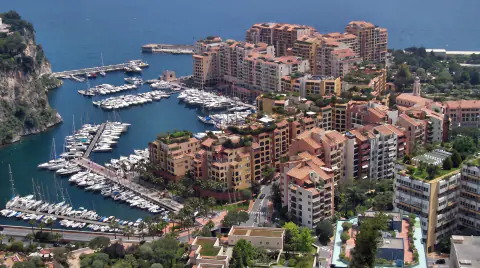 03Monaco Grand Prix experienceFontvieilleExplore experience →
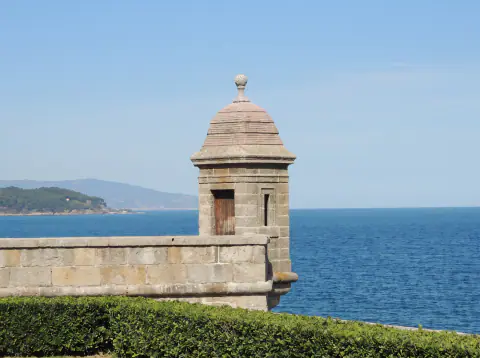 04Monaco Grand Prix experienceFort AntoineExplore experience →
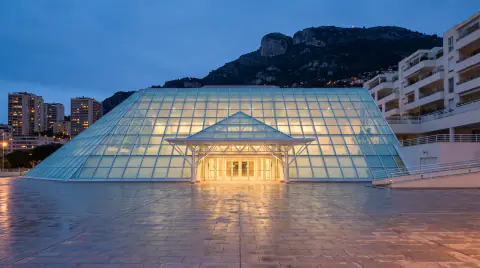 05Monaco Grand Prix experienceGrimaldi ForumExplore experience →
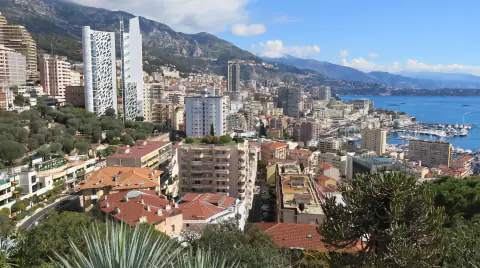 06Monaco Grand Prix experienceJardin Exotique de MonacoExplore experience →
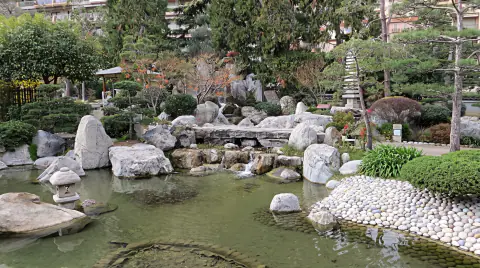 07Monaco Grand Prix experienceJardin Japonais de MonacoExplore experience →
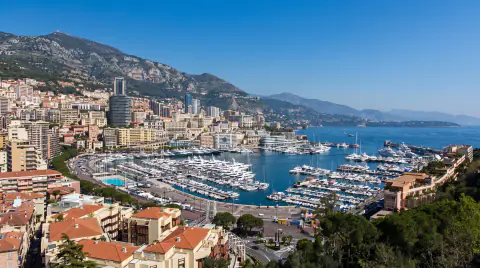 08Monaco Grand Prix experienceLa CondamineExplore experience →
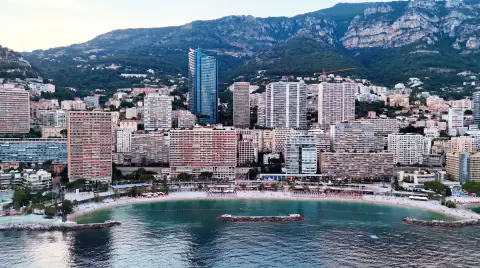 09Monaco Grand Prix experienceLarvottoExplore experience →
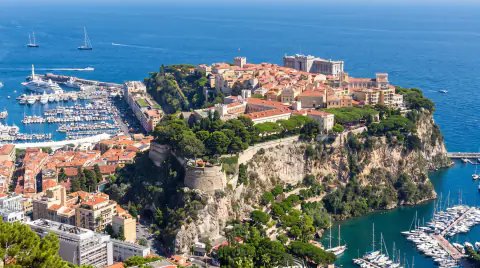 10Monaco Grand Prix experienceLe Rocher / Monaco-VilleExplore experience →
 11Monaco Grand Prix experienceLes Ballets de Monte-CarloExplore experience →
 12Monaco Grand Prix experienceMareterraExplore experience →
 13Monaco Grand Prix experienceMonte-CarloExplore experience →
 14Monaco Grand Prix experienceNouveau Musée National de MonacoExplore experience →
 15Monaco Grand Prix experienceOceanographic Museum of MonacoExplore experience →
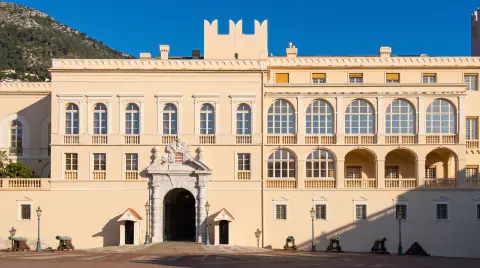 16Monaco Grand Prix experiencePrince's Palace of MonacoExplore experience →
 17Monaco Grand Prix experienceThe Museum of Old MonacoExplore experience →
 18Monaco Grand Prix experienceThe Museum of Stamps and CoinsExplore experience →
 19Monaco Grand Prix experienceThe Prince's Car CollectionExplore experience →
 Plan / Itinerary builderBuild your Monaco Grand Prix dayStart planning →