In depth
The Museum of Old Monaco
The only museum in Monaco about Monégasques — three floors of daily life on the Rock, run by a committee of old families since 1924, and reopened in March 2026 with hours almost every listing still gets wrong.
Story · Visit · Route · Links
Choose your depth
Essentials or more detail?
See visiting essentials, or read more about the history and places nearby.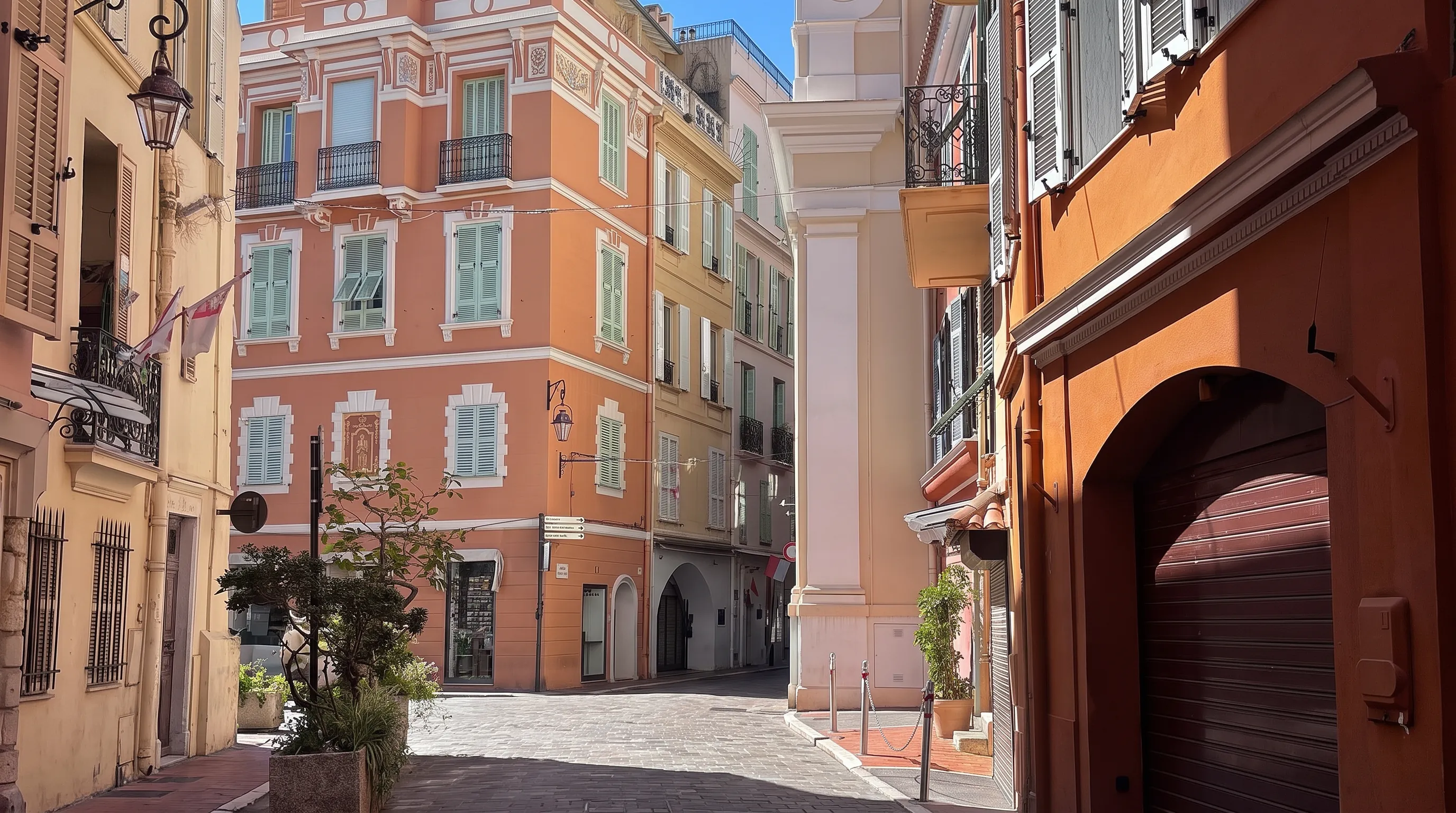
01 The experience
What to expect.
Why it matters
Because Monaco is not only a principality; it is a place where about nine thousand people hold the nationality, and this is the one museum that is about them.
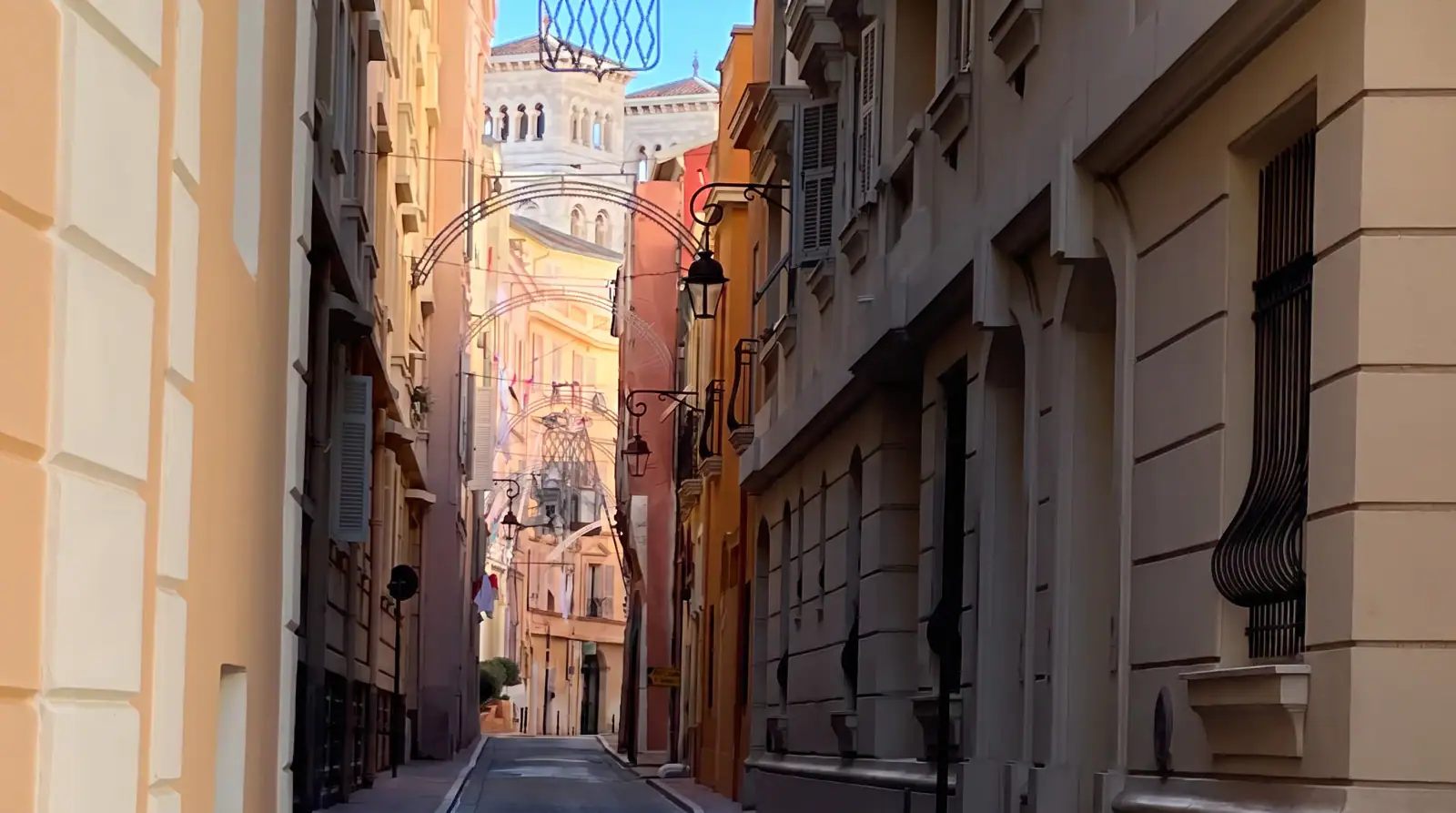
Everything else on the Rock tells you about the ruling family or about the sea. Walk two minutes off the souvenir line into Rue Émile de Loth and you get ceramics, furniture, costume, and recreated scenes of ordinary domestic life in the old town — the version of Monaco that existed before the casino, and that still speaks Monégasque.
There is better art in it than anyone expects. Two pieces in particular:
- A childhood statue of Henri IV by Baron François Bosio — a Monégasque sculptor who went on to work for Napoleon, and whose bronze quadriga sits on the Arc de Triomphe du Carrousel in Paris.
- A portrait of the musician Honoré Langlé by Élisabeth Vigée Le Brun — Marie Antoinette's portraitist, and one of the most significant women painters in European art.
A Vigée Le Brun, in a free two-room museum, up a side street.
What is in it
Three levels, and three halls with distinct subjects:
| Hall | Subject |
|---|---|
| Monaco | Daily life on the Rock — ceramics, furniture, costume, trades |
| Military | Monaco's military history |
| Religious | Religious heritage and the traditions the Comité exists to preserve |
Plus recreated scenes of everyday life, including an eighteenth-century nursery.
Who it is for
Anyone who has done the Palace and the cathedral and wants to know what the other inhabitants of this rock were doing. Anyone interested in the Monégasque language and traditions — this is the organisation that publishes in Monégasque and runs the saint's day celebrations. And anyone who likes finding a serious painting somewhere it has no business being.
It is not a large museum, and it will not fill more than an hour.
The essentials
Where. 2 rue Émile de Loth, in the lanes of Monaco-Ville — two minutes from the cathedral and five from the Place du Palais.
When. 10:30–17:00, every day except Monday. Note this is the post-renovation pattern; older listings say something quite different.
Cost. Reported free, and reported to include guided commentary.
How long. Forty minutes to an hour.
Telephone +377 93 50 57 28.
What this guide does not claim
The admission price has not been reconfirmed since the reopening. Every source describing it as free predates the March 2026 works, and a renovated museum is exactly the kind of place that introduces a charge. Telephone before assuming it is free.
Accessibility has not been verified, and a three-storey historic building in the lanes of the old town is not a promising starting point. See the accessibility chapter.
The Comité's own website gives the museum's location as "Place des Carmes" while every other source, and the Comité's own footer, gives 2 rue Émile de Loth. See the source register — the entrance is on rue Émile de Loth.
The story
History & character.
1924: a committee of old families
The museum is younger than the organisation that runs it, and the organisation is the more interesting half.
In 1924, representatives of old Monégasque families founded the Comité National des Traditions Monégasques to preserve the national heritage — the language, the customs, the feast days, and the material culture of a place that was changing very fast.
The date matters. By 1924 Monte-Carlo had been running for sixty years, the casino had made the principality rich and famous, and the Rock's own population had become a small minority in their own country. The Comité was founded by people watching their traditions become a backdrop.
What the Comité actually does
It is not a museum trust. It is a living cultural body, and it still is.
It publishes the *Chronique Monégasque. It maintains and promotes the Monégasque language — including, recently, releasing Munegascu, the first typeface designed for it. It marks San Niculau, its patron saint's day, with a Mass celebrated in Monégasque at the cathedral each December, sung by the choir U Cantin d'a Roca. It revived the Pan de Natale*, an old Christmas bread tradition, working with the principality's bakeries.
The museum is one arm of that work: the part where the objects live.
1974: Rainier III and Grace open the museum
The Musée du Vieux Monaco was inaugurated in 1974 by Prince Rainier III and Princess Grace, in a building belonging to the Comité on rue Émile de Loth, in the lanes of the old town.
The timing is worth noticing. 1974 was the year before Rainier III's silver jubilee, at the height of the modern principality's transformation — Fontvieille was being reclaimed from the sea, the towers were going up. A museum of how the Rock used to live opened exactly as the rest of Monaco stopped resembling it.
What went into it
Three levels, three halls — one on Monaco itself, one on military history, one on religious heritage — filled with the material the Comité had spent fifty years gathering: ceramics, paintings, furniture and costume, alongside recreated scenes of daily life on the Rock, including an eighteenth-century nursery.
And two objects that belong in a much larger institution:
A childhood statue of Henri IV by Baron François Bosio. Bosio was Monégasque — born in Monaco in 1768 — and became one of the leading sculptors of the Napoleonic era. His quadriga crowns the Arc de Triomphe du Carrousel in Paris and his Louis XIV stands in the Place des Victoires. A serious international sculptor, and a local boy.
A portrait of the musician Honoré Langlé by Élisabeth Vigée Le Brun. Vigée Le Brun was Marie Antoinette's portraitist and among the most accomplished painters of her generation. Langlé was a Monégasque composer and theorist who taught at the Paris Conservatoire.
Two Monégasques who left and made careers abroad, brought home into a museum about the people who stayed.
The renovation, and the reopening nobody has recorded
At some point in the 2020s the museum closed for several years of renovation.
It reopened in March 2026, in the presence of Prince Albert II.
Since then it has been open daily except Monday, from 10:30 to 17:00 — a completely different pattern from the one it kept before, which was Wednesdays and Fridays only, 11:00 to 16:00, and only from June to the end of September.
Essentially every listing on the internet still gives the old pattern. That is the single most useful thing this guide can tell you about the place, and it is the reason the bundle exists.
Look closer
Highlights and hidden details.
The objects, spaces and small observations that turn a visit into a memorable one.The Vigée Le Brun
A portrait of the composer Honoré Langlé, by Élisabeth Vigée Le Brun.
Vigée Le Brun painted Marie Antoinette more than thirty times, fled the Revolution, worked across the courts of Europe, and is among the most accomplished portraitists of her century. There are perhaps a couple of dozen museums in the world where you would expect to find her.
This is a small community museum up a side street in the old town, and it has one.
Honoré Langlé is the other half of the point: a Monégasque composer and music theorist who went to Paris and taught at the Conservatoire. A Monégasque who left and made a career, painted by a French court artist, hanging in a museum about the people who stayed.
The Bosio
A statue of Henri IV as a child, by Baron François Bosio.
Bosio was born in Monaco in 1768 and became one of the leading sculptors of the Napoleonic era. His quadriga crowns the Arc de Triomphe du Carrousel in Paris; his equestrian Louis XIV stands in the Place des Victoires.
He is the most internationally significant artist Monaco has produced, and he is represented here rather than in any of the principality's grander institutions.
The recreated rooms
The heart of the museum, and the reason it exists.
Scenes of daily life on the Rock, reconstructed — including an eighteenth-century nursery.
This is the material the rest of the headland has erased. Walk out of here into Rue Émile de Loth and the lanes are souvenir shops and restaurants; walk into the Palace and it is state rooms. These rooms are what the buildings in between used to contain.
The three halls
Worth knowing before you go up, because the museum is arranged by subject rather than chronology.
| Hall | What it holds |
|---|---|
| Monaco | Daily life — ceramics, furniture, costume, the domestic and working material |
| Military | Monaco's military history |
| Religious | Religious heritage, and the traditions the Comité was founded to keep |
Three levels, three subjects. It is small enough that you will see all of it.
The costume
Monégasque dress, which you will otherwise see only on San Niculau — the Comité's patron saint's day, marked each December with a Mass celebrated in the Monégasque language at the cathedral.
That connection is the thing to hold on to. These are not costumes retired into a case. The organisation that owns them still wears them, still sings in the language, and still bakes the Pan de Natale at Christmas.
The building itself
A house in Rue Émile de Loth, one of only three streets on the Rock that keep any pre-modern fabric — with Rue Comte Félix Gastaldi and Rue Basse.
The museum is not a purpose-built gallery. It is a Monégasque building in the old town, belonging to a Monégasque association, containing Monégasque things. That is unusual enough in this principality to be worth registering as you go in.
What you are actually looking at
A community's museum of itself.
Monaco has around nine thousand nationals. Everything else you can visit on this headland is about the ruling family or about the sea. This is the one place that is about the people — assembled from 1924 onward by families who could see their own traditions becoming a backdrop, and opened as a museum by Rainier III and Grace in 1974, exactly as the rest of the principality stopped resembling it.
Details worth slowing down for.
It reopened in March 2026 and almost nothing says so
The museum was closed for several years of renovation and reopened in March 2026, in the presence of Prince Albert II.
Its hours changed completely — from Wednesdays and Fridays, 11:00–16:00, June to September to daily except Monday, 10:30–17:00.
Essentially every listing on the internet still carries the old pattern. If you plan around them you will arrive on the wrong day.
There is a Vigée Le Brun up a side street
Élisabeth Vigée Le Brun painted Marie Antoinette more than thirty times and is among the most significant portraitists of the eighteenth century.
Her portrait of the Monégasque composer Honoré Langlé hangs in a small free museum in the lanes of the old town, and no guide mentions it.
Monaco's greatest artist is represented here rather than at the Palace
Baron François Bosio was born in Monaco in 1768 and became a leading sculptor of the Napoleonic era. His quadriga crowns the Arc de Triomphe du Carrousel in Paris.
His childhood Henri IV is in this museum — not in the Palace, not in the cathedral, not in the Nouveau Musée National.
The museum is younger than the committee by fifty years
The Comité National des Traditions Monégasques was founded in 1924. The museum opened in 1974.
Half a century of collecting happened before anyone put it on display.
1974 is the point
Rainier III and Grace opened the museum in 1974 — the year Fontvieille was being reclaimed from the sea and the towers were going up.
A museum of how the Rock used to live opened at the precise moment the rest of the principality stopped resembling it.
The people who run it still speak the language
This is not a heritage display. The Comité:
- publishes the *Chronique Monégasque*
- released Munegascu, the first typeface designed for the Monégasque language
- holds a Mass in Monégasque at the cathedral each December for San Niculau, its patron saint's day, sung by the choir U Cantin d'a Roca
- revived the Pan de Natale, an old Christmas bread tradition, with the principality's bakeries
The costumes in the cases belong to people who still put them on.
It is the only museum in Monaco about Monégasques
Count them. The Oceanographic Museum is about the sea. The Palace and the cathedral are about the Grimaldis. The Car Collection is about one prince's cars. The Stamps and Coins museum is about the state.
About nine thousand people hold Monégasque nationality, and this is the only place that is about them.
The address on the operator's own website is wrong
The Comité's own visits page gives the museum's location as "Place des Carmes".
Every other source — including the footer of that same website — gives 2 rue Émile de Loth, and the entrance is on rue Émile de Loth.
An organisation founded to preserve the record of a place, with the wrong address for its own museum on its website.
It is on one of only three old streets left
Rue Émile de Loth, with Rue Comte Félix Gastaldi and Rue Basse, is what remains of Monaco's pre-modern street fabric.
Everything else on this headland is either palace, church, museum or twentieth-century reconstruction. Three lanes, and the museum of how people lived is on one of them.
04 / Before you go
Plan your visit
Prices & admission
Reported free, with guided commentary — but every source saying so predates the March 2026 reopening after several years of renovation. Telephone +377 93 50 57 28 before assuming.
Opening hours
Open 10:30–17:00 every day except Monday. This is the pattern since the museum reopened in March 2026 after several years of renovation — almost every listing still gives the pre-renovation arrangement of Wednesdays and Fridays, 11:00–16:00, from June to the end of September, which is no longer correct. Whether the daily pattern holds through the winter is not settled: the operating body's own page describes summer opening. Telephone +377 93 50 57 28 before an off-season visit.
Plan your experience
No booking. IMPORTANT: the museum reopened in March 2026 after several years of renovation and its hours changed completely — it is now open 10:30–17:00 every day except Monday. Almost every listing still gives the pre-renovation pattern of Wednesdays and Fridays, 11:00–16:00, June to September. Two things remain unconfirmed since the reopening: whether admission is still free, and whether the daily pattern holds through the winter — the operating body's own page describes summer opening. Telephone +377 93 50 57 28 before an off-season visit or if the price matters.
Accessibility
Nothing is published, and the structure is against it — three levels of a historic house in the old town. That is said plainly rather than hedged.
Read this before you read anything else about it
The museum reopened in March 2026 after several years of renovation, and its opening hours changed completely.
| Now | What almost every listing still says | |
|---|---|---|
| Days | Every day except Monday | Wednesdays and Fridays only |
| Hours | 10:30–17:00 | 11:00–16:00 |
| Season | Year-round (see caveat) | June to end September only |
The right-hand column is the pre-renovation arrangement. It is still on tourist listings, aggregator pages and travel guides, and following it would have you arriving on the wrong days for most of the year — or not bothering to go at all between October and May.
One caveat on the season. The Comité's own visits page describes summer opening. Other current sources give the daily-except-Monday pattern without a seasonal limit. Whether the museum keeps those hours through the winter is not settled — see the source register. If you are going outside the summer, telephone +377 93 50 57 28 first.
The essentials
| Address | 2 rue Émile de Loth, Monaco-Ville |
| Hours | 10:30–17:00, daily except Monday |
| Admission | Reported free, with guided commentary |
| Duration | 40 minutes to an hour |
| Booking | None |
| Telephone | +377 93 50 57 28 |
About the price
Every source describing the museum as free predates the renovation.
A museum that has just spent several years being rebuilt and reopened in the presence of the sovereign is exactly the kind of place that might introduce a charge. This guide reports "free" because that is what the sources say, and flags that none of them has been refreshed since March 2026.
Telephone before assuming. It is unlikely to be expensive either way.
Getting there
2 rue Émile de Loth, in the lanes of Monaco-Ville.
Rue Émile de Loth is one of the three streets that make up the old town's surviving pre-modern fabric, along with Rue Comte Félix Gastaldi and Rue Basse. It is two minutes from the cathedral and about five from the Place du Palais.
Getting to the Rock is the real journey: 62 metres up from the harbour. Use the Parking des Pêcheurs lift rather than the Rampe Major, or take bus 1 or 2 to the Place de la Visitation terminus, which is about three minutes away.
Once you are up here it is flat. The lanes are level; it is the climb to reach them that is not.
How long to allow
Forty minutes to an hour. Three small levels.
If guided commentary is included — reported, not confirmed — allow the hour, because you will be shown round rather than left to wander.
What to look for
The two paintings and sculptures nobody expects. A childhood Henri IV by Baron François Bosio, a Monégasque who became a major Napoleonic sculptor, and a portrait of the composer Honoré Langlé by Élisabeth Vigée Le Brun — Marie Antoinette's portraitist.
The recreated rooms, including an eighteenth-century nursery.
The costume and ceramics — the domestic material of a working town that has almost entirely vanished from the Rock above ground.
Where it fits in a day on the Rock
Put it between the cathedral and lunch.
The standard Rock circuit is Palace square → cathedral → Oceanographic Museum, and it is relentlessly about the Grimaldis and the sea. This museum is two minutes off that line and is about the people who lived here, which is the thing the rest of the headland does not tell you.
It also pairs naturally with Fort Antoine — the two least-visited things on the headland, at opposite ends of it.
When to come
Any day but Monday, between 10:30 and 17:00.
Morning is better on the Rock generally — the lanes fill up from late morning as the cruise and coach traffic arrives.
If you are visiting between October and May, telephone first. The winter pattern is the one genuine uncertainty here.
What is not confirmed
- Whether admission is still free since the March 2026 reopening
- Whether the daily-except-Monday pattern holds through the winter, or reverts to a summer-only arrangement
- Whether guided commentary is still included, and in which languages
- Accessibility of a three-storey historic building — see that chapter
- Toilets, seating or a shop
- Photography policy
- What changed in the renovation, and whether the displays were rearranged
Facts with a shelf life
| Fact | Recheck | Why |
|---|---|---|
| Admission price | Now | All "free" sources predate the March 2026 reopening |
| Winter opening | Before recommending an off-season visit | Summer-only and year-round accounts conflict |
| Opening hours | Annually | Changed completely at the 2026 reopening |
| Guided commentary and languages | Annually | Reported, not confirmed |
| Display arrangement | Once, post-renovation | The renovation may have changed the halls |
Visit your way
Access and family planning.
The headline
Nothing is published, and the structure is against it: a three-storey historic house in the lanes of the old town.
That is said plainly rather than hedged. This is the second bundle in the Monaco set — after Fort Antoine — where the honest opening is pessimistic rather than hopeful.
But there is one genuine reason for optimism, and it is specific. The museum closed for several years of renovation and reopened in March 2026. A rebuild of that length is precisely when access is normally addressed. Whether it was, nobody has published.
That makes this the most answerable accessibility gap in the whole Monaco set: the works finished months ago, and one telephone call would settle it.
The structural problem
Three levels. The museum is spread over three floors of a building in Rue Émile de Loth. Whether there is a lift is not published. In a historic house in the old town, assume stairs unless told otherwise.
Getting to the Rock at all means ascending 62 metres from the harbour. That is true of every site up here.
The building is not purpose-built. It belongs to the Comité and is a Monégasque house in the old town, not a gallery designed for public access.
What genuinely helps
The lanes are flat. Once you are on the Rock, Rue Émile de Loth is level — the old town sits on a plateau. It is the climb to it that is the barrier, not the walk along it.
The Parking des Pêcheurs lift removes that climb. Buses 1 and 2 terminate at the Place de la Visitation, about three minutes away.
It is small, so distances inside are short.
It is reported free, so an attempt that does not work has cost nothing — though see the caveat about the price below.
It has just been renovated, which is the best structural reason for hope here.
What has not been verified
- Whether there is a lift between the three levels — the crux
- Step-free entry from Rue Émile de Loth
- How much of the collection is on the ground floor, and whether a visitor unable to use stairs would see a meaningful part of it
- Accessible toilets, or any toilets
- Door widths and circulation space between displays
- Seating anywhere in the museum
- Whether the guided commentary can be given to a seated visitor, or requires walking the three floors
- Hearing loops, or any provision for deaf visitors
- Provision for blind and partially sighted visitors
- Assistance-dog policy
- Whether a companion is admitted free — and indeed whether anyone pays at all since the reopening
- Whether the renovation addressed access
The question worth asking
One call to +377 93 50 57 28 would settle the two that matter:
Is there a lift between the three levels — and if not, how much of the collection is on the ground floor?
Everything else follows from those. And unlike most gaps in this project, the answer is likely to be recent rather than never-recorded, because the building has just come out of a multi-year renovation.
The short answer
Reported free, forty minutes, and it has recreated rooms rather than cases — which is the format children actually engage with.
That combination makes it a low-risk stop on the Rock. If it does not land, you have lost forty minutes and, on current information, nothing at all.
But be realistic. It is a small local-history museum of ceramics, costume and furniture. It is not an attraction, there is nothing interactive documented, and a child promised something exciting will not find it.
What works for children
The recreated rooms, and especially the eighteenth-century nursery. A reconstructed room is a scene a child can read; a case of ceramics is not. Head for these.
The costumes. Clothes are reliably more interesting to children than objects, and these belong to a living tradition rather than a dead one.
The military hall. One of the three halls is Monaco's military history, which for a certain sort of eight-year-old is the entire point of the building.
The scale. Three small levels. You can see all of it before anyone gets bored, which is not true of the Oceanographic Museum across the headland.
The guided commentary — if it is still offered. Reports describe visits as including commentary, which for a child is far better than reading labels. It is unconfirmed since the reopening; ask at the door.
The practical shape
Getting to the Rock is the hard part, not the museum. It is 62 metres up from the harbour. Use the Parking des Pêcheurs lift, or bus 1 or 2 to the Place de la Visitation, three minutes away.
Once up here, it is flat. The lanes are level.
Closed Mondays, and open 10:30–17:00.
The honest cautions
Three levels in a historic building in the old town. No information on lifts, stairs or pushchair access is published, and the odds are not good. Assume stairs. If you are carrying a small child or pushing a buggy, that is the thing to ask about on the telephone.
No facilities are documented — toilets, seating, changing, a café. Assume none and use the lanes outside.
The free claim is pre-renovation. Every source calling it free predates the March 2026 reopening. It may still be free; it may not. Worth knowing before you commit a family of four.
Where it fits in a family day on the Rock
The Oceanographic Museum is the headline for children in Monaco-Ville, and it has its own guide. It is also €22.50 an adult and takes two to three hours.
This museum is the short, cheap, human-scale thing to put either side of it — twenty minutes' walk in total, and it answers a question the aquarium does not: who actually lived up here?
Fort Antoine is the other free stop on the headland — a fort with a pyramid of cannonballs, seven minutes further on, open sunrise to sunset. It has its own guide. A free fort and a free museum in one morning is a decent Rock day for a child.
What is not confirmed
Stated plainly, because a family plan should not rest on guesswork:
- Whether admission is still free after the March 2026 reopening
- Stairs, lifts and pushchair access across three levels
- Toilets or baby-changing
- Seating
- Whether guided commentary is still offered, and in which languages
- Any children's trail or family programme
- Photography policy
- Whether the winter opening pattern differs
Self-guided walk
Explore beyond the venue.
A practical, step-by-step route connecting this experience with more of Monaco Grand Prix.Before you go in — look at the street
Two minutes, outside, free.
Rue Émile de Loth is one of only three streets on the Rock that keep any pre-modern fabric, with Rue Comte Félix Gastaldi and Rue Basse.
Everything else on this headland is palace, church, museum or twentieth-century rebuild. You are standing in the last of the actual town — and the museum you are about to enter is about how people lived in exactly these buildings.
Walk twenty metres either way before going in. The lanes go quiet immediately off the souvenir line.
1. The Monaco hall — daily life
Twenty minutes, and the heart of it.
Ceramics, furniture, costume, and the material of a working town: the trades, the kitchens, the clothes.
The recreated rooms
The reason the museum works. Scenes of daily life on the Rock, reconstructed rather than laid out in cases — including an eighteenth-century nursery.
A case of objects is a list. A reconstructed room is a place, and it is what a child, or anyone, actually reads.
The costume
Look at it knowing this is not retired clothing.
The Comité National des Traditions Monégasques, which owns this building, still holds a Mass in the Monégasque language at the cathedral each December for San Niculau, sung by the choir U Cantin d'a Roca. It still revives traditions like the Pan de Natale Christmas bread with the principality's bakeries. It released Munegascu, the first typeface designed for the language.
These costumes belong to people who still put them on.
2. The two things nobody expects
Ten minutes, and slow down.
The Vigée Le Brun
A portrait of the composer Honoré Langlé by Élisabeth Vigée Le Brun — Marie Antoinette's portraitist, and one of the most accomplished painters of her century.
There are perhaps two dozen museums in the world where you would expect to find her work. This is a free three-floor museum up a side street.
Langlé was Monégasque — a composer and theorist who went to Paris and taught at the Conservatoire.
The Bosio
A childhood Henri IV by Baron François Bosio, born in Monaco in 1768 and one of the leading sculptors of the Napoleonic era. His quadriga crowns the Arc de Triomphe du Carrousel in Paris.
Two Monégasques who left and made careers abroad — one painted, one sculpting — brought home into a museum about the people who stayed.
3. The military hall
Five minutes.
Monaco's military history.
Worth pairing in your head with Fort Antoine, seven minutes north-east along Avenue de la Quarantaine: an eighteenth-century artillery fort built against an invasion that never came, and never once attacked in two hundred and thirty years. A principality with a military history and almost no battles.
4. The religious hall
Five minutes.
Religious heritage, and the traditions the Comité was founded in 1924 to preserve.
This is the hall that explains the organisation rather than the country. A committee of old families, formed as Monte-Carlo turned their home into a resort, deciding that the feast days and the language and the objects were worth keeping.
On the way out
The cathedral is two minutes away, and it holds Rainier III and Grace — who opened this museum in 1974, the year Fontvieille was being reclaimed from the sea and the towers were going up.
A museum of how the Rock used to live, opened by the couple presiding over the moment it stopped.
Fort Antoine is seven minutes the other way, free and open sunrise to sunset. Between them, these two are the least visited places on the headland — which is most of their appeal.
Make a record
Photograph it thoughtfully.
Ask, and expect restrictions
No photography policy is published, and there are two specific reasons to ask rather than assume here.
It holds paintings on loan-quality material. A Vigée Le Brun and a Bosio are not the sort of thing a small museum lets people photograph freely, and flash on eighteenth-century paint is the standard prohibition everywhere.
It is a private association's building. The Comité National des Traditions Monégasques owns the house and runs the museum. This is not a state institution with a published visitor charter; courtesy matters more than usual, and asking at the door is the whole policy.
Assume no flash regardless.
What is worth photographing, if permitted
The recreated rooms. A reconstructed eighteenth-century nursery photographs as a scene; a case of ceramics photographs as a case. Shoot the rooms.
Costume, for the same reason — cloth reads better than porcelain in a photograph.
Not the paintings. Even if permitted, a hand-held frame of a glazed portrait in a small room will be a picture of your own reflection. Look at the Vigée Le Brun instead of photographing it.
The practical problem
Small rooms, low light, three floors.
Historic-house museums are dim by necessity — textiles and paint are light-sensitive — and the rooms will be too tight to step back in. Expect to shoot wide, close and slow, and expect grain.
No tripod. Not because a rule is published, but because there is no room for one and it is a private association's floor.
Outside — the better opportunity
Rue Émile de Loth is one of only three streets on the Rock with pre-modern fabric, with Rue Comte Félix Gastaldi and Rue Basse.
That is genuinely worth photographing and it is free, public and always available. Narrow lanes, shuttered façades, the occasional vaulted passage — the version of Monaco-Ville that survives between the Palace and the souvenir shops.
Best light: early morning, before the coach and cruise traffic fills the lanes from mid-morning. The streets are narrow enough that midday sun only reaches the upper storeys, which is a feature rather than a problem — shoot the light on the façades above.
What is not confirmed
- Any published photography policy inside the museum
- Whether flash is explicitly prohibited
- Whether the paintings may be photographed at all
- Tripod and monopod policy
- Commercial and press permits
- Whether the policy changed at the March 2026 reopening
Around here
Make more of the area.
Good to know
Questions, answered.
01What are the opening hours?
10:30–17:00, every day except Monday.
Ignore what most listings say. The museum reopened in March 2026 after several years of renovation and its hours changed completely. Almost every site still gives the pre-renovation pattern — Wednesdays and Fridays only, 11:00–16:00, June to September.
02Is it open in winter?
Not settled, and this is the one real uncertainty. The Comité's own visits page describes summer opening; other current sources give the daily-except-Monday pattern with no seasonal limit. Telephone +377 93 50 57 28 before an off-season visit.
03How much is it?
Reported free, with guided commentary — but every source saying so predates the March 2026 reopening. A museum that has just been rebuilt and reopened in the presence of the sovereign might now charge. Telephone before assuming.
04Where is it?
2 rue Émile de Loth, in the lanes of Monaco-Ville — two minutes from the cathedral, five from the Place du Palais.
The Comité's own website says "Place des Carmes", but the entrance is on rue Émile de Loth, which is also the Comité's registered office.
05How long does it take?
Forty minutes to an hour. Three small levels.
06What is in it?
Three halls — one on Monaco and daily life, one on military history, one on religious heritage — holding ceramics, paintings, furniture and costume, plus recreated scenes of daily life on the Rock including an eighteenth-century nursery.
07Is there anything of real artistic value?
Yes, and it surprises people. A portrait of the composer Honoré Langlé by Élisabeth Vigée Le Brun, Marie Antoinette's portraitist; and a childhood statue of Henri IV by Baron François Bosio, a Monégasque who became a leading Napoleonic sculptor and whose quadriga crowns the Arc de Triomphe du Carrousel in Paris.
08Who runs it?
The Comité National des Traditions Monégasques, founded in 1924 by representatives of old Monégasque families. It is a private cultural association, not a state museum — and it still publishes in Monégasque, holds a Mass in the language each December, and revived the Pan de Natale Christmas bread tradition.
09When did it open?
The museum opened in 1974, inaugurated by Prince Rainier III and Princess Grace. The Comité that runs it was founded fifty years earlier, in 1924.
10Why should I go when there is so much else on the Rock?
Because it is the only museum in Monaco about Monégasques. The Oceanographic Museum is about the sea. The Palace and the cathedral are about the Grimaldis. The Car Collection is about one prince's cars. About nine thousand people hold Monégasque nationality, and this is the only place that is about them.
11Is it good for children?
Reasonably. It is short, probably free, and it has recreated rooms rather than cases — including a nursery — which is the format children read. The military hall helps. But it is a small local-history museum, not an attraction.
12Is it accessible?
Nothing is published, and the structure is against it — three levels of a historic house in the old town. The one hopeful note is that it has just come out of a multi-year renovation, which is when access is normally addressed. Telephone +377 93 50 57 28 and ask whether there is a lift, and how much is on the ground floor.
13Do I need to book?
No.
14Can I take photographs?
No policy is published. Ask at the door — it is a private association's building, and it holds paintings that most small museums would restrict. Assume no flash.
15Is this the Nouveau Musée National?
No. The Nouveau Musée National de Monaco is a contemporary-art institution at Villa Sauber and Villa Paloma. This is a local-history museum in the old town, run by a private cultural association.
Before you visit
Useful links.
Venue and visitor information
Method
This bundle exists because the published record is out of date, and the research was structured around establishing that.
The lesson came from the Chapelle de la Visitation, researched immediately before this: a museum whose collection had been sold in 2014 while every listing still described it as hanging. So here the current operating status was checked first, not last — and it turned out to be the story.
The Comité National des Traditions Monégasques, which owns and runs the museum, was treated as the primary source. Its own site resolved the opening pattern and contradicted every aggregator; it also, awkwardly, gives the wrong address for its own museum.
Three things were deliberately not settled. The admission price, because all sourcing for it predates the reopening. Winter opening, because the sources conflict. And accessibility, which is unpublished.
Sources
| ID | Source | Used for | Retrieved |
|---|---|---|---|
| S01 | Comité National des Traditions Monégasques — Les visites | THE OPENING PATTERN, from the operating body itself: "Musée du vieux Monaco … Ouvert tous les jours l'été de 10 h 30 à 17 h sauf les lundis" — open every day from 10:30 to 17:00 except Mondays. Also the Comité's registered office at 2 rue Émile de Loth, the telephone number +377 93 50 57 28, and the statement of location as "Place des Carmes", recorded in the conflict ledger | 2026-08-05 |
| S02 | traditions-monaco.com — homepage and site | That the Comité is a living cultural body, not a heritage trust: the Chronique Monégasque; the release of Munegascu, the first typeface for the Monégasque language; the San Niculau Mass celebrated in Monégasque at the cathedral each December, sung by U Cantin d'a Roca; and the revival of the Pan de Natale Christmas bread with the principality's bakeries | 2026-08-05 |
| S03 | Wikipedia — Museum of Old Monaco | That the museum was inaugurated in 1974 by Prince Rainier III and Princess Grace; that the Comité was founded in 1924 by representatives of old Monegasque families; the collection of ceramics, paintings, furniture and costumes with recreated scenes of daily life on the Rock; the eighteenth-century nursery; the childhood statue of Henri IV by Baron François Bosio; the portrait of the musician Honoré Langlé by Élisabeth Vigée Le Brun; and the layout of three levels and three halls — Monaco, military and religious | 2026-08-05 |
| S04 | Current Monégasque and regional visitor coverage, including Tour Azur and Monaco Convention Bureau | THE REOPENING: that the museum reopened after several years of renovation, in March 2026, in the presence of Prince Albert II; that it is open every day except Monday from 10:30 to 17:00; that it is at 2 rue Émile de Loth; and explicitly that the entrance is on rue Émile de Loth, not place des Carmes | 2026-08-05 |
| S05 | Aggregator and directory listings, including muséemusée and officiel-galeries-musees | Recorded as the superseded pattern, not as fact: "open free of charge on Wednesdays and Fridays from 11 am to 4 pm from June to the end of September". Also the source of the free admission claim and the guided commentary — both of which this bundle reports as pre-renovation and unconfirmed | 2026-08-05 |
| S06 | Monaco Info — *Le Musée du vieux Monaco s'offre une nouvelle jeunesse* | Local broadcast coverage confirming that the museum underwent a substantial renovation | 2026-08-05 |
| S07 | OpenStreetMap via Nominatim | The street-level coordinates for Rue Émile de Loth, Monaco-Ville. Note that OSM returns no result for "Musée du Vieux Monaco" and none for "Place des Carmes" — which is part of why the address conflict had to be resolved from reporting rather than mapping | 2026-08-05 |
| S08 | Above Guide's own Monaco bundle set | The walking relationships to the cathedral, the Palace, the Oceanographic Museum and Fort Antoine; the 62-metre ascent to the Rock and the Parking des Pêcheurs lift; and the comparison prices used in the family guide | 2026-08-05 |
Conflict ledger
The opening hours — RESOLVED, and it is the bundle's purpose
Two patterns circulate and they are not variants of each other:
- S05 (aggregators): Wednesdays and Fridays only, 11:00–16:00, June to the end of September.
- S01 (the Comité's own site) and S04 (current reporting): every day except Monday, 10:30–17:00.
Resolved by S04, which supplies the missing fact: the museum closed for several years of renovation and reopened in March 2026. The aggregator pattern is the pre-renovation arrangement, preserved unchanged across the closure.
Used: daily except Monday, 10:30–17:00, with the superseded pattern named explicitly so that a reader who meets it elsewhere knows why.
Why it matters. This is the most consequential correction in the bundle. Following the old pattern means arriving on the wrong days for most of the year, or not going at all between October and May.
Winter opening — UNRESOLVED
S01, the Comité's own page, says "tous les jours l'été" — every day in summer.
S04 gives the daily-except-Monday pattern with no seasonal qualifier.
The two are not reconcilable without knowing whether the Comité's page has simply not been updated since the reopening — and its footer reads © 2018, which suggests it may not have been.
Used: neither asserted. The bundle gives the daily pattern, flags that winter is unsettled, and tells the reader to telephone. 12-seo.md forbids emitting a seasonal restriction in structured data, in either direction.
The address — RESOLVED against the operator's own page
S01, the Comité's own visits page, gives the museum's location as "Place des Carmes".
Against that: the footer of the same website gives 2 rue Émile de Loth as the Comité's registered office; S03, S04 and S05 all give 2 rue Émile de Loth; and S04 states explicitly that the entrance is on rue Émile de Loth, not place des Carmes. S07 finds no "Place des Carmes" in Monaco at all.
Used: 2 rue Émile de Loth.
Worth recording as a general lesson. This is the second time in this set that an institution's own English or own web page has been wrong where other evidence was right — the first was the Palace's English page rendering week-ends de Grand Prix as "Grand Prix week". "Official" and "correct" are not synonyms. Weigh the specific claim, not the domain it sits on.
The reopening date — March or summer 2026?
One account says the museum "reopened in the summer of 2026"; another gives March 2026, in the presence of Prince Albert II (both S04).
Used: March 2026. It is the more specific, and it names the occasion and the attendee. The "summer" phrasing is plausibly loose reporting of the same event, or of the first summer season after it.
Facts deliberately not asserted
| Fact | Where this guide says so |
|---|---|
| The admission price | Overview, Plan your visit, FAQ, family guide, operational data, SEO |
| Whether guided commentary is still offered, and in which languages | Plan your visit, FAQ, family guide |
| Whether the daily pattern holds through winter | Overview, Plan your visit, FAQ, operational data, SEO |
| Any accessibility provision | Accessibility, FAQ, family guide |
| Whether a lift serves the three levels | Accessibility, family guide, FAQ |
| Accessible toilets, or any toilets | Accessibility, family guide |
| Seating anywhere | Accessibility, family guide |
| Any photography policy | Photography, FAQ |
| Whether the renovation rearranged the displays | Plan your visit, tour, operational data, shot list |
| Whether the renovation addressed access | Accessibility |
The price deserves its own note, and it is the reason `next_review_due` is set to November 2026 rather than the usual annual cycle. Every source describing the museum as free predates the March 2026 reopening. A museum fresh out of a multi-year renovation, reopened in the presence of the sovereign, is exactly the kind of institution that introduces a charge. Reporting "free" as established would repeat, in miniature, precisely the error this bundle was written to correct in others.
A note on this project's own data
src/data/raceTravel/monacoOffTrack.js has no entry for this museum at all — unlike Fort Antoine and the Museum of Stamps and Coins, which are present but with null hours.
Worth adding, with the post-renovation hours and an explicit note that the price is unconfirmed. Logged in 13-operational-data.json under editorial_review.repo_data_fix.
A note on what was not used
No AI-generated encyclopaedia was cited.
The aggregator listings were used only as evidence of the superseded pattern, never as current fact. They are the vector by which the pre-renovation hours are still propagating, and several of them carry a current-year copyright notice over information that is at least three years old — the same failure mode as the tourism pages still describing the Chapelle de la Visitation's collection eleven years after it was sold.
Opening hours, prices, programmes and access arrangements can change. Confirm critical details with the venue.
Continue exploring / Monaco
More things to do
in Monaco
Explore Monaco activities, sights and places to eat. Compare the time to allow, costs and booking details, then save your favourites to your itinerary.
 01Monaco Grand Prix experienceCasino de Monte-CarloExplore experience →
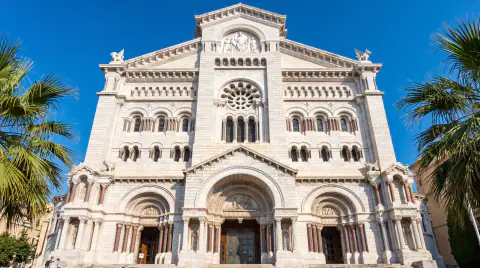 02Monaco Grand Prix experienceCathedral of Notre-Dame-ImmaculéeExplore experience →
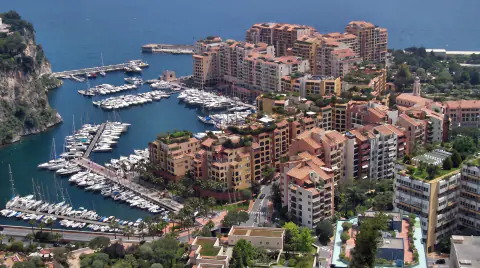 03Monaco Grand Prix experienceFontvieilleExplore experience →
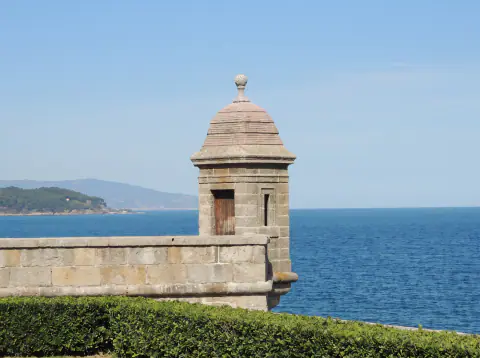 04Monaco Grand Prix experienceFort AntoineExplore experience →
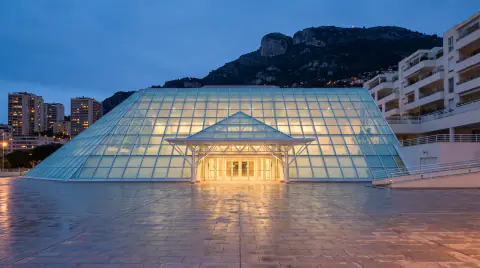 05Monaco Grand Prix experienceGrimaldi ForumExplore experience →
 06Monaco Grand Prix experienceJardin Exotique de MonacoExplore experience →
 07Monaco Grand Prix experienceJardin Japonais de MonacoExplore experience →
 08Monaco Grand Prix experienceLa CondamineExplore experience →
 09Monaco Grand Prix experienceLarvottoExplore experience →
 10Monaco Grand Prix experienceLe Rocher / Monaco-VilleExplore experience →
 11Monaco Grand Prix experienceLes Ballets de Monte-CarloExplore experience →
 12Monaco Grand Prix experienceMareterraExplore experience →
 13Monaco Grand Prix experienceMonte-CarloExplore experience →
 14Monaco Grand Prix experienceNouveau Musée National de MonacoExplore experience →
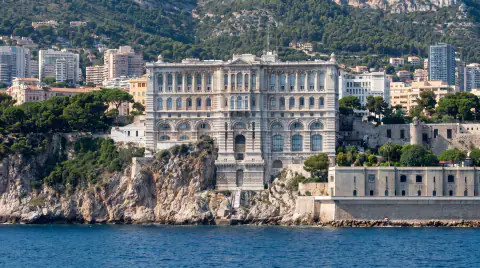 15Monaco Grand Prix experienceOceanographic Museum of MonacoExplore experience →
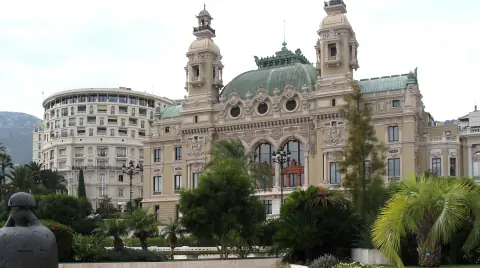 16Monaco Grand Prix experienceOpéra de Monte-CarloExplore experience →
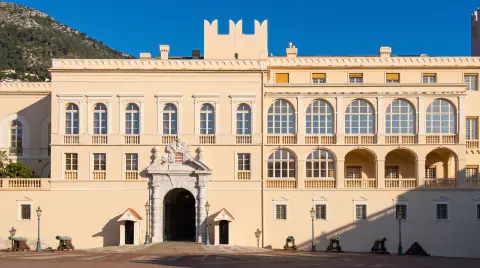 17Monaco Grand Prix experiencePrince's Palace of MonacoExplore experience →
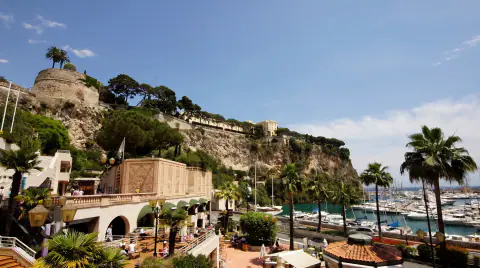 18Monaco Grand Prix experienceThe Museum of Stamps and CoinsExplore experience →
 19Monaco Grand Prix experienceThe Prince's Car CollectionExplore experience →
 Plan / Itinerary builderBuild your Monaco Grand Prix dayStart planning →