In depth
Cambridge University Botanic Garden
Plan a seasonal route through Cambridge's living plant collection, landscapes and Glasshouse Range.
Story · Visit · Route · Links
Choose your depth
Essentials or more detail?
See visiting essentials, or read more about the history and places nearby.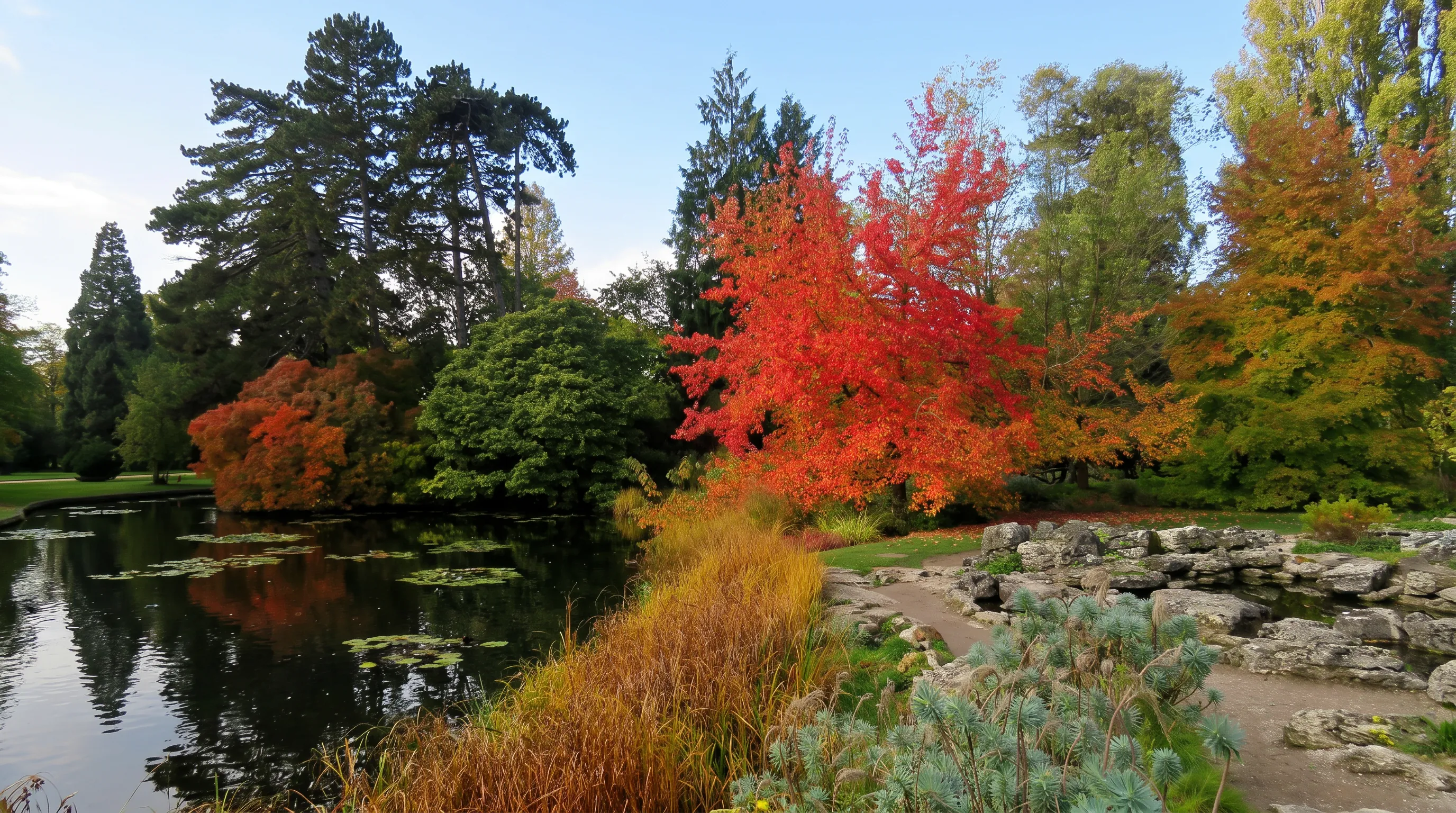
01 The experience
What to expect.
Why it matters
The garden links public pleasure to active plant science. Mature specimens, systematic ordering and geographic collections make relationships visible, while later areas—the Winter Garden, rock gardens and Glasshouse Range—show how horticulture creates habitats and seasonal effects.
It is also Cambridge’s strongest all-year outdoor attraction. Spring flowers, summer borders, autumn trees and a deliberately designed Winter Garden prevent the common botanic-garden problem of one good season.
What visitors should notice
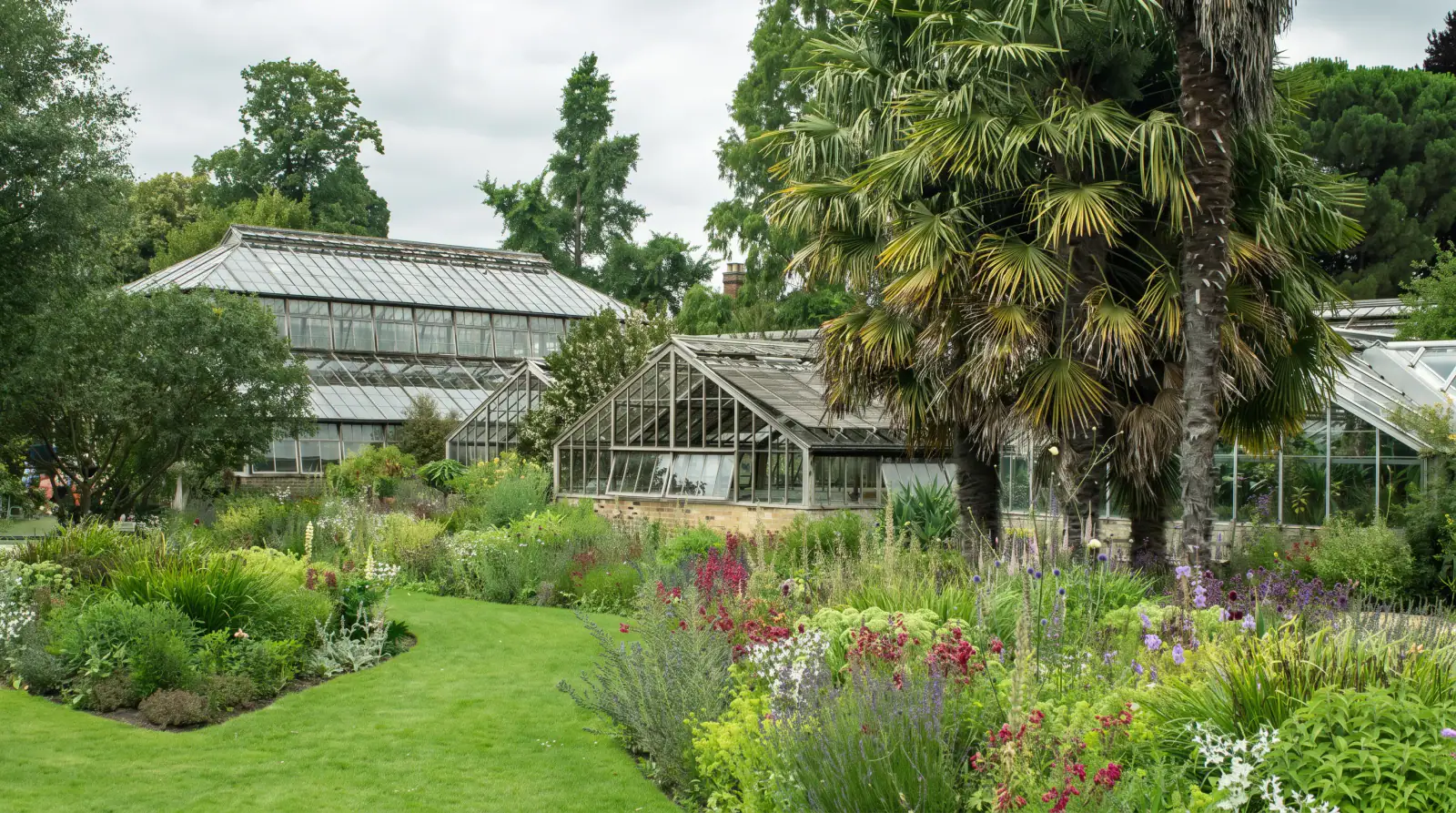
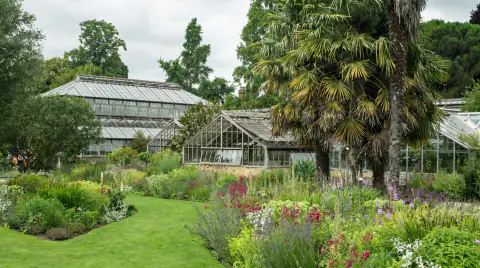
Start with structure rather than flowers. The Main Walk, perimeter curve and tree belts explain the original plan. The U-shaped lake uses an old gravel pit, with excavated soil forming a peninsula. The rock gardens manufacture sharply different conditions within metres. The glasshouses compress global climates into a narrow heritage range.
Plant labels are part of the experience. Read family, origin and accession information until the garden begins to look like an ordered collection rather than a park.
Who will enjoy it
Gardeners, plant scientists, families, photographers, walkers and visitors who need a quieter counterweight to the historic centre. It works particularly well for repeat visits because season changes the hierarchy of what is worth seeing.
Who may find it difficult
The garden is larger than its city-centre description suggests. Mostly gravel paths, long distances and weather exposure matter. The heritage Glasshouse Range has narrow corridors, and bark paths in the Tropics House are not suitable for wheelchairs or mobility scooters.
There is no public car park and no luggage storage. Only trained assistance dogs are admitted. Visitors expecting a free university garden may be surprised by the ticket charge.
Visitor verdict
Cambridge’s best half-day for anyone who likes plants, landscape or quiet observation. Allow two hours, follow the seasonal “what to see” advice, and use the glasshouses as one chapter rather than the whole visit.
The story
History & character.
The 1762 garden
The University founded its first Botanic Garden in 1762 on what is now the New Museums Site. Its purpose centred on plants used to teach medical students. By the early nineteenth century, the small central site and a declining university botany programme no longer matched the growth of natural science.
John Stevens Henslow
Henslow became Professor of Botany in 1825 at the age of twenty-nine. The Garden’s own history describes a discipline at low ebb: no lectures for thirty years and a struggling collection. Henslow argued that botany needed space and status as a science in its own right.
His teaching influenced Charles Darwin, his best-known protégé. Avoid reducing Henslow to “Darwin’s mentor”: the present Garden is itself evidence of his institutional and scientific work.
Acquiring the present site
The University bought a sixteen-hectare greenfield site from Trinity Hall in 1831, about a mile south of the centre. Legal disputes delayed development. Planting finally began in 1846, and financial caution meant only the western half was initially sanctioned.
Andrew Murray’s plan
The first Curator, Andrew Murray, developed the plan with Henslow. A sinuous perimeter path, family-grouped trees, a U-shaped lake, systematic beds and the east–west Main Walk organised specimen plants into a composed landscape.
The style was Gardenesque: individual plants and expert horticulture remained legible within an aesthetic whole. The design survives as a Grade II* heritage landscape.
The lake and trees
The lake used an old gravel pit in the former cornfield. Excavated soil formed a central peninsula and helped create the Bog Garden. The Main Walk’s conifers and the perimeter’s family-grouped trees gave Henslow the enlarged tree collection the old garden could not support.
Later additions
The Glasshouse Range developed along the northern boundary, making climate-based collections possible. The original city-centre garden’s wrought-iron gates were moved to the Trumpington Road end of Main Walk in 1909.
The Limestone Rock Garden was built between 1954 and 1958 using Cumbrian stone, some blocks weighing up to three tonnes. Geographic planting represented mountain floras across several continents. The adjacent Sandstone Rock Garden supports shade- and moisture-loving alpines.
The Winter Garden was created in 1979 by Peter Orriss and Norman Villis. Its coloured stems, bark, foliage, scent and landform were deliberately aligned with low winter sun. The Garden describes it as the first winter garden created at a UK botanic garden.
Research and conservation
The Garden remains an active research facility rather than a historic landscape preserved in one date. Plant records, horticultural expertise and living collections support University work. New interpretation and digital experiments sit alongside traditional taxonomy and cultivation.
The modern visitor garden
Public amenities, two entrances, café, shops, education programmes and tours make the site a major attraction. The challenge is balancing access with fragile collections. Rules against picking, climbing, cycles, scooters, ball games and drones protect a working garden rather than enforcing arbitrary decorum.
Look closer
Highlights and hidden details.
The objects, spaces and small observations that turn a visit into a memorable one.1. Main Walk
The east–west axis of mature conifers and the clearest surviving statement of the nineteenth-century plan. Walk it once for structure before branching into beds.
2. The Glasshouse Range
Climate-based collections compressed into a heritage structure. Expect heat, humidity and narrow paths; the Tropics House has bark surfaces unsuitable for wheelchairs and scooters.
3. The systematic beds
Plants organised to make relationships legible. Read labels until pattern emerges across families rather than looking only for flowers.
4. The lake and Bog Garden
A U-shaped lake built around an old gravel pit, with a central peninsula made from excavated soil. Strong in autumn reflection and as wildlife habitat.
5. Limestone and Sandstone Rock Gardens
Two manufactured habitats supporting different alpine conditions. The limestone garden’s geography moves among mountain floras from several continents.
6. The Winter Garden
Designed in 1979 around bark, stems, form, fragrance and low sun. It is the reason the garden remains a serious winter visit.
7. Family-grouped trees
The perimeter tree belt expresses Henslow’s scientific ambition. Compare related trees rather than treating the arboretum as shade.
8. The 1909 gates
Wrought-iron gates from the original city-centre garden now terminate the Trumpington Road end of Main Walk: a physical link between the 1762 and 1846 sites.
9. Seasonal borders
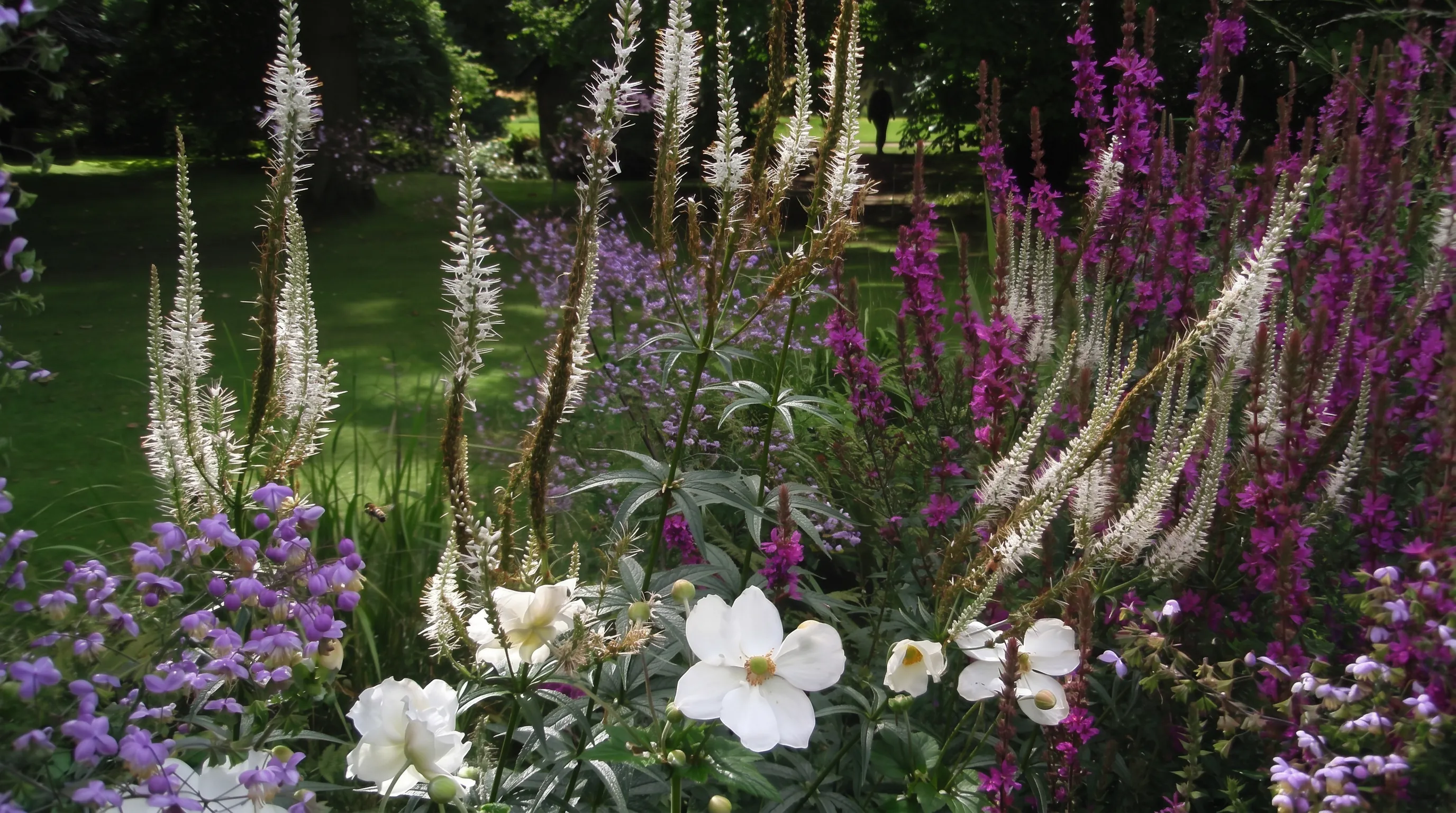
Use the Garden’s current plant picks instead of arriving with a fixed list. Seasonal change is the collection working as intended.
Details worth slowing down for.
The lake began as extraction
Its form incorporates an old gravel pit; excavated soil became the peninsula. The picturesque water body preserves an industrial fact about the former field.
The paths teach
Murray’s perimeter curve and Main Walk are not just circulation. They alternate specimen study with composed view.
Trees are grouped arguments
The family arrangement lets visitors compare kinship through bark, leaf, cone and form. Look sideways between labels, not only upward.
Winter colour is engineered
Landform, orientation, evergreen backdrop and low sun were coordinated in the Winter Garden. The effect is horticultural design, not lucky seasonal colour.
Rock changes climate
Limestone and sandstone do more than decorate. Drainage, exposure, shade and moisture create distinct habitats a few steps apart.
The old gates moved
The wrought iron at Main Walk came from the original city garden in 1909. They turn a lost site into a surviving object.
The collection is working
Labels, temporary closures, machinery and horticultural intervention are signs of active care. A perfectly static garden would be a failed living collection.
Make it work
Plan the visit properly.
Current practical detail, kept separate from the story so it is easy to scan when you need it.At a glance
| February–March | 10:00–17:00 |
| April–September | 10:00–18:00 |
| October | 10:00–17:00 |
| November–January | 10:00–16:00 |
| Last paid entry | 30 minutes before close |
| Standard adult | £8.60 from 2 September 2026 |
| Children 0–16 | Free |
| Typical visit | 90–150 minutes |
The 2026 summer saving temporarily reduces adult prices until 1 September. Use the standard price for evergreen copy and show the dated promotion only with its end date.
Entrances
Brookside Gate on Trumpington Road is about fifteen minutes from the city centre. Station Road Gate is about five minutes from Cambridge station. Both sell tickets and lend mobility aids; specify the collection gate when reserving one.
Booking
Walk-ups are welcome and tickets can be bought by cash or card. Advance booking is optional for normal admission but sensible for events and group activities.
How long
Allow two hours for Main Walk, lake, glasshouses and one seasonal area. A serious plant visit can fill half a day. Free drop-in highlights tours normally last one hour and operate on published days, subject to guide availability.
Café and shops
The Garden Café is inside the paid site, so admission is required. It operates seasonal closing times and is card-only. Shops stand at both entrances.
Toilets and luggage
Toilets are available at the gates, behind the Glasshouse Range and in the café; accessible facilities and baby changing are provided. There are no luggage lockers and staff cannot store bags.
Dogs and behaviour
Only trained assistance dogs supporting a disabled handler are admitted. No bicycles, scooters, ball games or drones. Stay on paths and lawns, do not climb trees and never pick plant material.
Weather
High winds can close the garden for safety. Hot weather requires shade, water and a slower route. Gravel and lawns become harder for wheeled users after rain. The glasshouses are a wet-weather refuge but can be hot, humid and narrow.
Getting there
Walking from the railway station is easiest. There is no public car park. Limited paid street parking exists nearby; Park & Ride is recommended. Brookside Gate is the practical vehicle drop-off.
Recheck
Current closing time, adult price, bad-weather status, glasshouse closures, seasonal highlights, tour schedule and any ticketed event restrictions.
Visit your way
Access and family planning.
Summary
Most of the garden is accessible without steps, but gravel, lawns and heritage glasshouse constraints matter. Free manual wheelchairs and mobility scooters can be borrowed from either gate; pre-booking is recommended.
Arrival
Brookside Gate supports taxi, car and minibus drop-off and has a low-level counter. Station Road Gate has no easy vehicle drop-off. There is no public car park.
Paths and rest
Most paths are gravel. Sloped paved ramps connect large lawn areas. Benches occur at regular intervals and accessible picnic tables are available in most picnic areas.
Buildings
The café and Glasshouse Range have automatic doors. The heritage glasshouses have narrow paths and corridors. Bark paths in the Tropics House are not suitable for wheelchairs or mobility scooters.
Toilets
Accessible toilets are at both gates, behind the glasshouses and in the café. Station Road Gate has a Changing Places-style facility described by the Garden as a “Changing Rooms toilet”; confirm its exact standard before relying on it.
Assistance dogs
Trained assistance dogs supporting disabled handlers are welcome. Other dogs, including therapy animals, are not admitted.
Contact
Reserve equipment or discuss access on +44 (0)1223 336265 during weekday office hours, specifying Brookside or Station Road Gate.
Sensory conditions
Glasshouses can be hot, humid and enclosed; the café and entrance areas can be busy. Outdoor routes allow easy withdrawal to quieter lawns. Use the Garden’s visual story before travel if predictability helps.
Family verdict
Excellent value because children aged 0–16 enter free. Best for families who can turn plants, glasshouses, water and wildlife into a trail rather than expecting a playground.
What works
- Forty acres allow movement without a long city walk.
- Glasshouses provide drama and weather cover.
- Lake wildlife and rock gardens vary the route.
- Baby changing and café highchairs are available.
- Regular family activities run, often with advance booking.
- Picnic areas include accessible tables.
Friction
Children must remain with adults. No climbing trees, picking plants, scooters, bicycles or ball games. The collection is fragile and supervision is active.
Suggested route
Begin with Main Walk, choose the glasshouses, loop around the lake, investigate one rock garden and finish at the café. Give children a label challenge: find three continents, two plant families and one adaptation.
Events
Monthly family sessions are popular and bookings generally open shortly before the event. Treat activity listings as volatile and link to the current programme.
Self-guided walk
Explore beyond the venue.
A practical, step-by-step route connecting this experience with more of Cambridge.Tour summary
A two-hour loop beginning at either gate. Reverse the sequence from Station Road.
Stop 1 — Main Walk
Use the east–west axis to understand the plan. Compare conifers before entering individual gardens.
Stop 2 — Family-grouped trees
Follow the perimeter and read several labels from one family. Look for shared features and differences.
Stop 3 — Systematic beds
Spend fifteen minutes learning the ordering principle. This is the intellectual centre of the garden.
Stop 4 — Glasshouse Range
Move through climate zones slowly. Note narrow paths and leave space for other visitors.
Stop 5 — Café decision
Break now or continue. The café requires garden admission and has seasonal hours.
Stop 6 — Lake and Bog Garden
Read the U shape and peninsula as constructed landform. Watch reflections and wildlife rather than searching only for flowers.
Stop 7 — Rock Gardens
Compare limestone drainage with the smaller sandstone habitat. Identify how material controls planting.
Stop 8 — Seasonal focus
Use Winter Garden in cold months; follow current plant picks in other seasons.
Stop 9 — Historic gates
Finish at the wrought-iron gates moved from the 1762 garden. They connect the present site to the University’s earlier botanical history.
Make a record
Photograph it thoughtfully.
Best subjects
Main Walk structure, lake reflections, Winter Garden stems, glasshouse geometry, rock-garden habitats, plant labels and mature trees with human scale.
Seasons
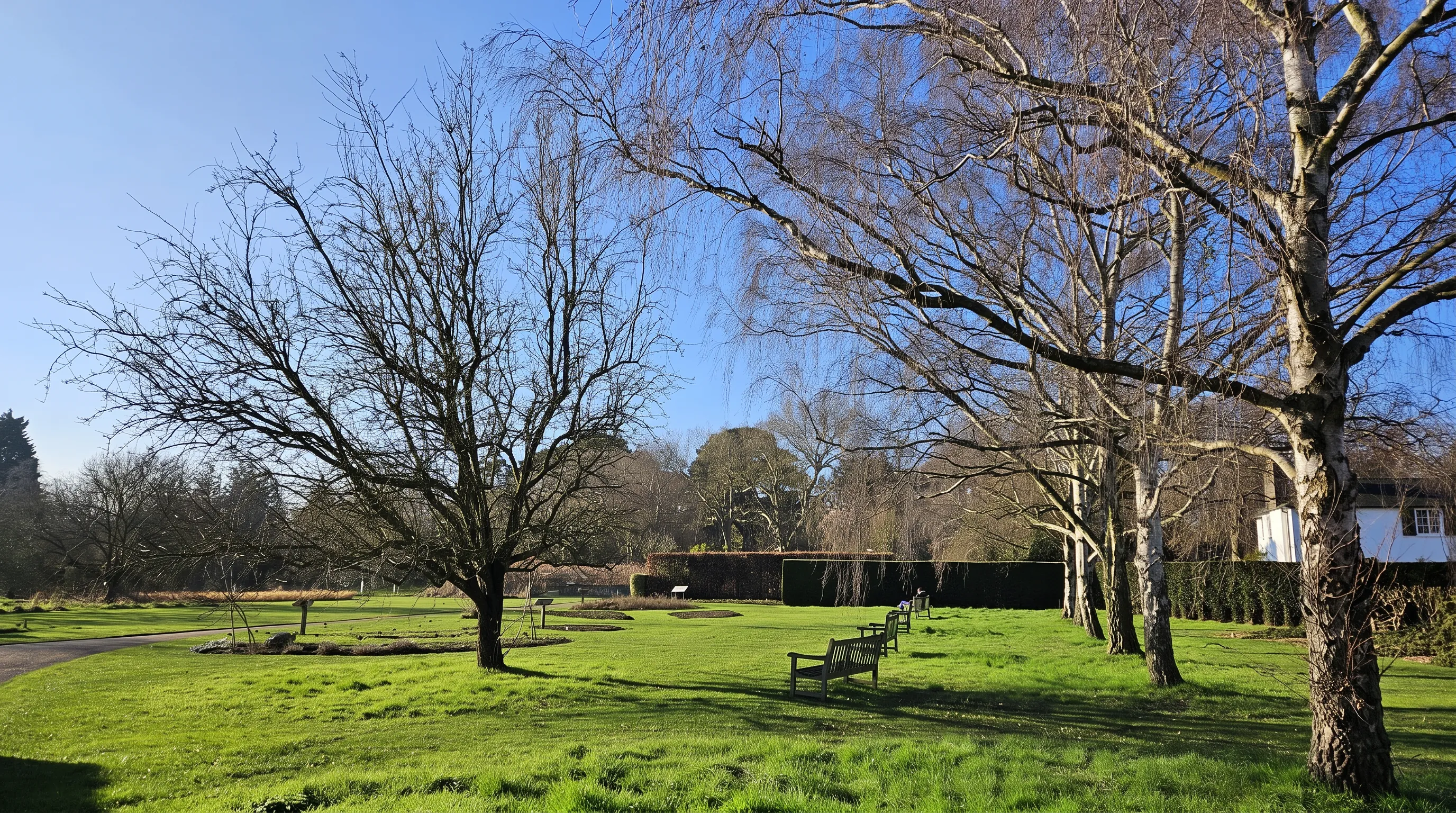
Winter low sun is integral to the Winter Garden. Spring suits alpines and blossom. Summer gives borders and glasshouse intensity. Autumn makes the lake and tree collection strongest.
Rules
Personal photography is welcome. Commercial, professional, portrait and wedding work requires advance permission. Drones are prohibited. Commercial filming and photography are not permitted in the Glasshouse Range because paths are narrow and collections delicate.
Technique
Use polarisation carefully around glass and water; it can remove useful reflection as easily as glare. Record labels before close-ups. Never move or handle material for a cleaner frame.
People
Do not block paths, disrupt garden work or photograph identifiable children without consent. Keep tripods out of narrow routes unless explicitly permitted.
Around here
Make more of the area.
Good to know
Questions, answered.
01Is Cambridge University Botanic Garden worth visiting?
Yes for a two-hour landscape and living collection, especially outside the college-heavy centre.
02Is it free?
Adults pay; children aged 0–16 enter free.
03How much is adult admission?
The normal 2026 standard adult price is £8.60; a temporary summer discount runs to 1 September 2026.
04When does it open?
Daily at 10:00, except the Christmas closure.
05When does it close?
16:00 in November–January, 17:00 in February–March and October, and 18:00 April–September.
06What time is last entry?
Thirty minutes before closing.
07Do I need to book?
No for normal admission; walk-ups can pay by cash or card.
08How long should I allow?
Two hours is a good first visit.
09How large is it?
Forty acres.
10How many plants are there?
The Garden describes a collection of more than 8,000 plants.
11When was it founded?
The University’s first garden was founded in 1762; planting at the present site began in 1846.
12What is Henslow’s connection?
John Stevens Henslow drove the move and designed the scientific ambition behind the larger site.
13What is Darwin’s connection?
Darwin was Henslow’s protégé; the Garden reflects the botanical teaching that shaped him.
14Is it wheelchair accessible?
Most is step-free, but gravel and narrow glasshouse paths create limitations.
15Can I borrow a wheelchair?
Yes, free from either gate; pre-booking is recommended.
16Can I borrow a mobility scooter?
Yes, on the same advance-arrangement basis.
17Are the glasshouses accessible?
Automatic doors help, but corridors are narrow and Tropics House bark paths are not suitable for wheelchairs or scooters.
18Are there accessible toilets?
Yes, at both gates, behind the glasshouses and in the café.
19Can I bring a dog?
Only a trained assistance dog supporting a disabled handler.
20Is there a café?
Yes, inside the paid garden.
21Does the café take cash?
No, it is card-only.
22Can I picnic?
Yes in designated areas, but outside refreshments cannot be consumed in the café area.
23Are there lockers?
No, and the Garden cannot store luggage.
24Is there parking?
No public car park; limited street parking and Park & Ride are alternatives.
25Which entrance is best from the station?
Station Road Gate, about five minutes away.
26Which entrance is best for vehicle drop-off?
Brookside Gate.
27Can I take photographs?
Personal photography is allowed. Professional, portrait or commercial work needs permission.
28Are drones allowed?
No.
29Is it good in winter?
Yes. The Winter Garden was designed around winter colour, scent and low light.
30What should I see first?
Main Walk, systematic beds, glasshouses, lake and the current seasonal focus.
Before you visit
Useful links.
Venue and visitor information
Method
The Garden’s own history, visitor, access, planting and photography pages were used throughout. Seasonal plant promises were deliberately avoided.
Sources
| ID | Source | Used for | Retrieved |
|---|---|---|---|
| S01 | CUBG — Visit us | Hours, prices, entry, gates and core facilities | 2026-07-28 |
| S02 | CUBG — History of the Garden | 1762 site, Henslow, 1831 acquisition, 1846 planting, Murray plan and heritage | 2026-07-28 |
| S03 | CUBG — Accessibility | Drop-off, paths, equipment, glasshouses, toilets and dogs | 2026-07-28 |
| S04 | CUBG — Visiting | Travel, luggage, toilets, rules and collection wording | 2026-07-28 |
| S05 | CUBG — Rock Gardens | Construction, materials and planting geography | 2026-07-28 |
| S06 | CUBG — Lake | Gravel-pit origin, peninsula, area and habitat | 2026-07-28 |
| S07 | CUBG — Winter Garden | 1979 design, people and seasonal principles | 2026-07-28 |
| S08 | CUBG — Family Activities | Family programme and booking | 2026-07-28 |
| S09 | CUBG — Press and photography | Permission, drones and glasshouse restriction | 2026-07-28 |
| S10 | CUBG — Garden Café | Seasonal hours, card-only policy and admission requirement | 2026-07-28 |
Conflict ledger
Plants versus species
Official pages alternately describe “over 8,000 plants”, “plant and tree specimens” and “plant species”. The bundle uses the conservative “more than 8,000 plants” except where quoting a specific page.
Changing toilet terminology
The access page says “Changing Rooms toilet”, not the regulated “Changing Places” name. The bundle does not upgrade the claim.
2026 price
Temporary summer prices and normal annual prices coexist. Both are recorded with the promotion end date; evergreen summaries use the normal returning price.
Opening hours, prices, programmes and access arrangements can change. Confirm critical details with the venue.
Continue exploring / Cambridge
More things to do
in Cambridge
Explore Cambridge activities, sights and places to eat. Compare the time to allow, costs and booking details, then save your favourites to your itinerary.
 01Culture & historyFitzwilliam MuseumExplore experience →
 02Culture & historyKettle's YardExplore experience →
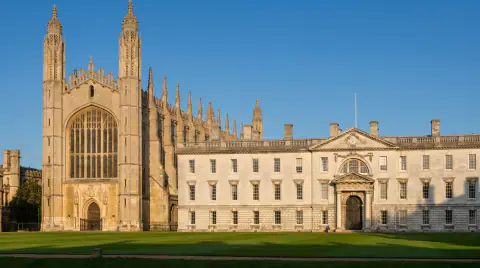 03Culture & historyKing's CollegeExplore experience →
 04Food & drinkFort St GeorgeExplore experience →
 05Food & drinkThe Blue Ball, GrantchesterExplore experience →
 06Food & drinkThe Cambridge BlueExplore experience →
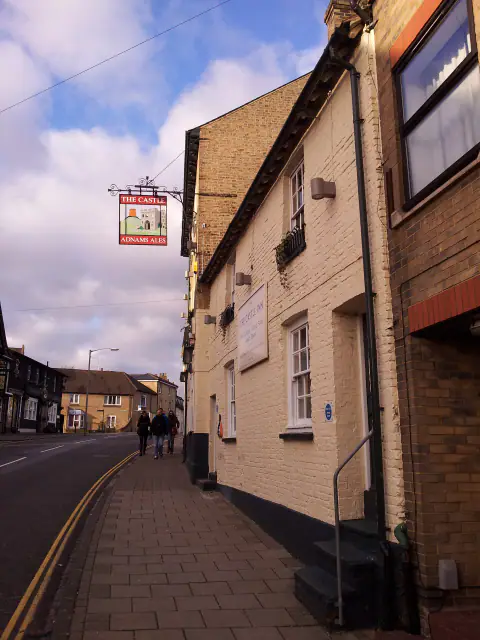 07Food & drinkThe Castle InnExplore experience →
 08Food & drinkThe Devonshire ArmsExplore experience →
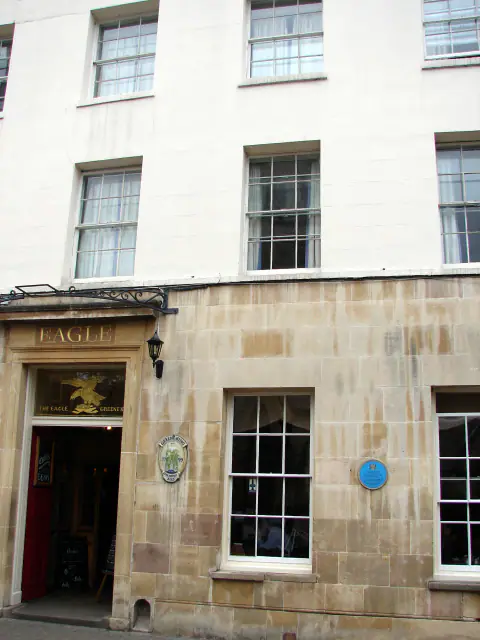 09Food & drinkThe EagleExplore experience →
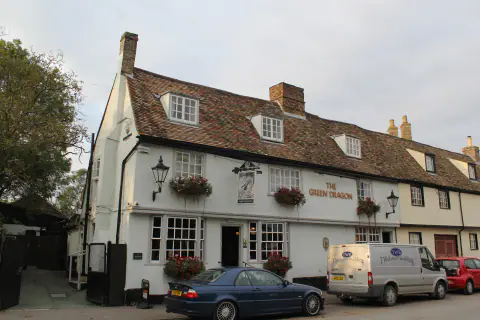 10Food & drinkThe Green DragonExplore experience →
 11Food & drinkThe HaymakersExplore experience →
 12Food & drinkThe Kingston ArmsExplore experience →
 13Food & drinkThe Live & Let LiveExplore experience →
 14Food & drinkThe MaypoleExplore experience →
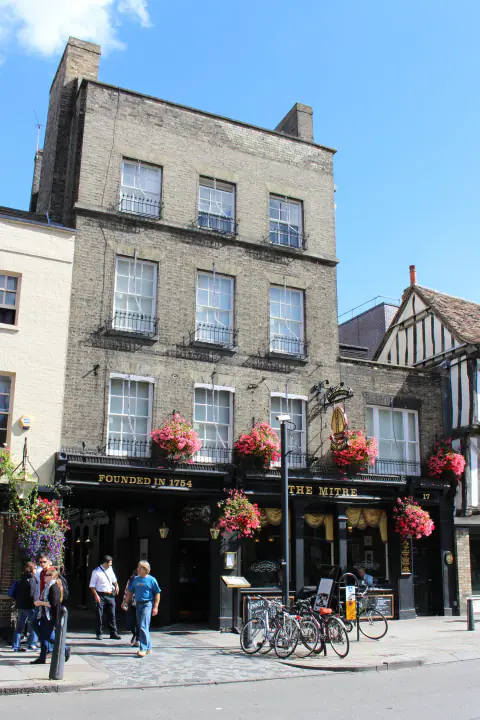 15Food & drinkThe MitreExplore experience →
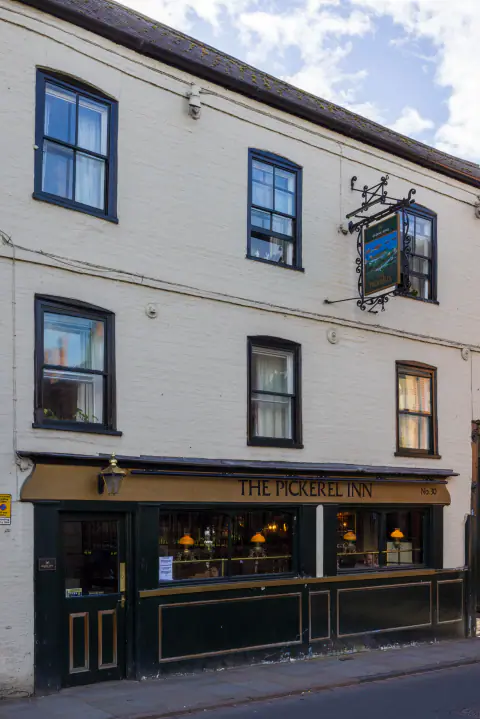 16Food & drinkThe Pickerel InnExplore experience →
 17Food & drinkThe Queen’s Head, NewtonExplore experience →
 18Food & drinkThe Royal StandardExplore experience →
 19Food & drinkThe St RadegundExplore experience →
 20Water activitiesPunting the BacksExplore experience →
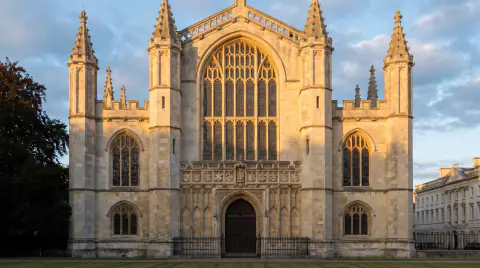 35CollegesAll the collegesEvery Cambridge collegeOpen the college guide →Food & drink / a storyThe six oldest pubsWalk the timeline →
 Plan / Itinerary builderBuild your Cambridge dayStart planning →