Central · Founded 1282
Hertford College
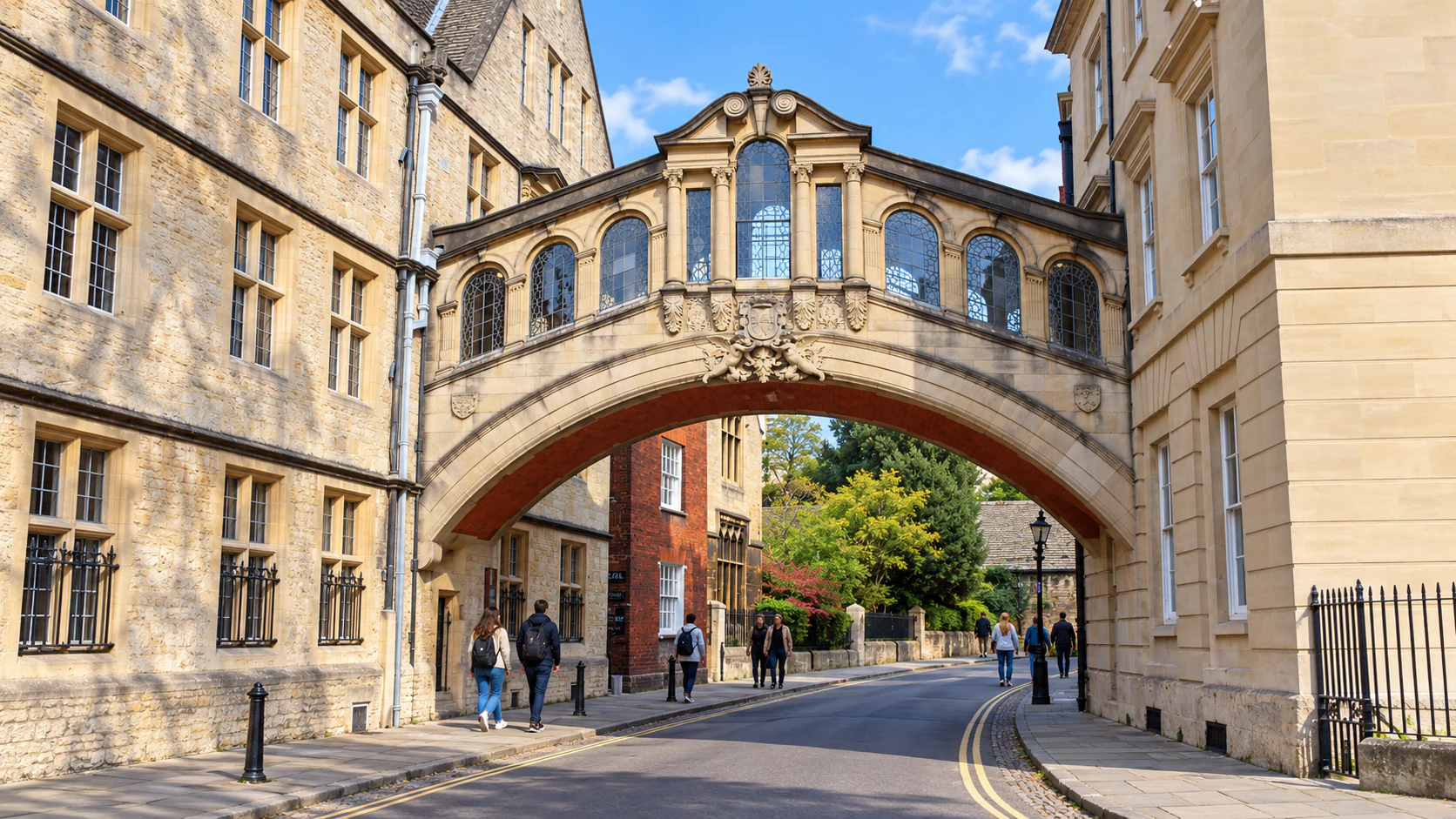
See the Bridge of Sighs on New College Lane and discover the stories behind Hertford’s medieval halls, writers and philosophers.
- Founded
- 1282
- Location
- Catte Street
- Visiting
- Building works until summer 2027
- Institution
- College
01 The experience
What to expect.
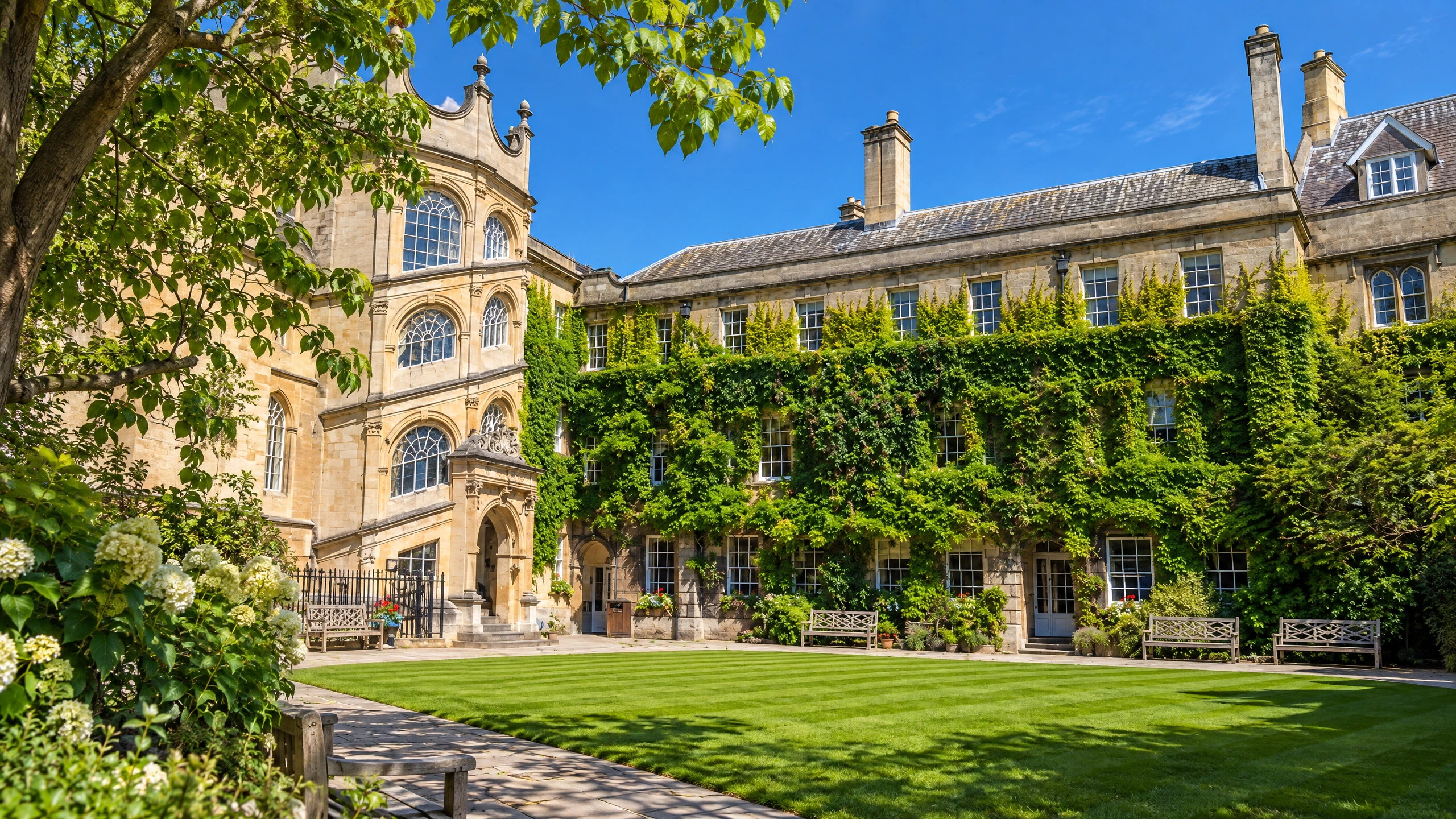
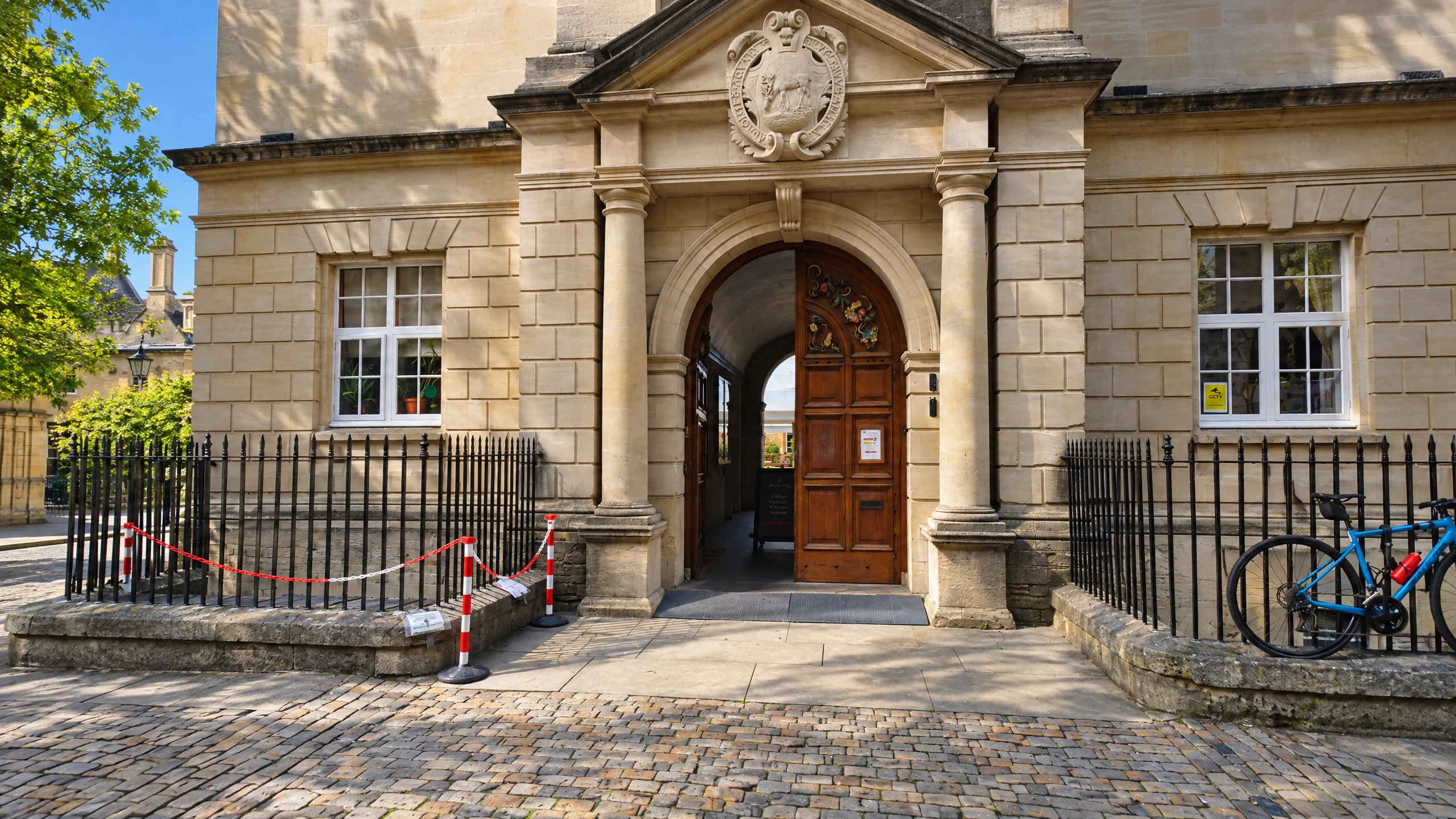
Hertford’s Bridge of Sighs curves over New College Lane, joining two sides of a college tucked beside the Bodleian Library. It’s one of Oxford’s most familiar views, and you can see it from the street: Hertford itself is closed to casual tourist visits.
Behind that famous bridge is a story of several institutions. Hart Hall began in the 1280s, became the first Hertford College in 1740 and eventually closed. Magdalen Hall moved onto the site in 1822, and the college was refounded in 1874 with support from Thomas Baring.
That history brings together people who studied at different places and times. John Donne attended Hart Hall; Thomas Hobbes and Bible translator William Tyndale studied at Magdalen Hall. Philosopher Alain LeRoy Locke came to the modern Hertford as the first African American Rhodes Scholar at Oxford.
Architect Thomas Graham Jackson gave the college much of its present appearance, including the bridge, the 1908 chapel and a spiral staircase inspired by the Château de Blois. Older buildings survive too: the Old Hall dates from the sixteenth century, and the Octagon incorporates a former chapel at Smith Gate.
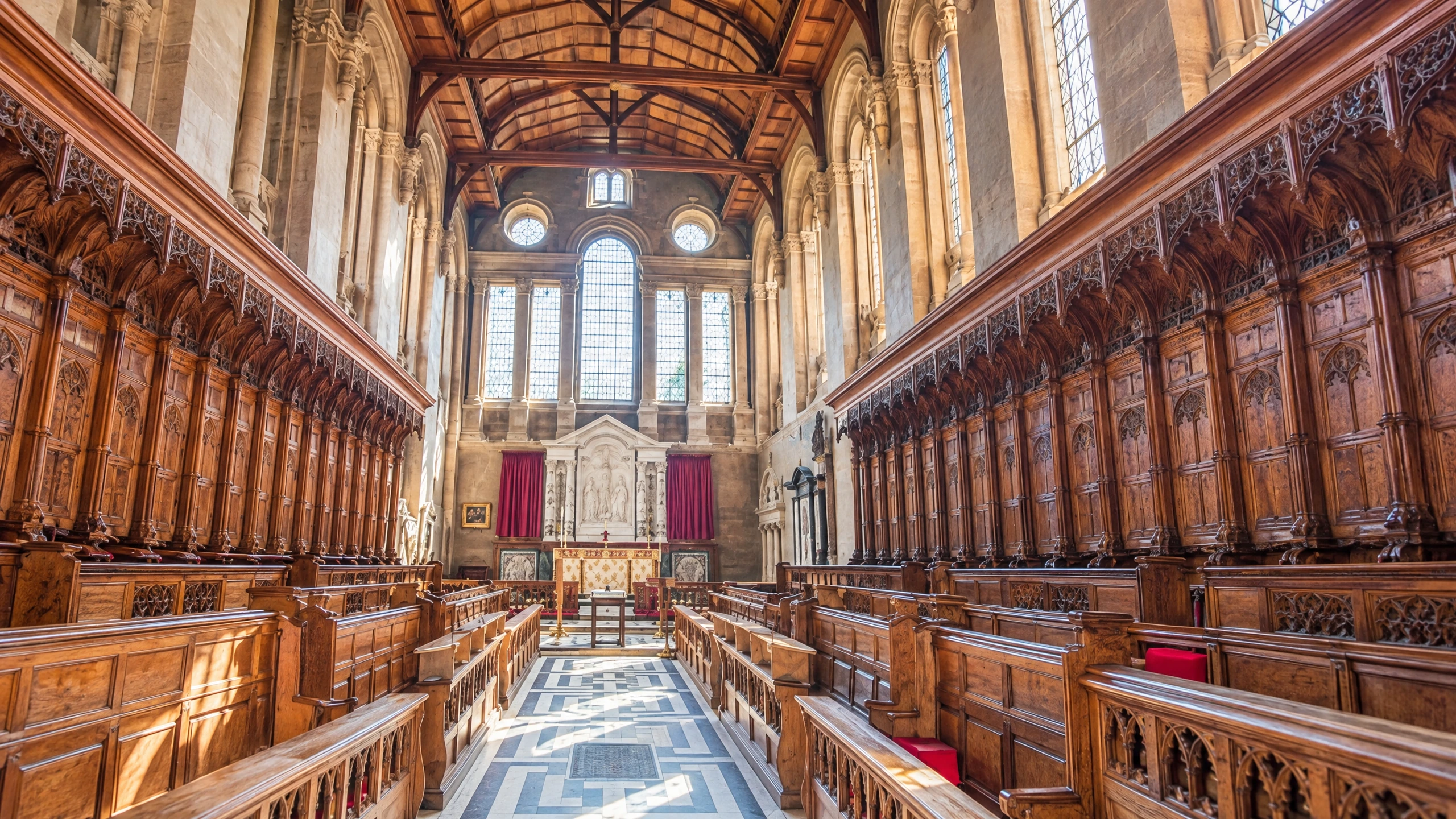
The chapel holds the Tyndale Window, made in 1911 and brought here in 1994, along with an Alfred Hunter organ and a copy of Caravaggio’s Taking of Christ. Public services and recitals have their own arrangements; they are separate from a sightseeing visit.
Hertford’s rare books include annotated copies of Newton’s Principia and Hooke’s Micrographia. The college is rebuilding its library, with a restored reading room, more study space and accommodation for rare books and archives; the planned opening is at the end of summer 2027. The collection is for research rather than casual browsing.
Hertford’s admissions history is part of its story too. In 1965 tutor Neil Tanner began a scheme to help find talented state-school pupils who faced barriers in the usual admissions process. The college admitted women undergraduates in 1974 and elected its first woman fellow, Julia Briggs, in 1978.
For most visitors, the pleasure is in the setting: the bridge and Catte Street frontage are a short walk from the Sheldonian, Bodleian and Radcliffe Square. Alumni, prospective students, researchers and event guests have separate arrangements for visiting.
People and ideas
Famous former students
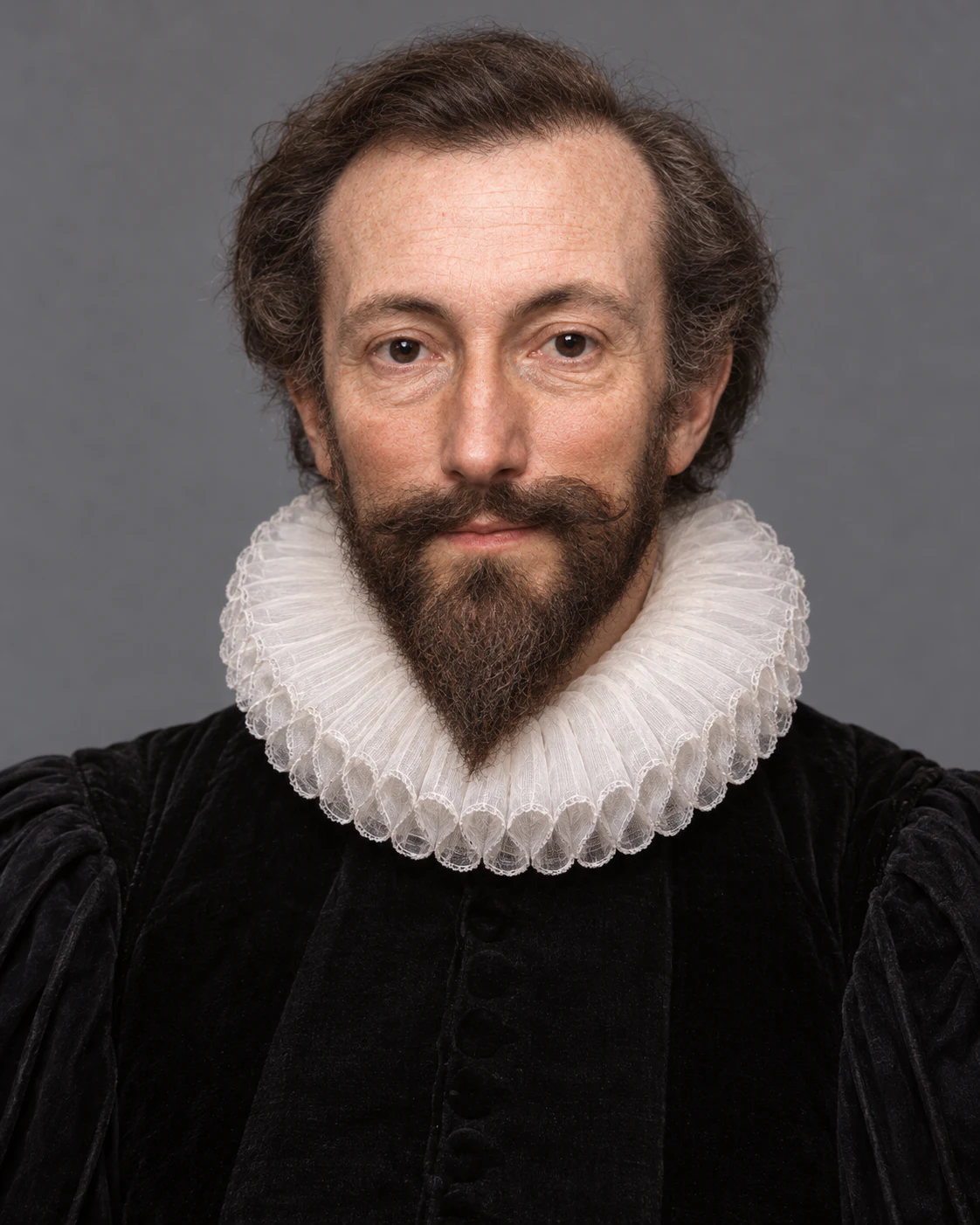
John Donne
Entered 1584
The poet and later Dean of St Paul’s attended Hart Hall in 1584, though he did not take an Oxford degree.
College connection
Hart Hall predecessor student; no degree. Matriculated 1584.
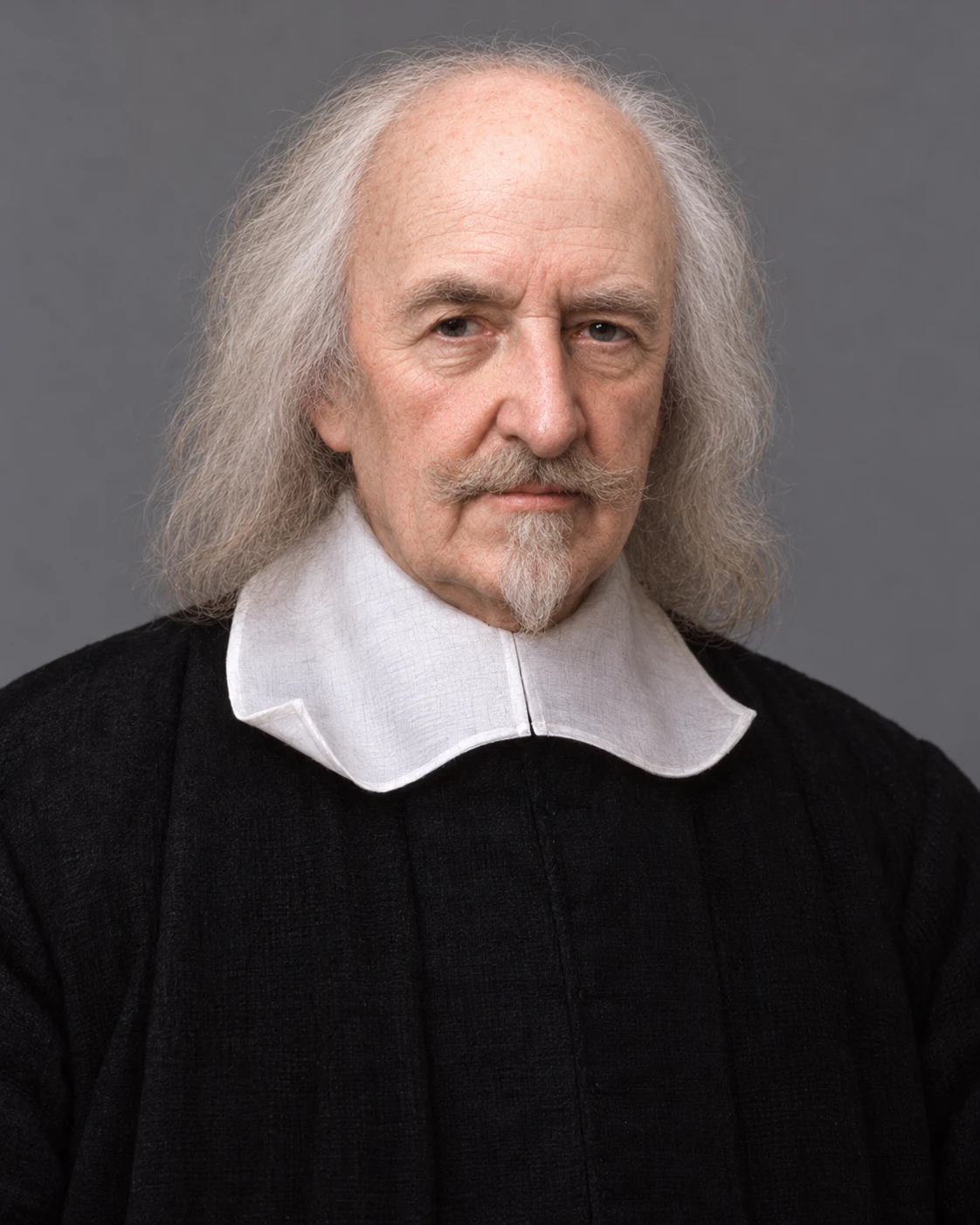
Thomas Hobbes
1608
The philosopher behind Leviathan studied at Magdalen Hall, one of Hertford’s predecessors, and took his BA in 1608.
College connection
Magdalen Hall predecessor degree student. BA 1608.

Alain LeRoy Locke
1907–1910
The philosopher and Harlem Renaissance figure studied at Hertford from 1907 to 1910 as the first African American Rhodes Scholar at Oxford.
College connection
Hertford student and Rhodes Scholar. 1907–1910.

Evelyn Waugh
The novelist attended Hertford as an undergraduate but left without completing his degree.
College connection
Undergraduate student; left without completing a degree.
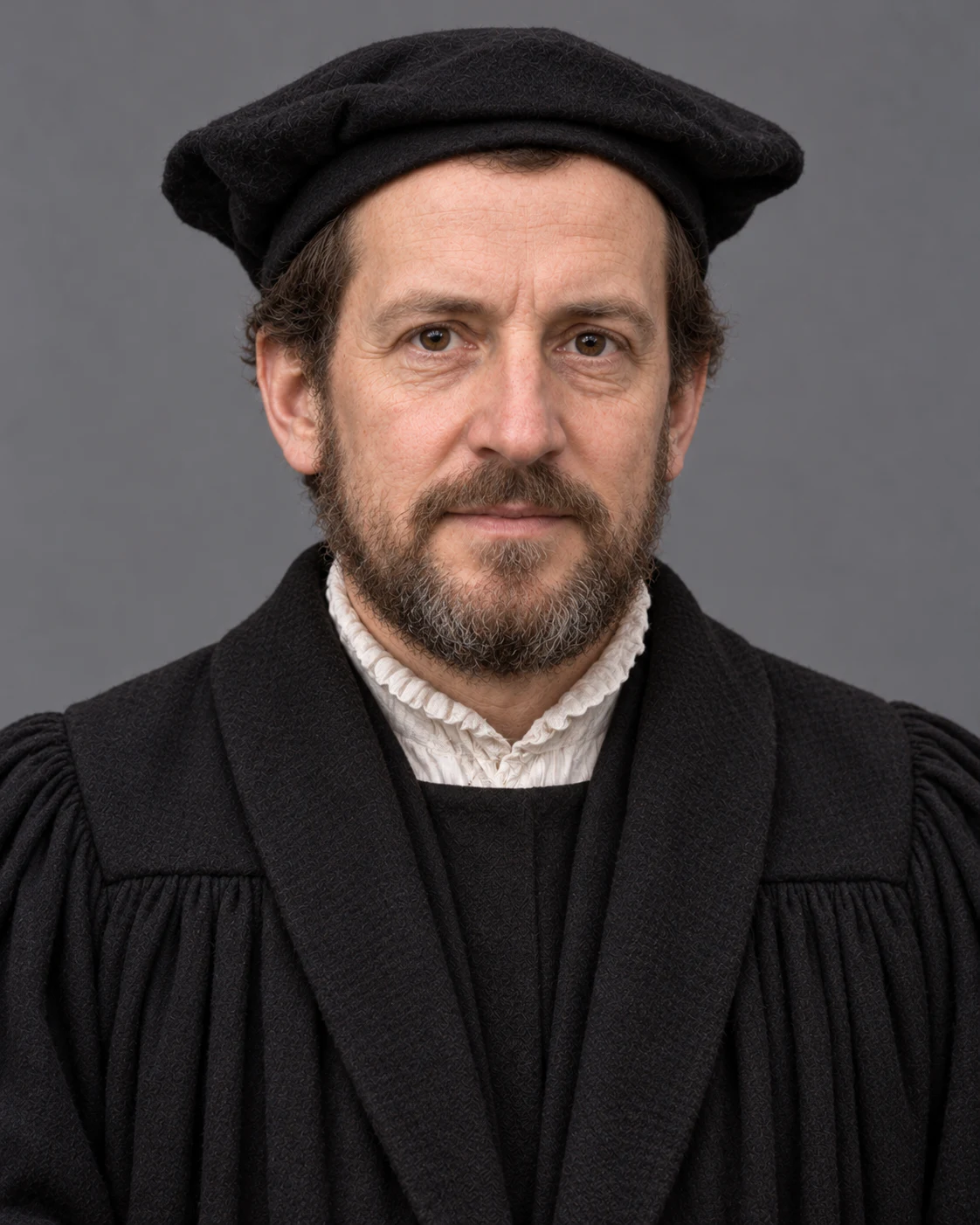
William Tyndale
The Bible translator studied at Magdalen Hall. Hertford’s chapel has a window commemorating him.
College connection
Magdalen Hall predecessor student.

Fiona Bruce
The broadcaster and presenter studied at Hertford and is an Honorary Fellow of the college.
College connection
Hertford degree student.

Daniel Dennett
The philosopher and cognitive scientist studied at Hertford as a graduate student.
College connection
Hertford graduate student.
Fellows, founders and other connections
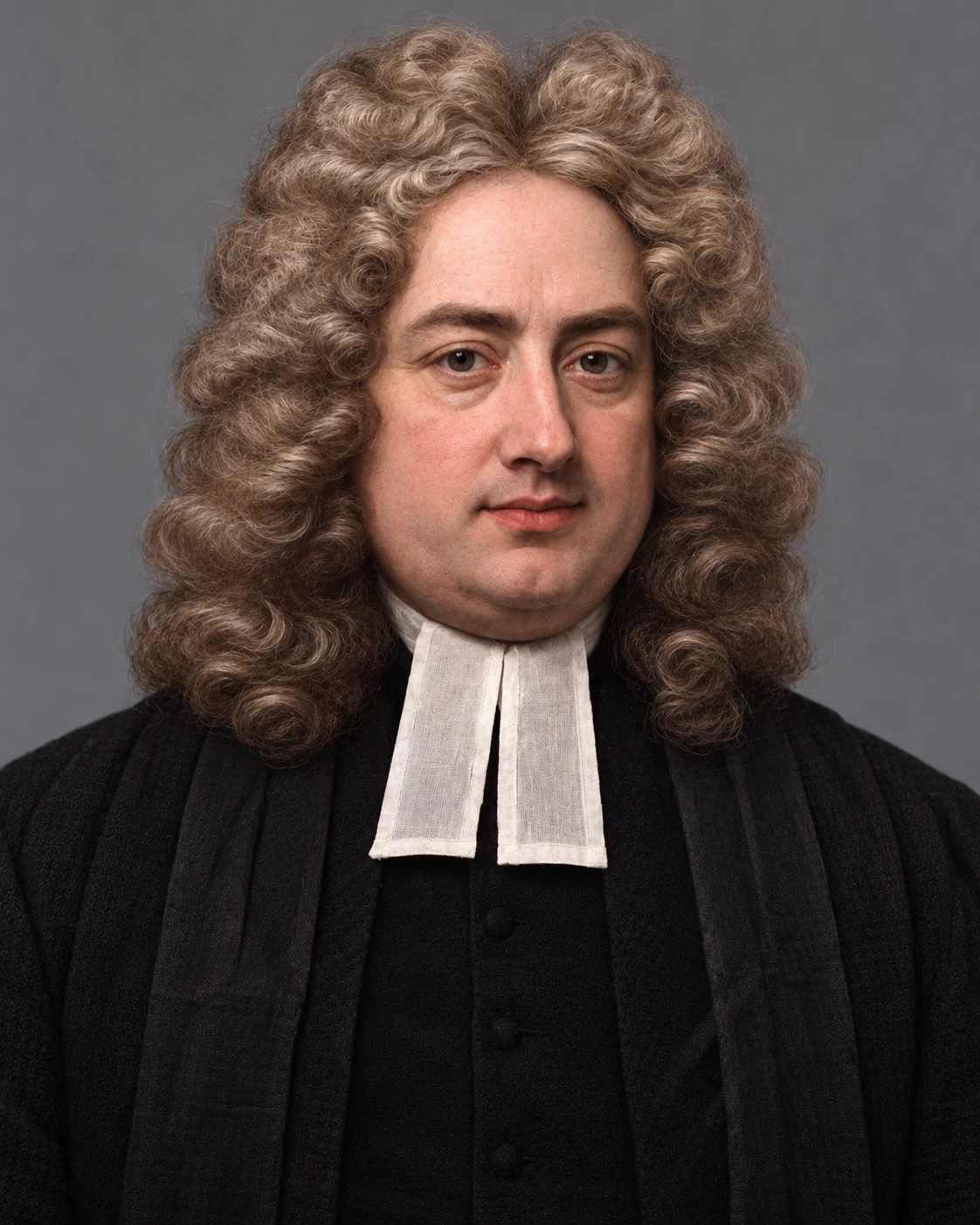
Jonathan Swift
1692
The author of Gulliver’s Travels received an Oxford MA through Hart Hall in 1692, after studying in Dublin.
College connection
Hart Hall predecessor member; Oxford MA. 1692.
The story
History & character.
Hertford’s history begins with Hart Hall, an academic hall associated with Elias de Hertford in the 1280s. Its emblem, a hart or male deer, recalls that early name. The hall occupied a place in a city where scholars lived in rented buildings as well as colleges.
In 1312 Walter de Stapeldon bought Hart Hall and briefly housed the scholars who would become Exeter College there before they moved to Turl Street. Exeter retained the freehold and collected rent for centuries. William of Wykeham also leased the hall while New College was being built.
The Old Hall was built during the time of Principal Randell, between 1549 and 1599. Its carved and coloured doors came in the following century. Another older piece of the site is the Octagon, adapted from the Chapel of Our Lady at Smith Gate, built around 1520.
John Donne entered Hart Hall in 1584 but did not take a degree. Jonathan Swift received an Oxford MA through the hall in 1692, after earlier study in Dublin. Both connections belong to the hall that existed before the first Hertford College.
Hart Hall became Hertford College in 1740, but that college failed in the early nineteenth century. In 1822 Magdalen Hall moved onto the site. It was a separate institution from Magdalen College; its former students included philosopher Thomas Hobbes and Bible translator William Tyndale. Magdalen Hall became the modern Hertford College in 1874, with financial support from Thomas Baring.
Architect Thomas Graham Jackson helped shape the refounded college. His buildings include the bridge over New College Lane, a spiral staircase inspired by the Château de Blois and the chapel completed in 1908. The chapel’s Tyndale Window was made in 1911 and moved here from the Bible Society in 1994.
Alain LeRoy Locke studied at Hertford from 1907 to 1910 as the first African American Rhodes Scholar to come to Oxford. He became a philosopher and an important figure in the Harlem Renaissance. Novelist Evelyn Waugh was another student of the modern college.
In 1965 physics tutor Neil Tanner began a scheme to widen access for state-school applicants, responding to the cost of extra preparation for Oxford entrance exams. Hertford admitted women undergraduates in 1974 and elected its first woman fellow, Julia Briggs, in 1978. Holywell Quad was built between 1976 and 1981 as the college grew.
The library is changing again. A redevelopment will more than double its space, restore a reading room and provide lifts and dedicated rooms for rare books and archives. The college expects it to open at the end of summer 2027.
Look closer
What to see.
The Bridge of Sighs
Jackson’s bridge joins Hertford buildings above New College Lane. Its enclosed crossing is private, but the view from the lane is open to everyone.
The Catte Street frontage
The college entrance faces the Bodleian quarter. Older buildings and carved seventeenth-century doors sit among the later architecture.
The Tyndale Window
The chapel window commemorates Bible translator William Tyndale, who studied at Magdalen Hall. Made in 1911, it came to Hertford in 1994. Chapel services and arranged visits have separate admission conditions.
The chapel
Completed in 1908, the chapel contains an Alfred Hunter organ, George Frampton’s marble reredos and a copy of Caravaggio’s Taking of Christ.
The historic books
The rare books include works by Newton and Hooke, with annotations left by readers. They are part of a research collection, not a general visitor display.
Make it work
Plan your visit.
Hertford is closed to casual tourist visits, but the Bridge of Sighs can be seen from public New College Lane. The Catte Street frontage sits alongside the Bodleian quarter, making it easy to include in a walk through central Oxford.
Alumni can usually visit OB Quad and the chapel Monday to Friday, 10am–3pm, and Saturday, 2pm–4pm, outside exam periods and college events. Exams typically affect visits from mid-May to late June. Prospective applicants can arrange a visit through the college’s outreach team. Chapel services, recitals and research visits have separate arrangements.
The Catte Street entrance is step free, though the dining hall and other rooms are reached by stairs. An accessible toilet and hearing loop are available for authorised visitors. Library redevelopment continues towards a planned opening at the end of summer 2027.
Visit your way
Access and family planning.
The Catte Street entrance is step free, although much of the college has steps and the dining hall is reached by stairs. The main site has an accessible toilet and a hearing loop at the Lodge for authorised visitors.
The library redevelopment includes lifts; the planned opening is at the end of summer 2027. Hertford is closed to casual tourist visits, while alumni and other authorised visitors have separate arrangements.
The Bridge of Sighs makes a memorable stop on New College Lane. Children can see how it connects buildings across the street, with the Bodleian and Radcliffe Square nearby. Hertford is closed to casual tourist visits, so the bridge is viewed from outside.
Self-guided walk
A walk from Hertford College
A 45–60 minute walk from Hertford takes in the bridge, Radcliffe Square and Broad Street before returning to Catte Street.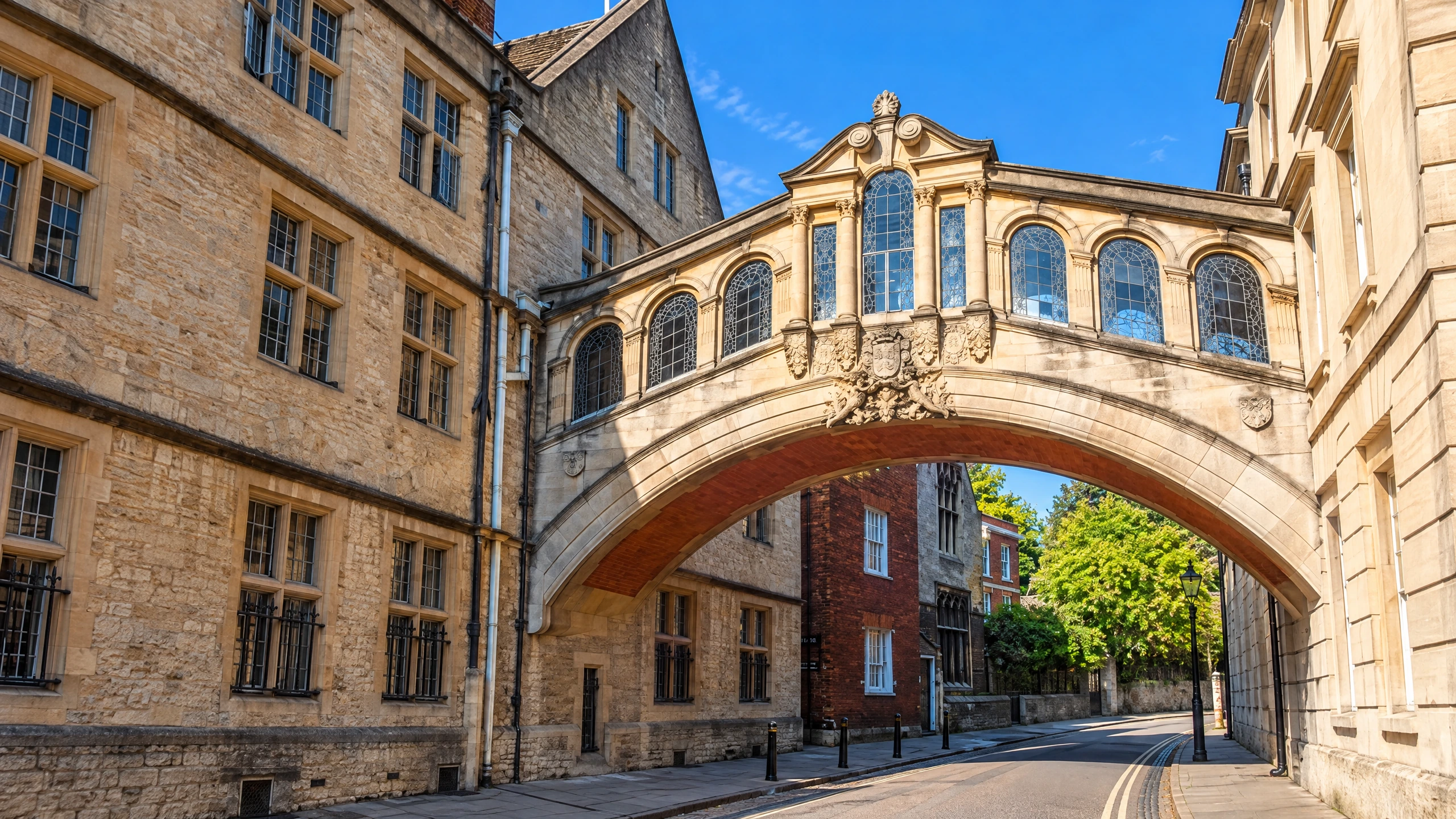
5 min
The college entrance
Hertford’s entrance faces Catte Street, near the Bodleian. The college is closed to casual tourist visits.
8 min
New College Lane
The Bridge of Sighs spans the lane just east of Catte Street, joining the college buildings above.
10 min
Radcliffe Square
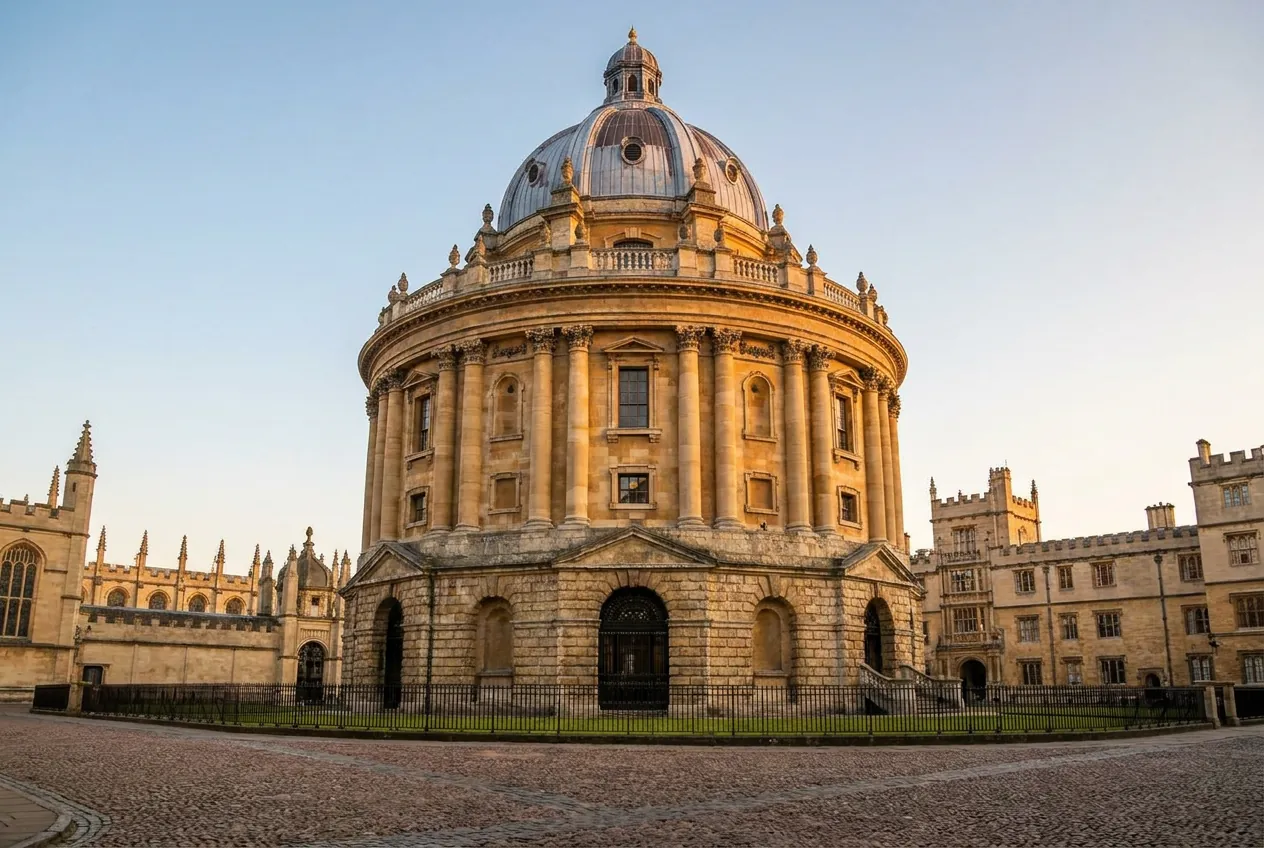
South along Catte Street, Radcliffe Square opens around the circular Radcliffe Camera.
10 min
Broad Street
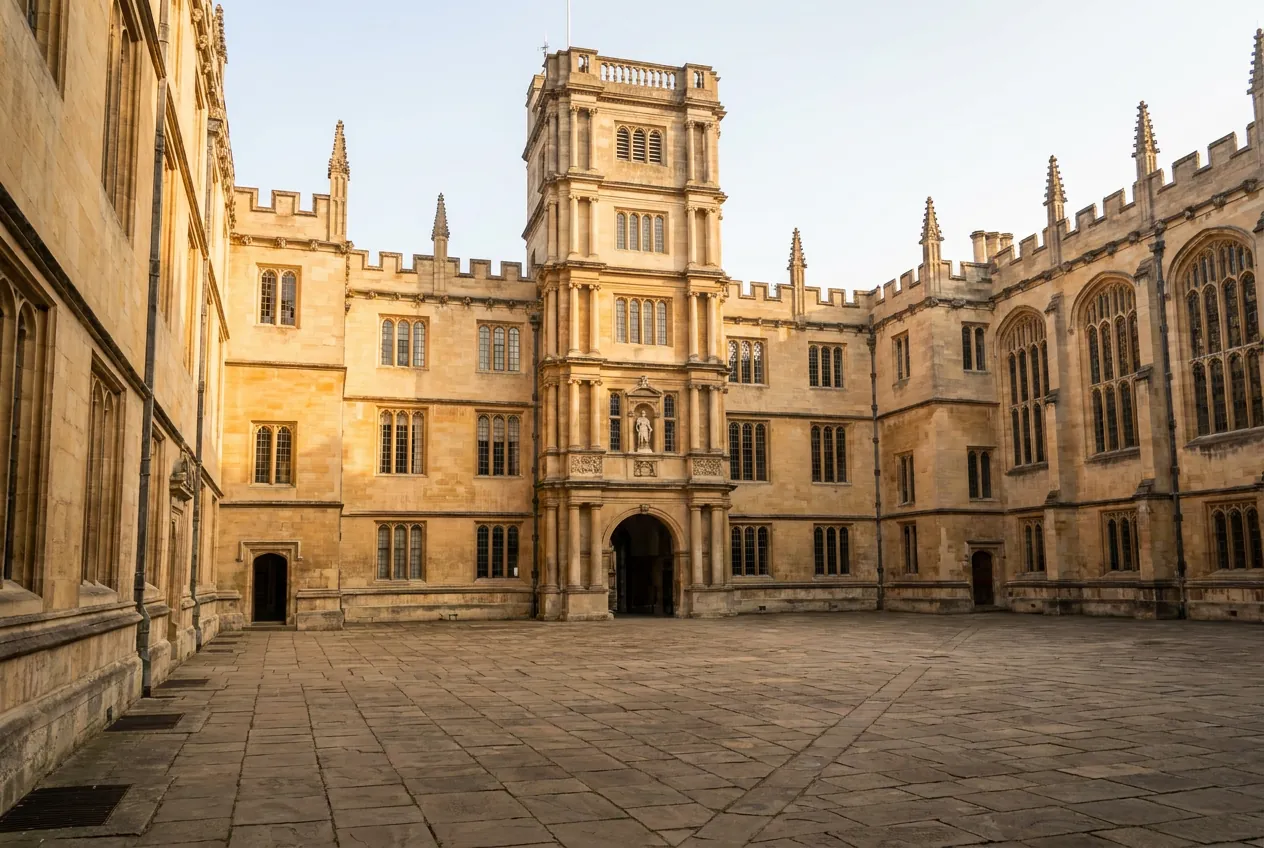
North of the college, Broad Street brings the Sheldonian and other university buildings into view.
5 min
Return to the starting gate
Catte Street leads back to the entrance and another view towards the bridge.
Optional refreshments
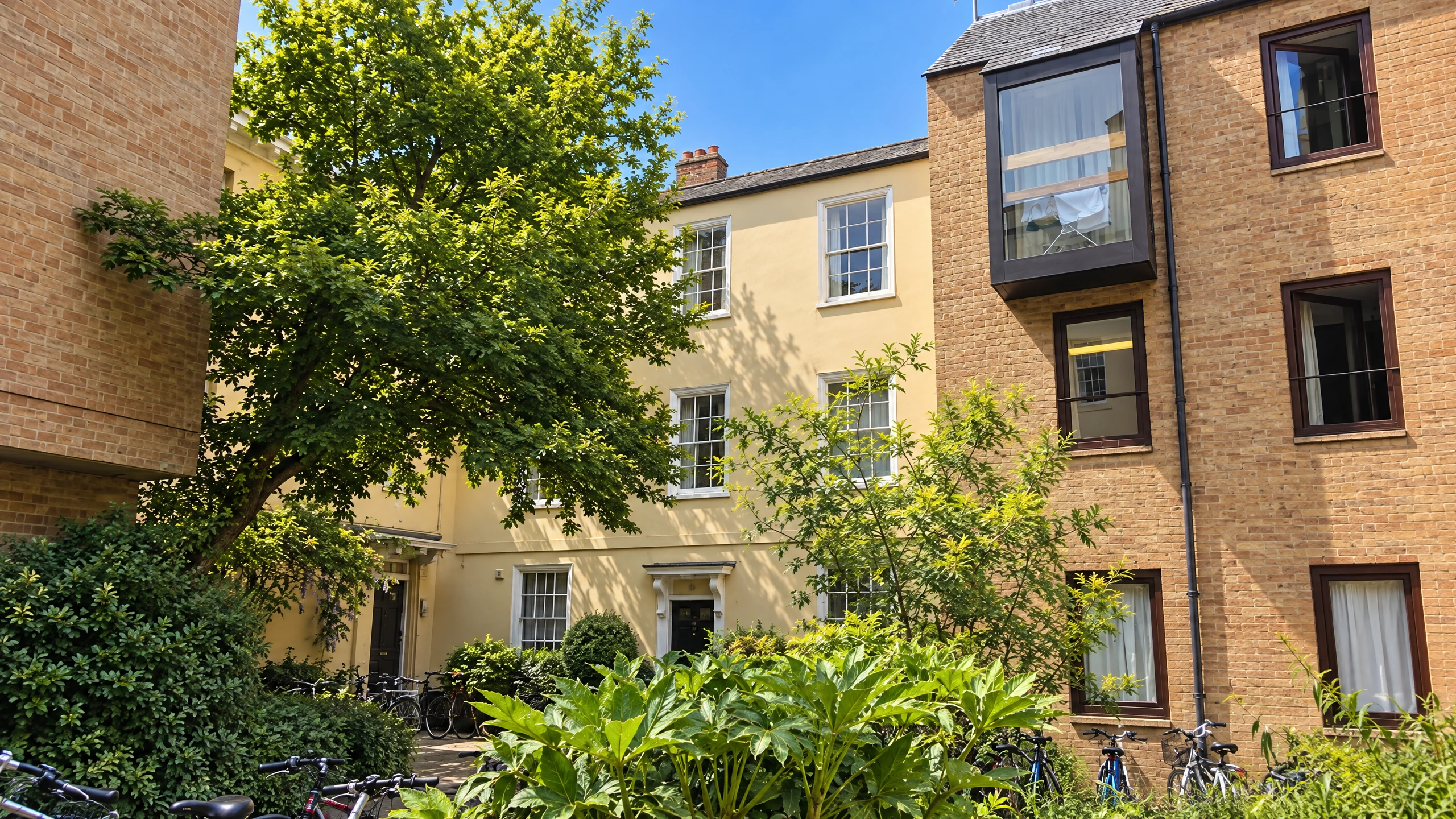
There are cafés on the streets around Broad Street and the city centre.
See it
In pictures.
10 views, full screen. Tap any one to open the viewer.Around here
Make more of the area.
Across Catte Street, the Bodleian’s historic quadrangle is at the heart of Oxford’s library quarter.
The round Radcliffe Camera stands in an open square just south of Hertford, surrounded by university buildings.
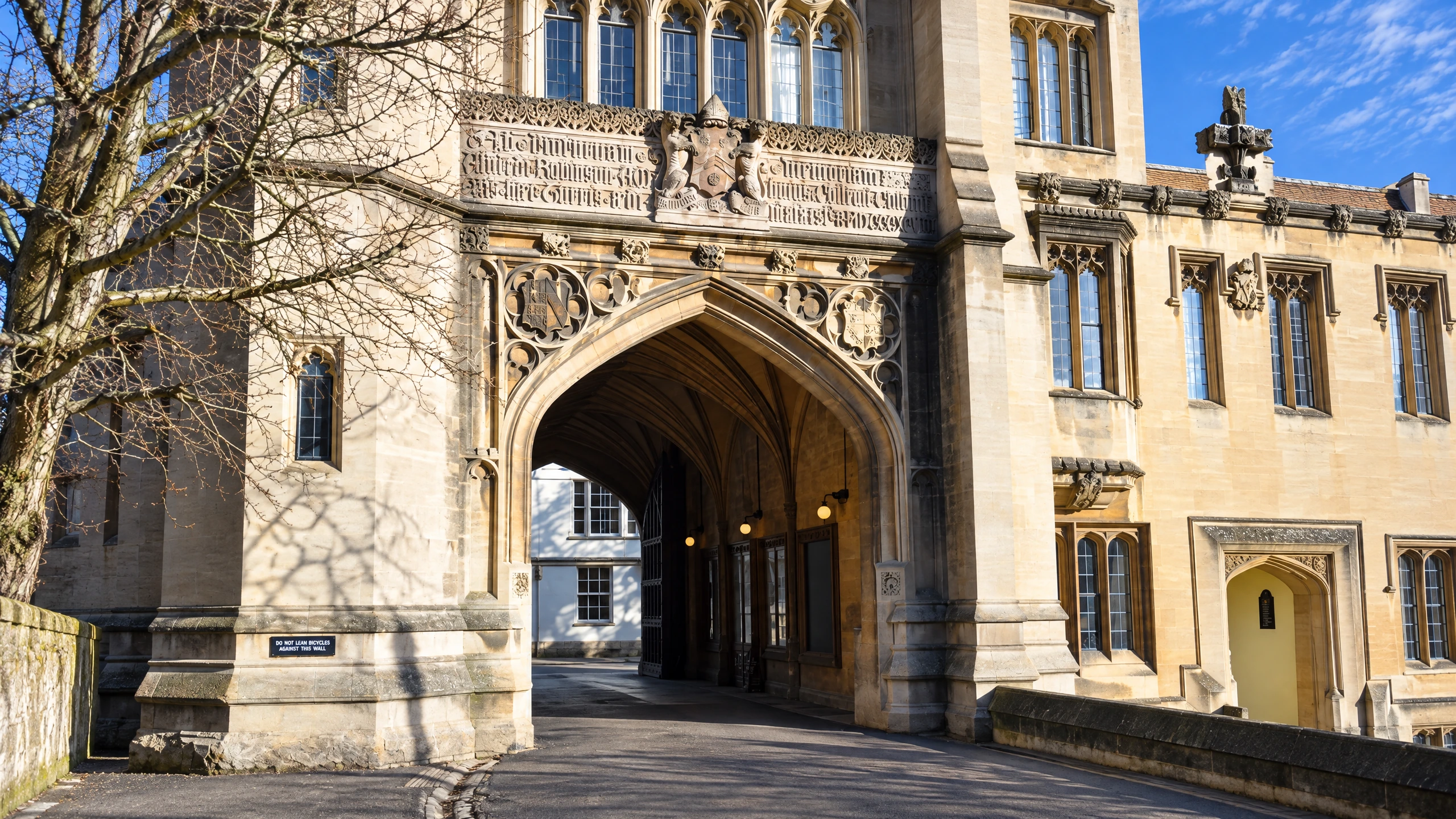
Further along New College Lane, New College offers a chance to see another college’s historic buildings and gardens. Admission is separate.
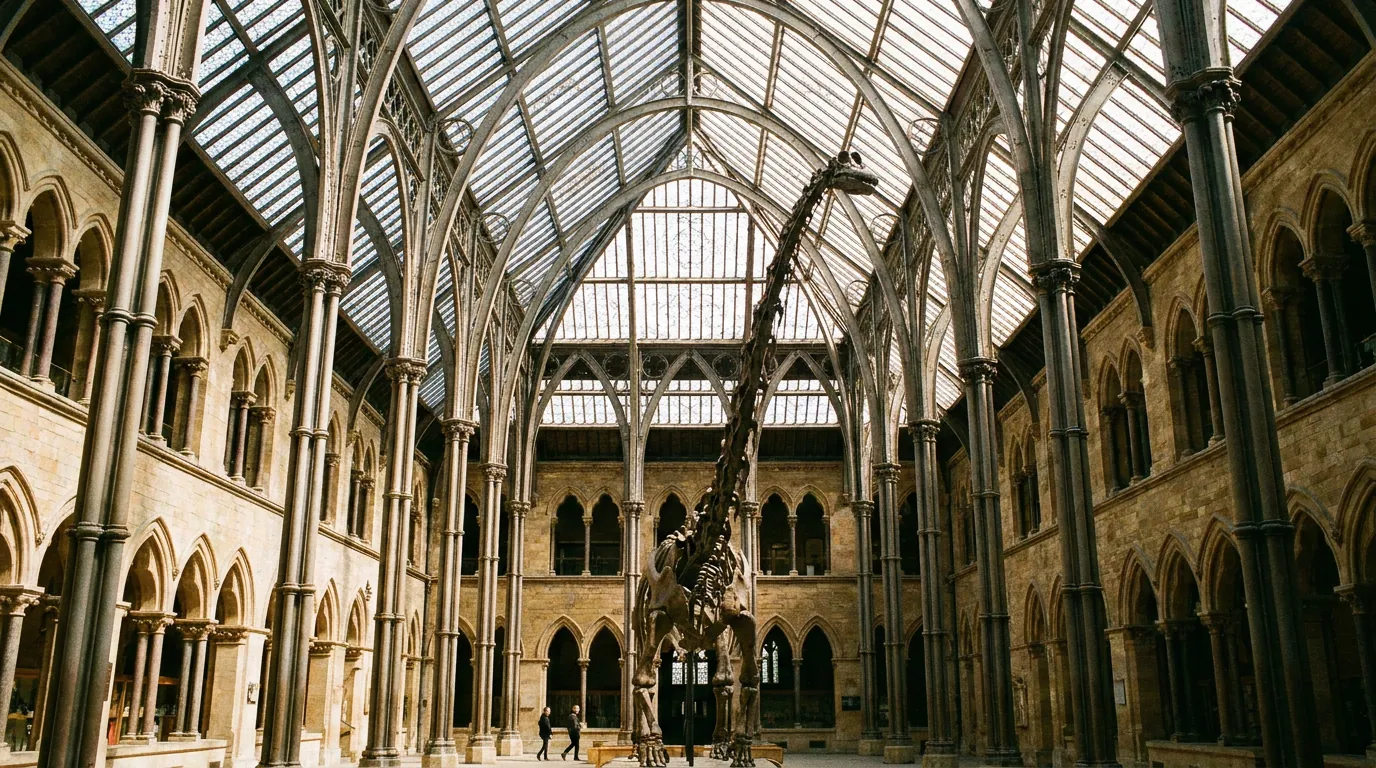
The museum’s collections offer a family-friendly indoor stop north of the centre on Parks Road.
Good to know
Questions, answered.
Can tourists visit Hertford College Oxford?
No. Hertford is closed to casual tourist visits. The bridge and college frontage can be seen from public streets; alumni and other authorised visitors have separate arrangements.
Can visitors walk across Hertford’s Bridge of Sighs?
The bridge is an enclosed college crossing and is not open as a public walkway. Its exterior is visible from New College Lane below.
Can the public attend a service at Hertford College Chapel?
Hertford Chapel welcomes the public to services. The college is otherwise closed to tourists, so attending worship does not give general access to the quadrangles.
Can visitors see Hertford’s historic library during the redevelopment?
The historic library is not a casual tourist attraction. Redevelopment is under way, with opening planned for the end of summer 2027; research access has separate arrangements.
Is Hertford College Oxford wheelchair accessible?
The Catte Street entrance is step free, but routes inside vary and several rooms have stairs. Planned library lifts form part of the redevelopment and are not yet available.
Why was Hertford’s bridge built over New College Lane?
The bridge connects college buildings on opposite sides of New College Lane. Thomas Graham Jackson designed it; the enclosed crossing is private, while the lane below is public.
Why does Hertford still use a hart as its emblem?
The hart, or male deer, recalls Hart Hall and its association with Elias de Hertford in the 1280s. The college’s arms show a hart with a cross between its antlers, an image associated with Saints Eustace and Hubert.
Did the first Hertford College in Oxford survive continuously from 1740?
The first Hertford College in Oxford, founded in 1740, failed in the early nineteenth century. The modern Hertford College was refounded in 1874, after Magdalen Hall moved onto the site.
Why is Magdalen Hall part of Hertford’s history?
Magdalen Hall moved to the former Hertford site in 1822 and became the modern college in 1874. It was a separate institution from similarly named Magdalen College.
What French building inspired Hertford’s spiral staircase?
The Château de Blois inspired Thomas Graham Jackson’s spiral staircase at Hertford. It sits among buildings from several periods on the college’s compact city-centre site.
What was Hertford’s Octagon before it became a graduate space?
The Octagon incorporates the Chapel of Our Lady at Smith Gate, built around 1520. The old city-gate chapel was later adapted for Hertford’s graduate community.
Is Hertford’s Chapel a medieval survival from Hart Hall?
No. The present chapel was completed in 1908 to a design by Thomas Graham Jackson. Its furnishings include an organ, a marble reredos and the Tyndale Window.
Why did Hertford’s Tyndale Window arrive long after it was made?
The window was made in 1911 and transferred from the Bible Society in 1994. It remembers William Tyndale, the Bible translator who studied at Magdalen Hall.
Why is Caravaggio associated with Hertford’s Chapel?
The chapel contains a copy of Caravaggio’s Taking of Christ. Other works in the 1908 building include George Frampton’s marble reredos and the Tyndale Window.
What scientific books are preserved in Hertford’s historic library?
The historic collection includes Newton’s Principia and Hooke’s Micrographia, with annotations by readers. The rare books are a research collection rather than a general tourist display.
What was Hertford’s Tanner admissions scheme?
Physics tutor Neil Tanner began the scheme in 1965 to help identify talented state-school pupils who faced barriers in Oxford’s usual admissions process.
What will Hertford’s reimagined library change?
The redevelopment is intended to more than double the library’s space, add lifts and provide rooms for rare books and archives. Opening is planned for the end of summer 2027.
Did John Donne graduate from Hertford’s predecessor Hart Hall?
No. Donne entered Hart Hall in 1584 but did not take an Oxford degree. The poet’s connection predates both the first Hertford College and the modern refoundation.
Was Thomas Hobbes a Hertford or Magdalen College student?
Hobbes studied at Magdalen Hall, a predecessor of modern Hertford, and took his BA in 1608. The hall was a separate institution from Magdalen College.
How does Jonathan Swift’s Oxford MA connect him with Hertford?
Swift received an Oxford MA through Hart Hall in 1692, after earlier education in Dublin. Hart Hall was one of the institutions in Hertford’s history.
Why is Alain LeRoy Locke important to Hertford?
Locke studied at Hertford from 1907 to 1910 as the first African American Rhodes Scholar at Oxford. He became a philosopher and a major figure in the Harlem Renaissance.
Where does William Tyndale fit into Hertford’s institutional history?
Bible translator William Tyndale studied at Magdalen Hall, which later became part of Hertford’s history. A window in the chapel commemorates him.
Which Hertford Honorary Fellow is associated with Antiques Roadshow?
Broadcaster Fiona Bruce is a Hertford Honorary Fellow and has presented Antiques Roadshow since 2008. Her television work also includes news and arts programmes.
What is Daniel Dennett’s connection with Hertford?
Philosopher and cognitive scientist Daniel Dennett studied at Hertford as a graduate student. His work ranged across philosophy of mind, consciousness and artificial intelligence.
Editorial notes
Sources and further reading.
Sources for this guide
Research date: 1 November 2026. Inline links accompany claims. Source status distinguishes full material read from retained partial leads and carried-forward coordinate metadata.
H — Hertford history
- URL: https://www.hertford.ox.ac.uk/and-more/college-history/
- Status: read
- Supports: Hart Hall, Magdalen Hall, failed earlier college, 1874 refoundation and Jackson buildings.
V — Hertford visiting
- URL: https://www.hertford.ox.ac.uk/and-more/visit-us/
- Status: read
- Supports: Closed to tourists; alumni/applicant arrangements, Lodge and access.
L — Library redevelopment
- URL: https://www.hertford.ox.ac.uk/support-us/a-college-library-reimagined/
- Status: read
- Supports: End-of-summer 2027 intended opening, new archive facilities and lifts.
C — Chapel history
- URL: https://www.hertford.ox.ac.uk/living-here/chapel/history/
- Status: retained-partial
- Supports: 1908 Chapel, objects, organ, reredos and wartime memorial.
T — Tyndale Window
- URL: https://www.hertford.ox.ac.uk/living-here/chapel/history/tyndale/
- Status: retained-partial
- Supports: 1911 manufacture and 1994 transfer to Hertford.
R — Hertford rare-book treasures
- URL: https://www.hertford.ox.ac.uk/and-more/rarebooks-archives/rare-books/treasures/
- Status: retained-partial
- Supports: Annotated Newton, Hooke and other historic books.
P1 — Alain LeRoy Locke
- URL: https://www.hertford.ox.ac.uk/associate/alain-leroy-locke-1886-1954/
- Status: retained-partial
- Supports: 1907–1910 attendance and first African American Rhodes Scholar.
P2 — John Donne
- URL: https://www.hertford.ox.ac.uk/associate/john-donne-1572-1631/
- Status: retained-partial
- Supports: Hart Hall matriculation in 1584, no degree.
P3 — Thomas Hobbes
- URL: https://www.hertford.ox.ac.uk/associate/thomas-hobbes-1588-1679/
- Status: retained-partial
- Supports: Magdalen Hall degree in 1608.
P4 — Jonathan Swift
- URL: https://www.hertford.ox.ac.uk/associate/jonathan-swift-1667-1745/
- Status: retained-partial
- Supports: Hart Hall and MA in 1692.
W — Hertford institutional and alumni reference
- URL: https://en.wikipedia.org/wiki/Hertford_College,_Oxford
- Status: read
- Supports: Additional relationships and architectural context.
RA — Hertford historic library
- URL: https://www.hertford.ox.ac.uk/and-more/rarebooks-archives/rare-books/
- Status: retained-partial
- Supports: About 5,000 books and sixty manuscripts; retained official summary.
A — University physical access guide
- URL: https://www.ox.ac.uk/about/how-we-are-run/equality-diversity/access-guide/colleges/hertford
- Status: read
- Supports: Retained full physical site survey: entrances, thresholds, ramps, lifts, toilets, parking and hearing support. Not a website-accessibility statement.
U — University college visiting directory
- URL: https://www.ox.ac.uk/about/visit-us/visiting-colleges
- Status: read
- Supports: Public access summary; college pages take precedence where explicitly conflicting.
G — Fresh college coordinate reference
- URL: https://en.wikipedia.org/wiki/Hertford_College,_Oxford
- Status: read
- Supports: Numeric WGS84 college coordinates read directly from Wikipedia on 1 November 2026. Campus pin, not a surveyed visitor or accessible entrance.
Conflict ledger
The physical guide’s March 2024 library note promised reopening in 2026; the current college project says end of summer 2027 and the University directory confirms works until summer 2027. Use the current date. Ordinary tourists are excluded; University wording about appointments must not imply a bookable general tour. Swift’s MA, Donne’s non-degree attendance and predecessor-hall affiliations are distinct from modern undergraduate degrees. The current official timeline describes institutional failure/dissolution in 1805, an 1816 Act permitting transfer and occupation by Magdalen Hall in 1822; secondary summaries often compress dissolution to 1816 and transfer to 1820. Visitor prose uses early-nineteenth-century failure and keeps legal transfer separate. The official timeline dates bridge unveiling to 1913, while the usual secondary completion date is 1914; no precise bridge-opening year is asserted.
Editorial calculations
Walking times, recommended visit durations, comparisons and scores are editorial judgements. No pin is an accessible-entrance certification; no unlisted ticket is described as available.
College-specific FAQ source review — 1 November 2026
Primary college, university, archive or author-estate material used for the revised FAQs. Retained primary pages were reused; additional primary readings were reviewed during the FAQ pass. These links supplement the earlier register without upgrading its blocked or partial entries.
- College information — Retained read primary material or newly read primary page; see the FAQ question for claim scope.
- College information — Retained read primary material or newly read primary page; see the FAQ question for claim scope.
Alumni and editorial review — 1 November 2026
- Donne, Hobbes, Tyndale and Wilkins predecessor-hall attendance; Exeter freehold; Tanner1965scheme;1974women and Julia Briggs1978. — read.
- Locke1907–10student span and Rhodes relationship. Exact retained source URL preserved. — retained-read.
- Explicitly calls Daniel Dennett a Hertford alumnus. — retained-read.
Alumni and editorial review —1November2026
- Donne, Hobbes, Tyndale and Wilkins predecessor-hall attendance; Exeter freehold; Tanner1965scheme;1974women and Julia Briggs1978. — read.
- Locke1907–10student span and Rhodes relationship. Exact retained source URL preserved. — retained-read.
- Explicitly calls Daniel Dennett a Hertford alumnus. — retained-read.
Further reading and sources
Opening hours, prices, programmes and access arrangements can change. Confirm critical details with the venue.
Keep exploring