Central · Founded 1350
Trinity Hall
A compact riverside college with an Elizabethan chained library, intimate courts and a history shaped by law.
- Founded
- 1350
- Location
- Trinity Lane
- Visiting
- Limited public opening
- Institution
- College
01 The experience
What to expect.
Trinity Hall is a small riverside college with a name that can be misleading: it is a college in its own right, founded in 1350 by William Bateman, Bishop of Norwich. His original purpose was to educate scholars in civil and canon law after the Black Death had devastated the clergy. Today the community studies a wide range of subjects, but the old legal foundation still helps explain its remarkable library.
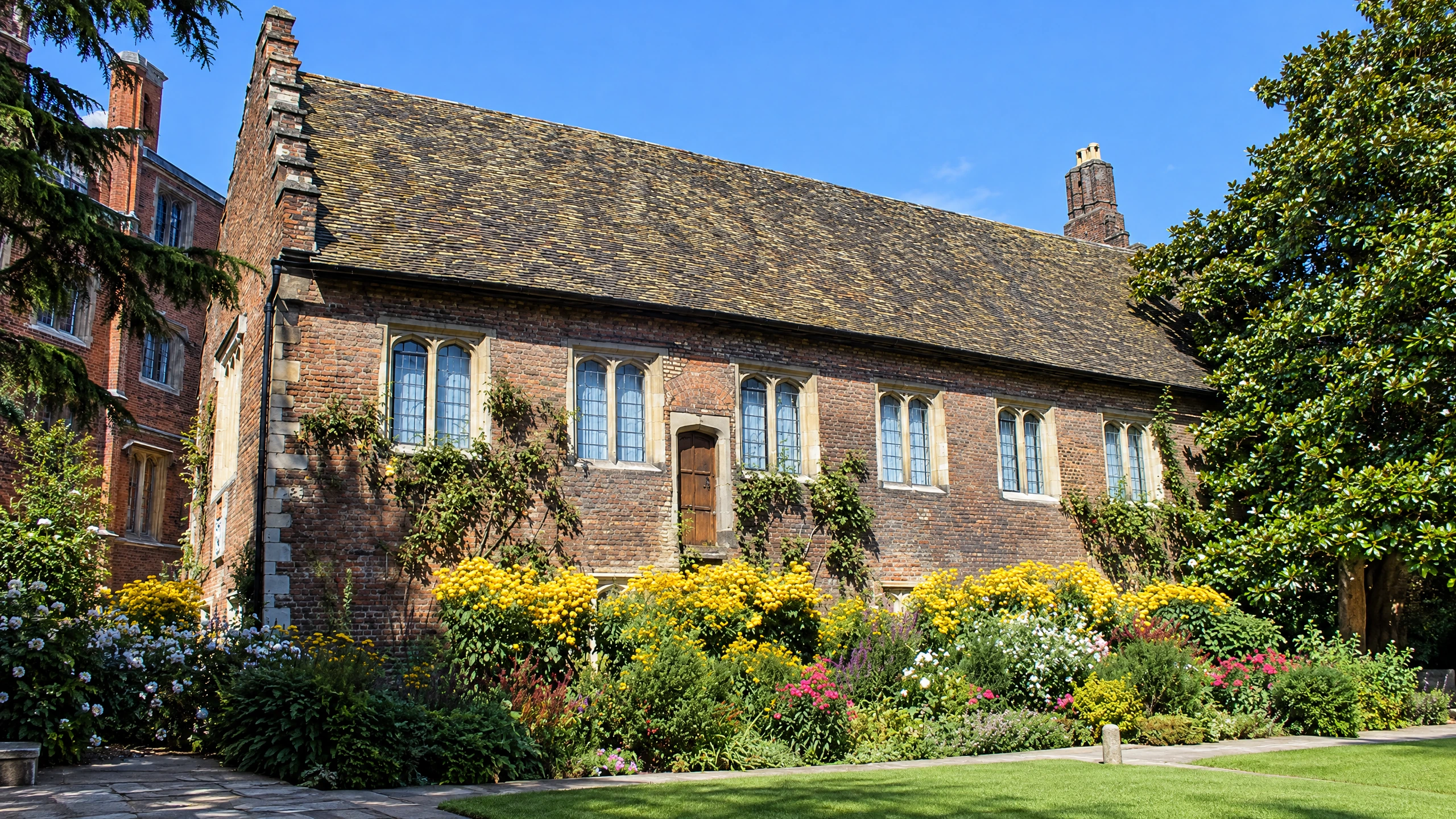
The Old Library stands above rooms near the river. Built in the late sixteenth century, it remains in its original setting and keeps much of its early furniture. Books were secured to desks by chains, allowing readers to consult valuable volumes while keeping them in the library. Two desks retain chained books and their working locking mechanisms; old globes stand near the river-facing windows. Visits inside are by prior arrangement, rather than a drop-in part of a college visit.
The old building also has an unusually visible trace of a vanished walkway: a doorway high on its south wall once connected the library with the Master’s Lodge. The walkway has disappeared, leaving the door suspended above the ground. The library was placed on the first floor to protect its books from the Cam’s winter floods.
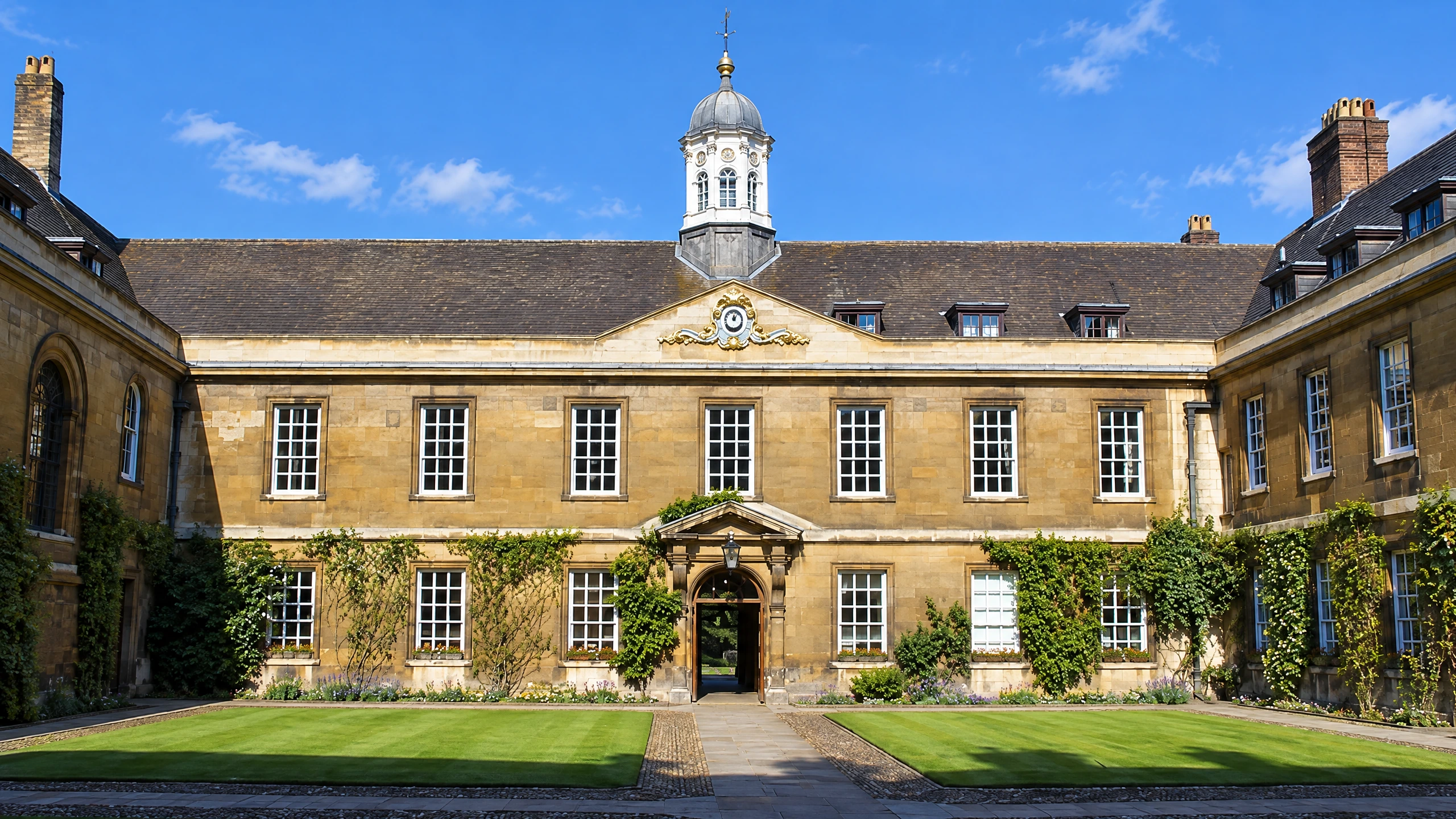
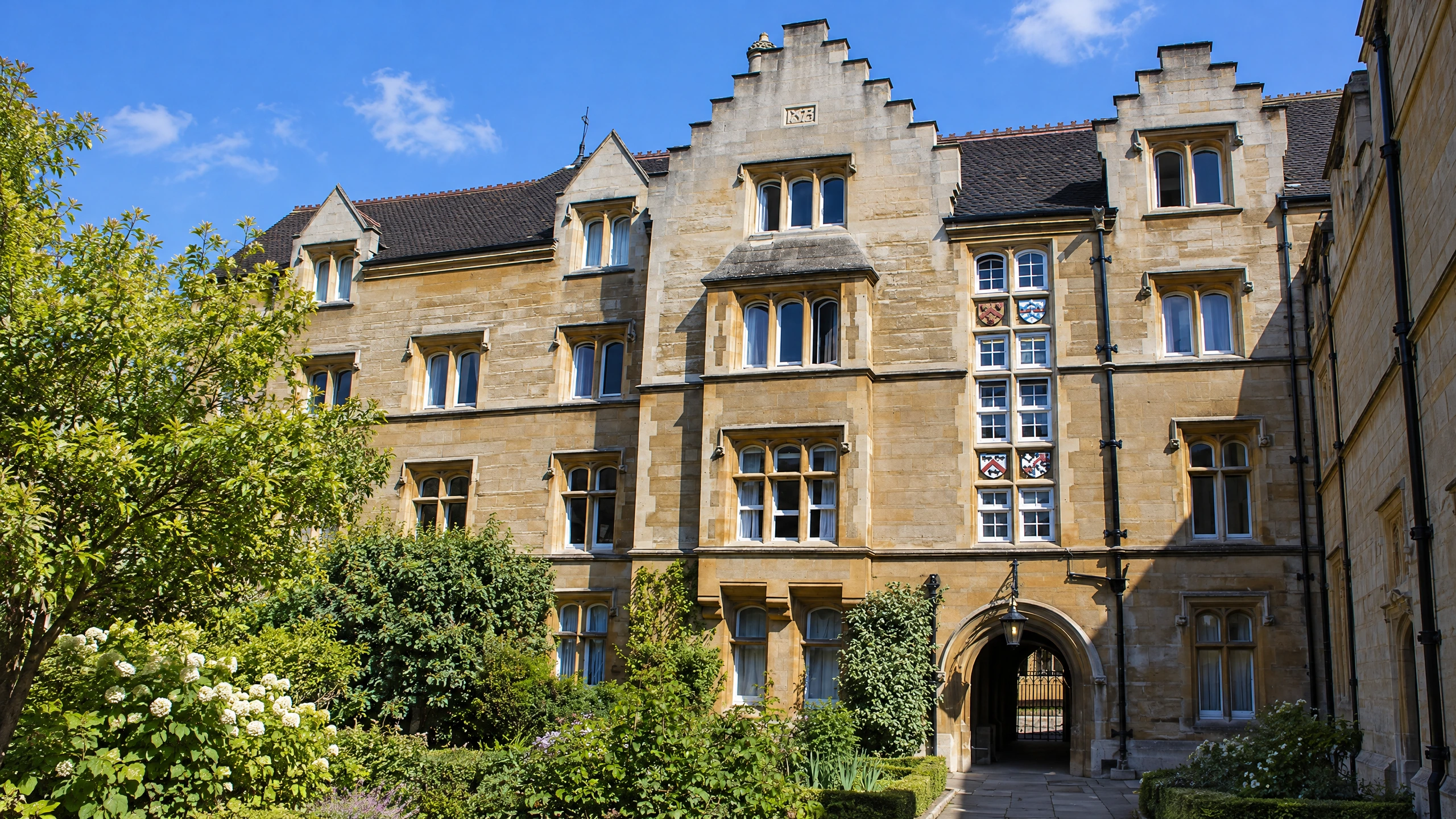
Front Court’s stone face, the intimate courts behind it and the garden by the Cam show different periods of a compact site. Garret Hostel Bridge gives a public view across the river, while opening hours for entering the college itself are limited and the site closes during the examination term.
People and ideas
Famous former students

Stephen Hawking
The theoretical physicist joined Trinity Hall as a research student in 1962.
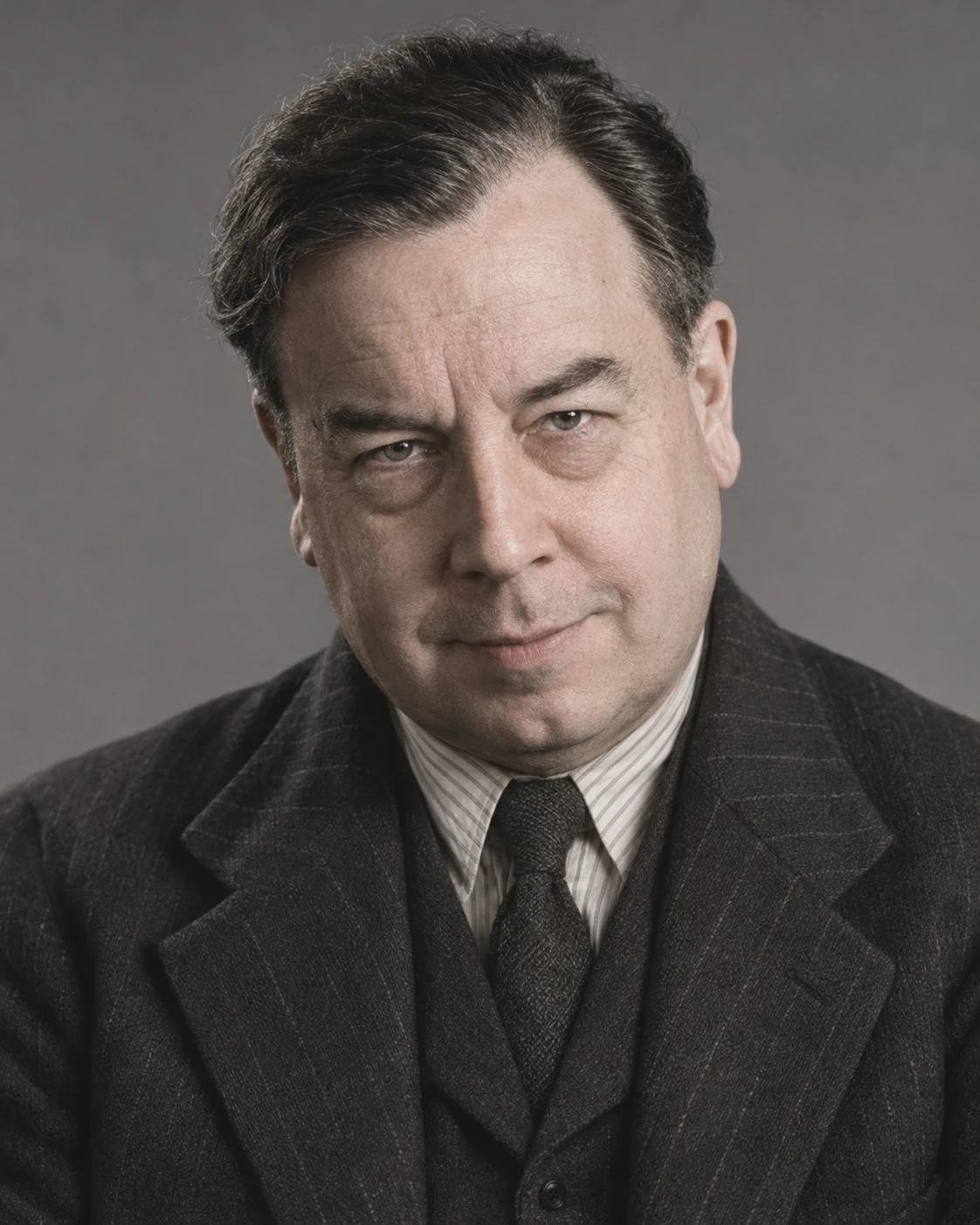
J. B. Priestley
The novelist and playwright matriculated in 1919.
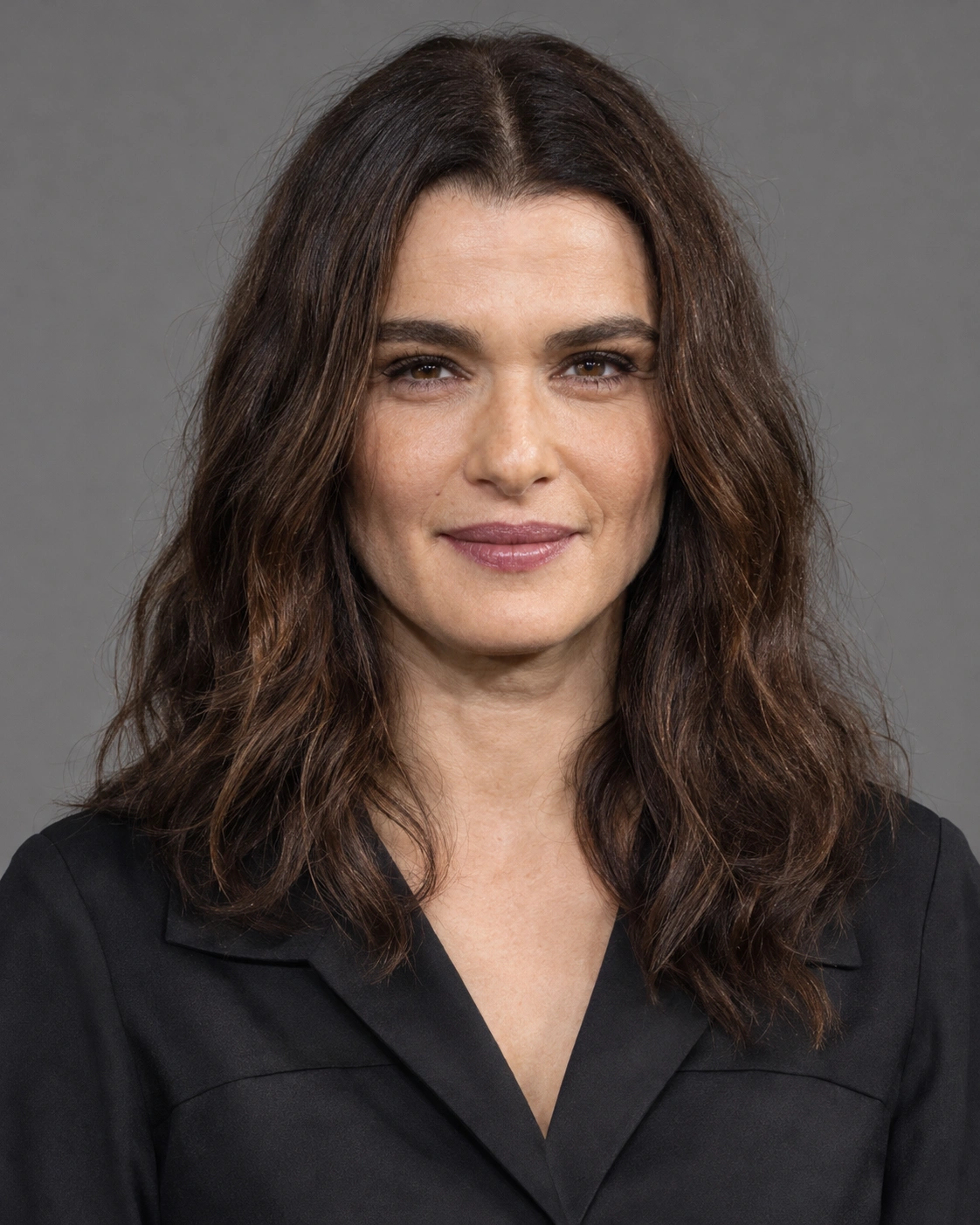
Rachel Weisz
The actor matriculated at Trinity Hall in 1988.
The story
History & character.
A legal foundation
William Bateman, Bishop of Norwich, founded Trinity Hall in 1350 to teach civil and canon law. The Black Death had severely depleted the clergy, and Bateman’s foundation formed part of the response to that loss.
A library made to last
Bateman gave books to the college and required certain legal works to be chained for shared use. The collection eventually outgrew its first room. A purpose-built library followed in the late sixteenth century, with books above and fellows’ rooms below.
Its long room still has the working furniture of an Elizabethan chained library. The first four pairs of lecterns and benches are original; two later pairs were made to match. Readers could stand at a sloping lectern or sit with a book resting on a board pulled from the bookcase. The chains allowed books to be consulted while keeping them attached to the desks.
Two globes near the river-facing windows belong to a later chapter. Made by John and William Cary, the celestial globe is dated 1799 and the terrestrial globe 1806. Their engraved paper surfaces were coloured by hand. The room survives as a working collection, with visits arranged ahead rather than offered as ordinary drop-in access.
The court changes its face
The college’s central site grew from a house used by monks studying in Cambridge. Little of its medieval appearance is immediately obvious in Front Court today: much of what visitors see dates from eighteenth-century work. Inside the hall, earlier beams and panelling gave way to carved classical and baroque decoration. The chapel’s earlier timber roof was replaced with an ornate ceiling. Medieval windows and arches survive on the back wall, giving glimpses of the older college.
A riverside college today
The nineteenth-century Latham Building looks over the lawn that shares its name. A more recent addition is the Jerwood Library, built beside the Cam in 1998. The college’s central buildings are only one part of its home: Wychfield House and its grounds, acquired in 1948, developed into another site for accommodation and sport.
The theoretical physicist Stephen Hawking came to Trinity Hall for his PhD in cosmology in 1962. A room overlooking Latham Lawn now bears his name. The novelist and playwright J. B. Priestley and the actor Rachel Weisz are among other former students.
Look closer
Highlights and hidden details.
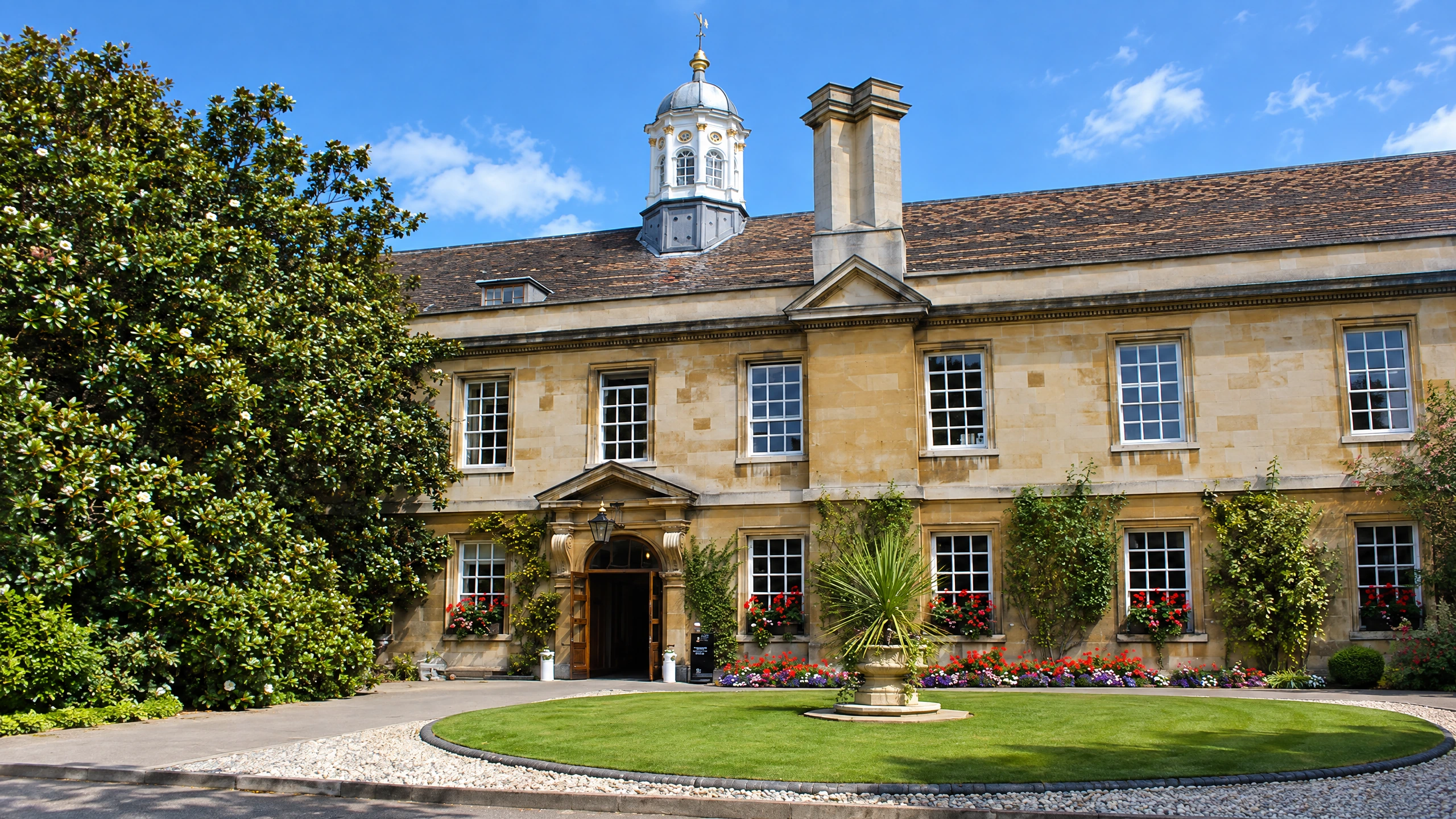
Front Court
The college’s central site opens from Trinity Lane into a compact court, with older fabric behind its later stone façades.
The Old Library
The Elizabethan library has original lecterns and two desks of chained books. Interior tours must be arranged in advance.
The river
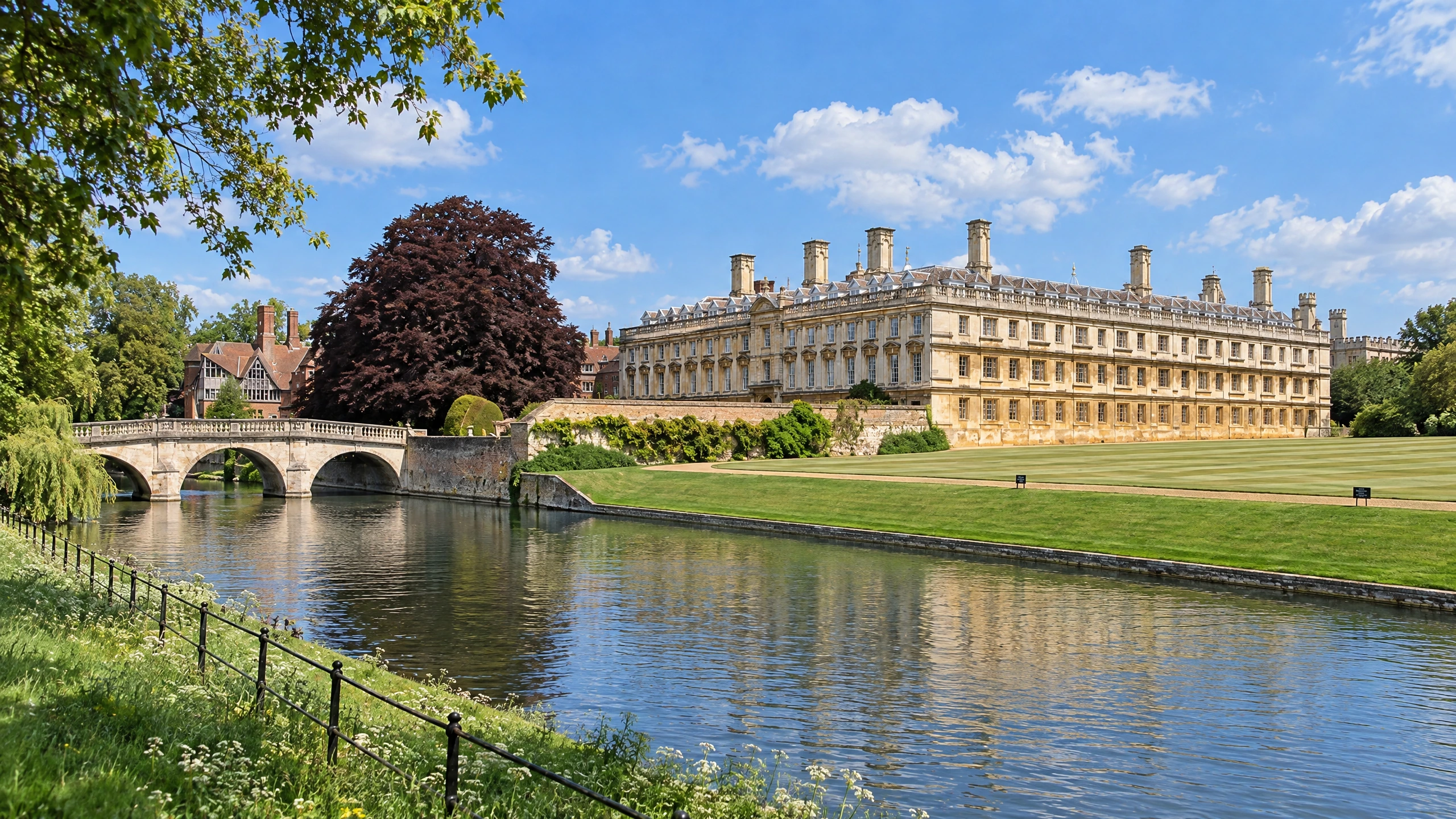
The college sits on the Cam beside Garret Hostel Bridge; its riverside gardens give the central site a quieter aspect.
Details to look for.
The doorway in the air
High on the Old Library’s south wall is a door that once opened onto a raised walkway to the Master’s Lodge. The walkway has gone, but its doorway remains.
A shared lock
A rod holds the chains at each surviving chained-book desk. Unlocking the rod allows the books to be removed; the mechanism uses two keys.
Make it work
Plan your visit.
The central site opens to the public Tuesday and Thursday 10:00–12:00 and 14:00–17:00, and Sunday 14:00–17:00. It closes from 21 December to 2 January inclusive and from April through June for examinations. Numbers may be restricted and opening arrangements can change.
The Old Library has no regular drop-in hours. Guided visits must be arranged at least 14 days in advance; contact the library for charges and arrangements.
Visit your way
Access and family planning.
Trinity Hall provides a disability access guide for its central site. Contact the Porters’ Lodge about the route and facilities needed for your visit; Old Library tours are arranged separately.
Self-guided walk
Explore beyond the venue.
A practical, step-by-step route connecting this experience with more of Cambridge.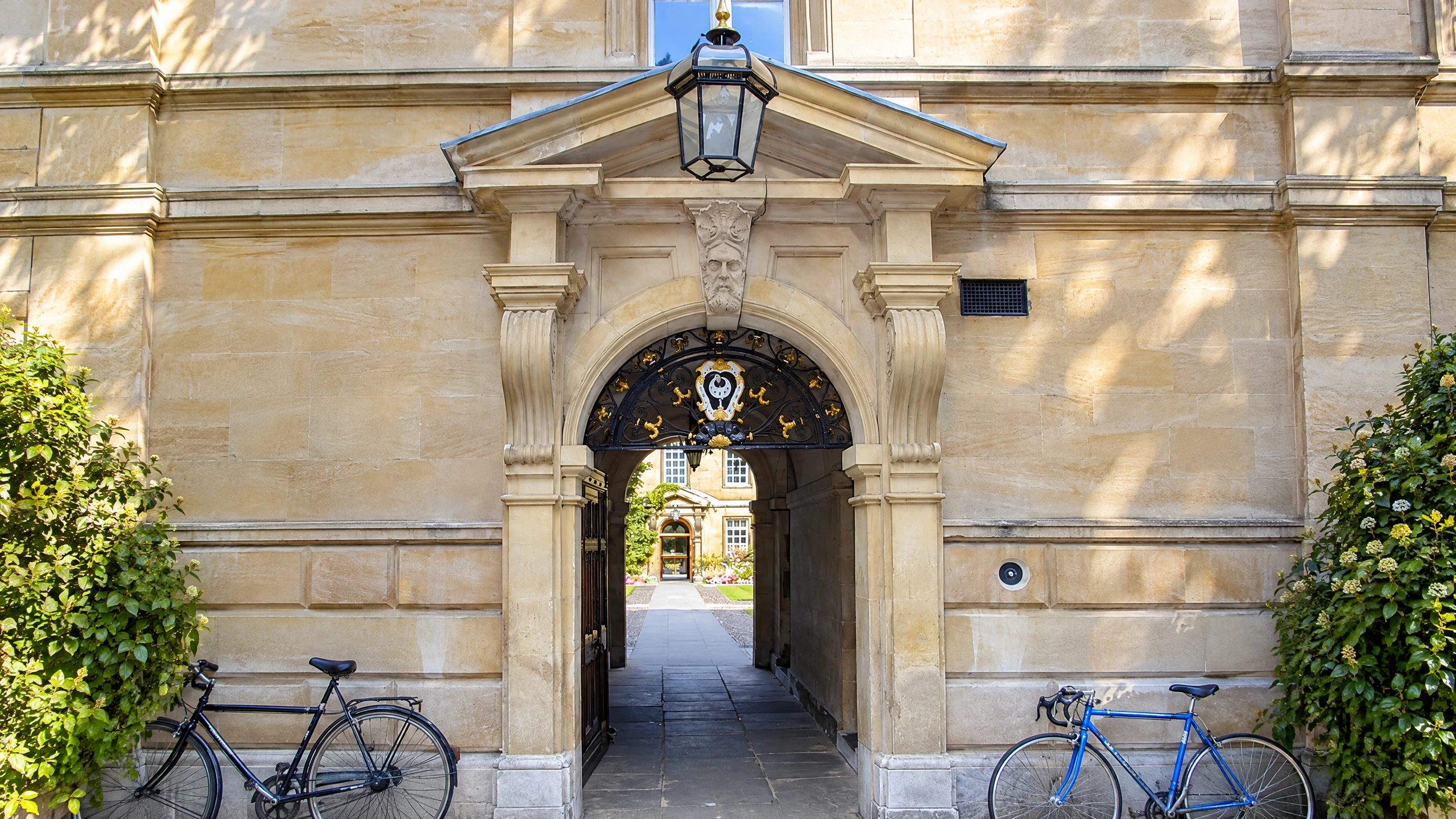
Trinity Hall
The main entrance is on Trinity Lane. Public opening is limited to Tuesday, Thursday and Sunday outside the seasonal closures.
Wren Library
Enter through Brewhouse Gate at the end of Garret Hostel Lane for the Wren Library's separate free visitor opening.
Clare College
Clare's riverside buildings and bridge sit next to Trinity Hall. Its entrance arrangements and garden openings are set by the college.
See it
In pictures.
10 views, full screen. Tap any one to open the viewer.Around here
Make more of the area.
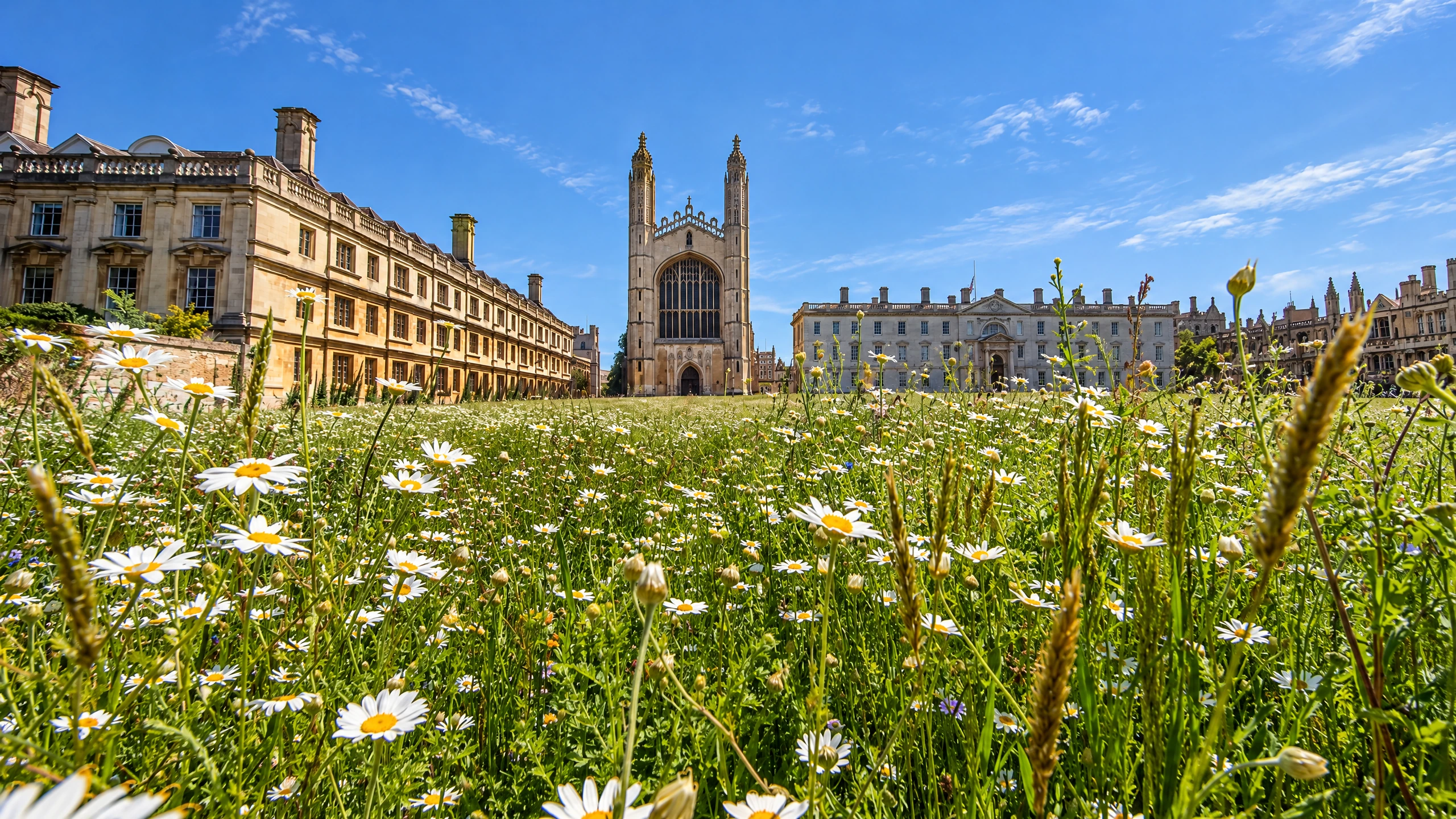
King's Chapel and the college's riverside grounds are a short distance along the Backs. Admission is sold for dates listed by the college.
Good to know
Questions, answered.
Is Trinity Hall a Cambridge college?
Yes. Trinity Hall is an independent Cambridge college, founded in 1350. Its name does not mean it is part of neighbouring Trinity College.
What is the difference between Trinity Hall and Trinity College?
They are separate colleges. Trinity Hall was founded in 1350 by Bishop William Bateman; Trinity College was founded in 1546 by Henry VIII.
Who founded Trinity Hall and why?
William Bateman, Bishop of Norwich, founded it for the study of civil and canon law after the Black Death had greatly reduced the number of clergy.
Did Stephen Hawking study at Trinity Hall?
Yes. Hawking came to Trinity Hall in 1962 for his PhD in cosmology. A room overlooking Latham Lawn is named after him.
What is Trinity Hall’s chained library?
The Old Library is a late-sixteenth-century library that retains early lecterns and examples of books secured by chains. Its historic furniture and setting have survived unusually well.
Can I visit the Old Library at Trinity Hall in Cambridge without booking?
The Old Library at Trinity Hall in Cambridge has no regular drop-in hours. Visits and tours must be arranged at least 14 days in advance; contact the library about charges and arrangements.
Why are books chained in the Trinity Hall Old Library?
The chains allowed readers to consult valuable books while keeping them attached to the library desks. Two desks retain chained books and their locking mechanisms.
Why is there a door high on the Old Library wall at Trinity Hall in Cambridge?
The high doorway at Trinity Hall’s Old Library in Cambridge once led from a raised walkway connecting the library to the Master’s Lodge. The walkway has gone, leaving the doorway above ground.
When can the public visit Trinity Hall?
The central site opens Tuesday and Thursday 10:00–12:00 and 14:00–17:00, and Sunday 14:00–17:00. Numbers may be restricted and arrangements can change.
Is Trinity Hall open during Cambridge exams?
The central site closes to the public from April through June. It also closes from 21 December to 2 January inclusive.
Which famous people studied at Trinity Hall?
Former students include physicist Stephen Hawking, novelist and playwright J. B. Priestley and actor Rachel Weisz.
Editorial notes
Sources and further reading.
Sources for this guide
Checked 4 November 2026.
- https://www.trinhall.cam.ac.uk/about/
- https://www.trinhall.cam.ac.uk/about/library/old-library/about-the-old-library/
- https://www.trinhall.cam.ac.uk/about/library/old-library/historic-building/
- https://www.trinhall.cam.ac.uk/about/library/old-library/visiting-old-library/
- https://www.trinhall.cam.ac.uk/contact-or-visit-us/
- https://www.trinhall.cam.ac.uk/about/history/
- https://conferences.trinhall.cam.ac.uk/conferences/stephen-hawking-room/
- https://www.trinhall.cam.ac.uk/about/people/notable-alumni/
- https://www.trin.cam.ac.uk/library/visitors/
- https://www.clare.cam.ac.uk/
- https://www.kings.cam.ac.uk/visit-kings
Further reading and sources
Opening hours, prices, programmes and access arrangements can change. Confirm critical details with the venue.
Keep exploring