Central-S · Founded 1885
Hughes Hall
Cambridge's oldest graduate college, founded to train women teachers in 1885, with a strong sporting tradition owed to its position directly beside Fenner's cricket ground.
- Founded
- 1885
- Location
- Mortimer Road
- Visiting
- Prospective student visits
- Institution
- College
01 The experience
What to expect.
Hughes Hall began in 1885 as the Cambridge Training College for Women Teachers. Its founding principal, Elizabeth Phillips Hughes, built a home for women preparing for the teaching profession; the college was later renamed in her honour.
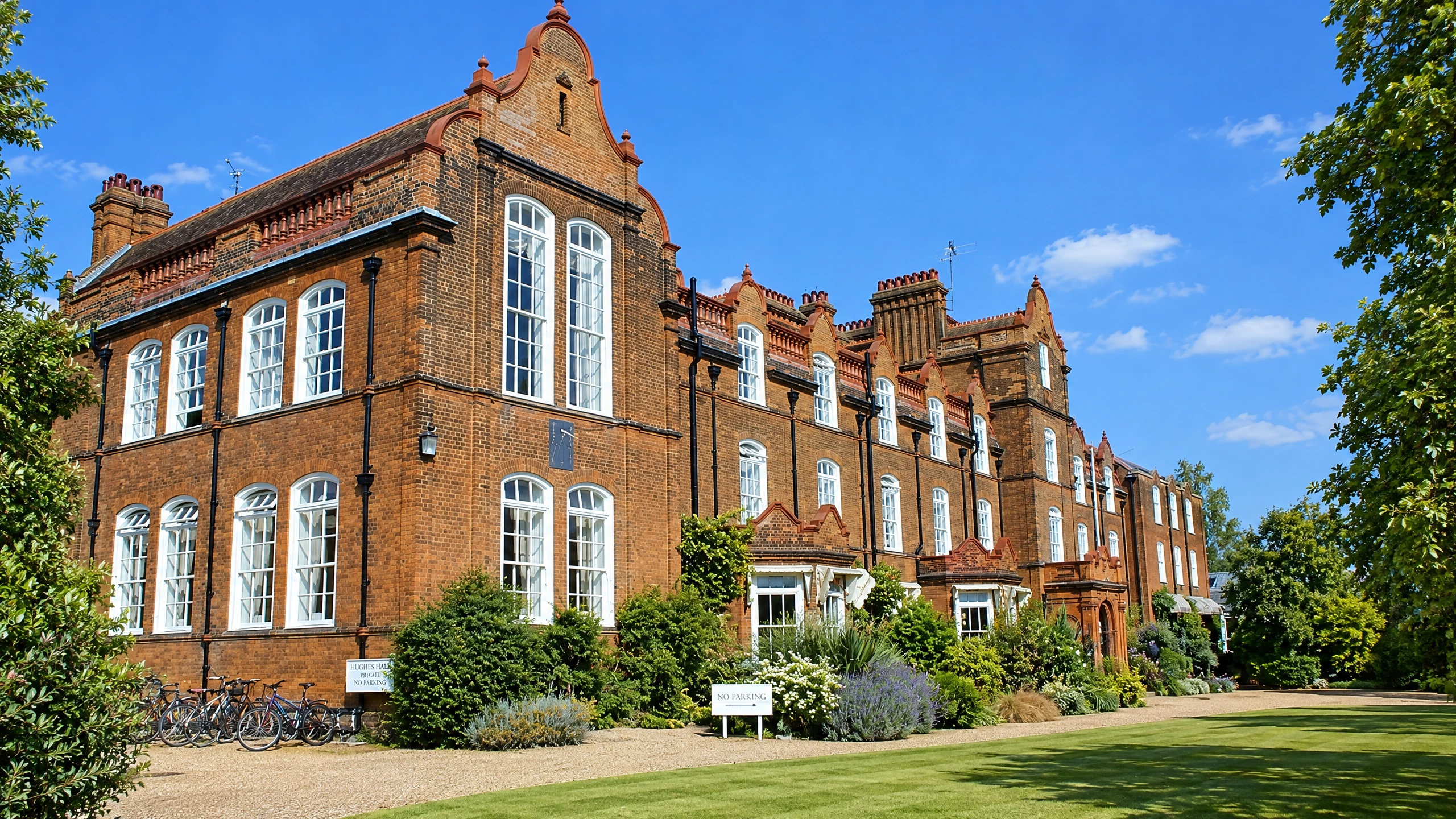
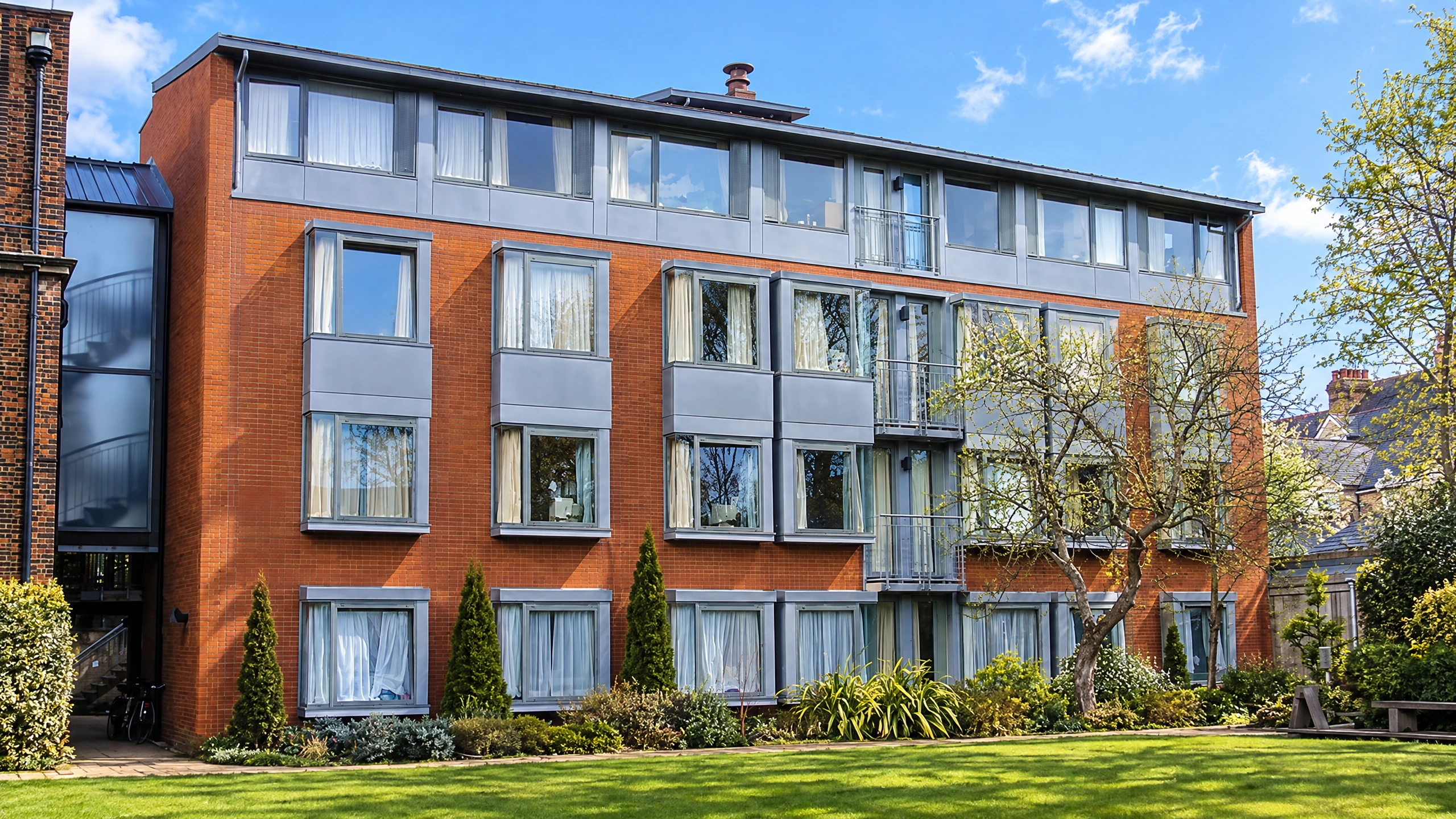
The red-brick Margaret Wileman Building opened in 1895, ten years after the college’s beginnings in Newnham Croft. It remains at the centre of the site beside Fenner’s cricket ground. Later buildings accommodate the graduate and mature-student community that the college serves today.
The college is a working academic community rather than a conventional visitor attraction. Prospective students can arrange a visit through the college.
People and ideas
People connected to the college
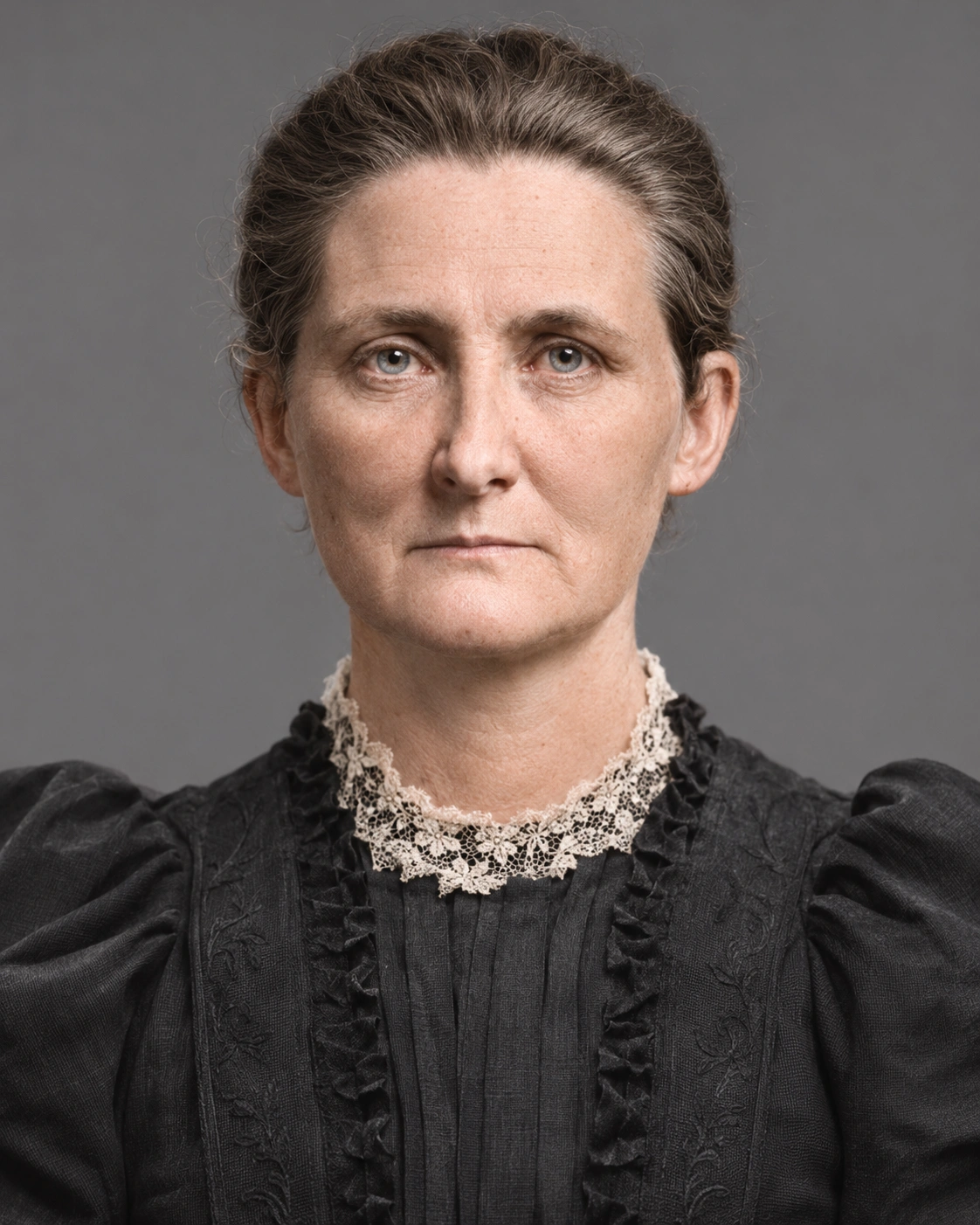
Elizabeth Phillips Hughes
The founding principal led the Cambridge Training College for Women Teachers.
The story
History & character.
Training women teachers
In 1885 Elizabeth Phillips Hughes became the first principal of the Cambridge Training College for Women Teachers. Hughes had studied moral sciences at Newnham. Her new institution began with fourteen students in Crofton Cottages in Newnham Croft, preparing teachers for the growing number of schools educating girls.
A permanent building
The training college moved in 1895 to its present site overlooking Fenner’s cricket ground. Its new home is now called the Margaret Wileman Building. A portrait of Hughes presented by students marked the opening and recognised her work in establishing the college; it now hangs in the Pfeiffer Room.
These years were part of a wider struggle over women’s place in Cambridge. In 1897 the university rejected a vote to award women degrees, despite the colleges and students already working in the city. The training college continued to develop while those limits remained.
Elizabeth Phillips Hughes beyond Cambridge
Hughes came to Newnham in 1881 after teaching at Cheltenham Ladies’ College. She gained first-class honours in moral sciences before being appointed to lead the new training college. Her work reached beyond Cambridge: after leaving in 1899 she lectured in Europe and America, taught in Tokyo and supported women’s higher education in Wales. The University of Wales awarded her an honorary doctorate in 1920.
The building opened in 1895 was originally the entire college. A legacy from Emily Pfeiffer helped fund it, bringing the library, lecture room, dining hall and bedrooms together. Later buildings have spread college life across a larger site beside Fenner’s; the original red-brick range remains the clearest link to the first generation of trainees.
A changing community
The college was renamed Hughes Hall in honour of its first principal. It continued to train women teachers until 1968, when it also began admitting women graduates in other subjects. Men first joined as students in 1973. Its charter in 2006 made Hughes Hall a self-governing Cambridge college, while its earlier connection to education remains part of its identity.
The people behind the training college
Frances Buss, headmistress of North London Collegiate School, and Sophie Bryant worked on the initiative to establish a Cambridge institution to train women graduates as teachers. Bryant, who had lectured at the college, unveiled the portrait presented to Hughes in 1895. The occasion joined the people who had imagined the training college with the students who had studied there.
Look closer
What to see.
Margaret Wileman Building
The college’s permanent red-brick home opened in 1895.
Fenner’s
The college site sits beside Cambridge’s cricket ground.
Elizabeth Phillips Hughes
The founding principal gave the college its later name.
College gardens
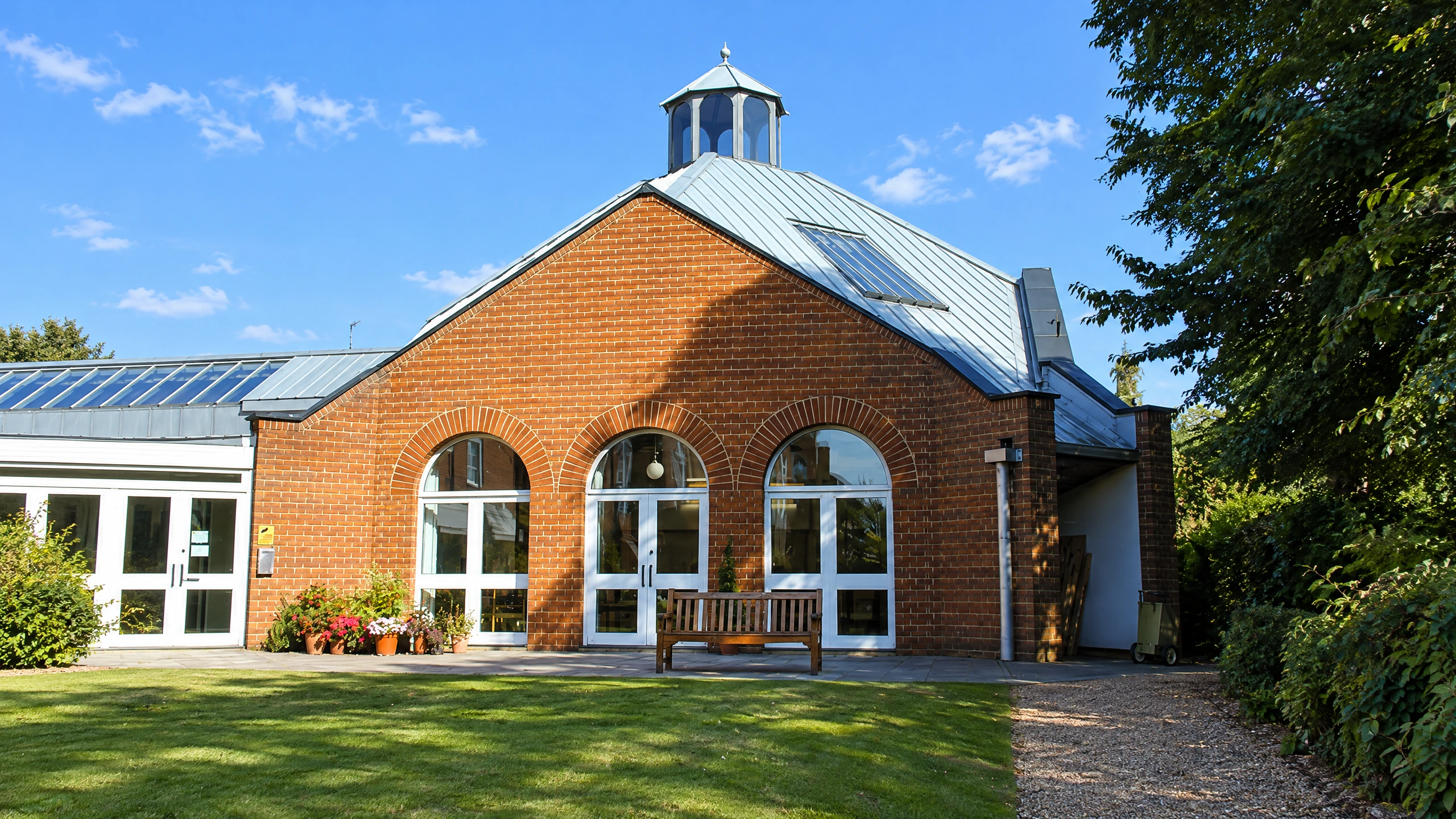
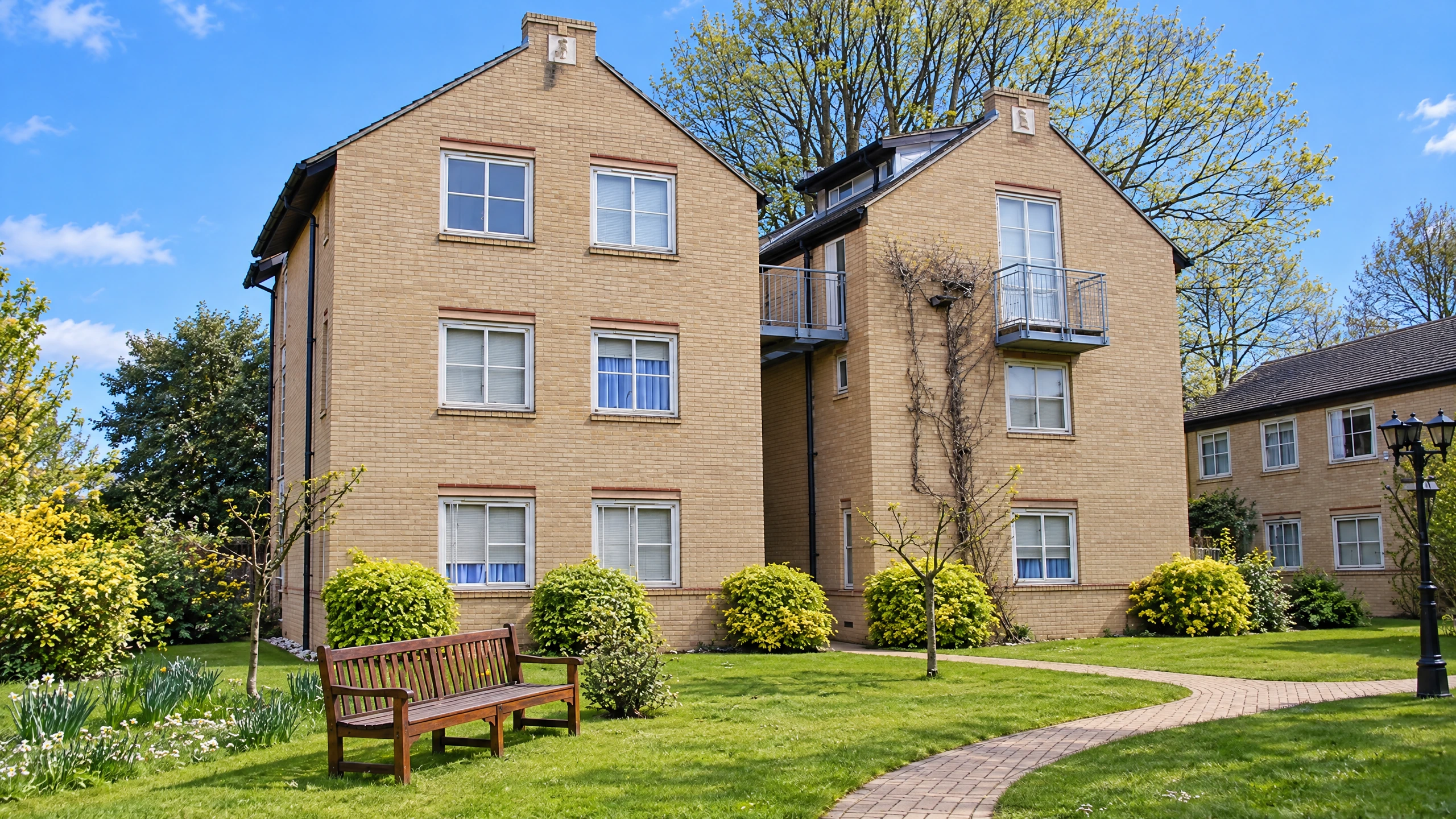
The grounds sit among the historic and later buildings of the working college.
Make it work
Plan your visit.
Hughes Hall is a working college rather than a general tourist attraction. Prospective applicants can contact the college about visits; general public access should be arranged in advance.
Visit your way
Access and family planning.
The Mortimer Road pedestrian entrance has an intercom and a short slope beyond the gate. The main entrance to the Margaret Wileman Building has steps; access to its right-hand corridor is step-free through a separate entrance that normally requires a key fob. Contact the college to arrange access.
See it
In pictures.
10 views, full screen. Tap any one to open the viewer.Around here
Make more of the area.
Good to know
Questions, answered.
Is Hughes Hall a Cambridge college?
Yes. Hughes Hall received its charter as a self-governing Cambridge college in 2006. It began as a training college for women teachers in 1885.
Who was Hughes Hall named after?
The name honours Elizabeth Phillips Hughes, the first principal of the Cambridge Training College for Women Teachers. She led the college from its foundation in 1885.
Was Hughes Hall in Cambridge originally a women’s college?
Hughes Hall in Cambridge began as a college training women teachers. It started admitting women graduates in other subjects in 1968 and first admitted men as students in 1973.
Is Hughes Hall only for postgraduate students?
No. Hughes Hall is a college for postgraduate and mature undergraduate students.
What is the red-brick building at Hughes Hall?
The Margaret Wileman Building opened in 1895 as the college’s permanent home. Its rooms originally brought student accommodation, teaching and dining together.
Which cricket ground is next to Hughes Hall?
Hughes Hall stands beside Fenner’s, the Cambridge University cricket ground. The Margaret Wileman Building overlooks the ground.
Where is Hughes Hall in Cambridge?
The pedestrian entrance to Hughes Hall in Cambridge is on Mortimer Road, close to Fenner’s cricket ground.
Can visitors walk around Hughes Hall?
Prospective applicants can contact the college about visits. Other visitors should arrange access with the college in advance.
Editorial notes
Sources and further reading.
Sources for this guide
- https://www.hughes.cam.ac.uk/wp-content/uploads/2021/06/Hughes-Magazine-Issue-31-WEB-FINAL.pdf
- https://www.hughes.cam.ac.uk/
- https://www.hughes.cam.ac.uk/wp-content/uploads/2021/06/Hughes-Hall-Amended-Accounts-2019-FINAL-1.pdf
- https://www.accessable.co.uk/hughes-hall/access-guides/margaret-wileman-building-accommodation
- https://www.accessable.co.uk/hughes-hall/access-guides/margaret-wileman-building-seminar-rooms
- https://www.cam.ac.uk/news/hughes-hall-celebrates-blue-plaque-with-street-party
- https://www.trinhall.cam.ac.uk/about/50th-anniversary-of-women-at-trinity-hall/the-history-of-women/
- https://www.dow.cam.ac.uk/about/downing-college-history
- https://www.emma.cam.ac.uk/contact/findus
- https://www.hughes.cam.ac.uk/wp-content/uploads/2021/06/Hughes-Magazine-Issue-23-MT-2015.pdf
- https://www.hughes.cam.ac.uk/wp-content/uploads/2022/01/Hughes_Magazine_Issue_33_web_FINAL_links_edit_Adobe.pdf
Reviewed 4 November 2026.
Opening hours, prices, programmes and access arrangements can change. Confirm critical details with the venue.
Keep exploring