North · Founded 1896
St Edmund's College
Cambridge's college for mature undergraduates and postgraduates, distinguished by its Catholic founding history and a hillside setting above the city on Castle Hill.
- Founded
- 1896
- Location
- Mount Pleasant
- Visiting
- Chapel services open
- Institution
- College
01 The experience
What to expect.
A house with a remarkable history
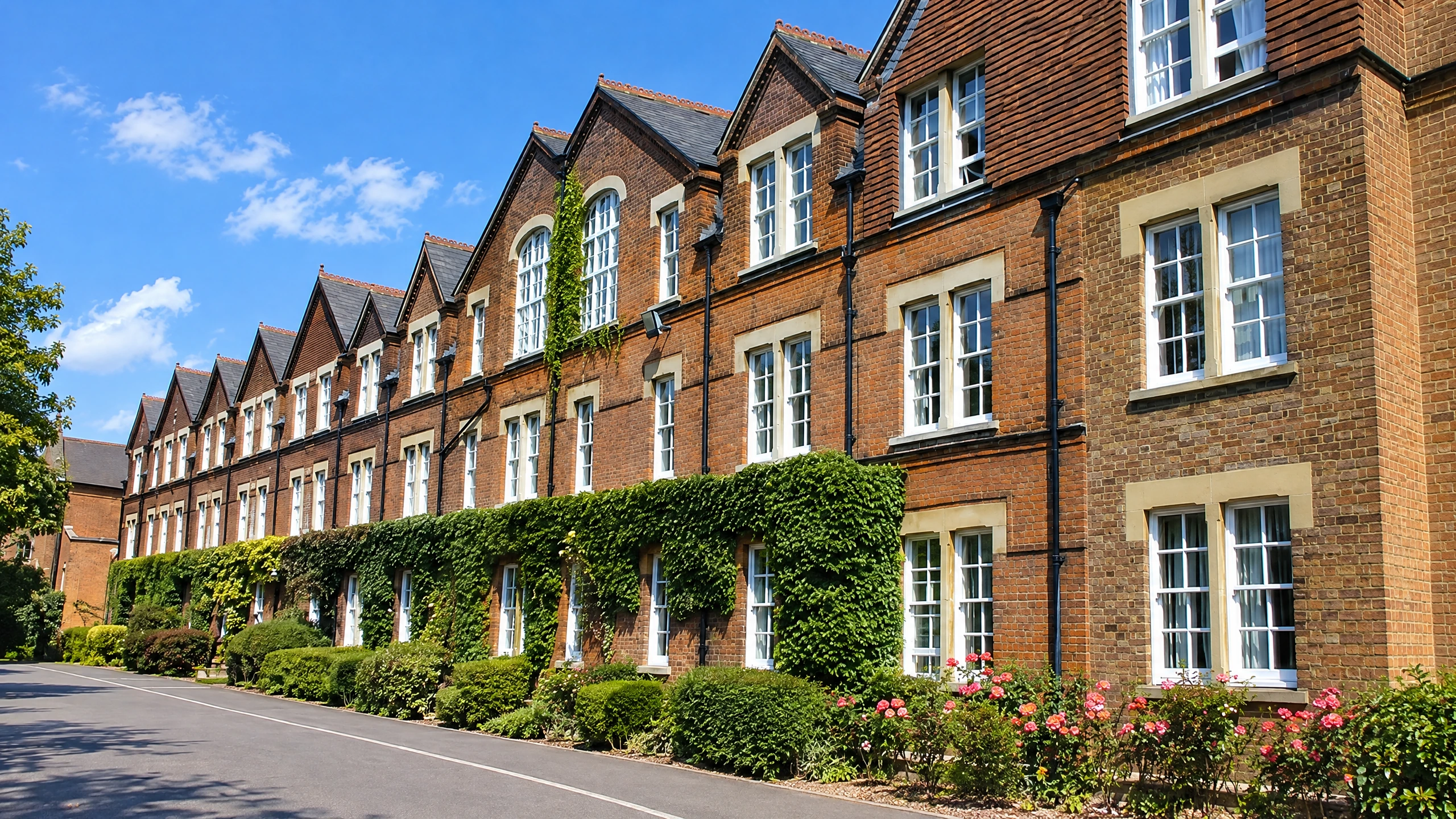
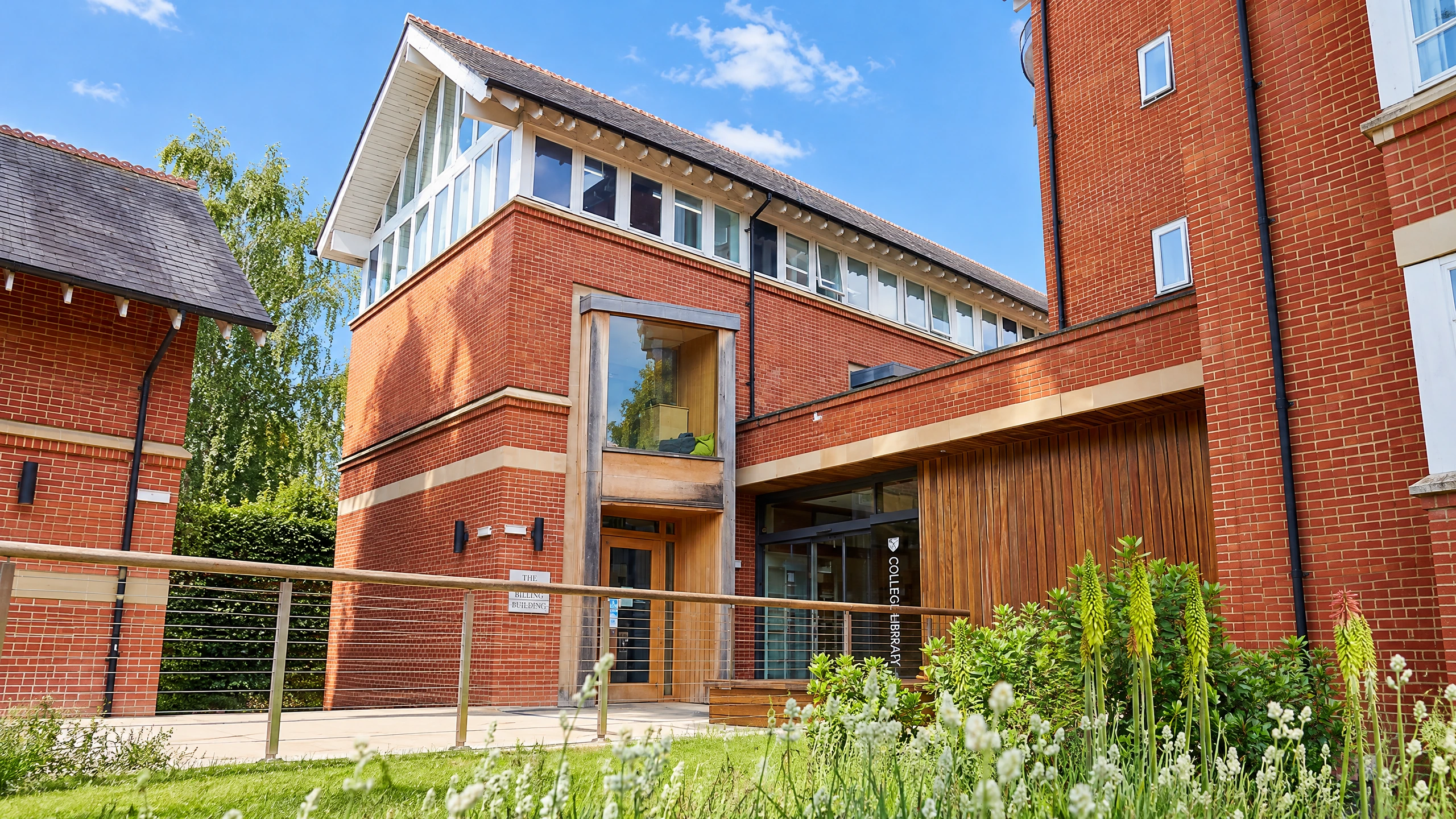
St Edmund's began in 1896 as a residence for Roman Catholic students at Cambridge. Its early home grew into a college with a mature and postgraduate community, and the red-brick Norfolk Building and chapel remain part of a campus on Mount Pleasant.
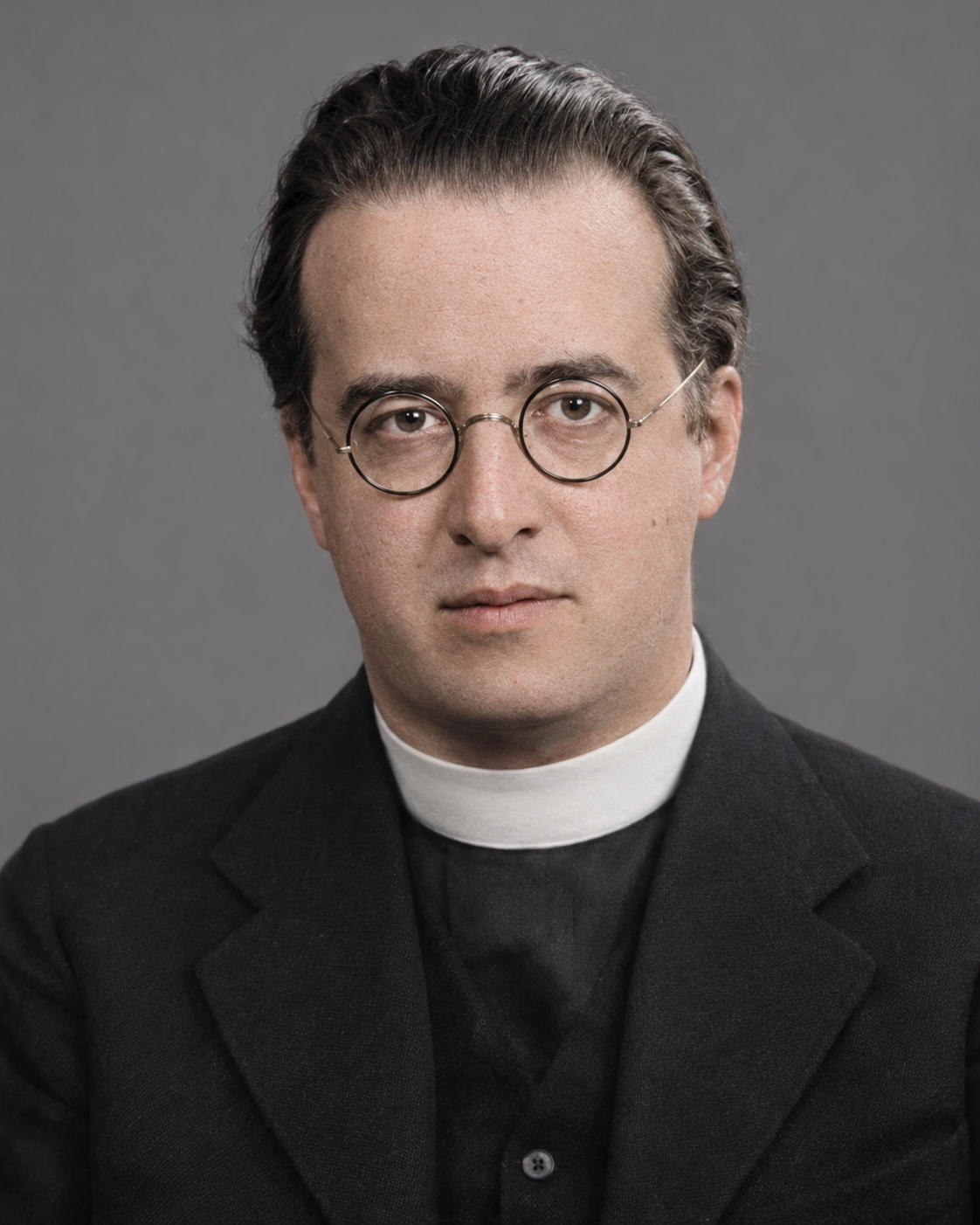
One resident was Georges Lemaître, the Belgian priest and physicist whose work helped shape the Big Bang theory. He lived at St Edmund's in 1923–24 while pursuing research at Cambridge.
People and ideas
People connected to the college

John Jumper
2008
The scientist shared the 2024 Nobel Prize in Chemistry for an AI model predicting protein structures.
College connection
Jumper was a St Edmund's member while studying for a Cambridge MPhil in 2008.
Fellows, founders and other connections
Georges Lemaître
1923–24
The Belgian priest and physicist contributed to the theory of an expanding universe.
College connection
Lemaître lived at St Edmund's in 1923–24 while researching in Cambridge.
The story
History & character.
A home for Catholic students
St Edmund's House was founded in 1896 by Henry Fitzalan Howard, the 15th Duke of Norfolk, and Baron Anatole von Hügel, curator of Cambridge's Museum of Archaeology and Ethnology. Roman Catholics had been returning to the university after the repeal of the Test Act in 1871. The house initially provided accommodation for students who belonged to other Cambridge colleges.
Three of its first four students were sent from St Edmund's College, Ware, a Catholic seminary. Many early residents were priests studying for work in schools and universities. The community gradually widened over the twentieth century, admitting women from 1969 and later welcoming mature undergraduates as well as postgraduates. St Edmund's became a full college in 1996.
Von Hügel brought a different kind of Cambridge experience to the foundation. As curator of the Museum of Archaeology and Ethnology, he worked with collections from around the world. The institution named for him later developed into the Von Hügel Institute, continuing an association between scholarship and the college's religious heritage.
A chapel and an expanding campus
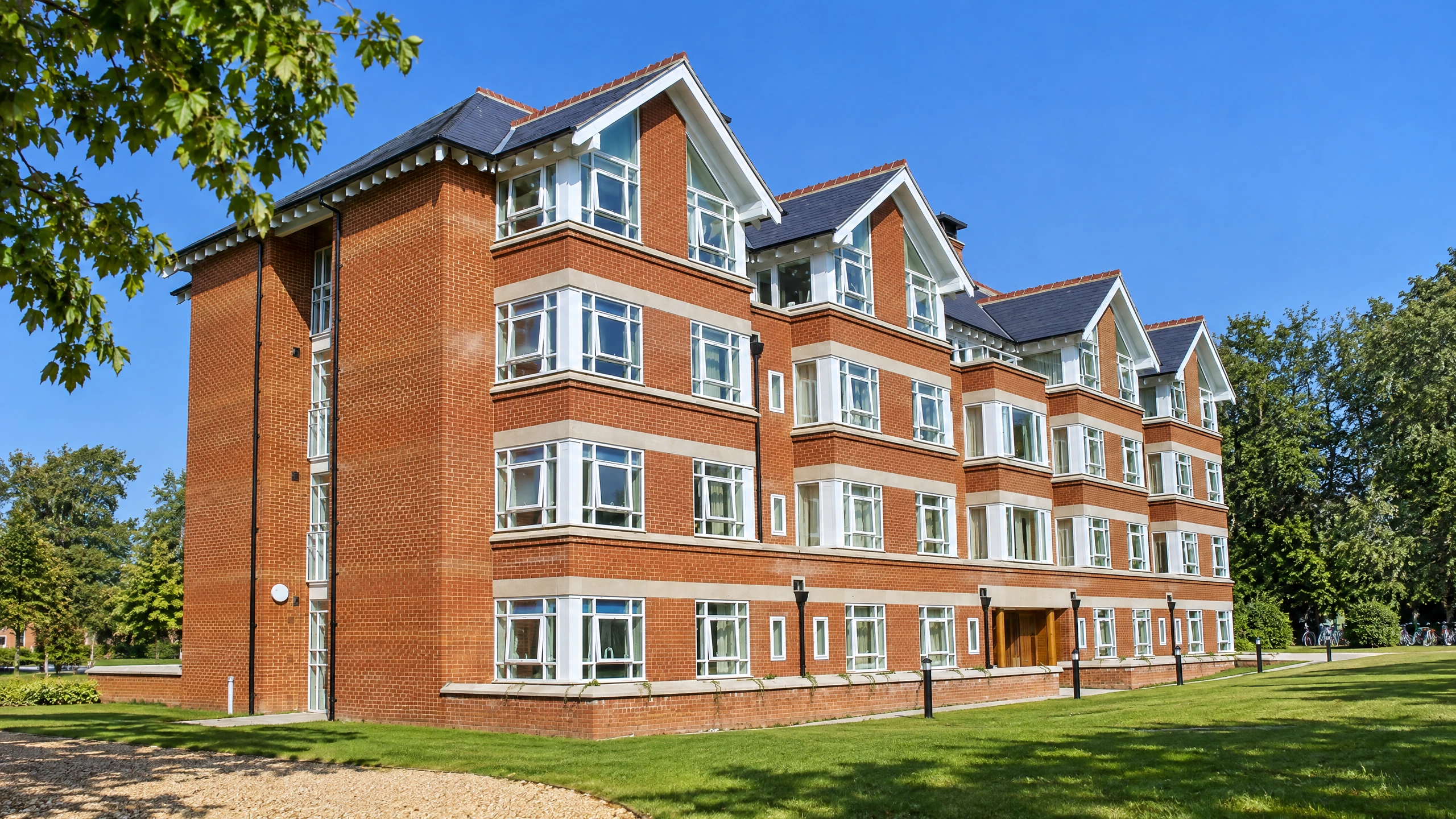
The chapel was designed by Father Benedict Williamson and blessed in 1916. It is Grade II listed and, the college says, is the only Catholic chapel in a full Cambridge or Oxford college. A dining hall and more student rooms followed in 1939. Later buildings have extended the campus around the earlier red-brick ranges.
Lemaître in Cambridge
Georges Lemaître stayed at St Edmund's in 1923–24 while carrying out research in Cambridge. A priest as well as a physicist, he became known for the work on the expanding universe that contributed to the development of the Big Bang theory.
Lemaître worked with the Cambridge mathematical physicist Arthur Eddington, an important connection in the development of his ideas. At St Edmund's, he found other Catholics with whom he could attend daily Mass. The college preserves records of his time there, and a chair associated with him remains in the chapel.
A later scientific connection
A century after Lemaître's stay, another St Edmund's alumnus was recognised for work spanning physics and chemistry. John Jumper was a college member while completing an MPhil in theoretical condensed matter physics in 2008. He later shared the 2024 Nobel Prize in Chemistry for using artificial intelligence to predict protein structures.
Look closer
Highlights and hidden details.
The chapel
Designed by Father Benedict Williamson and blessed in 1916, the college chapel reflects St Edmund's Catholic foundation.
The Norfolk Building
The red-brick Norfolk Building is part of the college's early site on Mount Pleasant, where later buildings have joined the original house.
Georges Lemaître
The Belgian physicist and priest lived at St Edmund's in 1923–24 while researching in Cambridge.
Make it work
Plan your visit.
St Edmund's is a working college. General public opening hours are not advertised, so contact the college before making a visit.
Chapel services are open to the public. The chapel is at the end of the main ground-floor corridor of the Norfolk Building; the Porters' Lodge can advise on access and service times.
Visit your way
Access and family planning.
St Edmund's provides detailed access guides for individual buildings, including information on level access and door widths. Contact the Porters' Lodge about a visit or parking. Assistance dogs are welcome.
See it
In pictures.
10 views, full screen. Tap any one to open the viewer.Around here
Make more of the area.
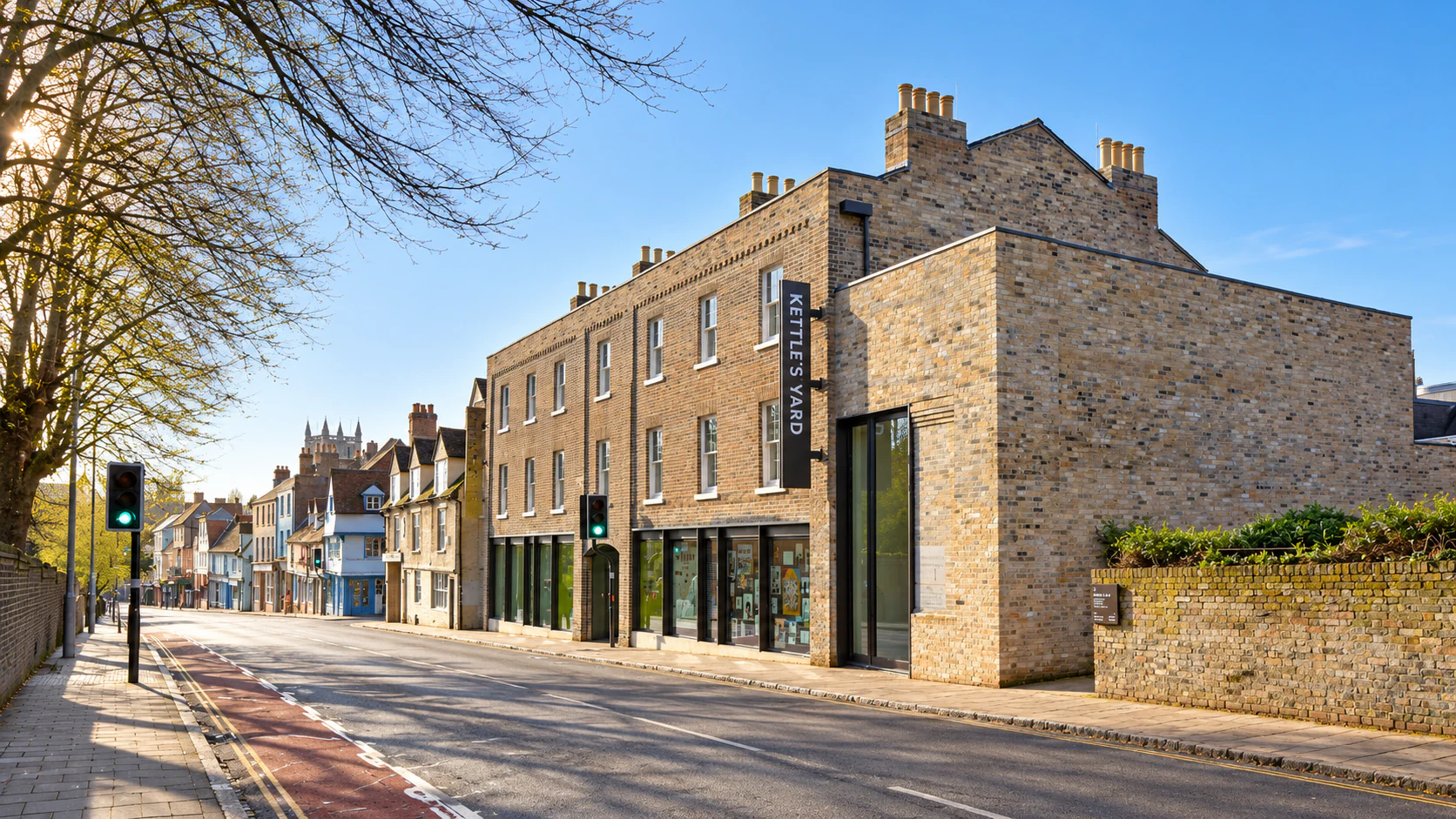
Kettle's Yard brings together a house of modern art and changing exhibitions. Its house is not fully wheelchair accessible.
Good to know
Questions, answered.
Who founded St Edmund’s College Cambridge?
The 15th Duke of Norfolk and Baron Anatole von Hügel founded St Edmund’s House in 1896. It originally provided a home for students from different Cambridge colleges.
Why was St Edmund’s College in Cambridge founded?
St Edmund’s College in Cambridge provided accommodation for Catholic students after nineteenth-century changes removed religious restrictions on university membership. Its early residents included students preparing for the priesthood.
What is St Edmund’s connection to the Big Bang theory?
Belgian priest and physicist Georges Lemaître lived at St Edmund’s House in 1923–24 while researching in Cambridge. His later work on the expanding universe contributed to the Big Bang theory.
Where is Georges Lemaître’s chair at St Edmund’s?
A chair associated with Lemaître is kept in the college’s Catholic chapel as a memorial to his time at St Edmund’s.
Which St Edmund’s alumnus won the 2024 Nobel Prize in Chemistry?
John Jumper, a St Edmund’s member while studying for an MPhil in 2008, shared the prize for work using artificial intelligence to predict protein structures.
Is St Edmund’s College in Cambridge a mature-student college?
St Edmund’s College in Cambridge welcomes postgraduate students and mature undergraduates aged 21 or over.
Can the public attend St Edmund’s Chapel services?
Yes. Chapel services are open to the public. The chapel is in the Norfolk Building; the Porters’ Lodge can advise on services and access.
Can tourists visit St Edmund’s College Cambridge?
Contact the Porters’ Lodge about a visit. Public chapel services have their own access arrangements.
When was St Edmund’s Chapel built?
Father Benedict Williamson designed the chapel, which was blessed in 1916. It is now a listed building.
Editorial notes
Sources and further reading.
Sources for this guide
Reviewed 4 November 2026.
- College history and heritage: founders, early students, chapel, Lemaître and Von Hügel Institute.
- Notes for members: Catholic readmission, women students and college status.
- Lemaître's Cambridge year: his association with a chair in the chapel.
- John Jumper: his MPhil and Nobel Prize.
- College accessibility: physical access details.
- College governance: neighbouring places or visitor access.
- Contact St Edmund's: neighbouring places or visitor access.
- Local area: local area and visitor information.
- Women's Art Collection: local area and visitor information.
- Local-area map: local area and visitor information.
- Kettle's Yard visitor information: local area and visitor information.
- Von Hügel Institute: institute and namesake.
Further reading and sources
Opening hours, prices, programmes and access arrangements can change. Confirm critical details with the venue.
Keep exploring