9/11 Memorial & Museum
The outdoor memorial pools and a substantial museum of the attacks and their aftermath.
01 / The experience
The people and surviving fabric behind the memorial pools.
The outdoor memorial pools and a substantial museum of the attacks and their aftermath.
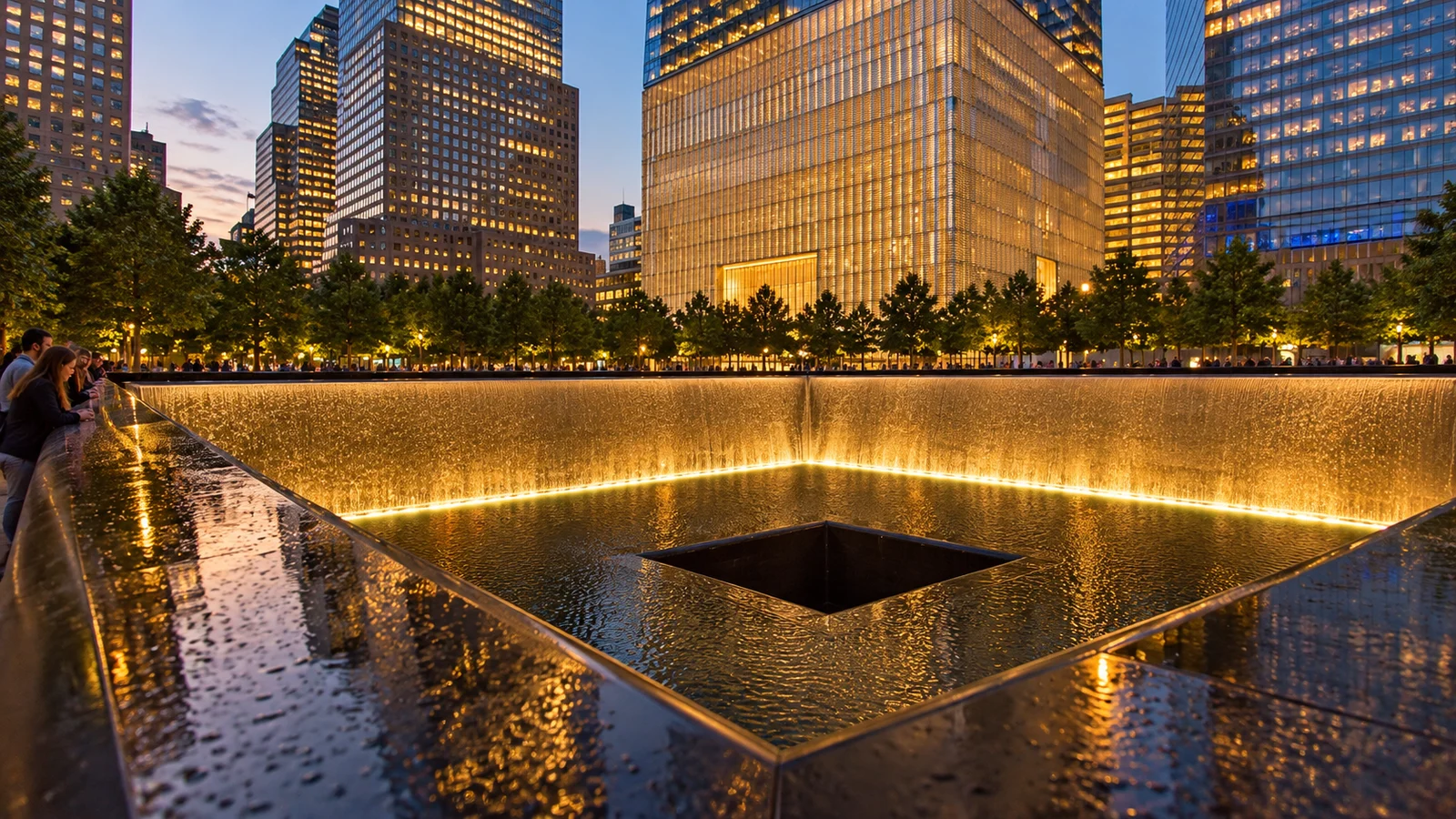
The outdoor memorial and the museum offer different ways to encounter the World Trade Center site. Above ground, the two pools mark the Twin Towers’ footprints, with names set into the surrounding bronze. The scale of the voids makes an immediate impression. Choosing to go into the museum adds the events, testimony and surviving structures behind that landscape.
Inside, the historical exhibition follows three connected subjects: the events of September 11, the circumstances before the attacks, and their aftermath. Objects, recordings, photographs and personal accounts make the account more specific than a chronology alone. The memorial exhibition turns the focus towards the people killed in 2001 and in the 1993 World Trade Center bombing. These are distinct parts of the visit, and the personal material can be emotionally demanding.
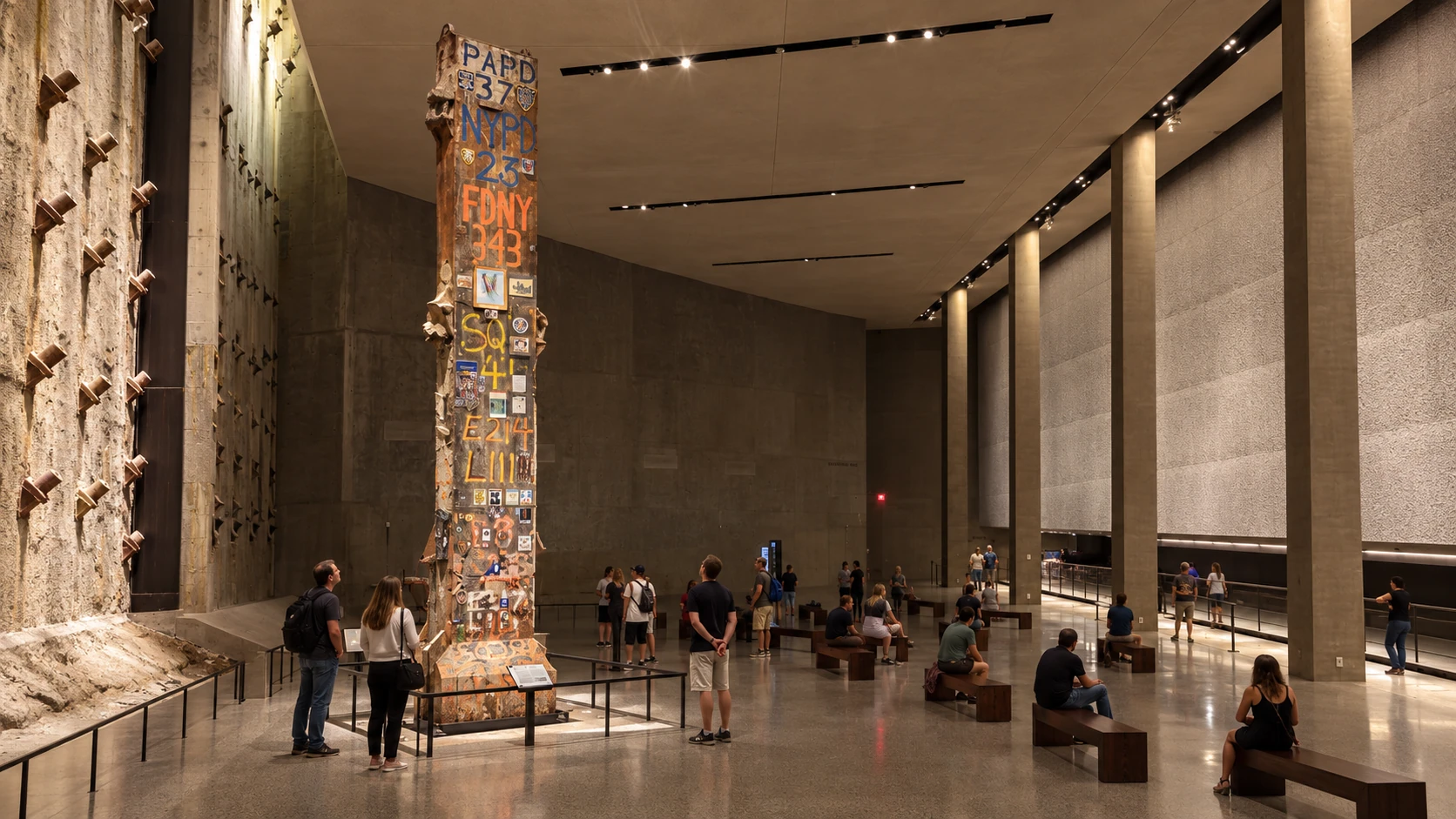
Foundation Hall connects that history to the physical place. The Last Column stands with the tributes and markings left by recovery workers and family members. It was the final standing column removed at the end of the recovery effort, so its importance lies in the way it became a shared memorial as well as in the size of the steel. The surviving slurry wall adds another part of the site’s engineering to the museum setting.
The Survivors’ Stairs give another ordinary piece of construction an extraordinary role. Their preservation connects the visitor route to the escape routes used on the day. Together, these remains distinguish the museum from an exhibition that could have been assembled in any building: the place itself is part of what you are seeing.
Choose the outdoor memorial alone when that is the experience you want, or allow the museum a substantial, independent place in the day. Families should make that choice with the children’s ages and the difficult material in mind. A harbour sailing, a long bridge crossing and a celebratory dinner are all separate decisions; the visit is easier to shape when it is not forced between several timed attractions.
In pictures
The full gallery.
02 / The essentials
9/11 Memorial & Museum: visit essentials
- 01
Twin Towers memorial pools
- 02
Museum exhibitions
- 03
Lower Manhattan site
04 / Before you go
Plan your visit
Allow about 180 minutes, plus travel.
Admission & spending
Museum adults 18–64 $36; ages 13–17 and seniors 65+ $30; ages 7–12 $24; ages 6 and under free. Visiting the outdoor memorial is free.
Tickets & visit detailsWhen to visit
Museum Wed–Mon and selected Tuesdays 09:00–19:00; last admission 17:30. Outdoor memorial daily 08:00–20:00.
Give the museum its own Lower Manhattan block on a city day. For an evening session, leave a clear interval after the visit for food, the subway connection and grounds entry. Harbour islands & Lower Manhattan is the wider itinerary to adapt, with the museum or an island outing chosen as the main visit. Keep September 11 commemorative access arrangements separate from ordinary museum opening patterns.
Arrive
Fulton St · 4/5. Walk west from Fulton Street towards Church Street and the memorial plaza, then to the museum pavilion on Greenwich Street. Do not join the One World Observatory queue.
180 Greenwich Street, New York, NY
The museum publishes step-free routes, wheelchair services, captioning and other access resources. Allow for security and the descent into the museum.
Journey times are estimates for ordinary daytime service, including the street approach. Add security, queues and any ferry or tram crossing separately. For a step-free journey, choose suitable stations and operating lifts; these routes are not an accessibility guarantee.
Choose a Manhattan base for the city outing, then use the guide’s stadium journey for the separate trip to Queens.
Plan your visit
Reserve timed museum entry. Read the age guidance before taking children; choose the free outdoor memorial option if you do not intend to enter the museum.
Accessibility
The museum publishes step-free routes, wheelchair services, captioning and other access resources. Allow for security and the descent into the museum.
05 / Where it is
Find it
and what’s nearby.
Continue exploring / New York
More things to do
in New York
Explore New York activities, sights and places to eat. Compare the time to allow, costs and booking details, then save your favourites to your itinerary.
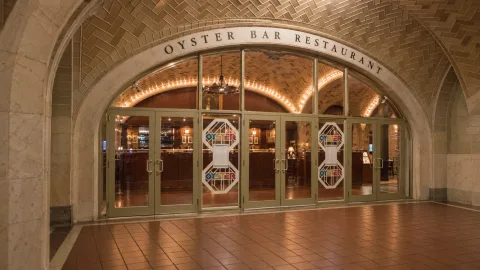 01Restaurants & countersGrand Central Oyster BarEstimated $103.10 per person with the standard drink choice, tax and the stated service/tip allowance.SeafoodEstimated meal totalExplore experience →
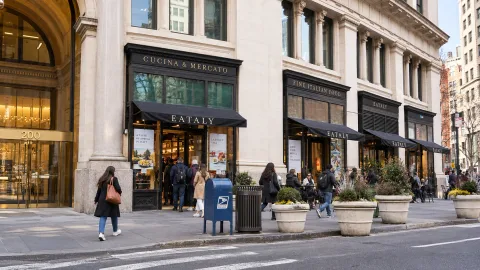 02Restaurants & countersEataly NYC FlatironEstimated $39.20 per person with the standard drink choice, tax and the stated service/tip allowance.ItalianEstimated meal totalExplore experience →
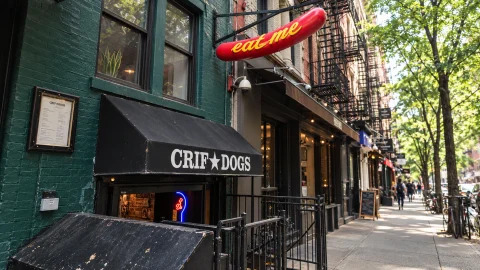 03Restaurants & countersCrif Dogs with optional PDTEstimated $21.78 per person with the standard drink choice, tax and the stated service/tip allowance.Loaded hot-dog shop and separately booked cocktail barEstimated meal totalExplore experience →
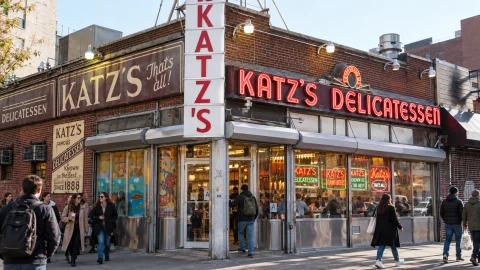 04Restaurants & countersKatz’s DelicatessenEstimated $40.88 per person with the standard drink choice, tax and the stated service/tip allowance.Pastrami deli and counter experienceEstimated meal totalExplore experience →
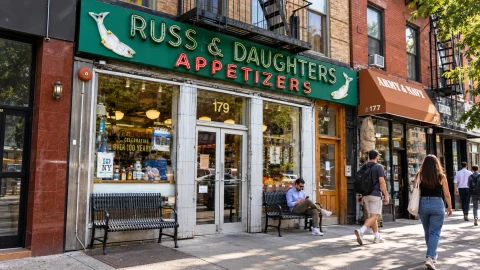 05Restaurants & countersRuss & Daughters Houston Street shopEstimated $29.40 per person with the standard drink choice, tax and the stated service/tip allowance.Jewish appetizing shop and takeaway counterEstimated meal totalExplore experience →
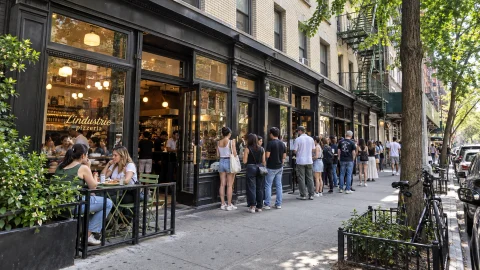 06Restaurants & countersL’Industrie West VillageEstimated $19.60 per person with the standard drink choice, tax and the stated service/tip allowance.Contemporary New York slice shopEstimated meal totalExplore experience →
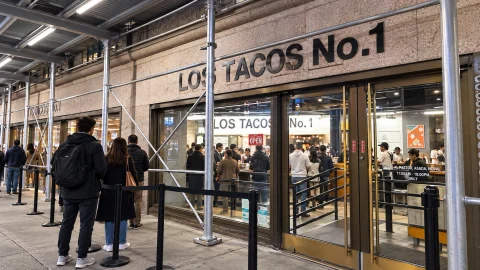 07Restaurants & countersLos Tacos No. 1 Grand CentralEstimated $23.95 per person with the standard drink choice, tax and the stated service/tip allowance.Taco counterEstimated meal totalExplore experience →
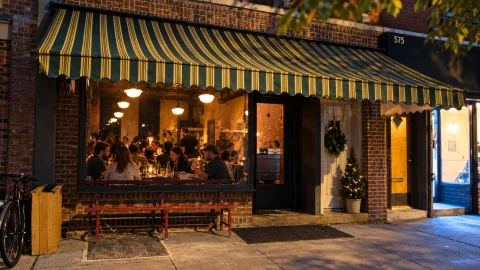 08Restaurants & countersLucali BrooklynEstimated $38.66 per person with the standard drink choice, tax and the stated service/tip allowance.Whole-pie pizza restaurantEstimated meal totalExplore experience →
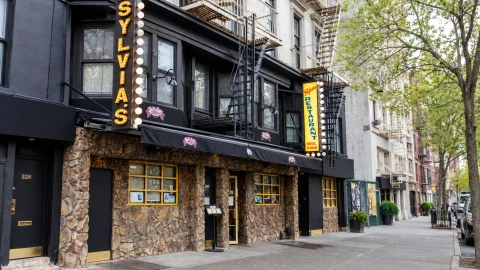 09Restaurants & countersSylvia’sEstimated $52.84 per person with the standard drink choice, tax and the stated service/tip allowance.Soul-food restaurantEstimated meal totalExplore experience →
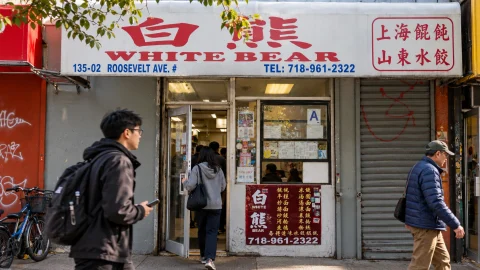 10Restaurants & countersWhite BearEstimated $16.33 per person with the standard drink choice, tax and the stated service/tip allowance.Small dumpling counterEstimated meal totalExplore experience →
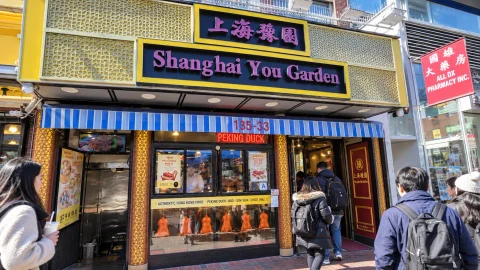 11Restaurants & countersShanghai You Garden FlushingEstimated $38.66 per person with the standard drink choice, tax and the stated service/tip allowance.Shanghainese dumpling restaurantEstimated meal totalExplore experience →
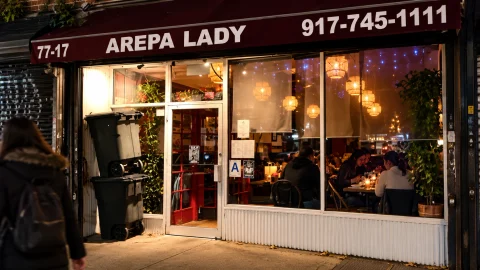 12Restaurants & countersArepa Lady Jackson HeightsEstimated $34.80 per person with the standard drink choice, tax and the stated service/tip allowance.Colombian arepa restaurant with street-vendor rootsEstimated meal totalExplore experience →
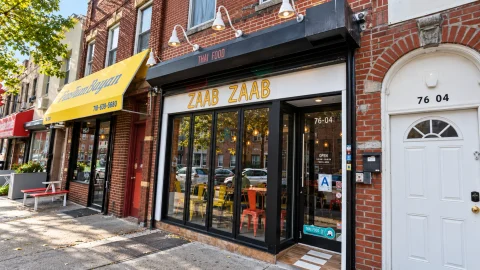 13Restaurants & countersZaab Zaab ElmhurstEstimated $52.84 per person with the standard drink choice, tax and the stated service/tip allowance.Isan Thai restaurantEstimated meal totalExplore experience →
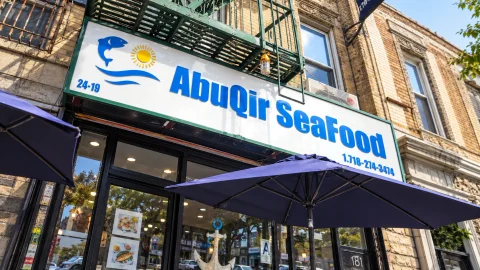 14Restaurants & countersAbuQirEstimated $64.44 per person with the standard drink choice, tax and the stated service/tip allowance.Egyptian seafood counter and restaurantEstimated meal totalExplore experience →
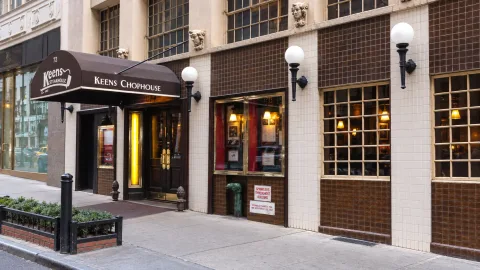 15Destination diningKeens SteakhouseEstimated $170.12 per person with the standard drink choice, tax and the stated service/tip allowance.SteakhouseEstimated meal totalExplore experience →
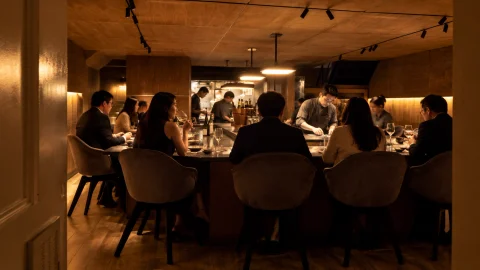 16Destination diningAtomixEstimated $568.87 per person with the standard drink choice, tax and the stated service/tip allowance.Contemporary Korean tasting counterEstimated meal totalExplore experience →
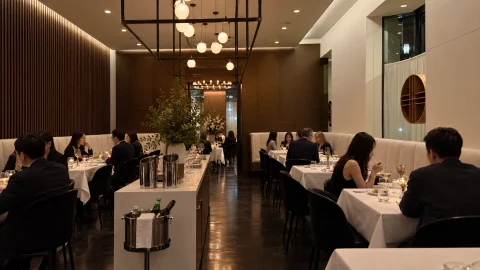 17Destination diningJungsik New YorkEstimated $463.95 per person with the standard drink choice, tax and the stated service/tip allowance.Modern Korean fine diningEstimated meal totalExplore experience →
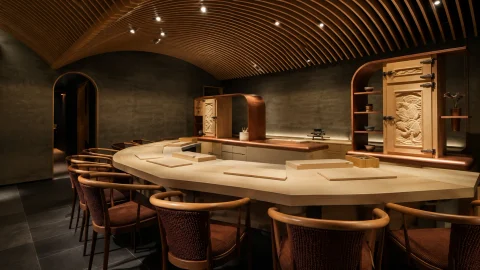 18Destination diningSushi ShoEstimated $670.15 per person with the standard drink choice, tax and the stated service/tip allowance.Edomae-rooted omakase counterEstimated meal totalExplore experience →
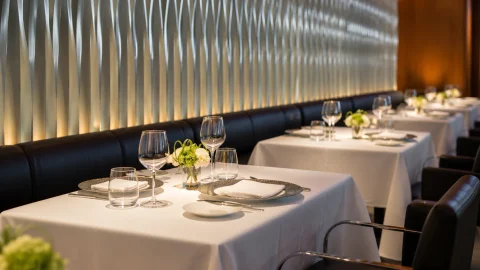 19Destination diningLe BernardinEstimated $335.08 per person with the standard drink choice, tax and the stated service/tip allowance.Seafood fine diningEstimated meal totalExplore experience →
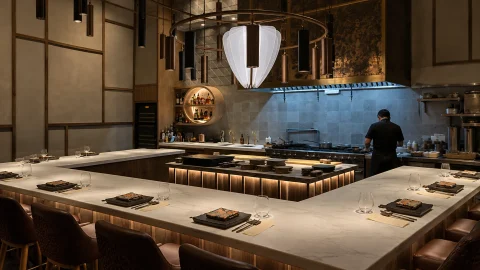 20Destination diningMejuEstimated $333.16 per person with the standard drink choice, tax and the stated service/tip allowance.Korean fermentation-focused chef’s counterEstimated meal totalExplore experience →
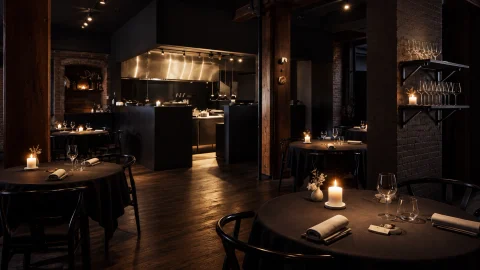 21Destination diningAskaEstimated $528.39 per person with the standard drink choice, tax and the stated service/tip allowance.Nordic-influenced tasting restaurantEstimated meal totalExplore experience →
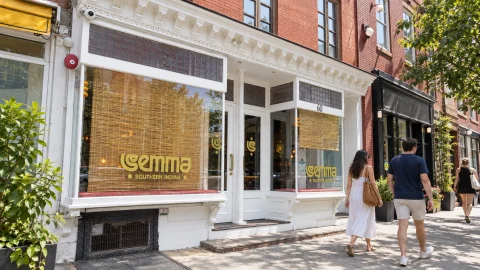 22Destination diningSemmaEstimated $119.85 per person with the standard drink choice, tax and the stated service/tip allowance.Regional South Indian à la carte diningEstimated meal totalExplore experience →
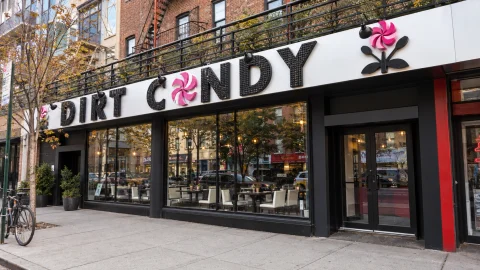 23Destination diningDirt CandyEstimated $139.36 per person with the standard drink choice, tax and the stated service/tip allowance.Vegetable-led tasting restaurantEstimated meal totalExplore experience →
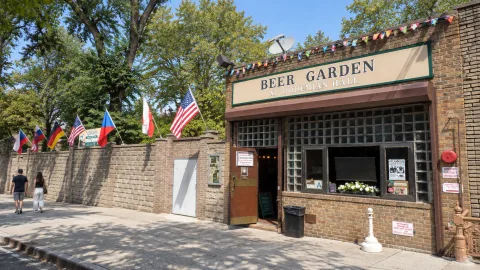 24Beer gardens & barsBohemian Hall & Beer GardenEstimated $48.97 per person with the standard drink choice, tax and the stated service/tip allowance.Czech & SlovakEstimated meal totalExplore experience →
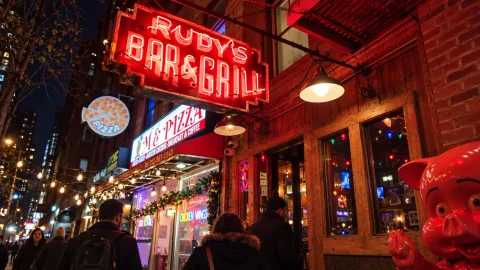 25Beer gardens & barsRudy’s Bar & GrillEstimated $7.73 per person with the standard drink choice, tax and the stated service/tip allowance.Historic dive bar with hot dogsEstimated meal totalExplore experience →
 26Museums & landmarksQueens MuseumExplore experience →
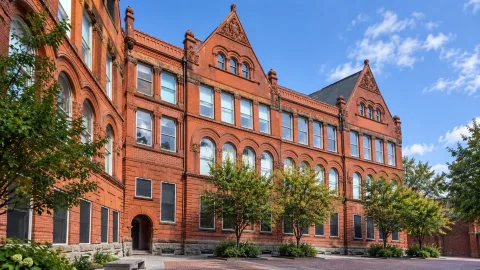 27Museums & landmarksMoMA PS1Explore experience →
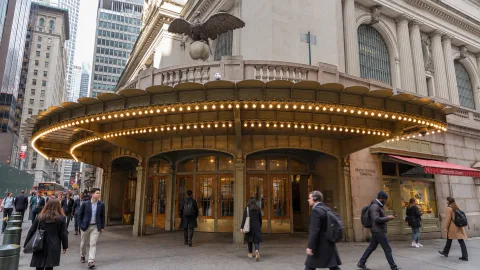 28Museums & landmarksGrand Central TerminalExplore experience →
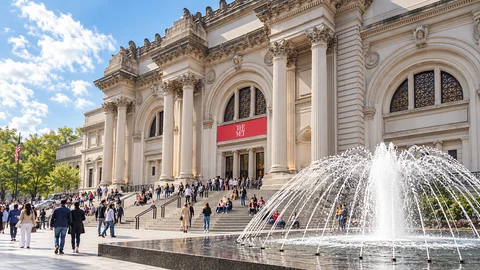 29Museums & landmarksThe Met Fifth AvenueExplore experience →
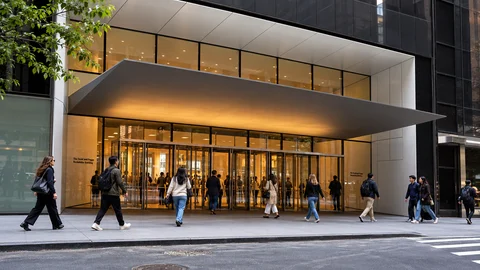 30Museums & landmarksMoMA — MidtownExplore experience →
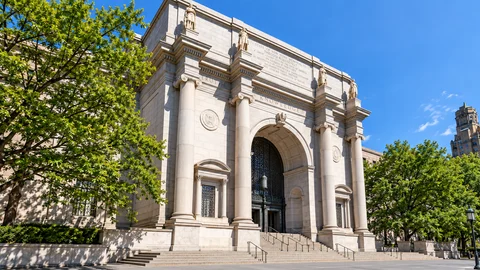 31Museums & landmarksAmerican Museum of Natural HistoryExplore experience →
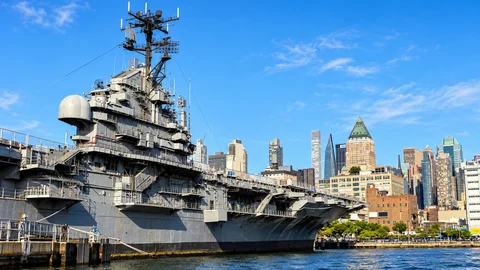 32Museums & landmarksIntrepid MuseumExplore experience →
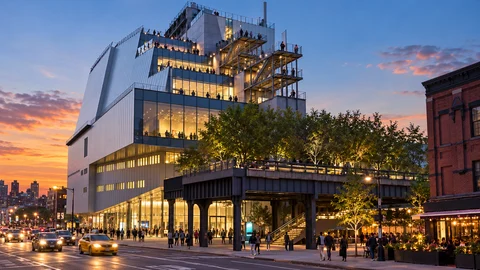 33Museums & landmarksWhitney Museum of American ArtExplore experience →
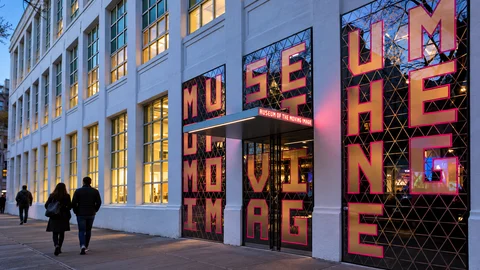 34Museums & landmarksMuseum of the Moving ImageExplore experience →
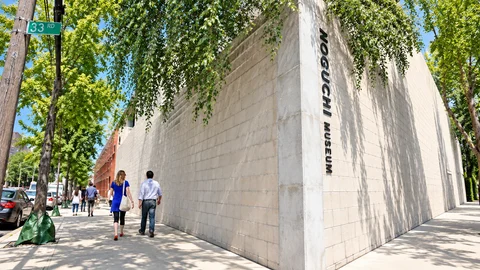 35Museums & landmarksThe Noguchi MuseumExplore experience →
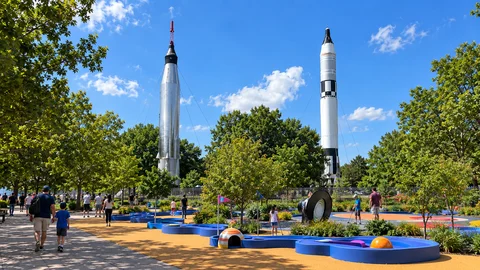 36Museums & landmarksNew York Hall of ScienceExplore experience →
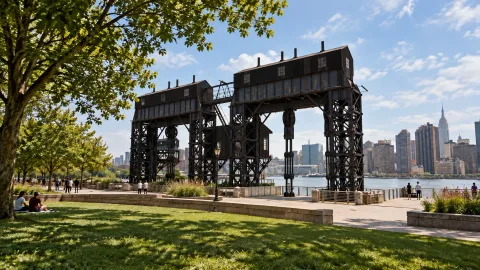 37Parks & gardensGantry Plaza State ParkExplore experience →
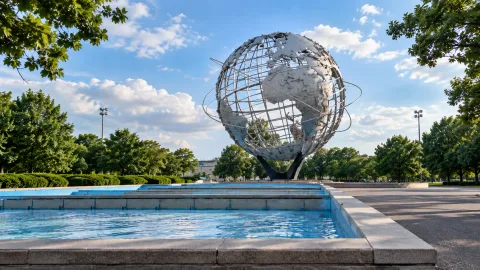 38Parks & gardensFlushing Meadows Corona Park & UnisphereExplore experience →
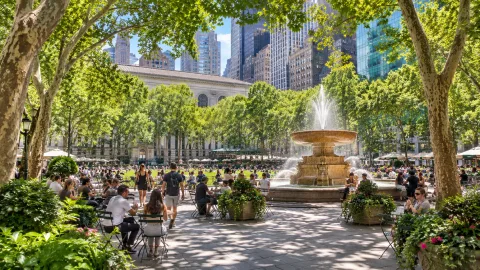 39Parks & gardensBryant ParkExplore experience →
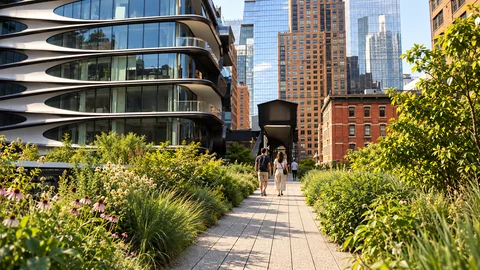 40Parks & gardensThe High LineExplore experience →
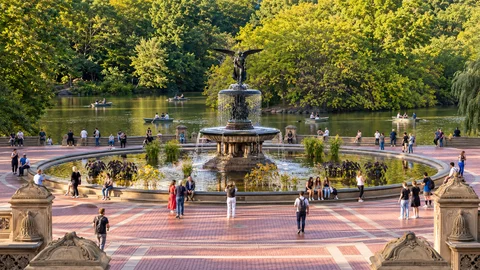 41Parks & gardensCentral Park — Bethesda Terrace & the LakeExplore experience →
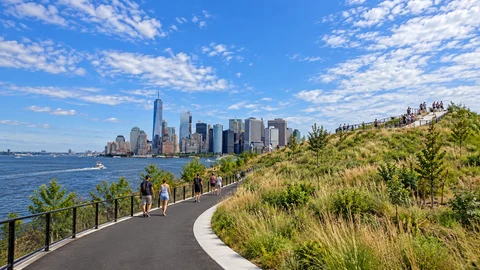 42Parks & gardensGovernors IslandExplore experience →
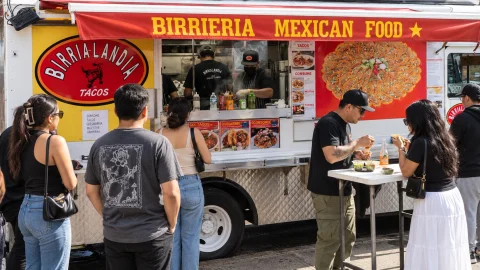 43Street food & hot dogsBirria-Landia Queens truckEstimated $22.86 per person with the standard drink choice, tax and the stated service/tip allowance.Birria taco truckEstimated meal totalExplore experience →
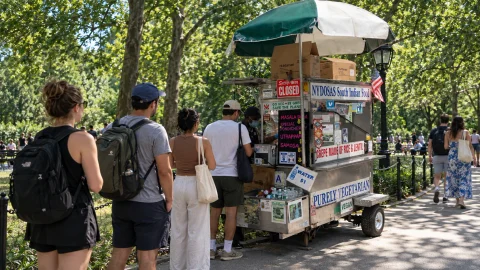 44Street food & hot dogsNY DosasEstimated $17.42 per person with the standard drink choice, tax and the stated service/tip allowance.Vegan South Indian pushcartEstimated meal totalExplore experience →
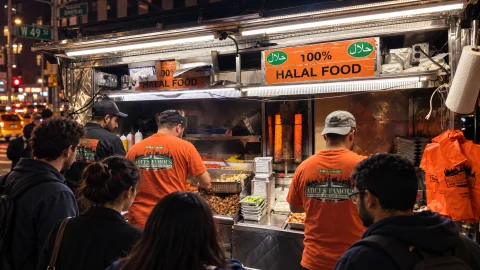 45Street food & hot dogsAdel’s Famous Halal FoodEstimated $23.95 per person with the standard drink choice, tax and the stated service/tip allowance.Halal rice-platter cartEstimated meal totalExplore experience →
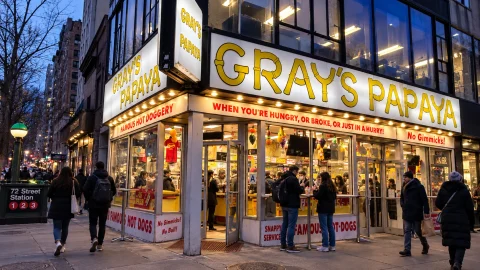 46Street food & hot dogsGray’s PapayaEstimated $14.15 per person with the standard drink choice, tax and the stated service/tip allowance.New York frank counterEstimated meal totalExplore experience →
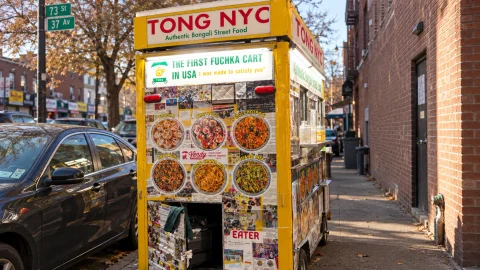 47Street food & hot dogsTong Bangladeshi street foodEstimated $20.69 per person with the standard drink choice, tax and the stated service/tip allowance.Bangladeshi street-food cartEstimated meal totalExplore experience →
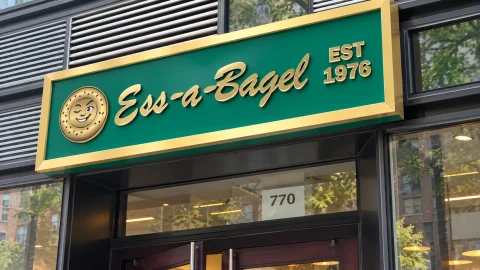 48Coffee, bagels & bakingEss-a-Bagel Third AvenueEstimated $23.95 per person with the standard drink choice, tax and the stated service/tip allowance.Bagel counterEstimated meal totalExplore experience →
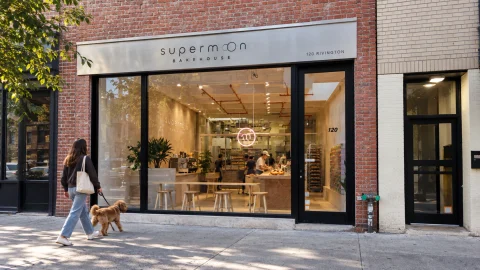 49Coffee, bagels & bakingSupermoon BakehouseEstimated $19.60 per person with the standard drink choice, tax and the stated service/tip allowance.Creative bakeryEstimated meal totalExplore experience →
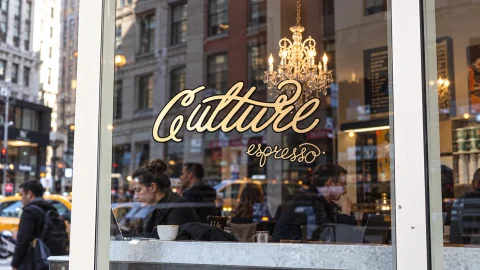 50Coffee, bagels & bakingCulture Espresso Bryant ParkEstimated $13.07 per person with the standard drink choice, tax and the stated service/tip allowance.Independent coffee shopEstimated meal totalExplore experience →
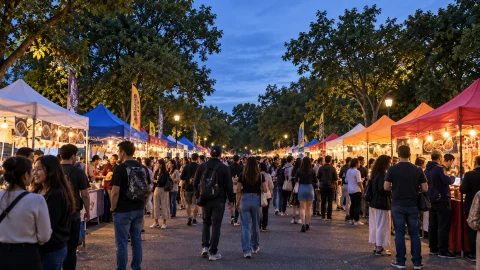 51Seasonal food marketsQueens Night MarketEstimated $32.66 per person with the standard drink choice, tax and the stated service/tip allowance.Seasonal international night marketEstimated meal totalExplore experience →
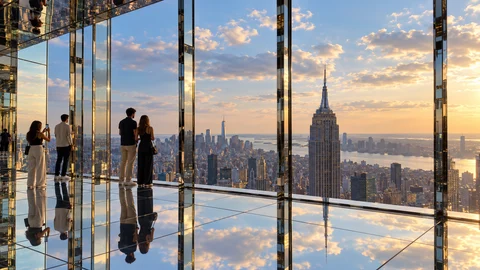 52Skyline views & tram ridesSUMMIT One VanderbiltExplore experience →
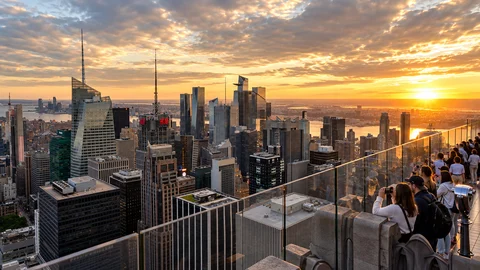 53Skyline views & tram ridesTop of the RockExplore experience →
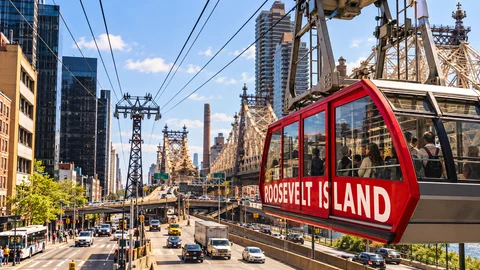 54Skyline views & tram ridesRoosevelt Island Tram & waterfront walkExplore experience →
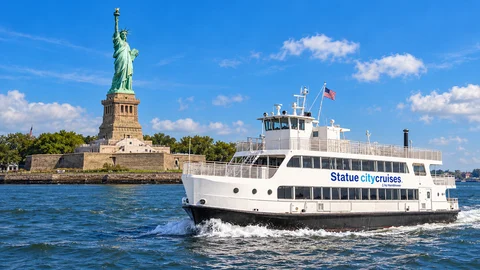 55Harbour & island ferriesStatue of Liberty & Ellis Island ferryExplore experience →
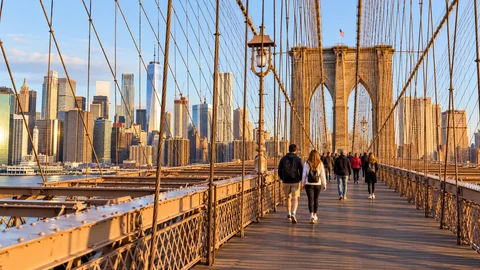 56City walksBrooklyn Bridge pedestrian walkExplore experience →
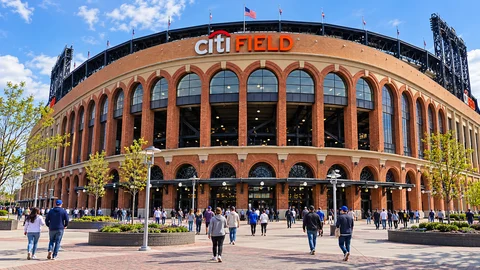 57Baseball & stadium visitsCiti Field — Mets baseball & ballpark toursExplore experience →
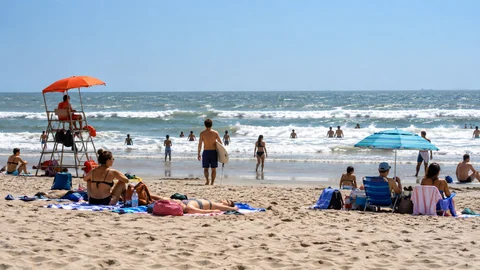 58Beaches & the coastRockaway Beach & BoardwalkExplore experience →
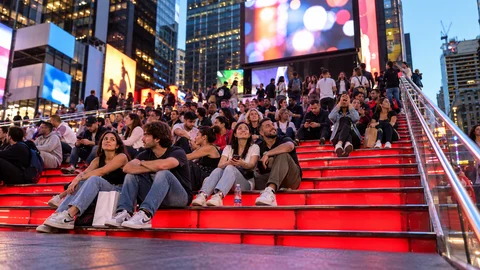 59Theatre, jazz & comedyTKTS Times Square — choose a theatre nightExplore experience →
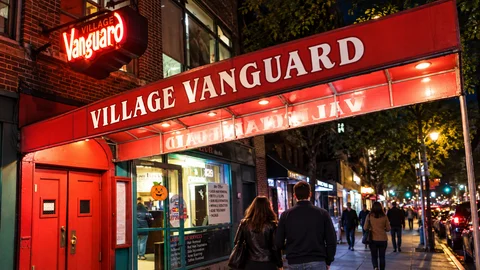 60Theatre, jazz & comedyVillage VanguardExplore experience →
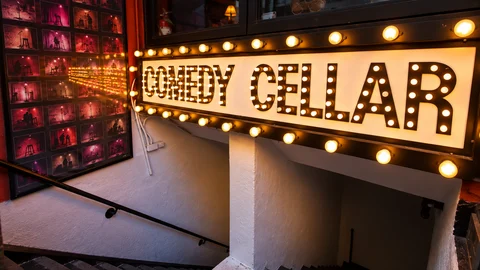 61Theatre, jazz & comedyComedy Cellar — MacDougal StreetExplore experience →
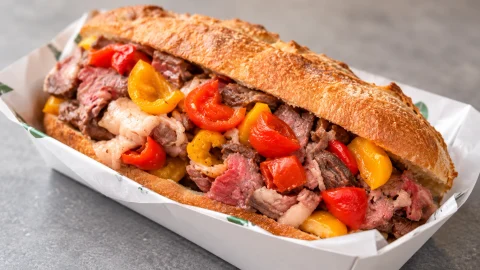 62Food at the tennisPat LaFrieda Meat Co.Estimated $35.93 per person with the standard drink choice, tax and the stated service/tip allowance.Substantial stadium sandwichEstimated meal totalExplore experience →
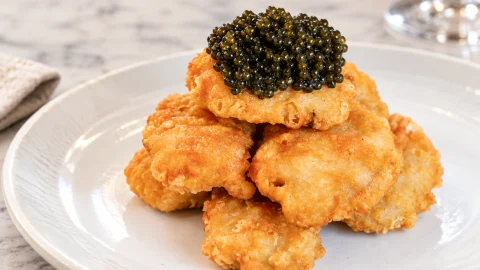 63Food at the tennisCOQODAQ / CQDQEstimated $39.20 per person with the standard drink choice, tax and the stated service/tip allowance.Playful premium fried chickenEstimated meal totalExplore experience →
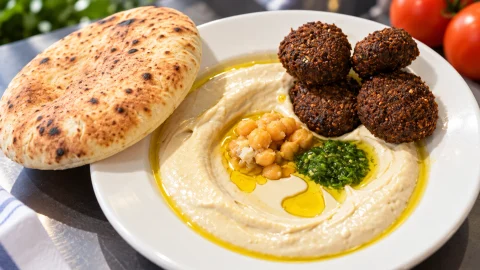 64Food at the tennisMiznonEstimated $34.84 per person with the standard drink choice, tax and the stated service/tip allowance.Mediterranean alternativeEstimated meal totalExplore experience →
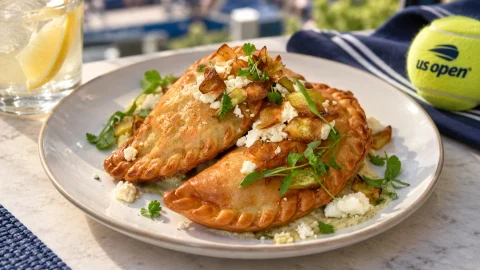 65Food at the tennisThe Migrant KitchenEstimated $34.84 per person with the standard drink choice, tax and the stated service/tip allowance.Bowl or salad mealEstimated meal totalExplore experience →
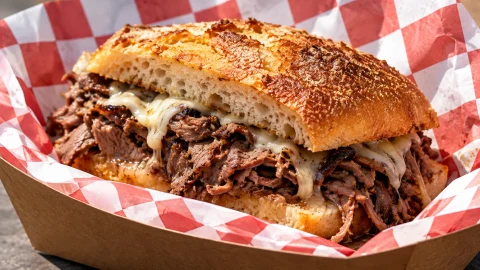 66Food at the tennisSalt Hank’sEstimated $39.20 per person with the standard drink choice, tax and the stated service/tip allowance.French dip sandwichEstimated meal totalExplore experience →
 67Food at the tennisVan Leeuwen Ice CreamEstimated $10.89 per person with the standard drink choice, tax and the stated service/tip allowance.Sweet breakEstimated meal totalExplore experience →
 68Food at the tennisHoney DeuceOptional cocktail estimate $32.66 per guest aged 21 or over, including tax.Optional signature cocktailEstimated meal totalExplore experience →
06 / Good to know
9/11 Memorial & Museum: frequently asked questions
01What makes this visit worthwhile?
The outdoor memorial pools and a substantial museum of the attacks and their aftermath. Highlights include Twin Towers memorial pools, Museum exhibitions, Lower Manhattan site.
02What does admission include?
Museum adults 18–64 $36; ages 13–17 and seniors 65+ $30; ages 7–12 $24; ages 6 and under free. Visiting the outdoor memorial is free.
03How do I arrive?
Fulton St · 4/5. Walk west from Fulton Street towards Church Street and the memorial plaza, then to the museum pavilion on Greenwich Street. Do not join the One World Observatory queue.
04What access arrangements matter?
The museum publishes step-free routes, wheelchair services, captioning and other access resources. Allow for security and the descent into the museum.