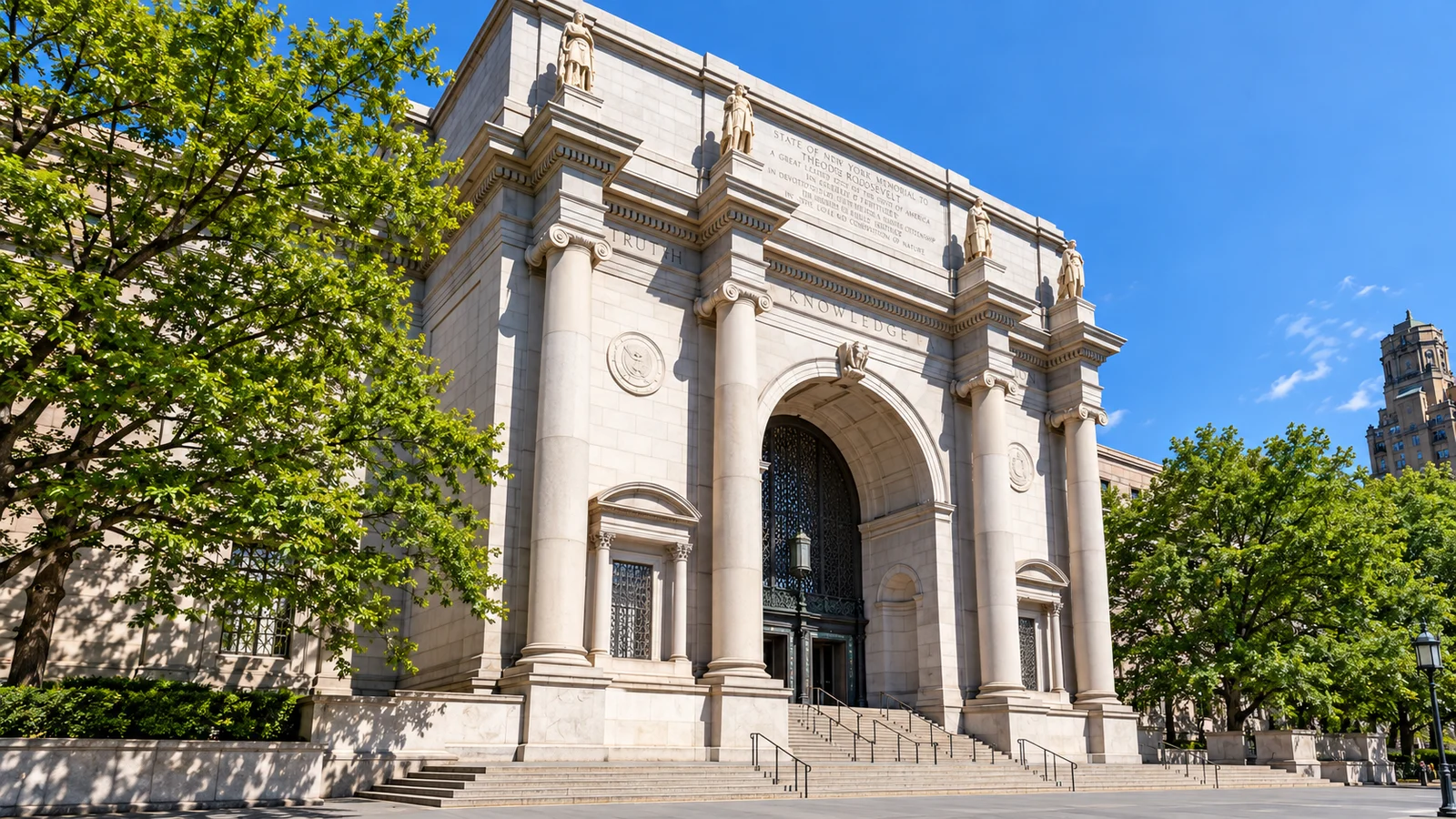
American Museum of Natural History
Fossils, the blue whale and the Gilder Center make a substantial family museum day.
01 / The experience
A dinosaur, a blue whale and the small worlds that connect them.
Fossils, the blue whale and the Gilder Center make a substantial family museum day.
The American Museum of Natural History gives a family several genuinely different museum days to choose from. Fossils, living insects, ocean life and the universe can each be the main subject. Start with the interest that will hold your party’s attention, then choose a second part of the museum that offers a change in scale or format.
For dinosaurs, the Titanosaur is a memorable anchor. The enormous mounted cast stretches beyond the Wallach Orientation Center, turning the size of the animal into something you experience through the room around it. It is a cast rather than a complete original skeleton, an important distinction when thinking about how fossil evidence becomes a museum reconstruction. Make it part of a fossil-led route rather than the start of an attempt to see every hall.
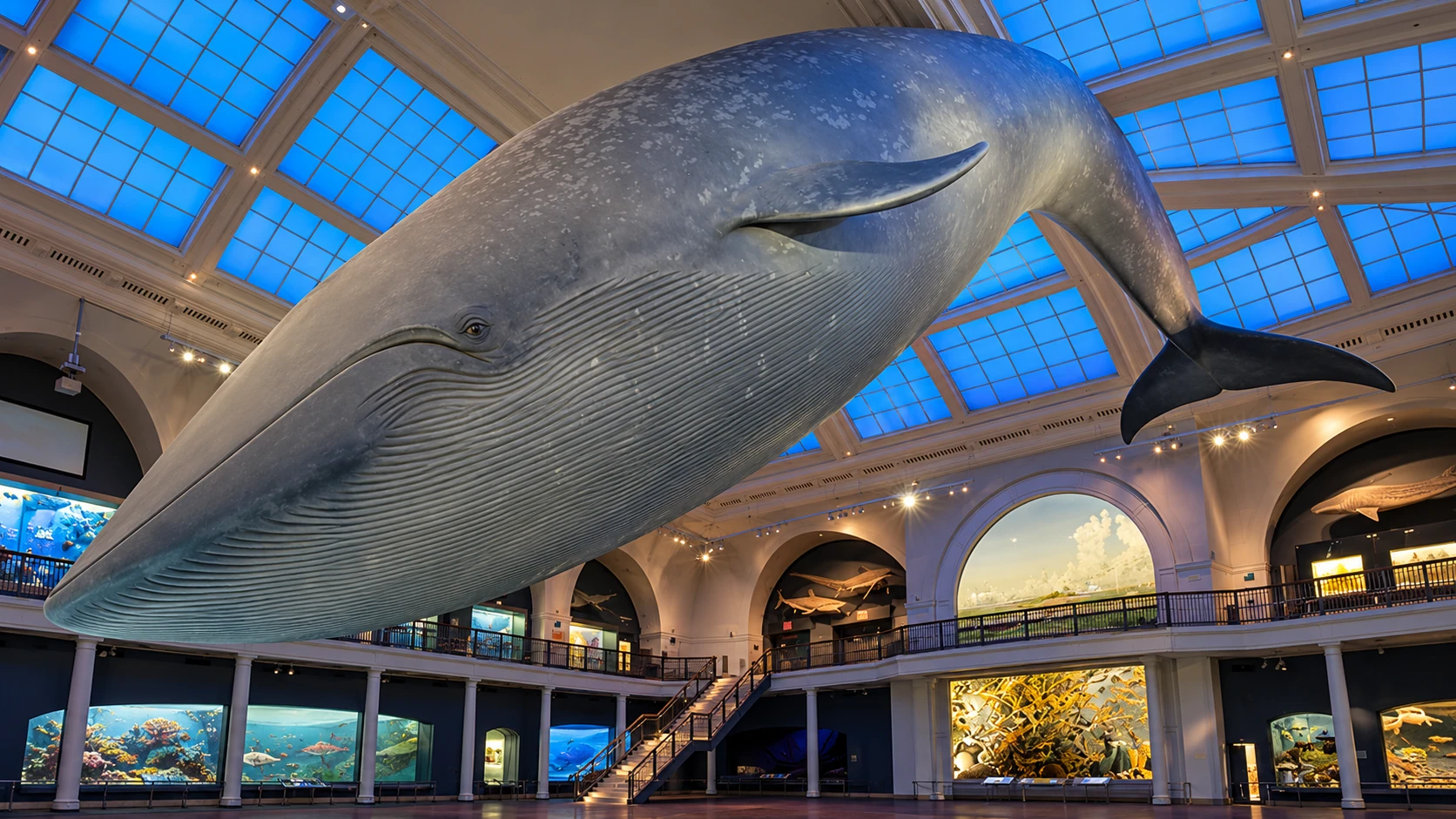
The suspended blue whale in the Milstein Hall of Ocean Life offers another encounter with scale. The animal is a model, while the surrounding ocean displays place it within a larger account of marine environments. Habitat dioramas elsewhere in the museum offer a different kind of looking: animals are presented within carefully constructed settings, with the background and foreground working together to describe a place.
The Richard Gilder Center changes the visit again. Its open, sculptural architecture connects to the older museum, while the Insectarium brings the subject down to living creatures that are easy to overlook outside. The leafcutter-ant display follows a working colony through connected spaces; other live specimens, pinned collections and digital elements show the variety of insect forms and their roles in ecosystems. This is a substantial visit even without buying every additional experience.
The Butterfly Vivarium and Invisible Worlds offer further, separately ticketed ways into that subject. The Rose Center for Earth and Space takes the day in another direction entirely. Choose an added experience because you want that particular encounter, and give it room within the day. A fossil route plus the whale, or Gilder plus one booked presentation, is a coherent plan for a first visit.
Central Park lies beside the museum, but the museum entrance, Bethesda Terrace and the Lake are separate points in the outing. A short park extension can work after the galleries. If the family is already ready for lunch and the hotel, the museum does not need a second major attraction to make the day worthwhile.
In pictures
The full gallery.
02 / The essentials
American Museum of Natural History: visit essentials
- 01
Fossil collections
- 02
Blue whale model
- 03
Gilder Center and Rose Center
04 / Before you go
Plan your visit
Allow about 210 minutes, plus travel.
Admission & spending
Standard admission for visitors outside New York State: adults $37; seniors/students $30; ages 3–12 $22; under 3 free. Adult admission with one ticketed exhibition $43 or all ticketed exhibitions $48.
Tickets & visit detailsWhen to visit
Daily 10:00–17:30. Closed Thanksgiving and Christmas.
Keep natural history as the main family activity on a city day. If combining it with evening tennis, choose one collection route and account for both the trip out of the museum and the transfer to the 7. The Art & Central Park itinerary can be adapted by selecting this museum instead of automatically visiting two large institutions. Added presentations stay in the admission budget as individual choices.
Arrive
81 St–Museum of Natural History · B/C. Leave the station onto Central Park West and use the museum's public entrance instructions. B service is weekday only; the C is the regular weekend option. The Gilder Center entrance is on Columbus Avenue, on the other side of the complex.
200 Central Park West, New York, NY
Use the museum’s accessible entrance guidance, lifts and sensory resources. Its Explorer app and museum map help with internal routes.
Journey times are estimates for ordinary daytime service, including the street approach. Add security, queues and any ferry or tram crossing separately. For a step-free journey, choose suitable stations and operating lifts; these routes are not an accessibility guarantee.
Choose a Manhattan base for the city outing, then use the guide’s stadium journey for the separate trip to Queens.
Plan your visit
Select a date and reserve extra timed experiences with admission. The $25 suggested adult rate is for New York State residents; qualifying resident general admission is pay-what-you-wish.
Accessibility
Use the museum’s accessible entrance guidance, lifts and sensory resources. Its Explorer app and museum map help with internal routes.
05 / Where it is
Find it
and what’s nearby.
Continue exploring / New York
More things to do
in New York
Explore New York activities, sights and places to eat. Compare the time to allow, costs and booking details, then save your favourites to your itinerary.
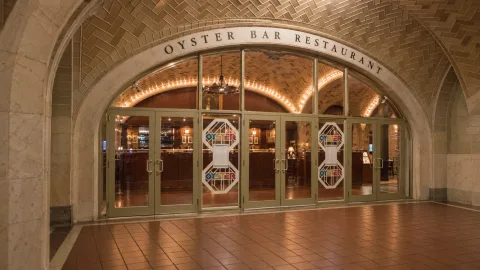 01Restaurants & countersGrand Central Oyster BarEstimated $103.10 per person with the standard drink choice, tax and the stated service/tip allowance.SeafoodEstimated meal totalExplore experience →
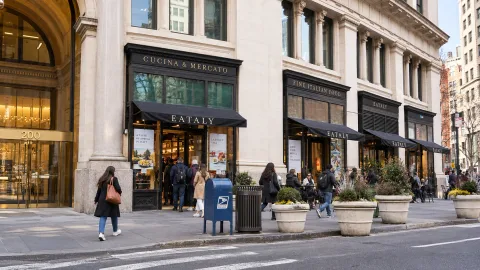 02Restaurants & countersEataly NYC FlatironEstimated $39.20 per person with the standard drink choice, tax and the stated service/tip allowance.ItalianEstimated meal totalExplore experience →
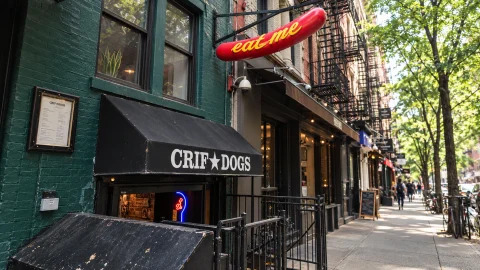 03Restaurants & countersCrif Dogs with optional PDTEstimated $21.78 per person with the standard drink choice, tax and the stated service/tip allowance.Loaded hot-dog shop and separately booked cocktail barEstimated meal totalExplore experience →
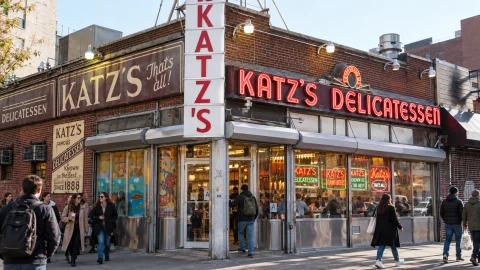 04Restaurants & countersKatz’s DelicatessenEstimated $40.88 per person with the standard drink choice, tax and the stated service/tip allowance.Pastrami deli and counter experienceEstimated meal totalExplore experience →
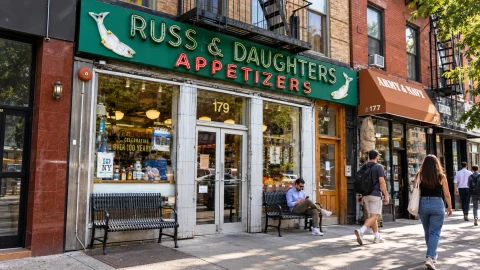 05Restaurants & countersRuss & Daughters Houston Street shopEstimated $29.40 per person with the standard drink choice, tax and the stated service/tip allowance.Jewish appetizing shop and takeaway counterEstimated meal totalExplore experience →
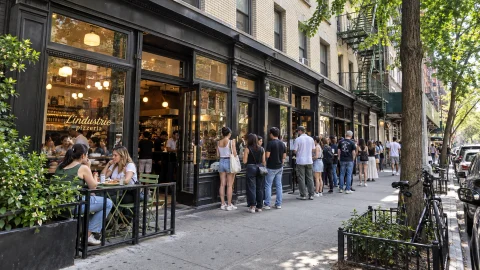 06Restaurants & countersL’Industrie West VillageEstimated $19.60 per person with the standard drink choice, tax and the stated service/tip allowance.Contemporary New York slice shopEstimated meal totalExplore experience →
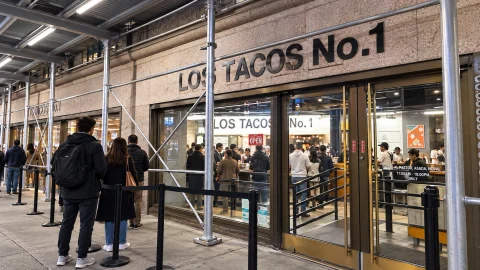 07Restaurants & countersLos Tacos No. 1 Grand CentralEstimated $23.95 per person with the standard drink choice, tax and the stated service/tip allowance.Taco counterEstimated meal totalExplore experience →
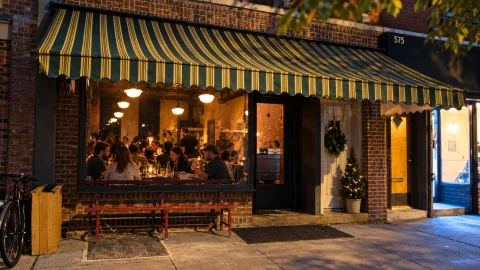 08Restaurants & countersLucali BrooklynEstimated $38.66 per person with the standard drink choice, tax and the stated service/tip allowance.Whole-pie pizza restaurantEstimated meal totalExplore experience →
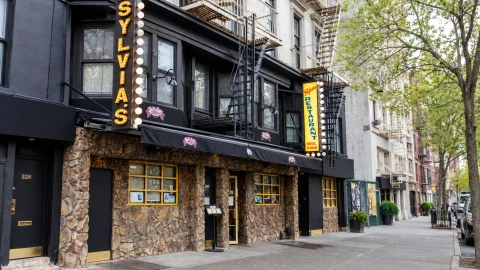 09Restaurants & countersSylvia’sEstimated $52.84 per person with the standard drink choice, tax and the stated service/tip allowance.Soul-food restaurantEstimated meal totalExplore experience →
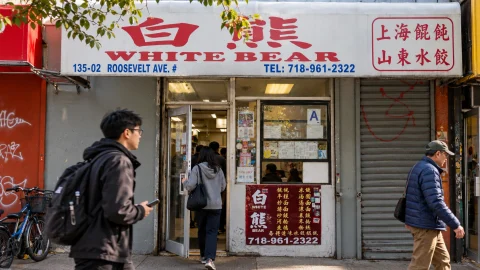 10Restaurants & countersWhite BearEstimated $16.33 per person with the standard drink choice, tax and the stated service/tip allowance.Small dumpling counterEstimated meal totalExplore experience →
 11Restaurants & countersShanghai You Garden FlushingEstimated $38.66 per person with the standard drink choice, tax and the stated service/tip allowance.Shanghainese dumpling restaurantEstimated meal totalExplore experience →
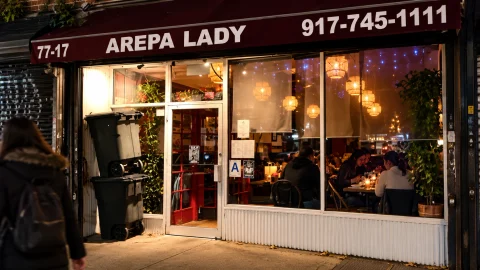 12Restaurants & countersArepa Lady Jackson HeightsEstimated $34.80 per person with the standard drink choice, tax and the stated service/tip allowance.Colombian arepa restaurant with street-vendor rootsEstimated meal totalExplore experience →
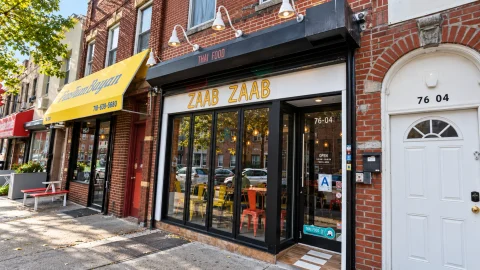 13Restaurants & countersZaab Zaab ElmhurstEstimated $52.84 per person with the standard drink choice, tax and the stated service/tip allowance.Isan Thai restaurantEstimated meal totalExplore experience →
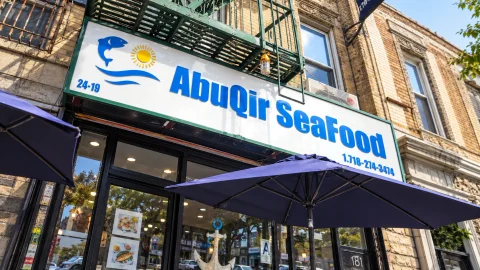 14Restaurants & countersAbuQirEstimated $64.44 per person with the standard drink choice, tax and the stated service/tip allowance.Egyptian seafood counter and restaurantEstimated meal totalExplore experience →
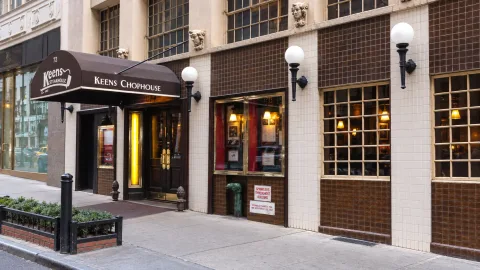 15Destination diningKeens SteakhouseEstimated $170.12 per person with the standard drink choice, tax and the stated service/tip allowance.SteakhouseEstimated meal totalExplore experience →
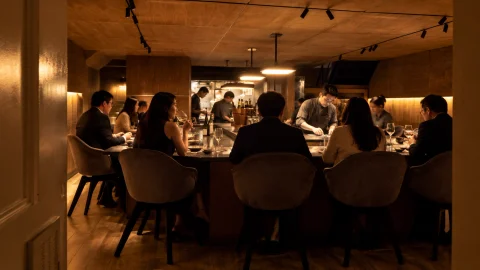 16Destination diningAtomixEstimated $568.87 per person with the standard drink choice, tax and the stated service/tip allowance.Contemporary Korean tasting counterEstimated meal totalExplore experience →
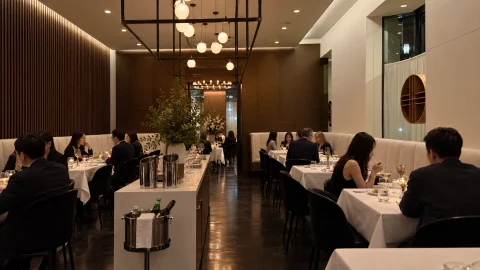 17Destination diningJungsik New YorkEstimated $463.95 per person with the standard drink choice, tax and the stated service/tip allowance.Modern Korean fine diningEstimated meal totalExplore experience →
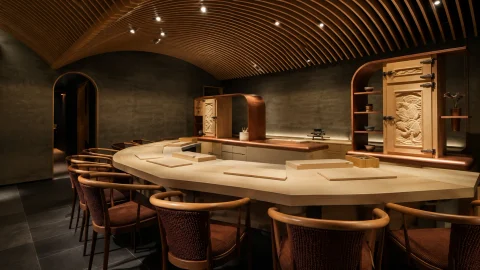 18Destination diningSushi ShoEstimated $670.15 per person with the standard drink choice, tax and the stated service/tip allowance.Edomae-rooted omakase counterEstimated meal totalExplore experience →
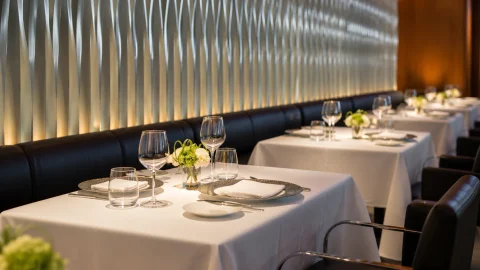 19Destination diningLe BernardinEstimated $335.08 per person with the standard drink choice, tax and the stated service/tip allowance.Seafood fine diningEstimated meal totalExplore experience →
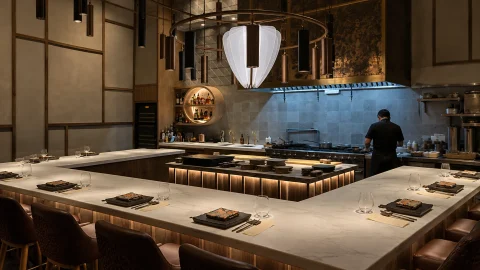 20Destination diningMejuEstimated $333.16 per person with the standard drink choice, tax and the stated service/tip allowance.Korean fermentation-focused chef’s counterEstimated meal totalExplore experience →
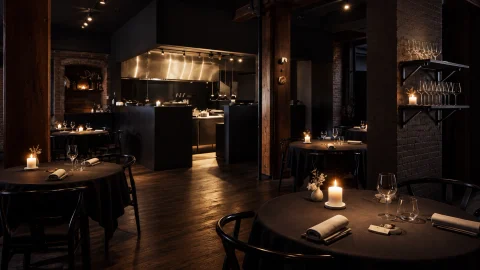 21Destination diningAskaEstimated $528.39 per person with the standard drink choice, tax and the stated service/tip allowance.Nordic-influenced tasting restaurantEstimated meal totalExplore experience →
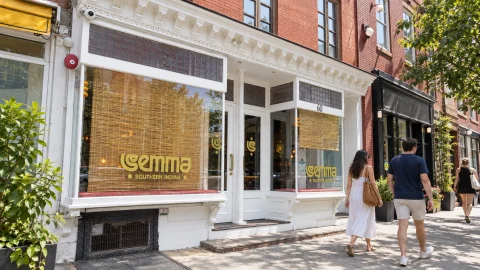 22Destination diningSemmaEstimated $119.85 per person with the standard drink choice, tax and the stated service/tip allowance.Regional South Indian à la carte diningEstimated meal totalExplore experience →
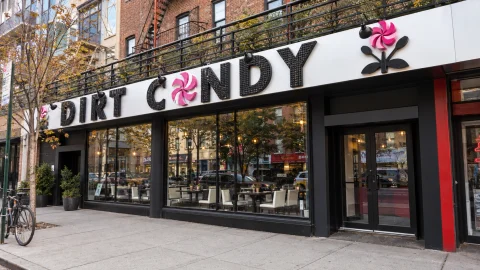 23Destination diningDirt CandyEstimated $139.36 per person with the standard drink choice, tax and the stated service/tip allowance.Vegetable-led tasting restaurantEstimated meal totalExplore experience →
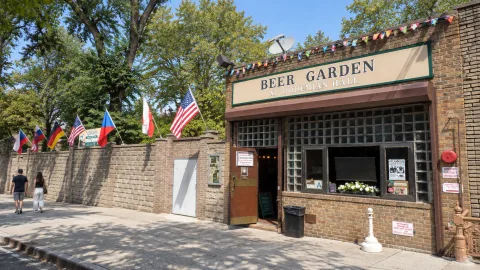 24Beer gardens & barsBohemian Hall & Beer GardenEstimated $48.97 per person with the standard drink choice, tax and the stated service/tip allowance.Czech & SlovakEstimated meal totalExplore experience →
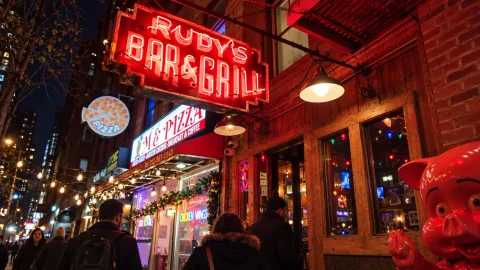 25Beer gardens & barsRudy’s Bar & GrillEstimated $7.73 per person with the standard drink choice, tax and the stated service/tip allowance.Historic dive bar with hot dogsEstimated meal totalExplore experience →
 26Museums & landmarksQueens MuseumExplore experience →
 27Museums & landmarksMoMA PS1Explore experience →
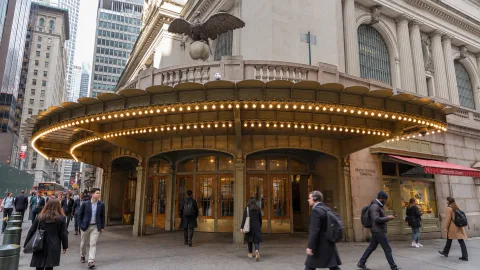 28Museums & landmarksGrand Central TerminalExplore experience →
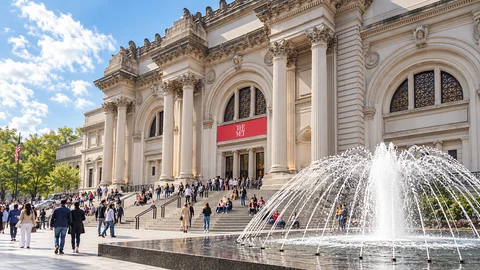 29Museums & landmarksThe Met Fifth AvenueExplore experience →
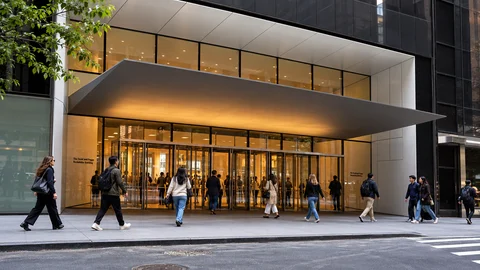 30Museums & landmarksMoMA — MidtownExplore experience →
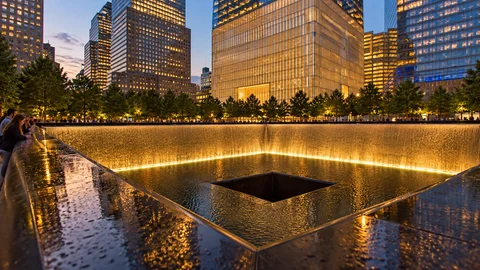 31Museums & landmarks9/11 Memorial & MuseumExplore experience →
 32Museums & landmarksIntrepid MuseumExplore experience →
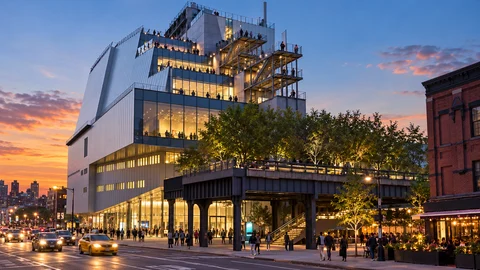 33Museums & landmarksWhitney Museum of American ArtExplore experience →
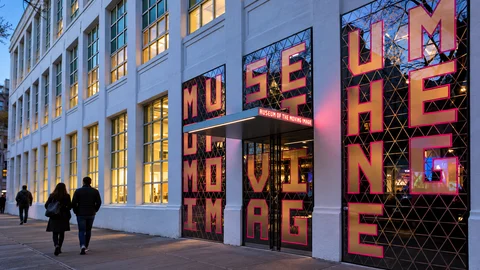 34Museums & landmarksMuseum of the Moving ImageExplore experience →
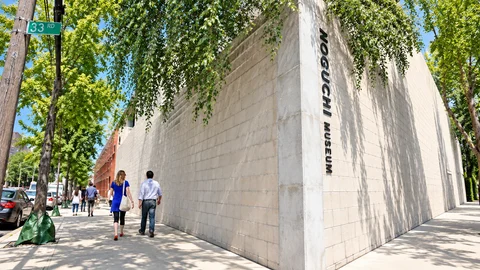 35Museums & landmarksThe Noguchi MuseumExplore experience →
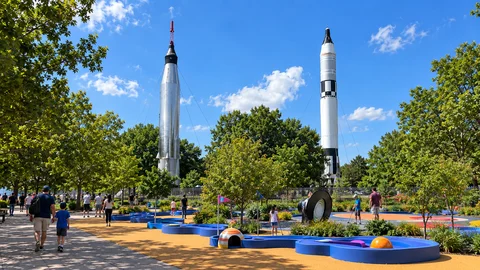 36Museums & landmarksNew York Hall of ScienceExplore experience →
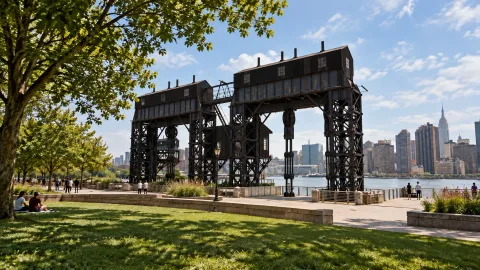 37Parks & gardensGantry Plaza State ParkExplore experience →
 38Parks & gardensFlushing Meadows Corona Park & UnisphereExplore experience →
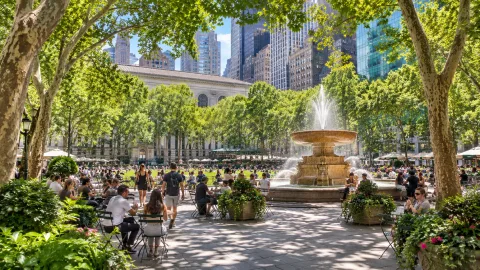 39Parks & gardensBryant ParkExplore experience →
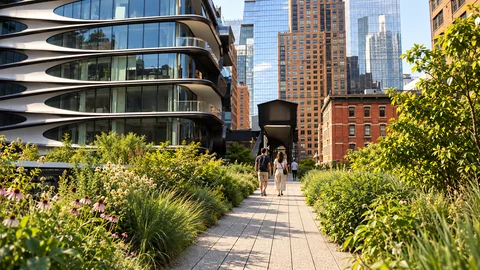 40Parks & gardensThe High LineExplore experience →
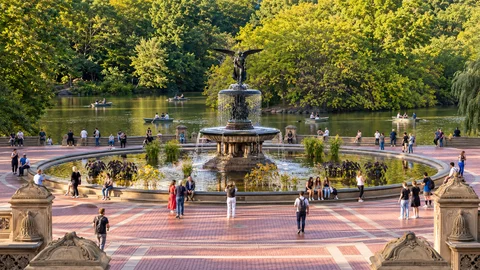 41Parks & gardensCentral Park — Bethesda Terrace & the LakeExplore experience →
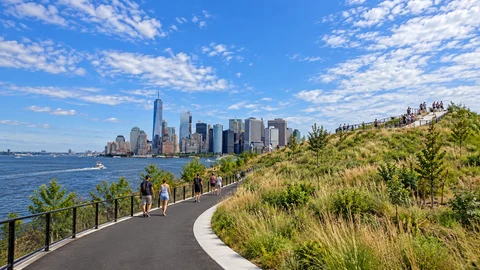 42Parks & gardensGovernors IslandExplore experience →
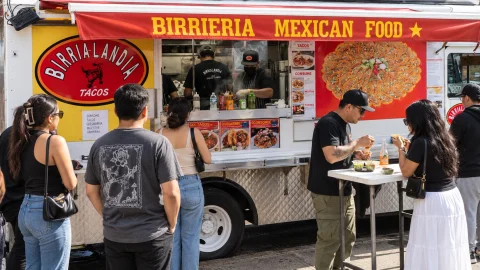 43Street food & hot dogsBirria-Landia Queens truckEstimated $22.86 per person with the standard drink choice, tax and the stated service/tip allowance.Birria taco truckEstimated meal totalExplore experience →
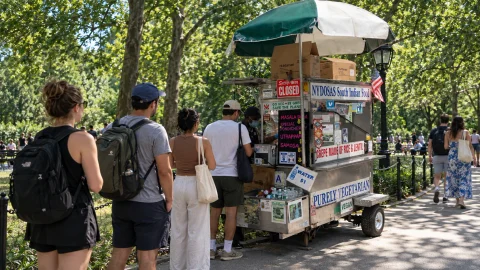 44Street food & hot dogsNY DosasEstimated $17.42 per person with the standard drink choice, tax and the stated service/tip allowance.Vegan South Indian pushcartEstimated meal totalExplore experience →
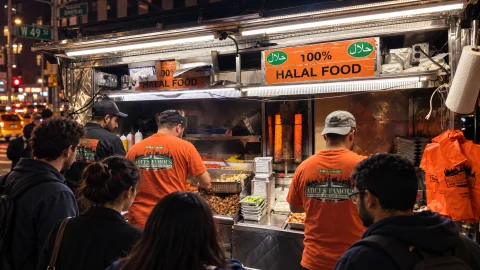 45Street food & hot dogsAdel’s Famous Halal FoodEstimated $23.95 per person with the standard drink choice, tax and the stated service/tip allowance.Halal rice-platter cartEstimated meal totalExplore experience →
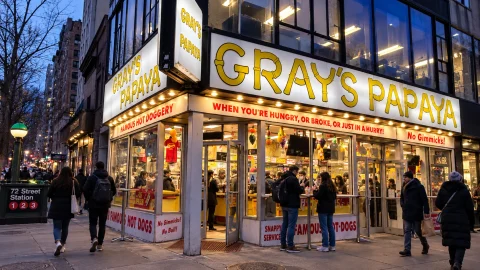 46Street food & hot dogsGray’s PapayaEstimated $14.15 per person with the standard drink choice, tax and the stated service/tip allowance.New York frank counterEstimated meal totalExplore experience →
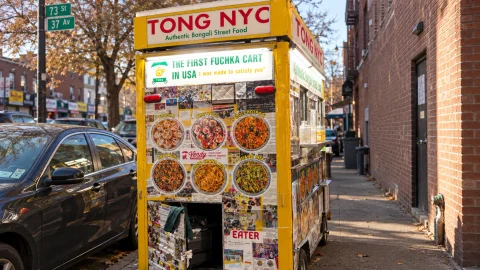 47Street food & hot dogsTong Bangladeshi street foodEstimated $20.69 per person with the standard drink choice, tax and the stated service/tip allowance.Bangladeshi street-food cartEstimated meal totalExplore experience →
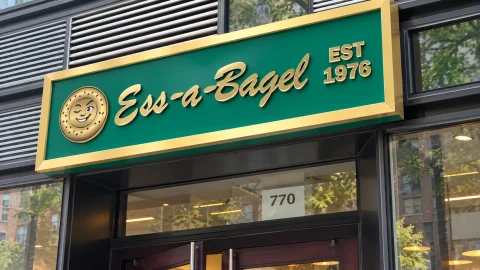 48Coffee, bagels & bakingEss-a-Bagel Third AvenueEstimated $23.95 per person with the standard drink choice, tax and the stated service/tip allowance.Bagel counterEstimated meal totalExplore experience →
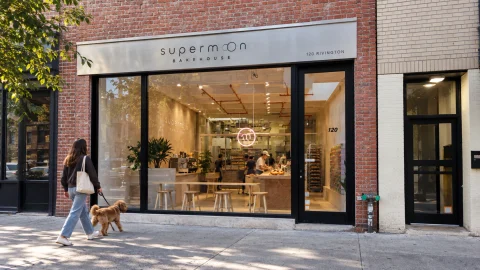 49Coffee, bagels & bakingSupermoon BakehouseEstimated $19.60 per person with the standard drink choice, tax and the stated service/tip allowance.Creative bakeryEstimated meal totalExplore experience →
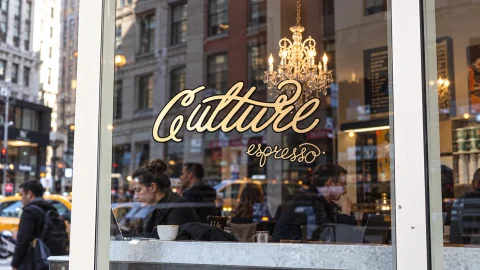 50Coffee, bagels & bakingCulture Espresso Bryant ParkEstimated $13.07 per person with the standard drink choice, tax and the stated service/tip allowance.Independent coffee shopEstimated meal totalExplore experience →
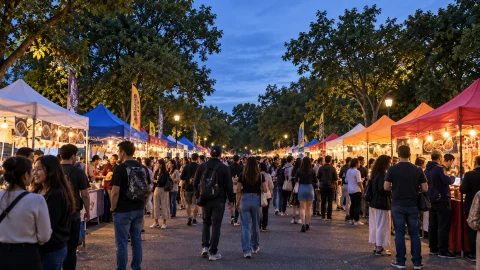 51Seasonal food marketsQueens Night MarketEstimated $32.66 per person with the standard drink choice, tax and the stated service/tip allowance.Seasonal international night marketEstimated meal totalExplore experience →
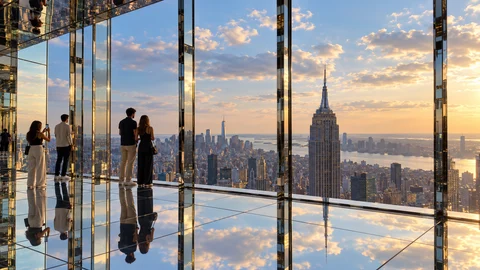 52Skyline views & tram ridesSUMMIT One VanderbiltExplore experience →
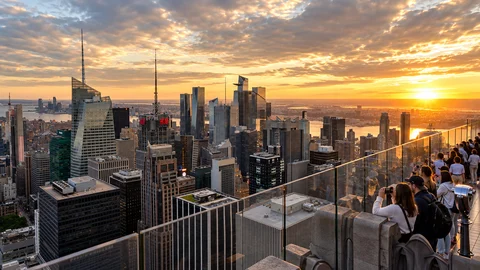 53Skyline views & tram ridesTop of the RockExplore experience →
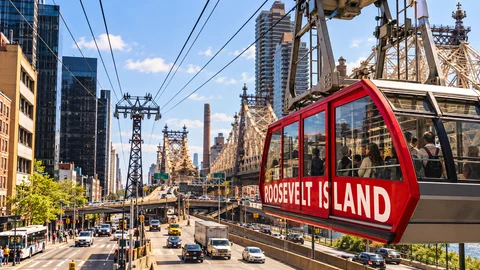 54Skyline views & tram ridesRoosevelt Island Tram & waterfront walkExplore experience →
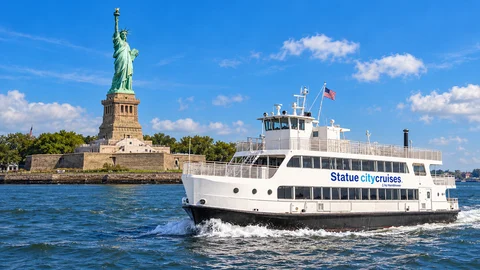 55Harbour & island ferriesStatue of Liberty & Ellis Island ferryExplore experience →
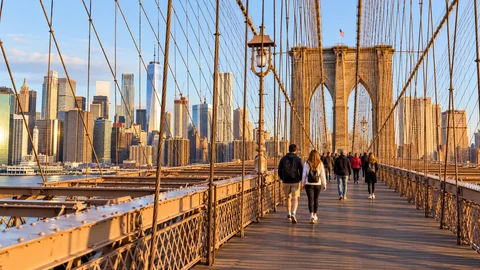 56City walksBrooklyn Bridge pedestrian walkExplore experience →
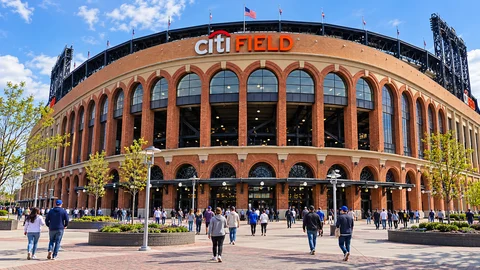 57Baseball & stadium visitsCiti Field — Mets baseball & ballpark toursExplore experience →
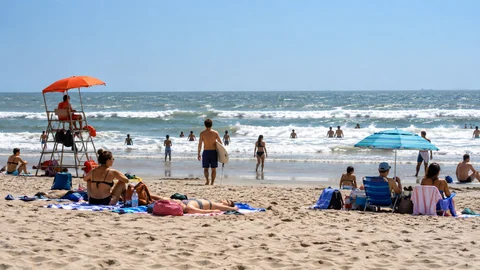 58Beaches & the coastRockaway Beach & BoardwalkExplore experience →
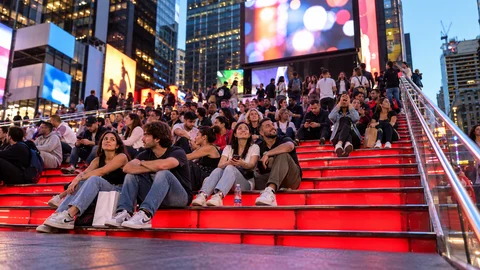 59Theatre, jazz & comedyTKTS Times Square — choose a theatre nightExplore experience →
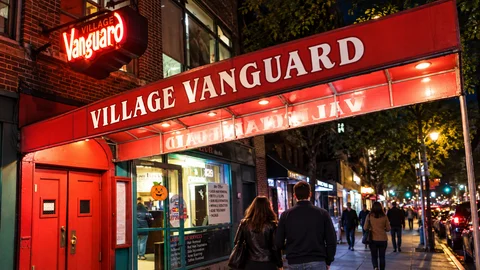 60Theatre, jazz & comedyVillage VanguardExplore experience →
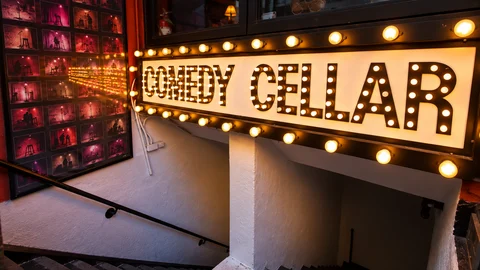 61Theatre, jazz & comedyComedy Cellar — MacDougal StreetExplore experience →
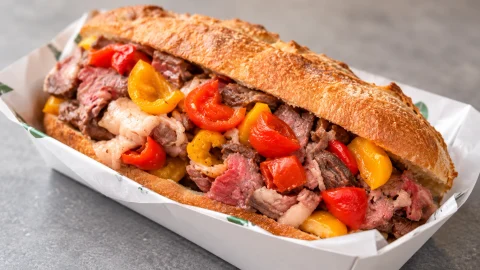 62Food at the tennisPat LaFrieda Meat Co.Estimated $35.93 per person with the standard drink choice, tax and the stated service/tip allowance.Substantial stadium sandwichEstimated meal totalExplore experience →
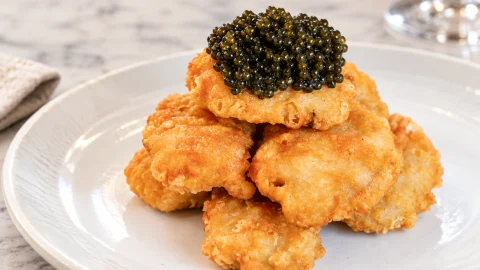 63Food at the tennisCOQODAQ / CQDQEstimated $39.20 per person with the standard drink choice, tax and the stated service/tip allowance.Playful premium fried chickenEstimated meal totalExplore experience →
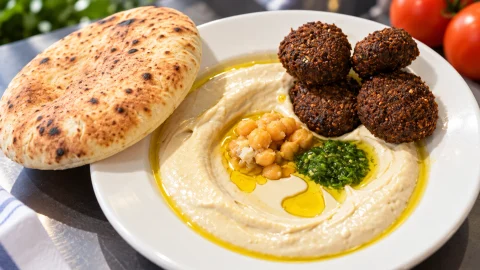 64Food at the tennisMiznonEstimated $34.84 per person with the standard drink choice, tax and the stated service/tip allowance.Mediterranean alternativeEstimated meal totalExplore experience →
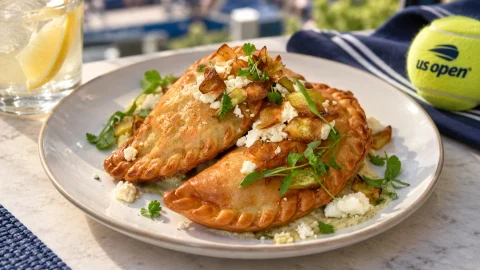 65Food at the tennisThe Migrant KitchenEstimated $34.84 per person with the standard drink choice, tax and the stated service/tip allowance.Bowl or salad mealEstimated meal totalExplore experience →
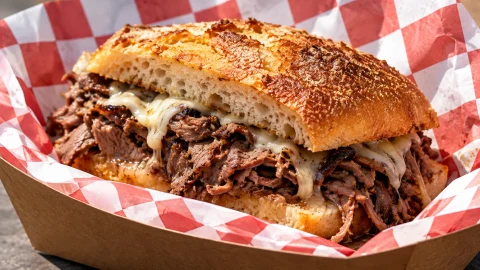 66Food at the tennisSalt Hank’sEstimated $39.20 per person with the standard drink choice, tax and the stated service/tip allowance.French dip sandwichEstimated meal totalExplore experience →
 67Food at the tennisVan Leeuwen Ice CreamEstimated $10.89 per person with the standard drink choice, tax and the stated service/tip allowance.Sweet breakEstimated meal totalExplore experience →
 68Food at the tennisHoney DeuceOptional cocktail estimate $32.66 per guest aged 21 or over, including tax.Optional signature cocktailEstimated meal totalExplore experience →
06 / Good to know
American Museum of Natural History: frequently asked questions
01What makes this visit worthwhile?
Fossils, the blue whale and the Gilder Center make a substantial family museum day. Highlights include Fossil collections, Blue whale model, Gilder Center and Rose Center.
02What does admission include?
Standard admission for visitors outside New York State: adults $37; seniors/students $30; ages 3–12 $22; under 3 free. Adult admission with one ticketed exhibition $43 or all ticketed exhibitions $48.
03How do I arrive?
81 St–Museum of Natural History · B/C. Leave the station onto Central Park West and use the museum's public entrance instructions. B service is weekday only; the C is the regular weekend option. The Gilder Center entrance is on Columbus Avenue, on the other side of the complex.
04What access arrangements matter?
Use the museum’s accessible entrance guidance, lifts and sensory resources. Its Explorer app and museum map help with internal routes.