Central · Founded 1473
St Catharine's College
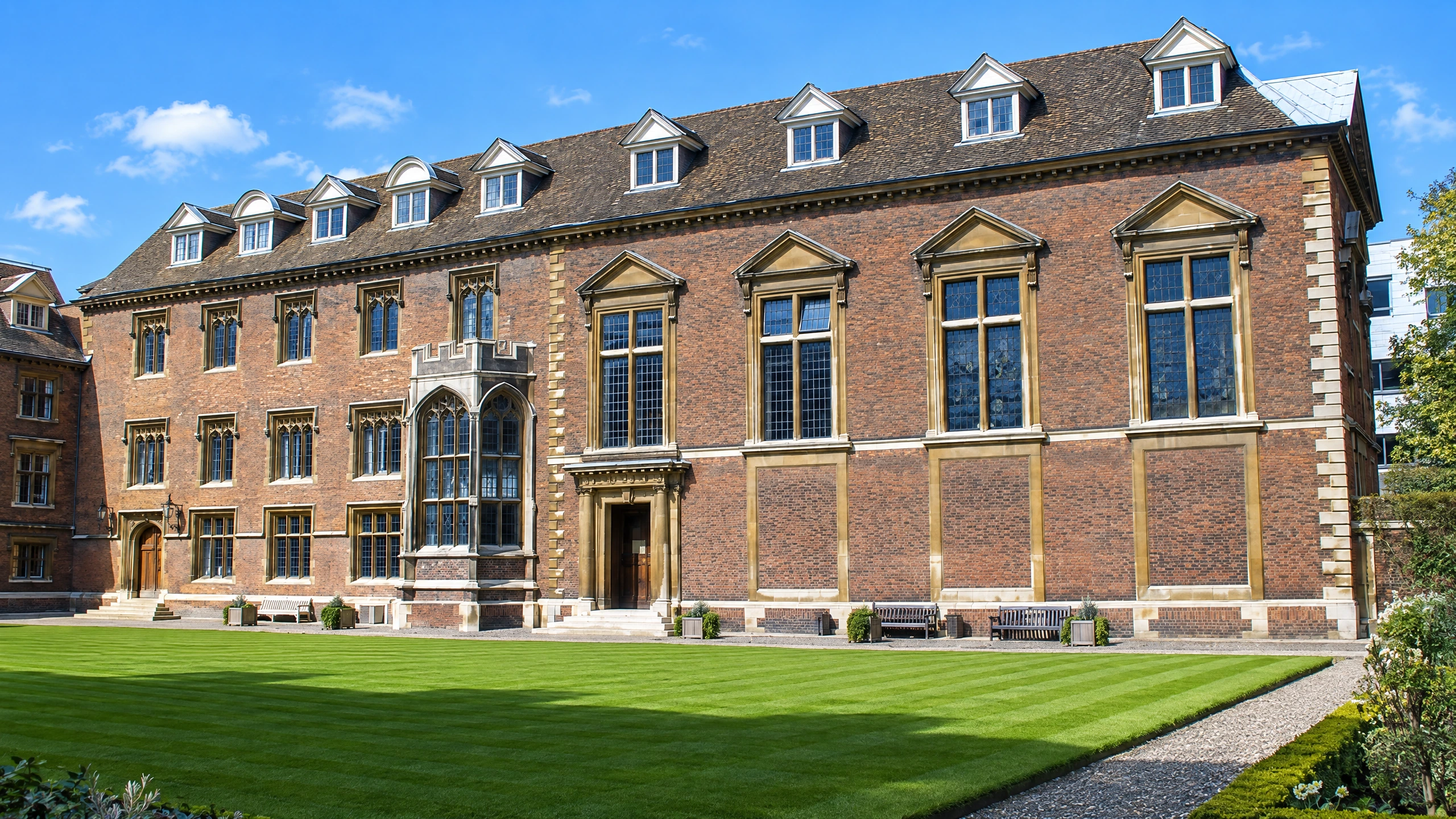
Its principal court is open on one side to Trumpington Street, so more of the college is visible from the pavement than almost anywhere else in central Cambridge.
- Founded
- 1473
- Location
- Trumpington Street
- Visiting
- Ask the Porters' Lodge
- Institution
- College
01 The experience
What to expect.
A court open to the street
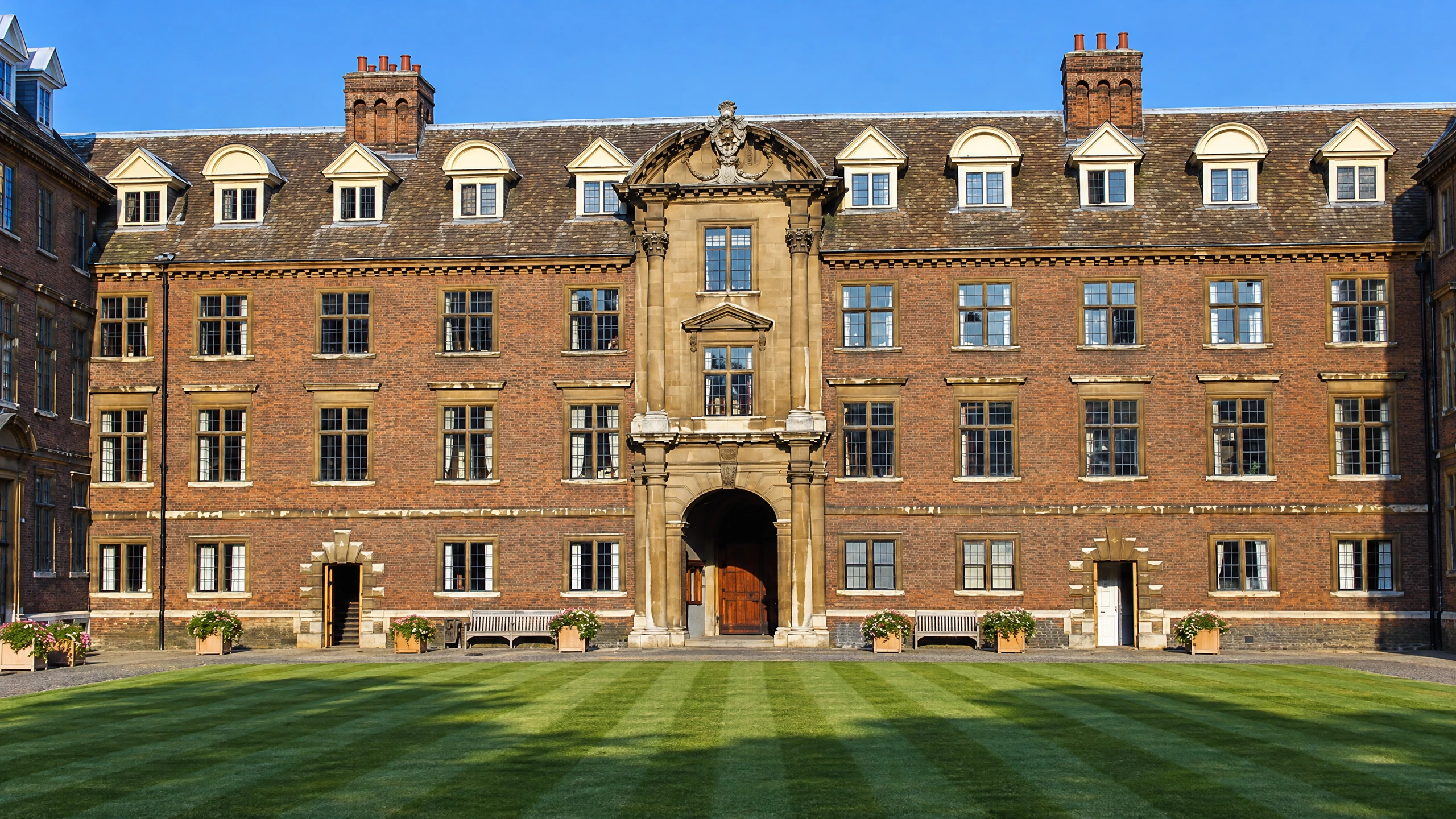
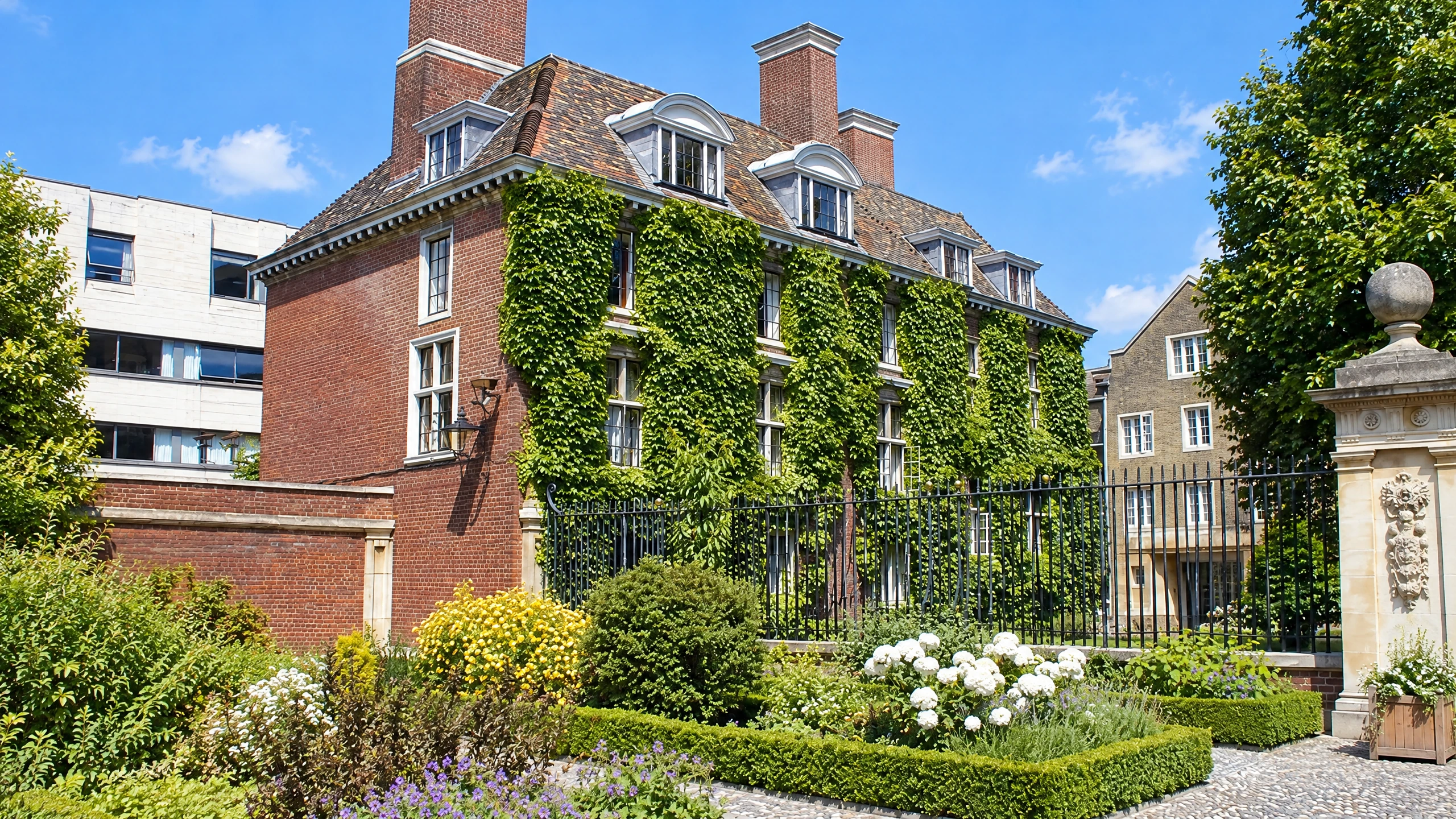
On Trumpington Street, St Catharine's presents an unusual Cambridge view: its red-brick Main Court has buildings on three sides and opens towards the street. The chapel stands on the north side, while the court's present form reflects centuries of rebuilding and benefaction.
Robert Woodlark, Provost of King's College, founded the small college in 1473. His own interest in books shaped it from the beginning: he endowed its library with more than a hundred printed books and manuscripts.
People and ideas
People connected to the college
John Addenbrooke
He entered St Catharine’s in 1697 and later became a Fellow, lecturing on medicinal substances.
The physician gave his name to Cambridge’s Addenbrooke’s Hospital.
Fellows, founders and other connections
Robert Woodlark
A former custodian of the King's library, he endowed his new college with books and manuscripts.
The Provost of King's College established St Catharine's in 1473.
Mary Ramsden
The Ramsden Building helped reshape Main Court in the eighteenth century.
A Yorkshire benefactor whose bequest paid for a major college building.
The story
History & character.
Woodlark's small foundation
Robert Woodlark had spent years buying properties around what is now Queens' Lane before establishing St Catharine's in 1473. The college received its royal charter in 1475. His first community was small: a Master and two Fellows, with a hall, library, kitchen, accommodation and the beginnings of a chapel.
Woodlark had been responsible for the library at King's College, and books were central to his new foundation. He gave it more than a hundred printed volumes and manuscripts, a substantial collection for the period. The college's later records show that the original books were lost over time, even as the library itself continued to develop.
A court reshaped
None of the original college buildings survives. The present chapel, on the north side of Main Court, was consecrated in 1704 after Master Sir William Dawes raised funds for it. A bequest by Mary Ramsden enabled the building that balances the chapel; its foundation stone was laid in 1757 and it was completed in 1765. These changes helped turn the college's entrance towards Trumpington Street instead of Queens' Lane.
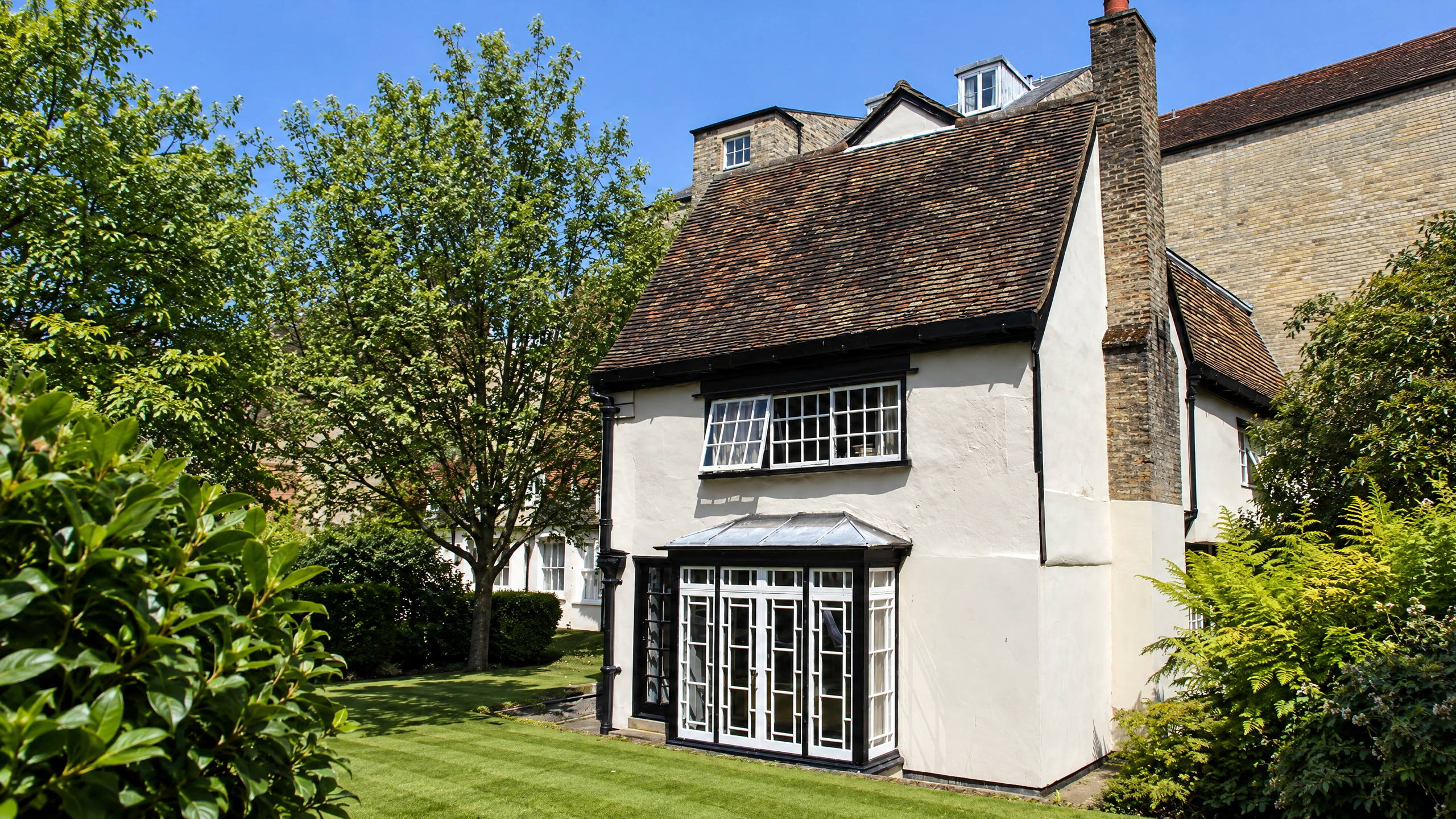
The result is the open-sided court visible from the street today. The college also acquired a fifteenth-century building in Sherlock Court, formerly known as the Eagle or Splayed Eagle. It had once belonged to Queens' College before passing through private ownership and coming to St Catharine's in 1871.
A college still changing
In the 1960s redevelopment created a larger hall and more student accommodation. Further libraries and teaching spaces followed as the student community grew. The Sherlock Library is still a working study space, connecting a modern college with Woodlark's founding interest in books.
A different voice in the chapel
St Catharine's Girls' Choir brought a new sound to the chapel: it was the first all-girl college chapel choir in Oxford or Cambridge. Its singers come from local schools, alongside the separate student choir. The college holds chapel services open to the public, and its events programme also includes musical performances.
A physician's legacy
John Addenbrooke entered Catharine Hall in 1697 and became a Fellow. He lectured on medicinal substances and gave the college a chest of specimens and medical books. His name lives on in Addenbrooke's Hospital, one of Cambridge's best-known institutions. His chest remains in the college collection, with some labels in his handwriting.
Look closer
Highlights and hidden details.
Main Court
The three-sided court opens towards Trumpington Street, making the red-brick college visible from the pavement.
The chapel
The chapel on the north side of the court was consecrated in 1704. The earlier chapel stood on the opposite side.
Sherlock Court
A fifteenth-century building once called the Eagle survives here. It was acquired by St Catharine's in 1871.
Details to look for.
A medical chest
John Addenbrooke, a student and Fellow, taught about medicinal substances at the college from 1705. He gave it a chest containing specimens from around the world, some with labels in his own hand. The chest is part of the college's collection, rather than an advertised visitor exhibit.
A portrait puzzle
The portrait long understood to show founder Robert Woodlark was identified by college historian Sir John Baker as a reversed copy of a portrait of a later Oxford college president.
Make it work
Plan your visit.
Main Court can be seen from Trumpington Street. The college asks visitors to report to the Porters' Lodge; general tourist opening hours are not published, so contact the lodge about access before making a special trip. College libraries are working study spaces and should not be assumed to be open to visitors.
Visit your way
Access and family planning.
The chapel has a ramped entrance from Chapel Court. The Porters' Lodge can advise on accessible routes and doors.
Self-guided walk
Explore beyond the venue.
A practical, step-by-step route connecting this experience with more of Cambridge.Main Court from Trumpington Street
The college's three-sided Main Court opens towards the street, so the red-brick ranges and chapel can be seen from outside. The Porters' Lodge can advise on access to the college itself.
The Corpus Clock
Across Trumpington Street, Corpus Christi's street-corner clock has a grasshopper-like creature known as the Chronophage above its gold dial.
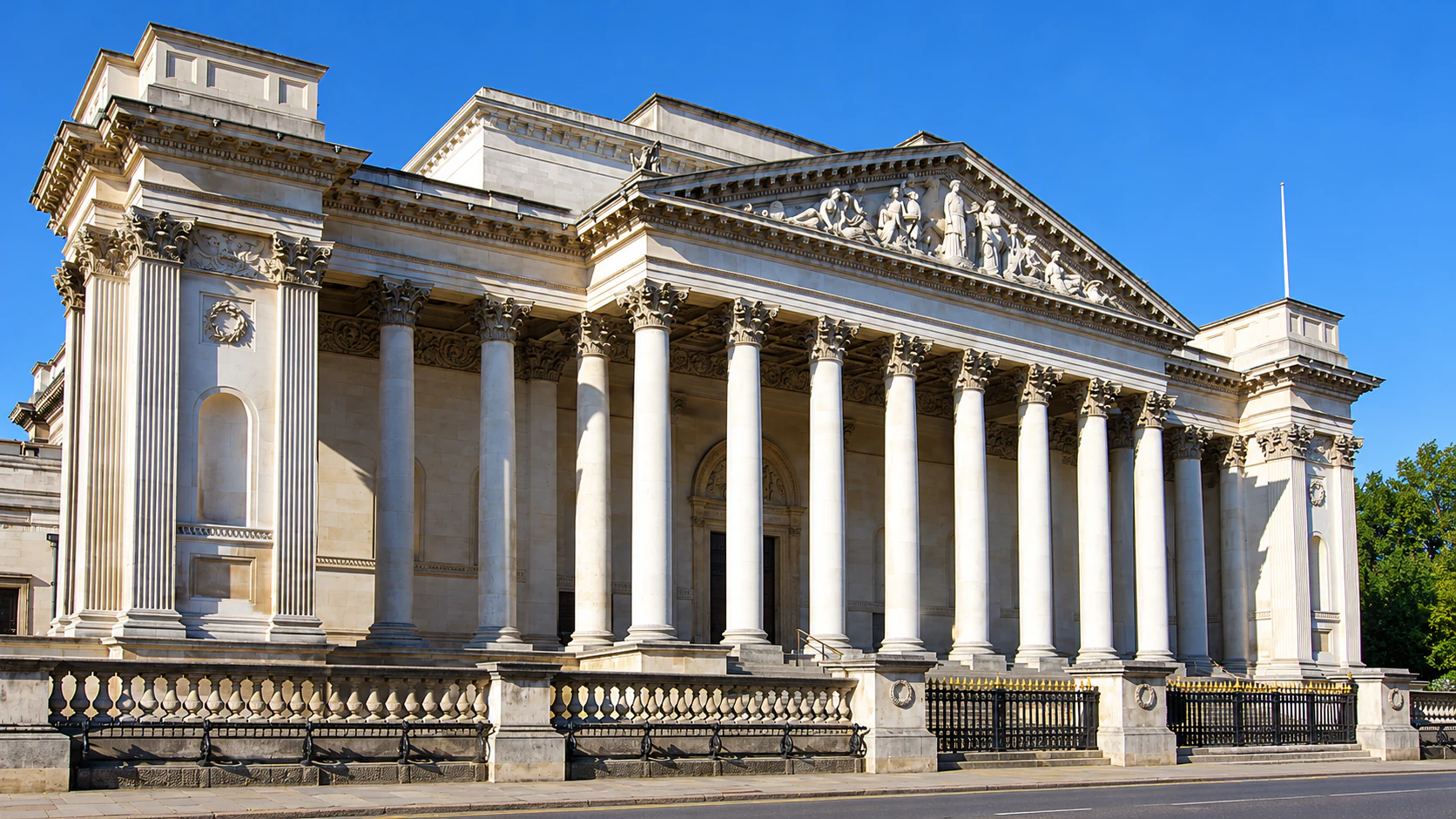
Fitzwilliam Museum
Continue along Trumpington Street towards the Fitzwilliam Museum, with its galleries of art and antiquities.
See it
In pictures.
10 views, full screen. Tap any one to open the viewer.Around here
Make more of the area.
Further along Trumpington Street, the Fitzwilliam Museum holds collections of art and antiquities.
Good to know
Questions, answered.
Who founded St Catharine’s College Cambridge?
Robert Woodlark, then Provost of King’s College, established the college in 1473. It received a royal charter in 1475.
Is St Catharine’s College the same as Catharine Hall?
Catharine Hall is the college’s earlier name. Its history spans the small fifteenth-century foundation and the later college known today as St Catharine’s.
Can I see St Catharine’s Main Court from the street?
The buildings frame three sides of Main Court, leaving the fourth open towards Trumpington Street. The layout makes the court visible without entering the college.
Are St Catharine’s original medieval college buildings still standing?
No. The original buildings no longer survive. A fifteenth-century building in Sherlock Court was acquired by the college much later.
What is John Addenbrooke’s connection to St Catharine’s?
The physician entered Catharine Hall in 1697 and became a Fellow. His name lives on at Addenbrooke’s Hospital, and a chest of his specimens remains in the college collection.
Does St Catharine’s have a girls’ choir?
Yes. Its Girls’ Choir, made up of singers from local schools, was the first all-girl college chapel choir in Oxford or Cambridge. It sings separately from the student college choir.
Can the public attend St Catharine’s Chapel services?
College chapel services are open to the public. Service and music programmes vary by term.
Can visitors enter St Catharine’s College?
Main Court can be seen from Trumpington Street. Contact the Porters’ Lodge for current arrangements to enter the college.
When was St Catharine’s Chapel built?
The chapel on the north side of Main Court was consecrated in 1704. Master Sir William Dawes raised funds for its construction.
Editorial notes
Sources and further reading.
Sources for this guide
Reviewed 4 November 2026.
- College accounts: founder, 1473 foundation and 1475 charter.
- College history: early site, chapel, Ramsden Building and Sherlock Court.
- Sherlock Library: Woodlark's books and history of the college library.
- College prospectus: three-sided court and later development.
- Visitor map: main entrance, lodge and spaces.
- College medical history: John Addenbrooke and his medical chest.
- College newsletter: Woodlark portrait identification.
- Student access information: physical access details.
- College location: Corpus Christi opposite.
- Corpus Clock: street-corner location and Chronophage.
- College guest guide: Fitzwilliam Museum as a nearby attraction.
- Fitzwilliam Museum: museum location and visitor information.
- Girls' Choir: first all-girl college chapel choir in Oxford or Cambridge.
- 2024 college accounts: local schools choir, public chapel services and events.
Opening hours, prices, programmes and access arrangements can change. Confirm critical details with the venue.
Keep exploring