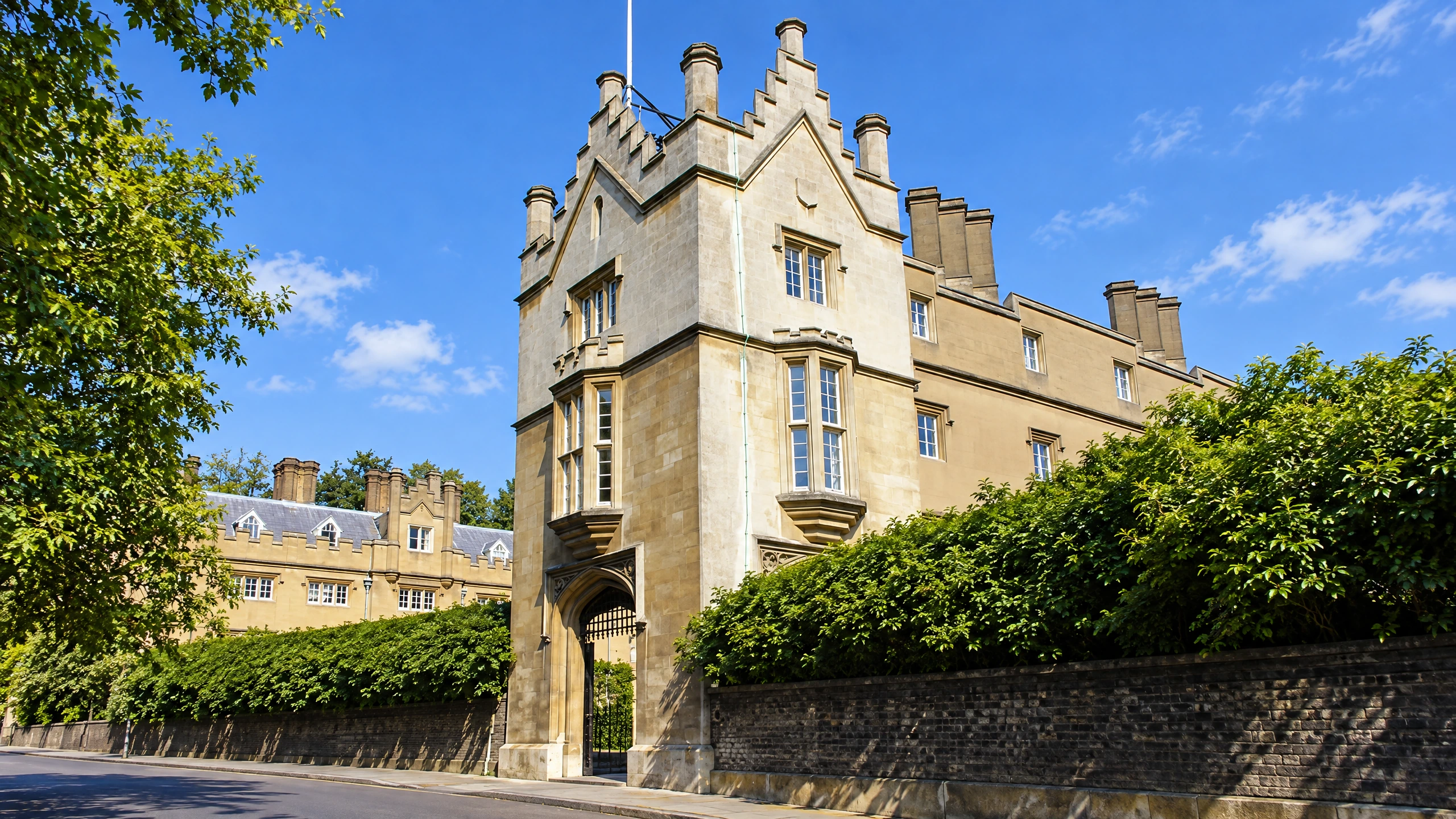
Central-N · Founded 1596
Sidney Sussex College
An Elizabethan college on the site of a Franciscan friary, best known as Oliver Cromwell's college — his head was secretly buried in the antechapel in 1960.
- Founded
- 1596
- Location
- Sidney Street
- Visiting
- Open most of the year
- Institution
- College
01 The experience
What to expect.
A college on a friary site
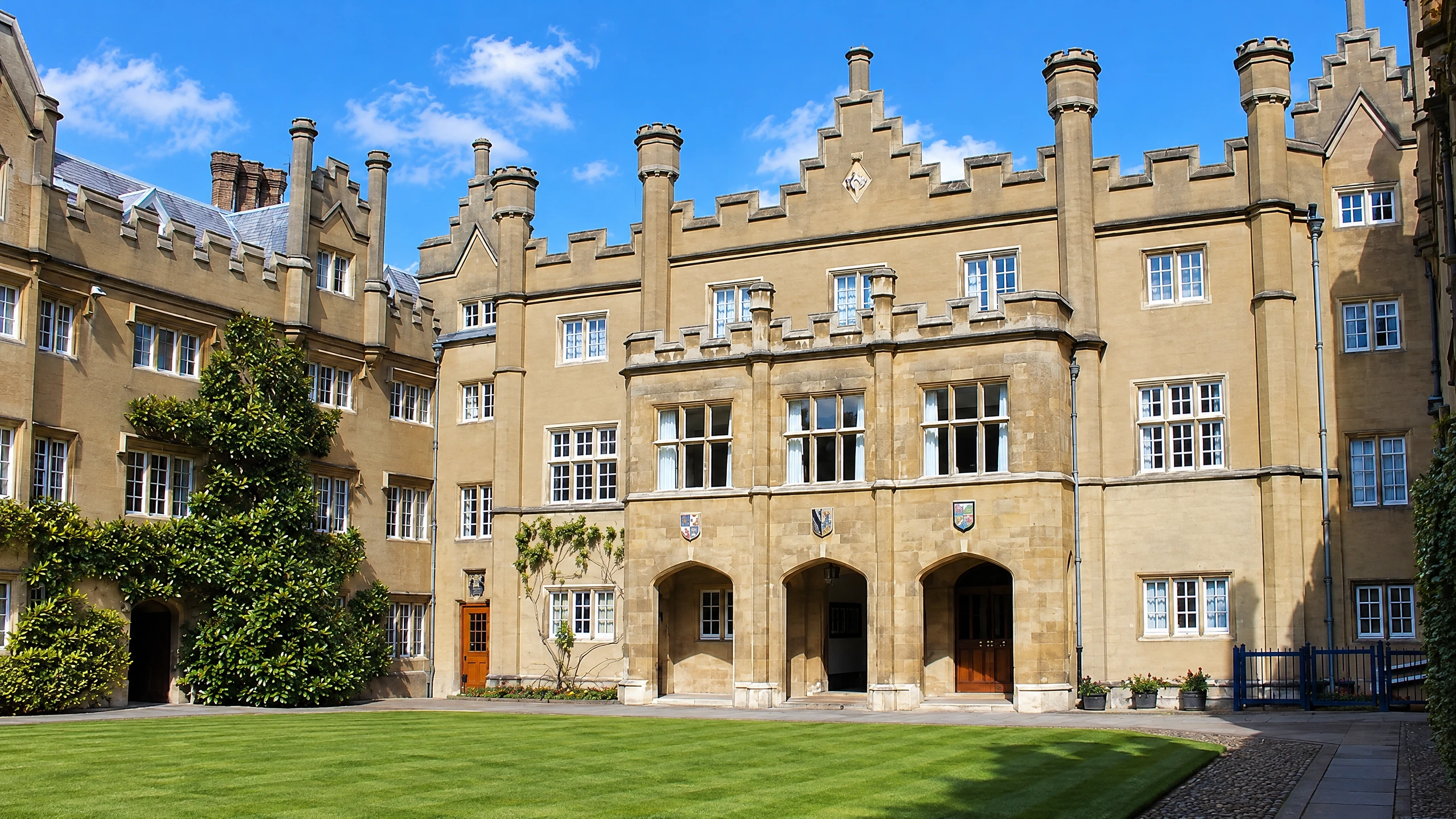
Sidney Sussex stands behind its gate on Sidney Street, a short walk from the market. Lady Frances Sidney's bequest founded the college in 1596 on land once occupied by Franciscan friars. Its courts and garden conceal traces of a much older religious community.
Oliver Cromwell studied at Sidney, but its history reaches well beyond one famous name: early members held sharply different religious and political views, while later generations included scientists and scholars. The grounds and chapel welcome visitors for much of the year.
People and ideas
People connected to the college
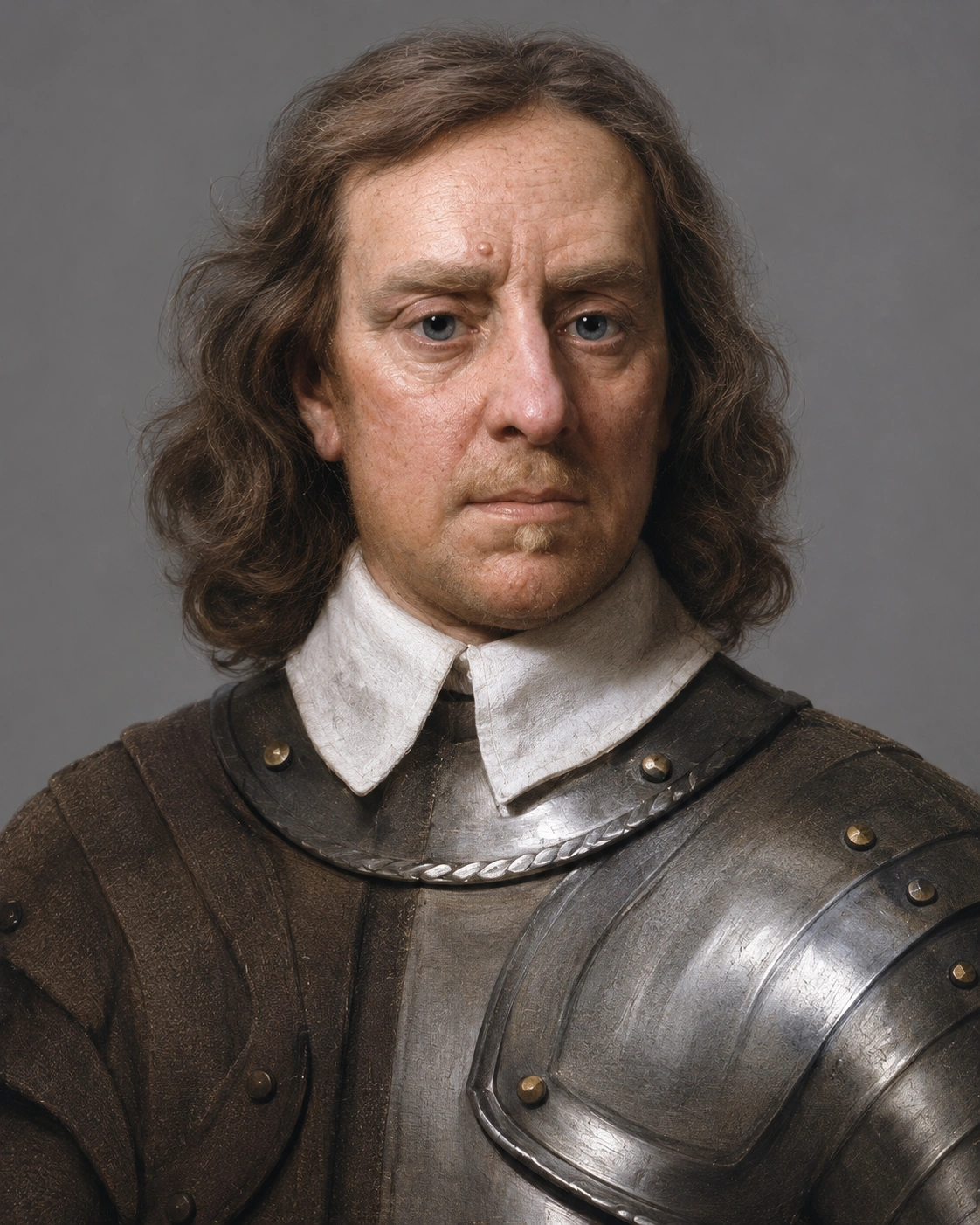
Oliver Cromwell
Cromwell became Lord Protector after the English Civil War.
College connection
One of Sidney's early alumni, he studied at the college before his political and military career.
Fellows, founders and other connections
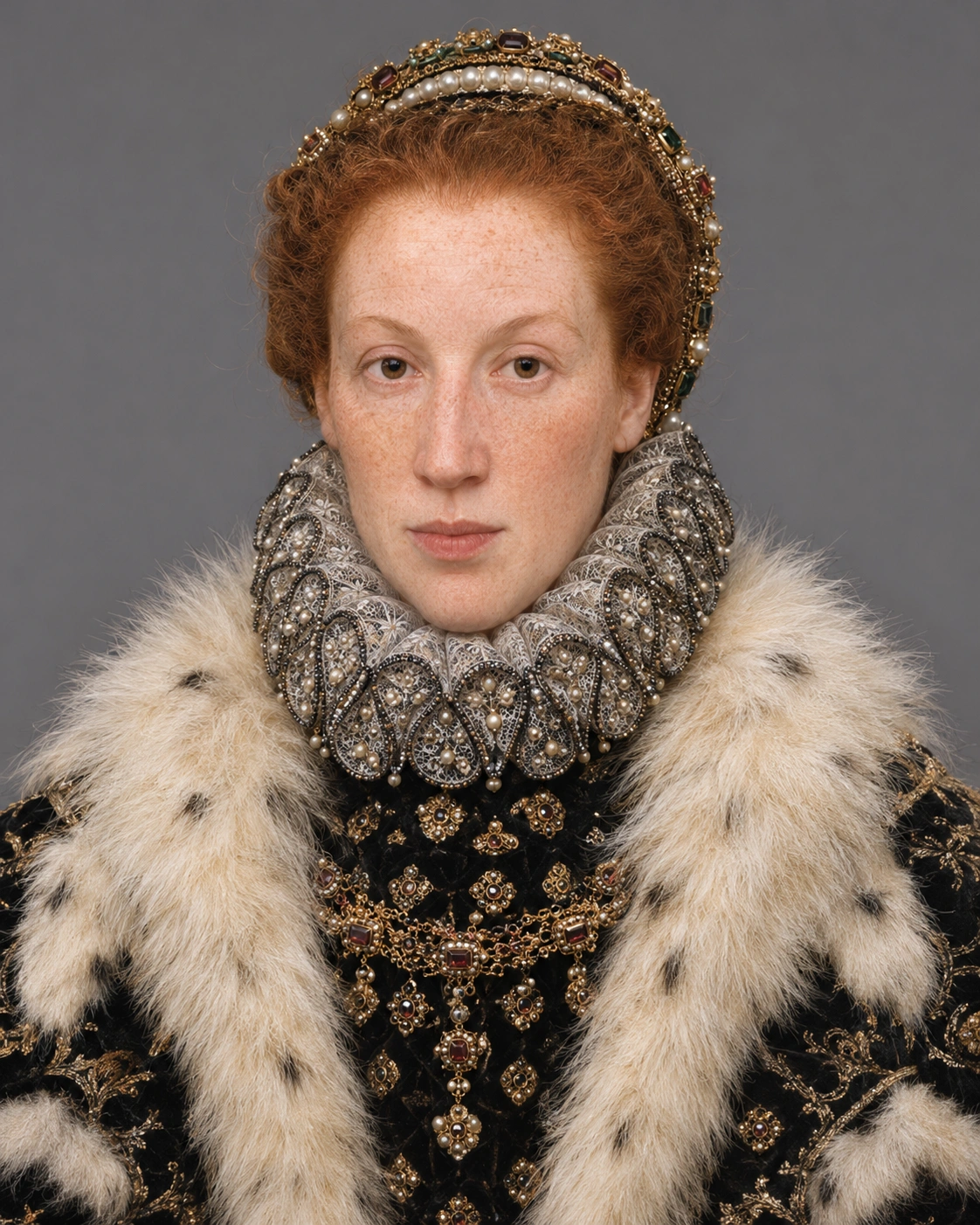
Lady Frances Sidney
1589
The Countess of Sussex provided for the college in her will.
College connection
Her executors carried the foundation forward after her death in 1589.
The story
History & character.
Before the college
For almost 300 years before Sidney Sussex was founded, the site belonged to the Grey Friars, the Franciscan community of Cambridge. The friary disappeared during the Reformation, but parts of its medieval cellars survive beneath Hall Court. Archaeological excavations have revealed fragments of the earlier complex, including stained glass.
Lady Frances Sidney's legacy
Lady Frances Sidney, Countess of Sussex, left money in her will to establish a Cambridge college. She died in 1589, and her executors carried the project forward; the college was founded in 1596. Frances was an aunt of the poet Sir Philip Sidney and a patron at Elizabeth I's court.
The new foundation had a Protestant character, but its early members were not politically or religiously uniform. James Montagu, the first Master, and his successor Samuel Ward were among the translators of the 1611 Authorised Bible. Oliver Cromwell, who later became Lord Protector, was a student, while other Sidney men supported the royalist cause during the Civil War.
Courts, books and change
The college grew around its original courts. Its library began soon after the foundation, occupying rooms above a chapel formed from the former friars' refectory. Its historic collections include books from the libraries of Henry VIII, John Dee and John Donne, and a section devoted to Cromwell. These are working collections rather than a general visitor display.
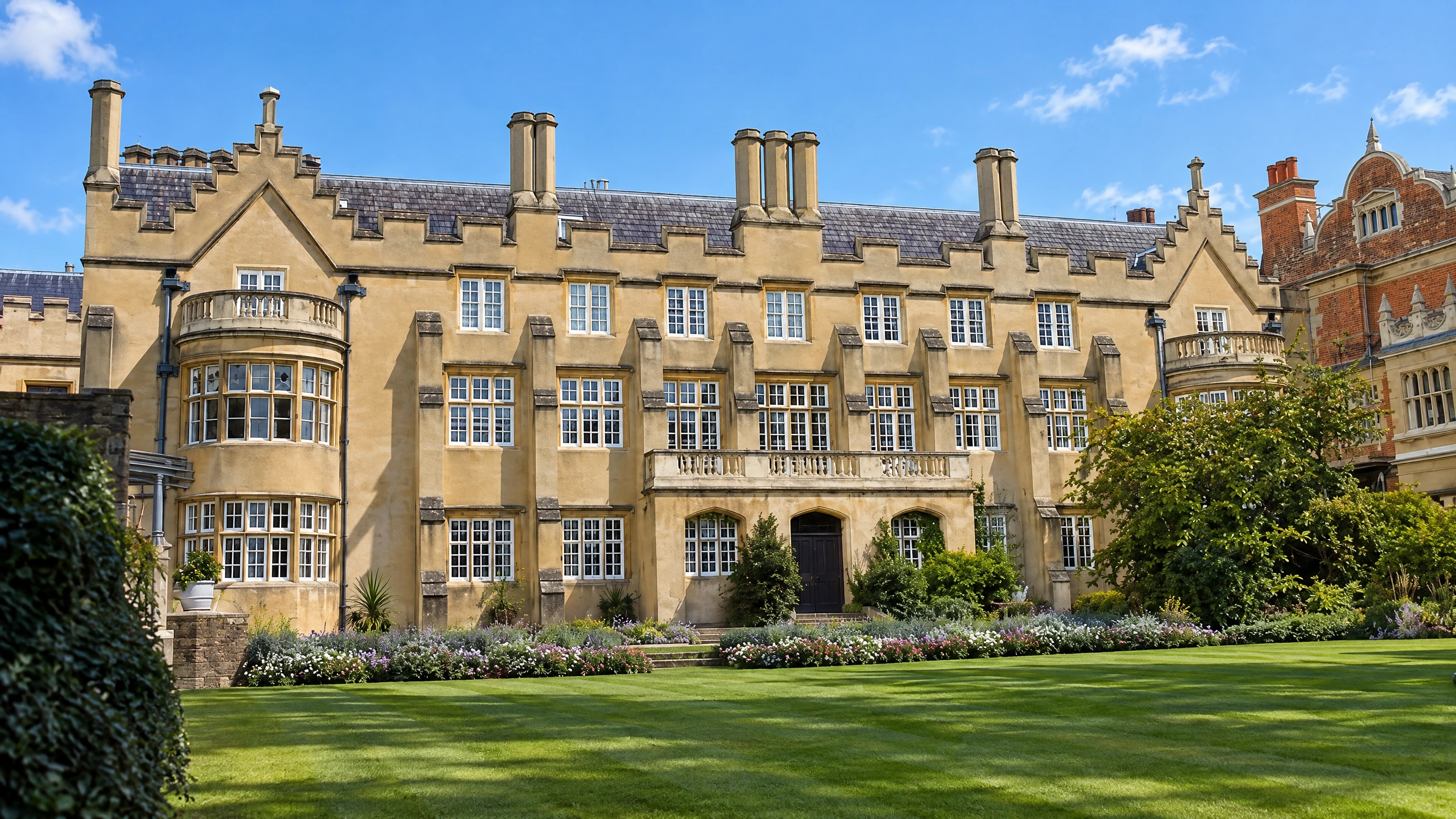
Cloister Court was added in the late nineteenth century, with red brick visible around the garden-facing range. The college admitted its first women students in 1976; in 1999 Sandra Dawson became its first woman Master.
Sidney's gardens connect with the history of botany in Cambridge. Thomas Martyn, a college member and Professor of Botany, established the university's eighteenth-century botanic garden. Much later, rose-grower Peter Harkness designed a border for the Master's Garden; the college archives preserve correspondence about it.
Sidney and Bletchley Park
During the Second World War, mathematics Fellow Gordon Welchman worked at Bletchley Park on breaking German Enigma messages. He helped recruit other Sidney mathematicians, including John Herivel and David Rees. Herivel's insight into mistakes made by Enigma operators helped the codebreakers anticipate settings. The college later received an Enigma machine, connecting that wartime work with its history.
Look closer
Highlights and hidden details.
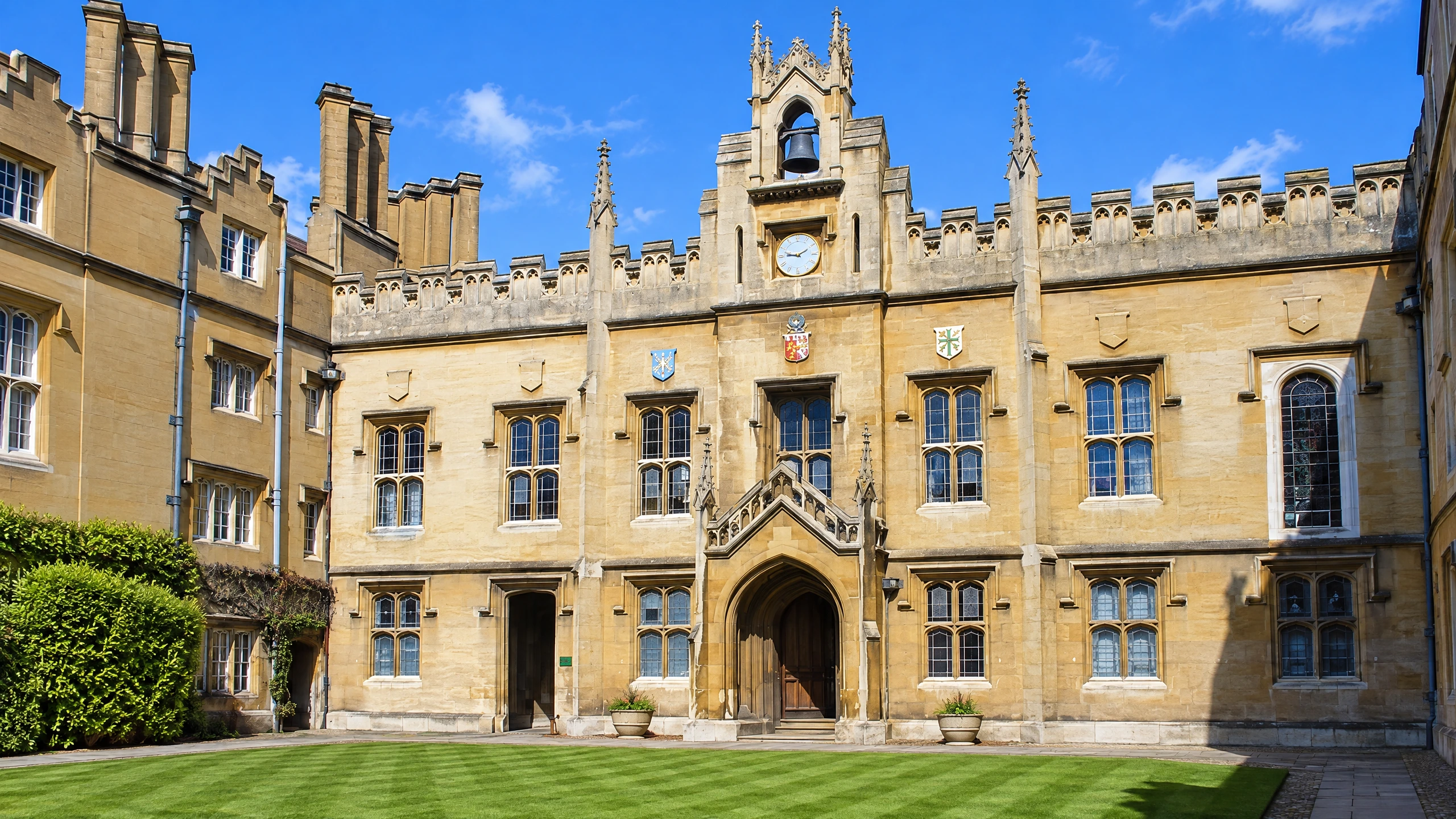
Hall Court
The college's early courts occupy the former Franciscan site; medieval friary cellars survive beneath Hall Court.
Cloister Court and garden
The late nineteenth-century red-brick court looks towards the college gardens.
The chapel
The chapel is part of the visitor route when available. The college's earliest library occupied rooms above an earlier chapel formed from the friars' refectory.
Details to look for.
Cromwell's memorial
A plaque in the chapel records that the head of former student Oliver Cromwell is buried nearby. The chapel is open to visitors when available.
Make it work
Plan your visit.
The grounds are open to the public throughout much of the year, and the chapel can also be visited when available. Report to the Porters' Lodge on Sidney Street. The college closes during the examination period from April to June inclusive, on Christmas Day, Boxing Day and New Year's Day, and on some wedding or event days. The chapel may close separately.
Visit your way
Access and family planning.
The Sidney Street pedestrian entrance has two steps. AccessAble describes an alternative step-free vehicle entrance and advises that the chapel entrance itself has steps, with further steps inside. Contact the college about a suitable route for your visit.
Self-guided walk
Explore beyond the venue.
A practical, step-by-step route connecting this experience with more of Cambridge.Sidney Street entrance
Report to the Porters' Lodge on Sidney Street. The grounds are open through much of the year, with a closure from April to June and on some holidays and event days.
Courts and chapel
Explore the grounds and, when available, visit the chapel. The college's historic courts occupy a site where Franciscan friars lived before Lady Frances Sidney's foundation. The chapel entrance and parts of its interior have steps.
See it
In pictures.
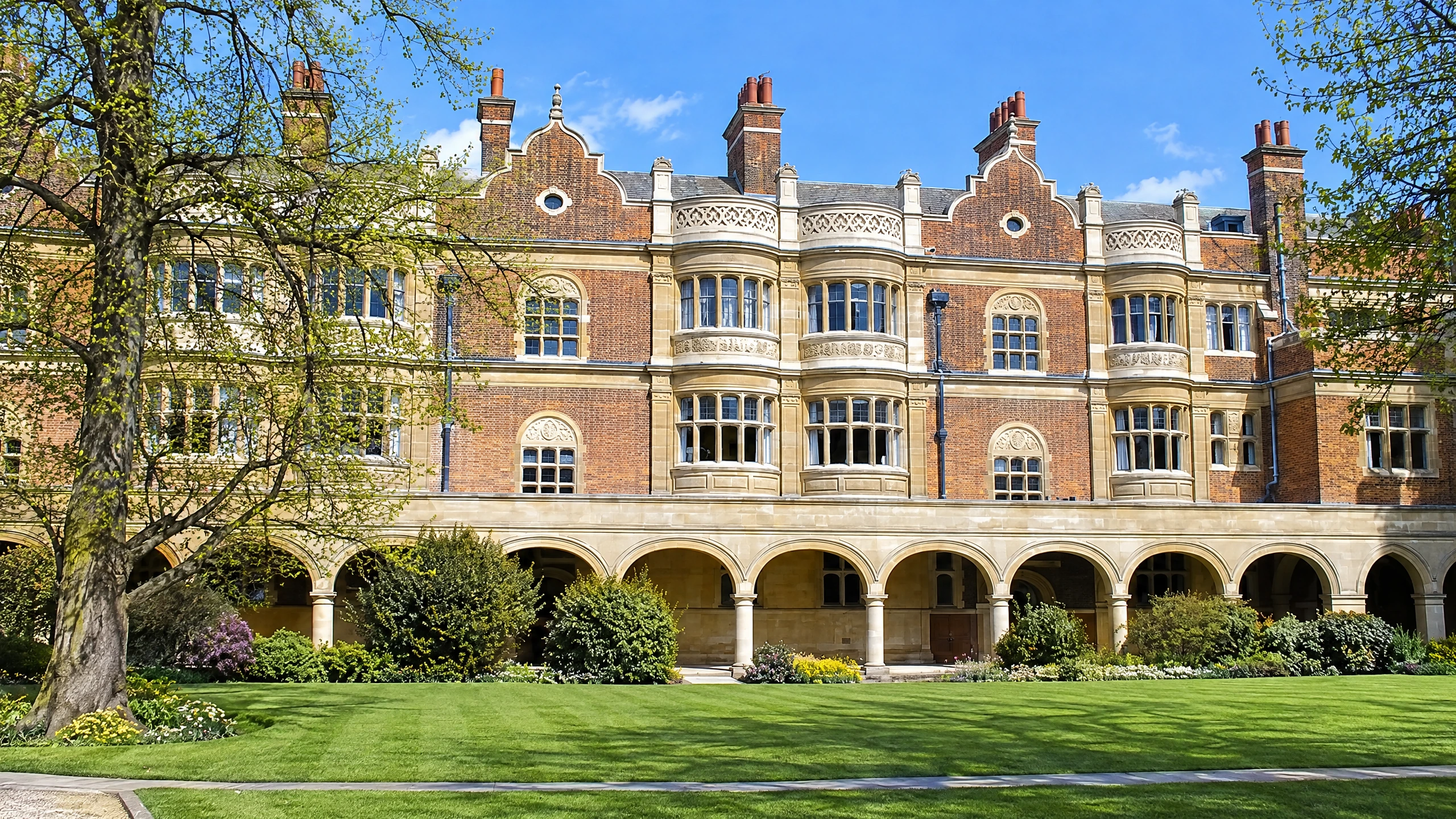
10 views, full screen. Tap any one to open the viewer.Around here
Make more of the area.
Good to know
Questions, answered.
Who founded Sidney Sussex College Cambridge?
Lady Frances Sidney, Countess of Sussex, left money in her will for a college. Her executors carried out the foundation in 1596.
Did Oliver Cromwell study at Sidney Sussex?
Yes. Cromwell was a student at Sidney before his military and political career and his time as Lord Protector.
Is Oliver Cromwell’s head buried at Sidney Sussex?
A plaque in the chapel records that Cromwell’s head was buried nearby. The college does not provide a map identifying the precise location.
What stood on the Sidney Sussex site before the college?
The site belonged to Cambridge’s Grey Friars, a Franciscan community, for nearly 300 years. Parts of its medieval cellars survive beneath Hall Court.
What is Sidney Sussex’s connection to Bletchley Park?
Sidney Fellow Gordon Welchman worked on breaking Enigma messages and helped recruit other college mathematicians, including John Herivel and David Rees.
Does Sidney Sussex have an Enigma machine?
Yes. An Enigma machine was given to the college, reflecting the connection of Sidney members with Second World War codebreaking.
Can visitors see Sidney Sussex Chapel?
Visitors may enter the chapel when the college is open and the chapel is available. Services and events can affect access.
When does Sidney Sussex College in Cambridge close to visitors?
Sidney Sussex College in Cambridge closes to the public from April through June, on Christmas Day, Boxing Day and New Year’s Day, and for some events.
When did Sidney Sussex College in Cambridge admit women?
Sidney Sussex College in Cambridge admitted its first women students in 1976. Sandra Dawson became its first woman Master in 1999.
What historic books are held at Sidney Sussex?
Its special collections include books once owned by Henry VIII, John Dee and John Donne, as well as material relating to Cromwell. These are working collections, not an unrestricted visitor display.
Editorial notes
Sources and further reading.
Sources for this guide
Reviewed 4 November 2026.
- College history: friary, Lady Frances, foundation and early members.
- The Grey Friars: the site's earlier history.
- Library history: early library and friars' refectory.
- Special collections: historic holdings.
- College accommodation: Cloister Court.
- College equality report: women admitted in 1976 and first woman Master.
- Visiting Sidney: public grounds and chapel, closures and lodge.
- College disclosure log: Cromwell memorial plaque.
- Sidney's royal visitors: Oliver Cromwell as an alumnus.
- Chapel access guide: physical access details.
- Sidney and Bletchley Park: Welchman and his colleagues.
- Enigma machine: college's machine and wartime association.
- Cambridge City Council: local area and visitor information.
- University college guide: local area and visitor information.
- Sidney gardens: Thomas Martyn and garden archive.
Opening hours, prices, programmes and access arrangements can change. Confirm critical details with the venue.
Keep exploring