South · Founded 1768
Homerton College
Cambridge's newest full college and one of its largest, carrying a teacher-training heritage that reaches back to the eighteenth-century dissenting academies of London.
- Founded
- 1768
- Location
- Hills Road
- Visiting
- Prospective student visits
- Institution
- College
01 The experience
What to expect.
Homerton’s name comes from its first permanent home in east London. Founded there in 1768 as a dissenting academy, it later became a teacher-training institution before moving to Cambridge in 1894. The college gained its royal charter as a full Cambridge college in 2010.
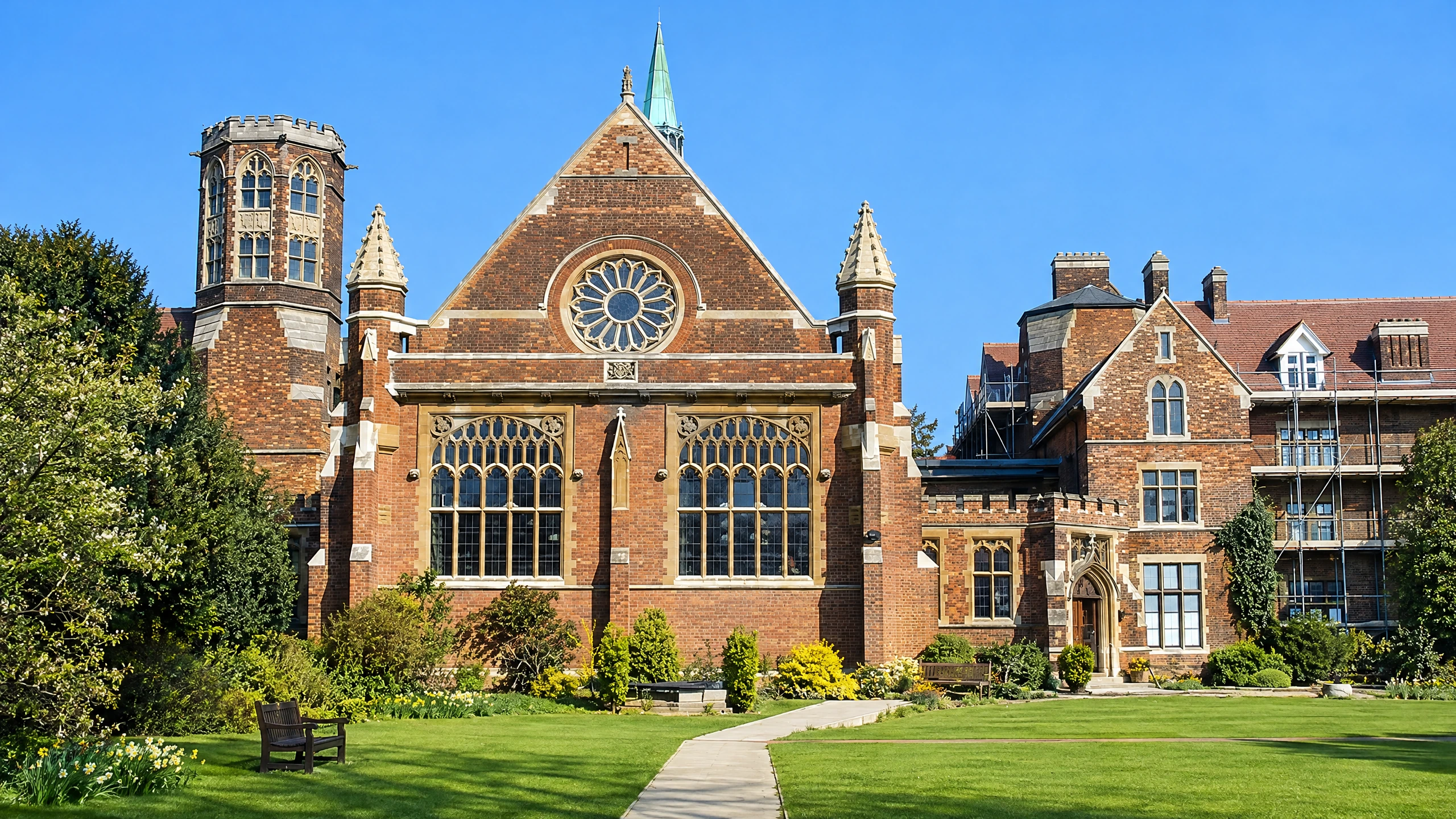
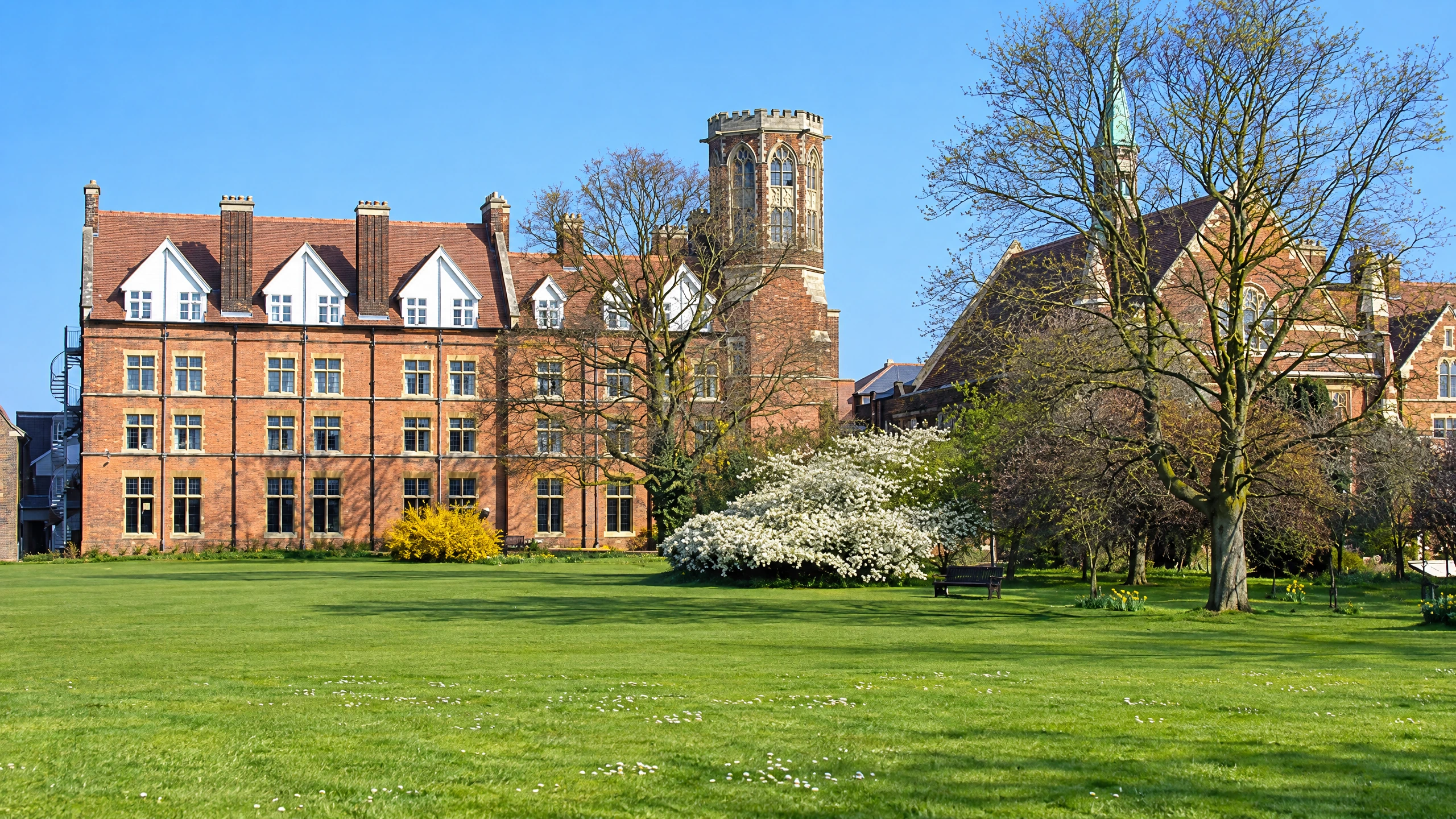
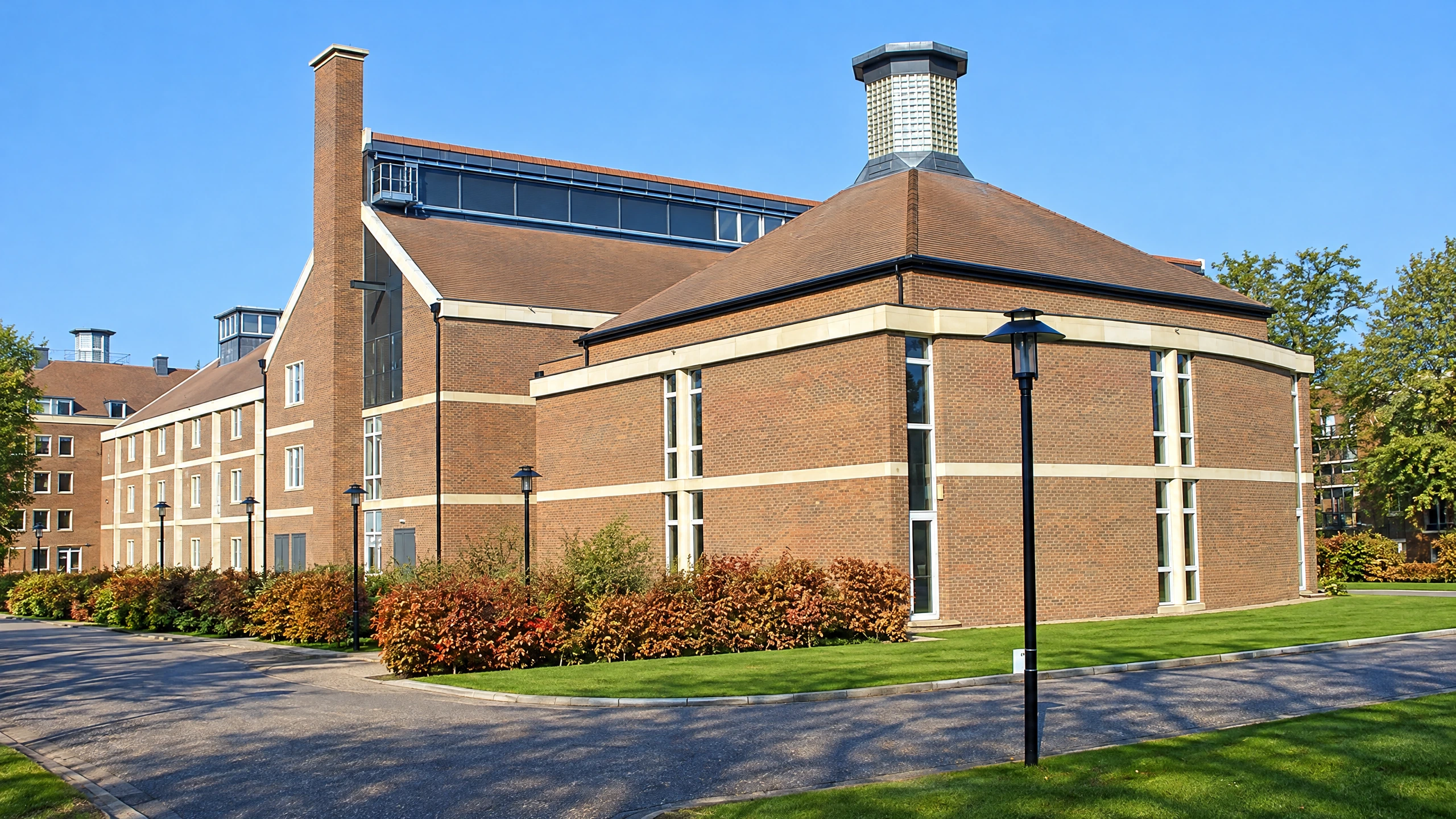
The Cambridge site on Hills Road combines buildings inherited from the former Cavendish College with later additions. The Gothic Great Hall dates from 1890, while the grounds include an orchard and wooded spaces. Homerton’s more recent dining hall adds a contemporary building to this mixture.
Education remains a strong thread in the college’s story. From the training of teachers for elementary schools to its present range of university subjects, Homerton’s history reaches well beyond its relatively recent status as a full college.
People and ideas
Famous former students

Olivia Colman
1993
The actor is among Homerton’s former students.
College connection
Attended Homerton in 1993.

Efua Sutherland
1947
The playwright, poet and advocate was a Homerton student after the Second World War.
College connection
Studied at Homerton from 1947 to 1949.

Leah Manning
1906
The educationalist, campaigner, MP and humanitarian studied at Homerton.
College connection
Studied at Homerton from 1906 to 1908.
Fellows, founders and other connections
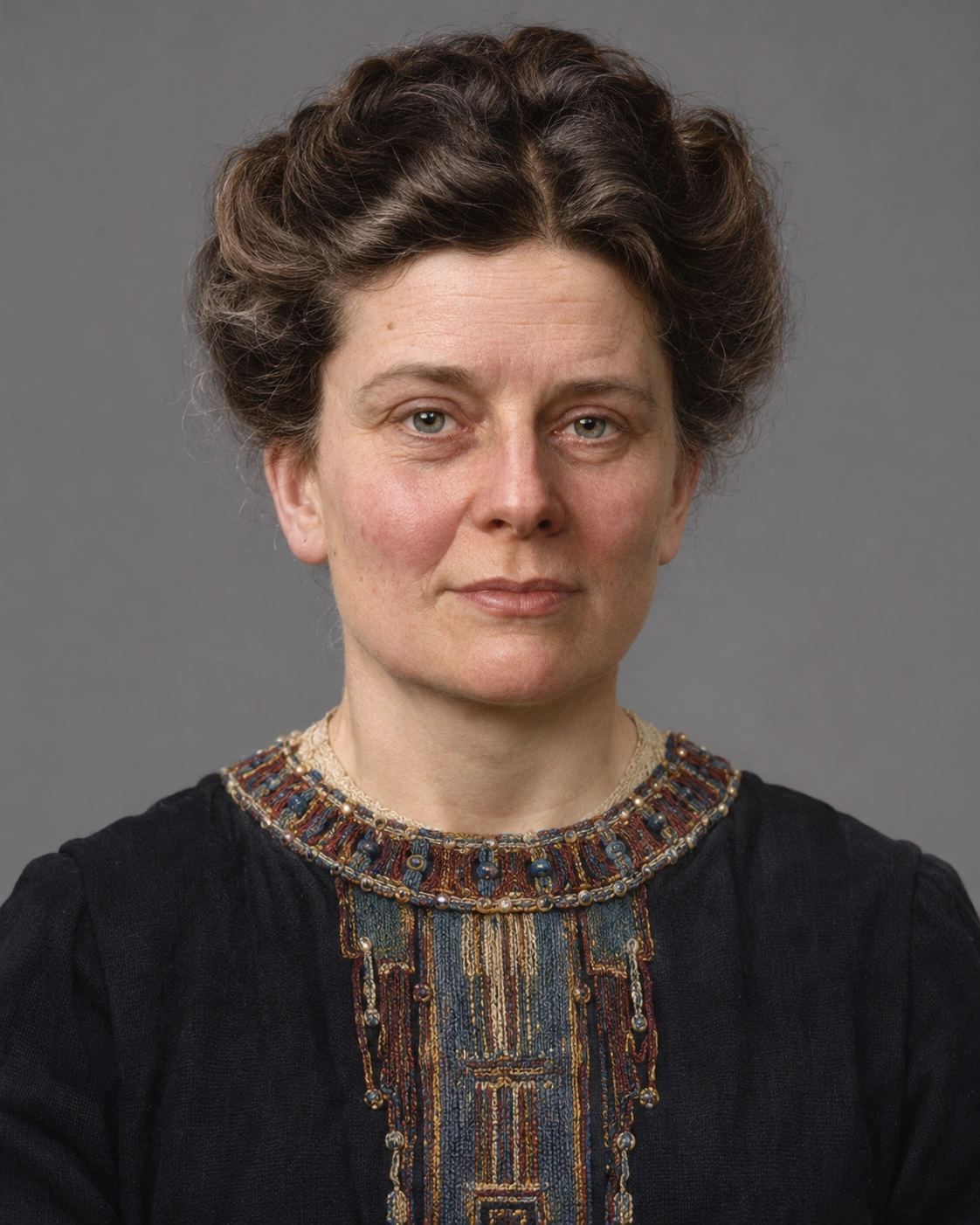
Mary Miller Allan
She became Homerton’s first woman principal in 1903.
The story
History & character.
From London to Cambridge
Homerton Academy was formally founded in 1768 in east London. Its roots reach back to a fund established to educate Protestant ministers. In 1850 it was refounded to train women and men as teachers for elementary schools.
The move to Cambridge came in 1894, when Homerton acquired the former Cavendish College site on Hills Road. The name kept the connection to the London district in which the institution had spent its first 127 years.
Training teachers
The college opened Morley Memorial School in 1900 for students to practise teaching. Mary Miller Allan became its first woman principal in 1903.
In Cambridge, Homerton soon became a women-only college. Principals Mary Allan and Alice Skillicorn strengthened its academic links with the university over the following decades. The Queen’s Wing was built to accommodate growth after the Second World War and opened in 1957; Homerton admitted men again in 1976.
A Cambridge college
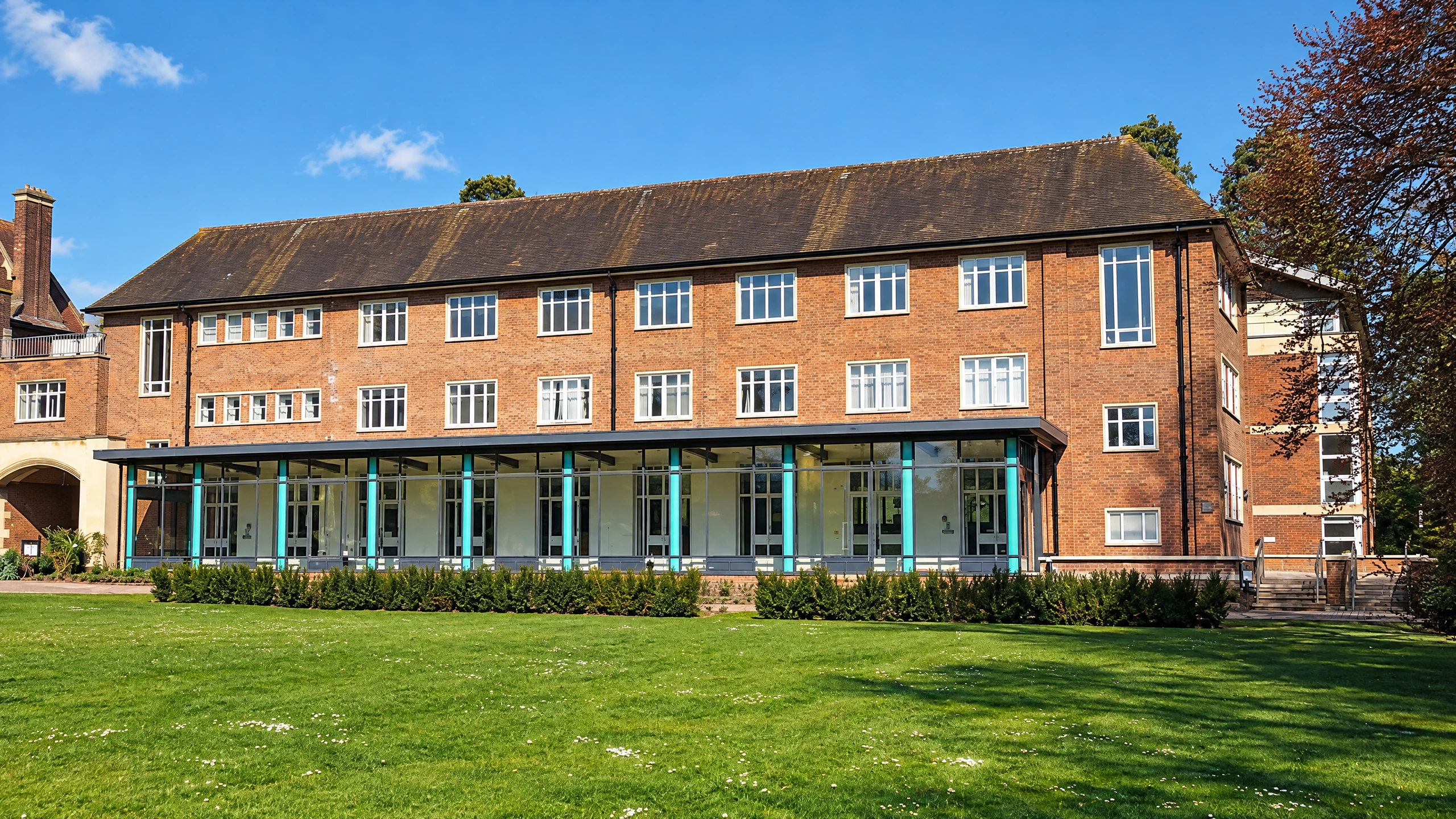
Homerton became a full college of the university in 2010. Its Gothic Great Hall and modern buildings show different moments in the development of the Hills Road site. The college now teaches across the university’s subjects while retaining its historic links with education.
Old craft and a new dining hall
The Ibberson Building began as a gymnasium designed by H. G. Ibberson in 1914. Its Arts and Crafts character connects Homerton’s physical setting to the broad education of its teacher-training students, who used the space for dance and drama as well as gymnastics.
At the western end of the older buildings, Feilden Fowles’ dining hall opened in 2022. Its exterior uses faience, a glazed ceramic material made in specially shaped pieces. The architects drew on traditional craft while using contemporary construction, giving the college a new communal space beside its historic Great Hall. Inside, long sweet-chestnut timber trusses echo a traditional hammerbeam hall in a modern form. The dining hall is a working college facility, with access governed by the college’s visiting and event arrangements.
A wider range of subjects
During the second half of the twentieth century Homerton’s relationship with the university grew closer. Students on the Bachelor of Education went on to take the Cambridge Education Tripos alongside other undergraduates. From the 1990s the college’s buildings were refurbished or rebuilt, and in 2001 Homerton broadened into other academic subjects and postgraduate research before receiving full college status in 2010.
Graduates in public life
Homerton’s connection with education reaches into public life. Former student Dame Leah Manning became a teacher, campaigner and MP. During the Spanish Civil War she helped organise the evacuation of Basque children to Britain. Fellow alumna Emily Phipps was a teacher, trade unionist and campaigner for women’s suffrage.
Look closer
What to see.
Great Hall
The Gothic hall dates from 1890 and anchors the older college buildings.
The modern dining hall
A contemporary building adds a new architectural layer to the Hills Road site.
Orchard and grounds
Wooded spaces and the orchard give the college a spacious setting.
A London connection
The college’s name recalls its first permanent home in Homerton, east London.
Make it work
Plan your visit.
Homerton is a working college. Prospective students can arrange college tours, and visitors should report to the Porters’ Lodge; general tourist access is not established by the college’s published visitor information.
Homerton stands on Hills Road, about a 15-minute walk from Cambridge station. The Botanic Garden has an entrance on Hills Road at Station Road, close to the station.
Visit your way
Access and family planning.
The Great Hall is on the ground floor and has step-free access for arranged events. General visitor access to the college is by arrangement; contact the Porters’ Lodge about the route for a particular visit.
See it
In pictures.
10 views, full screen. Tap any one to open the viewer.Around here
Make more of the area.
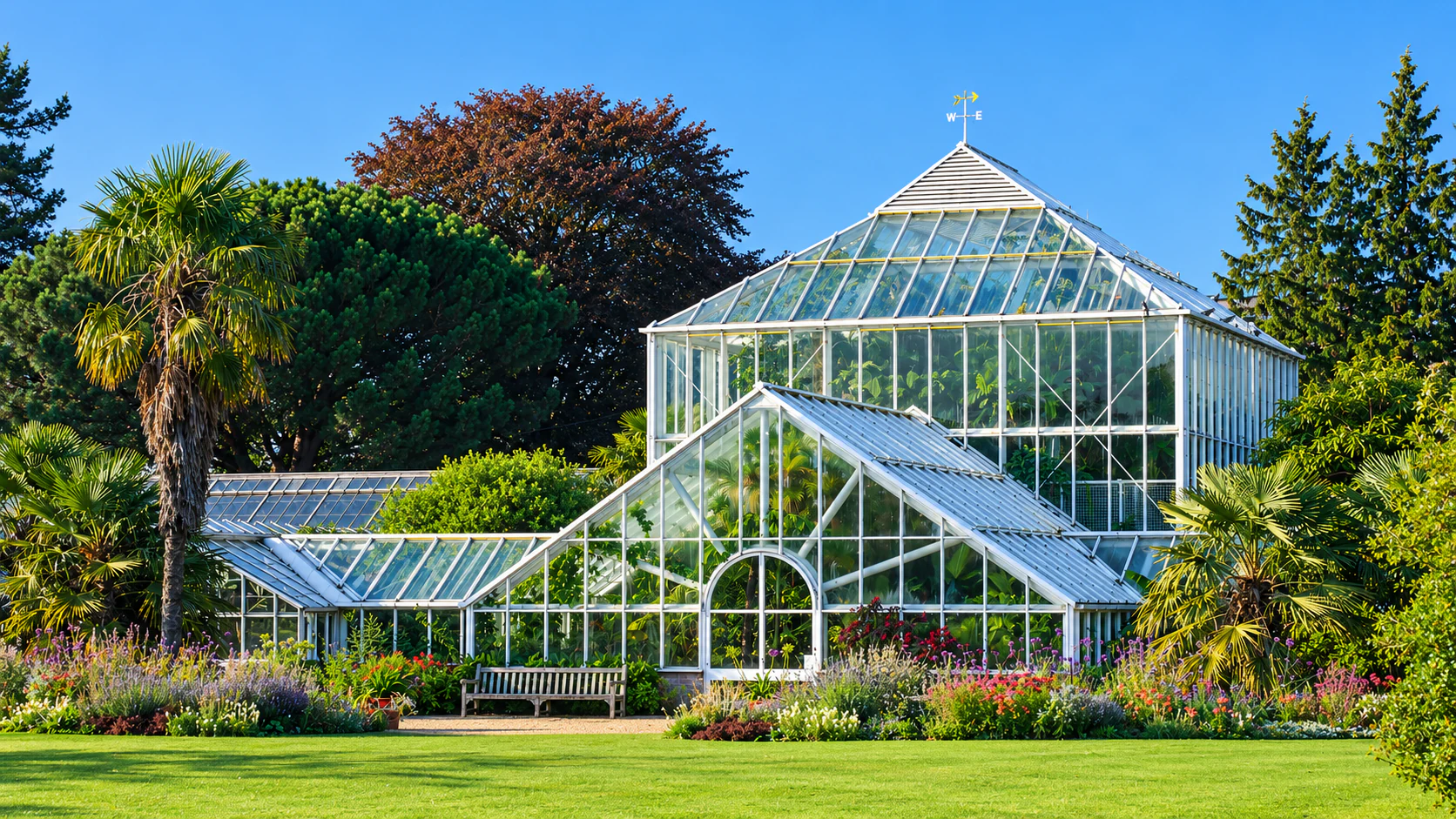
The garden’s Station Road entrance is on Hills Road, close to Cambridge station. Its glasshouses and planted landscapes make a separate garden visit.
Good to know
Questions, answered.
Why is a Cambridge college called Homerton?
The name comes from Homerton in east London, where the institution had its first permanent home before moving to Cambridge in 1894.
Is Homerton a Cambridge University college?
Yes. Homerton became a full college of the University of Cambridge in 2010. Its own history stretches back to a London academy founded in 1768.
What was Homerton before it became a Cambridge college?
Homerton College, now in Cambridge, began as a dissenting academy in London and later became a teacher-training institution. It moved to its Hills Road site in 1894 and gradually expanded into a wider range of university subjects.
When did Homerton move from London to Cambridge?
Homerton moved in 1894, taking over the former Cavendish College site on Hills Road. Its name retained the link to its London home.
Was Olivia Colman a student at Homerton?
Yes. The actor is listed among Homerton’s alumni with an entry year of 1993.
Which other notable people studied at Homerton?
Alumni include playwright and poet Efua Sutherland, educator and MP Dame Leah Manning, and actor and impressionist Jan Ravens.
Why is the Great Hall older than Homerton’s Cambridge move?
The Gothic Great Hall was already part of the former Cavendish College site when Homerton moved there in 1894. It dates from 1890.
Who designed Homerton College’s new dining hall?
Architects Feilden Fowles designed the dining hall, which opened in 2022. Its glazed ceramic exterior and chestnut timber structure draw on traditional crafts.
Can visitors tour Homerton College?
Prospective students can arrange tours. For other visits, contact the college and report to the Porters’ Lodge; Homerton is a working college rather than an open-access attraction.
Is Homerton College near Cambridge railway station?
Homerton is on Hills Road, about a 15-minute walk from the station. The Botanic Garden’s Hills Road entrance is near the station too.
Editorial notes
Sources and further reading.
Sources for this guide
- https://www.homerton.cam.ac.uk/history-homerton-college
- https://www.homerton.cam.ac.uk/about-us/college-archives/homerton-college-timeline
- https://www.homerton.cam.ac.uk/about-us
- https://www.homerton.cam.ac.uk/homerton-reconnects-east-london-roots-transform-lives
- https://www.homerton.cam.ac.uk/alumni-and-supporters/alumni-profiles
- https://www.homerton.cam.ac.uk/homersphere/homertons-arts-and-crafts-heritage
- https://www.homerton.cam.ac.uk/homerton-conferences-and-events/dining/great-hall
- https://www.homerton.cam.ac.uk/contact/how-find-us
- https://www.botanic.cam.ac.uk/visit-us/
- https://www.homerton.cam.ac.uk/homersphere/news/taking-design-inspiration-past
- https://www.homerton.cam.ac.uk/homersphere/blogs/dining-hall-wins-prestigious-wood-awards-2022
Reviewed 4 November 2026.
Opening hours, prices, programmes and access arrangements can change. Confirm critical details with the venue.
Keep exploring