North · Founded 1965
Lucy Cavendish College
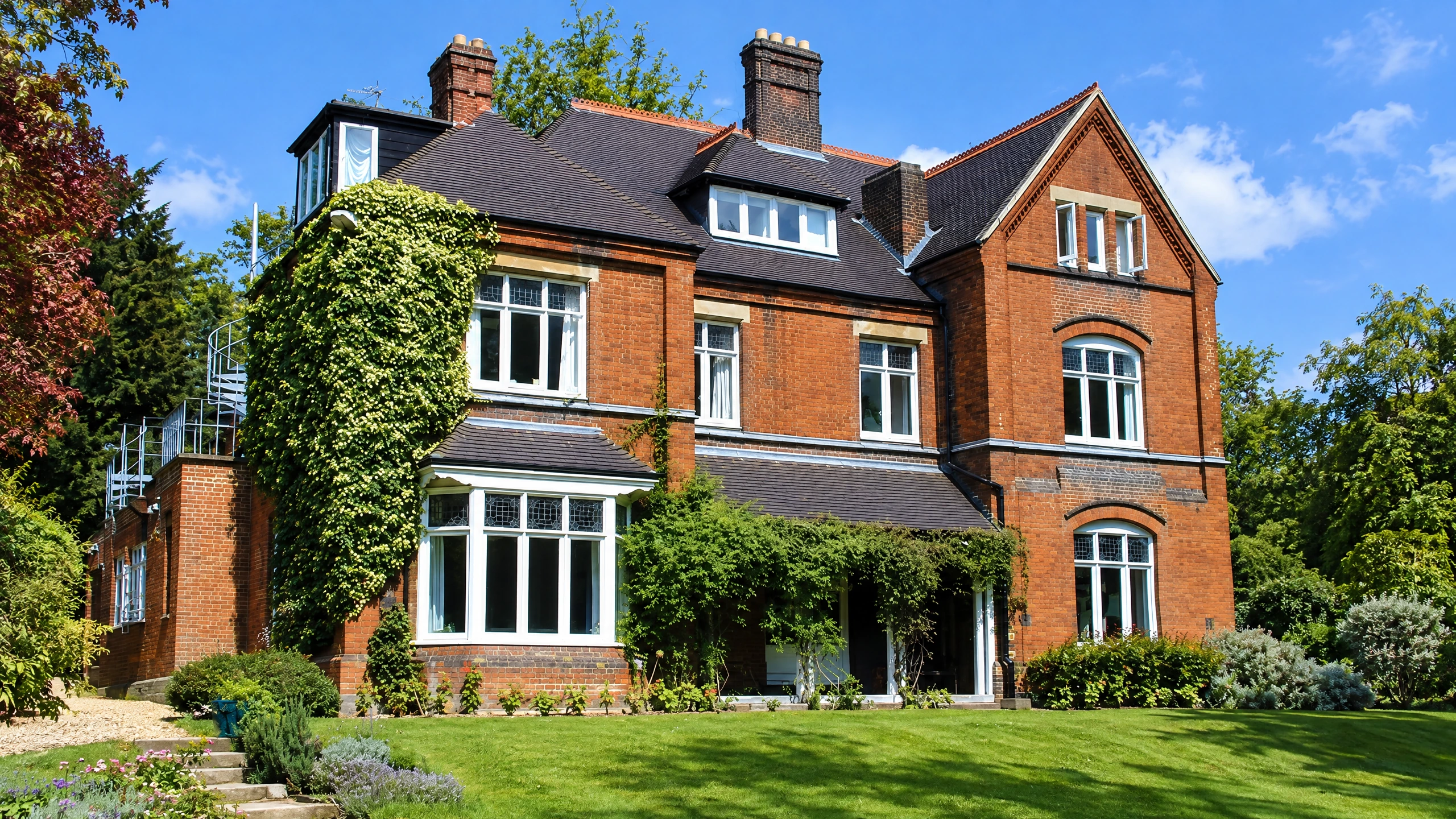
A young college founded by women academics to widen access to Cambridge, which reinvented itself in 2021 as a college for students of all genders committed to tackling global challenges.
- Founded
- 1965
- Location
- Lady Margaret Road
- Visiting
- Contact college
- Institution
- College
01 The experience
What to expect.
Opening doors to Cambridge
Lucy Cavendish began in 1965 as a society created by women academics. Its name honours an advocate of women's education, and its early students were mature women returning to study. The college now admits students of all genders and ages while continuing to focus on widening access to Cambridge.
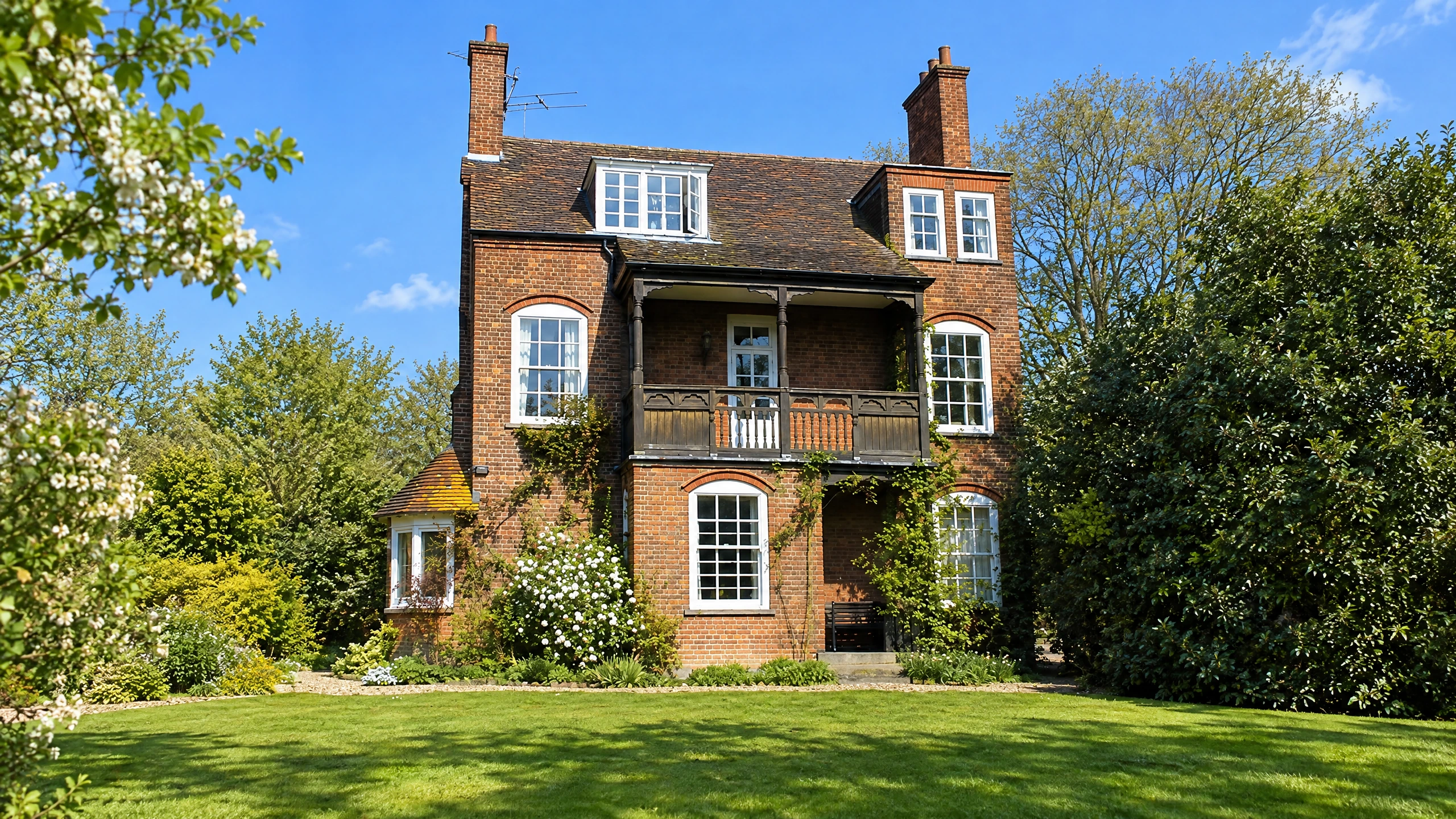
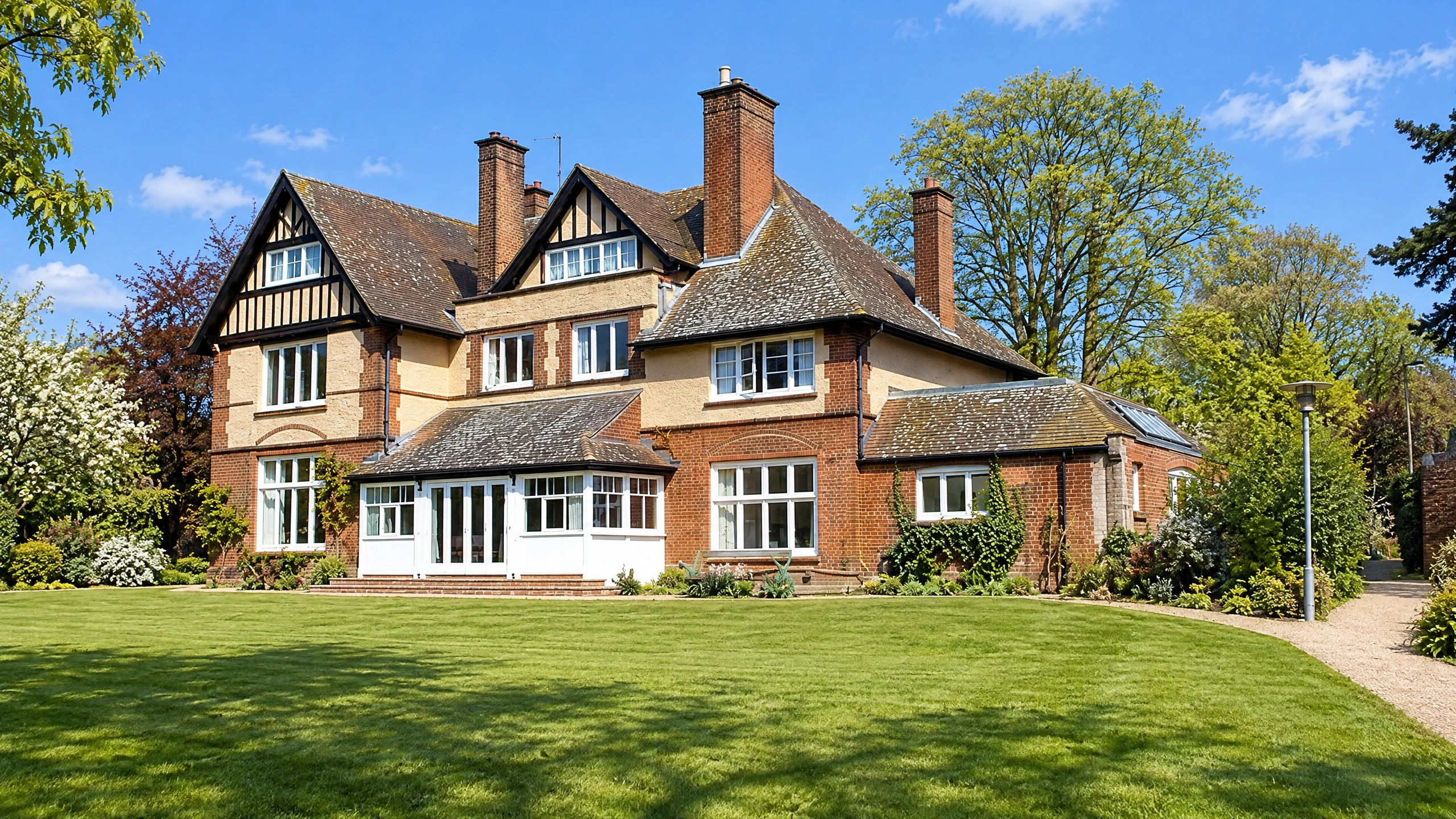
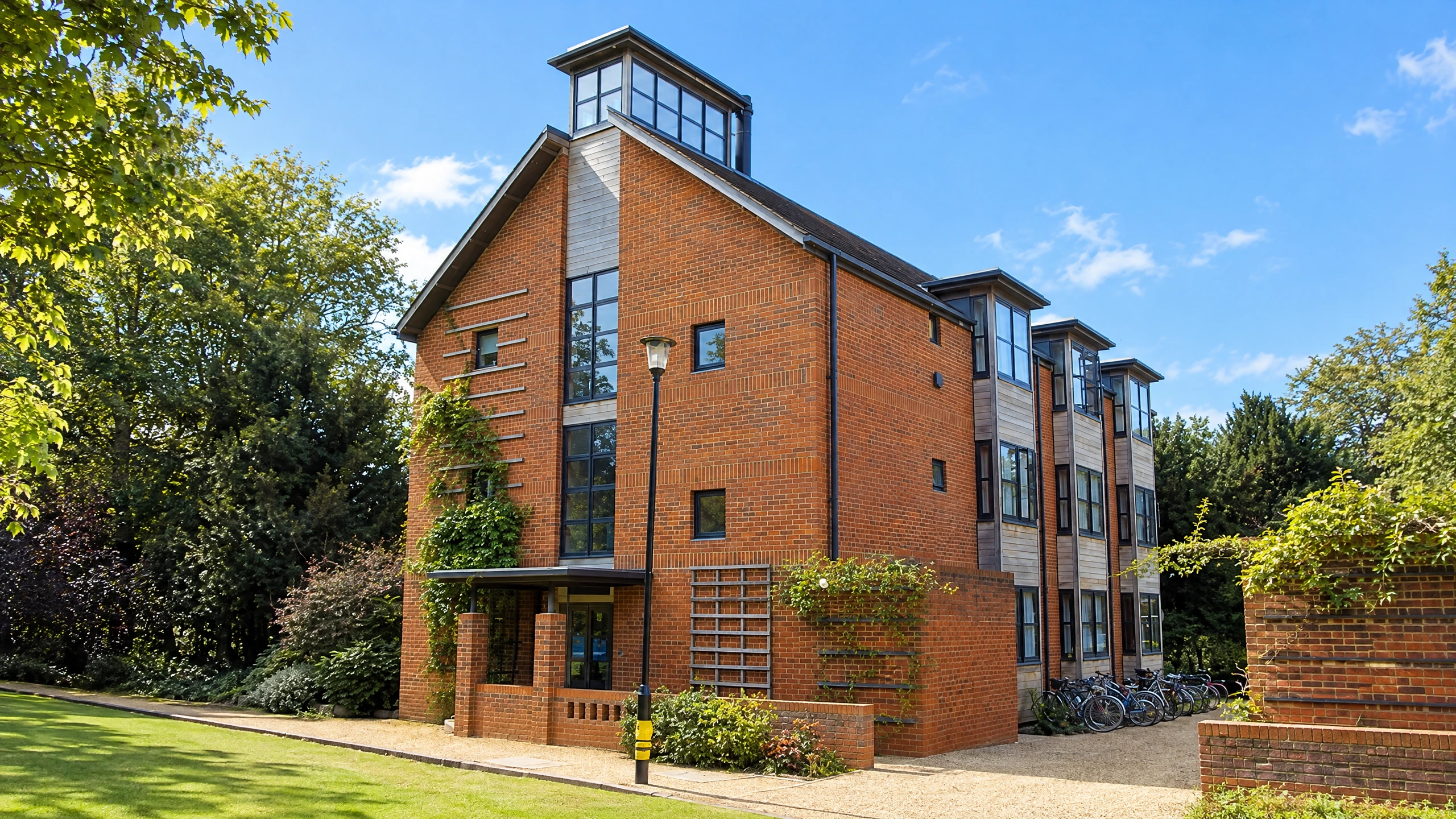
On Lady Margaret Road, converted nineteenth-century villas sit alongside purpose-built college buildings. A more recent addition was designed to the energy-efficient Passivhaus standard, reflecting another chapter in the college's growth.
People and ideas
People connected to the college
Lucy Caroline Cavendish
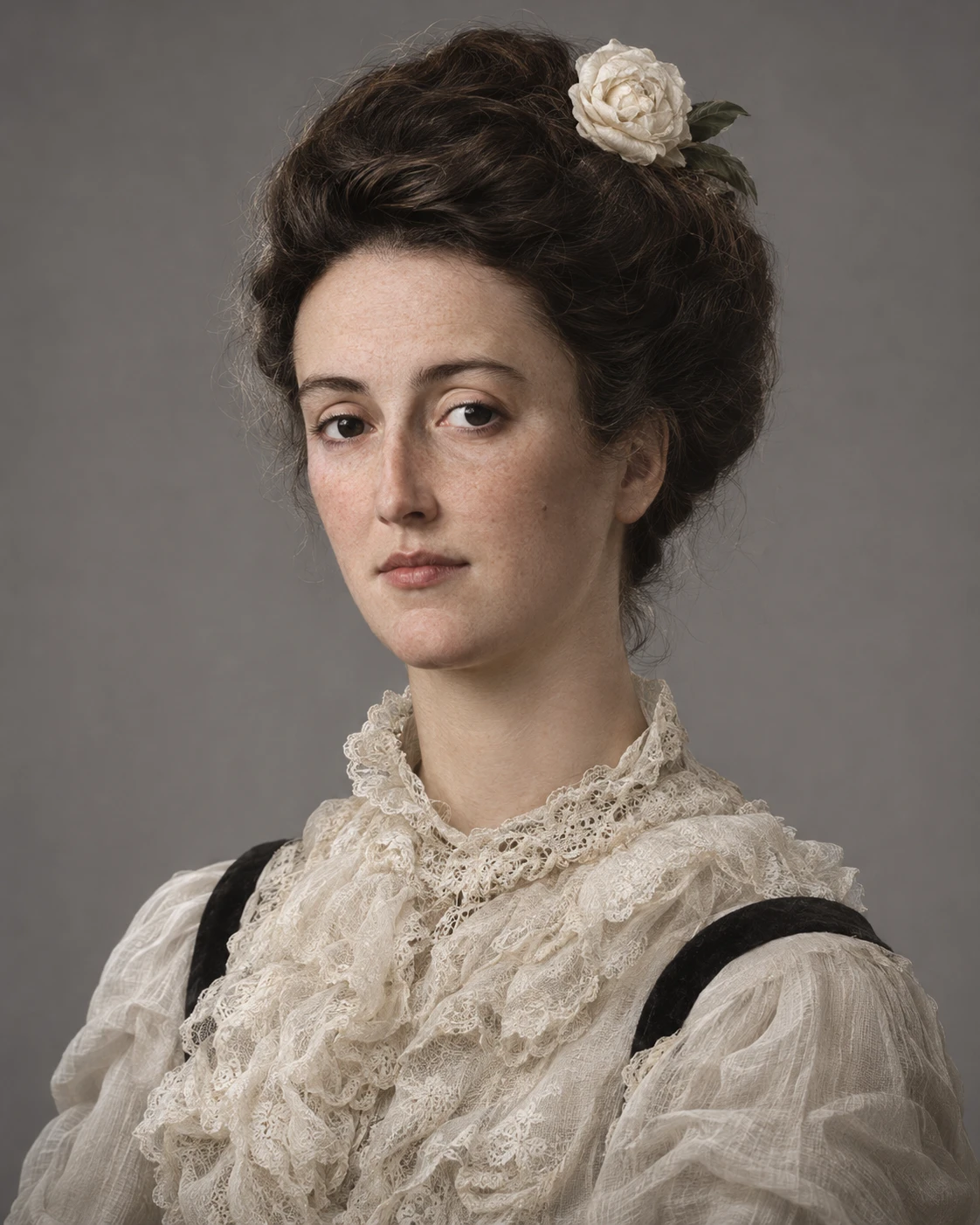
An advocate for women's education whose work inspired the college's name.
College connection
The founding Fellows chose her name when establishing the college.
Margaret Masterman Braithwaite
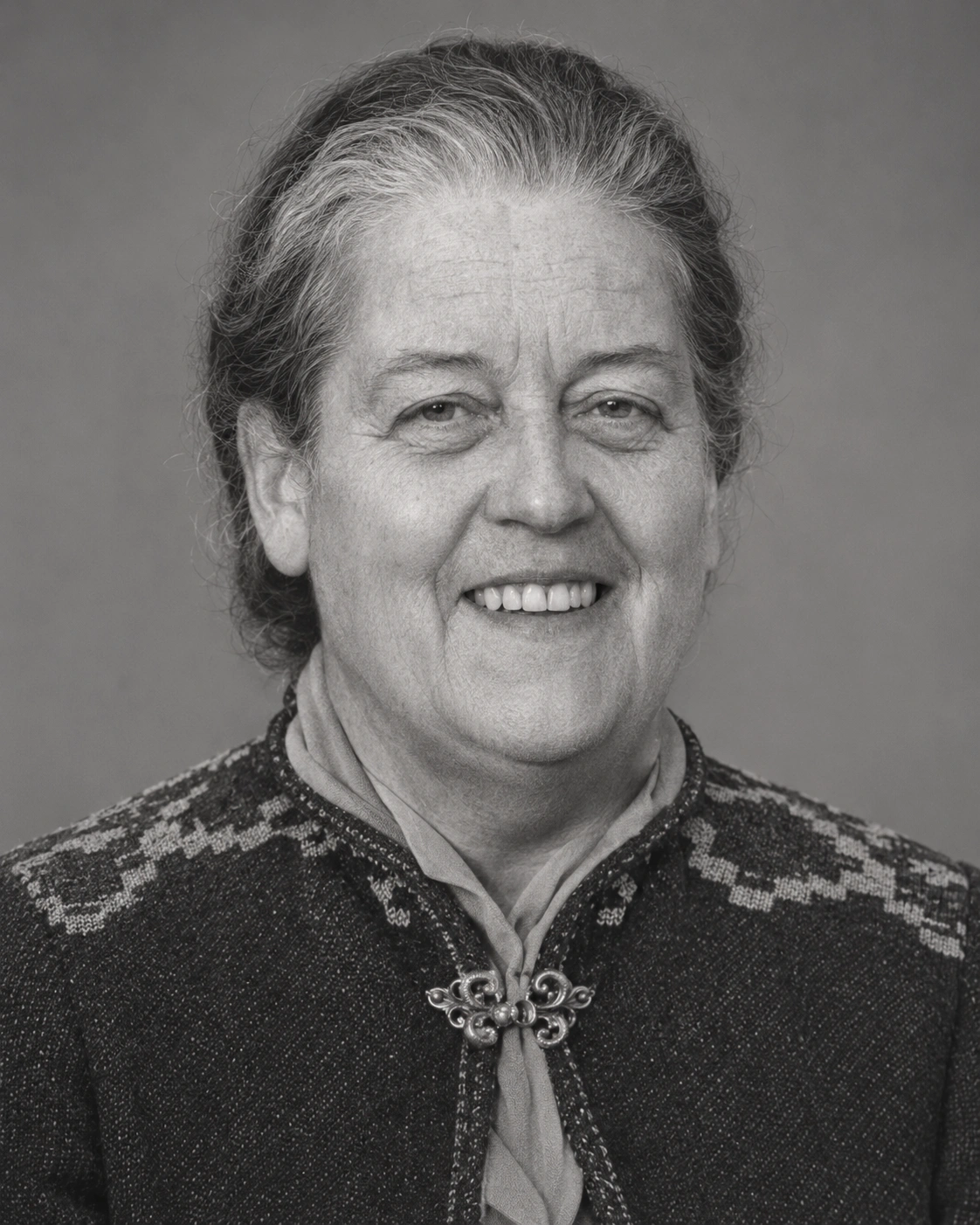
One of the founding Fellows of the new college for women.
College connection
Her family connection to Lucy Cavendish helped lead to the choice of the college's name.
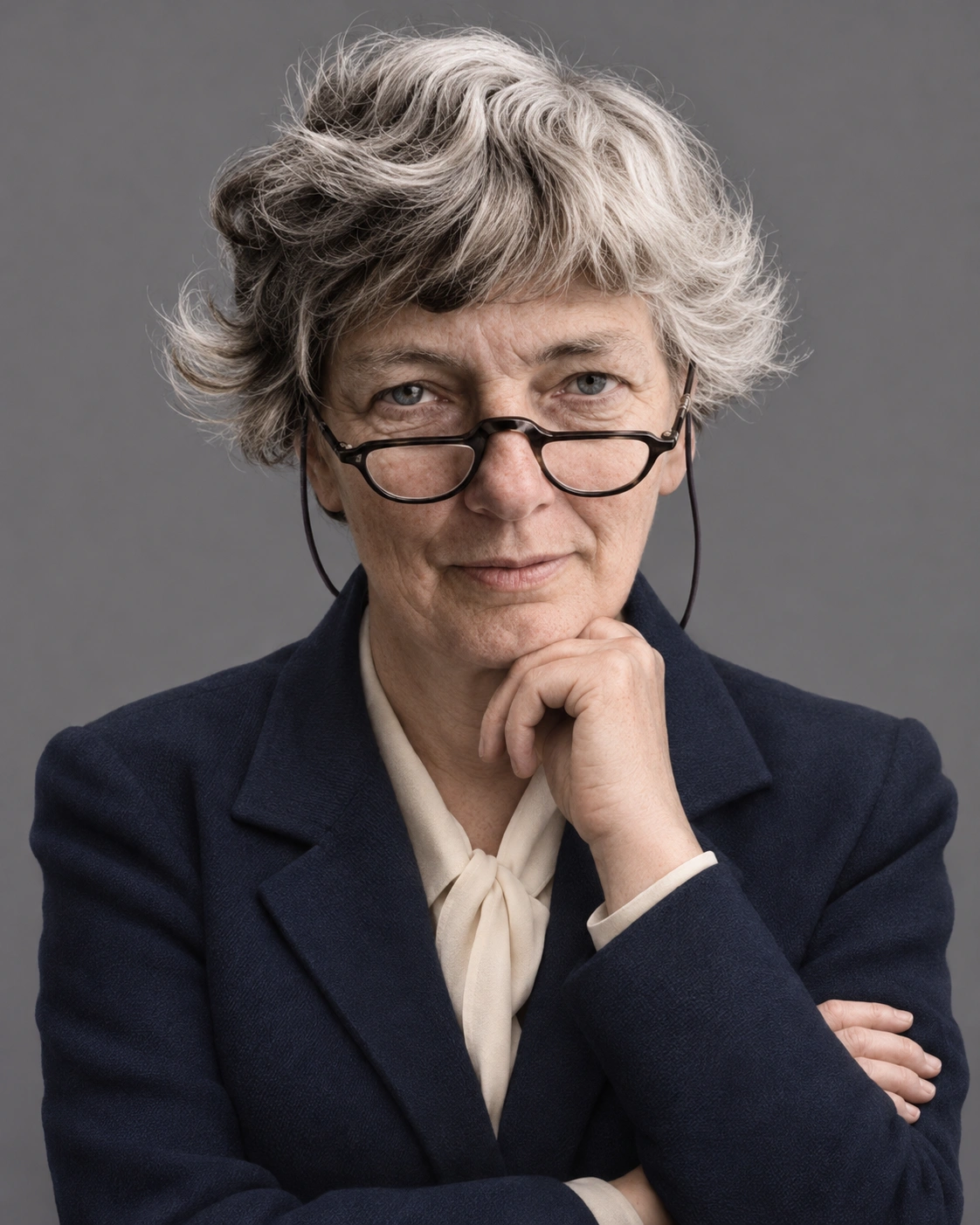
Anna Bidder
1965
A zoologist and advocate for women in academic life, Bidder was the first President of Lucy Cavendish.
College connection
She helped establish the collegiate society in 1965.
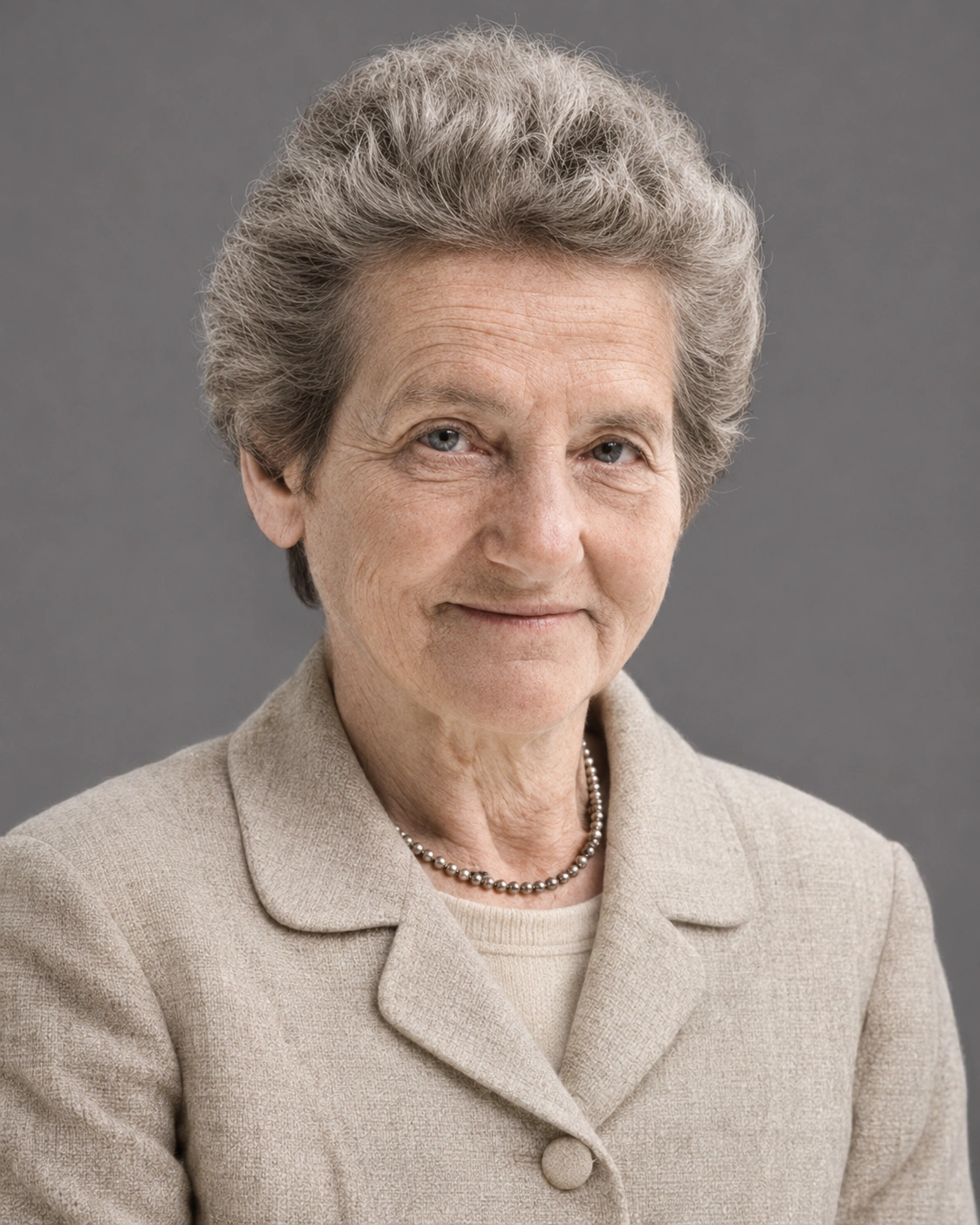
Olga Kennard
2003
The crystallographer founded the Cambridge Crystallographic Data Centre, assembling structural information for research.
College connection
Kennard was a Fellow of Lucy Cavendish and received a Cambridge honorary degree in 2003.
The story
History & character.
A new society for women
Lucy Cavendish College was founded as a Collegiate Society in 1965, initially for graduate study. Its first undergraduates arrived in 1972. At a university where women had long faced restricted opportunities, the society created a home for mature women pursuing degrees. It became an approved university foundation in 1984 and received full college status under a Royal Charter in 1997.
The early group brought together women from different disciplines. Bidder was a zoologist, Margaret Braithwaite a philosopher and Kay Wood-Legh a medieval historian. Their dining group offered a collegiate community to women teaching and researching in Cambridge who often had no college fellowship.
The name commemorates Lucy Caroline Cavendish, a campaigner for women's education. One of the founding Fellows, Margaret Masterman Braithwaite, had a family connection to Cavendish, and the founders chose the name in recognition of her work.
Anna Bidder, a zoologist educated at Newnham, became the society's first President. Before the college existed, women academics who lacked college fellowships had formed a dining group. Its members built a community that grew into the Lucy Cavendish Collegiate Society. The first foundation also supported women returning to advanced study or professional careers.
A changing community
In 2019 the governing body decided to admit students of all genders and standard undergraduate age from 2021. The decision widened a mission that had begun with mature women's education: the college continued to seek students from groups underrepresented at Cambridge.
Villas and a new building
The Lady Margaret Road site grew around converted nineteenth-century villas and gardens rather than an ancient quadrangle. The college later added a purpose-built library, teaching and social spaces. A new accommodation building, designed to Passivhaus standards, was planned with study rooms, informal learning spaces and a café as the college expanded.
This is primarily a place to live and study, with no published general tourist opening hours. Its story adds a different perspective to Cambridge's older royal and religious foundations.
A scientist and a growing collection
The crystallographer Olga Kennard was a Fellow of Lucy Cavendish and founded the Cambridge Crystallographic Data Centre. At a time when published descriptions of crystal structures were scattered across journals, she gathered them into computer-readable files. The resulting resource became valuable to researchers in chemistry, medicine and agriculture. Cambridge awarded Kennard an honorary degree in 2003.
Look closer
Highlights and hidden details.
A name with a purpose
The founding Fellows named the college for Lucy Caroline Cavendish and her work for women's education.
The Lady Margaret Road site
Converted nineteenth-century villas and gardens formed the early campus, later joined by purpose-built rooms for college life.
Passivhaus accommodation
A new college building was designed to an energy-efficient Passivhaus standard, with student rooms and social learning space.
Make it work
Plan your visit.
The college does not publish general tourist opening hours. Contact the college before arranging a visit; prospective students can explore its online tour and admissions information.
Visit your way
Access and family planning.
The college's newer Passivhaus building was designed with accessible facilities. General tourist access is not advertised; contact the college to discuss a visit and the route you need.
See it
In pictures.
10 views, full screen. Tap any one to open the viewer.Around here
Make more of the area.
Good to know
Questions, answered.
Who was Lucy Cavendish?
Lucy Caroline Cavendish campaigned for women’s education. The college’s founding Fellows chose her name in recognition of that work.
When was Lucy Cavendish College in Cambridge founded?
Lucy Cavendish College in Cambridge began as a collegiate society in 1965, initially for graduate study. Its first undergraduates arrived in 1972 and it received a Royal Charter as a full college in 1997.
Who was Anna Bidder?
Anna Bidder was a zoologist and the first President of Lucy Cavendish. She helped create a college community for women academics who had lacked college fellowships.
Why was Lucy Cavendish College established?
Women academics had formed a dining group because many had no college fellowship. Their community grew into a collegiate society supporting women’s advanced study and academic work.
Is Lucy Cavendish still a women-only college?
No. Its admissions policy changed from 2021 to welcome students of all genders and standard undergraduate age as well as mature students.
Who was Olga Kennard and what was her connection to Lucy Cavendish?
Kennard was a college Fellow and crystallographer who founded the Cambridge Crystallographic Data Centre. Her work brought published crystal structures together as a resource for researchers.
What is the connection between Lucy Cavendish and Margaret Masterman Braithwaite?
Braithwaite was a founding Fellow. Her family connection to Lucy Caroline Cavendish helped lead the founders to choose the college’s name.
Where is Lucy Cavendish College in Cambridge?
Lucy Cavendish College is on Lady Margaret Road, northwest of central Cambridge. Its site grew around nineteenth-century villas and gardens, with newer teaching and residential buildings.
Can visitors tour Lucy Cavendish College?
General tourist opening hours are not advertised. Contact the college about a visit.
Editorial notes
Sources and further reading.
Sources for this guide
Reviewed 4 November 2026.
- 2021 college accounts: foundation, admissions history, campus and Passivhaus plans.
- Who was Lucy Cavendish?: namesake and founders' choice.
- College tour: accommodation and campus spaces.
- Anna Bidder: founding President and academic dining group.
- Eileen Clifford: founding Fellow and society's early purpose.
- Local-area map: local area and visitor information.
- Kettle's Yard visitor information: local area and visitor information.
- University tribute: Olga Kennard and the crystallographic database.
- University obituary: Kennard's Lucy Cavendish fellowship.
Further reading and sources
Opening hours, prices, programmes and access arrangements can change. Confirm critical details with the venue.
Keep exploring