Central · Founded 1348
Gonville & Caius College
One of Cambridge's four oldest colleges, with fifteen Nobel laureates to its name and more than half a century as Stephen Hawking's academic home, entered through Renaissance gates that graduands still pass on their way to the Senate House.
- Founded
- 1348
- Location
- Trinity Street
- Visiting
- Weekday term closure
- Institution
- College
01 The experience
What to expect.
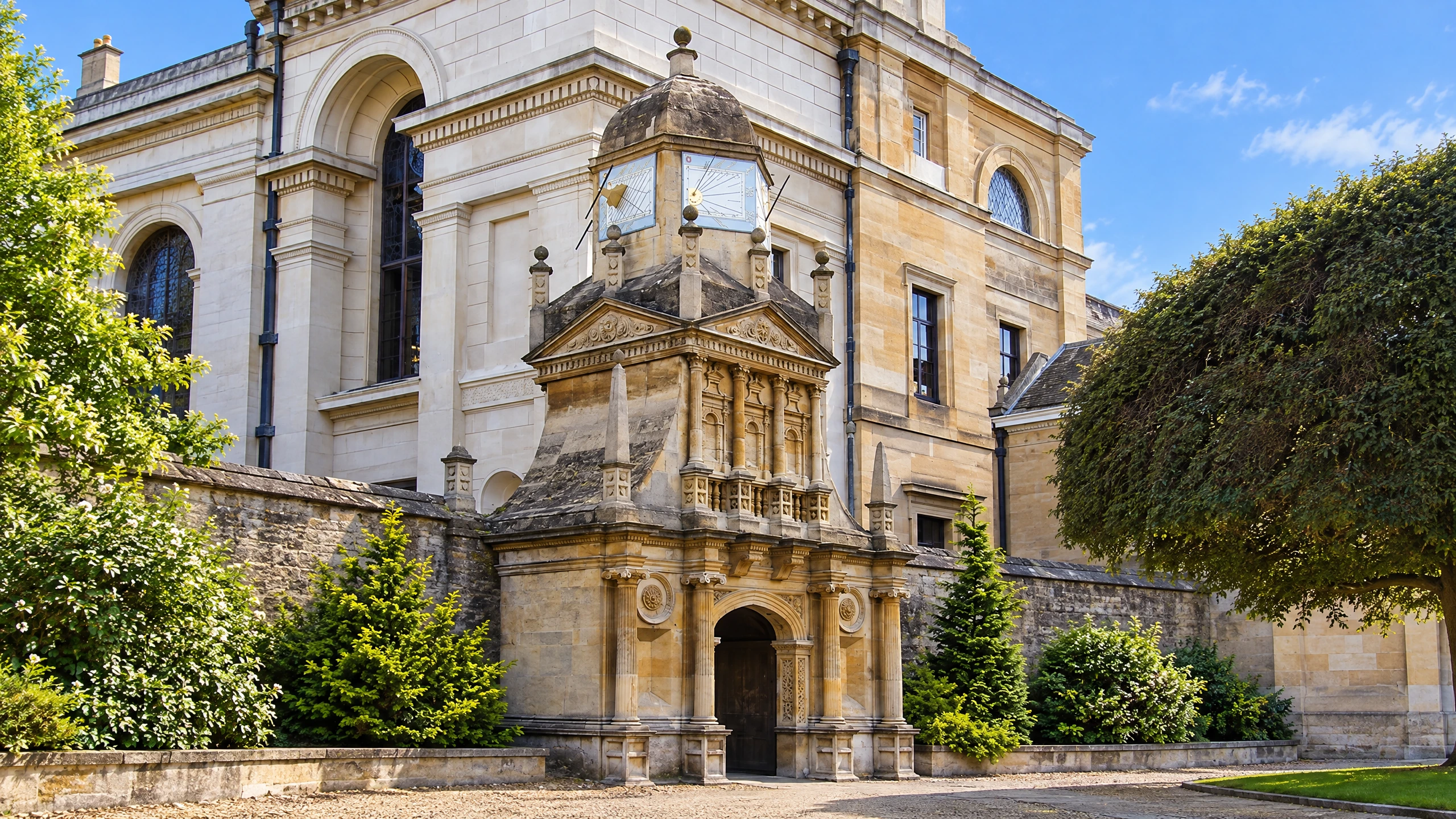
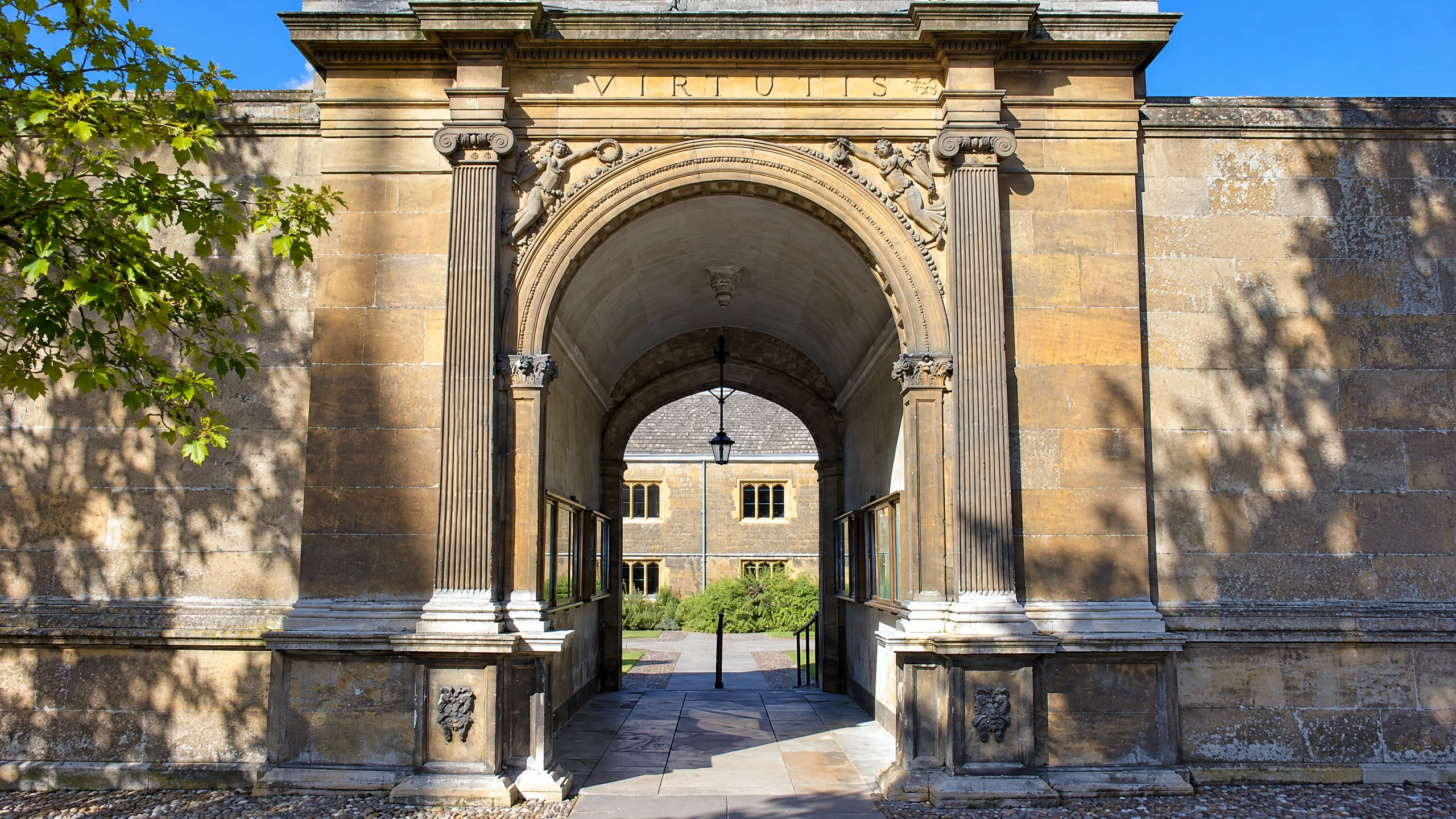
Three gates give Gonville & Caius a distinctive way of telling its story. John Caius, the physician who refounded the college in the sixteenth century, gave them the names Humility, Virtue and Honour. The Gate of Honour faces Senate House Passage; graduands still pass through it on their way to receive their degrees.
The college began as Gonville Hall in 1348. Caius, a former student and royal physician, refounded it in 1557, adding his name and a new court. The gates are among the earliest formal Renaissance gateways of their type in England. Recent research identified Humfrey Lovell, Elizabeth I’s master mason, with the construction of the Gate of Virtue in the 1560s.
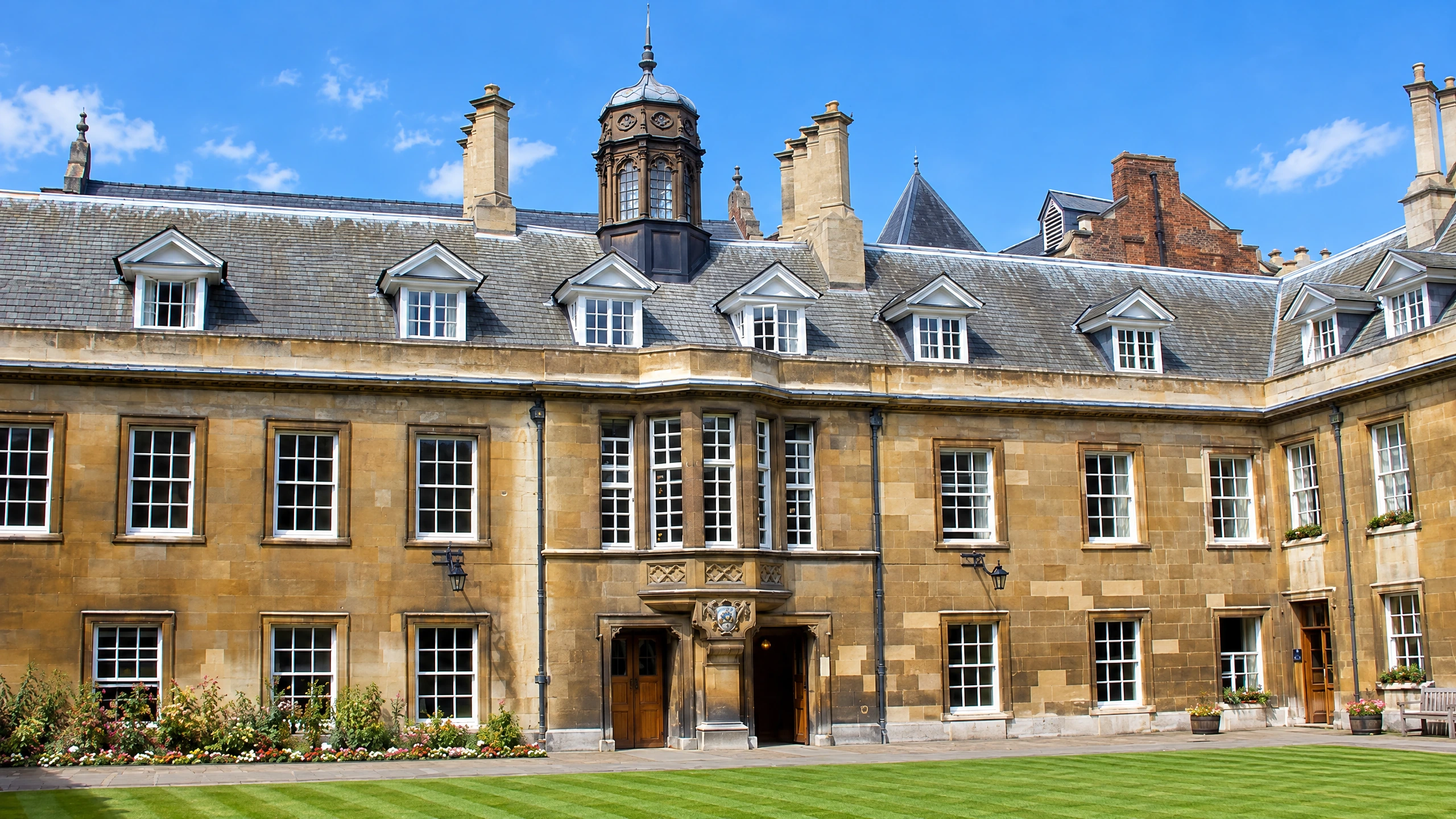
The older courts sit behind an imposing Victorian frontage to Trinity Street. The college has a strong scientific history; Stephen Hawking was a fellow here for more than fifty years. Access to the working college is limited, but the Gate of Honour can be seen from the passage beside Senate House.
People and ideas
Famous former students
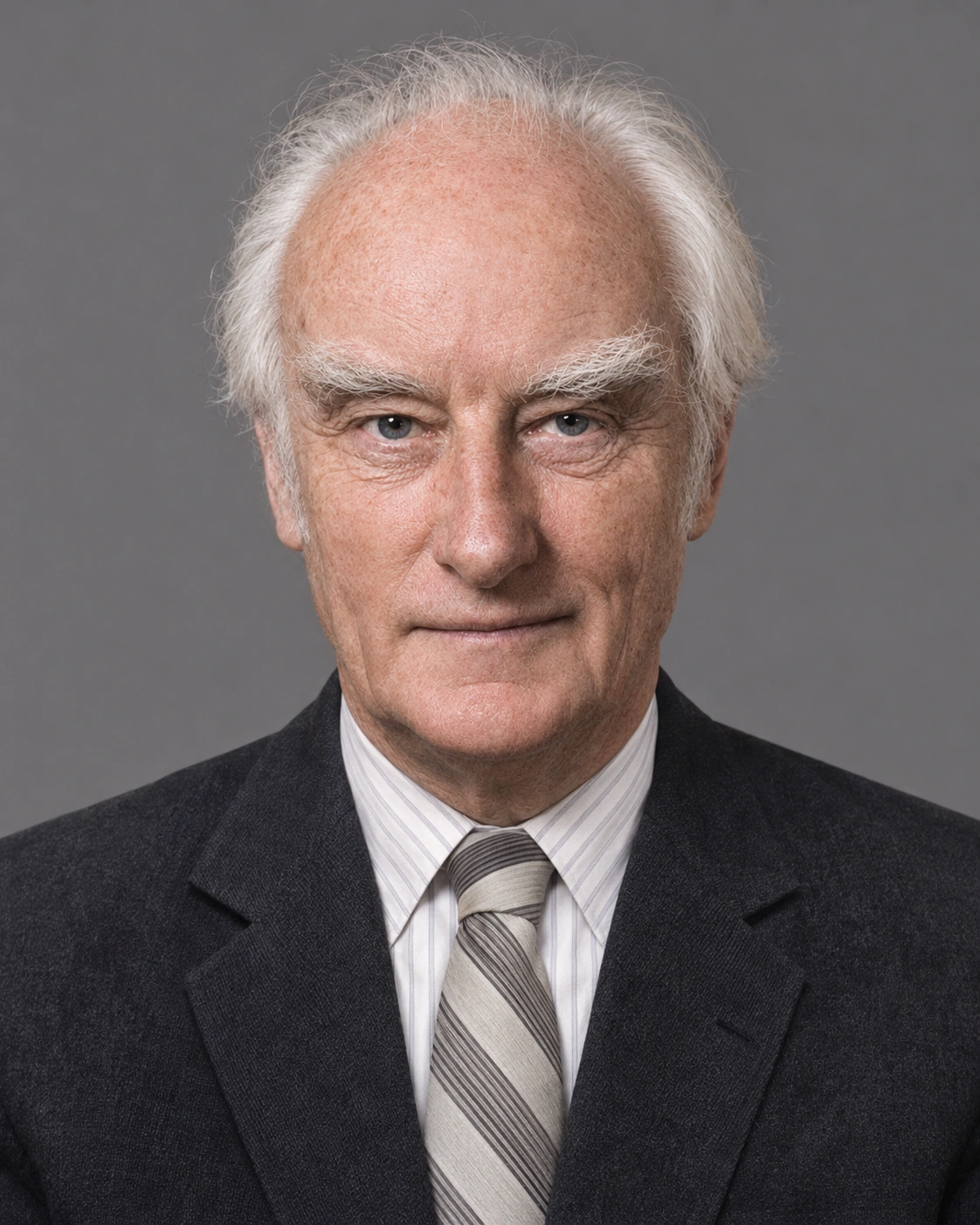
Francis Crick
The molecular biologist studied for his PhD at Caius and shared the 1962 Nobel Prize for work on DNA’s structure.
James Chadwick
The physicist discovered the neutron and later became Master of Caius.
Fellows, founders and other connections
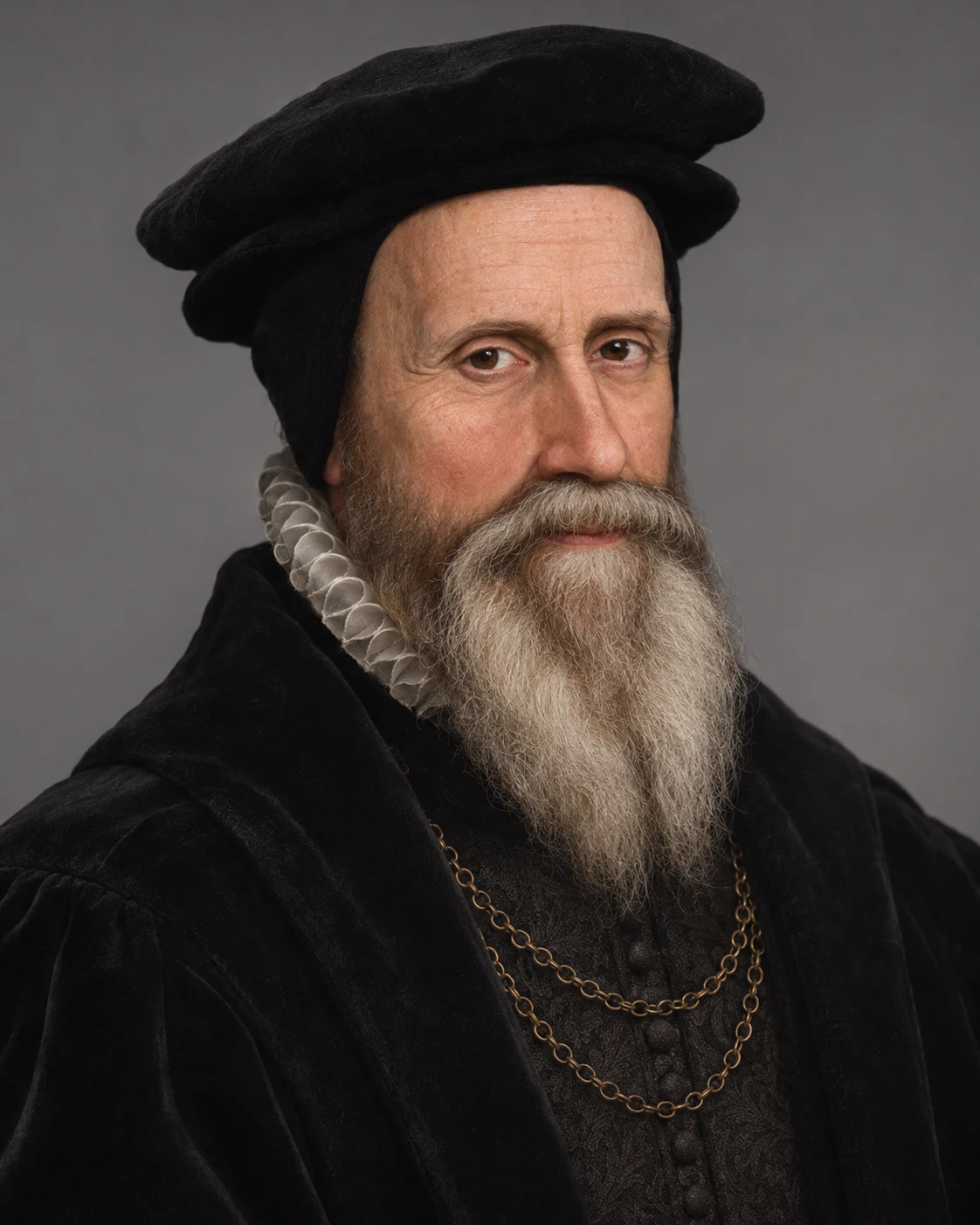
John Caius
The physician refounded the college in 1557.

Stephen Hawking
The theoretical physicist was a Caius fellow for 52 years, until his death in 2018.

Howard Florey
The pathologist and Caius Fellow shared the 1945 Nobel Prize for work on penicillin.
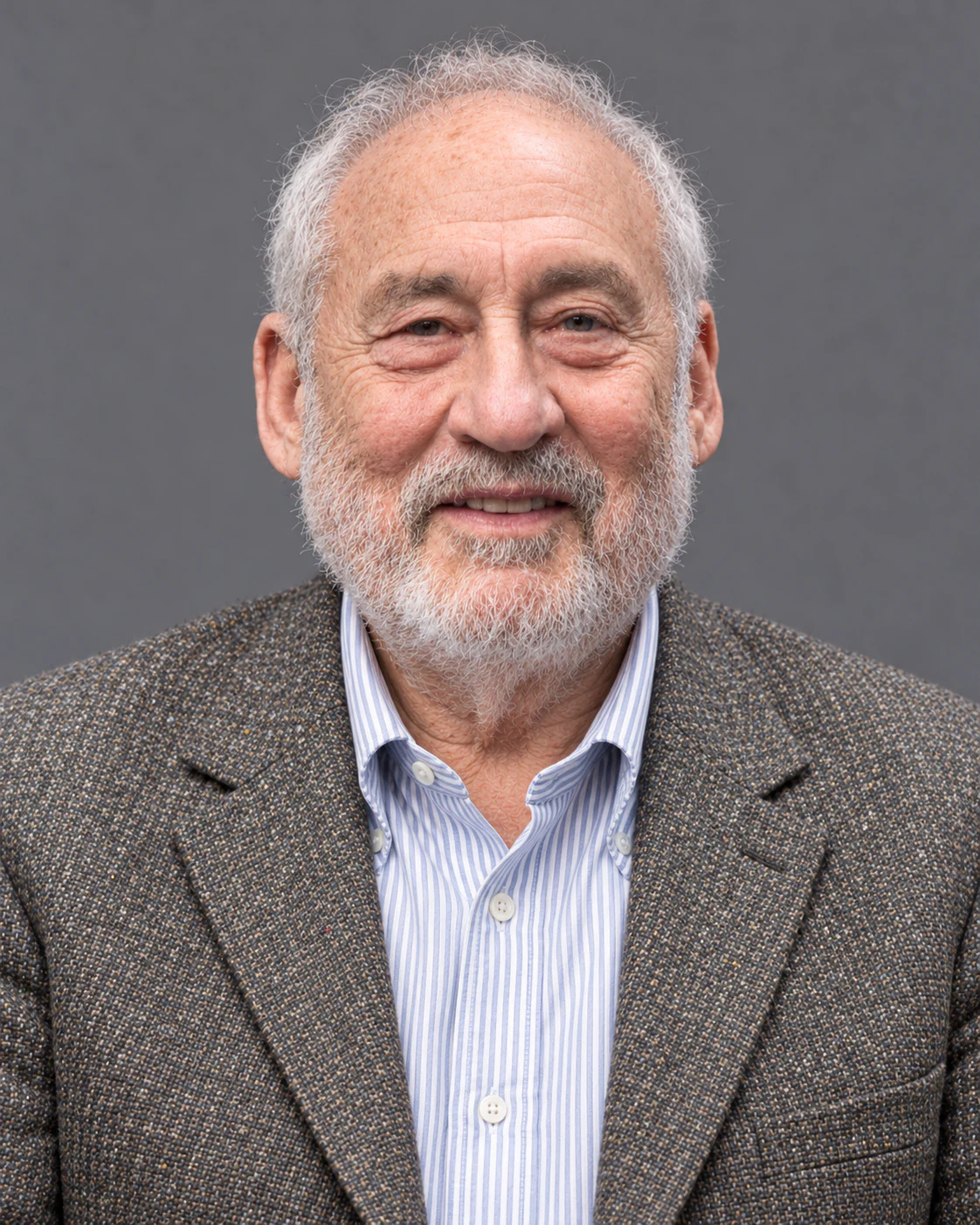
Joseph Stiglitz
The economist and former Caius Fellow won the 2001 Nobel Prize in Economics.
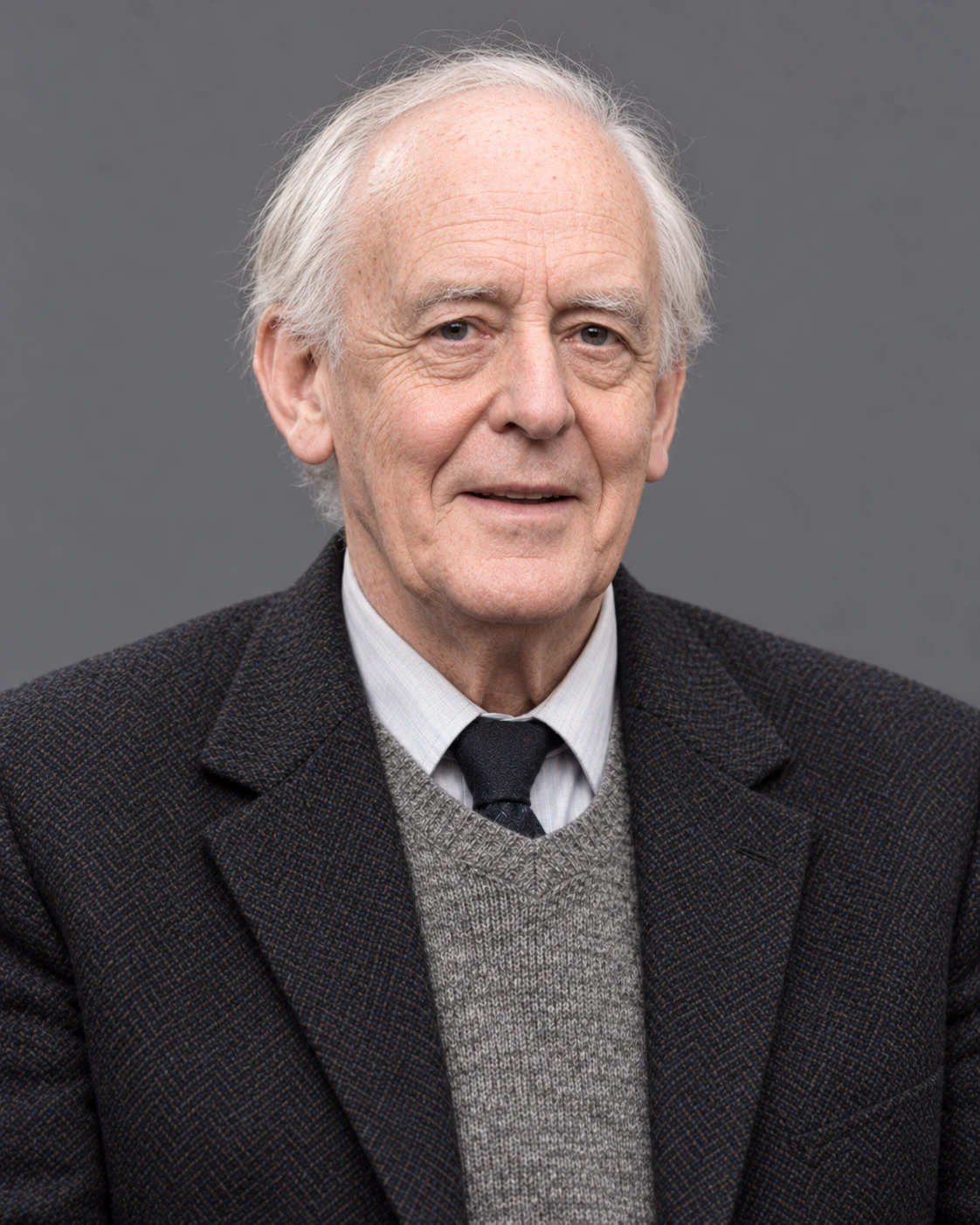
John Hicks
The economist was a Caius Fellow and shared the 1972 Nobel Prize in Economics.
The story
History & character.
Gonville Hall and its second founder
Edmund Gonville founded Gonville Hall in 1348, intending to support twenty scholars, particularly in arts and theology. His resources were stretched, and after his death in 1351 his executor William Bateman, Bishop of Norwich, moved the college to its present site. A hall, chapel, library and living rooms grew around the small community.
John Caius had studied medicine at Padua and established a successful practice in London before he refounded his former college in 1557. “Caius” was one of several ways he wrote his name, John Keys, and suited formal documents written in Latin. He became Master a year later, leaving his name and a new court to the college.
A passage through the gates
Caius’s gates carry a sequence of names: Humility, Virtue and Honour. The last opens towards Senate House, the university’s ceremonial building. Students graduating from Caius process through the Gate of Honour on their way to their degree ceremony, giving the Renaissance gateway a continuing role in college life.
Restoration research identified the Gate of Virtue as the work of Humfrey Lovell in the 1560s. Lovell was a royal master mason, connecting Caius’s building with the artistic and political world of Elizabethan England.
Books and medicine
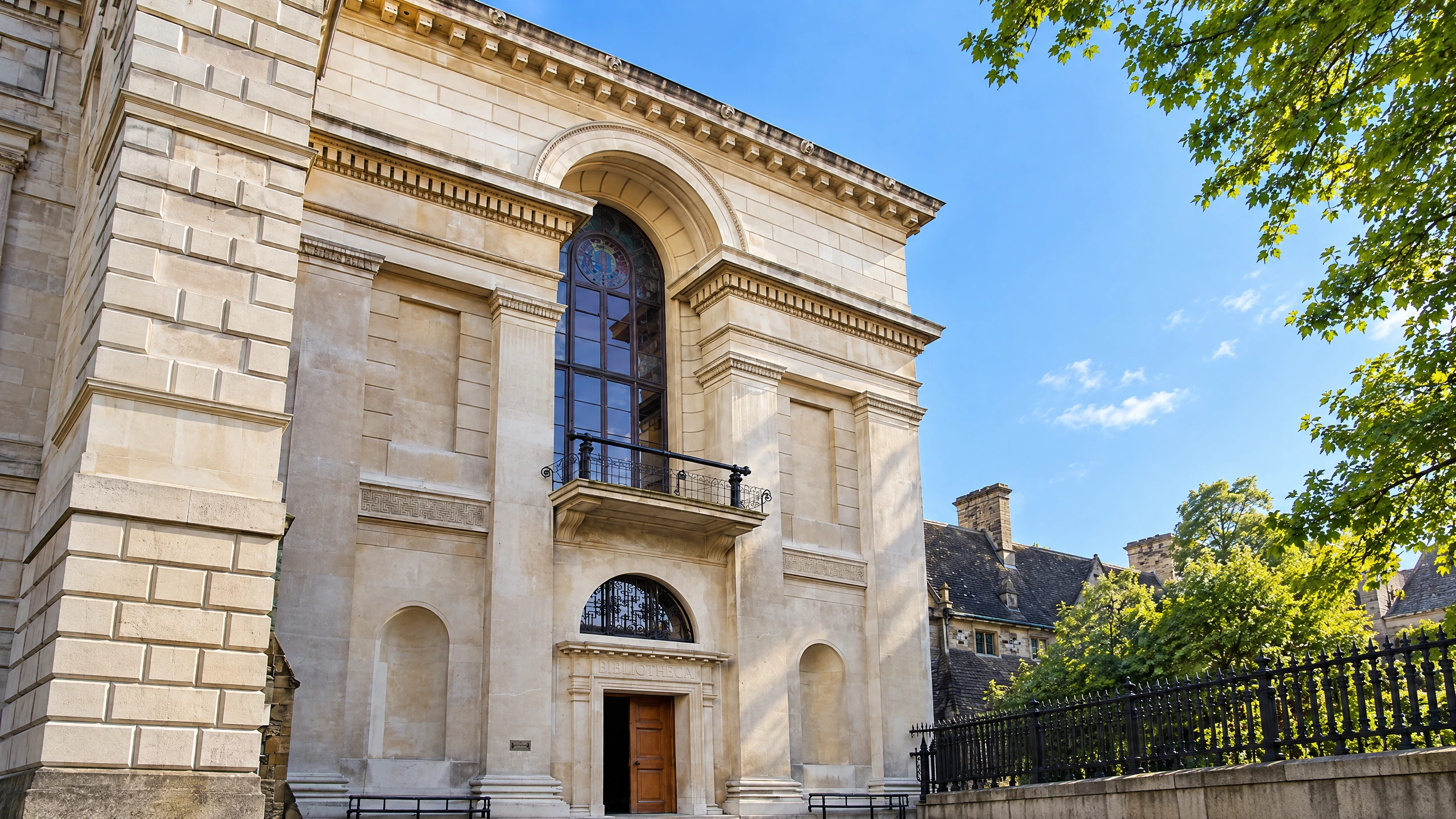
The library preserves more than 350 manuscripts from the medieval college library. John Caius expanded the collection and arranged its first catalogue in 1569, bringing books on medicine and other subjects into a library whose earliest purpose-built home dated from 1441. It remains a working research collection.
The college’s medical and scientific connections continue through later members. William Harvey transformed understanding of blood circulation; Francis Crick shared the Nobel Prize for work on DNA’s structure; and Stephen Hawking was a fellow for 52 years. They worked in different fields and periods, showing the breadth of the college’s scientific history.
A wider college community
Caius admitted its first women students and fellows in 1979. The first student intake included 36 women; among them was Sally, later a research fellow, whose work in biochemistry began with her studies at the college. The change belongs to a much longer story of how the old courts have adapted to new kinds of college life.
Look closer
What to see.
Gate of Honour
The Renaissance gate faces Senate House Passage and remains part of the graduation procession.
Gate of Virtue
Restoration research linked this 1560s gate with royal master mason Humfrey Lovell.
Caius Court
John Caius’s sixteenth-century court is part of the physician’s architectural legacy.
Trinity Street frontage
The college’s later Victorian front gives the busy street a grand architectural presence.
Make it work
Plan your visit.
The Gate of Honour can be seen from Senate House Passage. The college is closed to general visitors on weekdays during term. Other visits should be arranged through the Porters’ Lodge.
Visit your way
Access and family planning.
The Porters’ Lodge has a step, but a bell summons the porters to open the main gate for step-free access. Caius and Gonville Courts are connected on the level; the route between Tree and Caius Courts is ramped. Flagstones can be uneven and cobbles border the main pathway.
See it
In pictures.
10 views, full screen. Tap any one to open the viewer.Around here
Make more of the area.
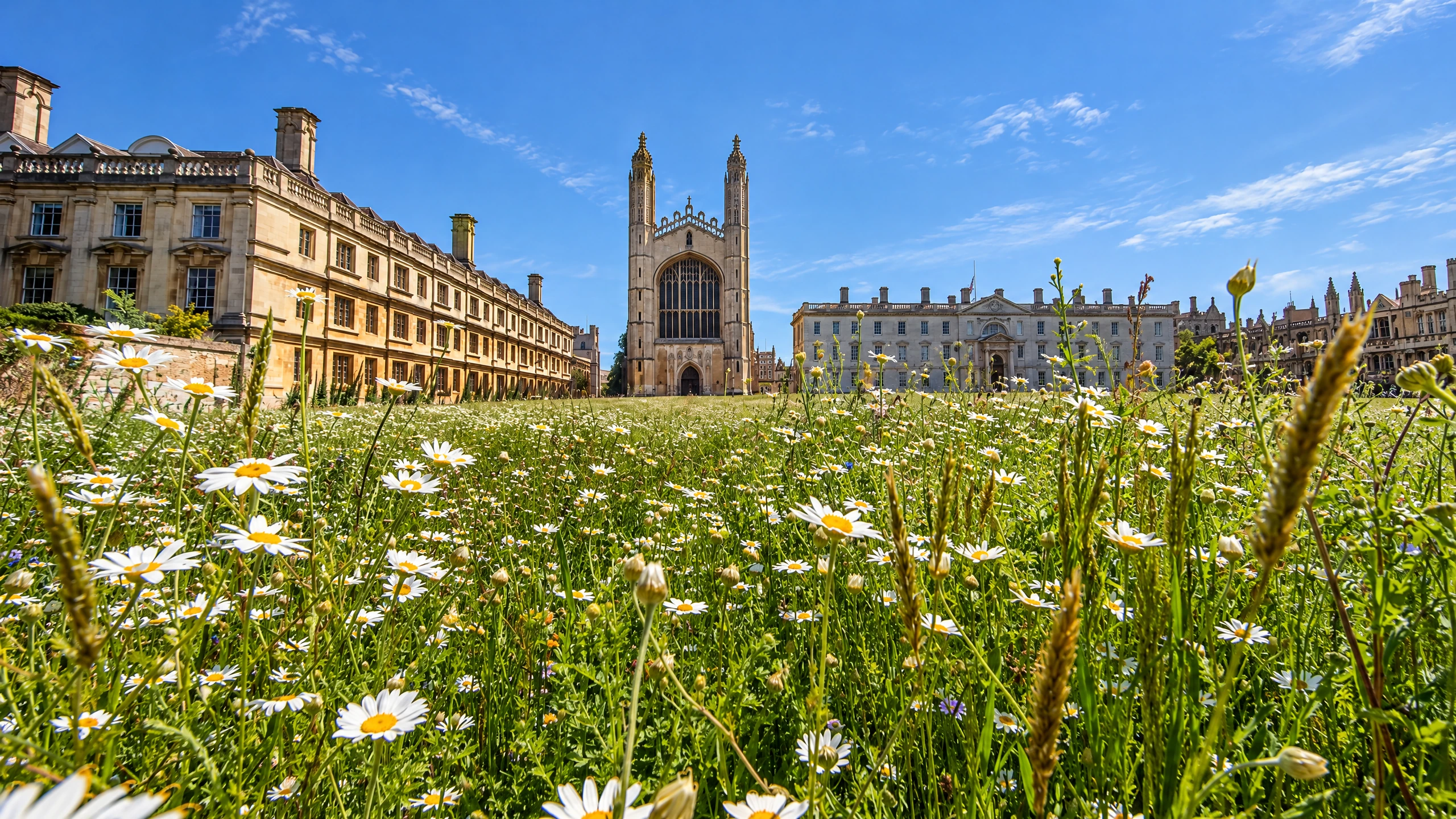
The chapel faces King’s Parade a short distance from Senate House Passage. Its fan vault and stained glass are highlights of the ticketed chapel visit.
Good to know
Questions, answered.
How do you pronounce Gonville and Caius College?
Caius is pronounced “keys”. The college takes its name from Edmund Gonville, who founded it, and John Caius, who refounded it.
Why is the college called Gonville and Caius?
Edmund Gonville established Gonville Hall in 1348. Former student and physician John Caius refounded and expanded the college in 1557, adding his name.
What are the three gates at Gonville and Caius?
The gates are named Humility, Virtue and Honour. The Gate of Honour leads towards Senate House, where the university holds degree ceremonies.
Why do Caius students walk through the Gate of Honour?
Graduands pass through the gate on their way to Senate House to receive their degrees. The gate gives a Renaissance building a continuing role in college ceremonies.
Can I see the Gate of Honour without entering Caius?
Yes. Its exterior faces Senate House Passage, beside the university’s Senate House.
Can the public visit Gonville and Caius College in Cambridge?
Gonville and Caius College in Cambridge is closed to general visitors on weekdays during term. Contact the Porters’ Lodge to arrange other visits.
Was Stephen Hawking a student at Gonville and Caius?
Hawking studied for his Cambridge PhD at Trinity Hall. He became a research fellow at Gonville and Caius in 1965 and remained a fellow for more than 50 years.
Where is Stephen Hawking’s memorial at Caius?
A memorial stone is outside his former room in Caius Court. It carries his black-hole entropy equation and a line about looking up at the stars. Access to the college is restricted.
Which famous scientists were connected with Gonville and Caius?
Members include physicist Stephen Hawking, DNA researcher Francis Crick, neutron discoverer James Chadwick and penicillin researcher Howard Florey.
Was the inventor of the Venn diagram at Caius?
Yes. Mathematician and logician John Venn was a member of Gonville and Caius. His diagrams use overlapping shapes to show relationships between sets.
Who built the Gate of Virtue at Gonville and Caius?
Research during its restoration identified Humfrey Lovell, a master mason to Elizabeth I, with its construction in the 1560s.
What is kept in the Gonville and Caius library?
Its historic collection includes an estimated 350 or more manuscripts from the medieval college library. John Caius expanded the library and arranged an early catalogue in 1569. It is a working research collection.
Editorial notes
Sources and further reading.
Sources for this guide
- https://www.cai.cam.ac.uk/discover/history
- https://www.cai.cam.ac.uk/news/reading-gate-honour
- https://www.cai.cam.ac.uk/news/gate-virtue-restoration
- https://www.cai.cam.ac.uk/
- https://www.cai.cam.ac.uk/discover/visiting-caius/accessibility-information
- https://www.cai.cam.ac.uk/discover/library/history-library
- https://www.cai.cam.ac.uk/research/notable-research
- https://www.cai.cam.ac.uk/news/hawking-archive-made-available-historians-and-researchers
- https://www.kings.cam.ac.uk/your-visit-kings
- https://stories.clare.cam.ac.uk/ClareNews2026-Gardens/
- https://www.cai.cam.ac.uk/news/40-years-women-caius
- https://www.cai.cam.ac.uk/news/caius-catalyst-superlative-career
Reviewed 4 November 2026.
Further reading and sources
Opening hours, prices, programmes and access arrangements can change. Confirm critical details with the venue.
Keep exploring