North · Founded 1869
Girton College
The first residential women's college in Britain, deliberately founded at a distance from Cambridge, and still the college with the most expansive grounds in the university.
- Founded
- 1869
- Location
- Huntingdon Road
- Visiting
- Grounds open to visitors
- Institution
- College
01 The experience
What to expect.
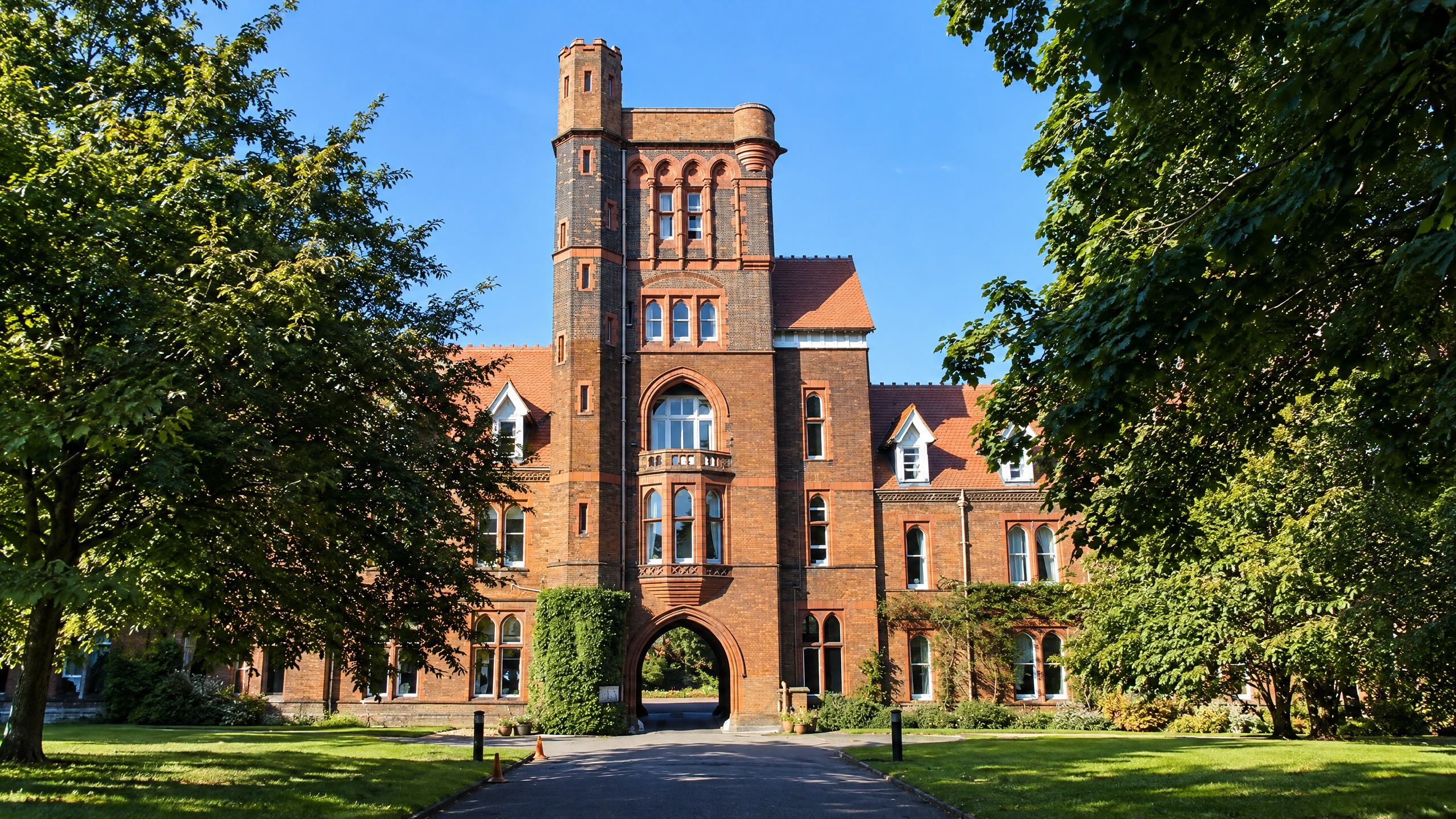
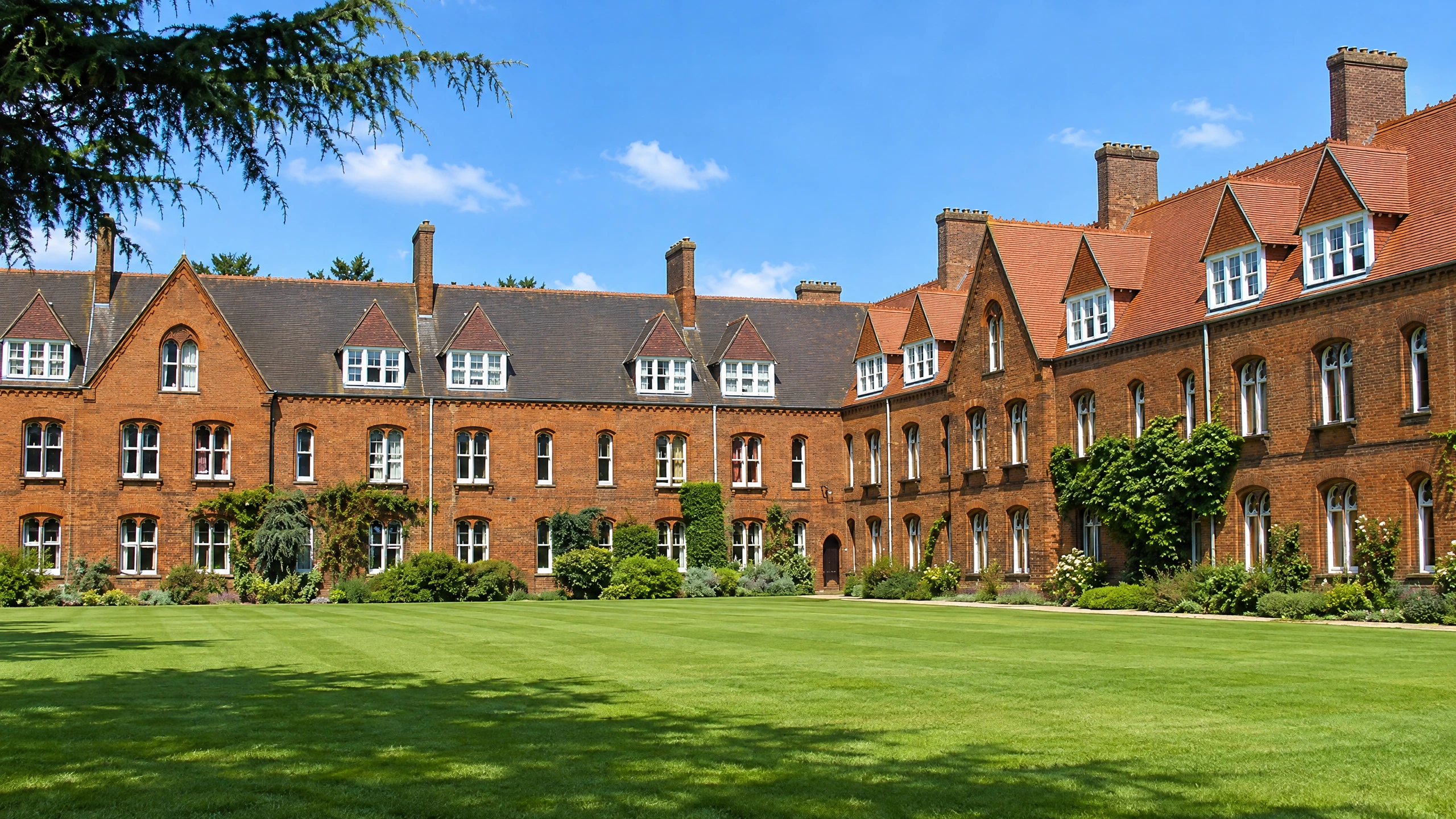
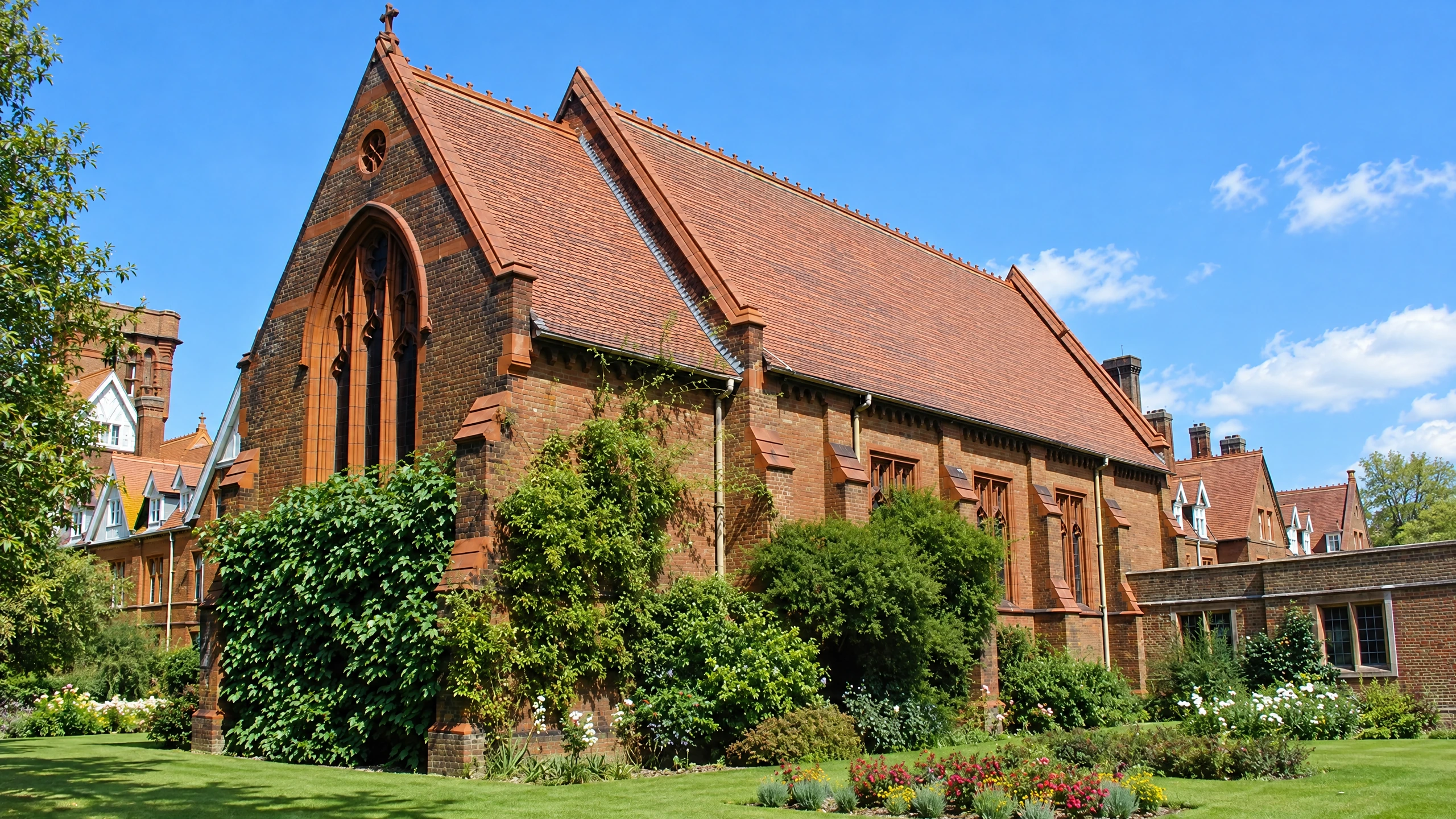
Girton began in 1869 as the first residential institution in Britain to offer women a university-level education. Its early students did not start in Cambridge: the College for Women opened at Hitchin before moving to its present site near Girton village in 1873. Alfred Waterhouse’s red-brick buildings and tower now stand among extensive gardens and grounds northwest of the city.
The Lawrence Room, Girton’s small museum, adds an unexpected archaeological dimension. Its collection includes finds from a late Roman and early medieval cemetery discovered in the grounds, as well as Egyptian objects and Greek terracotta figurines. Among the best-known objects is Hermione, a first-century Roman portrait mummy.
The grounds make Girton a different sort of visit from the compact city-centre courts. The museum has limited opening times, and the college is also a residential community.
People and ideas
Famous former students
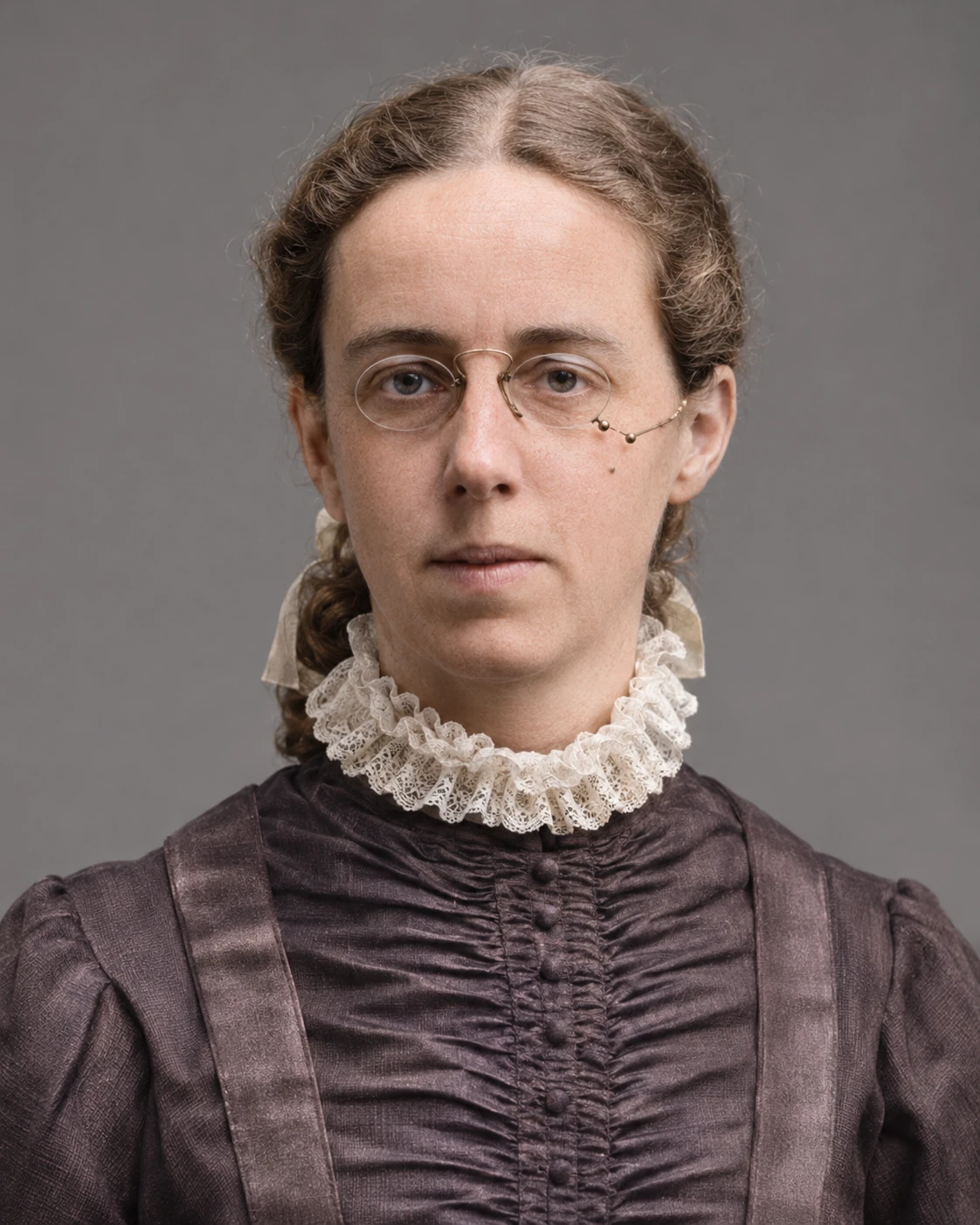
Charlotte Angas Scott
She achieved the eighth-highest result in the 1880 Mathematical Tripos.
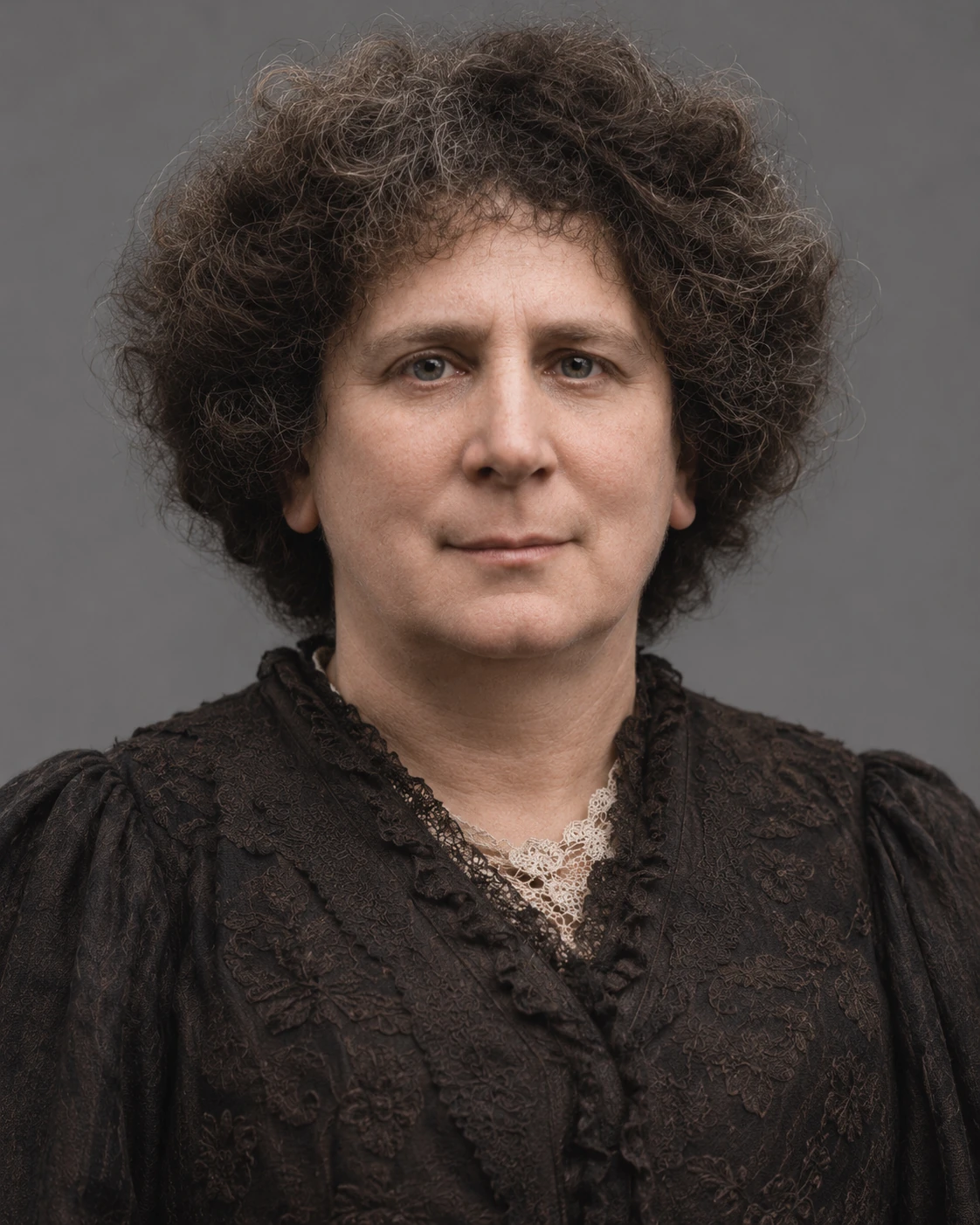
Hertha Ayrton
The scientist and inventor studied mathematics at Girton and later researched the electric arc.
Fellows, founders and other connections
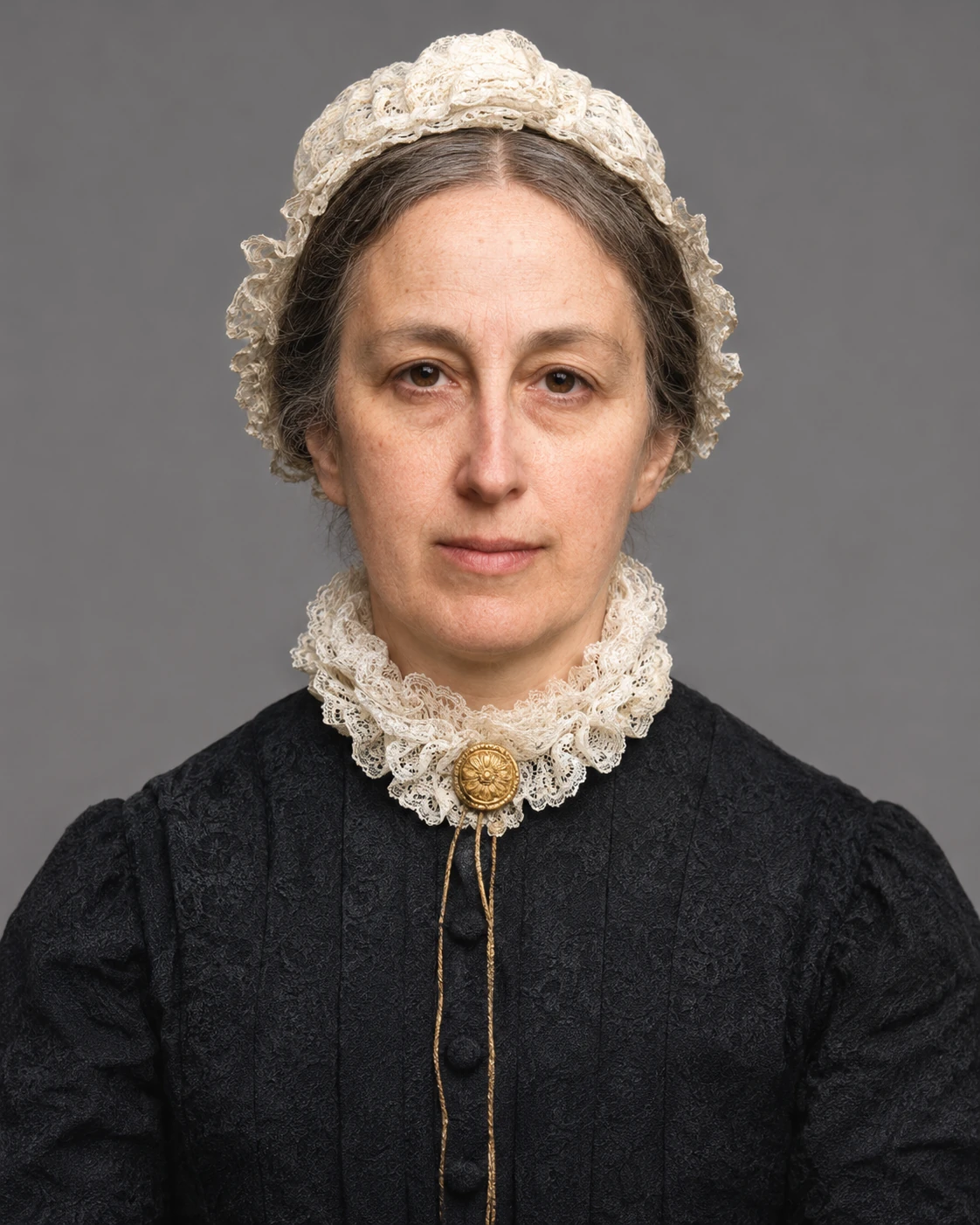
Emily Davies
She helped establish the College for Women, which became Girton.
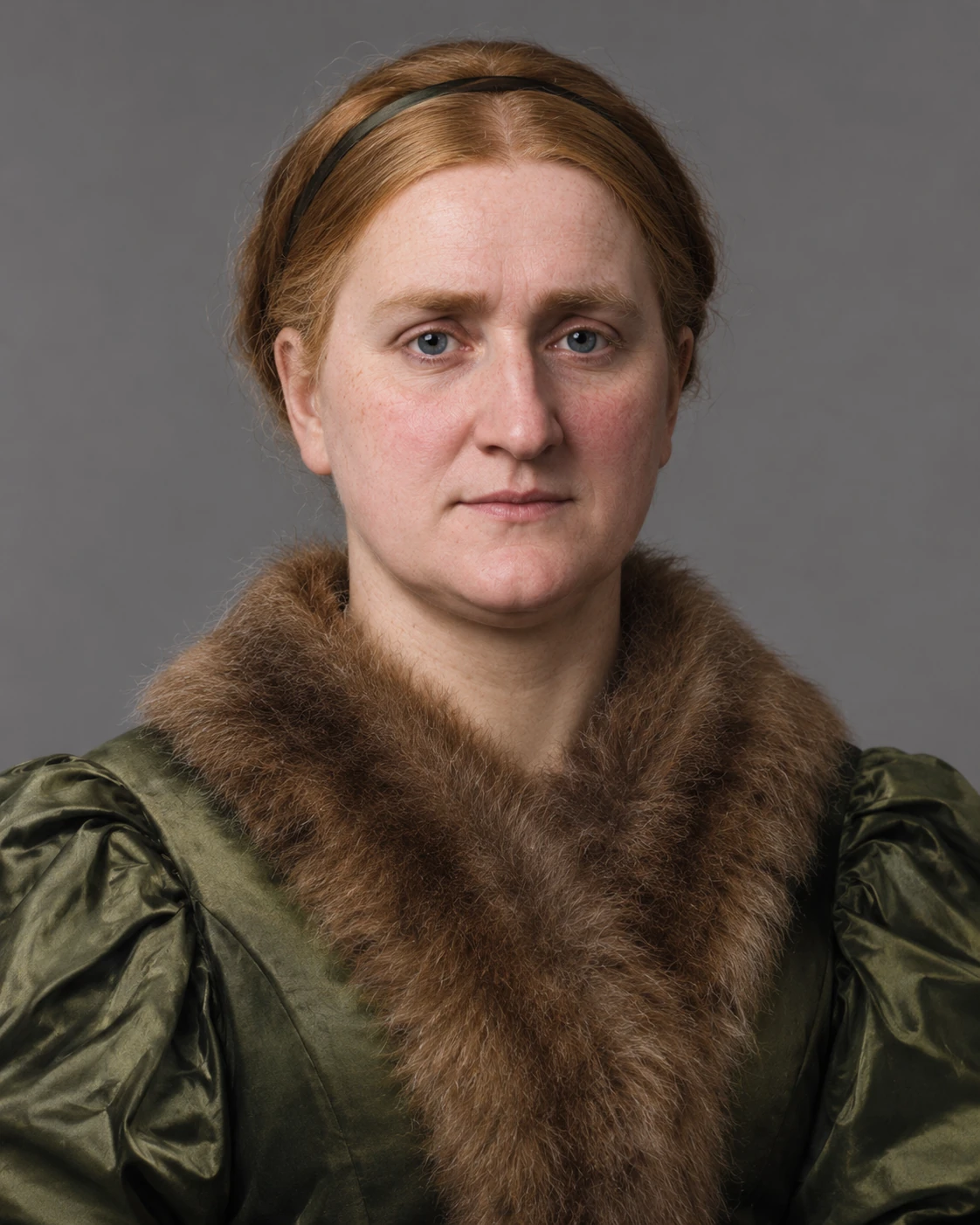
Barbara Bodichon
She supported the creation of the college for women.
The story
History & character.
The Great Scheme
Emily Davies and Barbara Bodichon helped establish the College for Women in 1869. It opened at Benslow House in Hitchin, with the ambition of giving women a residential education comparable to that offered at Cambridge. The college secured land near Girton village in 1872 and moved into its new buildings the following year.
A new home
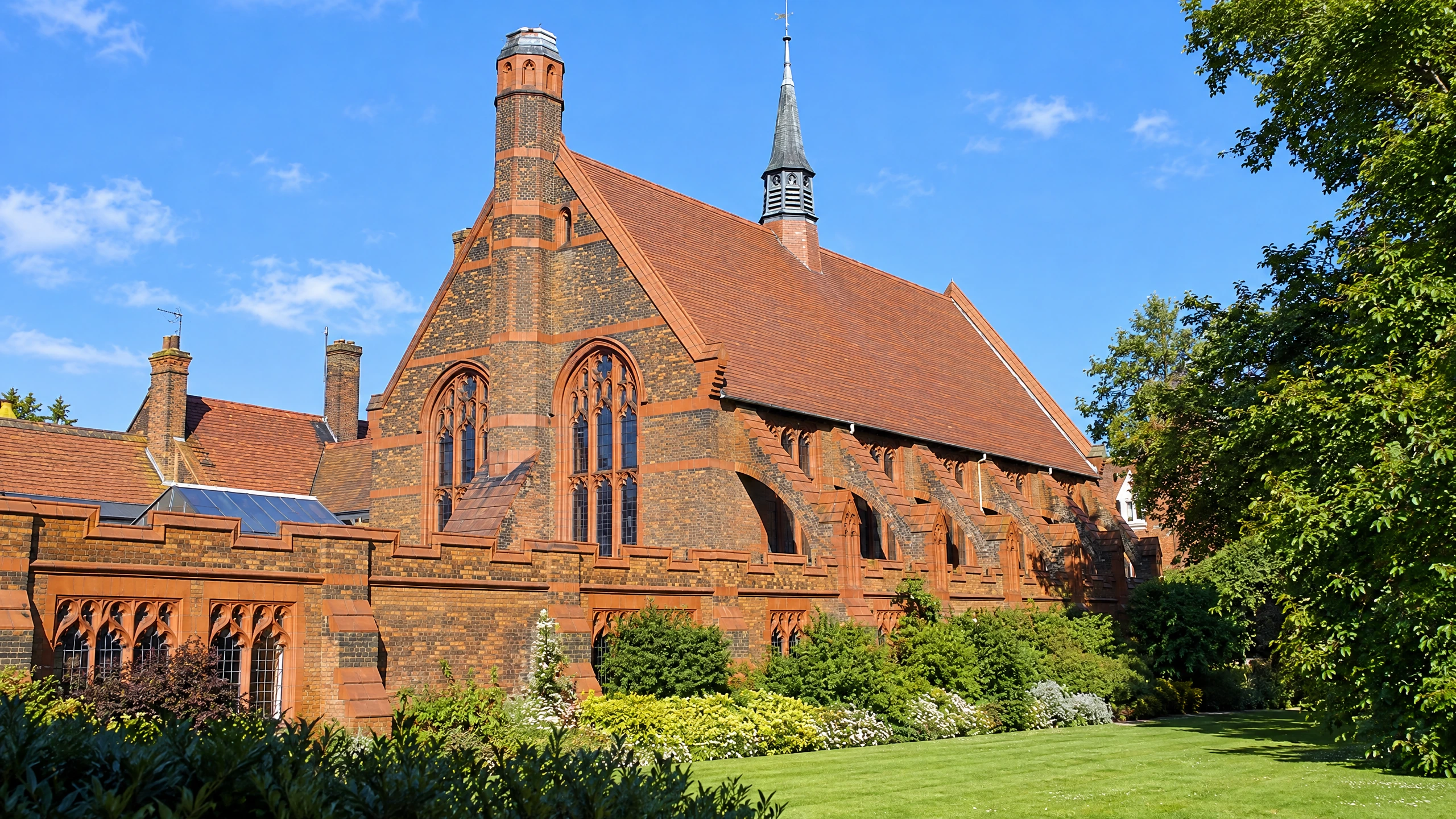
Alfred Waterhouse designed the early college buildings. Their red brick, long ranges and tower remain Girton’s visual signature. The college continued to grow, adding spaces for accommodation, study, dining and exercise. By 1902 it had a large dining hall and an indoor swimming pool.
Examinations without degrees
Girton’s first five students included Sarah Woodhead, Louisa Lumsden and Rachel Cook. They passed Cambridge examinations on the same terms as men, but could not receive the Cambridge BA, so Girton awarded its own certificate. In 1887 Agnata Ramsay achieved a First in Classics above every man who sat that part of the examination.
Charlotte Angas Scott was given special permission to sit the Mathematical Tripos in 1880. Her result placed her eighth overall, but the official title of Eighth Wrangler went to a man because she was a woman. Her achievement became an important part of Girton’s story of access to university education.
Hertha Ayrton
Hertha Ayrton studied mathematics at Girton from 1876 to 1881, supported in part by Barbara Bodichon. She went on to investigate the electric arc, register inventions and become the first woman elected to the Institution of Electrical Engineers. In 1906 she became the first woman awarded the Royal Society’s Hughes Medal. Girton later established a science fellowship in her memory.
Finds beneath the grounds
The Lawrence Room takes its name from Amy Lilian Lawrence, a former Natural Sciences student. Its collections range well beyond Cambridge, but one of its most direct connections to the site came from a cemetery discovered in 1881. Excavators found more than seventy burials and over a hundred urns containing cremated remains and fragments of possessions from the fifth and sixth centuries. Roman graves found at the same time point to an earlier use of the place.
The Egyptian collection includes Hermione, a first-century portrait mummy. An inscription identifies her as a teacher or literary woman, a particularly fitting connection for a college founded for women’s education. The room also holds shabtis, small funerary figures, and terracotta figurines from the Greek world.
Look closer
What to see.
Waterhouse’s buildings
The red-brick ranges and tower mark Girton’s move to its permanent site in the 1870s.
The Lawrence Room
The small museum contains finds from the Girton cemetery and objects from Egypt and the Mediterranean.
Hermione
The first-century Roman portrait mummy is among the museum’s notable objects.
Gardens and grounds
Explore the landscaped grounds away from the bustle of the city centre.
Make it work
Plan your visit.
The grounds normally welcome visitors from 09:00 to 17:00 daily. The college says it closes to visitors in December and during the May–June examination period; tours also pause in March. The Lawrence Room opens Thursday 14:00–16:00 and Sunday 13:30–14:30 in term time; other visits are by appointment with at least 24 hours’ notice. The room holds a maximum of 15 visitors.
The Porters’ Lodge has free self-guided leaflets on the buildings and gardens. Eddington, where Girton’s Swirles Court stands, is around a 15-minute walk from the main site.
Visit your way
Access and family planning.
The Lawrence Room has step-free access. Its small size limits the number of visitors inside at one time.
The Lawrence Room’s small displays include Greek figurines, objects from Egypt and finds from the college grounds. It holds up to 15 visitors at a time, so check its limited opening times when planning a family visit.
See it
In pictures.
10 views, full screen. Tap any one to open the viewer.Around here
Make more of the area.
Good to know
Questions, answered.
Can the public visit Girton College Cambridge?
Visitors are normally welcome in the grounds from 09:00 to 17:00. The college closes to visitors in December and during the May–June examination period; tours also pause in March.
When is the Lawrence Room at Girton College near Cambridge open?
The Lawrence Room at Girton College near Cambridge opens Thursday 14:00–16:00 and Sunday 13:30–14:30 during term. Other visits are by appointment with at least 24 hours’ notice; a maximum of 15 people may be inside.
What can I see in Girton College’s Lawrence Room near Cambridge?
The Lawrence Room at Girton College near Cambridge holds finds from a cemetery discovered in the college grounds, Egyptian objects and Mediterranean antiquities. One notable object is Hermione, a Roman portrait mummy.
Who was Hermione at Girton College?
Hermione is a first-century Roman portrait mummy in the Lawrence Room. An inscription identifies her as a teacher or literary woman.
Was Girton College the first women’s college at Cambridge?
Girton began as the College for Women in 1869, established to offer women a residential education comparable to that available to men at Cambridge. It first opened at Hitchin before moving to Girton in 1873.
Who founded Girton College Cambridge?
Emily Davies and Barbara Bodichon were central to establishing the College for Women in 1869. Its first home was at Benslow House in Hitchin.
Why is Girton College outside central Cambridge?
The new college acquired land near Girton village in 1872 and moved from Hitchin the following year. Its red-brick buildings and extensive grounds remain at the Girton site.
Who designed Girton College Cambridge?
Alfred Waterhouse designed its early red-brick buildings, including the ranges and tower associated with the college’s move to Girton.
Could Girton’s first women students receive Cambridge degrees?
They could take Cambridge examinations, but the first students could not receive the Cambridge BA. Girton awarded its own certificate instead.
Who was Charlotte Angas Scott at Girton College?
She sat the Mathematical Tripos in 1880 and placed eighth overall. The official title of Eighth Wrangler went to a man because she was a woman.
Who was Hertha Ayrton of Girton College?
Ayrton studied mathematics at Girton and went on to investigate the electric arc. In 1906 she became the first woman awarded the Royal Society’s Hughes Medal.
Is there a self-guided tour of Girton College?
Free leaflets on the buildings and gardens are available from the Porters’ Lodge. Visitor closures and the Lawrence Room’s separate opening hours still apply.
Editorial notes
Sources and further reading.
Sources for this guide
- https://www.girton.cam.ac.uk/pioneering-history
- https://www.girton.cam.ac.uk/pioneering-history/the-great-scheme
- https://www.girton.cam.ac.uk/pioneering-history/student-experience
- https://www.girton.cam.ac.uk/news/150-years-girton
- https://www.girton.cam.ac.uk/about-girton/art-artefacts/lawrence-room
- https://www.girton.cam.ac.uk/undergraduates/visits-open-days
- https://www.girton.cam.ac.uk/events/open-cambridge-lawrence-room-2026
- https://www.girton.cam.ac.uk/news/make-difference-girtons-lasting-impact-embedded-eddington-north-west-cambridge
- https://www.girton.cam.ac.uk/pioneering-history/making-a-difference
- https://www.girton.cam.ac.uk/about-girton/buildings-gardens-grounds
Reviewed 4 November 2026.
Opening hours, prices, programmes and access arrangements can change. Confirm critical details with the venue.
Keep exploring