West · Founded 1871
Newnham College
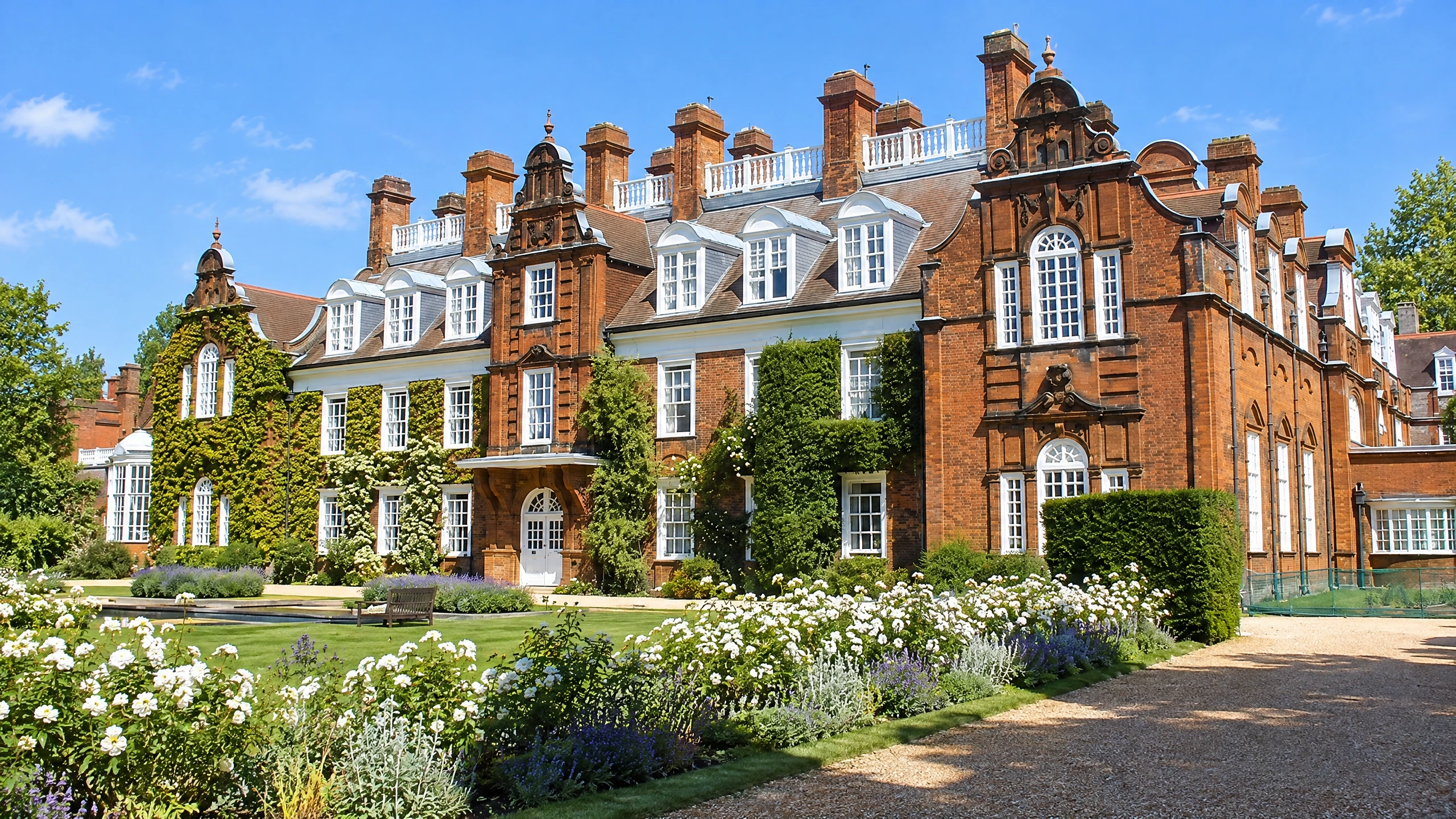
One of the first Cambridge colleges for women and still women-only, with some of the most generous college gardens in Cambridge open to visitors.
- Founded
- 1871
- Location
- Sidgwick Avenue
- Visiting
- Gardens open most days
- Institution
- College
01 The experience
What to expect.
A college built for women
Newnham began with five women living in a house on Regent Street in 1871, so that they could attend lectures in Cambridge. At the time, women could study but were excluded from full membership of the university. The college that grew from that small beginning remains a women's college today.
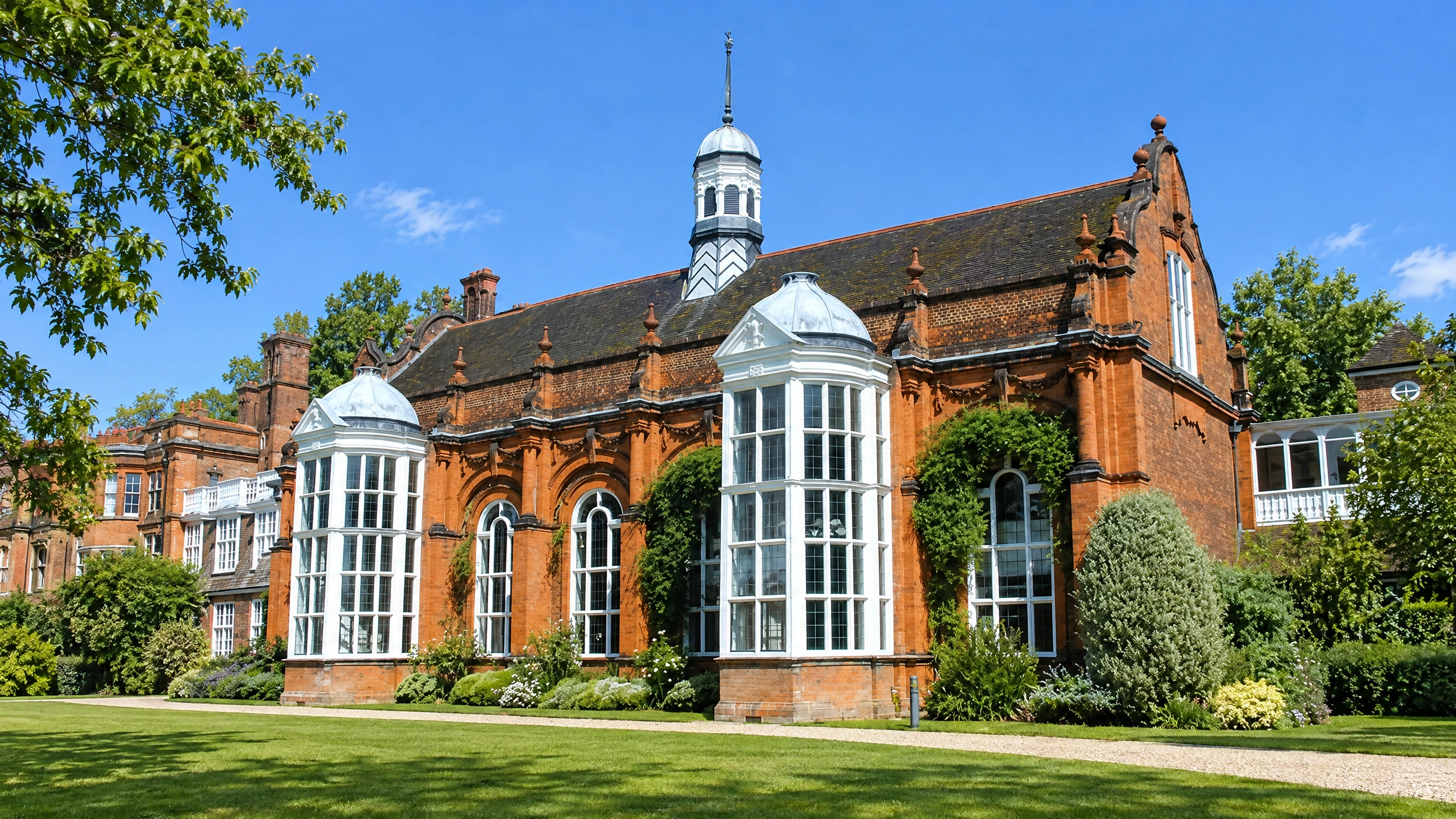
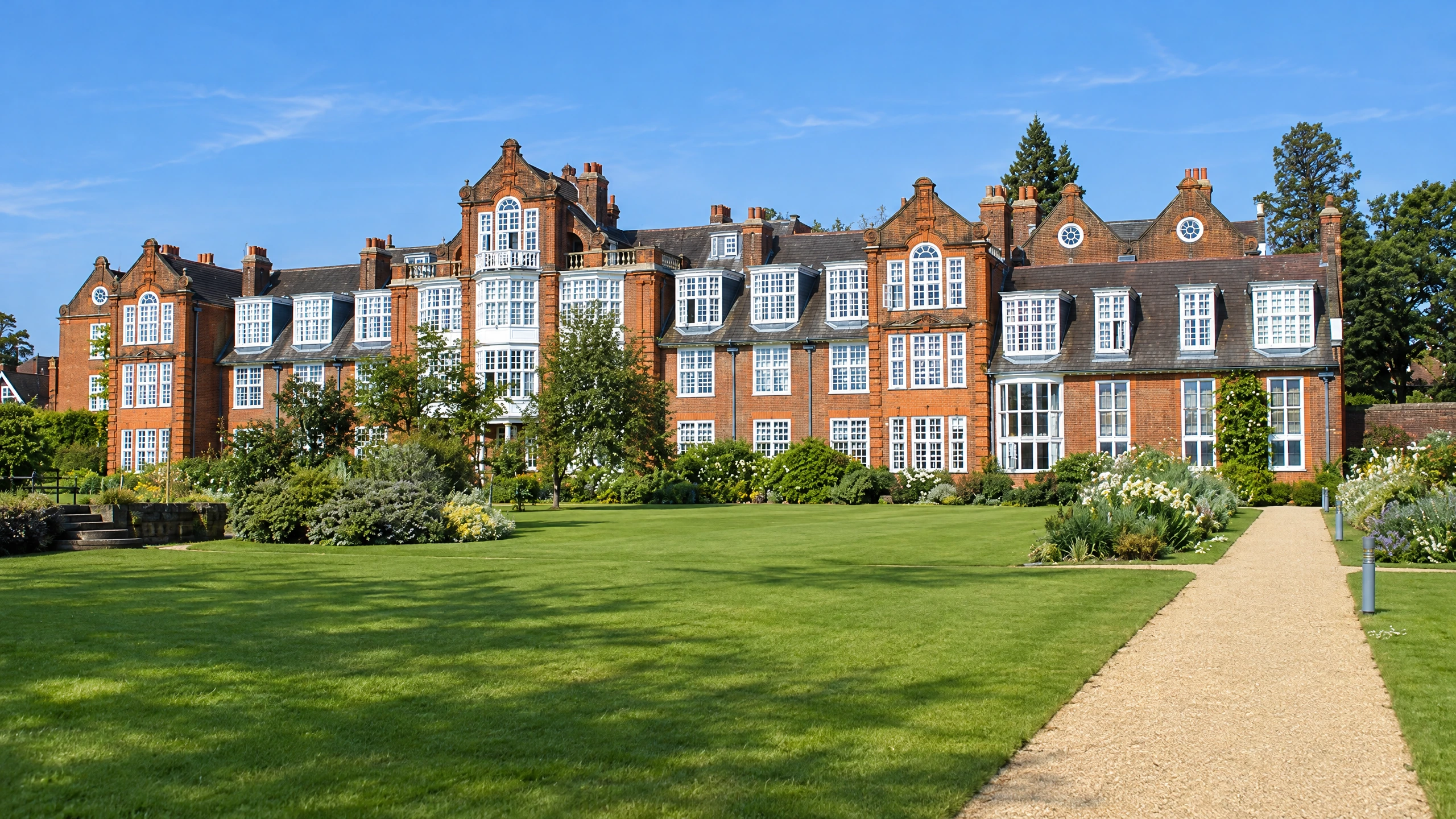
Its red-brick halls and generous gardens stand near the university library and Sidgwick site. Architect Basil Champneys worked with Newnham for decades, giving the growing college a distinctive architectural unity. The gardens are normally open to visitors for much of the year.
People and ideas
People connected to the college
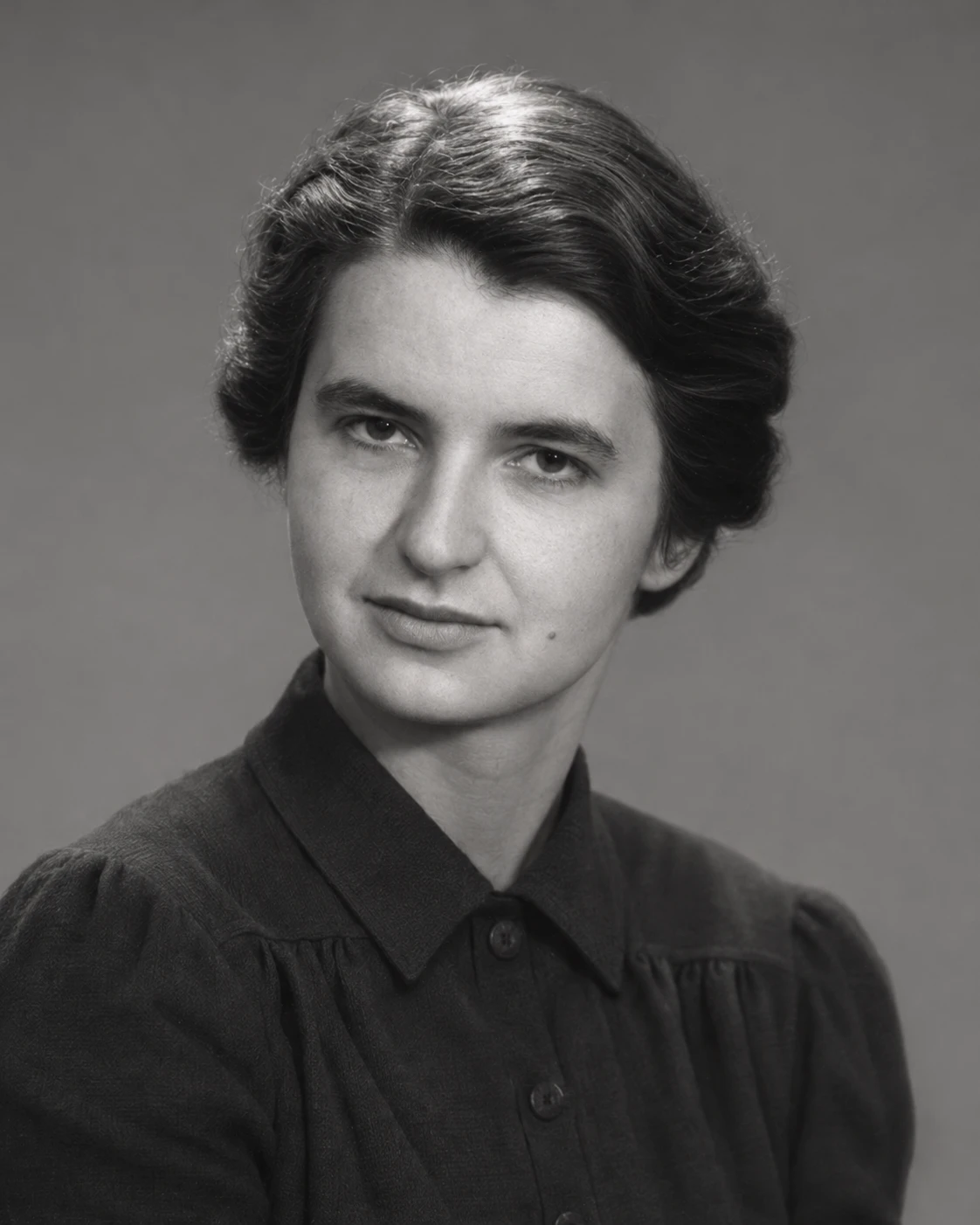
Rosalind Franklin
The chemist and X-ray crystallographer made major contributions to understanding molecular structures including DNA.
College connection
Franklin studied at Newnham and is among its celebrated alumnae.
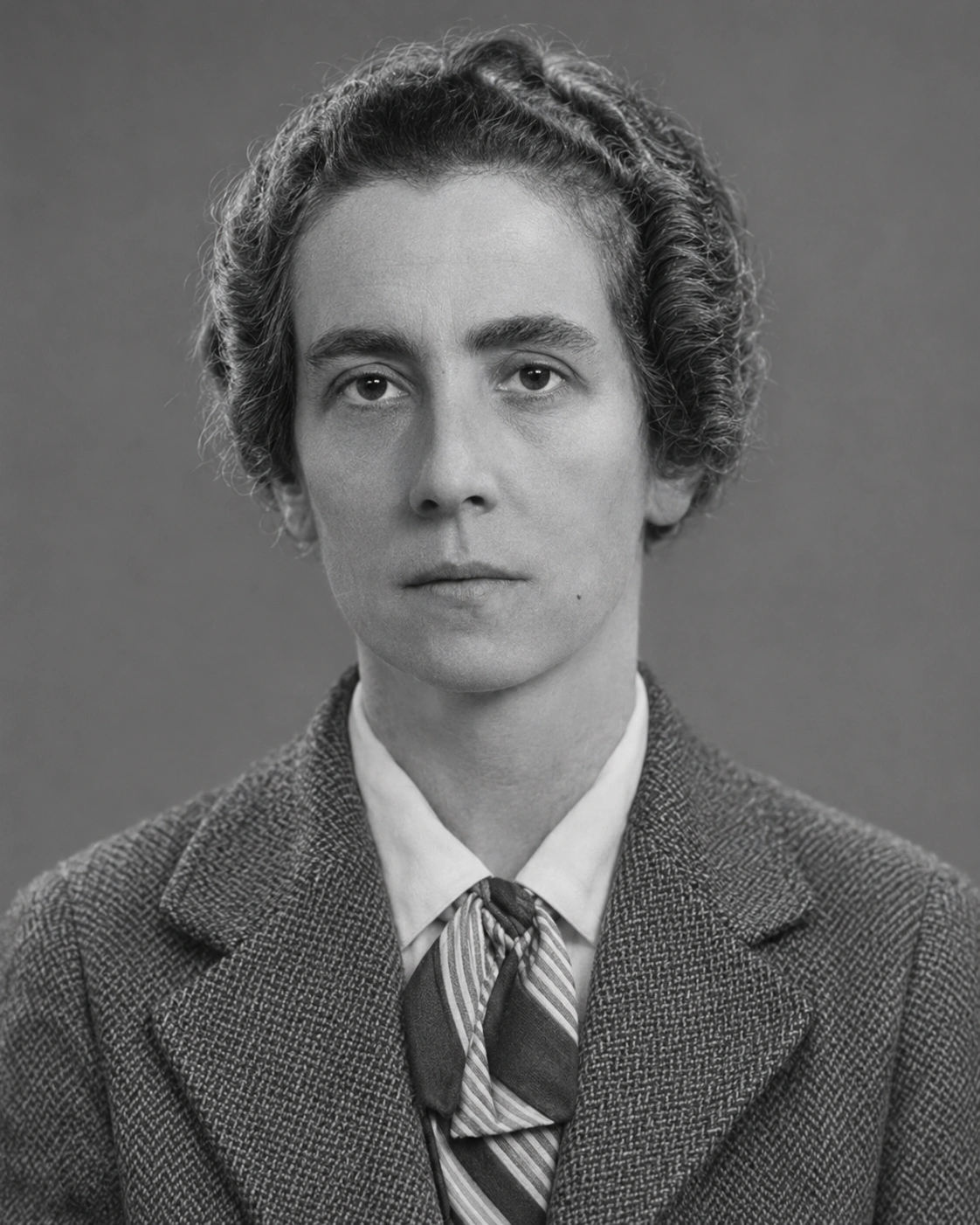
Dorothy Garrod
The archaeologist became the first woman to hold a professorial chair at Cambridge or Oxford.
College connection
She was both an alumna and Fellow of Newnham; the college's Dorothy Garrod Building bears her name.
Fellows, founders and other connections
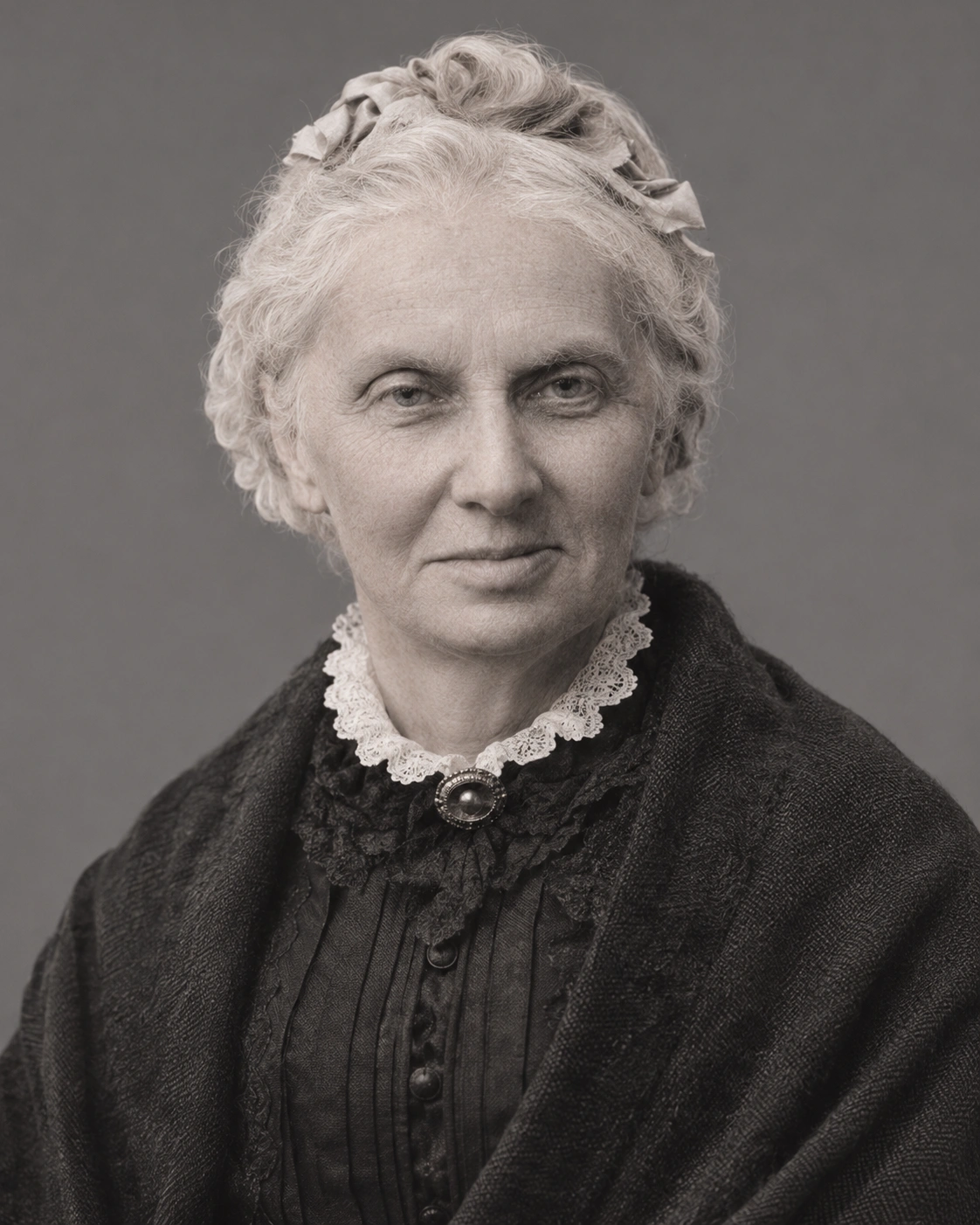
Anne Jemima Clough
1871
A campaigner for women's education who led Newnham's early community.
College connection
She ran the first residence for five women students in 1871 and later moved into Old Hall.
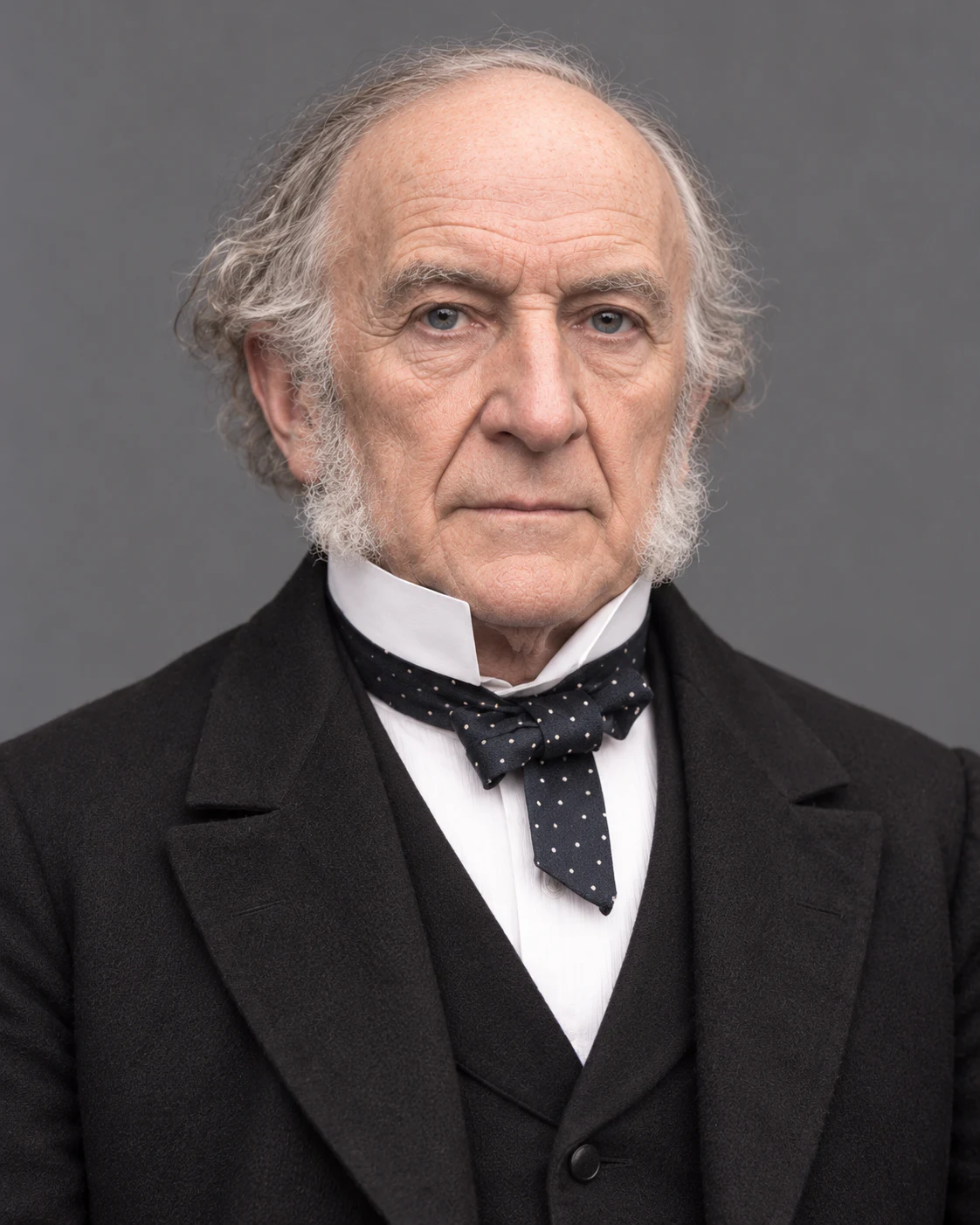
William Gladstone
The politician gave an oak tree to the college garden in 1887.
The story
History & character.
Five students and a radical idea
Lectures for women began in Cambridge in 1870. The following year Anne Jemima Clough opened a residence for five students on Regent Street. The project grew into Newnham College, founded by people who believed women deserved the same serious education as men at a time when access to schools and universities was sharply unequal. Mary Paley Marshall was among those first five students.
Newnham Hall opened on the present site in 1875; it is now called Old Hall. Clough moved in with Mary Paley as the first resident lecturer. Demand soon outgrew the building, and further halls followed.
Mary Paley was also Newnham's first librarian, initially responsible for a box of books. By 1875 the collection occupied a room in Old Hall. As women gained the right to take university examinations in 1881, the library grew to provide the books students needed for their courses. A purpose-built library by Champneys opened in 1897, at a time when women's access to the University Library was narrowing.
A long campaign for degrees
The college's history is also the history of a long fight for recognition. Women studied and took examinations, but Cambridge repeatedly resisted admitting them to full degrees and membership. In 1921, after a university vote, a hostile crowd attacked Newnham's Clough Gates. Full degrees for women finally followed in 1948.
The archaeologist Dorothy Garrod, a Newnham Fellow, became Disney Professor of Archaeology in 1939: the first woman to hold a professorial chair at either Cambridge or Oxford. Her achievement came before women could receive full Cambridge degrees.
Garrod read history at Newnham before training as an archaeologist, then led excavations at Mount Carmel in the 1930s. In 1939, when skeletons were uncovered during work on air-raid shelters in the college grounds, Newnham students excavated them under her supervision. The Dorothy Garrod Building now carries her name.
Halls in a garden
Basil Champneys designed the college's main buildings over more than three decades. Old Hall was followed by Sidgwick, Clough, the original library, Kennedy and Peile. Their red brick and connected halls give the college a coherent appearance despite its gradual growth.
The gardens grew alongside the buildings. In the 1890s, a lane still crossed the site; the creation of Sidgwick Avenue helped unite the grounds. The planting developed over time rather than following a single finished plan. Today the gardens offer a way to see the college's architecture from outside without assuming access to private teaching and residential spaces.
Look closer
Highlights and hidden details.
Old Hall
Basil Champneys' first Newnham building opened in 1875. Anne Jemima Clough lived here, with Mary Paley as the first resident lecturer.
The gardens
Paths and lawns frame the college's red-brick halls. The gardens developed gradually as the site grew and Newnham Walk was replaced by Sidgwick Avenue.
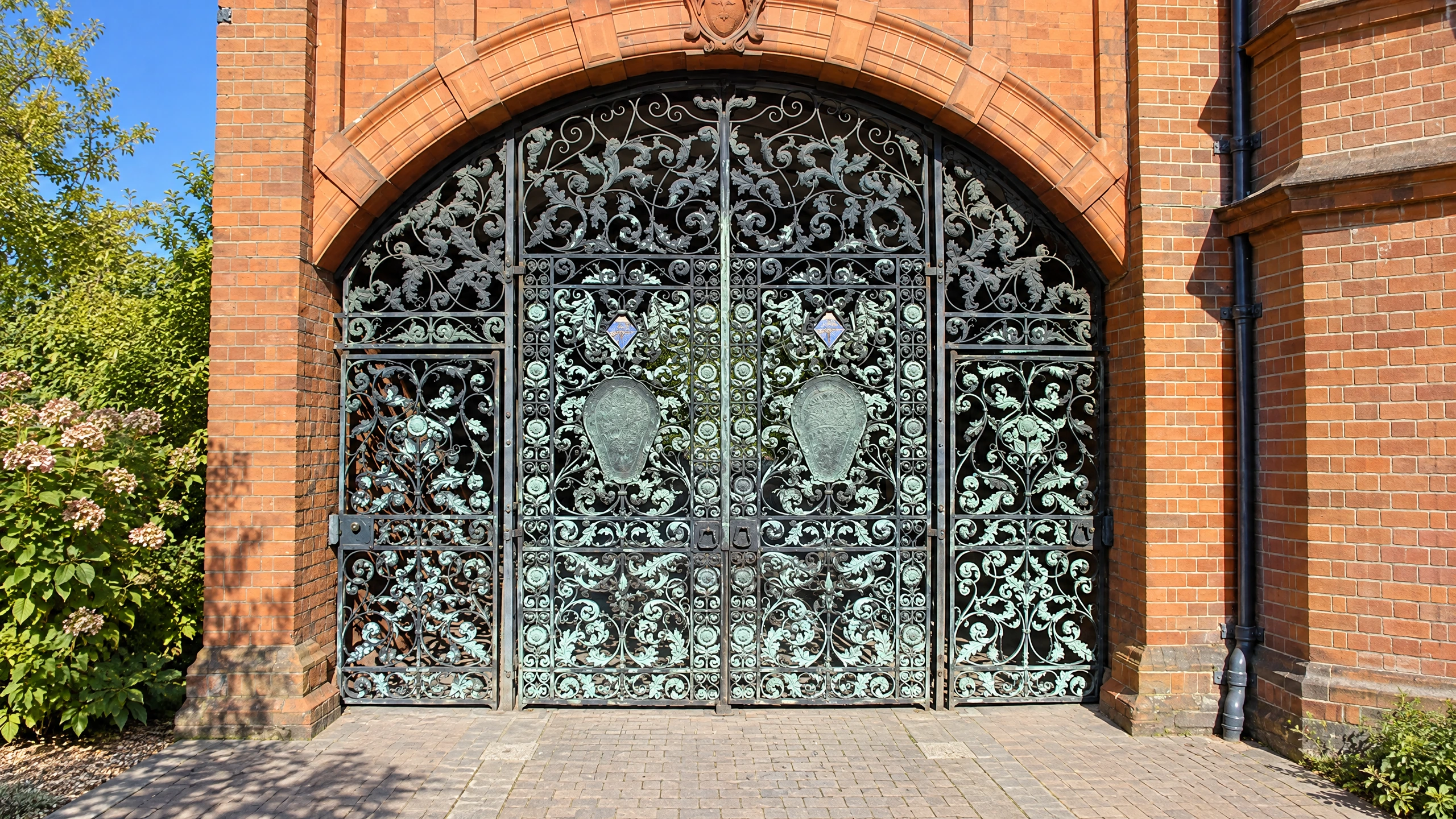
Clough Gates
The gates are connected with the campaign for women's degrees: a hostile crowd attacked them after the 1921 vote.
Details to look for.
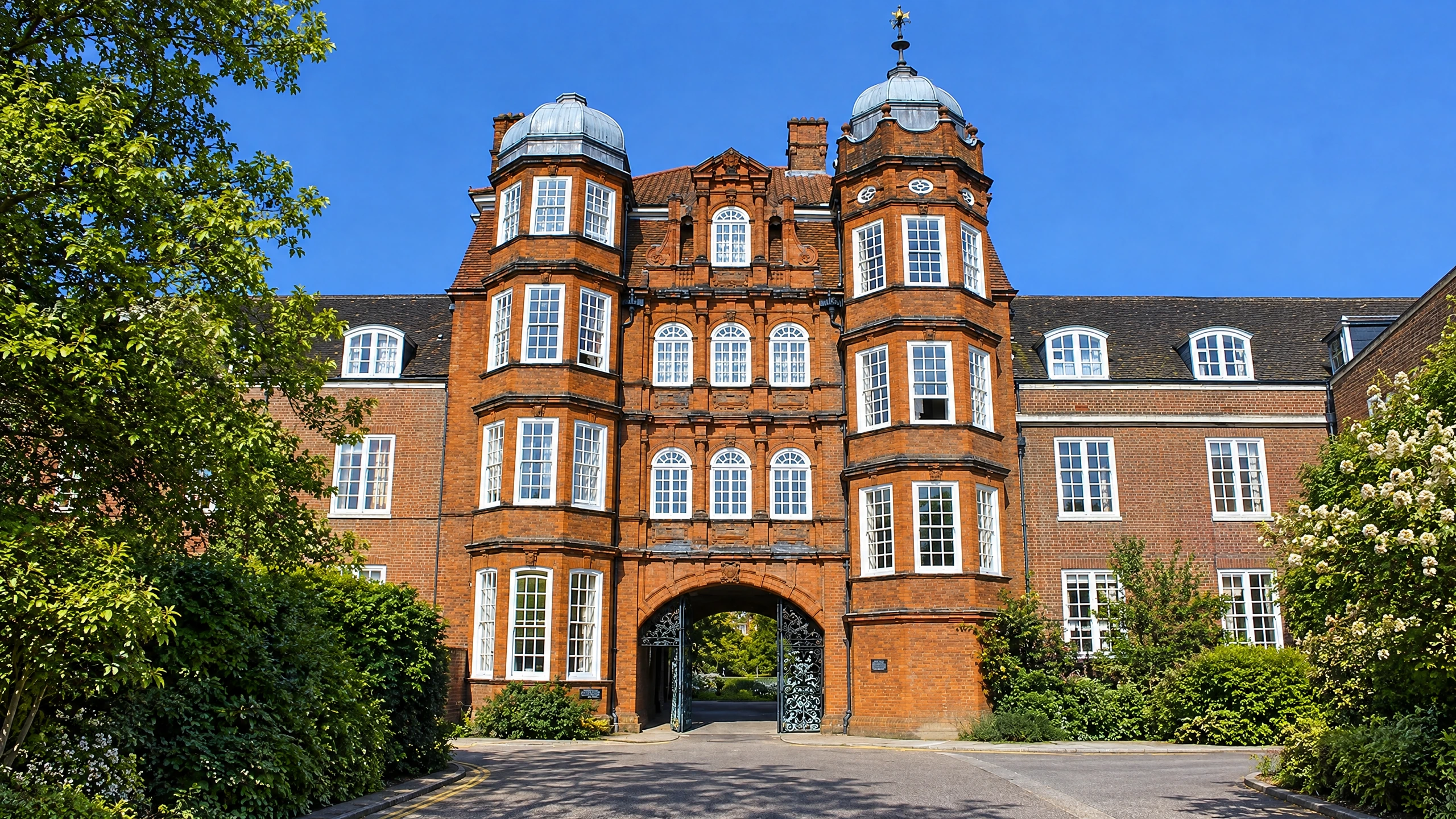
The Pfeiffer Arch
The arch was completed in 1893, eighteen years after Old Hall. Negotiations to close a lane crossing the college site had delayed the opportunity to unite the grounds.
A very long corridor
Newnham's halls are linked by a continuous corridor. Artist Sinta Tantra created an installation along part of it, drawing on the college's history and architectural lines.
Make it work
Plan your visit.
The gardens are open on most days throughout the year, with occasional closures including during the Christmas vacation. Groups should be no larger than six without prior arrangement. The Iris Café serves light meals and drinks.
The Porters' Lodge can advise on a particular day's access on 01223 335700.
Visit your way
Access and family planning.
The gardens have level access, with mostly gravel paths and lawn; benches provide places to sit.
Accessible toilets are available to visitors by the Iris Café. The garden includes open water at the lily pond and sunken rose garden; children should be accompanied.
Self-guided walk
Explore beyond the venue.
A practical, step-by-step route connecting this experience with more of Cambridge.Pfeiffer Arch and the rose garden
The college's garden tour starts at Clough Gates beneath Pfeiffer Arch, at the end of Newnham Walk. Beyond the arch are the rose border and the sunken rose garden, with Sidgwick Hall to the right. Six steps lead down to the sunken garden; its pool is open water.
Clough Lawn
Continue through the gardens towards Clough Hall and the broad lawn. The college's garden guide identifies mature limes and an oak given by William Gladstone in 1887.
Peile Hall
The gardens extend towards Peile Hall, where a swing seat looks back over the lawn and the Mound. The gardens are open most days, with occasional closures.
See it
In pictures.
10 views, full screen. Tap any one to open the viewer.Around here
Make more of the area.
Good to know
Questions, answered.
When did Newnham College begin?
In 1871, Anne Jemima Clough opened a Cambridge residence for five women who wanted to attend university lectures. The project grew into Newnham College.
Who was Anne Jemima Clough?
Clough was a campaigner for women’s education who led Newnham’s first student residence. She later moved with the college to its present site.
When could women receive full Cambridge degrees?
Women received full Cambridge degrees from 1948, decades after the first students studied and took examinations at Newnham.
Why were Newnham’s Clough Gates attacked in 1921?
After a university vote on women’s status, a hostile crowd attacked the gates. The episode is part of Newnham’s long history of campaigning for women’s equal standing at Cambridge.
Did Rosalind Franklin study at Newnham?
Yes. The chemist and X-ray crystallographer studied at Newnham. Her work made major contributions to understanding molecular structures, including DNA.
What is Dorothy Garrod’s connection to Newnham?
Garrod was a Newnham alumna and Fellow. In 1939 she became the first woman to hold a professorial chair at Cambridge or Oxford, as Disney Professor of Archaeology.
Did Sylvia Plath study at Newnham?
Yes. The poet studied at Newnham in the 1950s. The college’s account explores her Cambridge years and her writing.
Who designed Newnham’s red-brick buildings?
Basil Champneys designed the principal halls over more than three decades, including Old Hall, Sidgwick, Clough and the original library.
Why did Newnham build its own library?
Its growing collection supported women taking university examinations. A purpose-built library opened in 1897 as women’s access to the University Library was narrowing.
Can visitors see Newnham’s gardens?
Yes. The gardens are generally open on most days, though closures occur. Groups of six or more should arrange their visit in advance, and children must be accompanied.
Editorial notes
Sources and further reading.
Sources for this guide
Reviewed 4 November 2026.
- College history: founding, degrees campaign, buildings and Dorothy Garrod.
- About Newnham: continuing status as a women's college.
- Champneys buildings: Old Hall, architect and early residents.
- Garden history: building sequence, site and garden development.
- Clough Gates: 1921 vote and attack.
- Newnham biographies: 1948 degrees.
- Mary Paley Marshall: first students.
- Visiting the gardens: group limits, access, café and open water.
- College art project: corridor and Sinta Tantra installation.
- Dorothy Garrod portrait: her relationship with the college and professorship.
- College access statement: physical access details.
- University Library: location and nearby visitor information.
- Garden tour: visitor route and access.
- Access guide: visitor route and access.
- Department of Archaeology: Dorothy Garrod held the chair from 1939 to 1952; one Newnham page gives 1938, but the university department and contemporaneous 1939 reporting corroborate 1939.
- Dorothy Garrod: studies, archaeological fieldwork and building name.
- Newnham excavations: 1939 excavation led by Garrod.
Further reading and sources
Opening hours, prices, programmes and access arrangements can change. Confirm critical details with the venue.
Keep exploring