Central-S · Founded 1584
Emmanuel College
The Puritan foundation that educated John Harvard, whose bequest founded Harvard University, and a city-centre college with a Wren chapel and unusually generous gardens.
- Founded
- 1584
- Location
- St Andrew's Street
- Visiting
- Grounds and chapel open
- Institution
- College
01 The experience
What to expect.
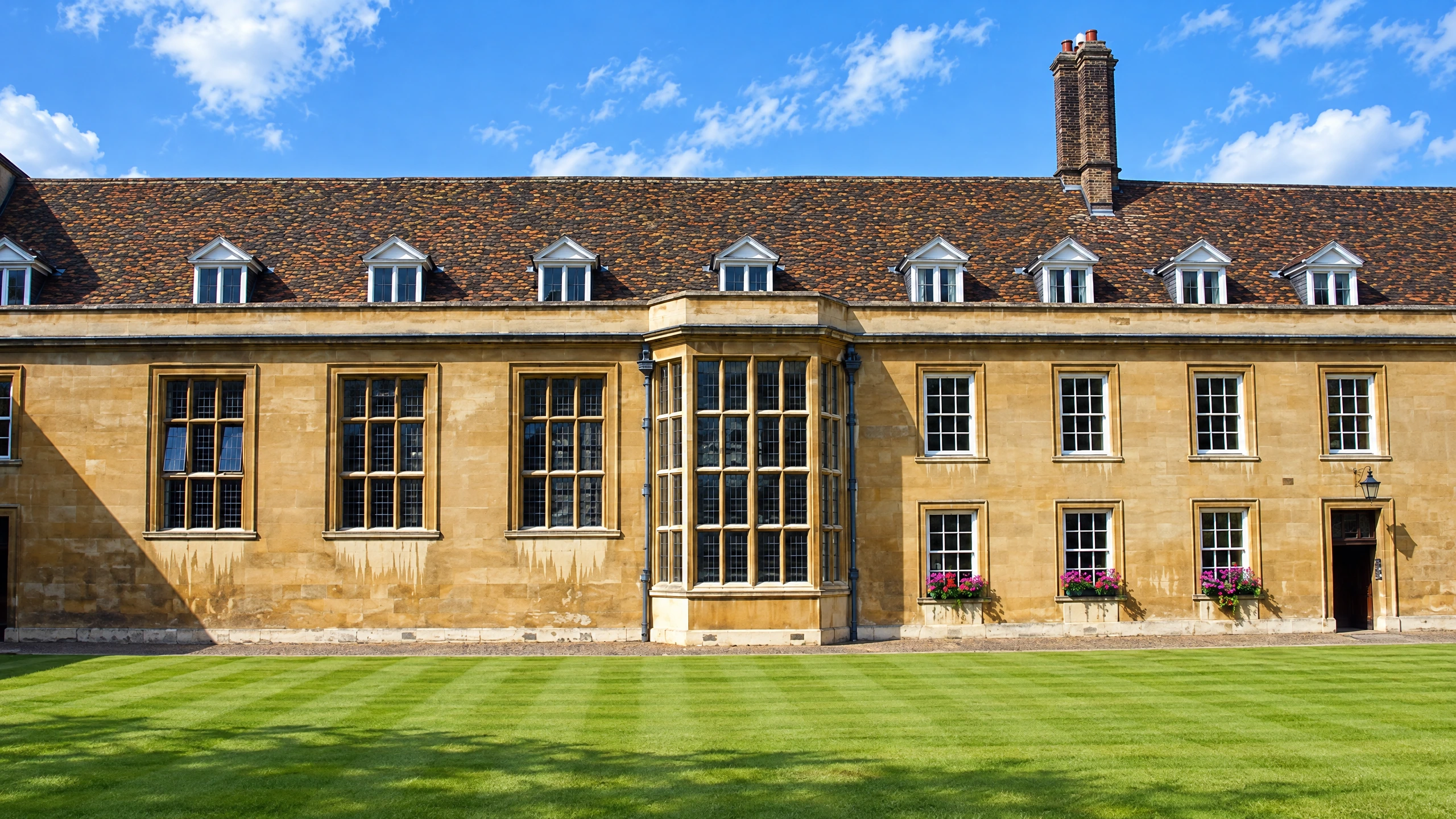
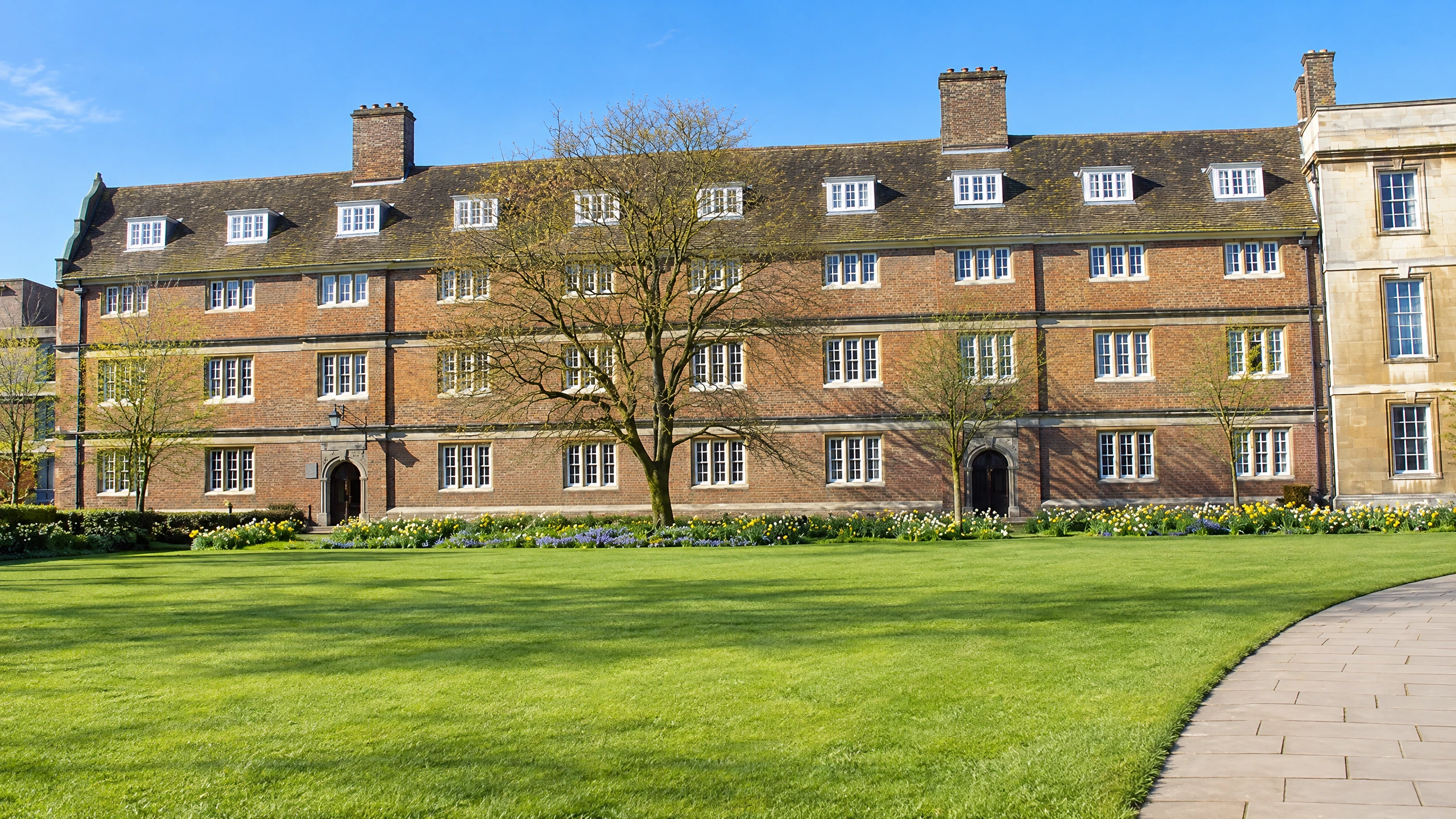
Emmanuel’s entrance on St Andrew’s Street leads to a college with an unexpectedly long garden setting behind its central Cambridge frontage. Its history begins with a Dominican friary; after the college was founded, the former church became a dining hall. A later chapel by Christopher Wren closes one side of Front Court.
Sir Walter Mildmay founded Emmanuel in 1584. Among its students was John Harvard, whose gift helped establish the university that bears his name in Massachusetts. The connection links an Elizabethan Cambridge foundation to the early history of higher education in New England.
The Paddock and its pond give the college a softer contrast to its formal court. The chapel, consecrated in 1677, replaced an earlier college chapel that became a library.
People and ideas
Famous former students
John Harvard
His bequest helped establish Harvard University after he studied at Emmanuel.
Fellows, founders and other connections
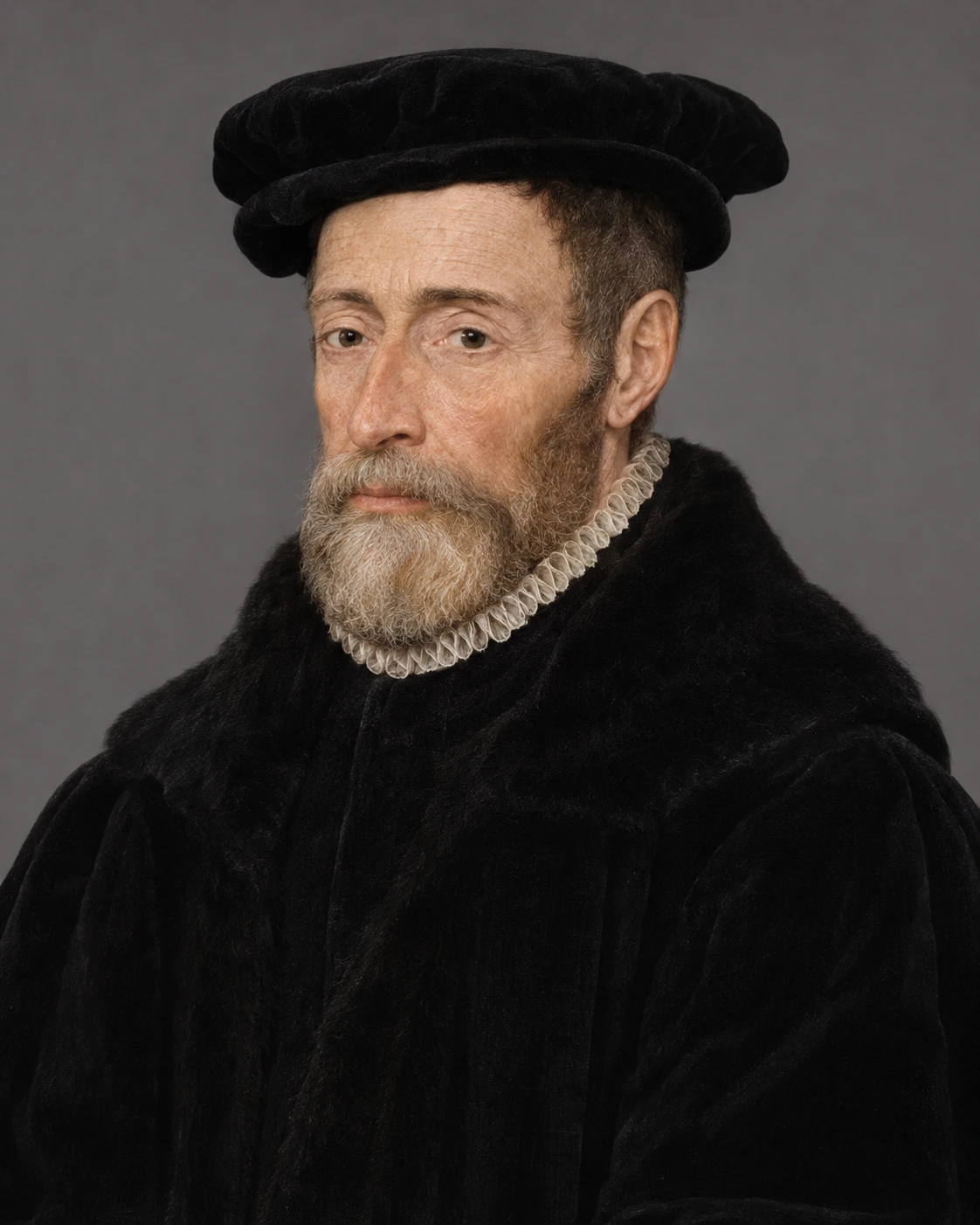
Walter Mildmay
The Elizabethan statesman founded the college in 1584.
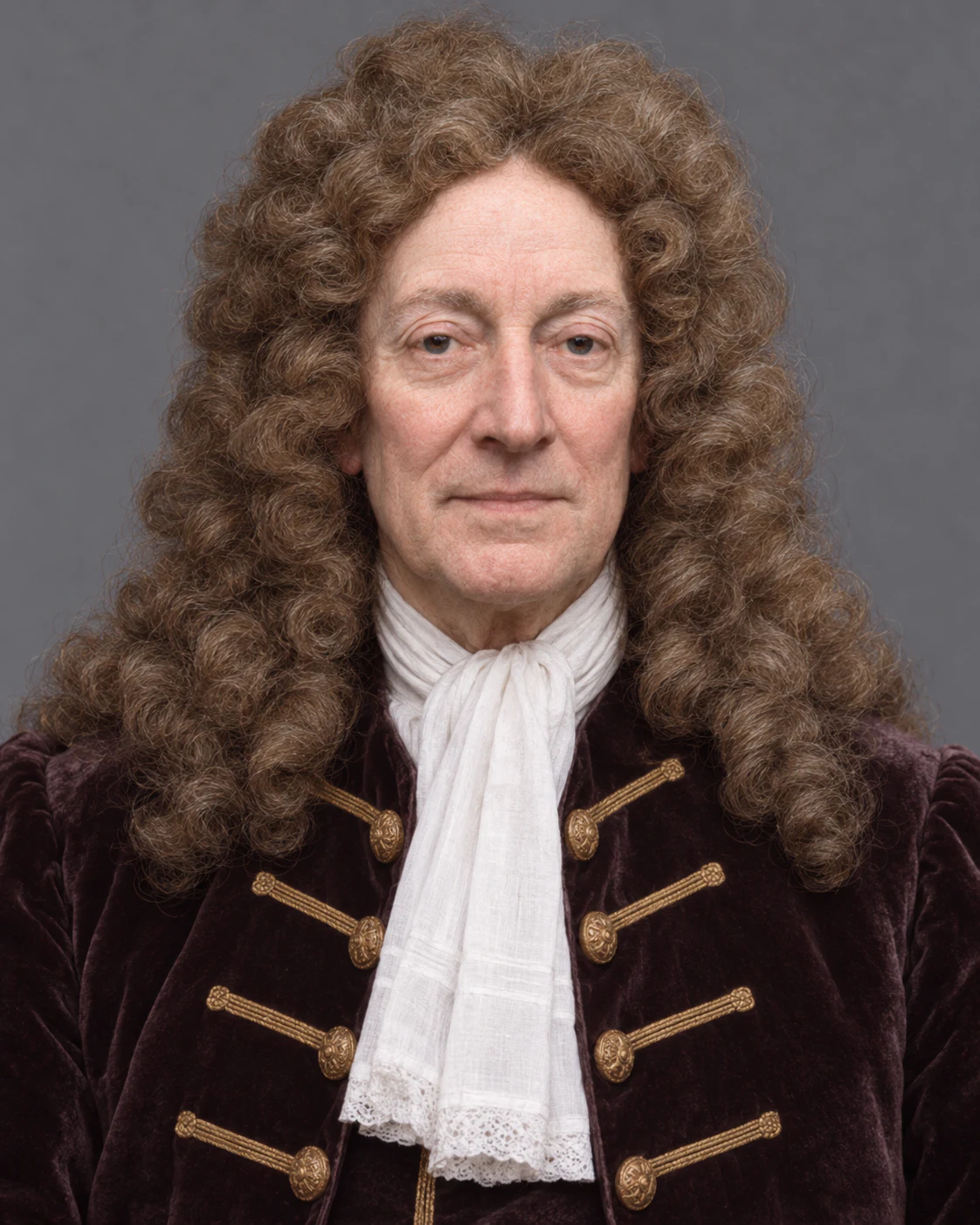
Christopher Wren
Wren designed Emmanuel’s chapel, consecrated in 1677.
The story
History & character.
From friary to college
Sir Walter Mildmay founded Emmanuel in 1584 on the site of a Dominican friary. Elizabeth I’s Chancellor of the Exchequer was a Protestant reformer who wanted the college to educate clergy. Its religious character attracted Puritan families, and by the 1630s Emmanuel was among Cambridge’s largest colleges. The former friary church became the dining hall; a nearby room became the first college chapel.
Gardens and the old waterway
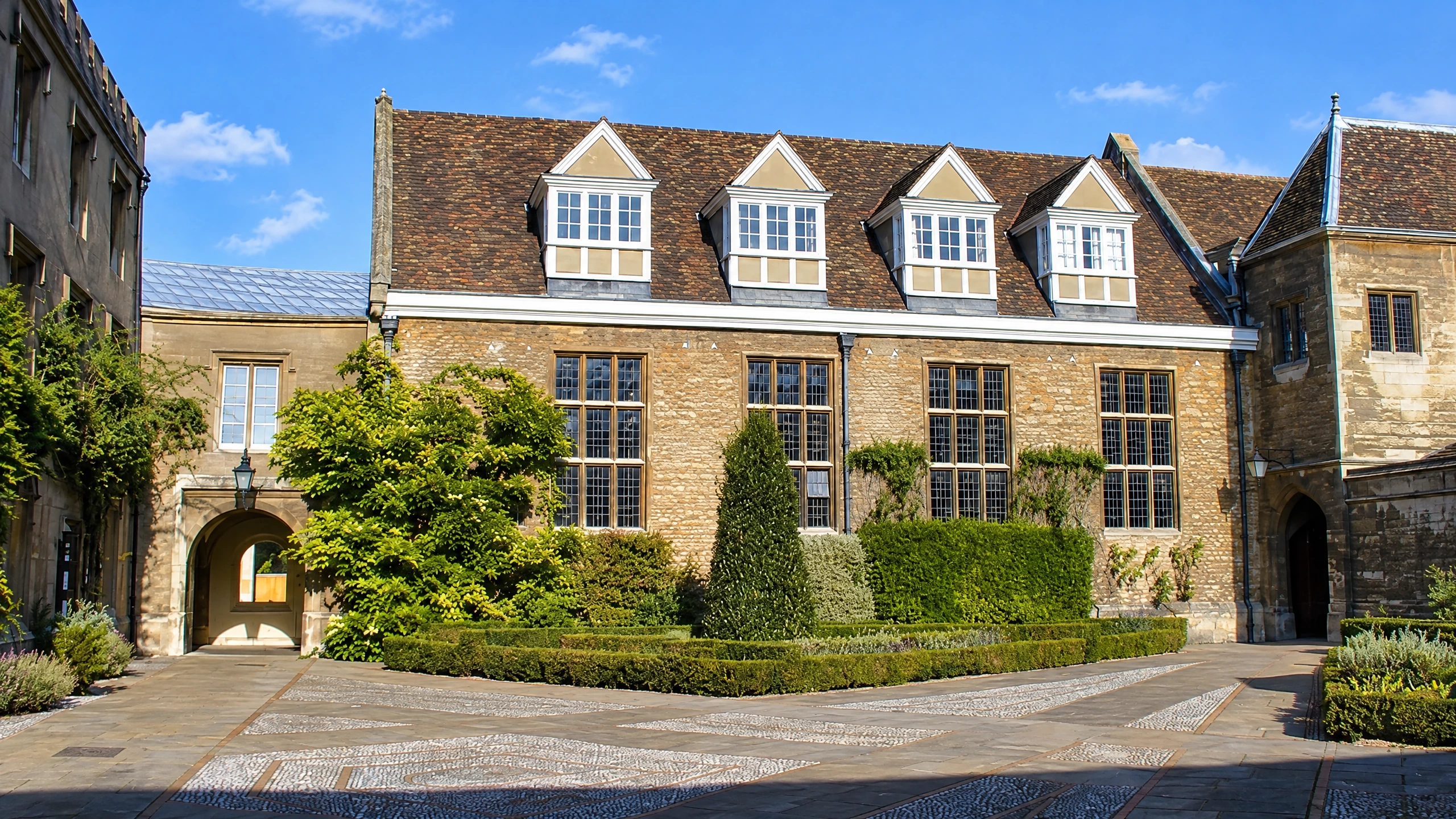
Emmanuel’s gardens follow the outline of the former Dominican precinct, stretching well beyond the formal Front Court. A branch of Hobson’s Conduit, the historic Cambridge waterway, has fed the college’s ponds since the 1630s. The Paddock pond itself dates back to the friary, though its present curved outline and island were created in a 1960s design by John Codrington.
Codrington also laid out the herb garden in New Court as a geometric parterre, with beds of bay and other herbs near the kitchens. In Chapman’s Garden, the dawn redwood beside the pond grew from seed sent from China in 1948 to Emmanuel botanist Frederick Brooks. The adjacent Fellows’ Garden is private; the college’s usual public opening covers the grounds and chapel.
A changing college
Emmanuel’s early religious character was not its only intellectual current. Members of the group now called the Cambridge Platonists developed a rational approach to Christian thought here in the seventeenth century. After student numbers fell during the Civil War, the college revived under William Sancroft, who commissioned his friend Wren to design the chapel.
The St Andrew’s Street frontage changed in the eighteenth century, when older friary buildings were replaced by the classical front seen today. Later growth brought more student accommodation, and women joined the college as students and fellows from the late 1970s.
John Harvard and New England
Some former Emmanuel students travelled to the North American colonies, among them John Harvard. He studied here from 1627 to 1635, settled in Massachusetts and died in 1638. His financial bequest helped establish the university named for him, with which Emmanuel maintains a connection.
Wren’s chapel and the library
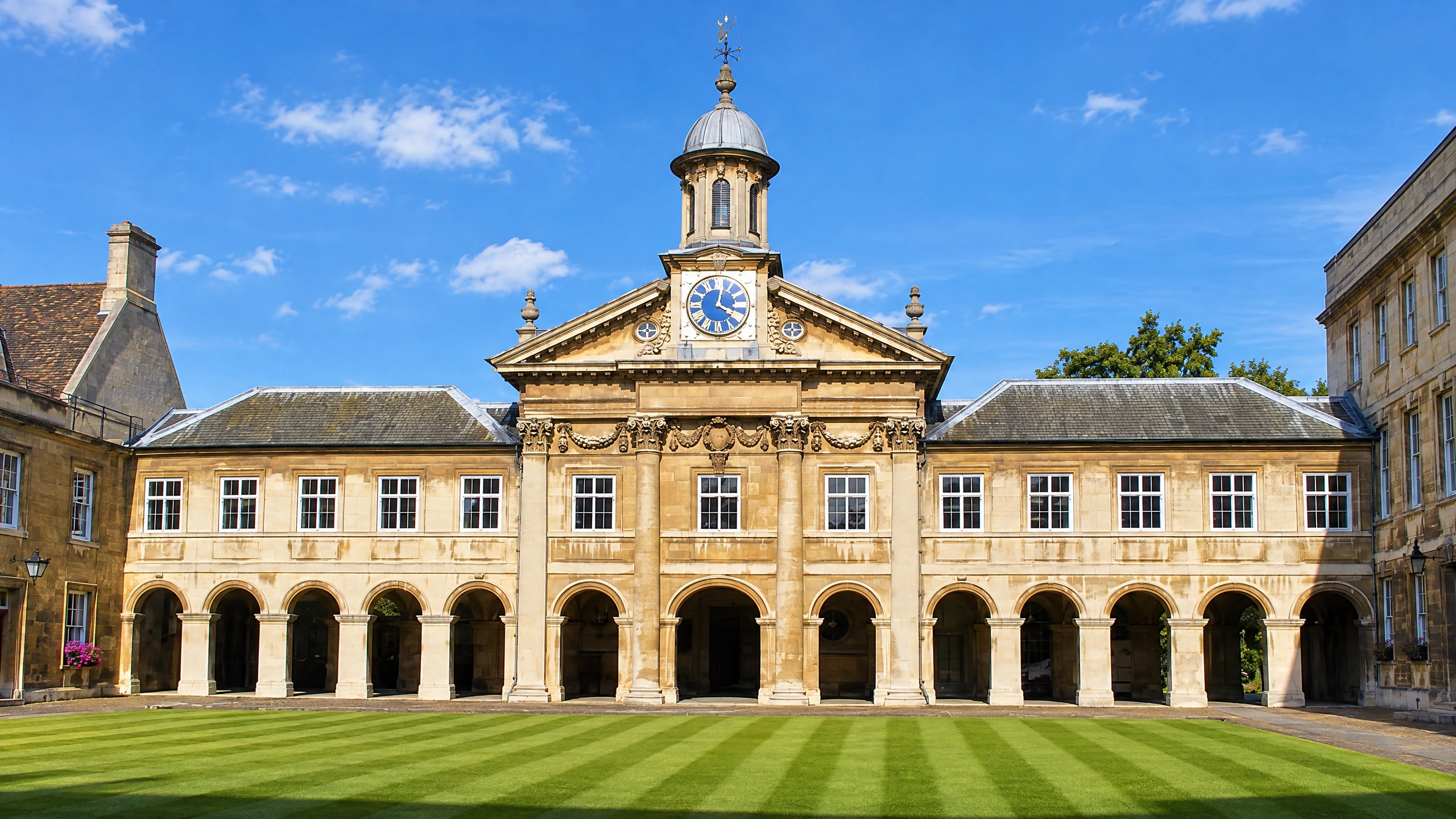
A new chapel designed by Christopher Wren was consecrated in 1677. Its arcaded gallery gives Front Court one of its clearest architectural features. Once it was in use, the original chapel became the college library.
Mildmay’s own small collection of books had formed the beginnings of the library in 1584. The old chapel served as its home from 1680 until 1930. Today its walls hold paintings of college members, including a full-length portrait of Mildmay painted in 1588. It is a working college room rather than part of the ordinary grounds visit.
Look closer
What to see.
Wren’s chapel
The 1677 chapel and its arcaded gallery frame one side of Front Court.
Front Court
The formal heart of the college leads away from St Andrew’s Street.
The Paddock
The gardens and pond offer a spacious setting behind the central buildings.
The Harvard connection
John Harvard studied here before his bequest helped establish the American university named for him.
Make it work
Plan your visit.
The grounds and chapel are normally open to the public daily from 09:00 to 18:00, with free entry. Enter through the Porters’ Lodge on St Andrew’s Street. The college cannot accommodate groups of more than 15 people. Services take place in the chapel during term.
Visit your way
Access and family planning.
The Porters’ Lodge entrance has steps, with the gates available for step-free entry; ask a porter for assistance. The chapel has a step at the entrance and a ramp is available on request.
See it
In pictures.
10 views, full screen. Tap any one to open the viewer.Around here
Make more of the area.
Good to know
Questions, answered.
Can the public visit Emmanuel College Cambridge?
Yes. The grounds and chapel are normally open daily from 09:00 to 18:00. Enter through the Porters’ Lodge on St Andrew’s Street.
Is Emmanuel College Cambridge free to visit?
Yes. Entry to the grounds and chapel is free during normal visitor opening. The college cannot accommodate groups of more than 15.
Can visitors see Emmanuel College Chapel?
The chapel is normally included in public opening, although services take place during term. Christopher Wren designed the present chapel, consecrated in 1677.
Which Cambridge college did John Harvard attend?
John Harvard studied at Emmanuel from 1627 to 1635. After moving to Massachusetts, his bequest helped establish the university that bears his name.
Who founded Emmanuel College Cambridge?
Sir Walter Mildmay founded Emmanuel in 1584 on the site of a Dominican friary. He was Chancellor of the Exchequer under Elizabeth I.
Was Emmanuel College in Cambridge built on a monastery?
Emmanuel College in Cambridge occupies the site of a former Dominican friary. After the college was founded, the old friary church became its dining hall.
Who designed Emmanuel College Chapel?
Christopher Wren designed the present chapel for the college. Consecrated in 1677, it faces Front Court, with a gallery above the cloister.
What happened to Emmanuel College’s original chapel?
After Wren’s chapel opened, the earlier chapel became the college library. It remained the library’s home until 1930.
Can visitors see the pond at Emmanuel College Cambridge?
The Paddock and its pond lie within the college grounds, which normally open to visitors. The pond dates back to the friary; its present curved outline and island were created in the 1960s. The separate Fellows’ Garden is private.
Can a large tour group visit Emmanuel College in Cambridge?
Emmanuel College in Cambridge cannot accommodate groups of more than 15 people.
Editorial notes
Sources and further reading.
Sources for this guide
- https://www.emma.cam.ac.uk/explore/history
- https://www.emma.cam.ac.uk/explore/chapel
- https://www.emma.cam.ac.uk/
- https://www.emma.cam.ac.uk/admissions/undergraduates/opendays
- https://www.emma.cam.ac.uk/admissions/files/freshers/welcome/05.ECSU%20Freshers%27%20Guide%20%28bookmarked%20for%20ease%20of%20reference%20online%29.pdf
- https://www.emma.cam.ac.uk/contact/findus
- https://www.emma.cam.ac.uk/explore/library
- https://www.emma.cam.ac.uk/conferences/rooms/old-library
- https://www.christs.cam.ac.uk/about/collegegardens
- https://www.dow.cam.ac.uk/about/downing-college-history
- https://www.emma.cam.ac.uk/explore/gardens
Reviewed 4 November 2026.
Further reading and sources
Opening hours, prices, programmes and access arrangements can change. Confirm critical details with the venue.
Keep exploring