West · Founded 1966
Clare Hall
A small, deliberately egalitarian graduate college with one of the highest Fellow-to-student ratios in Cambridge and an outsized roll of Nobel-laureate Visiting Fellows.
- Founded
- 1966
- Location
- Herschel Road
- Visiting
- Public exhibitions
- Institution
- College
01 The experience
What to expect.
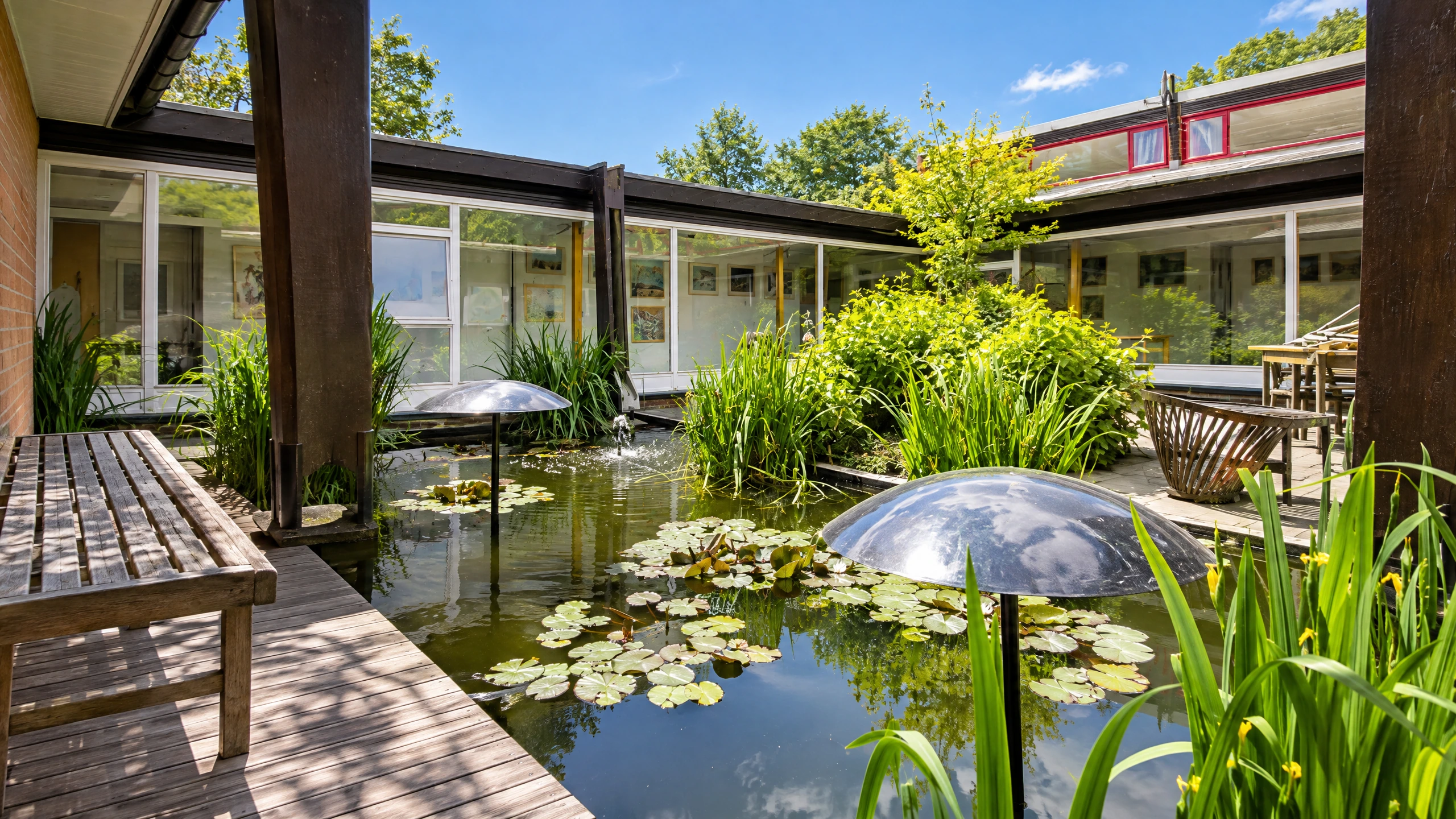
Clare Hall is a graduate college off Herschel Road whose low buildings and courtyard walkways make a marked change from Cambridge’s older monumental courts. Architect Ralph Erskine designed its original buildings for an international community of scholars and their families. They opened in 1969, three years after the college was founded.
The college was conceived as a place for advanced study, bringing graduate students together with visiting scholars. Its early plans included family accommodation as well as academic spaces. Erskine’s design gave that social idea a physical form: the college grew around connected, domestic-scale buildings rather than a grand ceremonial frontage.
Art remains another part of its public life. Clare Hall holds exhibitions in spaces within the Erskine building, and its exhibition programme gives visitors an opportunity to see the college in use. General access to the working graduate college should not be assumed.
People and ideas
People connected to the college
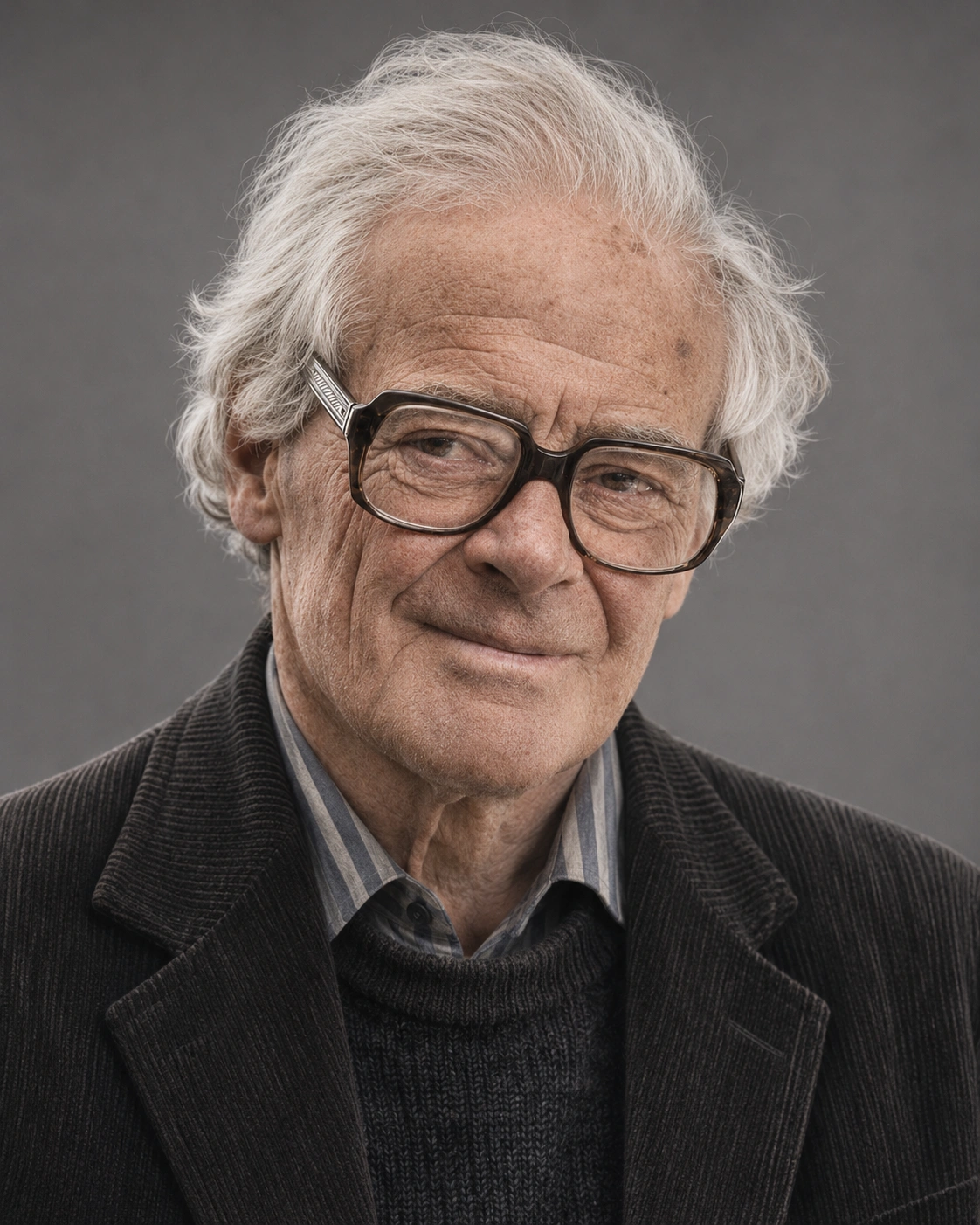
Ralph Erskine
The architect designed Clare Hall’s original buildings, which opened in 1969.
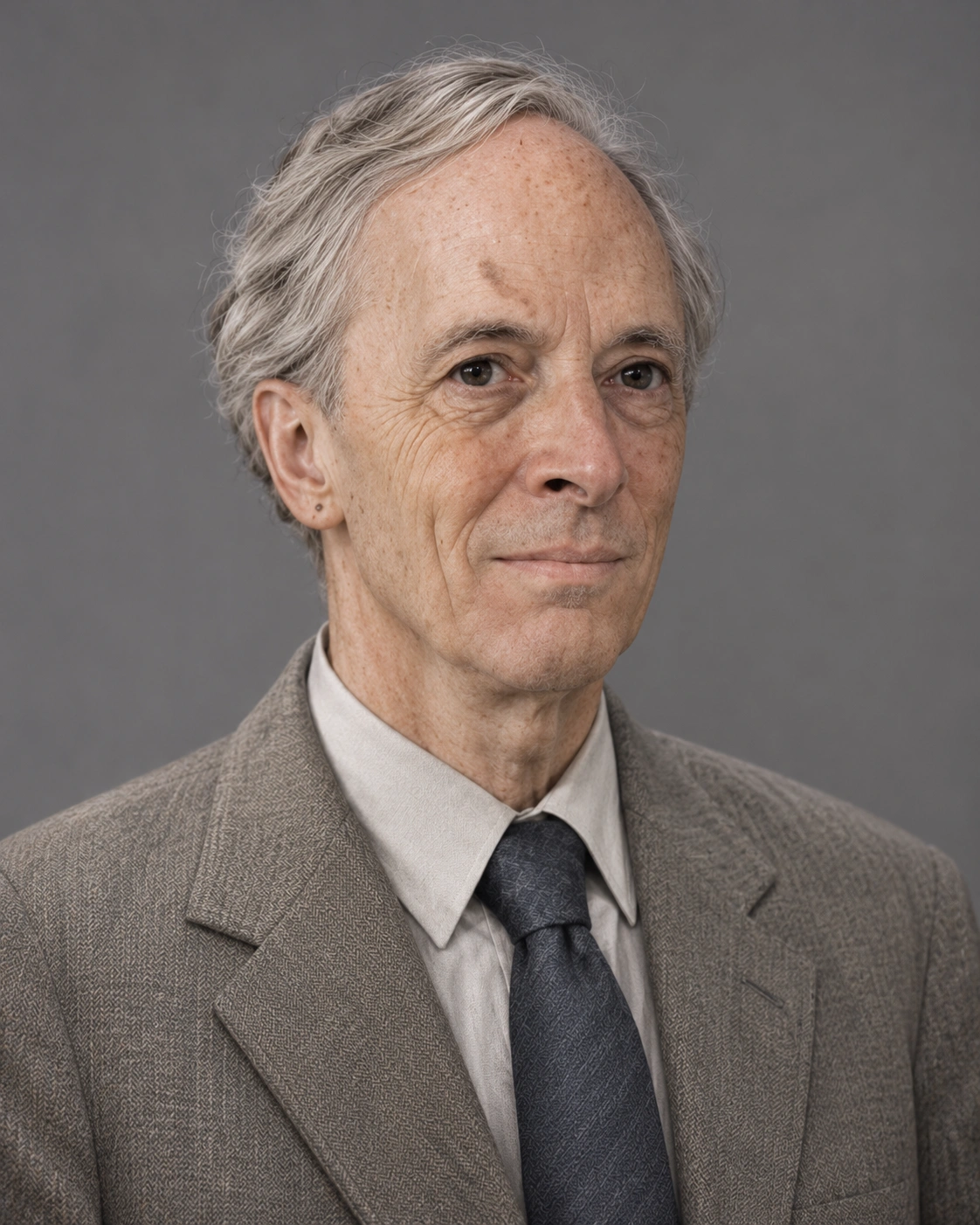
Richard Eden
His 1964 proposal helped establish the college for advanced study.
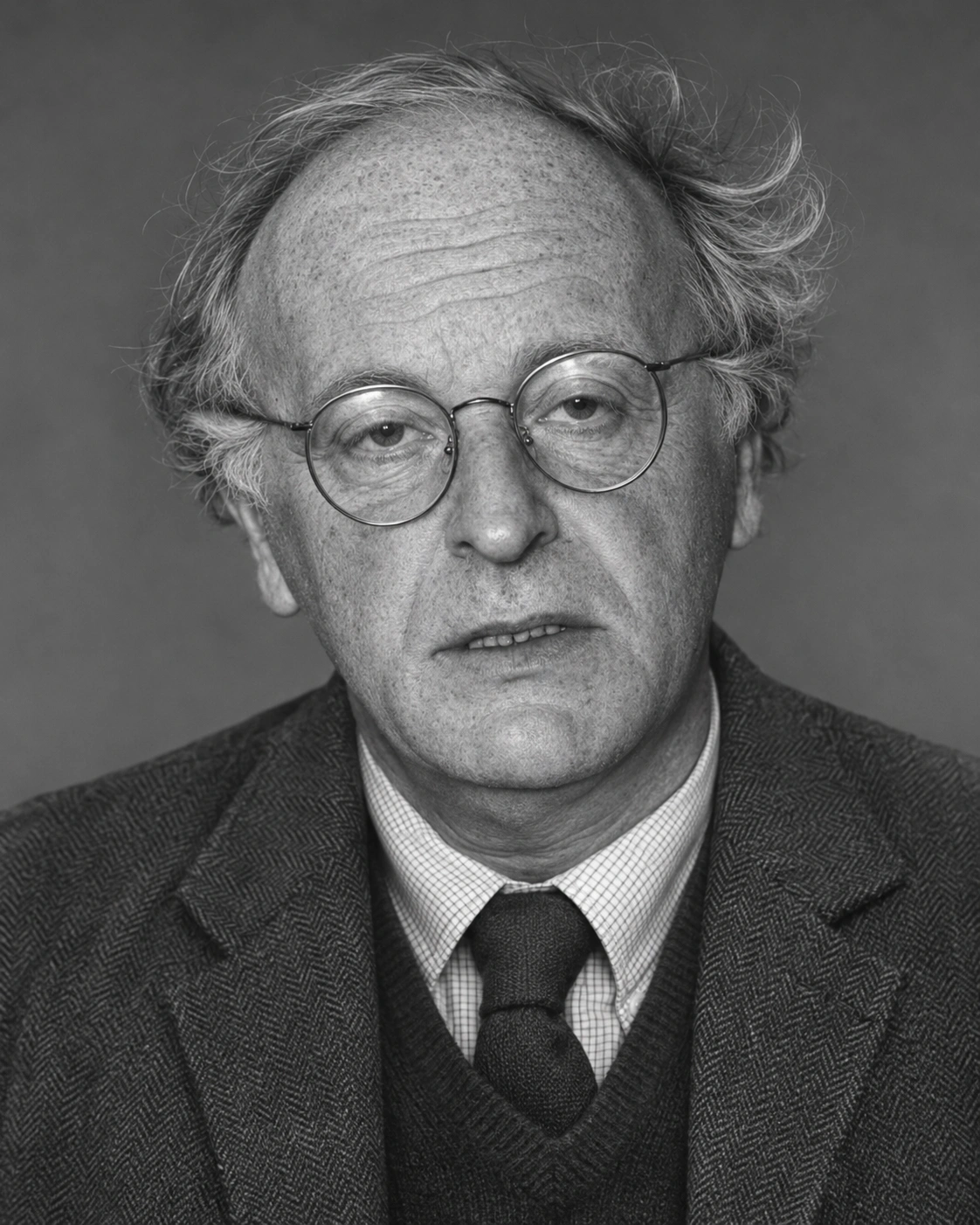
Joseph Brodsky
The poet was a visiting fellow and poet in residence at Clare Hall in 1977–78, before receiving the Nobel Prize in Literature in 1987.
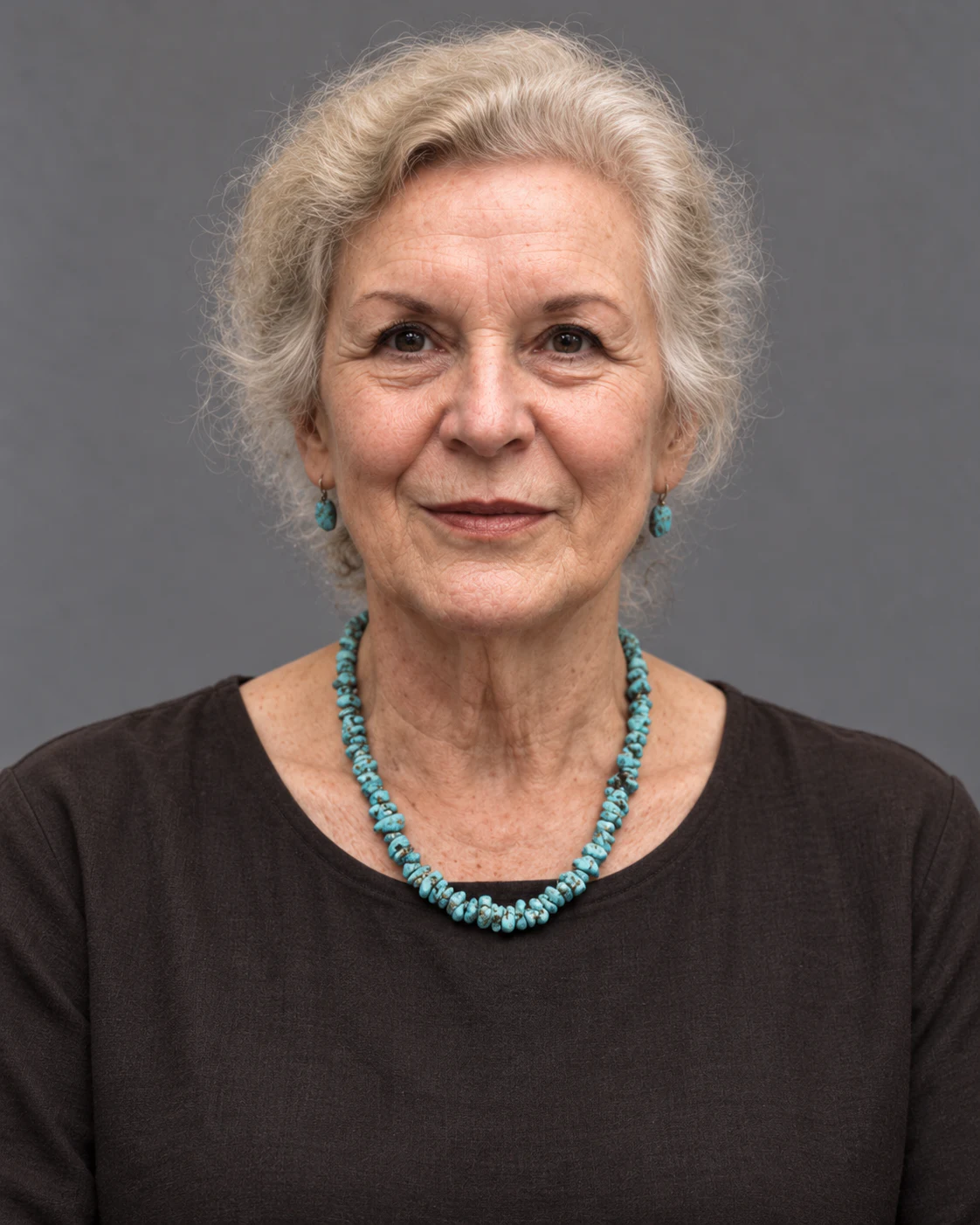
Gillian Beer
The literary scholar served as Clare Hall’s President and is an honorary fellow.
The story
History & character.
A college for advanced study
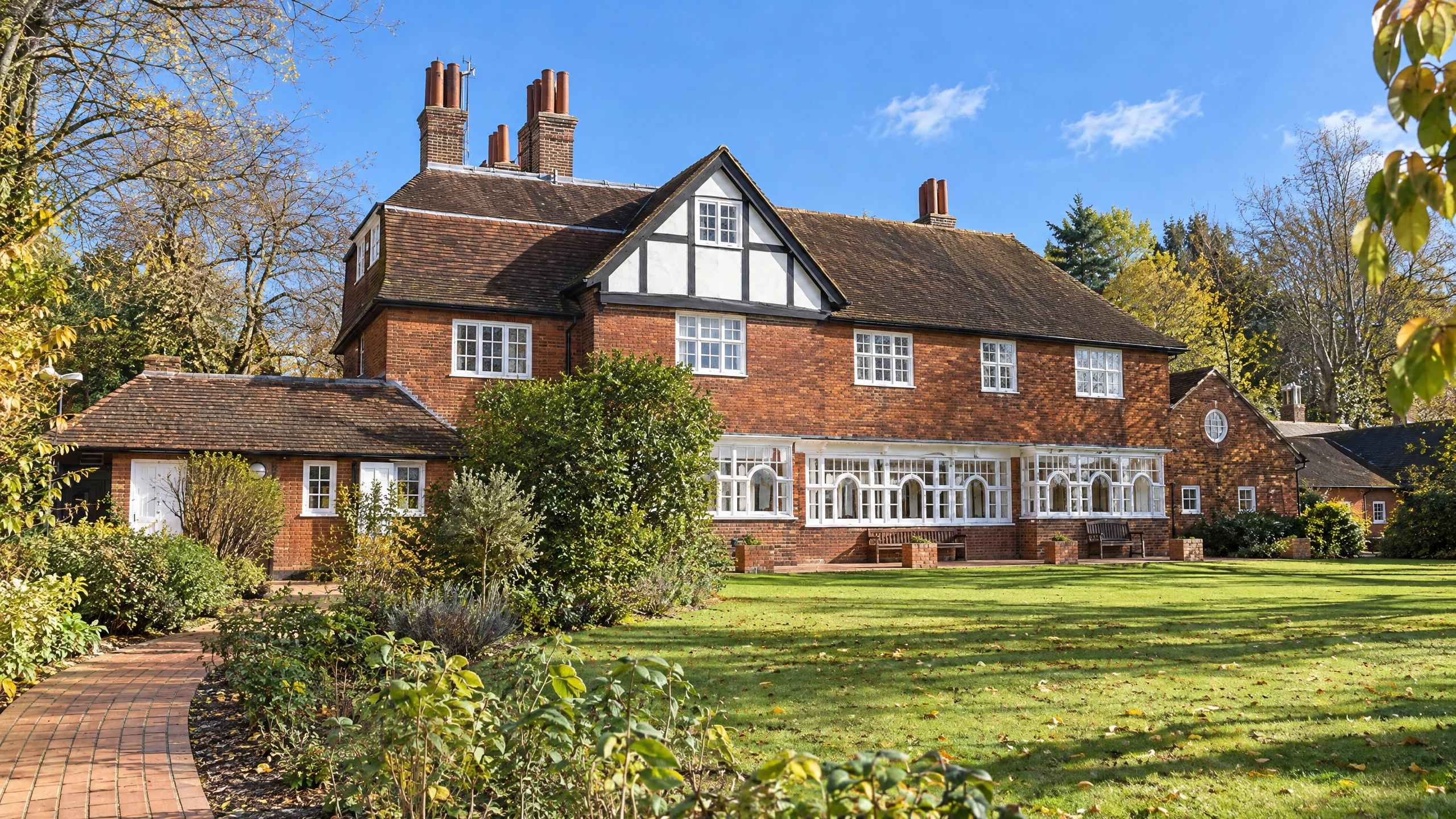
Clare Hall grew from a proposal made in 1964 for an institute of advanced study associated with Clare College. Richard Eden envisaged a community of men and women, bringing graduate students together with visiting scholars and providing accommodation for families. Founded in 1966, the new college first housed its graduate students in Elmside, a house on Grange Road.
Ralph Erskine’s design
Erskine, an English architect practising in Sweden, was appointed during the planning. His buildings opened in 1969. Their low, linked forms put shared spaces, homes and walkways close together, giving physical shape to the founders’ idea of a community in which living and working overlapped. The Founders’ Building remains at the core of the college.
A community of visitors
Visiting academics were expected to spend six months to a year in Cambridge, helping give the small college an international character. Students and visiting fellows later become Life Members, keeping a connection after their time in residence. Poet Joseph Brodsky was a visiting fellow and poet in residence in 1977–78; he received the Nobel Prize in Literature in 1987.
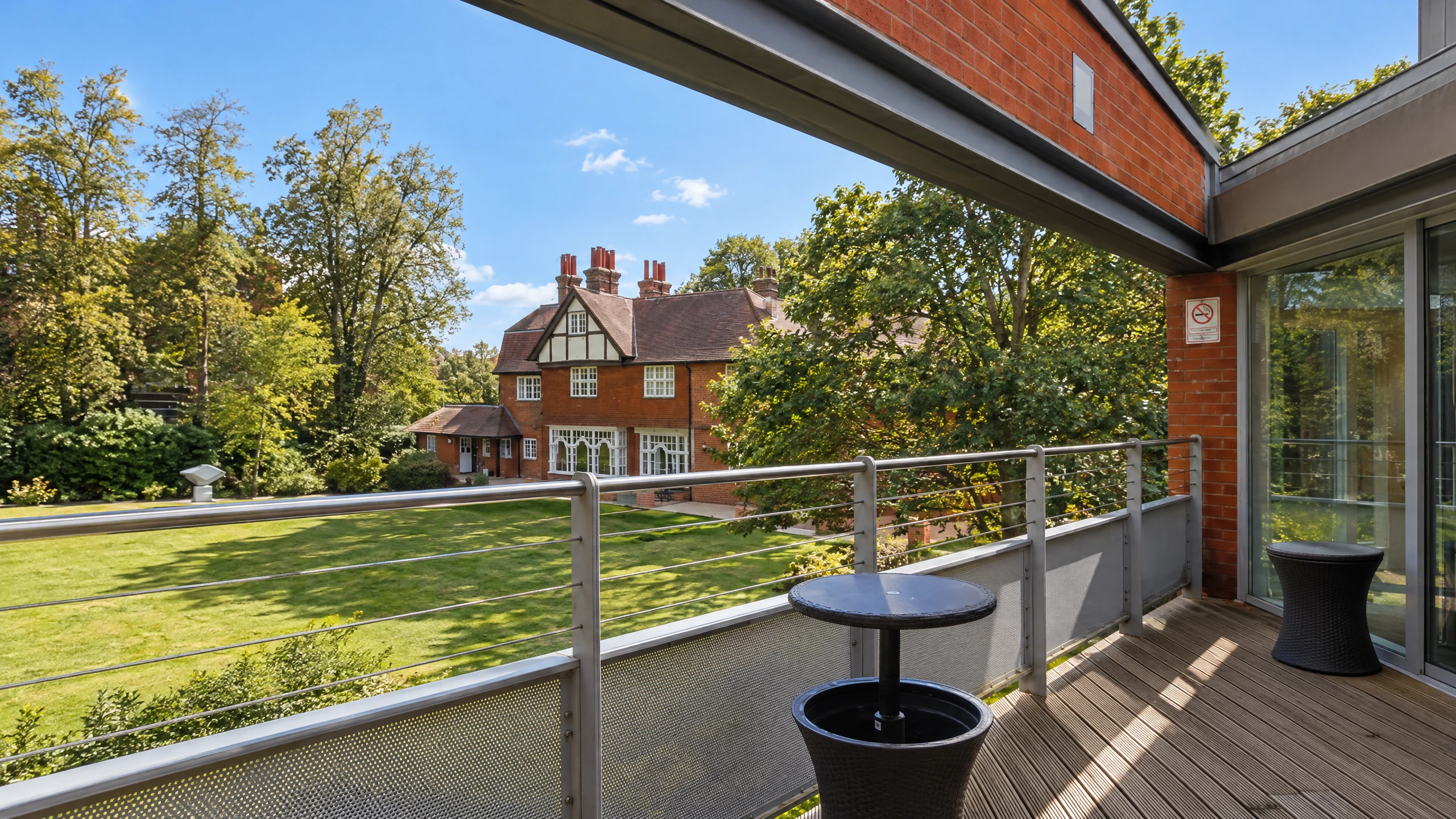
West Court added another setting, with rooms and apartments around a garden. The facilities serve the college community; public exhibitions offer a separate opportunity for visitors to see Clare Hall.
The first president
Clare College provided the site on the corner of Grange Road and Herschel Road. Its fellow Brian Pippard, a physicist, became Clare Hall’s first president. Eric Ashby, Richard Eden and Richard Northam developed the idea of an institute for advanced study loosely inspired by Princeton but embedded in Cambridge’s collegiate university.
Art in shared spaces
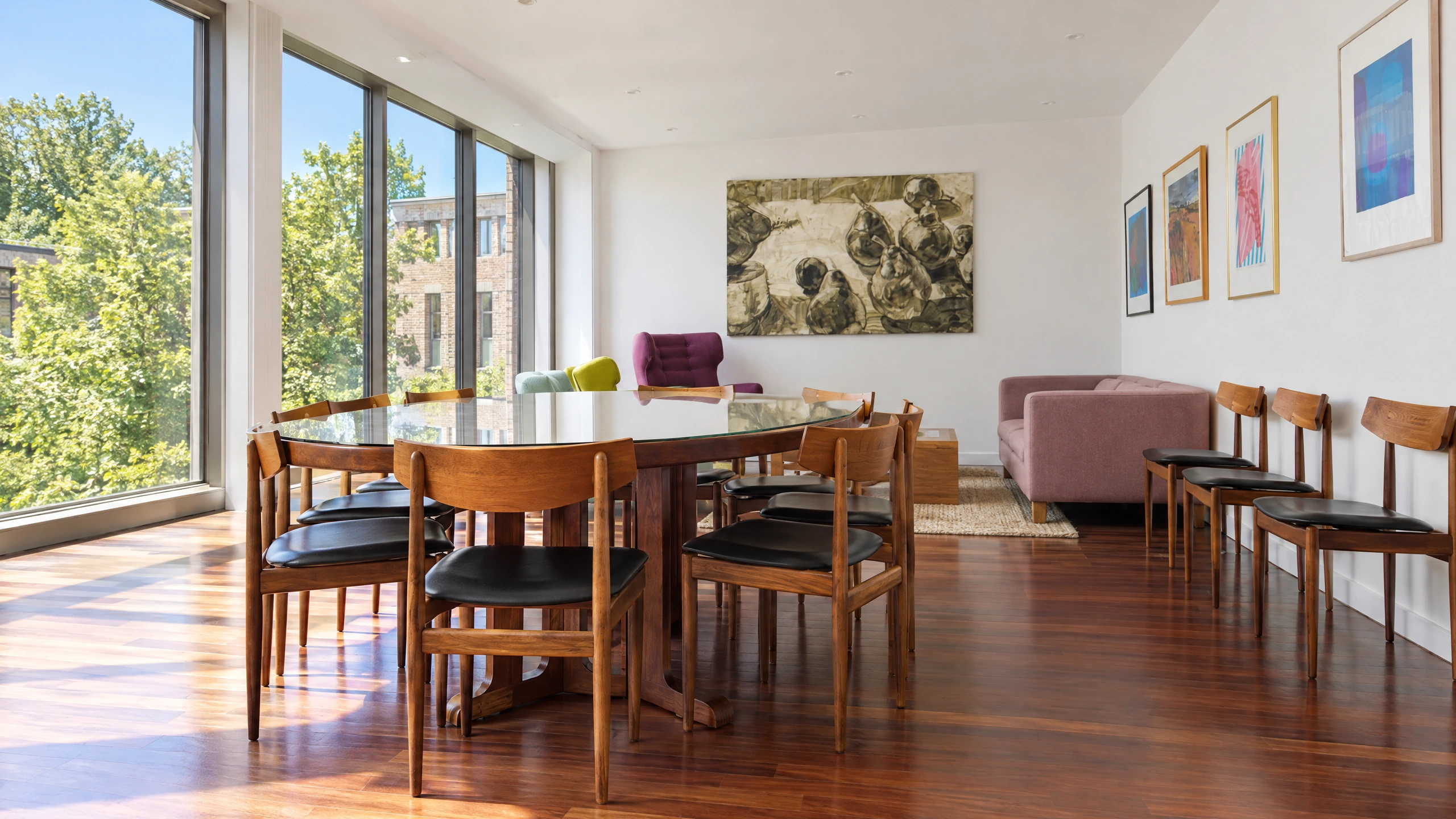
The founders intended exhibitions to be accessible to the public. The common room, foyer and administrative courtyard in Erskine’s building became spaces where art could be shown. An exhibition here connects the college’s domestic-scale architecture with its continuing academic and artistic life.
The art collection also serves a practical role within the college: staff and residents can borrow works for their rooms and offices. Exhibitions have contributed to the collection through gifts from artists, allowing the public programme and everyday college life to meet.
The Bell Collection adds British studio pottery made between 1920 and 1980. Its rotating display draws from a collection of around 320 pots, adding ceramics to the paintings and other works associated with the college’s exhibition programme.
Look closer
What to see.
Founders’ Building
Ralph Erskine’s 1960s buildings place the college’s shared spaces within a low-rise modernist setting.
Courtyards and walkways
The original plan joined academic life with accommodation for scholars and families.
Art exhibitions
The college’s exhibition programme uses spaces in the main building and welcomes the public to advertised shows.
Make it work
Plan your visit.
Clare Hall is a working graduate college, rather than a general tourist attraction. Public art exhibitions are free and are the clearest opportunity to visit; see the individual event for dates and arrangements. About Clare Hall Other access should be arranged with the college.
Visit your way
Access and family planning.
For step-free access to the Porters’ Lodge, use the path beside the Blue Badge parking on Herschel Road, turn immediately left and follow the path to the lodge.
See it
In pictures.
10 views, full screen. Tap any one to open the viewer.Around here
Make more of the area.
Good to know
Questions, answered.
Is Clare Hall a separate Cambridge college from Clare College?
Yes. Clare Hall was founded in 1966 on the initiative of Clare College and is an independent graduate college. Clare College’s Old Court is beside the Cam; Clare Hall is on Herschel Road.
Can tourists visit Clare Hall Cambridge?
Clare Hall is a working graduate college. Its public exhibitions offer an opportunity to visit; contact the college about other visits.
Are Clare Hall art exhibitions open to the public?
Yes. Advertised public exhibitions are free, with the dates and arrangements given for each event. The programme uses shared spaces in the main college building.
Is Clare Hall only for postgraduate students?
Clare Hall is a graduate college. Its community also includes fellows and visiting scholars, and its founding plans included homes for families.
Who designed Clare Hall Cambridge?
Architect Ralph Erskine designed the original buildings, which opened in 1969. Their low linked forms bring shared rooms, homes and walkways close together.
Why was Clare Hall founded?
The idea was to create a community for advanced study, bringing graduate students together with visiting scholars. Clare College provided the site and supported the new foundation.
Did Joseph Brodsky live at Clare Hall?
The poet was a visiting fellow and poet in residence in 1977–78. He later received the 1987 Nobel Prize in Literature.
What is the pottery collection at Clare Hall?
The Bell Collection includes British studio pottery made between 1920 and 1980. A rotating display draws on around 320 pots.
Where is Clare Hall in Cambridge?
Clare Hall in Cambridge occupies a modern site on Herschel Road near Grange Road, west of the city centre.
Editorial notes
Sources and further reading.
Sources for this guide
- https://www.clarehall.cam.ac.uk/history
- https://www.clarehall.cam.ac.uk/welcome
- https://www.clarehall.cam.ac.uk/events/clare-hall-art-collection-a-selection/
- https://www.clarehall.cam.ac.uk/past-exhibitions/
- https://www.clarehall.cam.ac.uk/about
- https://www.clarehall.cam.ac.uk/contact/
- https://www.fitz.cam.ac.uk/sites/default/files/2024-10/Building%20Fitzwilliam%20College%201963-2013.pdf
- https://www.clarehall.cam.ac.uk/art/
- https://www.clarehall.cam.ac.uk/about/
- https://www.clarehall.cam.ac.uk/social/
Reviewed 4 November 2026.
Further reading and sources
Opening hours, prices, programmes and access arrangements can change. Confirm critical details with the venue.
Keep exploring