North · Founded 1886
St Hugh's College
Explore North Oxford gardens and a college founded to make education more affordable for women.
- Founded
- 1886
- Location
- St Margaret's Road
- Visiting
- Arrange in advance
- Institution
- College

01 The experience
What to expect.
St Hugh’s began in 1886 with four women in a house on Norham Road. Founder Elizabeth Wordsworth wanted to make Oxford study affordable for women who could not meet the costs of existing halls. Today the college occupies fourteen acres of gardens and buildings in North Oxford; public visits are arranged in advance.
The Main Building was completed in 1916, before Oxford awarded women degrees. Later additions include David Roberts’s Kenyon Building and the Canterbury Road centenary gates, designed by Laurence Whistler with paired swans from the college emblem.
During the Second World War, St Hugh’s became a hospital for head injuries under Hugh Cairns. More than 13,000 service members were treated between 1940 and 1945. Its archive also holds records of later research into the long-term effects of those injuries, subject to confidentiality restrictions.
Former students include politicians Theresa May, Barbara Castle and Aung San Suu Kyi; novelist Mary Renault; and mathematicians Mary Cartwright and Ruth Lawrence, who graduated aged thirteen in 1985.
St Hugh’s is reached through its St Margaret’s Road Lodge. An arranged visit can bring together the gardens, buildings and the college’s history of women’s education.
People and ideas
Famous former students

Theresa May
1974–1977
The former British prime minister studied Geography at St Hugh’s from 1974 to 1977.
College connection
Undergraduate student in Geography. 1974–1977.
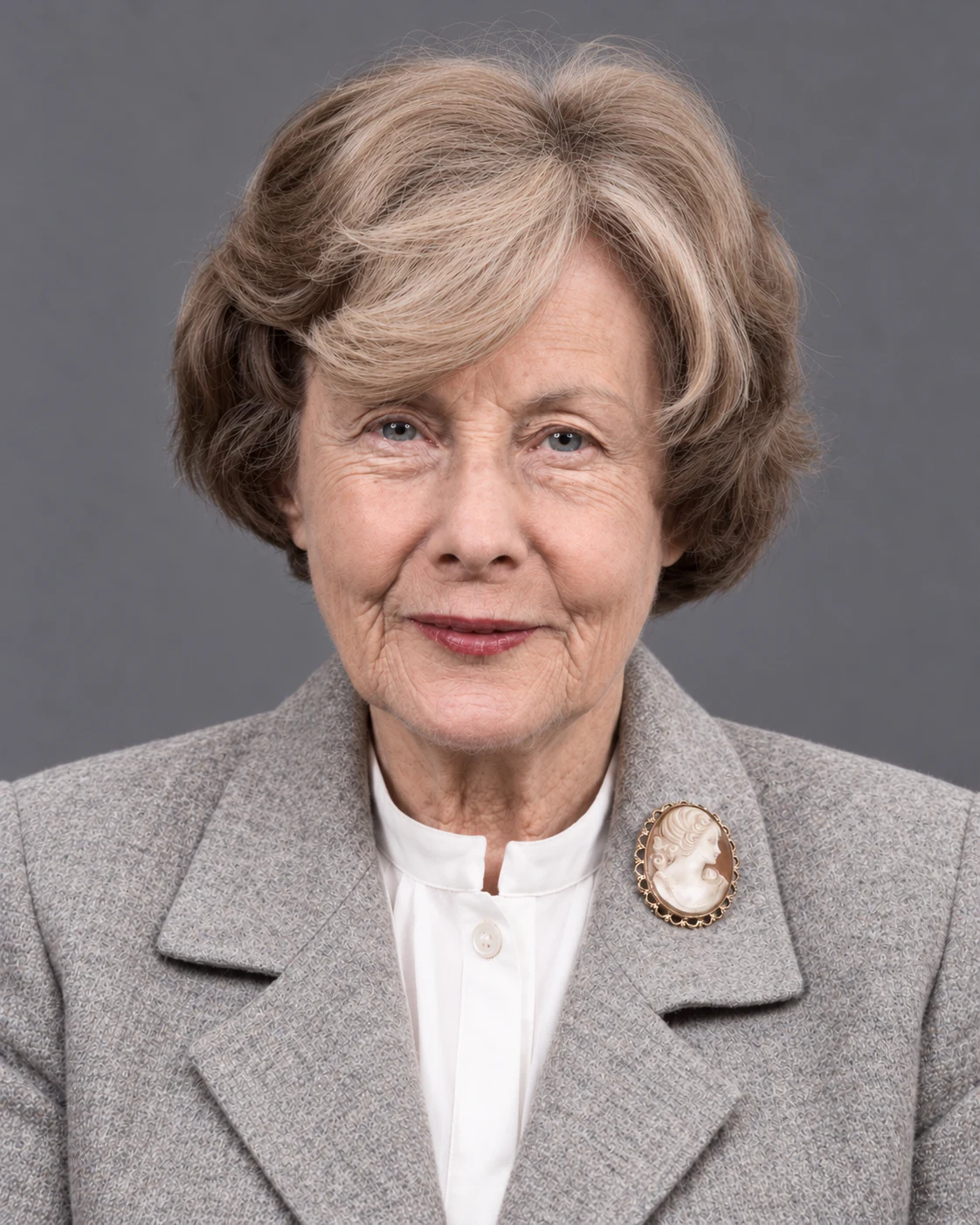
Barbara Castle
Entered 1929
The Labour cabinet minister studied Philosophy, Politics and Economics at St Hugh’s from 1929.
College connection
Undergraduate student in PPE, later honorary fellow. Matriculated 1929.

Aung San Suu Kyi
1964–1967
The Myanmar politician and Nobel Peace Prize laureate studied Philosophy, Politics and Economics at St Hugh’s from 1964 to 1967.
College connection
Read Philosophy, Politics and Economics at St Hugh’s, 1964–1967.
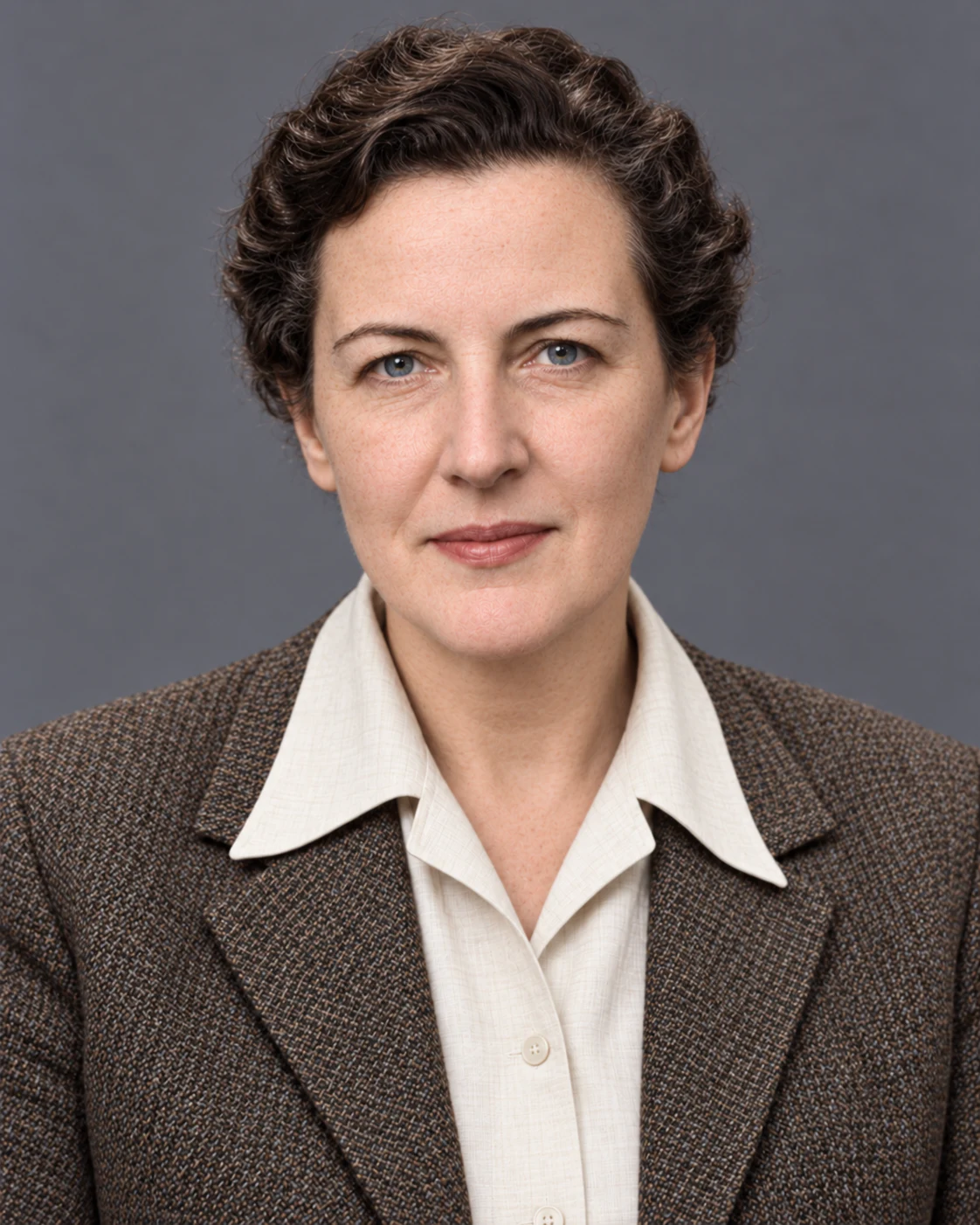
Mary Renault
Entered 1925
The novelist, born Eileen Mary Challans, studied English at St Hugh’s before writing fiction set in ancient Greece.
College connection
English student, born Eileen Mary Challans. Entered in 1925.

Mary Cartwright
Entered 1919
The mathematician entered St Hugh’s in 1919 and later became a Fellow of the Royal Society.
College connection
Mathematics undergraduate. Entered in 1919.
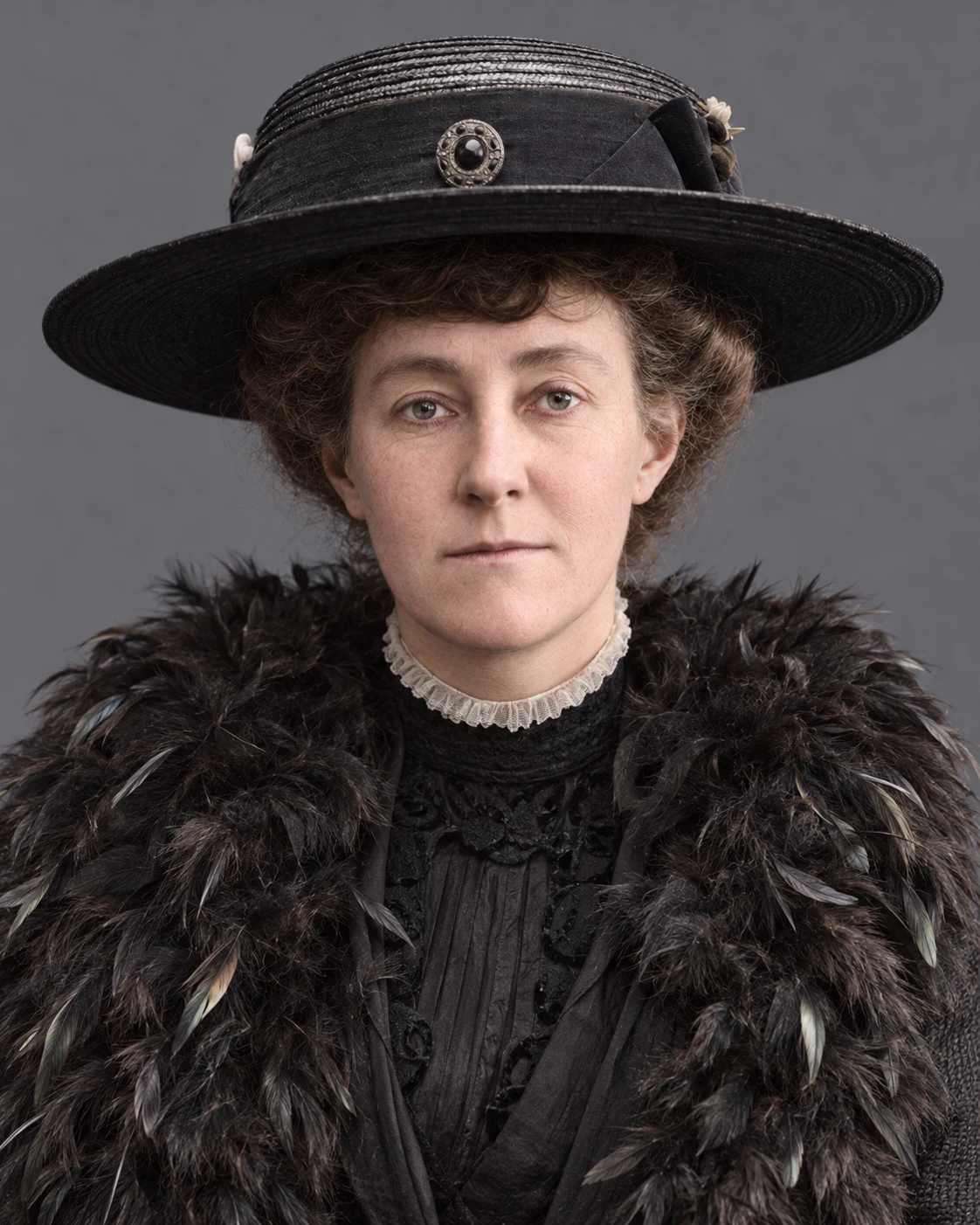
Emily Wilding Davison
1895
The suffrage campaigner achieved first-class results in English examinations at St Hugh’s in 1895, before Oxford awarded women degrees.
College connection
Student taking English examinations before women could receive Oxford degrees. 1895 examinations.

Ruth Lawrence
1985
The mathematician graduated from St Hugh’s aged thirteen in 1985 and later completed a doctorate.
College connection
Mathematics student; graduated in 1985 at the age of thirteen.

Eileen O’Shaughnessy
Entered 1924
The writer studied English at St Hugh’s from 1924 and later married George Orwell.
College connection
Entered St Hugh’s for English in 1924.
The story
History & character.
Elizabeth Wordsworth founded St Hugh’s in 1886 to offer women a more affordable way to study at Oxford. She used a legacy from her father, a Bishop of Lincoln, and named the foundation for an earlier bishop, Hugh of Avalon. The first four students lived at 25 Norham Road.
In 1913 the college took a lease on The Mount at St Margaret’s Road and Banbury Road. Its Main Building was completed in 1916, during the First World War and before Oxford awarded women degrees. That changed in 1920, allowing qualifying former students to receive degrees for work they had already completed.
St Hugh’s women took part in different strands of the campaign for votes for women. Emily Wilding Davison achieved first-class results in English examinations here in 1895, before women could receive Oxford degrees. In 1913 the college hosted a two-week suffrage summer school covering public speaking, canvassing and other practical skills.
During the Second World War, the college was requisitioned as a hospital for head injuries under Hugh Cairns. More than 13,000 service members were treated between 1940 and 1945. W. Ritchie Russell began research into the long-term effects of injuries, later continued by Freda Newcombe. Some former hospital huts were used by university departments before removal in 1952.
The garden estate expanded as the college acquired surrounding properties. David Roberts designed the Kenyon Building during the 1960s. Laurence Whistler’s Canterbury Road gates, made for the 1986 centenary, carry paired swans from the college emblem. Men joined the student body in the same year.
Former students include Barbara Castle, who came for Philosophy, Politics and Economics in 1929, and Theresa May, who studied Geography from 1974 to 1977. Aung San Suu Kyi studied Philosophy, Politics and Economics from 1964 to 1967.
Novelist Mary Renault entered for English in 1925 as Eileen Mary Challans. Mathematician Mary Cartwright entered in 1919, while Ruth Lawrence graduated aged thirteen in 1985 and later completed a doctorate.
Look closer
What to see.
The gardens
Fourteen acres of grounds connect older houses and newer college buildings across the North Oxford site.
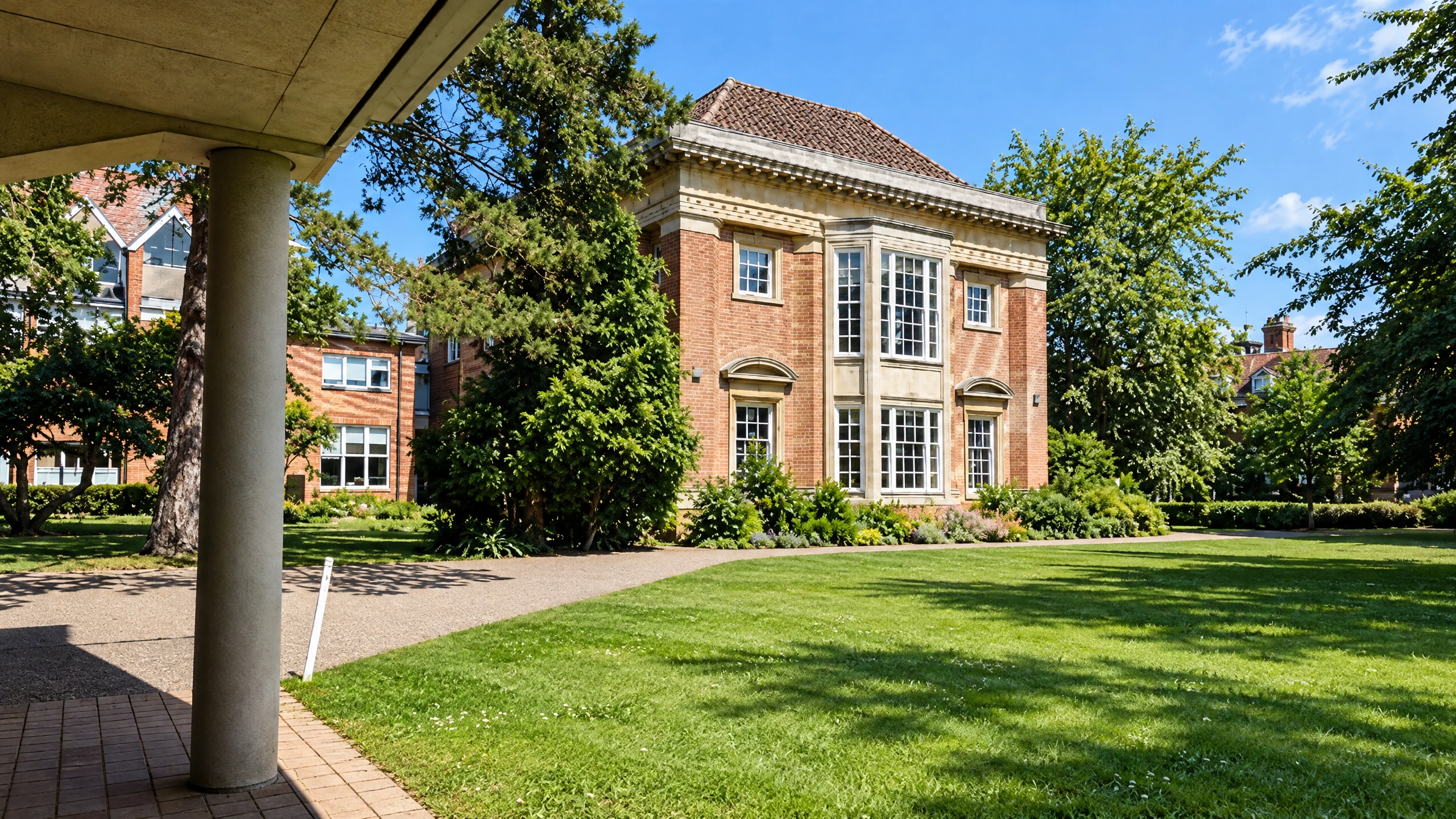
The Main Building
Completed in 1916, it gave the college a permanent home before women could receive Oxford degrees.
The Kenyon Building
David Roberts’s 1960s building adds a modern architectural chapter to the garden estate.
The centenary gates
Laurence Whistler’s Canterbury Road gates carry paired swans from the college emblem.
The wartime hospital story
During the Second World War, the college became a head-injury hospital under Hugh Cairns.
Make it work
Plan your visit.
Public visits are arranged in advance through hello@st-hughs.ox.ac.uk. Arranged entry is free, with donations welcome, and begins at the St Margaret’s Road Lodge.
The garden estate and buildings can be explored as part of an arranged visit; access to individual rooms depends on college use. Archive research, including the wartime hospital records, needs a separate appointment and is subject to confidentiality restrictions.
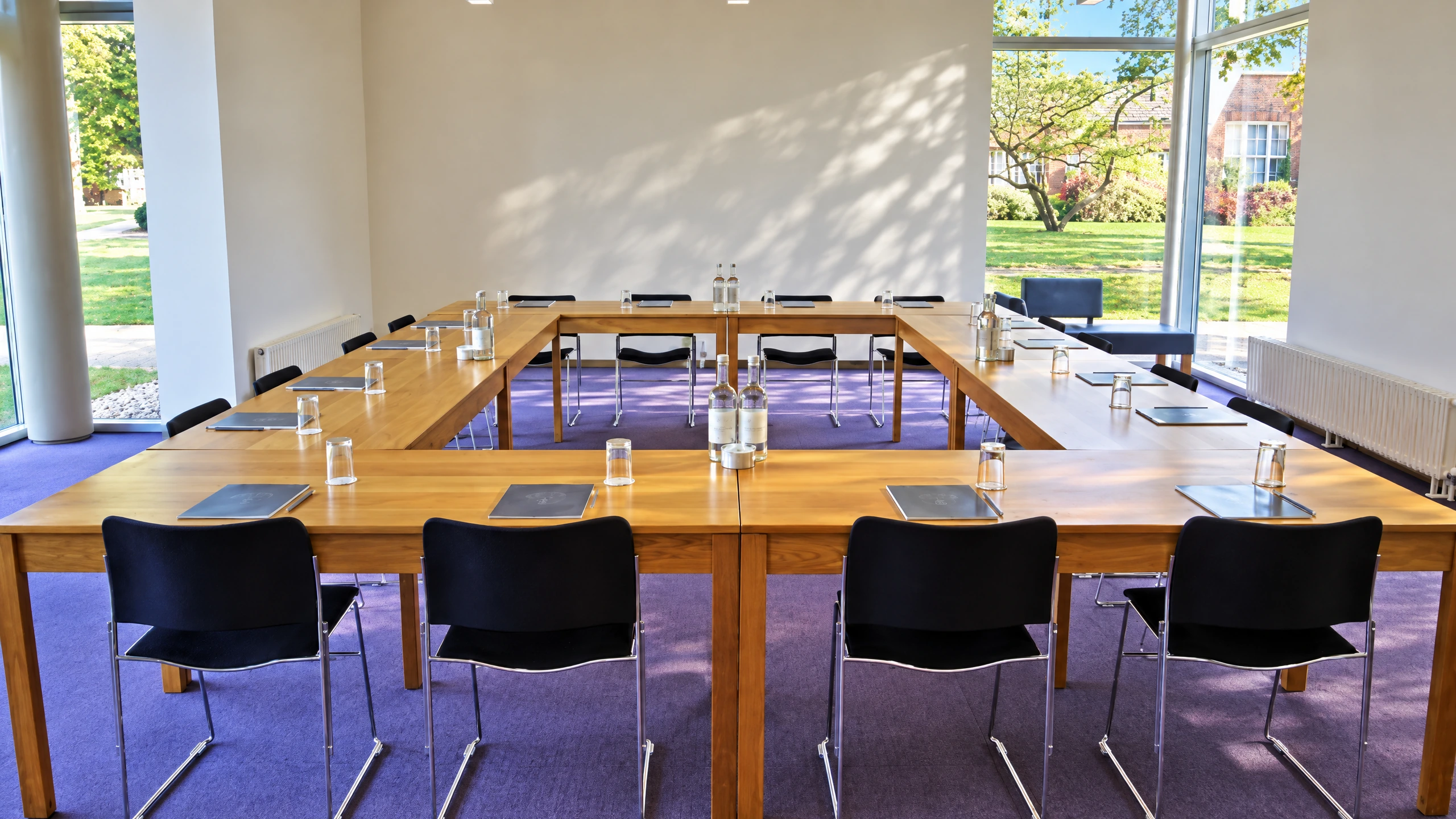
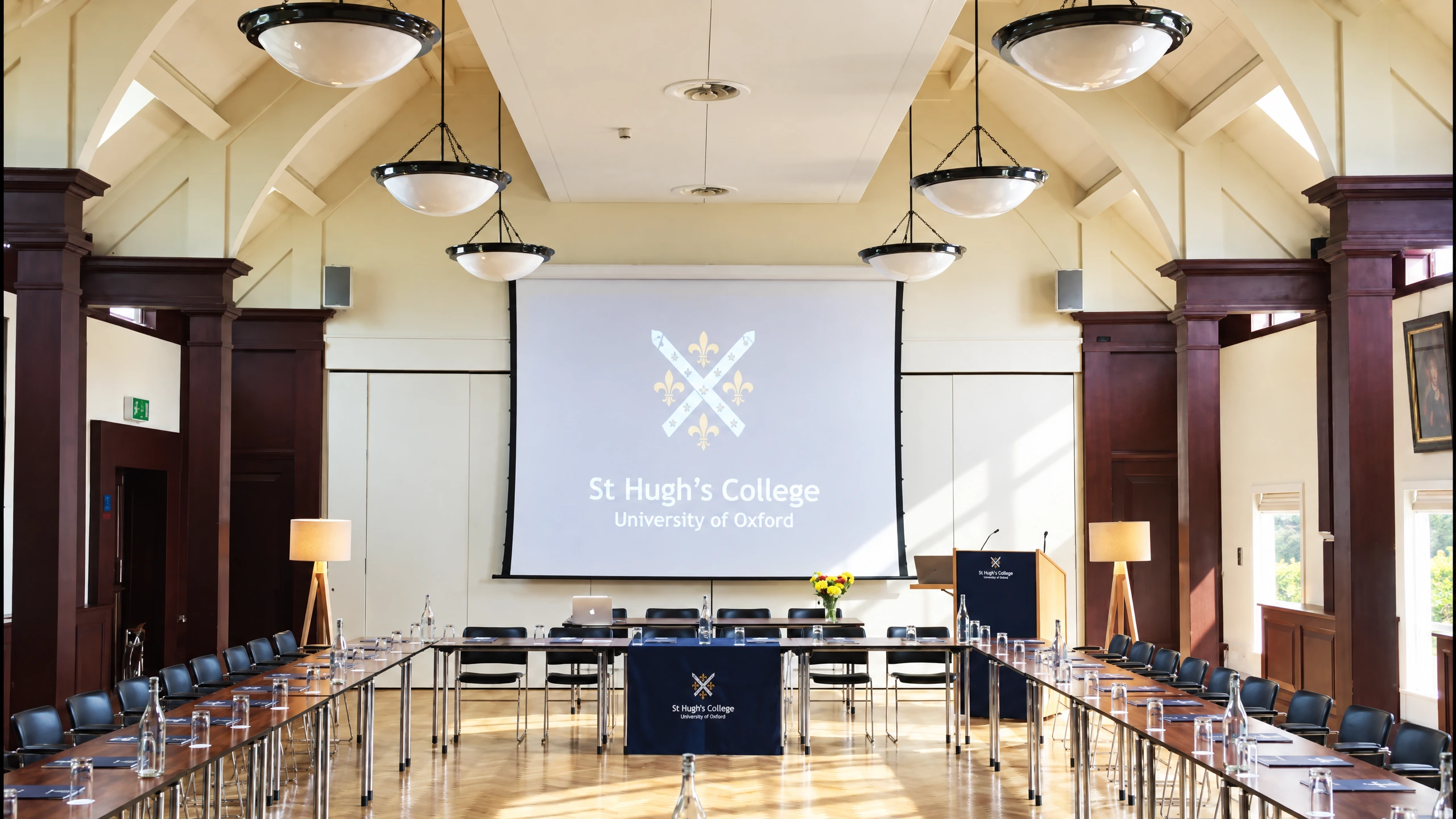
The entrance and garden routes are step free, though the Lodge itself has steps. Many principal rooms have step-free access; upper library areas vary. Four lifts and seven accessible toilets serve the site. Three accessible parking bays require advance booking, and hearing support is available in several meeting rooms.
Visit your way
Access and family planning.
The St Margaret’s Road entrance and garden routes are step free. The Lodge has steps, so assistance there can be arranged with the college.
Many principal rooms have step-free access, while upper library areas vary. Four lifts and seven accessible toilets serve the site; three accessible parking bays require advance booking. Hearing support is available in several meeting rooms.
An arranged visit can include the gardens and contrasting college buildings. Children may enjoy finding the swans on the centenary gates.
Self-guided walk
A walk around St Hugh’s
A 35–50 minute public-street loop follows the roads around St Hugh’s garden estate.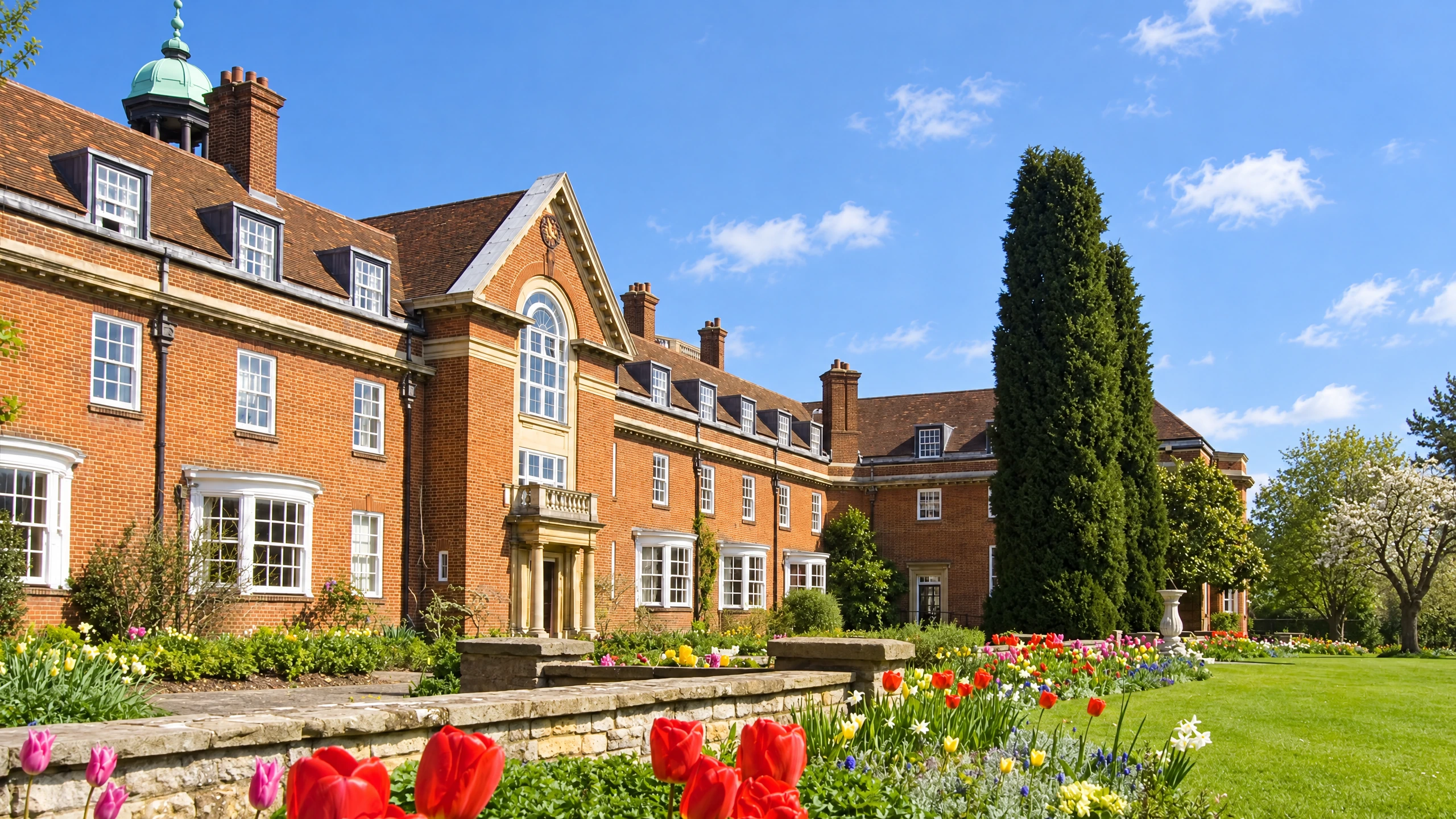
Canterbury Road boundary
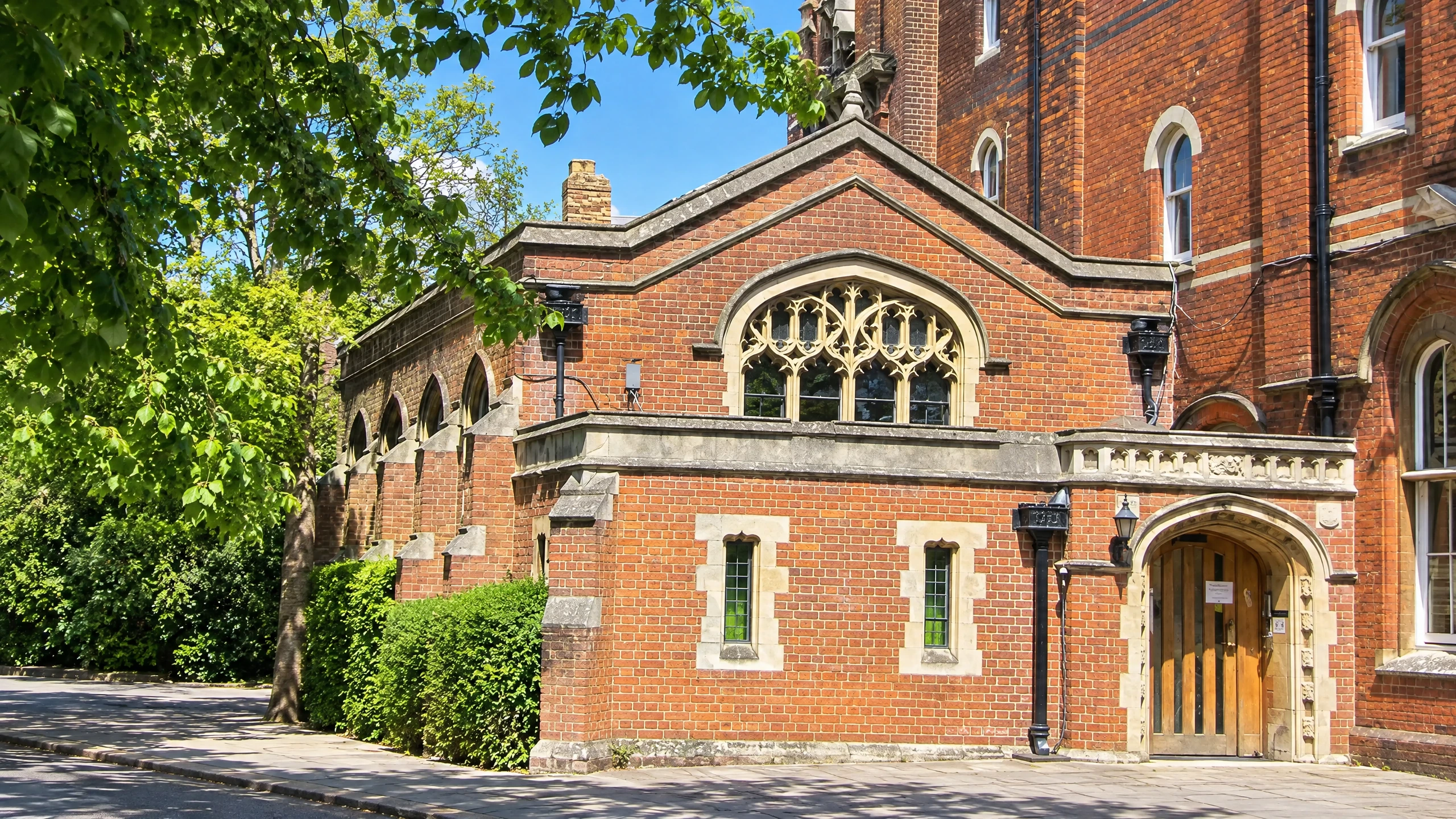
The centenary gates on Canterbury Road carry Laurence Whistler’s paired swans.
Banbury Road context
The surrounding residential streets show the college’s North Oxford setting.
See it
In pictures.
10 views, full screen. Tap any one to open the viewer.Around here
Make more of the area.
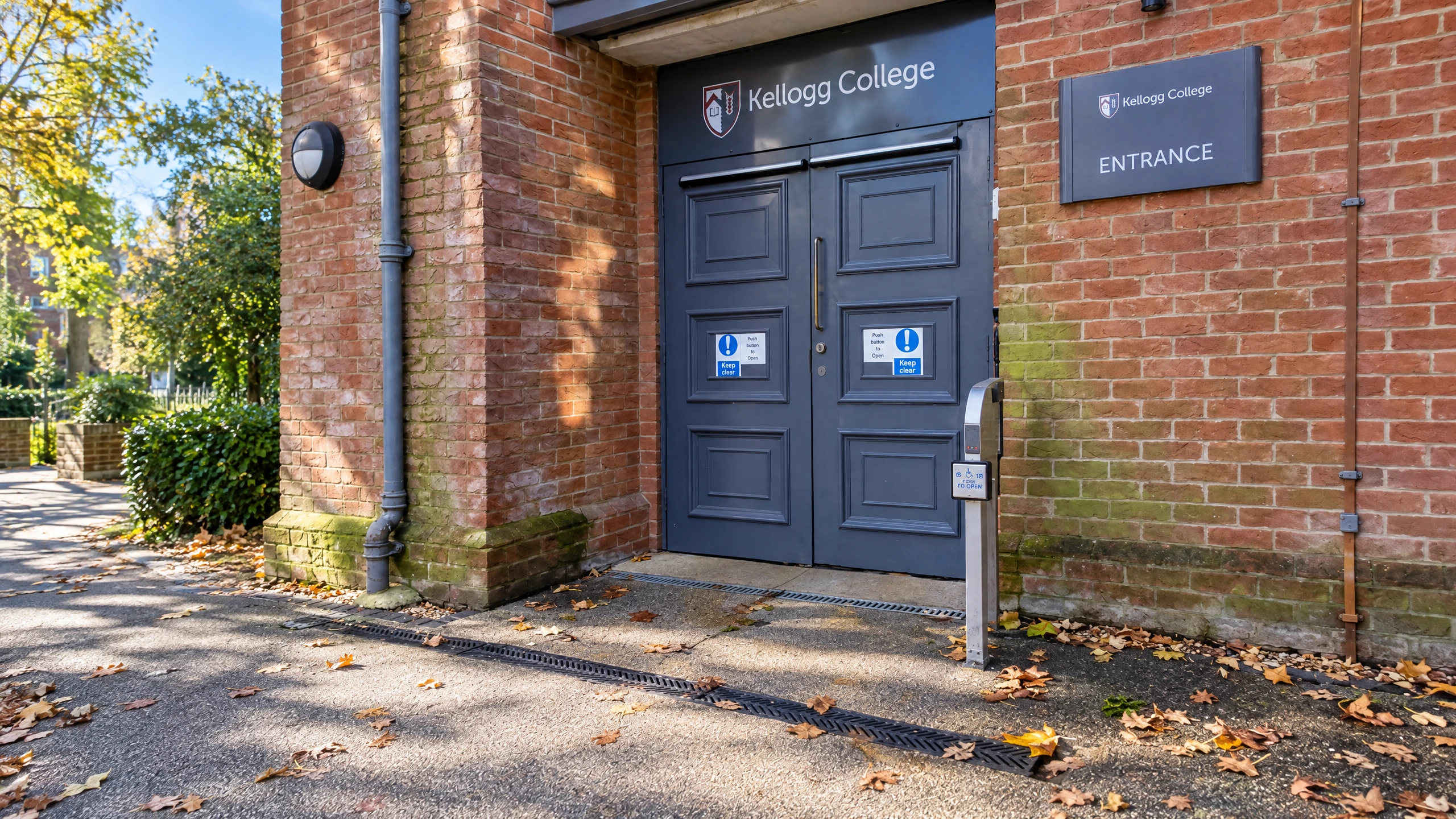
≈ 5–10 min walk
North Parade
North Parade has cafés, pubs and shops on a small street south of the college.

The parks offer paths and open lawns for a longer walk.
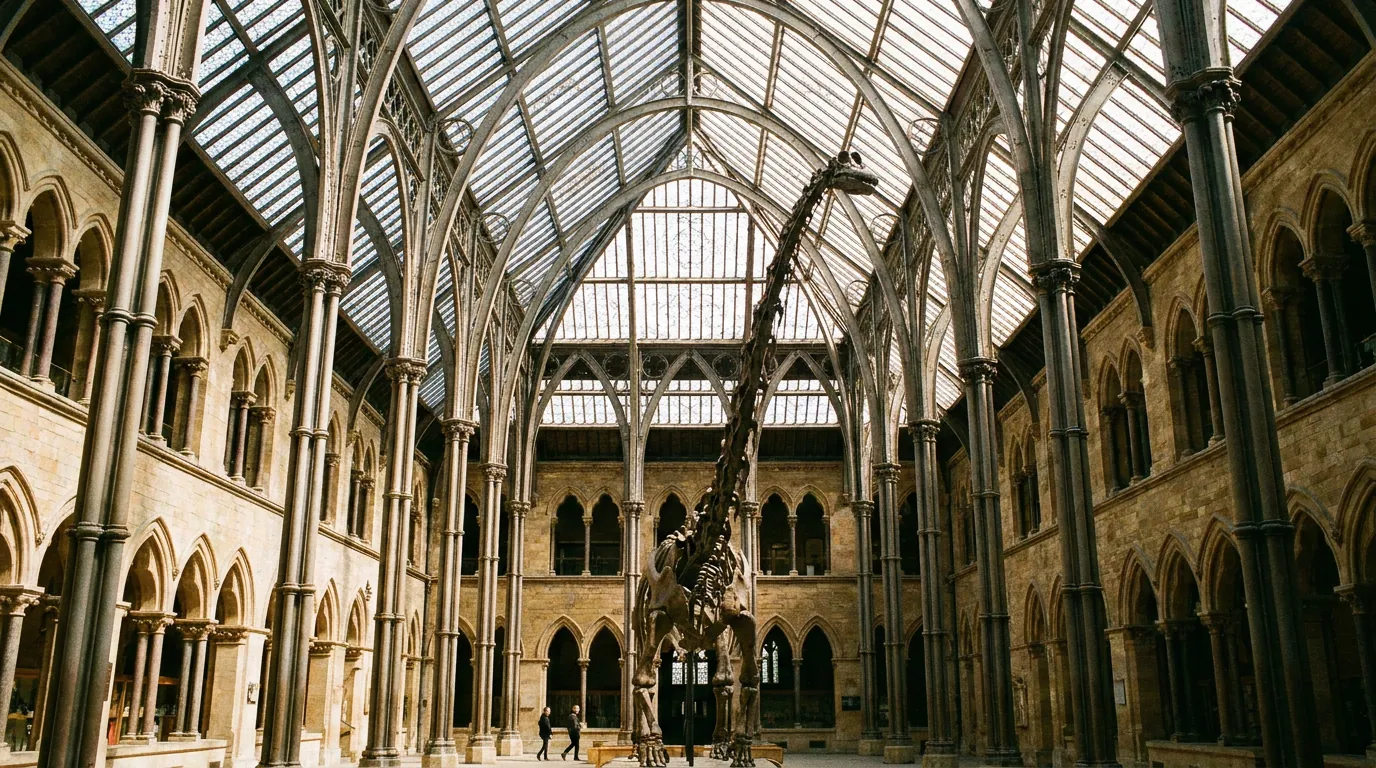
The neighbouring museums on Parks Road bring together natural history and collections from around the world.
Good to know
Questions, answered.
Who founded St Hugh’s College Oxford?
Elizabeth Wordsworth founded St Hugh’s in 1886 to make Oxford study more affordable for women unable to meet existing hall charges.
Why is St Hugh’s College in Oxford named after a Bishop of Lincoln?
St Hugh’s College in Oxford is named for Hugh of Avalon, a Bishop of Lincoln. Founder Elizabeth Wordsworth’s father had held the same office.
How did the 1920 degree reform affect St Hugh’s former students?
Women who had completed qualifying academic work could receive Oxford degrees from 1920, sometimes years after their studies and examinations.
What does St Hugh’s suffrage history reveal about its community?
St Hugh’s students, former students and teachers participated in both constitutional organisations and militant campaigns for women’s votes.
What did Emily Wilding Davison achieve at St Hugh’s?
Davison achieved first-class results in English examinations in 1895, before Oxford awarded women degrees. She later campaigned for suffrage.
How did St Hugh’s College in Oxford become a wartime hospital?
St Hugh’s College in Oxford became a head-injury hospital under Hugh Cairns during the Second World War, treating more than 13,000 service members from 1940 to 1945.
When did Aung San Suu Kyi study at St Hugh’s?
Aung San Suu Kyi studied Philosophy, Politics and Economics at St Hugh’s from 1964 to 1967, before her political career in Myanmar.
When did male students first enter St Hugh’s?
Men first joined the student body in 1987. Fellowships and college offices had opened to men in 1978.
Why is Ruth Lawrence notable in St Hugh’s student history?
Lawrence graduated aged thirteen in 1985 and later completed a mathematics doctorate, an unusual part of the college’s student history.
What did Theresa May study at St Hugh’s?
Theresa May studied Geography at St Hugh’s from 1974 to 1977, before serving as British prime minister from 2016 to 2019.
What did Mary Renault study at St Hugh’s?
Renault entered for English in 1925 under her birth name Eileen Mary Challans. She later became known for novels set in ancient Greece.
When did mathematician Mary Cartwright study at St Hugh’s?
Cartwright entered to study Mathematics in 1919, before Oxford awarded women degrees. She later became a Fellow of the Royal Society.
Can the public visit St Hugh’s College Oxford?
Public visits are arranged through the college in advance and begin at the St Margaret’s Road Lodge. Entry is free, with donations welcome.
What access arrangements serve St Hugh’s gardens and lodge?
The entrance and garden routes are step free, though the Lodge has steps. Lifts, accessible toilets and hearing support serve particular rooms.
Can family researchers consult St Hugh’s hospital records?
Hospital records have confidentiality restrictions and require a specific archive appointment. They include patient and later follow-up material.
Editorial notes
Sources and further reading.
Sources for this guide
Research reviewed on 1 November 2026.
S1 — College history
https://www.st-hughs.ox.ac.uk/people-life/history/
Supports: 1886 foundation, Elizabeth Wordsworth, four initial students, 1916 Main Building, degrees in 1920, library, hospital, postwar estate, Kenyon Building, coeducation and centenary gates.
S2 — Visiting the College
https://www.st-hughs.ox.ac.uk/people-life/visiting-the-college/
Supports: Public visitors contact hello@st-hughs.ox.ac.uk; report to lodge on St Margaret’s Road; arrival and access enquiries.
S3 — College Archive
https://www.st-hughs.ox.ac.uk/current-students/library/archive/
Supports: Institutional and alumnae papers; military head-injury hospital records; continuing research; archive appointments and medical confidentiality.
S4 — Theresa May attendance
https://www.st-hughs.ox.ac.uk/statement-theresa-may-mp/
Supports: Geography at St Hugh’s 1974–1977; subsequent prime minister.
S5 — Barbara Castle profile
https://www.st-hughs.ox.ac.uk/wp-content/uploads/2021/04/Barbara-Castle.pdf
Supports: PPE matriculation 1929, political career and later honorary fellowship.
S6 — Literary connections
https://www.st-hughs.ox.ac.uk/alumni-friends/100-years-of-oxford-degrees-for-women/profile-series-literary-connections/
Supports: Mary Renault, English 1925; Eileen O’Shaughnessy, English 1924, distinct identities and careers.
S7 — Women’s suffrage
https://www.st-hughs.ox.ac.uk/people-life/history/st-hughs-college-and-womens-suffrage/
Supports: Emily Davison English examinations in 1895; constitutional and militant associations; suffrage summer school and 1911 banners. Retained search evidence; direct open failed.
S8 — Physical Access Guide
https://www.ox.ac.uk/about/how-we-are-run/equality-diversity/access-guide/colleges/st-hughs
Supports: Detailed site access; retained successful physical-access capture in .firecrawl/st-hughs-physical-access.json.
S9 — Oxford graduate profile
https://www.ox.ac.uk/admissions/graduate/colleges/st-hughs-college
Supports: 14-acre island site, graduate and undergraduate community and gardens.
S10 — 2016 anniversary events
https://www.st-hughs.ox.ac.uk/anniversary-celebrations-triumph/
Supports: Foundation, Main Building, library, Kenyon and first male students anniversaries; cultural public events.
S11 — Suffrage banner recreation
https://www.st-hughs.ox.ac.uk/news-events/latest-news/page/16/
Supports: 2019 recreated banner at Main Building entrance; distinguish recreation from original.
S12 — College magazine profiles
https://www.st-hughs.ox.ac.uk/wp-content/uploads/St-Hughs-Magazine-2013.pdf
Supports: Mary Cartwright mathematics 1919; mathematical distinction and later research.
Coordinate provenance
https://en.wikipedia.org/wiki/St_Hugh%27s_College,_Oxford — July 2026 college-place record carried forward as a site location, not an entrance.
Conflict ledger
The University alumni directory says open to all free of charge, while the college’s current public-visit page explicitly asks members of the public to contact hello@st-hughs.ox.ac.uk. Follow the college’s appointment route. An old suffrage URL direct-open failed, but the primary page’s search-returned text supports the cited historical detail; verify final URL before integration.
Interpretive statements
Suggestions about visual contrasts, audience suitability, walking combinations and visit duration are editorial interpretation, separated from factual claims by their context. No first-person visit is asserted. Private research status and booking implementation notes remain in editor metadata.
S13 — Oxford visitor directory
https://www.ox.ac.uk/about/visit-us/visiting-colleges
St Hugh’s visits by prior enquiry; free, donations welcome. The active suffrage URL was resolved on1November 2026; it is no longer an unresolved link.
GEO1 — Fresh numeric site location
https://en.wikipedia.org/wiki/St_Hugh%27s_College,_Oxford
Latitude 51.76639; longitude -1.26361, WGS84, reviewed 1 November 2026. Site position only; no entrance or accessible drop-off is inferred. Supersedes the earlier carried-forward coordinate statement.
AUD-SUU — Aung San Suu Kyi: college student dates
Aung San Suu Kyi: college student dates
Reviewed 1 November 2026. College identifies actual PPE attendance 1964–1967. Historical page used for study, not its dated political appraisal.
Further reading and sources
Opening hours, prices, programmes and access arrangements can change. Confirm critical details with the venue.
Keep exploring