South · Founded 1893
St Hilda's College
Discover riverside gardens, modern architecture and public concerts at St Hilda’s.
- Founded
- 1893
- Location
- Cowley Place
- Visiting
- By appointment
- Institution
- College
01 The experience
What to expect.
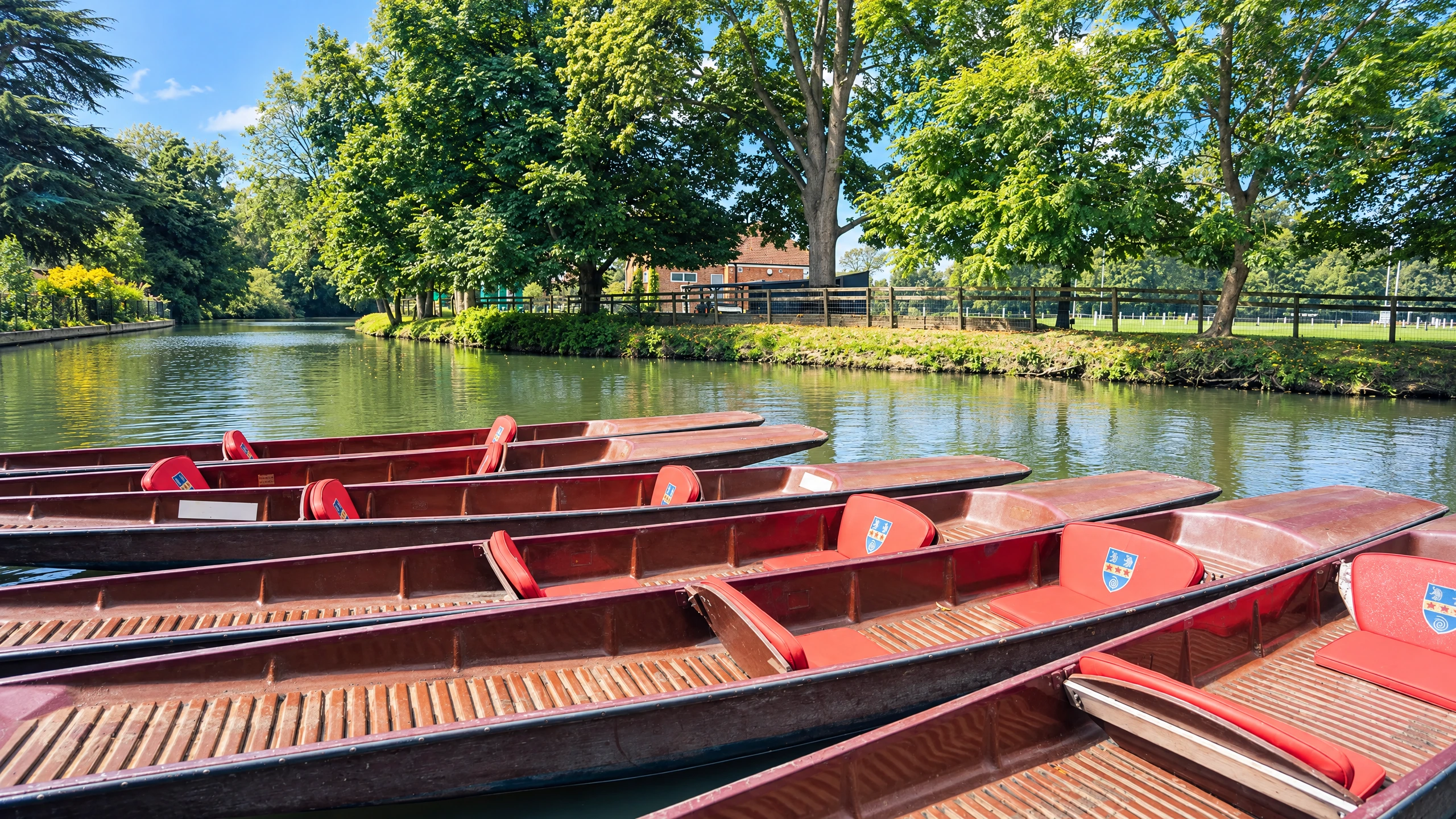
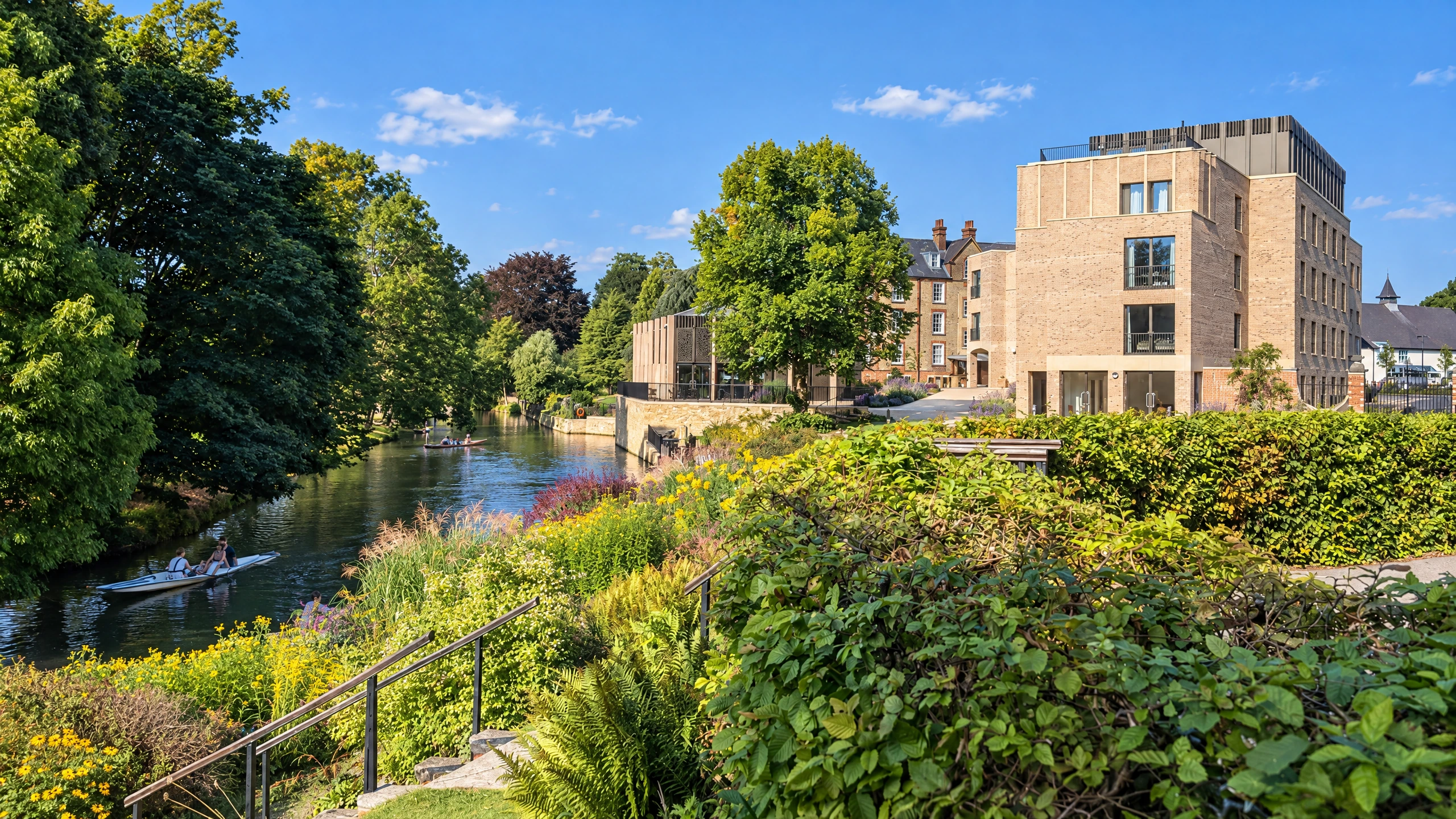
St Hilda’s stretches along the Cherwell, with riverside gardens linking old houses, modern buildings and a music venue. Founded for women by Dorothea Beale in 1893, it is a college of writers and journalists as well as a place to hear chamber music. College visits are by appointment; performances at the Jacqueline du Pré Music Building have their own public programme.
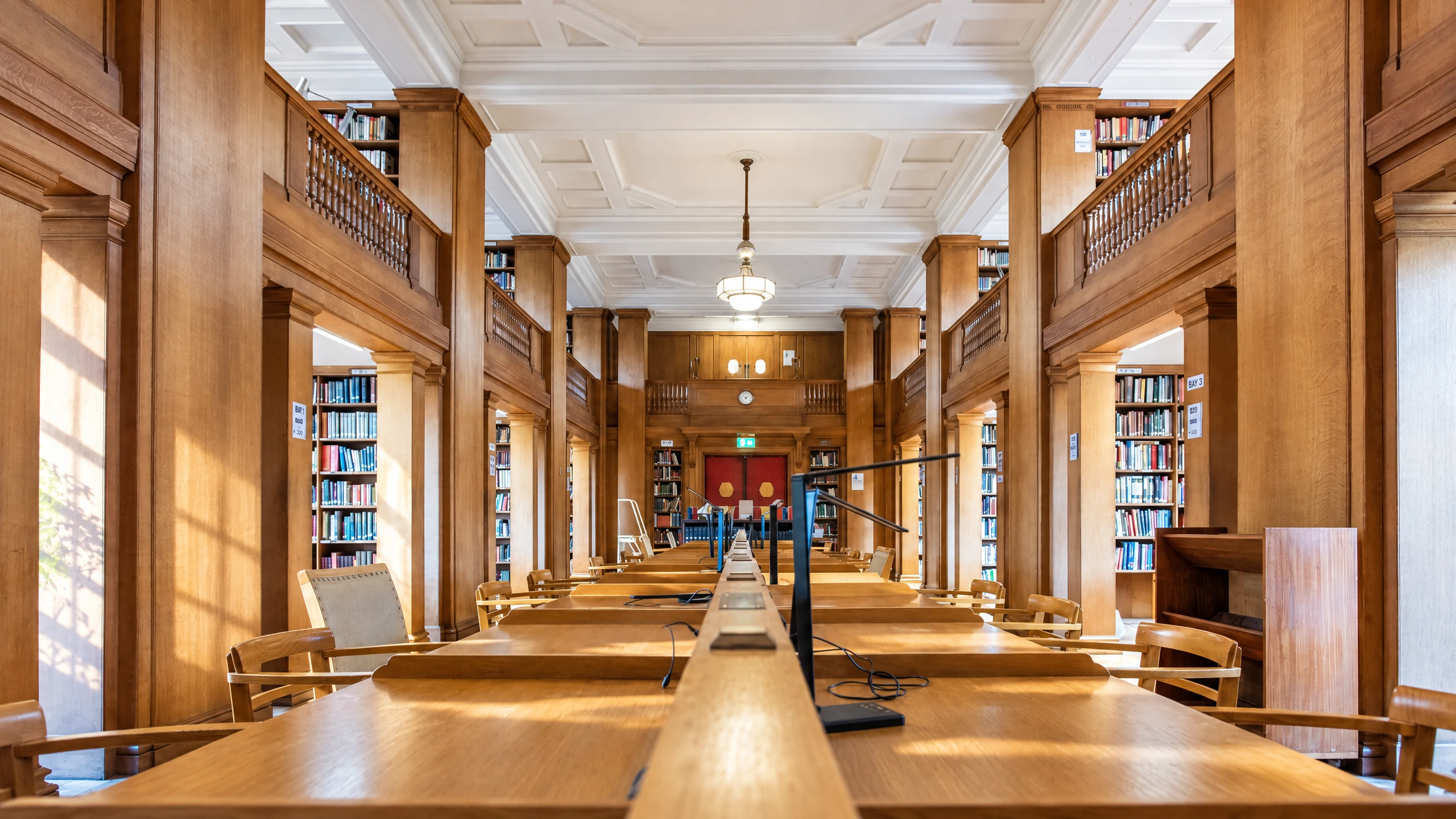
Beale bought the eighteenth-century Cowley House, now the Hall Building, for the new foundation. The college grew by acquiring neighbouring properties and gardens. The galleried Kathleen Major Library reading room, dating from 1935, looks across the river towards central Oxford.
Alison and Peter Smithson’s Garden Building, opened in 1971, has an external timber screen that filters views between student rooms and the garden. Gort Scott’s Anniversary Building and riverside Pavilion, completed in 2021, added a new entrance and spaces linking the campus.
Former students include novelists Barbara Pym and Val McDermid, poet Wendy Cope and foreign correspondent Sue Lloyd-Roberts. The college archive holds Lloyd-Roberts’s papers, and a memorial fund supports students interested in media careers.
The music building opened in 1995 in memory of cellist and Honorary Fellow Jacqueline du Pré. Its Edward Boyle Auditorium hosts public concerts and performances.
People and ideas
Famous former students
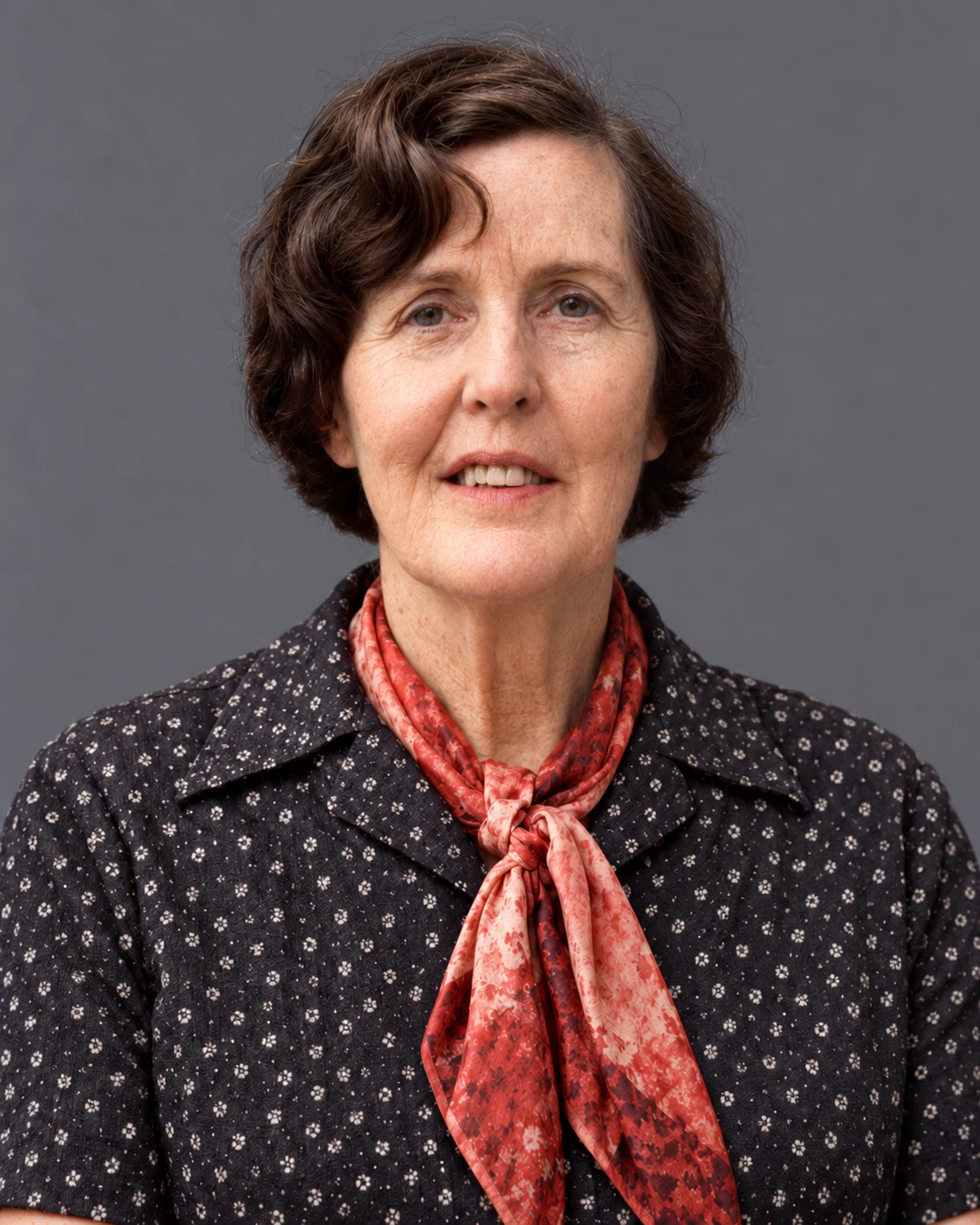
Barbara Pym
1931–1934
The novelist studied English at St Hilda’s from 1931 to 1934.
College connection
English undergraduate. 1931–1934.
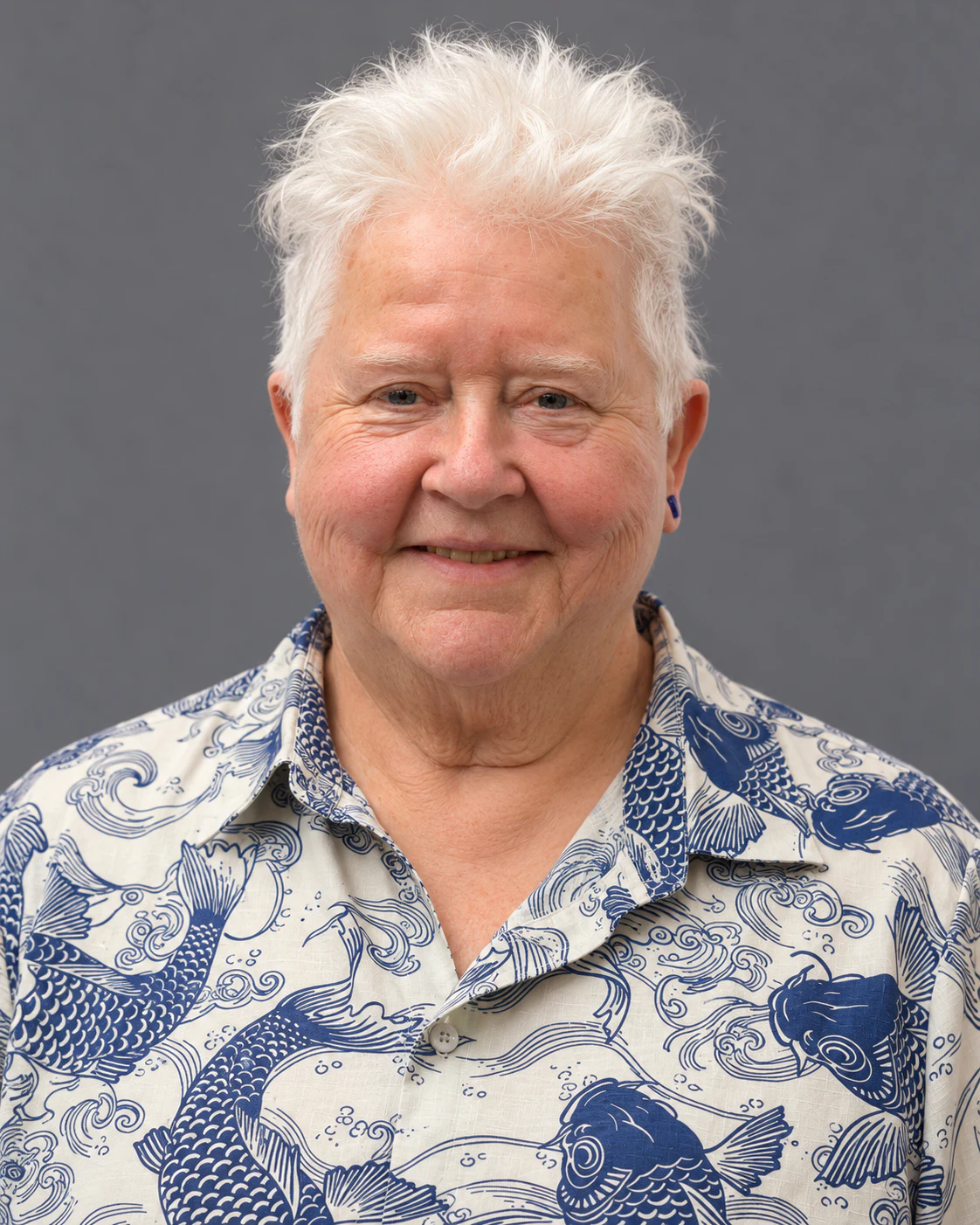
Val McDermid
Entered 1972
The crime novelist studied English at St Hilda’s from 1972 and is commemorated in named college spaces.
College connection
English undergraduate. Matriculated 1972.
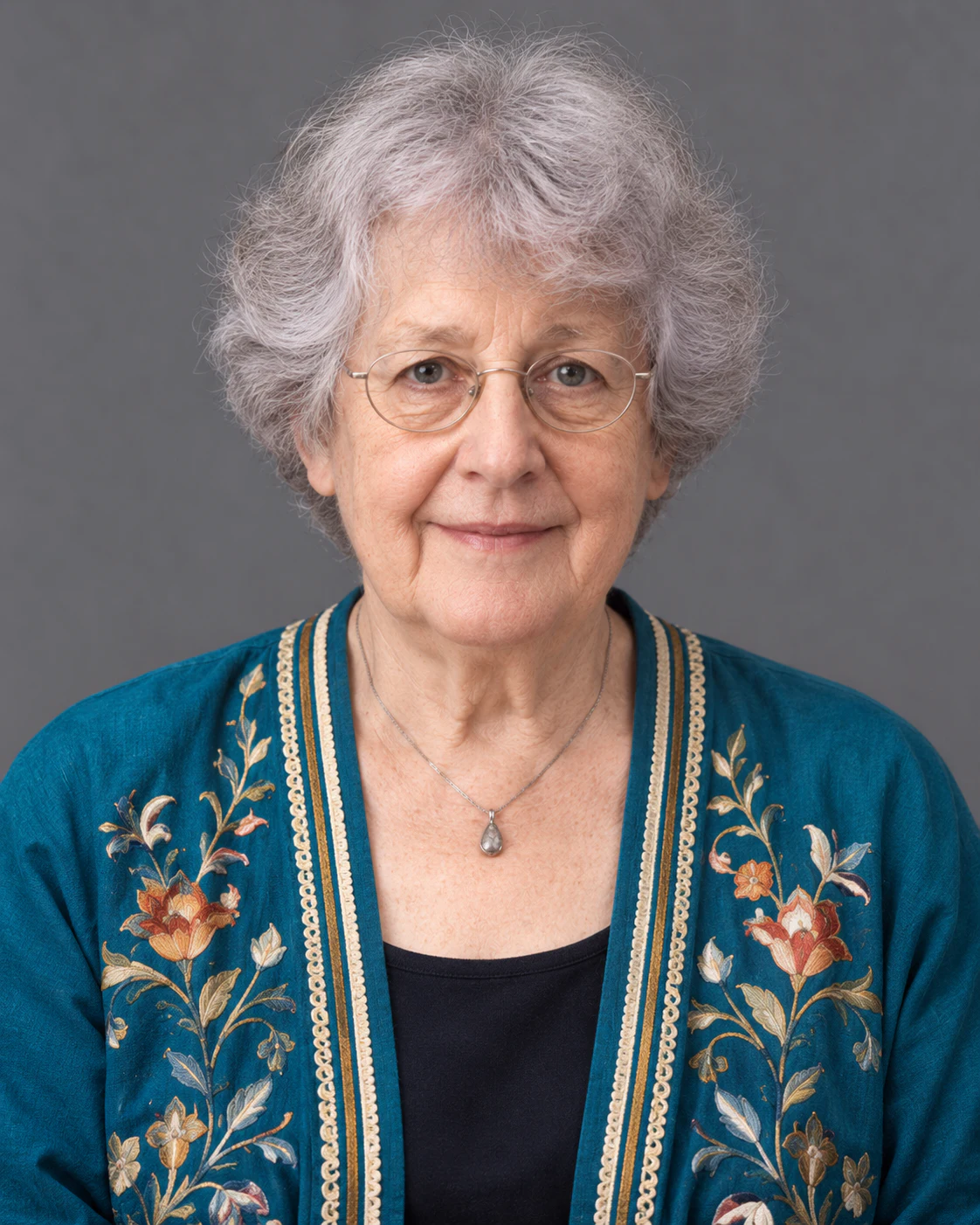
Wendy Cope
Entered 1963
The poet studied History at St Hilda’s and later contributed words to a cantata about St Hilda of Whitby.
College connection
History undergraduate. Matriculated 1963.

Zeinab Badawi
Entered 1978
The broadcaster and writer studied at St Hilda’s from 1978.
College connection
Undergraduate. Matriculated 1978.
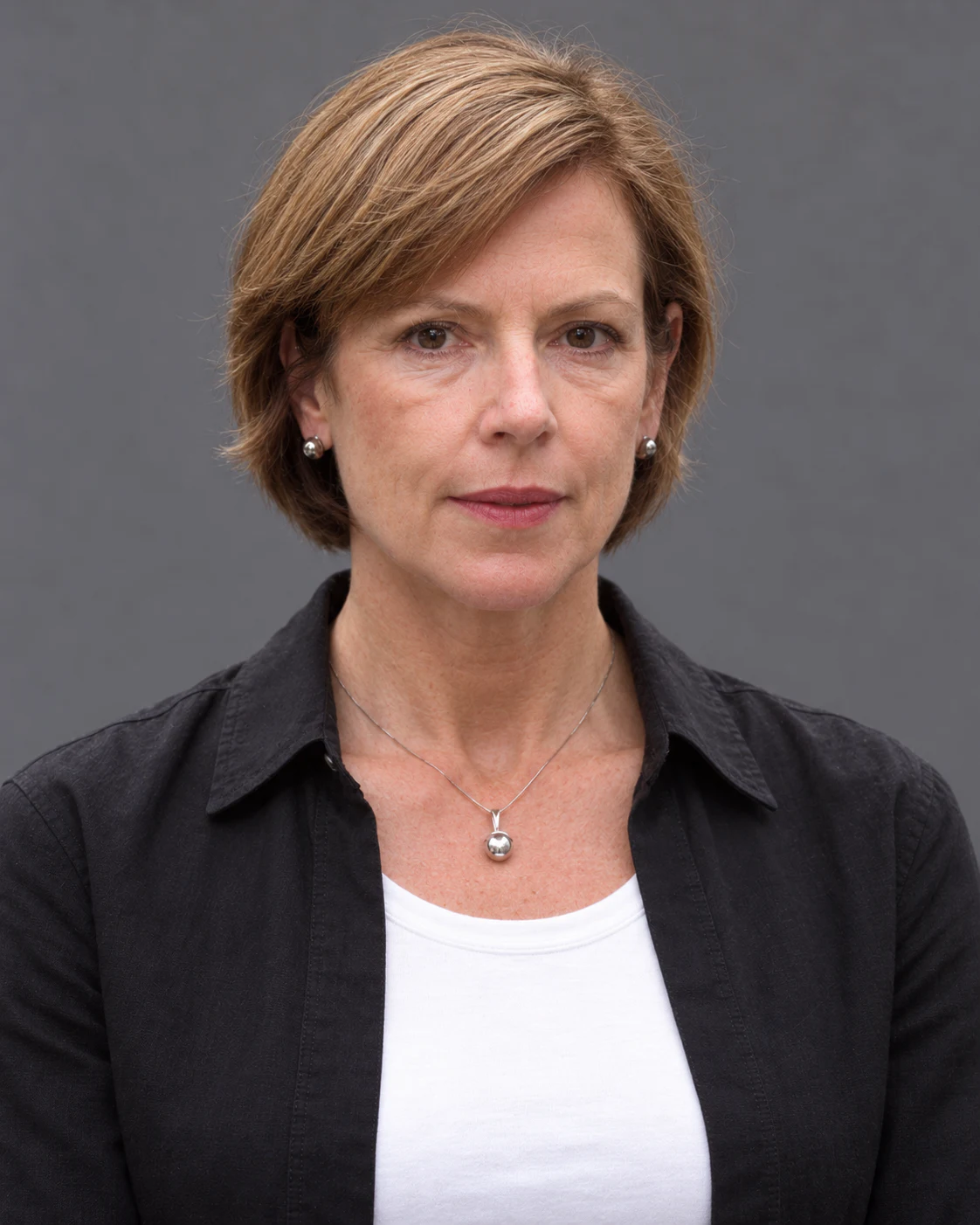
Sue Lloyd-Roberts
1970–1973
The foreign correspondent studied History and Modern Languages here before reporting on human-rights abuses for ITN and the BBC.
College connection
History and Modern Languages student, 1970–1973; worked on Isis while at Oxford.

Susan Greenfield
The neuroscientist studied at St Hilda’s and later became an Honorary Fellow.
College connection
Former student; later Honorary Fellow.
Fellows, founders and other connections

Jacqueline du Pré
The cellist and Honorary Fellow is remembered by the college’s music building.
College connection
Honorary Fellow.
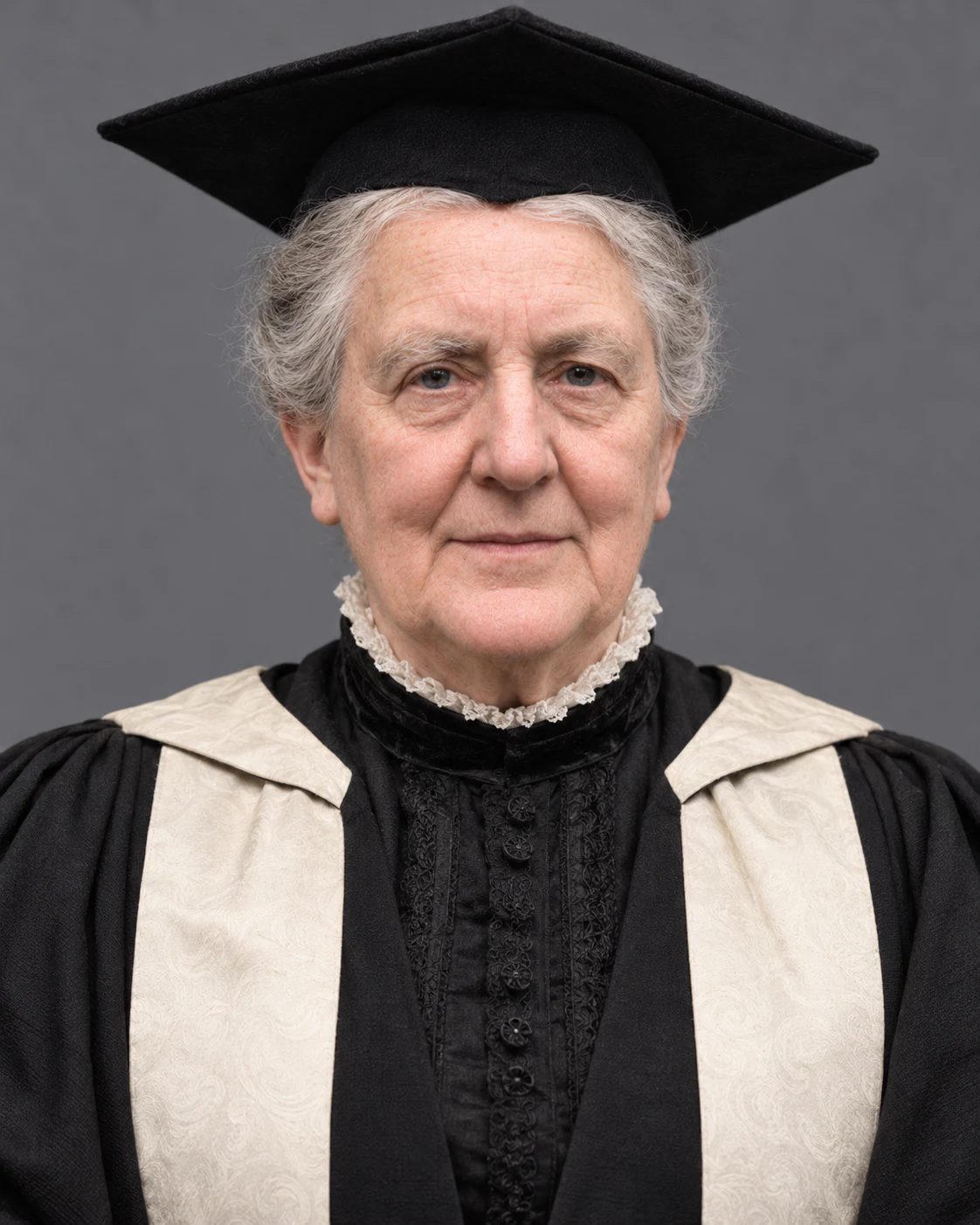
Dorothea Beale
1893
The Principal of Cheltenham Ladies’ College founded St Hilda’s Hall for women in 1893.
College connection
Founder. Founded 1893.
The story
History & character.
Dorothea Beale, Principal of Cheltenham Ladies’ College, founded St Hilda’s Hall for women in 1893. She bought the eighteenth-century Cowley House beside the Cherwell; it is now the Hall Building, the oldest part of the college. St Hilda’s received its Royal Charter as a college in 1926.
The college expanded through neighbouring houses and gardens. Cowley Grange, built in 1879, had housed a teacher-training college called Cherwell Hall. St Hilda’s leased it in 1920 and bought the house and grounds in 1949; it became South Building.
The Kathleen Major Library’s galleried reading room dates from 1935 and looks over the river. The collection includes gifts from Beale and around 700 rare books. Work in 2024 provided step-free access throughout the library.
The Wolfson Building opened in 1964. Alison and Peter Smithson designed the Garden Building, constructed in 1968–70 and opened in 1971. Its external timber screen and the preserved beech tree were part of a design shaped around the existing garden.
Novelist Barbara Pym studied English from 1931 to 1934. A literary weekend at St Hilda’s in 1993 helped lead to the Barbara Pym Society. Crime writer Val McDermid entered in 1972, and foreign correspondent Sue Lloyd-Roberts studied History and Modern Languages from 1970 to 1973.
The Jacqueline du Pré Music Building opened in 1995, commemorating the cellist and Honorary Fellow. Designed by van Heyningen and Haward with Arup Acoustics, it includes the Edward Boyle Auditorium. A later legacy supported the Brian Duke Foyer.
St Hilda’s admitted men in 2008 while continuing to use “alumnae” for former students of all genders. Gort Scott’s Anniversary Building and riverside Pavilion were completed in 2021, reshaping the college entrance and connections between the grounds.
Look closer
What to see.
The riverside gardens
The Cherwell connects the college’s older houses, gardens and newer Pavilion.
Cowley House
Beale bought the eighteenth-century house in 1893 for the new women’s hall. It is now the Hall Building.
The Garden Building
The Smithsons’ Grade II-listed residence has a timber screen facing the garden and a design shaped around a beech tree.
The Kathleen Major Library
Its galleried 1935 reading room looks over the Cherwell. External readers visit by appointment.
The Jacqueline du Pré Music Building
The Edward Boyle Auditorium hosts public concerts and remembers the cellist and Honorary Fellow.
Make it work
Plan your visit.
College visits are by appointment and arranged entry is free. Performances at the Jacqueline du Pré Music Building have their own programmes and ticket prices. The college entrance is on Cowley Place.
External readers can visit the Kathleen Major Library by appointment with the Librarian. The Garden Building is student accommodation; access to its rooms is separate from a general visit.
The main entrance is step free with powered Lodge doors, and step-free routes reach most main-site facilities, including the library, Pavilion and music building. Lifts serve the Anniversary Building and library; accessible toilets are available. Two Blue Badge spaces require advance arrangement. Hearing support is available in the library and music building; Lodge provision can be confirmed with the college.
Visit your way
Access and family planning.
The main entrance is step free with powered Lodge doors, and most main-site facilities have step-free routes. Lifts serve the Anniversary Building and library.
Accessible toilets are available; two Blue Badge spaces need advance booking. The music building and library have hearing support. Lodge provision can be confirmed with the college.
An arranged visit can include the riverside gardens; children need close supervision beside the Cherwell. The Jacqueline du Pré Music Building also has a public programme, including events that may suit families.
Self-guided walk
A walk around St Hilda’s
A public-street circuit follows Cowley Place to Magdalen Bridge and the Botanic Garden before returning.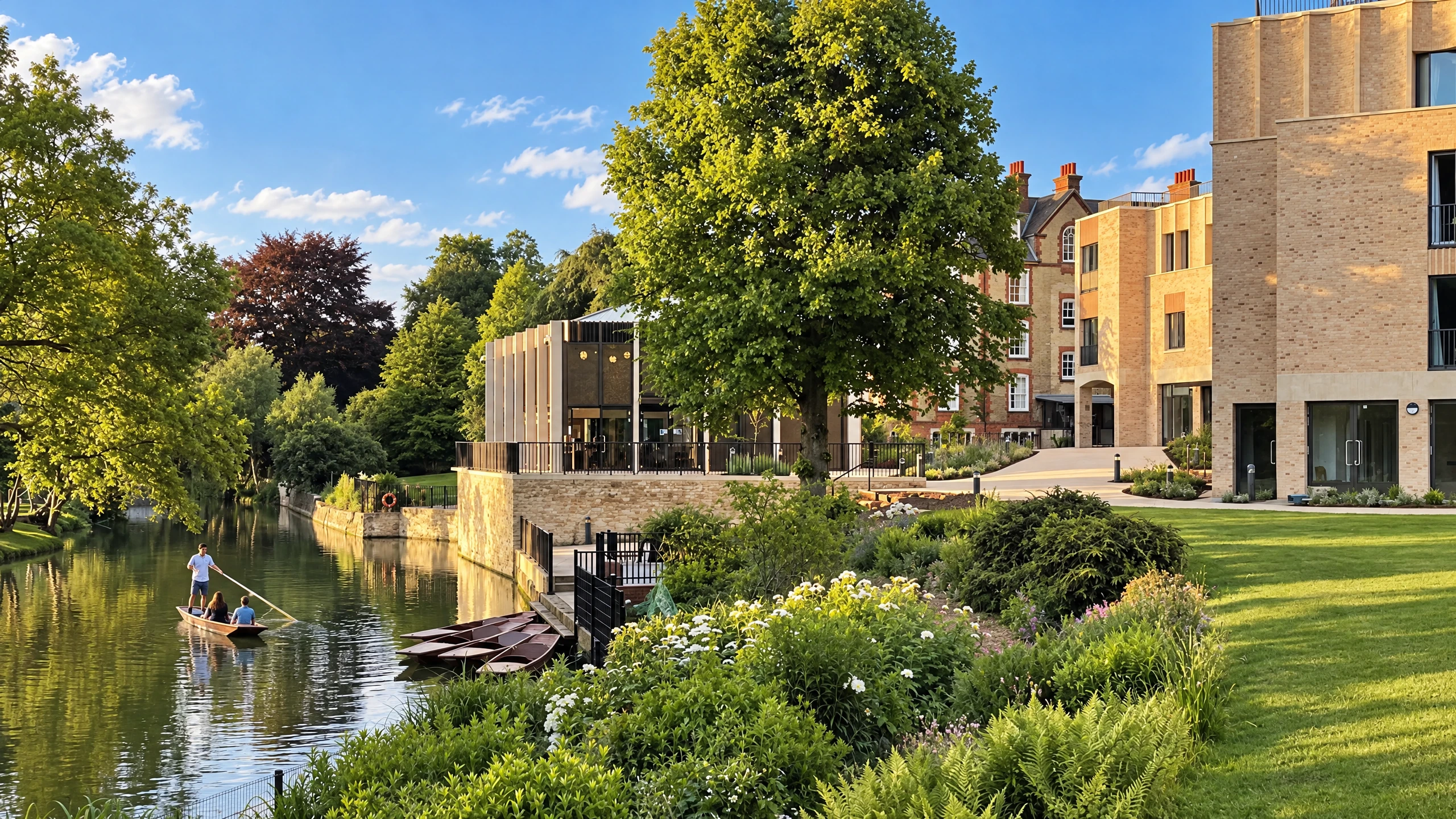

Magdalen Bridge
The bridge crosses the Cherwell beside Magdalen’s Great Tower.

Bridge and The Plain return
The bridge leads back across the river towards The Plain.
Optional college extension
An arranged college visit or a public performance at the music building offers a separate way to experience St Hilda’s.
See it
In pictures.
10 views, full screen. Tap any one to open the viewer.Around here
Make more of the area.
about 5 min walk on foot
Magdalen Bridge
The bridge crosses the Cherwell between Cowley Place and the High Street.
The garden is across Magdalen Bridge, with separate admission.
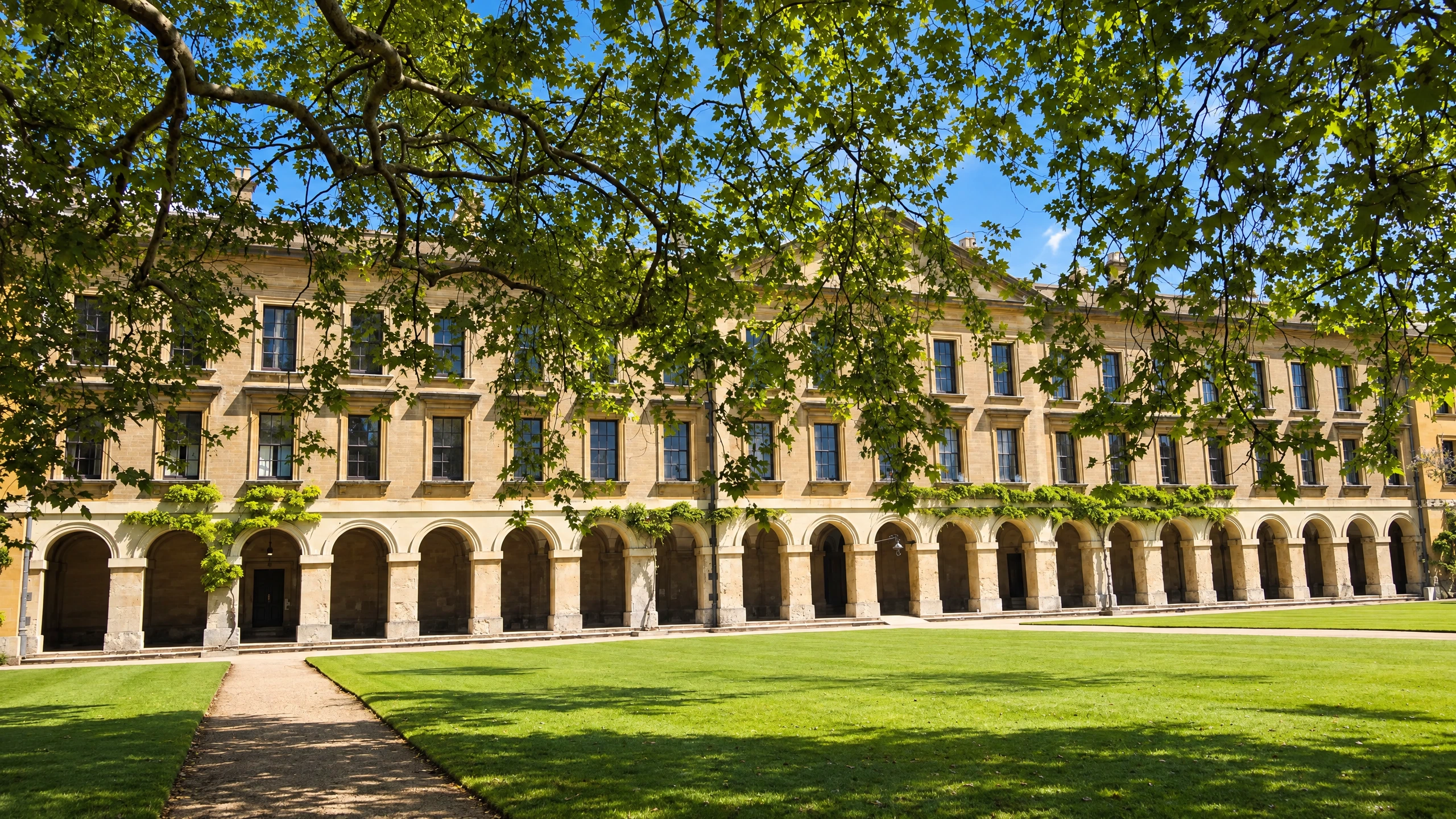
Magdalen’s Great Tower rises beside the bridge; the college has its own visiting arrangements.

The meadow offers a longer walk. The St Aldate’s War Memorial Garden entrance provides the listed wheelchair and pushchair route.
Good to know
Questions, answered.
Who founded St Hilda’s College Oxford?
Dorothea Beale founded St Hilda’s Hall for women in 1893, buying a riverside house for the new educational community. It became a college in 1926.
Why are the buildings of St Hilda’s College in Oxford arranged along the Cherwell?
St Hilda’s College in Oxford grew by acquiring neighbouring houses and gardens. The Cherwell links them and shapes the views between older and newer buildings.
Who designed St Hilda’s Garden Building?
Alison and Peter Smithson designed the Grade II-listed residence, built in 1968–70 and formally opened in 1971, with its distinctive timber screen.
Which composer’s manuscript scores are preserved at St Hilda’s?
The archive holds manuscript scores and papers of composer Elizabeth Maconchy, available to researchers through an archive appointment.
What rare books are preserved at St Hilda’s?
Around 700 rare books range from the fifteenth century onwards and include gifts from founder Dorothea Beale. They are stored with the archives.
Why is Jacqueline du Pré commemorated at St Hilda’s?
The cellist was an Honorary Fellow, and the music building opened in 1995 in her memory. It hosts a public performance programme.
Who designed St Hilda’s Jacqueline du Pré Music Building?
Van Heyningen and Haward designed the building with Arup Acoustics. It opened in 1995 with the 168-seat Edward Boyle Auditorium.
What did Gort Scott’s Anniversary Building change at St Hilda’s?
Completed in 2021, it reshaped the Cowley Place entrance and added accommodation, teaching and social spaces as part of a wider project.
What did Barbara Pym study at St Hilda’s?
Pym studied English from 1931 to 1934 before becoming a novelist. The Barbara Pym Society maintains a connection with the college.
Why is Val McDermid commemorated at St Hilda’s?
McDermid entered to study English in 1972 and became a crime novelist. College spaces, including an auditorium, bear her name.
When did St Hilda’s College start admitting men?
Men first joined St Hilda’s in 2008, making it the last of Oxford’s women’s colleges to go mixed. The college still uses “alumnae” for former students of all genders to recognise its origins in women’s education.
How can a visitor see St Hilda’s gardens and architecture?
College visits are by appointment and arranged entry is free. The rooms and gardens included depend on the visit arranged.
Can the public attend concerts at St Hilda’s?
The Jacqueline du Pré Music Building has public concerts and performances with their own tickets and timings. College visits are arranged separately.
How can an outside reader use St Hilda’s library?
External readers can arrange an appointment with the Librarian. The 2024 improvements made the library’s different areas step free.
Which access facilities serve an arranged St Hilda’s visit?
The main entrance is step free, with lifts and accessible toilets across the site. Two Blue Badge spaces require advance arrangement.
Editorial notes
Sources and further reading.
Sources for this guide
Researched 1 November 2026. Each source’s scope is specified so later updates can target the affected claim. Sources marked retained evidence come from locally saved earlier research; a failed collection job is not a completed bundle.
H1 — St Hilda’s history
Supports: Dorothea Beale 1893, recognition 1896, charter 1926, men 2008, alumnae convention.
Status: reviewed-public-source.
H2 — St Hilda’s buildings
Supports: Hall/Cowley House 1893 purchase, South Building 1879/1920/1949, Wolfson 1964, Garden 1971, Christina Barratt 2001, other properties.
Status: reviewed-public-source.
H3 — Historic England: Garden Building
Historic England: Garden Building
Supports: Grade II, Alison/Peter Smithson 1968–1970, trellis, beech relationship, timber stair and residential purpose.
Status: reviewed-public-source.
H4 — Kathleen Major Library
Supports: 70000 books, 1935 galleried room, 2024 access improvements, 700 rare books, appointment external access.
Status: reviewed-public-source.
H5 — JdP history
Supports: 1995 opening, van Heyningen/Haward, Arup Acoustics, 168 seats, Whistler engraving, 2002 legacy foyer; du Pré Honorary Fellow.
Status: reviewed-public-source.
H6 — History of St Hilda’s gardens
Supports: Riverside house/garden evolution and landscape history.
Status: reviewed-public-source.
H7 — Gort Scott: St Hilda’s
Supports: Anniversary Building, Pavilion and landscape; street boundary, river relationship, north/south connection.
Status: reviewed-public-source.
H8 — Gort Scott project study
Supports: Start December 2018, completion August 2021; project scope.
Status: reviewed-public-source.
H9 — Barbara Pym Society
Supports: Pym 1931–1934 English; Society origins 1993/1994 and college connection.
Status: reviewed-public-source.
H10 — St Hilda’s Chronicle 2019–20
Supports: Val McDermid English 1972, Zeinab Badawi 1978 and alumnae activities.
Status: retained-public-source-pack.
H11 — St Hilda’s Chronicle 2017
Supports: Wendy Cope History 1963 and literary/music connections.
Status: retained-public-source-pack.
H12 — St Hilda’s Chronicle 2021–22
Supports: Susan Greenfield alumnae list and Val McDermid Auditorium; not just honorary listing.
Status: retained-public-source-pack.
H13 — Oxford physical access survey: St Hilda’s
Oxford physical access survey: St Hilda’s
Supports: Step-free paths, lifts, toilets, parking, library/JdPsupport and Lodge-loop conflict.
Status: reviewed-public-source.
H14 — Oxford college visiting directory
Oxford college visiting directory
Supports: Appointment-only, free; contact.
Status: reviewed-public-source.
H15 — St Hilda’s archives
Supports: Administrative and personal records, audio, reminiscences; appointment research.
Status: retained-public-source-pack.
Conflict ledger
Foundation 1893, recognition 1896 and Royal Charter 1926 are distinct. No fabricated medieval foundation or namesake attendance.
Garden Building statutory construction 1968–1970 and college formal opening 1971 are compatible; preserve both. Grade II, not II*.
A general buildings timeline mentions Anniversary 2020, while architect and Principal give completion 2021; use August 2021 project completion.
University physical-access summary says Lodge loop, detailed Lodge section says no hearing system. Do not mark either as confirmed without an actual route enquiry.
Jacquelinedu Pré was an Honorary Fellow, not a college student. Music building name is commemorative.
College is appointment-only; member library hours and alumnae access are not public timelines.
Editorial interpretation
Walking allowances, pairings, family activity suggestions and visual composition choices are editorial judgments. They do not supply evidence of admission, facilities, a person’s attendance or a booking inclusion. Current admission conditions remain visible in the practical sections.
GEO1 — College-location coordinates
Supports: sourced numeric WGS84 latitude 51.749162, longitude -1.245334, read 1 November 2026. This pin represents the college location rather than a surveyed visitor entrance.
Status: reviewed-public-source-2026-11-01.
MAP1 — University of Oxford Explore Map 2026
University of Oxford Explore Map 2026
Supports: Current official map places colleges, streets, museums, gardens and public approaches. Walking durations are editorial allowances; access restrictions follow current college and venue pages, not a presumed route through a private quad.
Status: reviewed-public-source-2026-11-01.
NEAR2 — Oxford Botanic Garden visitor information
Oxford Botanic Garden visitor information
Supports: Public garden with plant collections; its own tickets, group arrangements and access information.
Status: reviewed-public-source-2026-11-01.
NEAR3 — Magdalen College exterior contextual history
Magdalen College exterior contextual history
Supports: Read in full by research agent. Foundation scale, St John’s Hospital, construction dates, Royalist period, James II crisis, Daubeny laboratory and Wolsey.
Status: reviewed-public-source-2026-11-01.
NEAR4 — Christ Church Meadow visitor information
Christ Church Meadow visitor information
Supports: Public daylight access except25December, free entry; paths are distinct from college admission.
Status: reviewed-public-source-2026-11-01.
AUD-LLOYD — Sue Lloyd-Roberts: alumna and memorial fund
Sue Lloyd-Roberts: alumna and memorial fund
Reviewed 1 November 2026. History and Modern Languages 1970–1973; Isis work; foreign-correspondent career; archive and undergraduate bursary connections.
AUD-MACONCHY — Maconchy scores and recorded college life
Maconchy scores and recorded college life
Reviewed 1 November 2026. MSscores and papers of ElizabethMaconchy; no claim that collection owner was a student.
Further reading and sources
Opening hours, prices, programmes and access arrangements can change. Confirm critical details with the venue.
Keep exploring