Central · Founded 1896 · Permanent private hall
Campion Hall
A Jesuit hall with Lutyens architecture and a remarkable collection of religious art.
- Founded
- 1896
- Location
- Brewer Street
- Visiting
- No general public interior entry
- Institution
- Permanent private hall
01 The experience
What to expect.
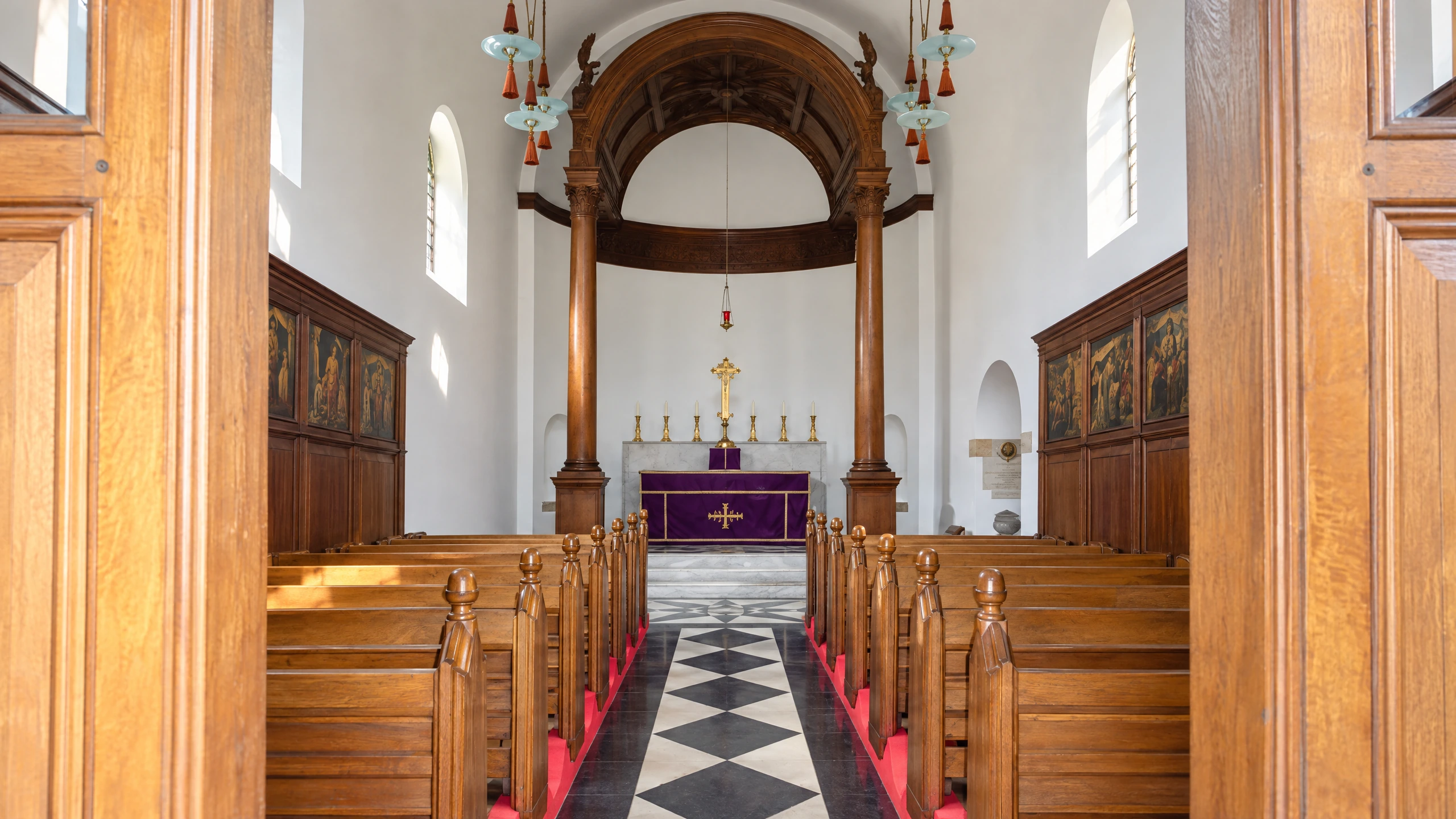
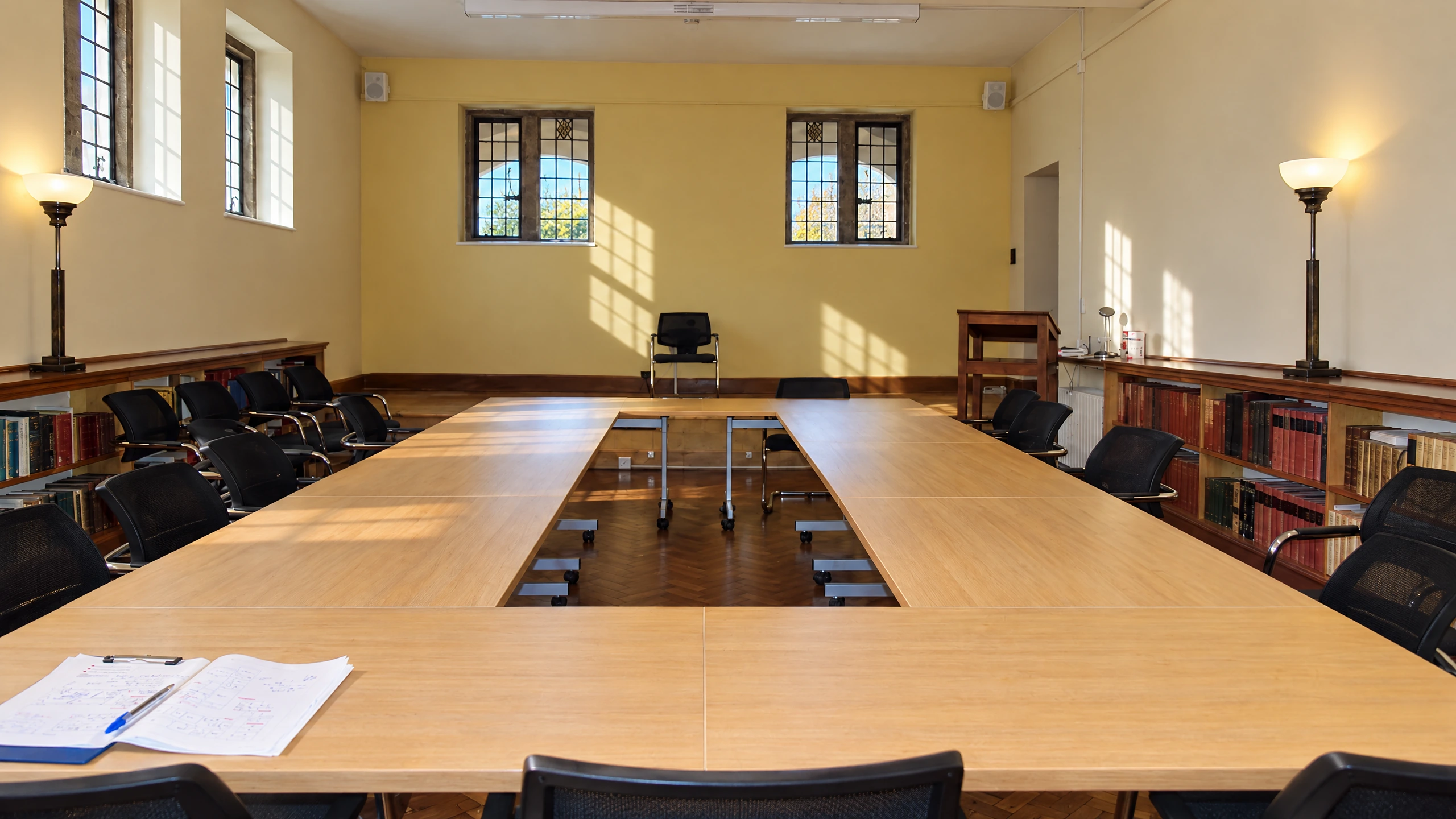
Campion Hall is a Jesuit academic community tucked into Brewer Street, near St Aldate’s. Its home was designed by Edwin Lutyens in the 1930s and brings a library, chapel, dining room and accommodation together on a compact site. The hall is not generally open for walk-in visits, though its frontage can be seen from the street.
The hall began in 1896 as Clarke’s Hall, a place for Jesuits to study at Oxford. It later took the name of Edmund Campion, the sixteenth-century Jesuit associated with St John’s College. Master Martin D’Arcy brought Lutyens to Brewer Street and assembled a collection of religious art, sculpture and historic vestments.
Writer Evelyn Waugh gave royalties from his biography of Campion to help fund Charles Mahoney’s decoration of the Lady Chapel. A medieval enamel triptych and Marcello Venusti’s Crucifixion are on long loan to the Ashmolean, where display depends on the museum’s arrangements.
Campion’s researchers work on subjects ranging from ecology and migration to endangered languages. Its library is a working collection, with research access arranged separately.
People and ideas
Former students

Emilio Travieso SJ
Scholar whose work includes food systems, agroecology and rural education in Haiti.
College connection
Research student at Campion and Oxford’s Department of International Development.

Alejandro Olayo-Méndez SJ
Researcher and educator whose work includes migration and humanitarian support.
College connection
Oxford and Campion research student in international development.
The story
History & character.
Campion began in 1896 as Clarke’s Hall, named for its first Master, Richard Frederick Clarke. It gave Jesuits a home for study at Oxford after nineteenth-century changes removed earlier religious restrictions. For a time the hall took the name of each successive Master.
Permanent Private Hall status in 1918 brought a lasting name, honouring Jesuit Edmund Campion. In the 1930s Master Martin D’Arcy commissioned Edwin Lutyens to design a home on Brewer Street. Lutyens incorporated the older Micklem Hall into a plan with a library, refectory, chapels and living rooms.
D’Arcy also assembled a collection of religious paintings, sculptures and vestments. Friends including Eric Gill, David Jones, Augustus John and Frank Brangwyn gave works. Evelyn Waugh contributed royalties from his biography of Edmund Campion, helping fund Charles Mahoney’s Lady Chapel decoration.
Some works are on long loan to the Ashmolean, including a fourteenth-century gold-and-enamel triptych and Venusti’s Crucifixion, after designs by Michelangelo. A small painting held at Campion since 1937 was later recognised as Christ Blessing by Quentin Massijs and Workshop.
Campion remains a Jesuit hall with graduate research across many fields. Emilio Travieso has worked on food systems and rural education, Alejandro Olayo-Méndez on migration, and Vijay D’Souza on the Hrusso Aka language.
Look closer
What to see.
The Brewer Street frontage
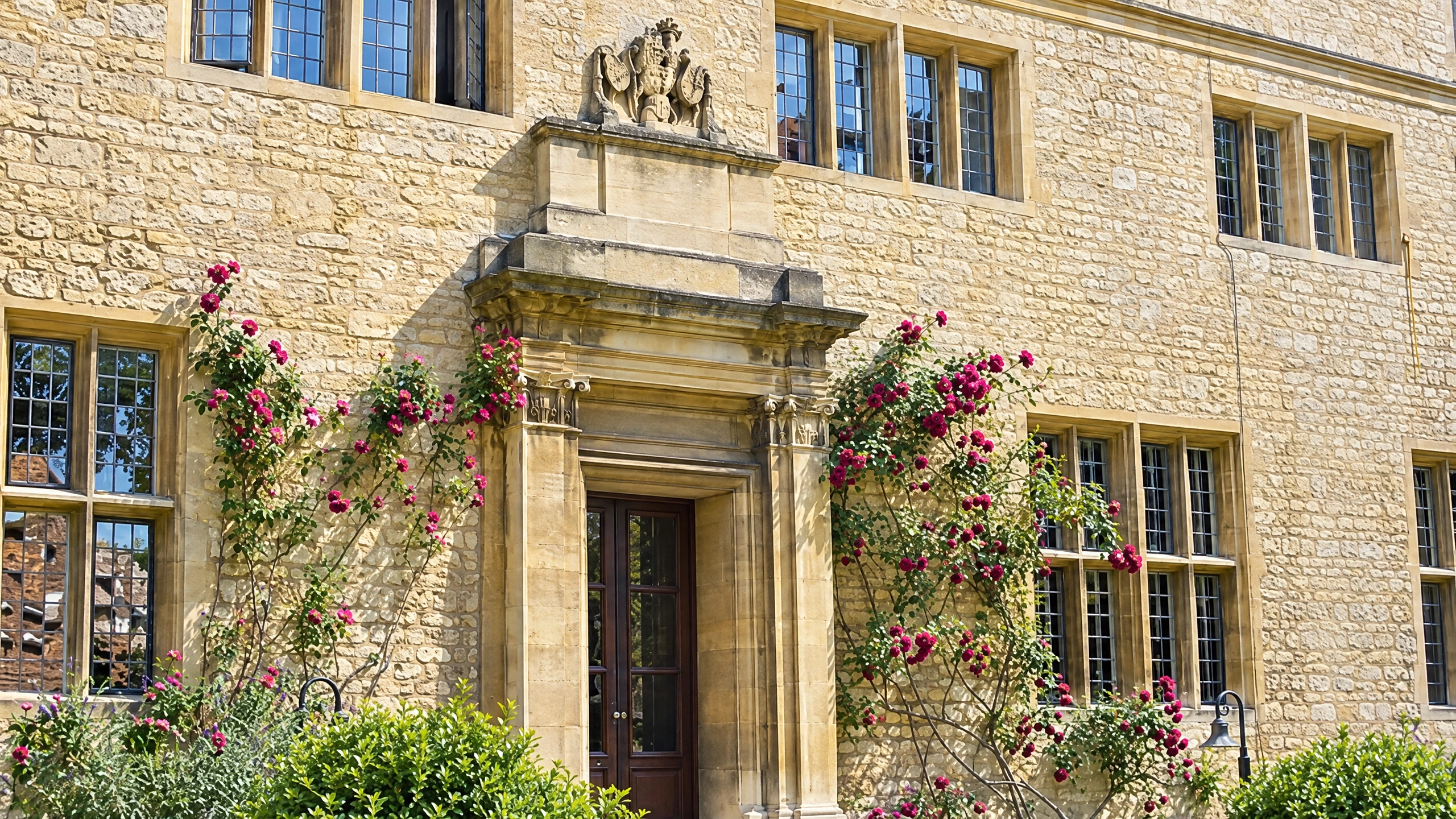
Edwin Lutyens designed Campion’s 1930s home around a compact site, incorporating the earlier Micklem Hall.
The art collection
Martin D’Arcy gathered religious paintings, sculpture and vestments. The hall’s interiors are accessible by invitation or arrangement.
The Lady Chapel
Charles Mahoney decorated the chapel with support from royalties given by Evelyn Waugh. The chapel is not wheelchair-accessible.
Campion at the Ashmolean
A medieval enamel triptych and Venusti’s Crucifixion are on long loan to the museum; display varies.
Make it work
Plan your visit.
Campion is not generally open for public walk-in visits. The frontage is visible at 5 Brewer Street; an interior visit requires an invitation, research arrangement or suitable advertised event. Library enquiries can be sent to library@campion.ox.ac.uk.
The main entrance has three steps and a steep temporary ramp. A controlled courtyard route uses a platform lift with staff assistance. The main chapel is not wheelchair-accessible.
The Ashmolean holds works from Campion’s collection on long loan, including a medieval triptych and Venusti’s Crucifixion. Display depends on the museum’s current arrangements.
Visit your way
Access and family planning.
The main entrance on Brewer Street has three steps and a steep temporary ramp. A controlled route through the courtyard uses a platform lift with staff assistance. The main chapel is not wheelchair-accessible. An accessible toilet is beside the basement platform lift in the Lutyens Wing. No hearing-support system is listed.
Campion’s Brewer Street frontage can be seen on a city-centre walk, but the hall is not generally open for walk-in visits. The nearby Museum of Oxford and Christ Church offer separate family visits.
Self-guided walk
A walk around Campion
Campion’s Brewer Street home is close to Christ Church and the Museum of Oxford.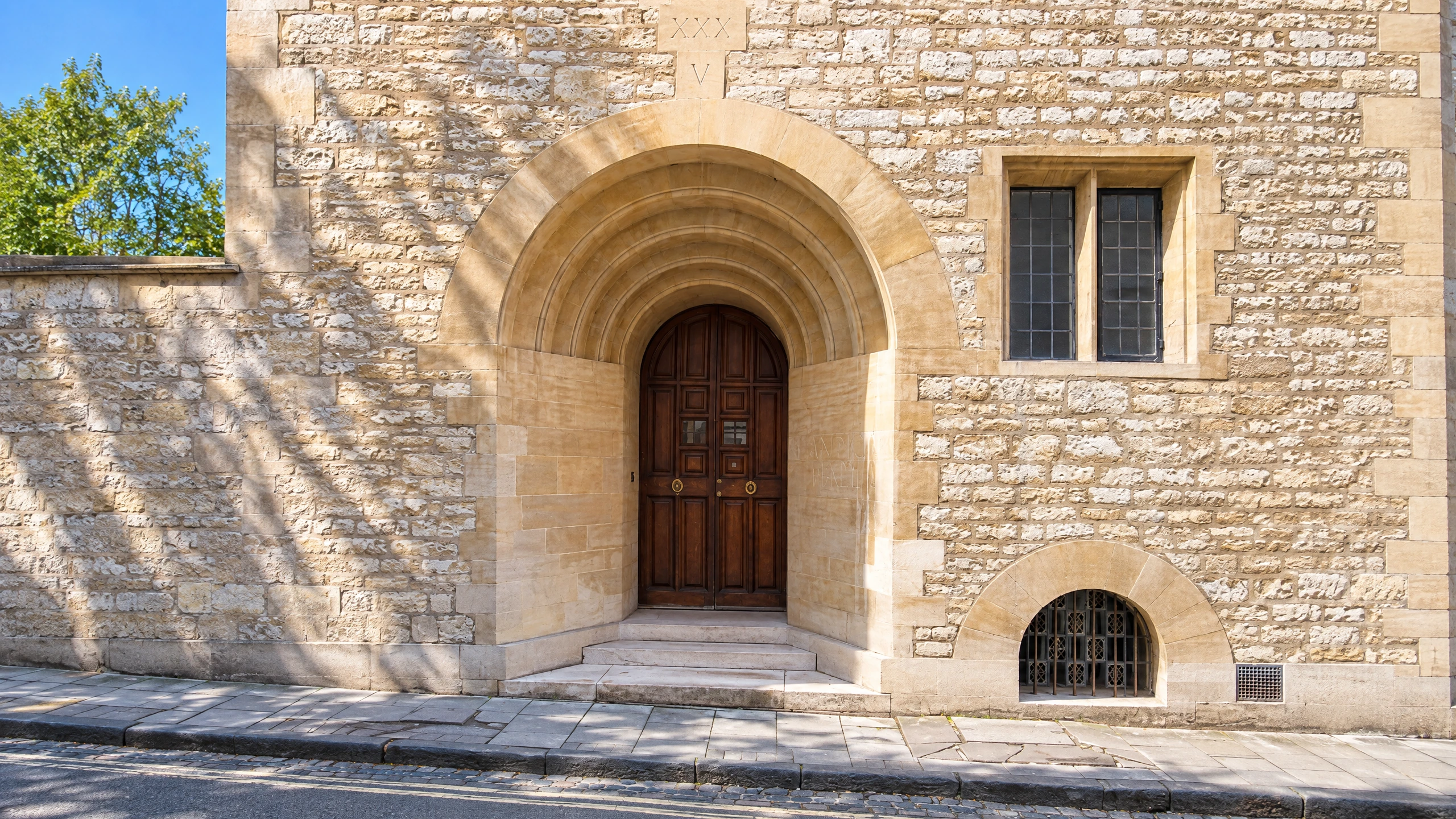
Brewer Street frontage
Campion’s Lutyens-designed home stands at number 5. Interior visits are by invitation or arrangement.
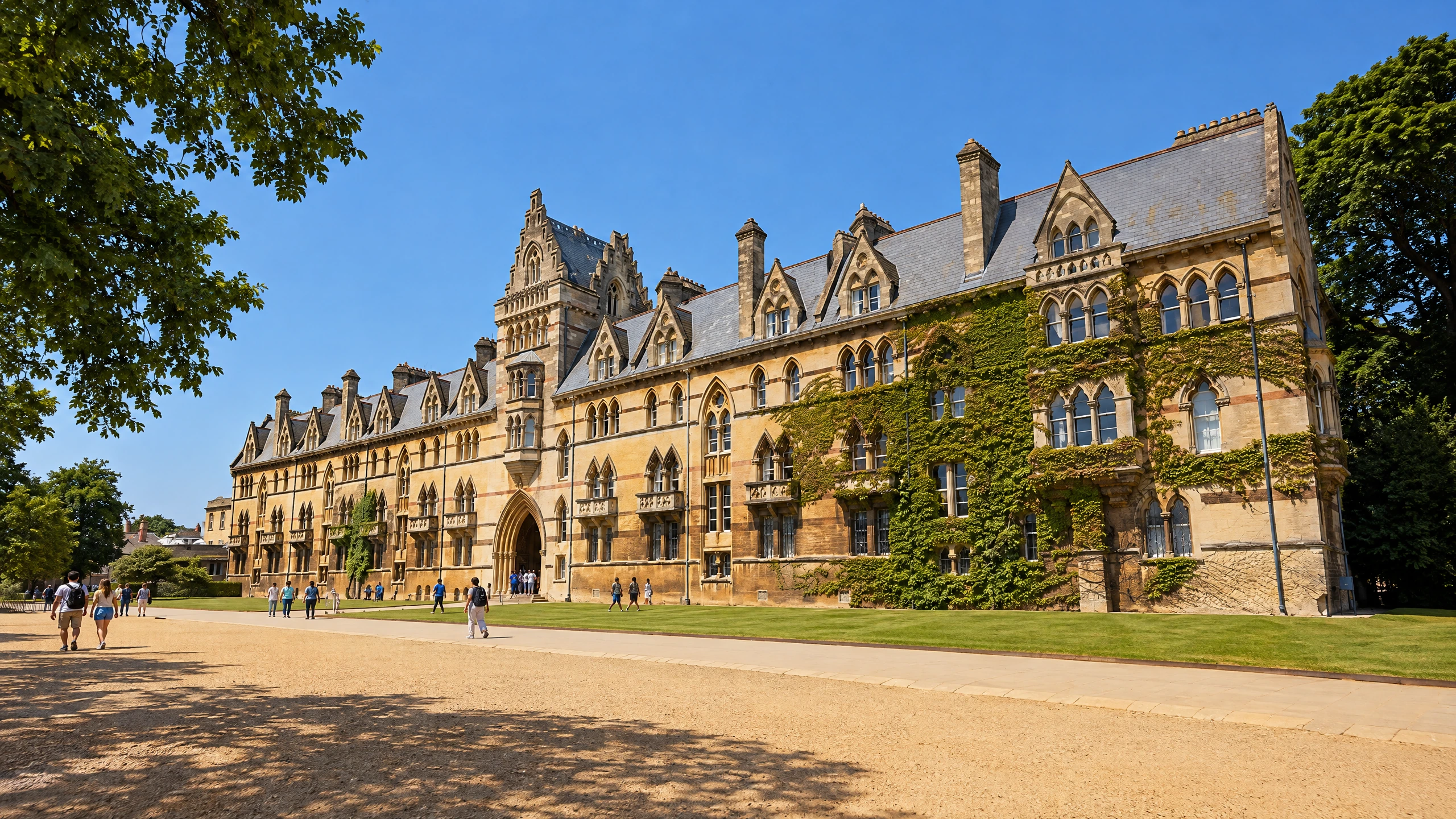
St Aldate’s and Christ Church
Brewer Street meets St Aldate’s beside the grand frontage of Christ Church.
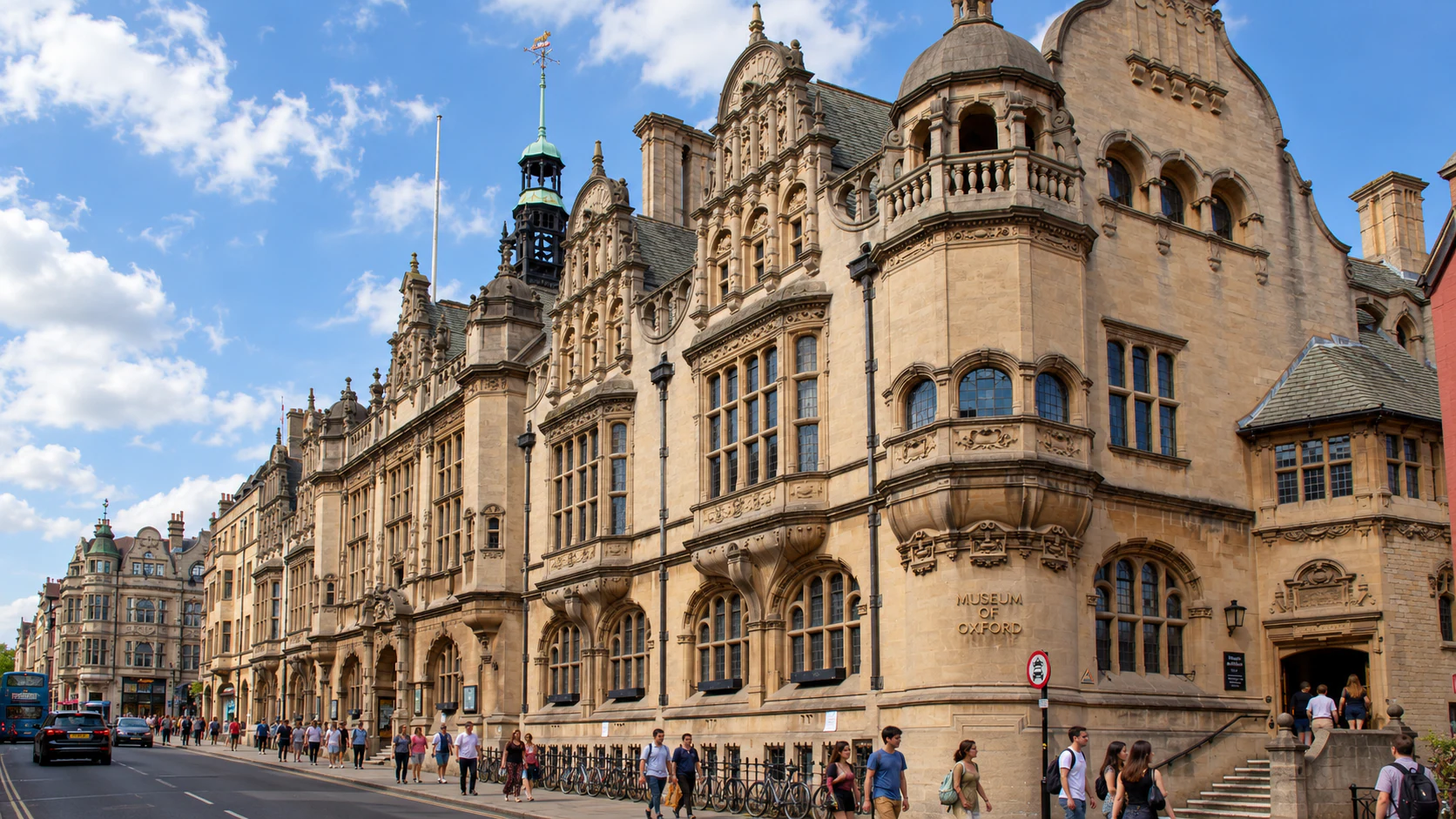
Town Hall and Museum of Oxford
A short walk north brings you to the Town Hall and the Museum of Oxford.
Return to Brewer Street
St Aldate’s leads back to Brewer Street. The Ashmolean, further north, holds several works on long loan from Campion.
See it
In pictures.
10 views, full screen. Tap any one to open the viewer.Around here
Make more of the area.
Christ Church’s grand St Aldate’s frontage is close to Brewer Street. College visits have separate tickets.
The Town Hall museum shares stories of the city and its people.
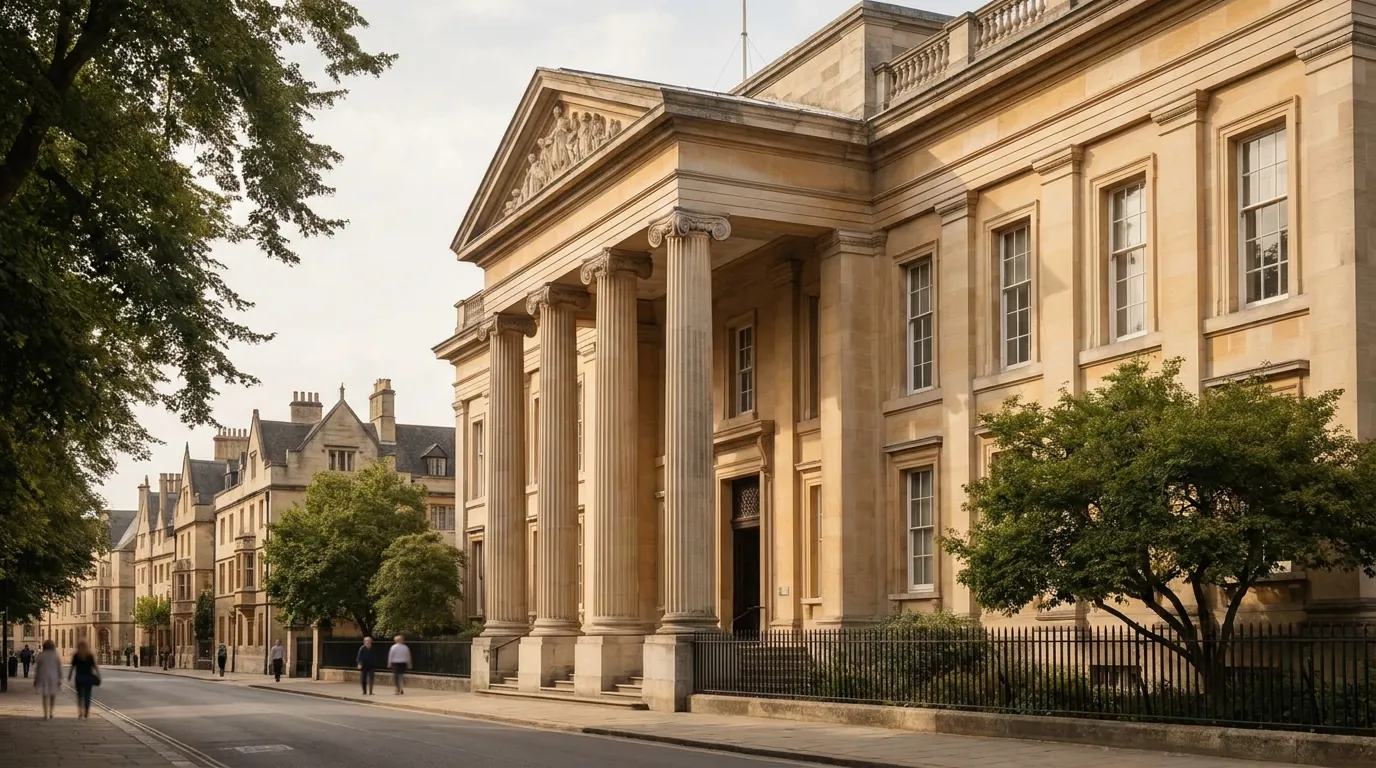
The museum holds several works on long loan from Campion; display can vary.
Good to know
Questions, answered.
Why is Campion Hall important to the Jesuit history of Oxford?
Campion began in 1896 as a private hall where Jesuits could study at Oxford, following the removal of earlier religious restrictions.
Was Campion Hall in Oxford originally called Clarke’s Hall?
Campion Hall in Oxford opened as Clarke’s Hall, named for first Master Richard Frederick Clarke. The name changed with successive Masters until Permanent Private Hall status in 1918.
When was Lutyens’s Campion Hall building constructed?
Construction began in 1934 and the hall moved during the mid-1930s. The design incorporates the earlier Micklem Hall on the compact Brewer Street site.
Which modern artists contributed works to Campion Hall’s collection?
Works by Eric Gill, David Jones, Augustus John and Frank Brangwyn joined the older religious paintings and sculpture gathered by Martin D’Arcy.
How did Evelyn Waugh help pay for Campion Hall’s Lady Chapel?
Waugh gave royalties from his biography of Edmund Campion to the hall. The gift helped fund Charles Mahoney’s decoration of the Lady Chapel.
What is Campion Hall’s sculpture of St Ignatius and his Companions?
The polychromed wooden group depicts St Ignatius and his Companions and was probably made in Seville in the early seventeenth century.
Who painted the Lady Chapel decoration at Campion Hall?
Charles Mahoney created the decoration, supported in part by Evelyn Waugh’s gift of royalties. Visits to the hall’s interiors require an arrangement.
Who formed Campion Hall’s art collection?
Martin D’Arcy, Master from 1933, gathered religious paintings, sculpture and liturgical textiles with help from artists, friends and collectors.
Which medieval Campion Hall object is on loan to the Ashmolean?
A fourteenth-century gold-and-enamel folding triptych associated with Mary Queen of Scots is on long loan to the Ashmolean; display depends on the museum.
Does Campion Hall own a painting based on Michelangelo’s designs?
Yes. Marcello Venusti’s 1540 Crucifixion, based on Michelangelo’s designs, belongs to Campion and is on long loan to the Ashmolean.
What was the painting rediscovered at Campion Hall as a Massijs work?
Christ Blessing was recognised as a work by Quentin Massijs and Workshop after technical study. D’Arcy had acquired the painting in 1937.
What subjects make Campion Hall’s library distinctive?
The library supports Jesuit scholarship, with strengths including Catholic theology, integral ecology, refugees and peacebuilding. Outside consultation is arranged with the librarian.
Which Mannerist and Baroque painters appear in Campion Hall’s collection?
The collection includes paintings by Palma il Vecchio and Guido Reni, and a Jacopo Bassano. Venusti’s Crucifixion is on loan to the Ashmolean.
Can the public visit Campion Hall Oxford?
Campion Hall does not offer casual walk-in visits. The university lists visits by appointment; the hall can advise whether an interior visit is possible.
Why do portraits of the Catholic Stuarts appear in Campion’s collection?
D’Arcy collected portraits of the Catholic Stuarts alongside religious art and works linked with Jesuit activity, exploring a part of English Catholic history.
Is Campion Hall’s chapel wheelchair-accessible?
The main chapel is not wheelchair-accessible. Other parts of the hall have controlled routes using a courtyard and platform lift with staff assistance.
Why did Campion move from St Giles to Brewer Street?
The lease of Middleton Hall on St Giles was due to end in 1936. The Jesuit community commissioned Lutyens to design a new home on Brewer Street, incorporating the existing Micklem Hall.
What is the Laudato Si’ Research Institute at Campion?
The institute brings theology and other disciplines together to study ecological and social questions, including climate change, mining and endangered languages.
Editorial notes
Sources and further reading.
Sources for this guide
Research reviewed on 1 November 2026.
S1 — Oxford College Archives
https://oac.site.ox.ac.uk/campion-hall
Supports: 1896 Clarke’s Hall,1918 PPH/name, St Giles to Brewer Street 1935, Lutyens drawings, art collection records.
S2 — Oxford visitor directory
https://www.ox.ac.uk/about/visit-us/visiting-colleges
Supports: Campion Hall not generally open to public; any event, academic or invited visit is separate.
S3 — Art collection
https://www.campion.ox.ac.uk/art-collection-landing-page
Supports: D’Arcy collection,1350–1370 triptych, Venusti 1540 Crucifixion, Jesuit worldart, vestments, modernartists; loans to Ashmolean.
S4 — 130-year history 2026
https://www.jesuit.org.uk/news/campion-hall-marks-130-years-of-jesuit-life-and-learning-at-oxford
Supports: Clarke/Pope/Plater names,1918, St John’s links, D’Arcy 1933, Lutyens work 1934/move 1935, Waugh royalties, Mahoney.
S5 — Library
https://www.campion.ox.ac.uk/library
Supports: 32000 volumes, Arts, modern Catholic theology, integralecology, Jesuit studies, refugeesandpeacebuilding; member 24 hours and external appointment.
S6 — Massijs painting 2025
https://alumni.ox.ac.uk/article/masterpiece-discovered-at-campion-hall
Supports: Christ Blessing/Salvator Mundi, Massijs and Workshopc 1500, scientificstudy,1937 purchase,2025 Ashmolean display.
S7 — Physical Access Guide
https://www.ox.ac.uk/about/how-we-are-run/equality-diversity/access-guide/colleges/campion-permanent-private-hall
Supports: 3 main steps, steeptemporaryramp, courtyard/platform lift route,3 lifts, chapelnotwheelchairaccessible, accessible toilet, nohearingloops.
S8 — Oxford graduate profile
https://www.ox.ac.uk/admissions/graduate/colleges/campion-hall
Supports: Graduate community, subjects, commonmeals,32 kbooks; summaryclaimsstepfree mainfacilitiesbutdetailedguidequalifies.
S9 — Emilio Travieso
https://www.campion.ox.ac.uk/making-difference-emilio-travieso
Supports: Actual research student, DPhil international development, Tseltalfieldworkand Haiti agroecology education.
S10 — Alejandro Olayo-Méndez
https://www.campion.ox.ac.uk/making-difference-alejandro-olayo-mendez
Supports: Actual Oxford/Campion training ininternationaldevelopment, migration fieldwork and Boston College teaching; exactdatesnotgiven.
S11 — Vijay D’Souza
https://www.campion.ox.ac.uk/making-difference-vijay-dsouza
Supports: Campion period ended September 2020, linguistic work and Hrusso Aka; degreeattendanceexactnotestablishedsoadditionalconnectiononly.
S12 — Lutyens Trust architectural visit
https://www.lutyenstrust.org.uk/portfolio-item/visit-to-campion-hall-and-middleton-park/
Supports: Brewer Street constrainedsite, Micklem Hall incorporation,1930 architecture, arrangedvisitorcontext.
S13 — Hall homepage
https://www.campion.ox.ac.uk/
Supports: Jesuit PPH, internationalgraduatecommunity, research and October 2026 matriculation.
Coordinate provenance
https://en.wikipedia.org/wiki/Campion_Hall,_Oxford — July 2026 college-place record carried forward as a site location, not an entrance.
Conflict ledger
Oxford graduate profile broadly says step-free access to main facilities; detailed physical guide records chapel inaccessible and steep temporary ramps. Use the room-specific guide. Move dates vary 1935/1935–36; use mid 1930 s for general narrative. Museum digital exhibition typo 1834 for Lutyens is rejected, using architect/archive evidence. Broadly famous historic people lack sufficiently established student dates here; actual recent scholars are distinguished from founders, artists and donors.
Interpretive statements
Suggestions about visual contrasts, audience suitability, walking combinations and visit duration are editorial interpretation, separated from factual claims by their context. No first-person visit is asserted. Private research status and booking implementation notes remain in editor metadata.
GEO1 — Fresh numeric site location
https://en.wikipedia.org/wiki/Campion_Hall,_Oxford
Latitude 51.7496; longitude -1.2582, WGS84, reviewed 1 November 2026. Site position only; no entrance or accessible drop-off is inferred. Supersedes the earlier carried-forward coordinate statement.
AUD-CAMPION — Emilio Travieso: Hall research
Emilio Travieso: Hall research
Reviewed 1 November 2026. Hall describes doctoral research, the Campion community and later Haiti work. Olayo-Méndez’s parallel Hall profile confirms his research and subsequent Boston College teaching.
AUD-ART — St Ignatius sculpture and Stonyhurst influence
St Ignatius sculpture and Stonyhurst influence
Reviewed 1 November 2026. PolychromedStIgnatiusgroupprobablySevilleearly17thcentury;DArcyStonyhurstcollectionsandliturgicalvestments.
AUD-LSRI — Laudato Si’ Research Institute
Laudato Si’ Research Institute
Reviewed 1 November 2026. Fresh live institutional homepage body read: research disciplines and named workstreams, Integral Ecology Library, events; currentSeptember2026mining gathering explicitly atCampion. Failed guessed about-us/collegesubpage URLs not used.
Further reading and sources
Opening hours, prices, programmes and access arrangements can change. Confirm critical details with the venue.
Keep exploring