Central · Founded 1786
Harris Manchester College
Burne-Jones and Morris stained glass, a travelling academy’s history and a community for mature students meet on Mansfield Road.
- Founded
- 1786
- Location
- Mansfield Road
- Visiting
- Chapel only
- Institution
- College
01 The experience
What to expect.
Colour, music and a different kind of Oxford story
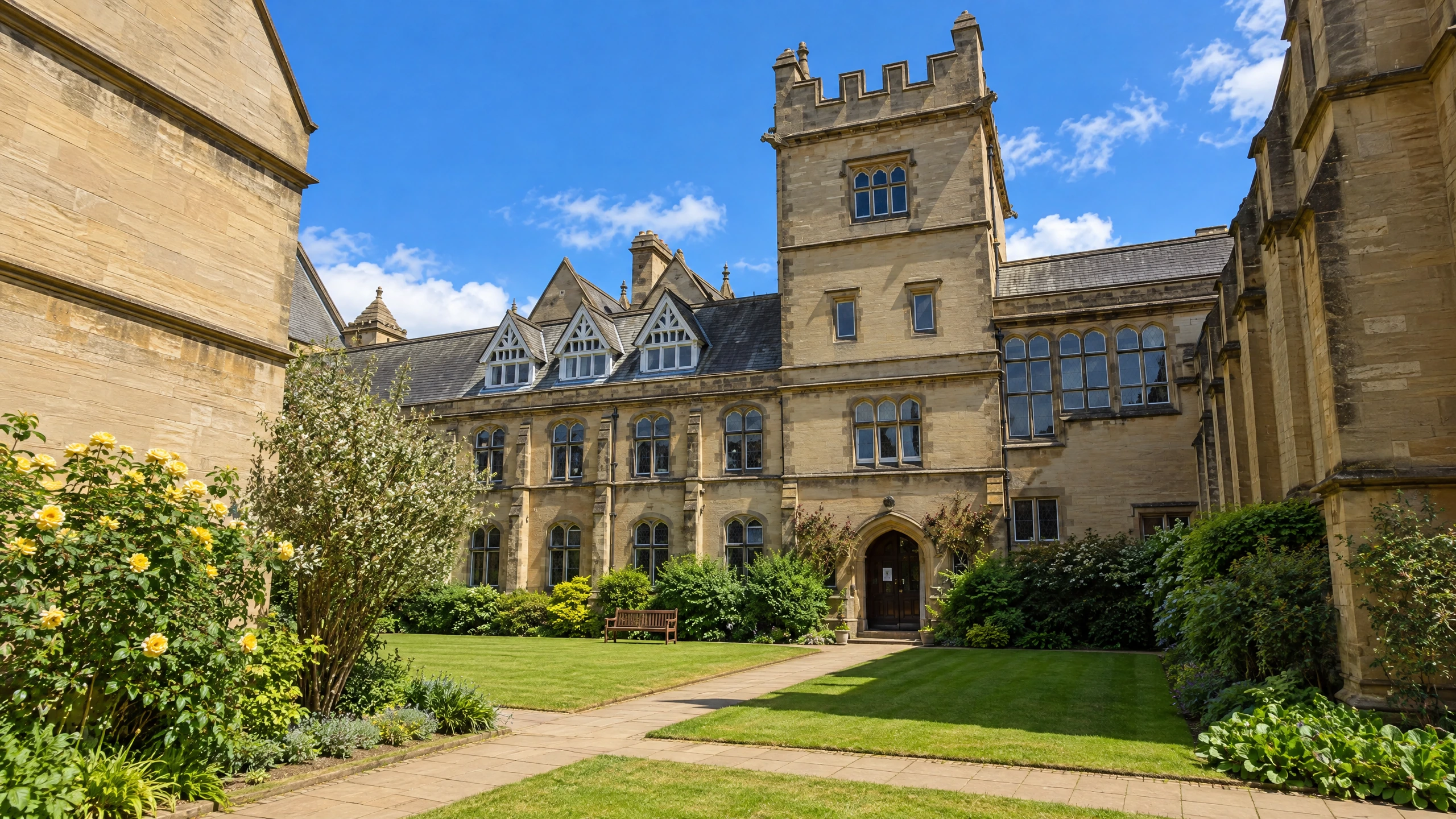
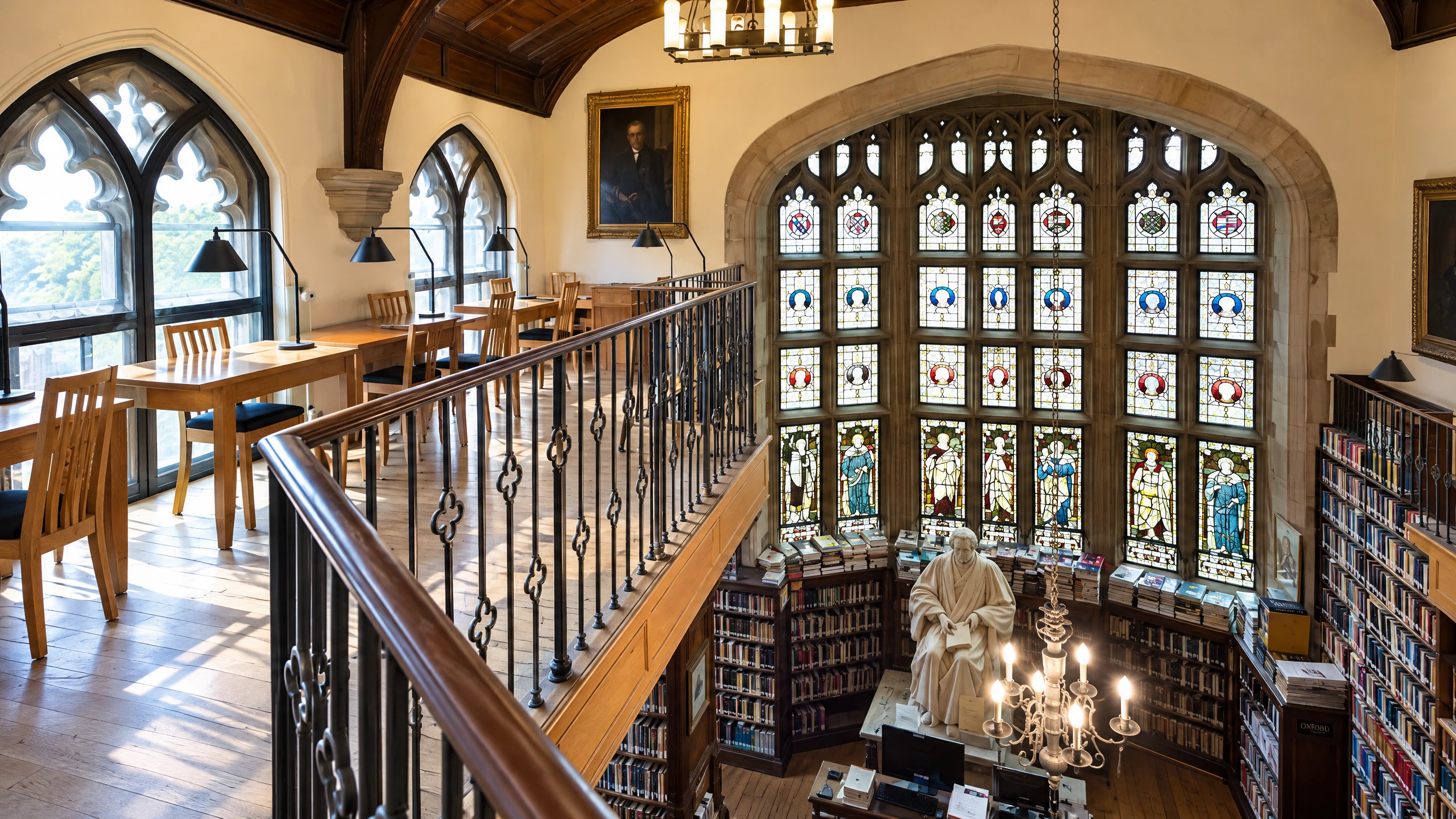
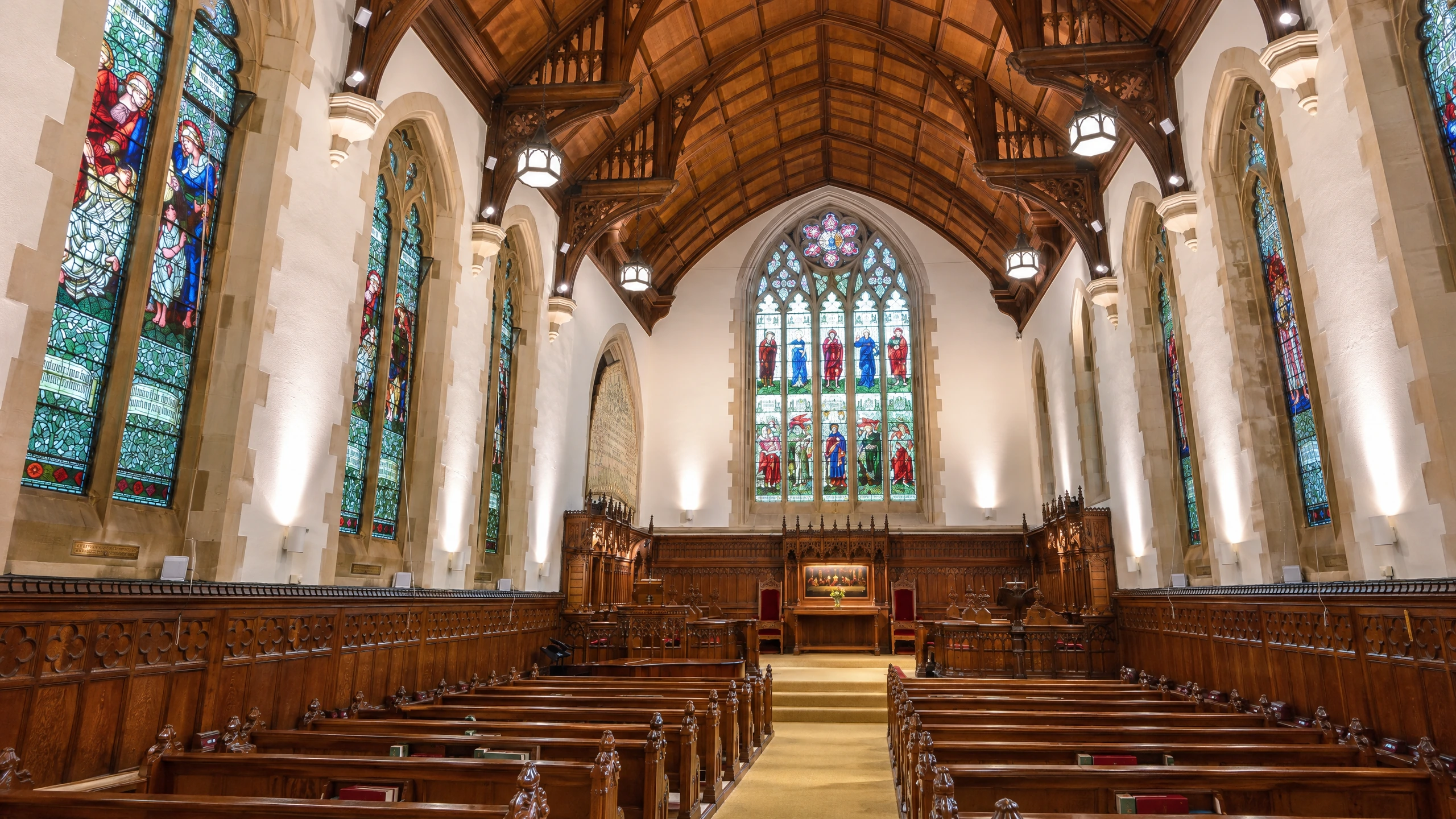
Harris Manchester’s chapel is filled with stained glass designed by Edward Burne-Jones and made with William Morris. The windows include a sequence showing the Six Days of Creation, bringing colour and storytelling to this late-Victorian building on Mansfield Road.
The college has a distinctive purpose: it welcomes students beginning their Oxford studies at the age of 21 or older. Its own history began far from Oxford, with an academy founded in Manchester in 1786 that moved through York and London before settling here.
The Tate Library and Arlosh Hall belong to the college’s Oxford story, as do the people who have studied here at different stages of life. They include comedian Deborah Frances-White, politician Ingrid Betancourt and Chris Wheeler, who began a history degree after a long career in banking.
The chapel is the usual public visiting space when available. The library and other college rooms have separate access arrangements.
People and ideas
Famous former students

Ingrid Betancourt
2017
Politician and anti-corruption campaigner Ingrid Betancourt studied theology at Harris Manchester.
College connection
Theology student and later Supernumerary Fellow. 2017 cohort.
Satveer Chaudhary
1989
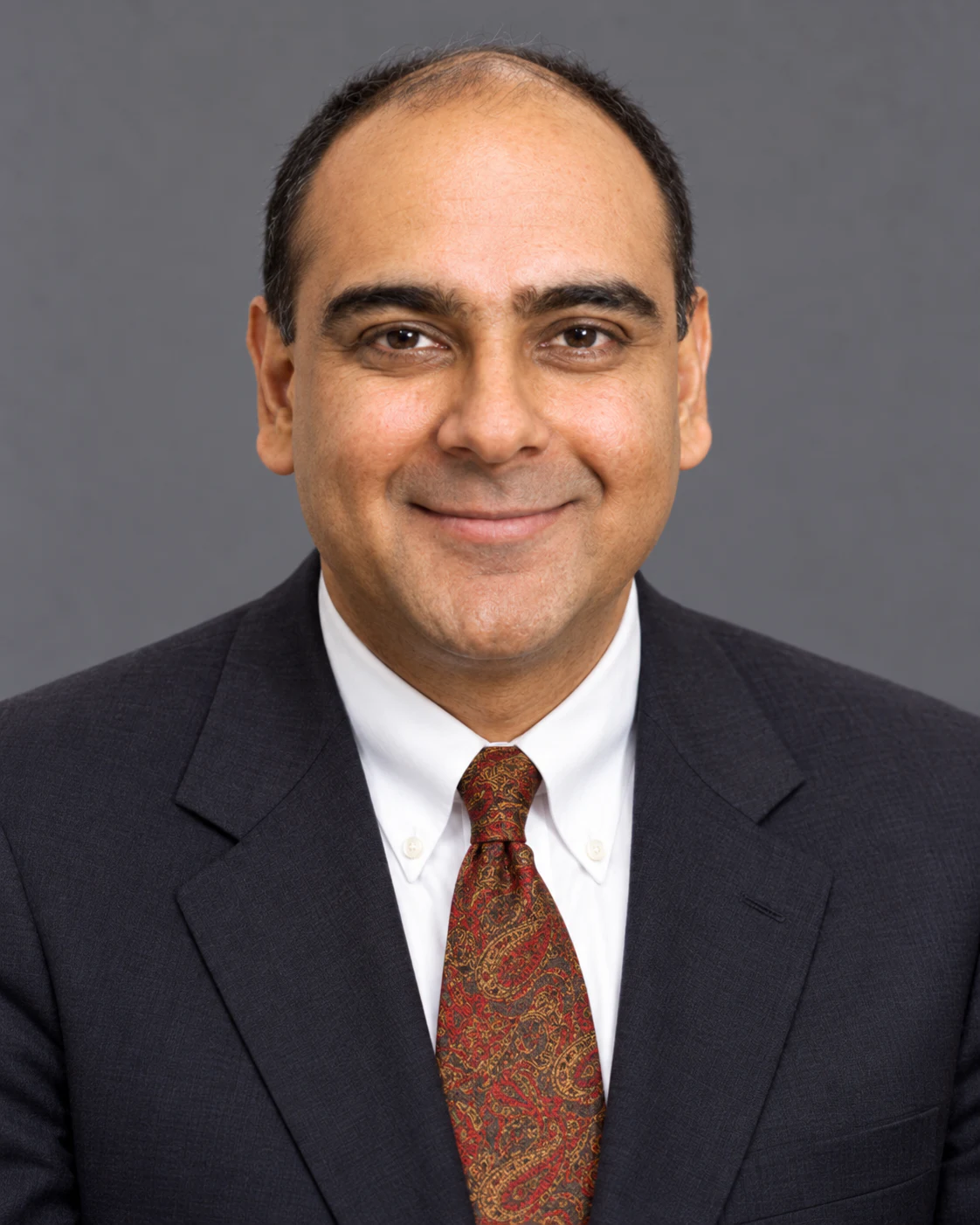
American lawyer and former Minnesota legislator Satveer Chaudhary spent a year at Harris Manchester while studying at St Olaf.
College connection
Junior Year Abroad student. 1989.

Deborah Frances-White
1997
Comedian and screenwriter Deborah Frances-White hosts The Guilty Feminist and studied English at Harris Manchester.
College connection
English degree student. 1997 cohort.

Johan Floderus
2011
Swedish diplomat and author Johan Floderus studied philosophy, politics and economics at Harris Manchester.
College connection
PPE degree student. 2011 cohort.

Emma Campbell Webster
2000
Writer and actress Emma Campbell Webster studied English at Harris Manchester and wrote Lost in Austen.
College connection
English Language and Literature degree student. 2000 cohort.

Chris Wheeler
Entered 2017
Chris Wheeler began a history degree in his sixties after a career in investment banking.
College connection
History degree student. Matriculated 2017.
Gertrude von Petzold
1901
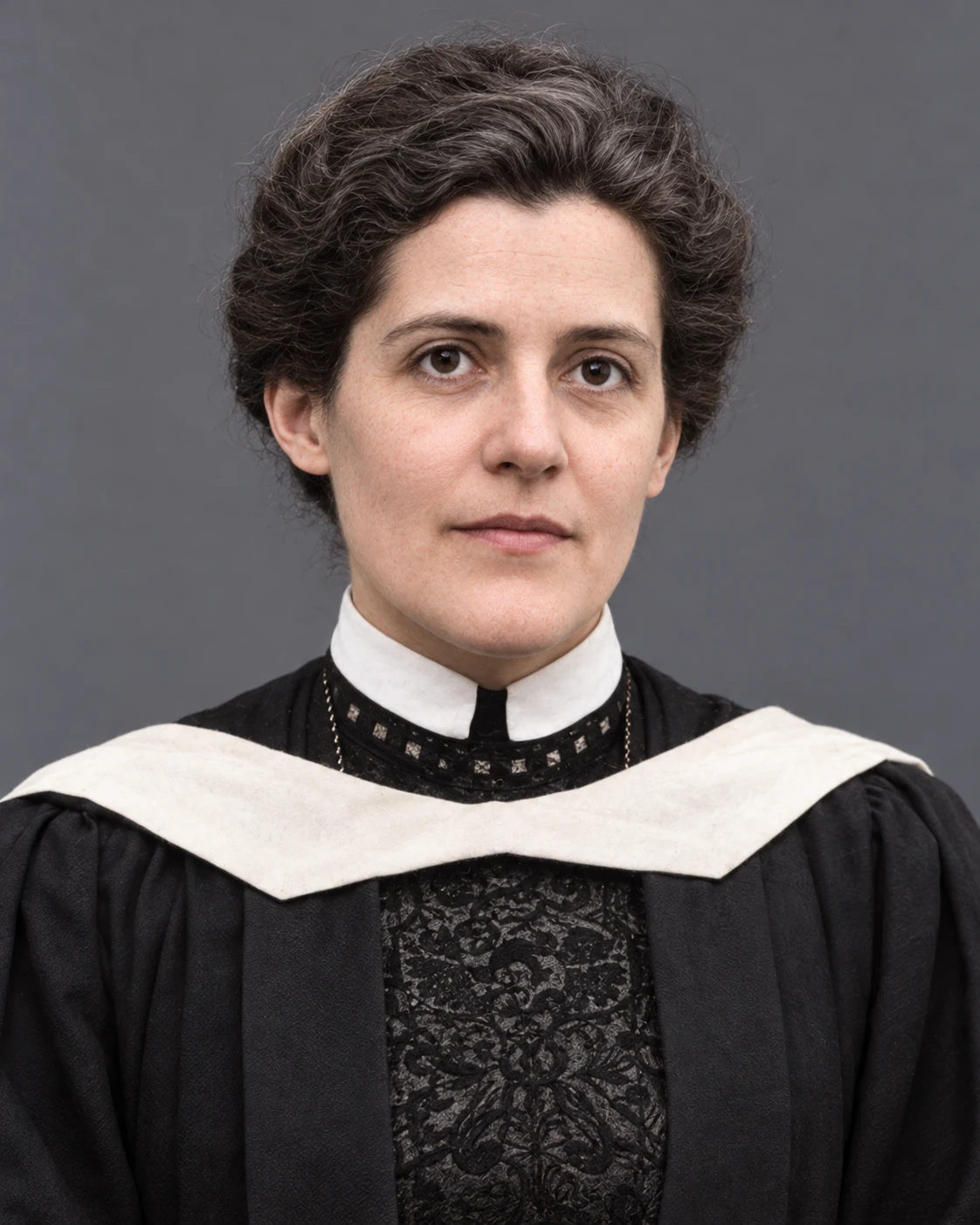
Gertrude von Petzold completed ministerial training at Manchester College in 1901.
College connection
Manchester College predecessor student. Completed ministerial training 1901.
The story
History & character.
A travelling academy
Manchester Academy was founded in 1786, continuing a tradition of Dissenting academies that offered higher education to people excluded by religious tests at the ancient universities. Its journey to Oxford was a long one: the academy moved to York, returned to Manchester, then went to London before settling in Oxford in 1889.
The Oxford buildings opened in 1893. The institution became known as Manchester College after dropping “New” at the request of Oxford’s existing New College. Its history of religious enquiry continued in a new home on Mansfield Road.
A chapel of painted glass
The chapel’s windows were installed between 1895 and 1900. Edward Burne-Jones designed the stained glass and William Morris contributed to its making. The Six Days of Creation sequence gives the room a richness of colour and figures; the chapel remains a place of worship and music.
Henry Tate endowed the library in the original Oxford building. Its collections developed around Protestant Dissent, Unitarianism and comparative religion. Arlosh Hall, designed by Percy Worthington, opened in 1919, adding a dining hall to the college.
A college household and a wartime role
A 1921 census found eleven people staying at Manchester College, including students, visitors, staff and five-year-old Dorothy Wilks. Dorothy was the granddaughter of William Soundy, the college steward. The household also included Ven. Suriyagoda Sumangala, a Buddhist monk from Sri Lanka.
During the Second World War, Naval Intelligence requisitioned the buildings. The Inter-Services Topographical Department worked here on geographical intelligence that contributed to the planning of Operation Overlord.
A home for mature students
Students gained Oxford matriculation rights in 1965. The institution became a permanent private hall in 1990 and a full Oxford college in 1996. Today Harris Manchester is devoted to students beginning their studies aged 21 or older.
Its students have arrived with many different experiences. Chris Wheeler began a history degree in his sixties after a career in investment banking. Comedian Deborah Frances-White studied English, and politician Ingrid Betancourt studied theology. Gertrude von Petzold completed ministerial training at the predecessor Manchester College in 1901.
Look closer
What to see.
The chapel windows
Burne-Jones and Morris’s stained glass fills the chapel with colour. The Six Days of Creation sequence was installed between 1895 and 1900, after the college’s Oxford buildings opened.
The Tate Library
Henry Tate endowed the library in the 1893 building campaign. Its historic interior is part of a working college library; ordinary public admission is to the chapel when available.
Arlosh Hall
Percy Worthington designed Arlosh Hall, which opened in 1919 as the college’s dining room. The hall has separate access arrangements and is reached by steps.
Music in the chapel
The chapel remains a place of worship and music. Services and events have their own programme alongside ordinary visiting hours.
Make it work
Plan your visit.
Chapel opening
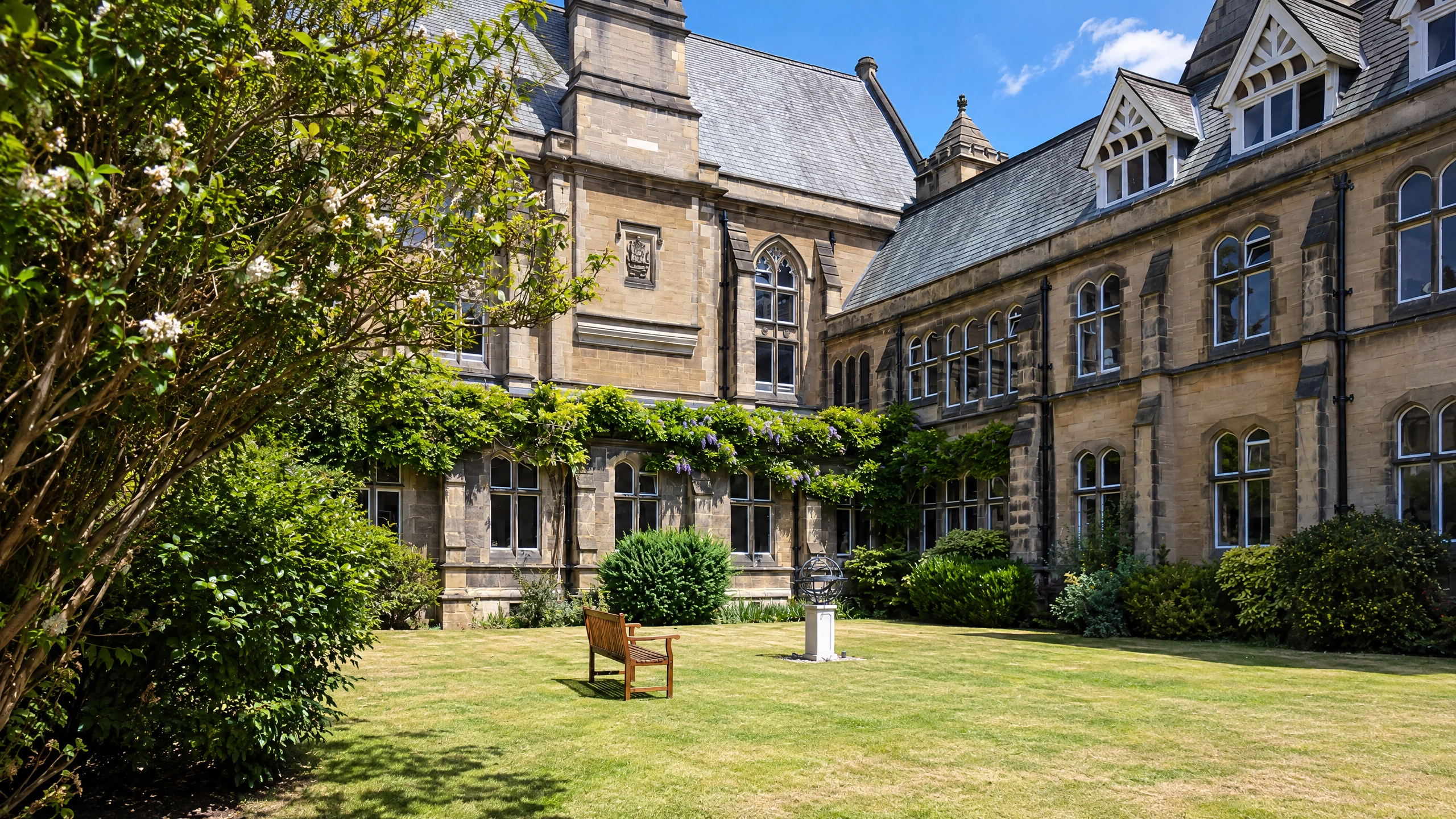
The chapel is the usual public visiting space when available. Admission is free, with donations welcome. It is normally open Monday–Friday, 10 am–5.30 pm, and Saturday, 8.30 am–8 pm. Large parties need to book ahead. Services and events follow their own programme.
The entrance is on Mansfield Road. The library, hall and other college rooms have separate access arrangements. Archives can be consulted by appointment. For visit enquiries: 01865 271006.
Visit your way
Access and family planning.
The main Mansfield Road entrance has steps. Step-free entry through the secure Navapan Gate can be arranged with the college.
There are two accessible toilets but no lift. The dining hall and Tate Library are reached by stairs. No hearing-support system is listed in the physical access survey. For an arranged route, contact the college on 01865 271006.
The chapel’s Six Days of Creation windows tell stories in colour and offer a short visit when the chapel is open. Pushchairs can use the Navapan Gate route by arrangement; the main entrance has steps.
Self-guided walk
A walk around Harris Manchester
Mansfield Road, Holywell Street and Broad Street connect the college with nearby music and libraries.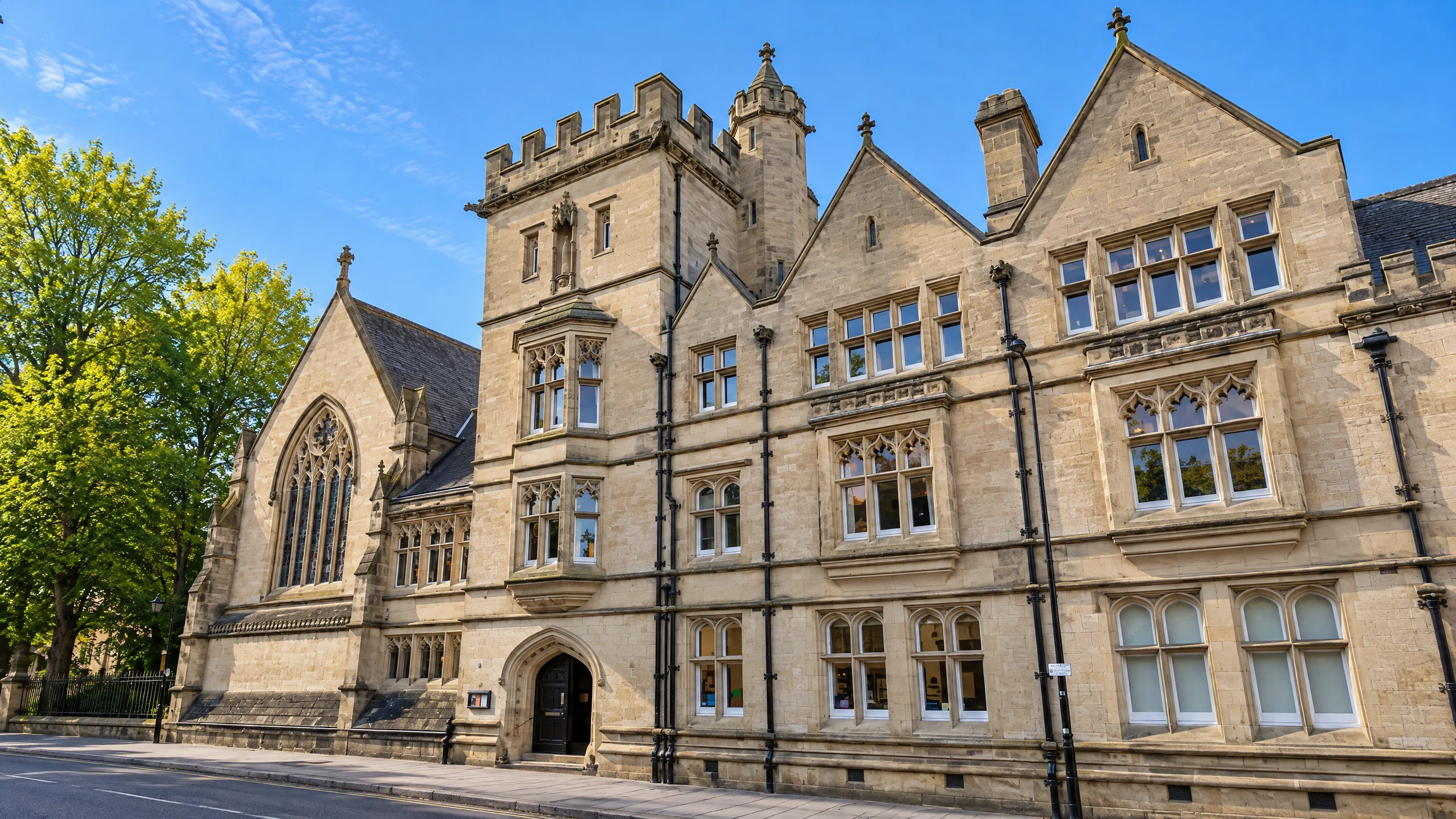
5 min
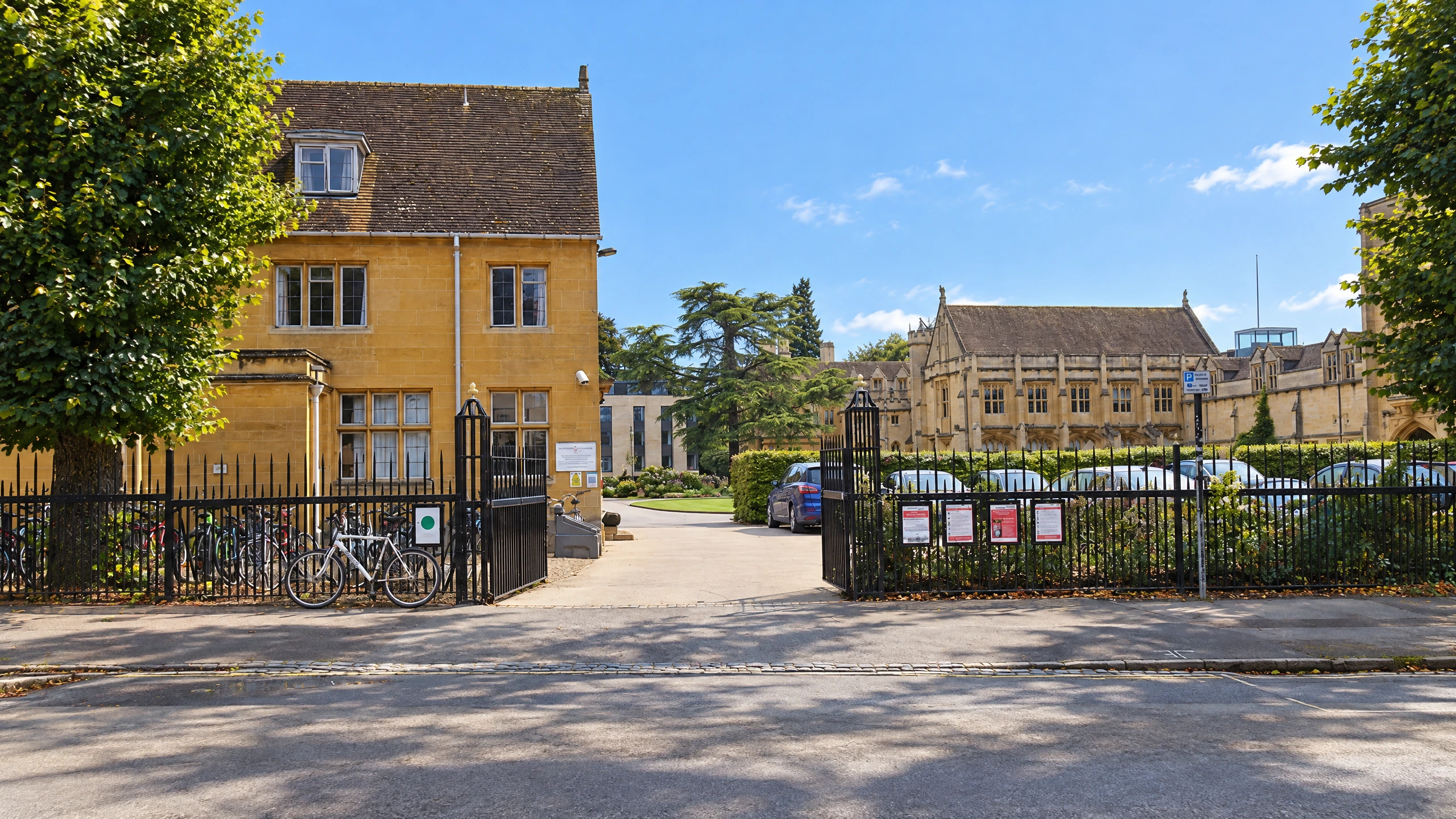
The college entrance
The college entrance is on Mansfield Road, close to Holywell Street and the university’s historic centre.
8 min
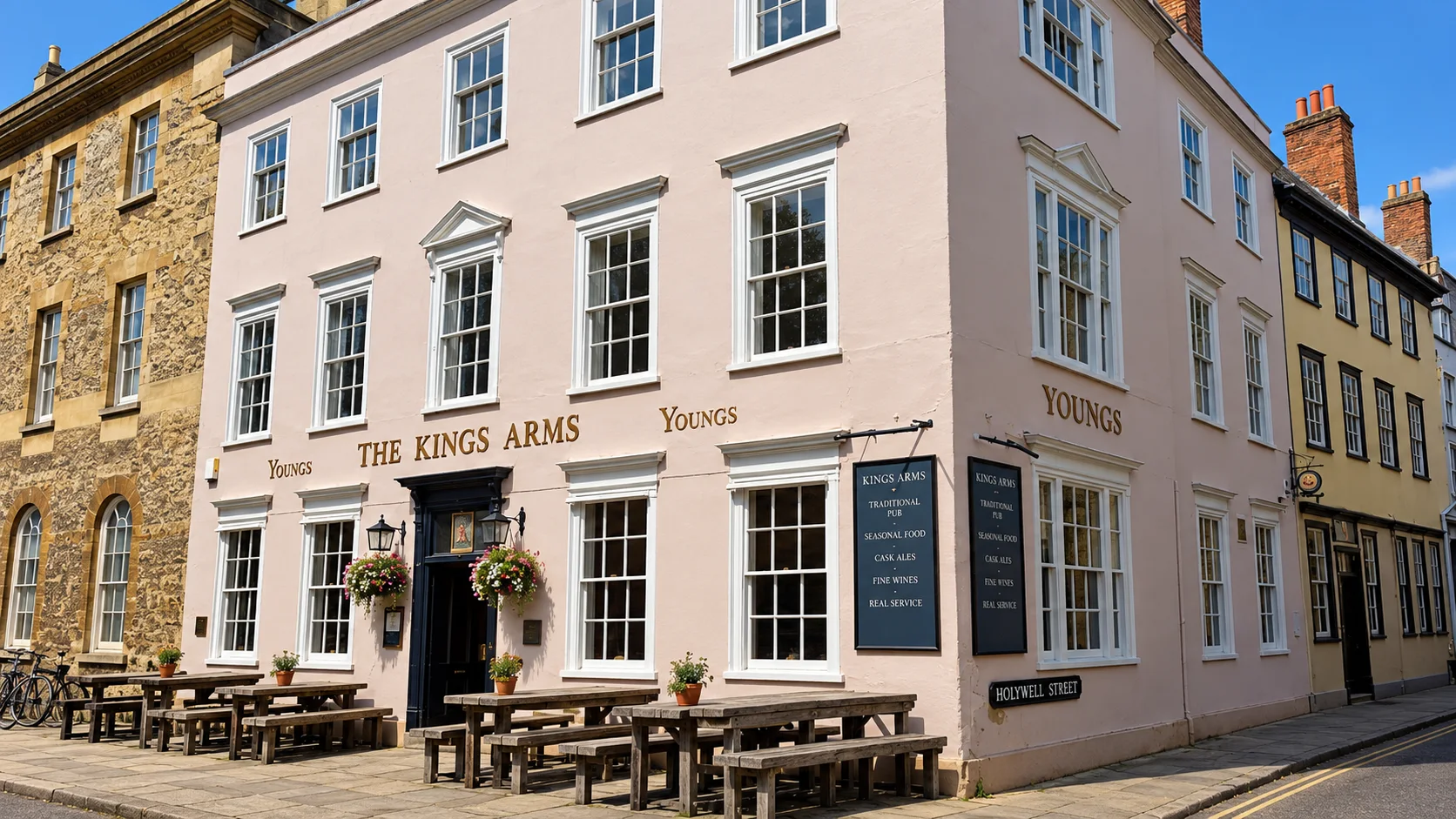
Holywell Street
Holywell Street runs west towards Broad Street, with college buildings and the historic Holywell Music Room along the way.
10 min
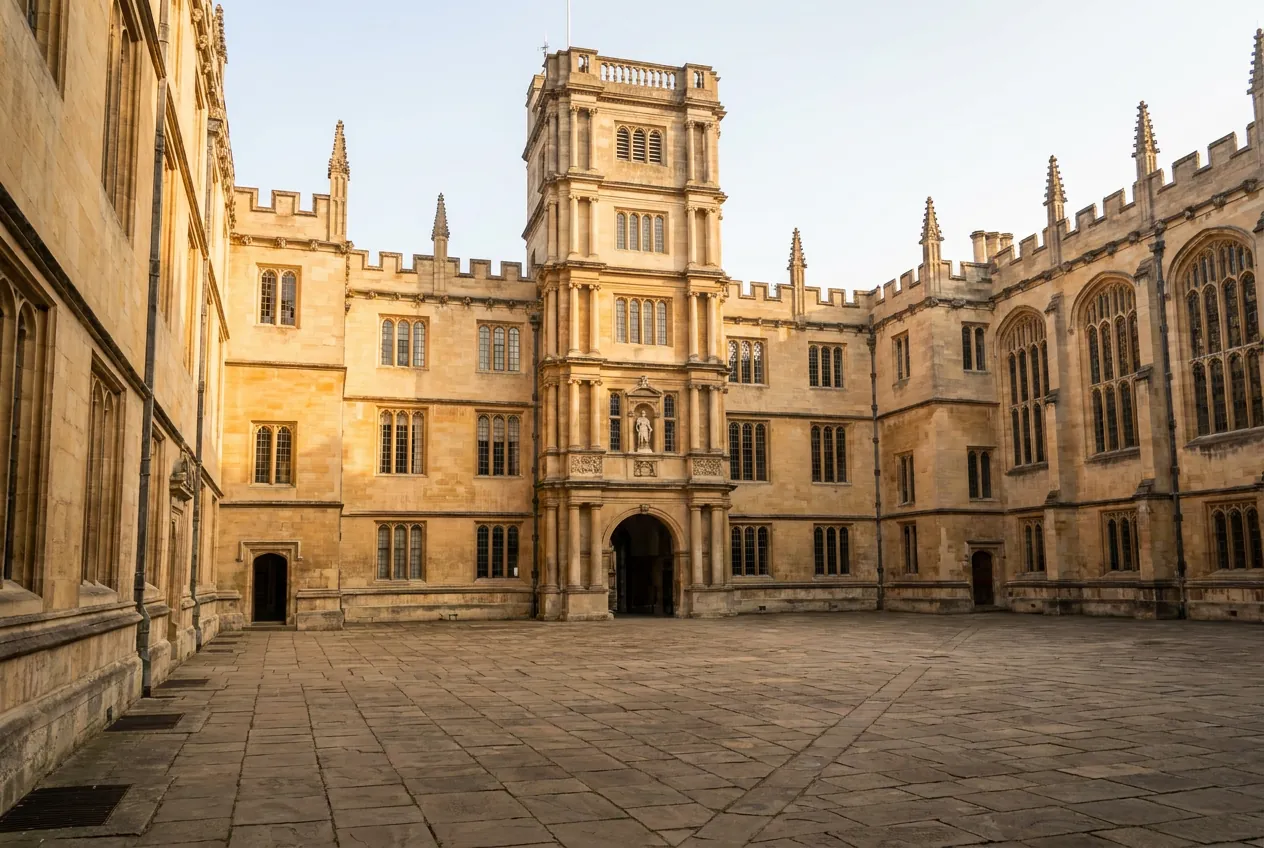
Broad Street
Broad Street brings together the Bodleian, Weston Library and college frontages in the centre of Oxford.
10 min
Mansfield comparison
Mansfield College stands north along Mansfield Road, close to Harris Manchester. Both colleges have histories connected with nonconformist education.
5 min
Return to the starting gate
Mansfield Road leads back to Harris Manchester’s entrance and chapel.
Optional refreshments
Cafés in the surrounding streets offer places for a break near the college and library quarter.
See it
In pictures.
10 views, full screen. Tap any one to open the viewer.Around here
Make more of the area.
Mansfield College is close by on Mansfield Road. Like Harris Manchester, its history is connected with education outside the established Church.
5 min walk
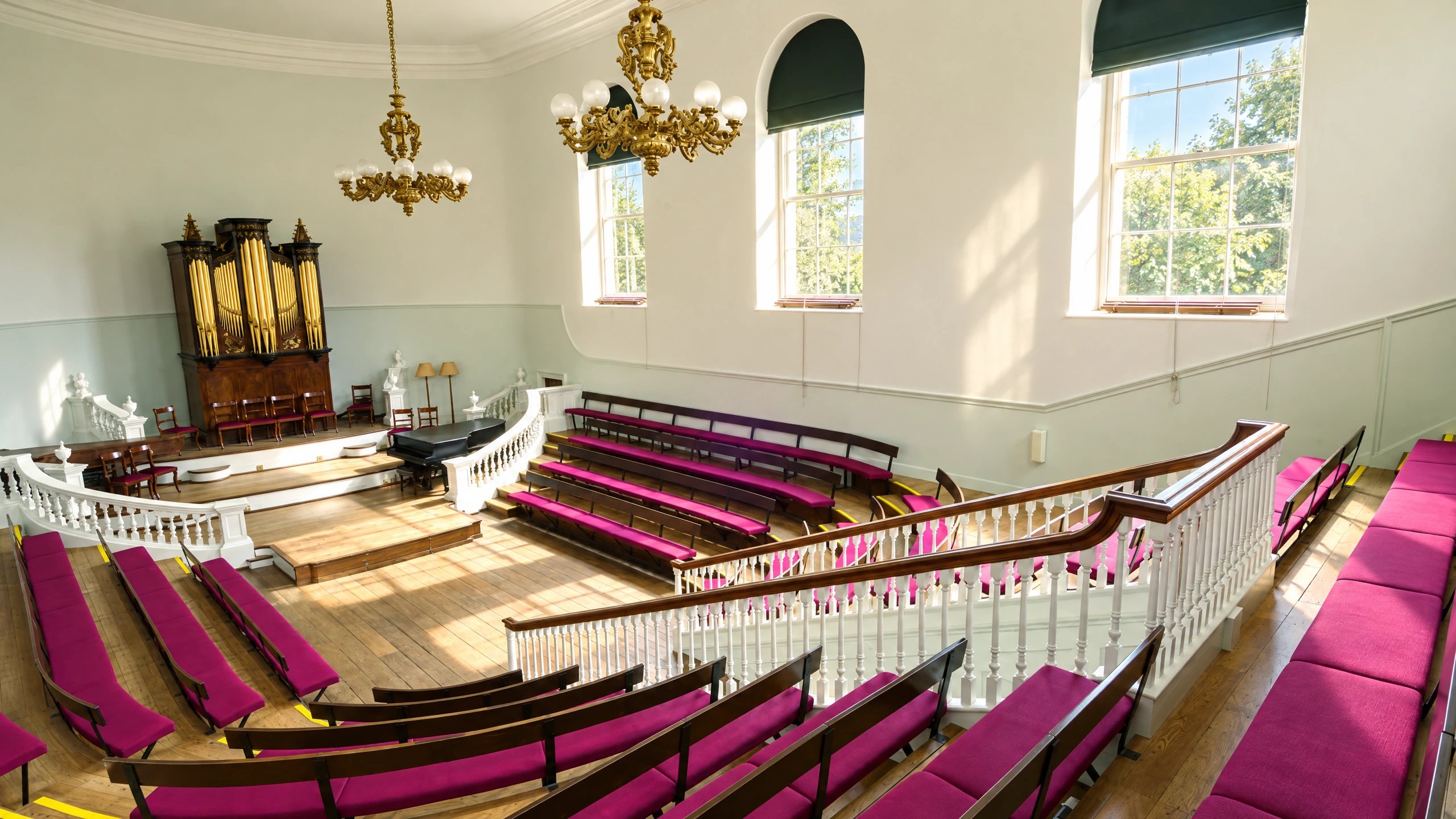
Holywell Music Room
Holywell Music Room, on nearby Holywell Street, is a historic setting for concerts in central Oxford.
The Bodleian and Weston libraries bring historic buildings, collections and exhibitions to the Broad Street area.
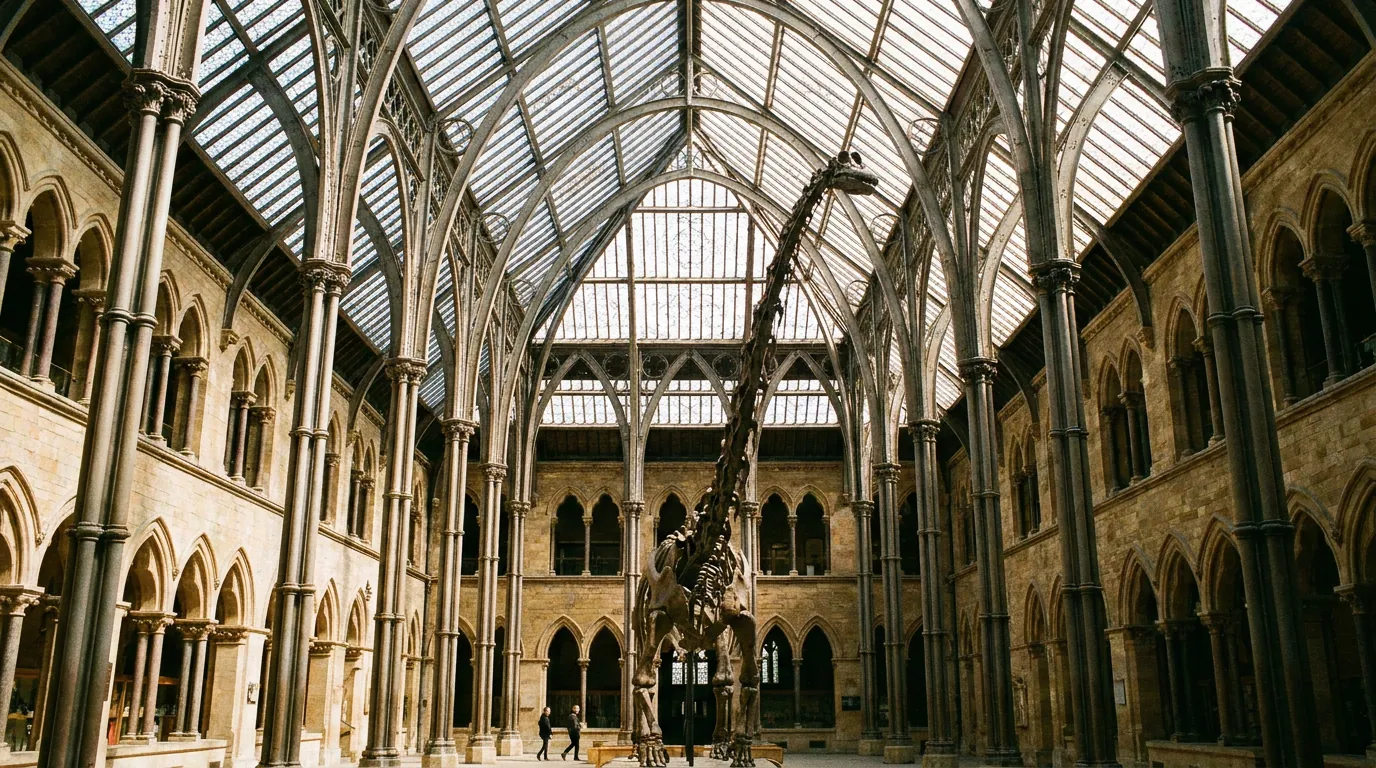
The museum on Parks Road displays natural-history collections beneath a Victorian glass roof.
Good to know
Questions, answered.
Can tourists visit Harris Manchester College Oxford?
The chapel is the usual public visiting space when available. It contains the Burne-Jones and Morris glass; the working library and dining hall have separate access arrangements.
When is Harris Manchester College Chapel open?
The chapel normally opens Monday to Friday from 10 am to 5.30 pm and Saturday from 8.30 am to 8 pm, subject to availability. Admission is free and donations are welcome.
Can visitors consult Harris Manchester’s archive during a Chapel visit?
The archive welcomes researchers by appointment. Its collections include college records and material on Protestant Dissent and related religious histories; chapel opening has separate arrangements.
Can the public attend a service at Harris Manchester Chapel?
Yes. Harris Manchester Chapel holds public services in the Unitarian and liberal religious tradition. All visitors are welcome; see the college’s chapel information for the service programme.
Is Harris Manchester’s Chapel accessible without steps?
The main entrance has steps. A level route through the secure Navapan Gate on Mansfield Road can be arranged with the college before a visit.
What is a mature student at Harris Manchester?
Harris Manchester welcomes undergraduate and graduate students beginning Oxford at age 21 or older. There is no upper age limit, so students arrive at many different stages of adult life.
Why did Harris Manchester begin outside Oxford?
Oxford’s Harris Manchester College began as Manchester Academy in 1786, offering higher education in the Dissenting academy tradition when religious tests excluded many people from the ancient universities. It later settled in Oxford.
Why did Harris Manchester move between Manchester, York and London?
The academy moved as it sought teachers and a sustainable student community. It went from Manchester to York, returned to Manchester in 1840 and moved to London in 1853.
What made Harris Manchester’s move to Oxford possible?
The University Tests Act of 1871 removed a major barrier to nonconformists studying at Oxford. Trustees voted narrowly to move in 1888, and the college settled there in 1889.
Who designed Harris Manchester’s Oxford buildings?
Thomas Worthington designed the Oxford buildings, completed in 1893. The chapel and library were arranged around the court, with the library supported by Henry Tate.
What are Harris Manchester’s Six Days of Creation windows?
The Six Days of Creation are a sequence of stained-glass windows in the chapel by Edward Burne-Jones and William Morris, installed in 1896.
How do Harris Manchester’s windows connect it with Exeter College?
Edward Burne-Jones and William Morris met as students at Exeter College. Their later artistic partnership produced the stained glass installed in the Manchester College chapel.
Why is Harris Manchester’s library named after Henry Tate?
Henry Tate endowed the library as part of the campaign for the Oxford buildings. Its specialist holdings include collections on Protestant Dissent, Unitarianism and comparative religion.
What was Harris Manchester’s wartime intelligence role?
Naval Intelligence requisitioned the buildings during the Second World War. The Inter-Services Topographical Department worked on geographical intelligence that contributed to the planning of Operation Overlord.
Why do Harris Manchester’s dates of 1786, 1893 and 1996 differ?
The academy was founded in 1786, its Oxford buildings opened in 1893, and it became a full Oxford college in 1996. Each date marks a different stage.
How did Harris Manchester’s London years broaden its community?
While in London, Manchester College admitted women to lectures and welcomed Hungarian students through Unitarian links. These developments came before its move to Oxford.
Who was Gertrude von Petzold at Harris Manchester’s predecessor?
Gertrude von Petzold completed ministerial training at Manchester College in 1901. The college identifies her as the first woman in the UK to complete that training.
Which visiting thinkers taught or lectured at Harris Manchester’s predecessor?
Manchester College invited thinkers including William James, Sarvepalli Radhakrishnan, Graham Wallas and Rabindranath Tagore to teach or lecture, reflecting its interest in religion and philosophy.
Was Ingrid Betancourt a Harris Manchester student or Fellow?
Ingrid Betancourt studied theology at Harris Manchester and later became a Supernumerary Fellow. The French-Colombian politician joined a college for students beginning Oxford at 21 or older.
What did Deborah Frances-White study at Harris Manchester?
Deborah Frances-White studied English at Harris Manchester. She is a comedian and screenwriter, and hosts The Guilty Feminist podcast.
How is Lost in Austen connected with Harris Manchester?
Emma Campbell Webster studied English Language and Literature at Harris Manchester. She wrote the Austen-inspired branching novel Lost in Austen, later reissued as You Are Elizabeth Bennet.
Editorial notes
Sources and further reading.
Sources for this guide
Research date: 1 November 2026. Inline links accompany claims. Source status distinguishes full material read from retained partial leads and carried-forward coordinate metadata.
H — College history
- URL: https://www.hmc.ox.ac.uk/college-history-0
- Status: read
- Supports: 1786 origins, moves, Nonconformism, buildings, war, Oxford membership and full college status.
V — University visitor arrangements for Harris Manchester
- URL: https://www.ox.ac.uk/about/visit-us/visiting-colleges
- Status: read
- Supports: Chapel-only public opening, times, free admission and group booking.
P — HMC alumni stories
- URL: https://www.hmc.ox.ac.uk/alumni-benefits
- Status: read
- Supports: Ingrid Betancourt and Satveer Chaudhary; relationship and course labels.
N — My HMC Trinity 2025
- URL: https://hmc.ox.ac.uk/sitefiles/my-hmc-trinity-2025-final.pdf
- Status: read
- Supports: Johan Floderus 2011 PPE and Deborah Frances-White 1997 English.
E — Emma Campbell Webster alumni profile
- URL: https://www.hmc.ox.ac.uk/articles/alumni-spotlight-emma-campbell-webster
- Status: read
- Supports: English degree student, 2000 cohort and subsequent writing.
B — Chris Wheeler alumni profile
- URL: https://www.hmc.ox.ac.uk/article/alumni-spotlight-chris-wheeler-2017-ba-history
- Status: read
- Supports: 2017 matriculation after an investment-banking career and subsequent postgraduate work.
C — HMC Chapel
- URL: https://www.hmc.ox.ac.uk/chapel
- Status: retained-partial
- Supports: Morris/Burne-Jones glass, organ and continuing religious/music life.
L — HMC archive access
- URL: https://archives.hmc.ox.ac.uk/pages/access
- Status: read
- Supports: Research appointment scope; private non-flash record photography conditions.
W — A History of Manchester College (1932)
- URL: https://www.unitarian.org.uk/wp-content/uploads/2021/01/1932_Manchester_College.pdf
- Status: read
- Supports: 1893 opening, Tate’s library gift, 1919 Arlosh Hall and institutional chronology.
I — Manchester College’s 1921 household
- URL: https://www.hmc.ox.ac.uk/article/1921-census-reveals-unseen-manchester-college-family
- Status: read
- Supports: Eleven census-night residents, named students/visitors and family members.
A — University physical access guide
- URL: https://www.ox.ac.uk/about/how-we-are-run/equality-diversity/access-guide/colleges/harris-manchester
- Status: read
- Supports: Retained full physical site survey: entrances, thresholds, ramps, lifts, toilets, parking and hearing support. Not a website-accessibility statement.
U — University college visiting directory
- URL: https://www.ox.ac.uk/about/visit-us/visiting-colleges
- Status: read
- Supports: Public access summary; college pages take precedence where explicitly conflicting.
G — Fresh college coordinate reference
- URL: https://en.wikipedia.org/wiki/Harris_Manchester_College,_Oxford
- Status: read
- Supports: Numeric WGS84 college coordinates read directly from Wikipedia on 1 November 2026. Campus pin, not a surveyed visitor or accessible entrance.
Conflict ledger
Use 1786 for Manchester Academy’s foundation, 1889 for Oxford settlement, 1893 for the buildings and 1996 for full collegiate status. Warrington Academy is a predecessor, not a reason to silently replace the canonical foundation date with 1757. The 1932 institutional history establishes Arlosh Hall opened in 1919, correcting a loose late-Victorian description in the failed partial. Chapel hours come from the University directory and need date-specific confirmation.
Editorial calculations
Walking times, recommended visit durations, comparisons and scores are editorial judgements. No pin is an accessible-entrance certification; no unlisted ticket is described as available.
Alumni and editorial review — 1 November 2026
- Betancourt2017Theology and later Supernumerary Fellow; Chaudhary1989JuniorYearAbroad while enrolled at St Olaf. — read.
- Dissenting origins, moves, visitors James/Radhakrishnan/Wallas/Tagore, and1901vonPetzold ministerial training. — read.
- Soundy family, William’s steward service and funeral; mixed household, named students and Sumangala. — read.
- Chapel worship, social/arts uses and current2026programme. — read.
Alumni and editorial review —1November2026
- Betancourt2017Theology and later Supernumerary Fellow; Chaudhary1989JuniorYearAbroad while enrolled at St Olaf. — read.
- Dissenting origins, moves, visitors James/Radhakrishnan/Wallas/Tagore, and1901vonPetzold ministerial training. — read.
- Soundy family, William’s steward service and funeral; mixed household, named students and Sumangala. — read.
- Chapel worship, social/arts uses and current2026programme. — read.
Further reading and sources
Opening hours, prices, programmes and access arrangements can change. Confirm critical details with the venue.
Keep exploring