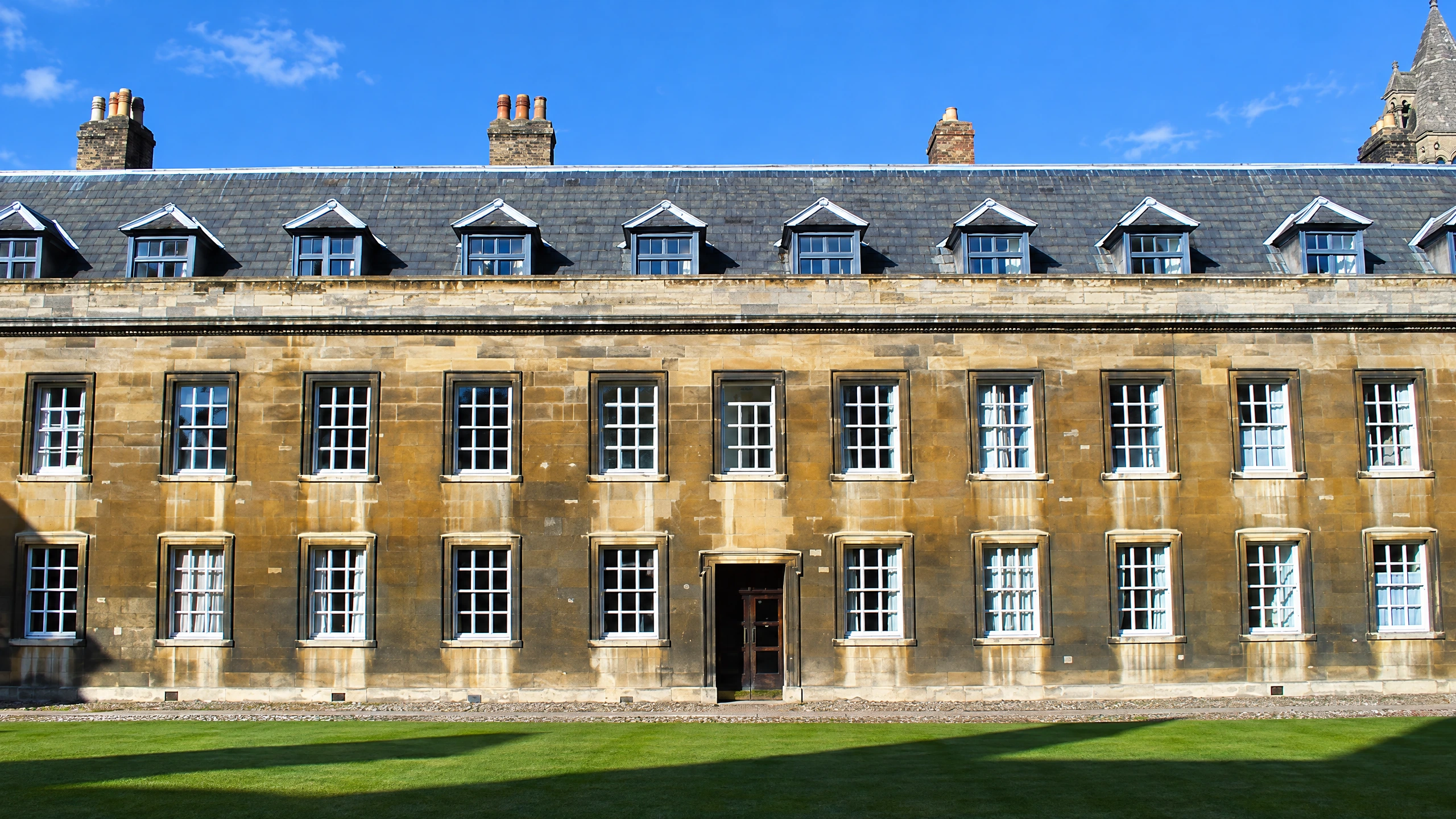
Central · Founded 1284
Peterhouse
The oldest and one of the smallest Cambridge colleges, where a 13th-century hall and quiet courts give the clearest sense of the medieval university.
- Founded
- 1284
- Location
- Trumpington Street
- Visiting
- Ask the Porters' Lodge
- Institution
- College
01 The experience
What to expect.
Cambridge's oldest college
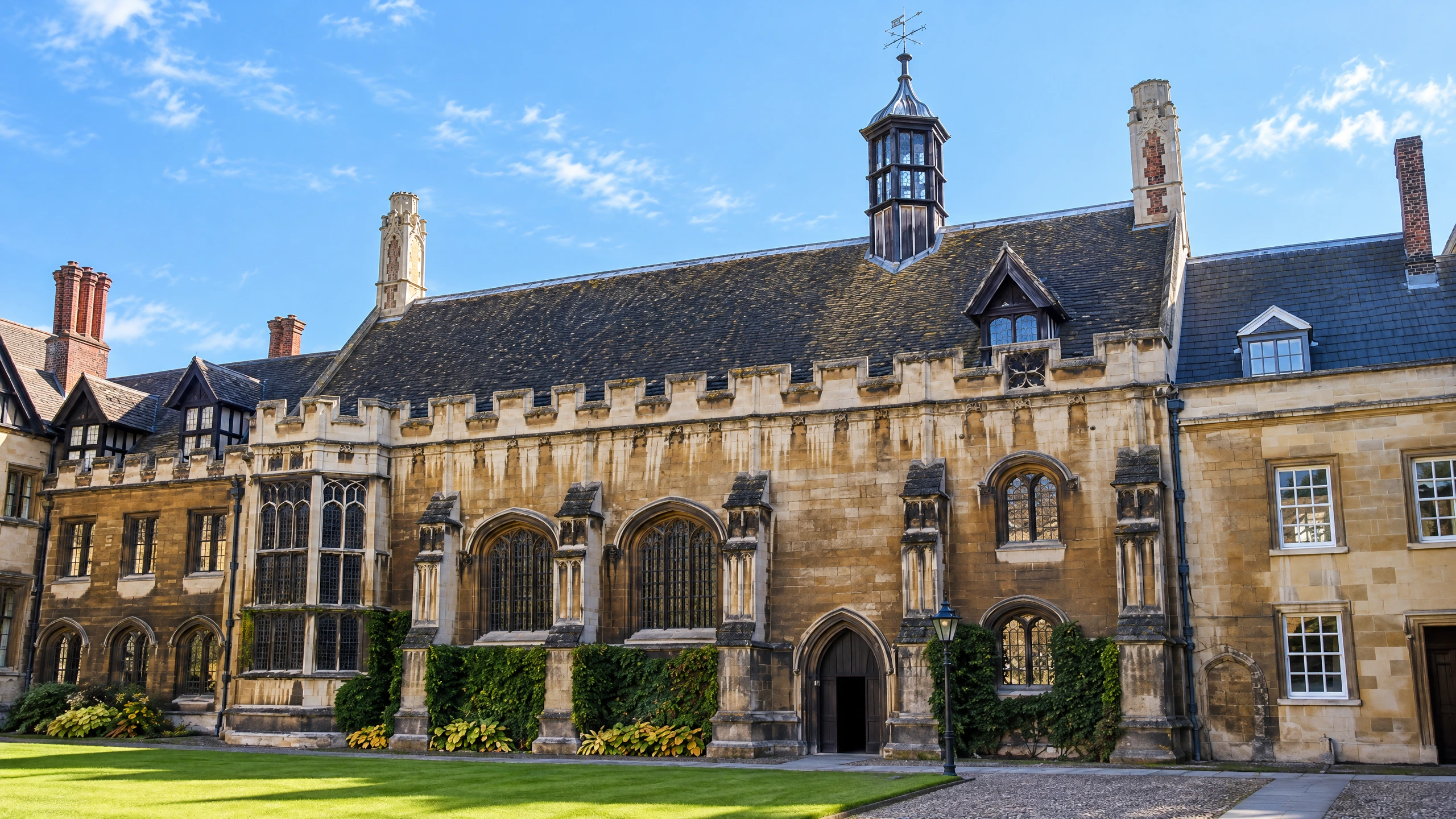
Peterhouse traces its foundation to 1284, when Bishop Hugh de Balsham established a community of scholars beside the church now known as Little St Mary's. The college's medieval dining hall has been in continuous use for more than seven centuries.
The hall's surviving medieval structure holds a much later interior, with stained glass, stencilling and tiles by William Morris. A seventeenth-century chapel and gardens add further layers to the small college behind Trumpington Street.
People and ideas
People connected to the college
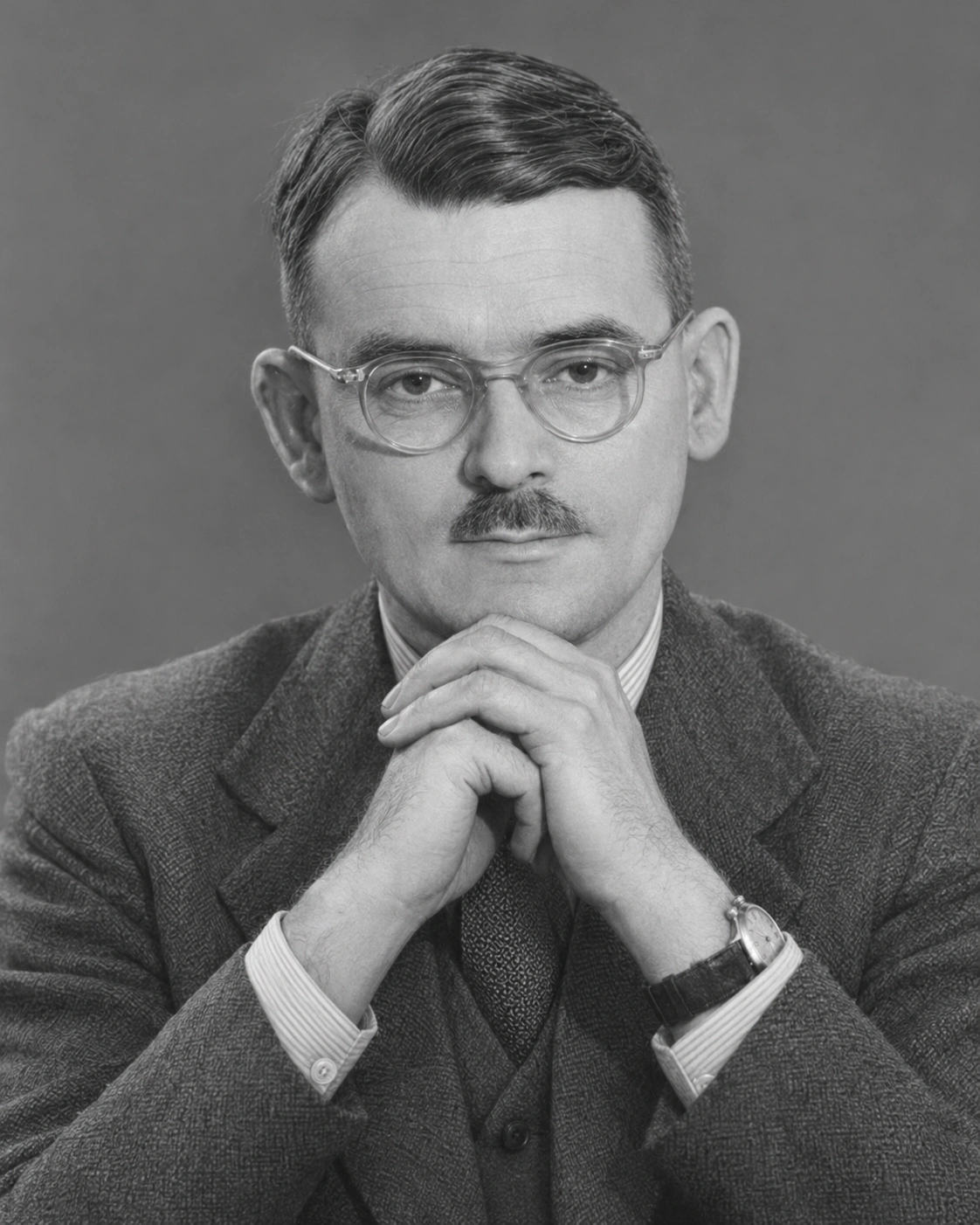
Sir Frank Whittle
1936
Whittle pioneered the jet engine and became an air commodore in the RAF.
College connection
He came to Peterhouse as a mature student and graduated in mechanical sciences in 1936.
Fellows, founders and other connections
Hugh de Balsham
He moved the scholars to hostels beside St Peter's church in 1284.
The Bishop of Ely established the scholars' community that became Cambridge's oldest college.
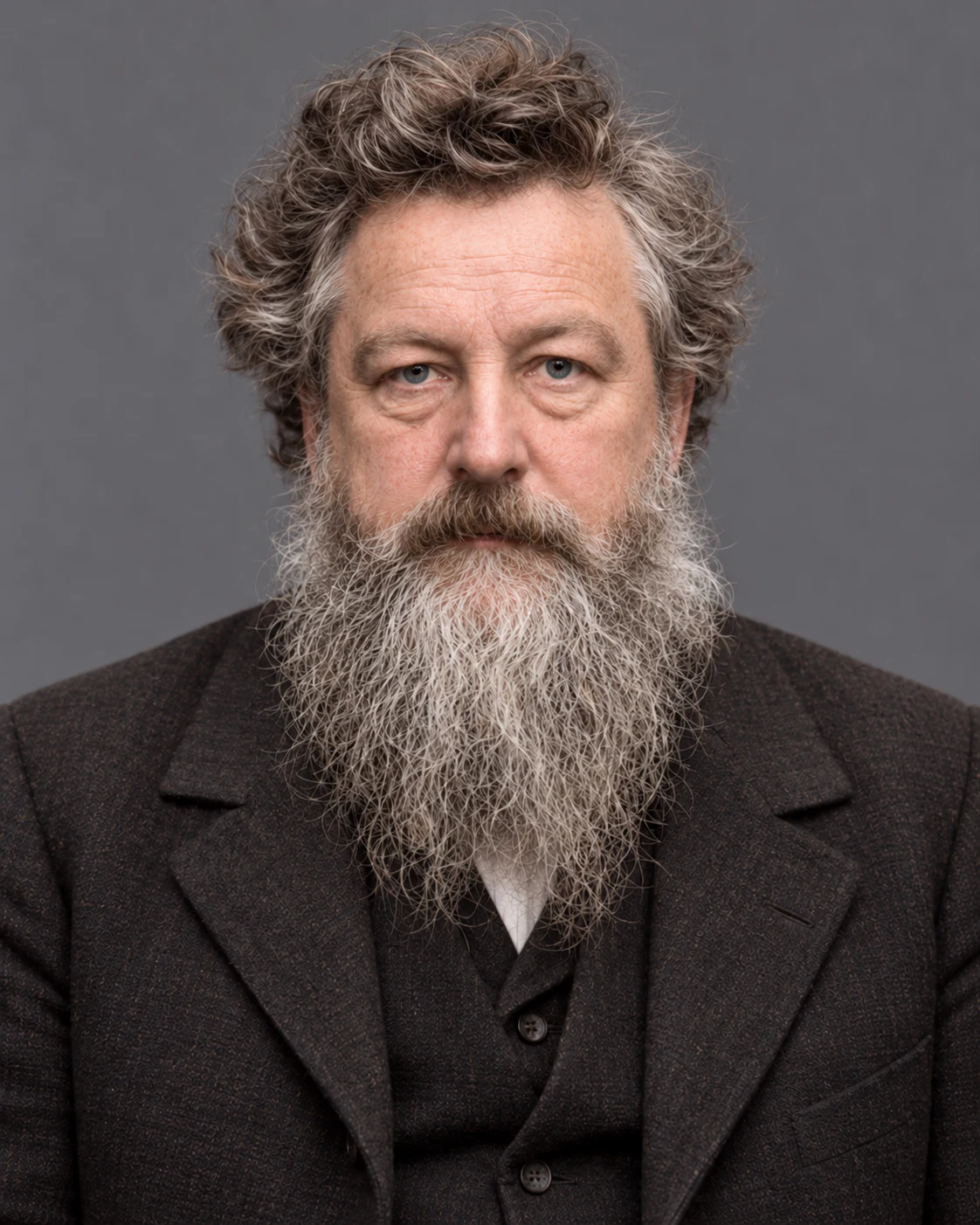
William Morris
The hall’s Victorian interior incorporates Morris glass, stencilling and tiles.
The story
History & character.
A home for scholars
Hugh de Balsham, Bishop of Ely, established Peterhouse in 1284. He moved his scholars from the Hospital of St John to hostels near the church of St Peter without Trumpington Gate. That church is now known as Little St Mary's, beside the college. The foundation is the oldest surviving college in Cambridge.
The college expanded its holdings over time, with gifts of land, money and books. In 1540 Elizabeth Wolfe left twenty acres to be sold for Peterhouse's benefit; a portrait commemorates her gift in the hall. Her bequest is one of several ways in which women helped shape the college before they could join its student body.
The college archive also preserves a 1299 charter recording local landowner Sabina de Aylesham's sale of property between the scholars' home and the churchyard. These small parcels helped the early foundation build a permanent presence around the church.
A medieval hall, a Victorian interior
The dining hall was completed in 1290 and remains in use by Fellows and students. Its medieval structure is the oldest collegiate building in Cambridge. The interior was redesigned in the late nineteenth century: dark panelling, portraits and a minstrels' gallery are joined by William Morris stained glass, stencilling and tiles. The room combines a medieval shell with Victorian craftsmanship.
William Thomson, later Lord Kelvin, came to Peterhouse in 1841. He worked on the temperature scale that bears his name and was involved in efforts to lay the transatlantic telegraph cable. The college's account also credits him with bringing electric light to the medieval hall, connecting an old room to a new technology.
The chapel
The chapel dates from the early seventeenth century. Research into its timbers places its construction between 1628 and 1632, with some later alterations. It remains a place of worship within the living college.
The college's scientific connections extend back to Henry Cavendish, whose experiments identified hydrogen and calculated the mass of the Earth. A panelled Georgian room at Peterhouse bears his name.
An engineer at Peterhouse
Frank Whittle arrived as a mature student after joining the RAF and graduated in mechanical sciences in 1936. His work on jet propulsion helped transform aviation. The college later named a building for him, connecting its medieval foundation with an engineer of the twentieth century.
Look closer
Highlights and hidden details.
The hall
Completed in 1290, the medieval hall has a nineteenth-century interior incorporating William Morris glass, stencilling and tiles. It remains in use for college dining.
The chapel
Built in the early seventeenth century, the chapel is part of the college's later history.
Little St Mary's
The church beside Peterhouse stands near the hostels to which its founder moved his scholars in 1284.
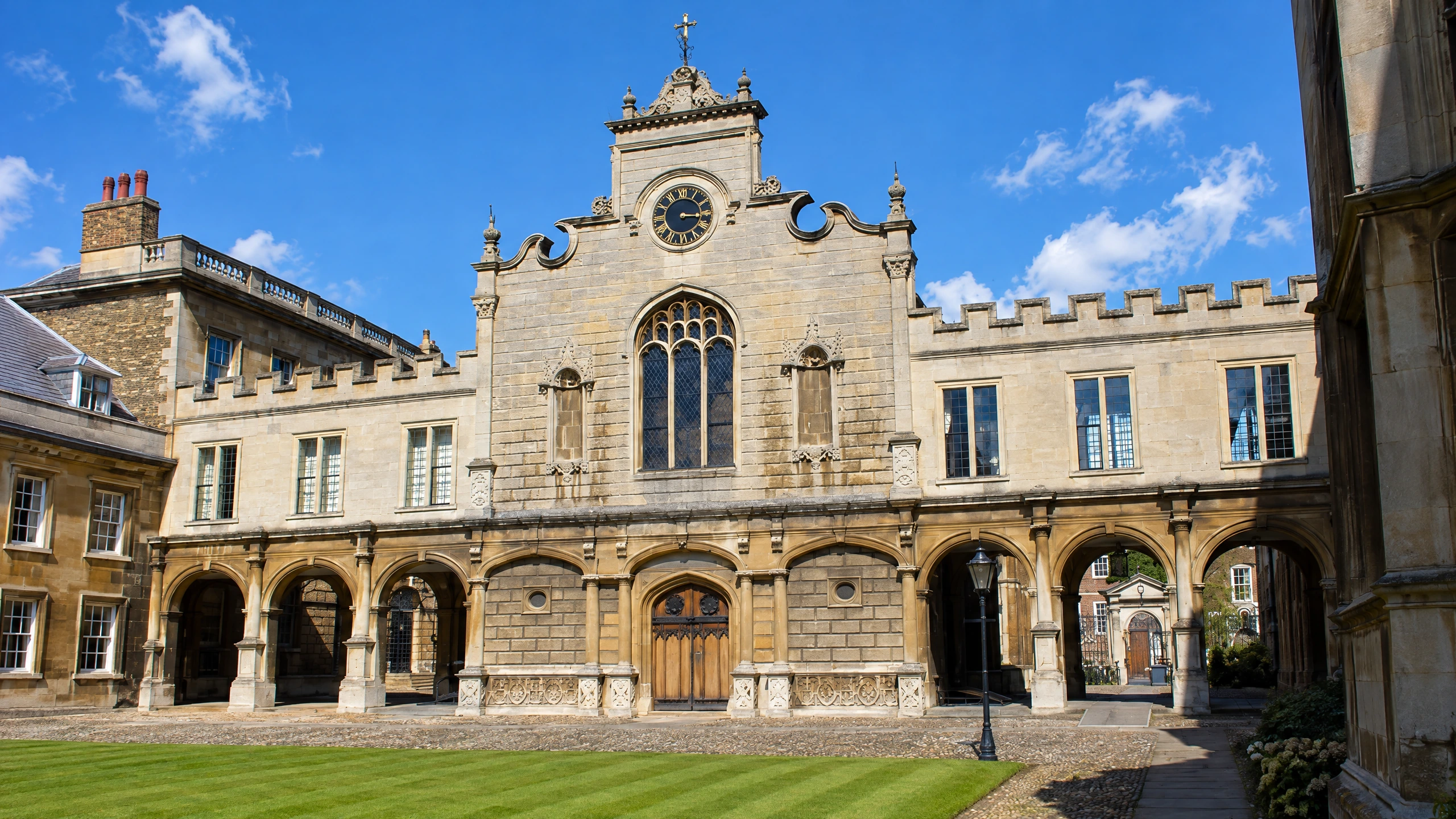
Make it work
Plan your visit.
Visitors should report to the Porters' Lodge on Trumpington Street. Opening can be affected by examinations and college events, so contact the lodge for current access. The hall remains a working college dining room; its availability for visitors should not be assumed.
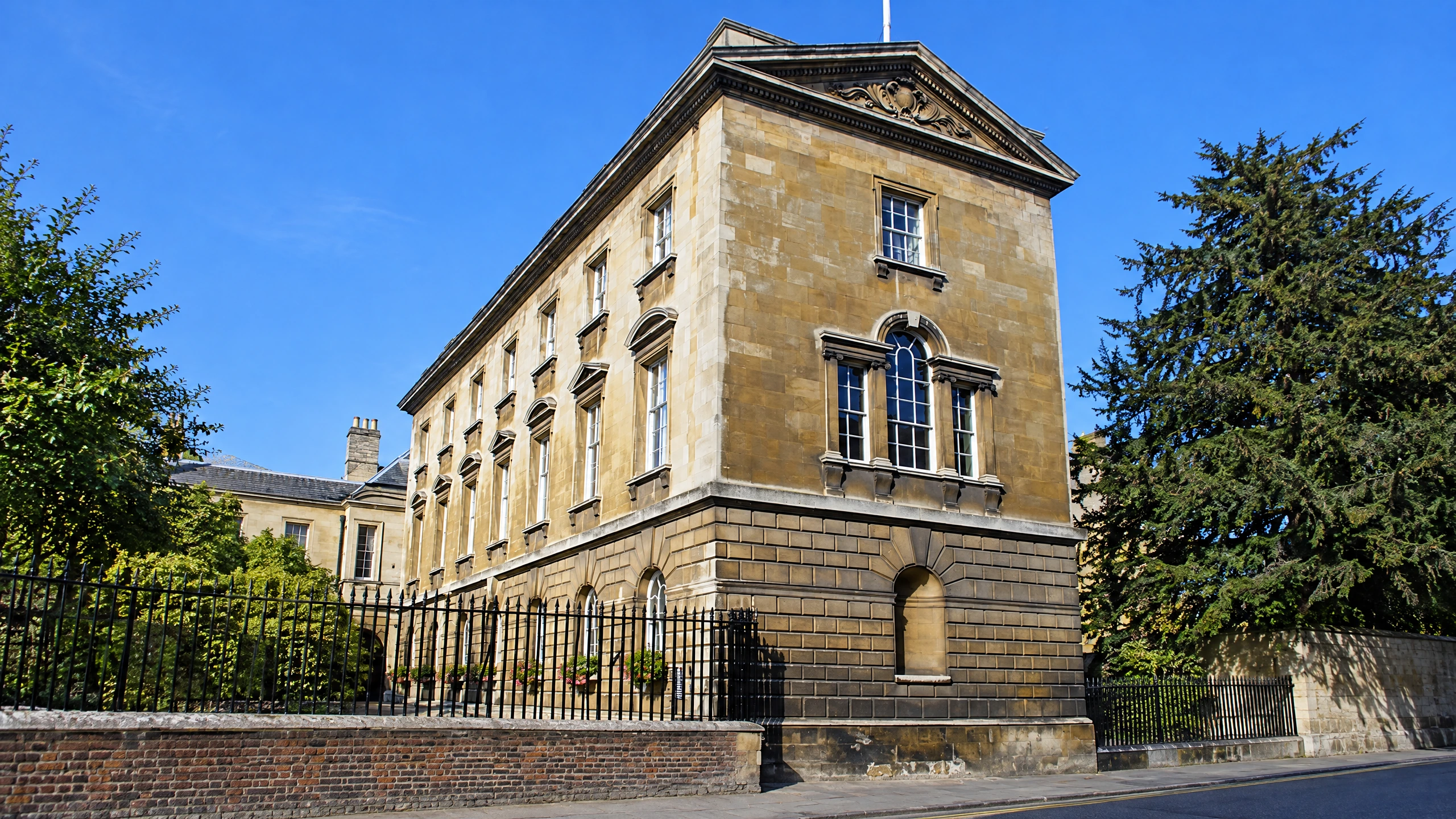
Visit your way
Access and family planning.
The chapel entrance has a ramp as well as steps. There is step-free access to the front row of seating; raised seating and the altar are reached by steps. Check with the Porters' Lodge about access to the chapel on the day of a visit.
Self-guided walk
Explore beyond the venue.
A practical, step-by-step route connecting this experience with more of Cambridge.Trumpington Street
Peterhouse's entrance is on Trumpington Street. The Porters' Lodge can advise on current visitor access.
Little St Mary's
Beside the college is Little St Mary's, the parish church near the site of Hugh de Balsham's first hostels. The church welcomes visitors daily.
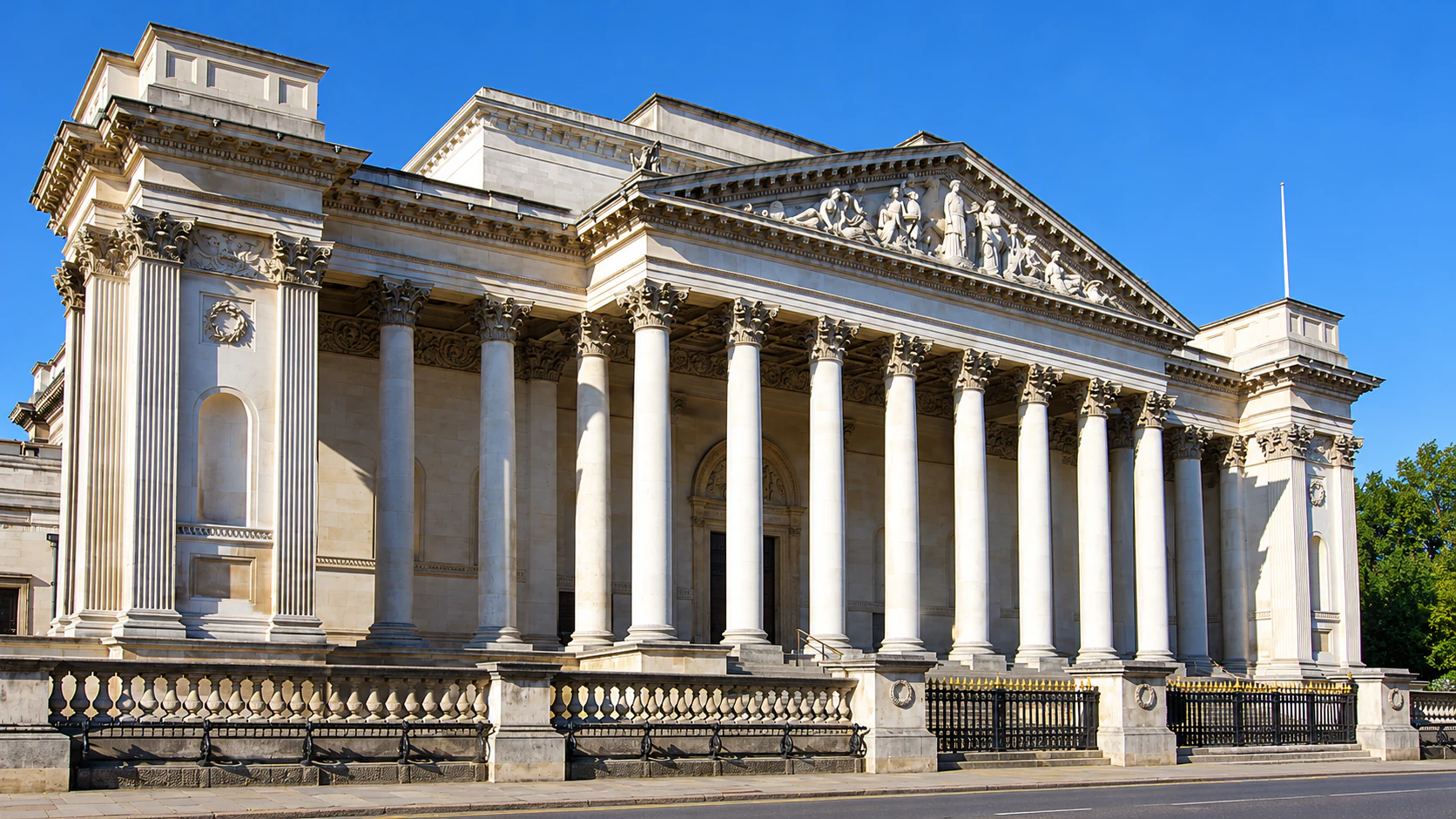
Fitzwilliam Museum
The museum is nearby on Trumpington Street. Its collections and changing exhibitions make a natural next stop; its opening arrangements are separate from the college's.
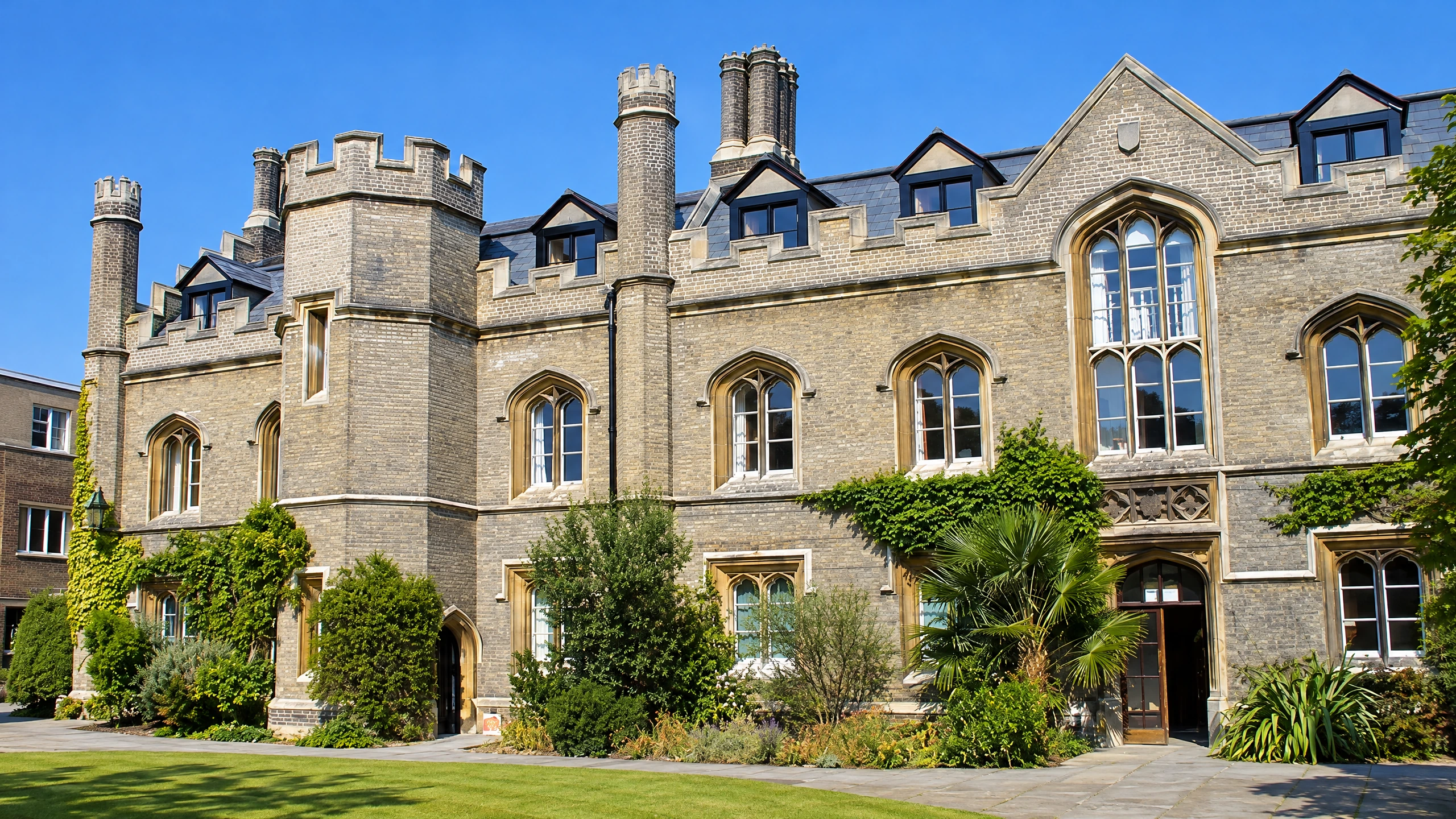
See it
In pictures.
10 views, full screen. Tap any one to open the viewer.Around here
Make more of the area.
The Fitzwilliam Museum is near Little St Mary's on Trumpington Street. Its collections range from antiquities to paintings and applied arts.
Good to know
Questions, answered.
Is Peterhouse the oldest college in Cambridge?
Yes. Founded by Hugh de Balsham in 1284, Peterhouse is the oldest surviving Cambridge college. Its first scholars moved to hostels beside the church now known as Little St Mary’s.
Who founded Peterhouse?
Hugh de Balsham, Bishop of Ely, founded the college in 1284 after moving scholars from the Hospital of St John to hostels near St Peter’s church.
How old is Peterhouse’s dining hall?
The hall was completed in 1290 and remains a working college dining room. Its medieval structure surrounds a later interior with Victorian panelling and decoration.
Did William Morris decorate Peterhouse Hall?
The hall’s nineteenth-century decoration includes William Morris stained glass, stencilling and tiles. Its medieval structure is much older.
Did Lord Kelvin study at Peterhouse?
Yes. William Thomson, later Lord Kelvin, came to Peterhouse in 1841. His work on temperature gave the Kelvin scale its name, and he helped bring electric lighting to the college hall.
What is Frank Whittle’s connection to Peterhouse?
The jet-engine pioneer studied mechanical sciences at Peterhouse after joining the RAF and graduated in 1936. A college building was later named for him.
Can the public visit Peterhouse and its hall?
Ask the Porters’ Lodge on Trumpington Street about access. The hall is used for college dining, so it should not be assumed to be open on an ordinary visit.
When was Peterhouse Chapel built?
The chapel was built in the early seventeenth century. Analysis of its timbers places construction between 1628 and 1632.
Is Little St Mary’s part of Peterhouse?
Little St Mary’s is the church beside Peterhouse. The college’s earliest hostels were established near it, when the church was known as St Peter without Trumpington Gate.
Editorial notes
Sources and further reading.
Sources for this guide
Reviewed 4 November 2026.
- College statutes: 1284 foundation and hostels.
- Women at Peterhouse: foundation, neighbouring church and female benefactors.
- College hall: 1290 structure, continuing use and Morris decoration.
- Chapel timber report: chapel construction date and examined timbers.
- Chapel studentship: college and chapel context.
- College newsletter: Frank Whittle's studies at Peterhouse.
- Chapel access guide: physical access details.
- 2015 Peterhouse newsletter: the Whittle Building's namesake.
- Little St Mary's: neighbouring places or visitor access.
- Fitzwilliam Museum: neighbouring places or visitor access.
- Visiting Peterhouse: neighbouring places or visitor access.
Further reading and sources
Opening hours, prices, programmes and access arrangements can change. Confirm critical details with the venue.
Keep exploring