Central · Founded 1505
Christ's College
The college of both John Milton and Charles Darwin, with one of the prettiest sequences of courts and gardens in central Cambridge behind an unassuming Tudor gate.
- Founded
- 1505
- Location
- St Andrew's Street
- Visiting
- Morning grounds opening
- Institution
- College
01 The experience
What to expect.
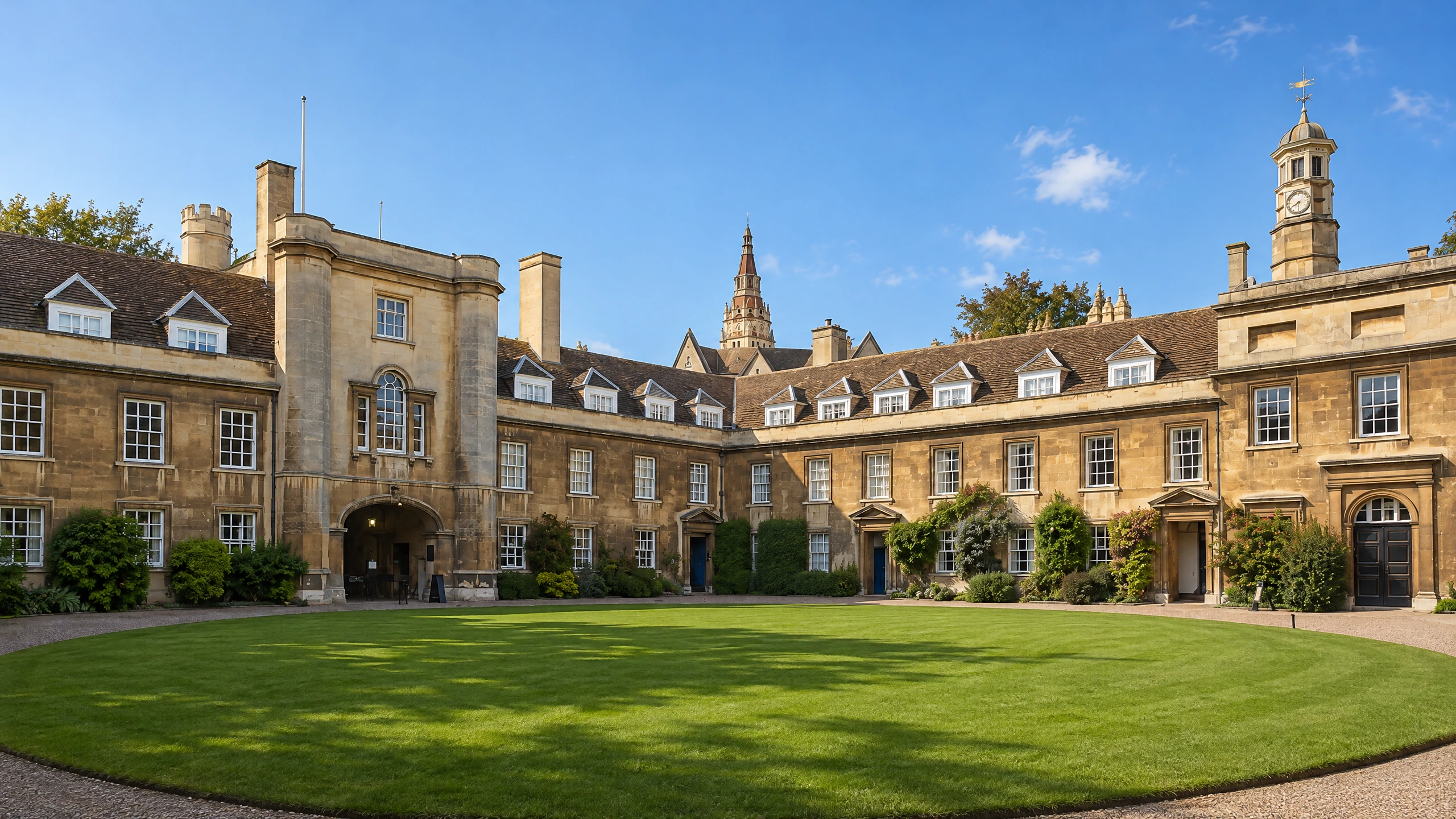
Christ’s sits behind a Tudor gateway on St Andrew’s Street, close to the bustle of the city centre. Beyond the gate, a sequence of courts leads from the college’s early buildings to gardens and a remarkable piece of twentieth-century architecture. Poet John Milton and naturalist Charles Darwin both studied here, nearly two centuries apart.
The Fellows’ Building, raised in the 1640s as the college expanded, faces the garden. The mulberry tree known as Milton’s tree is a survivor of another sort: it grew from the root of a tree planted in 1608, the year the poet was born, although the college records no other connection between the tree and Milton. Wooden supports have held it since a storm uprooted it in 1795.
Across the site, Denys Lasdun’s stepped New Court, nicknamed the Typewriter, makes a vivid contrast with the older courts. In front of it, the Darwin Garden includes a sculpture of the young naturalist and plants linked to his voyages. The gardens are usually open in the morning; the Master’s Garden is private.
People and ideas
Famous former students
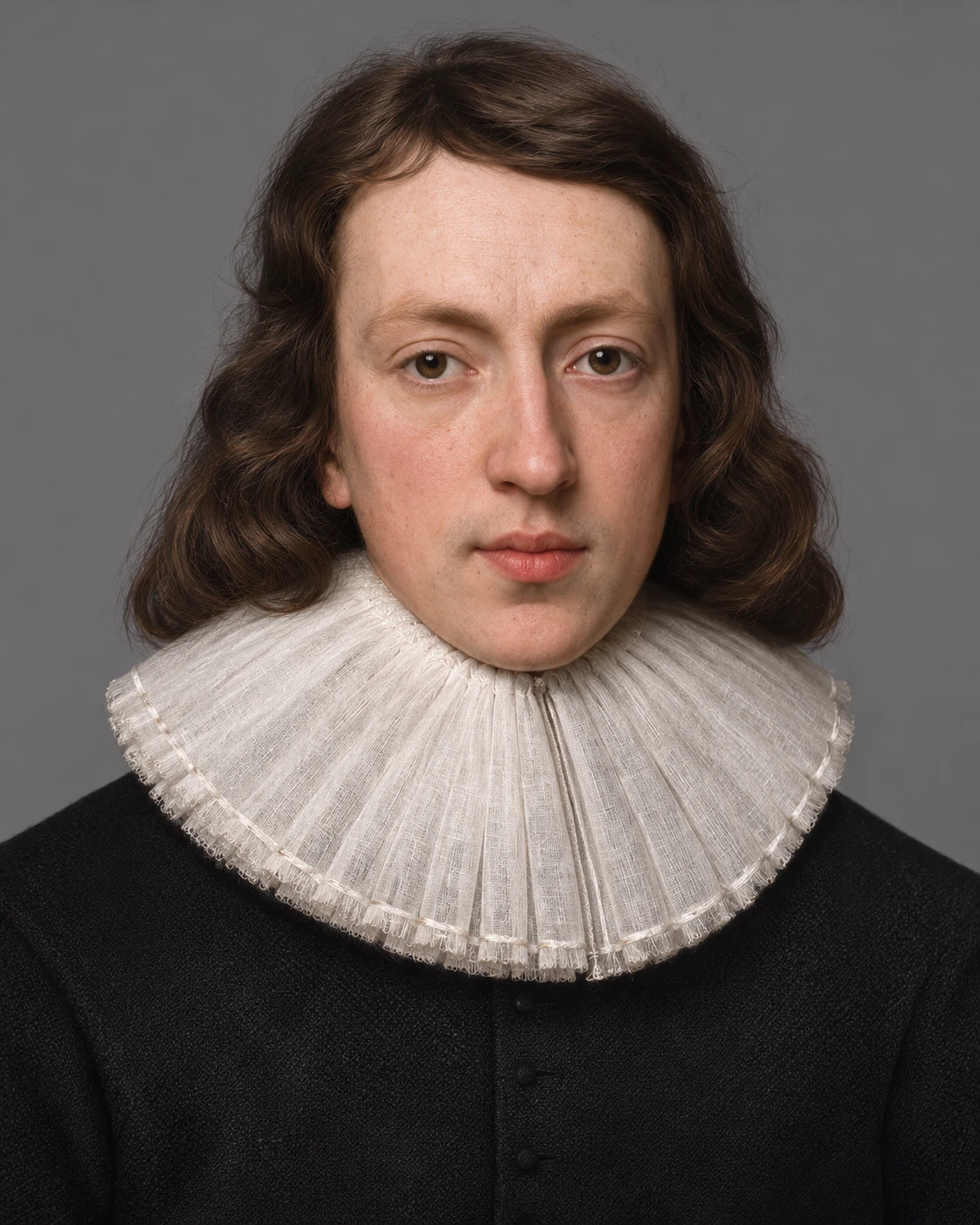
John Milton
The poet and polemicist entered Christ’s in 1625.
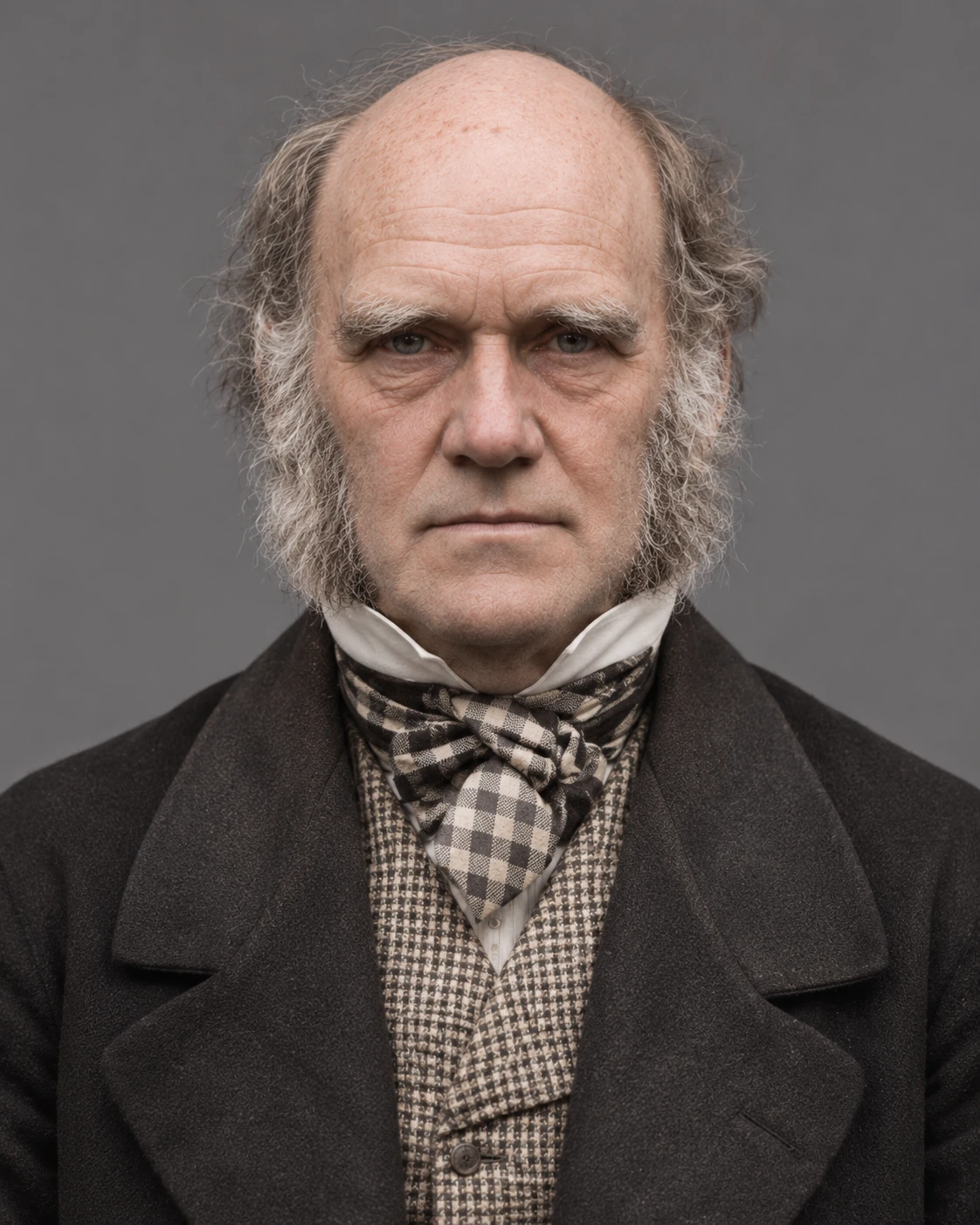
Charles Darwin
The naturalist arrived in 1828 and later developed the theory of evolution by natural selection.

Rowan Williams
The theologian studied at Christ’s before becoming Archbishop of Canterbury and later Master of Magdalene.
Fellows, founders and other connections
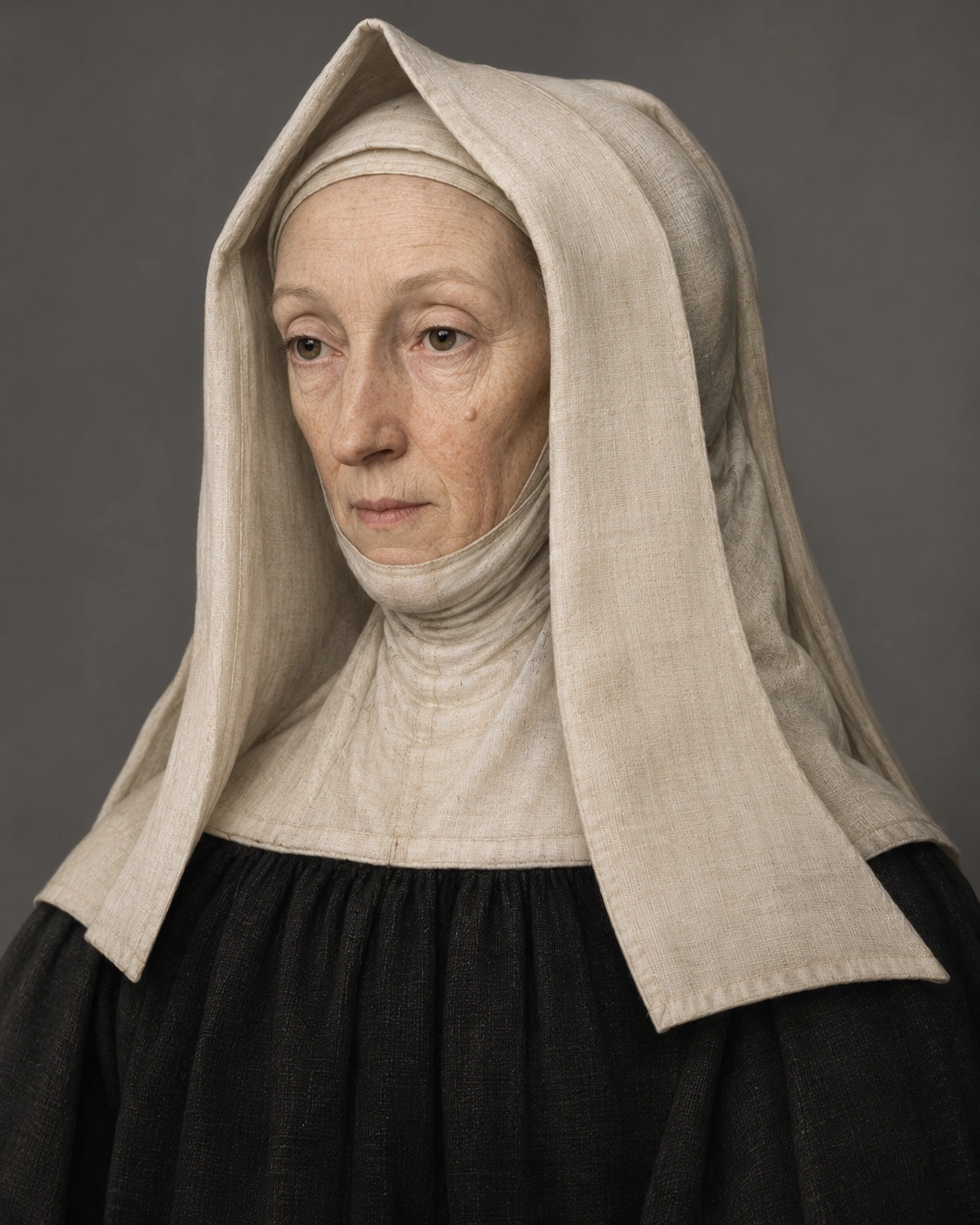
Lady Margaret Beaufort
She secured the charter that refounded Christ’s in 1505.
The story
History & character.
From God’s House to Christ’s
Christ’s grew from God’s House, founded by William Byngham in 1437. In 1505 Lady Margaret Beaufort secured a royal charter to refound it as Christ’s College. Her heraldry remains part of the entrance’s identity, a reminder of the benefactor the college honours as its Foundress.
Milton and Darwin
John Milton entered in 1625, when Christ’s was a prominent Puritan college. Student numbers grew during the seventeenth century, and fellows and former members contributed to the new Fellows’ Building in the early 1640s. Its presence beyond First Court shows how the college expanded from its original core.
Charles Darwin arrived in 1828 and lived in rooms formerly occupied by theologian William Paley. The college’s Darwin Garden was created in 2009 for the bicentenary of Darwin’s birth, with plants associated with his journeys aboard HMS Beagle and Anthony Smith’s statue of Darwin as a young man.
Darwin before the Beagle
While studying at Christ’s, Darwin became an enthusiastic beetle collector and had a six-drawer cabinet made for his specimens. Botanist John Stevens Henslow became an important mentor, and later passed on the invitation to join HMS Beagle. After the voyage Darwin returned to Cambridge for several months to sort his specimens before moving to London. The Darwin Garden at Christ’s recalls the places and plants of that journey.
A modern court
Lasdun’s New Court adds a striking stepped silhouette to the earlier range of buildings. It sits beyond Third Court, where the architectural journey through Christ’s moves from Tudor work to the twentieth century. The garden in front links the modern college back to Darwin.
Gardens across the courts
First Court’s circular lawn sits within the earliest part of Christ’s. The shelter of the surrounding buildings creates a warm microclimate for plants, including an old wisteria along the south-facing wall. In Third Court the college grows collections of irises and salvias; the irises began with a gift in 1946.
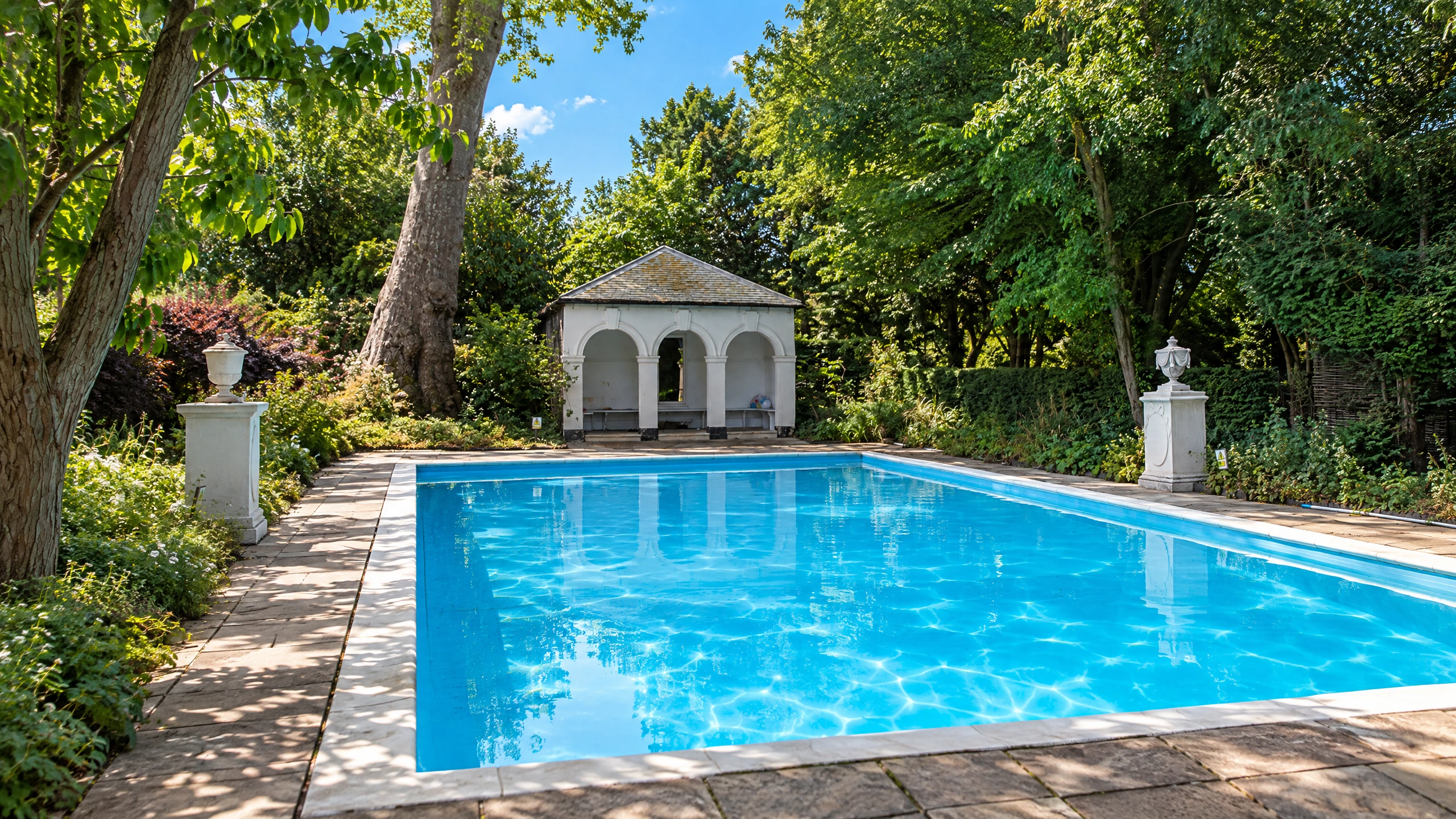
The Fellows’ Garden took on its winding paths and informal borders in 1825. Its sheltered character is distinct from the formal lawn of Second Court, while the old bathing pool and mulberry add further layers to its history.
Look closer
What to see.
First Court
The entrance leads into the college’s historic first court, the beginning of a sequence of courts that extends well beyond the street front.
Fellows’ Building
The classical range was built in the early 1640s when increasing student numbers prompted the college to expand.
Fellows’ Garden
The mulberry known as Milton’s tree grew from an older tree planted in his birth year. Opening is more limited than the other gardens.
Darwin Garden and New Court
A young Darwin in bronze and plants linked to the Beagle voyages stand in front of Lasdun’s stepped modern building.
Make it work
Plan your visit.
Christ’s normally welcomes visitors to its grounds from 09:00 to 12:00 daily. The Fellows’ Garden opens at the same times on weekdays; the Master’s Garden is private. The gardens are free to visit. The Chapel is the only college building generally open to visitors.
The college closes to the public over Christmas and during the examination quiet period; dates vary from year to year, and events can also affect access. Prospective students have a separate 09:00–16:00 visiting window.
Visit your way
Access and family planning.
The main pedestrian entrance is the Great Gate on St Andrew’s Street. AccessAble describes a network of external paths and step-free access from the Hobson Street car park; parking availability for visitors is limited.
The Darwin Garden has a statue of the young naturalist and plants associated with his travels. The grounds are open in the morning, but the Master’s Garden is private.
See it
In pictures.
10 views, full screen. Tap any one to open the viewer.Around here
Make more of the area.
Good to know
Questions, answered.
Can I visit Christ’s College in Cambridge for free?
Christ’s College in Cambridge normally opens its grounds free from 09:00 to 12:00 daily, subject to closures. The Chapel is generally the only college building open to visitors.
Can visitors enter the Fellows’ Garden at Christ’s College?
The Fellows’ Garden normally opens Monday to Friday, 09:00–12:00. The Master’s Garden is private, and opening is affected by the examination quiet period and other closures.
Which Cambridge college did Charles Darwin attend?
Charles Darwin studied at Christ’s from 1828. He met botanist John Stevens Henslow in Cambridge, and Henslow later passed on the invitation to join HMS Beagle.
Which Cambridge college did John Milton attend?
The poet John Milton entered Christ’s in 1625. He later wrote Paradise Lost. A mulberry tree in the Fellows’ Garden is named after him, although the college says it has no direct connection to the poet.
Did John Milton plant the mulberry tree at Christ’s College?
There is no established connection between Milton and the tree beyond its traditional name. The present mulberry grew from the root of a tree planted in 1608, the year Milton was born.
What is the Typewriter at Christ’s College, Cambridge?
The Typewriter at Christ’s College, Cambridge, is the nickname for New Court, the stepped modernist building designed by Denys Lasdun and completed in 1970. It stands beyond the older courts near the Darwin Garden.
What is in the Darwin Garden at Christ’s College?
A bronze of Darwin as a young man stands among plants connected with places he encountered on the Beagle voyage. The garden was created for the bicentenary of his birth.
Who founded Christ’s College Cambridge?
William Byngham founded its predecessor, God’s House, in 1439. Lady Margaret Beaufort secured the 1505 charter that refounded it as Christ’s; the college honours her as its Foundress.
Is Christ’s College, Cambridge, open during exams?
Christ’s College, Cambridge, and its gardens close during the examination quiet period. Dates can vary, and Christmas or college events can also affect access.
Where is Christ’s College in Cambridge?
The Great Gate is on St Andrew’s Street in the city centre, a short walk from the market and the historic college streets.
Who are Christ’s College Cambridge’s most famous alumni?
Naturalist Charles Darwin and poet John Milton both studied at Christ’s. The Darwin Garden celebrates the scientist’s work, while a mulberry tree in the Fellows’ Garden bears Milton’s name.
Editorial notes
Sources and further reading.
Sources for this guide
- https://www.christs.cam.ac.uk/about/history
- https://www.christs.cam.ac.uk/about/collegegardens
- https://www.christs.cam.ac.uk/grounds/new-court
- https://www.christs.cam.ac.uk/admissions/visiting-christs/self-guided-tour
- https://www.accessable.co.uk/christ-s-college/access-guides/library
- https://www.emma.cam.ac.uk/contact/findus
- https://www.jesus.cam.ac.uk/college/events-and-exhibitions/permanent-collection
- https://www.christs.cam.ac.uk/about/history/darwin-and-christs-college
Reviewed 4 November 2026.
Further reading and sources
Opening hours, prices, programmes and access arrangements can change. Confirm critical details with the venue.
Keep exploring