North · Founded 1950
St Antony's College
Discover an international graduate college where a former convent stands beside Zaha Hadid’s Investcorp Building.
- Founded
- 1950
- Location
- Woodstock Road
- Visiting
- Arranged visits
- Institution
- College
01 The experience
What to expect.
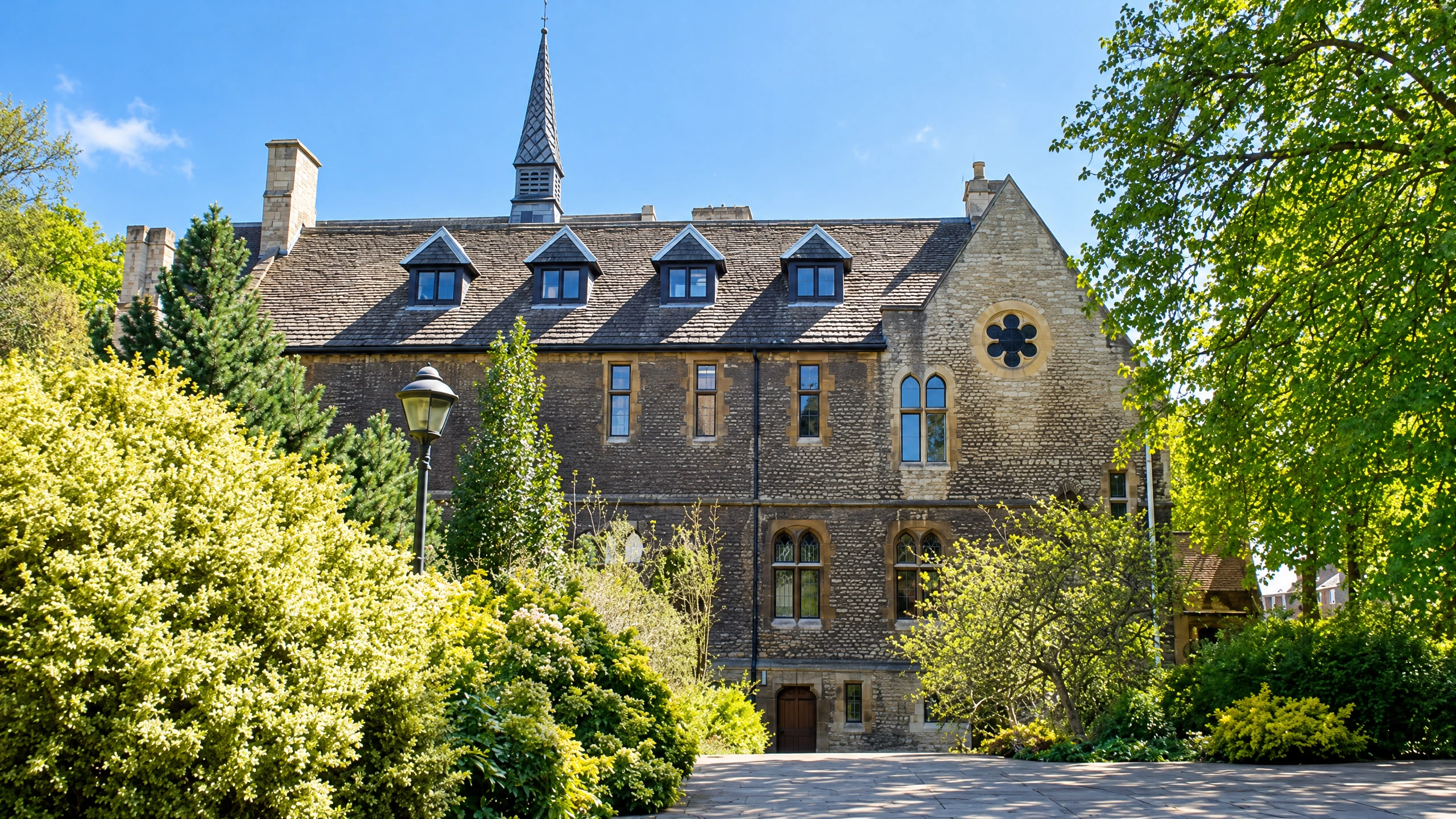
St Antony’s brings people from around the world together to study modern history, politics, economics and international affairs. Founded in 1950 by Aden-based merchant Antonin Besse, the graduate college opened with seven students and grew into a community with specialist research centres covering regions across the world.
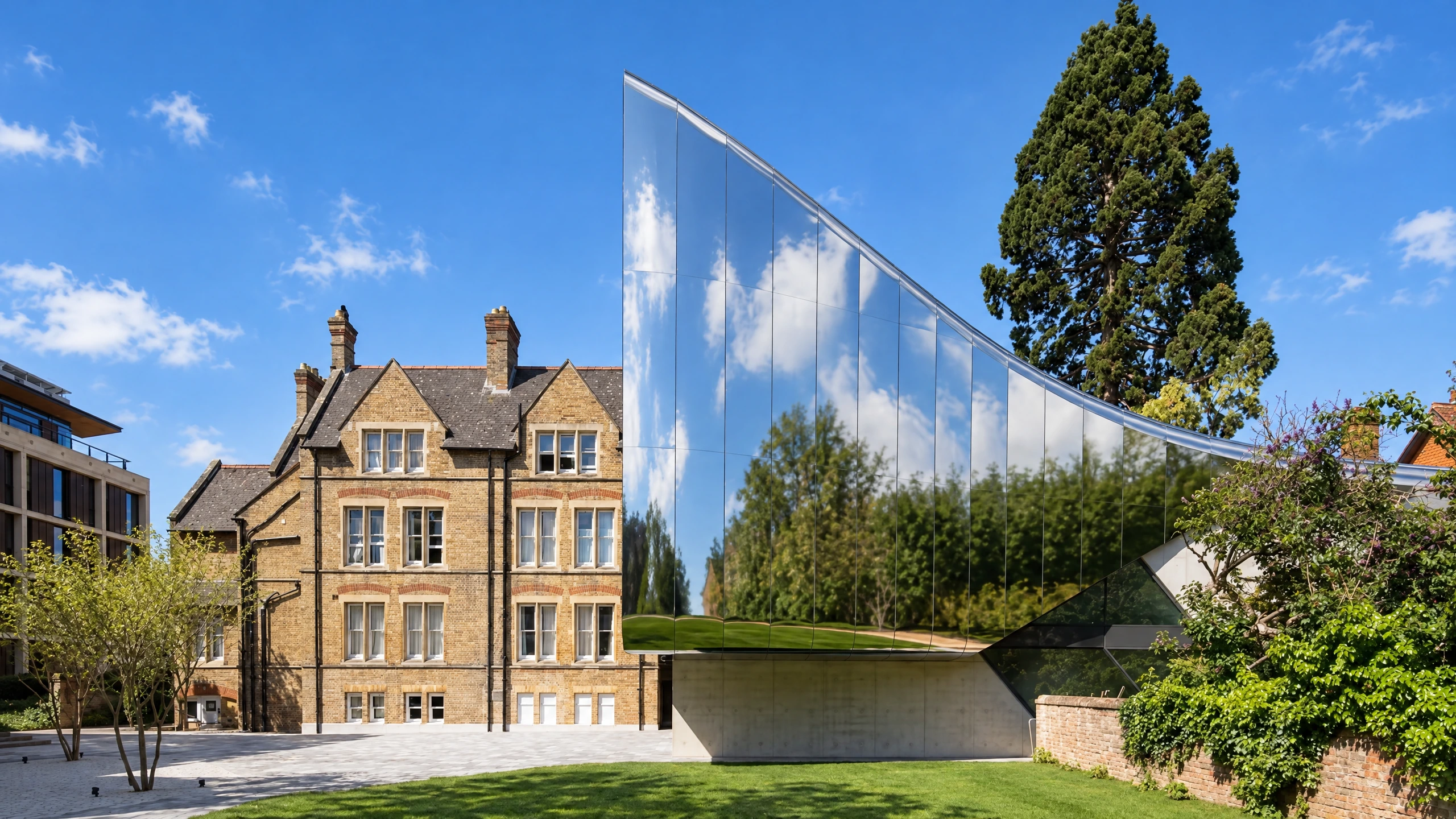
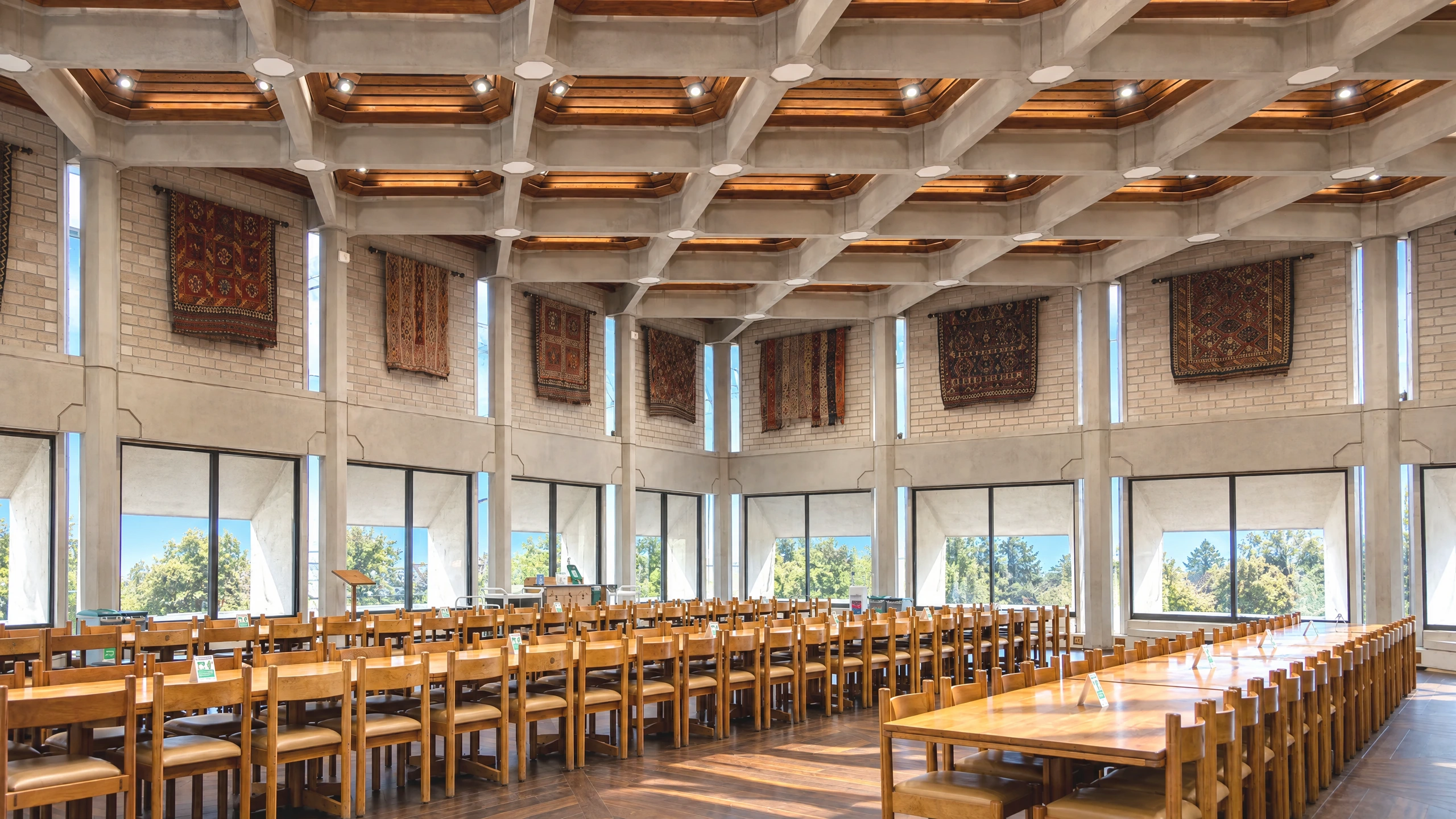
Its Woodstock Road buildings tell several stories. The Old Main Building was once a convent; its former chapel is now the college library’s reading room. The Hilda Besse Building, opened in 1970, gives dining and common rooms a distinctive concrete design. Zaha Hadid’s curved Investcorp Building opened in 2015 for the Middle East Centre Library and Archive.
The college has seven regional centres covering Africa, Asia, Europe, Japan, Latin America, the Middle East, and Russia and Eurasia. Its libraries and archives include books, papers and photographs supporting research across these regions. Individual collections have separate access arrangements.
Former students include journalist Thomas Friedman, who studied Modern Middle East Studies; economist Minouche Shafik, whose doctorate examined investment and public policy in Egypt; and journalist and Canadian politician Chrystia Freeland.
St Antony’s welcomes visitors but does not publish general public opening hours. Public events, prospective-student tours and research appointments have their own arrangements. North Parade’s cafés and shops sit beside the college, with Jericho nearby.
People and ideas
Famous former students
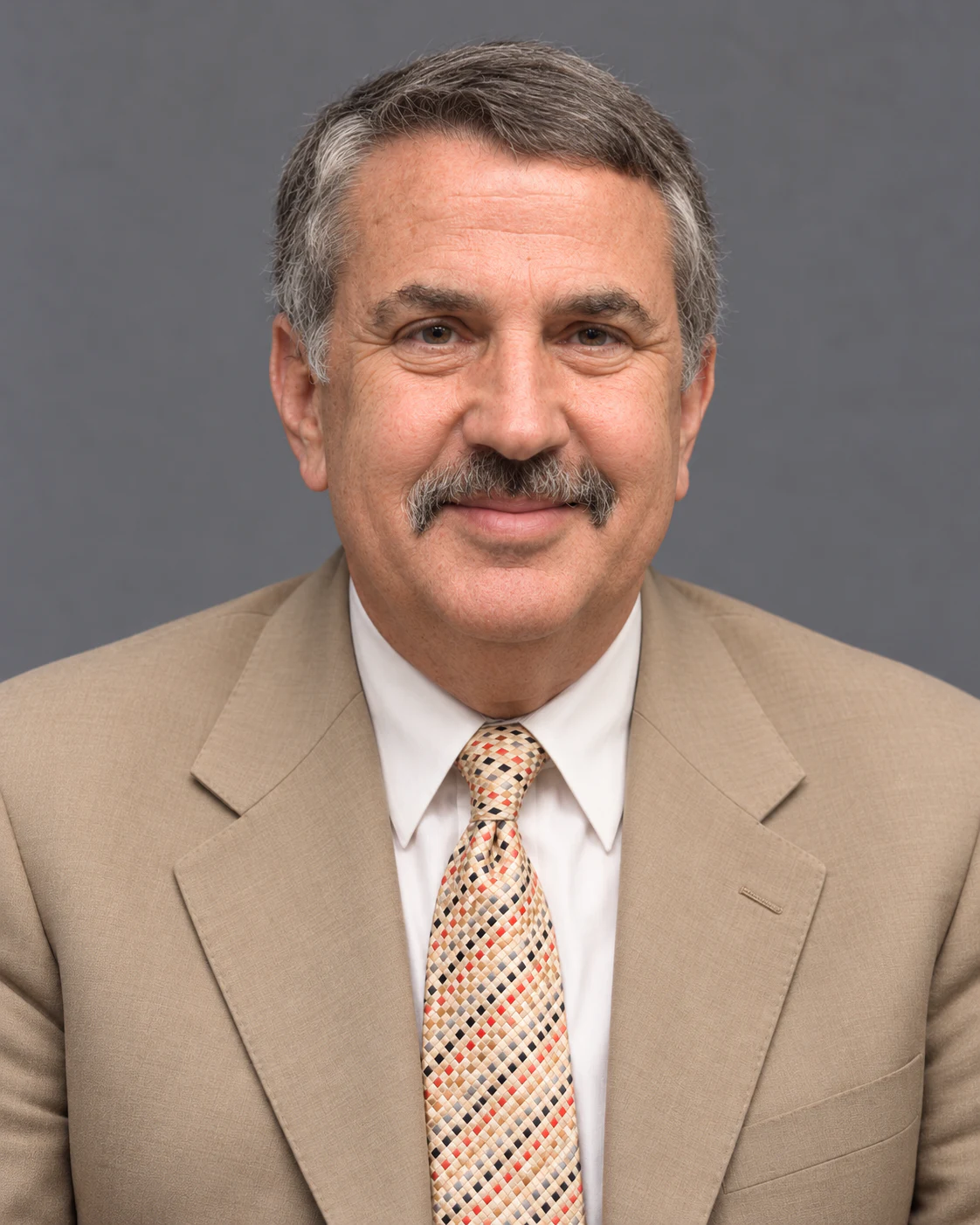
Thomas Friedman
The journalist and author studied Modern Middle East Studies at St Antony’s on a Marshall Scholarship.
College connection
Graduate student; separately Honorary Fellow.
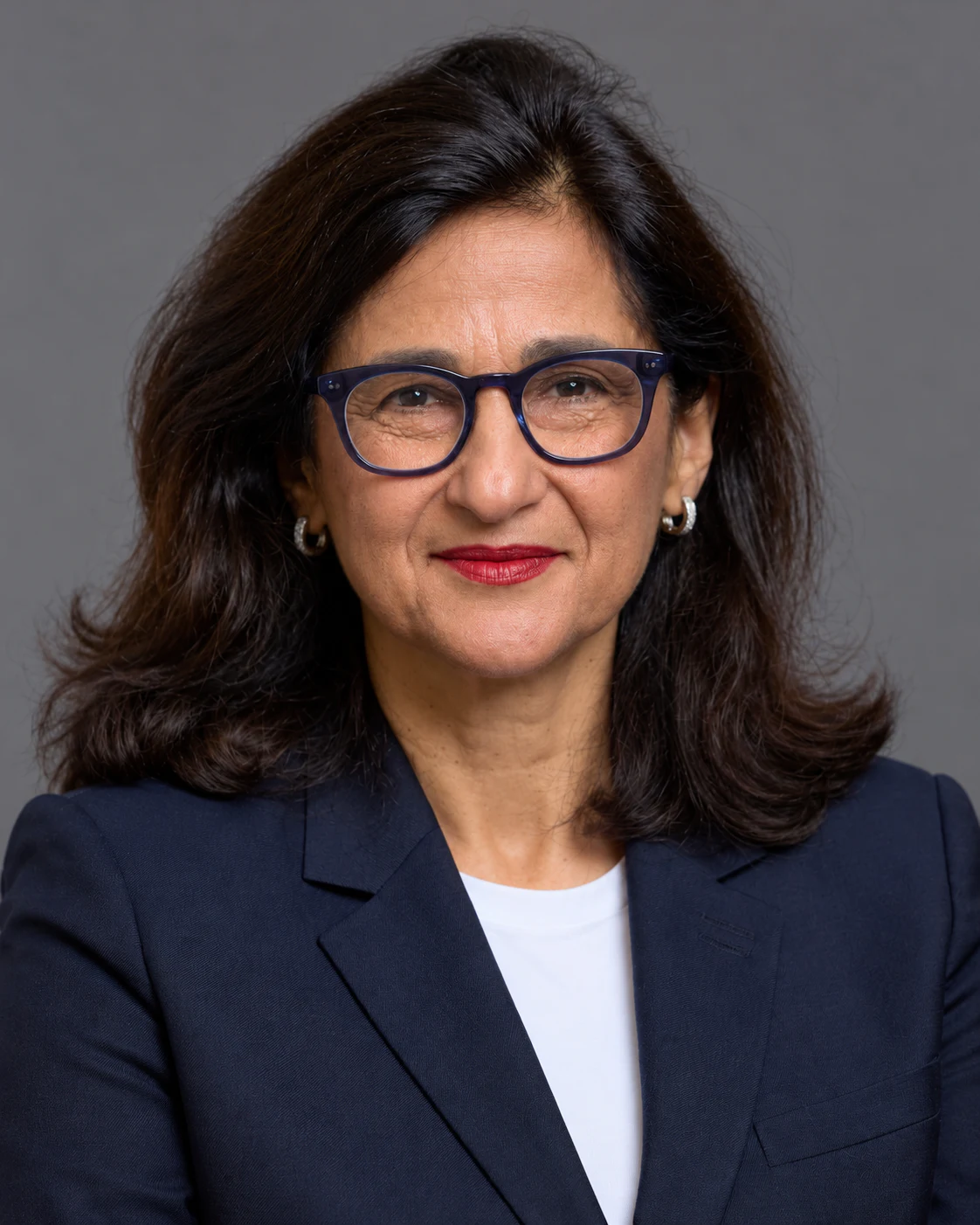
Nemat (Minouche) Shafik
1989
The economist completed a doctorate at St Antony’s on investment and public policy in Egypt.
College connection
DPhil Economics student; later separately Honorary Fellow. DPhil Economics 1989; thesis submitted Trinity Term 1989.
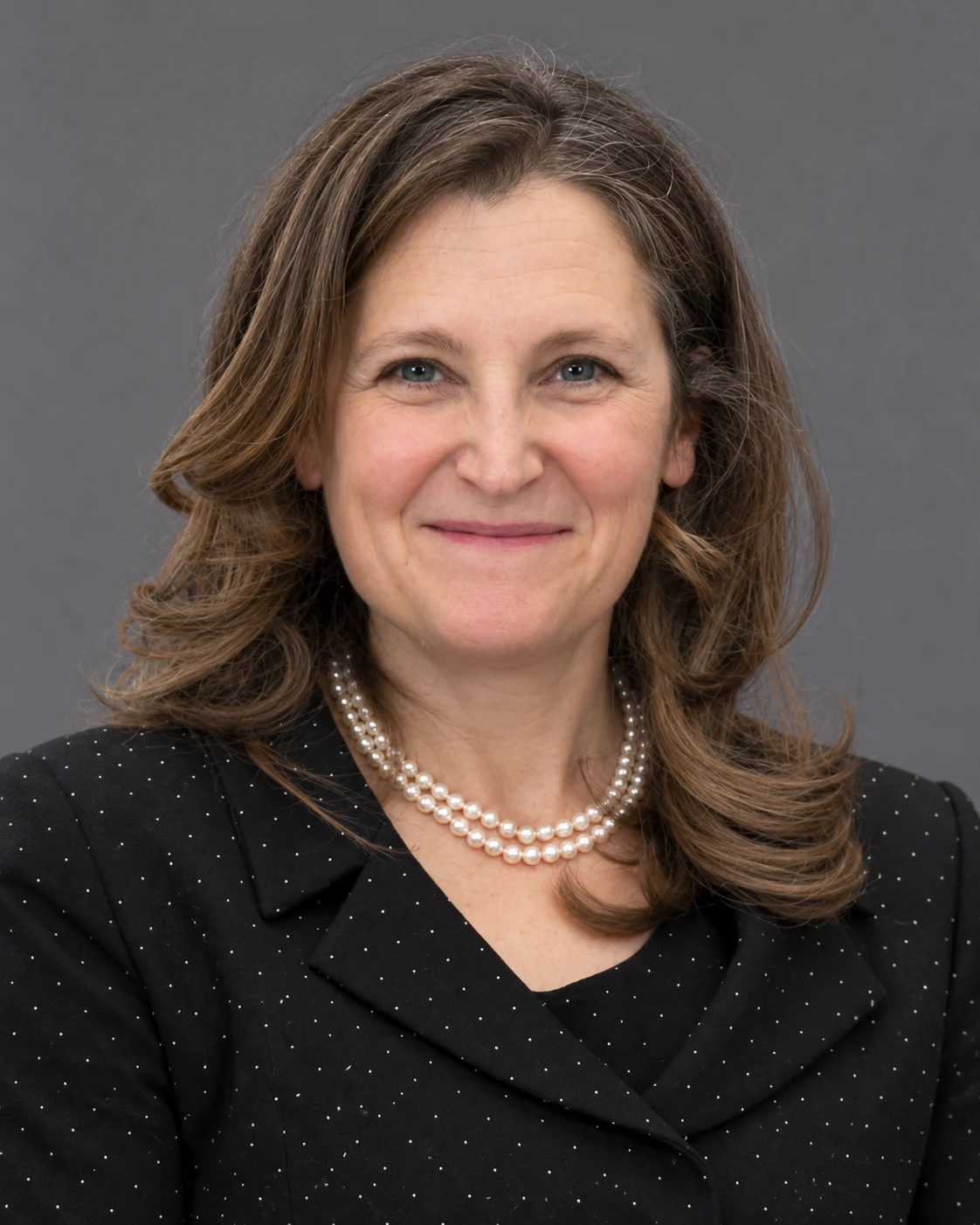
Chrystia Freeland
1991
The journalist and Canadian politician attended St Antony’s as a Rhodes Scholar in the 1991 cohort.
College connection
Rhodes Scholar and student. Rhodes Scholar identifier: Prairies and St Antony’s 1991.
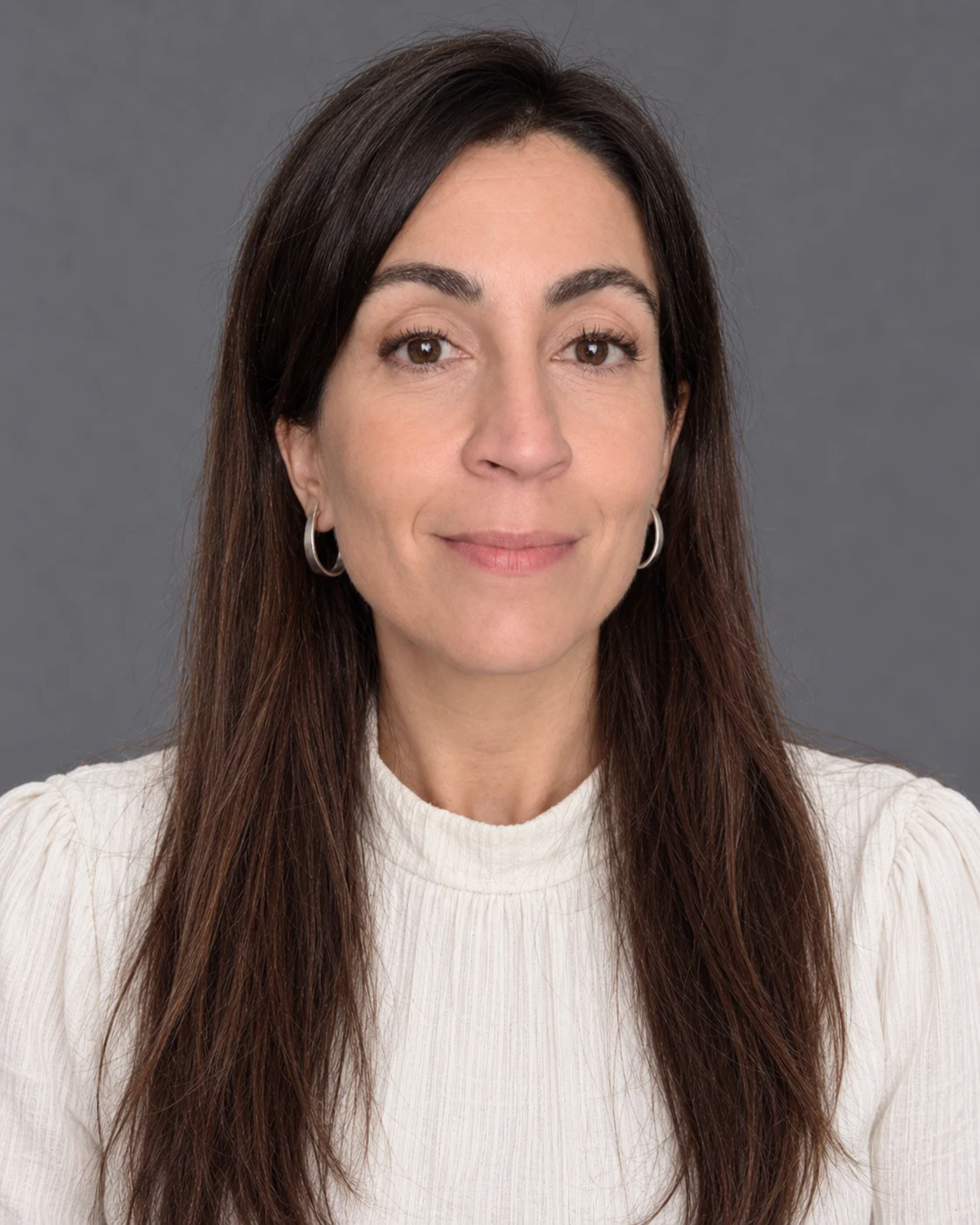
Sonia Andolz
Entered 2010
The former student took degrees in anthropology and refugee and forced migration studies at St Antony’s.
College connection
Former student. Matriculated 2010; MSc Social and Cultural Anthropology 2010; MSc Refugee and Forced Migration Studies 2011.
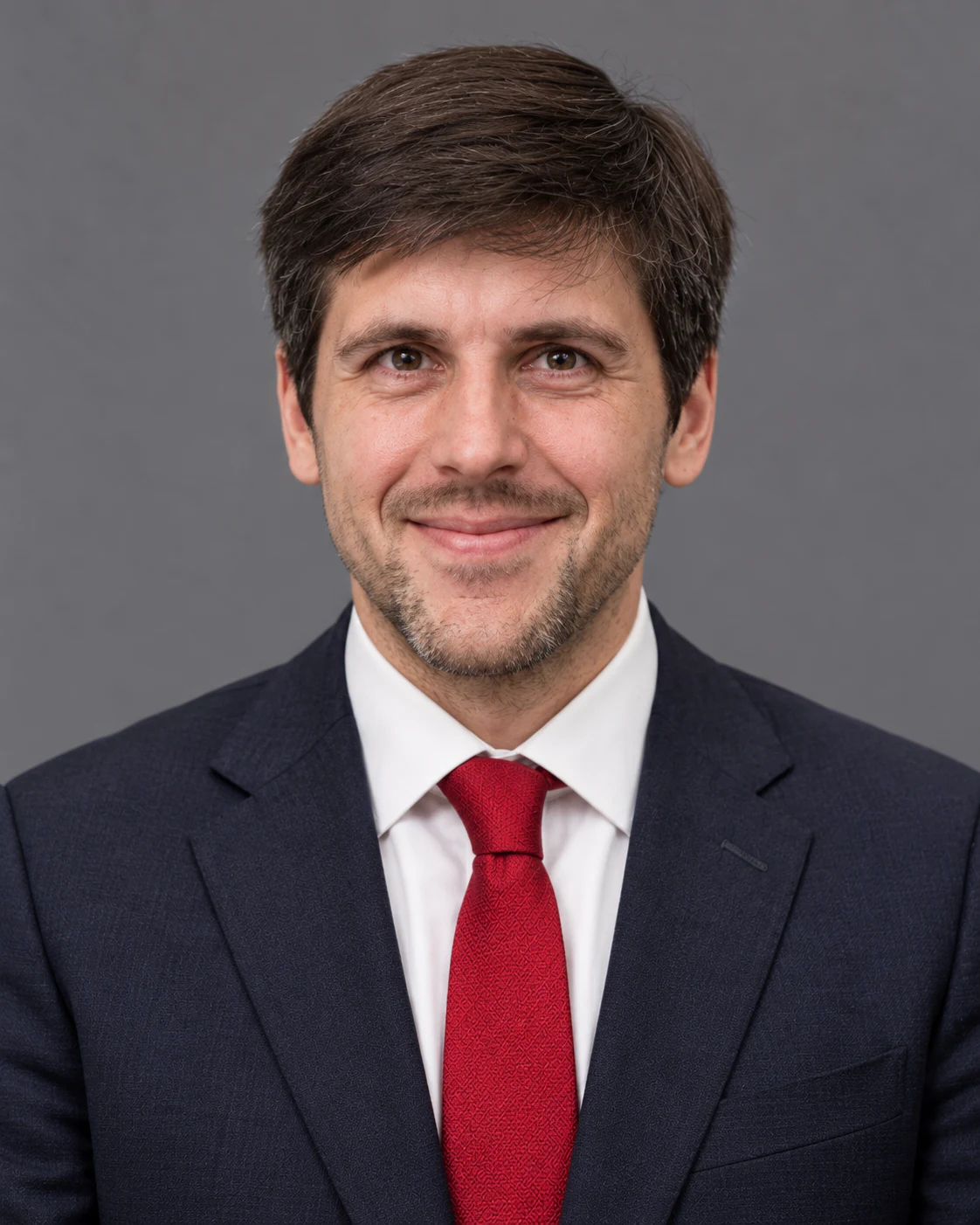
Petr Janský
Entered 2008
The economist studied Economics for Development at St Antony’s.
College connection
Former student. Matriculated 2008.
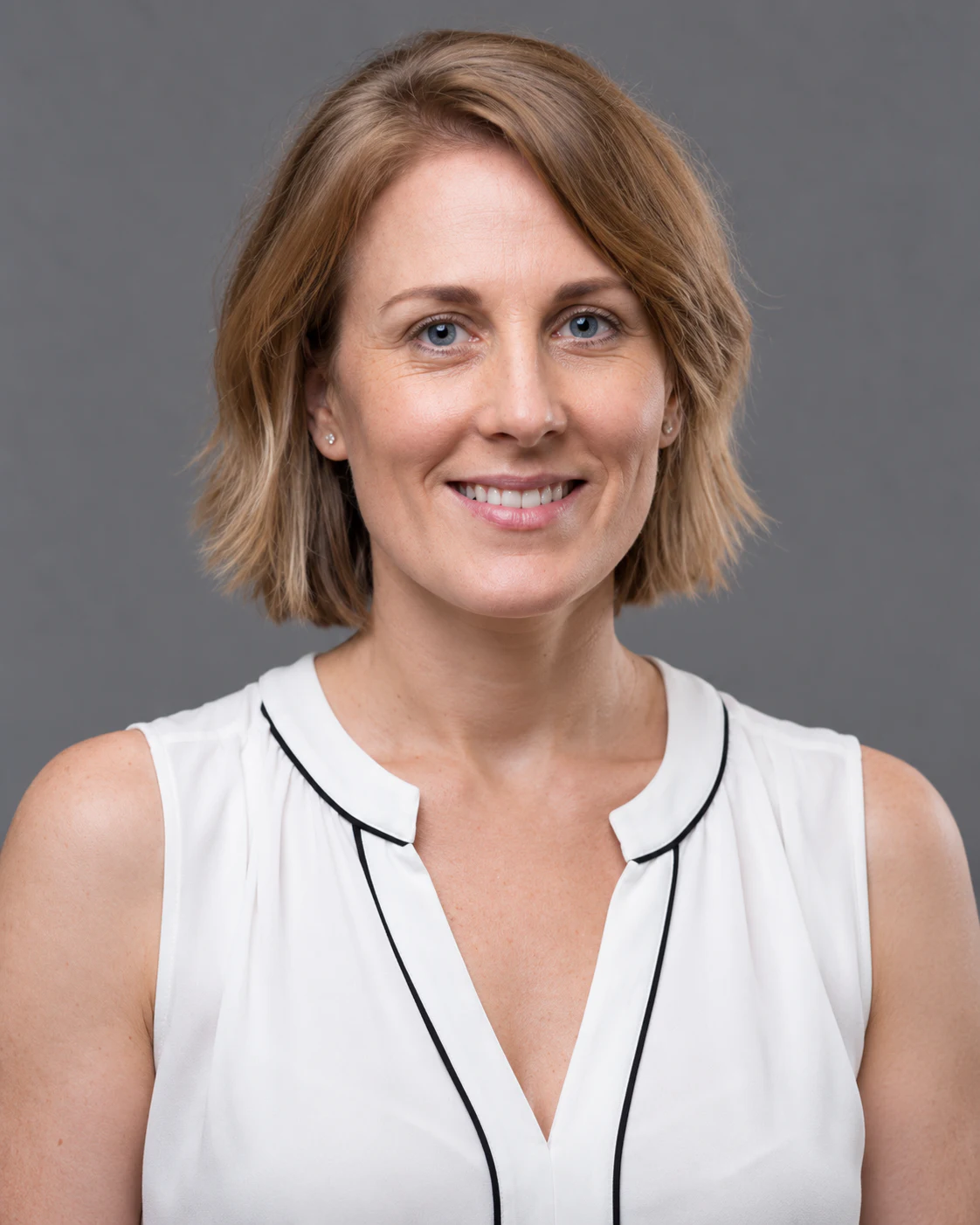
Inga Støren
Entered 2015
The education researcher completed a DPhil at St Antony’s in 2022.
College connection
Former student. Matriculated 2015; DPhil Education completed 2022.
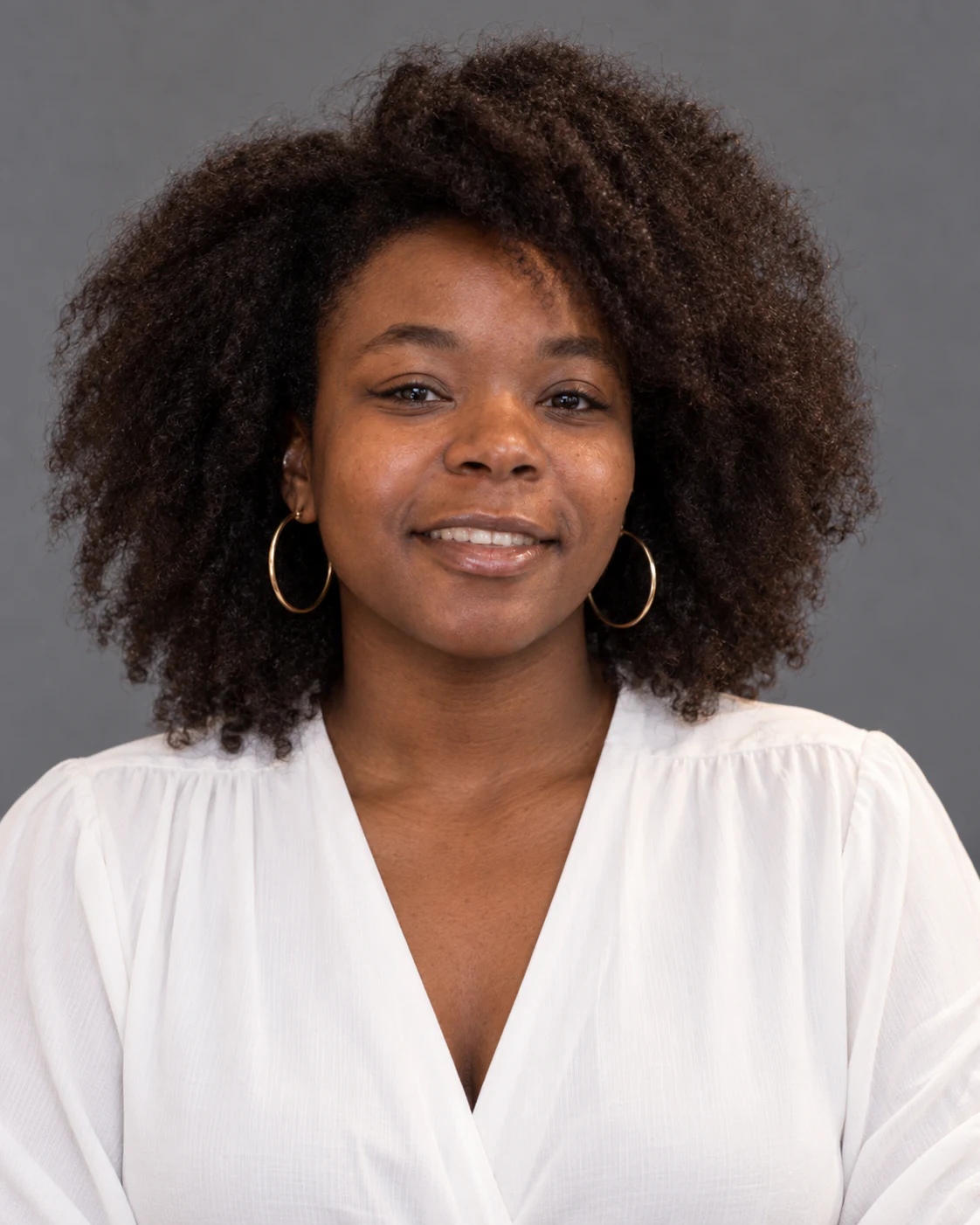
Assata Davis
Entered 2024
The Marshall Scholar studied Refugee and Forced Migration Studies at St Antony’s.
College connection
Former student. Matriculated 2024.
Fellows, founders and other connections
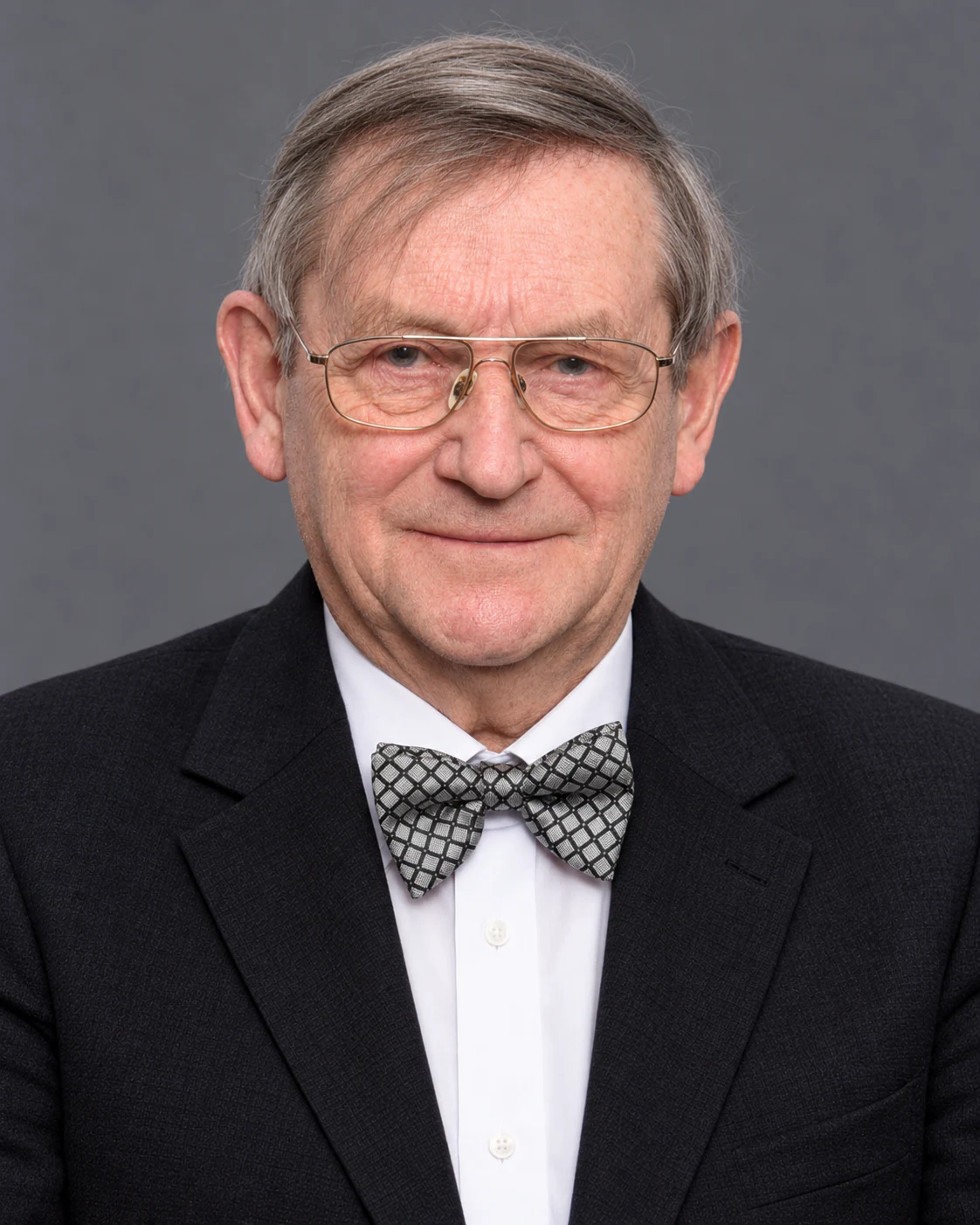
Norman Davies
1970–72
The historian and author has held research, visiting and honorary fellowships at St Antony’s.
College connection
Honorary Fellow; Research Fellow; Visiting Fellow; Senior Associate Member. Tutorial 1969; Research Fellow in residence 1970–72; Visiting Fellow 2008–09; Honorary Fellow since 2011.
The story
History & character.
Antonin Besse, a French merchant based in Aden, founded St Antony’s in 1950 for international postgraduate study. The first seven students arrived on 9 October that year. Historian Bill Deakin was the first Warden, and by the end of the decade 260 students from 34 nationalities had attended.
The college’s first regional research centre, for Russian and East European Studies, began in 1953. Seven centres now cover regions from Africa and Asia to Europe, Latin America and the Middle East, bringing together researchers and specialist collections. A supplementary charter permitted women in 1962; the first women students arrived in 1964.
The Old Main Building had been a convent of the Society of the Holy and Undivided Trinity. Its chapel, built in 1891–94, became the college library’s main reading room in 1953. The former refectory and chapter house also hold library spaces, and the chapel’s apse paintings were restored during a 1995 refurbishment.
The Hilda Besse Building opened in 1970 for dining and common rooms. Renamed for the founder’s wife in 1981, the Grade II-listed building was conserved and refurbished in 2021. An Oscar Niemeyer building commissioned in 1972 was never built because of insufficient funding.
Later additions included the Nissan building and Japanese Library in 1993, the Founder’s Building in 2000 and the Gateway Buildings in 2013. Zaha Hadid’s Investcorp Building opened in 2015 for the Middle East Centre Library and Archive, with an auditorium and gallery.
The archives preserve papers and photographs from 1800 onwards, including material on the Palestine Mandate and Oman in the 1970s. The European Studies Centre holds Timothy Garton Ash’s personal library, while the college archive includes papers of historian Sir John Wheeler-Bennett. Research access is arranged with the relevant collection.
Former students include journalist Thomas Friedman, economist Minouche Shafik and journalist and Canadian politician Chrystia Freeland. Their studies reflect the college’s continuing interest in international affairs.
Look closer
What to see.
The former convent library
The college library occupies the former convent chapel, refectory and chapter house. The chapel has served as its reading room since 1953.
Hilda Besse Building
The Grade II-listed concrete hall and common-room building opened in 1970 and was refurbished in 2021.
Zaha Hadid’s Investcorp Building
Opened in 2015, the curved building houses the Middle East Centre Library and Archive, with an auditorium and gallery for events.
International collections
The specialist libraries and archives support research from Japan to the Middle East and Europe, with access varying by collection.
North Parade
The nearby pedestrian street has cafés, pubs and shops just outside the college.
Make it work
Plan your visit.
St Antony’s welcomes visitors but does not publish general public opening hours. Prospective students can arrange a tour through academic.office@sant.ox.ac.uk; events and research appointments have their own arrangements.
The college is at 62 Woodstock Road, beside North Parade and near Jericho. It is around ten minutes on foot from central Oxford. There is no general college parking; Park & Ride buses stop near the entrance.
Woodstock Road is level to gently sloped, with a level alternative on Bevington Road. The college library is reached by stairs; lifts serve other buildings, including dining and common-room areas. Accessible toilets are elsewhere on site rather than inside the library or common room. One accessible parking space requires booking.
Guest rooms are offered at certain times of year, with single and double en-suite options. Breakfast is not provided, and bookings cannot include children under 16. Some upper-floor rooms are reached only by stairs. Check-in is from 2pm and departure by 10am.
Visit your way
Access and family planning.
The Woodstock Road approach is level to gently sloped; Bevington Road offers a level alternative. The college library is reached by stairs, while lifts serve other buildings, including dining and common-room areas.
Accessible toilets are distributed across the site, though not inside the library or common room. One accessible parking space requires booking. The Hilda Besse dining hall has lift access and a ramp at its entrance steps.
A suitable public event can introduce older children to the college’s former convent and Zaha Hadid’s Investcorp Building. North Parade’s cafés and shops are nearby. Guest-room bookings cannot include children under 16.
Self-guided walk
Exploring St Antony’s
The former convent, Hilda Besse Building and Investcorp Building reflect different stages of the college’s history.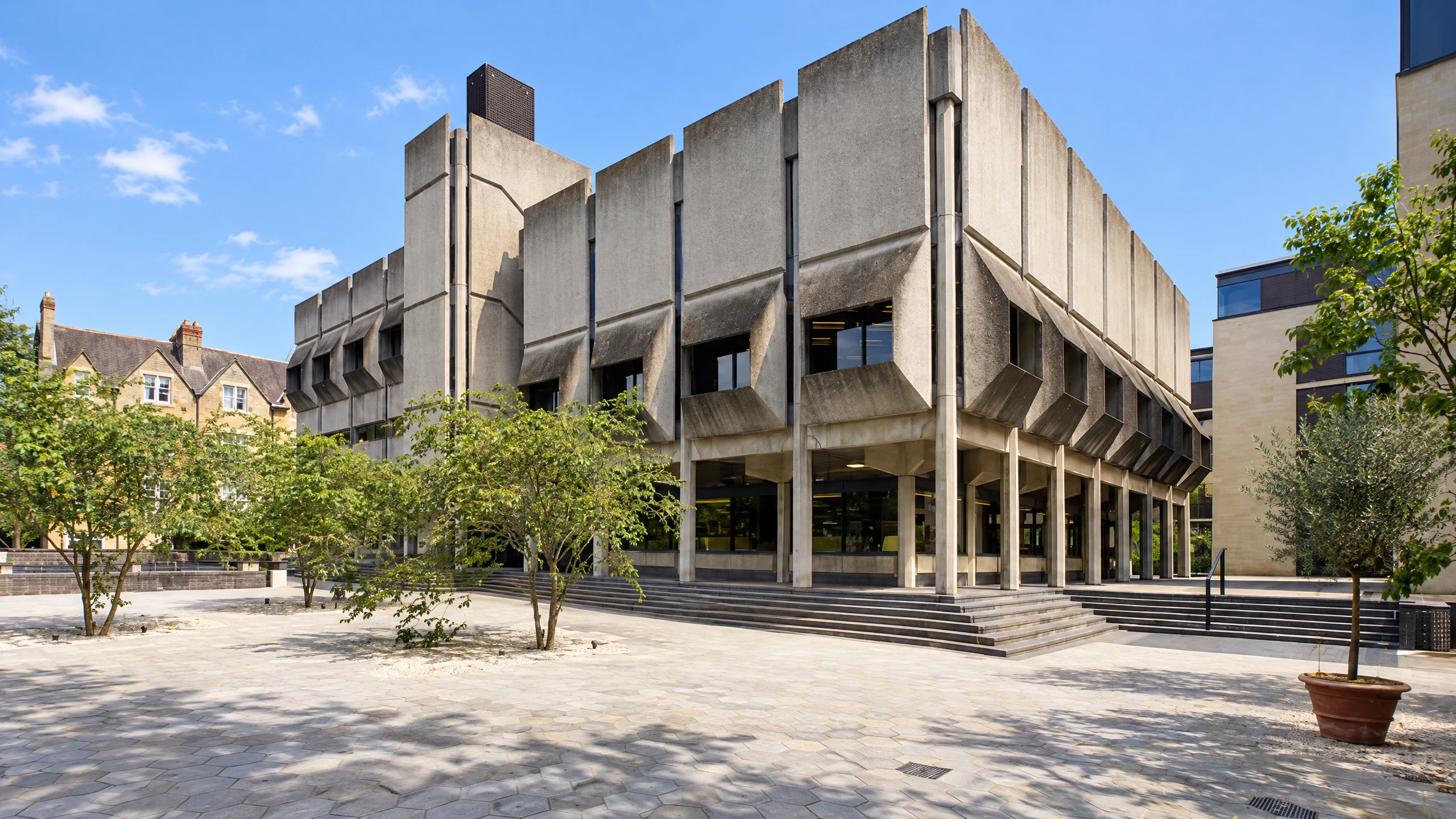
The college and its buildings
The former convent, the Hilda Besse Building and Zaha Hadid’s Investcorp Building show different stages of the college’s growth. The former chapel now houses the library reading room.
Libraries and events
The college’s specialist libraries and archives have their own access arrangements. An advertised event may offer a chance to see its venue, including the Investcorp auditorium or gallery.
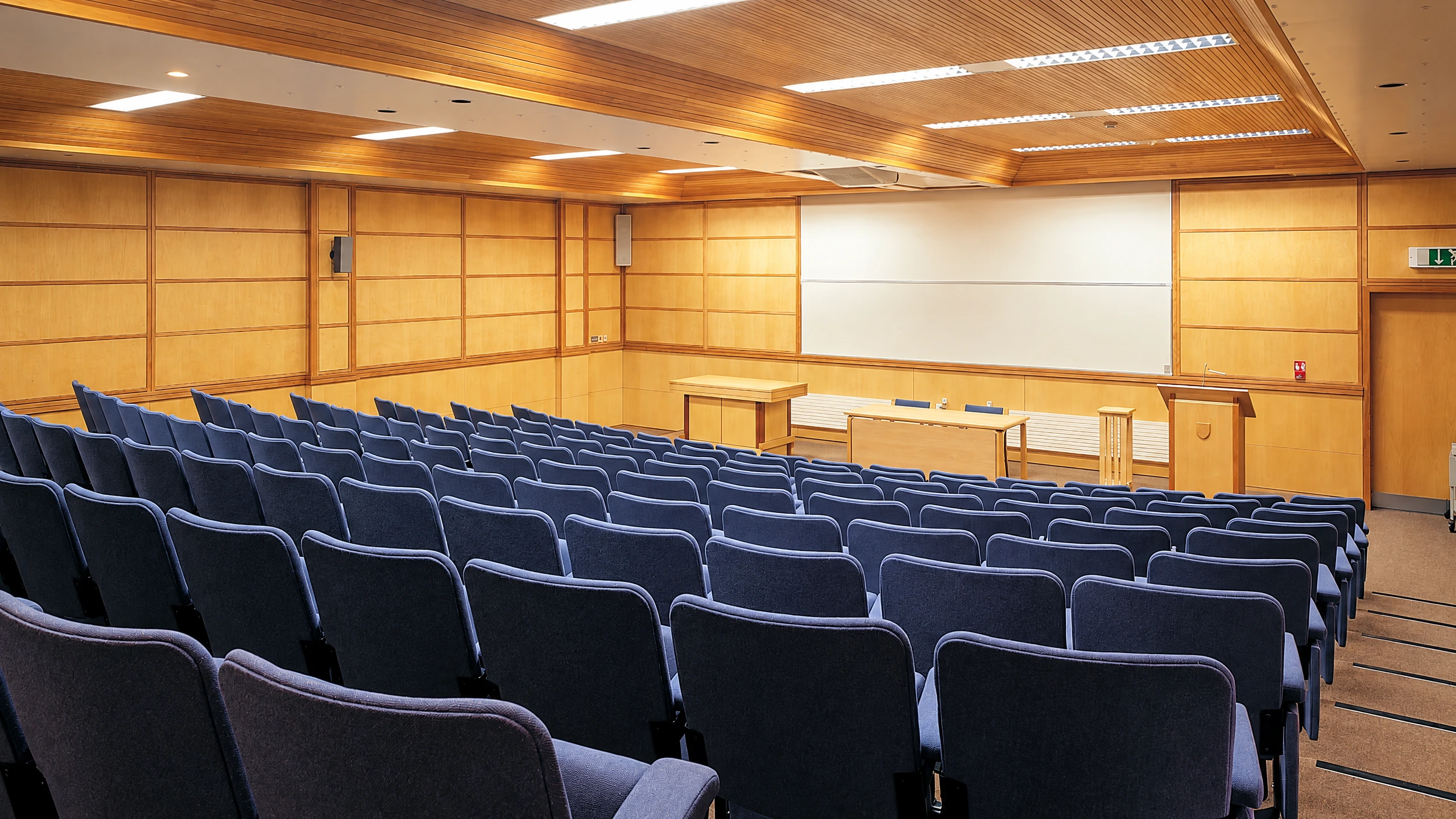
See it
In pictures.
10 views, full screen. Tap any one to open the viewer.Around here
Make more of the area.
≈1–3 min walk
North Parade
The pedestrian street beside the college has cafés, pubs and shops.
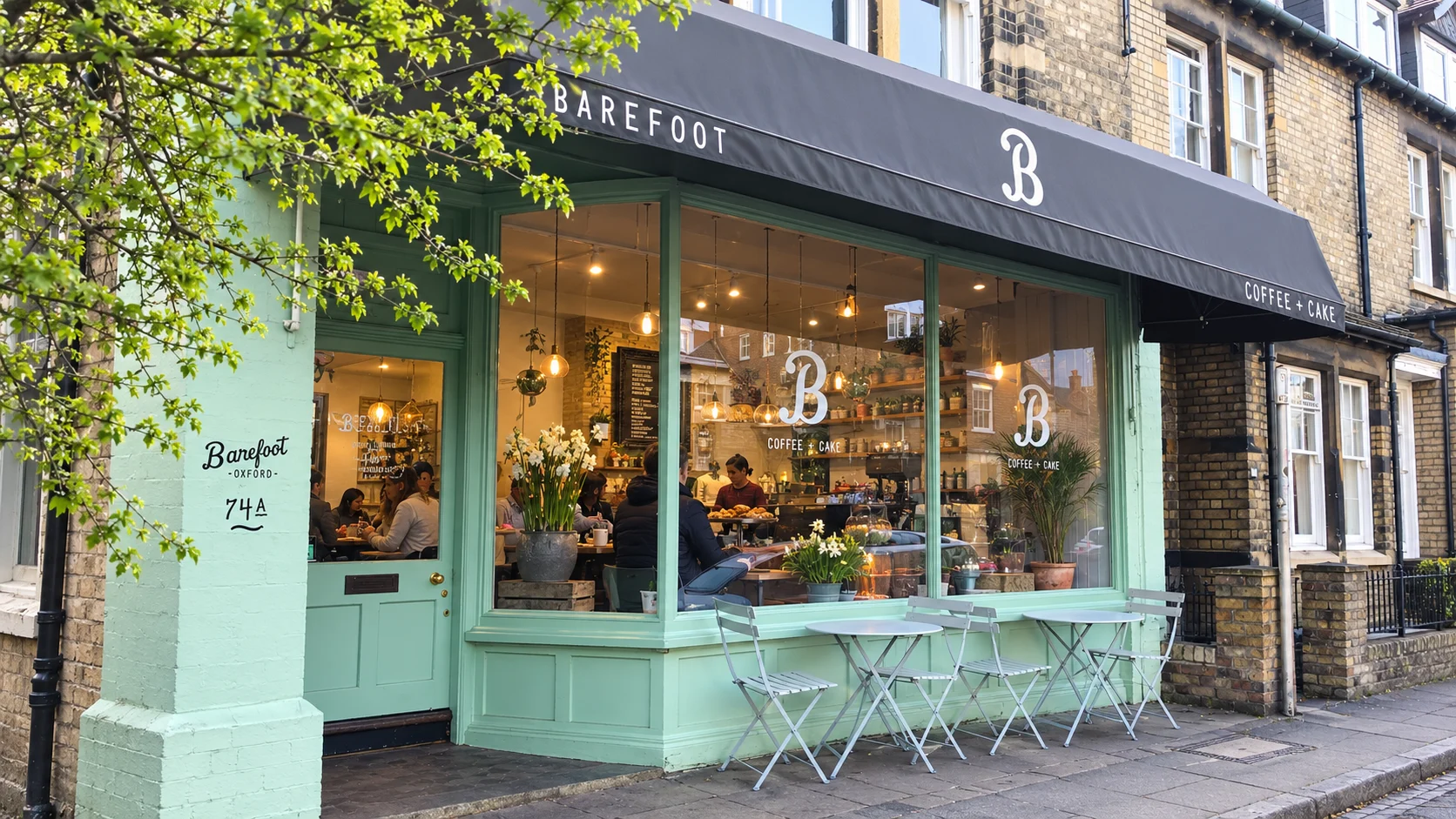
Jericho’s Walton Street has cafés, pubs, independent shops and a cinema.
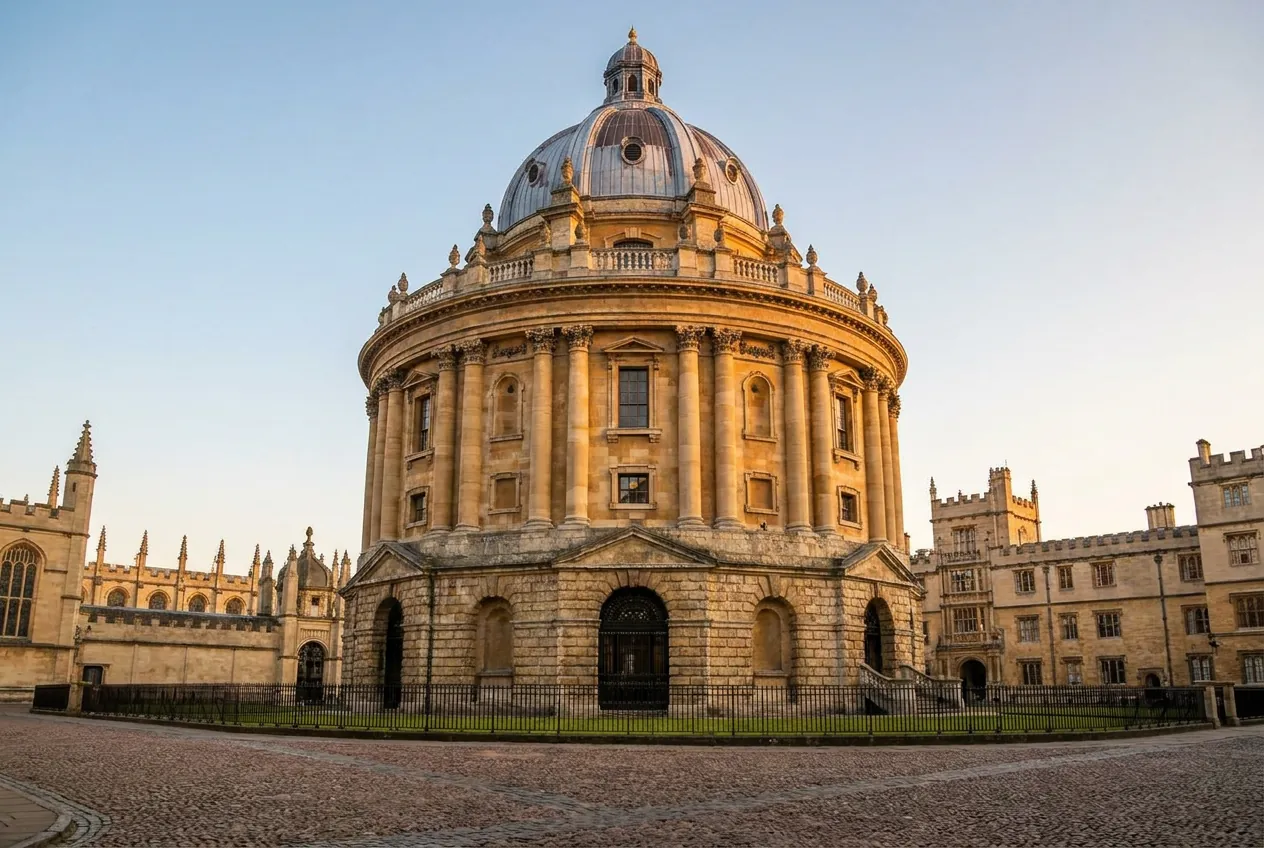
The college estimates about ten minutes on foot to the centre, with the Ashmolean on Beaumont Street.

≈10–15 min walk
Cherwell Boathouse
The boathouse is a riverside destination within walking distance. The college punt has separate arrangements for eligible guests.
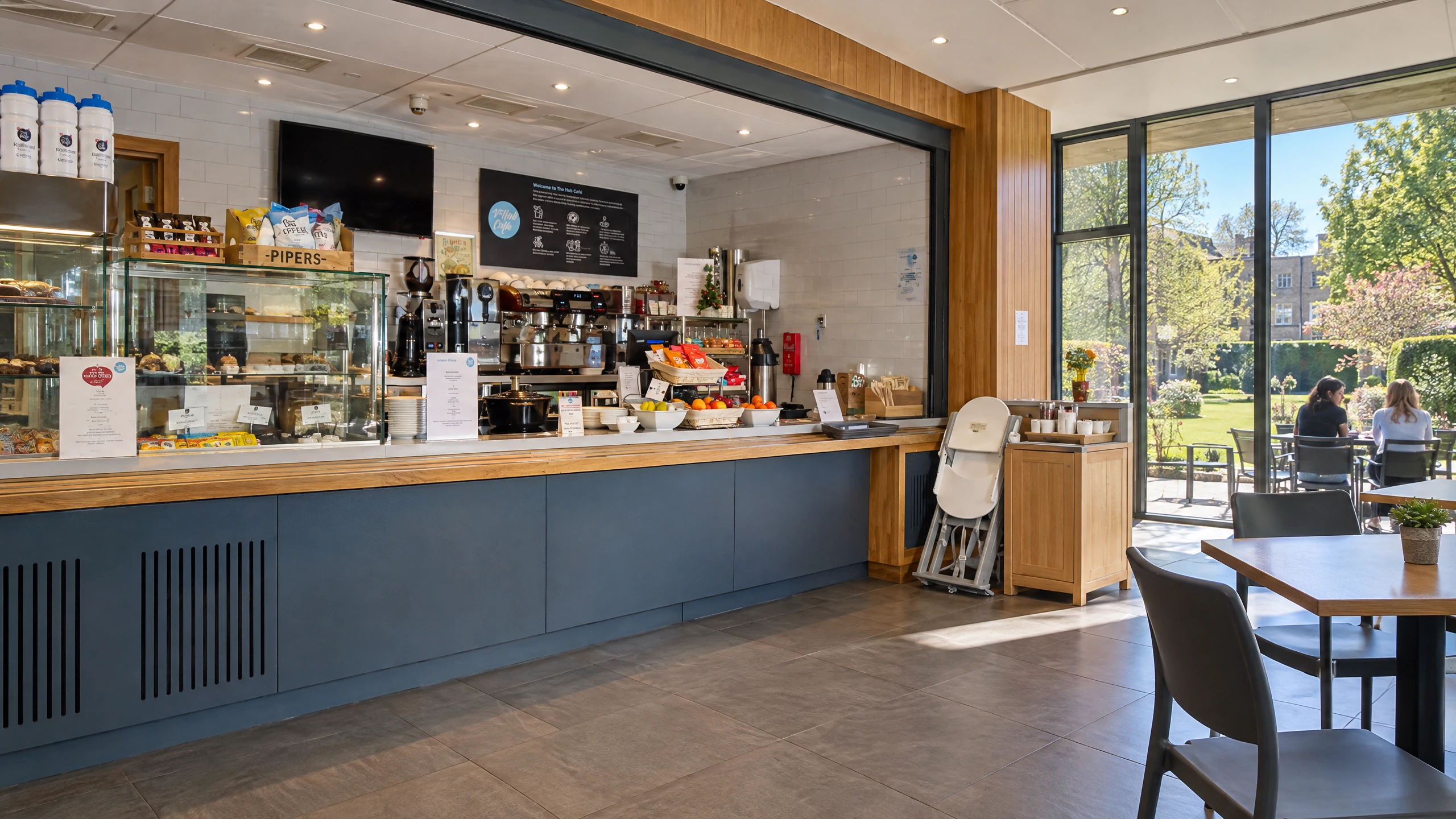
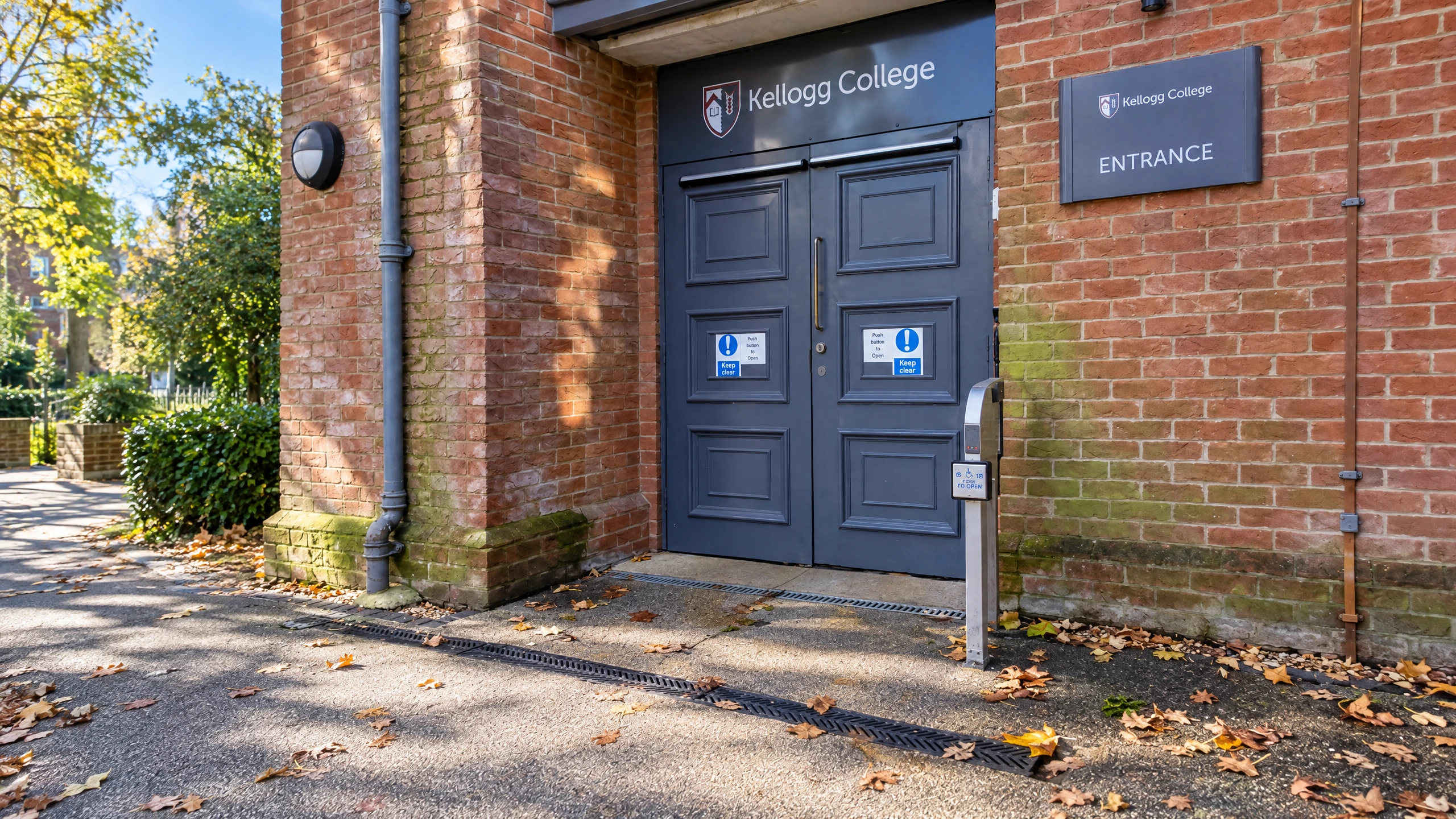
Nearby Kellogg’s Hub Café welcomes the public.
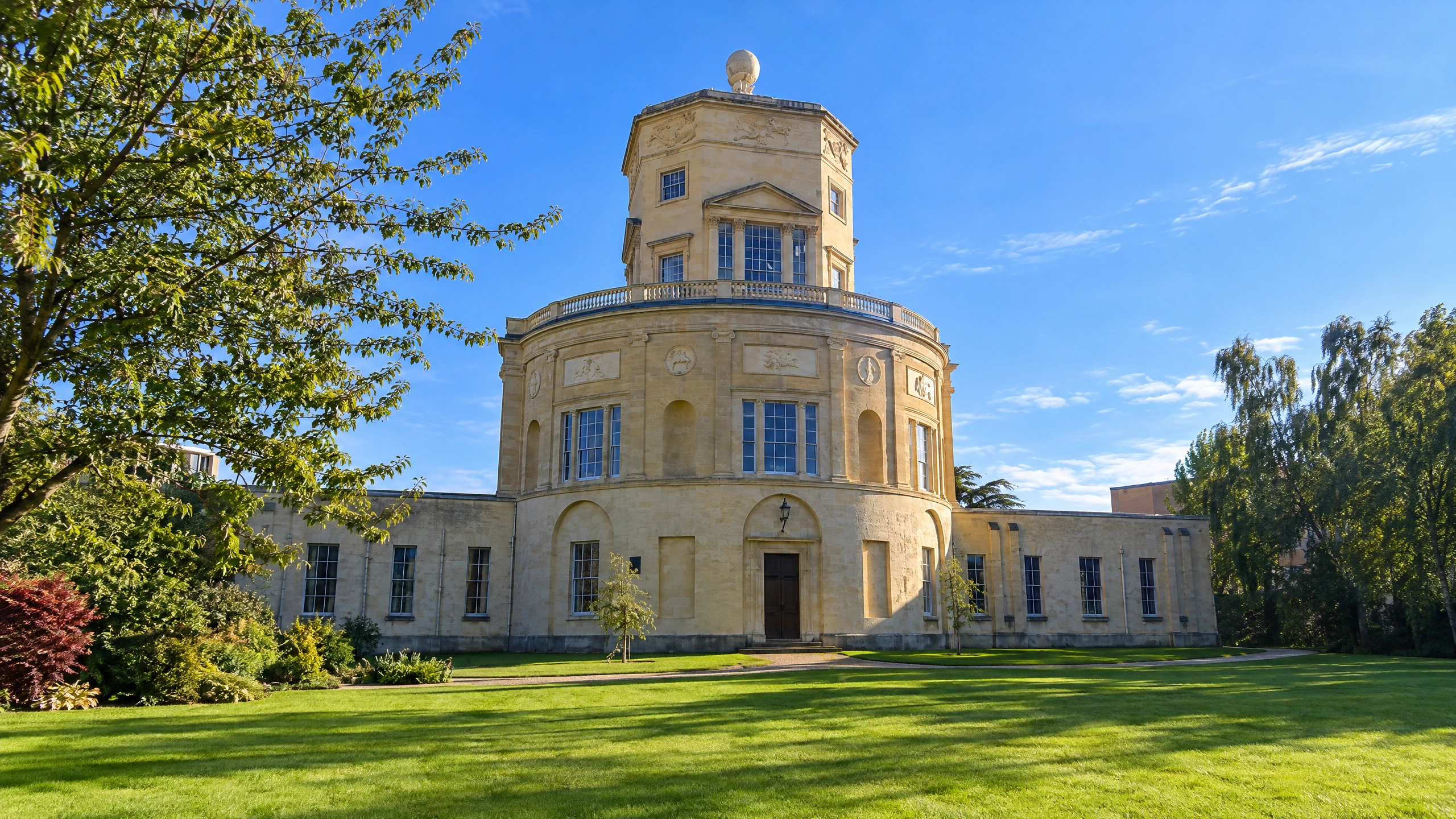
The Radcliffe Observatory can be visited by arrangement through Green Templeton.

The parks offer paths, trees and the Cherwell. Mesopotamia Path is currently closed for repairs.
Good to know
Questions, answered.
What international purpose did Antonin Besse give St Antony’s?
Besse founded St Antony’s in 1950 as an international postgraduate college, bringing people from different countries together to study modern affairs.
When did women first study at St Antony’s?
The first women students arrived in October 1964, after a supplementary charter permitted their admission in 1962.
What was the Old Main Building at St Antony’s College in Oxford before 1950?
The Old Main Building at St Antony’s College in Oxford belonged to the Society of the Holy and Undivided Trinity convent. Its chapel, refectory and chapter house now accommodate the college library.
Why is St Antony’s library reading room shaped like a chapel?
The reading room occupies the former convent chapel, built in 1891–94. It has served the library since 1953.
Which private papers are held by St Antony’s College Archive?
The archive holds college records from 1950 and private papers concerning twentieth-century Europe, including the papers of historian Sir John Wheeler-Bennett.
What does the Middle East Centre Archive at St Antony’s College in Oxford hold?
The Middle East Centre Archive at St Antony’s College in Oxford holds papers and photographs from 1800 onwards, with strengths on the Palestine Mandate and Oman in the 1970s. Visits are by appointment.
Why is the Hilda Besse Building central to St Antony’s?
Opened in 1970, the Grade II-listed building houses dining and common rooms in a distinctive postwar concrete design. It was renamed in 1981.
What became of Oscar Niemeyer’s St Antony’s project?
Niemeyer was commissioned in 1972, but the proposed building was never constructed because funding was insufficient. Later projects added other college buildings.
What does the Nissan building contribute to St Antony’s?
The building was completed in 1993 with teaching rooms, a lecture theatre and the Bodleian Japanese Library, supporting the college’s Japanese studies.
Who designed St Antony’s Investcorp Building?
Zaha Hadid designed the building, which opened in 2015 for the Middle East Centre Library and Archive, with an auditorium and gallery.
How do St Antony’s seven regional centres shape college life?
The centres cover Africa, Asia, Europe, Japan, Latin America, the Middle East, and Russia and Eurasia through seminars and specialist collections.
What is Chrystia Freeland’s student connection with St Antony’s?
Freeland attended as a Rhodes Scholar in the 1991 cohort before her later work in journalism and Canadian politics.
What did Thomas Friedman study at St Antony’s?
Friedman studied Modern Middle East Studies on a Marshall Scholarship and earned an MPhil before his career in journalism.
Can the public visit St Antony’s College Oxford?
Yes. Visitors are welcome and admission is free; the university lists opening hours of 8am–5pm daily. The Investcorp Building hosts organised events, while its specialist library and archives have separate access arrangements.
Can a St Antony’s event provide access to the Investcorp interior?
The Investcorp auditorium and gallery host organised events. Attendance offers access to the event’s venue; the library and archive have separate arrangements.
Can a visitor consult St Antony’s specialist archives casually?
The archives require registration or an appointment, depending on the collection. The Middle East Centre Archive is appointment-only.
Editorial notes
Sources and further reading.
Sources for this guide
Search snippets and unread external pages are not used as evidence.
| ID | Direct link | Title | Evidence / claim mapping | Status |
|---|---|---|---|---|
| about | https://www.sant.ox.ac.uk/the-college/about-st-antonys/ | About St Antony’s | Founded 1950; graduate mission; seven centres; 550 students; seminar activity; North Oxford | read |
| history | https://www.sant.ox.ac.uk/the-college/history/ | History | Founding, Wardens, charters, Hilda Besse, Nissan, Gateway, Investcorp, MacMillan/Goodman | read |
| visit | https://www.sant.ox.ac.uk/the-college/visit-us/ | Visit us | Open-college wording, prospective visit email, North Parade/Jericho, approximate city-centre geography, tour/map links | read |
| contact | https://www.sant.ox.ac.uk/contact-us/ | Contact us | Address, Lodge, library and conference contacts; library hours variant | read |
| access | https://www.sant.ox.ac.uk/accessibility/ | Accessibility | Website WCAG aims and known limitations; physical-access evidence gap | read |
| libs | https://www.sant.ox.ac.uk/research/libraries-and-archives/ | Libraries and Archives | Collections, locations, access rules, specialist hours, appointments | read |
| library | https://www.sant.ox.ac.uk/research/libraries-and-archives/college-library/ | College Library and Archives | Former convent rooms, 1891–94 chapel, 55,000 books, archives, staff hours | read |
| visitors | https://www.sant.ox.ac.uk/visitors-and-conferences/ | Visitors and conferences | Venue positioning, North Oxford, conference contact, guest links | read |
| conferences | https://www.sant.ox.ac.uk/visitors-and-conferences/conferences-and-events/ | Conferences and Events | Named rooms, capacities, AV, wheelchair statements, site visits | read |
| dining | https://www.sant.ox.ac.uk/visitors-and-conferences/dining-and-receptions-2/ | Dining and Receptions | Named dining spaces, capacities, lift/ramp access, Grade II/Hilda Besse description | read |
| guest | https://www.sant.ox.ac.uk/visitors-and-conferences/book-a-guest-room/ | Book a Guest Room | Seasonal rooms, en-suite/stairs, under-16 restriction, breakfast limitation, booking email | read |
| guestfaq | https://www.sant.ox.ac.uk/visitors-and-conferences/faqs-for-college-guests/ | FAQs for College Guests | 2pm/10am, parking, Wi-Fi, Lodge 24h, gardens, dining, punt, emergency | read |
| timeline | https://www.sant.ox.ac.uk/anniversary/the-college-timeline/ | The College Timeline | 1948–2025 dates, £1.5m, seven students, women, patron saint, Niemeyer, library, buildings, artist-in-residence | read |
| anniv | https://www.sant.ox.ac.uk/the-75th-anniversary-collection/ | St Antony’s 75th Anniversary Collection | Archive/memory collecting and decade collections | read |
| regional | https://www.sant.ox.ac.uk/regional-study-centres/ | Regional Study Centres | Seven regional areas and interdisciplinary purpose | read |
| people_norman | https://www.sant.ox.ac.uk/people/professor-norman-davies/ | Professor Norman Davies | Honorary Fellow 2011; 1969 tutorial; Research/Visiting Fellow dates | read |
| alum_sonia | https://www.sant.ox.ac.uk/meet-our-alumni/sonia-andolz/ | Sonia Andolz | Matriculation 2010; MSc dates | read |
| alum_inga | https://www.sant.ox.ac.uk/meet-our-alumni/inga-storen/ | Inga Støren | Matriculation 2015; DPhil completed 2022 | read |
| alum_assata | https://www.sant.ox.ac.uk/meet-our-alumni/assata-davis/ | Assata Davis | Matriculation 2024; MSc and Marshall Scholar description | read |
| alum_petr | https://www.sant.ox.ac.uk/meet-our-alumni/petr-jansky/ | Petr Janský | Matriculation 2008; MSc Economics for Development | read |
Claim map
- Foundation and institutional change: history, timeline.
- Buildings and architecture: history, timeline, conferences, dining, library.
- Libraries, archives and access: libs, library.
- Visitor logistics: visit, contact, visitors, guest, guestfaq.
- Accessibility: access, conferences, dining, guest.
- People: alum_sonia, alum_inga, alum_assata, alum_petr, people_norman, history.
Conflict ledger
- Library staff support: contact page says afternoon 14:00–17:00; College Library page says 13:45–17:00. Operational data uses the latter and preserves the conflict here.
- Conference contact email appears as events@sant.ox.ac.uk in the venue overview and in the conference contact block; one page’s rendered mailto target uses conference@sant.ox.ac.uk. Use the published events@sant.ox.ac.uk contact and verify at booking.
- “Open college” is not equivalent to “all buildings open”. Interior/library/archive access remains permission-led.
No blocked source is treated as read; no external page is used to fill these gaps.
OX-PHYSICAL — University physical-access guide
University physical-access guide. Physical route and facilities reviewed 1 November 2026; admission remains governed by the college.
Supplementary biographical sources
SUP-FRIEDMAN — Thomas L. Friedman — official biography
Thomas L. Friedman — official biography. Read 1 November 2026. Indexed official biography records a Marshall Scholarship and MPhil in Modern Middle East Studies from St Antony’s. Direct homepage now exposes less biography text.
SUP-SHAFIK — Baroness Nemat Minouche Shafik — St Antony’s
Baroness Nemat Minouche Shafik — St Antony’s. Read 1 November 2026. Profile explicitly gives DPhil Economics 1989 and separate Honorary Fellowship; current-role descriptions on the page are stale.
SUP-SHAFIK-THESIS — Nemat T. Shafik doctoral thesis — Oxford Research Archive
Nemat T. Shafik doctoral thesis — Oxford Research Archive. Read 1 November 2026. Title-page capture names St Antony’s and submission for DPhil in Trinity Term 1989.
SUP-FREELAND — Rhodes Trust scholar index
Rhodes Trust scholar index. Read 1 November 2026. Trust matches its Scholar database and identifies Chrystia Freeland, Prairies and St Antony’s1991. Academic award date not provided.
Additional visitor and nearby sources
- SUP-KELLOGG-CAFE Kellogg Hub Café, read 1 November 2026. Café is open to the public; college-wide access is not implied.
- SUP-GTC-VISIT Visiting the Radcliffe Observatory, read 1 November 2026. Appointment requirements retained from GTC source dossier.
- SUP-PARKS University Parks, read 1 November 2026. Walking landscape; no cycling; current Mesopotamia Path closure.
GEO-FRESH — numeric college location
Wikipedia coordinate, read1November2026: 51.763149, -1.262903 WGS84. This college-site pin supersedes the carried-forward draft value. It does not identify an accessible entrance. No published source data was changed.
B audit — Antonin Besse and the Besse family
Antonin Besse and the Besse family
Supports: Grandson John Collins’s first-person family recollections, used for Besse’s personal background; distinguish recollection from institutional chronology.
Status: read-primary; reviewed 1 November 2026.
B audit — Key events in St Antony’s history2000–2025
Key events in St Antony’s history2000–2025
Supports: College chronology and named developments; senior visitors and Honorary Fellows are not categorised as students.
Status: read-primary; reviewed 1 November 2026.
Further reading and sources
Opening hours, prices, programmes and access arrangements can change. Confirm critical details with the venue.
Keep exploring