Central · Founded 1624
Pembroke College
Discover Samuel Johnson, Tolkien and a student-created art collection behind Pembroke’s St Aldate’s frontage.
- Founded
- 1624
- Location
- Pembroke Square
- Visiting
- By appointment; no walk-in entry
- Institution
- College
01 The experience
What to expect.
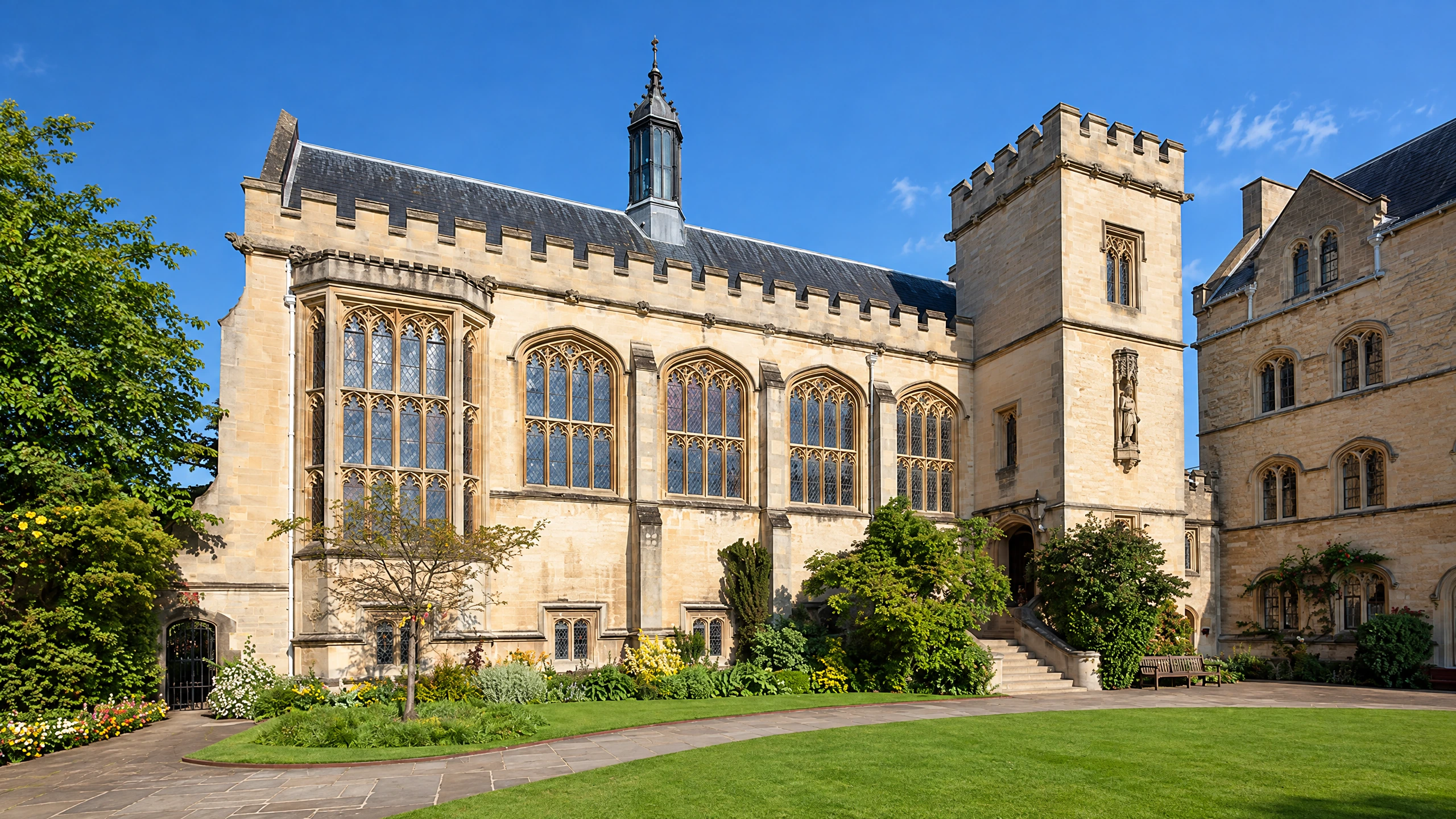
Pembroke sits in a small square just off St Aldate’s, close to Christ Church. Founded in 1624 on the site of an older hall for students, it has connections with Samuel Johnson, J. R. R. Tolkien and Roger Bannister, as well as a student-led art collection and rare books from around the world. Casual walk-in visits are not offered; some guests may visit by appointment.
Broadgates Hall, associated with law students, stood here before Pembroke. Merchant Thomas Tesdale left money to support pupils from Abingdon School, originally at Balliol; together with a gift from Richard Wightwick, it helped establish the new college instead. James I granted the charter, and the college was named for William Herbert, Earl of Pembroke.
Samuel Johnson entered in 1728 but left without a degree. Pembroke now holds four first editions of his Dictionary and the manuscript of Prayers and Meditations. Two desks traditionally associated with him have disputed attributions.
Tolkien was a fellow and professor at Pembroke from 1925 to 1945, during which he wrote The Hobbit and began The Lord of the Rings. Athlete and physician Roger Bannister was Master from 1985 to 1993.
The student common room art collection began in 1947, when student Anthony Emery started collecting pictures for students to live with. The college’s special collections range from early medical manuscripts and law books to Oxford scenes by Japanese artist Yoshio Markino.
Pembroke Square makes a short exterior stop near the Museum of Oxford and Christ Church Meadow. Prospective students, alumni and university members have separate access arrangements; other guests may be admitted by appointment in some cases.
People and ideas
Famous former students
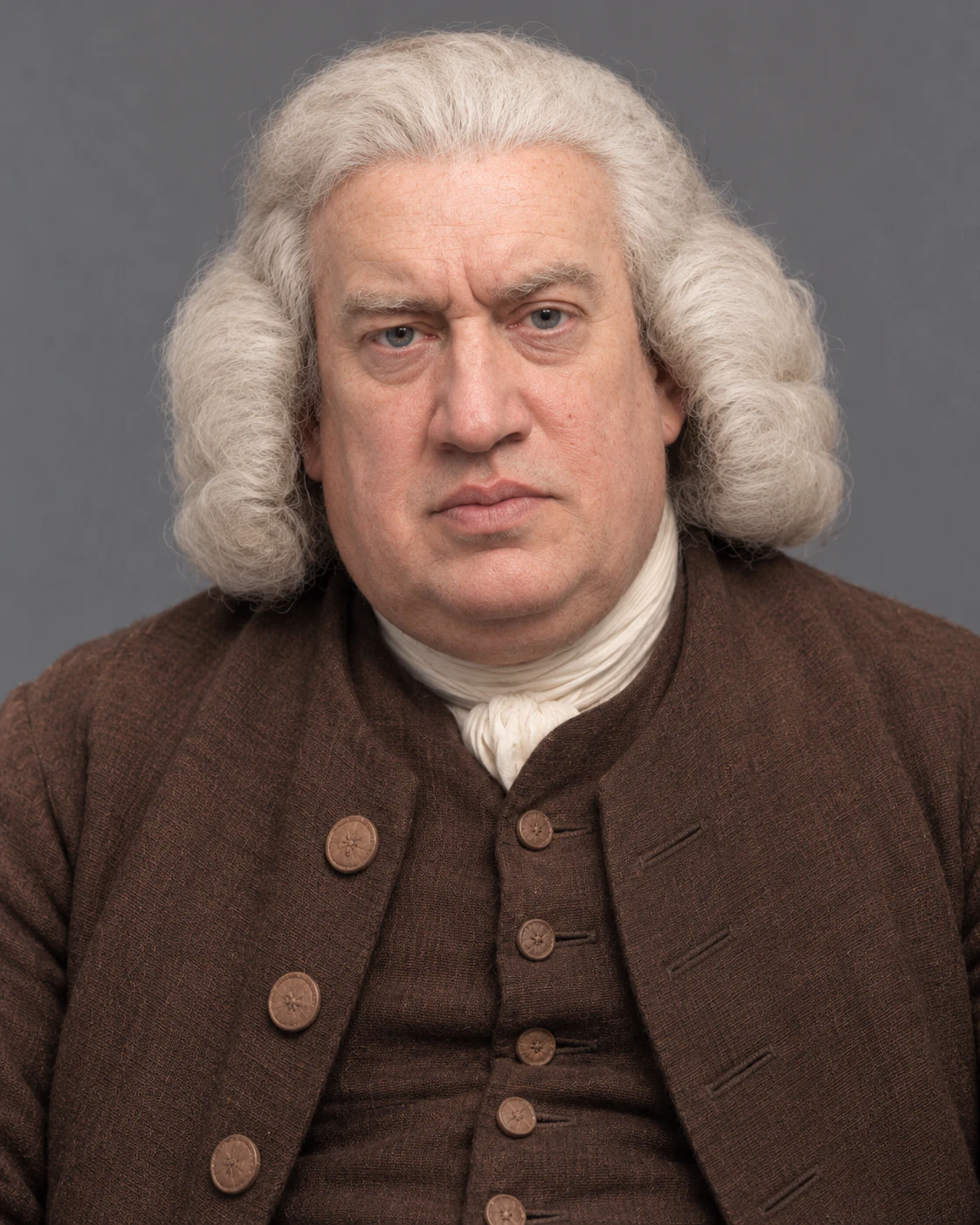
Samuel Johnson
Entered 1728
The writer and lexicographer entered Pembroke in 1728 but left without a degree. The college holds early editions of his Dictionary.
College connection
Undergraduate; left without a degree. Matriculated 1728.
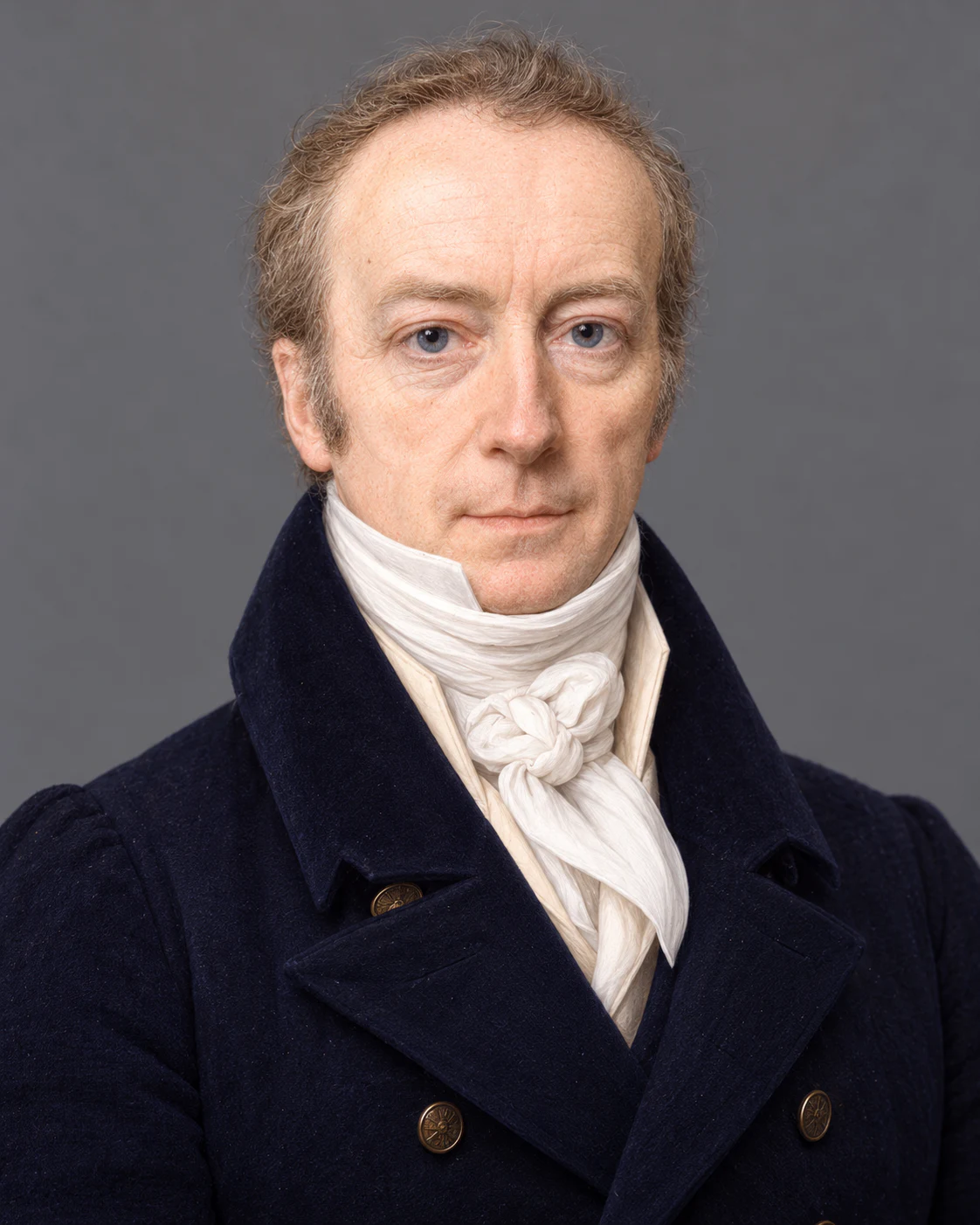
James Smithson
Entered 1782
The chemist and mineralogist studied at Pembroke before his bequest founded the Smithsonian Institution.
College connection
Undergraduate. Matriculated 1782.
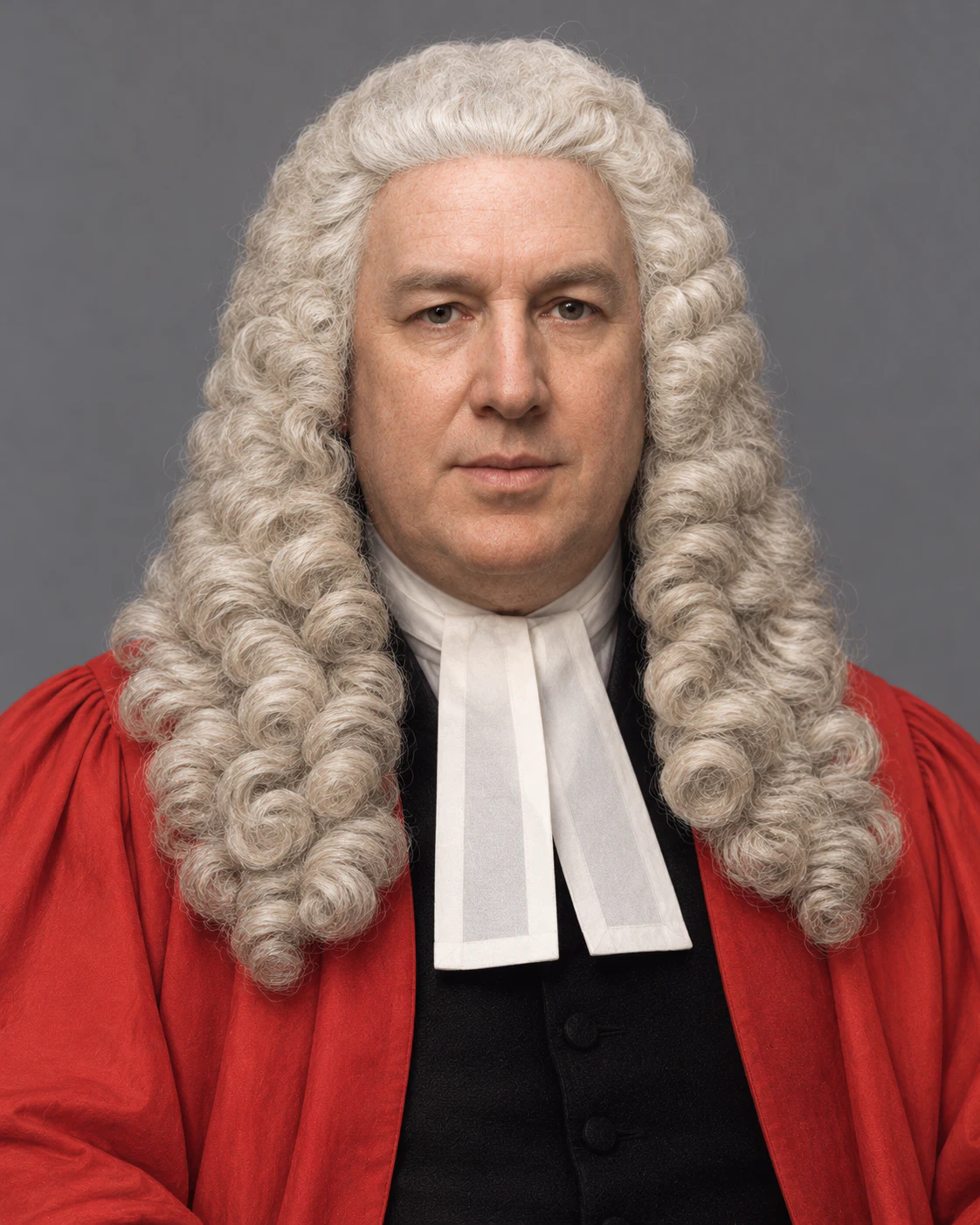
William Blackstone
Entered 1738
The jurist and author of Commentaries on the Laws of England entered Pembroke in 1738.
College connection
Undergraduate. Matriculated 1738.
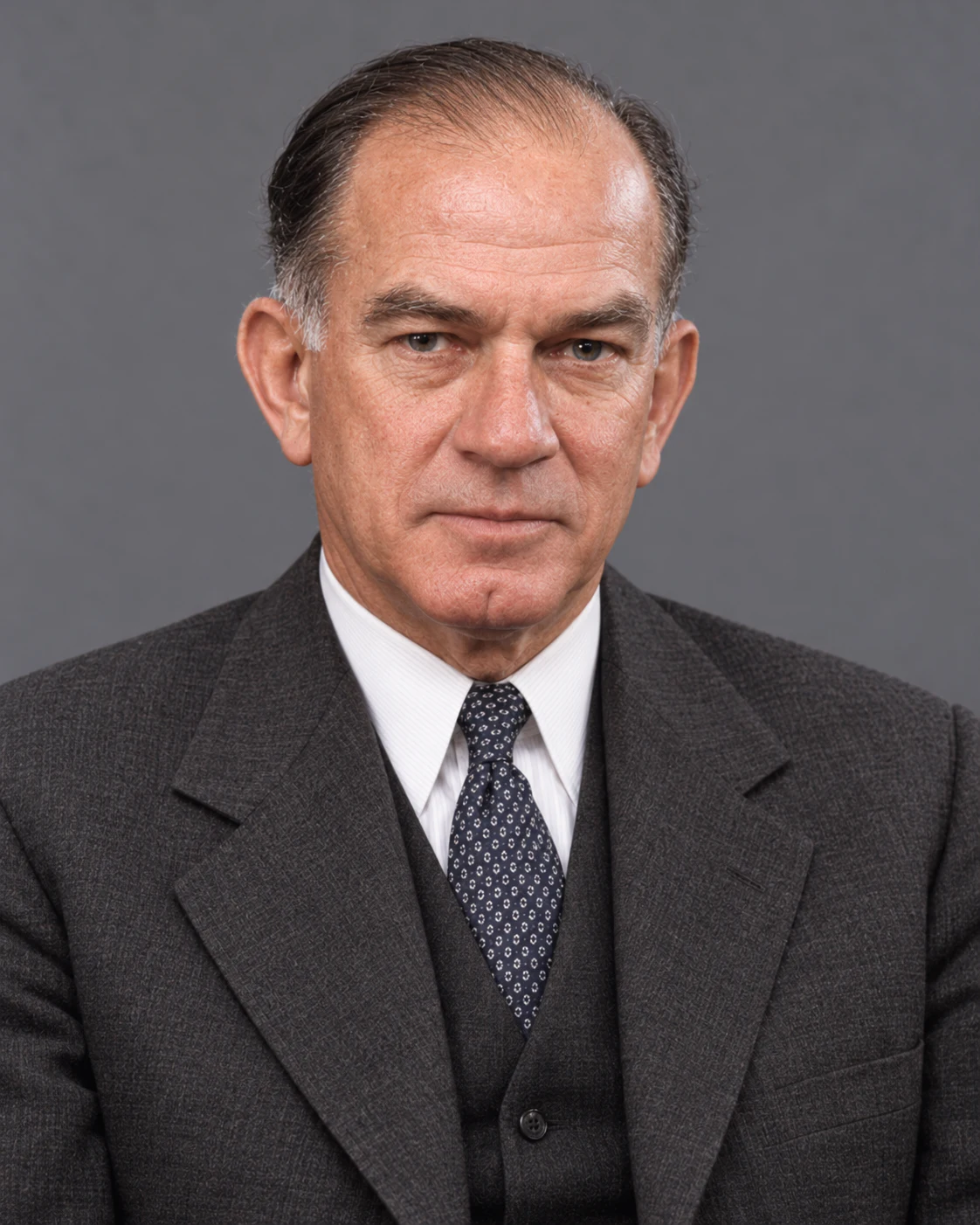
J. William Fulbright
Entered 1925
The future United States senator associated with international educational exchange studied at Pembroke from 1925.
College connection
Student. Matriculated 1925.

Katharine Viner
Entered 1989
The journalist and editor entered Pembroke in 1989.
College connection
Undergraduate. Matriculated 1989.

Patience Agbabi
Entered 1983
The poet and performer entered Pembroke in 1983.
College connection
Undergraduate. Matriculated 1983.

Tarik O’Regan
Entered 1996
The composer entered Pembroke in 1996.
College connection
Undergraduate. Matriculated 1996.

Michael Heseltine
Entered 1951
The politician and businessman studied Philosophy, Politics and Economics at Pembroke from 1951.
College connection
PPE undergraduate; matriculated 1951.
Fellows, founders and other connections

J. R. R. Tolkien
1925–1945
The author was a fellow and professor at Pembroke from 1925 to 1945, when he wrote The Hobbit.
College connection
Rawlinson and Bosworth Professor of Anglo-Saxon and Fellow, 1925–1945; undergraduate at Exeter.

Roger Bannister
1985–1993
The physician and four-minute-mile runner was Pembroke’s Master from 1985 to 1993.
College connection
Master. Master 1985–1993.
The story
History & character.
Before Pembroke, the site housed Broadgates Hall, an academic hostel associated with law students. In 1610 merchant Thomas Tesdale left money intended to support boys from Abingdon School at Balliol. With an additional gift from Richard Wightwick, a different arrangement created a college at Broadgates.
James I granted the charter on 29 June 1624, and Pembroke opened formally on 6 August. It was named for William Herbert, third Earl of Pembroke and Chancellor of the University. Arms granted in 1625 combine the rose and thistle with the Earl’s three lions.
Samuel Johnson entered in 1728 but left without taking a degree. His later work as a writer and lexicographer is represented in the college collections by four first-edition copies of his Dictionary and the manuscript of Prayers and Meditations. Two desks traditionally linked to him have disputed attributions.
Jurist William Blackstone entered in 1738 and later wrote Commentaries on the Laws of England. Chemist and mineralogist James Smithson, whose bequest founded the Smithsonian Institution, entered in 1782. J. William Fulbright, later associated with international educational exchange, arrived in 1925.
J. R. R. Tolkien was a fellow and professor of Anglo-Saxon at Pembroke from 1925 to 1945. During that time he wrote The Hobbit and began The Lord of the Rings. He had studied at Exeter and later moved to Merton.
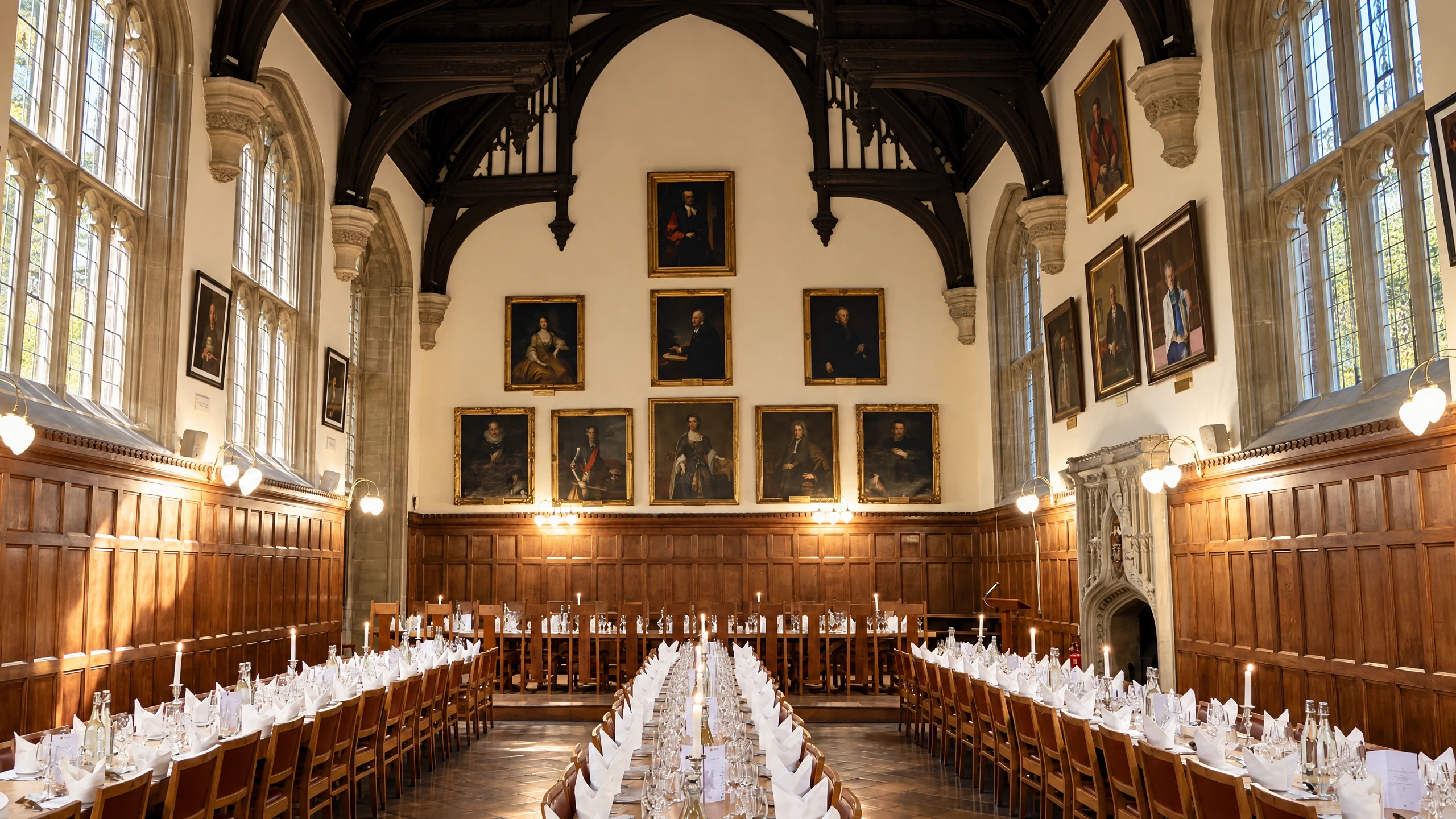
In 1947 history student Anthony Emery began the student common room art collection, bringing pictures into the rooms where students lived. Later acquisitions include work by Black British artists selected with student and Oxford African and Caribbean Society participation.
Roger Bannister, the physician and first runner of a sub-four-minute mile, was Master from 1985 to 1993. Pembroke’s collections include his trophies, medals and a stopwatch.
The special collections also include medical manuscripts dating from the eleventh to sixteenth centuries, Syriac manuscripts once owned by Athelstan Riley and the Chandler Collection of philosophical works. A 1493 Nuremberg Chronicle and Yoshio Markino’s Oxford illustrations add further stories of books and art.
Look closer
What to see.
Broadgates Hall
A hostel associated with law students stood on the site before Pembroke was founded in 1624.
Samuel Johnson’s books
The college holds four first-edition copies of Johnson’s Dictionary and his manuscript Prayers and Meditations.
Tolkien at Pembroke
Tolkien taught here as a fellow and professor while writing The Hobbit and beginning The Lord of the Rings.
The student art collection
Started by Anthony Emery in 1947, the collection brought art into the spaces where students lived and studied.
Oxford through Yoshio Markino’s eyes
A 1910 book in the collection includes twenty Oxford paintings by the Japanese artist.
Make it work
Plan your visit.
Pembroke is not open for ordinary walk-in sightseeing. Prospective students, alumni and university members have separate access arrangements; other guests may be admitted by appointment in some cases. There is no ordinary public sightseeing ticket.
The entrance is on Pembroke Square, just off St Aldate’s. An exterior walk can take 15–25 minutes; an arranged college visit may take longer.
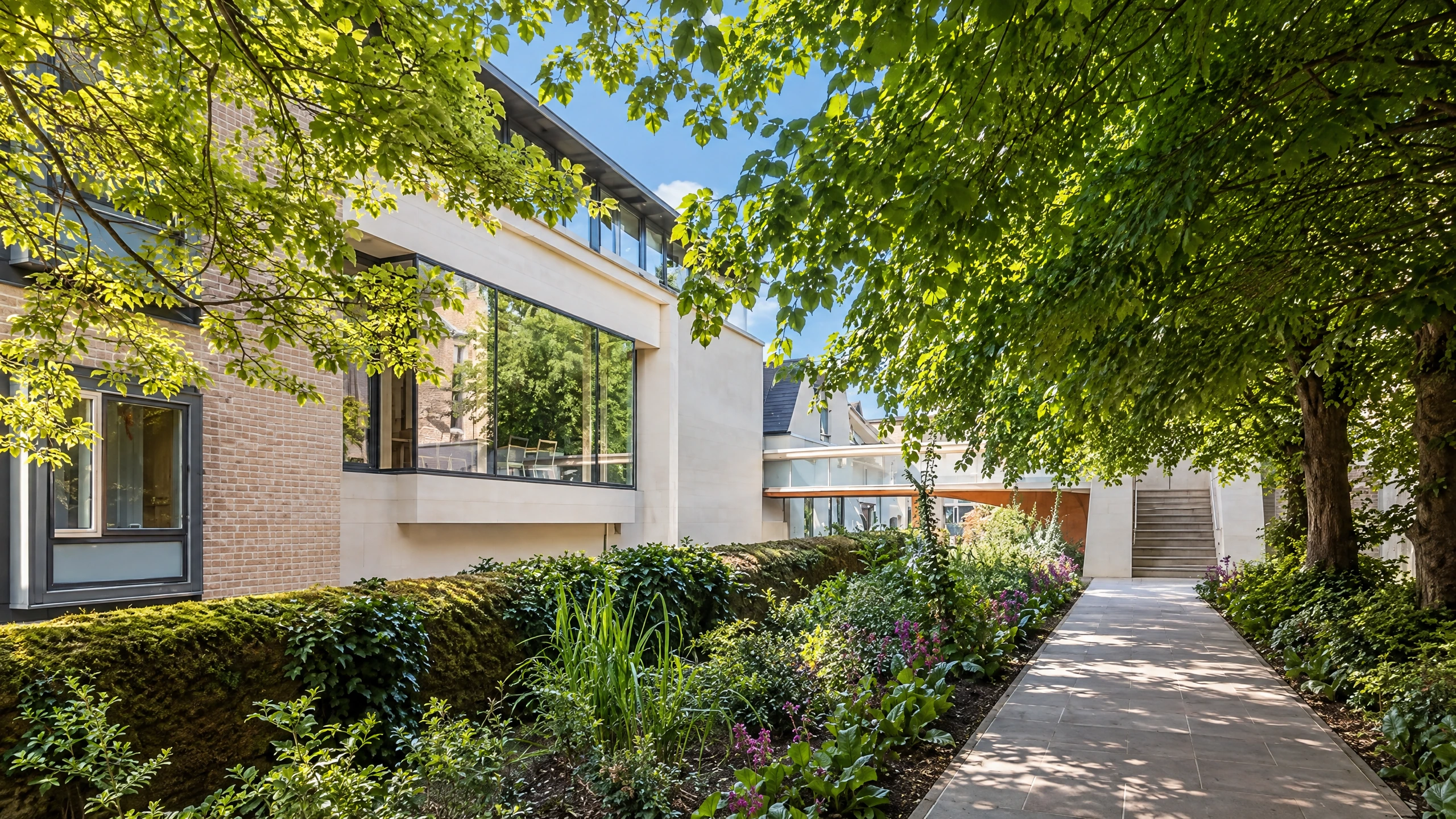
Pembroke Square and Rose Place have step-free entrances, and Old and Chapel Quads connect without steps. Passenger and platform lifts link Chapel and Rokos Quads; access to historic rooms varies. Accessible toilets and hearing loops serve particular parts of the college.
External researchers can consult special collections by appointment. Art and collection displays vary and are not part of a guaranteed public route.
Visit your way
Access and family planning.
Pembroke Square and Rose Place have step-free entrances. Old and Chapel Quads connect without steps, while passenger and platform lifts link Chapel and Rokos Quads.
Historic rooms have different access arrangements. Accessible toilets and hearing loops serve particular parts of the college. Visits by ordinary visitors are by appointment.
Pembroke Square makes a short stop near Christ Church. The college arms combine a rose, thistle and lions, while the story of Samuel Johnson offers a connection with the making of a famous dictionary. College interiors are not open for casual walk-in visits.
Self-guided walk
A walk around Pembroke
A public-street circuit takes in Pembroke Square, St Aldate’s, Christ Church and the Museum of Oxford.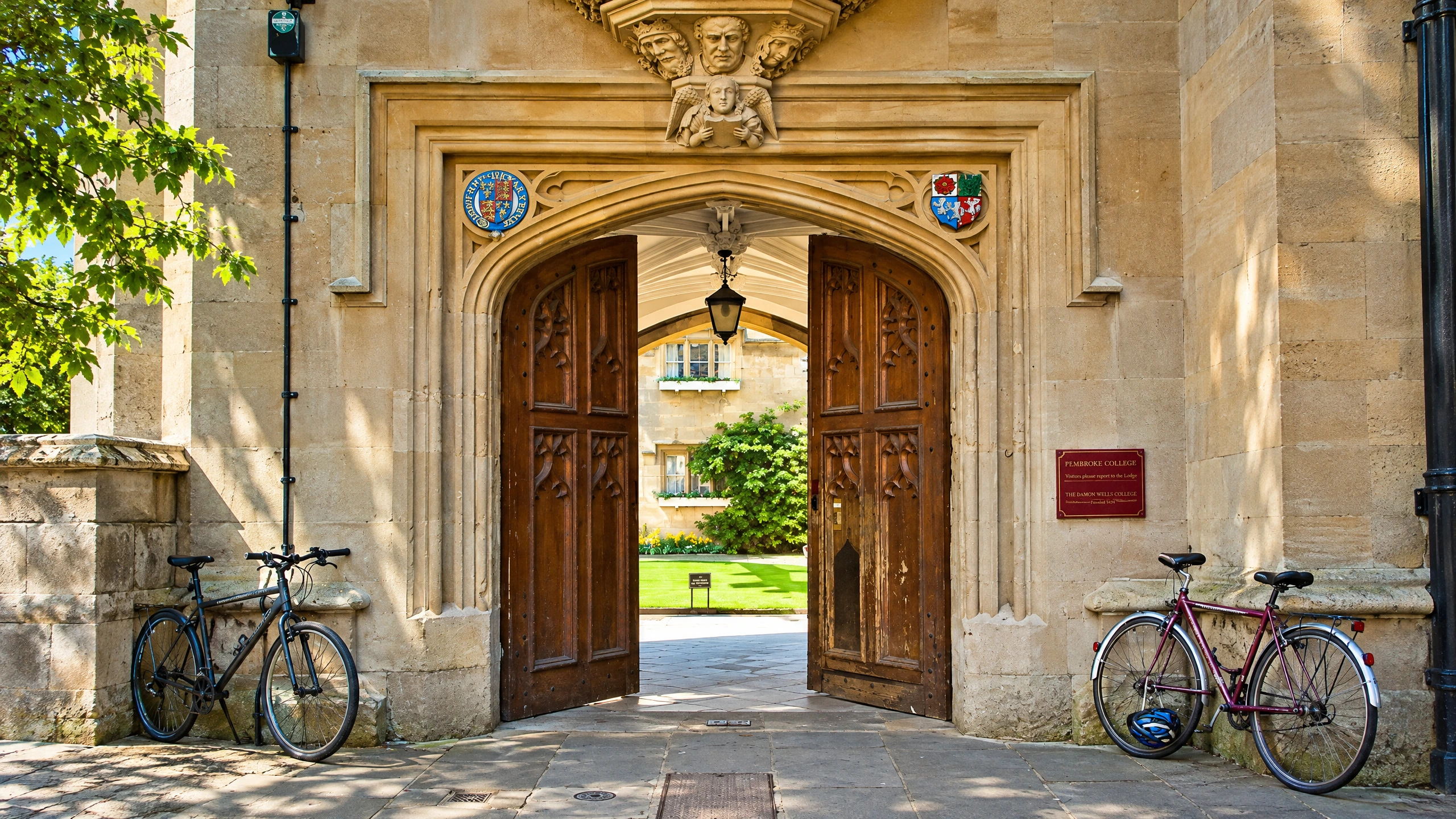
St Aldate’s Church exterior
The parish church stands close to the square, beside the busy city-centre street.
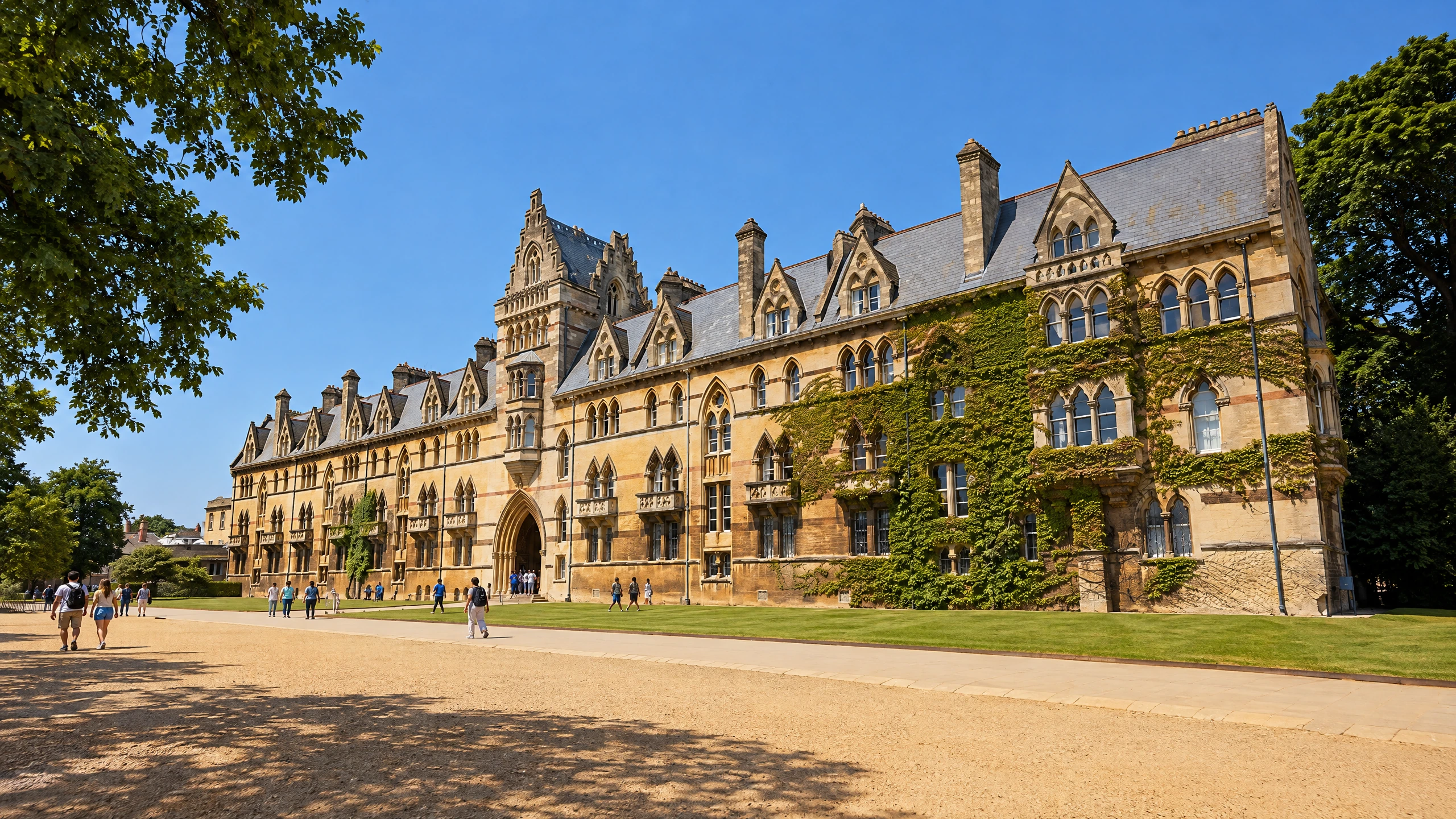
Tom Tower pavement view
Christ Church’s Tom Tower is visible across St Aldate’s; a visit inside has separate admission.
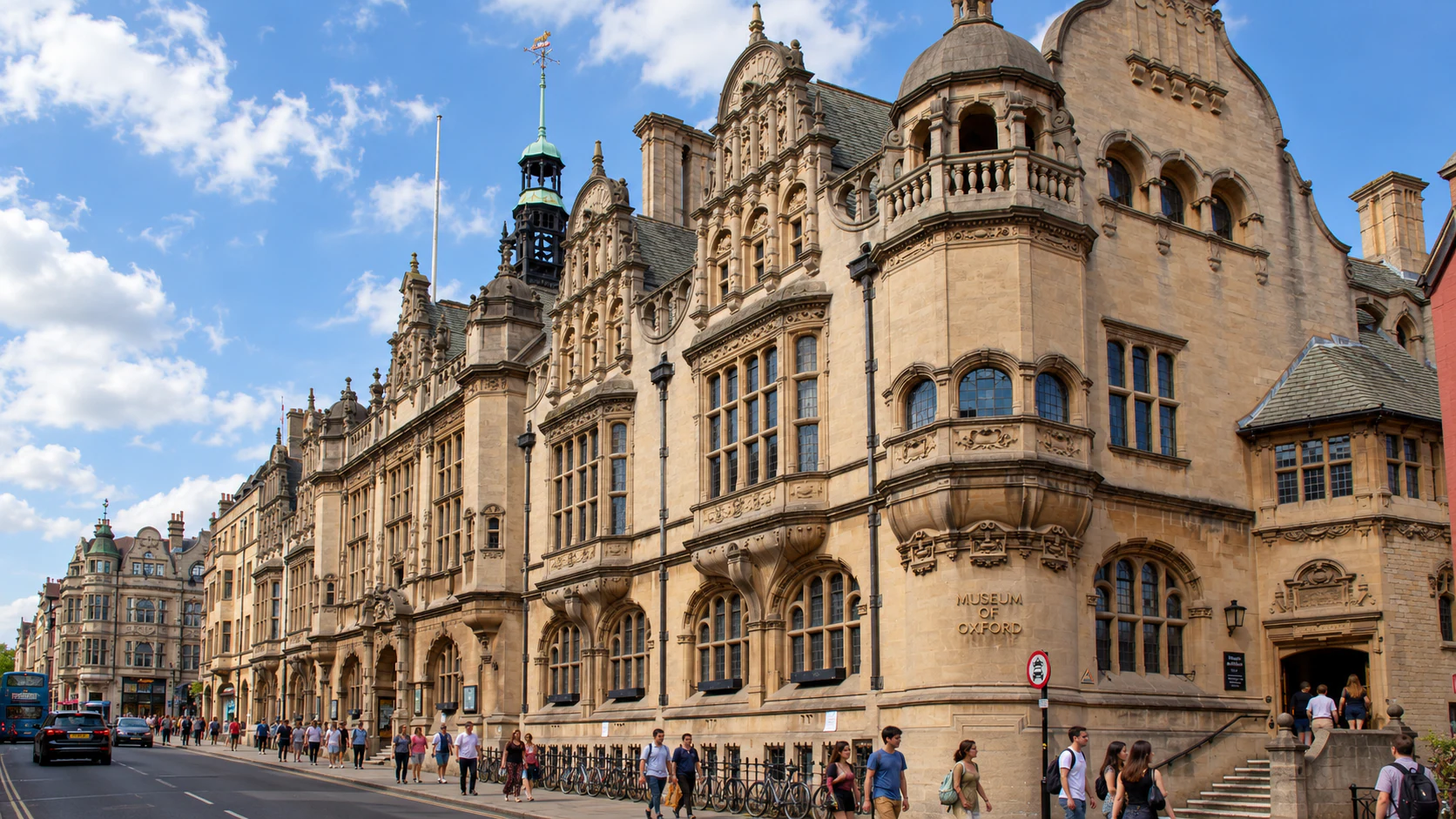
Museum of Oxford approach
Oxford Town Hall houses the Museum of Oxford, with stories of the city and its people.
Optional college extension
Prospective students, alumni and university members have separate visiting arrangements; other guests may be admitted by appointment in some cases.
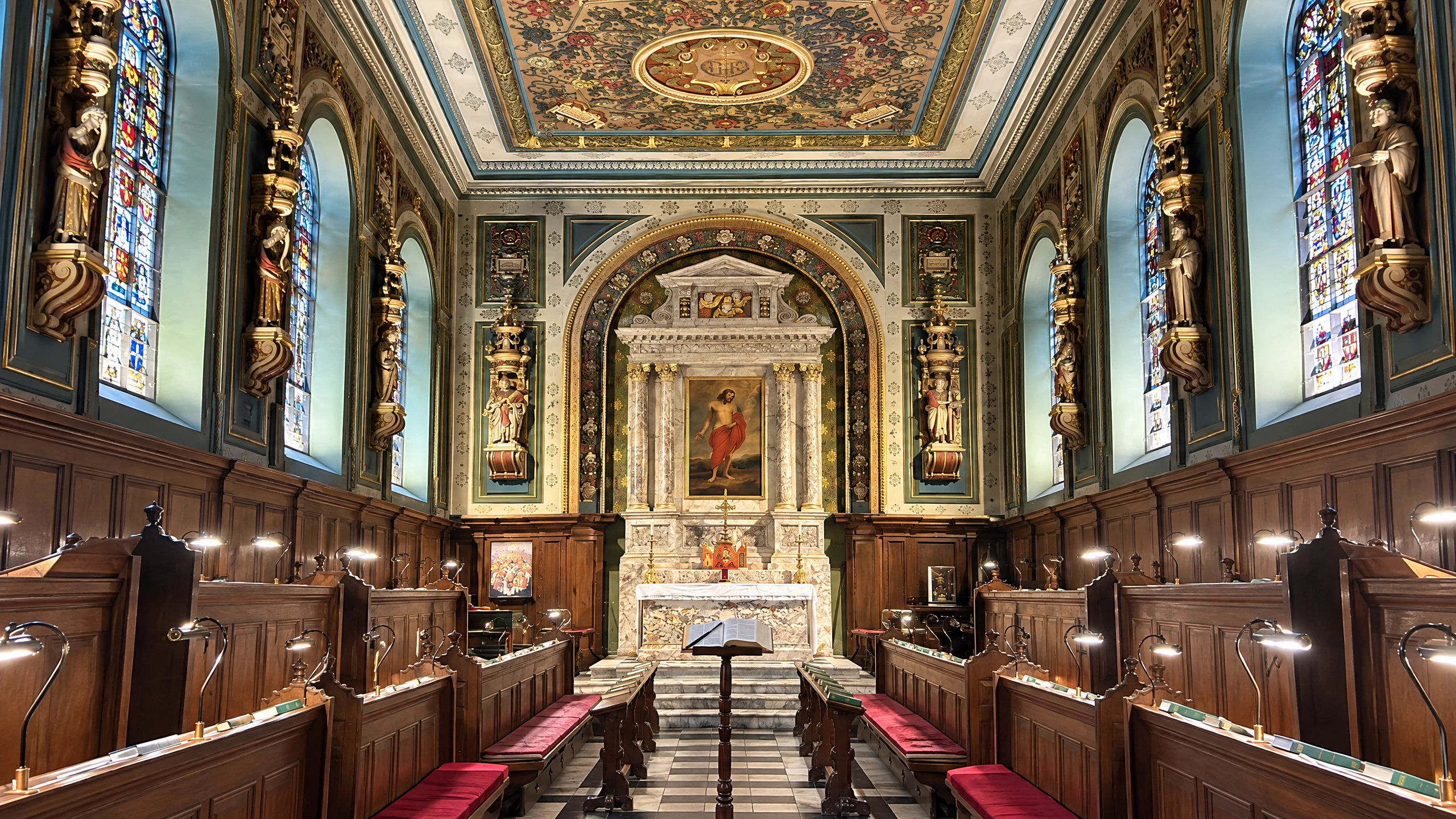
See it
In pictures.
10 views, full screen. Tap any one to open the viewer.Around here
Make more of the area.
about 2 min walk on foot
St Aldate’s Church
The parish church stands close to Pembroke Square, beside St Aldate’s.
Tom Tower rises over Christ Church’s St Aldate’s frontage. Visits inside have separate admission.
The museum in Oxford Town Hall explores the city and its people.

The meadow offers an open-air walk south of the city centre. The St Aldate’s War Memorial Garden entrance provides the listed wheelchair and pushchair route.
Good to know
Questions, answered.
Can tourists visit Pembroke College Oxford?
Pembroke is not regularly open to the public. Prospective students and alumni are welcome to arrange a visit with the college; access for other visitors is by arrangement.
What was Broadgates Hall before it became Pembroke?
Broadgates Hall was an older academic hostel associated with law students. Pembroke was founded on its site under a charter granted in 1624.
What do the rose, thistle and lions in Pembroke’s arms mean?
The rose and thistle represent James I’s English and Scottish kingdoms; the three lions come from the Earl of Pembroke’s arms.
Did Samuel Johnson graduate from Pembroke?
No. Johnson entered in 1728 but left without taking a degree. He later became a writer, critic and lexicographer.
Why is William Blackstone important to Pembroke?
Blackstone entered in 1738 and later wrote Commentaries on the Laws of England. Pembroke also holds a collection of legal works associated with him.
What is Pembroke’s Chandler Collection?
The collection contains rare editions of Aristotle in several languages and antiquarian works on other philosophers, alongside Pembroke’s other special collections.
How did Pembroke’s students create their own art collection?
History student Anthony Emery began the common room collection in 1947. Pictures were selected for students and later lent for their rooms.
Was Roger Bannister a Pembroke student?
No. Bannister was Pembroke’s Master from 1985 to 1993. He had studied as an undergraduate at Exeter and later at Merton.
What was Tolkien’s role at Pembroke?
Tolkien was a fellow and professor of Anglo-Saxon from 1925 to 1945. He wrote The Hobbit and began The Lord of the Rings during this period.
How does James Smithson connect Pembroke with the Smithsonian?
Chemist and mineralogist James Smithson entered Pembroke in 1782. His later bequest founded the Smithsonian Institution in the United States.
How can a researcher consult Pembroke’s rare books and manuscripts?
External readers can consult special collections by appointment. Some holdings appear in the English Short Title Catalogue or have digital versions through the Bodleian.
Can a Pembroke art visit rely on seeing a particular work in the Hall or Library?
Art displays change, so a particular work or collection needs to be part of the agreed visit. The college is not a permanent public gallery.
How does step-free access connect Pembroke’s old and modern quads?
Pembroke Square and Rose Place have step-free entrances. Old and Chapel Quads connect without steps; lifts link Chapel and Rokos Quads.
Editorial notes
Sources and further reading.
Sources for this guide
Researched 1 November 2026. Each source’s scope is specified so later updates can target the affected claim. Sources marked retained evidence come from locally saved earlier research; a failed collection job is not a completed bundle.
P1 — Pembroke history and archives
Supports: Broadgates Hall, Tesdale 1610, Wightwick, James I 1624, arms 1625.
Status: reviewed-public-source.
P2 — Notable Pembrokians
Supports: Actual alumni and matriculation years; separate Fellows and Masters.
Status: reviewed-public-source.
P3 — Oxford college visiting directory
Oxford college visiting directory
Supports: No general public opening; appointment possibility; Lodge number.
Status: reviewed-public-source.
P4 — Oxford physical access survey: Pembroke
Oxford physical access survey: Pembroke
Supports: Step-free entrances, lift links, hearing support and historic barriers; cached full survey.
Status: reviewed-public-source.
P5 — Pembroke special collections
Supports: Johnson, Blackstone, Chandler, medical and Syriac collections.
Status: reviewed-public-source.
P6 — Johnson’s Dictionary
Supports: Four first-edition dictionaries and questioned desk attributions.
Status: reviewed-public-source.
P7 — Nuremberg Chronicle
Supports: 1493 volume with 645 original woodcuts and named ownership trail.
Status: reviewed-public-source.
P8 — Yoshio Markino
Supports: Japanese artist and writer, Oxford imagery and college collection.
Status: reviewed-public-source.
P9 — Pembroke art and Black History Month
Pembroke art and Black History Month
Supports: 1947 JCR collection founded by Anthony Emery; later Black British artists.
Status: reviewed-public-source.
P10 — Pembroke’s foundation ceremony
Pembroke’s foundation ceremony
Supports: Charter 29 June 1624 and formal opening 6 August 1624 distinguished.
Status: reviewed-public-source.
P11 — Roger Bannister at Pembroke
Supports: Master 1985–1993 and memorial objects.
Status: reviewed-public-source.
P12 — Exeter notable alumni
Supports: Corroborates Bannister and Tolkien studied at Exeter.
Status: reviewed-public-source.
P13 — Oxford alumni college access
Supports: Pembroke alumni-card eligibility and restrictions, not general public access.
Status: reviewed-public-source.
Conflict ledger
Several web results for Visiting Pembroke describe Pembroke Cambridge (pem.cam.ac.uk); they are excluded entirely.
The University directory says Pembroke Oxford is not open to the general public; alumni-card access is an eligibility-specific exception, not a public timetable.
College notable list gives Roger Bannister “1946, Merton”; Exeter’s own alumni list and Oxford Alumni identify Exeter 1946. Do not carry over Pembroke’s inconsistent parenthesis. His relevant Pembroke role was Master 1985–1993.
Johnson desks are described by the college as traditionally associated but now questioned; no definite ownership claim is made.
Editorial interpretation
Walking allowances, pairings, family activity suggestions and visual composition choices are editorial judgments. They do not supply evidence of admission, facilities, a person’s attendance or a booking inclusion. Current admission conditions remain visible in the practical sections.
GEO1 — College-location coordinates
Supports: sourced numeric WGS84 latitude 51.750062, longitude -1.257827, read 1 November 2026. This pin represents the college location rather than a surveyed visitor entrance.
Status: reviewed-public-source-2026-11-01.
MAP1 — University of Oxford Explore Map2026
University of Oxford Explore Map2026
Supports: Current official map places colleges, streets, museums, gardens and public approaches. Walking durations are editorial allowances; access restrictions follow current college and venue pages, not a presumed route through a private quad.
Status: reviewed-public-source-2026-11-01.
NEAR2 — Christ Church exterior contextual history
Christ Church exterior contextual history
Supports: Primary historical overview in retained source pack; founding, buildings, people and constitutional story.
Status: reviewed-public-source-2026-11-01.
NEAR3 — Museum of Oxford visitor information
Museum of Oxford visitor information
Supports: Museum is inside Oxford Town Hall, St Aldates; main and level entrances. No pricing copied.
Status: reviewed-public-source-2026-11-01.
NEAR4 — Christ Church Meadow visitor information
Christ Church Meadow visitor information
Supports: Public daylight access except25December, free entry; paths are distinct from college admission.
Status: reviewed-public-source-2026-11-01.
B audit — Pembroke: New Year, New Alumni Portraits in Hall
Pembroke: New Year, New Alumni Portraits in Hall
Supports: Michael Heseltine studied PPE, matriculation 1951; selected among six 2025 Hall portrait alumni; founder and chairman of Haymarket and former MP.
Status: read-primary; reviewed 1 November 2026.
Further reading and sources
Opening hours, prices, programmes and access arrangements can change. Confirm critical details with the venue.
Keep exploring