La Boverie
See Liège’s fine art collection in a 1905 exhibition palace beside the Meuse, with separate exhibitions in its glass wing.
01 / The experience
From a world’s fair palace to an island art museum
Combine Renaissance and modern painting with an island park and a walk across the Meuse.
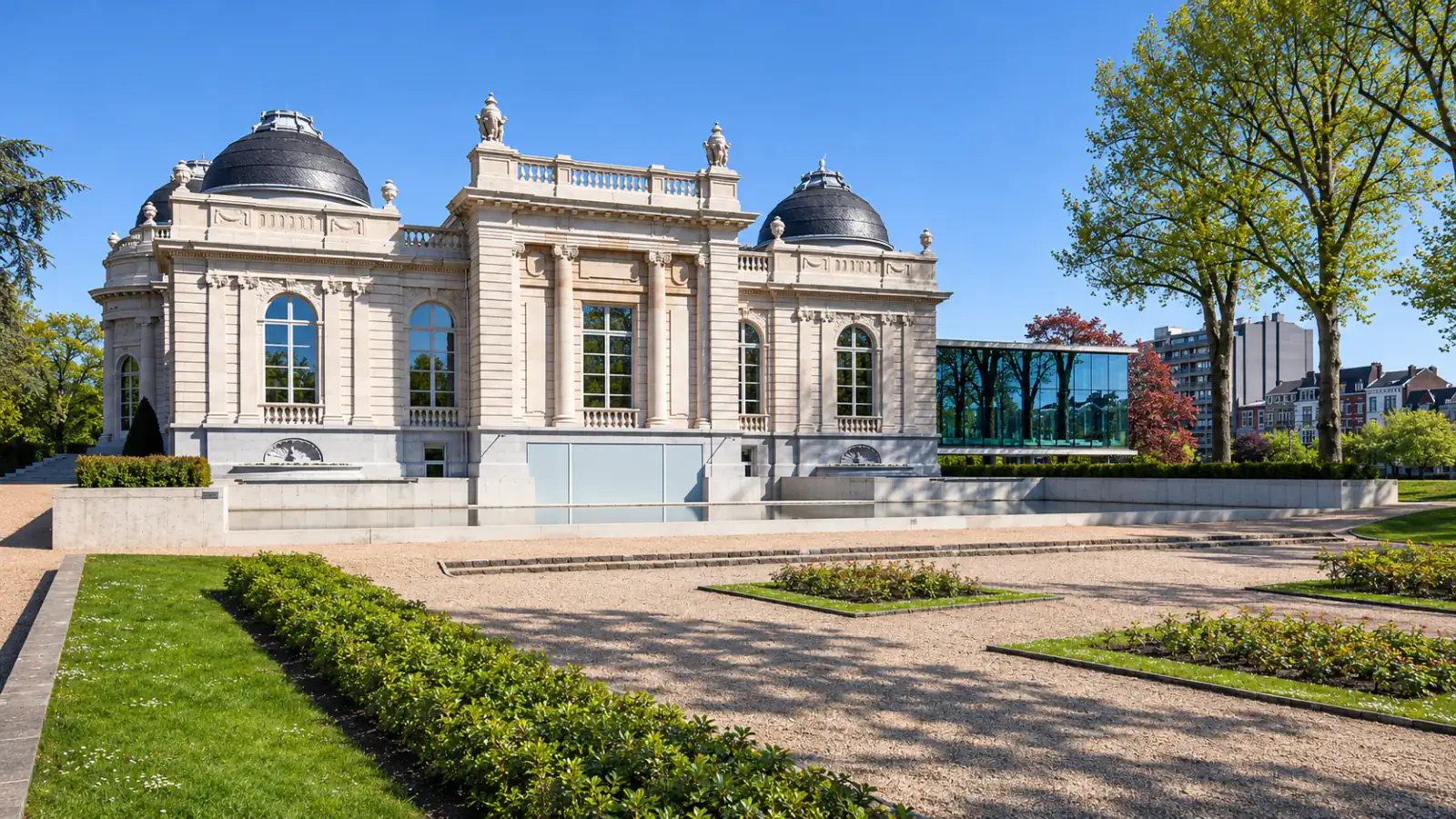
La Boverie makes a good case for arriving on foot. Cross the Meuse from the Guillemins side on La Belle Liégeoise and the station district gives way to trees and paths. The museum sits in the island park, a pale stone exhibition palace with domed pavilions on either side of its main entrance. It was built for Liège’s 1905 world’s fair. A century later, the city’s fine art collection has a home here, with a glass wing that reaches out towards the water.
The building makes room for two quite different visits. The lower level houses the permanent collection, where works made in Liège sit alongside art from elsewhere in Europe. Lambert Lombard and Gérard de Lairesse take the story back to a city with a long tradition of painting. Later rooms bring in artists such as Paul Delvaux and René Magritte. These are different ways of making the familiar strange: the precisely drawn spaces and figures of a Delvaux painting can feel as puzzling as the everyday objects in a Magritte.
Claude Monet’s *Le Bassin du commerce, Le Havre* is a small painting with a big subject. Tall sailing ships crowd one side of the harbour; across the water, little strokes describe quays and buildings. It came to Liège as part of a gift from Eugène Dumont, a native of the city who lived in Paris. The painting dates from around 1874, the year of the first Impressionist exhibition. Seen in a museum beside another working river, it is a particularly apt introduction to a collection that grew through gifts and purchases as well as through the work of local artists.
One group of paintings reached Liège in very different circumstances. The city bought works by artists including Picasso, Gauguin and Chagall at a 1939 auction in Lucerne, after the Nazi regime had removed works it had labelled “degenerate” from German public collections. The group owes its place together to that shared history, rather than to a common style.
The Black Gallery and the Bust Gallery are included with the permanent collection. Their scale changes the pace of the visit. In the Bust Gallery, sculpted heads share a long stand at eye level; the play of light on a dark bronze face is quite different from what happens on a pale stone one. The Black Gallery gives works on paper a space of their own. Individual works can go into storage or be lent, so the museum’s collection is a better guide to the range of the visit than a promise that any one canvas will be hanging.
Upstairs, the high rooms and the glass extension serve temporary exhibitions. The extension, by Rudy Ricciotti with Liège practice p.HD, has slender concrete supports and views to the trees and river. It changes the feel of a visit: a room can be part of a major exhibition on one trip and provide a different encounter on the next. The permanent collection is a complete outing on its own, particularly if the park and riverside walk are part of the afternoon. The temporary exhibition is a separate ticket choice and worth making for its subject.
Highlights
- 01
Allow 1½–2 hours for the permanent collection
- 02
€5 adult · permanent collection
- 03
Indoor galleries and an outdoor park approach.
- 04
Temporary exhibitions have separate admission.
04 / Before you go
Plan your visit
Admission & cost
Permanent collection: €5 adult, €3 senior, free under 26 and on the first Sunday of each month. Temporary exhibitions have separate prices.
When to visit
Tuesday–Sunday 10:00–18:00. Ticket office closes at 17:30. Closed Mondays.
Allow 1½–2 hours for the permanent collection
Temporary exhibitions have separate admission.
Arrival & access
From Liège-Guillemins, cross La Belle Liégeoise into the park and follow the path to La Boverie. Tram T1 stops by the footbridge.
Parc de la Boverie 3, 4020 Liège, Belgium
Plan your visit
Choose a date and time for the Beaux-Arts permanent collection, or buy at the museum ticket office. Online tickets cannot be transferred, changed or refunded.
Accessibility
For the lift to both museum levels, ring the bell at the door to the left of the main entrance or call reception. Reserved parking is available on the museum driveway.
Location & nearby places
Continue exploring / the Ardennes during F1
More to explore
in the Ardennes during F1
Find another place for your itinerary, or explore all things to do in the Ardennes during F1.
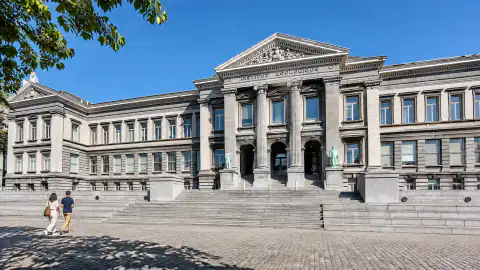 Heritage visitsAquarium-Muséum Universitaire de LiègeExplore experience →
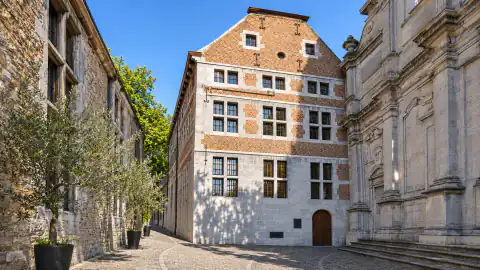 Heritage visitsMusée de la Vie wallonneExplore experience →
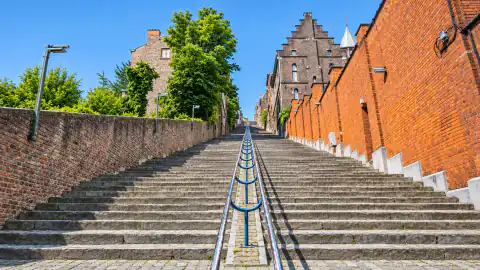 Heritage visitsCoteaux de la Citadelle & Montagne de BuerenExplore experience →
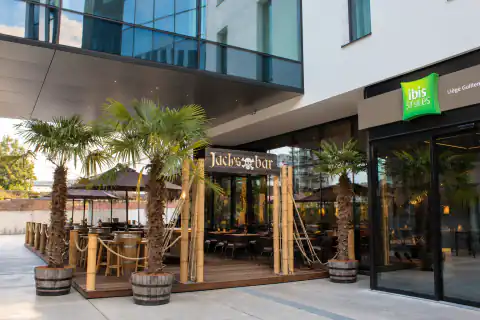 Food & drinkJack’s BarExplore experience →
Good to know
La Boverie: frequently asked questions
Does the permanent-collection ticket at La Boverie in Liège include temporary exhibitions?
The permanent-collection ticket at La Boverie in Liège includes the Black Gallery and Bust Gallery. Major temporary exhibitions have separate tickets and prices.
Is La Boverie in Liège free on the first Sunday of the month?
The permanent collection at La Boverie in Liège is free on the first Sunday of the month. Visitors under 26 also receive free admission to the permanent collection.
Is La Boverie in Liège accessible to wheelchair users?
Both levels of La Boverie in Liège are served by a lift. Staff open the lift entrance to the left of the main door; ring the bell or call reception.