Grand Curtius
Explore regional archaeology, religious art, fine furniture and Liège’s arms collections in a complex beside the Meuse.
01 / The experience
Liège’s history across a palace and its neighbours
See how the wealth and craftsmanship of Liège shaped everything from its red-brick palace to its decorated arms and carved figures.
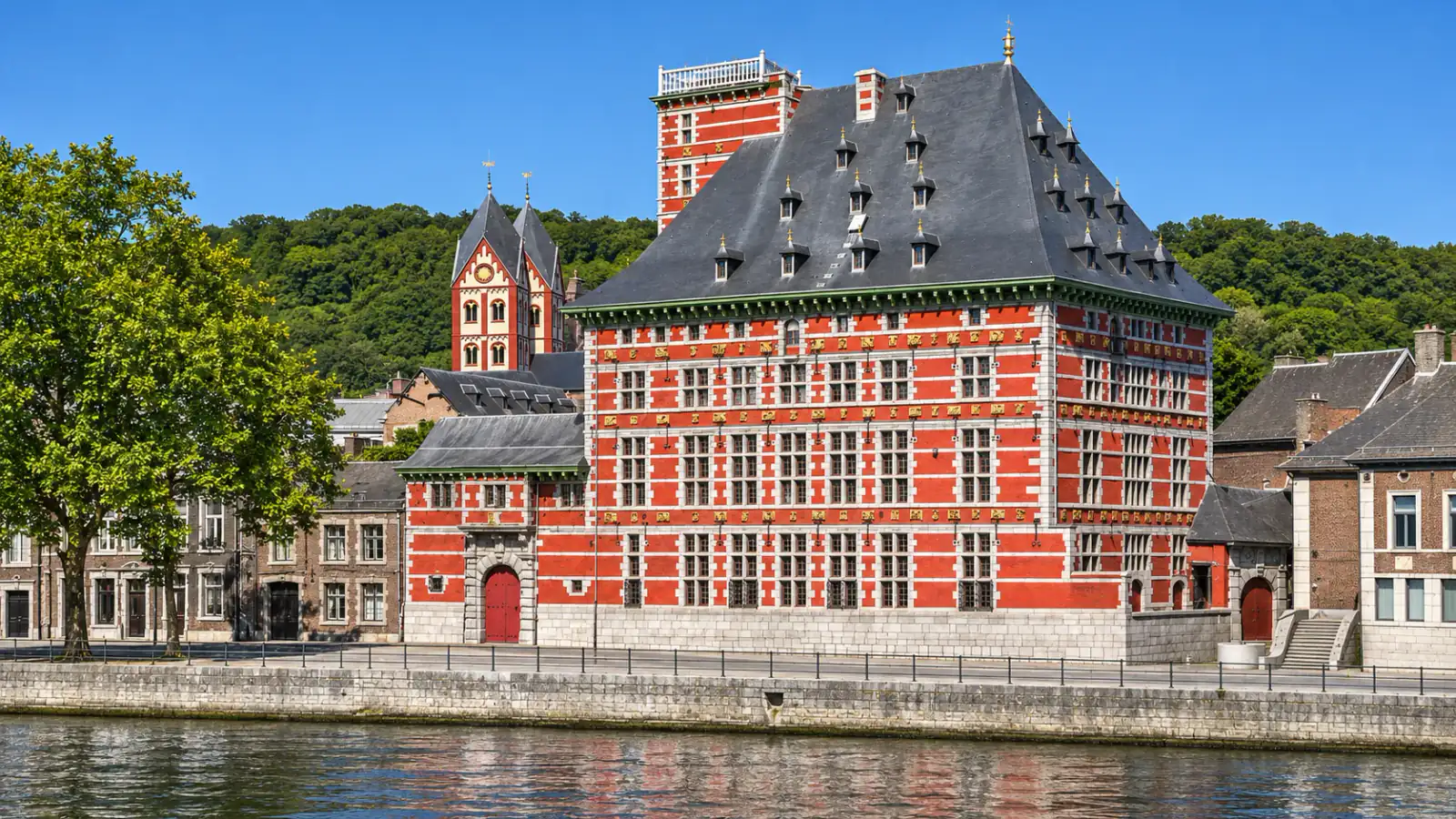
From across the Meuse, the red brick and pale stone bands of the Palais Curtius stand out along the quay. The house was built around the turn of the seventeenth century for Jean de Corte, known as Curtius, who made his fortune trading arms and gunpowder. Today the palace forms part of a museum spread across several neighbouring buildings. The courtyard shows how the pieces fit together: red brick and steep slate roofs behind a modern glass passage and an open metal pergola.
Grand Curtius brings together collections that once had museums of their own. Its archaeology rooms start with finds from sites across the region. Excavations at places such as Spy and in the Hesbaye supplied some of the prehistoric material; finds from Roman villas at Haccourt and beneath Place Saint-Lambert bring the story much closer to the streets outside. The Roman, Merovingian and Carolingian sections have their own character. Here, a small object excavated beneath a city square can tell you something a whole room of grand furnishings cannot: what was here before the city took its present shape.
The religious collections take you to the workshops of the Meuse valley. Mosan art is the name given to work from this region, especially the metalwork, sculpture and other church treasures produced in and around the medieval diocese of Liège. Carved figures made for a church reward a look at their drapery and gestures. Works such as the late medieval Virgin and Child known as the Ponthoz Virgin sit in a much longer history of the way artists depicted the same subjects. Painted and gilded surfaces matter here as much as the carving itself.
In the decorative arts, the materials change again. Cabinets, timepieces and tableware tell the story of what skilled makers could do for a well-off household. The Hôtel de Hayme de Bomal, one of the mansions that make up the museum, puts that skill into the room itself. In its ornate salon, gilded panels, mirrors and a chandelier make the space part of the collection. The museum also holds the Duesberg collection of clocks and tableware, a reminder that telling the time could be an opportunity to show off a fine piece of metalwork.
The arms department is especially closely tied to Liège. Its displays separate civilian pieces from military weapons, then turn to armour and edged weapons. A decorated hunting arm and a plain service weapon were made for different purposes, and they show it in their finish. The wheel and workshop displays bring the attention back to how these objects were made. They also give a sense of the industrial trade behind the wealth of the house on the quay.
Allow time for the departments you came to see. The buildings and courtyard tie them together, but the choice between archaeology, decorative art and the arms rooms can easily make for quite different visits. The permanent glass collection remains closed; the archaeology and decorative arts alone offer enough to fill a visit.
Highlights
- 01
Allow 2–3 hours for a selection of departments
- 02
€9 adult · permanent collections
- 03
Indoor collections with an open courtyard.
- 04
The permanent glass collection is closed until further notice.
04 / Before you go
Plan your visit
Admission & cost
Permanent collections: €9 adult, €5 senior, free under 26 and on the first Sunday of each month.
When to visit
Monday and Wednesday–Sunday 10:00–18:00. Closed Tuesdays and specified public holidays.
Allow 2–3 hours for a selection of departments
The permanent glass collection is closed until further notice.
Arrival & access
Use Féronstrée 136 opposite the Curtius tram stop. The quay entrance is affected by works; follow the museum’s access notice.
Féronstrée 136, 4000 Liège, Belgium
Plan your visit
Choose Collections permanentes for the museum. Online tickets are personal, non-transferable and non-refundable. Check the dates shown before buying.
Accessibility
The museum is accessible to visitors with limited mobility. Contact reception for the step-free approach during the quay works.
Location & nearby places
Continue exploring / the Ardennes during F1
More to explore
in the Ardennes during F1
Find another place for your itinerary, or explore all things to do in the Ardennes during F1.
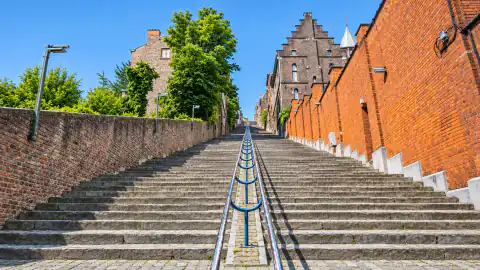 Heritage visitsCoteaux de la Citadelle & Montagne de BuerenExplore experience →
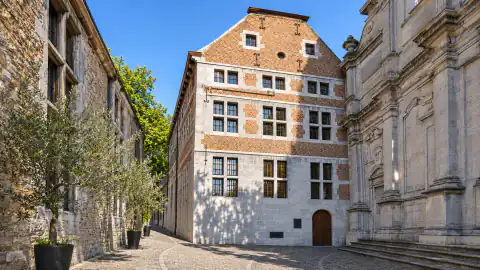 Heritage visitsMusée de la Vie wallonneExplore experience →
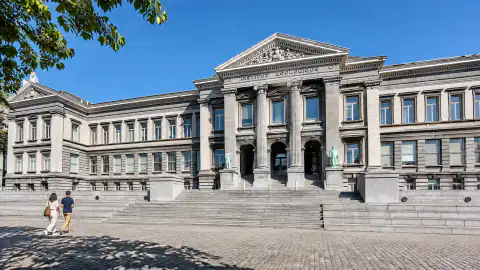 Heritage visitsAquarium-Muséum Universitaire de LiègeExplore experience →
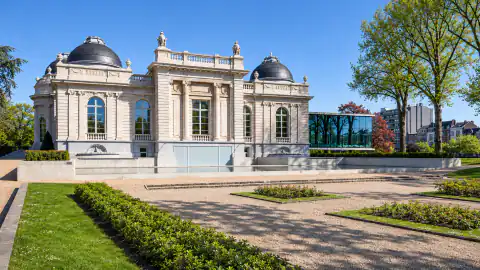 Heritage visitsLa BoverieExplore experience →
Good to know
Grand Curtius: frequently asked questions
Is the permanent glass collection at the Grand Curtius in Liège open?
The dedicated permanent glass galleries at the Grand Curtius in Liège are closed until further notice.
Where is the visitor entrance to the Grand Curtius in Liège during the works?
The Grand Curtius visitor entrance is at Féronstrée 136 in Liège. Access from Quai de Maestricht is restricted during the works.
How much time should I allow at the Grand Curtius in Liège?
Allow two to three hours for a selection of departments at the Grand Curtius in Liège. The archaeology, decorative-art and arms rooms can each make a substantial visit.