Above Guide / Curated New York
Restaurants
in New York.
Find restaurants for lunch, dinner and special occasions.
Beyond the circuit Your next discovery
Find your New York table.
Korean tasting counters, Queens dumplings, street carts, pizza and neighbourhood bagels. Find a local meal or give a destination restaurant its own evening.
Food & drink
12 of 72 discoveries
Restaurants & counters
Grand Central Oyster Bar
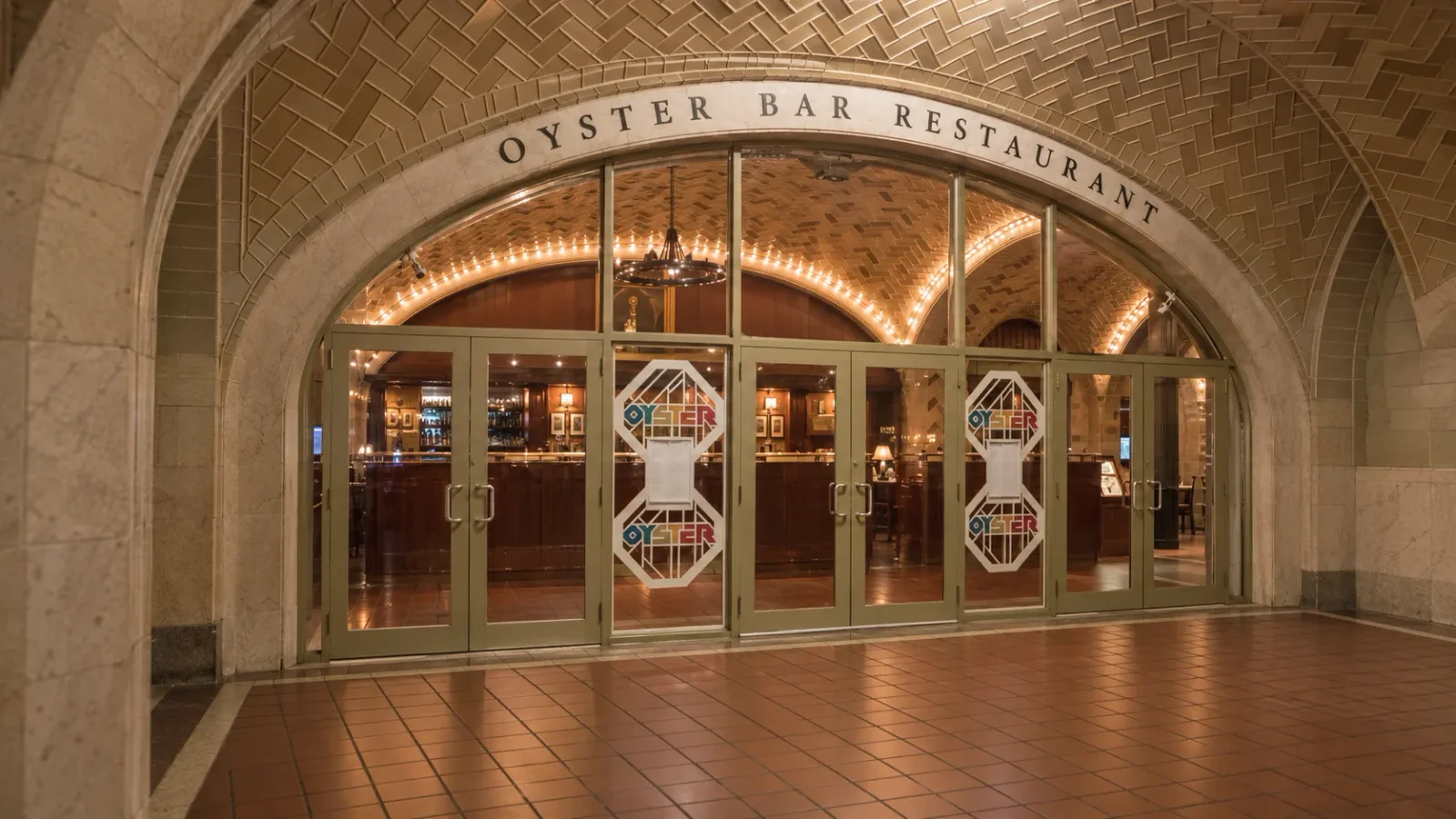
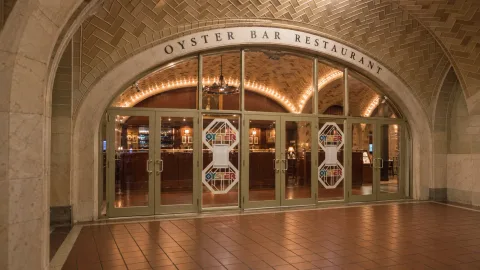
Grand Central Oyster Bar makes the terminal itself part of lunch. The restaurant opened in 1913 and occupies a lower-level space beneath Guastavino-tiled vaults. Those arches, and the connection with the station above, give a seafood meal here a setting that belongs unmistakably to New York. Oysters are the natural starting point, with the selection giving you a reason to ask about the day’s choices. A pan roast or stew offers a cooked alternative and another link with the restaurant’s history. The distinction is useful when deciding whether you want a small raw-bar lunch or a more substantial meal. The room offers different ways to sit: counters bring the activity of the restaurant closer, while the dining-room tables suit a longer meal together. The restaurant’s scale and echoing tiled setting are part of its character. Choose it because that combination of seafood and railway architecture appeals, rather than regard it as a generic station convenience. A weekday lunch can pair naturally with time in the Main Concourse and the public areas of Grand Central. Allow for the separate restaurant service and the walk between levels; seeing the terminal does not require eating here, and dining here is its own stop. For a visitor choosing one classic New York seafood lunch, the setting provides a strong reason to make it this one.
Destination dining
Keens Steakhouse
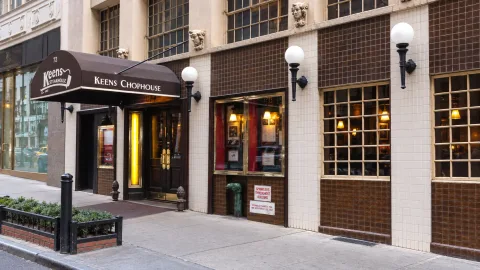
Keens gives a Midtown dinner both a clear food order and a room with a history. Opened in 1885 in the former Herald Square theatre district, the restaurant retains a dense collection of clay pipes overhead. The ceiling and timber rooms make it a distinctive setting for a substantial steakhouse meal. The mutton chop is the signature reason to choose Keens. It offers a different centrepiece from the prime steaks, with the restaurant’s own identity attached to the order. If steak is what you want, the menu includes sirloin, T-bone, filet and porterhouse formats, making appetite and sharing important choices before the order grows. Side dishes are a separate part of building the meal. Creamed spinach, potatoes or mushrooms can make a complete table alongside the meat; a raw-bar starter gives another direction if you want a longer dinner. Choose the combination deliberately, because the main course is already substantial. The pub and main dining menus provide different ways to visit. Select the experience you want rather than assume every seat comes with the same offer. The bar’s whisky interest is another draw for guests who want a drink as part of the occasion. Choose Keens when a traditional New York restaurant room and a distinctive chop are what you want from the evening. Its central location also makes a dedicated lunch appealing. Either way, the meal deserves a generous block of time rather than a rushed stop between two fixed bookings.
Restaurants & counters
Eataly NYC Flatiron
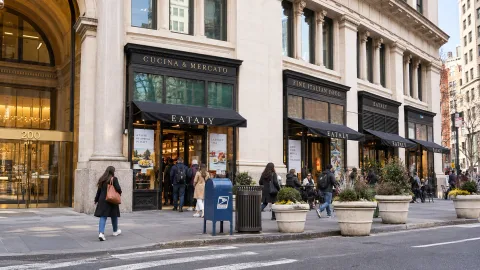
Eataly Flatiron is useful when the outing calls for more choice than a single restaurant menu. The Fifth Avenue location combines an Italian market with restaurants, counters and cafés, letting a visit range from a small coffee stop to a seated meal and some food shopping. Choose the format first. A counter purchase is useful for a shorter break; a restaurant table makes pasta, pizza or another menu the principal meal. Market browsing offers a different experience again, with ingredients and packaged food to take away. The size of the business makes that first decision more helpful than simply arriving hungry and assuming every counter works in the same way. Classes and tasting events are separately offered experiences. They can give an Italian-food afternoon more structure, but they are not included in visiting the market or booking a restaurant table. Choose a dated event specifically if learning or tasting is what you want from the visit. Flatiron is the branch in this guide. It fits an outing around the neighbourhood with the flexibility to suit different appetites, particularly when one person wants a proper lunch and another prefers a smaller stop. Use the individual restaurant or counter details for service, rather than treat the market’s overall opening hours as the schedule for every kitchen.
Destination dining
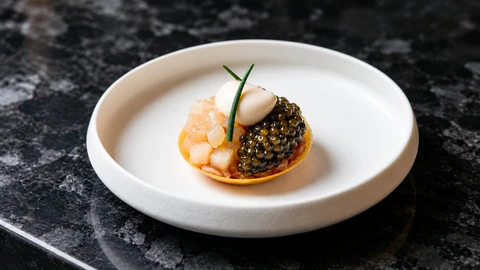
Atomix
Atomix belongs on the itinerary when dinner is one of the reasons for coming to New York. Junghyun and Ellia Park’s restaurant occupies a Murray Hill brownstone, with a bar upstairs and a dining counter below. The change in scale matters: this is an intimate encounter with a kitchen’s ideas, with the progression of the meal providing the evening’s structure. The cooking draws on Korean ingredients and traditions while making room for elaborate contemporary technique. Fermentation, seafood and carefully balanced accompaniments give the meal its direction. A particular fish or preparation may disappear with the season; the enduring reason to book is the way the kitchen develops those Korean flavours across a sequence of courses. Diners looking for one familiar signature plate will get more from choosing a restaurant built around that dish. Dark finishes and earthy colours make the counter feel removed from the Midtown streets outside. Choose the Chef’s Counter if you want the principal tasting experience and the closeness of that setting. The separately offered bar tasting has its own menu and identity, so the booking choice changes the evening rather than simply the seat. Among the guide’s Korean destinations, Atomix suits someone curious about contemporary cooking and the relationship between chef, food and counter. Jungsik offers a different, dining-room occasion in Tribeca; Meju puts traditional ferments at the centre of a small Queens counter. Those are useful distinctions when choosing one substantial dinner for the trip. Give Atomix a clear evening after a city day. The commitment is to an entire menu, its pacing and the experience you reserve. Drinks and dietary suitability deserve attention at booking, particularly if you are choosing it as the trip’s main food event.
Destination dining
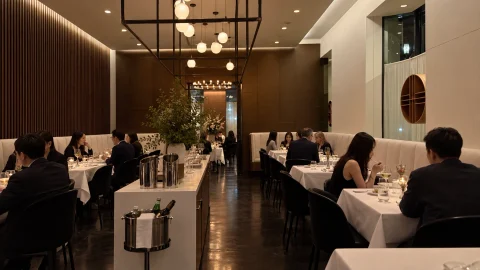
Jungsik New York
Jungsik makes a strong choice for a celebratory New York dinner when you want a full restaurant occasion: a composed dining room, a substantial tasting progression and Korean cooking expressed through meticulous individual courses. Its Tribeca setting gives the evening a different character from the Midtown counter restaurants in this collection. The meal’s interest lies in what happens to familiar Korean forms. Banchan becomes an intricate opening selection; mandoo, kimbap and galbi provide recognisable reference points for dishes that take their own direction. The published menu includes octopus, Arctic char and yellowtail kimbap, bringing seafood through the progression alongside meat and rice. Treat these as a picture of the restaurant’s cooking, with the selected service determining the actual dishes. The distinction between the Signature Menu and the bar menu is consequential. Choose the Signature Menu for the extended dining-room experience. The bar’s individually listed dishes offer another way into the cooking, with their own availability and booking arrangements. The restaurant asks the whole table to participate in the Signature Menu, so this suits companions who want to share the same kind of evening. Pairings are also a real choice here. Wine, a mixed pairing and a non-alcoholic pairing are separately offered; selecting a tasting menu does not settle the drinks decision. Keep those choices in the meal budget rather than treating the headline menu price as the finished bill. Choose Jungsik for a dinner that combines a sense of occasion with a clear Korean culinary identity. It is particularly appealing if you prefer a table and a dining room to a counter. An afternoon in Lower Manhattan can precede it, but dinner deserves its own generous block of time.
Destination dining
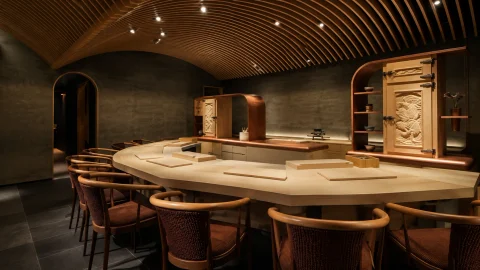
Sushi Sho
Sushi Sho is a destination for people who want to explore how sushi is made and developed over time. Keiji Nakazawa’s cooking uses aging and fermentation within an Edomae-rooted approach, giving the progression an identity that goes beyond choosing a succession of expensive fish. Fish, shellfish, vegetables and other preparations form a chef-led meal. The counter is an important part of the experience. Pale hinoki wood and tall, carved wooden ice-box doors create a setting where the work of the kitchen remains visible. The relationship between preparation, service and the moment of eating is the attraction; this is a good choice for a diner who enjoys following a kitchen’s sequence. Expect the restaurant to determine the progression. That makes the precise booking product important, especially where a shorter omakase is offered alongside other experiences. A takeaway order is another product again. Compare the actual counter experience, its length and inclusions before choosing, rather than assuming every listing gives the same meal. This is also a dinner for which dietary suitability should be established early. An omakase constructed around seafood and specialist preparations has less flexibility than a broad à la carte menu. The reservation’s reconfirmation instructions matter as well: keep access to the phone number or email used for the booking while travelling. The East 41st Street location works with a Midtown city day, including time around the public library and Grand Central. Keep the evening devoted to the counter. Choose Sushi Sho when close attention to sushi, fermentation and craft is what you want from the occasion; the wider Japanese restaurant category alone does not explain its appeal.
Destination dining
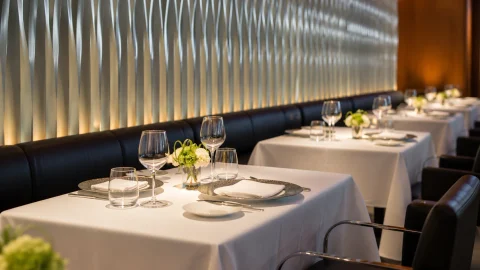
Le Bernardin
Le Bernardin earns its place as a food destination through a sustained focus on seafood. Eric Ripert’s Midtown restaurant is an appealing choice when the meal you want is built around fish, sauces and precise preparation, with the formality of a major New York dining room. Dressing for dinner feels appropriate to the occasion. French technique provides a foundation, while the cooking makes room for influences beyond a single tradition. The much-discussed tuna preparation, with fish laid over a foie-gras-topped base, illustrates that approach: the point is how a few carefully chosen components work together. Seafood remains the subject throughout, making this a more useful choice for an enthusiastic fish eater than someone seeking a broad steakhouse-style menu. There is more than one way to experience the restaurant. Dining-room lunch, dinner and tasting formats make different commitments of time and spending. The lounge has its own identity and offer. Choose the setting as deliberately as the menu, particularly if you are hoping for the full dining-room occasion or a more contained lunch. That range of formats is helpful when planning a New York trip. A dedicated lunch can be the day’s principal restaurant meal; a tasting dinner can anchor a free evening. A central address does not make either a quick stop, and a meal here is worth protecting from a competing timed attraction or performance. Choose Le Bernardin when you want a classic New York dining institution whose culinary purpose is immediately clear. The appeal lies in the treatment of seafood and the service around it. Select the menu and room that match your appetite for the occasion, then use the practical details below for the reservation, dress requirements and complete spending allowance.
Destination dining
Meju
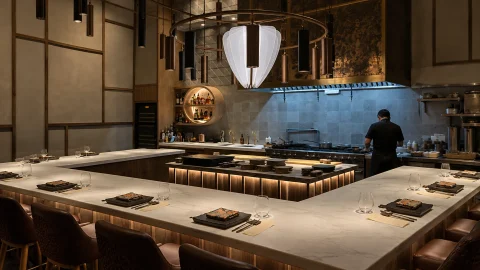
Meju gives Long Island City a dining destination worth travelling to in its own right. Behind a banchan shop, Hooni Kim’s small counter explores traditional Korean fermentation through a personal tasting menu. The unassuming arrival is part of its character: the meal’s ambition becomes apparent through the cooking and the conversation around it. Fermented ingredients provide the centre of gravity. Doenjang, gochujang and ganjang bring different expressions of soybean, chilli and seasoning into the meal. Understanding those differences helps explain why a restrained-looking plate can carry so much interest. Kim uses the progression to introduce ingredients he has fermented and aged, giving the counter an unusually direct connection to the processes behind the food. Tofu, pancakes, meat and rice give these flavours different settings. The sequence is personal and can change; the restaurant’s appeal is the way it makes those foundations visible. Handmade Korean ceramic service pieces reinforce the attention given to how the meal is presented. This suits diners interested in ingredients and technique as much as an elaborate-looking plate. Choose Meju’s counter experience specifically. The front shop and the tasting restaurant serve different purposes, and visiting one is not a reservation for the other. Dietary suitability is particularly important where fermented sauces and a set progression shape the meal; establish that before committing. Within this collection, Meju is the most focused choice for exploring Korean ferments in Queens. It can be the reason for a Long Island City evening even if you are staying in Manhattan. A waterfront walk belongs earlier in the day, leaving the counter enough time to be the principal event rather than the final stop in a crowded food crawl.
Destination dining
Aska
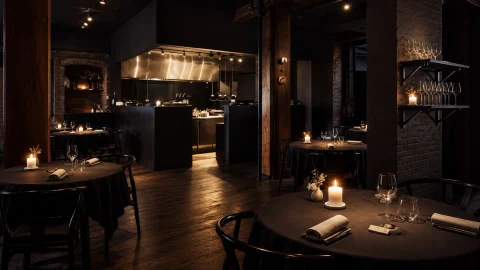
Aska is a deliberate Brooklyn excursion for diners who want a tasting menu with a strong sense of authorship. Fredrik Berselius brings his Swedish background to ingredients from the Northeastern United States, creating a meal whose identity comes from seasonality, preservation and the way the ingredients are combined. The restaurant’s dark, intimate South Williamsburg room centres on an open kitchen. That setting keeps attention on a succession of individual dishes and the team preparing them. Seafood, shellfish, herbs and berries are recurring elements in the restaurant’s culinary language; smoke and preserved ingredients add other ways of expressing the season. Specific dishes follow the kitchen’s current progression. Choose Aska if that meeting of Nordic ideas and Northeastern produce is what excites you. It offers a different reason for a substantial dinner from the guide’s Korean counters, sushi omakase or seafood institution. The sequence and the restaurant’s point of view matter more than seeking a single signature plate from an older account of the meal. This is the main event for a Brooklyn evening. Build any earlier neighbourhood time around the reservation and the journey from your hotel, rather than treating it as an easy extension to a Manhattan or Queens dinner plan. The tasting menu and optional beverages also deserve a dedicated allowance in the trip budget. Aska suits a visitor who enjoys committing to a chef’s progression and discovering ingredients through that structure. Agree dietary limitations before paying for the experience. Once booked, leave room for the meal itself: its appeal is the complete sequence in this particular room, with the kitchen close by.
Destination dining
Semma
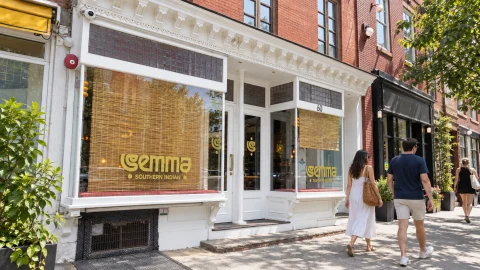
Semma gives a Greenwich Village dinner a clear culinary direction: heritage Southern Indian cooking, with Tamil identity and regional dishes that deserve more attention than a generic curry order. Its à la carte format makes it particularly appealing for companions who want to share a substantial restaurant meal and explore several preparations. The gunpowder dosa is a natural starting point. The rice-and-lentil crepe comes with potato masala and sambar, making the combination of crisp crepe, filling and accompaniment central to the order. Dindigul biryani takes the meal towards goat and seeraga samba rice. These are useful anchors when deciding what to share, rather than simply choosing several dishes of a similar size. The menu also moves through vegetables and seafood. A banana-leaf-wrapped branzino and an eggplant preparation with peanut and sesame illustrate its range. Dish availability changes, so use these examples to choose the kind of meal you want. The current menu’s ingredient descriptions are especially useful for groups negotiating heat, nuts, shellfish or other dietary limits. Semma works well as the restaurant focus of a Village evening. Choose the meal first, then decide whether the group wants another nearby outing afterwards; sharing several courses here can already be a substantial occasion. It suits visitors who want a food destination with the flexibility of an à la carte order.
Destination dining
Dirt Candy
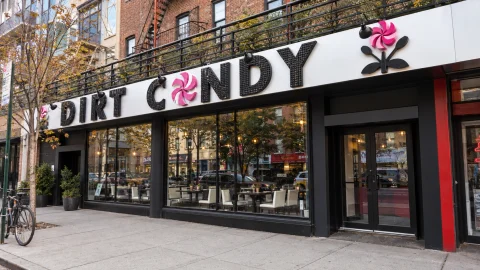
Dirt Candy is worth considering even when nobody in your party is vegetarian. Amanda Cohen’s Lower East Side restaurant gives vegetables the full attention of a tasting menu, using changes in texture, preservation and presentation to make familiar ingredients feel like a worthwhile subject for a special dinner. The published seasonal menus explain the appeal better than a list of vegetables alone. Portobello mousse is a recurring idea that appears in different forms. Other preparations have turned cabbage into noodles or used layers of celeriac to build a crisp-edged dish. Those examples show how the kitchen works; a future visit follows the menu being served then. A vegetable can carry a course from its first impression through to the final mouthful, rather than appearing as a substitute for a meat centrepiece. Sweet courses follow the same curiosity about ingredients. That makes this a particularly good choice for diners who enjoy an inventive progression and would like their principal restaurant meal to explore a different direction from steak, sushi or seafood. Vegetarian and vegan requirements still need separate attention. The kitchen uses dairy in some preparations, and a vegetable-led menu is not a blanket assurance about allergens. Choose the appropriate adaptation with the restaurant. Wine and non-alcoholic pairings also give different ways to accompany the meal without making alcohol central to the occasion. Give Dirt Candy a free Lower East Side evening. Its tasting format works best when the menu can be the reason for dinner, rather than something fitted between a large deli lunch and another substantial meal. The practical section keeps the menu price, included tip, tax and optional drinks together so the unusual food is matched by a clear spending decision.
Street food & hot dogs
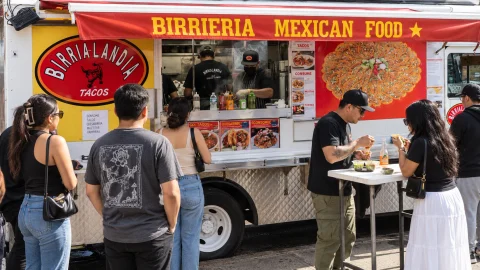
Birria-Landia Queens truck
Birria-Landia’s Queens truck gives a Jackson Heights food outing a focused starting point: beef birria, tacos and a cup of consomé. The short menu is part of the appeal. You can make a complete small meal from one preparation rather than work through a long list of unrelated fillings. Order tacos with consomé so the broth becomes part of eating them. A mulita gives another version of the same birria meal, while a tostada offers a different tortilla texture. Choose according to appetite; several tacos and broth can already be the main event, especially if you are considering another neighbourhood snack afterwards. The setting is Roosevelt Avenue pavement and a working truck. It suits a visitor who wants an informal Queens food stop and is comfortable eating a takeaway order, with the cup and tacos to manage together. Seating and shelter should not be assumed. The guide’s pin is for the Queens trading area, and the actual truck is what you are looking for on arrival. Choose this stop for the birria itself. It brings a very different experience from a reserved restaurant table and can provide the food focus of a Jackson Heights evening without committing to a multi-course dinner.
Explore New York on the map
72 places to visit. Select a pin for details and add your favourites to your itinerary.
04 / In pictures
The whole guide, in pictures.
376 images from the places in the guide, full screen. Choose any one to open the viewer.
04 / Keep planning