Above Guide / Curated New York
Pubs & bars
in New York.
Find a pub for a pint or a bar for an evening out.
Beyond the circuit Your next discovery
Find your New York table.
Korean tasting counters, Queens dumplings, street carts, pizza and neighbourhood bagels. Find a local meal or give a destination restaurant its own evening.
Food & drink
7 of 7 discoveries
Beer gardens & bars
Bohemian Hall & Beer Garden
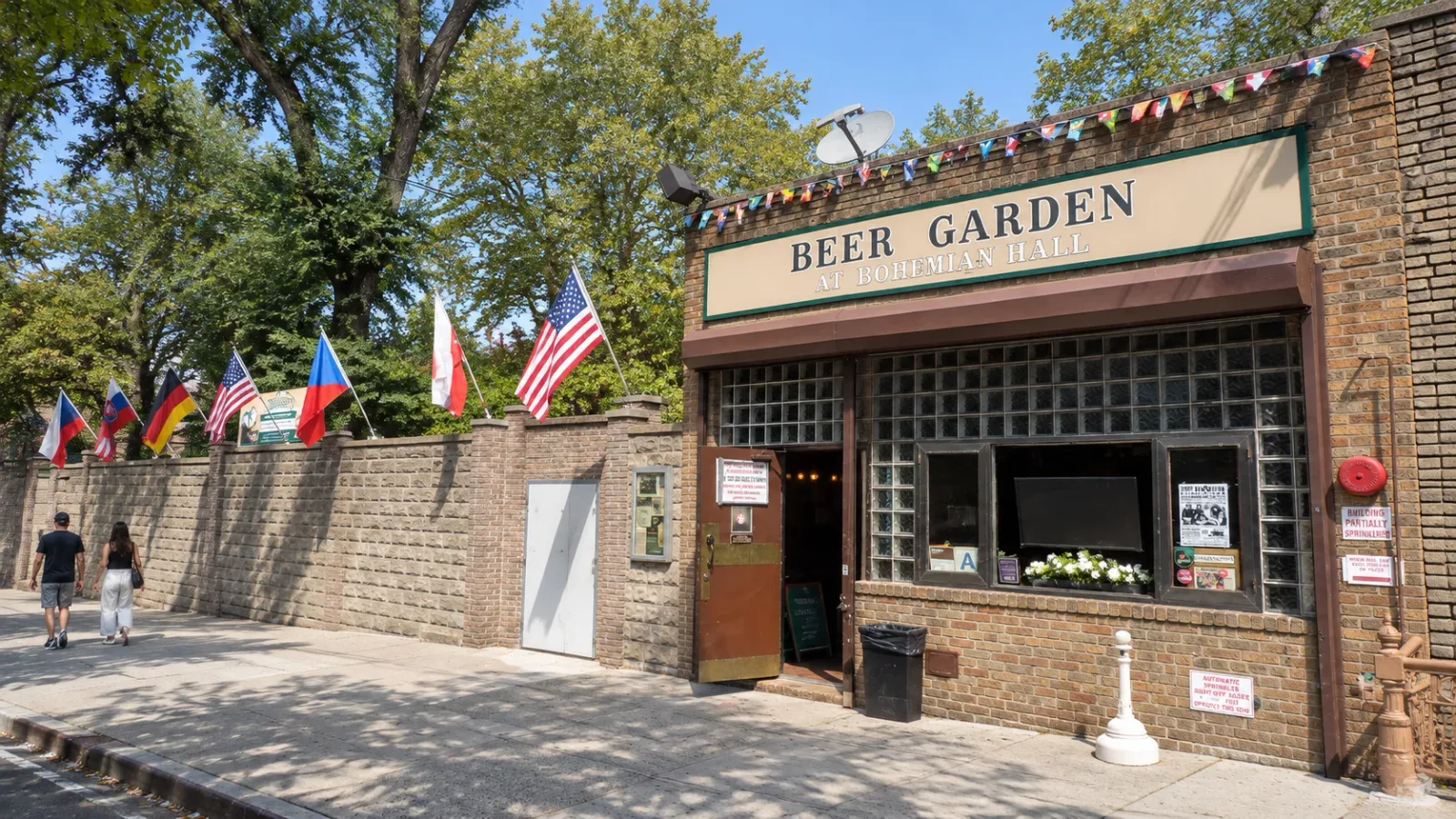
Bohemian Hall gives an Astoria outing a social centre: a beer garden, casual food and Czech and Slovak traditions carried through a public house established in 1910. The outdoor tables make it appealing when the group wants somewhere to spend part of an afternoon together rather than move through another timed attraction. The menu mixes Czech, Slovak and American choices, with goulash, schnitzel, pierogies and a giant pretzel among the food selection. A pretzel and beer can keep the visit small; a cooked main turns the garden stop into dinner. Choose the format around the appetite of the table, with the Czech and Slovak beer tradition providing another reason to come to this particular Astoria venue. The garden’s open-air setting is consequential. It is the main attraction in good weather, while indoor arrangements and events can change how a visit works. A beer-garden plan also needs to suit everyone in the party; entry and age conditions belong in the practical decision before you travel. Choose Bohemian Hall for the combination of shared outdoor tables, a longstanding Queens institution and a particular cultural identity. It can finish an Astoria day comfortably, with enough time allowed for the neighbourhood journey from a Manhattan or Long Island City base.
Beer gardens & bars
Rudy’s Bar & Grill
The red pig at Rudy’s door is an easy landmark for a Hell’s Kitchen bar whose appeal is deliberately informal. The Ninth Avenue business dates to 1933 and still puts beer, a jukebox and its complimentary-hot-dog tradition at the centre of the visit. Choose a drink and treat the hot dog as part of the bar experience. It is a different proposition from seeking out a specialist hot-dog counter or reserving a restaurant dinner. Rudy’s belongs in the guide because a modest bar stop can be as recognisably New York as a tasting menu, with a very different spending commitment. The long bar and booth seating give the room its character. This is an adult social stop, so the choice depends on wanting the bar as well as the food offer. Guests looking for a full sit-down meal or a family restaurant should choose another kind of venue. Rudy’s can make a relaxed Hell’s Kitchen evening around a drink and a simple bite. Keep the meal allowance proportionate to that role, and use the current offer at the bar for the conditions attached to the hot dogs.
Beer gardens & bars
Milady’s
Milady’s works when the evening calls for a cocktail bar that can also feed you properly. The current Prince Street venue pairs a playful room with a menu that goes beyond a bowl of something salty beside a drink. It is a different decision from a reserved brasserie dinner: you can come for cocktails, build a meal from bar plates or make the burger the centre of the visit. The Salted Cosmo gives a useful introduction to the drinks. Roku gin meets salted lime, rosemary, orange curaçao and cranberry, moving the familiar name towards a particular house recipe. Choosing a named cocktail makes more sense than assuming every version of a classic will taste the same. The wider drinks list leaves room for a second direction without needing the food order to match one spirit or style. The double cheeseburger is the clearest full-meal option. Two beef patties come with American cheese, lettuce, onion, pickles and party sauce, with fries or greens alongside. A vegetarian patty swap is listed, although the complete build still needs a separate dairy and ingredient decision. Fish tacos offer beer-battered hake with red cabbage, chipotle aioli and avocado in flour tortillas. The smaller plates make a sharing order more interesting than simply dividing fries. Devilled eggs use pickled beet, dill, Dijon and Kewpie; a pretzel comes with beer cheese and spicy mustard. Hot Dog Wellington wraps a beef hot dog in puff pastry with mushroom duxelle, mustard and red-wine jus. Caviar tots sit at the more extravagant end, with caviar, red onion, dill and crème fraîche changing the spend substantially. Pink upholstery, red bar stools and mustard-coloured booths give the public rooms their character. A separate private room has its own setting and booking purpose; it should not be assumed to be ordinary walk-in seating. Kitchen and bar hours also differ. A late cocktail does not guarantee a late dinner, so a food-led visit belongs before the kitchen closes even when the bar remains open.
Beer gardens & bars
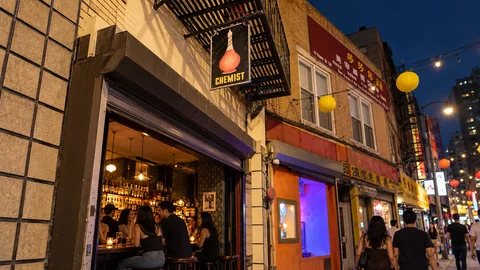
Apotheke Chinatown
The Chemist sign on Doyers Street is the clue to Apotheke. Beyond the narrow entrance, the bar builds its identity around bottles, ingredients and an apothecary setting. The ornate ceiling, gold-toned walls and red seating make it a different sort of Chinatown stop from the food counters outside. It is an evening destination in its own right, rather than simply the nearest place to add a drink after dinner. The drinks use combinations that reward choosing by ingredients. The published Summer 2026 menu pairs mezcal, Averna and espresso in Star Crossed Lovers, while Sun Scorched combines tequila with cactus pear, grapefruit, red pepper and habanero. Those examples show the range between darker, bitter flavours and a brighter drink with heat. They are a guide to the bar’s approach, not a guarantee that a seasonal drink remains available indefinitely. Herbs and vegetables have a place too. Return to Eden brings cucumber, watermelon, dill and basil into a gin-based combination, with Green Chartreuse foam. Close Talker takes vodka and gin towards garlic, leek, olive brine and lemon. Reading those ingredients is more useful than choosing a drink solely because its name or presentation resembles a photograph. Staff can explain the current selection and any ingredient restrictions. The room offers different places to spend the visit, from the working bar to upholstered seating. Entry remains first come, first served, so a table is not attached to an online enquiry. Apotheke’s separately arranged Academy classes are another experience and should not be confused with ordinary bar admission. The Chinatown address also matters: NoMad is a different venue. For this guide, the intended arrival is the small doorway on Doyers Street and the bar behind it.
Beer gardens & bars
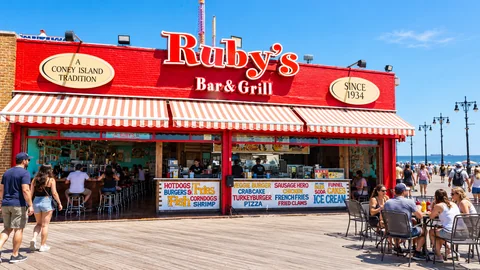
Ruby’s Bar & Grill
Ruby’s carries a little of the old boardwalk indoors. Reclaimed timber forms part of the ceiling and furniture, while vintage photographs and signs cover the turquoise walls. The long bar faces a room that opens towards the promenade. A drink here comes with a view of Coney Island’s everyday movement, not just a themed collection of seaside objects. The business traces its boardwalk history to 1934, and the Jacobs family took over in 1972. That continuity helps explain the photographs and the material saved around the room. The wood is particularly distinctive: the boardwalk becomes something overhead and under the visitor’s hands as well as the route outside. Food is straightforward bar-and-boardwalk fare. A corn dog keeps the frank inside a golden batter coating, while the crab-cake sandwich adds a different filling beneath the bun, with lettuce and onion. Those are useful snack or lunch choices alongside a beer. They also give Ruby’s a role for someone who wants to sit with a drink after the ride queues, rather than buy another takeaway order and keep walking. The main bar and the wooden-table seating offer different ways to use the room. A place at the counter puts the working bar in front of the visit; the tables suit food and conversation. The open frontage keeps both connected to the promenade, with the beach close beyond it. Ruby’s runs with the boardwalk season and the weather. Summer evenings and fireworks can make it busy, while rain can change the plan entirely. The published daily hours therefore belong to its operating season, not a promise of year-round service. The red sign and striped awning mark the arrival at 1213 Boardwalk West.
Beer gardens & bars
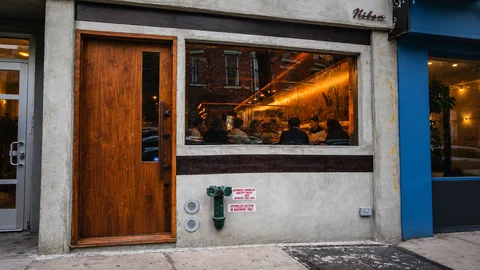
Bar Goto Niban
Miso wings and a highball are a strong introduction to Bar Goto Niban. The wings have a spicy miso glaze with chives and sesame; the drink brings a longer, lighter contrast. That relationship between the food and the glass is central to this Bergen Street bar. It is a useful evening destination near Barclays Center, with enough individual character to make the bar itself the reason for going. Niban is the Brooklyn sibling of Bar Goto on the Lower East Side. Kenta and Sarah Goto opened it in 2020, giving the second bar a Park Slope setting and its own food menu. The restrained street frontage has a timber door beside a broad window. Within, a golden Japanese garden mural brings colour and detail above the bar, with water, birds and planting carried across the scene. Timber and glassware keep the counter’s working purpose visible beneath it. The Sakura Martini is one of the signature drinks: sake and gin with maraschino and a cherry blossom. It presents a different side of the menu from the Green Shiso Gimlet, where gin, rice shochu, shiso and lime make the herb central to the drink. Koji-san moves again, combining barley shochu and mezcal with lime, celery and dashi salt. The ingredients give each choice a clear direction rather than simply another name for the same cocktail. Food follows the same attention to strong flavours. Kombu celery takes crisp pieces of celery and dresses them with salted kombu, dried red shiso and sesame. It works as a smaller plate alongside the richer wings. Korokke arrive as two croquettes: the classic version combines potato, beef, onion and ginger, while the curry-rice version uses curry spices, vegetable dashi and sun-dried tomato. The rice filling makes that second option a distinct dish. Korokke give Niban its own food identity, distinct from the okonomiyaki served at the Manhattan Bar Goto. There is room for a shorter or alcohol-free visit too. The Shiso Collins brings yuzu, lime, shiso and soda to the non-alcoholic list, while nori chips and pickles give a drink a smaller food companion. Highballs, signature cocktails and several shared dishes create different spending levels without requiring a full restaurant dinner. The bar takes walk-ins rather than ordinary reservations, so a pre-event stop needs flexibility. Bergen Street also makes an evening here a natural continuation from northern Park Slope or Prospect Heights.
Beer gardens & bars
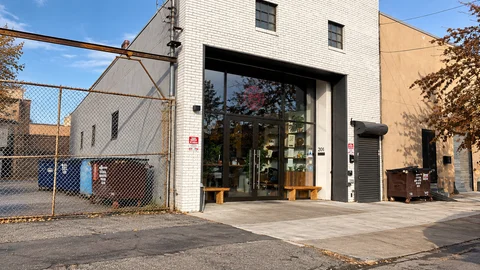
Hana Makgeolli
Hana Makgeolli offers a different kind of New York drinks stop: Korean rice wines made in the brewery behind the tasting room. The Dupont Street building retains an industrial setting, while the front room brings people together at a long wooden bar. Bottles, ceramics and plants sit on open shelves, with a small kitchen supplying food intended to accompany the drinks. The brewing begins with organic rice, water and nuruk, a traditional fermentation starter. Those ingredients lead to several styles rather than one interchangeable rice wine. Sedimented takju retains a cloudy appearance, while clarified yakju takes a different route. The range also includes other infusions and soju, so a flight can reveal differences in clarity, texture and flavour within the broader world of Korean sool. Founder Alice Jun developed the business from home-brewing knowledge passed on by her father. The commercial brewery followed, making the production side central to the place rather than a decorative theme for a bar. Dated tours take visitors into the brewing space and finish with a guided tasting. Seeing the equipment and hearing about fermentation adds another dimension to drinks that may be unfamiliar even to someone who enjoys wine or sake. Food follows the Korean idea of anju, dishes eaten with alcohol. The venue shows a crisp pajeon pancake and glazed fried mushrooms among its tasting-room favourites. A pancake cut for sharing gives the table something more substantial than a bowl of bar snacks; the mushroom dish adds a different texture and presentation. Visiting chefs also use the space for pop-ups, bringing their own food to the rice wines without turning those temporary menus into everyday promises. The attraction is the connection between making, tasting and eating. A simple table visit can stay with a few pours and food, while a scheduled tour gives the production process more attention. This is the drinks-focused addition to Greenpoint’s food circuit, separate in character from a cocktail lounge or beer taproom and closely tied to the brewing work happening at the same address.
Explore New York on the map
7 places to visit. Select a pin for details and add your favourites to your itinerary.
04 / In pictures
The whole guide, in pictures.
38 images from the places in the guide, full screen. Choose any one to open the viewer.
04 / Keep planning