Ise Jingu Naiku
Cross Uji Bridge for a wooded Naiku shrine visit, then enjoy lunch in Ise’s neighbouring food streets.
01 / The experience
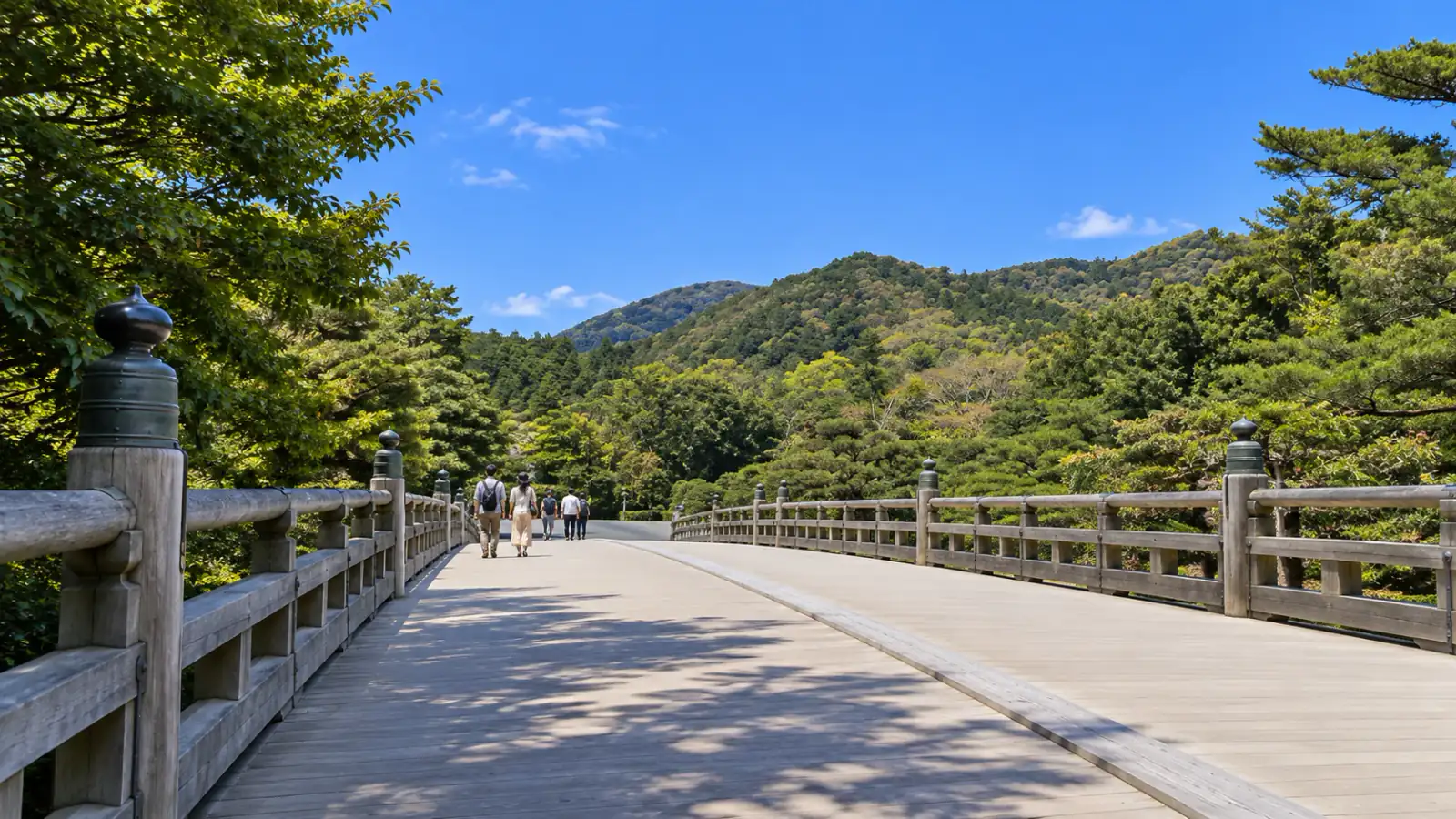
Uji Bridge, the Isuzu River and the woodland approach to Naiku
Cross Uji Bridge for Naiku’s woodland worship route, then try the neighbouring Ise food streets.
Uji Bridge gives Naiku a memorable beginning. The timber crossing stretches over the Isuzu River, with the wooded shrine approach on the far bank. Once across, the route becomes gravel paths, trees and a succession of shrine spaces leading towards the main worship area. For a day away from Nagoya, that combination of river, woodland and timber architecture is the main reason to come.
Naiku is the Inner Shrine of Ise Jingu, dedicated to Amaterasu-Omikami. Shrine tradition tells of Princess Yamatohime searching for a permanent place to enshrine the deity before reaching Ise around two thousand years ago. The sanctuary is still a place of worship, with the most sacred buildings enclosed by successive timber fences. The ordinary visit brings you to the public worship area outside them. Much of the experience therefore belongs to the approach and setting, rather than to rooms filled with exhibits.
The buildings' apparent simplicity is part of their identity. Timber, raised structures and thatched roofs give the sanctuary a form very different from a stone cathedral or an ornate Buddhist temple. Its continuity comes partly through renewal. In Shikinen Sengu, the principal sacred buildings are periodically rebuilt on the adjoining site, and the sacred furnishings and treasures are made anew. The tradition keeps carpentry and other crafts in use from one generation to another.
Kodenchi, the alternate sanctuary site, makes that cycle visible. A space that might otherwise look empty has a purpose in the next rebuilding. You are seeing two places involved in one continuing sequence, rather than a building and a piece of unused ground. Uji Bridge belongs to the renewal tradition too, connecting the river crossing at the start with the sacred structures deeper inside.
The timber has a life beyond a single sanctuary. After rebuilding, material from the previous structures is reused, including wood passed to other shrines. Main sanctuary pillars have traditionally become torii at Uji Bridge. That gives the architecture another point of interest for anyone who likes understanding how things are made: the craft, the repeated construction and the use of the material all belong to the story.
The wider Ise Jingu complex includes Geku, the Outer Shrine, in a different part of Ise. Geku is dedicated to Toyo'uke-no-Omikami, associated with food, clothing and shelter. Including it creates a fuller shrine day, while Naiku and its neighbouring food streets make a substantial outing by themselves. The choice changes how much of the day you spend travelling between sites and how much time remains for lunch.
Outside Naiku, Oharaimachi and Okage Yokocho provide that lunch in a very different setting. Ise udon brings thick, soft noodles with a concentrated sauce; tekone sushi offers marinated fish over rice. Akafuku mochi supplies the familiar red-bean sweet. The change from woodland paths to shopfronts is a useful second half to the day, with regional food giving you another reason to travel to Ise.
This outing makes most sense with a whole free day from Nagoya. Naiku supplies the river crossing, sacred woodland and renewal tradition, while the food streets give the visit a meal and some browsing afterwards. It is a worthwhile choice when you want a substantial change of place, with time for both the shrine approach and the town around its entrance.
Highlights
- 01
Free general shrine visit
- 02
Allow 90–120 minutes at Naiku; a full day from Nagoya
- 03
Woodland paths, gravel and steps; accessible-route guidance available
04 / Before you go
Plan your visit
Admission & cost
Free general shrine visit
General worship visit is free. Transport, meals, purchases and separate museum or ritual services cost extra.
When to visit
April shrine visiting hours normally 05:00–18:00. Visitor services, shops and any separate exhibitions have their own hours.
Allow 90–120 minutes at Naiku; a full day from Nagoya
Use a full free day outside 9–11 April 2027. April services and any special arrangements will follow the dated 2027 notices.
Arrival & access
From Kintetsu-Nagoya, take a suitable service to Isuzugawa, then a Mie Kotsu bus towards Naiku. A Limited Express needs both the basic fare and a reserved-seat Limited Express ticket. Allow roughly 2½–3 hours door to door each way, including local connections.
1 Ujitachi-cho, Ise, Mie
Plan your visit
No reservation for ordinary worship. The main sacred courtyard is closed to visitors, with worship from the public area. Barriers and sanctuary photography restrictions apply. Gravel, distances and steps affect access; the shrine’s accessible map and assistance information cover route options. Special prayers and services have separate arrangements.
Location & nearby places
Continue exploring / Japan
More to explore
in Japan
Find another place for your itinerary, or explore all things to do in Japan.
 Adventure & active daysBicycle Journey Ise-Shima cyclingExplore experience →
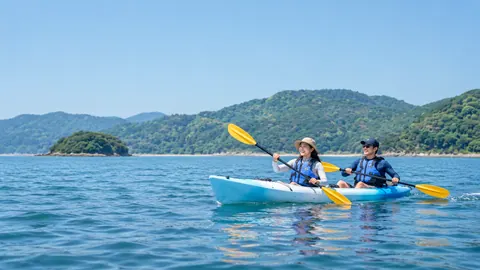 Sea & river experiencesOUTISE sea kayakingExplore experience →
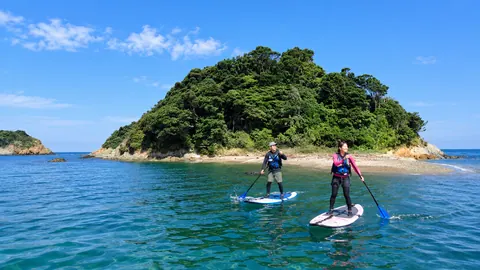 Sea & river experiencesOUTISE stand-up paddleboardingExplore experience →
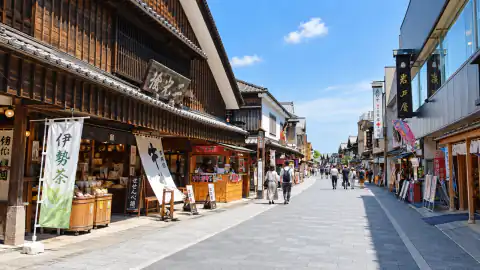 Museums, markets & cultureOharaimachi & Okage YokochoExplore experience →
Good to know
Ise Jingu Naiku: frequently asked questions
Who is worshipped at Ise Jingu’s Naiku shrine?
Ise Jingu’s Naiku is dedicated to Amaterasu-Omikami, the sun deity associated with Japan’s Imperial family. The ordinary visit takes you through the wooded grounds to the public worship area.
How close can visitors get to Ise Jingu Naiku’s inner sanctuary?
At Ise Jingu’s Naiku, you worship outside the inner sanctuary enclosure. Visitors cannot enter the sacred buildings; follow the barriers and photography restrictions around the sanctuary.
How long does an Ise Jingu Naiku day trip from Nagoya take?
Give an Ise Jingu Naiku day trip from Nagoya a full day. Allow roughly 2½–3 hours each way by Kintetsu and local bus, then 90–120 minutes at Naiku. Lunch in Oharaimachi and a visit to Geku need extra time.
Should I visit Geku before Naiku on an Ise day trip?
At Ise Jingu, Geku before Naiku is the traditional order. Adding it means another shrine visit and a connecting journey. If you want a shorter day, Naiku and lunch in the neighbouring food streets are plenty on their own.
Why are Ise Jingu’s sacred buildings periodically rebuilt?
Ise Jingu’s periodic rebuilding is called Shikinen Sengu. The sacred buildings alternate between sites, and the work passes traditional craft skills from one generation to the next.
Is Ise Jingu Naiku’s woodland approach suitable for wheelchairs or pushchairs?
At Ise Jingu’s Naiku, expect gravel, steps and a fair amount of walking. Use the shrine’s accessible-route information to choose the areas you can reach and arrange any assistance you need.