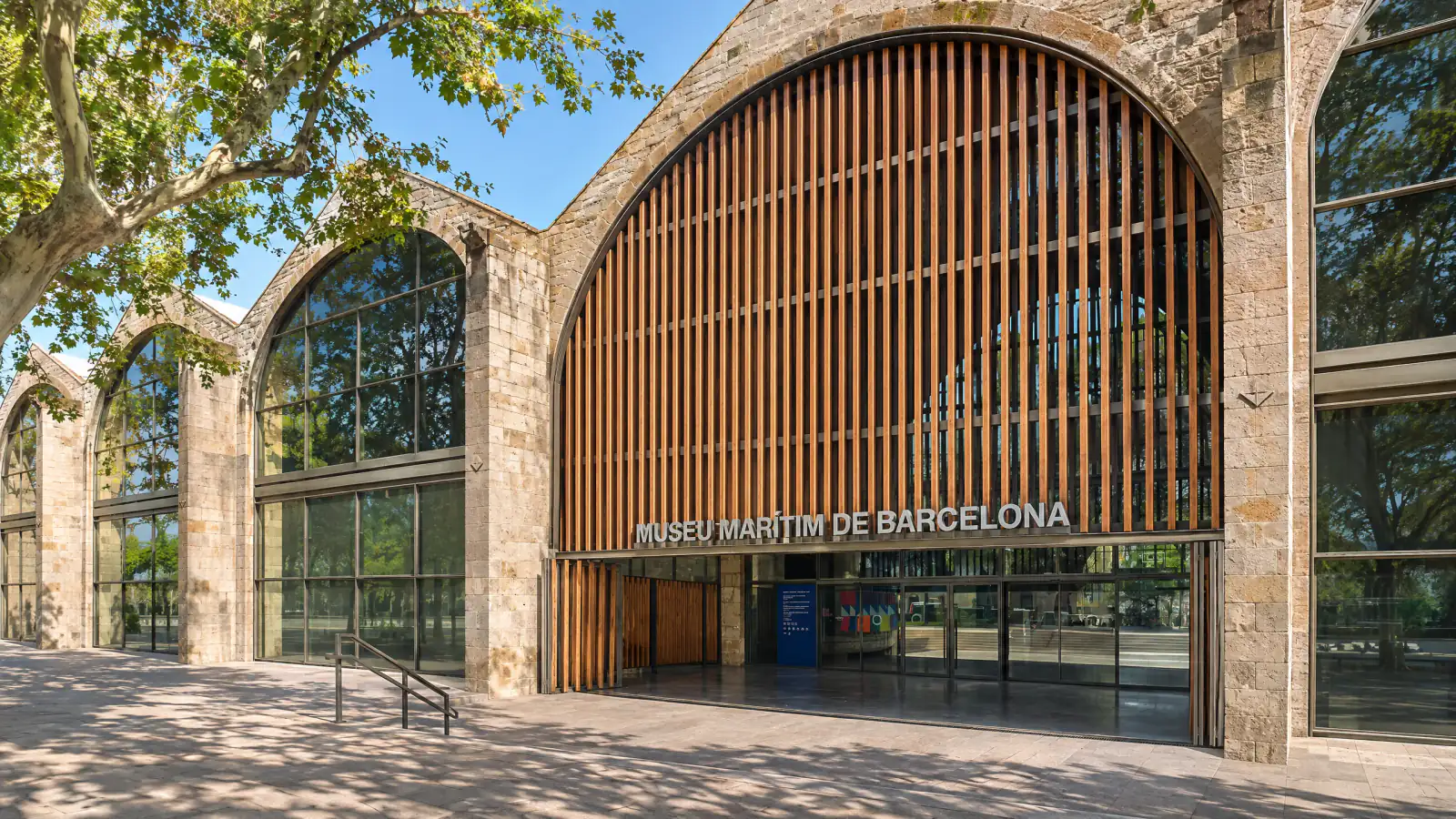
Museu Marítim de Barcelona
Explore Barcelona’s Gothic Royal Shipyards, a full-size Royal Galley replica and the surviving timbers of a medieval boat.
01 / The experience
Museu Marítim de Barcelona
The Royal Shipyards sit at the foot of La Rambla, behind a run of stone arches just off the waterfront. Inside, parallel naves and heavy roof timbers tell you what the building was made to do. The broad bays gave shipbuilders room to work under cover, and their repetition is easiest to see from the end of one aisle, where one arch sits behind the next. Barcelona began building the complex in the thirteenth century and adapted it over successive periods. A Roman mausoleum preserved in the building also puts a much older layer of the site in view.
Follow the Royal Galley from prow to stern
In Shipyards and Galleys, start with the full-size Royal Galley replica. The original was built here in 1568 and measured 60 metres. Walk the long side of the hull to get a sense of the room needed for the banks of oars, then go round to the stern for the gilded decoration. A scale model can make the deck and proportions easier to read before you look back up at the replica. The museum built the reconstruction in the twentieth century on the same site as the original, so the building and the vessel are especially useful to see together.
Les Sorres X and working boats
Les Sorres X offers another kind of encounter with a ship. The surviving pieces of this medieval boat were recovered by underwater archaeologists, who took it apart for conservation before it went on display. The low line of the remaining timbers is best seen by following the walkway beside the display in the glazed nave. This is a small working vessel compared with the Royal Galley. Nearby, the Papet fishing boat from Blanes and Madrona from Badalona give a different view of how people worked under sail along the Catalan coast.
From frigates to floating docks
Continue to Catalonia Beyond the Sea if you want more on trade and changing technology. A model of the frigate Mataró, Narcís Monturiol’s Ictíneo II model and a model of the port’s floating dock show how vessels and their infrastructure changed from sailing to industrial shipping. In Seven Vessels, Seven Stories, the same broad history comes into focus through people at sea and in port, including a ship’s cook and a longshoreman. It is a good section to choose if you have children who enjoy stories and objects more than dates.
The walls, gardens and waterfront
The shipyard garden sits beside the glazed naves, while the Jardins del Baluard occupy part of the old fortifications by Santa Madrona and open on selected dates. The museum’s historic schooner Santa Eulàlia has its own berth at Moll de Bosch i Alsina on the waterfront. Boarding is suspended until further notice, so use the main museum for the collection visit. For another building-led stop nearby, Palau Güell is a short detour back up La Rambla, where brick vaults sit beneath Gaudí’s city palace.
04 / Before you go
Plan your visit
Admission
- General admission
- €10 per adult.
- Reduced admission
- €5 per eligible visitor.
- Visitors under 17
- Free. Under-14s must be accompanied by an adult.
- Sunday afternoons
- Free from 15:00.
Opening hours
Daily 10:00–20:00 with last entry at 19:00. Closed 25–26 December and 1 and 6 January. Closes at 15:00 on 24 and 31 December.
See opening hoursGetting there
Avinguda de les Drassanes, s/n, 08001 Barcelona
Take metro L3 to Drassanes at the bottom of La Rambla. Walk towards the Columbus Monument and the Portal de la Pau, then follow the Royal Shipyards frontage to the entrance on Avinguda de les Drassanes.
The museum has step-free access from Avinguda de les Drassanes at Portal de la Pau and a second accessible approach at Portal de Santa Madrona. A lift serves Espai Mirador. Jardins del Baluard are difficult to reach with reduced mobility.
Tickets and entry
The museum’s entry ticket covers the exhibition galleries in the Royal Shipyards. You can also buy at the museum. Online tickets sold through the museum’s booking partner are nonrefundable and cannot be rescheduled.
Museum entry is free on Sundays from 15:00. The entrance-hall exhibitions and Espai Mirador are free during opening hours.
Boarding the Santa Eulàlia schooner is suspended until further notice. If it reopens, the museum gives holders of a combined museum and schooner ticket one month from purchase to use the schooner entry when it is available.
Location & nearby places
Continue exploring / Barcelona
More to explore
in Barcelona
Find another place for your itinerary, or explore all things to do in Barcelona.
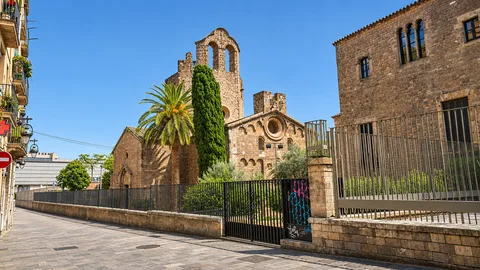 Gothic Quarter And HistorySant Pau del CampExplore experience →
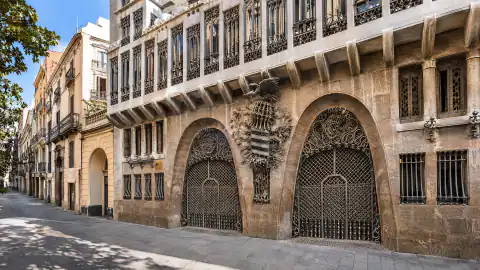 Gaudi And ModernismePalau GüellExplore experience →
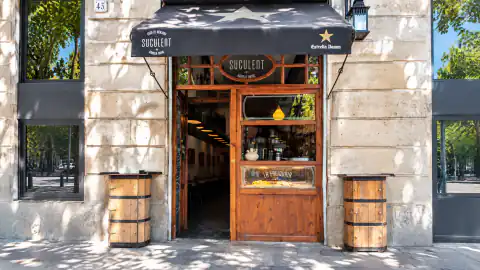 Restaurants & fine diningSuculentExplore experience →
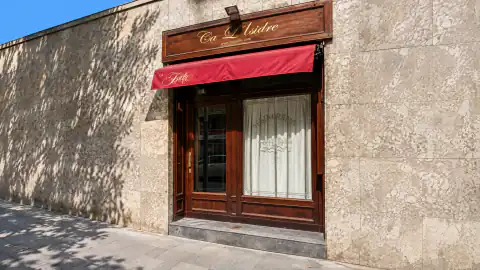 Restaurants & fine diningCa l’IsidreExplore experience →
Good to know
Museu Marítim de Barcelona: frequently asked questions
Can I board the Santa Eulàlia schooner with a Museu Marítim de Barcelona ticket?
Boarding the Santa Eulàlia schooner at Museu Marítim de Barcelona is suspended until further notice. The schooner is moored separately from the museum at Moll de Bosch i Alsina.
Is the Royal Galley at Museu Marítim de Barcelona the original ship?
The Royal Galley at Museu Marítim de Barcelona is a full-size reconstruction of the ship built at the Royal Shipyards in 1568. The replica was built at the shipyards between 1968 and 1971.
Where is the step-free entrance to Museu Marítim de Barcelona?
Enter Museu Marítim de Barcelona off Avinguda de les Drassanes at Portal de la Pau or use the accessible approach at Portal de Santa Madrona. The main building has wheelchair access and a lift to Espai Mirador.